
Unraveling the Complexities of Inca Religious Symbolism

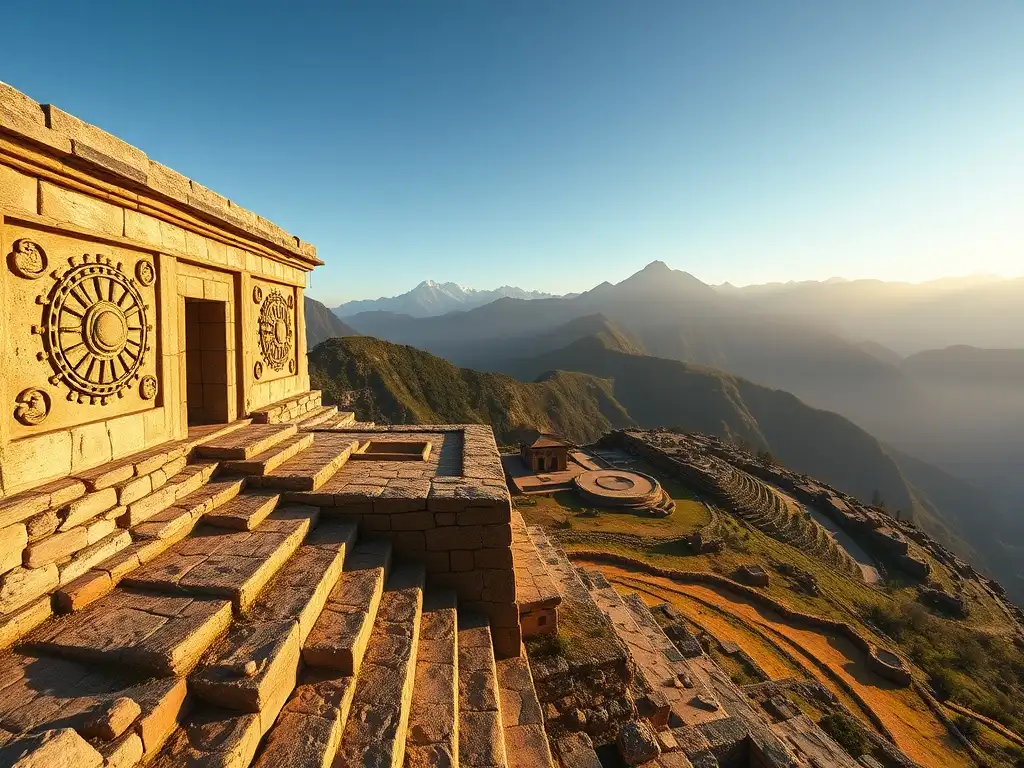
Step into a world lost to time, yet echoing with the whispers of a magnificent empire. Journey with us through the breathtaking landscapes and intricate cultures of the Andes, where the legacy of the Incas, Moche, Nazca, and Tiahuanaco still captivates the imagination. Prepare to be amazed as we delve into the profound mysteries of Inca religious symbolism—uncover the hidden meanings behind their iconic imagery and discover a civilization far richer and more complex than you ever imagined. Are you ready to unravel the secrets?
The Inca Empire, a civilization that flourished in the Andes Mountains from the 15th to the 16th century, left behind a rich tapestry of cultural expressions. Understanding their religious beliefs and practices is crucial to grasping the intricacies of their societal structure, political power, and daily life. This article delves into the fascinating world of Inca religious symbolism, exploring the meaning behind the various objects, animals, and concepts that held profound spiritual significance for this remarkable civilization.
We will examine how these symbols were interwoven into their daily routines, rituals, and monumental architecture, providing insight into the complex cosmology and worldview that shaped the Inca Empire. By unraveling the complexities of Inca religious symbolism, we gain a deeper appreciation for the ingenuity, sophistication, and spiritual depth of this ancient Andean culture. This exploration will help us understand the keyword "Inca religious symbolism meaning" in its rich and multifaceted context.
Introduction to Inca Religious Beliefs and Practices
Inca religion was deeply interwoven with their daily lives, permeating every aspect of their society. Unlike many other ancient civilizations with defined pantheons, the Inca religious system was more flexible and adaptable. Their beliefs centered around a complex interplay of deities, spirits, and ancestral veneration. The Inti, the sun god, held supreme importance, considered the creator and source of all life.
However, other deities, like Mama Killa (the moon), Illapa (thunder and lightning), and various mountain spirits ( apus), also held significant power and influence. The Inca believed in a powerful, interconnected world, where the natural world was imbued with spiritual energy. This belief system manifested in elaborate rituals, offerings, and the construction of impressive religious sites like Machu Picchu and Sacsayhuamán.
The Inca worldview wasn't static; it was dynamic, adapting to the varied landscapes and local beliefs they encountered as their empire expanded. This adaptability is reflected in the diverse range of religious symbols they employed. Understanding these practices is key to deciphering the meaning behind their symbolic representations.
The Significance of Inca Religious Symbolism Meaning
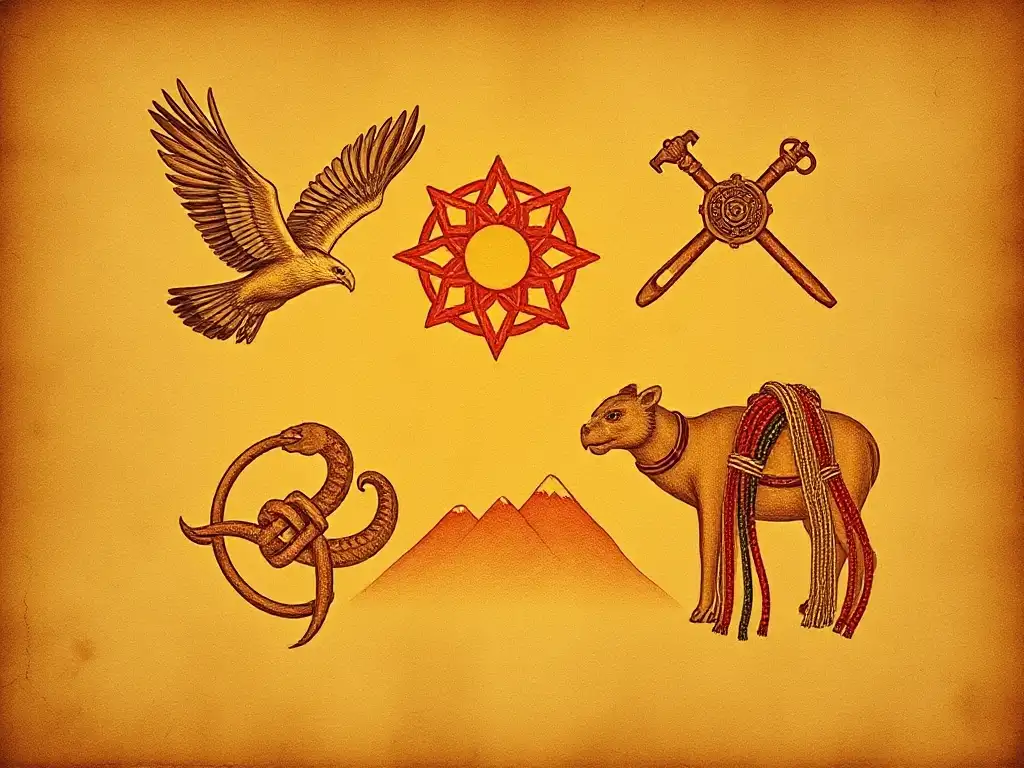
Inca religious symbolism was far from arbitrary; each symbol held specific meaning and conveyed complex layers of meaning. For example, the chakana, or Andean cross, represented the four cardinal directions, the four elements, and the connection between the earthly and spiritual realms. It symbolized balance, harmony, and the interconnectedness of the cosmos. Similarly, the condor, a powerful bird of prey, symbolized the sun and the king's power, connecting the earthly realm with the divine.
The puma, representing the earth and strength, was another potent symbol, often depicted alongside the condor to represent the duality of the Andean world. The intricate designs woven into textiles, carved into stone, and painted on pottery all contained symbolic messages, reflecting the Inca's sophisticated understanding of their world and their place within it. The meaning of these symbols often varied depending on context and location, highlighting the rich complexity of Inca religious expression.
Furthermore, the use of specific colors, such as red (associated with blood and sacrifice) and gold (symbolizing the sun's power), further enriched the symbolic language of the Inca. Careful study of these symbols reveals the deep spiritual significance they held for the Inca people and offers valuable insight into their worldview. The intricate interplay of these symbols provides a window into the rich tapestry of Inca religious beliefs and their lasting impact on Andean culture.
- Introduction to Inca Religious Beliefs and Practices
- The Significance of Inca Religious Symbolism Meaning
- What is the significance of the condor in Inca religious symbolism?
- What role did sacred mountains play in Inca religion?
- How did the Inca use knots ( quipus) in their religious practices?
- What was the importance of gold and silver in Inca religious beliefs?
- What is the meaning of the Inca cross ( Chakana)?
Core Deities and Their Symbolic Representations
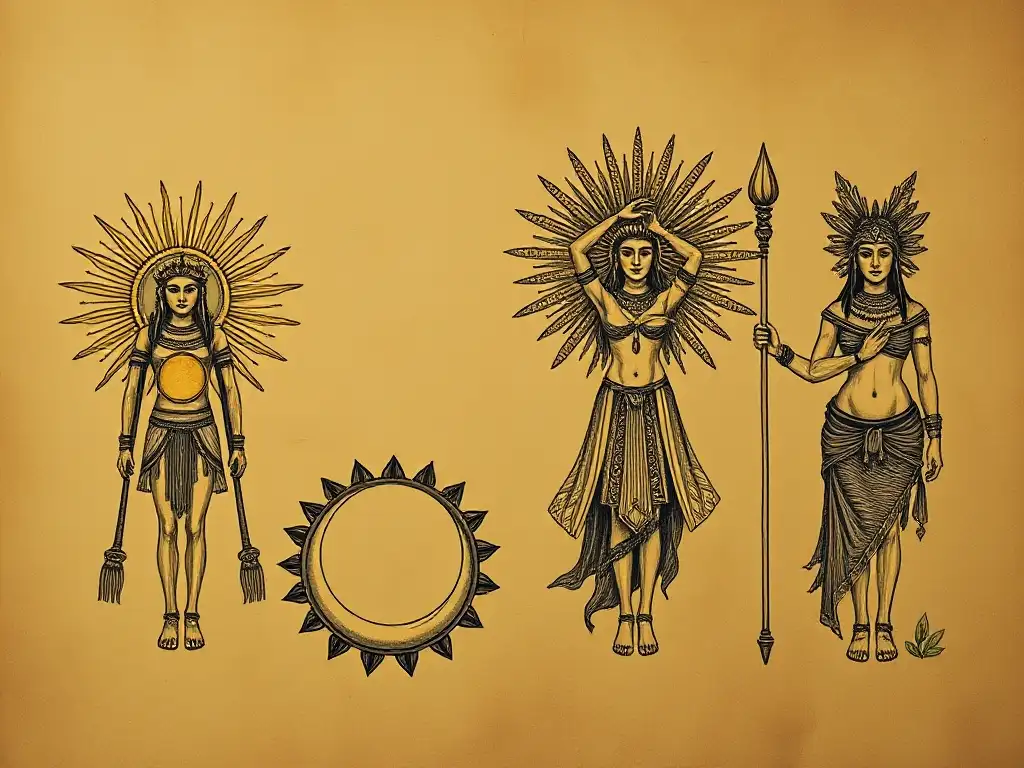
The Inca religion, a complex tapestry woven from ancestral beliefs and imperial power, relied heavily on symbolic representations to convey the power and influence of its deities. Understanding Inca religious symbolism meaning is crucial to deciphering the intricacies of their worldview. This section will explore the core deities and their most prominent symbolic manifestations, providing insight into the rich cultural landscape of the Inca Empire. The intricate interplay between these symbols and the rituals performed in their honor reveal a sophisticated and deeply spiritual society.
Inti: The Sun God and His Symbolism
Inti, the sun god, held paramount importance in Inca religious life. He was not merely a celestial body but the supreme deity, the source of life and energy, and the emperor's divine ancestor. Inca religious symbolism surrounding Inti is extensive and multifaceted. His symbol, the radiant sun disc ☀️, is frequently depicted in gold and other precious metals, reflecting his regal status and the value placed upon him. This representation often appears in textiles, ceramics, and monumental architecture, emphasizing his pervasive presence in all aspects of Inca life.
The tapu (sacred) nature of Inti is further emphasized by the intricate rituals performed in his honor. The Inti Raymi, the annual festival celebrating the winter solstice, was a grand spectacle involving human sacrifice, elaborate processions, and offerings of coca leaves and other precious goods.
These rituals served not only to appease Inti but also to reinforce the emperor's divine authority, as he acted as the intermediary between the divine and the mortal realm. The careful arrangement of agricultural terraces, often oriented towards the sun's path, also highlights the importance of Inti's life-giving energy in Inca agricultural practices.
These terracing techniques, a testament to Inca ingenuity, demonstrate a deep understanding of the sun's power and its crucial role in sustaining their civilization. The widespread veneration of Inti is clearly illustrated in the sheer volume of artifacts and architectural designs dedicated to his worship, solidifying his position as the central figure of Inca religious beliefs.
Viracocha: The Creator God and His Depictions
Viracocha, the creator god, occupies a position of significant, albeit sometimes ambiguous, importance within the Inca pantheon. Unlike Inti, Viracocha's symbolism is less readily defined by a single, universally recognized image. His depictions vary considerably across different regions and time periods, reflecting the evolving nature of Inca religious beliefs and the potential influence of pre-Inca traditions. This variability makes understanding the full spectrum of Viracocha's symbolic meaning a complex undertaking.
Some depictions portray Viracocha as a bearded, robed figure, a representation possibly influenced by contact with other cultures. In other instances, he is represented by a staff or a stylized serpent, hinting at his power over creation and the natural world. The ambiguity surrounding his iconography further suggests the depth and complexity of Inca religious thought, where symbolism could be interpreted in multiple ways and adapt to different contexts.
Unlike the readily identifiable sun disc associated with Inti, Viracocha's representation is far more fluid and open to interpretation, underscoring the multifaceted nature of Inca cosmology. Further research is needed to fully elucidate the range of Viracocha's symbolic representations and their significance within the Inca religious system. [Specific information pending: More detailed analysis of archaeological findings related to Viracocha iconography].
Mama Quilla: The Moon Goddess and Her Symbolic Meaning
Mama Quilla, the moon goddess, held a position of considerable importance in Inca religion, often depicted alongside Inti, her brother and counterpart. Her symbolism frequently relates to fertility, time, and the feminine principle. Often represented as a crescent moon 🌙, she is associated with the cyclical nature of life, death, and rebirth, reflecting the rhythms of the agricultural calendar and the ebb and flow of the tides.
Unlike Inti's overtly regal representation, Mama Quilla's symbolism often emphasizes the more subtle and nurturing aspects of the cosmos. Her association with fertility is highlighted in her role as a protector of women and children. Her influence is evident in rituals relating to childbirth, harvest cycles, and the overall well-being of the community.
The interplay between Inti and Mama Quilla's symbolic representations underscores the Inca understanding of cosmic balance and duality, where the sun's life-giving energy is complemented by the moon's cyclical and nurturing influence. The delicate balance between these celestial bodies reflects the Inca’s deep understanding and respect for the natural world. The moon's phases, meticulously observed by Inca astronomers, played a vital role in their agricultural practices and religious calendar, further underscoring the importance of Mama Quilla in their society.
Illapa: The God of Thunder, Lightning, and Rain
Illapa, the Andean god of thunder, lightning, and rain, held a position of paramount importance within the Inca pantheon. His power over the lifeblood of the Andean agricultural system – water – made him a deity of immense reverence and fear. The Inca civilization, heavily reliant on agriculture for survival, understood the capricious nature of the weather and the devastating consequences of drought or excessive rainfall.
Therefore, Illapa's favor was crucial for a successful harvest, ensuring the prosperity and stability of the empire. His influence extended beyond mere agriculture; he was also associated with fertility and virility, impacting the overall well-being of the Inca people and their livestock. Rituals dedicated to Illapa were frequent and elaborate, often involving sacrifices and offerings aimed at appeasing his powerful, sometimes unpredictable nature.
The successful outcome of these rituals was seen as a direct sign of Illapa's benevolence, signifying a bountiful harvest and continued prosperity for the Inca Empire. Failure, on the other hand, could be interpreted as a sign of his displeasure, potentially leading to widespread famine and societal unrest. Understanding the significance of Illapa within the Inca worldview provides crucial insight into their deeply ingrained relationship with the natural world and their profound dependence on its cyclical rhythms.
The symbolic representation of Illapa was multifaceted, reflecting his complex and powerful nature. He was often depicted wielding a kero, a ceremonial drinking vessel, sometimes depicted overflowing with water or lightning bolts. This imagery powerfully symbolized his control over both the life-giving rain and the destructive power of lightning.
Furthermore, Illapa's iconography frequently included representations of clouds, rainbows, and mountains, all potent symbols of the Andean landscape and the forces of nature under his dominion. These visual representations served not only as aesthetic elements but also as potent reminders of Illapa's power and the Inca's dependence on his benevolent influence. The intricate designs found on textiles, ceramics, and metalwork often included stylized depictions of Illapa, demonstrating his pervasive presence in Inca art and culture.
These artistic representations were not merely decorative; they served as powerful tools for reinforcing the Inca's religious beliefs and maintaining social order, ensuring that the people remained mindful of their dependence on the capricious but ultimately life-giving forces of nature embodied by Illapa. Analyzing these symbolic representations allows for a deeper understanding of the Inca's cosmology and their complex relationship with the divine.
The importance of Illapa is further underscored by the prominence given to him in Inca mythology. Stories and legends surrounding Illapa often depicted him engaged in dramatic conflicts with other deities or natural forces, highlighting the unpredictable nature of the weather and the precarious balance of life in the Andes.
These narratives served not only as entertaining tales but also as powerful pedagogical tools, teaching Inca citizens about the importance of respect for the natural world and the need for proper ritual observance to secure Illapa's favor. These myths and legends were passed down through generations, ensuring that the significance of Illapa remained deeply ingrained in the Inca consciousness, shaping their worldview and influencing their daily lives.
By studying these narratives, we gain a deeper appreciation for the richness and complexity of Inca religious beliefs and the profound impact of their cosmology on their society. The study of Inca religious symbolism meaning, particularly that of Illapa, reveals a sophisticated understanding of the natural world and a deep-seated reverence for the forces that shaped their lives.
Sacred Animals and Their Symbolic Roles
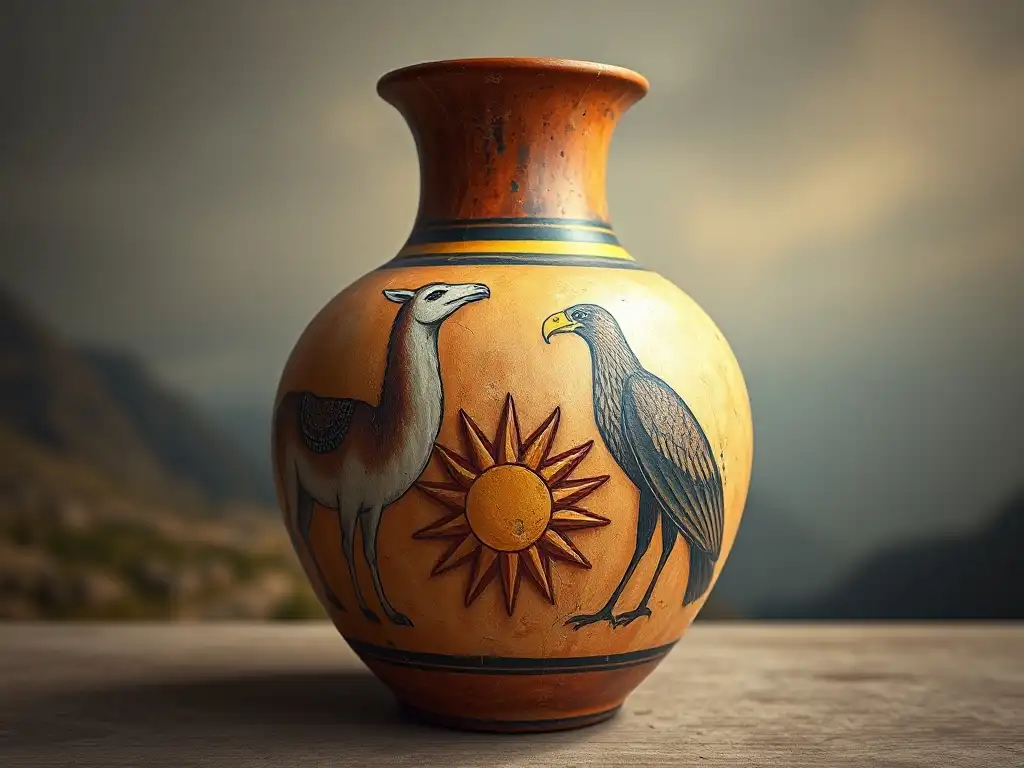
The Inca worldview was deeply intertwined with the natural world, imbuing animals with profound religious significance. These creatures weren't simply observed; they were venerated as powerful symbols reflecting cosmological beliefs and societal structures. Understanding Inca religious symbolism meaning requires delving into the specific roles attributed to these animals, each representing different aspects of the Inca cosmos. The intricate tapestry of Inca religious beliefs is richly illustrated through the symbolism embedded in their depictions of these sacred animals, often found in textiles, ceramics, and stone carvings. This section will explore some of the most prominent examples.
The Condor: A Symbol of Power and the Upper World
The condor, a majestic bird soaring high above the Andes, held a position of supreme importance in Inca religious symbolism. Its ability to fly to incredible heights directly linked it to the hanan pacha, the upper world, the realm of the sun god Inti and other celestial deities. The condor symbolized power, authority, and the connection between the earthly and heavenly realms. Inca rulers frequently associated themselves with the condor, adopting its imagery to legitimize their power and divine right to rule.
The condor's representation in Inca art frequently depicts it in dynamic poses, wings outstretched, emphasizing its aerial prowess and connection to the heavens. Examples can be found in numerous artifacts, highlighting its prominent role in royal iconography. The use of condor feathers in ceremonial headdresses and other regalia further solidified its status as a symbol of royal power and spiritual authority.
This wasn't merely superficial symbolism; it represented a deep-seated belief in the condor's spiritual potency and its ability to act as an intermediary between the human and divine realms. The condor's sharp gaze, often depicted in Inca art, also conveyed a sense of vigilance and protection, reinforcing its role as a guardian deity. The sheer size and imposing nature of the condor further enhanced its association with power and dominance within the Inca cosmological framework.
The Puma: Representing Strength and the Earthly Realm
In contrast to the condor's celestial associations, the puma represented the kay pacha, the earthly realm. This powerful feline, a formidable predator of the Andes mountains, symbolized strength, ferocity, and earthly power. Unlike the condor's connection to the sun god Inti, the puma was often associated with Pachamama, the earth mother goddess, reflecting its connection to the land and its fertility.
The puma's symbolic meaning extended beyond mere physical strength. It also represented leadership, courage, and the ability to navigate the complexities of the earthly world. Inca rulers often incorporated puma imagery into their regalia and architecture, demonstrating their connection to the earthly realm and their ability to command its resources. The puma's stealth and hunting prowess were also admired, further solidifying its association with power and strategic thinking.
Depictions of pumas in Inca art often show them in a crouched position, ready to pounce, highlighting their predatory nature and power. This symbolism reinforced the Inca belief in the importance of strength, resilience, and strategic planning within their society. Furthermore, the puma's nocturnal habits also linked it to the underworld, suggesting a deeper connection to the unseen forces of nature.
The Serpent: Associated with Wisdom and the Underworld
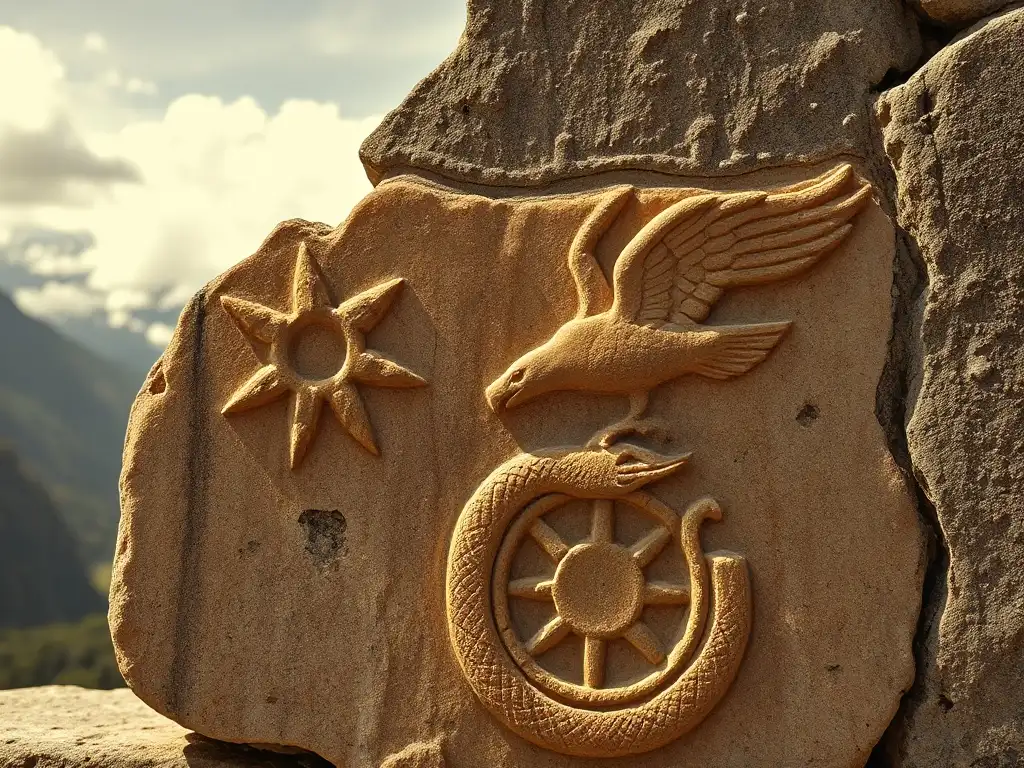
The serpent, a creature associated with the ukhu pacha, the underworld, held a complex symbolic meaning within Inca religious symbolism. Unlike the clearly defined roles of the condor and puma, the serpent's representation is more multifaceted, encompassing both positive and negative connotations.
While often associated with the underworld and its potential dangers, the serpent also represented wisdom, healing, and the cyclical nature of life and death. Its ability to shed its skin symbolized regeneration and renewal, reflecting the Inca belief in the cyclical nature of time and the continuous renewal of the earth. Certain types of serpents were also associated with specific deities or spirits, further complicating their symbolic meaning.
The detailed interpretations of serpent symbolism often depended on the specific context in which it appeared, whether in a textile design, a stone carving, or a ceremonial object. The serpent's sinuous form and ability to move through both the earth and water further enhanced its connection to the underworld and its hidden mysteries. The ambiguity surrounding the serpent's symbolism highlights the nuanced and layered nature of Inca religious beliefs, where even seemingly negative symbols could carry positive connotations depending on their specific context.
Further research is needed to fully understand the regional variations in serpent symbolism across the Inca empire. [Specific information pending: detailed analysis of regional variations in serpent symbolism].
Inca Sacred Places and Their Symbolism
The Inca Empire's religious beliefs were deeply intertwined with the natural world, manifesting in a complex system of sacred places imbued with profound symbolism. Understanding Inca religious symbolism meaning requires exploring these sites, not merely as physical locations, but as living embodiments of spiritual power. The Inca worldview, far from being separate from its environment, was inextricably linked to it, shaping their religious practices and beliefs in profound ways.
This section will delve into the significance of several key sacred spaces within the Inca cosmology. The careful placement and construction of these sites reflect a sophisticated understanding of cosmology and a deep reverence for the forces of nature.
Huacas: Understanding the Significance of Sacred Sites
Huacas represent a broad category of sacred places within Inca religious symbolism. These weren't simply "holy sites," but rather encompassed a diverse range of natural and artificial features considered to possess inherent spiritual power. This included mountains, springs, caves, rocks, and even specific trees. The Inca believed these huacas were inhabited by huacas, powerful spirits or deities that could influence human affairs. The significance of a particular huaca varied depending on its perceived power and the specific local traditions.
Some huacas were associated with specific deities, while others were seen as manifestations of broader spiritual forces. For example, a spring might be associated with the water deity, while a mountain peak could be considered the abode of an apu, a powerful mountain spirit. The Inca would make offerings and perform rituals at these sites to appease the huacas and gain their favor.
These offerings ranged from coca leaves and chicha (a fermented corn beverage) to more elaborate sacrifices, depending on the perceived importance of the huaca and the nature of the request. Archaeological evidence reveals the extensive network of huacas across the Inca Empire, emphasizing their crucial role in Inca religious life and their impact on the understanding of Inca religious symbolism meaning.
Mountains as Apu: The Reverence for Mountain Deities
The towering Andes mountains held immense spiritual significance for the Inca. They were not merely geographical features but living entities, personified as apus, powerful mountain deities. These apus were considered intermediaries between the human and divine realms, capable of both bestowing blessings and inflicting punishment. The Inca maintained a complex relationship with the apus, offering sacrifices and performing rituals to maintain their favor. The reverence for apus extended beyond mere ritual; it shaped their settlement patterns and agricultural practices. Villages were often strategically located in relation to significant apus, ensuring a close connection to these powerful entities.
The Inca also built impressive shrines and terraces on mountain slopes, further demonstrating their deep respect for the apus. These constructions were not merely practical; they served as symbolic expressions of the Inca's relationship with the mountain deities, reflecting the intricate interplay between the physical and spiritual realms.
The majestic presence of the apus, their perceived power, and the Inca's elaborate rituals all contribute to a richer understanding of the meaning behind Inca religious symbolism. The scale of this reverence is evident in the widespread presence of mountain worship throughout the Inca Empire, underscoring its centrality to their religious beliefs.
Temples and Their Symbolic Architecture
Inca temples, unlike some other ancient civilizations, were not necessarily grand, imposing structures. Instead, their significance lay in their symbolic architecture and their careful placement within the landscape. Many temples were incorporated into larger complexes, often situated near huacas or apus, reinforcing the interconnectedness of their religious beliefs. The architecture itself was laden with symbolism, with specific features and designs representing different deities or cosmological concepts.
For example, the use of specific stones, the orientation of buildings, and the intricate carvings on walls all held symbolic meaning. These details, often subtle yet powerful, demonstrate the Inca's sophisticated understanding of religious symbolism and their ability to weave it into the very fabric of their built environment. The study of Inca temple architecture provides valuable insights into their religious beliefs, cosmological concepts, and the ways in which they sought to connect the human and divine realms.
Further research into specific temple complexes is needed to fully unlock the complexities of Inca religious symbolism meaning embedded within their architectural achievements. Detailed analysis of surviving structures, combined with ethnohistorical accounts, offers a path towards a more complete comprehension of this fascinating aspect of Inca culture.
Inca Rituals and the Use of Symbolism
The Inca Empire, renowned for its sophisticated engineering and intricate social structures, possessed a deeply complex religious system interwoven with rich symbolism. Understanding Inca religious symbolism meaning requires delving into their rituals, which served as powerful mediums for communicating with the supernatural world and reinforcing their worldview. These weren't simply acts of worship; they were meticulously planned performances laden with symbolic weight, reflecting the Inca's cosmological beliefs and their relationship with the natural world.
The pervasive use of symbolism in Inca rituals underscores their profound spiritual understanding and the importance of maintaining balance and harmony within their society. Analyzing these rituals provides crucial insight into the Inca psyche and their deep connection to their environment.
Sacrifices and Their Symbolic Purpose
Sacrifices formed a crucial component of Inca religious practices, extending beyond mere appeasement of deities. They represented a complex interplay of symbolic actions aimed at maintaining ayni, the principle of reciprocity and balance within the cosmos. Human sacrifice, while undoubtedly a somber aspect, held profound symbolic meaning. Chosen individuals, often considered particularly pure or possessing specific qualities, were seen as representing the community, their sacrifice ensuring the well-being and prosperity of the entire empire. The chosen individuals often held a higher status in society, and this act was seen as a supreme offering to the gods.
The location of the sacrifice also held symbolic importance. High-altitude sites, such as mountaintops, were considered sacred spaces, closer to the celestial realm, enhancing the ritual's efficacy and symbolic power. The act of sacrificing at these locations was symbolic of bridging the gap between the earthly and divine realms.
Furthermore, the manner of sacrifice, whether through decapitation, strangulation, or other methods, also likely carried specific symbolic connotations, though the precise details often remain shrouded in mystery due to limited surviving accounts. Further research into the specific contexts of sacrifices could reveal a more nuanced understanding of their symbolic function. For example, [specific information pending] on the types of offerings accompanying human sacrifices.
Offerings and Their Symbolic Significance
Beyond human sacrifices, the Inca employed a wide array of offerings, each carrying its unique symbolic weight. These offerings encompassed agricultural products such as maize, coca leaves, and potatoes; precious metals like gold and silver; and intricately crafted textiles and ceramics. The selection of specific offerings was carefully considered, reflecting the nature of the deity or spirit being appeased and the desired outcome. For example, maize, a staple crop, represented fertility and abundance, while coca leaves, a sacred plant, facilitated communication with the spirit world.
Examples of Symbolic Offerings
- Llama offerings: Symbolized wealth and prosperity, reflecting their importance in Inca society.
- Gold and silver: Represented the sun's brilliance and the moon's luminosity, connecting the offerings to celestial bodies.
- Textiles: Intricately woven textiles, often adorned with symbolic patterns, embodied the Inca's mastery of craftsmanship and their connection to the earth's resources.
The act of offering itself held symbolic importance. Presenting gifts to the deities was understood as a way of strengthening the bond between the human and divine realms, ensuring continued favor and protection. The presentation of offerings was often accompanied by prayers and chants, further reinforcing the symbolic meaning of the act. The precise arrangement of offerings, their placement within sacred spaces, and the rituals surrounding their presentation all contributed to the overall symbolic message. The meticulous nature of these offerings underscores the importance of maintaining balance and harmony within the Inca worldview.
Ceremonies and the Expression of Religious Beliefs
Inca religious beliefs were expressed through a variety of elaborate ceremonies, each designed to address specific needs or commemorate significant events. These ceremonies, often involving large gatherings of people, served as powerful expressions of community identity and religious fervor. The Capac Raymi, the most important festival of the year, celebrated the sun god Inti and marked the winter solstice. It involved elaborate processions, sacrifices, and feasts, all symbolic of the Inca's deep reverence for the sun and their agricultural cycle.
The use of color in Inca ceremonies held significant symbolic meaning. For instance, red represented blood and sacrifice, while yellow symbolized the sun and gold. These colors were often incorporated into clothing, textiles, and other ceremonial objects, further enriching the symbolic language of their rituals. The use of music and dance also played a vital role, with specific rhythms and movements carrying symbolic meaning related to the deities and the events being celebrated. The intricate choreography and musical arrangements were not merely aesthetic; they were integral components of the symbolic communication within the ceremonies. Detailed studies of surviving accounts and archaeological evidence are crucial for uncovering further insights into the nuanced symbolism embedded within these ceremonies. For instance, [specific information pending] on the specific symbolic meanings of different musical instruments. The deeper understanding of the Inca religious symbolism meaning requires further investigation into the context of these various ceremonial practices.
Common Inca Symbols and Their Meanings
The Inca Empire, renowned for its sophisticated engineering and administrative prowess, also possessed a rich and complex religious system. Understanding Inca religious symbolism is crucial to deciphering their worldview and appreciating the depth of their cultural achievements. Their symbols weren't merely decorative; they conveyed deep spiritual meanings, often related to cosmology, agriculture, and the Inca's relationship with the natural world.
The meaning of these symbols is often debated among scholars, with interpretations varying based on context and archaeological findings. However, certain recurring motifs provide a solid foundation for understanding Inca religious beliefs. This section explores some of the most common Inca symbols and their potential interpretations, focusing on the keyword "Inca religious symbolism meaning".
Chakana (Andean Cross): Symbolism and Interpretation
The Chakana, also known as the Andean Cross, is perhaps the most recognizable symbol associated with Inca religious symbolism. Its meaning is multifaceted and deeply rooted in Inca cosmology. The four arms of the cross are often interpreted as representing the four cardinal directions, connecting the earthly realm with the heavens.
Some scholars suggest that the central square represents the sacred axis mundi, the point where the earthly and celestial planes intersect. The stepped design of the cross might symbolize the different levels of the cosmos – the Hanan Pacha (upper world), Kay Pacha (present world), and Ukhu Pacha (underworld).
The Chakana's significance is further enhanced by its association with the constellation of the Southern Cross, a prominent feature in the Andean night sky. Its appearance in Inca textiles, pottery, and stone carvings underscores its importance in their religious beliefs. The Chakana's meaning likely evolved over time, incorporating elements of various Andean cultures.
While its precise interpretation remains a subject of ongoing research, the Chakana undeniably holds a central place in Inca religious symbolism, representing a powerful connection between the earthly and spiritual realms. The enduring prevalence of the Chakana in modern Andean culture further attests to its enduring significance.
The prevalence of the Chakana in Inca iconography suggests its importance in religious rituals and ceremonies. It is believed to have been used in ceremonies related to the sun, the harvest, and the Inca's relationship with the natural world. Further research into the precise locations of Chakana carvings and their context within Inca sites could illuminate its specific roles in these rituals.
The Importance of Textiles and Their Symbolism
Textiles were not simply practical items for the Inca; they were imbued with profound religious significance. The intricate designs woven into Inca textiles, particularly those used in ceremonial contexts, served as powerful carriers of religious symbolism. These designs, often incorporating geometric patterns, zoomorphic motifs (animal representations), and depictions of deities, communicated complex religious narratives and beliefs.
The colors used in Inca textiles also held symbolic meaning. For example, red might have represented blood, sacrifice, and the sun, while yellow could have symbolized gold, royalty, and power. The meticulous craftsmanship evident in Inca textiles reflects the high value placed upon these objects and their symbolic importance within Inca society.
Detailed analysis of textile patterns can reveal insights into Inca mythology, cosmology, and religious practices. The meticulous weaving techniques and the use of rare dyes further underscore the sacred nature of these textile artifacts. Analyzing the distribution and context of these textiles within archaeological sites can help us understand their specific roles in various religious ceremonies.
Geometric Patterns and Their Religious Significance
Geometric patterns frequently appear in Inca art and architecture, including textiles, pottery, and stone carvings. These patterns, far from being mere decorations, often carried significant religious meaning, reflecting the Inca's deep understanding of cosmology and their relationship with the natural world. Simple shapes such as triangles, squares, and zigzags could represent mountains, fields, and celestial bodies. More complex patterns could encode intricate narratives, perhaps relating to creation myths or significant events in Inca history.
The use of geometric patterns in Inca religious symbolism is linked to the Inca's sophisticated understanding of mathematics and astronomy. The precise measurements and alignments found in Inca structures suggest a deep appreciation for geometric principles. The Inca's ability to integrate these principles into their religious symbolism highlights their advanced knowledge and their capacity to express complex ideas through abstract forms.
Further research, potentially using digital tools to analyze the patterns, could reveal hidden meanings and connections between different geometric motifs. The study of geometric patterns in Inca religious symbolism offers a unique window into the Inca worldview and their understanding of the cosmos. The precise meanings of many of these patterns are still subject to ongoing scholarly debate, highlighting the complexity and richness of Inca religious thought.
The Interpretation of Inca Religious Art
The Inca Empire, renowned for its sophisticated engineering and administrative prowess, also possessed a rich and complex religious system deeply interwoven with its art. Understanding Inca religious symbolism meaning requires careful examination of their artistic expressions, which served not merely as aesthetic creations but as powerful tools for communicating religious beliefs, narrating myths, and reinforcing social hierarchies. The Inca worldview, heavily reliant on nature worship and ancestor veneration, is profoundly reflected in their artistic output, particularly in ceramics, metalwork, and stone carvings.
Analyzing these art forms offers invaluable insights into the intricacies of Inca religious practices and beliefs. This exploration will delve into the symbolic language embedded within these mediums, revealing the nuances of Inca spirituality.
Ceramics and Their Symbolic Depictions
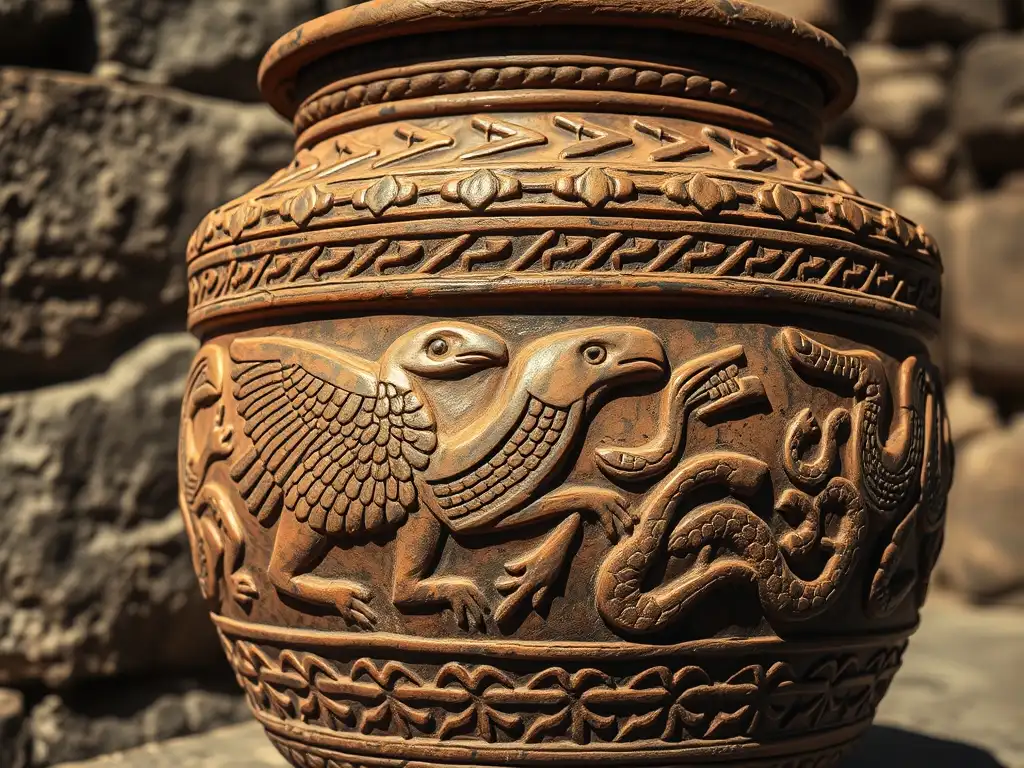
Inca ceramics, often overlooked in favor of more visually striking artifacts, provide a crucial window into their religious beliefs. The seemingly simple designs on everyday pottery frequently incorporate symbolic motifs reflecting cosmological concepts and religious narratives. For example, the recurring depiction of the khipu (a system of knotted strings used for record-keeping) on ceramic vessels suggests its importance not only as a practical tool but also as a sacred object connected to the realm of the supernatural.
Furthermore, the prevalence of zoomorphic and anthropomorphic figures on Inca pottery reveals a complex interplay between the human and animal worlds. Condor imagery, for instance, frequently represents power, strength, and the connection to the upper world (the hanan pacha), while snakes symbolize the underworld ( ukhu pacha) and the life-giving waters. The precise meaning of these depictions often varies depending on the context – the specific combination of motifs, the style of the vessel, and the location of its discovery. Detailed analysis of these contextual factors is crucial for accurate interpretation.
Detailed studies of Inca ceramic styles across different regions and time periods also reveal regional variations in religious symbolism. For example, pottery from the coastal regions might showcase motifs related to marine life and fertility, while those from the highlands might emphasize agricultural themes and mountain deities. This regional diversity underscores the localized nature of Inca religious practices, even within the vast empire.
Metalwork and its Religious Symbolism
Inca metalwork, particularly in gold and silver, stands out for its exquisite craftsmanship and symbolic richness. Gold, associated with the sun god Inti, was considered a sacred metal, and objects crafted from it often served ritualistic purposes. The intricate designs on gold and silver ornaments, often featuring anthropomorphic and zoomorphic figures, were not merely decorative; they were carefully crafted to convey specific religious meanings.
For instance, representations of the sun, moon, and stars frequently appear on gold and silver artifacts, emphasizing the Inca's profound reverence for celestial bodies. These celestial motifs were not simply representations of the cosmos; they were powerful symbols that embodied the Inca's cosmology and their understanding of the interconnectedness of the earthly and heavenly realms. The use of specific alloys and techniques in metalworking also held symbolic significance, further enriching the religious meaning embedded in these artifacts. [Specific examples of alloy significance pending].
The creation of tumi (ceremonial knives) from gold and other precious metals exemplifies the intersection of religious symbolism and ritual practice. These ceremonial objects, often adorned with intricate designs, were likely used in ceremonies and sacrifices, serving as powerful conduits between the human and divine realms. The act of crafting these objects was itself a sacred ritual, imbued with religious significance.
Stone Carvings and their Religious Significance
Inca stone carvings, particularly those found in monumental architecture like Machu Picchu and Sacsayhuamán, represent another significant avenue for understanding Inca religious symbolism. The precision and scale of these stone structures, often incorporating intricate carvings and astronomical alignments, suggest a deep understanding of both architectural and cosmological principles.
The prevalence of animal and human figures carved into stone, often integrated into architectural designs, reflects the importance of these motifs in Inca religious thought. For instance, puma and condor representations, frequently incorporated into stone structures, likely served as protectors or guardians of sacred spaces. Similarly, the intricate carvings found on Intihuatana stones, used for astronomical observations, suggest a deep connection between religious practices, astronomy, and the natural world.
The precise meaning of many stone carvings remains debated amongst scholars, highlighting the ongoing need for further research and interpretation. However, it's clear that these carvings were not simply decorative elements but integral components of a complex religious system. The careful placement and orientation of these stones, often aligned with astronomical events, further reinforces their religious significance and the Inca's deep understanding of the cosmos. The meticulous craftsmanship involved in their creation underscores the sacred nature of these objects and the importance of religion in Inca society.
The Legacy of Inca Religious Symbolism
The Inca Empire, despite its relatively short reign compared to other ancient civilizations, left an indelible mark on the religious landscape of the Andes. Inca religious symbolism, far from being a relic of the past, continues to resonate in modern Andean culture and profoundly influences contemporary beliefs and practices. Understanding this legacy requires examining not only the surviving artifacts but also the enduring power of the Inca worldview, which permeated every aspect of life, from agriculture to warfare.
The intricate web of meaning woven into Inca iconography provides a fascinating glimpse into their cosmology and social structure. This section will delve into the enduring influence of Inca religious symbolism, exploring its preservation, study, and continued relevance.
Influence on Modern Andean Culture
The vibrant tapestry of Andean culture today is intricately interwoven with threads of Inca religious symbolism. Many symbols, deities, and rituals have survived the Spanish conquest and subsequent periods of upheaval, often subtly integrated into contemporary Andean life. For instance, the chakana, the Inca cross, remains a potent symbol of Andean identity, often appearing in contemporary art, textiles, and even political movements. Its four-quadrant structure is frequently interpreted as representing the four cardinal directions, the four elements, or the four levels of the Andean cosmos.
Similarly, the veneration of Apus (mountain spirits) persists in many communities, echoing the Inca's deep reverence for the natural world and its sacred power. This continuity demonstrates the remarkable resilience of Inca religious beliefs and their capacity to adapt and evolve over centuries. The enduring presence of such symbolism highlights the importance of Inca religious practices in shaping the cultural identity of modern Andean communities. Furthermore, the use of traditional Andean textiles, often featuring intricate designs derived from Inca iconography, showcases a direct link to the past.
These designs are not merely decorative; they carry profound meaning and often relate to specific deities, events, or cosmological concepts. This ongoing legacy demonstrates the enduring power of Inca religious symbolism and its continued relevance in contemporary Andean society. [Specific examples of modern uses of Inca symbolism in different Andean communities pending].
Preservation and Study of Inca Religious Artifacts
The preservation and study of Inca religious artifacts are crucial for understanding the complexities of their religious symbolism. Archaeological excavations continue to unearth remarkable pieces, providing valuable insights into Inca religious practices and beliefs. These artifacts, ranging from intricately carved stones and gold ornaments to monumental structures like Machu Picchu, offer tangible evidence of the Inca's sophisticated religious system. However, the interpretation of these artifacts requires careful consideration, as their meanings are often multifaceted and context-dependent.
Scholars employ various methodologies, including iconographic analysis, ethnographic studies, and comparative analyses with other Andean cultures, to decipher the complex layers of meaning embedded within these objects. The painstaking work of archaeologists and anthropologists is essential in preserving these fragile relics and ensuring that future generations can access and learn from them. For example, the analysis of ceramic vessels often reveals depictions of deities, mythical creatures, and ritual scenes, offering valuable clues into Inca mythology and religious rituals.
Similarly, the study of textiles reveals intricate patterns and symbols that encode complex cosmological and social information. The meticulous cataloging and preservation of these artifacts are paramount to ensure the continued study and understanding of Inca religious symbolism. The challenges in this field include the preservation of fragile materials, the ethical considerations of handling culturally significant objects, and the need for interdisciplinary collaboration to ensure accurate interpretations.
Understanding the Enduring Power of Inca Religious Beliefs
The enduring power of Inca religious beliefs lies in their profound connection to the Andean landscape and their ability to address fundamental human concerns. The Inca worldview emphasized a harmonious relationship between humanity and nature, with deities residing in mountains, rivers, and other natural features. This deep connection to the environment fostered a sense of reverence for the natural world and promoted sustainable practices. Furthermore, Inca religious beliefs provided a framework for understanding the cosmos, life, and death, offering comfort and meaning in the face of uncertainty.
The Inca emphasis on reciprocity, ayni, promoted social cohesion and mutual support within the community. This system of reciprocal exchange, both material and spiritual, was central to their social structure and religious practices. The sophisticated astronomical knowledge of the Inca, reflected in their impressive calendar system and monumental architecture, further underscores the depth and complexity of their religious worldview.
Their understanding of celestial cycles influenced agricultural practices and religious rituals, highlighting the importance of a harmonious relationship between humanity and the cosmos. The persistence of certain Inca religious beliefs and practices in modern Andean culture testifies to their enduring relevance and their ability to provide a sense of continuity and identity across generations. The study of Inca religious beliefs, therefore, offers valuable insights into human spirituality and the enduring power of religious systems to shape societies and cultures.
Frequently Asked Questions
What is the significance of the condor in Inca religious symbolism?
The condor, a powerful bird of prey, represented strength, power, and the connection between the earthly and spiritual realms. It was often associated with the sun god, Inti.
What role did sacred mountains play in Inca religion?
Sacred mountains, or apus, were considered divine entities, holding spiritual power and acting as intermediaries between the gods and the people. They were vital to Inca cosmology.
How did the Inca use knots ( quipus) in their religious practices?
While quipus primarily served as a recording system, they likely also held religious significance, possibly used in rituals or to communicate with the gods through encoded messages. Their exact religious function remains debated.
What was the importance of gold and silver in Inca religious beliefs?
Gold and silver were sacred metals, representing the sun (gold) and the moon (silver). These metals were used in religious objects and ceremonies to honor the deities and reinforce their power.
What is the meaning of the Inca cross ( Chakana)?
The Chakana, or Inca cross, symbolizes the four directions, the three levels of the cosmos (upper, middle, and underworld), and the path to enlightenment. It represents balance and harmony within the cosmos.
Final Reflection: Echoes of the Andes: A Legacy of Inca Symbolism
The intricate tapestry of Inca religious symbolism, far from being a relic of a bygone era, continues to resonate deeply within contemporary Andean cultures and offers invaluable insights into the human experience of spirituality and power. Understanding these symbols is not merely an academic exercise; it's a key to unlocking a profound understanding of a civilization that shaped the landscape and the soul of South America.
The enduring influence of Inca religious symbolism is palpable, woven into the fabric of Andean life through art, rituals, and even everyday objects. The sun, the moon, the stars – these celestial bodies, imbued with deep spiritual significance by the Inca, still hold a powerful place in the hearts and minds of many Andean communities. Their reverence for nature, expressed through intricate iconography, serves as a powerful reminder of our own interconnectedness with the natural world. The mountains are our ancestors, the rivers our veins, and the earth our mother.
This sentiment, though perhaps not directly from Inca texts, encapsulates the enduring spiritual connection to the land that their symbolism reflects.
Consider the profound implications of this legacy. What can you learn from the Inca's sophisticated understanding of the cosmos and their deep respect for the interconnectedness of all things? How can we, in our modern world, rediscover a sense of reverence for nature and a deeper appreciation for the spiritual dimensions of life? Let the echoes of the Andes inspire you to explore your own spiritual landscape, to seek meaning in the world around you, and to find your own connection to the enduring power of symbolism.
Embrace the Spiritual Legacy of the Incas!
Thank you for exploring the rich world of Inca religious symbolism with us! We hope you found the experience inspiring and gained a deeper understanding of how these ancient beliefs continue to influence modern cultures. Let's delve even further!
Here are a few meaningful ways to deepen your connection with this fascinating topic:
- Explore Inca Mythology: Choose an Inca deity that particularly interests you and consider how their attributes remain relevant in contemporary society. For example, the sun god Inti's association with power and vitality still resonates in discussions of leadership and personal strength.
- Share Your Discoveries: Discuss your findings with friends, family, or online communities. Sharing this rich spiritual narrative enriches our collective understanding.
- Visit a Museum or Cultural Center: Seeing Inca artifacts and exhibits firsthand provides a powerful and tangible connection to these ancient beliefs. The visual experience greatly enhances understanding.
What aspect of Inca religious symbolism has most captivated you, and how do you see its influence reflected in modern cultures? We'd love to hear your thoughts!