
Viracocha, the Creator God: Unmasking the Enigmatic Origin of Inca Cosmology

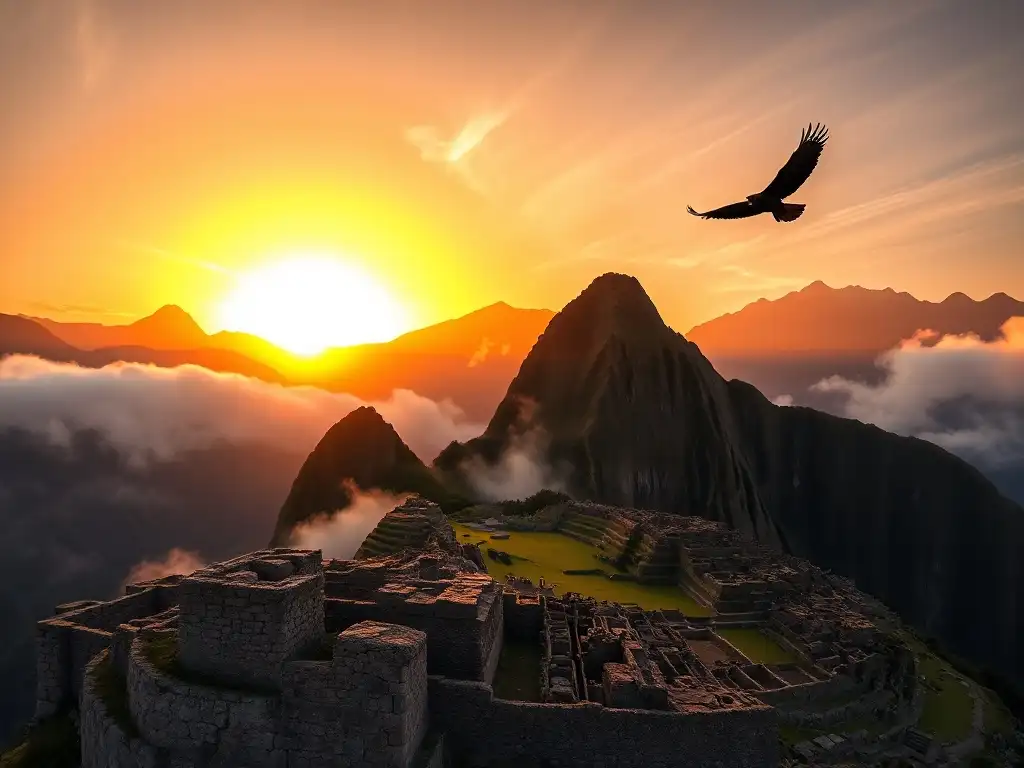
Step into a world lost to time, yet echoing with the whispers of gods and empires. Andean Civilizations unveils the captivating tapestry of ancient Andean cultures, their breathtaking artistry, and innovative technologies. But what truly shaped their worldview? Prepare to delve into the enigmatic heart of Inca cosmology with our exploration of the Viracocha Inca creation myth, a story that unlocks the secrets behind the rise of one of history's most fascinating civilizations. Dare to uncover the mysteries that lie within…
The Inca Empire, a civilization that flourished in the Andes Mountains for centuries, left behind a rich tapestry of cultural and religious practices. Central to their worldview was Viracocha, a powerful and enigmatic creator god whose origins and attributes remain a subject of ongoing scholarly debate. This article delves into the intricacies of the Viracocha Inca creation myth, exploring its various interpretations and the profound impact it had on Inca cosmology, religious rituals, and social structures.
Understanding Viracocha is key to understanding the heart of Inca belief, a system deeply intertwined with the natural world and the empire's imperial ambitions. We will examine the different narratives surrounding Viracocha's creation, his role in shaping the landscape and humanity, and the lasting legacy of this powerful deity in Andean culture. Prepare to journey into the fascinating world of Inca mythology and uncover the secrets of Viracocha, the enigmatic creator god.
Viracocha: Multiple Origins, One Powerful Deity
The narratives surrounding Viracocha's birth are surprisingly diverse, reflecting the complex and evolving nature of Inca religious beliefs. Some accounts depict Viracocha emerging from Lake Titicaca, the legendary birthplace of the Inca civilization. Other versions portray him as emerging from a cave, a symbol of the mysterious and hidden origins of creation.
These varying accounts highlight the fluidity of Inca mythology, where oral traditions and local variations contributed to a rich tapestry of beliefs rather than a single, monolithic narrative. The lack of a unified written language also contributed to the diverse interpretations of Viracocha's origin story, with different communities potentially having their own versions of the myth. This fluidity, however, does not diminish Viracocha's central role as the supreme creator god.
His power and influence permeated all aspects of Inca life, from agricultural practices to imperial expansion. The multiple origins, rather than contradicting his importance, emphasize his omnipresence and the depth of his influence across the vast Inca empire.
Viracocha's Creative Acts: Shaping the World and Humanity
Viracocha's creative power is central to the Inca creation myth. He is credited with creating the sun, the moon, the stars, and the earth itself. Many accounts describe him fashioning the first humans from stone or clay, imbuing them with life and intelligence. He is also depicted as establishing the social order, assigning roles and responsibilities to different groups within society.
This creative act extended beyond the physical world; Viracocha also established the fundamental principles of Inca religion and morality, shaping the cultural values and beliefs that guided Inca life. These actions solidify Viracocha's position not only as a creator but also as a powerful lawgiver and moral authority, a figure whose influence extended far beyond the simple act of creation. The meticulous detail given to his creative acts in various accounts emphasizes the profound significance of his role in the Inca worldview.
Viracocha and the Inca Empire: A Divine Mandate for Conquest?
The Inca's belief in Viracocha provided a powerful justification for their imperial expansion. The emperor, considered a descendant of the sun god Inti (often linked to Viracocha), claimed a divine right to rule, asserting that their conquests were divinely ordained. This divine mandate fueled the Inca's ambitious military campaigns, allowing them to unite a vast and diverse territory under their rule.
The image of Viracocha, often portrayed with regal attire and symbols of power, reinforced this connection between the emperor and the divine, legitimizing the Inca's authority and strengthening their control over the conquered populations. This intertwining of religious belief and imperial ambition highlights the profound influence of Viracocha on the political and social structures of the Inca Empire. The empire's success can be partially attributed to the powerful unifying force of this shared belief in a divine creator and the emperor's divinely ordained authority.
The Enduring Legacy of Viracocha: A God Still Revered
Even after the Spanish conquest and the subsequent decline of the Inca Empire, Viracocha's legacy persists in Andean culture. Elements of the Viracocha myth continue to be incorporated into modern Andean religious practices and folklore. While the specifics may have evolved over time, the fundamental aspects of Viracocha's role as a creator god and a powerful force in the natural world remain relevant.
His enduring presence in Andean culture speaks to the profound impact he had on the Inca worldview and the lasting influence of Inca mythology on the region's cultural identity. The continued reverence for Viracocha serves as a testament to the enduring power of ancient Andean beliefs and their integration into contemporary Andean life. The continued presence of Viracocha in Andean culture highlights the resilience and adaptability of indigenous belief systems in the face of immense historical change.
- Viracocha: Multiple Origins, One Powerful Deity
- Viracocha's Creative Acts: Shaping the World and Humanity
- Viracocha and the Inca Empire: A Divine Mandate for Conquest?
- The Enduring Legacy of Viracocha: A God Still Revered
The Enigmatic Figure of Viracocha in Inca Mythology
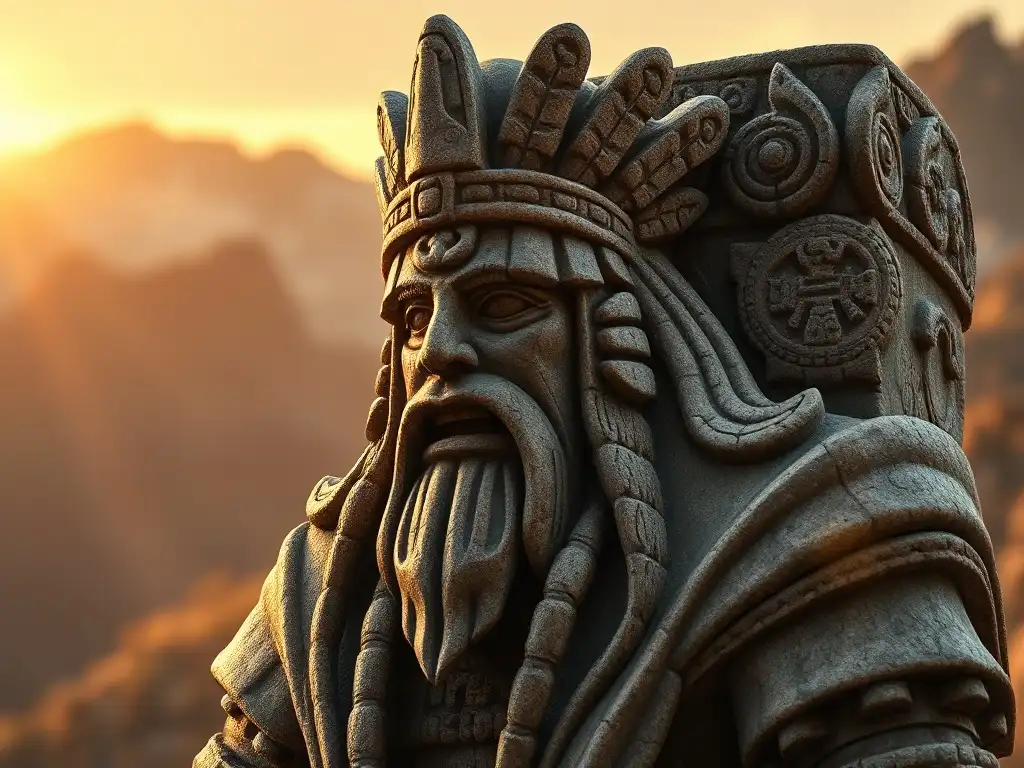
This section delves into the multifaceted nature of Viracocha, the central figure in Inca cosmology, and explores his significance within the Inca creation myth. Understanding Viracocha is key to understanding the Inca worldview, their societal structure, and their intricate religious practices. The Viracocha Inca creation myth is not a singular, uniformly told story, but rather a collection of narratives that evolved and varied across different Inca regions and time periods. This complexity adds to the enigma surrounding this powerful deity.
Who was Viracocha? Exploring the Inca Creator Deity
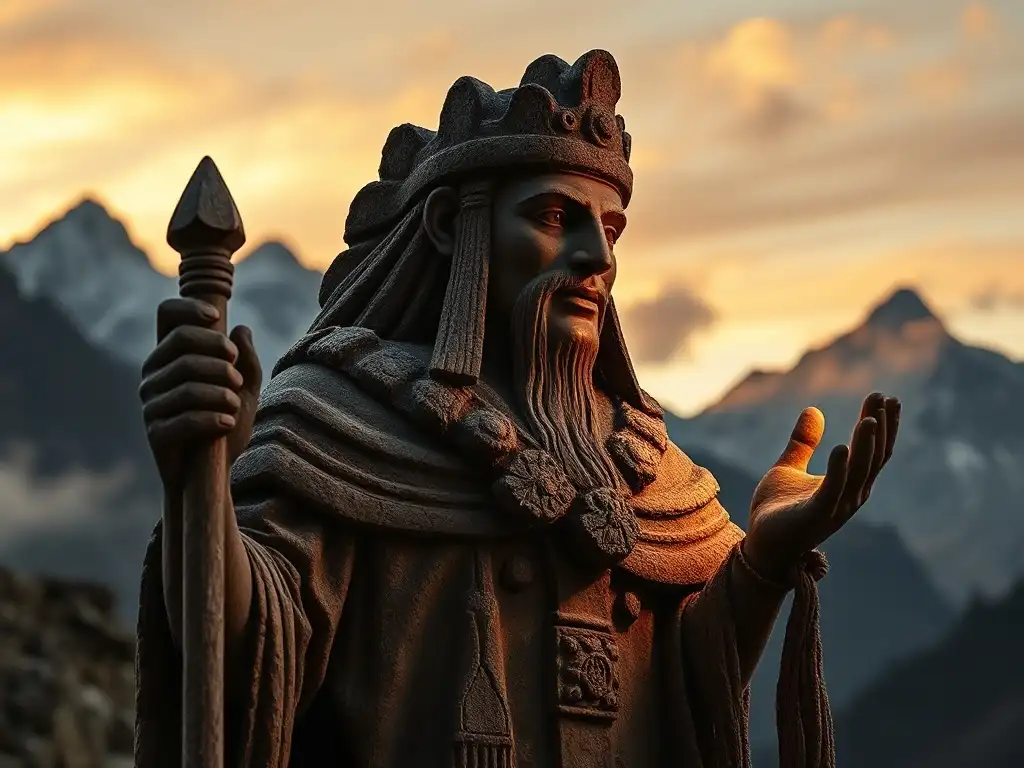
Viracocha, often depicted as a bearded, robed figure, is far from a simple creator god. He's a multifaceted deity embodying creation, destruction, and regeneration. Descriptions vary, but generally, he's portrayed as a powerful being who emerged from Lake Titicaca, or perhaps from a cave, bringing forth the world and its inhabitants. Some accounts depict him as a teacher, imparting knowledge and civilization to early humans.
He's associated with water, the sun, and the stars, reflecting the importance of these elements in Inca life and agriculture. The Inca revered Viracocha as the ultimate source of authority, shaping their social hierarchy and justifying the Inca emperor's divine right to rule. His power was absolute, encompassing both the tangible world and the spiritual realm.
Different Inca groups held slightly varied beliefs about Viracocha's attributes and actions. Some emphasized his role as a benevolent creator, while others highlighted his power to both create and destroy, reflecting the cyclical nature of life and the Andean landscape, prone to earthquakes and floods. This complex representation, far from being contradictory, underscores the depth and nuance of Inca religious thought.
The variability in the descriptions of Viracocha highlights the rich tapestry of Inca beliefs and the fluidity of their mythological traditions, rather than a lack of coherence. The lack of a single, definitive written account of Viracocha’s myth only adds to the mystery. Archaeological findings, such as depictions on pottery and textiles, offer glimpses into the visual representations of Viracocha, further enriching our understanding of this enigmatic deity.
Viracocha's Role in the Inca Creation Narrative
The Viracocha Inca creation myth typically begins with Viracocha's emergence from the primordial darkness or from the depths of Lake Titicaca. From this point, he initiates creation. He brings forth the sun, moon, and stars, shaping the mountains and valleys of the Andes. Accounts differ on how he populated the world. Some narratives describe him creating humans directly, while others suggest he transformed existing beings or instructed them in the ways of civilization. He is often credited with establishing the Inca's social order, providing them with laws, agriculture, and the knowledge necessary for a thriving society.
Viracocha, with his boundless power, shaped the very fabric of existence, creating not only the physical world but also the social and political structures that governed Inca society.
This act of creation wasn't a singular event but a continuous process. Viracocha's power extended beyond the initial creation; he continued to intervene in the world, sometimes punishing those who disobeyed his will and rewarding those who followed his teachings. The cyclical nature of Inca cosmology is reflected in the narrative; destruction and renewal are intertwined aspects of Viracocha's power, mirroring the natural cycles of the Andean environment.
The story of Viracocha's creation isn't just a myth; it's a powerful explanation of the Inca's origin, their place in the world, and the divine authority that legitimized their empire. It serves as a foundation for their understanding of the cosmos and their relationship with the natural world.
The enduring legacy of Viracocha in Inca culture testifies to the profound impact of this creator god on Inca society and its enduring fascination for modern scholars. Further research, including the analysis of newly discovered artifacts and a deeper understanding of Quechua language and oral traditions, will undoubtedly continue to refine our comprehension of the Viracocha Inca creation myth.
The Inca Creation Myth: A Detailed Look
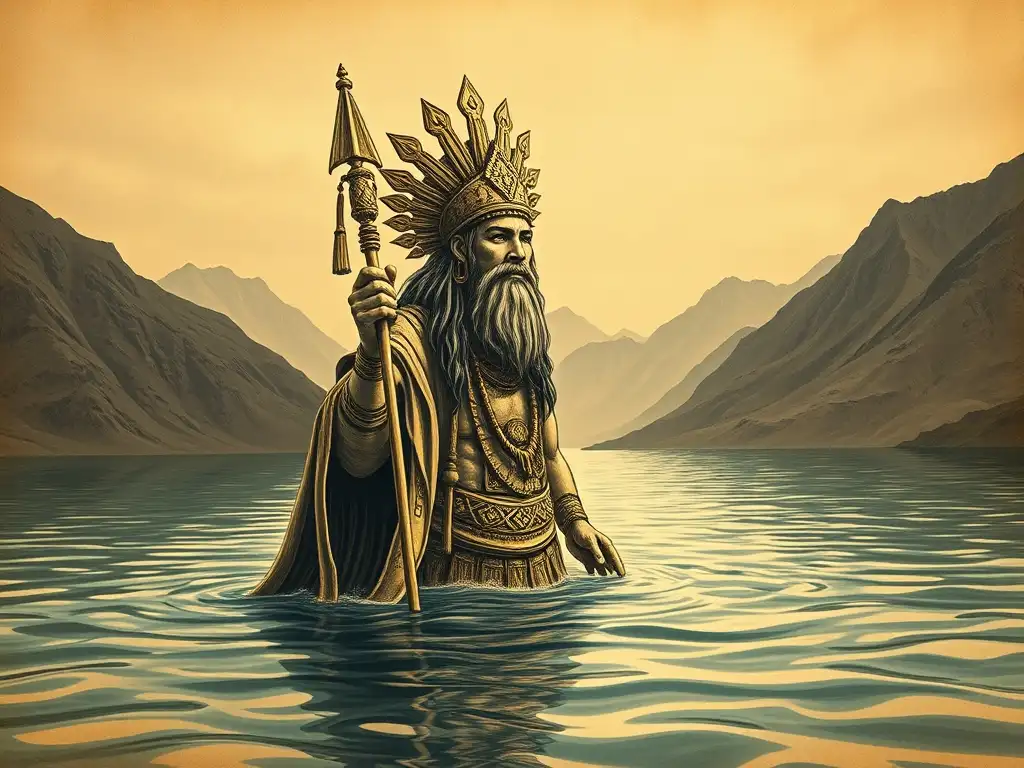
This section delves into the specifics of the Inca creation myth, focusing on the role of Viracocha, the principal creator god in Inca cosmology. Understanding this myth is crucial to grasping the complexities of Inca religion and their worldview. The narrative, passed down through generations via oral tradition, offers a fascinating glimpse into the Inca understanding of origins and their relationship with the cosmos.
Variations exist depending on the specific community and time period, but the core elements remain consistent, highlighting Viracocha's central role. The myth provides a framework for understanding Inca rituals, social structures, and their deep connection to the Andean landscape. This detailed exploration of the "Viracocha Inca creation myth" will illuminate the profound impact this mythology had on Inca society.
The Genesis of the World According to Inca Legends
In the beginning, according to Inca legend, there was only a dark, formless void. This primordial state, often described as pachamama (Mother Earth) in its nascent form, was devoid of life and light. From this chaotic void, Viracocha emerged.
Descriptions of Viracocha vary; sometimes he is depicted as a single entity, other times as a duality, representing both male and female creative forces. Regardless of the specific portrayal, the emergence of Viracocha from nothingness signifies the initial act of creation. He brought order to the formless void, establishing the foundations of the cosmos.
This act of creation was not a violent upheaval but rather a deliberate and methodical process, reflecting the Inca emphasis on balance and harmony. The emergence of Viracocha from the void is often depicted as a gradual unfolding, a slow and deliberate manifestation of order from chaos, mirroring the cyclical nature of life and death so central to Inca beliefs. The initial act of creation is thus not a singular event but a continuous process, ever-evolving and adapting.
The Inca creation story emphasizes a gradual unfolding of creation, not a sudden, explosive event. Viracocha didn't merely create; he shaped and refined. This emphasizes the Inca worldview which valued meticulous craftsmanship and the continuous improvement of existing structures and systems. The initial state of the world, therefore, wasn't simply annihilated; it was transformed, refined, and ultimately elevated into a vibrant and ordered cosmos.
Viracocha's Creation of the Sun, Moon, and Stars
Following the initial creation of the world, Viracocha undertook the task of illuminating the cosmos. From his own being, or perhaps from the very essence of the void itself, he created the Sun, Moon, and Stars. These celestial bodies were not simply placed in the sky but were imbued with divine energy and purpose. The Sun, Inti, became the source of life and warmth, representing the vital energy that sustains all living things.
The Moon, Killa, represented the cyclical nature of time and the feminine principle, reflecting the ebb and flow of life and the rhythms of nature. The stars, sayri, were seen as guides, providing navigation and a sense of order in the vast expanse of the night sky. Their precise placement and movements were meticulously observed by Inca priests, who used their positions to predict agricultural cycles and significant events.
The creation of the Sun, Moon, and stars wasn't a single act but a process of careful arrangement and imbuing them with spiritual power. This act underscores the Inca belief in the interconnectedness of all things; the celestial bodies were not separate entities but integral parts of a larger cosmic order, directly influencing life on Earth. The detailed observations and meticulous record-keeping of celestial movements demonstrate the significance of this creation act in Inca daily life and religious practices.
The Emergence of Humanity: Viracocha's Divine Act
The final act in Viracocha's creation narrative is the emergence of humanity. According to the myths, Viracocha created humans from stone or perhaps from the earth itself. These initial humans were imperfect, lacking the knowledge and skills necessary to thrive.
In some versions of the myth, Viracocha then destroyed these initial creations, perhaps due to their imperfections or disobedience, and created a new generation of humans, imbued with greater wisdom and understanding. This act of destruction and recreation emphasizes the cyclical nature of creation and the potential for both failure and renewal inherent in the Inca worldview. The creation of humans, therefore, is not a static event but a dynamic process reflecting the ongoing evolution of society and the continuous striving for improvement.
The creation of humanity in the Inca creation myth is not a singular event but a continuous process of refinement and renewal. This resonates with the Inca emphasis on adaptation and resilience in the face of challenges. The story highlights the importance of learning from past mistakes and striving for continuous improvement, both individually and as a society.
The creation of humans wasn't just a single act of divine intervention but also a reflection of the Inca belief in the potential for human growth and development. This aspect of the myth reflects the dynamic and evolving nature of Inca society and its ability to adapt to changing circumstances.
Variations and Interpretations of the Viracocha Myth
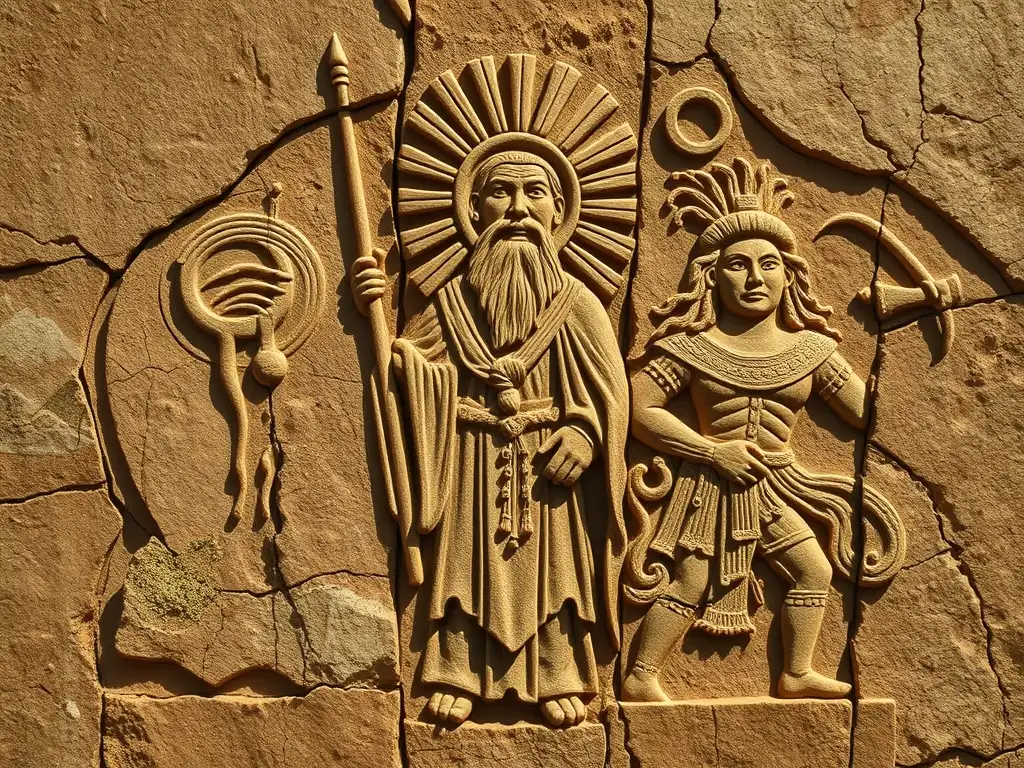
The Viracocha creation myth, central to Inca cosmology, wasn't a monolithic narrative. Instead, it existed as a tapestry of interwoven stories, varying in details depending on the region and the storyteller. Understanding these variations is crucial to appreciating the complexity and richness of Inca religious beliefs.
The core narrative—Viracocha, the creator god, emerging from Lake Titicaca to shape the world and its inhabitants—remained consistent, but the specifics surrounding his actions, attributes, and ultimate fate differed significantly. This fluidity reflects the decentralized nature of Inca religious practice, where local traditions and interpretations often blended with the overarching imperial ideology. The myth served as a flexible framework, capable of accommodating diverse perspectives and local customs, ultimately strengthening the empire's spiritual unity rather than undermining it.
This adaptability is a key factor in the myth's enduring power and its continued relevance in understanding Inca civilization. Analyzing these variations reveals a vibrant and dynamic religious landscape far removed from a simplistic, uniform belief system.
Regional Differences in the Viracocha Creation Story
The Viracocha myth wasn't uniformly interpreted across the vast Inca Empire. Coastal communities, for instance, might emphasize Viracocha's role as a sea deity, highlighting his emergence from the waters of Lake Titicaca and his control over marine life. In contrast, highland communities might focus on his terrestrial power, emphasizing his creation of mountains, valleys, and the Inca people themselves.
These regional variations are reflected in surviving iconography and oral traditions. Some accounts depict Viracocha as a benevolent creator, while others portray him as a more ambivalent figure, capable of both creation and destruction. This diversity highlights the organic nature of the Inca belief system; it wasn't a rigid, top-down imposition but rather a flexible framework that allowed for local adaptations and interpretations.
For example, accounts from Cusco, the Inca capital, often depict Viracocha as a majestic, bearded figure, while those from more distant provinces might portray him with different physical characteristics, reflecting local artistic styles and cultural preferences. The specific details of his creation acts – the order in which he created the sun, moon, stars, and humanity – also varied depending on the region.
This isn't necessarily indicative of contradictory beliefs, but rather demonstrates the rich tapestry of narratives that contributed to the overall understanding of Viracocha's power and influence. Further research into regional variations, especially through archaeological findings and analysis of surviving textiles and ceramics, is crucial to fully understand the nuanced interpretations of the Viracocha myth.
Different Accounts of Viracocha's Departure and Return
The narrative of Viracocha's departure from the world and his potential return is another area of significant variation within the myth. Some accounts depict Viracocha simply departing after completing his creative work, leaving behind a world ordered and populated. Other versions describe a more dramatic exit, perhaps involving a conflict with the beings he had created, leading to his disappearance into the sea or the mountains. The ambiguity surrounding his departure leaves room for speculation and varying interpretations. Did he leave permanently, or is his return anticipated?
The potential for Viracocha's return is a recurring theme in some interpretations. This aspect of the myth might have served a practical purpose, offering hope and reassurance to the Inca people during times of hardship or uncertainty. The promise of a return suggests a cyclical view of history, with periods of creation and destruction followed by renewal and restoration.
This cyclical perspective, prevalent in many Andean cosmologies, offered a framework for understanding the world's natural rhythms and the inevitable changes that occur over time. The absence of a definitive narrative regarding Viracocha's return allows for ongoing interpretation and adaptation, reinforcing the myth's enduring relevance across generations.
The uncertainty surrounding his eventual return adds a layer of mystique and wonder to the already complex figure of Viracocha, the enigmatic creator god of Inca cosmology. Further investigation into the diverse accounts of Viracocha's departure and potential return is needed to fully grasp its significance within the broader context of Inca religion and societal structures.
Viracocha's Influence on Inca Religion and Rituals
Viracocha, the creator god, wasn't merely a deity in Inca mythology; he was the very foundation upon which their entire religious and ritualistic system was built. His influence permeated every aspect of Inca life, from daily prayers to grand imperial ceremonies. Understanding Viracocha's role is crucial to grasping the complexities of Inca spirituality.
This section delves into the profound impact Viracocha had on shaping Inca religious practices and beliefs, exploring his multifaceted nature and the enduring legacy he left on the Inca worldview. The pervasive nature of Viracocha's influence is evidenced by the numerous rituals and practices dedicated to him, demonstrating the central role he played in the Inca religious landscape.
We will explore how this influence manifested in various aspects of Inca life, including their agricultural practices and social structures. The "Viracocha Inca creation myth" wasn't simply a story; it was a living, breathing force that guided the Inca people's actions and beliefs.
The Significance of Viracocha in Inca Religious Practices
Viracocha's importance in Inca religious practices is undeniable. He wasn't just worshipped; he was venerated. His image, often depicted as a bearded, robed figure, appeared in numerous temples and artifacts.
Inca priests, known as villacs, played a pivotal role in conducting rituals dedicated to Viracocha, often involving elaborate ceremonies, sacrifices (typically llamas or alpacas), and offerings of coca leaves and chicha (a fermented corn beverage). These rituals were not merely symbolic; they were believed to maintain cosmic order and ensure the prosperity of the Inca Empire. The precise details of many of these rituals remain shrouded in mystery, lost to the passage of time and the destruction of Inca records by Spanish conquistadors.
However, surviving accounts from chroniclers and archaeological evidence offer glimpses into the grandeur and significance of these practices. For example, the annual Inti Raymi festival, dedicated to the sun god Inti, likely incorporated elements of Viracocha worship, reflecting the interconnected nature of the Inca pantheon. The emphasis on agricultural cycles further highlights Viracocha's relevance; his power over creation was directly linked to the success of harvests, the lifeblood of the Inca economy and society.
Viracocha and the Inca Concept of Time and Space
Viracocha's influence extended beyond the realm of ritual; he profoundly shaped the Inca understanding of time and space. The Inca cosmology, heavily influenced by Viracocha's creation myth, viewed the universe as a structured, ordered system emanating from the creator god. Time wasn't simply a linear progression but a cyclical process, reflecting the recurring patterns of nature, particularly the agricultural cycle.
Viracocha's role in creating the world provided a framework for understanding the cosmos, with the Inca seeing themselves as part of a larger, interconnected system. This understanding influenced their architectural designs, their social structures, and their worldview. The Inca calendar, with its intricate system of tracking solstices and equinoxes, reflected this deep connection to the cosmos and Viracocha's role in maintaining its balance.
The Inca believed that Viracocha's power permeated all aspects of existence, connecting the earthly realm to the celestial sphere. This interconnectedness is reflected in the Inca's reverence for mountains, considered sacred places where the earthly and spiritual realms intersected, often associated with Viracocha's presence.
Temples and Sacred Sites Dedicated to Viracocha
Numerous temples and sacred sites across the Inca Empire were dedicated to Viracocha, serving as focal points for religious practices and pilgrimage. While many of these sites were destroyed or significantly altered during the Spanish conquest, archaeological evidence and historical accounts reveal the scale and importance of Viracocha's cult. The most prominent example is likely the Coricancha (Temple of the Sun) in Cusco, the Inca capital.
While primarily dedicated to Inti, the sun god, the Coricancha likely incorporated elements dedicated to Viracocha, reflecting the intertwined nature of Inca deities. Other sites, possibly including smaller shrines and ceremonial centers throughout the empire, further demonstrate the widespread veneration of Viracocha. These sites weren't merely places of worship; they were powerful symbols of Inca identity and imperial authority, reinforcing Viracocha's role as the supreme creator and protector of the Inca people.
The construction and maintenance of these sacred sites required substantial resources and labor, highlighting the immense importance placed on honoring Viracocha. Further research is needed to fully understand the geographical distribution and the specific rituals performed at each of these sacred sites dedicated to the enigmatic Viracocha. The discovery of new archaeological evidence continues to shed light on the scale and complexity of Viracocha's cult within the Inca Empire.
Comparing Viracocha to Other Andean Deities
The Inca god Viracocha, the creator deity, holds a unique position within Andean cosmology, yet shares characteristics with creator gods from other pre-Inca cultures. Understanding these similarities and differences reveals the complex evolution of Andean religious thought and the Inca's skillful integration of existing beliefs into their own powerful worldview. The "Viracocha Inca creation myth" is not isolated; it's a culmination of centuries of spiritual development.
Viracocha's Connection to Pre-Inca Creator Gods
Viracocha's attributes resonate with those of creator deities in earlier Andean cultures. For example, the concept of a powerful, often dualistic, creator god is evident in the Moche culture's pantheon. While the Moche didn't have a single, overarching creator like Viracocha, their complex mythology featured powerful deities associated with creation and fertility, often depicted in intricate ceramics.
These deities, though lacking the specific name "Viracocha," share the general theme of divine intervention in shaping the world and humanity. Similarly, the Nazca culture, known for their enigmatic geoglyphs, also featured powerful deities associated with creation, water, and fertility – key aspects also associated with Viracocha. These pre-Inca beliefs likely influenced the Inca conception of Viracocha, suggesting a gradual evolution of the creator god myth rather than a sudden, independent invention.
The Inca's expansion and incorporation of conquered peoples undoubtedly contributed to the synthesis of these diverse beliefs into the Viracocha narrative. Further research into specific Moche and Nazca iconography and texts could reveal more precise correlations and distinctions.
Similarities and Differences with Other Andean Cosmologies
While sharing common threads with other Andean cosmologies, the Inca's portrayal of Viracocha also exhibits unique characteristics. Unlike some earlier Andean creator deities who might be associated primarily with specific natural forces (e.g., the sun, the sea), Viracocha's role is more encompassing. He is often presented as the creator of the cosmos, the earth, humanity, and even other gods. This emphasis on supreme, all-encompassing power distinguishes Viracocha from many pre-Inca creator figures, reflecting the Inca's imperial ambition to project their own dominance onto the cosmic order.
The concept of Viracocha's disappearance and potential return also sets him apart. This element adds a layer of eschatology not always present in other Andean cosmologies. The potential return of Viracocha suggests a cyclical view of time and history, implying the possibility of divine intervention in the future. This narrative element further enhanced the power and mystique associated with Viracocha, solidifying his position as the ultimate authority in the Inca worldview.
The following table summarizes key similarities and differences:
| Feature | Viracocha (Inca) | Pre-Inca Creator Deities (General) |
|---|---|---|
| Primary Role | Creator of the cosmos, earth, humanity, gods | Creation, fertility, specific natural forces |
| Power Scope | Universal, supreme | Often localized or tied to specific elements |
| Depiction | Often depicted anthropomorphically, sometimes with a staff | Diverse depictions, often linked to natural phenomena |
| Mythological Narrative | Includes disappearance and potential return | Varies widely across different cultures |
Understanding the nuances of the "Viracocha Inca creation myth" requires careful consideration of its pre-Inca roots and its unique Inca adaptations. Further research into regional variations within Inca beliefs and the incorporation of conquered peoples’ religious practices could shed more light on the evolution of this fascinating and complex deity.
Viracocha Inca Creation Myth: Understanding Its Significance
The Viracocha Inca creation myth stands as a cornerstone of Inca cosmology, profoundly shaping their worldview, religious practices, and social structures. Unlike many creation myths focusing on a singular act of creation, the Viracocha narrative is complex and multifaceted, reflecting the nuanced understanding of the Andes' diverse geography and the Inca's sophisticated political organization. The myth's enduring power lies in its ability to explain the origin of the world, humanity, and the Inca's own divine right to rule.
It's not a static story, but rather a tapestry woven from various regional beliefs and adapted over time to reflect the expanding Inca empire. Understanding the Viracocha myth requires acknowledging its fluidity and the layers of meaning accumulated across centuries.
Key to this understanding is recognizing Viracocha not simply as a creator, but also as a transformer, a deity capable of both destruction and renewal, mirroring the cyclical nature of life and the Andean landscape itself. This duality is crucial for comprehending the full scope of the myth's influence on Inca society.
The Enduring Legacy of the Viracocha Myth
The Viracocha creation myth's influence extends far beyond the collapse of the Inca Empire. Its narrative continues to resonate in Andean communities today, albeit in varied forms. The core elements – Viracocha's emergence from Lake Titicaca, his creation of humanity from stone, his subsequent abandonment, and his potential return – persist in oral traditions, religious practices, and artistic expressions.
While the specifics might differ from community to community, the underlying themes of creation, destruction, and renewal remain central to the Andean worldview. The enduring power of the myth showcases its adaptability and its deep connection to the Andean people's identity.
Even with the introduction of Christianity, elements of the Viracocha myth have been subtly integrated into local beliefs, highlighting the myth's resilience and its continued relevance in shaping Andean spirituality. This syncretism, the blending of indigenous beliefs with introduced religions, is a testament to the enduring legacy of Viracocha and the power of the creation myth to adapt and survive.
The Relevance of Viracocha in Modern Andean Culture
Viracocha's continued presence in modern Andean culture is undeniable. The deity's image, often depicted as a bearded figure in flowing robes, remains a potent symbol, appearing in contemporary art, textiles, and religious ceremonies. Many festivals and rituals still incorporate elements directly linked to the Viracocha myth, underscoring its ongoing importance in shaping Andean identity and cultural practices.
For example, [Specific festival examples and details pending]. Furthermore, the narrative of creation and transformation embedded within the myth provides a framework for understanding the challenges faced by modern Andean communities, offering a source of resilience and hope in the face of adversity. The cyclical nature of the myth, emphasizing both destruction and renewal, resonates with the experiences of communities grappling with environmental changes, economic inequalities, and social injustices.
This enduring relevance speaks volumes about the myth's capacity to provide meaning and purpose in a constantly changing world. The continued veneration of Viracocha demonstrates that the myth is not a relic of the past but a vital element of a living culture.
Decoding the Symbolism of Viracocha in Inca Art
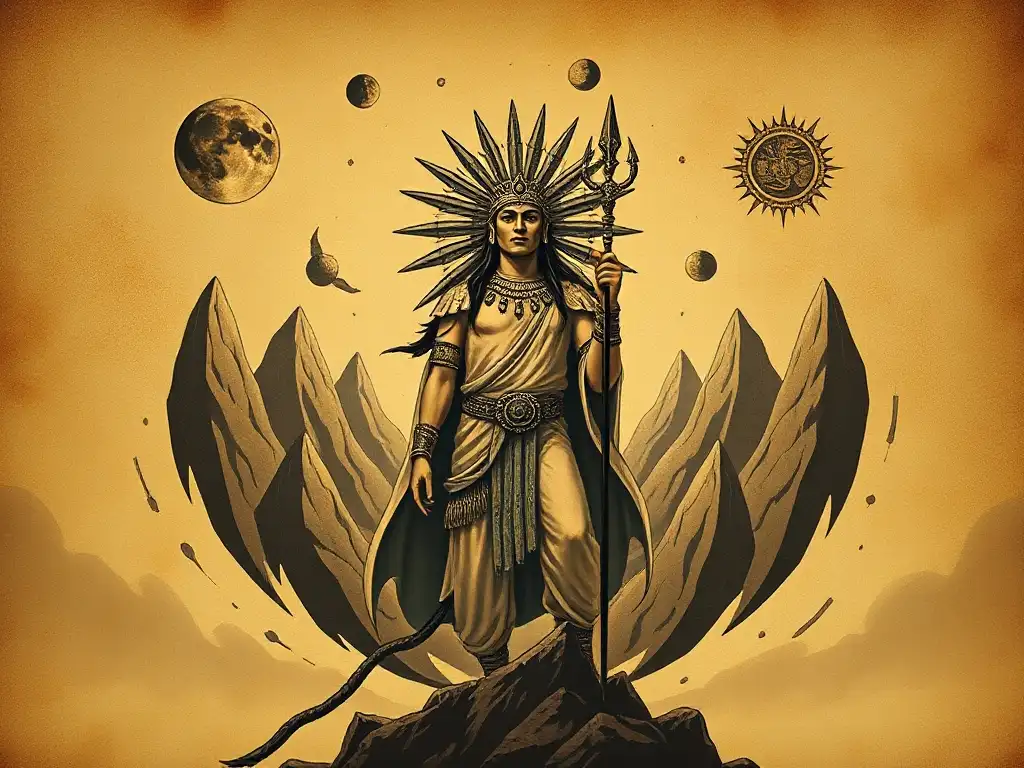
The symbolism of Viracocha is richly encoded within Inca art. Depictions of the creator god vary, reflecting regional differences and the evolving understanding of the deity across time. However, certain recurring motifs offer insights into the complexities of the myth. Viracocha is often portrayed with a staff, symbolizing his power and authority, and sometimes with a sun disk, connecting him to the celestial realm.
The presence of water imagery, such as lakes or streams, frequently emphasizes his connection to Lake Titicaca, the traditional birthplace in the myth. Furthermore, the use of specific colors and materials in depictions of Viracocha likely held symbolic meaning, though the precise interpretations remain a subject of ongoing scholarly debate. Analyzing Inca art, including ceramics, textiles, and stone carvings, provides crucial evidence for understanding the evolving interpretations of the Viracocha myth.
The variations in artistic representations reflect not only regional differences but also the dynamic nature of the myth itself, suggesting its adaptation and reinterpretation throughout the Inca empire's history. Further research into the stylistic choices and iconography used in these depictions is essential for a complete understanding of the Viracocha Inca creation myth. The careful study of these artistic expressions offers valuable clues to unraveling the deeper meanings embedded within this powerful narrative.
Frequently Asked Questions
Who was Viracocha in Inca mythology?
Viracocha was the supreme creator god in Inca cosmology. He's credited with creating the sun, moon, stars, and humanity, shaping the world from chaos. His role is central to understanding Inca beliefs.
What is the significance of Viracocha's creation myth?
The Viracocha myth provides insight into Inca worldview, explaining their origins and relationship with the cosmos. It underscores the importance of order and hierarchy in their society, reflecting their social structure.
How did Viracocha create the world according to the myth?
According to various accounts, Viracocha emerged from Lake Titicaca or a cave. He then created the world and its inhabitants, sometimes through spoken word or magical actions. He also destroyed a previous, flawed creation.
What are some common symbols associated with Viracocha?
Viracocha is often depicted with a staff or scepter, symbolizing power and authority. Other symbols include a long beard and flowing robes, representing wisdom and divinity. His imagery varies across different regions.
How does the Viracocha myth compare to other Andean creation stories?
While the Viracocha myth is central to Inca cosmology, other Andean cultures had their own creation stories. These often feature similar themes of creation from chaos and a powerful creator deity, but with distinct narratives and characters. Comparisons reveal fascinating cultural exchanges and variations.
Final Reflection: Echoes of Viracocha in the Andes and Beyond
The enduring legacy of Viracocha, the enigmatic creator god, resonates far beyond the crumbling stones of Inca ruins. His multifaceted nature, a blend of creator, destroyer, and transformer, continues to offer a compelling lens through which to understand not only Inca cosmology but also the human impulse to grapple with origins and ultimate meaning. The myth of Viracocha is not a relic of the past; it's a living testament to humanity's persistent search for answers to fundamental questions about existence.
The story of Viracocha's emergence from Lake Titicaca, his creation of the world and its inhabitants, and his subsequent disappearance, speaks to a deep-seated human need for narrative, for a framework within which to understand our place in the universe. This narrative, passed down through generations, shaped Inca society, influencing their worldview, social structures, and artistic expressions. Myth is a powerful instrument of culture, shaping not only our understanding of the world but also our behavior within it.
This quote highlights the profound and lasting impact of Viracocha's myth on the Inca civilization and its enduring relevance to the study of cultural formation.
Consider, for a moment, the echoes of Viracocha in your own life. What myths, stories, or beliefs shape your understanding of the world and your place within it? How do these narratives influence your actions and perspectives? Take the time to reflect on the power of storytelling and the enduring search for meaning that Viracocha's myth so eloquently embodies. Let his enigmatic journey inspire you to explore your own origins, to question, to create, and to leave your own mark on the world, just as he did on the Andes.
Unveil the Mysteries of Viracocha Today!
Thank you for exploring the fascinating world of Viracocha with us! Your interest in Inca cosmology broadens your understanding and connects you with a rich tapestry of history and spirituality. Now that you've discovered Viracocha's origins, let's delve deeper and explore how to apply this knowledge.
- Expand your understanding by visiting a local museum or cultural event focused on Andean civilizations. Learn more about the Inca and their beliefs firsthand.
- Share this article with friends or on social media to spark conversations about the wisdom of ancient cultures and their continued relevance.
- Connect with others by joining a community forum or book club dedicated to discussing Andean mythology and history. Engage with like-minded individuals and deepen your exploration.
Reflecting on Viracocha's legacy, how has this exploration illuminated your understanding of creativity and creation myths? What new perspectives have you gained?