
The Qhapaq Raymi Festival: Marking the Summer Solstice and Inca Nobility

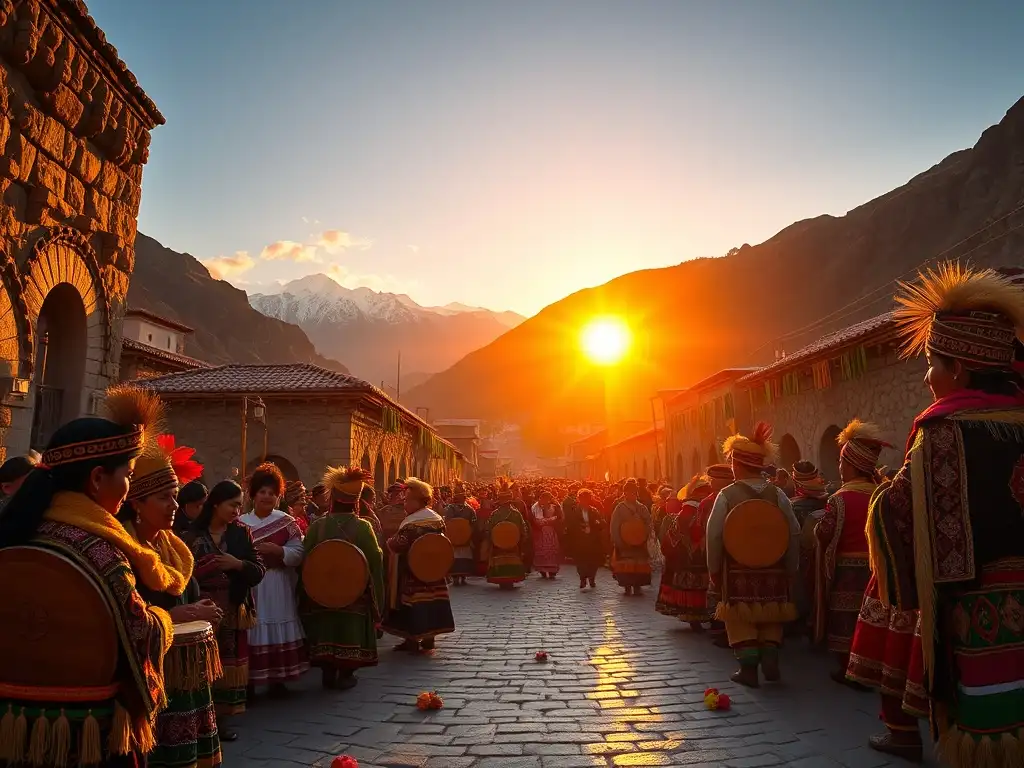
Step into a world lost to time, yet echoing with vibrant life. Uncover the secrets of the Andes, a land where majestic empires rose and fell, leaving behind a legacy of breathtaking artistry and unparalleled ingenuity. Prepare to be captivated by the Inca Qhapaq Raymi festival, a celebration steeped in ancient traditions and imbued with profound meaning. What rituals marked this pivotal summer solstice event, and how did it reflect the power and prestige of the Inca nobility? Dive in and discover the answers...
The Inca Qhapaq Raymi festival, meaning "Great Feast of the Sun," was the most important religious and social event in the Inca Empire's calendar. This vibrant celebration, held annually around the June solstice, wasn't merely a spectacle; it was a deeply ingrained ritual reaffirming the Inca's divine connection to the sun god, Inti, and the emperor's absolute power. This article delves into the significance of the Qhapaq Raymi festival, exploring its intricate ceremonies, its role in solidifying Inca social structures, and its enduring legacy in modern Andean culture. Understanding the meaning of Qhapaq Raymi provides crucial insight into the complex religious beliefs and social organization of the Inca Empire, a civilization known for its sophisticated engineering, intricate artistry, and powerful political system. We will explore the ritual's connection to the agricultural cycle, the emperor's role as a divine intermediary, and the festival's impact on the lives of the common people.
The Astronomical Significance of the June Solstice
The Qhapaq Raymi festival was inextricably linked to the summer solstice in the southern hemisphere. This astronomical event, marking the longest day of the year, held profound symbolic importance for the Inca, representing the sun's peak power and the abundance of the harvest season. Precise astronomical observations were crucial to the Inca, underpinning their agricultural practices and religious calendar.
The solstice, therefore, wasn't just an astronomical phenomenon; it was a time for renewal, celebration, and reaffirmation of the cosmic order. The Inca's sophisticated understanding of astronomy is evident in their precise calendar system and the meticulous alignment of their architectural structures, many of which were oriented to capture the sun's path across the sky. The precise date of the festival varied slightly from year to year, reflecting the Inca's detailed observation of the sun's movement.
The Role of the Sapa Inca in the Qhapaq Raymi Ceremony
The Sapa Inca, the emperor, played a central role in the Qhapaq Raymi festival. He was not merely the political leader but also considered a divine intermediary between the gods and the people. His participation in the ceremonies was crucial to maintaining cosmic balance and ensuring the prosperity of the empire. During the festival, the Sapa Inca would perform sacred rituals, including offerings to Inti, the sun god, and other deities.
These rituals, often involving elaborate sacrifices and processions, were witnessed by thousands of people, reinforcing the emperor's authority and the divine nature of his rule. The emperor's actions during Qhapaq Raymi were meticulously choreographed, each movement and gesture carrying symbolic weight, reflecting the highly structured and ritualized nature of Inca society. Records suggest that the emperor’s participation involved a complex series of symbolic actions designed to ensure the continuation of the Inca empire's prosperity and stability.
The Rituals and Ceremonies of the Qhapaq Raymi
The Qhapaq Raymi was a multi-day festival filled with elaborate rituals and ceremonies. These included processions, sacrifices, feasts, and musical performances. Participants, from the emperor and nobility to commoners, played specific roles in the elaborate performances.
The festival began with a pilgrimage to the sacred site of Intihuatana, a stone structure believed to “tie up” the sun, where the emperor performed important rituals. The ceremonies involved intricate dances, music, and offerings of precious objects, all intended to appease the gods and ensure a bountiful harvest. Detailed accounts of the Qhapaq Raymi ceremonies are scarce, but surviving descriptions paint a picture of a spectacular and deeply meaningful event that deeply affected the lives of the Inca people.
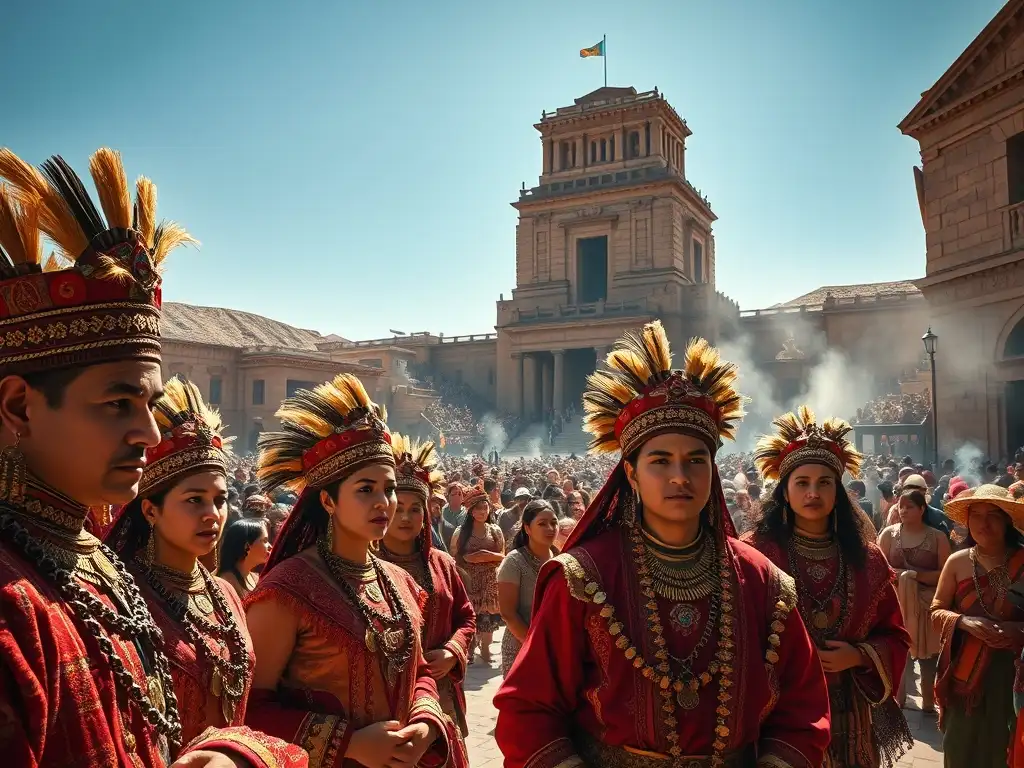
The Qhapaq Raymi festival wasn't just a religious event; it also served to reinforce the Inca social hierarchy. The elaborate ceremonies and processions showcased the power of the Sapa Inca and the nobility, while also providing a sense of community and shared identity for the common people. The festival's organization required the participation of thousands of people, from artisans and musicians to farmers and laborers, highlighting the intricate social structure of the Inca Empire and the importance of collective effort.
The distribution of food and resources during the festival also played a role in maintaining social order and ensuring the loyalty of the subjects to the Inca leadership. The festival's impact on social cohesion was significant, contributing to the stability and longevity of the empire. The carefully orchestrated spectacle served as a powerful reminder of the social order and the divine right of the Inca rulers.
The Legacy of the Qhapaq Raymi Festival
Despite the Spanish conquest and the subsequent suppression of Inca traditions, aspects of the Qhapaq Raymi festival persist in modern Andean communities. Many of the traditions and rituals have been adapted and integrated into contemporary celebrations, reflecting the enduring legacy of Inca culture. While the scale and formality of the original festival may have diminished, the core beliefs and practices related to the summer solstice and the veneration of Inti continue to hold significance for many Andean peoples.
The festival's continued presence demonstrates the resilience of Inca cultural heritage and its profound impact on the identity and traditions of the Andean region. The modern celebrations, while altered, still offer a glimpse into the rich tapestry of Inca religious practices and their enduring influence on contemporary Andean culture. 🎉
- The Astronomical Significance of the June Solstice
- The Role of the Sapa Inca in the Qhapaq Raymi Ceremony
- The Rituals and Ceremonies of the Qhapaq Raymi
- The Qhapaq Raymi Festival and Inca Social Structure
- The Legacy of the Qhapaq Raymi Festival
Understanding the Inca Qhapaq Raymi Festival
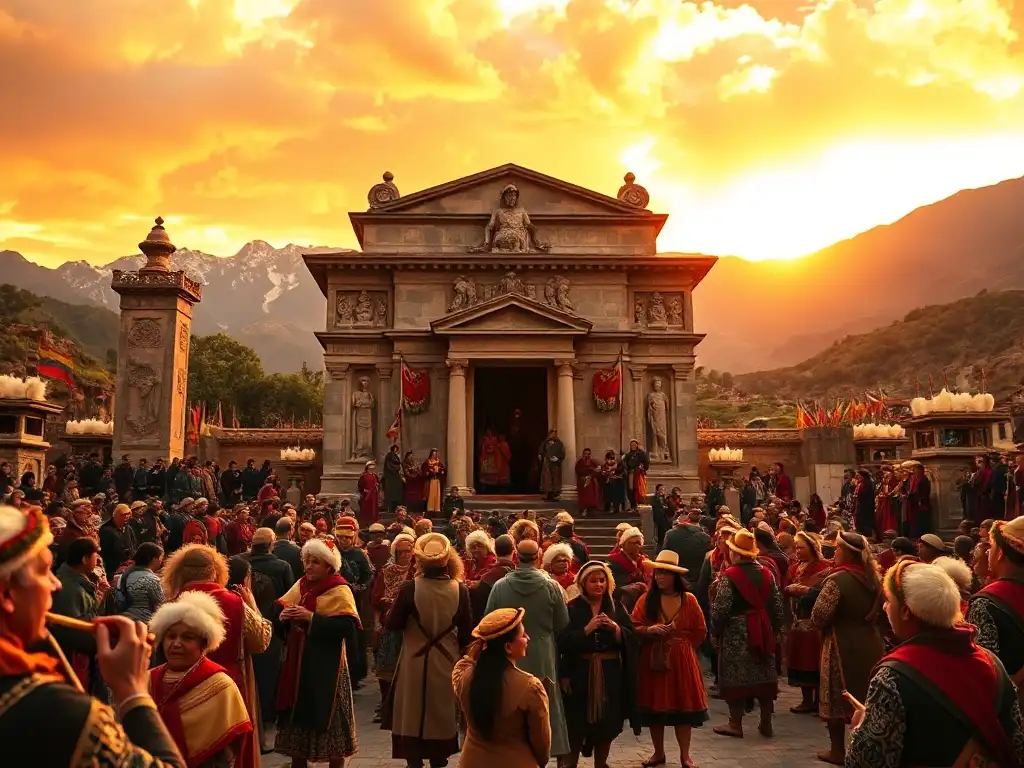
The Inca Qhapaq Raymi festival, meaning "Great Feast of the Sun," was the most important religious festival in the Inca Empire. It celebrated the Inti Raymi, the sun god, and marked the southern solstice, a time of crucial agricultural significance. Understanding the intricacies of this festival requires delving into its multifaceted symbolism and its profound impact on Inca society, particularly the Inca nobility.
The festival wasn't merely a celebration; it was a complex ritual reaffirming the Inca's divine authority and the cosmic order. This section explores the deep-rooted meaning of the Inca Qhapaq Raymi festival, revealing its layers of religious, political, and social significance. We will uncover how this event served as a powerful tool for maintaining social hierarchy and reinforcing the Inca worldview.
The Significance of Qhapaq Raymi in Inca Society
Qhapaq Raymi held immense significance for the Inca Empire, extending far beyond a simple religious celebration. It was a cornerstone of the Inca worldview, deeply intertwined with their agricultural practices and political structure. The Inca believed the sun god, Inti, was the source of life and prosperity. The winter solstice, marking the shortest day of the year, represented a period of vulnerability and potential hardship. Conversely, the summer solstice, celebrated during Qhapaq Raymi, symbolized the return of the sun's strength, promising renewed fertility and abundance. This agricultural symbolism was crucial for a society heavily reliant on agriculture.
The festival also served to reinforce the Inca emperor's divine right to rule. The emperor, considered a descendant of the sun god, played a central role in the ceremonies, further solidifying his authority and legitimacy. The elaborate rituals and public displays of power during Qhapaq Raymi served as a powerful demonstration of the Inca's control and the empire's prosperity.
Furthermore, the festival was a time for community bonding, fostering social cohesion and reinforcing the collective identity of the Inca people. The shared experience of the elaborate ceremonies strengthened social bonds and reinforced the empire's unity. This intricate interplay of religious, agricultural, and political aspects made Qhapaq Raymi a pivotal event in Inca society.
Qhapaq Raymi: A Celebration of the December Solstice
Unlike the June solstice in the Northern Hemisphere, the December solstice in the Southern Hemisphere marked the beginning of summer for the Inca. This astronomical event was not merely an observation; it was the raison d'être of the Qhapaq Raymi festival. The Inca meticulously tracked the sun's movements, and the solstice held profound symbolic importance.
The return of the sun's strength after the winter solstice was seen as a divine act, a renewal of life and energy, mirrored in the agricultural cycle. The festival's timing, precisely coinciding with the solstice, highlights its deep connection to the natural world and the Inca's profound understanding of astronomy.
The celebrations lasted for several days, filled with elaborate rituals, sacrifices, and feasts. Processions, music, dancing, and offerings to the sun god characterized the event. While precise details about the specific rituals vary depending on the source, the central theme remained consistent: a celebration of the sun's power and a prayer for continued prosperity.
The scale of the celebration underscored its importance – a testament to the Inca's reverence for Inti and their reliance on the agricultural bounty the sun provided. The meticulous planning and execution of the festival demonstrate the Inca's sophisticated organizational abilities and their deep commitment to their religious beliefs.
Qhapaq Raymi and the Initiation of Inca Nobles
Qhapaq Raymi was not just a public spectacle; it played a crucial role in the initiation rites of Inca nobles. The festival provided a unique context for the transition of young nobles into adulthood and their integration into the imperial power structure. This aspect of the festival highlights the interconnection between religious ritual, political power, and social hierarchy within the Inca Empire. It was during Qhapaq Raymi that many young nobles underwent specific rituals and ceremonies, marking their formal entry into positions of power and responsibility.
The precise nature of these initiation rites remains somewhat obscure, shrouded in the mists of time. However, we can infer, based on accounts from Spanish chroniclers and archaeological evidence, that these rituals likely involved acts of sacrifice, symbolic gestures, and tests of endurance.
These rites served to test the young nobles' physical and mental strength, their commitment to the Inca ideology, and their readiness to assume their future roles as leaders. The successful completion of these rites conferred upon them not only social status but also a deeper connection to the spiritual realm and their divine lineage.
The festival therefore served as a pivotal moment in the lives of Inca nobles, shaping their identities and preparing them for their future responsibilities within the complex social structure of the Inca Empire. The symbolism of the sun's renewal mirrored the renewal of their status and their entry into the political sphere, further highlighting the festival's multifaceted nature and its profound impact on Inca society.
The Rituals and Ceremonies of Qhapaq Raymi
The Qhapaq Raymi festival, a significant event in the Inca calendar, wasn't merely a celebration; it was a complex interplay of rituals and ceremonies designed to honor the sun god, Inti, and ensure the prosperity of the Inca empire. Understanding the intricacies of these rituals provides crucial insight into Inca cosmology, social hierarchy, and agricultural practices.
The festival's elaborate ceremonies involved the participation of the entire Inca society, from the Sapa Inca (emperor) down to the commoners, each playing a specific role in the grand spectacle. The significance of the Inca Qhapaq Raymi festival meaning extended far beyond mere festivity; it was a deeply spiritual and political event.
Key Rituals: The Huarachicuy and Sun Worship
The Huarachicuy, a significant ritual preceding the main Qhapaq Raymi celebrations, involved a dramatic display of strength and endurance. Young Inca men, selected for their physical prowess and noble lineage, participated in a series of athletic competitions. These contests—including running, wrestling, and other feats of strength—were not merely games; they were symbolic representations of the power and vitality of the Inca empire, a reflection of the sun's own strength and energy.
The winners were greatly honored, receiving prestigious positions within the Inca court and solidifying their status within the elite. This ritual underscored the importance of physical prowess and its connection to spiritual strength within Inca society. The winners' success was seen as a favorable omen for the upcoming harvest and overall prosperity.
Simultaneously, elaborate sun worship ceremonies took center stage. The Inti Raymi, or Festival of the Sun, was a crucial component of the Qhapaq Raymi. Priests, adorned in ornate garments, performed complex rituals involving offerings, prayers, and symbolic gestures directed towards Inti. These ceremonies aimed to appease the sun god, securing his favor and ensuring the continuation of the Inca's agricultural cycle.
This aspect of the Inca Qhapaq Raymi festival meaning emphasized the deep-rooted reliance of the Inca civilization on agriculture and their profound respect for the natural world. The success of the harvest was directly linked to the sun's benevolent power, making these sun worship ceremonies paramount to the Inca way of life. The priests' expertise in astronomy and their ability to predict solstices and equinoxes further strengthened their role in these critical rituals.
The Inca Emperor's Role in the Inti Raymi Precursor
The Sapa Inca's participation was central to the success and significance of the Qhapaq Raymi. He wasn't merely an observer; he was the central figure, embodying the divine connection between the Inca state and the sun god. His role involved leading the key rituals, making crucial offerings, and delivering prayers to Inti. The Sapa Inca's actions were meticulously choreographed, reflecting the profound importance placed upon his role as the intermediary between the divine and the earthly realms. His presence legitimized the rituals and ensured the continuity of Inca power and legitimacy.
The Sapa Inca's participation in the Inti Raymi precursor, which included rituals like the capac hucha, a ceremonial purification, emphasized his role as both a political and spiritual leader. The capac hucha involved a ritual bathing and the symbolic cleansing of the emperor, preparing him for his pivotal role in the main Qhapaq Raymi celebrations. This pre-festival preparation reinforced the sacred nature of the emperor's role and the gravity of his responsibilities in ensuring the well-being of his empire. The emperor's actions during the festival directly impacted the perception of his power and the stability of the Inca empire.
Offerings of Food, Textiles, and Precious Metals
The Qhapaq Raymi involved substantial offerings presented to Inti and other deities. These offerings weren't simply discarded; they were carefully chosen and symbolically significant, representing the abundance and prosperity of the Inca empire. The offerings included a vast array of agricultural products, such as maize, potatoes, quinoa, and coca leaves, reflecting the Inca's mastery of agriculture and their dependence on the land's bounty. These offerings symbolized the gratitude of the Inca people for the sun's generosity in providing them with sustenance.
In addition to food, the Inca presented luxurious textiles, meticulously woven with intricate designs and vibrant colors, demonstrating their advanced textile-making techniques. These textiles were not only aesthetically pleasing but also held symbolic meaning, representing the Inca's cultural identity and their artistic achievements. Precious metals, such as gold and silver, were also offered, highlighting the Inca's wealth and their ability to harness the resources of their vast empire.
These offerings, often crafted into intricate figurines or ornaments, further emphasized the importance and grandeur of the Qhapaq Raymi festival. The meticulous nature of the offerings underscored the profound respect the Inca held for their deities and the importance of maintaining a harmonious relationship with the spiritual world.
The diversity and quality of the offerings showcased the richness and power of the Inca civilization. The Inca Qhapaq Raymi festival meaning, therefore, included a strong economic and social component, demonstrated through the vast amount and quality of the offerings.
Music, Dance, and Processions in the Qhapaq Raymi
The Qhapaq Raymi festival wasn't just a solemn religious observance; it was a vibrant spectacle of music, dance, and elaborate processions. The sounds and movements were integral to the ritual, believed to connect the participants with the divine and reinforce the Inca worldview. Imagine the scene: the sun at its zenith, casting long shadows across the sacred plazas, as the rhythmic beat of drums and the haunting melodies of panpipes fill the air.
These weren't just any instruments; they were carefully crafted, imbued with spiritual significance, and played by highly trained musicians who held prestigious positions within Inca society. Their music was not merely entertainment; it was a form of communication with the gods, a way to invoke their favor and ensure a bountiful harvest.
The dances performed during Qhapaq Raymi were equally important. These weren't spontaneous displays of joy; they were meticulously choreographed performances, often telling stories of Inca mythology, history, or agricultural cycles. Dancers, adorned in elaborate costumes representing various deities or aspects of nature, moved with precision and grace, their movements reflecting the cycles of life and the power of the sun.
The costumes themselves were a significant aspect of the performance, often incorporating feathers, gold, and precious stones—symbols of power and divinity. The dancers weren't simply performers; they were active participants in the ritual, embodying the spiritual energy of the festival.
The processions were perhaps the most visually stunning aspect of Qhapaq Raymi. Imagine vast numbers of people, dressed in their finest attire, moving through the city in a carefully orchestrated procession. Priests carrying sacred objects, nobles displaying their wealth and power, commoners expressing their devotion—all moving in a grand display of Inca unity and religious fervor.
These processions weren't just a parade; they were a demonstration of the Inca empire's power and the emperor's divine authority, a visible manifestation of the cosmic order. The route of these processions would likely have been predetermined, leading to significant religious sites within Cusco or other important locations, reflecting the deep connection between the spatial layout of the Inca Empire and its religious beliefs.
The scale of these processions, involving thousands of participants, would have been a truly awe-inspiring sight. The meticulous organization and coordination required to execute such a grand event speak volumes about the Inca's sophisticated social and political structures.
The Meaning and Symbolism of Qhapaq Raymi
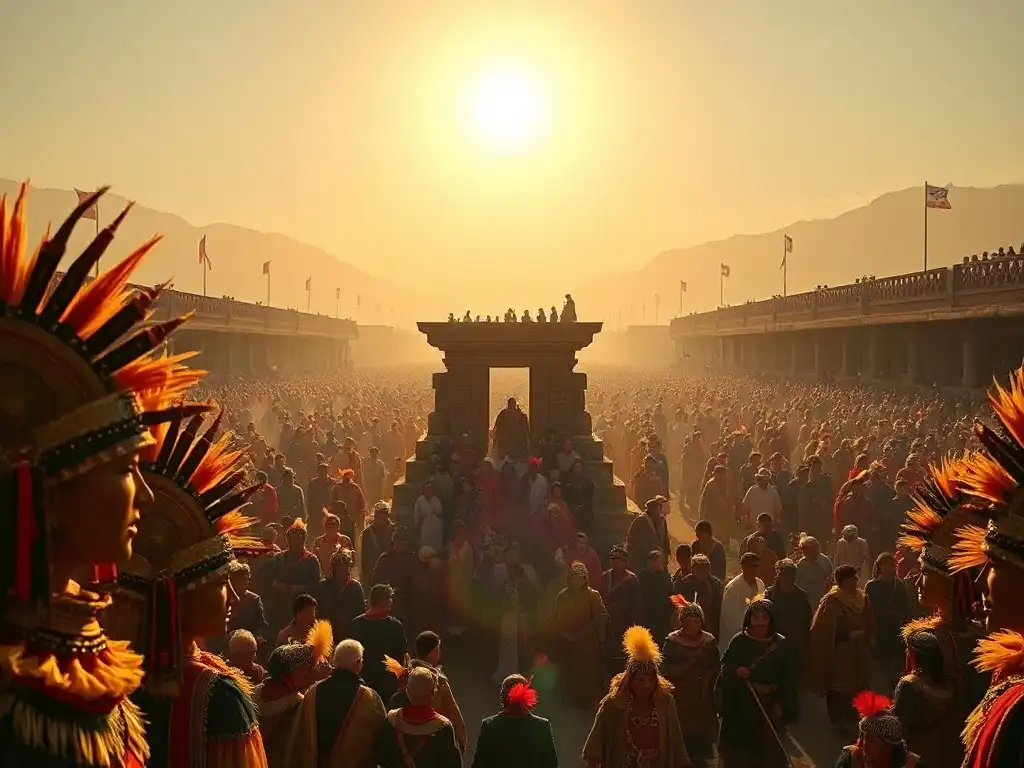
The Inca Qhapaq Raymi festival meaning is deeply rooted in Andean cosmology and the Inca worldview. More than just a celebration of the summer solstice, it was a complex ritual imbued with profound symbolism reflecting the Inca's relationship with the sun, their social hierarchy, and their agricultural cycle. Understanding the meaning of Qhapaq Raymi requires delving into its multifaceted symbolic layers. The festival's name itself, "Qhapaq Raymi," translates to "Great Feast of the Sun," immediately highlighting the central role of the sun god, Inti, in Inca religion and the festival's significance.
Symbolism: The Sun, Masculinity, and Political Power
The sun, Inti, was not merely a celestial body to the Inca; it was a powerful deity, the source of life and the ultimate authority. Qhapaq Raymi directly symbolized the sun's power and its vital role in the Inca agricultural system. The solstice, the longest day of the year, represented the peak of the sun's strength and the abundance it bestowed upon the land. This abundance wasn't just agricultural; it also extended to the Inca empire's political and social power.
The sun's masculine energy was also strongly emphasized. Inca mythology often associated the sun with masculine strength, fertility, and royal authority. The Sapa Inca, the emperor, acted as Inti's earthly representative, embodying the sun's power and legitimacy. The Qhapaq Raymi festival served to reinforce this connection, publicly demonstrating the Sapa Inca's divine right to rule and the empire's prosperity under his reign.
The lavish ceremonies, the sacrifices, and the overall grandeur of the festival all contributed to this powerful symbolism. The meticulous planning and execution of the rituals further underscored the importance of maintaining order and control – mirroring the Inca state’s own highly structured and centralized political system. The festival served as a spectacular display of the Inca’s power and their capacity to control and manipulate the natural world to their benefit.
The Spiritual Significance of the Summer Solstice
The summer solstice held immense spiritual significance for the Inca. It marked the zenith of the agricultural cycle, a time of harvest and abundance, signifying the sun's generative power. The solstice was not simply a point in the calendar; it was a pivotal moment in the cosmic order, a time when the spiritual and physical realms converged. The Inca believed that during the solstice, the boundaries between the human and divine worlds blurred, allowing for a more direct connection with the gods.
This heightened spiritual energy fueled the Qhapaq Raymi celebrations. The rituals performed during the festival aimed to appease the gods, ensure a bountiful harvest for the coming year, and maintain the cosmic balance. The Inca worldview was deeply interconnected, with the success of the harvest directly linked to the well-being of the empire and its people.
The significance of the solstice, therefore, extended beyond mere agricultural concerns; it encompassed the spiritual and political well-being of the entire Inca civilization. Detailed records, though scarce, suggest elaborate preparations leading up to the solstice, including purification rituals, fasting, and the selection of specific offerings for the ceremonies. The precise nature of these preparations remains an area of ongoing research, however, highlighting the need for further investigation into the festival's intricate spiritual aspects.
Qhapaq Raymi as a Rite of Passage: The Huarachicuy
The Qhapaq Raymi festival also incorporated a significant rite of passage, the Huarachicuy. This ceremony marked the transition of young Inca boys into adulthood. It was a crucial event, symbolizing not only physical maturation but also the integration of these young men into the Inca social and political structure.
The Huarachicuy involved a series of trials and rituals designed to test the boys' physical and mental endurance. These trials often included fasting, rigorous physical exercises, and symbolic acts demonstrating their readiness to assume adult responsibilities. Successful completion of the Huarachicuy signified their acceptance into the Inca community and their potential for future service to the empire.
The ceremony was integrated into the larger Qhapaq Raymi festivities, highlighting its importance within the context of the broader celebration. The timing of the Huarachicuy during the Qhapaq Raymi, at the peak of the sun's power and the empire's vitality, further underscored the significance of this rite of passage, linking individual growth with the empire’s continued prosperity and strength.
The successful completion of the Huarachicuy not only marked a personal milestone for the initiates but also symbolized the regeneration and continuity of Inca society itself. Further research is needed to fully understand the specific rituals and tests involved in the Huarachicuy, and the degree to which these practices varied across different regions of the Inca empire.
Qhapaq Raymi and the Inca Worldview
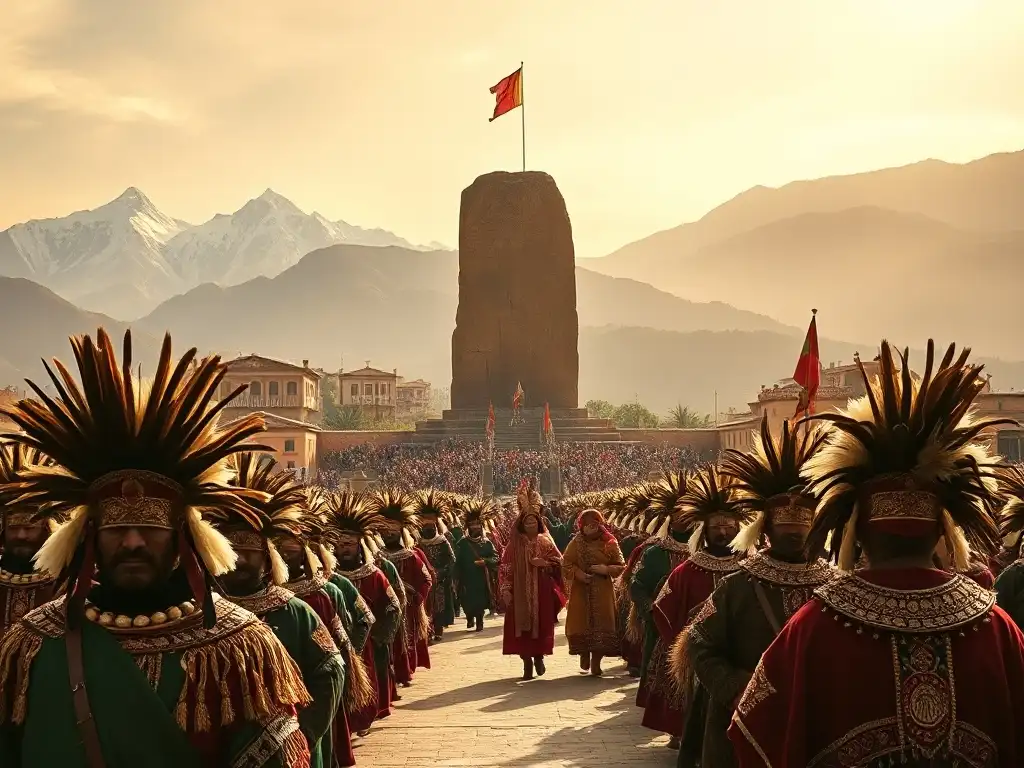
The Qhapaq Raymi festival, far from being a mere celebration of the summer solstice, was deeply embedded in the Inca worldview. It served as a powerful ritual reaffirming the Inca's cosmological understanding and their relationship with the apa pacha (upper world), kay pacha (this world), and ukhu pacha (underworld). The festival's elaborate ceremonies were not simply entertaining spectacles; they were crucial acts of maintaining cosmic balance and ensuring the continued prosperity of the Inca empire.
The Inca believed that the sun, Inti, was the supreme deity, the source of all life and energy. Qhapaq Raymi, occurring at the height of the sun's power, was a direct expression of reverence and worship towards this vital force.
The rituals ensured the sun's continued benevolence, guaranteeing good harvests and the overall well-being of the empire. This wasn't a passive observation of the solstice; it was an active participation in the cosmic order, a ritual reenactment of the creation myth and a reaffirmation of the Inca's divine right to rule.
The meticulous organization and execution of the Qhapaq Raymi ceremonies reflected the Inca's hierarchical social structure. The participation of the Sapa Inca, the emperor himself, underscored the religious and political significance of the event. His role was not merely symbolic; he acted as a mediator between the human and divine realms, directly engaging with the gods on behalf of his people.
The participation of the nobility and various social groups further reinforced the interconnectedness of the Inca society and its dependence on the cosmic balance maintained through the festival. The careful choreography of the rituals, the specific offerings, and the intricate symbolism all contributed to the overall impact of the Qhapaq Raymi, reinforcing the Inca worldview and consolidating their power.
The festival wasn't just a celebration; it was a carefully orchestrated performance of power, faith, and cosmic harmony. The meticulous planning and execution of the event, involving thousands of people across various social strata, further demonstrates the importance of Qhapaq Raymi in Inca society.
The Role of the Sapa Inca in Qhapaq Raymi
The Sapa Inca, the emperor, played a central and pivotal role in the Qhapaq Raymi celebrations. He wasn't simply an observer; he was the central figure, the ultimate mediator between the human and divine worlds. His participation was crucial to the success and efficacy of the rituals. The Sapa Inca’s presence symbolized the legitimacy of his rule and the divine mandate behind the Inca Empire.
The festival served as a powerful display of his authority and connection to the gods. He led the processions, performed the most important sacrifices, and delivered prayers directly to Inti, the sun god. This direct engagement with the divine ensured the continued prosperity of the Inca empire and reinforced the emperor’s authority. The elaborate costumes and regalia worn by the Sapa Inca during the festival further emphasized his divine status and his role as the intermediary between the human and spiritual realms.
The Sapa Inca's actions during the Qhapaq Raymi were not merely ceremonial; they held profound religious and political implications. His performance of the rituals reaffirmed the Inca’s cosmological understanding and their connection to the divine. His successful completion of the ceremonies ensured the continued flow of blessings from the gods, guaranteeing a bountiful harvest and the continued prosperity of the empire.
The Sapa Inca's participation was not simply a ritualistic act; it was a crucial element in maintaining the social and political order of the Inca Empire, a demonstration of his power and his connection to the divine. Historians and anthropologists continue to study the Sapa Inca's role in the Qhapaq Raymi to gain a deeper understanding of Inca religion, politics, and social structures. The significance of his participation is undeniable, underscoring the profound importance of the festival within Inca society.
Agricultural Significance of Qhapaq Raymi
Qhapaq Raymi held immense agricultural significance for the Inca, intrinsically linked to the summer solstice and the peak of the growing season. The festival's timing coincided with the crucial period when crops needed abundant sunlight and rainfall to thrive. The Inca, heavily reliant on agriculture for sustenance and economic prosperity, saw Qhapaq Raymi as a vital ritual to ensure a bountiful harvest.
The elaborate ceremonies and offerings were believed to influence the weather patterns and the fertility of the land. The prayers offered to Inti, the sun god, and other deities associated with agriculture, were aimed at securing a successful harvest and averting crop failures. The festival was not simply a celebration; it was an active participation in ensuring the continuity of life and the prosperity of the Inca empire.
The agricultural significance of Qhapaq Raymi is evidenced by the types of offerings presented during the festival. These included agricultural products such as maize, potatoes, coca leaves, and other crops crucial to the Inca diet. The offerings were not merely symbolic; they represented the Inca's deep dependence on the land and their profound respect for the natural world.
The festival served as a powerful reminder of the crucial role played by agriculture in the Inca civilization. The success of the harvest directly impacted the empire's stability and prosperity, making Qhapaq Raymi an event of paramount importance for the Inca people.
The meticulous planning and execution of the festival highlight the Inca’s understanding of the delicate balance between human society and the natural world, demonstrating their sophisticated agricultural practices and their deep reverence for the forces that sustained them. The festival served as a powerful mechanism to ensure the continued productivity of the land and the well-being of the Inca population.
Qhapaq Raymi's Legacy and Modern Interpretations
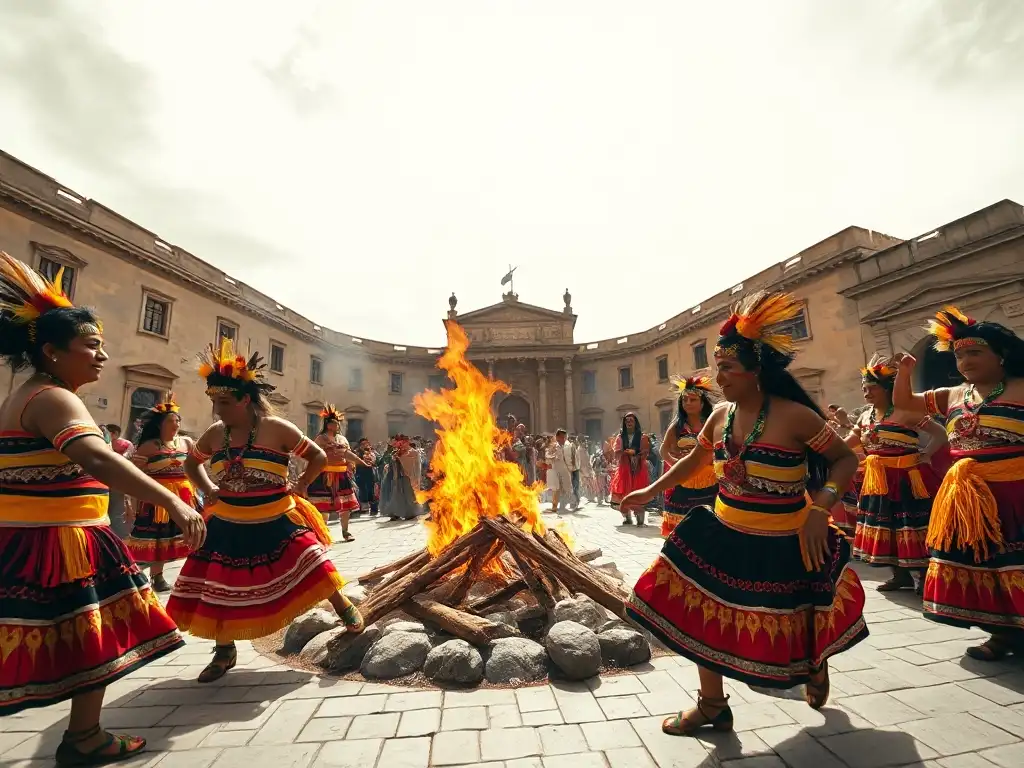
The Inca Qhapaq Raymi festival meaning extends far beyond a simple summer solstice celebration. It represented the apex of Inca religious and political power, a meticulously orchestrated event showcasing imperial authority and cosmic alignment. Understanding its legacy requires examining its historical documentation, the impact of Spanish colonization, and its remarkable resurgence in modern times.
The enduring power of the Qhapaq Raymi lies in its ability to transcend centuries, adapting to changing contexts while retaining its core significance as a celebration of Andean identity and the cyclical nature of time. Analyzing its evolution reveals a fascinating interplay between historical suppression and modern revitalization, highlighting the resilience of Inca cultural heritage.
Primary Sources: Chronicles of the Qhapaq Raymi
Chronicles written by Spanish conquistadors and indigenous scribes offer invaluable, albeit sometimes biased, glimpses into the Qhapaq Raymi. These accounts, while filtered through the lens of the observers' perspectives, provide crucial details about the festival's grandeur and complexity. For example, accounts detail the elaborate processions involving thousands of participants, the sacrifices offered to the sun god Inti, and the lavish feasts that accompanied the celebrations.
However, interpreting these sources requires a critical approach, acknowledging potential inaccuracies and the inherent limitations of eyewitness accounts. The Inca themselves lacked a written language in the same way Europeans did; therefore, much of our understanding is mediated through the lens of Spanish chroniclers who may have struggled to fully grasp the nuances of Inca religious practices.
Further research into surviving Inca artifacts, such as textiles and ceramics depicting ceremonial scenes, can help corroborate and contextualize information from the written chronicles. Careful analysis of these varied sources allows for a more nuanced and comprehensive understanding of the Inca Qhapaq Raymi festival meaning and its significance within Inca society.
Suppression and Adaptation of the Qhapaq Raymi
Following the Spanish conquest, the Qhapaq Raymi, like many other Inca traditions, faced systematic suppression. The Spanish Crown actively sought to eradicate indigenous religions and replace them with Catholicism. The festival's central role in Inca religious life made it a primary target. The destruction of Inca temples, the banning of traditional ceremonies, and the forced conversion of the population severely impacted the continuity of the Qhapaq Raymi.
However, the complete eradication of the festival proved impossible. Indigenous communities, despite facing immense pressure, found ways to adapt and preserve elements of the Qhapaq Raymi in secret or by subtly integrating them into new religious practices. This adaptation often involved syncretism, blending Inca traditions with elements of Catholicism.
Studying the ways in which the Qhapaq Raymi survived and transformed under colonial rule offers a powerful example of cultural resistance and the enduring strength of Andean traditions. The subtle ways in which the festival was preserved demonstrates the ingenuity and resilience of the Andean people in the face of oppression. This clandestine continuation laid the groundwork for the festival's modern revival.
Modern Reinterpretations: Revivals and Cultural Performances
In recent decades, there has been a significant resurgence of interest in the Qhapaq Raymi, fueled by growing indigenous rights movements and a renewed appreciation for Andean cultural heritage. Modern interpretations of the festival often involve a blend of historical accuracy and contemporary expressions of Andean identity. Many communities now organize public celebrations that incorporate traditional elements such as music, dance, and costumes, while also adapting the event to modern contexts.
These celebrations serve not only as a commemoration of Inca history but also as a powerful statement of cultural pride and a way for communities to reaffirm their ancestral connections. The modern Qhapaq Raymi is a vibrant example of cultural revitalization, demonstrating the ability of traditions to adapt and thrive in the face of historical trauma and societal changes. The evolving nature of these modern interpretations reflects the ongoing process of reimagining and reinterpreting the Inca Qhapaq Raymi festival meaning for contemporary Andean society.
The festival acts as a powerful symbol of cultural continuity and resilience, showcasing the enduring legacy of the Inca Empire. The renewed interest and active participation in these events highlight the ongoing relevance of Inca traditions in shaping modern Andean identities.
Preserving Qhapaq Raymi: Cultural Heritage and Identity
The enduring legacy of Qhapaq Raymi extends far beyond its historical significance; it serves as a powerful symbol of Andean cultural heritage and identity. For many indigenous communities, particularly those in the Cusco region, the festival remains a vibrant expression of their ancestral traditions, a connection to their past that shapes their present and future. The meticulous recreation of ancient rituals, the weaving of traditional textiles, and the preparation of ceremonial foods all contribute to the preservation of invaluable cultural knowledge passed down through generations.
This active participation in the festival fosters a strong sense of community and belonging, reinforcing cultural pride and resisting the homogenizing pressures of globalization. The preservation of Qhapaq Raymi is not merely a matter of historical preservation; it's a living testament to the resilience and cultural richness of the Andean peoples. The meticulous efforts to maintain the authenticity of the ceremonies, costumes, and traditions are crucial in ensuring the festival's continued relevance and its role in shaping cultural identity for future generations.
The significance of Qhapaq Raymi extends beyond mere spectacle; it is a dynamic force in the ongoing process of cultural revitalization and self-determination within Andean communities. The festival offers a powerful platform for the assertion of indigenous rights and the promotion of cultural diversity, contributing to a stronger sense of cultural pride and self-respect among participants and spectators alike. The preservation of Qhapaq Raymi is therefore not only a cultural imperative but also a political act of immense significance.
The Inca Qhapaq Raymi Festival Meaning: A Conclusion
The Inca Qhapaq Raymi festival, meaning "Great Feast of the Sun," held profound significance within the Inca worldview. It wasn't merely a celebration of the summer solstice; it was a complex ritual reaffirming the Inca's divine connection to the sun god, Inti, and their imperial power. Understanding its meaning requires exploring the intricate interplay of astronomical observation, agricultural cycles, and the Inca's sophisticated social hierarchy.
This festival, far from being a simple holiday, served as a crucial mechanism for maintaining social order, reinforcing religious beliefs, and legitimizing Inca rule. The scale and grandeur of the Qhapaq Raymi underscored the emperor's authority and the Inca's mastery over their vast empire. Its enduring legacy continues to shape Andean culture today.
Key Elements of the Qhapaq Raymi Festival
The Qhapaq Raymi was meticulously planned and executed, involving a series of rituals and ceremonies that unfolded over several days. Key elements included:
- The Inti Raymi Ceremony: This central event, held at the Sacred Plaza of Cusco, involved elaborate sacrifices, processions, and offerings to Inti. The Inca emperor, as the supreme intermediary between the divine and human realms, played a critical role, performing rituals that ensured the sun's continued benevolence and the prosperity of the empire. The precise details of these ceremonies, unfortunately, remain fragmented due to the destruction of many Inca records following the Spanish conquest. However, surviving accounts from chroniclers like Garcilaso de la Vega provide valuable insights into the grandeur and complexity of these events.
- Agricultural Significance: The timing of the festival, coinciding with the summer solstice, highlights its strong connection to agriculture. The summer solstice marked the peak of the agricultural cycle, a period of abundance and prosperity. The Qhapaq Raymi celebrated this bounty, offering thanks to Inti for a successful harvest and praying for continued fertility of the land. This underlines the deep integration of religious beliefs and agricultural practices within Inca society.
- Political and Social Implications: The festival served as a powerful tool for consolidating Inca power. The massive gatherings of people from across the empire demonstrated the Inca's control and influence. The elaborate ceremonies and displays of wealth reinforced the emperor's divine right to rule and strengthened the bonds of loyalty among the diverse populations under Inca dominion. The festival's meticulous organization required immense logistical coordination, further highlighting the sophistication of the Inca state.
- Symbolic Offerings: The sacrifices offered during the Qhapaq Raymi were not merely acts of appeasement; they carried deep symbolic meaning. Animals, such as llamas and alpacas, were offered, representing the Inca’s connection to the Andean landscape and their dependence on its resources. Precious metals and other valuable goods were also offered, symbolizing the empire's wealth and power. The precise nature of these offerings varied depending on the specific needs and concerns of the Inca leadership.
The Enduring Importance of Qhapaq Raymi in Andean Culture
Despite the Spanish conquest and the suppression of Inca traditions, the spirit of the Qhapaq Raymi persists in Andean culture. While the original ceremonies were significantly altered or lost, many communities continue to celebrate the summer solstice with festivals that incorporate elements reminiscent of the Inca tradition. These modern celebrations blend ancient beliefs with contemporary practices, reflecting the resilience and adaptability of Andean culture.
The enduring appeal of the Qhapaq Raymi speaks to its deep-seated connection to the Andean worldview and its continued relevance to contemporary Andean identities. The festival serves as a powerful symbol of cultural continuity, connecting the past with the present and reinforcing a sense of collective identity among Andean communities. The revival and preservation of these traditions are crucial for safeguarding Andean cultural heritage.
Future Research and Continued Cultural Preservation
Further research is needed to fully understand the intricacies of the Inca Qhapaq Raymi festival. Archaeological excavations, analysis of surviving texts, and anthropological studies can shed more light on the festival's various aspects. Continued efforts are crucial in preserving and promoting this vital aspect of Andean cultural heritage. This includes supporting community-led initiatives that revitalize traditional practices, promoting responsible tourism that respects cultural sensitivities, and fostering collaborative research projects that involve both Andean communities and academic researchers.
The preservation of the Qhapaq Raymi is not merely an academic exercise; it is a vital step in ensuring the continuity of a rich and vibrant cultural legacy. Careful documentation and collaborative efforts are essential for understanding and celebrating this significant event for generations to come. The accurate preservation of this cultural heritage is paramount, ensuring that the meaning of the Inca Qhapaq Raymi festival continues to resonate through time.
Frequently Asked Questions
What is the Qhapaq Raymi festival?
The Qhapaq Raymi is a significant Inca festival celebrating the summer solstice and honoring the Inca nobility. It involved elaborate ceremonies and sacrifices to ensure a bountiful harvest.
When did the Qhapaq Raymi festival take place?
The festival took place around June 21st, coinciding with the summer solstice in the southern hemisphere. This was a crucial time for Andean agriculture.
What were the key rituals of the Qhapaq Raymi?
Key rituals included elaborate processions, sacrifices, and feasting. These events showcased the power and authority of the Inca emperor.
How important was the Qhapaq Raymi to the Inca Empire?
The Qhapaq Raymi was extremely important, symbolizing the Inca's connection to the sun and the renewal of life. It reinforced the emperor's divine authority.
Where did the Qhapaq Raymi celebrations take place?
Celebrations primarily occurred at Cusco, the Inca capital, but likely involved festivities throughout the empire. The exact locations varied depending on the specific rituals.
Final Reflection: Echoes of the Sun God, Whispers of the Past
The vibrant legacy of the Qhapaq Raymi festival continues to resonate today, a powerful testament to the enduring spirit of the Inca civilization and its profound connection to the natural world. More than just a historical event, the festival serves as a potent reminder of the sophisticated astronomical knowledge and intricate social structures that defined Inca society. Its re-enactments offer a tangible link to a rich past, allowing us to appreciate the ingenuity and cultural depth of a civilization that thrived centuries ago.
The Qhapaq Raymi's influence extends far beyond the realm of history books; it permeates the cultural landscape of modern-day Peru and continues to shape the identity of its people. The festival's enduring appeal speaks to a deep-seated human need to connect with nature's rhythms and celebrate the cyclical renewal of life. The past is never dead. It's not even past,
wrote William Faulkner, and this rings profoundly true when considering the enduring power of the Qhapaq Raymi. Its revival and celebration serve as a powerful bridge between generations, connecting us to the ancestors who first honored Inti, the sun god.
Consider the significance of this ancient celebration. Reflect on the Inca's profound understanding of the cosmos and their ability to integrate it into their daily lives. You too can find meaning in connecting with the natural world, honoring the cycles of life, and appreciating the rich tapestry of human history. Embrace the spirit of the Qhapaq Raymi – let it inspire you to seek deeper connections, to celebrate the beauty of your surroundings, and to appreciate the enduring legacy of cultures that came before us. Let the echoes of the sun god illuminate your path.
Experience the Magic of Qhapaq Raymi!
Thank you for exploring the fascinating world of the Qhapaq Raymi festival! Your interest reveals a keen appreciation for the rich traditions of Inca culture and the celebration of the summer solstice. Let's delve deeper into these vibrant customs.
Here are some ways to further connect with this remarkable festival:
- Attend a local celebration: Many communities and cultural centers host events celebrating Andean traditions. Participating in these events will enrich your understanding and appreciation of this heritage.
- Explore Andean mythology: The rituals and symbolism of Qhapaq Raymi are steeped in fascinating stories. Reading books, watching documentaries, or exploring online resources can bring these myths and legends to life.
- Share your newfound knowledge: Inspire others by writing a blog post, sharing on social media, or simply discussing what you've learned. Sharing this cultural treasure broadens awareness and strengthens community bonds.
What aspect of the Qhapaq Raymi festival most captivates you, and how will you celebrate or share this cultural experience?