
The Inca's Concept of Spiritual Cleansing and Purification

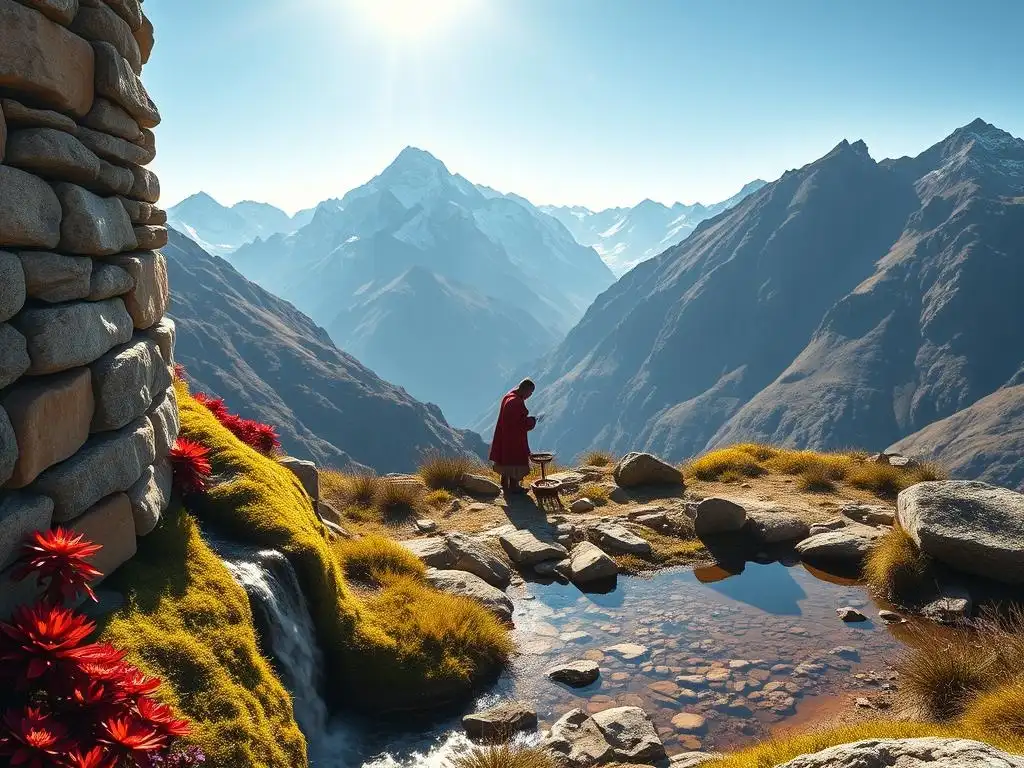
Step into a world lost to time, yet echoing with vibrant spirituality. Prepare to uncover the secrets of the Andes, a land where majestic empires rose and fell, leaving behind a legacy of breathtaking artistry and profound beliefs. Intrigued by the intricate practices of the Inca? Discover the hidden power of Inca spiritual cleansing rituals and delve into the fascinating world of Andean purification, a journey that will illuminate the heart of Inca civilization. Prepare to be amazed.
The Inca Empire, renowned for its sophisticated engineering and vast territorial reach, also possessed a deeply complex and nuanced spiritual worldview. This article delves into the fascinating world of Inca spiritual cleansing and purification rituals, exploring their significance within the broader context of Inca cosmovision and their enduring impact on Andean culture.
Understanding these practices offers invaluable insight into the Inca's perception of the world, their relationship with the divine, and the importance they placed on maintaining harmony between the earthly and spiritual realms. We will examine the various rituals employed, the symbolic meaning behind them, and the practical ways in which individuals and communities sought to achieve spiritual purity, a crucial element for maintaining balance and ensuring prosperity.
This exploration will reveal the intricate tapestry of beliefs and practices that underpinned Inca society and provide a deeper understanding of the "Inca spiritual cleansing rituals" that were central to their daily lives and societal structure.
Understanding Inca Cosmovision and Spirituality
The Inca worldview, or cosmovision, was deeply interconnected. They believed in a complex relationship between the physical world and the spiritual realm, with powerful deities and spirits inhabiting both. The Inca saw themselves as part of a larger cosmic order, constantly interacting with the supernatural. This understanding influenced every aspect of their lives, from agriculture and governance to warfare and personal conduct.
Maintaining harmony within this cosmic order was paramount, and spiritual purity played a vital role in achieving this balance. Impurity, whether physical or spiritual, was believed to disrupt this harmony, leading to misfortune or illness. Therefore, regular cleansing rituals were essential for both individuals and the community as a whole. These rituals weren't simply religious acts; they were integral to the social fabric, reinforcing social hierarchies and community bonds.
The Inca believed that through proper conduct and participation in these rituals, they could maintain a positive relationship with the divine and ensure the continued prosperity of their empire. The concept of ayni, reciprocal exchange, also played a key role, highlighting the interconnectedness of individuals and their responsibilities within the community. Failure to uphold these reciprocal responsibilities could lead to spiritual imbalance requiring purification.
The Importance of Purity in Inca Culture
Purity in Inca culture was not merely the absence of dirt or physical contamination; it encompassed a broader concept of spiritual cleanliness. This involved maintaining a harmonious relationship with the gods, respecting ancestral spirits, and adhering to strict social codes. Impurity could be acquired through various means, including contact with death, illness, or engaging in forbidden activities. Furthermore, the Inca distinguished between different levels of purity, with certain individuals, such as the Sapa Inca (emperor) and priests, being expected to maintain a higher degree of spiritual cleanliness than the common people.
This hierarchy of purity was reflected in the rituals and ceremonies specific to each social class. For example, the Sapa Inca underwent elaborate purification ceremonies before important events, while commoners engaged in simpler, community-based rituals. The use of specific plants, such as coca leaves and herbs with cleansing properties, was central to many rituals. These plants were not just used for their medicinal properties but also for their symbolic significance in restoring spiritual balance.
The ritualistic use of water, particularly in the form of cocas (sacred springs) and rivers, was also a powerful symbol of purification and renewal, washing away impurities and restoring harmony. The meticulous nature of these rituals underscores the profound importance the Inca placed on maintaining spiritual purity as a cornerstone of their society. The consequences of neglecting these practices were believed to be severe, potentially impacting the individual's well-being and the prosperity of the entire community.
- What were the Inca's beliefs about purity and impurity?
- What role did water play in Inca spiritual cleansing rituals?
- What other elements besides water were used in Inca purification rituals?
- How did the Inca perform spiritual cleansing rituals for the deceased?
- Were Inca spiritual cleansing rituals only performed by priests?
Inca Spiritual Cleansing Rituals: A Detailed Overview
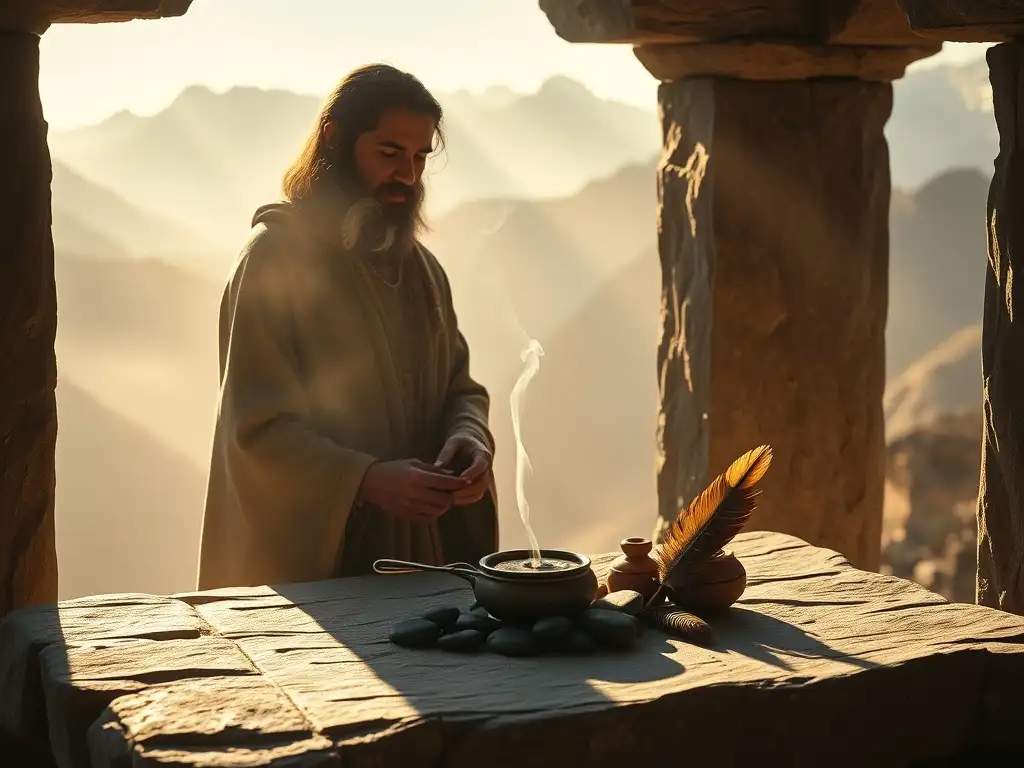
The Inca worldview deeply intertwined the physical and spiritual realms. Maintaining a balance between these two worlds was crucial for individual and community well-being. Illness, misfortune, and even societal upheaval were often attributed to spiritual imbalances, necessitating rituals of purification and cleansing to restore harmony.
Understanding Inca spiritual cleansing rituals provides invaluable insight into their complex religious beliefs and social structures. These rituals weren't simply about hygiene; they were integral to their spiritual life, reflecting their profound connection to the natural world and their deities. The concept of purification (a key element of Inca spiritual cleansing rituals) went beyond the physical; it encompassed the cleansing of the spirit, the restoration of balance, and the strengthening of the relationship between individuals and the cosmos.
The Role of Rituals in Inca Spiritual Life
Rituals formed the bedrock of Inca spiritual life, permeating every aspect of their existence. Daily routines, agricultural cycles, and major life events were all marked by specific ceremonies designed to honor the apus (mountain gods), the sun god Inti, and other deities. These rituals, often led by priests ( hamacs) and specialists, involved offerings, prayers, and symbolic actions intended to maintain equilibrium and appease the supernatural forces.
Spiritual cleansing rituals held a prominent place within this broader framework, serving as a crucial mechanism for restoring balance when it was disrupted. Failure to perform these rituals could lead to believed consequences, ranging from personal misfortune to broader societal disruptions.
The frequency of these rituals varied depending on individual needs and community events, highlighting their importance in daily life and major celebrations. The meticulous nature of these practices underscores the deep-seated belief in the power of ritualistic cleansing to influence both the spiritual and physical well-being of the Inca people.
Common Elements in Inca Purification Practices
Several recurring elements characterized Inca purification practices. Water, a life-giving force, played a central role, symbolized both cleansing and renewal. The use of herbs and plants, many with medicinal properties, enhanced the ritual's efficacy. These herbs weren't simply for their scent or aesthetic appeal; they were believed to possess spiritual power, capable of warding off negative energies and restoring balance.
Additionally, offerings of coca leaves, food, and other materials were common, intended to appease the deities and secure their favor. The involvement of community members, often through shared participation in ceremonies, further emphasized the collective nature of spiritual well-being. This communal aspect strengthened social bonds and reinforced the importance of maintaining spiritual harmony within the community. The rituals were often accompanied by specific chants, prayers, and symbolic gestures, all contributing to the overall effectiveness of the cleansing process.
Specific Inca Cleansing Ceremonies
The Inca employed various ceremonies for spiritual cleansing, each tailored to specific circumstances and needs. These ranged from individual practices to large-scale community events, reflecting the diverse ways in which they sought to maintain spiritual harmony. The following sub-sections detail some of the most significant Inca cleansing rituals.
The Significance of Hucha and its Removal
The concept of hucha encompassed moral impurities, sins, and negative energies that accumulated within an individual. Removing hucha was crucial for maintaining spiritual purity. This often involved confession, repentance, and the performance of specific rituals, sometimes including fasting and abstinence. The removal of hucha wasn't a simple act; it was a process of spiritual transformation, requiring sincere remorse and a commitment to righteous behavior.
The severity of the hucha would influence the intensity and type of ritual performed. For minor transgressions, simple cleansing rituals might suffice; however, more serious offenses demanded more elaborate ceremonies involving priests and community participation. The successful removal of hucha was believed to restore spiritual balance, paving the way for good fortune and well-being.
Unu Jampi: Water Purification Rituals
Unu jampi, meaning "water bath," was a common method of physical and spiritual cleansing. This involved washing the body with water, often infused with herbs or other purifying substances. The act of bathing wasn't merely hygienic; it symbolized the washing away of negative energies and the renewal of the spirit. The location of the ritual—a sacred spring, river, or specially prepared bath—further enhanced its symbolic significance.
The water itself was viewed as a sacred element, imbued with purifying powers. The ritual's effectiveness was believed to be amplified by the specific location and the intentions of the individual undergoing the cleansing. The Unu jampi ritual served as a powerful reminder of the Inca’s profound respect for water as a sacred force.
Limpia with Herbs and Natural Elements
Limpia, meaning "cleansing," involved the use of various herbs and natural elements believed to possess purifying properties. These included plants like coca leaves, muña (a mint-like herb), and others, each with its own symbolic and purported spiritual properties. The herbs were often burned, creating a fragrant smoke believed to dispel negative energies. The process could involve rubbing the herbs on the body, inhaling their scent, or using them in a ritual bath.
The selection of specific herbs depended on the nature of the impurity being addressed. The use of natural elements like earth and stones further emphasized the Inca's connection to the natural world and the belief in the inherent cleansing power of nature. This holistic approach to cleansing highlights the Inca's deep understanding and appreciation of the medicinal and spiritual properties of their environment.
Pampamisayuq and the Cleansing Power of the Earth
Pampamisayuq, literally "earth-cleanser," referred to rituals involving direct contact with the earth. This often involved burying offerings in the ground or performing ceremonies in sacred sites believed to possess powerful cleansing properties. The earth was viewed as a source of both life and purification, capable of absorbing negative energies and restoring balance.
The act of burying offerings symbolized the earth's ability to cleanse and renew, similar to the way that water cleanses in the Unu Jampi ritual. The selection of specific burial sites and the nature of the offerings further enhanced the ritual's effectiveness. These rituals emphasized the Inca's deep-seated belief in the earth's power to absorb and transform negative energy, reinforcing their interconnectedness with the natural world.
Participants and Sacred Spaces in Inca Cleansing
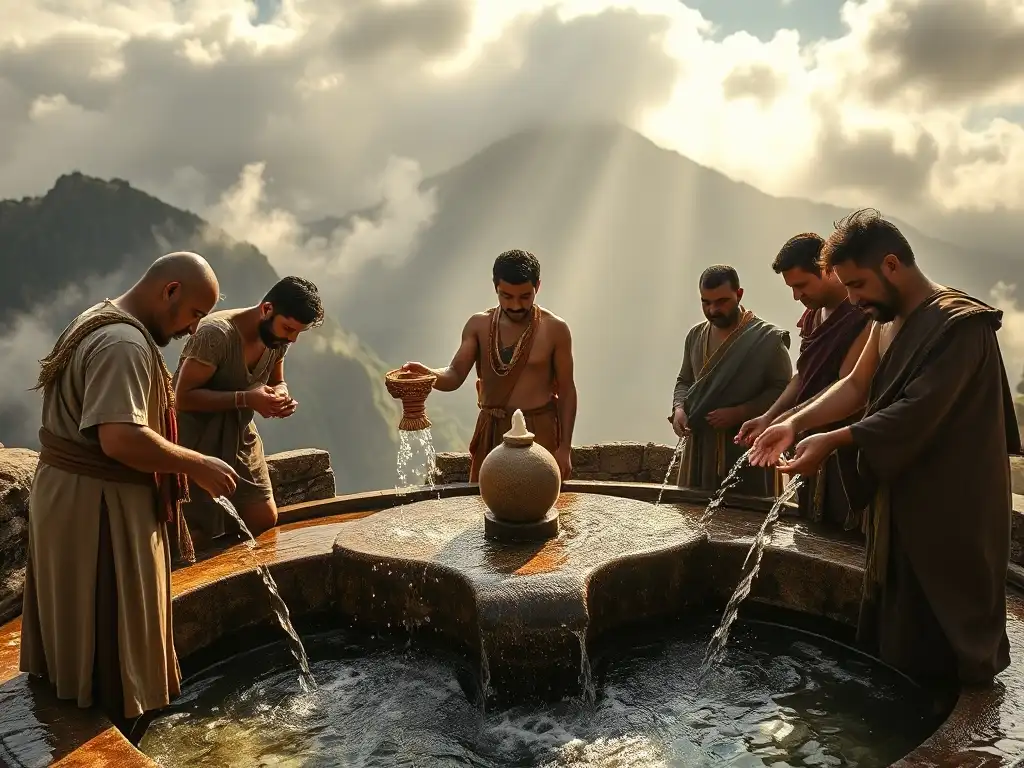
This section delves into the key players and locations integral to Inca spiritual cleansing rituals. Understanding these elements provides crucial context for appreciating the depth and complexity of these practices, which were far from simple ablutions but rather elaborate ceremonies imbued with deep spiritual significance. The efficacy of the rituals was believed to be directly tied to the sanctity of the location and the expertise of the individuals involved.
The Inca concept of purification wasn't merely about physical cleanliness; it was a profound spiritual act aimed at restoring balance and harmony with the Pachamama (Mother Earth) and the wider cosmos. This involved a complex interplay of human agency and sacred geography.
The Role of Priests and Shamans in Inca Rituals
Inca spiritual cleansing rituals were not performed haphazardly. Highly trained priests and shamans, often possessing inherited knowledge passed down through generations, played a pivotal role. These individuals, known as llamas or paqos, acted as intermediaries between the human and spiritual realms.
Their expertise extended beyond simple incantations; they possessed a deep understanding of herbal remedies, astronomical cycles, and the intricate cosmology of the Inca worldview. Their role was multifaceted: they prepared the sacred spaces, conducted the ceremonies, interpreted omens, and guided participants through the process. The llamas were responsible for ensuring the proper execution of the rituals, maximizing their effectiveness in cleansing participants of negative energies and restoring their spiritual equilibrium.
Their knowledge was essential for the successful completion of the Inca spiritual cleansing rituals. Detailed accounts of their specific practices remain scarce, however, archaeological finds of ritual objects and textual interpretations from Spanish chronicles offer glimpses into their significant role. Further research is needed to fully elucidate the specific techniques and knowledge employed by these spiritual leaders.
Sacred Sites and Their Connection to Purification
The location of Inca spiritual cleansing rituals was far from arbitrary. Specific sites, imbued with spiritual significance, were chosen for their perceived connection to the supernatural world. These locations were often associated with natural features like springs, mountains, caves, and lakes, which were believed to possess inherent purifying properties.
The huacas, sacred places venerated by the Inca, were frequently utilized for cleansing ceremonies. These could be natural formations or man-made structures, all considered to be imbued with a potent spiritual energy. The choice of location was crucial; the ritual's success was believed to be amplified by the site's inherent power to facilitate the expulsion of negative energies and the reconnection with the divine.
The proximity to these sacred spaces was seen as essential for the successful outcome of the Inca spiritual cleansing rituals. Some sites may have been dedicated specifically to purification rites, while others held broader religious significance but were also used for cleansing practices.
The Use of Temples and Huacas in Cleansing Practices
Temples and huacas served as focal points for Inca spiritual cleansing rituals. Temples, often grand structures dedicated to specific deities, provided a controlled and sacred environment for the ceremonies. The huacas, however, encompassed a broader range of sacred places, from natural formations to man-made structures.
These sites were considered to be imbued with potent spiritual energy, making them ideal locations for cleansing rituals. The use of specific huacas might have varied depending on the type of purification sought. For instance, a huaca associated with water might have been used for rituals focused on cleansing from illness, while a mountain huaca might have been chosen for ceremonies related to restoring balance and harmony.
The specific rituals performed within these temples and huacas varied, but all aimed at facilitating the removal of negative energies and the restoration of spiritual purity. The Inca believed that performing these rituals in these sacred locations amplified their effectiveness and ensured a successful outcome. Further research into specific Inca sites and their associated rituals is needed to fully understand the nuanced relationship between location and ritual practice within the context of Inca spiritual cleansing rituals.
The Symbolism Behind Inca Cleansing Practices
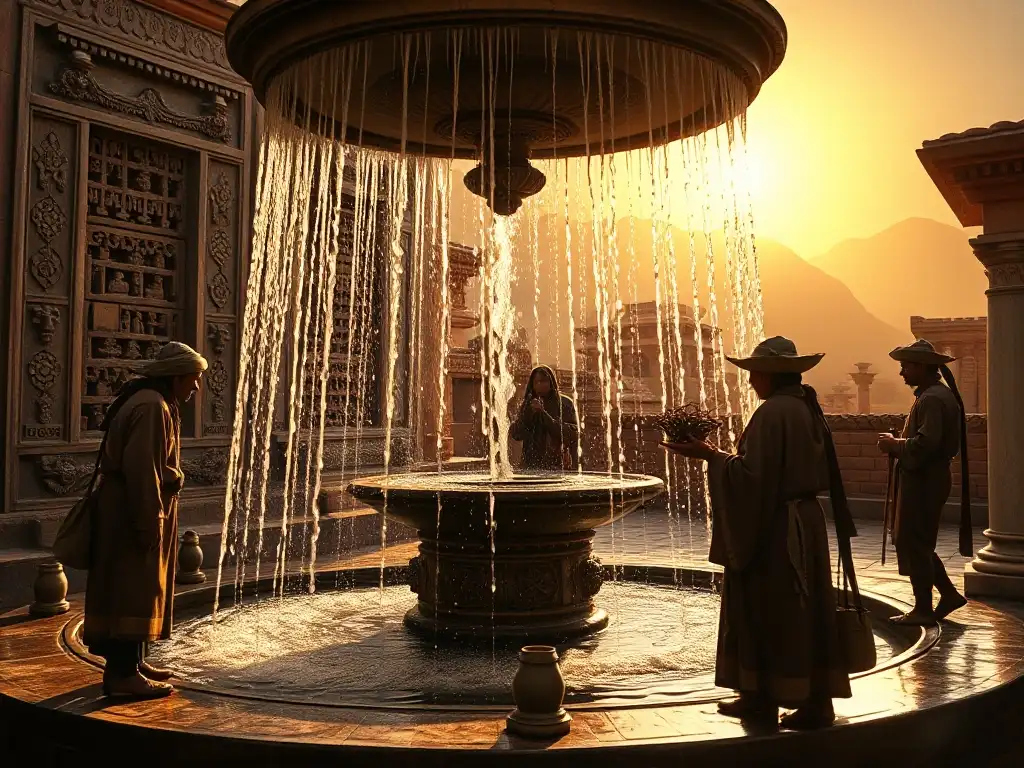
The Inca concept of spiritual cleansing, or purification ( pachapuri) wasn't merely a ritual; it was a deeply ingrained aspect of their worldview, reflecting their profound connection with the Pachamama (Mother Earth) and the cosmos. Understanding their purification practices requires delving into the rich symbolism woven into every element of these ceremonies. The Inca believed that maintaining a balance between the spiritual and physical realms was crucial for individual and societal well-being.
Impurity, whether physical or spiritual, was seen as disrupting this delicate equilibrium, leading to illness, misfortune, or even societal upheaval. Therefore, rituals aimed at restoring this balance were paramount. The effectiveness of these rituals wasn't solely dependent on the actions performed but also, critically, on the intentional participation and belief of the individuals involved.
This section will explore the symbolic significance of various components of Inca spiritual cleansing rituals, focusing on the core elements that underpinned their effectiveness. We'll examine the symbolic use of water, fire, and air, the significance of offerings and prayers, and the paramount importance of intention and belief in achieving true spiritual purification.
Symbolic Use of Water, Fire, and Air
Water, fire, and air played pivotal roles in Inca spiritual cleansing rituals, each element carrying profound symbolic weight. Water, representing purity and renewal, was frequently used in purification ceremonies. The act of washing oneself with water, particularly from sacred springs or rivers, was believed to wash away not only physical dirt but also spiritual impurities.
This cleansing action mirrored the cyclical renewal of nature, symbolized by the annual rains that rejuvenated the land. In contrast, fire, representing transformation and purification through intense heat, was employed in specific rituals. Burning offerings, often accompanied by prayers and chants, was believed to transmit the supplicant's intentions to the gods, cleansing the spirit through the symbolic destruction of negative energies.
Finally, air, representing breath and life force, played a more subtle but equally important role. The act of breathing deeply, often in conjunction with prayers and meditation, was seen as a way to cleanse the spirit from within, restoring harmony and balance.
Consider the capac coca, the sacred coca leaves, often chewed during ceremonies. The act of chewing itself, alongside the specific prayers and offerings that accompanied it, could be considered a form of purification, facilitated by the air moving through the body and the intention behind the ritual. The air inhaled was symbolically cleansed as it passed through the body, further illustrating the interconnectivity of the elements in Inca spiritual practices. Specific locations, such as mountaintops or near waterfalls, were chosen for their inherent connection to these elements, enhancing the ritual's power and effectiveness.
The Significance of Offerings and Prayers
Offerings formed an integral part of Inca spiritual cleansing rituals. These weren't merely gifts to appease the gods; they were symbolic representations of the supplicant's intention to restore balance and harmony. Common offerings included chicha (a fermented corn beverage), coca leaves, food, and precious objects.
The act of offering these items was a powerful act of surrender and humility, acknowledging the greater power of the spiritual realm and seeking its intervention. The quantity and quality of the offerings varied depending on the severity of the perceived impurity and the status of the individual performing the ritual. A simple washing ritual might only require a small offering of coca leaves, while a more elaborate ceremony for a community might involve a significant amount of food and drink.
Prayers, often chanted in Quechua, played a crucial role in connecting the supplicant with the spiritual realm. These prayers weren't simply requests for blessings; they were expressions of gratitude, repentance, and a commitment to living in harmony with the natural world and the Inca deities. The specific words used and the tone of the prayers were essential, reflecting the supplicant's sincerity and commitment to the ritual's purpose.
The rhythmic chanting, often accompanied by musical instruments, created a powerful atmosphere conducive to spiritual purification and connection. Detailed records of these prayers and chants, however, remain scant, representing a significant gap in our understanding of the specifics of Inca spiritual practice. Further research is needed to fully unpack the nuances and power of these oral traditions.
The Importance of Intention and Belief
While the symbolic elements and ritualistic actions were undoubtedly important, the success of Inca spiritual cleansing rituals hinged on the intention and belief of the participants. The Inca believed that the power of purification stemmed not solely from the external actions but from the internal transformation that occurred through sincere commitment and unwavering faith. A ritual performed without genuine intention or belief was considered ineffective, even counterproductive. The individual's state of mind, their level of devotion, and their conviction in the ritual's efficacy directly influenced its outcome. This underscores the deeply personal and spiritual nature of Inca purification practices.
The concept of ayni, the principle of reciprocity and mutual obligation, also played a significant role. The act of purification wasn't simply about individual cleansing; it was about restoring balance within the community and the cosmos. By participating in these rituals, individuals reaffirmed their commitment to the community and their responsibility to maintain harmony within the larger social and natural order.
This collective aspect further amplified the power of the purification process, creating a shared experience that fostered unity and strengthened social bonds. The deep-seated belief in the efficacy of these rituals, passed down through generations, ensured their continued practice and their enduring significance within Inca society. The legacy of these practices continues to resonate in modern Andean cultures, highlighting their enduring power and relevance.
The Legacy of Inca Spiritual Cleansing
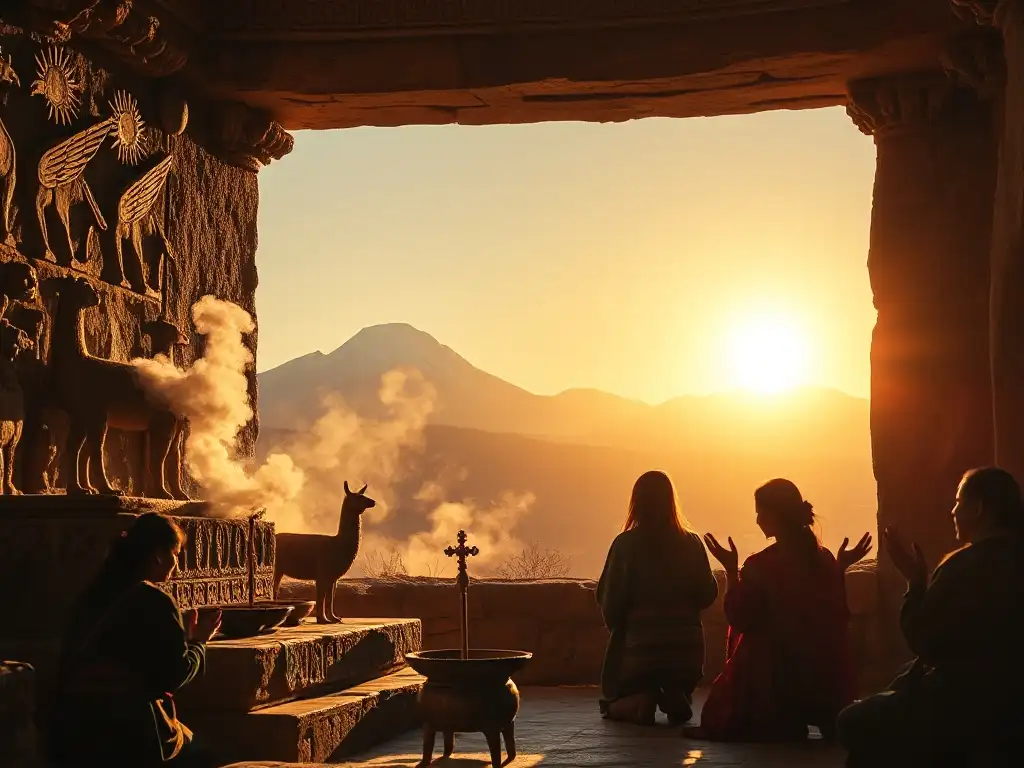
The Inca concept of spiritual cleansing, or purification, wasn't a singular event but an integral part of daily life and major ceremonies. It aimed to maintain balance – kay pacha – between the human world and the spiritual realm, ensuring good fortune, health, and successful harvests. This intricate system involved a complex interplay of rituals, offerings, and beliefs centered around the appeasement of powerful deities and the removal of negative energies, or supay. The Inca believed that impurities, whether physical or spiritual, could disrupt this delicate balance, leading to misfortune or illness.
Therefore, regular cleansing rituals were crucial for maintaining harmony and prosperity within their society. Understanding this holistic approach is key to deciphering the profound significance of Inca spirituality. The effectiveness of these rituals wasn't solely dependent on the actions performed but also on the individual's sincere devotion and the community's collective participation.
Modern Interpretations of Inca Rituals
Modern scholars and practitioners continue to explore and interpret Inca spiritual cleansing rituals. While direct observation is impossible, archaeological evidence, colonial chronicles, and surviving Andean traditions provide valuable insights. Many researchers focus on the symbolic meaning of various elements used in rituals, such as coca leaves, incense, and specific offerings.
For instance, the use of coca leaves, chewed ceremonially, was not only a social practice but also a ritualistic act associated with cleansing and divination. The burning of specific herbs, like paico and muña, was believed to purify the air and ward off negative spirits. These interpretations are often interwoven with anthropological and ethnobotanical studies, adding layers of understanding to the practices.
Furthermore, the study of Inca iconography, particularly depictions of deities and ceremonial objects, offers clues to the significance of particular rituals and their intended effects. The meticulous detail found in Inca art provides valuable context for understanding the beliefs and practices surrounding spiritual cleansing. The accurate interpretation of these rituals remains an ongoing process, requiring careful consideration of multiple perspectives and sources.
Surviving Practices in Andean Communities
Despite the Spanish conquest and the suppression of Inca religion, many aspects of Inca spiritual cleansing persist in modern Andean communities. These practices, often subtly interwoven with Catholic traditions, demonstrate the enduring power of Inca spirituality. For example, the use of coca leaves for spiritual cleansing and divination continues in many communities, albeit often adapted and combined with Christian beliefs.
Similarly, various forms of herbal medicine and purification rituals, drawing upon pre-Columbian knowledge, are still practiced today. These practices offer a direct link to the past, providing tangible evidence of the continuity of Inca spiritual traditions. However, it's crucial to understand that these contemporary practices aren't simply direct replicas of Inca rituals but rather evolved forms reflecting cultural syncretism and adaptation to changing circumstances.
Documentation of these living traditions is vital for preserving and understanding the rich heritage of Inca spiritual cleansing. Further research into these contemporary practices is needed to fully appreciate the evolution and persistence of these ancient rituals. This involves collaborating with Andean communities and respecting their cultural knowledge.
The Enduring Impact of Inca Spirituality
The Inca's emphasis on spiritual cleansing had a profound and lasting impact on Andean culture. Their holistic approach, emphasizing the interconnectedness between the physical and spiritual worlds, continues to resonate in contemporary Andean societies. The importance placed on maintaining balance and harmony with nature, along with the use of ritual practices for purification and healing, has deeply influenced subsequent Andean worldviews.
This enduring legacy is evident in the continued use of traditional medicines, spiritual practices, and beliefs surrounding the natural world. Moreover, the Inca's sophisticated understanding of cosmology and their meticulous rituals serve as a testament to the complexity and sophistication of their spiritual beliefs. Their practices weren't merely superstitious acts but rather integral aspects of a comprehensive system designed to maintain social order, individual well-being, and a harmonious relationship with the cosmos.
The study of Inca spiritual cleansing rituals, therefore, offers valuable insights into the richness and resilience of Andean culture and its enduring connection to its ancient past. The impact of Inca spirituality continues to be felt today, shaping the cultural landscape and the spiritual practices of the Andes.
Connecting Inca Purification with Modern Wellness Concepts
Parallels to Contemporary Cleansing Practices
The Inca emphasis on physical and spiritual purity finds striking parallels in modern wellness trends. The Inca's ritual cleansing, often involving water, herbs, and coca leaves, resonates with contemporary practices like hydrotherapy, aromatherapy, and herbal medicine. Consider the similarities: Inca paqos (shamans) used coca leaves not only for their stimulating properties but also for their perceived spiritual cleansing power; today, many wellness practitioners utilize herbal infusions for detoxification and stress reduction.
Similarly, the Inca's use of sweat lodges for purification mirrors modern sweat therapy, both aiming to eliminate toxins and promote relaxation. The shared goal is a sense of renewal and rejuvenation, a release of negative energy, whether understood as spiritual imbalance or physical toxins.
These parallels highlight the enduring human need for practices that cleanse the body and spirit, transcending time and culture. While the scientific basis for some of these practices may differ in interpretation, the underlying principle of achieving a state of wellbeing remains consistent.
The effectiveness of Inca spiritual cleansing rituals in achieving physical and mental wellness is supported by anthropological studies. These studies show how the rituals fostered a sense of community and social cohesion, contributing to the overall health and well-being of the population. The communal aspect of these practices further emphasizes their connection to modern group wellness activities, such as yoga retreats or meditation workshops. The shared experience strengthens social bonds and fosters a sense of collective healing. The rituals were not simply individual actions; they were integrated into the social fabric of Inca society.
The Importance of Mind-Body Connection
A central tenet of Inca spiritual cleansing was the inseparable link between physical and spiritual well-being. This holistic approach is increasingly recognized in modern wellness philosophies. The Inca didn't separate the body from the spirit; illness was seen as an imbalance affecting both realms. Their rituals aimed to restore harmony between the two, employing methods that addressed both physical symptoms and spiritual blockages.
This integrated approach contrasts with some modern medical models that often treat the body and mind as separate entities. The Inca understanding emphasizes the profound interconnectedness of physical and mental health, a concept central to many modern holistic therapies, such as mindfulness and meditation. The Inca's deep understanding of the mind-body connection provides a valuable lesson for contemporary wellness practices. The Inca worldview suggests that neglecting either the physical or spiritual aspect inhibits true well-being.
The effectiveness of this holistic approach is evident in the longevity and overall health of the Inca population, at least prior to European contact. While precise data on life expectancy is debated, anthropological evidence suggests a relatively healthy population, a testament to their integrated approach to healthcare. This suggests that a holistic approach that considers both the physical and spiritual aspects of health may be beneficial for modern populations as well. Further research comparing ancient Inca health practices with contemporary methods may yield valuable insights for improving modern healthcare systems.
Lessons from Inca Spirituality for Modern Life
The Inca's focus on spiritual cleansing offers valuable lessons for modern life, particularly in our increasingly stressful world. Their rituals provided a structured approach to managing stress and promoting mental clarity. Incorporating elements of mindful practices, such as meditation and deep breathing, which echo the meditative aspects of some Inca rituals, can help individuals achieve a state of inner peace and reduce anxiety. The Inca’s emphasis on connecting with nature also holds relevance today.
Spending time outdoors, engaging in activities like hiking or gardening, can be a powerful way to reduce stress and improve mental well-being, mirroring the Inca’s reverence for the natural world. Their emphasis on community and shared rituals can also inspire contemporary wellness practices. Participating in group activities, such as yoga classes or meditation groups, can provide social support and a sense of belonging, contributing to overall mental health.
The Inca’s legacy extends beyond their impressive architectural achievements; their sophisticated understanding of spiritual cleansing and its profound impact on overall wellness offers lasting wisdom for contemporary society. The integration of elements from Inca spiritual practices into modern wellness routines could significantly enhance individual and community well-being.
This involves a mindful approach to self-care, a connection with nature, and a focus on the interconnectedness of mind, body, and spirit—all key principles deeply embedded in Inca culture and its traditions surrounding Inca spiritual cleansing rituals. Further research into the specific techniques and the impact of these rituals on the Inca population could provide valuable insights for modern wellness practices and a deeper understanding of the Inca civilization.
Frequently Asked Questions
What were the Inca's beliefs about purity and impurity?
The Inca believed that spiritual purity was essential for maintaining balance and harmony with the world. Impurity, often caused by contact with death or illness, disrupted this balance and needed to be addressed through ritual cleansing. This was crucial for both individuals and the community.
What role did water play in Inca spiritual cleansing rituals?
Water played a central role, symbolizing purification and renewal. Rituals frequently involved bathing, washing, or using water in ceremonies to cleanse individuals and objects of negative energies. Sacred springs and rivers held particular significance.
What other elements besides water were used in Inca purification rituals?
In addition to water, coca leaves, incense, and specific herbs were employed. These were believed to have purifying properties and were used in offerings, fumigations, or consumed to cleanse the body and spirit. Prayers and offerings to deities were also integral parts of these rituals.
How did the Inca perform spiritual cleansing rituals for the deceased?
Elaborate rituals were performed to purify the deceased and their belongings before burial. This involved washing the body, offering food and drink, and performing specific ceremonies to guide the spirit to the afterlife. The goal was to prevent the deceased's spirit from causing harm to the living.
Were Inca spiritual cleansing rituals only performed by priests?
While priests played a significant role in leading major ceremonies, many rituals could be performed by individuals themselves. Daily practices, such as washing and offering coca leaves, were considered forms of self-purification. However, complex ceremonies requiring specialized knowledge were conducted by religious specialists.
Final Reflection: Echoes of the Andes: A Legacy of Spiritual Cleansing
The Inca understanding of spiritual cleansing, far from being a relic of a bygone era, resonates deeply with our contemporary anxieties about well-being and balance. The pursuit of inner peace and harmony, a central tenet of Inca spirituality, remains a universal human aspiration, echoing in the modern wellness movement's emphasis on mindfulness and self-care. This ancient wisdom offers a powerful counterpoint to the frenetic pace of modern life.
The enduring influence of Inca spiritual practices is evident in the growing interest in indigenous wisdom and alternative healing modalities. We see this reflected in the increasing popularity of practices like smudging, sound healing, and energy work – all of which share a common thread with the Inca emphasis on restoring balance and harmony within the individual and with the natural world. The earth is what we all have in common.
This simple truth, though perhaps not explicitly stated in Inca texts, underpins their holistic approach to spiritual cleansing, reminding us of our interconnectedness with all living things.
Consider the profound implications of this ancient knowledge. You, too, can cultivate a sense of inner peace and harmony by consciously incorporating practices that promote balance and well-being into your daily life. Perhaps it's a moment of quiet reflection in nature, a mindful act of gratitude, or the simple act of connecting with your breath. Embrace the legacy of the Inca, and discover the transformative power of spiritual cleansing within yourself. Let the echoes of the Andes guide you on your own journey towards wholeness.
Embrace Your Journey to Spiritual Renewal
Thank you for exploring the profound concepts of spiritual cleansing and purification within Inca culture. By delving into these ancient practices, you've gained valuable insights into the importance of spiritual well-being and the pursuit of inner harmony. Now, it's time to put this knowledge into practice!
- Begin your own spiritual cleansing journey: Dedicate some time each week to reflection and meditation. Create a peaceful space where you can focus on releasing negativity and cultivating positive energy.
- Share your newfound knowledge: Discuss these Inca practices with friends or join a group interested in spiritual growth. Sharing your insights can strengthen your understanding and foster deeper connections with others.
- Explore contemporary interpretations of ancient rituals: Research modern adaptations of Incan spirituality or participate in workshops incorporating traditional cleansing techniques, such as sound healing or nature immersion.
How will you integrate these principles of spiritual cleansing into your life? What aspects resonate most deeply with you?