
The Role of Water in Inca Religious Practices and Beliefs

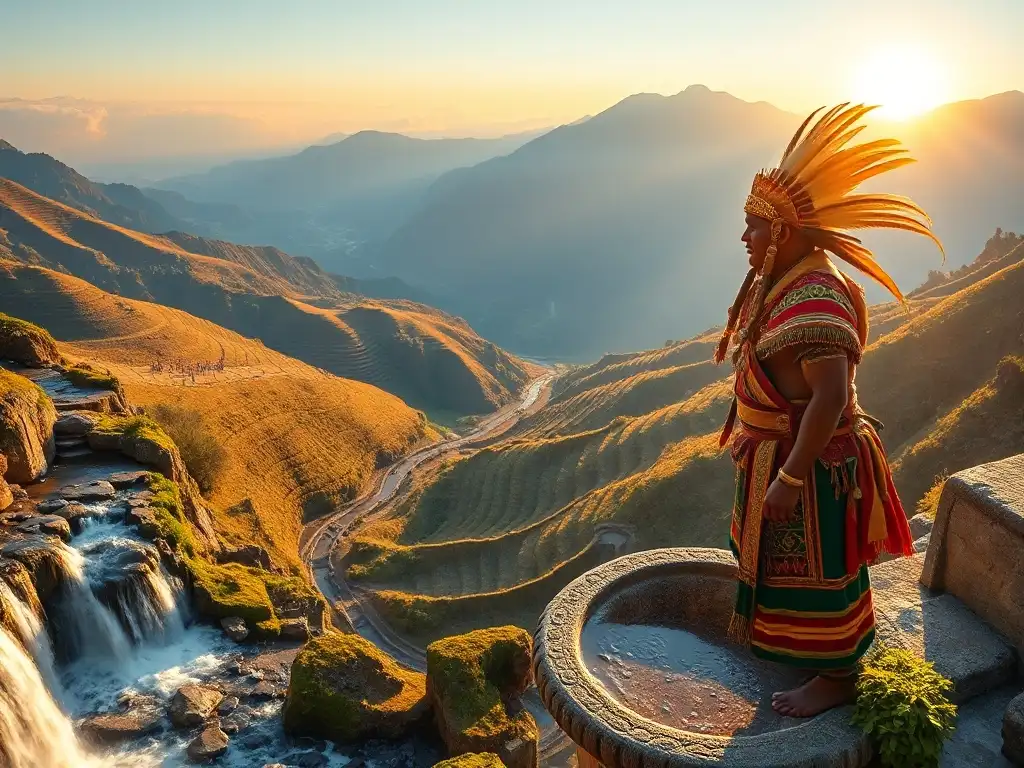
Dive into the captivating world of the Andean civilizations! Journey through millennia of innovation and spiritual depth, uncovering the secrets of empires like the Inca, Moche, and Nazca. But first, prepare to be mesmerized by the intricate relationship between the Inca and their most sacred element: water. Unravel the mysteries surrounding Inca water rituals and beliefs—a fascinating glimpse into a civilization's profound connection with the lifeblood of their empire. Discover how this vital resource shaped their faith, their society, and their enduring legacy. Continue reading to uncover the hidden truths.
Water, a life-giving force in the harsh Andean environment, held a position of paramount importance in Inca religious practices and beliefs. Far from being simply a resource for survival, water was deeply interwoven into the Inca worldview, shaping their cosmology, rituals, and understanding of the divine. This article delves into the profound significance of water in Inca culture, exploring its sacredness, its representation as a deity, and the beliefs surrounding its origins.
Understanding the Inca reverence for water provides crucial insight into their complex religious system and its profound connection to the natural world. We will explore how this reverence manifested in various rituals and ceremonies, highlighting the intricate relationship between the Inca people and their environment, a relationship deeply shaped by the scarcity and vital importance of water in the high Andes.
This exploration will shed light on how water permeated nearly every aspect of Inca life, from agriculture and daily routines to elaborate religious festivals and royal ceremonies, cementing its place as a central pillar of their spiritual landscape. The intricate interplay between water, religion, and daily life within the Inca Empire reveals a society deeply connected to its environment and profoundly shaped by its unique geographical context.
The Sacredness of Water in Inca Cosmovision
The Inca worldview, or cosmovision, viewed the world as a harmonious interplay between the earthly and spiritual realms. Mountains, rivers, and springs were not merely geographical features; they were considered sacred places, imbued with spiritual power. Water, being the source of life and fertility, held a particularly prominent position within this cosmology.
Inca mythology frequently depicted water sources as entrances to the underworld or as pathways to the divine. The purity and life-giving properties of water were associated with the gods and ancestors, making it an essential component in many religious rituals and ceremonies. For example, the Capac Ñan, the extensive Inca road system, often followed water sources, highlighting their importance in connecting sacred sites and facilitating communication with the spiritual world.
The careful management of water resources, through sophisticated irrigation systems and agricultural practices, also reflected the deep respect and reverence the Inca held for water as a divine gift. This reverence wasn't merely symbolic; it was deeply practical, ensuring the survival of the Inca civilization.
The Inca saw the cyclical nature of water – its flow, its replenishment, and its eventual return to the earth – as a mirror of the cyclical nature of life, death, and rebirth. This understanding further strengthened the sacredness associated with water, emphasizing its role as a fundamental element in the continuous renewal of the cosmos. The intricate relationship between the Inca and water was not merely a practical one; it was deeply spiritual, reflecting a profound interconnectedness between humanity and the natural world.
Water as a Divine Entity in Inca Theology
Water wasn't just a sacred element in Inca cosmology; it was also directly associated with specific deities. While specific details remain debated by scholars, evidence suggests that certain water sources were directly linked to powerful deities, particularly those associated with fertility, abundance, and the underworld. These deities were often invoked during rituals involving water, seeking their blessings for successful harvests, plentiful rains, or protection from drought.
The offerings made during these rituals, often involving coca leaves, llama sacrifices, and other precious objects, underscore the profound importance attributed to these water-associated deities. The veneration of these deities reflects the Inca understanding of the power inherent in water, its ability to sustain life, and its connection to the broader cosmic order.
Furthermore, the Inca understood water's power to cleanse and purify. Ritual washing with water was a common practice, both for personal purification and to prepare for religious ceremonies. This reinforces the concept of water as a sacred element with the power to connect individuals to the spiritual realm and cleanse them of impurities, both physical and spiritual. The precise rituals varied depending on the specific context and the deity involved, but the central role of water in these practices remained consistent.
Inca Beliefs About the Origins of Water
Inca mythology offers various narratives regarding the origins of water. These stories, often passed down orally through generations, reflect the Inca's deep understanding of the natural world and their attempts to explain the origins of life and the cosmos.
While specific details vary across different accounts, many myths depict water emerging from primordial sources, often associated with subterranean springs or powerful deities residing in the depths of the earth. These narratives reinforced the sacredness of water, framing it not merely as a resource but as a fundamental element created by the divine and essential for the existence of all life.
These creation myths frequently interwoven the origins of water with the origins of the Inca people themselves, creating a powerful sense of connection between the civilization and the very essence of life. The stories emphasized the importance of respecting and protecting water sources, reflecting the practical consequences of water scarcity in the Andean environment and the spiritual importance of maintaining a harmonious relationship with the natural world.
Understanding these creation myths provides key insights into the fundamental beliefs that shaped Inca society and its religious practices. The stories' enduring influence highlights the significance of water in shaping the Inca worldview and their deep reverence for this life-giving resource.
Key Water Deities in the Inca Pantheon

The Inca pantheon was richly populated with deities representing various aspects of the natural world, and water, essential for life and agriculture in the Andes, held a prominent place. While the Inca didn't have a single, overarching water god in the same way some pantheons feature a Poseidon or Neptune, several deities were closely associated with water and its power. One of the most significant was Pachamama, the Earth Mother, who was intimately connected to the fertility of the land and, by extension, the water that nourished it.
Her influence extended to the springs, rivers, and subterranean waters that sustained Inca life. Prayers and offerings to Pachamama often involved libations of chicha (a fermented maize drink) poured into the earth or into bodies of water. This act symbolized a reciprocal relationship: the Inca provided offerings, and Pachamama provided the life-giving water.
Another important deity linked to water was Wiracocha, the creator god. While Wiracocha's domain was vast, encompassing creation itself, his connection to water is evident in the myths surrounding his emergence from Lake Titicaca. This origin story underscores the sacredness of water as a source of life and creation, emphasizing Wiracocha's role as the ultimate provider. The immense respect for Lake Titicaca itself, as a source of both fresh water and sustenance, reflects this connection to Wiracocha's power. The lake's legendary status further cemented the importance of water within the broader Inca cosmology.
Furthermore, specific springs and rivers were often associated with local deities or spirits, often reflecting their unique characteristics and perceived power. These local deities, though not central to the pan-Inca religion, played a crucial role in the daily lives of communities, ensuring the continuous flow of water and the prosperity of their crops. These local beliefs demonstrate the deeply ingrained importance of water not just within the overarching religious framework but also within the daily lives of the Inca people.
The veneration of these localized water spirits was as crucial as the worship of the major deities, highlighting the pervasive influence of water in Inca spirituality. The integration of these local beliefs into the broader Inca religious system demonstrates the adaptive and flexible nature of Inca religion.
The Importance of Springs and Rivers in Inca Spirituality
Springs and rivers weren't merely sources of water for the Inca; they were sacred sites imbued with spiritual significance. The very act of drawing water was infused with ritualistic meaning. Inca people didn't simply collect water; they engaged in a process of respectful interaction with the spirit of the water source. Prayers, offerings, and specific rituals were performed at springs and along riverbanks to ensure a continuous and abundant supply of water. This wasn't merely a pragmatic approach to securing a vital resource; it was a deeply spiritual practice reinforcing the interconnectedness between the Inca and the natural world.
The location of many Inca settlements, often built near springs and rivers, reflects the importance of these water sources. The careful engineering of Inca irrigation systems, particularly the sophisticated acequias (canals), wasn't solely a feat of engineering prowess; it was also a demonstration of reverence for the water itself.
These systems facilitated not only the efficient distribution of water for agriculture but also its careful management, reflecting a deep respect for the resource and a recognition of its sacred nature. The meticulous planning and construction of these systems highlight the Inca's profound understanding of and respect for the hydrological cycle and its importance to their survival and spiritual well-being.
Moreover, specific springs and rivers were often associated with healing properties, and some were considered sacred sites where rituals of purification and healing were performed. These sites became pilgrimage destinations, further solidifying the spiritual significance of water in Inca culture. The convergence of spiritual and practical aspects surrounding water highlights the seamless integration of religion and daily life in Inca society.
The sacredness of these water sources extended beyond simple sustenance; they were seen as places of power, capable of influencing health, fertility, and the overall well-being of the community. The continued reverence for these sites, even after the fall of the Inca Empire, serves as a testament to the enduring importance of water in Andean culture and spirituality.
- The Sacredness of Water in Inca Cosmovision
- Water as a Divine Entity in Inca Theology
- Inca Beliefs About the Origins of Water
- Key Water Deities in the Inca Pantheon
- The Importance of Springs and Rivers in Inca Spirituality
- What was the significance of water for the Inca?
- How did the Inca use water in their rituals?
- What role did specific water sources play in Inca beliefs?
- Were there any Inca rituals specific to times of drought or abundance of water?
- How did the Inca's understanding of water impact their agriculture?
Inca Water Rituals and Ceremonies
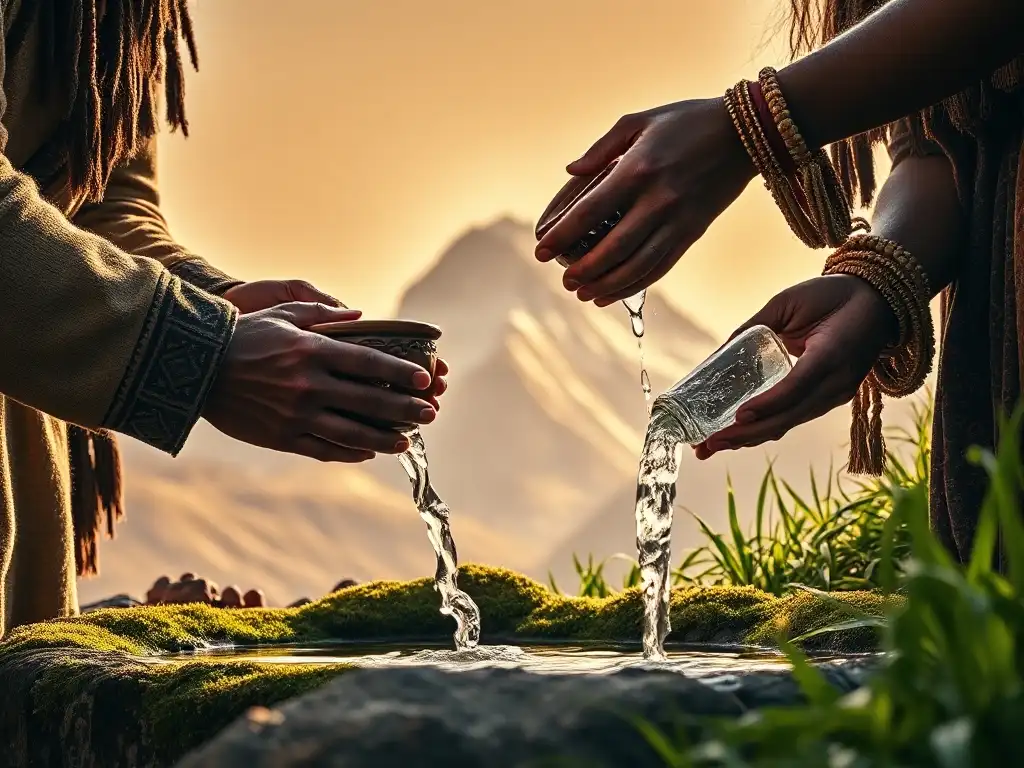
The Inca civilization, renowned for its sophisticated engineering and intricate social structures, held profound reverence for water. Far from being a mere resource, water was deeply embedded in Inca religious beliefs and practices, shaping their worldview and influencing their daily lives. Understanding the role of water in Inca culture provides crucial insight into their spiritual landscape and the complex relationship they forged with their environment.
This section will delve into specific Inca water rituals and ceremonies, exploring their significance and illustrating their importance within the broader context of Inca religion. The understanding of Inca water rituals and beliefs is key to understanding the Inca worldview.
Purification Rituals Using Water in Inca Culture
Water played a central role in Inca purification rituals, considered essential for maintaining physical and spiritual well-being. These rituals weren't solely about hygiene; they were deeply symbolic acts, cleansing individuals of negative energies and preparing them for participation in religious ceremonies or important social events. The process often involved various forms of water, including spring water, considered sacred due to its purity, and water from specific glacial lakes, believed to possess powerful cleansing properties.
Several methods were employed in these purification rituals. One common practice involved pouring water over the body, a symbolic washing away of impurities. This was often accompanied by prayers and offerings to the relevant deities, typically Mama Killa (the Moon) or Apus (mountain spirits), whose domains often encompassed water sources. Another method involved ritual bathing in designated pools or rivers, a more immersive and powerful form of purification.
These locations were often considered sacred, imbued with spiritual energy that enhanced the cleansing effect. The use of specific plants or herbs in the water further enhanced the ritual's efficacy, adding another layer of symbolic meaning. Detailed accounts of these practices are unfortunately scarce, leaving room for further research and interpretation. However, archeological evidence, such as the discovery of ritual bathing facilities in Inca sites, supports the widespread prevalence of water-based purification.
Agricultural Ceremonies and Water Offerings
Inca agriculture was inextricably linked to their religious beliefs, with water playing a pivotal role in ensuring bountiful harvests. The Inca understood the vital connection between water and agricultural success, leading to the development of elaborate irrigation systems and the implementation of various agricultural ceremonies centered around water. These ceremonies weren't merely pragmatic; they were imbued with spiritual significance, designed to appease the gods and ensure the continued prosperity of their agricultural endeavors.
One prominent example of this is the capac hucha, a complex system of offerings, including water, made to the Apus and other deities associated with water and fertility. These offerings were often conducted at specific times of the year, coinciding with crucial stages of the agricultural cycle, such as planting and harvesting. The offerings weren't simply discarded; they were carefully placed in designated locations, often near springs or irrigation channels, symbolizing the return of water to its natural source.
The precise nature of these offerings varied depending on the region and specific deity being honored, suggesting a nuanced and localized approach to agricultural rituals. The meticulous nature of Inca irrigation systems, discussed further below, also underscores the religious significance they attached to water management.
The success of their agriculture was directly linked to their ability to harness and manage water resources effectively, a testament to their deep understanding of the interconnectedness of their spiritual and material worlds. The careful integration of religious practice into agricultural production is a testament to the deeply ingrained nature of their beliefs.
Inca Irrigation Systems and their Religious Significance
The Inca's mastery of hydraulic engineering is widely recognized, with their intricate irrigation systems serving as a testament to their advanced technological capabilities. However, these systems were not merely feats of engineering; they were also deeply imbued with religious significance. The construction and maintenance of these systems were often accompanied by religious ceremonies, reinforcing the sacred nature of water and its essential role in Inca society. These systems were not simply functional; they were also powerful symbols of Inca control over their environment and their ability to harness the power of nature for their benefit.
The Inca irrigation systems demonstrate a sophisticated understanding of hydrology and engineering. They skillfully channeled water from rivers and springs, using canals, aqueducts, and terraces to irrigate vast agricultural lands. These systems were incredibly efficient, capable of supporting a large population and ensuring food security.
But beyond their practical function, these systems were integral to Inca religious beliefs. The canals themselves were often seen as sacred pathways, channeling not only water but also spiritual energy. The careful alignment of canals with astronomical features further strengthens this argument, suggesting a deliberate integration of astronomical and religious principles into the design of their irrigation systems.
The construction and maintenance of these systems were not simply technical tasks; they were religious acts, performed with reverence and respect for the water they channeled. The longevity and effectiveness of these systems are a testament to the Inca's deep understanding of both engineering and the spiritual significance of water. The intricate network of canals and aqueducts bears witness to the profound respect the Inca held for water and its life-giving power.
Ritual Baths and Cleansing Practices
Water played a crucial role in Inca purification rituals, reflecting their deep reverence for its life-giving properties. Ritual baths weren't simply about physical cleanliness; they represented a spiritual cleansing, a washing away of impurities and a reconnection with the sacred. These ceremonies were often performed before significant events, such as religious festivals or important agricultural activities. The water used was not ordinary; it was often sourced from sacred springs or rivers believed to possess special powers.
Priests, or hamacs, would oversee these ceremonies, sometimes incorporating specific herbs or other purifying elements into the water to enhance its spiritual potency. The precise nature of these added ingredients varied depending on the specific ritual and its purpose. For example, certain herbs might have been used to invoke specific deities or to promote fertility. The act of bathing itself was a deliberate and symbolic process, not a hurried ablution.
Individuals would immerse themselves fully, allowing the water to wash over them, symbolically cleansing their bodies and souls. The entire process was often accompanied by prayers and offerings, further reinforcing the sacred nature of the ritual. Archaeological evidence, including the discovery of bathing structures associated with religious sites, supports the significance of these water-based purification practices in Inca life. The meticulous design and placement of these structures underscore the importance the Inca placed on the ritual purity achieved through these cleansing ceremonies.
The Role of Water in Inca Funerary Rites
Water's symbolic power extended beyond life into the realm of death and the afterlife for the Inca. Inca funerary rites frequently incorporated water, reflecting beliefs about the cyclical nature of life and the journey of the soul. Water served as a symbolic bridge between the living world and the underworld, facilitating the deceased's passage into the afterlife. The preparation of the body for burial often involved washing and cleansing rituals, a final act of purification before the transition.
This wasn't simply a practical matter of hygiene; it was a sacred act intended to ensure a smooth passage to the next world. Furthermore, the location of burial sites often played a significant role. Many tombs were found near water sources, reflecting the belief that water could assist the deceased in their journey to the spirit world. In some cases, the deceased might even have been interred in watery environments, such as caves near springs or lakes.
The placement of offerings near bodies, including water libations, further emphasizes the importance of water in the funerary context. These offerings were not merely symbolic gestures; they were believed to sustain the deceased in their afterlife and appease the spirits of the underworld. The precise rituals and beliefs surrounding Inca funerary practices varied regionally, but the recurring presence of water underscores its enduring significance in their understanding of life, death, and the journey beyond. The detailed study of Inca burial sites and accompanying artifacts continues to shed light on the intricate relationship between water, death, and the spiritual beliefs of this remarkable civilization.
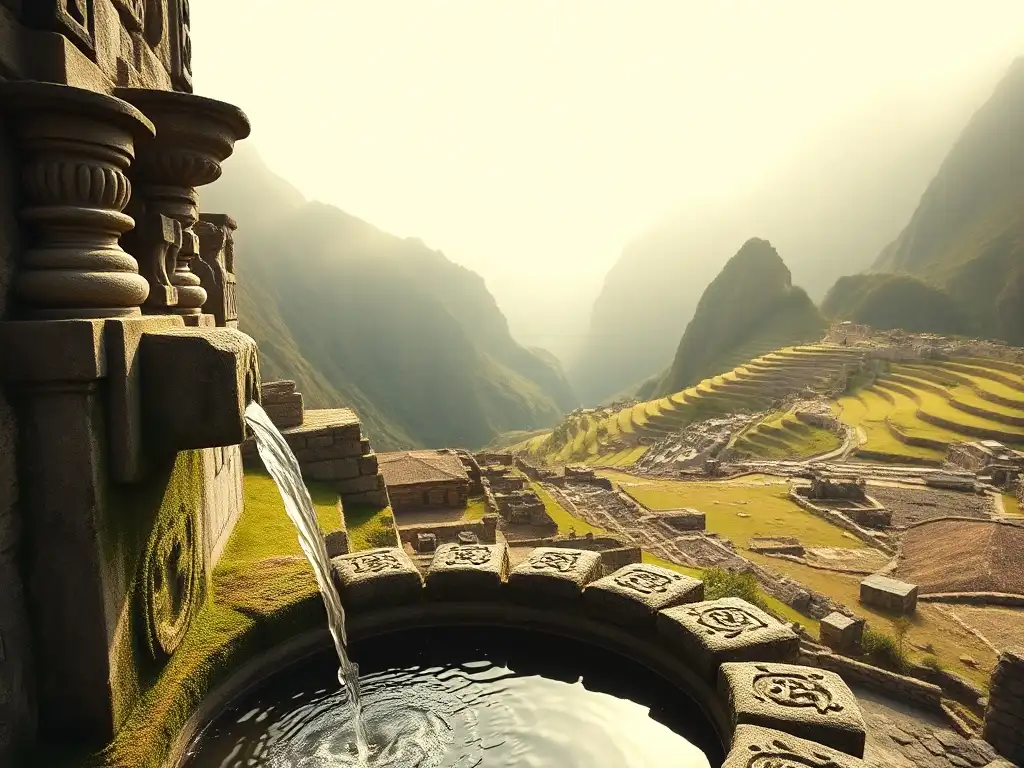
The Inca worldview deeply intertwined the sacred with the practical, and nowhere is this more evident than in their relationship with water. Water wasn't merely a resource for survival; it was a life-giving force, a potent symbol of fertility, and a crucial element in their complex religious system. Understanding Inca water rituals and beliefs requires examining specific sites where these practices were central to daily life and religious ceremonies.
The strategic placement of temples, canals, and agricultural terraces near water sources underscores the profound significance of water in Inca cosmology. Their sophisticated hydraulic engineering wasn't just about irrigation; it was a manifestation of their reverence for the life-giving power of water, reflecting a deep spiritual connection that shaped their beliefs and practices. This section delves into some key sites that provide concrete evidence of this profound relationship.
Inca Temples and Sacred Springs
Many Inca temples were built in close proximity to sacred springs or sources of flowing water. These weren't merely convenient locations; the springs themselves were considered sacred, imbued with spiritual power. Water from these springs was often used in ceremonies and rituals, believed to possess purifying and healing properties.
The precise rituals varied depending on the specific location and the deity being honored, but the consistent association between temples and water sources highlights the central role of water in Inca religious practices. Archaeological evidence suggests that offerings, including llama sacrifices and precious artifacts, were regularly deposited in these sacred springs, further demonstrating their importance in Inca religious life. The purity and flow of the water were symbolically linked to the purity and vitality of the Inca empire itself.
For example, [specific examples of temples near sacred springs and associated rituals pending]. Further research into specific temple layouts and associated water features is needed to fully elucidate the nuanced relationship between architecture and water worship.
Tipón and its Water Features
Tipón, located near Cusco, is a remarkable example of Inca engineering and religious practices centered around water. The site boasts an intricate network of canals, fountains, and agricultural terraces, all intricately designed to manage and distribute water. These weren't simply irrigation systems; they were carefully planned water features that served both practical and ritualistic purposes.
The carefully controlled flow of water, the precise placement of fountains, and the integration of water into the overall landscape all suggest a deep symbolic significance. The abundance of water at Tipón, even during dry seasons, suggests a sophisticated understanding of hydraulic engineering and a conscious effort to create a landscape that mirrored their cosmological beliefs. The precision and scale of the waterworks at Tipón are breathtaking and suggest a level of planning and execution that reflects the importance of water in Inca society.
[Specific data on the volume of water channeled, the types of crops cultivated, and the evidence of ritual use pending]. The arrangement of the terraces themselves may have followed a specific cosmological pattern related to water, reflecting Inca beliefs about the cosmos.
Ollantaytambo and its Ritual Water Use
Ollantaytambo, a significant Inca site known for its impressive agricultural terraces and imposing fortress, also demonstrates the crucial role of water in Inca religious practices. The site's intricate water management system, consisting of canals, aqueducts, and reservoirs, served not only agricultural needs but also played a vital role in ritual ceremonies. Water was likely used in purification rites, offerings to deities, and other ceremonial practices.
The strategic placement of water features within the fortress itself suggests a symbolic connection between water and the power of the Inca state. The control of water, both literally and symbolically, reinforced the Inca's authority and their connection to the divine. [Specific examples of ritual water use at Ollantaytambo, including evidence from archaeological findings, pending].
The combination of agricultural prowess and ritual water use at Ollantaytambo powerfully illustrates the deep integration of practical and spiritual aspects of water in Inca culture. The impressive scale of the water management system itself serves as a testament to the importance of this element in their religious and societal structures. The site offers a compelling case study of how Inca water rituals and beliefs shaped their landscape and their worldview.
Machu Picchu and its Connection to Water Deities
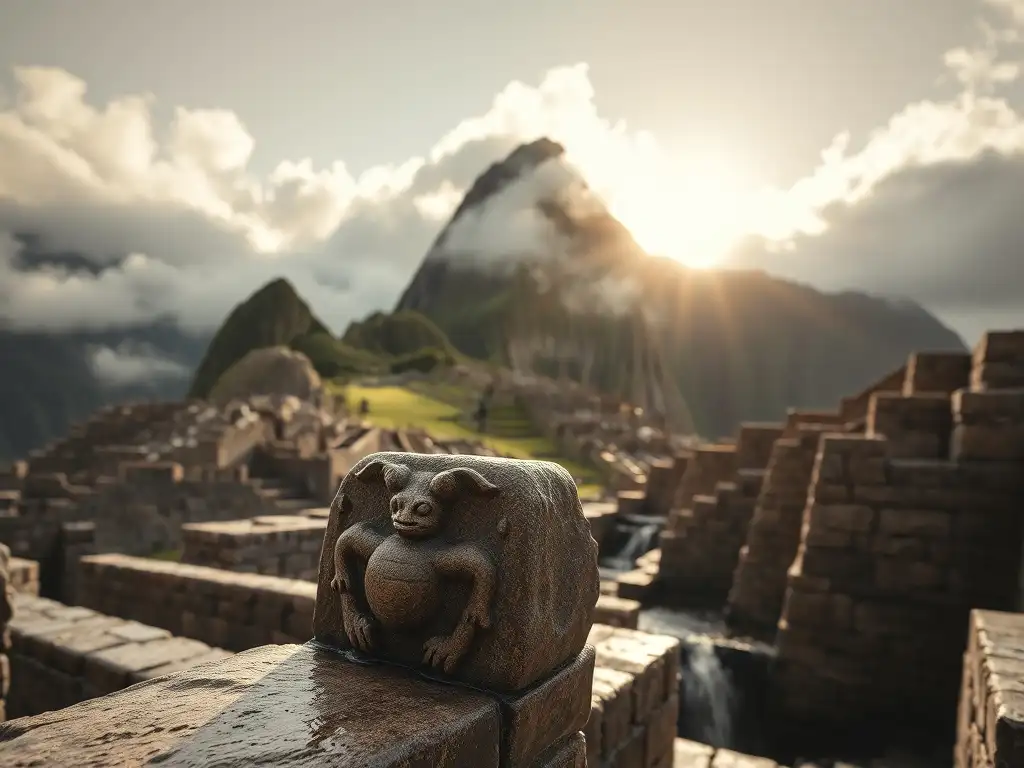
Machu Picchu, the iconic "Lost City of the Incas," wasn't merely a strategically located settlement; it was deeply intertwined with Inca cosmology and their reverence for water. The city's very design reflects this connection. The meticulous placement of structures, particularly in relation to water sources, suggests a deliberate attempt to harmonize the built environment with the natural flow of water, mirroring the Inca belief in the interconnectedness of all things.
The intricate system of fountains, canals, and baths found throughout Machu Picchu wasn't simply for practical purposes; it served a crucial ritualistic function. Water, often associated with life-giving energy and spiritual purity, played a central role in Inca religious ceremonies performed within the city. Archaeological evidence suggests that specific locations within Machu Picchu, such as the Intihuatana stone (a supposed sundial), were deliberately positioned near water sources, further highlighting the importance of this element in their sacred practices.
The presence of numerous water features, strategically integrated into the urban layout, points to a profound understanding of water's symbolic power and its connection to the Inca pantheon of deities, particularly those associated with fertility and abundance. The integration of water into the very fabric of Machu Picchu underscores the integral role water played not only in sustaining life but also in shaping Inca religious beliefs and practices.
The Significance of Water Channels and Aqueducts
Beyond the immediate vicinity of Machu Picchu and other significant Inca sites, the extensive network of water channels and aqueducts built by the Inca civilization holds immense religious significance. These weren't simply feats of engineering; they were sacred pathways, carefully designed and maintained to channel the life-giving force of water across the landscape. The meticulous construction of these systems, often carved into rock faces with incredible precision, demonstrates the high value placed on water by the Inca people.
The very act of channeling water was considered a sacred undertaking, reflecting their deep respect for the natural world and their belief in the spiritual potency of water. The Inca's ability to manage and control water resources wasn't simply a practical achievement; it was a powerful demonstration of their mastery over the natural world and their ability to harness the forces of nature for both material and spiritual benefit. This control over water, symbolized by the impressive aqueducts and channels, served as a powerful metaphor for the Inca's ability to maintain order and balance in their empire and their relationship with the divine.
The intricate network of these water systems served as a tangible manifestation of their religious beliefs, reinforcing the sacredness of water and their connection to the spiritual realm. The precision and scale of these projects reflect not only engineering prowess but also a profound spiritual understanding of water's importance in their culture.
Inca Water Management and its Religious Underpinnings
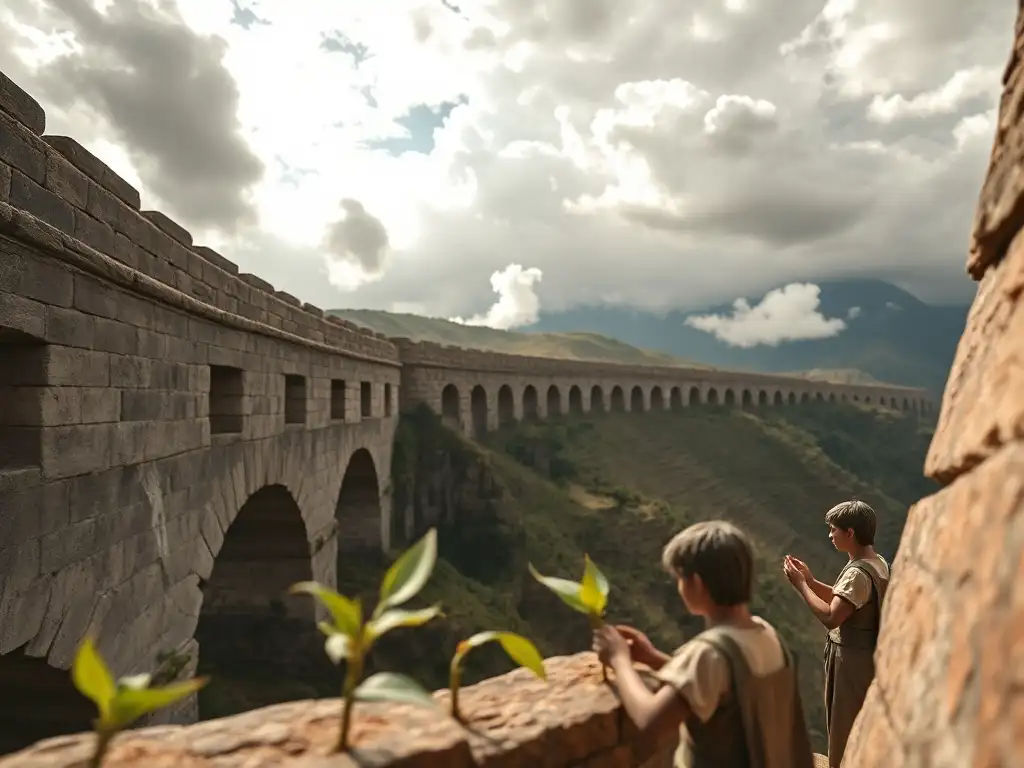
The Inca Empire's mastery of hydraulic engineering wasn't merely a feat of technological prowess; it was deeply intertwined with their religious beliefs and practices. Water, a life-giving force, held immense spiritual significance, shaping their worldview and influencing every aspect of their society, from agriculture to urban planning. Understanding the Inca's relationship with water requires appreciating its central role in their cosmology and ritualistic life.
The Inca viewed water as a sacred element, a manifestation of divine power, and their intricate water management systems reflected this profound reverence. This wasn't simply about practicality; it was about maintaining a harmonious relationship with the supernatural forces that controlled the lifeblood of their empire.
The very act of channeling and controlling water was a ritual in itself, a way of appeasing the gods and ensuring the prosperity of the empire. This section will explore the intricate connection between Inca water management and their religious beliefs, examining how their engineering prowess served a spiritual purpose.
Inca Engineering and its Relationship with Water Deities
Inca engineering feats, particularly their sophisticated irrigation systems, weren't solely driven by agricultural needs. These complex networks of canals, aqueducts, and reservoirs were also expressions of their religious beliefs. The Inca believed that water was controlled by various deities, and their engineering projects were intended to honor and appease these divine beings.
For example, the deity Mamacocha, the Mother of Waters, was a key figure in Inca mythology, representing the life-giving power of water. Many Inca rituals centered around ensuring her favor, and maintaining the flow of water through their intricate systems was a way to maintain this crucial relationship. Furthermore, the construction of these systems themselves involved rituals and offerings, solidifying the spiritual dimension of these remarkable achievements.
Evidence suggests that specific ceremonies were performed during the construction of canals and reservoirs, aimed at ensuring the success of the project and the continued flow of water. This intertwined practicality with spirituality, making their water management a religious act. The precision and scale of these projects underscore the profound importance placed upon water and the deities associated with it.
The Religious Significance of Inca Irrigation Techniques
The Inca's sophisticated irrigation techniques, including the use of terraces, canals, and aqueducts, were not just practical solutions to agricultural challenges; they were also imbued with deep religious meaning. The careful channeling of water was seen as a way to mimic the natural flow of life, mirroring the cyclical nature of the cosmos. The creation of level terraces, for example, wasn't just about maximizing arable land; it was about creating a harmonious landscape, mirroring the structured order of the Inca worldview.
These terracing techniques are a testament to their deep understanding of both hydrology and cosmology. The use of specific materials and construction methods, often involving ritualistic practices, further reinforces this connection between engineering and religion. Specific prayers and offerings were likely made throughout the construction process, ensuring the project's success and the continued benevolence of the water deities.
We can see this in the careful placement of certain structures near water sources, suggesting a deliberate intention to integrate the sacred and the practical. The intricate network of canals wasn't just a system of irrigation; it was a sacred landscape reflecting the Inca's cosmological beliefs.
The Inca's control over water resources was intrinsically linked to their social hierarchy. Access to water, a vital resource, was carefully managed and distributed according to social standing. The elite had privileged access to water, reflecting their elevated position in the Inca social structure.
This control wasn't simply a matter of power; it was a reflection of the sacred nature of water and its connection to the divine. The distribution of water mirrored the hierarchical structure of the empire, with temples and palaces receiving priority access. This controlled distribution was not just pragmatic; it reinforced the religious and political authority of the Inca rulers, highlighting their connection to the supernatural forces that controlled the life-giving water.
The meticulous management of water resources thus served not only practical purposes but also reinforced the social and religious order of the Inca Empire. This carefully regulated system ensured not only the agricultural productivity of the empire but also the continued legitimacy of the Inca rulers, highlighting the multi-faceted importance of water within their society. The system's complexity illustrates the sophisticated integration of religious beliefs, political power, and engineering expertise in the Inca Empire.
The Inca Perception of Water Scarcity and its Religious Implications
The Inca civilization, renowned for its sophisticated agricultural techniques, understood the profound importance of water. Water scarcity, therefore, held immense religious significance, impacting their beliefs and practices. Unlike modern societies that might rely solely on technological solutions, the Inca integrated their understanding of water scarcity deeply within their spiritual framework. Droughts were not merely meteorological events; they were interpreted as disruptions in the cosmic order, often attributed to displeased deities or a weakening of the ayllu's (community's) relationship with the sacred world.
This perception led to elaborate rituals aimed at appeasing the water spirits and ensuring the continued flow of water. These rituals often involved offerings – pagos – of coca leaves, chicha (a fermented corn beverage), and other precious goods, left at sacred springs, wells, and other water sources.
The act of offering wasn't simply a transaction; it was a reaffirmation of the Inca's dependence on the natural world and their commitment to maintaining a harmonious relationship with it. The community's collective participation in these rituals underscored the shared responsibility for water conservation and the understanding that the well-being of the ayllu was intrinsically linked to the availability of water.
Furthermore, the Inca worldview emphasized reciprocity ( ayni) – a system of mutual exchange and obligation. The abundance of water was seen as a gift from the gods, and the Inca felt obligated to reciprocate through respect, careful management, and ritualistic veneration. Failure to do so was believed to invite scarcity, reflecting a disruption of the natural balance and the cosmic harmony that sustained their society.
This belief system incentivized sustainable water management practices, not just for practical reasons but also to maintain spiritual equilibrium. The Inca's response to water scarcity wasn't solely pragmatic; it was deeply interwoven with their religious beliefs, highlighting the holistic nature of their worldview. Their religious practices were inseparable from their daily lives, including the essential task of securing water resources.
Inca Water Rituals and Beliefs: A Synthesis
The Inca worldview was profoundly shaped by their relationship with water. Far from a mere resource, water was a sacred element, imbued with spiritual significance and integral to their complex religious system. Understanding Inca water rituals and beliefs requires appreciating the intricate web connecting their agricultural practices, cosmological understanding, and divine veneration.
This section explores the multifaceted role of water in Inca culture, examining its religious significance, its connection to agricultural prosperity, and its enduring legacy in modern Andean communities. The pervasiveness of water in Inca life, from daily routines to grand ceremonies, highlights its central place in their spiritual and material existence. This deep-seated reverence for water is reflected in their sophisticated irrigation systems, elaborate rituals, and enduring myths.
The Interconnectedness of Water, Agriculture, and Religion
Inca society was fundamentally agrarian. Their survival depended heavily on successful agriculture, which, in turn, was entirely reliant on the availability and control of water. This inherent dependence fostered a profound spiritual connection between water, agriculture, and their religious beliefs. The Inca didn't simply use water; they venerated it as a life-giving force, a manifestation of divine power.
This is evident in their meticulous construction of intricate irrigation systems, like those found in the Sacred Valley, which were not only feats of engineering but also expressions of religious devotion. These systems weren't merely functional; they were carefully designed and maintained, often incorporating sacred sites and rituals into their operation. The apu, or mountain spirits, were considered guardians of water sources, and offerings and ceremonies were regularly performed to appease them and ensure the continued flow of water for irrigation.
The success of their agricultural endeavors was directly linked to their relationship with the spiritual world, emphasizing the inseparable nature of their religious practices and their survival. For example, the capac cocha, or sacred lakes, were considered especially potent sources of water and were the focus of significant rituals aimed at maintaining agricultural abundance. The intricate balance between human intervention and divine favor is crucial to understanding Inca water management.
The Legacy of Inca Water Practices in Modern Andean Culture
The reverence for water, so central to Inca religious practices and beliefs, continues to resonate deeply within modern Andean communities. Many traditional practices and beliefs related to water persist, demonstrating the enduring legacy of Inca culture. Contemporary Andean communities maintain many of the ancient water management techniques, integrating them with their present-day needs.
The apu still hold significant importance, with offerings and ceremonies continuing to be performed to ensure the continued flow of water and the fertility of the land. This continuity highlights the profound cultural impact of Inca water rituals and beliefs. The cyclical nature of agricultural practices, interwoven with religious observances, underscores the enduring connection between the spiritual and material realms.
For instance, many communities still practice rituals associated with rainmaking, reflecting a deep-seated belief in the power of prayer and ritual to influence the natural world – a belief directly inherited from Inca traditions. This enduring cultural heritage highlights the lasting impact of Inca water management and its integration into the fabric of modern Andean life. Further research into specific communities would provide more detailed insights into this fascinating continuity.
Understanding Inca Water Worship Through Archaeological Evidence
Archaeological evidence provides invaluable insights into Inca water worship. The discovery of numerous sacred springs, intricately designed canals, and ceremonial sites associated with water sources offers compelling proof of the significance of water in Inca religious life. For example, the findings at [specific archaeological site pending] illustrate the careful planning and construction of water channels, often integrated into the broader landscape design. These weren't merely utilitarian; they were designed to enhance the flow of water, sometimes even incorporating symbolic elements.
Moreover, the discovery of artifacts and offerings at these sites further substantiates the religious significance of water. The presence of [specific artifact types pending] suggests specific rituals or ceremonies performed at these locations. Analyzing the materials and arrangement of these artifacts allows researchers to reconstruct some aspects of Inca water worship.
The analysis of [specific type of data pending] from these sites could potentially reveal further details about the rituals and beliefs associated with water. Furthermore, the study of Inca iconography, particularly representations of water deities and symbols related to water, provides further evidence of their religious importance. By combining archaeological data with ethnohistorical accounts, we can gain a deeper understanding of the complexities of Inca water rituals and beliefs, enriching our overall comprehension of their rich cultural heritage.
The Enduring Significance of Water in Inca Worldview
Water held a position of paramount importance in the Inca worldview, far exceeding its mere practical value as a resource. It wasn't simply a necessity for survival; it was deeply intertwined with their spiritual beliefs, religious practices, and understanding of the cosmos. The Incas perceived water as a life-giving force, a powerful entity imbued with sacred properties, and a direct manifestation of the divine.
This reverence is evident in their intricate irrigation systems, which weren't just feats of engineering but also carefully planned expressions of their spiritual connection to the water sources. The meticulous design and maintenance of these systems reflect a profound respect for the life-sustaining power of water and a recognition of its integral role in maintaining the balance of their world. Their agricultural practices, inextricably linked to water management, were not just about producing food but also about performing rituals that ensured the continued flow of water and the fertility of the land – a direct offering to their deities.
The Inca believed that a harmonious relationship with water was essential for maintaining balance and prosperity within their society. Disruptions to the water cycle, such as droughts or floods, were interpreted as signs of divine displeasure or imbalance, requiring immediate appeasement through ritualistic practices.
The Inca cosmology further solidified water's sacred status. Many of their deities were associated with water sources, rivers, lakes, and springs. These sacred sites were often the locations for important ceremonies and rituals, where offerings were made to ensure the continued flow of water and the fertility of the land.
This belief system fostered a profound respect for the environment and a sustainable approach to resource management, which contributed to the Inca Empire's longevity and success. The delicate balance between the human world and the natural world, particularly as it related to water, was a central tenet of their beliefs. Their understanding wasn’t simply about the physical properties of water; it was about its spiritual essence, its connection to the divine, and its role in maintaining cosmic order.
The Inca didn't just use water; they venerated it. This deep-seated reverence is a key to understanding the intricate rituals and beliefs surrounding water in Inca culture. The importance placed on water wasn't merely symbolic; it was practical, spiritual, and fundamental to their entire way of life.
Frequently Asked Questions
What was the significance of water for the Inca?
Water held immense religious significance for the Inca. They viewed it as a sacred element, vital for life and connected to their deities. Springs and rivers were particularly revered.
How did the Inca use water in their rituals?
Inca rituals frequently involved water offerings and purification ceremonies. They used water in sacred baths and to consecrate objects and places. Pachamama, the earth goddess, was often appeased with water libations.
What role did specific water sources play in Inca beliefs?
Certain springs and rivers held special spiritual power. These sites were often considered sacred places and were associated with specific deities or ancestral spirits. Pilgrimages to these locations were common.
Were there any Inca rituals specific to times of drought or abundance of water?
Yes, drought rituals involved prayers and offerings to ensure the return of water. Conversely, during times of abundance, festivities and thanksgivings were held to express gratitude to the gods for providing water.
How did the Inca's understanding of water impact their agriculture?
Their deep respect for water heavily influenced their agricultural practices. They built complex irrigation systems to manage water resources effectively, demonstrating a deep understanding of water's importance to sustain life and their civilization.
Final Reflection: The Enduring Legacy of Water in Inca Spirituality
The reverence the Inca held for water, far from being a relic of the past, resonates deeply with our contemporary understanding of environmental stewardship and the interconnectedness of life. The scarcity of water in many parts of the world today underscores the prescience of Inca beliefs, highlighting the urgent need for sustainable practices and a renewed respect for this precious resource. Their sophisticated water management systems and deeply spiritual connection to its life-giving properties offer invaluable lessons for our time.
The Inca's profound understanding of water's vital role in sustaining life, both physically and spiritually, continues to shape our perception of its importance. Their rituals, far from being mere ceremonies, were expressions of a holistic worldview that recognized the sacredness of nature. Water is the driving force of nature,
a sentiment echoed across cultures and time, speaks to the enduring power of this fundamental element. Their intricate canal systems and agricultural practices, built upon a deep respect for water, stand as testaments to their ingenuity and their harmonious relationship with their environment. This legacy challenges us to reconsider our own relationship with the natural world and the consequences of our actions.
Consider the Inca's wisdom. Think about your own relationship with water – not just as a commodity, but as a life force, a sacred element, a source of both sustenance and spiritual renewal. Let the Inca's reverence for water inspire you to act responsibly, to conserve this precious resource, and to appreciate the profound interconnectedness of all living things. Embrace a more mindful approach to water consumption and advocate for sustainable practices within your community. The future of our planet depends on it.
Dive Deeper into the Spiritual Waters of the Incas!
Thank you for exploring the profound connection between water and Inca spirituality! Understanding these ancient practices offers a glimpse into a culture that deeply revered the natural world. Let's continue this fascinating journey.
- Join a discussion group, either online or in your community, to share insights and learn from others interested in Andean cultures.
- Visit a museum or historical site showcasing Inca artifacts and history to experience their rich legacy firsthand.
- Share this article on social media to inspire your friends to learn more about the Inca's relationship with water.
What aspect of Inca religious practices most captivates you, and how do you believe it shapes our modern understanding of nature?