
Coricancha, the Temple of the Sun: Uncovering the Spiritual Heart of Cusco

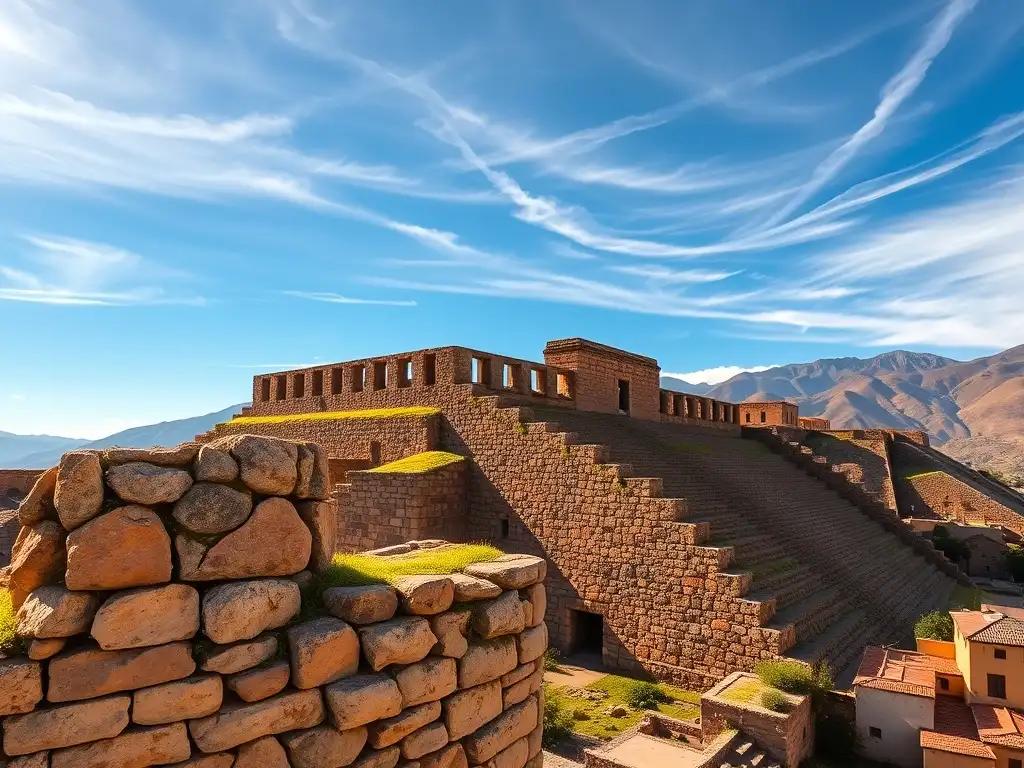
Step into a world lost to time, yet echoing with the whispers of a magnificent empire. Imagine a city of gold, a temple shimmering under the Andean sun… This is the story of Coricancha, the Temple of the Sun, a sacred site that holds the key to understanding Cusco's history and the spiritual heart of the Inca Empire. Prepare to be captivated as we unravel the mysteries surrounding this awe-inspiring structure and delve into the rich tapestry of Andean civilizations. Discover the secrets hidden within these ancient stones – your journey begins now.
The Coricancha, or Temple of the Sun, stands as a powerful testament to the Inca Empire's sophisticated religious beliefs and architectural prowess. Located in the heart of Cusco, Peru, this once-magnificent structure served as the principal religious center of the Inca world, a place where the sun god, Inti, was revered and celebrated.
This article delves into the fascinating history of Coricancha, exploring its intricate design, its significance within Inca cosmology, and the lasting impact it has had on our understanding of Andean spirituality. We will uncover the secrets held within its walls, examining its construction, the rituals performed within its sacred precincts, and the devastating effects of the Spanish conquest on this sacred site.
Understanding Coricancha is key to understanding the heart of Inca civilization and its deeply ingrained relationship with the natural world and its deities. The exploration of the Coricancha Temple of the Sun Cusco history will reveal a captivating story of faith, power, and enduring cultural legacy.
The Architectural Marvel of Coricancha
The Coricancha was not merely a temple; it was an architectural masterpiece. Built primarily from finely cut stone, its walls were meticulously crafted to fit together without mortar, a testament to Inca stonemasonry skills. The original structure was renowned for its gleaming gold plating, both inside and out.
Gold, a symbol of the sun's power and divine radiance, adorned every surface, creating a dazzling spectacle that must have been awe-inspiring. Descriptions from Spanish chroniclers, while often biased, paint a vivid picture of the temple's opulence. They speak of intricate gold plates depicting celestial bodies, agricultural scenes, and mythical figures, all contributing to a sacred space that embodied the Inca worldview.
Even the surrounding gardens were meticulously designed, featuring carefully cultivated plants and water features, reflecting the Inca's deep connection with the environment. Sadly, much of the original gold was looted by the Spanish conquistadors, leaving behind a structure that, while still impressive, is a mere shadow of its former glory. Archaeological excavations continue to unearth further details about the temple's original magnificence, slowly revealing more of this lost architectural wonder.
Coricancha's Role in Inca Cosmology
The Coricancha was not merely a place of worship; it was the symbolic center of the Inca universe. Inca cosmology viewed the sun as the supreme deity, Inti, the source of life and prosperity. The temple's orientation, its design, and the rituals performed within all reflected this central belief.
The temple's layout likely mirrored the Inca's understanding of the cosmos, with specific sections dedicated to different deities and celestial bodies. The use of gold further emphasized the sun's importance, its radiant metal symbolizing the sun's power and its life-giving energy. Furthermore, the temple's location in Cusco, the heart of the Inca Empire, cemented its position as the spiritual and political center of the realm.
The Inca rulers performed elaborate ceremonies within the Coricancha, reinforcing their divine right to rule and their connection to the cosmic order. These rituals, often involving sacrifices and offerings, served to maintain harmony between the human world and the divine realm.
The Impact of the Spanish Conquest
The Spanish conquest of the Inca Empire in the 16th century marked a devastating turning point in the history of Coricancha. The conquistadors, driven by greed and a desire to suppress indigenous religions, systematically destroyed much of the temple's gold ornamentation. They melted down the precious metal, appropriating its wealth for the Spanish crown.
Furthermore, the Spanish built a Christian church, Santo Domingo, directly on top of the ruins of Coricancha, further obscuring and damaging the original Inca structure. While some sections of the Inca temple walls remain visible within the Santo Domingo complex, the original grandeur of Coricancha has been largely lost. The overlaying of the colonial church serves as a stark reminder of the cultural destruction wrought by the conquest and the lasting impact of colonialism on the Andean region.
The surviving remnants of Coricancha, however, continue to serve as a potent symbol of Inca resilience and the enduring legacy of Andean culture. The ongoing archaeological research and preservation efforts aim to recover and reveal more of the Coricancha's original splendour, showcasing the richness of Inca civilization to the world. The ongoing preservation efforts highlight the ongoing effort to understand and protect this significant historical site.
Coricancha Today: A Site of Preservation and Pilgrimage
Despite the destruction wrought by the Spanish conquest, Coricancha remains a site of immense historical and cultural significance. Today, the ruins of the Inca temple are visible within the walls of the Santo Domingo church, a unique juxtaposition of Inca and colonial architecture. The remaining Inca stonework, a testament to the unparalleled skill of Inca masons, continues to inspire awe and wonder.
The site serves as a powerful reminder of the rich history of the Inca Empire and its profound spiritual beliefs. Furthermore, Coricancha continues to be a place of pilgrimage for many Peruvians, who visit the site to connect with their ancestral heritage and pay homage to the sun god, Inti.
The ongoing preservation efforts, combined with increased tourism, ensure that the story of Coricancha, the Temple of the Sun, continues to be told, preserving this crucial piece of Andean history for future generations. The site's enduring power speaks volumes about the strength of Inca culture and its lasting impact on Peruvian identity.
- The Architectural Marvel of Coricancha
- Coricancha's Role in Inca Cosmology
- The Impact of the Spanish Conquest
- Coricancha Today: A Site of Preservation and Pilgrimage
The Significance of Coricancha in Inca History
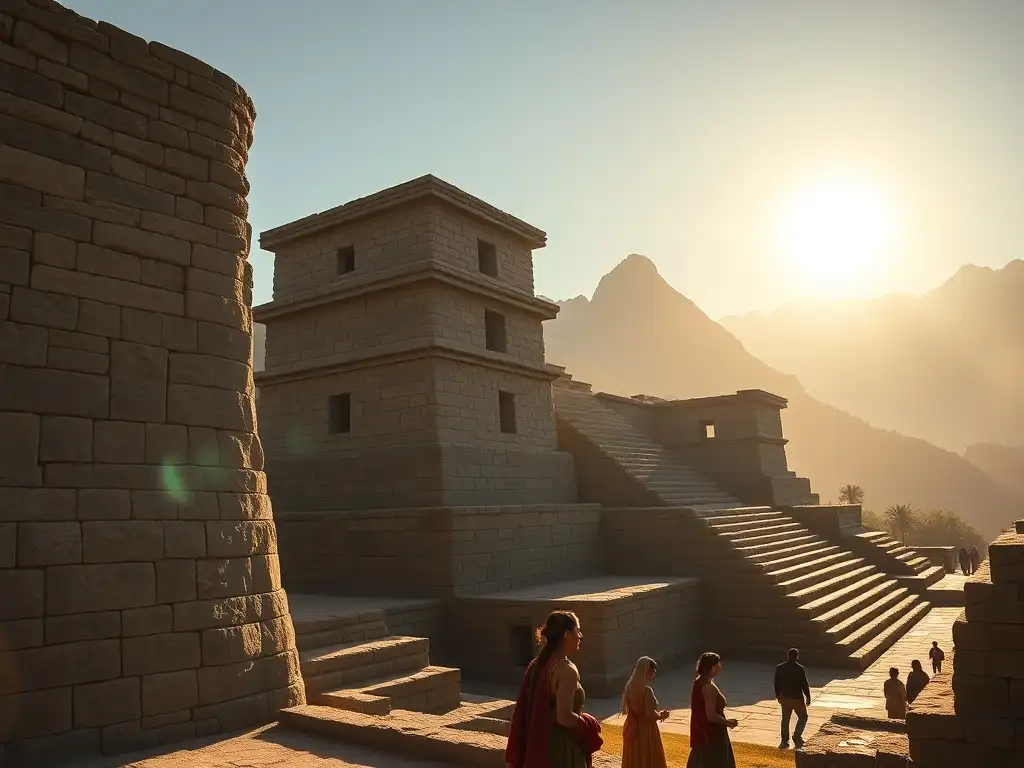
The Coricancha, or Temple of the Sun, stands as a potent symbol of Inca religious belief and imperial power. Its significance transcends mere architectural achievement; it embodies the cosmological worldview of the Inca, their sophisticated understanding of astronomy, and the absolute authority of the Sapa Inca. Understanding Coricancha's role requires delving into its historical context and its function as a central hub of Inca power and religious practice.
The sheer scale of the temple complex, even in its ruined state, speaks volumes about the Inca's dedication to their sun god, Inti, and their meticulously organized society. The strategic location in Cusco, the heart of the Inca Empire, further underscores its importance as a focal point for both religious and political life.
The meticulous craftsmanship evident in the remaining structures, even after centuries of destruction and rebuilding, offers a glimpse into the advanced technological capabilities of the Inca civilization. The Coricancha Temple of the Sun Cusco history is deeply intertwined with the very fabric of the Inca Empire.
The Historical Context of Coricancha Temple
Before the Inca conquest, the site of Coricancha may have held religious significance for earlier Andean cultures. Archaeological evidence suggests the presence of pre-Inca structures, though the Inca completely transformed the site, integrating perhaps some existing foundations into their grand design. The Inca expansion and consolidation of power in the 15th century saw the Coricancha's elevation to its apex.
Under the reign of Pachacuti Inca Yupanqui, a significant expansion and embellishment of the temple complex occurred. This period saw the integration of gold, silver, and precious stones into the temple's ornamentation, transforming it into a dazzling display of Inca wealth and artistry. The meticulous planning and execution of the construction project reflect the Inca's sophisticated understanding of engineering and architecture.
Detailed records, though scarce due to the Spanish conquest's destructive impact, point towards a highly organized labor force and a centralized system of resource management. The use of precisely cut stones, fitted together without mortar, speaks to their mastery of stonework—a hallmark of Inca construction throughout their empire. The meticulous detailing of the Coricancha Temple of the Sun Cusco history highlights the Inca's mastery over resources and engineering.
Coricancha as a Center of Inca Power
The Coricancha served not only as a religious center but also as a potent symbol of Inca imperial power. Its location in Cusco, the capital city, strategically placed it at the heart of the empire's administrative and political apparatus. The Sapa Inca, the emperor, held supreme religious authority, and the Coricancha was the site of many important ceremonies and rituals presided over by him. This close association between religious and political power solidified the Inca ruler's legitimacy and authority.
The temple's immense wealth, accumulated through tribute and conquest, served as a powerful display of the empire's economic strength and the emperor's absolute control over resources. The sheer scale of the complex and the lavish use of precious metals further reinforced the Inca's claim to divine right to rule. The Coricancha Temple of the Sun Cusco history is not merely a religious narrative; it’s a powerful testament to the Inca's political and economic prowess.
The complex served as a potent reminder to the population of the Sapa Inca's divine authority and the empire's might. The temple's function as a center of power is further evidenced by its proximity to other important administrative buildings within Cusco. The meticulously planned layout of the city, with the Coricancha at its center, underscores its pivotal role in the Inca political landscape.
Coricancha Temple of the Sun: Architectural Marvel
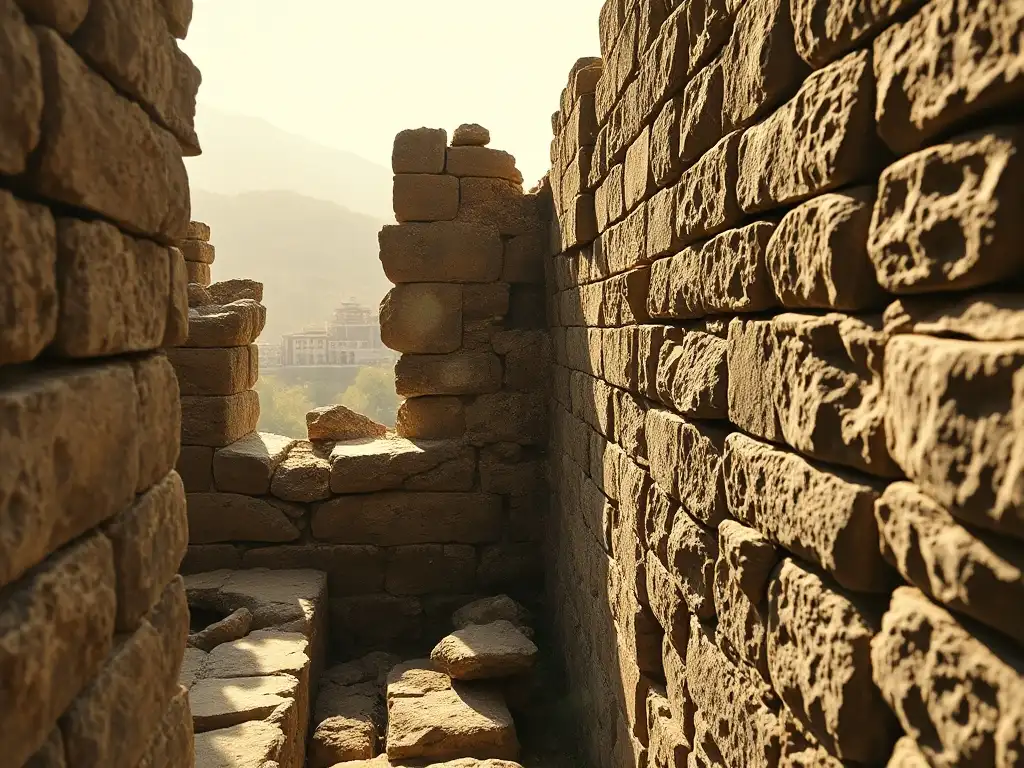
The Coricancha, or Temple of the Sun, stands as a testament to the Inca's sophisticated architectural prowess and their deep-seated religious beliefs. Located in Cusco, the former capital of the Inca Empire, this site, even in its partially ruined state, continues to captivate and inspire awe.
Understanding its construction and design reveals much about Inca societal structures, religious practices, and technological capabilities. The Coricancha's enduring legacy as a central point of Inca religious life in Cusco is undeniable, solidifying its place in the history of Andean civilizations and making it a key component of "Coricancha Temple of the Sun Cusco history".
The Unique Inca Architecture of Coricancha
The Inca architectural style is instantly recognizable for its precision, functionality, and integration with the surrounding landscape. Coricancha exemplifies these characteristics exceptionally well. Unlike many other structures built from roughly hewn stones, the Coricancha utilized meticulously cut and fitted stones, creating seamless walls with minimal mortar.
This "ashlar masonry" technique, perfected by the Inca, resulted in incredibly strong and aesthetically pleasing structures. The stones themselves, often massive in size, were precisely shaped to interlock perfectly, demonstrating an advanced understanding of engineering and geometry. This mastery is particularly evident in the surviving sections of the Coricancha, where the precision of the stonework is breathtaking.
The walls, even in their damaged state, exhibit a remarkable level of craftsmanship; a testament to the Inca's dedication to their religious center. The intricate detail and monumental scale of the Coricancha set it apart from other Inca structures, reflecting its paramount religious significance within the Inca worldview. The very precision of the "Coricancha Temple of the Sun Cusco history" speaks volumes about the Inca's devotion.
Construction Techniques Used in Coricancha
The construction of the Coricancha involved a complex interplay of human ingenuity and available resources. The Inca employed a sophisticated system of labor organization, mobilizing large numbers of skilled artisans and laborers. Evidence suggests that the massive stones were quarried from distant locations, then transported across challenging terrain using ingenious methods, possibly including ramps and rollers.
The precise cutting and fitting of these stones involved specialized tools, likely including copper and stone chisels, hammers, and possibly abrasive materials. The absence of significant mortar between the stones highlights the accuracy of the Inca's craftsmanship. The interlocking nature of the stones provided structural integrity, making the walls exceptionally resistant to earthquakes, a crucial consideration given Cusco's seismic activity.
Furthermore, the use of gold and silver plating on some sections of the temple underscores the Inca's advanced metalworking techniques and their reverence for these precious metals. The sheer scale of the project and the sophistication of the techniques involved solidify the Coricancha's importance within the narrative of "Coricancha Temple of the Sun Cusco history".
The Layout and Design of the Sun Temple
The Coricancha's layout and design reflect the Inca's cosmological beliefs and their hierarchical social structure. The temple was not merely a place of worship but also a powerful symbol of Inca authority and the cosmos itself. The main temple was dedicated to the sun god, Inti, the most important deity in the Inca pantheon.
Its orientation likely aligned with the sun's path, reflecting the Inca's deep understanding of astronomy. Surrounding the main temple were smaller shrines dedicated to other deities and important figures. Evidence suggests that the complex also included gardens, fountains, and possibly residential quarters for priests and other officials.
The precise layout remains partially obscured due to the damage the temple suffered after the Spanish conquest, however, archaeological findings continue to shed light on the temple's original design. The integration of astronomy, religious symbolism, and social hierarchy within the structure of the Coricancha makes it a compelling case study in Andean architecture and religious practices, further enriching the understanding of "Coricancha Temple of the Sun Cusco history". The surviving elements, combined with historical accounts and ongoing research, paint a vivid picture of this significant site and its profound role in Inca society.
Religious Importance of Coricancha
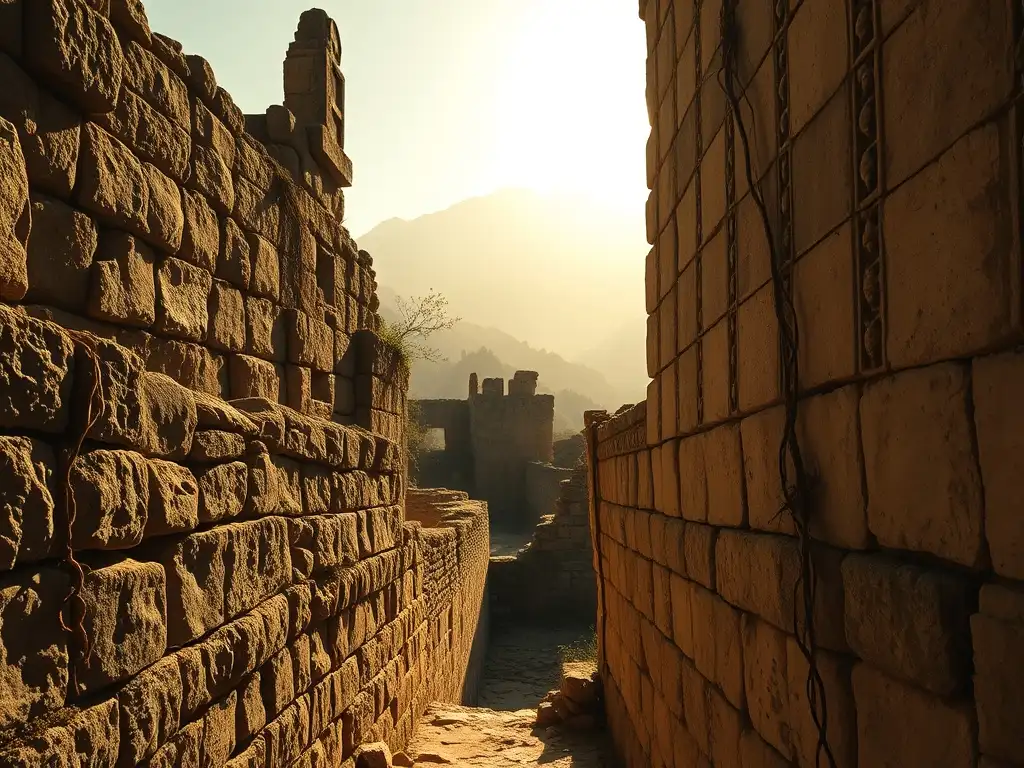
The Coricancha, or Temple of the Sun, held unparalleled religious significance within the Inca Empire. More than just a place of worship, it served as the huaca, or sacred place, at the very heart of Cusco, the Inca capital. Its importance transcended mere architectural grandeur; it represented the cosmological worldview of the Inca, a complex system interwoven with celestial bodies, ancestor veneration, and the profound reverence for the natural world.
The meticulous construction, the use of gold, and the sheer scale of the temple all underscored its central role in Inca religious life. Understanding Coricancha requires appreciating its position not only as a temple but as a living, breathing embodiment of Inca beliefs. The very stones seemed imbued with spiritual power, connecting the earthly realm to the divine.
This central location in Cusco, strategically planned within the city's layout, reinforced its status as the most important religious site in the empire. The Coricancha Temple of the Sun Cusco history is intrinsically linked to the understanding of Inca cosmology and their sophisticated religious practices.
Coricancha as the Center of Inca Religion
The Coricancha wasn't simply a single temple; it was a complex of structures dedicated to various deities and aspects of Inca spirituality. The main temple, dedicated to Inti, the Sun God, was the most prominent, but surrounding it were smaller shrines and chapels dedicated to other important deities like the Moon, stars, and even agricultural spirits. This arrangement reflects the Inca's polytheistic belief system, where various divinities were interconnected and played crucial roles in maintaining cosmic balance.
The temple's central location within Cusco, carefully aligned with the cardinal directions and celestial movements, further emphasized its role as the cosmological center. Archaeological evidence suggests the temple's construction involved precise astronomical alignments, indicating a deep understanding of the cosmos and its influence on Inca life. The intricate arrangement of the buildings within the complex wasn't arbitrary; it mirrored the Inca's understanding of the universe, with the Sun God at its center.
Think of it as a microcosm of the Inca world, with each structure representing a specific element or deity within their intricate belief system. The Coricancha Temple of the Sun Cusco history is therefore best understood through this lens of interconnectedness and cosmological significance.
Rituals and Ceremonies Performed at Coricancha
The Coricancha was the site of numerous elaborate rituals and ceremonies, many of which involved human sacrifice, although the extent and frequency of this practice remain debated amongst scholars. These rituals were not merely symbolic; they were vital to maintaining the cosmic order and ensuring the prosperity of the Inca Empire. The annual Inti Raymi festival, celebrating the winter solstice, was one of the most significant events, drawing participants from across the empire.
This festival involved elaborate processions, offerings of gold and other precious items, and possibly human sacrifices, all aimed at appeasing Inti and securing a bountiful harvest. Daily ceremonies, however, were just as important, involving prayers, offerings, and the meticulous maintenance of the temple and its sacred objects. The priests, known as amautas, held considerable power and influence, responsible for interpreting omens, performing rituals, and maintaining the spiritual well-being of the empire.
Details about specific daily rituals remain scarce, but we can infer their significance from the overall importance placed on the Coricancha and its connection to the Inca worldview. Records suggest offerings included coca leaves, llama blood, and other items of significance. The Coricancha Temple of the Sun Cusco history is incomplete without understanding the vibrant ritual life it housed.
The Role of the Sun God Inti in Coricancha
Inti, the Sun God, was the most important deity in the Inca pantheon. His image was prominently featured throughout the Coricancha, particularly in the main temple, where a massive golden disc representing the sun was likely the central focus. This golden disc, along with other golden statues and ornaments, served as tangible representations of Inti's power and influence.
The Inca believed Inti controlled the weather, the harvest, and the overall well-being of the empire. Their reverence for Inti extended beyond mere worship; it was a deeply ingrained aspect of their daily lives and social structure. The emperor, considered a descendant of the Sun God, held a unique position in society, further solidifying Inti's importance.
The Coricancha Temple of the Sun Cusco history is inseparable from the story of Inti, and understanding the sun god's role is crucial to understanding the temple's significance. The intricate relationship between the Inca emperor, the Sun God, and the Coricancha itself highlights the deeply interwoven nature of religion, politics, and cosmology in the Inca Empire. The sheer amount of gold dedicated to the Sun God within Coricancha underscores the centrality of Inti's worship within the Inca faith.
Coricancha and the Spanish Conquest
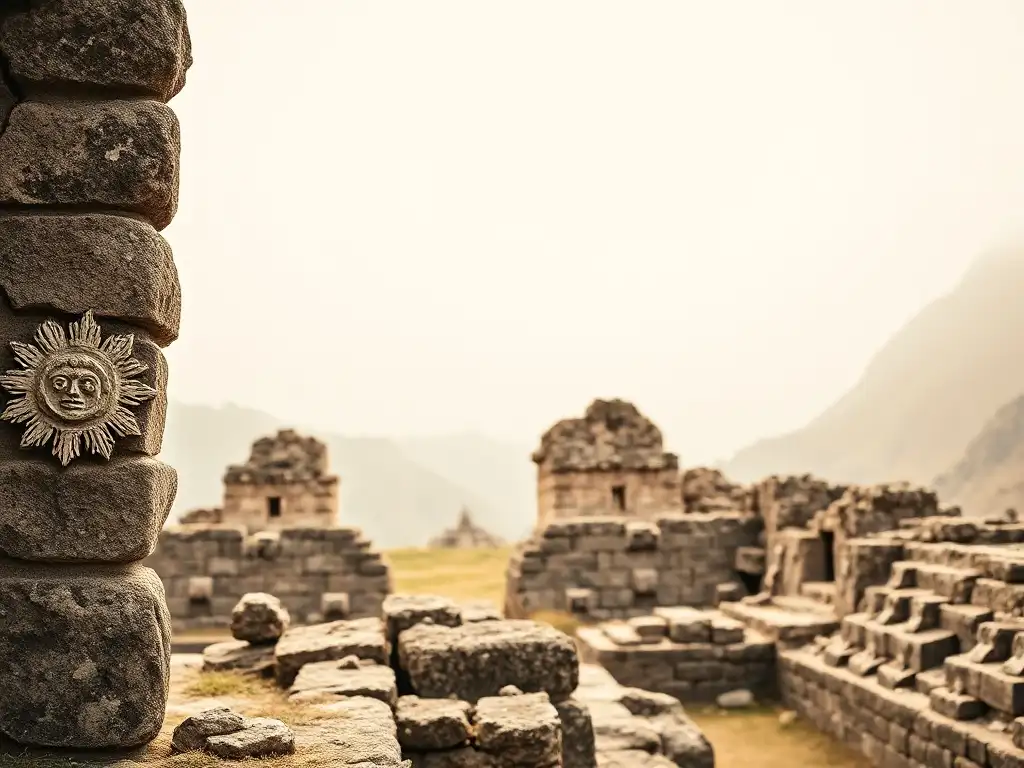
The arrival of the Spanish conquistadors in the 16th century marked a catastrophic turning point in the history of Coricancha, irrevocably altering its physical form and spiritual significance. The Inca's meticulously crafted temple, a testament to their advanced architectural and artistic skills, became a prime target for the Spanish, who saw its immense value in gold and its religious importance as a threat to their own ambitions of conversion and control.
The sheer scale of destruction inflicted upon Coricancha underscores the brutality and cultural insensitivity of the conquest. The systematic dismantling of the temple serves as a stark reminder of the profound loss of Inca heritage and the lasting impact of colonialism on Andean culture.
Understanding this destruction is crucial to appreciating the surviving remnants of Coricancha and grasping the full context of its present-day existence. The impact of this event resonates even today in the ongoing efforts to preserve and interpret the remaining structures.
The Destruction of Coricancha by the Spanish
The Spanish conquest of Cusco in 1533 triggered the systematic dismantling of Coricancha. Driven by greed for gold and a zealous desire to suppress Inca religion, the conquistadors ruthlessly plundered the temple. Accounts from the period describe vast quantities of gold and silver being melted down and shipped back to Spain. The sheer weight of precious metals removed is staggering; historians estimate that tons of gold and silver adorned the walls, statues, and various religious objects within the complex.
This wasn't merely theft; it was a deliberate act of cultural erasure aimed at undermining the Inca's spiritual and political power. The destruction extended beyond the plundering of valuables. Intricate gold and silver plates, meticulously crafted and inlaid with precious stones, were torn from the walls. Statues of Inca deities were smashed, and the carefully cultivated gardens surrounding the temple were ravaged.
This wanton destruction wasn't a spontaneous act but a calculated campaign to obliterate a key element of Inca identity and religious practice. The scale of this devastation left a lasting scar on the Andean landscape and continues to inform our understanding of the Spanish conquest's impact on Indigenous cultures. The loss represents not only material wealth but also the irreplaceable loss of artistic and spiritual heritage.
Transformation of Coricancha into Santo Domingo Convent
Following the destruction, the Spanish initiated the construction of the Santo Domingo Convent directly atop the ruins of Coricancha. This act was a powerful symbol of their dominance and a clear attempt to replace the Inca religious center with a Christian one. The convent's construction involved the incorporation of existing Inca walls and foundations into the new structure, resulting in a fascinating blend of architectural styles.
Some sections of Inca masonry are still visible today, offering glimpses into the original temple's grandeur. However, the integration of the convent also obscured much of the original Coricancha, making archaeological investigation challenging. The juxtaposition of Inca and colonial architecture represents a complex layering of history, with the colonial structure literally built upon and around the ruins of the Inca temple.
This physical merging reflects the broader cultural and political assimilation process imposed by the Spanish, highlighting the enduring legacy of the conquest in shaping the landscape and cultural memory of Cusco. The overlay of the convent speaks volumes about the Spanish strategy of cultural dominance, literally building their power over the remnants of the Inca past.
Coricancha Today: A Blend of Inca and Colonial History
Today, Coricancha stands as a poignant testament to both Inca ingenuity and the destructive power of colonialism. The surviving sections of Inca walls, integrated within the Santo Domingo Convent, provide a tangible link to the past. These fragments showcase the remarkable precision and skill of Inca stonemasons, their mastery of fitting stones together without mortar.
Visitors can still marvel at the remaining sections of the temple's walls, imagining the grandeur of the original structure. The site serves as a powerful reminder of the enduring legacy of the Inca civilization and the profound impact of the Spanish conquest. The preservation and interpretation of Coricancha are ongoing processes, with ongoing archaeological research and conservation efforts aiming to reveal more about the temple's original form and function.
Coricancha's present state—a fusion of Inca and colonial elements—offers a unique opportunity to explore the complexities of Andean history, showcasing both the achievements of the Inca and the lasting consequences of the Spanish conquest. The site continues to draw thousands of visitors annually, underscoring its significance as a key site for understanding Cusco's rich and layered history, a history intimately intertwined with the enduring legacy of the Coricancha Temple of the Sun.
Exploring the Ruins of Coricancha
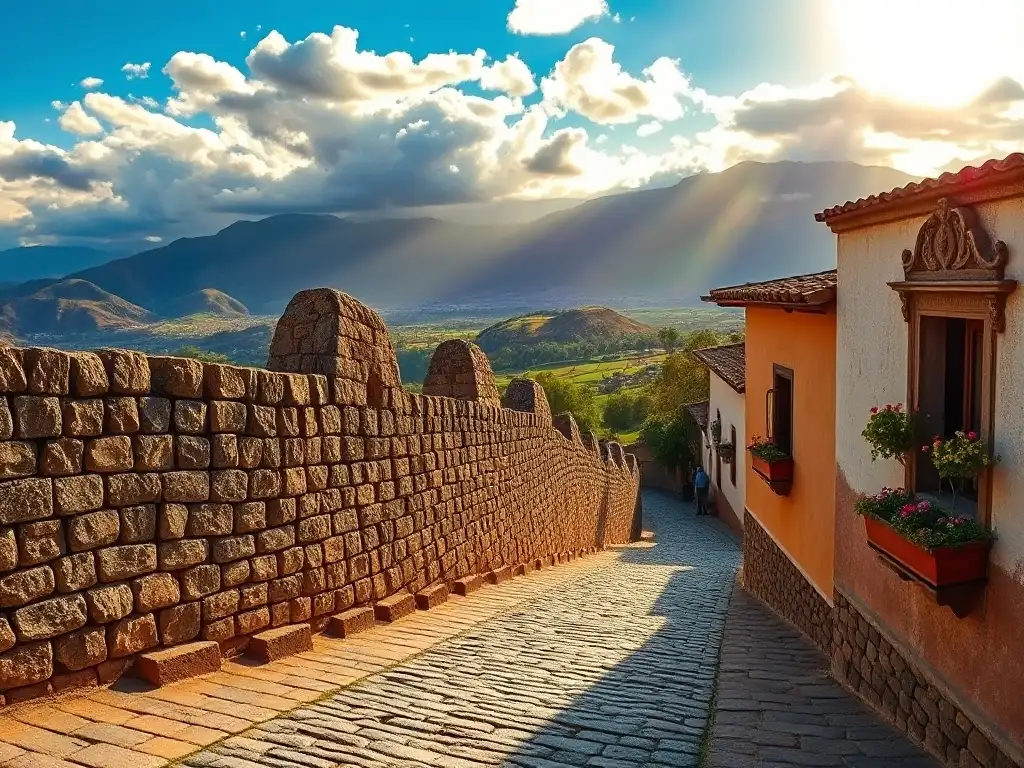
This section delves into the architectural marvels and surviving remnants of Coricancha, the Temple of the Sun in Cusco, offering a detailed look at its physical structure and the insights it provides into Inca religious practices and beliefs. Understanding the layout and remaining features allows us to better appreciate the scale and sophistication of this crucial site in Inca history. The Coricancha Temple of the Sun Cusco history is rich and complex, and even the ruins whisper tales of its former glory.
Key Features to See at the Coricancha Site
The Coricancha, meaning "Golden Enclosure," is more than just a single building; it was a complex of structures meticulously planned and built. While much of the original structure was destroyed during the Spanish conquest, significant portions remain, allowing for a glimpse into its past. Key features visitors can still observe today include:
- The main enclosure walls: These incredibly well-preserved walls, constructed from precisely cut stones, stand as a testament to Inca masonry skills. Notice the intricate fitting of the stones, with minimal mortar used – a hallmark of Inca architecture. The precision is astonishing, even by today's standards.
- The foundations of subsidiary structures: Archaeological excavations have revealed the foundations of smaller temples and buildings surrounding the main enclosure. These indicate a larger complex dedicated to various deities and rituals. The layout suggests a carefully planned and organized religious center.
- Remaining sections of the original Inca walls: Parts of the original walls remain, showing the heights and the grandeur of the structure. These sections offer a powerful visual representation of the Coricancha's original scale and magnificence. Imagine the sheer impact of the fully intact temple.
- The superimposed colonial structures: The Spanish built a church, Santo Domingo, directly atop the Inca ruins. While a stark contrast in architectural style, this overlay offers a unique perspective on the clash of cultures and the enduring presence of the Inca foundation. Observing the juxtaposition of the Inca and colonial architecture is a powerful experience.
The careful observation of these features allows for a deeper understanding of the Coricancha Temple of the Sun Cusco history and the ingenuity of Inca builders.
The Golden Enclosure and its Significance
The name "Coricancha," meaning "Golden Enclosure," perfectly captures the temple's essence. Chroniclers describe the temple's interior as being lavishly decorated with gold, silver, and precious stones. The walls were covered in gold plates, and images of the sun god Inti, along with other deities, were crafted from the same precious metal. This opulent display underscored the Inca's reverence for the sun and their belief in its divine power.
The golden adornments weren't merely decorative; they held profound religious significance. Gold, symbolizing the sun's brilliance and power, was deeply connected to Inca cosmology and spirituality. The sheer quantity of gold used in the Coricancha further emphasized the Inca's wealth and their unwavering devotion to their sun god. The Coricancha Temple of the Sun Cusco history is inextricably linked to the immense value placed on gold within Inca society.
The Garden of Gold: A Mythical Space
Legends speak of a "Garden of Gold" within the Coricancha, a mythical space where golden plants and trees supposedly flourished. While no physical evidence of such a garden has been found, the persistent myth hints at the incredible wealth and opulence associated with the temple. This mythical space, described in various accounts from Spanish conquistadors, highlights the pervasive belief in the Coricancha's extraordinary richness. The stories, passed down through generations, contribute to the mystical aura surrounding the Coricancha Temple of the Sun Cusco history.
The "Garden of Gold" remains a captivating element of the temple's enduring legacy, a testament to the imagination and beliefs of the Inca people. The persistent narrative adds another layer to our understanding of the significance of the Coricancha within Inca culture and religious practices. Further research may uncover evidence to support or refute these captivating legends.
Legacy of Coricancha: Its Impact on Inca Culture
The Coricancha, or Temple of the Sun, wasn't merely a place of worship; it served as the epicenter of Inca religious life and profoundly shaped Inca culture, leaving an enduring legacy that continues to resonate today. Its influence permeated various aspects of Inca society, from artistic expression and architectural innovation to the very fabric of their spiritual beliefs. Understanding the Coricancha's impact is crucial to grasping the complexities of the Inca civilization and its sophisticated worldview.
The sheer scale of the temple complex and the meticulous craftsmanship involved speak volumes about the importance the Incas placed upon this sacred site. Its destruction and subsequent incorporation into colonial structures, however, only underscores its enduring significance in the collective memory of the Peruvian people. The Coricancha's legacy is a testament to the power of religious belief to shape a civilization.
Coricancha's Influence on Inca Art and Design
Coricancha's impact on Inca art and design is undeniable. The temple's intricate architecture, characterized by its precise stonework and the lavish use of gold and silver, set a standard of excellence that influenced other Inca constructions and artistic endeavors. The meticulous detail evident in the surviving remnants suggests a highly skilled workforce dedicated to creating a visually stunning and spiritually significant structure.
The use of gold, considered sacred to the Incas, was particularly prominent in the Coricancha. The walls were reportedly covered in sheets of gold, and the interior was adorned with countless golden ornaments and statues. This lavish use of gold wasn't merely decorative; it symbolized the sun's power and the Incas' connection to the divine.
This aesthetic preference for opulence and precise craftsmanship is evident in other Inca art forms, such as textiles, ceramics, and metalwork, demonstrating the far-reaching influence of the Coricancha's design principles. Scholars continue to analyze the surviving artifacts to decipher the symbolic meaning embedded in the designs, further highlighting the Coricancha's role as a source of artistic inspiration. For example, the recurring motifs of the sun, the condor, and other significant symbols found throughout Inca art likely originated from or were heavily influenced by the imagery within the Coricancha.
Coricancha: A Symbol of Inca Ingenuity
The Coricancha stands as a testament to Inca ingenuity in engineering and architecture. The precision of the stonework, with blocks fitted together so tightly that a knife blade couldn't be inserted between them, is remarkable even by modern standards. This mastery of stone construction, a hallmark of Inca architecture, is particularly evident in the remaining sections of the Coricancha.
The complex's layout, incorporating multiple interconnected structures dedicated to different deities, showcases the Inca's sophisticated understanding of urban planning and spatial organization. The integration of astronomical observations into the temple's design further highlights the Incas' advanced knowledge of astronomy and mathematics. The precise alignment of certain structures with celestial events suggests a deep understanding of the cosmos and its influence on earthly affairs.
This level of sophistication in architectural design and engineering reflects the high level of technological advancement within the Inca Empire, with the Coricancha serving as a prime example of their capabilities. The surviving walls, even in their ruined state, continue to impress visitors with their resilience and the skill of their creators.
The Enduring Spiritual Significance of Coricancha
Even after its destruction and subsequent incorporation into a colonial church, the Coricancha retains immense spiritual significance for many Peruvians. The site continues to be a place of pilgrimage and reflection, representing the enduring connection between the Inca past and present-day Peruvian culture. The fusion of Inca and Spanish architectural styles at the site itself serves as a poignant reminder of the complex history of the region and the lasting impact of the Inca civilization.
The surviving walls, imbued with a sense of history and mystery, evoke a powerful sense of the past. Many indigenous communities continue to hold ceremonies and rituals at or near the Coricancha, demonstrating the temple's continued relevance to their spiritual practices. The Coricancha's enduring spiritual significance highlights the resilience of Inca religious beliefs and their persistent influence on contemporary Peruvian culture.
The ongoing archaeological research and preservation efforts surrounding the Coricancha underscore the importance of understanding and protecting this invaluable site and its enduring legacy as the "Temple of the Sun" and a cornerstone of Inca spirituality. The Coricancha remains a powerful symbol of the Inca Empire, a testament to their advanced civilization, and a living link to their rich spiritual heritage.
Frequently Asked Questions
What was the Coricancha Temple?
The Coricancha, or Temple of the Sun, was the most important religious center in the Inca Empire, located in Cusco, Peru. It was dedicated to the Inca sun god, Inti, and housed immense wealth and religious artifacts.
Why was the Coricancha so significant to the Inca?
The Coricancha held immense religious significance for the Inca, representing the center of the world and the power of the sun god. It was the heart of their spiritual and political life.
What materials were used to construct the Coricancha?
The temple was built using finely cut stones, some so precisely fitted that even a knife blade couldn't fit between them. Gold and silver were extensively used in its decoration and ornamentation.
What happened to the Coricancha after the Spanish Conquest?
Following the Spanish conquest, the Coricancha was largely destroyed and its materials used to build the Santo Domingo Convent which now stands partially on its ruins.
Where can I visit the Coricancha today?
You can visit the partially ruined temple and the Santo Domingo Convent in Cusco, Peru, which are both located at the same site. It's a significant historical and archaeological site.
Final Reflection: Echoes of the Sun God in Modern Cusco
The legacy of Coricancha, the Temple of the Sun, continues to resonate powerfully in modern Cusco, a testament to the enduring strength of Inca spirituality and its profound impact on Peruvian identity. Its meticulously crafted stones, though now partially obscured by colonial structures, whisper tales of a sophisticated civilization and a deeply held reverence for the sun. Understanding Coricancha is not merely understanding history; it's understanding the very soul of Cusco.
The enduring power of Coricancha lies not just in its architectural magnificence, but in its ability to connect us to a rich and complex past. It serves as a poignant reminder of the cultural upheaval caused by colonization, yet simultaneously showcases the resilience of Inca traditions that persist to this day. The past is never dead. It's not even past.
- William Faulkner. This quote perfectly encapsulates the ongoing influence of Coricancha, its spirit interwoven with the fabric of Cusco's present. The vibrant traditions, the reverence for ancestral lands, and the enduring pride in Inca heritage are all echoes of the sun god's temple.
As you leave the hallowed grounds of Coricancha, both physically and metaphorically, consider the weight of history and the enduring power of belief. Take a moment to reflect on the ways in which your own cultural heritage shapes your present, and how the stories of the past can illuminate the path forward.
Let the echoes of the sun god inspire you to appreciate the rich tapestry of human experience and to champion the preservation of cultural heritage for generations to come. The story of Coricancha is not just a story of the past; it is a living testament to the enduring power of human spirit and the importance of remembering where we come from.
Unveil the Wonders of Coricancha Today!
Thank you for exploring the spiritual richness of Coricancha with us! Discovering its history is a wonderful first step in connecting with this remarkable site. Now, let's put that knowledge into action!
- Plan your visit: Book a trip to Cusco and experience the magic of Coricancha for yourself.
- Share your experience: Discuss your favorite aspects of Coricancha in our community forum or on social media using the hashtag #CoricanchaExploration.
- Learn more: Delve deeper into the fascinating history of the Andean civilizations on our website.
What aspect of Coricancha's spiritual significance resonates most with you, and how do you hope to engage further with its legacy?