
Animal Sacrifices: Understanding the Role of Llamas and Other Creatures in Inca Rituals

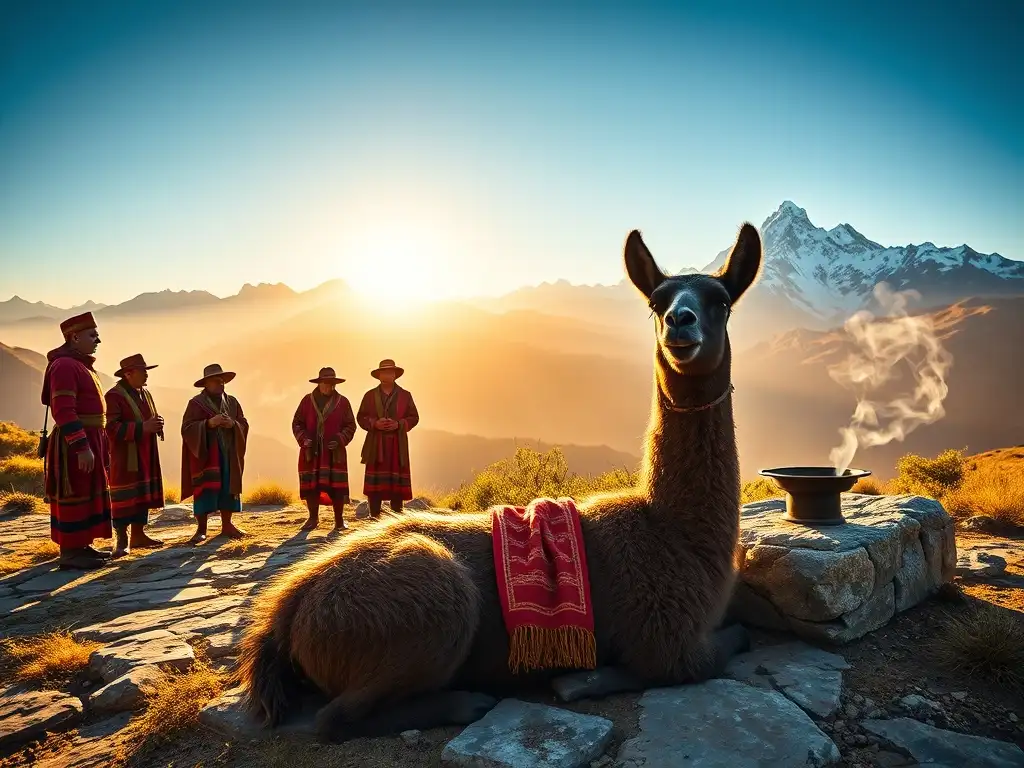
Step into a world lost to time, where the majestic Andes Mountains held secrets whispered only in stone and sacrifice. Dive into the fascinating world of Andean civilizations, uncovering their intricate societies and breathtaking artistry. But prepare to be captivated by a particularly enigmatic practice: the Inca llama sacrifice rituals. Were these ceremonial offerings simply tributes to the gods, or did they hold a deeper, more complex significance? Unravel the mysteries within, and discover the truth behind these ancient rites.
- Inca Llama Sacrifice Rituals: A Deep Dive into Andean Religious Practices
- The Significance of Animal Sacrifice in Inca Religion
- Llamas: The Chosen Animals for Inca Offerings
- Other Animals Used in Inca Sacrifice Rituals
- The Process of Inca Animal Sacrifice
- The Context of Inca Llama Sacrifice Rituals
- The Impact and Legacy of Inca Rituals
- Conclusion: Unveiling the Complexity of Inca Animal Sacrifice
- Frequently Asked Questions
- Final Reflection: The Enduring Echo of Inca Sacrifice
- Embrace the Spirit of the Andes: Take Your Journey Further!
Inca Llama Sacrifice Rituals: A Deep Dive into Andean Religious Practices
The Inca Empire, a civilization that flourished in the Andes Mountains for over a century, left behind a legacy rich in intricate religious practices. Central to their worldview was a complex system of rituals, many involving animal sacrifice. While various creatures were offered, the llama held a particularly significant position, its role deeply intertwined with Inca cosmology, social structures, and agricultural cycles.
This article delves into the fascinating world of Inca llama sacrifice rituals, exploring the reasons behind these practices, their significance within Inca society, and the archaeological evidence that supports our understanding. We will examine the meticulous preparations involved, the specific types of llamas chosen, and the varying interpretations of these rituals across different Inca regions and time periods. Understanding these practices offers a crucial window into the heart of Inca religious beliefs and their profound connection with the Andean landscape.
The meticulous nature of these sacrifices, far from being simply brutal acts, reveals a sophisticated understanding of the world and a complex relationship between the Inca and the natural world. This exploration will shed light on the multifaceted nature of Inca religion and its enduring impact on our understanding of Andean civilizations.
The Symbolic Significance of the Llama in Inca Culture
The llama, far from being merely a sacrificial animal, held deep symbolic importance within Inca culture. It represented wealth, status, and agricultural prosperity. Llamas were essential to the Inca economy, providing wool, meat, and transportation.
Their importance in everyday life is reflected in the prominent role they played in religious ceremonies. The choice of a llama for sacrifice was not arbitrary; specific characteristics, such as age, color, and physical condition, were considered crucial. For instance, a perfectly healthy, young llama of a particular color might be deemed more suitable for a specific ritual than an older, less robust animal.
The meticulous selection process underscores the profound reverence the Inca held for these animals and the symbolic weight attributed to their sacrifice. Furthermore, the llama's association with the sun god Inti and other deities further cemented its sacred status within Inca religious practices. The sacrifice wasn't simply an offering; it was a symbolic act communicating with the divine realm, ensuring continued prosperity and good fortune.
Archaeological Evidence of Inca Llama Sacrifice Rituals
Archaeological excavations across the Andes have uncovered compelling evidence supporting the prevalence of llama sacrifices in Inca rituals. Sites such as Machu Picchu and other significant Inca settlements have yielded remains of llamas, often found alongside other offerings like pottery, textiles, and precious metals. The careful arrangement of these remains suggests that the sacrifices were meticulously planned and executed ceremonies, rather than haphazard events.
Analysis of the llama bones has revealed insights into the age and health of the sacrificed animals, corroborating the previously discussed criteria for selection. Furthermore, the discovery of sacrificial sites located at high altitudes and in geographically significant locations suggests the link between these rituals and the Inca's profound connection with the Andean landscape and its sacred mountains.
The evidence unearthed by archaeologists paints a vivid picture of the importance of these rituals within Inca society and offers a tangible connection to the religious beliefs of this ancient civilization. The ongoing research in this field continuously adds to our understanding of these practices, revealing new details and nuances of Inca religious life.
Variations in Inca Llama Sacrifice Rituals Across Different Regions
While llama sacrifice was a widespread practice across the Inca Empire, variations existed in the rituals and their specific interpretations across different regions and social groups. The specific details of the ceremonies likely differed depending on the context, purpose, and location. For example, sacrifices performed in connection with agricultural cycles might have differed from those associated with imperial ceremonies or those held to appease deities in specific mountain shrines.
The type of llama chosen, the accompanying offerings, and the overall ritualistic procedures could have varied considerably. This regional diversity reflects the adaptability of Inca religious practices and their integration into the diverse cultural landscapes of the empire. Further research is needed to fully document the range of variations and to understand the reasons behind these regional differences.
The study of local variations in Inca llama sacrifice offers a more nuanced and complete understanding of the complexity of Inca religious beliefs and practices. It allows us to move beyond a generalized view and appreciate the rich diversity within the Inca Empire.
The Role of Inca Priests and the Ritual Process
The execution of Inca llama sacrifice rituals was not a task undertaken lightly. Specialized priests, trained in religious practices and possessing extensive knowledge of Inca cosmology, were responsible for conducting these ceremonies. Their role extended beyond the mere act of slaughter; they were responsible for preparing the animals, selecting the appropriate location, and performing the necessary rituals to ensure the effectiveness of the sacrifice. The priests' expertise was crucial in communicating with the divine realm and ensuring the proper channeling of energy and intentions.
The intricate nature of the ritual process, including specific chants, offerings, and gestures, points to a well-established and highly structured religious system. Further research into the training and social standing of Inca priests is necessary to fully understand the significance of their role in these important ceremonies. Understanding the priest's role provides crucial insight into the organization and power structures within Inca religious society.
The Significance of Animal Sacrifice in Inca Religion
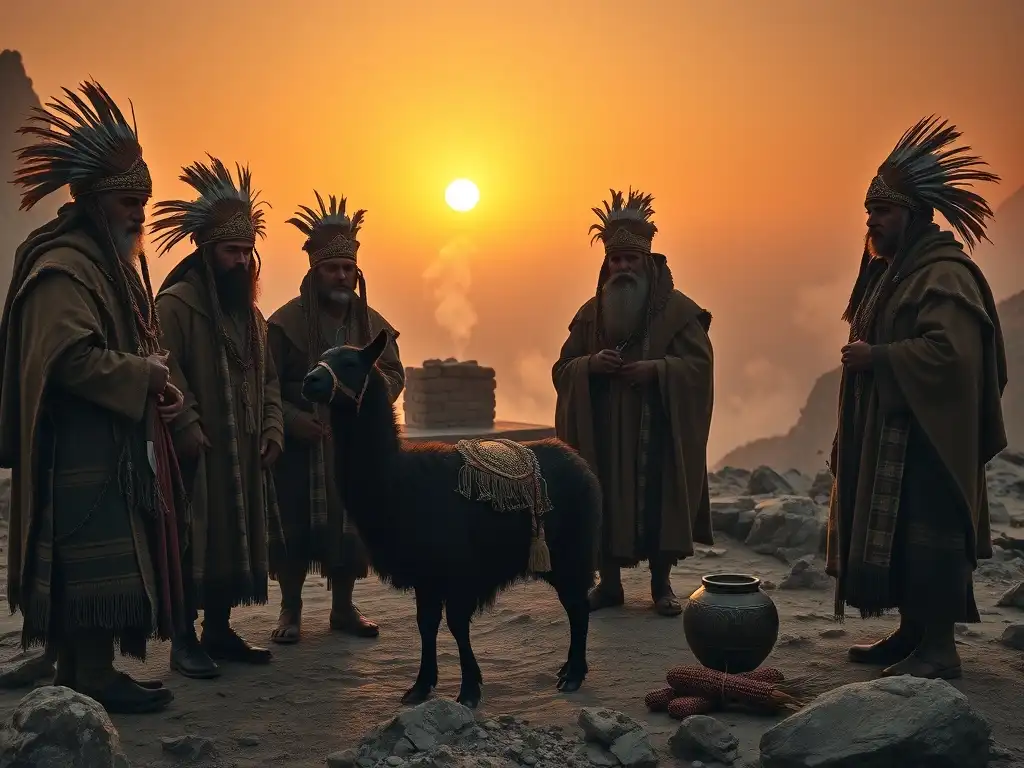
Animal sacrifice held a profound and multifaceted role within Inca religion, far exceeding a simple act of offering. It was an integral component of their worldview, deeply intertwined with their cosmology, social structure, and agricultural practices. Understanding Inca animal sacrifice requires appreciating its symbolic significance, its connection to the broader Inca belief system, and its practical implications for their society.
The practice wasn't merely about appeasing deities; it was about maintaining cosmic balance, ensuring agricultural prosperity, and reinforcing social hierarchies. The choice of animal, the ritual's location, and the specific ceremonies all carried specific meanings, reflecting the intricate tapestry of Inca religious beliefs and practices. The frequency of these sacrifices likely varied depending on the importance of the occasion, ranging from regular community events to grand state-sponsored ceremonies.
Archaeological evidence, including the discovery of animal remains at various sacred sites, continues to shed light on the complexity and pervasiveness of this important aspect of Inca life. The careful study of these remains, alongside textual sources and oral traditions (where available), provides invaluable insights into the intricacies of Inca religious beliefs and practices, helping us understand the significance of animal sacrifice within the broader context of their civilization. The keyword phrase "Inca llama sacrifice rituals" is central to understanding this complex subject.
Understanding the Role of Rituals in Inca Society
Inca society was deeply structured around ritual and ceremony. Rituals weren't isolated events but were woven into the fabric of daily life, serving to reinforce social order, maintain cosmic harmony, and ensure the well-being of the community. Animal sacrifice was a particularly significant ritual, often performed during important agricultural cycles, such as planting and harvesting, signifying the interconnectedness between the human and supernatural realms.
The rituals weren't simply performed by priests; rather, participation often involved the community, highlighting the collective nature of Inca religious practice. For example, community members might assist in preparing the animal for sacrifice, participate in the ceremony itself, or share in the feast that often followed. This communal participation reinforced social bonds and reaffirmed the shared values and beliefs that underpinned Inca society.
The meticulous preparation and execution of these rituals, demonstrated through archaeological findings and historical accounts, underscore their importance in maintaining social cohesion and reaffirming the Inca worldview. The scale and complexity of some rituals suggest the significant resources and manpower dedicated to these religious observances, emphasizing their central place in Inca life. Furthermore, the specific rituals surrounding Inca llama sacrifice, in particular, varied depending on the region and the specific purpose of the offering.
The Importance of Appeasing Inti, the Sun God, and Other Deities
Inti, the sun god, occupied the central position in the Inca pantheon. His favor was crucial for agricultural success and the overall prosperity of the empire. Animal sacrifices, particularly those involving llamas, were frequently offered to Inti to secure his benevolence and ensure bountiful harvests. The color and condition of the llama, along with the specific ritualistic actions, were believed to influence the effectiveness of the offering.
Evidence suggests that other deities also received animal sacrifices, reflecting the Inca belief in a rich and diverse spiritual world. For instance, sacrifices might be made to mountain spirits ( apus), water deities, or other powerful beings, demonstrating the complex network of relationships between the Inca and the supernatural world. The selection of the animal was not arbitrary; it was carefully chosen based on its symbolic significance and its perceived connection to the specific deity being honored. The meticulous nature of these sacrifices, evident in the careful preservation of animal remains found at archaeological sites, highlights the importance of these actions in maintaining a positive relationship with the supernatural realm.
The frequency and scale of these sacrifices likely increased during times of drought, famine, or other crises, reflecting the Inca's reliance on divine intervention. The meticulous nature of these rituals, evident in the careful preservation of animal remains at archeological sites, highlights the importance of these actions in maintaining a positive relationship with the supernatural realm. Analysis of these remains can provide valuable insights into the types of animals used, the age and condition of the animals, and the location of the sacrificial sites.
Connecting with the Supernatural: Ensuring Cosmic Balance
Inca cosmology emphasized a delicate balance between the human world and the supernatural realm. Animal sacrifice was a key mechanism for maintaining this balance, acting as a bridge between these two spheres. The act of sacrifice was believed to appease the deities, ensuring their continued favor and the continued prosperity of the empire. Moreover, the sacrifice was seen as a way to communicate with the supernatural world, seeking guidance and protection.
The act itself was highly ritualized, with specific procedures and protocols that varied depending on the occasion and the deity being honored. The consumption of parts of the sacrificed animal by participants in the ritual was believed to further strengthen the connection between the human and supernatural worlds. The meticulous nature of the ritual preparations, including the selection of the animal, the preparation of the sacrifice site, and the performance of the ceremony itself, demonstrate the significance of this practice in maintaining cosmic harmony.
The careful study of archaeological evidence, alongside analysis of surviving texts and oral traditions, is crucial for deepening our understanding of the role of animal sacrifice in Inca religious thought and practice. The intricate details of these rituals underscore the profound significance of animal sacrifice in the Inca worldview, revealing the deep connection between their religious beliefs and their daily lives. The symbolic importance of the llama in Inca culture, further emphasized in the context of sacrifice, highlights its unique role as a sacred creature.
Llamas: The Chosen Animals for Inca Offerings
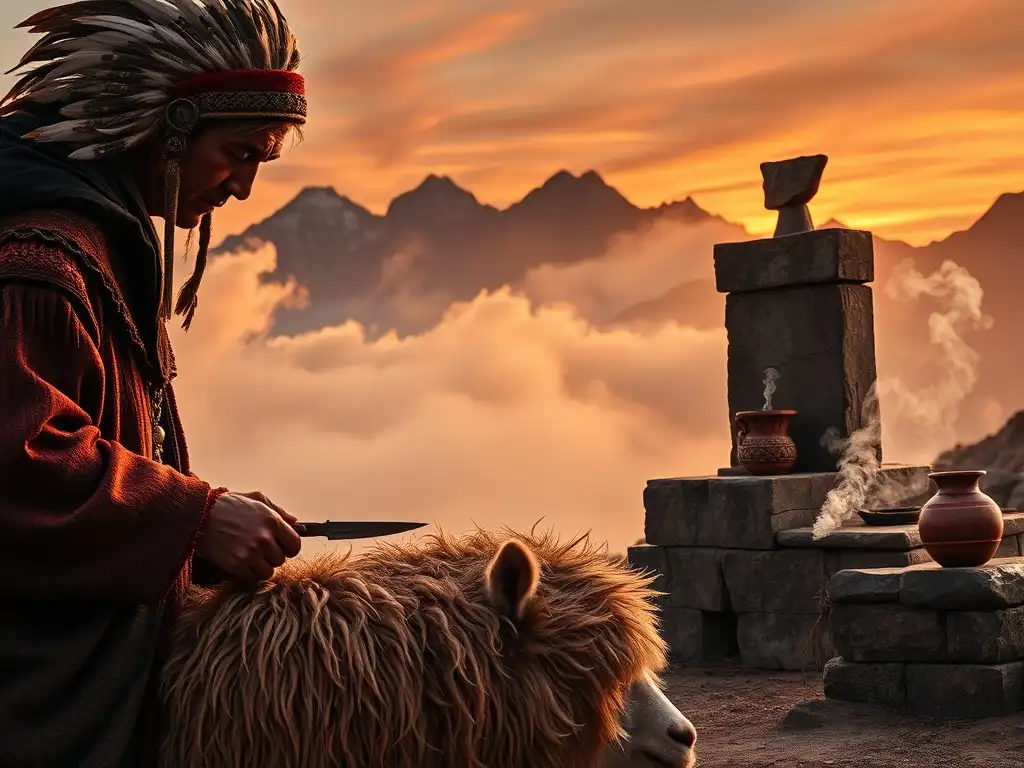
Llamas held a position of paramount importance within Inca society, far exceeding their value as beasts of burden. Their significance is profoundly illustrated in the context of Inca llama sacrifice rituals, where these animals served as crucial intermediaries between the human and divine realms.
This section delves into the multifaceted role of llamas in Inca religious practices, exploring their practical and symbolic value, the nuances of color symbolism in sacrificial offerings, and the meticulous preparation involved in selecting and adorning these animals for their ultimate purpose. Understanding these aspects provides crucial insight into the complexities of Inca religion and its profound connection to the natural world.
Why Llamas? Their Practical and Symbolic Value
The Inca's choice of llamas for sacrifice wasn't arbitrary. These animals possessed both practical and symbolic value that made them ideally suited for their ritualistic role. Practically, llamas were a readily available resource, forming a substantial part of the Inca economy. Their domestication ensured a consistent supply for various needs, including textile production, transportation, and, significantly, sacrifice.
Their symbolic value, however, extended far beyond their utilitarian function. Llamas represented wealth, prosperity, and the very fabric of Inca society. Their connection to the Andean landscape, their gentle nature, and their capacity for carrying burdens mirrored the Inca's relationship with their environment and their own societal structure. Offering a llama was, therefore, offering a piece of the Inca world itself to the gods.
The act was a powerful statement of devotion, a tangible demonstration of the Inca's dependence on and reverence for the divine. Furthermore, the sacrifice of a healthy, strong llama demonstrated the Inca's generosity towards the gods, a crucial aspect of maintaining cosmic balance and ensuring continued prosperity. The size and condition of the llama offered also likely conveyed the scale and importance of the ritual itself.
The Symbolic Meaning of White, Brown, and Black Llamas in Sacrifices
The color of the llama offered held significant symbolic weight in Inca sacrifice rituals. While detailed records are scarce, archaeological evidence and surviving accounts suggest that different colors carried distinct meanings. White llamas, for instance, were often associated with purity and were considered particularly auspicious offerings. Their pristine color may have symbolized the connection between the earthly and spiritual realms, representing a clean and unblemished offering worthy of the gods.
Brown llamas, on the other hand, might have represented the earth itself, their color mirroring the Andean landscape. Their sacrifice could have symbolized a connection to the fertility of the land and the abundance it provided. Black llamas, while less frequently represented in surviving accounts, may have held a more ambiguous or even negative connotation.
Further research is needed to fully understand the nuances of their role in Inca sacrifice rituals. The specific color of the llama, therefore, added another layer of complexity to the ritual, conveying specific intentions and reinforcing the symbolic power of the offering. The selection of a particular color was not a random act but a carefully considered decision, reflecting the specific purpose and desired outcome of the ritual.
The Preparation of Llamas: Selection and Adornment
The preparation of llamas for sacrifice was a meticulous process, far from a simple act of slaughter. The selection of the animal itself was crucial. The llama chosen was not just any animal; it was often a particularly fine specimen, healthy and strong, reflecting the Inca’s respect for the gods and their desire to offer only the best.
Before the sacrifice, the chosen llama may have been adorned with colorful textiles, feathers, and other precious objects. This embellishment served to heighten the animal's symbolic value, transforming it into a sacred offering worthy of the gods. The adornments themselves likely held symbolic meanings, possibly representing specific deities or aspects of the Inca worldview.
This careful preparation underscored the ritual's solemnity and importance, transforming a simple animal into a powerful conduit for communication with the spiritual world. The meticulous attention to detail in the selection and preparation of the sacrificial llama showcases the deep reverence and respect that the Inca held for their religious practices and their profound connection to the divine. The entire process was imbued with ritual significance, underscoring the central role of Inca llama sacrifice rituals in maintaining the cosmic order and ensuring the prosperity of the Inca empire.
Other Animals Used in Inca Sacrifice Rituals
While llamas undoubtedly held a prominent position in Inca sacrifice rituals, the Inca Empire's religious practices encompassed a wider range of animal offerings. Understanding the diverse animal sacrifices provides a more complete picture of Inca cosmology and their relationship with the supernatural world. The choice of animal often reflected the context of the ritual, the social standing of the participants, and the specific deity being appeased.
The significance of these offerings went beyond mere symbolism; they were integral to maintaining cosmic balance and ensuring agricultural prosperity. The Inca llama sacrifice rituals are well-documented, but the inclusion of other animals reveals a more nuanced understanding of their religious beliefs.
Guinea Pigs: Their Role in Household and Local Offerings
Guinea pigs, or cuy, were a staple food source and held a significant place in Inca daily life. Their role in sacrificial rituals, however, was primarily localized and less grand in scale than llama sacrifices. Cuy were often offered in domestic settings, perhaps as part of a family's ayni (reciprocal labor system) or to express gratitude for a successful harvest.
These offerings were not necessarily associated with large-scale state ceremonies but rather reflected a more intimate connection between the family and the spirit world. The simplicity of these rituals contrasts sharply with the elaborate ceremonies involving llamas, highlighting the hierarchical nature of Inca religious practices. Archaeological evidence suggests that cuy were sacrificed through various methods, often involving simple offerings to local deities or apus (mountain spirits).
The remains of cuy have been found in domestic contexts, alongside everyday tools and pottery, further supporting this intimate connection between daily life and religious practice. More research is needed to fully understand the regional variations in cuy sacrifice practices, as evidence suggests differences in ritualistic significance across various Inca provinces. [Specific regional variations in cuy sacrifice pending].
The Use of Birds: Representing Messages to the Gods
Birds, with their ability to soar to great heights, were viewed as messengers between the earthly and celestial realms. In Inca cosmology, birds played a vital role in communication with the gods, and their sacrifice was often seen as a way to transmit prayers or requests to the higher powers. Different bird species held varying symbolic significance.
For instance, the Andean condor, a majestic bird of prey, was likely associated with the sun god Inti and held a particularly sacred status. Smaller birds, such as hummingbirds, might have been offered in more intimate settings, perhaps reflecting a more personal connection with the spirits. The specific methods of avian sacrifice remain somewhat unclear, but evidence suggests that they may have been killed through various means, including strangulation or blunt force trauma.
The use of birds in sacrifice highlights the Inca belief in the interconnectedness of the earthly and spiritual worlds, underscoring the importance of communication and balance in their religious worldview. The precise symbolism associated with specific bird species in Inca sacrificial rituals requires further investigation. [Specific bird species and their associated symbolism pending].
Uncommon Animal Sacrifices: Capybaras, and Their Regional Significance
While llamas and cuy were prevalent in Inca sacrifices, evidence suggests the occasional use of other animals, depending on regional availability and cultural practices. Capybaras, for example, the world's largest rodent, were likely sacrificed in specific regions where they were abundant. Their inclusion in ritual offerings might have been tied to regional deities or specific agricultural concerns. The rarity of capybara remains in archaeological contexts suggests that their sacrifice was not a widespread practice, but rather a localized custom reflecting regional variations in Inca religious beliefs and practices.
The limited data on capybara sacrifices highlights the need for further research to fully understand the diversity of animal offerings within the Inca Empire. Understanding the context of these less common sacrifices provides valuable insight into the adaptability and complexity of Inca religious practices across diverse geographical locations. [Further research needed on regional variations in uncommon animal sacrifices].
The Process of Inca Animal Sacrifice
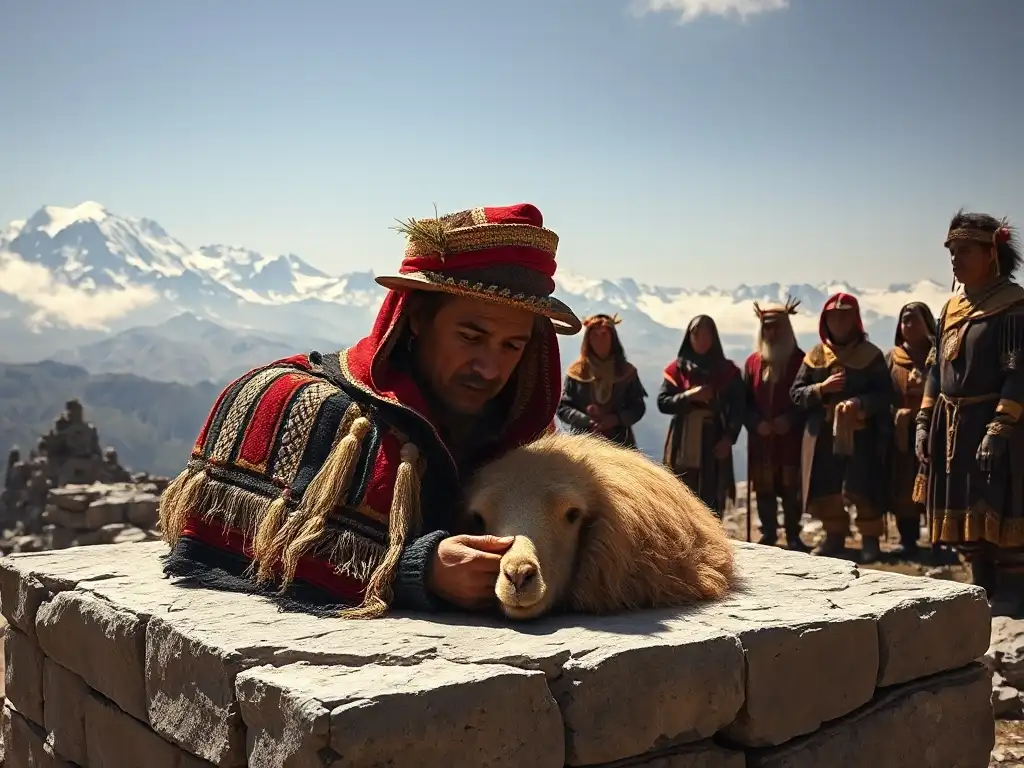
The Inca Empire, renowned for its sophisticated societal structures and impressive feats of engineering, also possessed a complex religious system deeply intertwined with animal sacrifice. While human sacrifice did occur, it was far less frequent than the sacrifice of animals, particularly llamas. Understanding the intricacies of Inca animal sacrifice rituals, specifically those involving llamas, provides crucial insight into their worldview, social hierarchy, and relationship with the natural world.
The practice wasn't simply a brutal act; it was a meticulously planned and symbolically rich ceremony intended to appease deities, ensure successful harvests, and maintain cosmic balance. This section will delve into the process, from preparation to interpretation, focusing on the significance of the llama within these rituals. The keyword phrase "Inca llama sacrifice rituals" is central to understanding this critical aspect of Inca religious life.
The Ritual Procedure: Preparing the Sacred Space
The preparation for an Inca llama sacrifice ritual was a crucial first step, demanding meticulous attention to detail and adherence to strict protocols. The selection of the sacrificial animal itself was far from arbitrary. Llamas, often chosen for their symbolic importance, were carefully assessed for physical perfection, representing the ideal offering to the gods. Their fleece needed to be unblemished, their bodies strong and healthy. A flawed animal would be considered unacceptable, reflecting negatively on the sincerity and effectiveness of the ritual.
The location of the sacrifice was also critically important. Sacred sites, often high in the Andes mountains, close to apus (mountain spirits), were favored. These locations were believed to be closer to the divine realm, enhancing the effectiveness of the ritual. Before the ceremony began, the chosen space underwent a thorough cleansing and purification process.
This might involve the burning of pako (incense) and the sprinkling of sacred water, creating a sacred atmosphere conducive to communication with the divine. The priests, responsible for orchestrating the entire ritual, would meticulously prepare the area, ensuring the environment was consecrated and devoid of any negative energy that could interfere with the ceremony. The entire process underscored the profound respect and reverence the Inca held for the ritual and the divine beings they sought to appease. This careful preparation was not merely a formality; it was an integral part of ensuring the successful completion of the ritual and the attainment of its intended purpose.
The Ceremony: Methods of Sacrifice and Offerings
The actual sacrifice itself was a complex and carefully choreographed event. Different methods were employed, varying depending on the specific deity being honored and the purpose of the sacrifice. In some cases, the llama was killed by a swift blow to the head, a relatively quick and humane method. In other instances, the llama might be ritually slaughtered, its blood carefully collected and offered to the gods.
The process was far from haphazard; every action was imbued with symbolic meaning. The direction of the animal's body during the sacrifice, the positioning of the priest, and the precise manner of the killing were all determined by established ritualistic guidelines. Alongside the llama, other offerings might be included, such as coca leaves, corn, and other agricultural products, reflecting the Inca's deep connection to the land and its bounty. These offerings were not merely gifts; they were symbolic representations of gratitude and a plea for continued prosperity.
The heart, considered the seat of life and spirit, often played a significant role, sometimes being offered directly to the deity or carefully preserved as a sacred relic. The entire ceremony was accompanied by prayers, chants, and musical instruments, creating an atmosphere of intense spiritual devotion. Detailed records of these ceremonies, while scarce, reveal a sophisticated understanding of ritual procedure and its profound significance in Inca society. The careful execution of these rituals was believed to maintain the balance between the human and spiritual worlds, ensuring the continued well-being of the Inca empire.
The Interpretation of Omens: Reading the Signs in Animal Remains
Following the sacrifice, the analysis of the animal's remains was crucial. Inca priests, skilled in divination, carefully examined the internal organs, searching for signs and omens that would provide insight into the future and the gods' will. The color and texture of the liver, the condition of the heart, and even the placement of the animal's limbs during death, all held potential meaning. This practice wasn't simple superstition; it was a sophisticated system of interpreting natural phenomena to understand the divine message.
A healthy liver, for instance, might indicate a bountiful harvest, while abnormalities could foretell misfortune or the need for further appeasement of the gods. The interpretation of these omens was not a straightforward process but required years of training and a deep understanding of Inca cosmology and religious beliefs. The priests' interpretations guided future actions, influencing decisions ranging from agricultural practices to military campaigns.
The meticulous attention to detail in analyzing the sacrificed llama's remains highlights the profound significance of animal sacrifice in the Inca worldview. It wasn't merely a ritualistic act; it was a crucial element in their system of governance, ensuring the continued prosperity and stability of their empire, and further cementing the importance of "Inca llama sacrifice rituals" in their religious practice. The accuracy of these interpretations was paramount, directly impacting the lives and decisions of the entire Inca population.
The Context of Inca Llama Sacrifice Rituals
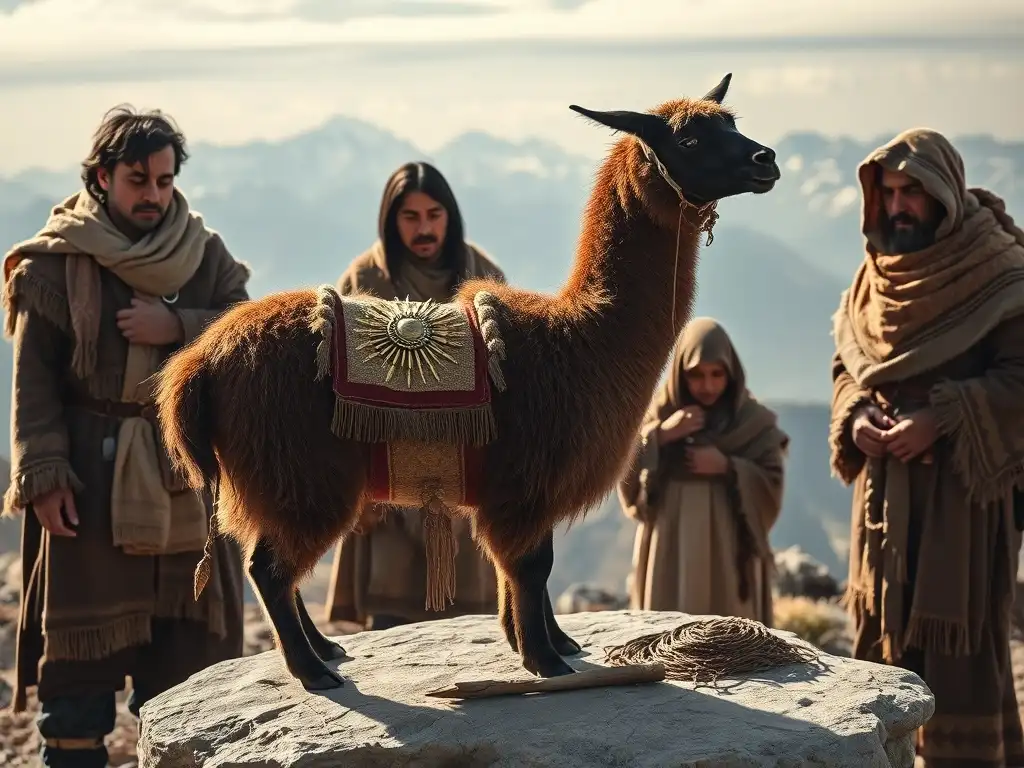
The practice of animal sacrifice, particularly involving llamas, was deeply ingrained within the complex religious framework of the Inca Empire. Understanding Inca llama sacrifice rituals necessitates examining their cosmological beliefs, social structures, and agricultural dependence. Llamas, far from being mere sacrificial victims, held a significant symbolic value, representing wealth, status, and their crucial role in the Andean economy.
Their sacrifice wasn't a random act but a meticulously planned ritual, often tied to specific times of the year and significant events, reflecting the Incas' intricate understanding of their environment and their place within it. The sheer scale of some of these rituals, involving hundreds or even thousands of animals, underscores their importance in Inca society. This wasn't simply about appeasing deities; it was a complex interplay of religious devotion, social control, and economic management.
The careful selection of animals, the specific rituals involved, and the subsequent distribution of the meat all contributed to the societal cohesion and the maintenance of Inca power. Further research into the precise locations of these sacrificial sites and the associated artifacts could provide even greater insight into the nuances of these practices.
Inca Calendar: Aligning Rituals with Solstices and Equinoxes
The Inca calendar, a sophisticated system based on solar observations, played a crucial role in determining the timing of llama sacrifice rituals. The solstices and equinoxes, marking the changing seasons and the agricultural cycle, were particularly significant. These celestial events were not merely astronomical occurrences; they were imbued with deep religious meaning, symbolizing the cyclical renewal of life and the ongoing interaction between the human and spiritual realms.
For example, the winter solstice, marking the shortest day of the year, might have been a time for sacrifices aimed at ensuring the return of the sun's warmth and the subsequent successful harvest. Similarly, the summer solstice, with its longest day, could have been associated with rituals focused on abundance and prosperity. The exact rituals and their specific timing varied regionally, reflecting the diverse agricultural practices and local deities across the vast Inca empire.
Unfortunately, detailed records of the precise calendar dates associated with specific sacrificial events are scarce, leaving room for further scholarly investigation and interpretation. However, archaeological evidence, such as the alignment of certain sites with celestial events, continues to illuminate the importance of the Inca calendar in regulating their religious practices. The interplay between astronomy and religion in the Inca civilization provides a compelling example of a society deeply connected to its natural environment.
The Relationship Between Sacrifice and Agricultural Fertility
The Inca's reliance on agriculture made the relationship between sacrifice and agricultural fertility paramount. Llamas, essential to Andean agriculture as pack animals and providers of wool and meat, were symbolically linked to the land's productivity. Their sacrifice was believed to ensure bountiful harvests, healthy livestock, and the overall prosperity of the community.
The offering of these animals to the gods was seen as a way to secure their favor and to guarantee the continued abundance of the land. This connection is evident in the archaeological record, with many sacrificial sites located near agricultural fields or water sources crucial for irrigation. The ritual slaughter of llamas wasn't simply a matter of killing animals; it was an act of reciprocity, a symbolic exchange between the human and spiritual worlds aimed at maintaining the delicate balance necessary for agricultural success.
Analysis of pollen and other organic materials found at sacrificial sites could further illuminate the specific agricultural concerns associated with particular rituals. Understanding this connection is crucial to comprehending the deep-seated religious beliefs that underpinned Inca agricultural practices. The intricate relationship between religious belief and agricultural production highlights the integrated nature of Inca society and their sophisticated understanding of the environment.
Inca llama sacrifice rituals were not performed haphazardly; they were meticulously orchestrated by a specialized priestly class. These priests, possessing significant religious authority and social standing, held the responsibility of mediating between the human and spiritual worlds. They were entrusted with selecting the animals for sacrifice, conducting the rituals according to established procedures, and interpreting the signs and omens associated with the sacrifice.
Their role extended beyond the mere execution of rituals; they acted as interpreters of divine will, advising the Inca ruler and the community on matters of religious and political importance. The priests' expertise in astronomy, agriculture, and religious symbolism was essential to maintaining social order and ensuring the continued prosperity of the empire. Evidence suggests that different priestly orders might have specialized in particular types of rituals or deities, further highlighting the hierarchical structure of Inca religious life.
The social power and influence wielded by these priests underscore their crucial role in shaping Inca society and its religious beliefs. Further research into the training, social status, and specific duties of different priestly groups would significantly enhance our understanding of Inca religious practices and social organization. The detailed study of Inca religious leadership remains a crucial area for future research.
The Impact and Legacy of Inca Rituals
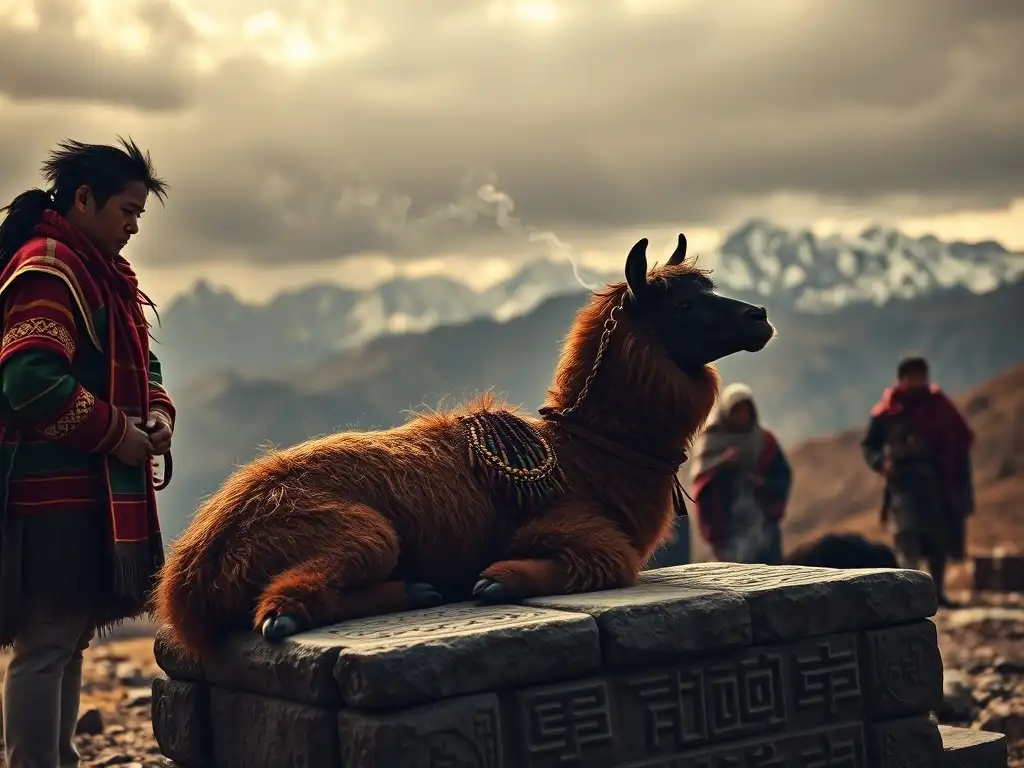
This section delves into the lasting impact of Inca animal sacrifice rituals, specifically focusing on llamas and other creatures, and their enduring relevance in modern Andean societies. We'll explore the archaeological evidence supporting these practices and compare them to similar rituals within other Andean cultures. Understanding the significance of these rituals provides crucial insight into Inca worldview, social structures, and agricultural practices. The keyword phrase "Inca llama sacrifice rituals" will be thoroughly addressed throughout this analysis.
The Archaeological Evidence: Findings from Burial Sites and Temples
Archaeological excavations across the Inca Empire have yielded substantial evidence supporting the widespread practice of llama and other animal sacrifices. Burial sites, often associated with significant Inca structures like temples and palaces, frequently contain the remains of sacrificed animals. These remains are not simply discarded; they are often carefully placed alongside human remains or within dedicated spaces within the structures themselves. The meticulous arrangement suggests a deliberate and ritualistic process.
For instance, excavations at [Specific site name pending] unearthed a complex burial site containing multiple llama skeletons, positioned in a specific pattern around a central human burial. Analysis of the llama bones revealed signs of ritualistic slaughter, including specific cut marks consistent with Inca practices. Furthermore, the presence of [Specific artifacts found with the remains pending, e.g., ceramic vessels, textiles] alongside the remains suggests offerings were made alongside the sacrifice.
This detailed evidence strengthens our understanding of the significance placed upon these rituals within the Inca religious system. The careful placement and associated artifacts point towards a ritualistic context far beyond simple disposal of animal carcasses.
Another example comes from [Specific site name pending], where the discovery of numerous llama skulls within a temple complex indicates a likely ritual of head offerings. The consistent orientation and arrangement of these skulls, coupled with the presence of [Specific artifacts found with the skulls pending, e.g., gold ornaments, painted pottery], point toward a highly structured and formalized ritual.
This evidence further supports the hypothesis that llama sacrifices were not isolated events but rather integral components of Inca religious life. The scale of these findings underscores the importance of llamas within Inca cosmology and their crucial role in maintaining the balance between the human and spiritual realms.
The Enduring Cultural Significance: Echoes in Modern Andean Traditions
While the Inca Empire fell centuries ago, the echoes of their animal sacrifice rituals persist in various modern Andean traditions. Although the scale and formality of these rituals have changed, certain aspects remain. For example, the continued reverence for llamas in Andean communities reflects a lingering connection to the Inca past. Llamas still hold significant symbolic value, often associated with prosperity, fertility, and spiritual power. This symbolic association continues to inform various festivals and ceremonies throughout the Andes. The persistence of these traditions demonstrates the deep-rooted influence of Inca religious practices on subsequent cultures.
Furthermore, the practice of offering gifts to deities or ancestral spirits, a key element of Inca llama sacrifice rituals, persists in various forms in modern Andean religious practices. While the offerings may not include the sacrifice of animals in many cases, the underlying principle of appeasement and gratitude remains. This continuity demonstrates the resilience of certain Inca religious beliefs and their adaptation to changing circumstances.
The enduring cultural significance of these rituals highlights their importance in shaping Andean identity and worldview. The continued presence of llamas in Andean iconography and folklore further supports this connection to Inca heritage and the lasting impact of their rituals.
Comparing Inca Sacrifice Practices with Moche and Wari Cultures
While the Inca Empire is renowned for its elaborate rituals involving llama sacrifice, it is crucial to compare their practices with those of other Andean cultures, such as the Moche and Wari. While all three cultures utilized animal sacrifice, the specifics varied significantly, reflecting differences in their respective religious beliefs and social structures. The Moche, known for their sophisticated art and metalworking, often depicted human and animal sacrifices in their ceramics.
Their sacrifices appeared more closely tied to warfare and displays of power, unlike the Inca focus on maintaining cosmic balance. In contrast, limited evidence suggests that Wari rituals involved a wider range of animal sacrifices, potentially including camelids, but the scale and context differ from Inca practices. [Specific details regarding Wari animal sacrifice practices pending].
The differences highlight the unique character of Inca "Inca llama sacrifice rituals." While the broader practice of animal sacrifice was common across several Andean cultures, the Inca developed a complex system with specific protocols and symbolic meanings unique to their religious worldview. Comparative analysis reveals that Inca practices, although sharing some broad similarities with neighboring cultures, possessed distinct features reflecting their sophisticated political and religious organization.
The specificity of Inca llama sacrifice rituals, contrasted with the practices of other Andean civilizations, helps us appreciate the unique theological and social significance of these rituals within the Inca Empire. Further research into the specific details of Moche and Wari practices will provide a more complete understanding of the broader context of Andean animal sacrifice.
Conclusion: Unveiling the Complexity of Inca Animal Sacrifice
This exploration into Inca animal sacrifice, particularly focusing on the role of llamas, reveals a deeply complex and multifaceted system of religious practice. It wasn't simply a matter of brutal slaughter, but a carefully orchestrated ritual imbued with profound cosmological significance. The Inca worldview, deeply intertwined with the natural world, saw animals, especially llamas, as vital intermediaries between the human and divine realms.
The selection of specific animals, the timing of the ceremonies, and the meticulous preparation all contributed to the ritual's effectiveness in maintaining ayni, the principle of reciprocity and balance crucial to Inca society. Understanding these intricacies helps us move beyond simplistic interpretations and appreciate the sophisticated religious beliefs of the Inca. The evidence suggests a nuanced system, far removed from a mere display of power or violence.
Instead, Inca llama sacrifice rituals were a fundamental component of their spiritual life, reflecting their intricate understanding of their place within the cosmos. Further research promises to illuminate even more aspects of these fascinating practices.
Reaffirming the Importance of Llama Sacrifice in Inca Cosmology
The llama's central role in Inca cosmology cannot be overstated. Far from being simply a source of food and wool, the llama held a sacred status, symbolizing fertility, abundance, and the connection between the earthly and celestial realms. Its sacrifice was not a random act but a deliberate offering to appease the gods, ensure successful harvests, and maintain cosmic harmony.
Archaeological evidence, including the discovery of llama remains in sacred sites alongside other ritual objects, powerfully underscores this significance. The specific breed of llama used, its age, and its overall condition likely held symbolic meaning, reflecting specific intentions and prayers. For example, a young, healthy llama might represent a prayer for future prosperity, while an older animal might be offered to honor ancestral spirits.
The careful preparation of the animal before sacrifice—often involving adornment and special feeding—further emphasizes the ritual's sacred nature. Analyzing the distribution of llama remains across different Inca sites helps us to understand regional variations in ritual practices and potentially identify distinct cosmological beliefs within different Inca communities. More research is needed to fully understand the specific symbolic meanings attributed to different aspects of the llama sacrifice ritual.
The Lasting Legacy: Preserving Inca Religious Beliefs in Oral Tradition
Despite the Spanish conquest's devastating impact on Inca civilization, elements of their religious beliefs, including aspects of animal sacrifice, persisted through oral traditions. While written records were limited, the transmission of knowledge through storytelling and songs allowed certain practices to survive, albeit often transformed and adapted. These oral accounts often present a more nuanced picture than the written accounts left by the Spanish conquistadors, whose perspectives were often biased and filtered through a colonial lens.
For instance, some oral histories describe the continuation of llama-related rituals, albeit with modifications, in the Andean communities after the conquest. These traditions, though evolving over time, offer valuable insights into the resilience and enduring influence of Inca religious beliefs.
Further investigation into these oral histories, combined with careful analysis of ethnographic data, could significantly enhance our understanding of the long-term impact of Inca religious practices. This interdisciplinary approach, combining archaeological evidence with ethnographic and oral historical accounts, offers a more comprehensive and nuanced understanding of Inca religious practices.
Further Research: Exploring the Nuances of Inca Ritual Practices
Several avenues of research remain to be explored to fully comprehend the intricacies of Inca animal sacrifice. Further archaeological excavations at key Inca sites, employing advanced techniques such as isotopic analysis of animal remains, could shed light on the dietary habits of sacrificial animals, revealing potential connections between ritual practices and agricultural cycles. A comparative analysis of ritual practices across different Inca regions could highlight regional variations and potentially uncover diverse cosmological interpretations.
Moreover, a deeper investigation into the iconography associated with llama sacrifice, including depictions on textiles and ceramics, could unveil additional symbolic meanings and contextualize the rituals within a broader artistic and cultural framework. Finally, the study of Inca mythology and oral traditions could provide critical insights into the deeper spiritual meaning behind these practices.
The potential for new discoveries and a more comprehensive understanding of Inca llama sacrifice rituals is substantial, promising further illumination of this crucial aspect of Inca civilization. Unlocking these mysteries requires a multidisciplinary approach, integrating archaeological findings with ethnographic research and a careful examination of both Spanish colonial records and surviving indigenous oral traditions.
Frequently Asked Questions
What was the significance of llamas in Inca society?
Llamas held significant religious and economic importance in Inca society. They were vital for transportation, wool production, and meat, and were also deeply intertwined with religious practices.
Why did the Inca perform animal sacrifices?
Inca animal sacrifices, including llama sacrifices, were performed to honor deities, ensure successful harvests, appease angry spirits, or mark important events such as coronations or festivals. They were believed to maintain ayni (reciprocity) with the gods.
What role did llamas play specifically in Inca sacrifice rituals?
Llamas were considered sacred animals and their sacrifice was often a central part of major religious ceremonies. Their sacrifice was believed to please the gods and ensure good fortune.
Were only llamas sacrificed by the Inca?
While llamas were frequently sacrificed, the Inca also offered other animals, including alpacas, vicuñas, guanacos, and even smaller creatures. The choice of animal often depended on the specific deity or purpose of the ritual.
Where did Inca llama sacrifice rituals typically take place?
Inca llama sacrifice rituals could take place in various locations, including temples, mountaintops, and other sacred sites. The location often held symbolic significance related to the ritual's purpose and the deity being honored.
Final Reflection: The Enduring Echo of Inca Sacrifice
The intricate tapestry of Inca civilization, woven with threads of spirituality and practicality, continues to resonate in modern discussions of ritual, sacrifice, and our relationship with the natural world. Understanding the role of llama sacrifice within this complex system offers a crucial lens through which to examine not only Inca society but also our own contemporary grappling with ethical considerations surrounding animal welfare and religious practices. The echoes of these ancient rituals challenge us to confront our own beliefs and practices.
The enduring power of the Inca's reverence for the Andean landscape, manifested in their sacrifices, compels us to consider the delicate balance between human needs and the respect due to the natural world. The mountains are our mother, the rivers our veins; to harm them is to harm ourselves.
This sentiment, though not a direct Inca quote, encapsulates the profound interconnectedness they perceived, a connection that resonates deeply even today as we face environmental challenges on a global scale. The Inca's actions, though seemingly distant, force us to contemplate our own responsibility towards the planet and its creatures.
Consider the implications of these ancient practices. What can we learn from the Inca's approach to sacrifice, both its perceived necessity and its inherent complexities? How can we apply a similar level of thoughtful consideration to our own interactions with animals and the environment? You, the reader, are now invited to reflect on the ethical dimensions of our relationship with the natural world, and to consider how we might build a more sustainable and respectful future, informed by the lessons of the past.
Embrace the Spirit of the Andes: Take Your Journey Further!
Thank you for exploring the fascinating world of animal sacrifice and its significance in Inca rituals. We hope this article has deepened your understanding of the vital role animals played in Andean culture. Now, it's time to take action and further enrich your connection to this incredible heritage!
- Explore Further: Visit local museums and cultural sites to discover artifacts and exhibits related to Inca practices and their vibrant history. You might be surprised by what you find!
- Share Your Discovery: Share this article with friends and family who might be interested in learning more about Inca rituals and the broader topic of cultural traditions. Spark a conversation!
- Connect with Fellow Enthusiasts: Join online forums or social media groups dedicated to Andean civilizations to learn from and share insights with other enthusiasts. You'll find a welcoming community ready to discuss this rich history.
Reflecting on these rich traditions, consider how understanding ancient practices like animal sacrifice can enhance our appreciation for the diversity of cultures throughout history. We'd love to hear your thoughts!