
Inca Cosmology: Understanding Their Perception of the Universe

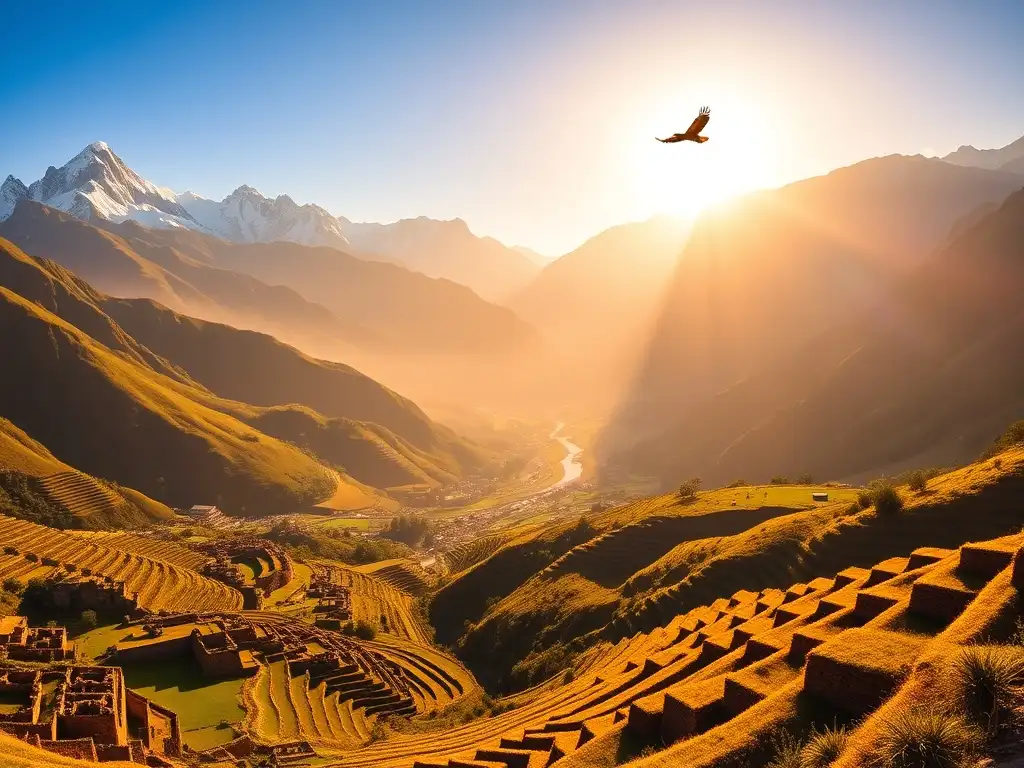
Step into a world lost to time, yet echoing with vibrant life. Journey with us to the heart of the Andes, where towering mountains held secrets whispered only to the ancient civilizations. Uncover the mysteries of the Inca, Moche, Nazca, and Tiahuanaco, and prepare to be captivated by their ingenuity and profound connection to the cosmos. But first, delve into the fascinating enigma of Inca universe perception – a glimpse into a cosmology that shaped their lives, beliefs, and breathtaking legacy. Are you ready to unravel this celestial tapestry?
The Inca Empire, a civilization that flourished in the Andes Mountains from the 15th to the 16th century, left behind a legacy richer than its vast territory. While their impressive architectural feats and sophisticated agricultural techniques are well-documented, understanding their worldview—their cosmology—provides a deeper appreciation for the Inca's ingenuity and their intricate relationship with the natural world.
This article delves into the Inca perception of the universe, exploring their beliefs about the cosmos, the celestial bodies, and their impact on daily life and ritual practices. We will uncover how their understanding of the universe shaped their society, their art, and their very existence, offering a comprehensive look at the fascinating intersection of Inca religion, astronomy, and their unique cosmology.
This exploration will illuminate the profound connection the Inca held with the Andes, revealing a sophisticated system of beliefs far beyond simple sun worship. Understanding their "Inca universe perception" unlocks a crucial key to deciphering the complexities of this remarkable civilization.
The Sacred Landscape: The Andes as a Cosmic Axis
The Inca worldview was intrinsically linked to the Andes Mountains themselves. They didn't see the mountains as mere geographical features but as sacred entities, acting as a vital connection between the earthly and celestial realms. The towering peaks, often shrouded in mist and snow, were believed to be the dwelling places of powerful deities and spirits.
The Inca meticulously mapped their landscape, identifying specific mountains and valleys as sacred sites, often incorporating them into their elaborate road systems and ceremonial centers. This wasn't simply a matter of aesthetics; the sacred geography dictated the placement of temples, agricultural terraces, and even settlements, reflecting a profound understanding of the universe's interconnectedness.
The Inca believed that the verticality of the Andes mirrored the cosmic order, with the upper world ( Hanan Pacha) above, the human world ( Kay Pacha) in the middle, and the underworld ( Ukhu Pacha) below. This three-part structure profoundly influenced their religious beliefs and practices.
Celestial Bodies and Deities: The Sun, Moon, and Stars
The Inca's understanding of the universe extended beyond the terrestrial realm. They were keen observers of the celestial bodies, developing a sophisticated system of astronomy to track the movements of the sun, moon, and stars. The sun, known as Inti, held the most prominent position in their pantheon, considered the supreme deity and the source of all life and energy.
Intricate sun temples, such as the Coricancha in Cusco, served as focal points for religious ceremonies and rituals dedicated to Inti. The moon, Killa, was also revered, often associated with fertility and female power. Observations of the stars and constellations played a crucial role in their agricultural practices and calendar system, helping them predict seasons and plan their harvests.
The intricate relationship between the celestial bodies and the agricultural cycle is evidenced in their precise agricultural techniques and their detailed astronomical observations. The Inca's ability to predict celestial events demonstrates their advanced knowledge of astronomy and its integral role within their cosmology.
Rituals and Ceremonies: Connecting the Worlds
Inca religious practices were deeply intertwined with their cosmological beliefs. Elaborate rituals and ceremonies were performed to maintain harmony between the three worlds ( Hanan Pacha, Kay Pacha, Ukhu Pacha) and to appease the powerful deities who inhabited them. These rituals often involved offerings of food, drink, and precious objects, presented at sacred sites throughout the empire.
The Inca's intricate understanding of their universe is evident in the precision and complexity of their ceremonies, demonstrating a profound respect for the delicate balance between the earthly and celestial realms. The use of specific objects and the timing of ceremonies further highlight the importance of maintaining this cosmic equilibrium. Furthermore, these rituals served not only as religious acts but also as social and political events, reinforcing the Inca's power and solidifying their control over the vast empire.
The Impact on Inca Society: Cosmology in Daily Life
The Inca's cosmological beliefs permeated every aspect of their daily life. From their agricultural practices and architectural designs to their social structures and political systems, their worldview shaped their society in profound ways. The hierarchical structure of the Inca empire, with the emperor at its apex, mirrored the cosmic order, with the sun god at the top of the pantheon.
The Inca's profound respect for nature and the interconnectedness of all things is evident in their sustainable agricultural practices, their reverence for the mountains, and their meticulous planning of cities and settlements. Their cosmology provided a framework for understanding the world, guiding their actions and shaping their collective identity.
The Inca's ability to create a cohesive and prosperous society, despite the challenges of their mountainous environment, is a testament to the power and influence of their cosmology. The seamless integration of their beliefs into their daily lives demonstrates a profound cultural and spiritual unity.
- The Sacred Landscape: The Andes as a Cosmic Axis
- Celestial Bodies and Deities: The Sun, Moon, and Stars
- Rituals and Ceremonies: Connecting the Worlds
- The Impact on Inca Society: Cosmology in Daily Life
The Inca Worldview: A Cosmic Perspective
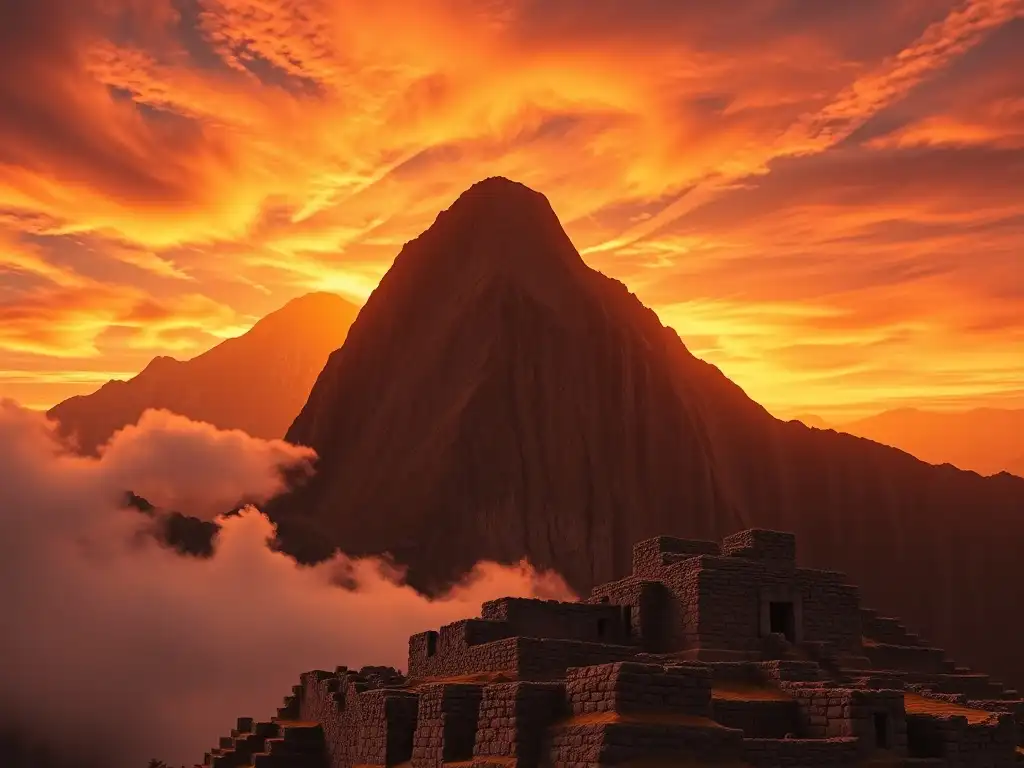
This section delves into the fascinating Inca worldview, exploring their unique perception of the universe and its influence on their daily lives. Understanding their cosmovision, as it's often called, is crucial to grasping the complexities of Inca religion, social structures, and even their impressive feats of engineering. The Inca perception of the universe wasn't merely a theoretical construct; it was a living, breathing reality that shaped their beliefs, rituals, and interactions with the natural world.
This intricate system of beliefs provided a framework for understanding their place within the cosmos and guided their actions accordingly. Their perception of the universe was deeply interconnected with their understanding of life, death, and the cyclical nature of time.
Defining Inca Cosmovision
The Inca cosmovision wasn't a codified doctrine like many religious texts. Instead, it was a deeply ingrained understanding of the world passed down through generations via oral traditions, rituals, and practical applications. It emphasized the interconnectedness of all things – the celestial bodies, the mountains, the rivers, and humanity itself.
This holistic view saw the universe as a dynamic and vibrant entity, constantly in flux and subject to the influence of powerful deities and spirits. The Inca universe perception was profoundly hierarchical, with the Apus (mountain gods) holding significant power, followed by other deities representing the sun, moon, stars, and elements.
The Andean landscape played a pivotal role in shaping this worldview. The towering Apus, often considered sacred mountains, were seen as the physical manifestations of powerful deities, acting as intermediaries between the human and spiritual realms. Their snow-capped peaks represented the celestial realm, while the valleys and fertile lands below represented the earthly realm. This close relationship between the physical world and the spiritual realm is a central tenet of the Inca universe perception. Their understanding of the universe was not merely a theoretical construct but a practical guide to their lives.
The Importance of the Inca Universe Perception
The Inca universe perception permeated every aspect of Inca society. It informed their agricultural practices, their political structures, and even their artistic creations. For example, the precise alignment of Inca cities and structures with celestial events reveals a sophisticated understanding of astronomy and its integration into their worldview. This wasn't mere coincidence; it reflects a deep-seated belief in the power of the cosmos and the importance of harmonizing with its rhythms. The Inca's calendar system, intricately tied to agricultural cycles and religious festivals, further demonstrates this close relationship.
Furthermore, the Inca's sophisticated system of mit'a (labor tribute) was likely influenced by their cosmological beliefs. The collective effort required to construct monumental structures like Machu Picchu could be seen as a ritualistic act of cosmic alignment, a way of physically manifesting their worldview. The Inca universe perception wasn't simply a belief system; it was a powerful force that shaped their social organization and collective identity. The importance of this perception extended to all aspects of their lives, ensuring social cohesion and maintaining a harmonious relationship with the cosmos.
Key Elements of the Inca Worldview
Several key elements define the Inca universe perception:
- The Hanan and Hurin Pacha: These two realms represent the upper and lower worlds, respectively. Hanan Pacha is the celestial realm, the abode of the gods and ancestors. Hurin Pacha is the underworld, a place of mystery and potential danger. The earthly realm, Kay Pacha, exists between these two, representing the delicate balance between the spiritual and physical worlds. This tripartite division structured their understanding of the universe.
- The Apus: These mountain gods held immense power and influence in the Inca worldview. They were considered intermediaries between the human and spiritual realms, acting as protectors and providers. Rituals and offerings were frequently made to appease and honor these powerful deities. Their significance is reflected in the strategic placement of Inca settlements near these sacred peaks.
- The Sun God, Inti: Inti was the most important deity in the Inca pantheon, representing the source of life and energy. The Inca Emperor was considered a direct descendant of Inti, reinforcing the sacred nature of imperial power and strengthening the link between the human and divine realms. The Inca's profound reverence for the sun is clearly reflected in their architecture, artwork, and religious practices.
- The cyclical nature of time: The Inca believed in the cyclical nature of time, with periods of creation, destruction, and rebirth. This understanding informed their agricultural practices and their understanding of life and death. This cyclical view is reflected in their intricate calendar system and their emphasis on maintaining balance within the cosmos.
The Inca universe perception offers a rich and complex tapestry of beliefs and practices. Its influence on their society, art, and technology is undeniable, demonstrating a profound connection between the spiritual and the material world. Further research into Inca cosmology is crucial for a complete understanding of this remarkable civilization.
The Three Realms of the Inca Universe
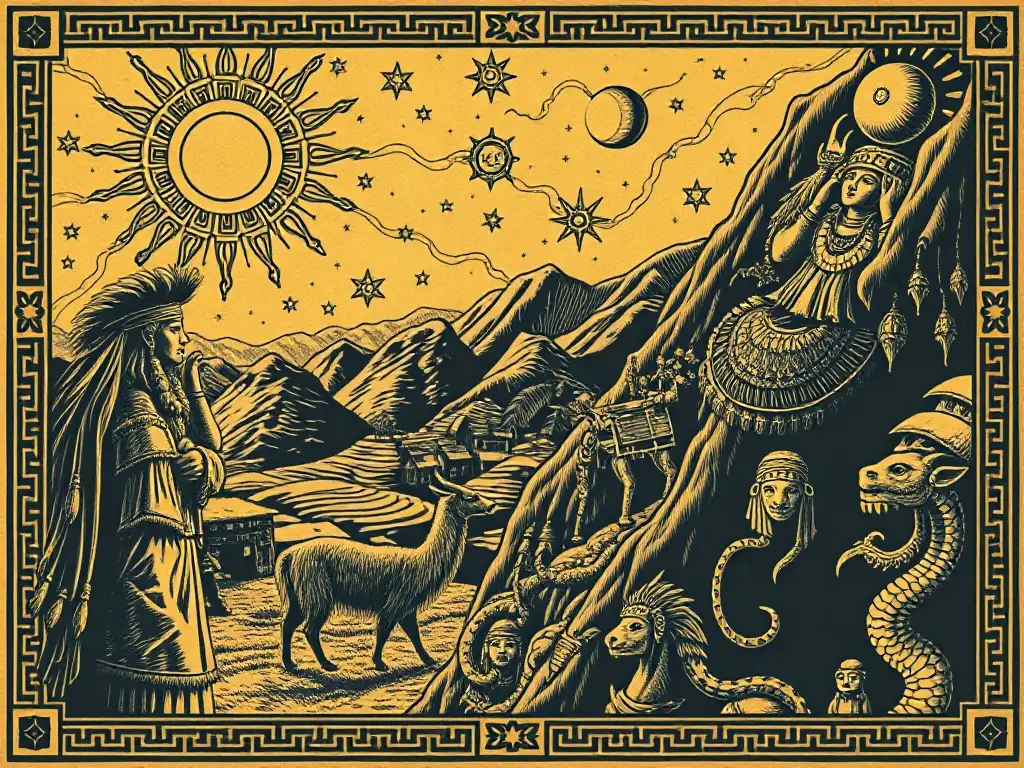
The Inca worldview, a complex tapestry woven from observation and spirituality, centered on a three-tiered cosmos. This perception of the universe, crucial to understanding Inca religion and rituals, divided reality into three distinct realms: Hanan Pacha (the upper world), Kay Pacha (the middle world), and Uku Pacha (the underworld). This tripartite structure profoundly influenced Inca daily life, from agricultural practices to elaborate ceremonies, shaping their understanding of life, death, and the interconnectedness of all things.
Understanding this fundamental framework is key to deciphering the intricate nuances of Inca cosmology and their unique relationship with the natural world. The Inca universe perception was deeply intertwined with this cosmological model.
Hanan Pacha: The Upper World
Hanan Pacha, the celestial realm, was considered the abode of powerful gods and celestial bodies. It was a place of immense power, light, and spiritual energy, revered and feared in equal measure. Inca cosmology positioned Hanan Pacha as the source of life-giving forces, influencing the events in the terrestrial realm. The Inca's deep understanding of astronomy and their meticulous observation of celestial movements underscore the significance of this upper world in their beliefs.
Inti, Viracocha, and Illapa: Gods and Deities of Hanan Pacha
The Inca pantheon was rich and diverse, with Inti (the Sun God) holding supreme importance. Inti was worshipped as the creator and sustainer of life, his daily journey across the sky mirroring the cycle of life and death. Viracocha, the creator god, held an equally significant place, often depicted as a powerful being who emerged from Lake Titicaca, shaping the world and its inhabitants. Illapa, the god of thunder and lightning, represented the power and unpredictability of nature.
These three deities, along with numerous other lesser gods and spirits, inhabited Hanan Pacha, exerting influence over the world below. Their worship was central to Inca religious practices, with elaborate temples and ceremonies dedicated to their veneration. The Inca's perception of the universe was heavily influenced by these powerful figures.
The Sun, Moon, and Stars in Inca Astronomy
Inca astronomy was far more sophisticated than often acknowledged. Their understanding of celestial movements was not merely for religious purposes; it played a vital role in agriculture and societal organization. The meticulous tracking of the sun's path, for instance, enabled them to accurately predict solstices and equinoxes, crucial for planting and harvesting cycles. The moon, too, held symbolic significance, its phases reflecting the cyclical nature of life.
Constellations and stars were linked to specific deities and events, adding another layer to their cosmological understanding. Their sophisticated observations, often made without telescopes, demonstrate a remarkable level of scientific insight deeply embedded within their cosmic perception. The detailed Inca universe perception is demonstrated through their astronomical expertise.
Kay Pacha: The Middle World
Kay Pacha, the earthly realm, was the world of the living, where the Inca people interacted with the natural environment. This middle world was not simply a passive stage; it was a dynamic space where the celestial and subterranean realms exerted their influence. The Inca saw themselves as integral parts of this ecosystem, recognizing the interconnectedness of all living things and the need for balance and harmony.
The Inca People, Animals, and Plants: Inhabitants of Kay Pacha
The Inca viewed themselves as custodians of Kay Pacha, responsible for maintaining equilibrium within the ecosystem. Their agricultural practices, characterized by terracing and irrigation, reflect this deep respect for the land. Animals and plants were not merely resources but integral parts of the cosmic order, each possessing its own spiritual significance. Llamas, for example, were highly valued, not only for their wool and meat but also for their spiritual importance in various rituals and ceremonies. The Inca universe perception included a profound respect for all living beings in their environment.
The Significance of Pachamama in Inca Beliefs
Pachamama, the Earth Mother, was a central figure in Inca cosmology and their perception of the universe. She represented the fertility of the land and the life-giving power of the earth. Her worship was widespread, with offerings and ceremonies performed to ensure good harvests and maintain her favor.
Pachamama was not merely a deity but a powerful force connecting the three realms, highlighting the interconnectedness of the universe in Inca belief. The Inca’s reverence for Pachamama underscores their deep respect for the natural world and their understanding of its vital role in sustaining life. The Inca universe perception hinged on maintaining a harmonious relationship with Pachamama.
Uku Pacha: The Underworld
The Inca worldview encompassed a complex understanding of the universe, divided into three distinct realms: Hanan Pacha (the upper world), Kay Pacha (the earthly world), and Uku Pacha (the underworld). Uku Pacha, the subterranean realm, held a significant place in Inca cosmology, representing not merely a physical space beneath the earth, but a powerful spiritual force influencing the lives of the living. It was a place of mystery, power, and ancestral connection, deeply intertwined with Inca beliefs about life, death, and the cyclical nature of existence.
The Inca believed that Uku Pacha was a source of fertility, providing the necessary nutrients for crops and sustaining life above ground. This connection was vital to their agricultural practices, which were central to their survival and prosperity. Furthermore, Uku Pacha was seen as the source of precious metals like gold and silver, further emphasizing its importance as a source of both material and spiritual wealth.
The intricate network of subterranean springs and rivers also reinforced the idea of Uku Pacha as a hidden, vital force shaping the landscape and their lives. Understanding Uku Pacha is crucial to grasping the full complexity of Inca cosmology and their sophisticated understanding of the interconnectedness of the universe.
Supay and the Ancestral Spirits: The Realm of the Dead and Spirits
Uku Pacha was not merely a physical space but a realm populated by powerful beings. Supay, the Inca god of the underworld, ruled over this domain, a figure both feared and revered. Supay wasn't simply an evil entity; he represented the untamed forces of nature and the unpredictable aspects of the underworld. His presence served as a reminder of the power of the unseen world and the importance of respecting the delicate balance between the realms.
In addition to Supay, the spirits of ancestors inhabited Uku Pacha. These ancestors were believed to exert influence on the living, offering guidance, protection, or even punishment depending on their relationship with the living descendants. The Inca performed various rituals and offerings to appease these spirits, ensuring their continued favor and preventing misfortune.
These practices highlighted the importance of maintaining strong ties with the deceased, acknowledging their ongoing presence and influence in the world of the living. The respect shown to ancestors reflected the Inca belief in the cyclical nature of life and death, emphasizing the continuity between generations. The actions of the living directly impacted the well-being of their ancestors, and vice versa, creating a complex interplay of influence and responsibility.
The Symbolic Meaning of Uku Pacha
The symbolic meaning of Uku Pacha extended beyond its literal representation as the underworld. It represented the unseen, the mysterious, and the source of life's fundamental elements. Its darkness symbolized the unknown, the potential for both creation and destruction.
This duality mirrored the Inca understanding of the universe, where opposing forces were constantly interacting, shaping the world and influencing human experience. The subterranean realm also symbolized the womb, representing the origin of life and the potential for renewal. This connection further emphasized the cyclical nature of Inca cosmology, where death led to rebirth and the underworld was not an end but a transformative stage in the continuous cycle of existence.
The fertility of the earth, directly linked to Uku Pacha, symbolized the abundance and the potential for growth, reminding the Inca of their dependence on the natural world and the importance of maintaining a harmonious relationship with it. The symbolism of Uku Pacha provides a deeper understanding of the Inca worldview, highlighting the interconnectedness of all things and the importance of respecting the forces that shape their lives. The duality inherent in this symbolism reflects the Inca's sophisticated and nuanced understanding of the universe and their place within it.
Inca Sacred Spaces and Their Cosmic Connection
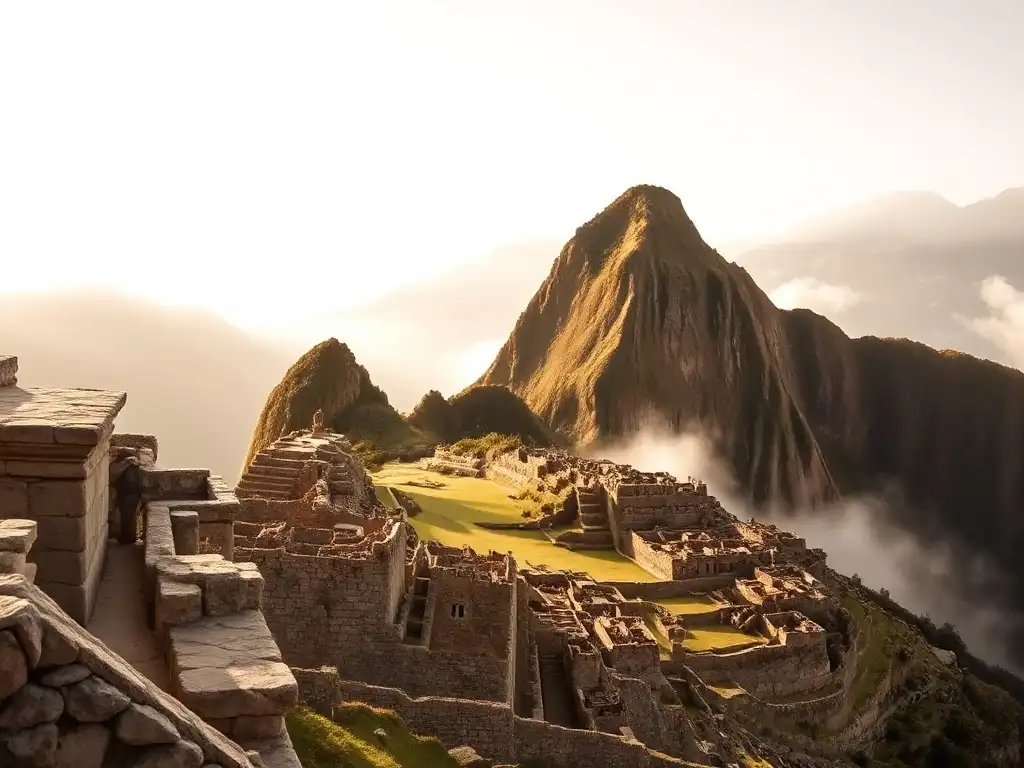
The Inca perception of the universe wasn't confined to abstract philosophical concepts; it was deeply intertwined with the physical landscape. Their worldview was profoundly shaped by the geography of the Andes, with mountains, rivers, and specific locations holding immense spiritual significance. Understanding Inca cosmology requires recognizing the crucial role of huacas, sacred places imbued with power, and the intricate relationship between these sites and the cosmos. This connection wasn't merely symbolic; it was a tangible reality that informed their daily lives, rituals, and governance.
The careful placement of cities and temples, aligned with celestial events and geographical features, demonstrates a sophisticated understanding of the universe's influence on their world. Analyzing Inca sacred spaces reveals a complex system of beliefs that integrated the earthly and the heavenly realms. The Inca universe perception was, therefore, deeply rooted in their environment.
Huacas: Sacred Places and Their Role
Huacas were central to Inca cosmology, representing powerful forces connecting the earthly and celestial realms. These weren't simply "holy places," but rather entities—mountains, springs, caves, rocks, even specific trees—believed to possess inherent spiritual energy or to be inhabited by spirits. The Inca worldview saw these huacas as manifestations of deities or ancestors, acting as intermediaries between the human and divine worlds.
Their veneration involved offerings, rituals, and the construction of shrines or temples nearby. The Inca meticulously recorded and cataloged these huacas, carefully managing their relationships to maintain cosmic balance and ensure prosperity. This careful stewardship of sacred sites reflects the importance of maintaining harmonious relations with the spiritual forces that shaped their lives.
The intricate network of huacas across the empire formed a powerful spiritual infrastructure, reinforcing the Inca's authority and connecting their vast territory. The diversity of huacas highlights the nuanced and localized aspects of Inca religion, demonstrating that their universe perception wasn't monolithic but rather adapted to the specific characteristics of different regions.
Coricancha and Machu Picchu: Temples and Observatories
The Coricancha, or Temple of the Sun, in Cusco, and Machu Picchu, high in the Andes, exemplify the Inca's sophisticated integration of astronomy and architecture. The Coricancha, originally plated in gold, was the most important religious center in the Inca Empire, its design reflecting their understanding of the cosmos. Its orientation, possibly aligned with solstices or equinoxes, suggests its use as an observatory, where priests tracked celestial movements to predict agricultural cycles and important religious events.
Similarly, Machu Picchu, often described as a "lost city," exhibits precise astronomical alignments. Its layout, with buildings positioned to mark significant celestial events, further underscores the Inca's keen observation of the universe.
This blend of religious and astronomical functions in these significant structures showcases how deeply interwoven their understanding of the universe was with their daily lives and governance. The meticulous construction and astronomical alignments of these sites demonstrate a level of technological and astronomical knowledge that was remarkably advanced for its time, enhancing our understanding of their Inca universe perception.
The Significance of Mountains and Rivers in Inca Cosmology
Mountains and rivers played crucial roles in Inca cosmology, representing powerful forces and acting as channels of communication between the human and spiritual worlds. Mountains were revered as the dwelling places of deities and ancestors, while rivers were seen as life-giving forces connecting the earthly and celestial realms. The Inca built their cities and agricultural terraces along river valleys, recognizing the vital role of water in sustaining life and maintaining cosmic balance.
Their intricate system of canals and irrigation networks wasn't just a feat of engineering but also a spiritual practice, designed to harness and respect the power of these sacred waterways. The reverence for mountains is evident in the construction of mountaintop shrines and the performance of ceremonies on mountain peaks.
This demonstrates a deep respect for the natural world and its integration into their religious practices, further enriching our understanding of their Inca universe perception. The Inca worldview saw these natural features not merely as geographical entities but as active participants in the cosmic order, highlighting the holistic nature of their relationship with the environment.
Understanding Time and Cycles in the Inca Universe
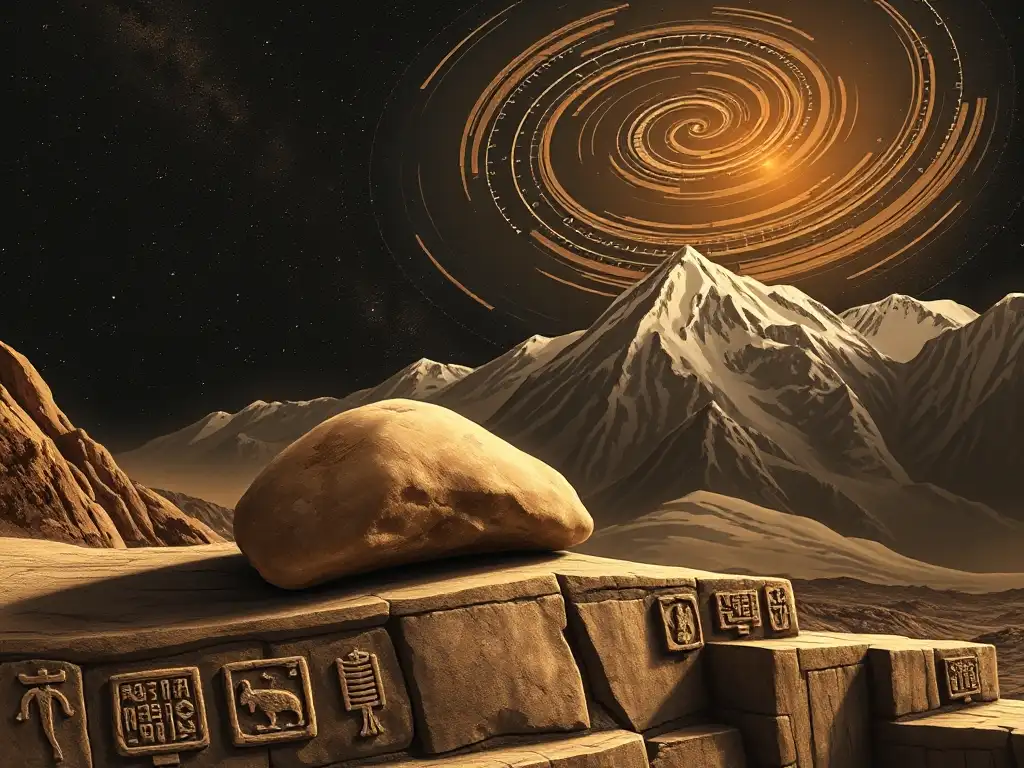
The Inca perception of the universe wasn't a static view; rather, it was deeply intertwined with cyclical time and the continuous interplay of celestial events. Their understanding of the cosmos wasn't just a matter of observing the stars; it was a fundamental aspect of their daily lives, influencing their agriculture, social structure, and religious practices.
This intricate connection between the earthly and the celestial realms is crucial to understanding their worldview and the profound impact it had on Inca society. The Inca universe perception was intimately tied to the rhythms of nature and the cyclical passage of time, reflected in their sophisticated calendar system and elaborate rituals.
Analyzing these elements reveals a society profoundly attuned to the celestial clockwork governing their world. Understanding their intricate calendar system and the significance they placed on solstices and equinoxes provides a window into their cosmic worldview, a perspective far more nuanced than a simple belief in gods and spirits.
The Inca Calendar: A Cosmic Timekeeping System
The Inca calendar, unlike many other ancient calendars, wasn't based on a written system. Instead, it relied on a sophisticated oral tradition passed down through generations of quipucamayocs—skilled keepers of records using quipus, complex knotted strings. These quipus encoded astronomical observations, agricultural cycles, and historical events, serving as a living archive of the Inca universe perception.
While the precise mechanics of the Inca calendar remain debated by scholars, evidence suggests it incorporated both a solar and a lunar cycle. The solar year was divided into twelve months, each associated with specific agricultural activities and religious festivals. The lunar cycle, observed through careful monitoring of the moon's phases, played a crucial role in determining the timing of important ceremonies and agricultural practices.
The Inca calendar wasn't just a tool for timekeeping; it was a dynamic representation of their understanding of the cosmos, a reflection of the cyclical nature of life, death, and regeneration. The quipus themselves, with their intricate knots and colors, were more than mere accounting devices; they were tangible representations of the interconnectedness of the earthly and celestial realms, embodying the Inca's deep understanding of time and the universe.
The Importance of Solstices and Equinoxes
Solstices and equinoxes held paramount significance in the Inca worldview, marking crucial turning points in the yearly agricultural cycle and serving as focal points for elaborate religious ceremonies. The winter solstice, for instance, marked the shortest day of the year, symbolizing a period of renewal and rebirth, much like the death and resurrection of the sun. This event wasn't merely an astronomical observation; it was a deeply symbolic moment, reflecting the Inca's understanding of the cyclical nature of life and death.
Similarly, the summer solstice, the longest day, celebrated the peak of the agricultural season and the abundance it brought. Equinoxes, marking the transition between seasons, were also observed with great ceremony, reinforcing the Inca’s deep understanding of the balance and harmony within the cosmos.
These celestial events were not merely observed; they were actively engaged with through elaborate rituals designed to ensure the continuation of the cosmic order and the prosperity of the Inca empire. The precision with which the Inca tracked these events, evident in the construction of their monumental sites aligned with celestial bodies, highlights their sophisticated astronomical knowledge and the central role these events played in their culture.
Inca Rituals and Their Connection to Cosmic Cycles
Inca rituals were intrinsically linked to their perception of the universe and the cyclical nature of time. These rituals weren't isolated events; they were integral parts of a larger cosmic order, designed to maintain harmony between the human and divine realms. The Capac Inti Raymi, the festival dedicated to the sun god Inti, was perhaps the most significant of these rituals, coinciding with the winter solstice.
This grand ceremony involved elaborate processions, sacrifices, and feasting, reflecting the Inca's deep devotion to the sun and their belief in its vital role in maintaining the cosmic balance. Other rituals, linked to specific agricultural cycles or celestial events, ensured the fertility of the land and the prosperity of the empire. These practices weren't merely superstitious; they were carefully orchestrated performances aimed at influencing the cosmic order, reflecting a sophisticated understanding of the interconnectedness of the human and divine worlds within the Inca universe perception.
The intricate details of these rituals, often involving specific offerings, prayers, and symbolic gestures, highlight the profound depth of the Inca's cosmological beliefs and their commitment to maintaining harmony with the cosmos. The meticulous planning and execution of these rituals underscore the central role of religion in Inca society and the profound impact of their universe perception on every aspect of their lives.
The Legacy of Inca Cosmology
The Inca worldview, deeply intertwined with their sophisticated understanding of the cosmos, left an indelible mark on Andean culture, shaping social structures, religious practices, and artistic expressions for centuries. Their perception of the universe wasn't merely a theoretical framework; it was a lived reality, influencing everything from agricultural practices to urban planning. This cosmological understanding permeated every aspect of Inca life, creating a society where the natural world and the spiritual realm were inextricably linked.
Understanding this legacy is crucial to grasping the complexity and sophistication of Inca civilization. The Inca's perception of the universe wasn't static; it evolved and adapted over time, incorporating elements of conquered cultures while maintaining its core principles.
Impact of Inca Beliefs on Andean Culture
Inca cosmology profoundly influenced Andean culture, shaping societal structures, religious practices, and artistic expressions. The Inca's belief in a hierarchical universe, with the sun god Inti at its apex, mirrored their own social hierarchy. The emperor, considered a descendant of the sun, held absolute power, reflecting the cosmic order. This hierarchical structure extended to all aspects of life, from the agricultural calendar to the intricate system of mita, a form of labor tribute.
Agricultural practices were meticulously aligned with the celestial cycles. The Inca calendar, based on precise astronomical observations, guided planting and harvesting, ensuring the survival of the population. The ayllu, a communal system of land ownership and mutual support, also reflected the interconnectedness emphasized in Inca cosmology. Members of the ayllu worked together, sharing resources and responsibilities, mirroring the harmonious balance believed to exist in the universe.
Furthermore, Inca art and architecture reflected their cosmological beliefs. Temples and palaces were aligned with celestial events, demonstrating a deep understanding of astronomy and its significance in their worldview. Textiles, often depicting celestial bodies and mythical figures, served as powerful symbols of Inca cosmology and social status. The intricate designs, symbolic representations, and the use of specific colors all conveyed specific cosmological meanings, reflecting the Inca's deep connection to their universe perception.
Modern Interpretations of the Inca Universe Perception
Modern interpretations of the Inca universe perception often draw upon archaeological evidence, ethnohistorical accounts, and the analysis of surviving Inca artifacts. Scholars analyze the layout of Inca cities, such as Machu Picchu, to understand their astronomical alignments and their connection to the cosmos. The precise placement of buildings, the orientation of windows and doorways, and the use of specific materials all suggest a deliberate attempt to integrate the built environment with the celestial sphere.
Furthermore, the study of Inca mythology and religious practices provides insights into their worldview. The stories and rituals surrounding Inti, the sun god, Mama Killa, the moon goddess, and other celestial deities illuminate the Inca's understanding of the universe and their place within it. Analyzing these myths allows us to understand the underlying principles of Inca cosmology and its impact on their daily lives.
However, it's crucial to acknowledge the limitations of interpreting these sources, considering the potential biases and gaps in the historical record. The Inca didn't leave behind written texts detailing their cosmology; our understanding relies on interpretations of material culture and oral traditions passed down through generations.
Contemporary Studies on Inca Astronomy
Contemporary studies on Inca astronomy continue to refine our understanding of their astronomical knowledge and its role in their society. Researchers use advanced techniques, such as digital mapping and astronomical software, to analyze the astronomical alignments of Inca sites with greater precision. This allows for a more nuanced understanding of their astronomical observations and their ability to predict celestial events.
These studies reveal the sophistication of Inca astronomy, demonstrating their ability to track the movements of celestial bodies with remarkable accuracy. They also highlight the practical applications of their astronomical knowledge, such as its use in agriculture and the development of their calendar system. Ongoing research continues to uncover new insights into the Inca's understanding of the universe, challenging existing assumptions and expanding our knowledge of this fascinating civilization.
For instance, recent research focuses on the potential use of specific constellations and their association with Inca rituals and agricultural cycles, providing a more complex picture of the interplay between astronomy and daily life in Inca society. The integration of advanced technology with archaeological findings promises to further illuminate the intricacies of Inca astronomy and its profound impact on their culture and society.
Frequently Asked Questions
What was the Inca's understanding of the universe?
The Inca universe was a complex and interconnected system, reflecting a deeply spiritual worldview. They saw the cosmos as a living entity, with powerful forces influencing daily life. Their understanding was woven into their religion, society, and even agriculture.
How did the Inca's cosmology influence their society?
Inca cosmology permeated all aspects of life. Religious practices, social structures, and even agricultural techniques were directly influenced by their beliefs about the cosmos and its deities. This created a unified and cohesive society.
What role did celestial bodies play in Inca cosmology?
Celestial bodies like the sun, moon, and stars held significant religious importance. They were seen as deities or manifestations of deities, influencing agricultural cycles and predicting events. Observatories were used for astronomical observations.
What is the significance of the Apus in Inca cosmology?
The Apus, or mountain spirits, were revered as powerful deities. They were believed to connect the earthly and celestial realms, influencing weather patterns and providing protection. Offering ceremonies were frequently performed to appease them.
How did Inca cosmology differ from other Andean civilizations' views?
While sharing some commonalities with other Andean cultures, Inca cosmology developed its own unique characteristics, particularly in its emphasis on the emperor's divine connection and the centrality of the sun. Specific deities and rituals varied significantly between groups.
Final Reflection: Echoes of the Andes: A Legacy in the Cosmos
The Inca understanding of the universe, far from being a relic of the past, offers a potent lens through which to examine our own relationship with the cosmos. Their intricate cosmology, woven into the very fabric of their society, continues to resonate, challenging our anthropocentric worldview and prompting us to reconsider our place within the grand scheme of existence. The echoes of their celestial observations and spiritual beliefs still reverberate today, reminding us of the enduring power of human connection to the natural world.
The Inca's deep reverence for the cosmos, their intricate understanding of celestial cycles, and their integration of these observations into their daily lives serves as a powerful counterpoint to our increasingly fragmented relationship with nature. The universe is not outside of us. It is within us.
This sentiment, though not directly from Inca writings, encapsulates the profound interconnectedness they perceived between humanity and the cosmos. Their sophisticated astronomical knowledge, used not just for practical purposes but also for spiritual guidance and societal structure, highlights the importance of a holistic worldview that we are only beginning to rediscover in our modern age.
Consider, for a moment, the vastness of the Andean sky, the same sky that inspired the Inca. Reflect on their profound connection to the land, their deep understanding of the rhythms of nature, and the intricate ways in which they integrated their cosmology into every aspect of their lives. Let their legacy inspire you to look up, to connect with the natural world around you, and to cultivate a deeper appreciation for the intricate tapestry of existence. Embrace the wonder of the cosmos, and find your own place within its boundless expanse.
Unveil the Wonders of Inca Cosmology Today!
Thank you for exploring the fascinating world of Inca cosmology with us! We hope you've gained a deeper understanding of the Inca civilization's worldview and their place within the cosmos. Ready to delve even further?
Here are some ways to continue your exploration:
- Expand your knowledge of Inca history: Explore your local library or online resources for books and documentaries that detail Inca civilization and their cosmological beliefs.
- Join the discussion: Share your thoughts on Inca cosmology in our online community or on social media using #IncaCosmology. Let's explore this ancient knowledge together!
- Learn from the experts: Search for workshops or online lectures focusing on Andean civilizations or indigenous cosmologies. Hearing from experts can provide new perspectives and insights.
What aspect of Inca cosmology most surprised you, and how has it influenced your understanding of ancient civilizations? We'd love to hear your thoughts!