
The Significance of Mountains and Sacred Peaks in Inca Spirituality

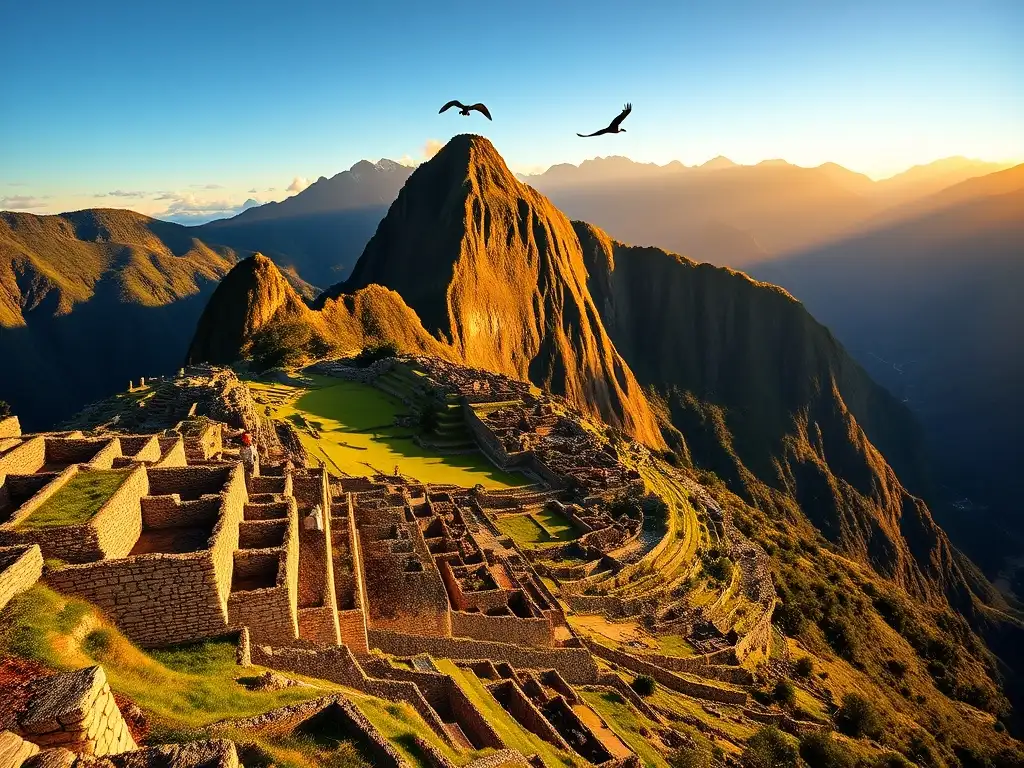
Uncover the mysteries of a lost world. Journey with us into the heart of the Andes, where towering peaks held more than just geographical significance. For the Inca, mountains were sacred, pulsating with spiritual energy – a belief reflected in their awe-inspiring architecture and profound rituals. Discover the secrets behind the Inca mountain sacred sites, and delve into the captivating spirituality of one of history's most enigmatic empires. Prepare to be amazed.
The towering Andes Mountains were not merely geographical features to the Inca; they were the very foundation of their spiritual world, deeply interwoven with their cosmology, religion, and daily life. This article delves into the profound significance of mountains and sacred peaks in Inca spirituality, exploring how these majestic landscapes shaped their beliefs, rituals, and societal structures. We'll examine the Inca cosmovision, the concept of Apus as powerful mountain spirits, and the specific ways in which these sacred sites were venerated and integrated into the Inca empire's political and social fabric.
Understanding the Inca relationship with their mountainous environment is key to unlocking a deeper comprehension of their rich and complex culture, a culture that continues to fascinate and inspire awe centuries later. This exploration will provide insights into the Inca understanding of "Inca mountain sacred sites" and their vital role within their belief system.
Understanding Inca Cosmovision and the Role of Nature
Inca cosmology presented a holistic view of the world, where the natural and supernatural realms were inextricably linked. The mountains, particularly the snow-capped peaks known as Apus, were considered sacred entities, not simply inanimate objects. They were believed to be the dwelling places of powerful deities and spirits, acting as intermediaries between the human and divine worlds. This interconnectedness extended to all aspects of Inca life, influencing their agriculture, social organization, and political power structures.
The Inca believed that maintaining harmony with nature, particularly with the Apus, was crucial for ensuring prosperity, fertility, and the overall well-being of their society. Failure to do so could bring about natural disasters, crop failures, or even social unrest. This deep respect for the natural world, particularly the mountains, is evident in the Inca's careful management of their environment and their meticulous rituals aimed at appeasing the mountain spirits.
The Inca worldview was profoundly influenced by the physical landscape. The stark contrast between the high, snow-covered peaks and the fertile valleys below mirrored their understanding of the duality inherent in the cosmos. This duality, often represented in their art and mythology, underscores the complex interplay between life and death, the sacred and the profane, and the human and divine worlds. This intricate relationship is beautifully illustrated in [specific examples of Inca art depicting mountain deities pending]. Understanding this cosmological framework is fundamental to appreciating the significance of Inca mountain sacred sites.
The Concept of Apus: Powerful Mountain Spirits in Inca Belief
The Apus, the powerful mountain spirits, were central figures in Inca religion. These deities were not merely personifications of mountains; they were active participants in the lives of the Inca people, influencing weather patterns, agricultural cycles, and even political affairs. Each Apus was believed to possess unique characteristics and powers, and they were often associated with specific geographical regions or clans.
The Inca would offer sacrifices, prayers, and other rituals to appease the Apus, seeking their blessings and protection. These offerings, which ranged from agricultural produce to precious metals, were carefully selected based on the specific needs and desires of the individual Apus. The importance of maintaining a positive relationship with the Apus is reflected in the elaborate ceremonies and infrastructure associated with Inca mountain sacred sites.
The Inca Empire's political and administrative structure was also closely tied to the veneration of the Apus. Specific mountain peaks were associated with particular provinces or regions, and the governors of those regions were responsible for maintaining the sacred sites and performing the necessary rituals. This system served to reinforce the Inca's authority and legitimacy, linking their power to the divine will of the mountain spirits.
The meticulous record-keeping of Inca officials detailed the offerings made to each Apus, highlighting the significance of these rituals in the administration of the empire. The evidence suggests a highly organized system of religious practice and political control, deeply rooted in the veneration of these powerful mountain deities. The sheer scale and complexity of this system further underscore the crucial role of "Inca mountain sacred sites" in the Inca worldview.
Inca Mountain Sacred Sites: Centers of Worship and Ritual
The Inca worldview was deeply intertwined with the Andean landscape, particularly its majestic mountains. These weren't simply geographical features; they were considered apus, powerful deities residing in the peaks, actively involved in the lives of the Inca people. Inca mountain sacred sites served as vital centers for worship, ritual performance, and communication with the supernatural realm.
These sites weren't limited to grand temples; they often encompassed entire mountain ranges, valleys, and springs, all considered integral parts of the sacred geography. The Inca meticulously maintained these sacred spaces, undertaking pilgrimages, offering sacrifices, and performing ceremonies to maintain a harmonious relationship with the apus and ensure the prosperity of their empire. These rituals were not solely performed by priests; participation was integral to the social fabric, reinforcing the community's connection to the divine and the natural world.
The Inca believed the apus influenced weather patterns, agricultural yields, and overall societal well-being, making these sacred sites crucial for the empire’s survival and prosperity. The reverence for these mountains wasn't a passive observance; it was an active engagement, a constant dialogue between the human and spiritual realms.
Huacas: Defining Sacred Places and Natural Features
Within the vast network of Inca mountain sacred sites, huacas held a special place. Huacas encompassed a wide range of sacred places and natural features, including mountains, caves, springs, and rocks. These weren't simply places of worship; they were considered embodiments of spiritual power, imbued with the presence of ancestral spirits or deities.
The Inca identified specific huacas with particular apus, creating a complex web of interconnected sacred spaces. The selection of a huaca often depended on its unique geographical characteristics and perceived spiritual significance, with features like unusual rock formations, prominent peaks, or abundant water sources playing crucial roles. The Inca carefully preserved and maintained these huacas, often constructing small shrines or offering platforms near them.
These actions weren't merely symbolic gestures; they were practical ways of engaging with and honoring the spiritual forces associated with these sacred places, demonstrating the interconnectedness of the Inca's spiritual beliefs and their physical environment. The huacas served as tangible links between the earthly and spiritual realms, providing a framework for understanding and interacting with the supernatural forces that shaped their lives.
The Importance of High Altitude Sanctuaries
The Inca frequently established sanctuaries at high altitudes, often near the summits of sacred mountains. These locations weren't chosen arbitrarily; their inaccessibility and proximity to the celestial realm amplified their spiritual significance. The challenging journey to these high-altitude sites acted as a form of spiritual purification, preparing participants for direct communion with the apus.
The thin air, stark landscape, and breathtaking views contributed to an atmosphere of awe and reverence. Sacrificial offerings, including llamas and precious artifacts, were often left at these sanctuaries, demonstrating the Inca's willingness to make significant offerings to appease and honor the mountain deities.
These high-altitude sanctuaries represent a tangible manifestation of the Inca's deep reverence for the apus and their belief in the power of these sacred spaces to connect the human and divine worlds. The effort required to reach these locations underscores the importance of these sites and the intensity of the Inca's spiritual devotion.
Prominent Sacred Peaks in the Inca Empire
Several mountains rose to prominence within the Inca Empire, holding exceptional spiritual significance. These weren't simply the highest peaks; their selection was based on a complex interplay of geographical features, mythological associations, and their perceived influence on the surrounding landscape and the Inca people. These sacred peaks served as focal points for pilgrimage, ritual, and communication with the apus, reinforcing the Inca's connection to the divine and the natural world.
The stories associated with these mountains, passed down through generations, further solidified their importance in Inca cosmology and spiritual practice. Understanding these peaks offers a window into the Inca understanding of the world and their intricate relationship with the spiritual forces they believed shaped their lives.
Aconcagua: A Majestic Mountain of Spiritual Significance
Aconcagua, the highest peak in the Americas, held immense spiritual significance for the Inca, although the extent of its direct involvement in Inca mythology is still being researched. Its sheer scale and imposing presence undoubtedly contributed to its perceived power. Its location on the western edge of the Inca Empire may have also played a role in its significance, possibly representing a boundary or a powerful guardian of the empire.
While specific Inca rituals performed on Aconcagua are not fully documented, its immense size and strategic location suggest it likely played a role in Inca cosmology and religious practices. Further archaeological research is needed to fully understand the precise nature of Aconcagua's spiritual significance within the Inca worldview.
Ausangate: The Andean Deity and its Sacred Peak
Ausangate, a stunning mountain in the Andes, was considered a particularly powerful apu and a central figure in Inca mythology. More than just a mountain, Ausangate was perceived as a deity, a powerful spiritual entity actively involved in the lives of the Inca people. It was associated with fertility, abundance, and the well-being of the local communities.
Annual pilgrimages to Ausangate were common, with rituals involving offerings and prayers to ensure the continued prosperity of the land and its people. The vibrant colors of the mountain, particularly its glaciers, added to its spiritual aura, reinforcing its perceived connection to the supernatural. Ausangate's significance extends beyond its physical presence; it represents a deep connection between the Inca and the Andean landscape, embodying the sacredness of the natural world.
Salcantay: A Powerful Apus and its Inca Connection
Salcantay, another prominent peak in the Andes, was revered as a powerful apu by the Inca. Its imposing presence and strategic location made it a focal point for spiritual practices and pilgrimage. The Inca associated Salcantay with various aspects of life, including weather patterns, agriculture, and overall societal well-being.
The mountain's association with the Inca trail to Machu Picchu further highlights its importance. While the precise details of rituals performed at Salcantay are still under investigation, its prominent status within Inca mythology and its geographical importance suggest a significant role in their spiritual worldview. Salcantay's enduring presence in the landscape and its continued importance to local communities underscore the lasting impact of Inca religious beliefs.
Pachatusan: The Guardian of Cusco
Pachatusan, a mountain overlooking the Inca capital of Cusco, held a unique position within Inca spirituality. It wasn't merely a sacred peak; it was considered a guardian of the city, its presence seen as a source of protection and prosperity for the Inca Empire. Its proximity to Cusco made it a focal point for rituals and ceremonies aimed at ensuring the city's safety and well-being.
The Inca likely performed regular offerings and prayers at Pachatusan, seeking its divine protection against both natural disasters and human enemies. Pachatusan’s significance underscores the close relationship between the Inca's spiritual beliefs and their urban planning, showcasing how religious practices were integrated into the very fabric of their society. The strategic placement of the city in relation to this sacred mountain highlights the importance of the landscape in shaping Inca civilization.
Inca Rituals and Offerings on Sacred Mountains
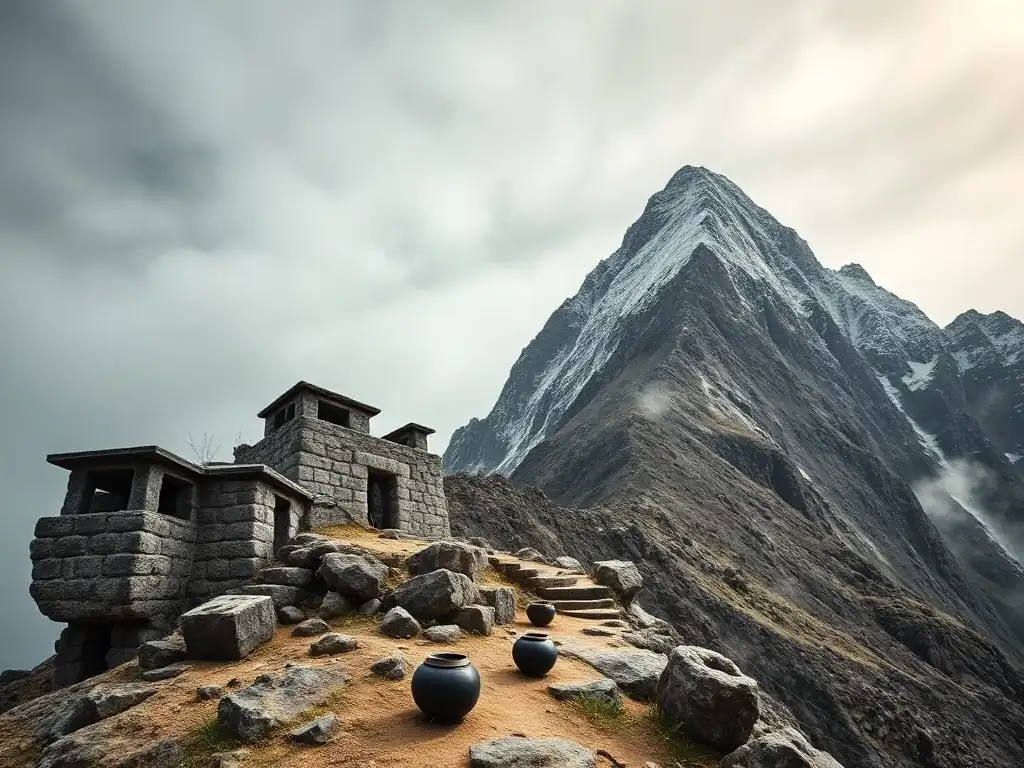
Inca rituals on sacred mountains were not merely symbolic; they were deeply ingrained in their worldview, reflecting their profound connection to the natural world and their belief in the apu—mountain spirits. These rituals involved a complex system of offerings and ceremonies designed to appease the apu, secure their favor, and ensure the well-being of the Inca Empire. The selection of specific mountains for these rituals was carefully considered, often based on the mountain's perceived power, its proximity to important Inca settlements, and its geographical significance within the broader Andean landscape.
The process was not arbitrary; it followed established patterns and traditions passed down through generations of Inca priests and leaders. The rituals were central to maintaining the cosmic balance and ensuring the continued prosperity of the empire. They represented a powerful expression of the Inca's spiritual beliefs and their deep-seated reverence for the mountains.
Capac Hucha: Human Sacrifice and its Symbolic Meaning
Capac Hucha, often translated as "royal sacrifice," represented the ultimate offering to the apu and other deities in the Inca pantheon. While the exact frequency and scale of human sacrifice remain debated among scholars, archaeological evidence suggests that it played a significant, albeit controversial, role in Inca religious practice.
The victims were often selected from among the most physically impressive and ritually pure individuals, representing the highest level of sacrifice possible. The symbolic meaning of capac hucha extended beyond a simple appeasement; it was believed to ensure the continuation of the Inca lineage, maintain the cosmic order, and secure the empire's continued prosperity.
The sacrifice was believed to strengthen the bond between the human and divine realms, reinforcing the Inca's connection to their sacred mountains and the spiritual forces they embodied. The practice highlights the complexity of Inca religious beliefs and practices, reflecting a worldview that valued both the material and spiritual worlds.
Offerings to the Apus: Seeking Blessings and Protection
Beyond capac hucha, the Inca performed numerous other offerings to the apu to seek blessings and protection. These offerings included llama sacrifices, coca leaves, chicha (a fermented corn beverage), textiles, and precious metals like gold and silver. The offerings were presented at designated sites on the mountains, often at specific rock formations or caves considered sacred. The act of offering itself was considered a ritual act of profound significance, reflecting the Inca’s desire to establish a reciprocal relationship with the mountain spirits.
The placement of offerings was not random; it was carefully orchestrated to ensure that the spirits received the tributes and, in return, would bestow their favor upon the Inca people. The frequency of these offerings varied depending on the perceived needs of the community and the importance of the event. For example, before major agricultural events or military campaigns, offerings would be more frequent and elaborate.
Inti Raymi: The Festival of the Sun
Inti Raymi, the Festival of the Sun, was one of the most important Inca festivals and a powerful demonstration of their mountain worship. Celebrated during the winter solstice, this festival involved elaborate ceremonies held at various sacred sites, including mountains. The festival was a time of great celebration, but it also served as a crucial ritual to honor the sun god, Inti, and ensure a bountiful harvest.
The rituals involved processions, dances, music, and offerings presented to the sun god, which were often linked to the apu and their role in the cosmic order. The connection between Inti and the apu was deeply embedded in Inca cosmology, reflecting the interconnectedness of the celestial and terrestrial realms.
Inti Raymi was not simply a celebration; it was a vital ritual that reinforced the social and political order and ensured the continued prosperity of the Inca Empire. The event's grandeur underscored the importance of the mountains as central to the Inca worldview.
The Legacy of Inca Mountain Worship
The legacy of Inca mountain worship extends far beyond the collapse of the Inca Empire. The mountains remain sacred sites for many Andean communities today, demonstrating the enduring power of Inca religious traditions. The reverence for apu and the associated rituals have continued, albeit in adapted forms, across generations.
Archaeological evidence, ethnographic studies, and oral traditions all point to the uninterrupted continuity of these practices. This continuity highlights the deeply rooted nature of Andean spirituality and its connection to the landscape. The legacy of Inca mountain worship is not just a historical artifact; it's a living tradition that continues to shape the spiritual lives of many people in the Andes.
Modern Interpretations of Inca Sacred Sites
Modern interpretations of Inca sacred sites vary widely, reflecting the complex interplay of historical knowledge, indigenous perspectives, and contemporary beliefs. Some view these sites purely through an archaeological lens, focusing on their material remains and historical significance. Others, particularly indigenous communities, maintain active spiritual connections to these sites, continuing ancestral practices and traditions.
These differing perspectives highlight the ongoing debate surrounding the interpretation and preservation of Inca heritage. The challenge lies in balancing the need for scientific understanding with the respect for living traditions and the spiritual significance these sites hold for contemporary Andean communities. The varied approaches underscore the multifaceted nature of Inca legacy.
The Continuity of Andean Spirituality and Mountain Veneration
The continuity of Andean spirituality and mountain veneration is a testament to the resilience of indigenous cultures and their deep connection to the Andean landscape. Despite centuries of colonization and societal changes, the reverence for apu and the associated rituals have persisted, demonstrating the enduring power of Inca religious traditions. This continuity is not simply a matter of historical preservation; it's a dynamic process of adaptation and renewal, reflecting the ongoing evolution of Andean spirituality.
The mountains continue to play a central role in the spiritual lives of many Andean communities, serving as powerful symbols of identity, connection, and continuity. The enduring nature of these practices demonstrates the deep-seated significance of Inca mountain worship and its lasting impact on Andean culture.
Exploring Inca Sacred Peaks: A Journey Through Ancient Beliefs
The Inca worldview was deeply intertwined with the Andes Mountains, viewing them not merely as geographical features but as sacred entities imbued with spiritual power. Inca sacred sites, particularly mountain peaks, were considered the dwelling places of powerful deities and apus (mountain spirits). These weren't simply places of worship; they were integral to the Inca cosmological understanding, influencing their social structures, agricultural practices, and daily lives. The Inca believed that the apus directly influenced the well-being of their communities, controlling the weather patterns crucial for successful harvests and overall prosperity.
Therefore, maintaining harmonious relationships with these mountain spirits was paramount. Rituals, offerings, and pilgrimages were routinely performed to appease the apus and secure their favor. These ceremonies were not solely conducted by priests; they often involved entire communities, highlighting the collective importance of these sacred sites in Inca society. The specific rituals varied depending on the apu and the community's needs, ranging from simple offerings of coca leaves and chicha (corn beer) to elaborate ceremonies involving human sacrifice in exceptional circumstances.
The intricate connection between the Inca and their sacred mountains is evident in their architectural marvels built on or near these peaks, further emphasizing the spiritual significance of these locations. The Inca’s profound respect for the mountains is a testament to their deep connection with their environment and their sophisticated understanding of the natural world. Their reverence for the apus reveals a complex spirituality that went beyond simple animism, encompassing a sophisticated system of beliefs and practices that sustained their empire.
Guidelines for Responsible Tourism at Inca Sites
The enduring legacy of Inca sacred sites necessitates responsible tourism practices. The delicate ecosystems surrounding these sites, often high-altitude environments, are vulnerable to damage from uncontrolled visitor traffic. Therefore, adherence to strict guidelines is crucial to minimizing environmental impact and preserving these invaluable historical and cultural resources for future generations. These guidelines often involve limiting the number of visitors at any given time, establishing designated trails to prevent erosion, and prohibiting the removal of artifacts or vegetation.
Educating tourists about the significance of these sites and the importance of respecting local customs is another essential aspect of responsible tourism. Promoting sustainable tourism practices, such as supporting local businesses and communities, also contributes to the long-term preservation of these sites. The implementation of stricter regulations and the enforcement of existing rules are crucial in balancing the benefits of tourism with the need for environmental and cultural protection.
Furthermore, investing in infrastructure that minimizes the environmental footprint of tourism is essential for sustainable practices. This includes proper waste management systems and the use of eco-friendly transportation options. Ultimately, responsible tourism at Inca sacred sites requires a collaborative effort between governments, tourism operators, and visitors, ensuring that these sites remain accessible while preserving their integrity and cultural significance for years to come.
The Role of Indigenous Communities in Preservation
Indigenous communities, descendants of the Inca civilization, play a vital role in the preservation of Inca mountain sacred sites and their associated cultural heritage. Their traditional knowledge, passed down through generations, provides invaluable insights into the significance of these sites and the appropriate ways to interact with them. Their active participation in the management and protection of these locations ensures that the cultural and spiritual aspects are not lost. Many indigenous communities continue to practice traditional rituals and ceremonies at these sacred sites, demonstrating a living connection to their ancestors and maintaining the continuity of Inca spiritual traditions.
Their involvement in tourism initiatives can also contribute to economic development within their communities while promoting sustainable practices. Collaboration between indigenous communities and governmental or non-governmental organizations is crucial for effective preservation efforts. This collaborative approach ensures that traditional knowledge is integrated with modern conservation techniques, leading to a holistic approach to safeguarding these invaluable sites.
Respecting the rights and perspectives of indigenous communities is paramount in any preservation effort, recognizing their deep connection to these sacred sites and their invaluable role in ensuring their continued protection and understanding. The active participation of indigenous communities is essential not only for the preservation of Inca mountain sacred sites but also for the maintenance of their cultural significance and the transmission of their rich spiritual heritage to future generations. Their knowledge and dedication are crucial for the continued reverence and protection of these irreplaceable landmarks.
- Understanding Inca Cosmovision and the Role of Nature
- The Concept of Apus: Powerful Mountain Spirits in Inca Belief
- Inca Mountain Sacred Sites: Centers of Worship and Ritual
- Prominent Sacred Peaks in the Inca Empire
- Inca Rituals and Offerings on Sacred Mountains
- The Legacy of Inca Mountain Worship
- Exploring Inca Sacred Peaks: A Journey Through Ancient Beliefs
Frequently Asked Questions
What role did mountains play in Inca religion?
Mountains held immense spiritual significance for the Inca. They were considered sacred apus, or deities, and were believed to be inhabited by powerful spirits. Offerings and rituals were regularly performed to appease these mountain spirits.
Were all mountains considered sacred by the Inca?
No, only certain mountains were considered sacred. These prominent peaks were often associated with specific deities or significant events in Inca mythology and history. Their selection was based on geographical and cosmological factors.
How did the Inca interact with their sacred mountain sites?
The Inca built temples and shrines on mountaintops and slopes. They also created intricate agricultural terraces and pathways, demonstrating a deep connection between their spirituality and their environment. Pilgrimages to these sites were common.
What kind of offerings were made at Inca mountain sacred sites?
Offerings varied but often included llama sacrifices, food, drink, and valuable objects. These offerings were believed to maintain a harmonious relationship between the Inca and the mountain spirits. Coca leaves were also frequently used.
Are Inca mountain sacred sites still relevant today?
Yes, many Inca mountain sacred sites remain important places of spiritual significance for indigenous communities in the Andes today. They continue to practice ancient traditions and perform ceremonies at these locations. These sites are also important for cultural heritage tourism.
Final Reflection: Echoes of the Apus in the Modern World
The reverence for sacred mountains, the Apus, remains a potent symbol of Inca spirituality, echoing powerfully in contemporary Andean life and offering valuable lessons on our relationship with the natural world. While the Inca Empire may be long gone, the profound connection between the people and their towering, snow-capped peaks continues to resonate, shaping cultural practices and environmental stewardship in ways we are only beginning to fully understand. The enduring legacy of these sacred sites challenges us to reconsider our own interactions with the environment and the spiritual significance we ascribe to the landscapes that surround us.
The enduring power of the Apus is not merely historical; it's a living, breathing force shaping the beliefs and practices of Andean communities today. Their influence permeates everything from agricultural cycles and community rituals to contemporary artistic expressions and environmental activism. The mountains are not simply geographical features; they are active participants in the lives of the people, embodying a spiritual force that demands respect and reciprocity. The mountains are not just stones, they are living beings, with their own spirits and power,
a Quechua elder once told me, a sentiment that encapsulates the depth of this enduring connection.
Consider the profound implications of this ancient wisdom for our own time. We live in a world increasingly disconnected from the natural world, a world where the exploitation of resources often overshadows respect for the environment.
You, the reader, are invited to reflect on your own relationship with nature, to consider the spiritual significance you ascribe to the landscapes around you, and to ask yourself how you can cultivate a more respectful and reciprocal relationship with the Earth. Let the echoes of the Apus inspire you to find your own connection to the sacred spaces in your life, fostering a deeper appreciation for the power and beauty of the natural world.
Embrace the Sacred – Discover the Spirit of the Andes!
Thank you for joining us on this enlightening journey into the profound role mountains and sacred peaks play in Inca spirituality. Exploring this rich cultural heritage deepens your understanding of the Andean worldview and the vital connection between nature and spirituality.
Now, let's put this knowledge into practice:
- Reflect on Your Connection with Nature: Take some time in a natural setting to consider how landscapes influence your beliefs and emotions.
- Share Your Thoughts: Join our community by sharing your reflections on social media. Tag us in your posts about the mountains that inspire you.
- Continue Your Exploration: Learn more about Andean civilization by exploring our other articles on this fascinating culture.
What places hold deep personal significance for you, mirroring the spiritual importance of the Andes' majestic peaks? Let's discuss in the comments below!