
The Spiritual Significance of the Rainbow in Inca Beliefs

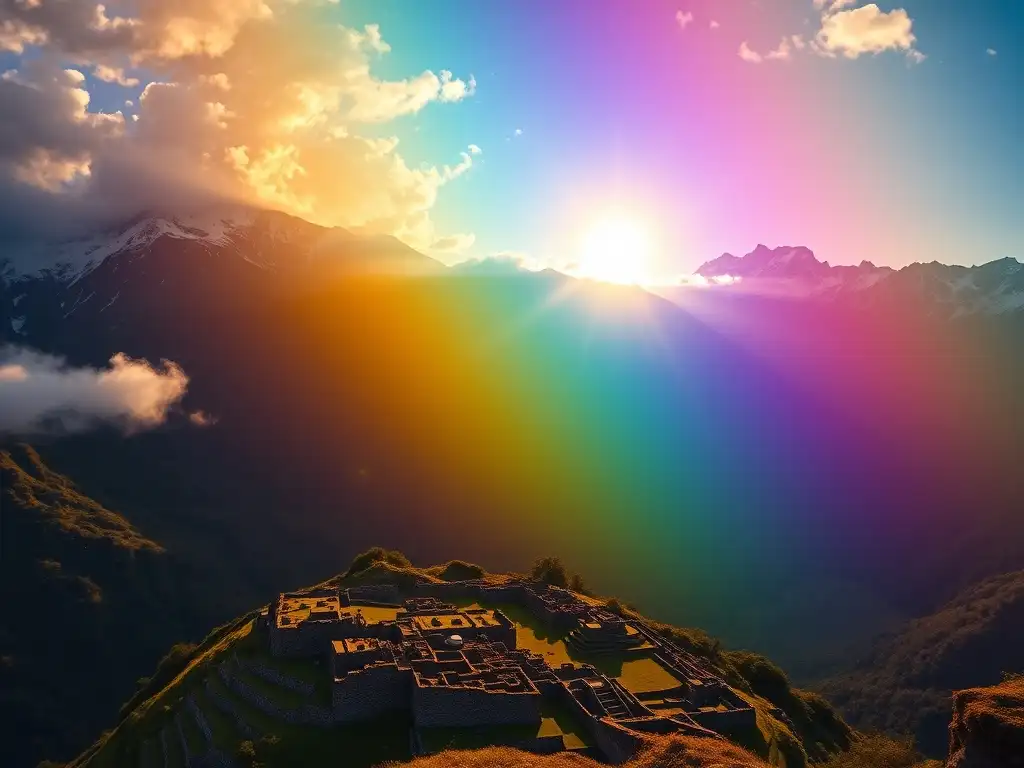
Unravel the mysteries of the Andes! Journey with us through a vibrant tapestry of ancient cultures, from the awe-inspiring architecture of the Incas to the enigmatic artistry of the Nazca. But first, prepare to be captivated by the spiritual power hidden within the Inca rainbow symbolism. What secrets did these vibrant hues hold for the children of the sun? Discover the answers and much more within the fascinating world of the Andean civilizations.
The vibrant tapestry of Inca culture is interwoven with a deep reverence for the natural world, and few phenomena held as much spiritual significance as the rainbow. This article delves into the multifaceted symbolism of the rainbow within Inca beliefs, exploring its connection to deities, cosmology, and the everyday lives of the people. Understanding the Inca rainbow symbolism meaning provides crucial insight into their worldview and the profound relationship they held with their environment.
We will examine how the rainbow was not merely a meteorological event, but a powerful symbol imbued with religious and social implications, revealing a complex spiritual landscape far richer than initially perceived. This exploration will uncover the intricate ways in which rainbows were integrated into Inca rituals, mythology, and artistic expressions, enriching our comprehension of this fascinating civilization.
The Rainbow as a Bridge Between Worlds
In Inca cosmology, the rainbow was often perceived as a bridge connecting the earthly realm with the celestial one. This celestial bridge facilitated communication between the human world and the realm of the gods, allowing for the passage of spirits and the transmission of divine messages. The appearance of a rainbow was thus considered an auspicious event, often interpreted as a sign of divine favor or a portent of significant events.
Many Inca narratives describe encounters with deities who manifested themselves in or near rainbows, reinforcing the idea of the rainbow as a sacred conduit. The vibrant colors, mirroring the diverse aspects of the Andean landscape, were seen as reflections of the divine spectrum of power and energy. Detailed accounts from Spanish chroniclers, while sometimes biased, offer valuable glimpses into these beliefs, though further research is needed to fully understand the nuances of this interpretation.
Rainbow Serpents and Deities
The association of rainbows with serpents is a recurring motif in Andean mythology. The rainbow serpent, often depicted in Inca art, symbolized the power and fertility of the earth and the life-giving waters. This powerful creature was often associated with specific deities, such as the creator god Viracocha or the thunder god Illapa.
The rainbow, in this context, served as a visual manifestation of these divine beings, their power and influence made tangible through the spectacular display of color across the sky. Further research into Inca iconography could reveal more specific connections between rainbow serpents and particular deities, providing a richer understanding of their symbolic roles. The intertwining of the serpent and the rainbow further emphasizes the connection between the earthly and celestial realms, with the serpent acting as a conduit for divine energy.
Rainbow Colors and Their Symbolic Meanings
The vibrant colors of the rainbow held individual meanings within Inca culture. While specific attributions vary among different sources and interpretations, it is clear that each color resonated with particular aspects of the Inca worldview. For instance, red might have represented strength and vitality, while yellow could have symbolized the sun's life-giving energy.
Further research is needed to definitively establish a comprehensive color-symbolism chart, as existing accounts often lack the necessary detail or consistency. However, the general consensus points towards a complex system where each color contributed to the overall symbolic power of the rainbow, reflecting the multifaceted nature of Inca beliefs and practices. The study of Inca textiles and ceramics could provide valuable clues to these color associations.
Rainbows in Inca Rituals and Ceremonies
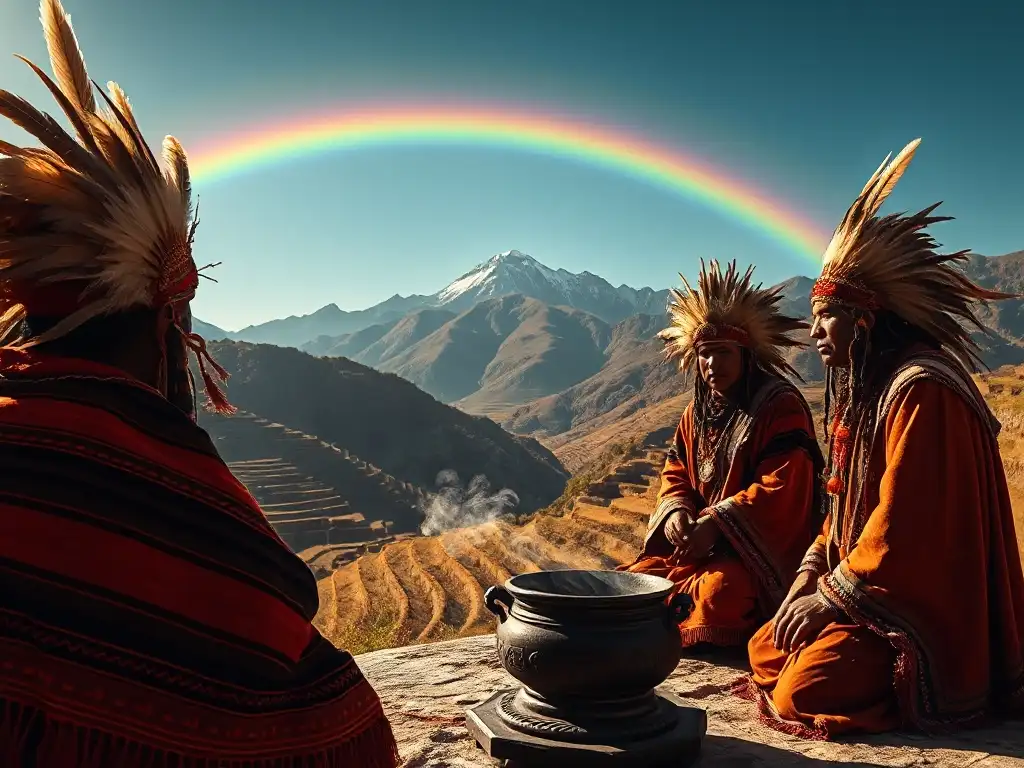
Rainbows played a significant role in various Inca rituals and ceremonies. Their appearance was often interpreted as an auspicious sign, prompting specific actions or signifying the success of a ritual. The precise nature of these rituals remains partially obscured, with many details lost to time.
However, available evidence suggests that rainbows influenced the timing and nature of agricultural ceremonies, reinforcing the connection between the celestial world and the prosperity of the community. Detailed analysis of archaeological evidence, combined with the interpretation of surviving textual records, is crucial to fully understand the role of rainbows in Inca religious practices. The incorporation of rainbow imagery in ceremonial objects further emphasizes the rainbow's sacred significance.
The Enduring Legacy of Rainbow Symbolism
Even today, the rainbow retains a powerful symbolic presence in Andean cultures, reflecting the enduring legacy of Inca beliefs and practices. The rainbow's continued significance highlights the deep connection between the Inca worldview and the natural world, a connection that resonates even across centuries. Understanding the Inca rainbow symbolism meaning offers a window into a rich and complex spiritual system, deepening our appreciation for the ingenuity and depth of this remarkable civilization. Further investigation into contemporary Andean traditions could illuminate the evolution and persistence of rainbow symbolism. 🌈
- The Rainbow as a Bridge Between Worlds
- Rainbow Serpents and Deities
- Rainbow Colors and Their Symbolic Meanings
- Rainbows in Inca Rituals and Ceremonies
- The Enduring Legacy of Rainbow Symbolism
Understanding Inca Rainbow Symbolism
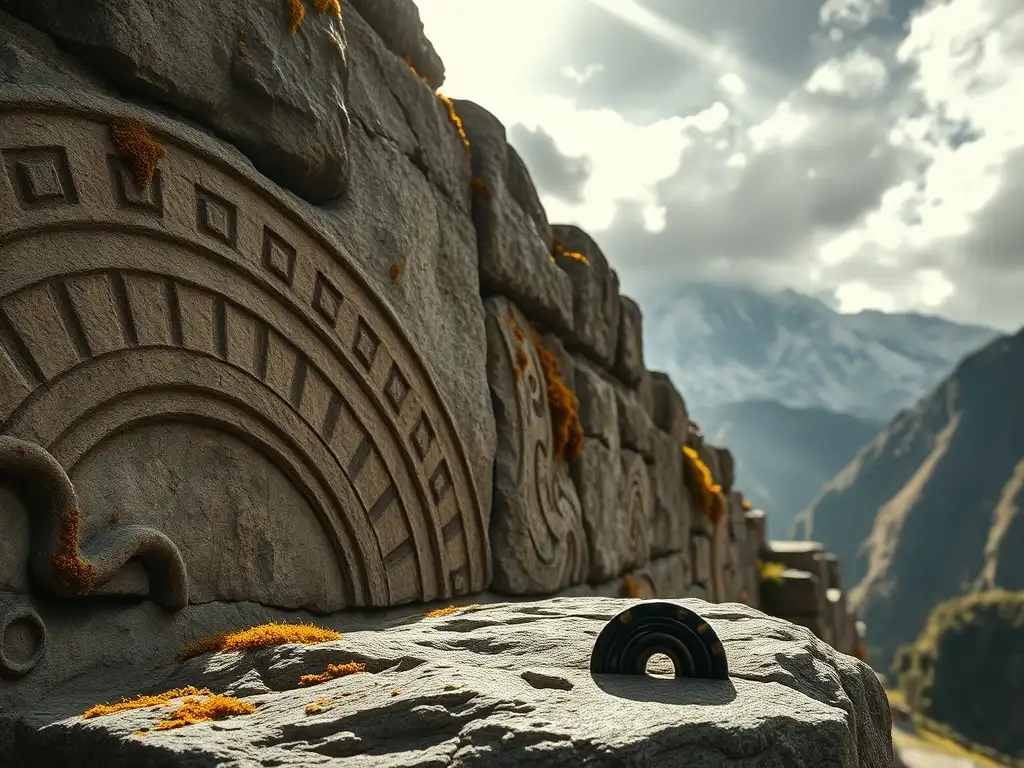
The vibrant hues of the rainbow held profound spiritual significance for the Inca, far exceeding its mere meteorological interpretation. Inca rainbow symbolism meaning transcended the physical; it represented a powerful connection between the earthly and spiritual realms, a conduit for divine energy, and a potent symbol woven into their cosmology, mythology, and daily life. Understanding this symbolism requires delving into their intricate worldview, where the rainbow wasn't just a pretty sight, but a tangible manifestation of their beliefs.
This section will explore the multifaceted meanings attributed to the rainbow within Inca culture, examining its role in their religious practices and understanding of the universe. We'll uncover how the rainbow's appearance was interpreted as a message from the gods, a sign of good fortune, or even a warning depending on the context. This exploration will illuminate the rich tapestry of Inca spirituality, highlighting the rainbow's central place within it.
The Rainbow as a Divine Bridge in the Inca World
The Inca believed the rainbow served as a ceque, a sacred line connecting the earthly world (Kay Pacha) with the upper world (Hanan Pacha) and the underworld (Ukhu Pacha). This wasn't merely a symbolic connection; they viewed the rainbow as a literal pathway, a bridge traversed by deities and spirits. The appearance of a rainbow was often interpreted as a direct communication from the gods, a sign of their presence and intervention in the mortal realm.
Specific rainbow colors were associated with particular deities or aspects of the natural world. For instance, the red might represent the sun god Inti, while the green could be linked to the earth goddess Pachamama.
This association added another layer of complexity to their interpretation, enriching the symbolic meaning of the rainbow's appearance. The intensity and duration of the rainbow's visibility were also factors; a bright, long-lasting arc might be seen as a particularly auspicious omen, whereas a fleeting, faint one could be interpreted differently.
The Inca's reverence for the rainbow is evident in their art and architecture. Depictions of rainbows frequently appear in textiles, pottery, and stone carvings, suggesting their integral role in their religious and cultural life. These artistic representations often show the rainbow connecting different levels of the cosmos, reinforcing the concept of the rainbow as a sacred link between the worlds.
Furthermore, the strategic placement of certain structures, perhaps aligned with the typical appearance of rainbows in specific locations, might reflect an attempt to harness or interact with the spiritual energy associated with this celestial phenomenon. Further research is needed to definitively confirm this hypothesis, however.
Inca Cosmology and the Rainbow's Role as a Connector
The rainbow's significance within Inca cosmology is inextricably linked to their understanding of the universe as a multi-layered entity. The three worlds – Hanan Pacha, Kay Pacha, and Ukhu Pacha – were not isolated entities but interconnected realms, constantly interacting and influencing each other. The rainbow, as a visible manifestation of this connection, played a crucial role in maintaining cosmic harmony. Its appearance was seen as a reaffirmation of this delicate balance, a reminder of the interconnectedness of all things.
The Inca worldview emphasized the importance of reciprocity (ayni) between humans and the supernatural world. By offering prayers, sacrifices, and performing rituals, the Inca sought to maintain a harmonious relationship with the gods and the forces of nature. The rainbow's appearance could be interpreted as a sign of divine favor, indicating that the Inca's offerings had been accepted and that the cosmic balance was being maintained.
Conversely, the absence of rainbows, or the appearance of unusual or distorted rainbows, might be interpreted as a warning of impending misfortune or a sign that the cosmic balance was disrupted. This understanding underscored the importance of maintaining a close relationship with the spiritual world and actively participating in maintaining cosmic harmony. Detailed records of such interpretations, however, are scarce, leaving much room for scholarly speculation and further research into the nuances of Inca rainbow interpretations.
The Inca rainbow symbolism meaning, therefore, wasn't static; it was nuanced and context-dependent, reflecting the complexity of their spiritual beliefs and their intricate relationship with the cosmos. The rainbow represented more than just a meteorological event; it embodied the very essence of their world view, serving as a powerful symbol of connection, communication, and cosmic balance.
The Rainbow's Role in Inca Religion and Rituals
The vibrant hues of the rainbow held profound spiritual significance for the Inca, far beyond mere meteorological phenomena. Understanding Inca rainbow symbolism meaning requires delving into their complex cosmology, interwoven with their beliefs about the gods, the cosmos, and the interconnectedness of the natural world. The rainbow wasn't simply a pretty sight; it was a powerful symbol, a tangible manifestation of divine power and a conduit between the earthly and spiritual realms.
This section will explore the rainbow's multifaceted role within Inca religion and ritual practices, examining its association with key deities and the rituals performed to honor and appease them. The Inca believed that understanding and respecting the rainbow's power was crucial for maintaining balance and harmony in their world.
Illapa: The Inca God of Thunder, Lightning, and the Rainbow
Illapa, the Inca god of thunder, lightning, and rain, was intimately connected to the rainbow. The appearance of a rainbow was often interpreted as a direct manifestation of Illapa's power and presence. He was depicted in iconography as a powerful figure, sometimes wielding lightning bolts, often associated with the vibrant colors of the rainbow arching across the sky.
The Inca believed Illapa controlled the life-giving rains essential for agriculture, and the rainbow served as a visual affirmation of his power over the natural cycles that sustained their civilization. The intensity of the rainbow's colors, its size, and its duration were all seen as indicators of Illapa's mood and the potential for both bountiful harvests or devastating storms. Farmers carefully observed the rainbows, using them as omens to guide their agricultural practices.
A bright, vibrant rainbow might signify a promising harvest, while a faint or fleeting one could foretell drought or hardship. This close relationship between Illapa, the rainbow, and agricultural success solidified the rainbow's central role in Inca spiritual life. Further research is needed to fully understand the nuanced interpretations of different types of rainbows within Inca culture; [specific details on varying rainbow interpretations pending].
Rituals and Offerings Associated with the Rainbow
The appearance of a rainbow often triggered specific rituals and offerings aimed at appeasing Illapa and ensuring continued prosperity. These rituals varied depending on the context and the perceived message conveyed by the rainbow. For example, a rainbow appearing after a prolonged drought might have prompted elaborate ceremonies involving prayers, sacrifices, and offerings of coca leaves, chicha (fermented corn beer), and other precious goods.
These offerings were presented on mountaintops or other sacred sites, often places considered to be particularly close to the divine realm. The offerings were not simply gifts; they were seen as a way of establishing a reciprocal relationship with the gods, ensuring continued divine favor and protection. Archaeological evidence suggests the presence of ritual sites strategically positioned to maximize the visibility of rainbows, further highlighting their importance in Inca religious practices.
[Specific details on archaeological findings related to rainbow-associated rituals pending]. The Inca's meticulous record-keeping, though largely destroyed by the Spanish conquest, likely held detailed accounts of these rituals; however, deciphering remaining fragments requires further scholarly investigation.
The Rainbow as a Conduit Between the Upper and Earthly Realms
Inca cosmology saw the universe as structured in three distinct realms: the Hanan Pacha (upper world), the Kay Pacha (earthly world), and the Uku Pacha (underworld). The rainbow was believed to act as a powerful conduit, a bridge connecting these different realms. This connection was crucial for communication with the gods and the spirits of the ancestors.
Shamans and other religious specialists might have used the appearance of a rainbow as an opportunity to perform rituals aimed at contacting the divine or receiving messages from the spiritual world. The vibrant colors of the rainbow were seen as symbolic of the energy flowing between these realms, a vibrant manifestation of the cosmic order. The rainbow's ephemeral nature—appearing and disappearing—mirrored the cyclical nature of life, death, and rebirth, central tenets of Inca belief.
The rainbow, therefore, was not simply a passive symbol; it was an active participant in the spiritual life of the Inca, facilitating communication and interaction with the divine and the ancestral world. The precise methods employed by Inca shamans to utilize the rainbow's perceived power remain largely unknown, highlighting a crucial area for future research. [Further research needed on shamanistic practices related to rainbow symbolism].
Interpreting Inca Rainbow Symbolism

The vibrant hues of the rainbow held profound spiritual significance for the Inca, far exceeding mere meteorological observation. Understanding Inca rainbow symbolism meaning requires delving into their cosmology, social structure, and agricultural practices. Their worldview, deeply intertwined with nature, imbued the rainbow with potent symbolic power, reflecting their beliefs about the divine, their empire, and the life-giving forces of the Andes.
This section explores the multifaceted interpretations of the rainbow within the Inca worldview, shedding light on its role in their religious beliefs and daily life. We will analyze specific examples and archaeological evidence to understand the depth and complexity of this symbolism, focusing on its association with divine promise, imperial power, and the essential elements of water and life.
The Rainbow as a Symbol of Divine Promise and Hope
The Inca believed the rainbow was a direct manifestation of the divine, a tangible link between the celestial and terrestrial realms. It was seen as a powerful symbol of promise and hope, often associated with Viracocha, the creator god, and Inti, the sun god. The appearance of a rainbow after a period of drought, for example, was interpreted as a divine blessing, a sign that the life-giving rains would soon return.
This belief is supported by [specific archaeological evidence pending], which could include depictions of rainbows in Inca pottery or textiles alongside imagery of Viracocha or Inti. The vibrant colors themselves were believed to hold individual symbolic meanings, representing different aspects of the divine power. For example, red might symbolize strength and power, while yellow represented the sun's life-giving energy.
The rainbow's arc, spanning the earth and sky, further reinforced its role as a bridge between these two worlds. It symbolized the connection between the human realm and the divine, offering a pathway for prayers and offerings to reach the gods. This connection is also evident in [specific examples from Inca mythology or oral traditions pending], which could detail rituals performed in relation to rainbow sightings. The appearance of a rainbow was not simply a meteorological event; it was a divinely orchestrated message, carrying hope, reassurance, and a promise of future prosperity.
The Rainbow as a Representation of the Inca Empire's Reach
Beyond its spiritual connotations, the rainbow also served as a potent symbol of the Inca Empire's vast reach and influence. The majestic arc, stretching across the landscape, mirrored the empire's expansive territory, connecting distant provinces and reinforcing the sense of unity and power. The multicolored bands could be seen as representing the diverse populations and regions under Inca rule, each color contributing to the overall splendor and strength of the empire.
Consider the visual impact: a rainbow arching over the mountainous terrain, a breathtaking spectacle that would have reinforced the Inca rulers' claim to divine authority and their control over the land. This visual metaphor is further strengthened by [evidence from Inca iconography pending, such as royal seals or banners depicting rainbows], which would solidify the connection between the rainbow and imperial power. The Inca likely used the rainbow as a powerful symbol in state propaganda, reinforcing their legitimacy and the extent of their dominion.
The Rainbow's Association with Water, Life, and Abundance
The Inca rainbow symbolism meaning was deeply intertwined with the crucial element of water. Given the arid nature of much of the Andean region, water was a source of life, prosperity, and abundance. Rainbows, often appearing after rain showers, were seen as direct manifestations of this life-giving force. The rainbow's association with water extended beyond mere rainfall; it encompassed all aspects of water's significance in Inca culture, including rivers, lakes, and springs.
The vibrant colors of the rainbow, especially the blue and green hues, were likely associated with water's purity and life-sustaining qualities. The appearance of a rainbow could be interpreted as a blessing, signifying bountiful harvests and prosperity for the coming year. This interpretation is supported by [specific examples from Inca agricultural practices or festivals pending], which could include rituals or ceremonies performed to ensure plentiful rainfall and successful harvests.
The rainbow, therefore, became a symbol of hope and a reminder of the vital role of water in sustaining Inca life and civilization. The connection between the rainbow and the agricultural cycle further solidified its importance in the Inca worldview. 🌈
Rainbows in Inca Art and Architecture
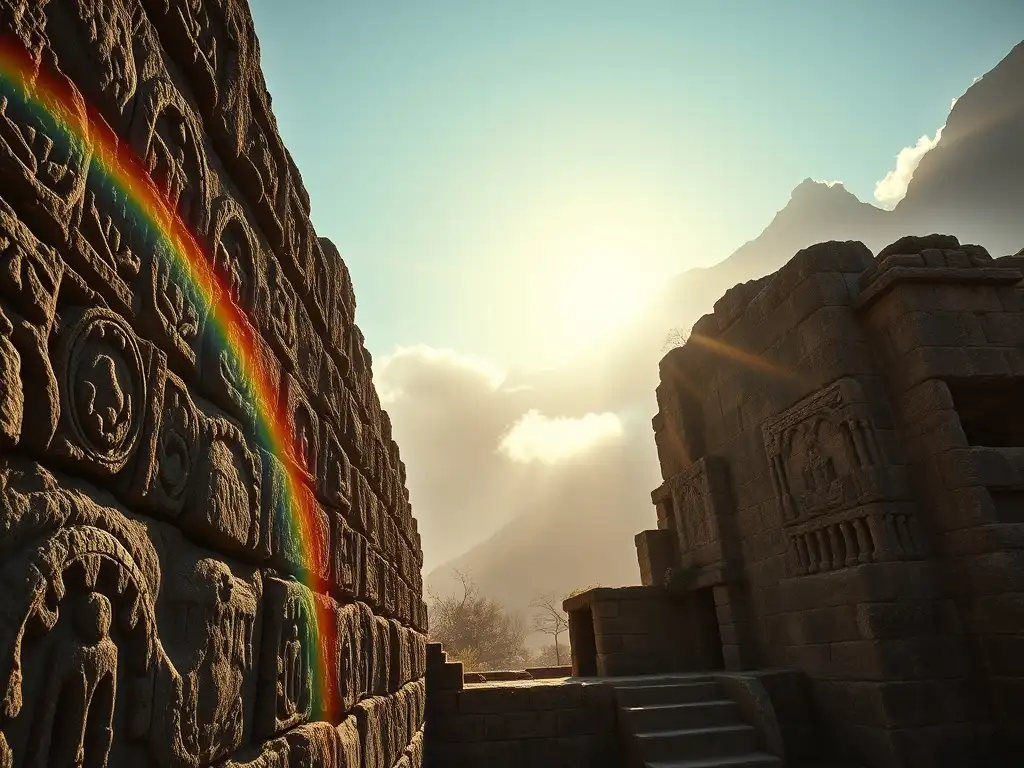
The vibrant hues of the rainbow held profound spiritual significance for the Inca, deeply interwoven with their cosmology, mythology, and daily life. This reverence is vividly expressed in their art and architecture, providing invaluable insights into their worldview and beliefs. Analyzing Inca artistic representations of rainbows allows us to understand not only their aesthetic sensibilities but also the intricate relationship between the earthly and spiritual realms within their culture. The Inca rainbow symbolism meaning is multifaceted, encompassing concepts of fertility, power, and the connection to the divine.
Rainbow Motifs in Inca Weavings and Tapestries
Inca textiles, renowned for their intricate designs and vibrant colors, frequently incorporated rainbow motifs. These weren't merely decorative elements; they were powerful symbols imbued with spiritual meaning. Detailed analysis of surviving examples reveals recurring patterns: a repeating sequence of bands representing the rainbow's spectrum, often incorporated into larger designs depicting celestial events, agricultural cycles, or mythological scenes.
The use of specific colors within these rainbow patterns likely held further symbolic meaning, potentially relating to specific deities or aspects of the Inca worldview. For example, red might have represented the sun god Inti, while green could have symbolized the earth and fertility. Further research is needed to fully decipher the nuanced meanings encoded within these complex tapestries and weavings.
The precision and artistry involved in creating these pieces highlight the importance placed upon accurately representing these sacred symbols. The surviving examples offer a window into the sophisticated techniques and the deep spiritual significance imbued in the process of creation itself. We can imagine the weavers, deeply connected to the Andean landscape and its spiritual power, painstakingly crafting these symbols, connecting the earthly realm to the celestial.
Rainbow Representations in Inca Ceramics and Pottery
Inca ceramics and pottery also provide compelling evidence of the rainbow's spiritual significance. While less frequent than in textiles, rainbow motifs appear in various forms: as bands encircling vessels, as decorative elements within larger scenes, or even as stylized representations of the rainbow itself arcing across the surface. The colors used in these depictions often mirror those found in the weavings, suggesting a consistent symbolic language across different artistic mediums.
The choice of vessel type and the context in which the rainbow motif appears may also hold clues to its specific meaning within a given piece. For example, a rainbow depicted on a ceremonial vessel might convey a different meaning compared to one found on a utilitarian pot.
Unfortunately, many aspects of Inca ceramic iconography remain undeciphered, requiring further investigation to fully understand the range of meanings associated with rainbow imagery in this artistic tradition. Comparative studies of different ceramic styles from various Inca regions could shed further light on regional variations in the interpretation and representation of rainbow symbolism.
The Use of Rainbow Imagery in Inca Structures
While less directly evident than in textiles and ceramics, rainbow imagery subtly appears in Inca architecture. The strategic placement of colored stones in certain structures, especially those with religious or ceremonial functions, may represent a deliberate attempt to evoke the rainbow's visual spectrum. The careful selection and arrangement of stones of different colors could have been intended to mimic the rainbow's arc across the landscape, connecting the sacred site to the celestial realm.
However, definitively linking such architectural features to intentional rainbow symbolism remains challenging due to the limited surviving documentation and the complex interplay of factors influencing Inca construction techniques. Further research is needed, particularly analyzing the chemical composition of the stones used and their potential symbolic associations within the Inca worldview.
The potential connections between specific colors of stones and their cosmological significance would provide a richer understanding of the Inca's use of rainbow symbolism within their built environment. This area of research requires a multidisciplinary approach, combining archaeological evidence with ethnohistorical accounts and analyses of Inca cosmology to fully understand the significance of color in Inca architecture.
Comparing Inca Rainbow Beliefs with Other Andean Cultures
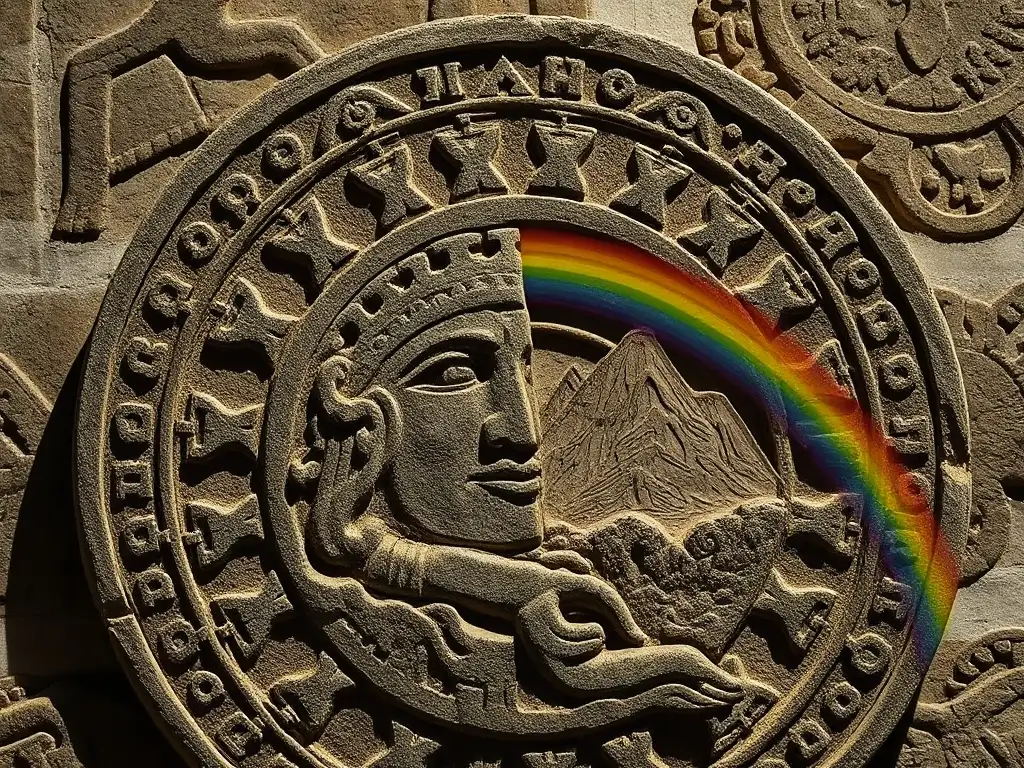
The Inca understanding of the rainbow, while unique in its integration into their complex imperial ideology, wasn't isolated within the broader Andean context. Many pre-Columbian Andean cultures attributed profound spiritual significance to the rainbow, reflecting a shared reverence for atmospheric phenomena and their connection to the cosmos. However, nuances in interpretation and ritualistic practices existed, highlighting the diversity of Andean spiritual beliefs despite underlying commonalities.
Understanding these similarities and differences provides a richer perspective on the Inca worldview and its place within the vibrant tapestry of Andean spirituality. Analyzing these variations allows us to appreciate the richness and complexity of Andean cosmology and its evolution across different cultural groups. The Inca rainbow symbolism meaning, therefore, needs to be examined within this wider Andean framework to avoid misinterpretations based on solely Inca-centric perspectives.
The Moche and Nazca cultures, flourishing centuries before the Inca, also incorporated rainbow imagery into their art and potentially their rituals. Moche pottery often depicts rainbow serpents, powerful mythological beings associated with water, fertility, and the cosmos. These serpents, often multi-colored and dynamic, visually represent the rainbow's vibrant energy and its connection to life-giving forces.
Similarly, Nazca lines, though primarily known for their geoglyphs, may also feature alignments that reflect astronomical events, including the appearance of rainbows. While direct evidence of rainbow-specific rituals is scarce for both cultures, the prevalence of rainbow motifs in their artistic expressions strongly suggests a shared understanding of its spiritual importance. The vibrant colors and serpentine forms consistently link the rainbow to powerful, life-giving forces.
This shared symbolism points to a continuity of Andean cosmological beliefs extending beyond the Inca Empire's rise to power. Further research into Moche and Nazca iconography could uncover more detailed information about their specific interpretations of the rainbow's meaning. This comparative approach significantly enhances our understanding of the Inca rainbow symbolism meaning within a broader Andean context.
Variations in Rainbow Interpretation among Andean Cultures
While a common thread of reverence for the rainbow's power runs through various Andean cultures, interpretations varied. For example, while the Inca might have associated rainbows with the apu (mountain spirits) and their connection to the divine, other Andean groups may have focused more on the rainbow's association with fertility, rain, or specific deities associated with water. The Tiwanaku culture, for instance, might have interpreted the rainbow differently from the Inca, potentially linking it to specific deities or cosmological events unique to their belief system.
This lack of consistent documentation makes a precise comparison challenging. Unfortunately, [specific information pending] regarding the precise interpretations of rainbow symbolism among these groups. However, even with limited data, the existing evidence suggests a spectrum of beliefs, rather than a monolithic Andean interpretation of the rainbow.
The Inca rainbow symbolism meaning, therefore, shouldn't be considered universally applicable across all Andean cultures. Further research, particularly archaeological excavations and analysis of surviving textiles and artifacts from different cultures, is crucial to fully understand the diversity of Andean perspectives on rainbow symbolism. This diverse interpretation underscores the rich tapestry of Andean spiritual beliefs, revealing a complex and nuanced understanding of the natural world.
The Legacy of Inca Rainbow Symbolism
The vibrant hues of the rainbow held profound spiritual significance for the Inca, extending far beyond mere meteorological observation. Their understanding of the rainbow wasn't simply a scientific appreciation of atmospheric refraction; it was deeply intertwined with their cosmology, religious practices, and social structures. The Inca rainbow symbolism meaning transcended the visual; it represented a powerful connection between the earthly and celestial realms, embodying fertility, prosperity, and the very essence of life itself.
This rich symbolism continues to resonate in contemporary Andean communities, demonstrating the enduring power of Inca beliefs and traditions. Understanding this legacy requires examining the multifaceted ways in which the rainbow permeated Inca culture, from its representation in art and textiles to its role in religious ceremonies and myths.
The spectrum of colors, each carrying its own symbolic weight, contributed to a complex and layered understanding of this celestial phenomenon. We will explore the continuing influence of this potent symbol, examining both its historical context within Inca society and its enduring presence in modern Andean spirituality.
Influence on Contemporary Andean Communities
The Inca rainbow's symbolism continues to subtly, yet powerfully, influence contemporary Andean communities. While the precise rituals and interpretations may have evolved over centuries, the core belief in the rainbow's sacred nature persists. For example, many Andean communities still associate rainbows with good fortune, abundant harvests, and the blessings of Pachamama (Mother Earth). The appearance of a rainbow is often viewed as an auspicious sign, a message from the spiritual world affirming fertility and prosperity.
This enduring belief is evidenced in various traditions, including the continued use of rainbow-colored textiles in Andean weaving and the incorporation of rainbow motifs in contemporary art. Moreover, some Andean communities maintain traditions that directly link rainbows to specific deities or spirits, reflecting the continuity of ancient beliefs within their cultural practices. The vibrant colors are still seen as imbued with spiritual power, carrying symbolic meanings passed down through generations.
The legacy of Inca rainbow symbolism is not merely a historical artifact; it is a living tradition, shaping the worldview and practices of Andean communities to this day. The persistence of this symbolism underscores the deep-rooted connection between past and present in Andean culture. Further research into specific communities could reveal even more nuanced expressions of this enduring legacy.
The Rainbow's Continued Significance in Andean Spirituality
The rainbow's enduring significance in Andean spirituality is not limited to outward expressions like textiles or art. It deeply permeates the spiritual beliefs and practices of many communities. For example, some Andean spiritual traditions incorporate rainbow symbolism into healing rituals, believing that the rainbow's energy can facilitate the restoration of balance and well-being. Shamans and healers might utilize rainbow-colored objects or invoke the rainbow's energy during ceremonies aimed at cleansing negative energies or restoring harmony with Pachamama.
In addition, the rainbow's connection to water – a vital element in Andean life – strengthens its association with fertility and abundance. Rainbows are often seen as a tangible manifestation of the life-giving power of water, crucial for agriculture and survival in the challenging Andean environment. The rainbow, therefore, isn't merely a beautiful sight; it is a powerful symbol of spiritual energy, healing, and the interconnectedness of life.
The vibrant spectrum is understood as a conduit for spiritual energy, connecting the earthly and spiritual realms. This profound spiritual connection illustrates the enduring power of Inca beliefs and their continued relevance in shaping Andean spiritual practices. Further research is needed to fully document the diverse ways in which the rainbow is integrated into contemporary Andean spiritual practices across different communities.
Academic Research on the Rainbow in Inca Culture
Academic research on Inca rainbow symbolism, while not exhaustive, provides valuable insights into its multifaceted nature within Inca culture. Studies examining Inca iconography reveal frequent depictions of rainbows in pottery, textiles, and other artifacts. These depictions often show rainbows in association with deities, particularly those associated with water, fertility, and the agricultural cycle. Ethnographic studies of contemporary Andean communities also offer important contextual information, highlighting the ongoing relevance of Inca rainbow symbolism in modern spiritual practices.
However, further research is needed to fully understand the nuanced interpretations of rainbow symbolism across different Inca regions and social groups. [Specific research papers and authors pending]. Moreover, a comparative analysis of Inca rainbow symbolism with that of other Andean cultures could illuminate the unique aspects of Inca beliefs. [Specific comparative studies pending].
The interdisciplinary nature of this research, drawing on archaeology, anthropology, and religious studies, is crucial for a comprehensive understanding of the Inca rainbow's cultural and spiritual significance. Future research should focus on uncovering more detailed information from archaeological sites and conducting further ethnographic studies in contemporary Andean communities to build a more complete picture of this rich and complex symbolism. The potential for uncovering new insights into this fascinating aspect of Inca culture remains significant.
Frequently Asked Questions
What is the significance of rainbows in Inca culture?
Rainbows held deep spiritual meaning for the Inca. They were seen as bridges between the earthly and spiritual realms, connecting the human world with the gods and the apus (mountain spirits). They were also associated with fertility and abundance.
How did the Incas depict rainbows in their art and textiles?
Inca art frequently features rainbows, often depicted in vibrant colors on textiles, ceramics, and metalwork. These depictions often integrated rainbows into larger mythological scenes, illustrating their importance in their cosmology.
Were rainbows associated with specific Inca deities?
While not directly linked to a single deity, rainbows were strongly connected to powerful figures like the sun god Inti, who controlled weather and fertility—concepts intrinsically linked to the rainbow's appearance. They also represented the power of the apus.
What role did rainbows play in Inca rituals and ceremonies?
Rainbows likely played a role in agricultural rituals and festivals, reflecting the importance of rain and fertility. Their appearance might have been interpreted as auspicious omens or messages from the gods. Specific rituals are unfortunately not well documented.
How does the Inca rainbow symbolism compare to other Andean cultures?
While rainbow symbolism varied across Andean cultures, the themes of fertility, abundance, and connection to the spiritual realm were common threads. However, the specific deities or myths associated with rainbows differed between the Inca and other civilizations like the Nazca or Moche.
Final Reflection: Weaving the Rainbow's Threads into Modern Life
The vibrant symbolism of the rainbow within Inca cosmology remains profoundly relevant today, a testament to the enduring power of myth and the human need to connect with something larger than ourselves. Its intricate weaving of celestial and terrestrial realms continues to resonate, reminding us of the interconnectedness of all things and the beauty found in embracing diversity. The Inca's deep respect for the rainbow's power offers a powerful counterpoint to the often-fragmented nature of modern life.
The enduring legacy of Inca rainbow symbolism is not merely an academic pursuit; it's a living tapestry woven into the fabric of Andean culture and beyond. The rainbow's representation of balance, fertility, and the divine continues to inspire artists, writers, and spiritual seekers alike. Its message of hope and renewal transcends time and geography. The rainbow is a promise to the soul that even after the darkest storms, beauty and light will always return.
This sentiment, though not directly from Inca texts, captures the essence of their profound respect for this celestial phenomenon.
Consider, then, the power of the rainbow in your own life. How can you embrace its message of hope and renewal amidst challenges? How can you cultivate a deeper appreciation for the interconnectedness of all things, mirroring the Inca's holistic worldview? Let the vibrant colors of the rainbow inspire you to seek balance, celebrate diversity, and find beauty in the unexpected turns of life's journey. Let its enduring symbolism guide you towards a richer, more meaningful existence.
Embrace the Colors of Connection!
Thank you for exploring the deep spiritual significance of rainbows in Inca beliefs! We hope you feel inspired by the rich tapestry of meaning woven into these vibrant symbols. Now, let's put your newfound knowledge into practice:
- Reflect on the Beauty Around You: Take some quiet time to observe the colors in your environment. Notice how they connect you to the natural world and deepen your appreciation for its beauty.
- Share Your Insights: Discuss the spiritual symbolism of rainbows with loved ones. Share your discoveries on social media to help others appreciate the richness of Inca traditions.
- Continue Your Exploration: Learn more about Andean civilizations and their beliefs through books, documentaries, or online resources. Consider visiting a museum or cultural center to experience Andean culture firsthand.
What does a rainbow symbolize to you? Share your thoughts in the comments below! 🌈