
Inti, the Sun God: Exploring the Centrality of Solar Worship in Inca Religion

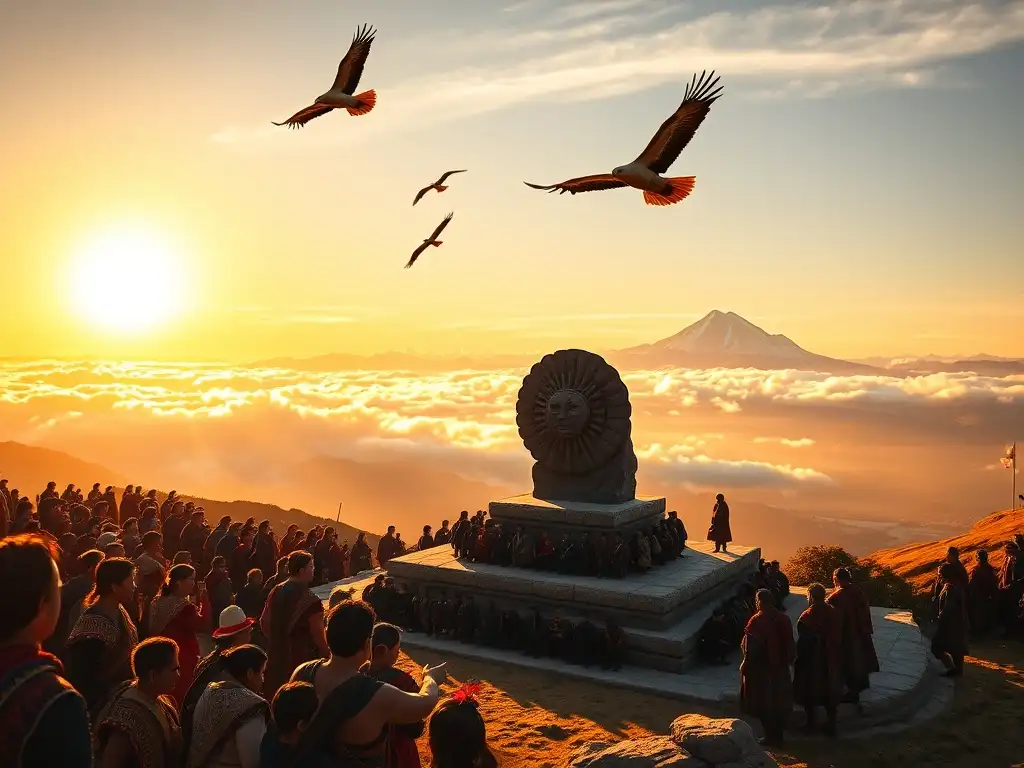
Step into a world bathed in the golden light of the Andes! Prepare to uncover the mysteries surrounding Inca sun god Inti worship, a practice that fueled the power and splendor of the Inca Empire. From breathtaking architecture to intricate rituals, discover the profound influence of Inti on every facet of Inca life. Are you ready to unravel the secrets of this captivating civilization and its devotion to the sun? Then delve into the fascinating story of Inti, and explore the legacy left behind by one of history’s most enigmatic empires.
The Inca Empire, a civilization that flourished in the Andes Mountains from the 15th to the 16th century, was profoundly shaped by its religious beliefs. At the heart of this intricate belief system lay the worship of Inti, the sun god, a deity whose influence permeated every aspect of Inca life, from imperial power and agricultural practices to daily rituals and artistic expression. This article delves into the centrality of Inti worship in Inca religion, examining its multifaceted nature and exploring its profound impact on the Inca worldview and societal structure.
We will uncover how the Inca's understanding of the sun god shaped their political organization, their agricultural techniques, and their rich artistic heritage, ultimately revealing the deep connection between the Inca people and their celestial deity. Understanding Inti worship is key to understanding the very essence of the Inca Empire and its enduring legacy.
Inti: The Supreme Deity of the Inca Pantheon
Inti, the sun god, wasn't merely a deity among many in the Inca pantheon; he held the position of supreme deity, considered the creator and sustainer of life. Inca mythology depicted Inti as the father of the first Inca ruler, Manco Cápac, and his sister-wife Mama Ocllo, thus establishing a divine lineage for the ruling dynasty. This divine connection directly linked the emperor's authority to the cosmic order, reinforcing his role as a divine intermediary between the sun god and the people.
The emperor's power was inextricably tied to the sun's power, further solidifying Inti's supreme position within the Inca religious framework. The sun's daily journey across the sky, providing light and warmth essential for life, mirrored the emperor's role in governing and providing for his subjects.
The Role of Inti in Inca Agriculture and Daily Life
The Inca civilization was heavily reliant on agriculture, and Inti's influence on this crucial aspect of their lives was undeniable. The sun's energy was essential for crop growth, making Inti a vital deity for ensuring successful harvests. Elaborate agricultural practices, including sophisticated terracing and irrigation systems, were developed and maintained to maximize agricultural output and appease the sun god.
The Inca calendar, meticulously aligned with the solar cycle, regulated agricultural activities, ensuring that planting and harvesting coincided with the sun's most beneficial periods. Furthermore, daily life was structured around the sun's movements; prayers and offerings were made at dawn and dusk, acknowledging Inti's daily journey and its impact on their lives. Even simple tasks were often performed in accordance with the sun's position, demonstrating the ubiquitous nature of Inti's influence.
Architectural Marvels and Artistic Representations of Inti
The Inca's profound reverence for Inti is vividly reflected in their impressive architectural achievements and artistic expressions. Temples dedicated to the sun god, such as the Coricancha in Cusco (the most important Inca religious site), were magnificent structures adorned with gold, silver, and precious stones, showcasing the Inca's exceptional craftsmanship and their dedication to their deity. These structures were not merely places of worship; they were symbols of the Inca Empire's power and the divine authority of the emperor.
Artistic representations of Inti, often depicted as a golden disc or a radiant figure, frequently adorned textiles, ceramics, and metalwork, further emphasizing his importance in Inca culture. These artistic renderings served as powerful reminders of Inti's presence and influence, reinforcing the religious beliefs that permeated Inca society. The level of detail and craftsmanship involved demonstrates the tremendous importance placed upon these representations of the sun god.
Festivals and Rituals Honoring Inti
The Inca calendar was punctuated by numerous festivals and rituals dedicated to Inti, highlighting the vital role the sun god played in their lives. These events, often elaborate and spectacular, involved processions, sacrifices (both animal and human in some cases), and feasts, all aimed at appeasing the deity and ensuring his continued favor. The Inti Raymi, the most significant festival, celebrated the winter solstice and was a grand occasion involving the entire empire.
These rituals served not only as religious observances but also as crucial social and political events, reinforcing the emperor's authority and strengthening social bonds. The sheer scale and complexity of these festivals underscore the profound importance of Inti worship within the Inca social and political structure. The meticulous planning and execution involved illustrate the deep commitment of the Inca people to their sun god.
- Inti: The Supreme Deity of the Inca Pantheon
- The Role of Inti in Inca Agriculture and Daily Life
- Architectural Marvels and Artistic Representations of Inti
- Festivals and Rituals Honoring Inti
The Significance of Inti in Inca Cosmology
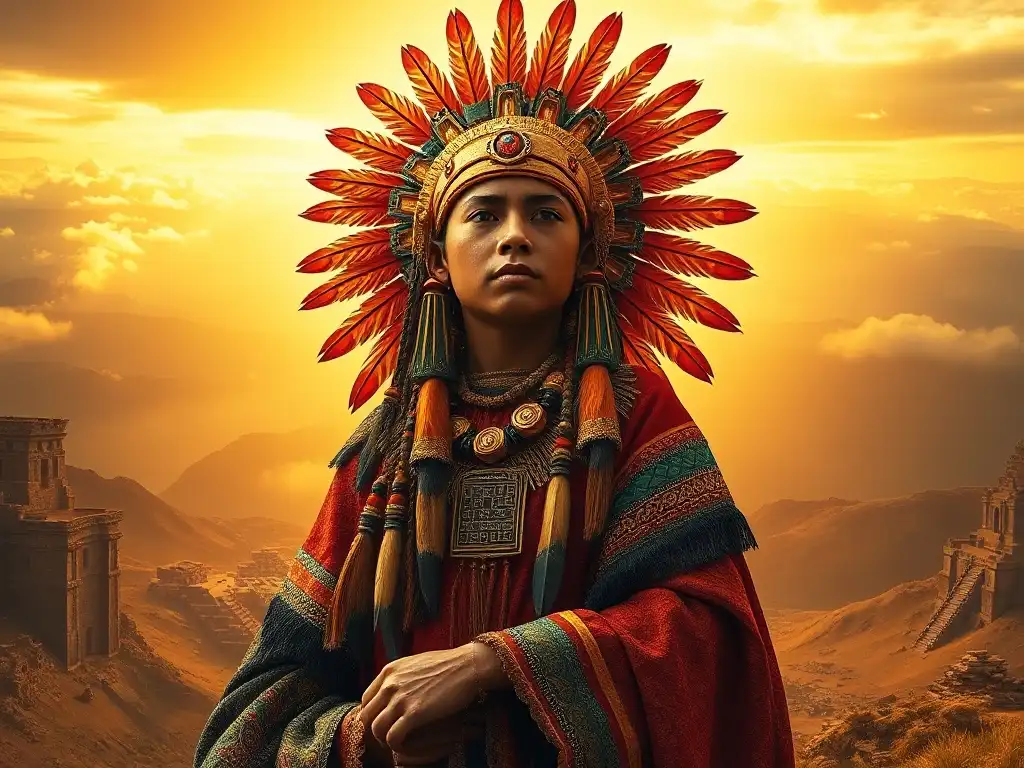
Inca sun god Inti worship was not merely a religious practice; it was deeply interwoven with the fabric of Inca cosmology, shaping their understanding of the universe and their place within it. The Inca worldview was profoundly influenced by the Andean landscape, with towering mountains, expansive plains, and the ever-present sun playing pivotal roles in their spiritual beliefs. Inti, the sun god, wasn't just a deity; he was the source of life, the guarantor of agricultural abundance, and the ultimate ruler of the cosmos.
His influence permeated every aspect of Inca life, from agricultural cycles and royal lineage to political power and daily rituals. Understanding Inti's significance requires appreciating the intricate connection between the Inca's perception of the natural world and their religious practices.
The centrality of Inti in their cosmology is undeniable, reflected in their architecture, art, and social structures. The very architecture of Machu Picchu, for instance, is aligned with the sun's movements, showcasing the profound importance of solar observations and worship.
The Role of the Sun in Inca Beliefs
The Inca believed that Inti was not simply a celestial body, but a living, powerful deity, the father of the Inca emperor and the source of all life. This belief is reflected in the numerous myths and legends surrounding Inti, which often depict him as a benevolent yet demanding figure. The sun's daily journey across the sky was seen as a vital cycle, mirroring the cyclical nature of life, death, and rebirth. The Inca carefully observed the sun's movements, using sophisticated astronomical knowledge to predict agricultural seasons and plan important ceremonies.
The solstices and equinoxes were particularly significant occasions, marked by elaborate rituals and festivals dedicated to Inti. These events weren't merely astronomical observations; they were deeply spiritual experiences, reaffirming the Inca's connection to their supreme deity and the cosmos. The sun's life-giving energy was essential for their agricultural success, and their survival depended on its consistent presence.
Their agricultural practices, therefore, were intricately linked to their religious beliefs, with rituals and offerings designed to ensure a bountiful harvest. Failure to appease Inti could result in crop failure and societal disruption – a stark reminder of the sun god's power and influence. The Inca’s deep reverence for Inti is evident in their meticulous attention to agricultural practices, reflecting a profound belief in the sun’s life-giving power.
Inti as the Supreme Deity and Creator
While other deities existed within the Inca pantheon, Inti occupied the highest position, considered the supreme creator and ruler of the universe. He was the source of all things, the father of the Inca royal lineage, and the ultimate authority. The Inca emperor was considered Inti's representative on earth, a divine intermediary between the sun god and his people. This divine connection legitimized the emperor's authority and reinforced the social hierarchy.
The Inca's elaborate rituals and ceremonies, often involving human sacrifice, were performed to honor Inti and maintain his favor. These offerings were not merely symbolic; they were believed to be essential for sustaining the cosmic order and ensuring the continued prosperity of the Inca empire. The scale and complexity of these rituals underscore the profound importance of Inti in Inca society. The intricate details and the significant resources devoted to these ceremonies demonstrate the absolute centrality of Inti in the Inca religious system.
This supreme status was not merely a religious concept; it profoundly impacted the political structure and social organization of the Inca empire. The emperor's divine status and his connection to Inti underpinned the entire political system, emphasizing the interconnectedness of religion and power within Inca society. The worship of Inti wasn't simply a religious act; it was the cornerstone of Inca civilization. The Inca sun god Inti worship provided a unifying force, binding the empire together through shared beliefs and practices.
Origins and Myths Surrounding the Inca Sun God
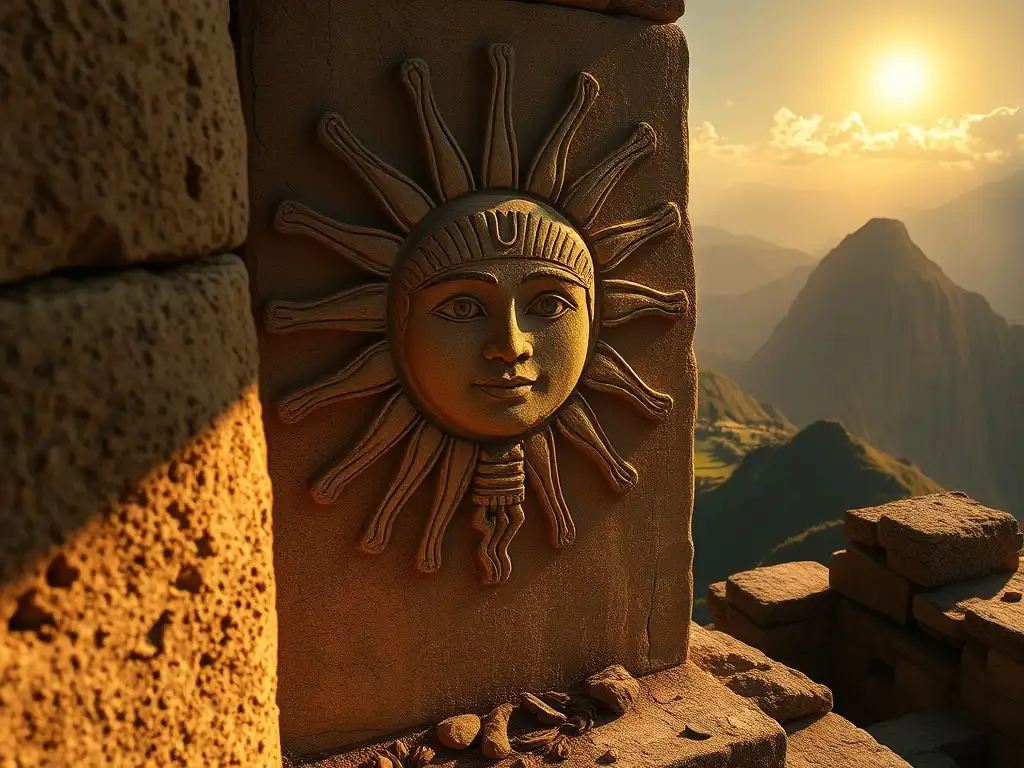
The Inca sun god, Inti, held a position of paramount importance within the Inca worldview, shaping their religious practices, social structures, and even their imperial ideology. Understanding Inti's origins requires delving into the rich tapestry of Inca mythology, a blend of pre-Inca beliefs and the narratives crafted to legitimize Inca rule. Inca sun god Inti worship wasn't merely a religious practice; it was the very foundation of their empire's legitimacy and power.
The centrality of Inti in Inca religion is undeniable, impacting every facet of their lives, from daily rituals to monumental architecture. The fervor surrounding Inti’s worship underscores the profound influence of this deity on the Inca civilization.
Creation Myths and Inti's Emergence
Inca creation myths paint a vivid picture of Inti's emergence. While specific details vary across different accounts and interpretations by later chroniclers, the core narrative consistently positions Inti as a creator deity, or at least a central figure in the creation process. One common thread depicts Inti as born from Viracocha, the supreme creator god, often described as a powerful and mysterious being who created the world and its inhabitants.
Other versions suggest Inti's emergence from a celestial event, perhaps a sunrise of immense power or a radiant burst of light. These diverse narratives highlight the fluidity and complexity of Inca religious beliefs, reflecting the incorporation of various pre-Inca traditions into the Inca pantheon.
The importance of the sun in the Andean landscape naturally fueled the reverence for Inti, making his worship a deeply ingrained aspect of Inca life. The Inca sun god Inti worship wasn't merely a formal religious practice; it was woven into the very fabric of their existence.
The significance of Inti's creation narrative isn't solely about understanding a specific mythological event. It’s about grasping how this narrative functioned to solidify the Inca's political and social order. The story of Inti's birth, however interpreted, served to legitimize the Inca rulers' claim to divine authority and their right to govern. The emperor, as a direct descendant of Inti, held a position of unparalleled power and prestige.
The Divine Lineage of Inca Emperors and Inti
The Inca emperors weren't simply political leaders; they were considered divine intermediaries between Inti and the Inca people. This divine lineage was crucial to the Inca political system; it wasn't enough to be a skilled military leader or a shrewd administrator – the emperor's legitimacy stemmed directly from his connection to Inti. This connection was meticulously maintained through elaborate rituals, ceremonies, and carefully constructed genealogies. The Inca sun god Inti worship directly supported the emperor's authority, solidifying his position as both a temporal and spiritual ruler.
The concept of Sapa Inca, the "only Inca," reinforced this divine connection. The Sapa Inca wasn't merely a king; he was the embodiment of Inti's power on Earth. His actions were believed to have direct consequences for the well-being of the empire, and his health was considered vital to the prosperity of the Inca people.
This wasn't a matter of simple religious belief; it was a fundamental organizing principle of Inca society. Even the elaborate architecture of Machu Picchu and other Inca sites reflects this deep connection to Inti, emphasizing the sun's power and the emperor's role as its earthly representative.
The alignment of structures with the sun's path demonstrates the meticulous attention paid to aligning the physical world with the celestial realm, further reinforcing the divine connection between the Inca emperor and Inti. The intricate details of Inca sun god Inti worship shaped not only religious practices but also the very structure of the Inca Empire.
Rituals and Ceremonies Dedicated to Inti
The Inca sun god, Inti, was not merely a deity; he was the very lifeblood of the Inca Empire. His worship permeated every aspect of Inca life, from daily routines to grand imperial ceremonies. Understanding Inti's centrality requires examining the elaborate rituals and ceremonies meticulously performed to honor and appease him. These practices weren't simply acts of devotion; they were essential for maintaining ayni, the reciprocal relationship between humans and the cosmos, ensuring agricultural prosperity, and legitimizing Inca rule.
The Inca believed that the sun's power directly influenced the success of their harvests and the stability of their empire. Neglecting Inti's worship risked incurring his wrath, leading to drought, famine, and societal upheaval. Therefore, a complex system of rituals, meticulously planned and executed, was fundamental to Inca society.
These rituals varied in scale and frequency, from small, daily offerings in households to massive, empire-wide celebrations. The frequency and scale of these rituals reflected the importance placed on maintaining a harmonious relationship with Inti, the source of life and power. The intricate details of these rituals provide invaluable insights into the Inca worldview and their deeply spiritual connection to the natural world.
The Inti Raymi Festival: A Celebration of the Sun
The Inti Raymi, or Festival of the Sun, was the most significant annual event dedicated to Inti. Held during the winter solstice (around June 24th), this spectacular ceremony was a grand celebration of the sun's return to strength after its apparent weakening during the winter months. The festival was a complex event involving months of preparation, culminating in a multi-day spectacle. Thousands of people, including the Sapa Inca (emperor), nobles, priests, and commoners, converged at the main square of Cusco, the Inca capital.
The Sapa Inca, acting as the intermediary between the human and divine realms, played a central role, performing rituals aimed at ensuring the sun's continued benevolence. The celebrations involved processions, music, dance, feasting, and animal sacrifices. The culmination was the Sapa Inca's offering of llama blood and coca leaves to Inti, symbolizing the renewal of life and the empire's continued prosperity. The Inti Raymi was not merely a religious event; it was a powerful display of imperial power and a reaffirmation of the Inca's divine right to rule.
The sheer scale of the festival underscores the profound importance of Inti worship in the Inca worldview. Detailed accounts from Spanish chroniclers, while biased, offer glimpses into the grandeur and significance of this monumental celebration. Further research into archaeological sites associated with the Inti Raymi could reveal even more about this captivating event.
Offerings and Sacrifices in Solar Worship
Offerings to Inti were a constant feature of Inca life. These ranged from simple acts of gratitude, such as the offering of coca leaves and chicha (a fermented corn beverage), to elaborate sacrifices of animals, often llamas and alpacas, and even human sacrifices in rare, exceptional circumstances. The choice of offering depended on the context and the desired outcome. For example, a farmer might offer a small portion of their harvest to ensure a bountiful future crop, while the Sapa Inca might offer a more significant sacrifice to secure the empire's continued success.
The sacrifices were not simply acts of appeasement; they were a symbolic exchange, a reaffirmation of the reciprocal relationship between humanity and the divine. The location of offerings also held significance. Sacred sites, such as mountain peaks and springs, were often chosen for their perceived connection to the divine realm. Archaeological evidence, including the discovery of sacrificial remains in various locations throughout the Inca Empire, further supports the widespread nature of these offerings.
The meticulous nature of Inca record-keeping, although partially lost to time, suggests a highly organized system for managing these offerings and sacrifices, reflecting the importance of maintaining a balanced relationship with Inti. Further research is needed to fully understand the nuances of Inca sacrificial practices and their relation to the broader social and political landscape. The precise methods and reasons behind human sacrifice remain a subject of ongoing scholarly debate.
The Role of Priests and Priestesses in Inti's Cult
The Inca religion was highly organized, with a hierarchical structure of priests and priestesses responsible for maintaining the cult of Inti. These individuals, known as villacs, held significant social and political power, acting as intermediaries between the divine and human realms. They were responsible for performing rituals, interpreting omens, and advising the Sapa Inca on matters of state. The Willaq Umu, the high priest, was the most powerful religious figure in the Inca Empire, second only to the Sapa Inca.
Their expertise in astronomy, agriculture, and ritual practices was essential for maintaining social order and ensuring the empire's prosperity. Priestesses, often chosen from noble families, played crucial roles in various rituals, particularly those related to fertility and the earth's bounty. They were highly respected members of society, wielding considerable influence within their communities. The training and selection of these religious specialists highlight the significant investment the Inca made in maintaining their complex religious system.
The villacs were not simply religious figures; they were key players in Inca society, possessing specialized knowledge and skills that contributed significantly to the empire's stability and success. Further research into the social organization and power dynamics within the Inca priesthood is necessary for a more comprehensive understanding of their role in Inti's cult and the broader Inca society. Understanding the intricate workings of this religious hierarchy is crucial for interpreting the significance of Inca rituals and their impact on the empire.
Temples and Sacred Sites Dedicated to the Sun
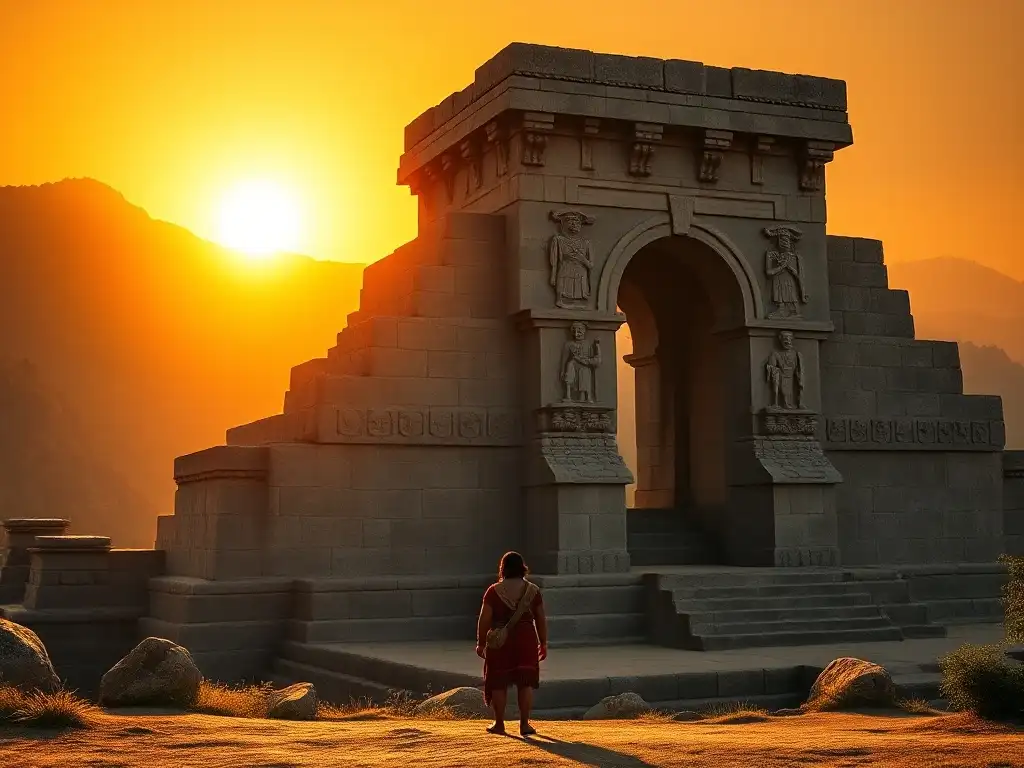
The Inca sun god, Inti, held paramount importance in Inca religion and cosmology. His worship wasn't confined to a single location but manifested in a network of meticulously constructed temples and sacred sites across the vast Inca Empire. These structures, often integrated seamlessly into the landscape, served not only as places of worship but also as powerful symbols of Inca power and the divine connection between the rulers and the sun.
Understanding these sites is key to grasping the depth and breadth of Inti worship within Inca culture. The meticulous planning and construction of these temples reveal a sophisticated understanding of astronomy and a profound reverence for the sun's life-giving power. This section will explore some of the most significant examples, highlighting their architectural features and symbolic significance in relation to Inca sun god Inti worship.
Coricancha: The Golden Temple of the Sun in Cusco
Coricancha, meaning "Golden Enclosure" in Quechua, stands as the most prominent example of a temple dedicated to Inti in the Inca Empire. Located in the heart of Cusco, the capital city, this temple was not merely a place of worship; it was the very center of the Inca world, a symbolic representation of the cosmos itself. Chroniclers describe its breathtaking opulence: walls sheathed in gold plates, intricately crafted gold and silver ornaments adorning the interior, and a massive golden disc representing the sun itself.
This lavish display underscored the Inca's profound belief in Inti's power and their own divine right to rule, a divinely ordained connection reinforced by the temple's location and its architectural design. The temple's orientation and the careful placement of its elements likely reflected astronomical observations, aligning with the sun's movements throughout the year, further emphasizing the sun god Inti's central role in Inca cosmology and Inca sun god Inti worship.
The sheer scale and magnificence of Coricancha served to awe and inspire reverence in the Inca population, solidifying the sun god's place at the heart of their religious and political life. The destruction of much of the original structure during the Spanish conquest unfortunately obscures many details, but archaeological findings continue to shed light on its incredible complexity and significance.
Other Important Solar Temples in the Inca Empire
While Coricancha in Cusco held the most prominent position, numerous other temples and sacred sites dedicated to Inti existed throughout the Inca Empire. These ranged from smaller shrines integrated into palaces and residential complexes to larger structures located in strategically important locations. For example, [specific examples of other solar temples and their locations pending].
These regional variations in temple architecture and design likely reflected local beliefs and practices while maintaining a core thematic connection to the overarching Inca sun god Inti worship. The consistent presence of solar motifs—such as sun discs, stylized rays, and representations of Inti himself—in these diverse sites underscores the pervasive influence of Inti's cult across the empire.
Further research is needed to fully document and analyze the diversity of these sites and to understand their specific roles within the broader Inca religious landscape and their contribution to Inca sun god Inti worship. The surviving ruins, however, offer valuable clues to the rich tapestry of Inca religious practices and their deep reverence for the sun.
Architectural Symbolism and Solar Alignment
The architecture of Inca solar temples wasn't merely functional; it was deeply symbolic, reflecting a sophisticated understanding of astronomy and cosmology. The precise orientation of many temples, particularly in relation to the solstices and equinoxes, suggests a deliberate attempt to align the structures with the sun's annual journey across the sky. This alignment wasn't accidental; it was a powerful statement about the Inca's understanding of the cosmos and their deep connection to the celestial realm.
The use of specific materials, such as gold, which symbolized the sun's brilliance, further emphasized the sacred nature of these sites and the importance of Inca sun god Inti worship. The integration of the temples into the natural landscape, often incorporating existing geographical features, also demonstrates a holistic worldview that saw the human and natural worlds as interconnected and reflecting the cosmic order. The intricate details of Inca architecture, the precise calculations involved in their construction, and the symbolic significance of their design all point to a highly developed religious system centered around the worship of Inti, the life-giving sun god.
The survival of these architectural marvels provides invaluable insight into the beliefs and practices of one of the most fascinating civilizations of the Andes. Further study of these sites promises to reveal even more about the complexities of Inca sun god Inti worship and the profound influence of the sun on their lives.
The Influence of Inti Worship on Inca Society and Politics
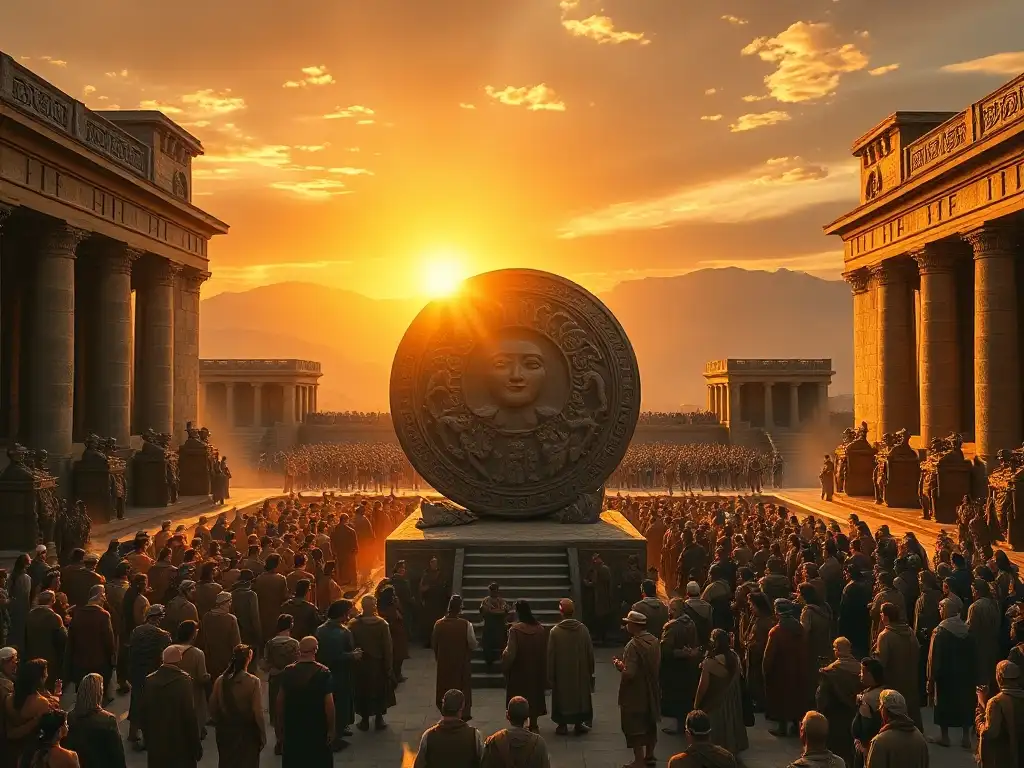
Inca sun god Inti worship wasn't merely a religious practice; it was the bedrock of Inca society and the very foundation of their political structure. The pervasive influence of Inti permeated every aspect of Inca life, from the grand ceremonies performed at Cusco's Coricancha to the daily routines of the common people. Understanding the centrality of Inti worship is crucial to comprehending the Inca's sophisticated social hierarchy, their efficient administrative system, and their remarkable ability to maintain control over a vast and diverse empire.
The Inca's success in consolidating power and establishing a unified empire was inextricably linked to their skillful manipulation and utilization of the sun god's symbolic power. This section will explore the profound impact of Inti worship on Inca society and politics, examining its role in legitimizing power, shaping daily life, and fostering unity throughout the empire.
The Divine Right of Inca Rulers as Sons of the Sun
The Inca emperor, the Sapa Inca, wasn't merely a political leader; he was considered a direct descendant of Inti, a living embodiment of the sun god on Earth. This divine lineage conferred upon him absolute authority and unquestioned power. The concept of the Sapa Inca as a "Son of the Sun" wasn't simply a religious belief; it was a powerful political tool that legitimized his rule and ensured the obedience of his subjects.
This divine right of kingship was meticulously cultivated through elaborate rituals, carefully constructed narratives, and the impressive displays of imperial power. For example, the Sapa Inca's clothing, jewelry, and even his diet were designed to emphasize his divine status, setting him apart from the rest of the population.
The meticulous attention paid to maintaining this image served to reinforce the divine nature of his authority, ensuring the stability and continuity of the Inca empire. Any challenge to the Sapa Inca's authority was viewed not only as political rebellion but also as an act of sacrilege against Inti himself.
The Impact of Solar Religion on Daily Life
Inti's influence extended far beyond the imperial court. The daily lives of ordinary Inca citizens were deeply intertwined with the worship of the sun god. Agricultural practices, for instance, were meticulously synchronized with the solar cycle.
The planting and harvesting seasons were determined by the sun's movements, and rituals were performed to ensure bountiful harvests. This close relationship between agriculture and solar worship reinforced the importance of Inti in the lives of the Inca people, highlighting the sun god's role as a provider and sustainer of life. Additionally, many aspects of Inca daily life, such as the construction of buildings aligned with the solstices, the use of solar motifs in textiles and pottery, and the organization of festivals and celebrations, reflect the pervasive nature of Inti worship.
Even the intricate system of mita, the mandatory labor system, could be interpreted as a form of service to Inti, contributing to the overall well-being of the empire and thus indirectly honoring the sun god. The pervasive nature of Inti's influence underscores its integral role in shaping the daily rhythms and routines of the Inca civilization.
Inti Worship as a Unifying Force in the Empire
The widespread worship of Inti served as a powerful unifying force within the vast Inca empire. Despite the empire's diverse population and geographical expanse, the shared belief in Inti provided a common cultural identity and a sense of collective purpose. The empire's elaborate road system facilitated the movement of people and goods, but also played a crucial role in the dissemination of Inti's worship, connecting distant communities through shared religious practices and celebrations.
The standardized rituals and festivals associated with Inti worship helped to solidify the empire's political and social unity, minimizing the potential for internal conflict and rebellion. Furthermore, the construction of magnificent temples dedicated to Inti, such as the Coricancha in Cusco, served as powerful symbols of imperial power and religious unity, reinforcing the empire's cohesion and stability. The Inca's ability to harness the unifying power of Inti worship was a significant factor in their success in creating and maintaining one of the largest and most organized pre-Columbian empires in the Americas.
The sun god, therefore, played a crucial role not only in the religious life of the Inca but also in the political and social fabric of their vast and powerful empire. The strategic use of Inti worship as a unifying force stands as a testament to the Inca's sophisticated understanding of the power of religion in consolidating and maintaining political control.
The Legacy of Inca Sun Worship
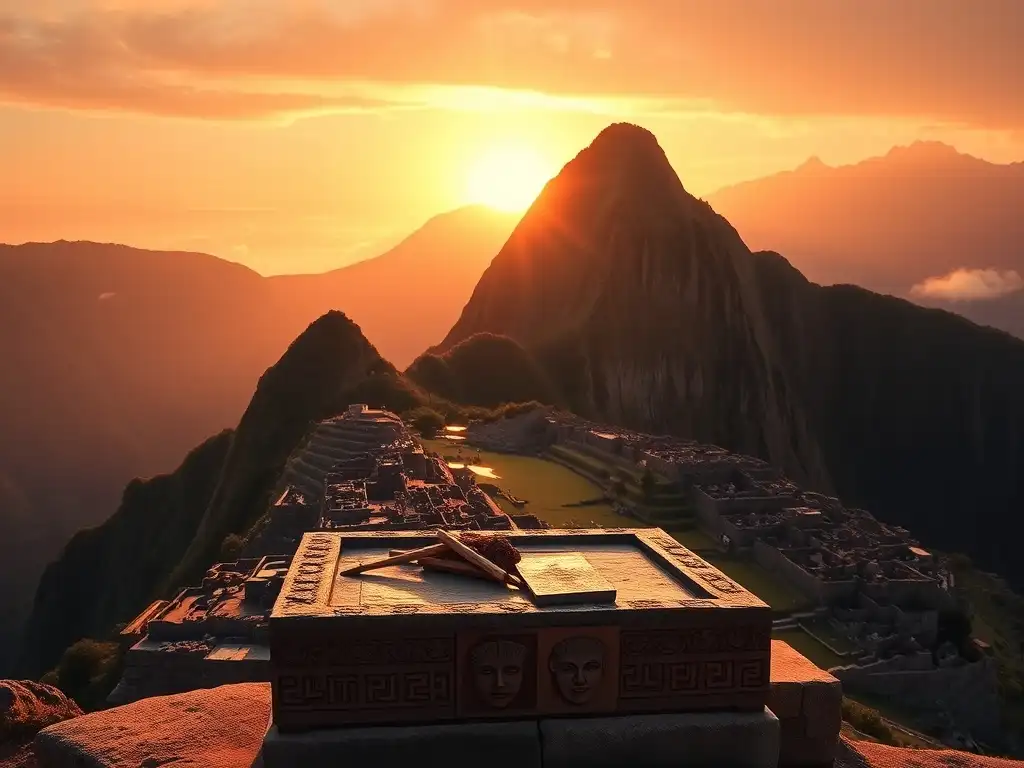
The Enduring Influence of Inti in Andean Culture
The worship of Inti, the Inca sun god, wasn't simply a religious practice confined to the Inca Empire's lifespan. Its impact resonates deeply within Andean culture even today. While the formal structures of Inca religion crumbled after the Spanish conquest, the fundamental reverence for the sun, the vital source of life in the harsh Andean environment, persisted. This enduring legacy manifests in various ways, from subtle everyday practices to vibrant, large-scale celebrations.
For example, many Andean communities still incorporate elements of solar veneration into their agricultural cycles. The timing of planting and harvesting often coincides with specific solar events, mirroring ancient Inca practices. The deep-rooted connection between the sun's energy and agricultural prosperity continues to shape their lives. Furthermore, many traditional Andean festivals, though perhaps adapted over centuries, retain elements that clearly trace back to Inti's worship.
These festivals often involve offerings to the sun, symbolic gestures, and communal celebrations reflecting the ancient belief in the sun's power and benevolence. The persistence of these traditions speaks volumes about the profound and lasting influence of Inti on Andean identity and cultural practices. It highlights the enduring power of religious beliefs even after the collapse of the political and social structures that initially fostered them. Understanding this enduring legacy offers crucial insights into the cultural continuity and resilience of Andean communities.
Surviving Traditions and Modern Interpretations of Inca Solar Religion
While the Inca Empire's sophisticated religious system is largely lost to history, fragments of Inti worship survive in various forms. Many Andean communities continue to celebrate Inti Raymi, the Inca festival of the sun, albeit adapted to the present day. The festival, once a grand, imperial event, is now often celebrated locally, with variations in rituals and customs depending on the specific community. These modern interpretations demonstrate the adaptive nature of religious traditions, highlighting the ability of ancient beliefs to integrate with contemporary cultural contexts.
Furthermore, the symbolic representation of Inti in modern Andean art and crafts showcases the ongoing relevance of the sun god. Intricate weavings, ceramics, and paintings frequently depict Inti, showcasing a continuation of artistic traditions that directly connect to the Inca past. These visual representations not only serve as aesthetic expressions but also as tangible links to the rich history of solar worship.
The survival and adaptation of these traditions provide valuable insights into the processes of cultural transmission and the enduring power of ancient religious beliefs. In fact, some scholars argue that the blending of pre-Columbian beliefs with elements of Christianity, a phenomenon common in post-conquest Andean societies, represents a complex and fascinating evolution of Inti worship, rather than a complete abandonment of the traditional faith. This fusion highlights the resilience and adaptability of Andean cultures in the face of significant historical shifts.
Inti: A Symbol of Inca Power and Spirituality
Inti, the Inca sun god, wasn't just a deity; he was a potent symbol of Inca power and imperial authority. The Inca emperor was considered the direct descendant of Inti, a divine lineage that legitimized his rule and reinforced the empire's authority. This close association between the emperor and the sun god permeated all aspects of Inca society. Temples dedicated to Inti, such as the magnificent Coricancha in Cusco, served as both religious centers and powerful displays of imperial might.
The meticulous craftsmanship and grandeur of these structures underscored the emperor's divine authority and the importance of Inti in Inca cosmology. Moreover, the sun's life-giving energy was directly linked to the empire's prosperity and stability. A bountiful harvest, attributed to Inti's favor, strengthened the emperor's position and reinforced the legitimacy of his rule. Conversely, periods of drought or famine were often interpreted as signs of divine displeasure, potentially threatening the emperor's authority.
The intricate relationship between Inti, the emperor, and the empire's well-being highlights the crucial role of the sun god in both spiritual and political spheres. This complex interplay between religion and politics is a key element in understanding the Inca Empire's strength and longevity. The Inca sun god Inti worship was a cornerstone of their civilization, woven into the fabric of their society and shaping their worldview. The profound impact of Inti’s worship extended far beyond mere religious observance, profoundly influencing the political landscape and social structures of the Inca Empire.
Understanding the Inca's Devotion to the Sun
The Inca sun god, Inti, wasn't merely a deity; he was the very foundation of Inca cosmology, society, and daily life. Inca Inti worship wasn't a separate religious practice; it was interwoven into the fabric of their existence. Their profound reverence for Inti stemmed from a deep-seated understanding of the sun's life-giving power, its influence on agriculture, and its role in maintaining the cosmic order.
This devotion manifested in elaborate rituals, monumental architecture, and a complex system of beliefs that permeated all aspects of Inca culture. Understanding the centrality of Inti requires examining its multifaceted influence on their world view. The Inca's relationship with the sun was not merely one of worship, but one of profound interconnectedness and dependence.
The Interconnection Between Nature and the Divine
The Inca worldview was deeply intertwined with the natural world. They didn't see a separation between the divine and the natural; rather, they perceived the divine as immanent within nature. Inti, as the sun god, embodied this connection.
The sun's daily journey across the sky, its seasonal changes, and its life-giving energy were all seen as manifestations of Inti's power and benevolence. This holistic perspective is evident in their agricultural practices. The success of their crops, vital for their survival, was directly attributed to Inti's favor.
Droughts and crop failures were interpreted as signs of Inti's displeasure, leading to intensified rituals and offerings aimed at appeasing the sun god and ensuring a bountiful harvest. The Inca’s deep understanding of the delicate balance within their environment fostered a profound respect for the natural world and a strong connection to the divine through their observation of natural phenomena. Their agricultural success, heavily reliant on predictable weather patterns, cemented Inti's importance in their daily lives.
Inti Worship and the Inca's Understanding of the Cosmos
Inca cosmology viewed the universe as a structured and ordered system, with Inti at its center. The sun god was not just a celestial body; he was the source of all life and the guarantor of cosmic order. This central position is reflected in their architectural marvels like Machu Picchu, strategically positioned to align with the sun's movements during solstices and equinoxes.
These structures weren't merely buildings; they were sacred spaces designed to facilitate communication with Inti and to honor his life-giving power. The Inca's understanding of the cosmos was hierarchical, with Inti at the apex, followed by other deities representing various aspects of the natural world. This hierarchical structure mirrored their social organization, reinforcing the emperor's role as the intermediary between the divine and the human realm.
The emperor, considered a descendant of Inti, held a unique position, responsible for maintaining the cosmic order through elaborate rituals and offerings to the sun god. This system maintained the delicate balance between the divine and the earthly realm, ensuring the continued prosperity and stability of the Inca Empire.
The Importance of Solar Cycles in Inca Society
The Inca calendar was intricately linked to the solar cycles. The solstices and equinoxes were particularly significant events, marked by elaborate ceremonies and festivals dedicated to Inti. These celebrations weren't simply religious events; they were crucial for maintaining social cohesion and reinforcing the Inca worldview.
The precise timing of agricultural activities was dictated by the sun's movements, highlighting the intimate relationship between the Inca's daily life and the solar cycles. The Inca meticulously tracked the sun's path, using sophisticated astronomical knowledge to predict seasonal changes and to plan their agricultural activities accordingly. This knowledge was essential for their survival, as their agricultural success directly depended on the predictability of the solar cycles.
The accuracy of their astronomical observations underscores their advanced understanding of celestial mechanics and their deep connection to the natural world. Their sophisticated calendar system, intricately tied to the solar cycles, served as a powerful tool for organizing their society and ensuring the continuity of their agricultural practices, which were fundamental to their way of life. This demonstrates the crucial role that Inti, and the accurate observation of his movements, played in the fabric of Inca society.
Frequently Asked Questions
What was Inti's significance in Inca religion?
Inti, the Sun God, was the most important deity in the Inca religion. His worship permeated all aspects of Inca life, from agriculture to governance. Royal lineage was even tied to Inti.
How did the Incas worship Inti?
Inca worship of Inti involved elaborate ceremonies, including sacrifices and festivals. Temples, like Coricancha in Cusco, were dedicated to him. Religious rituals were performed by priests called wilaq uqaku.
What role did Inti play in Inca daily life?
Inti's influence was pervasive. The Inca calendar was solar-based, and agricultural practices were timed to coincide with the sun's cycles. Daily activities were often structured around the sun's position.
What were some of the offerings made to Inti?
Offerings to Inti included gold and silver, agricultural products, and even human sacrifices, though these were less frequent than often depicted. The offerings reflected the importance of the sun to Inca society.
How did the worship of Inti influence Inca art and architecture?
Inca art and architecture reflected their devotion to Inti. Many structures, such as the temples at Machu Picchu, were aligned with the sun's movements. Gold and other precious metals were frequently used in religious artifacts.
Final Reflection: Inti's Enduring Legacy: A Light on Andean Spirituality
The worship of Inti, the Inca sun god, wasn't merely a religious practice; it was the very foundation of Inca society, a powerful force that shaped their worldview, their governance, and their daily lives, a legacy that continues to resonate today. The intricate tapestry woven from astronomical observations, agricultural cycles, and imperial power, all centered around the sun's life-giving energy, remains a compelling example of the profound connection between humanity and the natural world.
The enduring influence of Inti's worship is not confined to dusty historical texts; it lives on in the vibrant Andean cultures that still hold deep reverence for the sun and the mountains. The echoes of ancient rituals and beliefs can be found in contemporary celebrations and traditions, a testament to the enduring power of spiritual legacies. The sun is not merely a celestial body, but a living force, a source of life and energy, a deity to be revered and respected.
This sentiment, though perhaps not explicitly stated in the same words, continues to resonate within the hearts and minds of many in the Andean region, demonstrating the lasting impact of Inti's worship.
Consider, for a moment, the power of the sun in your own life. How does its presence affect your mood, your energy, your perspective? Inti's worship offers a powerful reminder of our interconnectedness with the natural world, a connection often overlooked in our modern, technology-driven lives. Let the story of Inti inspire you to reconnect with the natural rhythms of the earth, to find solace in the beauty of the sun, and to appreciate the enduring power of ancient spiritual traditions. Embrace the light, and let it illuminate your path.
Ignite Your Curiosity: Embrace the Light of Inca Legacy!
Thank you for exploring the fascinating world of Inti, the Inca sun god, and the profound role of solar worship in their religion. This journey enriches your understanding and connects you to the heart of Andean spirituality.
To further deepen your exploration, consider these suggestions:
- Visit a local museum or exhibit showcasing Andean artifacts to witness the enduring legacy of solar worship.
- Share your discoveries with friends and family, or post about them on social media, sparking conversations about the rich heritage of the Inca civilization.
- Join a discussion group focused on ancient Andean religions or similar cultures, connecting with others who share your interest and fostering a community of learning.
What aspect of Inca solar worship most captivates you, and how do you see its influence on modern society?