
The Significance of Coca Leaves in Inca Religious Practices


Dive into the enigmatic world of the Andean civilizations! Prepare to unravel the mysteries surrounding their remarkable achievements in art, technology, and culture. But first, consider this: what secrets did the sacred coca leaf hold for the Inca? Journey with us to discover the profound and surprising role of the Inca coca leaf religious use in shaping the Inca Empire's spiritual landscape. Uncover the truth behind this captivating practice and unlock a deeper understanding of one of history's most fascinating societies.
The Inca Empire, a civilization renowned for its sophisticated engineering, intricate social structures, and profound spirituality, held a deep reverence for the coca leaf ( Erythroxylum coca). Far from being merely a stimulant, coca occupied a central position in Inca religious practices, permeating rituals, ceremonies, and daily life.
This article delves into the multifaceted significance of coca leaves within Inca religious beliefs, exploring their sacred role in society, their use as divine offerings, and the spiritual connections forged between coca and the Inca pantheon. Understanding the Inca's relationship with coca provides crucial insight into their worldview and the profound spiritual depth of their culture.
We will examine the evidence available to reconstruct this intricate and fascinating aspect of Inca religious life, highlighting the importance of coca leaves as more than just a plant, but a sacred element integral to their spiritual landscape. This exploration aims to illuminate the complex interplay between religion, ritual, and the everyday use of coca within the Inca Empire, addressing the keyword "Inca coca leaf religious use" and its various semantic nuances.
Understanding the Sacred Role of Coca in Inca Society
Coca leaves were not simply a commodity for the Inca; they held a deeply sacred status. Their cultivation and distribution were carefully controlled by the state, underscoring their importance in the social and religious fabric of the empire. Archaeological evidence reveals the widespread presence of coca leaves in tombs and ritual contexts, suggesting their use in various ceremonies and offerings to the gods.
Furthermore, the Inca believed that coca held the power to facilitate communication with the spirit world and enhance the effectiveness of prayers and offerings. The leaves were not consumed frivolously; instead, their use was governed by strict social protocols and religious norms. The distribution of coca, often controlled by the elite, reflected the hierarchical structure of Inca society and its connection to divine authority.
This controlled distribution ensured the leaves remained a significant symbol of power and spiritual significance within the empire. The precise mechanisms of coca distribution and its associated social implications warrant further research, but existing evidence clearly indicates its crucial role in maintaining social order and religious harmony.
Coca Leaf: A Divine Offering in Inca Rituals
The Inca incorporated coca leaves into a wide array of rituals and ceremonies. These leaves were frequently offered to the gods as a sign of respect and devotion. Archaeological discoveries have unearthed numerous examples of coca leaves found alongside other ritual objects in sacred sites throughout the Inca Empire.
These findings suggest that coca was an essential component of many religious observances, acting as a conduit between the human and divine realms. The act of offering coca wasn't simply a symbolic gesture; it was believed to directly appease and please the gods, influencing their favor and ensuring the prosperity of the community. Different types of coca leaves, varying in quality and appearance, might have been used for specific rituals, demonstrating a level of sophistication in their religious use.
[Specific details on types of coca leaves used in different rituals pending]. The significance of the offering itself likely depended on the specific deity and the nature of the ritual, highlighting the nuanced understanding of coca's role in Inca religious practices.
The Spiritual Connection: Coca and Inca Deities
The Inca's belief system connected coca leaves to various deities. While specific details remain elusive due to the limited surviving written records, archaeological evidence and ethnographic accounts from later periods suggest a strong association between coca and deities associated with fertility, agriculture, and the underworld. For example, coca might have been offered to the mountain gods ( Apus ), who were believed to control the weather and agricultural cycles, ensuring bountiful harvests.
The connection between coca and the underworld deities might highlight its perceived ability to facilitate communication with the spirit world and ancestors. The use of coca in funerary rituals further supports this interpretation. [Further research is needed to clarify the specific deities associated with coca leaf offerings and the nature of their connection].
The enduring presence of coca in Andean cultures, even after the Spanish conquest, underscores its deep-rooted spiritual significance and its enduring legacy within the region's religious traditions. 🥂
Coca Consumption Methods in Inca Religious Ceremonies
The use of coca leaves in Inca religious ceremonies wasn't simply about chewing; it was a ritualistic act involving specific methods and contexts. Archaeological evidence suggests that coca leaves were often prepared in various ways before consumption. Some evidence points to the leaves being finely ground into a powder, perhaps mixed with other herbs or substances, before being ingested. This powdered form may have been used in specific rituals or offered to deities.
Other methods involved simply chewing the leaves, but even this seemingly simple act was imbued with deep religious significance. The manner of chewing, the posture of the chewer, and the accompanying prayers or incantations all contributed to the sacred nature of the experience. The absence of elaborate paraphernalia in many archaeological sites suggests that the act of chewing, itself, was often the central focus, highlighting the simplicity and directness of the connection between the individual and the spiritual realm.
Further research is needed to fully understand the nuances of coca preparation and consumption within different Inca religious practices, as regional variations likely existed. The specific techniques employed likely varied depending on the ceremony, the social standing of the participants, and the specific deity being honored. The careful analysis of archaeological findings, coupled with ethnohistorical accounts, is crucial to unraveling the complexity of this aspect of Inca religion.
Chewing Coca: A Sacred Act of Communion
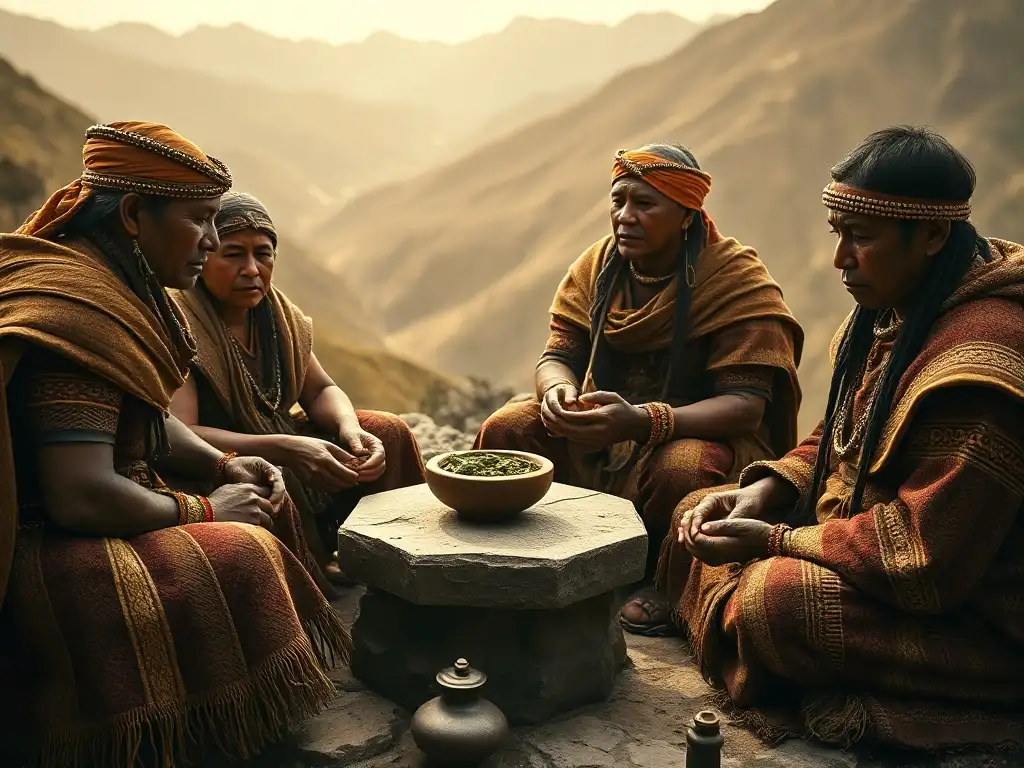
Chewing coca leaves wasn't merely a stimulant for the Inca; it was a sacred act of communion with the divine and the ancestors. The act of carefully selecting leaves, placing them in the mouth, and slowly masticating them was a meditative practice. It fostered a state of altered consciousness, facilitating communication with the supernatural world. This communion wasn't a solitary act; it often took place within a community setting, strengthening social bonds and reinforcing shared beliefs.
The shared chewing of coca during religious ceremonies fostered a sense of unity and collective participation in the sacred. The act symbolized a shared experience, a collective journey towards spiritual connection. The subtle nuances of the experience—the taste, the texture, the feeling of the leaves in the mouth—were all part of the ritual, contributing to the holistic nature of the communion.
The subtle effects of the coca, enhancing awareness and focus, also helped participants to better engage with the spiritual dimension of the ceremony. Think of it as a form of sacred meditation, a pathway to a deeper understanding of the spiritual realm and one's place within it. The gentle buzz, combined with the ritualistic act, created a powerful sense of connection and spiritual unity.
Coca as an Offering to the Gods and Ancestors
Coca leaves held immense value not only for consumption but also as sacred offerings to the gods and ancestors. Archaeological discoveries have unearthed numerous coca leaves within Inca tombs and sacred sites, demonstrating their significance in funerary rituals and appeasement ceremonies. The placement of coca leaves alongside other offerings suggests their role in mediating communication between the living and the deceased, or the living and the divine.
The leaves served as a conduit, a means of conveying prayers, requests, or expressions of gratitude to the supernatural realm. The quantity of coca leaves offered, as well as their placement within a larger offering, likely held specific symbolic meanings, varying based on the context of the offering and the specific deity or ancestor being honored. Furthermore, the condition of the leaves—fresh or dried—may also have held symbolic importance.
Fresh leaves might have signified vitality and life, while dried leaves may have been associated with ancestors and the continuity of life across generations. This practice underscores the profound respect and reverence the Inca held for coca, recognizing its power as a sacred medium for connecting with the spiritual world. The offering of coca leaves wasn't simply a material act; it was a deeply symbolic gesture, expressing faith, gratitude, and a desire for divine intervention or ancestral blessing.
Coca in Inca Divination and Prophecy
The Inca, deeply connected to the spiritual realm, employed coca leaves extensively in divination and prophecy. Readings, known as llampay, involved carefully examining the leaves’ shapes, colors, and patterns to interpret messages from the gods or the apus (mountain spirits). Practitioners, often skilled priests or yamacs, would meticulously arrange the leaves, sometimes in conjunction with other ritual objects like quipu (knotted cords used for record-keeping) or miniature figurines.
The interpretation was not arbitrary; specific leaf formations were associated with particular meanings, signifying auspicious or inauspicious events, the success or failure of an undertaking, or even pronouncements about the future of the empire itself. For example, a particularly vibrant green leaf might symbolize good fortune in agriculture, while a withered or discolored leaf could foretell illness or hardship. The accuracy of these prophecies was often tied to the practitioner's skill and their connection to the sacred.
These divination rituals weren't just for the elite; coca's accessibility allowed for participation at various social levels, providing a sense of connection to the spiritual world for commoners as well. The intricate system of interpretation, passed down through generations of yamacs, showcases the importance of coca as a conduit for communicating with the divine in Inca society. Detailed records of these interpretations, however, are scarce due to the destruction of many Inca texts after the Spanish conquest; therefore, much of our understanding relies on surviving accounts from Spanish chroniclers and archaeological findings.
The Role of Coca in Inca Shamanistic Practices
Inca shamanistic practices heavily incorporated coca leaves. Shamans, or paqos, used coca to enter altered states of consciousness, facilitating communication with the spirit world. Chewing coca, often combined with other ritual substances, allowed paqos to journey to other realms, seeking guidance from deities or communicating with the spirits of the deceased.
These journeys were crucial for healing rituals, where the shaman could diagnose the cause of illness – often attributed to imbalances in the spiritual realm – and prescribe the appropriate remedies. The coca leaf itself was not merely a tool for altered states; it was considered a sacred plant, a gift from the gods, facilitating the shaman's connection to the divine. The shaman's expertise was in interpreting the messages received during these altered states, translating them into practical actions for healing or problem-solving.
The consumption of coca was not a frivolous act but a profoundly spiritual one, integral to the shaman's ability to heal and guide their community. The precise techniques and rituals varied across different regions and communities, reflecting the diverse expressions of Inca shamanism. Archaeological evidence, such as the discovery of coca remains in ritual contexts alongside shamanic paraphernalia, supports the critical role of coca in these practices.
Coca and the Inca Concept of Reciprocity with Nature
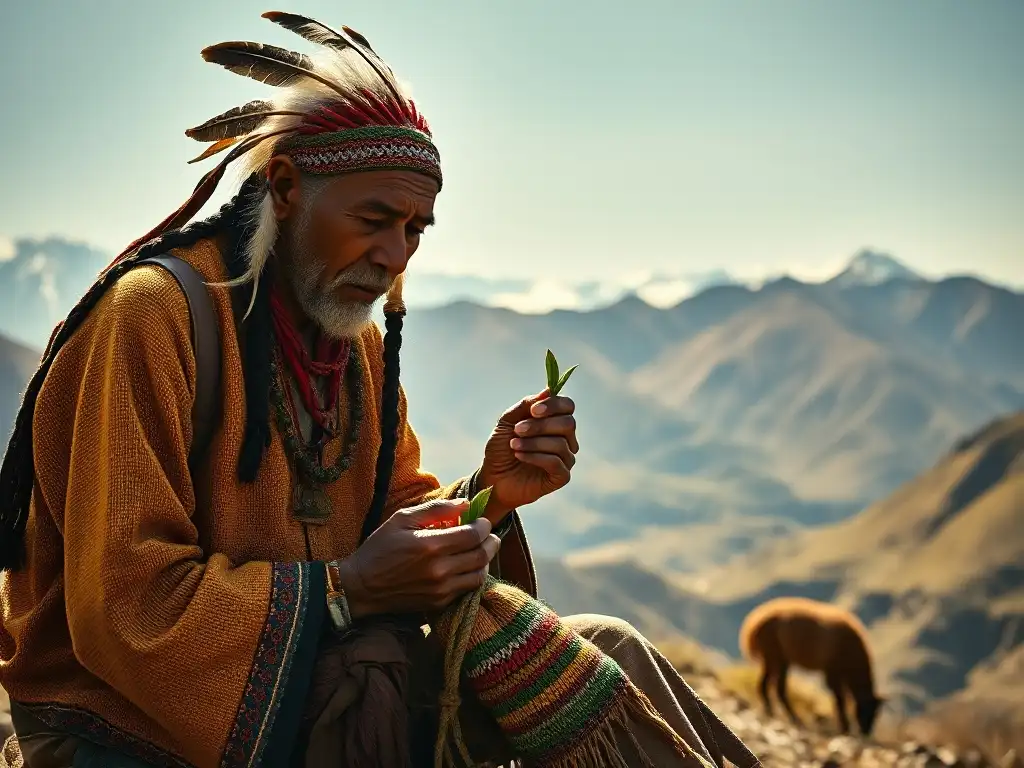
The Inca worldview emphasized ayni, a system of reciprocity and balance between humans and the natural world. Coca leaves played a vital role in this intricate relationship. The Inca believed that the apus, the mountain deities, were generous providers, bestowing upon them bountiful harvests and fertile lands. In return, offerings of coca leaves were made to appease and honor these spirits, ensuring continued prosperity.
The act of offering coca wasn't merely a symbolic gesture; it was a tangible demonstration of gratitude and a commitment to maintaining the balance between the human and spiritual realms. Coca was also used in rituals related to agriculture, ensuring successful harvests and protecting crops from harm. Farmers would often leave offerings of coca leaves in their fields, seeking the protection of the apus and ensuring a successful yield.
This reciprocal relationship, cemented through the offering and consumption of coca, highlights the plant’s centrality to the Inca understanding of the interconnectedness of the spiritual and material worlds. The meticulous cultivation and careful use of coca leaves reflected the Inca's deep respect for nature and their understanding of the delicate balance that sustained their empire. The coca leaf, therefore, was not just a stimulant; it was a symbol of this vital relationship, a bridge between the human and divine, and a cornerstone of Inca spirituality.
The Importance of Coca in Inca Funeral Rites
Coca leaves played a vital role in Inca funeral rites, demonstrating their deep-seated spiritual significance beyond everyday life. The deceased were often adorned with coca leaves, placed in their mouths, or buried alongside them. This practice wasn't merely symbolic; it was believed to provide sustenance and comfort to the spirit on its journey to the afterlife.
Archaeological evidence supports this, with numerous mummies discovered with coca leaves carefully arranged around their bodies. The quantity of coca leaves included varied depending on the social status of the deceased, suggesting a hierarchical aspect to this funerary practice. For the Inca elite, lavish quantities of coca were interred, reflecting their privileged position even in death.
The inclusion of coca leaves wasn't simply a matter of providing a physical comfort; it also ensured a smoother transition for the soul, facilitating its journey and ensuring its well-being in the spirit world. The act of offering coca served as a final tribute, a gesture of respect and a provision for the afterlife journey. Furthermore, the coca leaves themselves could be considered sacred offerings, imbued with spiritual power and capable of influencing the deceased's journey.
Coca Leaves in the Afterlife Beliefs of the Incas
Inca cosmology viewed the afterlife as a continuation of life, albeit in a different realm. The deceased were believed to require sustenance and comfort in this new existence. Coca leaves, therefore, weren't just a part of funeral rites; they were essential provisions for the soul's continued journey.
The belief was that the spirit could continue to use the coca in the afterlife, much as it did in life. This underscores the deeply ingrained nature of coca in Inca culture; it wasn't simply a stimulant but a sacred element connecting the living and the dead. The spiritual power of coca extended beyond the physical realm, providing spiritual nourishment and easing the transition into the next life.
Different types of coca might have held varying levels of importance in this context, with specific varieties perhaps considered more potent for spiritual purposes. This belief system ensured that coca leaves were not only present at death but also considered crucial for the well-being of the departed in the afterlife. It was a continuation of a relationship that spanned both earthly and spiritual existence.
Different Types of Coca and their Religious Uses
While the precise distinctions between coca varieties and their specific religious uses remain somewhat obscure due to limited surviving documentation, evidence suggests the Incas recognized different types of coca leaves, each potentially possessing unique spiritual properties. Some varieties might have been reserved for specific ceremonies or rituals, while others may have been used more commonly in daily life. The differing potency and effects of various coca types would have naturally led to their selective use in religious contexts.
For instance, a particularly potent variety might have been reserved for important ceremonies involving communication with deities or ancestors, while a milder type might have been used in more commonplace rituals. Furthermore, the preparation of the coca – whether chewed alone, mixed with other substances, or offered as part of a larger ritual offering – would also have impacted its religious significance. Ethnobotanical studies on modern coca cultivation and usage offer valuable insight into these possibilities, suggesting a sophisticated understanding of coca's properties among the Inca.
Further research, including detailed analysis of archaeological finds, is needed to fully elucidate the precise distinctions in the religious application of different coca varieties. This area remains an active area of ongoing research for scholars of Inca culture.
Regional Variations in Coca Rituals within the Inca Empire
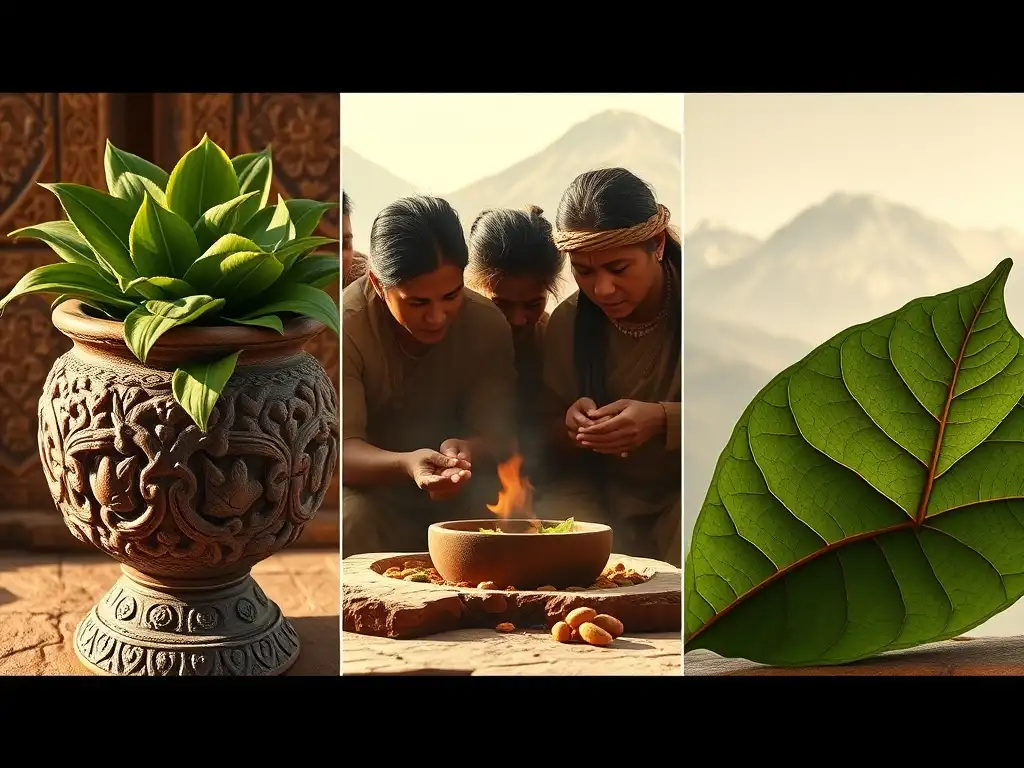
The Inca Empire, vast and diverse, encompassed a range of ecological zones and consequently, variations in coca leaf rituals existed. While a standardized imperial religion certainly existed, local traditions and adaptations played a significant role in how coca was incorporated into religious practices. For instance, in the high-altitude regions, where coca cultivation was more challenging, its use might have been more restricted to elite classes or specific ceremonial contexts.
Conversely, in regions with abundant coca production, its use may have been more widespread, integrated into daily life as well as religious ceremonies. We know from archaeological evidence that the quantity and quality of coca leaves offered as offerings varied depending on geographic location and the importance of the deity or ancestor being venerated. Further research is needed to fully understand the nuances of these regional variations, but existing evidence suggests a complex interplay between imperial standardization and local adaptation in the religious use of coca.
The specific rituals, the types of offerings accompanying the coca leaves (e.g., figurines, textiles, food), and the overall significance of the coca within the broader religious framework likely differed depending on the specific location within the Inca Empire. Ethnohistorical accounts, though often filtered through a colonial lens, offer valuable glimpses into these variations, highlighting the importance of considering regional contexts when studying Inca coca leaf use.
The Enduring Legacy of Coca in Andean Spirituality
The significance of coca leaves in Inca religious practices extended far beyond the empire's demise. The Spanish conquest attempted to suppress coca use, associating it with pagan practices and idolatry. However, despite intense efforts to eradicate the plant and its associated rituals, coca continued to hold a central place in Andean spirituality.
Its symbolic value, deeply rooted in pre-Columbian beliefs, persisted throughout the colonial period and into the modern era. Indigenous communities adapted their coca rituals, often blending them with elements of Catholicism in a process of syncretism. The coca leaf continued to serve as a sacred offering, a facilitator of communication with the spirit world, and a vital component in healing and divination practices.
The enduring legacy of coca reflects its profound cultural and spiritual significance for Andean peoples, demonstrating its resistance to colonial suppression and its continued importance in shaping Andean identities and spiritual beliefs. The resilience of these traditions underscores the deep-seated connection between the coca plant and Andean spirituality, a connection that has spanned centuries and continues to inform contemporary practices.
Coca’s Continued Importance in Contemporary Andean Traditions
Even today, coca leaves remain a crucial element in Andean traditions and spiritual practices. From the daily ritual of acullico (chewing coca leaves) to its use in ceremonies and healing rituals, coca continues to play a vital role in the lives of many Andean communities. The pago a la tierra (payment to the earth), a ritual offering of coca leaves to express gratitude and ensure a good harvest, remains a widespread practice.
Coca is also used in divination rituals, where the patterns formed by the leaves are interpreted to predict the future or offer guidance. Furthermore, coca is often incorporated into traditional Andean medicine, used to treat various ailments and promote well-being. The continued importance of coca highlights its enduring cultural significance and its integration into the fabric of contemporary Andean life.
The plant's symbolic value, its medicinal properties, and its role in social and religious practices ensure its continued relevance in shaping Andean identities and spiritualities in the 21st century. The preservation of these traditions is crucial for maintaining cultural heritage and understanding the profound spiritual relationship between Andean peoples and the coca plant. The ongoing research into these traditions provides invaluable insights into the enduring legacy of Inca religious practices and their evolution through time.
Preserving the Sacred Knowledge of Inca Coca Rituals
The precise details of Inca coca leaf rituals remain shrouded in some mystery, due to the destruction of many primary sources during the Spanish conquest. However, ethnohistorical accounts, archaeological findings, and surviving indigenous traditions offer valuable insights into the sacred knowledge surrounding coca's role in Inca religious practices.
The Spanish chroniclers, while often biased in their portrayal, inadvertently documented certain aspects of coca use, though often interpreting them through a European lens. Their accounts, while needing critical analysis, provide glimpses into ceremonial contexts, suggesting that coca was not merely a stimulant but a vital element in connecting with the spiritual world.
One crucial aspect of preserving this knowledge involves carefully examining the surviving Andean oral traditions. These traditions, passed down through generations, often contain coded language and symbolic representations that require careful interpretation by experts in Andean cultures and languages. The knowledge isn't always explicitly stated; it's often woven into narratives, songs, and rituals, demanding a deep understanding of the cultural context to decipher its meaning regarding coca's religious significance.
Furthermore, archaeological excavations have unearthed evidence supporting the importance of coca in Inca religious life. The discovery of coca leaves alongside other ritual objects in tombs and sacred sites provides tangible proof of its presence in ceremonies. Analysis of these sites, combined with careful study of the artifacts found alongside the coca, can help reconstruct the rituals and their purpose.
For instance, the discovery of coca leaves alongside specific types of pottery or figurines could indicate a connection between the coca offering and a particular deity or spiritual event. However, further research is needed to fully understand the nuanced meanings of these associations.
The challenge in preserving this knowledge lies in the delicate balance between respecting the sacredness of these traditions and making them accessible for scholarly study and public understanding. Many indigenous communities still hold coca leaf rituals in high regard, and their participation and consent are paramount in any research or preservation efforts.
Respectful collaboration with these communities is essential to ensure that the knowledge is shared ethically and responsibly, preventing the exploitation or misrepresentation of their cultural heritage. This collaborative approach ensures the long-term preservation of this vital aspect of Inca religious history and fosters a deeper understanding of the Inca worldview.
- Understanding the Sacred Role of Coca in Inca Society
- Coca Leaf: A Divine Offering in Inca Rituals
- The Spiritual Connection: Coca and Inca Deities
- Coca Consumption Methods in Inca Religious Ceremonies
- Chewing Coca: A Sacred Act of Communion
- Coca as an Offering to the Gods and Ancestors
- Coca in Inca Divination and Prophecy
- The Role of Coca in Inca Shamanistic Practices
- Coca and the Inca Concept of Reciprocity with Nature
- The Importance of Coca in Inca Funeral Rites
- Coca Leaves in the Afterlife Beliefs of the Incas
- Different Types of Coca and their Religious Uses
- Regional Variations in Coca Rituals within the Inca Empire
- The Enduring Legacy of Coca in Andean Spirituality
- Coca’s Continued Importance in Contemporary Andean Traditions
- Preserving the Sacred Knowledge of Inca Coca Rituals
- What role did coca leaves play in Inca religious ceremonies?
- Were coca leaves only used for religious purposes by the Inca?
- How did the Inca use coca leaves in their offerings to the gods?
- What evidence supports the religious significance of coca leaves for the Inca?
- Did the Inca's religious use of coca leaves influence later cultures?
Frequently Asked Questions
What role did coca leaves play in Inca religious ceremonies?
Coca leaves held a central role in Inca religious practices. They were used in offerings to deities, consumed during rituals to connect with the spiritual world, and were considered a sacred plant.
Were coca leaves only used for religious purposes by the Inca?
No, while coca leaves held significant religious importance, they also had practical applications. They were used as a stimulant, to alleviate hunger and altitude sickness, and as a form of currency and trade.
How did the Inca use coca leaves in their offerings to the gods?
Inca offerings often included coca leaves, sometimes bundled with other sacred items. These offerings were made to appease deities, request favors, or commemorate important events.
What evidence supports the religious significance of coca leaves for the Inca?
Archaeological evidence, including mummy bundles containing coca leaves and depictions of coca use in Inca art, provides strong support for their religious significance. Written accounts from Spanish chroniclers also describe Inca coca leaf use in religious contexts.
Did the Inca's religious use of coca leaves influence later cultures?
Yes, the Inca's reverence for coca and its incorporation into religious practices significantly influenced the traditions and beliefs of many subsequent Andean cultures. The use of coca leaves in religious contexts continues in some communities today.
Final Reflection: The Enduring Legacy of Coca in Inca Spirituality
The sacred use of coca leaves within Inca religious practices remains profoundly relevant today, not just as a historical curiosity, but as a potent reminder of the complex relationship between humans and nature, and the enduring power of spiritual belief. Understanding this ancient practice offers a crucial lens through which to examine contemporary discussions surrounding indigenous rights, environmental stewardship, and the preservation of cultural heritage.
The enduring influence of coca leaf rituals on Andean culture is undeniable, shaping social structures, artistic expression, and even modern-day spiritual practices. The coca leaf, far from being simply a stimulant, served as a conduit to the divine, a facilitator of communication with the spirit world, and a symbol of reciprocity within the Inca cosmos. The coca leaf is not merely a plant; it is a living being, a sacred gift from the gods, and a vital part of our heritage,
– a modern-day Andean shaman. This sentiment echoes across centuries, highlighting the unbroken thread connecting past and present.
Consider the implications of this legacy. How can we, as individuals and as a society, better understand and respect the spiritual traditions of indigenous cultures? How can we ensure that the knowledge and practices surrounding the sacred use of coca are preserved and protected from exploitation and misrepresentation? You have the power to learn more, to engage with these important questions, and to advocate for the preservation of cultural heritage. Let the story of Inca coca leaf use inspire you to explore the rich tapestry of human spirituality and the vital importance of respecting diverse cultural expressions.
Unveil the Spiritual Legacy of Coca Leaves!
Thank you for exploring the fascinating world of coca leaves and their significance in Inca religious practices. Discovering this rich cultural heritage reveals the spiritual depth and historical importance of these sacred plants. Let's delve deeper to further your understanding and appreciation of their legacy.
- Engage in cultural exchange: Participate in online forums or social media groups dedicated to Andean traditions, discussing the role of coca leaves with other enthusiasts and experts.
- Explore traditional remedies: Research and consider trying herbal teas made from coca leaves and other Andean plants, experiencing their historical uses firsthand. Note: Always consult a healthcare professional before using herbal remedies.
- Share your knowledge: Spread the word! Write a blog post or share your insights on how the use of coca leaves has influenced modern practices in your community.
What personal connections or insights have you gained regarding the spiritual practices surrounding coca leaves? Share your reflections and join the conversation!