
The Importance of Agriculture in Inca Religious Life and Offerings

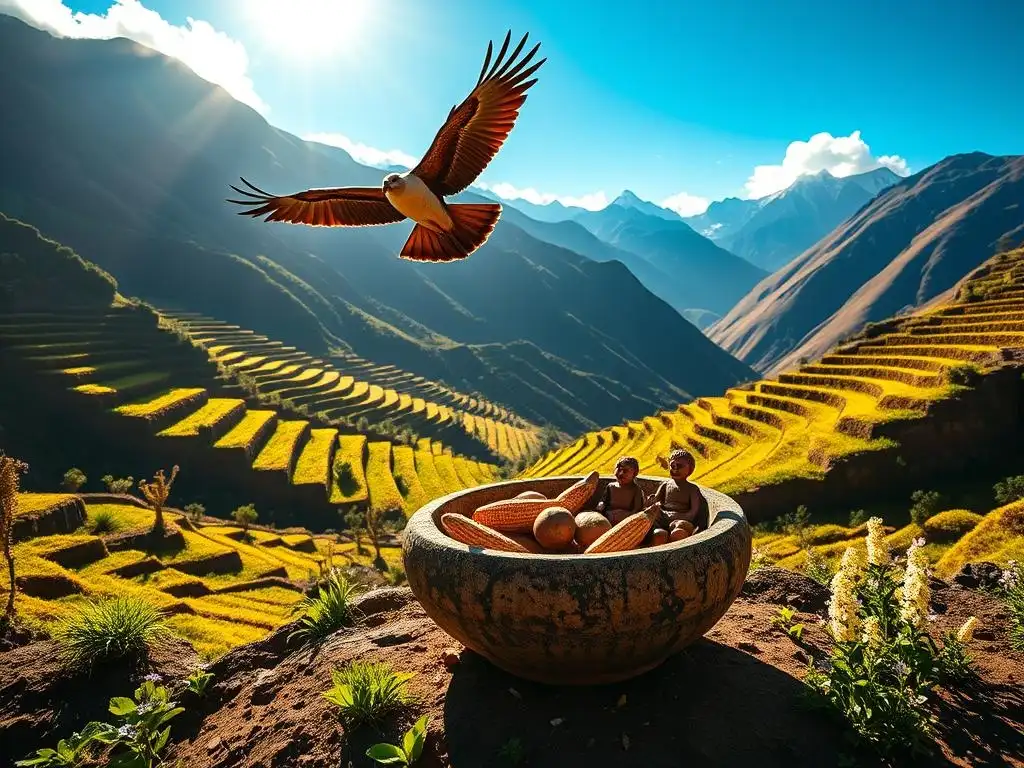
Step into a world lost to time, yet echoing with the whispers of a magnificent empire. Dive into the fascinating intersection of Andean spirituality and agricultural practices, where the seemingly mundane act of farming held profound religious significance for the Inca. Uncover the secrets behind Inca agriculture religious offerings, and discover how their mastery of the land fueled not only their survival, but the very fabric of their beliefs. Prepare to be amazed by the intricate connection between the fertile valleys and the celestial realm in this exploration of the Inca Empire.
- The Vital Role of Agriculture in Inca Religious Life and Offerings
- Inca Religious Offerings: Honoring the Earth and Ensuring Bountiful Harvests
- Inca Agricultural Calendar and Religious Festivals
- The Symbolic Meaning of Agricultural Products in Inca Rituals
- The Lasting Legacy of Inca Agriculture and Religious Beliefs
-
Frequently Asked Questions
- What role did agriculture play in Inca religion?
- What types of offerings were made to ensure good harvests?
- How did the Inca's agricultural practices influence their religious beliefs?
- Were there specific deities associated with Inca agriculture?
- How did the Inca's religious beliefs affect their social structure regarding agriculture?
- Final Reflection: Sowing Seeds of Faith: Agriculture's Enduring Legacy in Inca Spirituality
- **Nurture Your Knowledge: Embrace the Richness of Andean Agriculture! **
The Vital Role of Agriculture in Inca Religious Life and Offerings
The Inca Empire, renowned for its sophisticated engineering and intricate social structures, held agriculture at the very heart of its religious beliefs and practices. Far from being a mere economic activity, farming was deeply intertwined with the Inca worldview, shaping their rituals, offerings, and understanding of the cosmos. This article delves into the profound significance of agriculture in Inca religious life, exploring the sacred connection between the land, the gods, and the agricultural cycles that sustained their empire.
We will examine the specific agricultural practices, the deities associated with farming, and the types of offerings made to ensure bountiful harvests and appease the divine forces that governed their world. Understanding this integral relationship provides crucial insight into the complexities of Inca religion and its profound influence on all aspects of their society.
The meticulous cultivation of crops wasn't simply about sustenance; it was a sacred duty, a form of worship, and a pathway to maintaining cosmic balance. This exploration will reveal how deeply ingrained agricultural practices were within the fabric of Inca religious life, highlighting the unique relationship between the Inca people and their environment.
Inca Agricultural Practices and Their Spiritual Significance
Inca agricultural practices were far from rudimentary. They developed sophisticated techniques, including terracing, irrigation systems, and the cultivation of diverse crops adapted to varying altitudes. These weren't merely practical solutions; they were infused with spiritual meaning.
The careful construction of andenes (terraces) on steep slopes was seen as a way to mimic the order of the cosmos, creating a harmonious relationship between the human world and the divine. The intricate irrigation canals, meticulously designed to channel water to fields, were not simply engineering marvels but also representations of the life-giving forces of nature. The planting and harvesting of crops followed specific rituals and calendars, timed to coincide with astronomical events and the cycles of the sun and moon.
For example, the planting of potatoes, a staple crop, was often accompanied by prayers and offerings to ensure a successful harvest. The meticulous care given to each plant reflected a deep respect for the land and its ability to provide sustenance. This wasn't simply work; it was a sacred act of creation and maintenance.
Furthermore, the selection of seeds was not arbitrary. Specific varieties of crops were linked to particular deities or spirits, underscoring the sacred nature of the agricultural process. The Inca's understanding of agricultural techniques went far beyond mere functionality; it was deeply intertwined with their spiritual beliefs, shaping their rituals and shaping their relationship with the divine. The success of their farming practices was viewed as a direct reflection of their piety and their ability to maintain harmony with the cosmos.
The Sacred Connection: Land, Gods, and Inca Farming
The Inca worldview emphasized a profound interconnectedness between the land, the gods, and the people. The land wasn't simply a resource to be exploited; it was a sacred entity, imbued with spiritual power. Mountains, rivers, and fertile valleys were considered sacred places, often serving as sites for rituals and offerings. The Inca believed that deities inhabited these natural features, influencing the fertility of the land and the success of agricultural endeavors.
The most prominent deity associated with agriculture was Pachamama, the Earth Mother, who was revered as the provider of sustenance and fertility. Farmers would make offerings to Pachamama before planting and harvesting, seeking her blessings for a successful harvest. These offerings often included coca leaves, chicha (a fermented corn beverage), and other agricultural products. The act of offering wasn't just about appeasement; it was a way of expressing gratitude and establishing a reciprocal relationship with the divine.
Moreover, other deities also played important roles in Inca agriculture. The sun god, Inti, was considered the source of life and energy, essential for the growth of crops. Water deities, associated with rivers and springs, were also venerated, ensuring the availability of water for irrigation. The intricate network of deities and their influence on agricultural cycles demonstrates the holistic and deeply spiritual nature of Inca farming practices. The rituals and offerings were not merely symbolic acts; they were integral to the success of their agricultural system, emphasizing the deep-rooted spiritual significance of farming in Inca society.
Understanding Inca Deities and Their Relationship to Agricultural Cycles
The Inca pantheon featured numerous deities, each with specific roles and responsibilities related to various aspects of life, including agriculture. Understanding the roles of these deities is crucial to understanding the significance of agricultural offerings. As mentioned, Pachamama, the Earth Mother, was paramount, representing the fertility of the land and the bounty it provided.
Offerings to Pachamama were often made in the form of capacocha, a ritual sacrifice that involved offering selected individuals (often children) and valuable goods to the earth. While this practice might seem harsh by modern standards, it was considered a necessary act to ensure the well-being of the community and the continued fertility of the land. It's important to note that the specific details and interpretation of capacocha remain subjects of ongoing scholarly debate and research.
Beyond Pachamama, other deities played crucial roles in ensuring successful harvests. Inti, the sun god, was vital for providing the warmth and energy necessary for crop growth. Water deities, such as Supay, the god of the underworld, also held significance, as their influence over water sources was essential for irrigation and the overall success of agriculture.
The Inca calendar meticulously tracked the movements of the sun and stars, aligning agricultural practices with these celestial cycles, demonstrating their profound understanding of the relationship between the divine and the natural world. The careful observance of these cycles and the corresponding rituals and offerings underscore the deeply spiritual nature of Inca agriculture and its integral role in their religious beliefs. This complex interplay of deities and agricultural practices reveals a sophisticated religious system that was intricately woven into the fabric of daily life.
Inca Religious Offerings: Honoring the Earth and Ensuring Bountiful Harvests
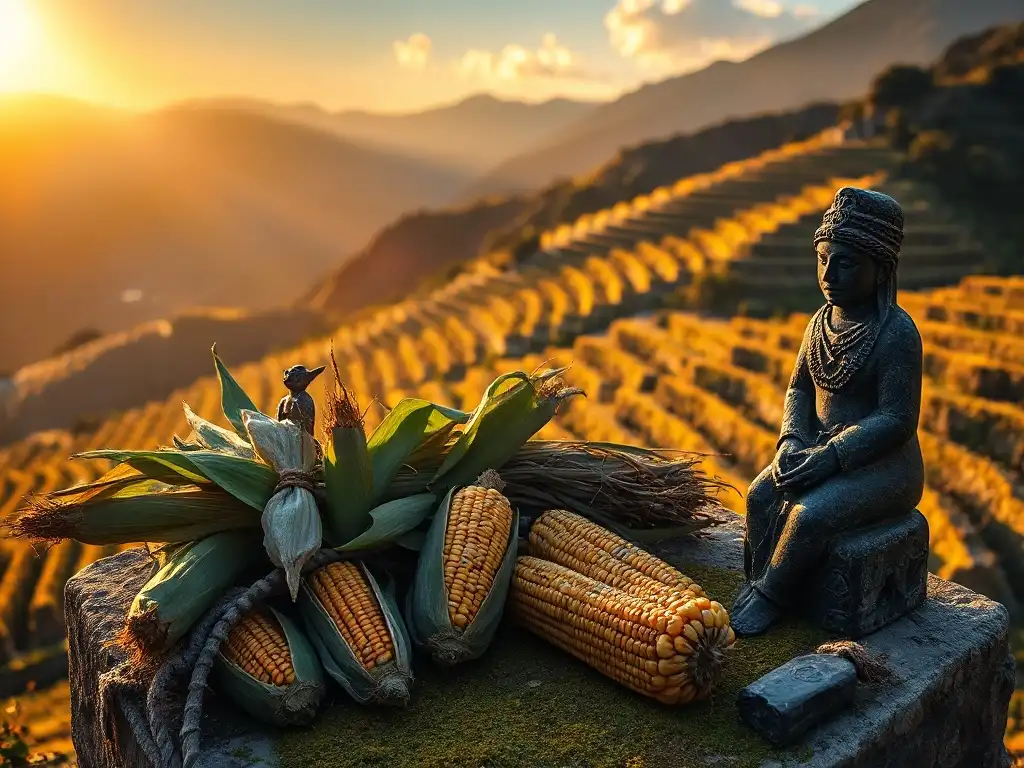
The Inca civilization's success hinged significantly on its sophisticated agricultural practices. Far from being a purely practical endeavor, agriculture was deeply interwoven with Inca religious beliefs and rituals. The Inca worldview considered the land, its fertility, and its produce sacred, necessitating elaborate offerings to ensure continued abundance and appease the gods responsible for agricultural prosperity.
These offerings weren't simply acts of gratitude; they were vital components of the Inca religious calendar, designed to maintain the cosmic balance and guarantee the survival of the empire. The concept of ayni—reciprocity—underpinned this relationship, with the Inca people offering gifts to the deities in exchange for bountiful harvests. Understanding the nature and significance of these offerings provides crucial insights into the intricate relationship between Inca religion and their agricultural success.
The meticulous planning and execution of these ceremonies reflected the profound reverence the Inca held for their agricultural bounty, highlighting the centrality of agriculture to their entire societal structure. The intricate details of these rituals, including the specific offerings and the roles of various participants, provide a compelling glimpse into the spiritual and practical aspects of Inca life.
Types of Inca Agricultural Offerings: Chicha, Animal Sacrifices, and Precious Metals
Inca agricultural offerings encompassed a wide range of items, reflecting the diverse bounty of the Andean landscape and the importance placed on different aspects of agricultural production. One of the most common offerings was chicha, a fermented corn beverage considered sacred. The preparation and offering of chicha involved elaborate rituals, often performed by specialized priests. The quantity and quality of chicha offered could vary depending on the occasion and the desired outcome, ranging from small libations poured onto the earth to large quantities consumed communally during festivals.
Animal sacrifices also played a significant role. Llamas, alpacas, and guinea pigs—all crucial to the Inca economy—were frequently sacrificed, their blood and flesh believed to nourish the earth and appease the agricultural deities. The choice of animal and the manner of sacrifice varied depending on the specific deity being honored and the purpose of the offering. Evidence suggests that the size and condition of the animal sacrificed correlated with the importance of the occasion and the scale of the agricultural needs.
Finally, precious metals such as gold and silver, along with other valuable items like textiles and ceramics, were sometimes offered. These lavish offerings were usually reserved for particularly important ceremonies or times of crisis, underscoring the gravity of the situation and the desperate need for divine intervention to ensure a successful harvest. The use of precious metals highlights the Inca's understanding of the inherent value of their agricultural resources and their willingness to make significant sacrifices to maintain this vital aspect of their civilization.
The Importance of Capacocha Rituals in Inca Agriculture
Capacocha rituals, while encompassing broader religious significance, also played a crucial role in ensuring agricultural prosperity. These human sacrifices, typically involving children chosen for their exceptional qualities, were believed to strengthen the connection between the human and divine realms, ensuring the fertility of the land. While the practice appears brutal by modern standards, it's essential to understand it within the context of Inca cosmology, where such sacrifices were seen as the ultimate act of devotion, a necessary offering to maintain cosmic balance and guarantee the continuity of life and abundance.
The selected children were often from the highest social strata, further emphasizing the importance placed on these rituals and their connection to the empire's well-being, including agricultural success. The locations of Capacocha sites, often strategically positioned in relation to agricultural zones, further underscores the link between these sacrificial rituals and the agricultural cycle.
The Role of Priests in Inca Agricultural Ceremonies
Inca priests, known as hamacs, played a central role in all agricultural ceremonies. They were responsible for interpreting omens, selecting the appropriate offerings, and conducting the rituals themselves. Their knowledge of the agricultural calendar, the celestial cycles, and the specific needs of different crops was crucial to the success of these ceremonies. Their expertise extended beyond mere ritual performance; they also acted as advisors to the ruling elite on matters concerning agricultural policy and resource management.
The hamacs possessed specialized knowledge of herbal remedies and agricultural techniques, integrating their religious authority with practical agricultural expertise. Their influence on agricultural practices and the meticulous planning of religious ceremonies ensured the continued success of Inca agriculture, demonstrating the profound integration of religious and secular aspects of Inca society. The social status and influence of the hamacs solidified the vital role of religion in supporting and regulating Inca agricultural production.
Inca Agricultural Calendar and Religious Festivals
The Inca Empire's success hinged not only on its sophisticated political and military structures but also on its deeply ingrained agricultural practices. Inca agriculture wasn't merely a means of sustenance; it was inextricably woven into the fabric of their religious beliefs and rituals. The Inca calendar, a meticulously observed system, regulated agricultural activities and dictated the timing of numerous religious festivals, all intricately linked to the agricultural cycle and the propitiation of deities associated with fertility and abundance.
Understanding the Inca agricultural calendar is key to comprehending the profound significance of agricultural products within their religious offerings. The cyclical nature of the Inca year, mirroring the rhythms of planting, growth, and harvest, structured their spiritual life as profoundly as it shaped their material existence.
This intricate interplay between agriculture and religion ensured the continuity and prosperity of the Inca civilization. The concept of ayni, reciprocal exchange, extended beyond human interactions to encompass a relationship of reciprocity between humans and the supernatural world, with agricultural bounty being a central element in this exchange.
The Inca Agricultural Year: A Cycle of Rituals and Celebrations
The Inca agricultural year was divided into distinct seasons, each marked by specific agricultural tasks and corresponding religious observances. The capacocha system, involving child sacrifices, wasn't solely a practice of human sacrifice, but also linked to ensuring successful harvests. These sacrifices, though controversial from a modern perspective, were believed to appease the gods and secure bountiful harvests. The timing of these sacrifices often coincided with significant agricultural events like the planting season or the first harvest.
The Inca calendar, based on both solar and lunar cycles, meticulously tracked the optimal times for planting and harvesting various crops, including potatoes, maize, quinoa, and beans. Each stage of the agricultural process—from preparing the land to the final harvest—was accompanied by specific rituals and offerings aimed at ensuring a successful outcome. For example, prayers and offerings were made to the apus (mountain spirits) to request favorable weather conditions and fertile soil.
The Inca worldview saw the entire agricultural process as a sacred act, requiring constant interaction with the spiritual realm. Detailed records, though unfortunately fragmented, reveal the precise timing of many religious observances related to the agricultural cycle, highlighting the centrality of agriculture in Inca religious life. Further research into Inca agricultural practices could reveal a more complete picture of the intricate interplay between their religious beliefs and agricultural techniques.
Inti Raymi: The Festival of the Sun and its Connection to the Harvest
Inti Raymi, the most important festival in the Inca calendar, celebrated the winter solstice and the sun god, Inti. While seemingly focused on the sun, Inti Raymi was profoundly connected to the agricultural cycle. The winter solstice marked the end of the harvest season, a time to give thanks for the bounty received and to pray for a successful planting season in the coming year.
The festival involved elaborate ceremonies, processions, and offerings of agricultural products, including maize, coca leaves, and chicha (a fermented corn beverage). These offerings weren't simply symbolic gestures; they were crucial components of the ritual, representing the community's gratitude and their reliance on the sun god for the provision of sustenance. The grandeur of Inti Raymi underscores the importance of the harvest and the agricultural success it represented.
The festival was a time for reaffirming the bond between the Inca people and their deities, demonstrating their deep respect for the natural world and their dependence on its cyclical rhythm. The abundance of food showcased during Inti Raymi was itself a symbol of the success of the agricultural year and the power of their religious practices.
Capac Raymi and its significance in the Inca agricultural calendar
Capac Raymi, a less widely known but equally significant festival, celebrated the beginning of the agricultural year. Unlike Inti Raymi's focus on the harvest, Capac Raymi centered on the planting season and the promise of future abundance. This festival was characterized by rituals aimed at ensuring the fertility of the land and the successful germination of seeds.
Offerings during Capac Raymi often included seeds, tubers, and other agricultural products intended to symbolize the hopes for a prosperous harvest. The ceremonies involved prayers and invocations to deities associated with fertility and growth, emphasizing the crucial role of agriculture in the Inca social and religious order. Capac Raymi served as a potent reminder of the Inca's dependence on the natural world and their belief in the interconnectedness of the human and spiritual realms.
The meticulous timing of Capac Raymi, aligned with the beginning of the planting season, further highlights the integral role of agriculture in the Inca's religious calendar and their worldview. Further research is needed to fully understand the specific rituals and offerings associated with Capac Raymi, given the limited surviving records. The study of Inca religious offerings related to agriculture provides valuable insights into the worldview and practices of this remarkable civilization.
The Symbolic Meaning of Agricultural Products in Inca Rituals
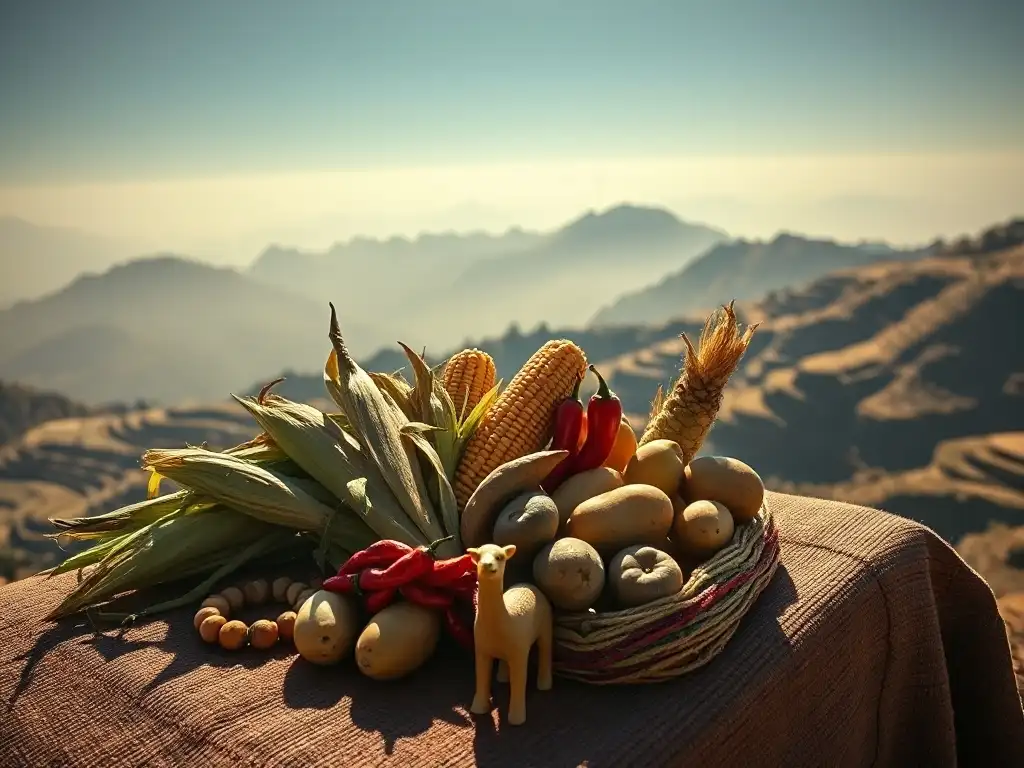
The Inca civilization, renowned for its sophisticated agricultural techniques, deeply intertwined its religious beliefs and practices with the bounty of the land. Agricultural products weren't merely sustenance; they held profound symbolic meaning, representing fertility, prosperity, and the very life force of the empire. Understanding the symbolic weight of these offerings is crucial to comprehending the intricacies of Inca religious life.
The meticulous nature of Inca agriculture, evident in their terracing, irrigation systems, and crop diversification, underscores the reverence they held for the earth and its produce. This reverence translated directly into their ritualistic practices, where offerings played a pivotal role in maintaining cosmic balance and ensuring continued agricultural success.
The Inca worldview saw the agricultural cycle as intrinsically linked to the spiritual realm, making agricultural products potent symbols within their religious framework. This section will explore the specific roles of key crops in Inca religious offerings, highlighting their symbolic importance and demonstrating how deeply interwoven Inca religion and agriculture truly were.
The Sacredness of Corn (Maize) in Inca Offerings
Corn, or maize, held unparalleled sacredness in Inca culture. Considered a gift from the gods, it represented life, fertility, and the sun's power. Its central role in Inca mythology is undeniable; many creation myths feature maize as a fundamental element.
Inca religious offerings frequently featured corn in various forms: whole ears, roasted kernels, corn beer ( chicha), and even cornmeal used in ritual preparations. The color of the corn also held symbolic significance; yellow corn, for example, was often associated with the sun god, Inti. The quantity of corn offered varied depending on the occasion and the deity being honored.
Large-scale festivals, such as the Inti Raymi (Festival of the Sun), would involve massive offerings of corn, symbolizing the abundance and prosperity sought for the empire. Archaeological evidence consistently supports this, with numerous sites revealing remnants of corn-based offerings in temples and sacred spaces. The meticulous preparation and presentation of corn in these offerings further underscore its sacred status.
The Role of Potatoes and Other Andean Crops in Inca Religious Life
While corn held a prominent position, potatoes and other Andean crops played equally vital roles in Inca religious life. The diverse range of potato varieties cultivated by the Inca, each adapted to specific altitudes and climates, reflected their sophisticated agricultural knowledge and their deep connection with the land. Potatoes, alongside quinoa, beans, and other crops, were frequently included in offerings, symbolizing the earth's bounty and the Inca's gratitude for the fertile land.
These offerings weren't limited to major festivals; smaller, more localized rituals often involved offerings of locally grown crops, reflecting a strong connection between the community and their immediate environment. The inclusion of diverse crops in offerings also highlights the Inca's understanding of the interconnectedness of the different agricultural zones within their empire. This integration of various crops in religious rituals further emphasizes the multifaceted nature of Inca agriculture and its significance in their worldview.
The Use of Coca in Inca Rituals and its Connection to Agriculture
Coca leaves, though not a staple crop in the same way as corn or potatoes, held significant religious importance within Inca society. While primarily known for its stimulant properties, coca leaves were also considered sacred and were used in various rituals. Their connection to agriculture stemmed from their cultivation and the labor involved in their harvest.
The coca plant's cultivation often required specific ecological conditions and meticulous care, reflecting the Inca's commitment to sustainable agricultural practices. Coca leaves were frequently included in offerings to deities, particularly those associated with fertility and abundance. The act of chewing coca leaves during rituals was also a common practice, believed to enhance communication with the spiritual realm.
The meticulous cultivation and ceremonial use of coca leaves further demonstrate the pervasive influence of agriculture on all aspects of Inca life, even extending to their spiritual practices. The presence of coca in offerings alongside other agricultural products reinforces the comprehensive and holistic perspective the Inca held towards the land and its produce.
The Lasting Legacy of Inca Agriculture and Religious Beliefs
The Inca Empire's success wasn't solely built on military might and sophisticated engineering; its foundation lay in a deeply intertwined relationship between agriculture and religious beliefs. The Inca worldview considered agriculture a sacred practice, deeply connected to the cosmos and the gods. This section delves into the enduring legacy of this unique perspective, examining how Inca agricultural practices shaped religious life and continue to resonate in modern Andean culture.
Understanding this connection offers crucial insights into the Inca worldview and their sophisticated societal structure, illuminating the profound impact of their agricultural innovations on their religious rituals and offerings. The keywords Inca agriculture religious offerings are central to this understanding. The inextricable link between the fertile earth and the divine permeated every aspect of Inca life, from daily routines to elaborate ceremonies.
Inca Agricultural Techniques and Their Relevance Today
Inca agricultural techniques were remarkably advanced for their time, reflecting a deep understanding of environmental factors and a commitment to sustainable practices. Their mastery of terracing, irrigation systems (like canales and andenes), and crop diversification allowed them to cultivate diverse landscapes, from high-altitude slopes to arid coastal regions. These techniques weren't merely practical; they were imbued with religious significance. The construction of andenes, for instance, was often accompanied by rituals and offerings to ensure the fertility of the land and appease the earth deities.
The meticulous planning and execution of these projects demonstrate the Inca's profound respect for the land and their belief in its inherent sacredness. Even today, many Andean communities continue to utilize variations of these ancient techniques, demonstrating the enduring practical and spiritual value of Inca agricultural knowledge. The successful cultivation of crops like potatoes, maize, and quinoa, staples of the Inca diet, directly impacted their religious practices.
Abundant harvests were seen as blessings from the gods, prompting gratitude and elaborate offerings. Conversely, crop failures were interpreted as divine displeasure, leading to appeasement rituals and prayers for renewed fertility. This delicate balance between human action and divine intervention highlights the central role of agriculture in the Inca worldview.
The Influence of Inca Religious Practices on Modern Andean Culture
The influence of Inca religious practices, deeply rooted in their agricultural traditions, persists in modern Andean culture. Many contemporary Andean communities retain elements of Inca agricultural rituals, incorporating them into their own unique spiritual practices. For example, the celebration of Pachamama (Mother Earth) continues to be a significant event, with offerings of food and drink to honor the earth's bounty.
This act directly reflects the Inca emphasis on showing respect and appreciation for the land's fertility. The continuity of these traditions underscores the enduring power of Inca religious beliefs and their deep connection to the land. Furthermore, the use of traditional Inca agricultural techniques, such as terracing and irrigation, continues in many rural communities, not only for practical purposes but also as a way of maintaining a connection to their ancestral heritage and spiritual beliefs.
This blend of practicality and spiritual significance highlights the lasting legacy of Inca agriculture and its profound impact on the cultural identity of the Andean region. The enduring practice of these rituals demonstrates the seamless integration of agricultural practices and religious beliefs within Andean communities, a testament to the enduring power of the Inca legacy. The legacy of Inca agricultural spirituality continues to shape the cultural landscape of the Andes, influencing religious practices, social structures, and even agricultural techniques.
Preserving the Heritage of Inca Agricultural Spirituality
Preserving the heritage of Inca agricultural spirituality requires a multifaceted approach that combines archaeological research, anthropological studies, and community engagement. Careful excavation and analysis of Inca agricultural sites can reveal further details about their religious practices and beliefs. Ethnographic studies of contemporary Andean communities can provide valuable insights into the continuity and evolution of Inca agricultural traditions.
Moreover, collaboration with local communities is crucial to ensure that the preservation efforts are respectful of their cultural heritage and contribute to the sustainability of their livelihoods. This collaborative approach is essential for safeguarding this valuable aspect of Andean cultural heritage and ensuring its transmission to future generations. Documenting and understanding these practices is not merely an academic exercise; it is a vital step in preserving a rich and complex cultural legacy.
The preservation of Inca agricultural spirituality is not only about protecting historical sites and artifacts; it's about safeguarding a living tradition that continues to shape the lives and identities of Andean communities. The ongoing research and preservation efforts contribute to a deeper understanding of the Inca agriculture religious offerings, enriching our knowledge of this fascinating civilization and its enduring legacy. The importance of this work cannot be overstated; it ensures that the spiritual and practical wisdom of the Inca remains accessible to future generations.
Frequently Asked Questions
What role did agriculture play in Inca religion?
Agriculture was central to Inca religion. Their beliefs were deeply intertwined with the fertility of the land, and successful harvests were seen as blessings from the gods. Many rituals were performed to ensure agricultural abundance.
What types of offerings were made to ensure good harvests?
Inca offerings included foodstuffs, such as maize, potatoes, and coca leaves, as well as animals, like llamas and alpacas. They also offered precious metals and textiles, demonstrating the value placed on agricultural success.
How did the Inca's agricultural practices influence their religious beliefs?
The Inca's innovative terracing and irrigation systems, crucial for their agricultural success, were viewed as sacred. Their religious beliefs directly impacted their agricultural practices, leading to rituals aimed at appeasing the gods and ensuring bountiful harvests.
Were there specific deities associated with Inca agriculture?
Yes, several deities were associated with agriculture and fertility. Pachamama, the Earth Mother, was a particularly important deity, and offerings were made to ensure her favor and agricultural prosperity.
The Inca's religious beliefs reinforced their social structure, with the elite overseeing agricultural production and distributing resources. This system ensured the success of agriculture and the continuation of their religious practices tied to it.
Final Reflection: Sowing Seeds of Faith: Agriculture's Enduring Legacy in Inca Spirituality
The intricate relationship between Inca agriculture and religious practice remains profoundly relevant today, demonstrating the enduring power of connecting spiritual beliefs with the practicalities of sustenance. Understanding this connection offers a crucial lens through which to view not only Inca civilization but also our own relationship with the land and the resources it provides. The very act of cultivating the earth was, for the Inca, an act of worship.
The impact of this agricultural spirituality continues to resonate in modern Andean cultures, shaping their worldview and practices. The deep reverence for the land and its bounty, a core tenet of Inca belief, persists in many communities. This enduring legacy underscores the importance of recognizing the interconnectedness of our actions and the environment, a lesson we desperately need to heed in the face of modern ecological challenges. The earth does not belong to man; man belongs to the earth.
- Chief Seattle. This quote, though not directly from Inca tradition, perfectly encapsulates the profound respect for nature that characterized their agricultural practices and religious beliefs.
Consider the profound implications of the Inca's approach. What can we learn from their holistic integration of spirituality and practicality? How can we cultivate a similar respect for the land and its resources in our own lives? I urge you to reflect on the interconnectedness of our actions, our beliefs, and the world around us. Let the legacy of Inca agricultural spirituality inspire you to cultivate a more sustainable and meaningful relationship with the earth.
**Nurture Your Knowledge: Embrace the Richness of Andean Agriculture! **
Thank you for exploring the intricate relationship between agriculture and the spiritual life of the Inca civilization. You've uncovered the profound significance of agricultural practices in their religious beliefs and cultural identity. Now, let's put your newfound knowledge into practice!
Here are some ways to deepen your understanding and connect further with this remarkable aspect of Andean history:
- **Visit a local farmers' market** to witness the enduring connection between agriculture and culture. Observe how contemporary farming techniques often reflect the ingenuity and traditions of the Inca people.
- **Join a community garden** and cultivate plants historically important to the Incas, such as maize or quinoa. This hands-on experience will provide invaluable insight into their agricultural legacy and its enduring impact.
- **Share your knowledge! ** Discuss your insights into Inca agriculture and spirituality with friends, family, or online communities. Spark conversations about how these ancient practices continue to influence our understanding of agriculture and spirituality today.
Which aspect of Inca agricultural practices resonates most with you, and how do you believe it shapes our understanding of their religious life and its continuing influence on modern society?