
The Practice of Fasting and Abstinence in Inca Religion

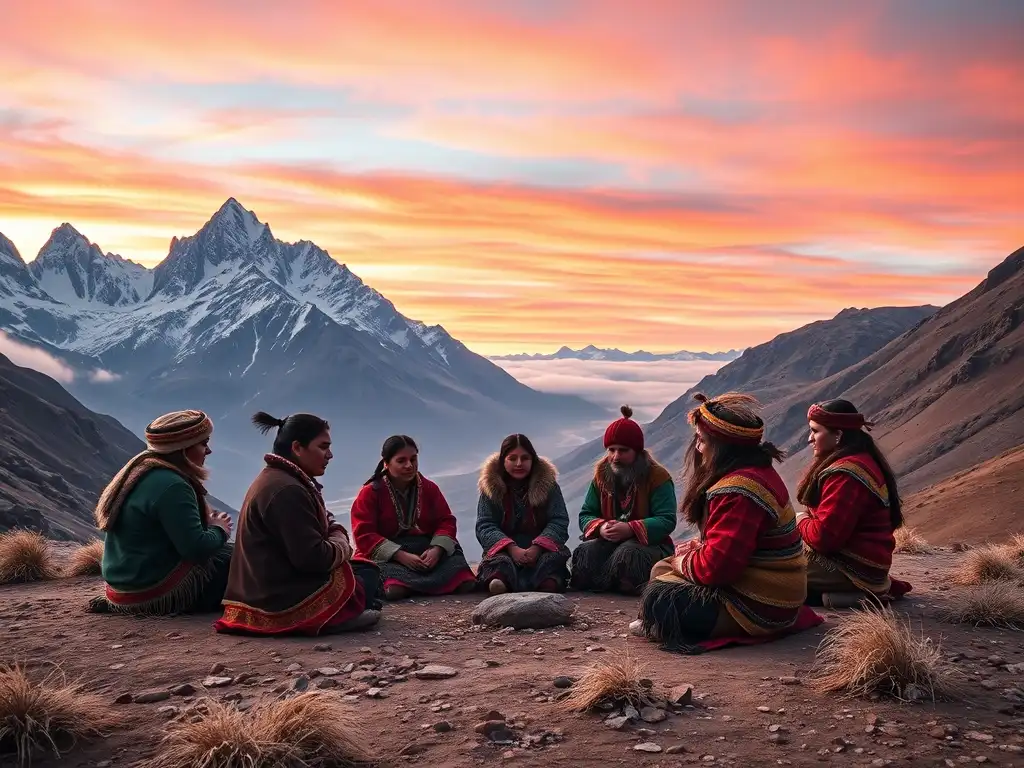
Step into a world lost to time, yet echoing with the whispers of a magnificent empire. Dive into the fascinating world of the Andean civilizations, where vibrant cultures thrived and innovative technologies flourished. But what secrets lie hidden within the ancient stones? This journey begins with an exploration of Inca fasting rituals, a practice shrouded in mystery, revealing surprising insights into Inca religion and spirituality. Uncover the captivating truths behind these ancient customs and prepare to be amazed.
- The Significance of Fasting and Abstinence in Inca Religion
- Inca Fasting Rituals: A Deep Dive
- The Role of Abstinence in Inca Religious Life
- Examples of Fasting and Abstinence in Inca Society
- The Spiritual Dimensions of Inca Fasting
- Contrasting Inca Fasting with Other Andean Traditions
- The Legacy of Inca Fasting Rituals
- Frequently Asked Questions
- Final Reflection: Echoes of the Sun: Fasting and Abstinence in Inca Life
- Embrace the Ancient Wisdom of Inca Fasting!
The Significance of Fasting and Abstinence in Inca Religion
The Inca Empire, a civilization renowned for its intricate social structures, sophisticated engineering feats, and awe-inspiring artistic achievements, also possessed a deeply complex religious system. This system, far from being a mere collection of beliefs, permeated every aspect of Inca life, shaping their daily routines, agricultural practices, and political landscape.
Central to this religious framework was the practice of fasting and abstinence, rituals not merely symbolic but deeply embedded in their cosmology and relationship with the divine. This article delves into the multifaceted nature of Inca fasting rituals, exploring their purpose, methods, and significance within the broader context of Inca religious beliefs and societal structures.
Understanding these practices provides crucial insight into the Inca worldview and their profound connection to the natural world and the spiritual realm. We will examine how these "Inca fasting rituals" served as a vital link between the human and divine spheres, influencing everything from agricultural cycles to the legitimacy of their rulers.
Understanding Inca Religious Practices
Inca religion wasn't a codified system like many modern religions. Instead, it was a vibrant tapestry woven from a multitude of beliefs and practices passed down through generations. Their religious worldview was deeply animistic, believing that spirits inhabited everything from mountains and rivers to animals and plants.
The Inca worshipped a pantheon of deities, each associated with specific aspects of nature and human life. The sun god, Inti, held supreme importance, followed by the moon goddess, Mama Killa, and other powerful deities like Viracocha, the creator god. These deities weren't simply observed but actively engaged with through a complex system of rituals, offerings, and, importantly, fasting and abstinence.
The practice wasn't uniform across all social strata; the intensity and frequency of fasting varied based on social standing and specific religious occasions. For example, the Sapa Inca, the emperor, would undertake significant fasts, often in conjunction with major festivals or state events, thereby reinforcing his spiritual connection to the divine and solidifying his position as a mediator between the human and spiritual realms.
Types of Inca Fasting and Abstinence
The Inca employed various forms of fasting and abstinence, each carrying unique spiritual significance. These weren't simply periods of food deprivation but encompassed a broader spectrum of self-denial. Some fasts involved complete abstinence from food and drink for specific periods, often coinciding with significant religious festivals or agricultural cycles.
Other forms of abstinence involved abstaining from specific foods or activities deemed impure or disruptive to the spiritual harmony. These practices weren't arbitrary; they reflected a deep understanding of the interconnectedness of the physical and spiritual worlds. For instance, abstaining from certain foods during planting season might have been seen as a way to ensure a bountiful harvest, aligning human actions with the rhythms of nature.
Detailed records of these practices are unfortunately scarce, relying heavily on interpretations of archaeological findings and accounts from Spanish chroniclers, who, while providing valuable information, often viewed Inca practices through a Eurocentric lens. Further research is needed to fully understand the nuances and regional variations within these practices.
The Role of Fasting in Inca Festivals and Ceremonies
Inca festivals and ceremonies were often marked by periods of collective fasting. These communal fasts served to unify the population, reinforcing their shared faith and dependence on the divine for prosperity. Fasting before significant events, such as the Inti Raymi, the festival of the sun, was a crucial element in preparing for the celebration and ensuring its success.
These periods of abstinence were believed to purify participants, making them more receptive to the divine presence and increasing the effectiveness of the rituals. The intensity of the fasts likely varied depending on the importance of the specific ceremony and the status of the participants.
The Sapa Inca's participation in these collective fasts further emphasized the importance of the events and strengthened the social and spiritual bonds within the empire. Archaeological evidence, such as ceremonial sites and artifacts, hints at the scale and significance of these communal fasts, suggesting they were integral to the maintenance of social order and the continuation of Inca traditions.
Beyond the spiritual realm, fasting also held significant social and political implications. The emperor's participation in public fasts served to reinforce his authority and legitimacy. By undergoing the same hardships as his subjects, he demonstrated his commitment to the well-being of his people and his connection to the divine.
This practice fostered a sense of unity and strengthened the bond between the ruler and the ruled. Moreover, fasting could be used as a form of penance or atonement for transgressions, both by individuals and the community as a whole. This suggests a sophisticated understanding of the relationship between individual actions, societal well-being, and the intervention of the divine.
The use of fasting as a tool for social and political control highlights the interwoven nature of religion, politics, and social life within the Inca Empire. Further investigation into Inca social structures and political systems is required to fully analyze the complex interplay of these elements.
Inca Fasting Rituals: A Deep Dive
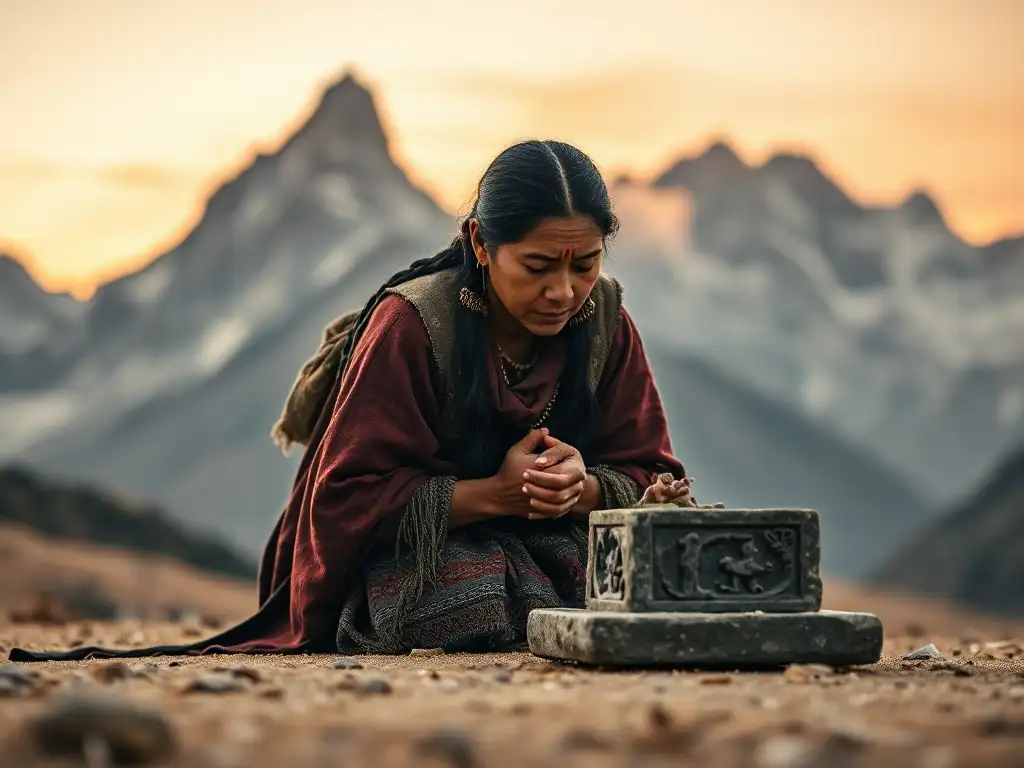
Inca society, deeply interwoven with a complex spiritual worldview, incorporated fasting and abstinence as integral components of its religious practices. These rituals, far from simple dietary restrictions, served multifaceted purposes, reflecting the Incas' profound connection to the natural world and their intricate social hierarchy. Understanding these practices offers a crucial window into the beliefs and values that shaped Inca civilization.
The term "Inca fasting rituals" encompasses a range of behaviors, from periodic abstention from specific foods to prolonged fasts undertaken for specific religious objectives. This section delves into the intricacies of these rituals, exploring their purpose, variety, and significance within the Inca religious landscape.
The Purpose of Fasting in Inca Culture
The purpose of fasting in Inca culture was multifaceted and deeply symbolic. It wasn't simply about abstaining from food; it was a spiritual act aimed at achieving several interconnected goals. Firstly, fasting was believed to purify the body and spirit, preparing individuals for communion with the divine. This purification was vital before participating in important religious ceremonies or seeking divine guidance. The act of self-denial was seen as a way to demonstrate humility and devotion to the gods, earning their favor and blessings.
Secondly, fasting played a significant role in maintaining ayni, the principle of reciprocity that governed Inca social relations. By denying themselves sustenance, individuals were demonstrating their commitment to the community and their willingness to sacrifice for the common good. This act of self-sacrifice mirrored the cyclical nature of Andean agriculture, where periods of scarcity were followed by abundance, fostering a sense of communal responsibility and interdependence.
Finally, fasting was often employed to seek divine intervention in times of crisis. Droughts, illnesses, or impending warfare might prompt communal fasts, with the hope that such acts of piety would appease the gods and bring about a favorable outcome.
These practices highlight the intimate relationship between the spiritual and material realms in Inca belief, demonstrating how religious rituals were intricately linked to the everyday concerns of the community. Archaeological evidence, while limited in directly portraying fasting practices, supports this interpretation through the discovery of ritual objects and the analysis of skeletal remains that sometimes show signs of malnutrition, potentially correlating with periods of religious fasting.
Types of Inca Fasting Practices
Inca fasting practices varied in intensity and duration, reflecting the specific purpose and context. Some fasts were individual practices, undertaken by individuals seeking personal spiritual growth or divine guidance. These could range from abstaining from certain foods for a day to more prolonged periods of fasting, perhaps lasting several days.
Other fasts were communal events, involving entire communities or specific social groups. These were often associated with significant religious festivals or agricultural cycles. For example, fasting might precede a harvest festival, symbolizing a period of waiting and anticipation before the bounty of the harvest. The intensity of communal fasts could be quite rigorous, involving complete abstinence from food and drink for extended periods. This collective act of self-denial reinforced social bonds and strengthened community identity.
The specific foods or drinks avoided during fasting also varied. While complete abstinence was sometimes practiced, other times, individuals might abstain from particular foods considered sacred or associated with specific deities. For instance, certain types of maize or llama meat might be avoided during specific periods, reflecting the symbolic significance of these resources within the Inca worldview. Further research is needed to fully understand the nuanced variations in dietary restrictions across different regions and social groups within the Inca Empire. The limited written records and the challenges of interpreting archaeological evidence continue to present obstacles to a complete understanding.
Abstinence from Food and Drink
Abstinence from food and drink represented the most extreme form of Inca fasting. While not a common practice for extended periods, it was employed in specific circumstances, highlighting the profound significance of the ritual. This complete abstinence was often undertaken by individuals preparing for important religious ceremonies, such as those involving the capacocha (human sacrifice), or by individuals seeking divine favor in times of great need.
The duration of these complete abstention periods varied but could last several days. The physical hardship associated with these fasts further emphasized the sincerity of the devotee's commitment and their willingness to undergo considerable sacrifice to honor the gods. The survival of individuals undertaking such extreme fasts speaks to their rigorous physical and mental preparation, reflecting the level of commitment required for participation in such practices.
The potential health risks associated with such complete abstention underscore the importance of these practices within the context of Inca religious belief and the significance of the relationship between spiritual devotion and physical endurance. Further research into the physiological effects of such fasting practices on the human body, within the context of the Inca environment and diet, would significantly enhance our understanding of these rituals.
Sexual Abstinence in Inca Religious Contexts
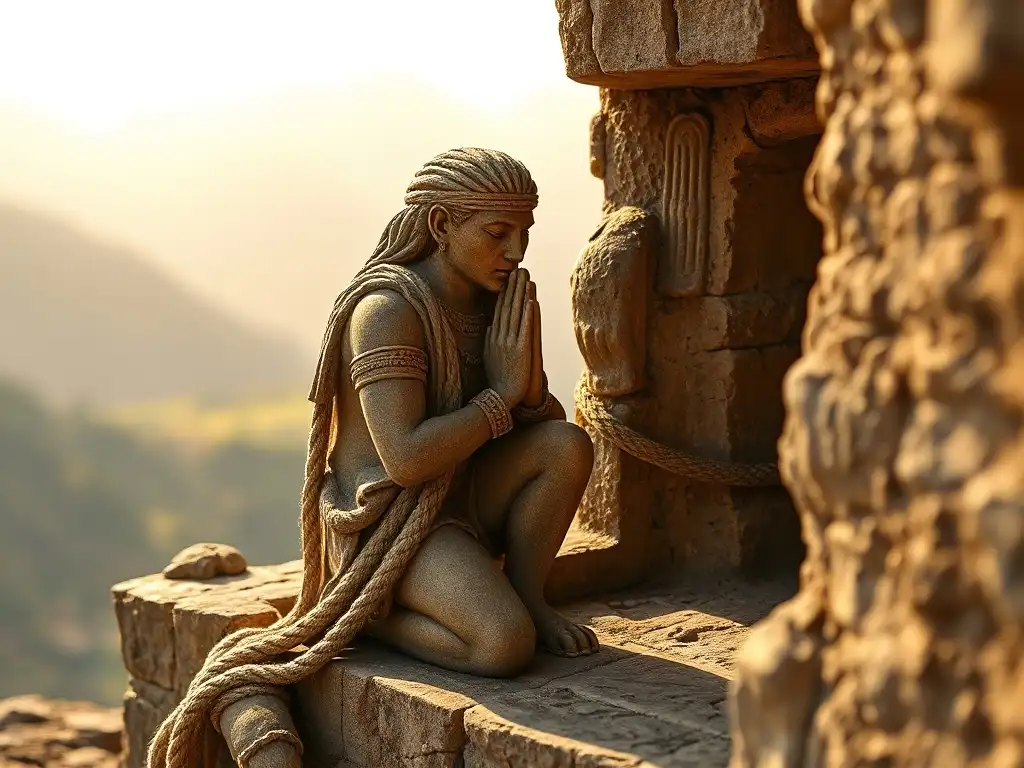
Sexual abstinence played a significant role in Inca religious practices, particularly in the context of preparing for important ceremonies and festivals. This wasn't simply a matter of avoiding sexual activity; it was viewed as a crucial spiritual act, a form of purification and dedication to the gods. The Inca believed that by abstaining from sexual relations, individuals could achieve a heightened state of spiritual purity, making them more receptive to the divine. This abstinence was often observed for extended periods, sometimes lasting weeks or even months leading up to major events.
The length of the abstinence period often depended on the importance of the specific ceremony. For example, preparations for the Inti Raymi, the festival dedicated to the sun god Inti, involved rigorous periods of abstinence for the priests and participants. Violation of these abstinence rules was considered a serious offense, potentially incurring the wrath of the gods and disrupting the cosmic balance.
Archaeological evidence, although not directly depicting sexual abstinence, supports the importance of ritual purity in Inca society, suggesting a strong link between physical restraint and spiritual devotion. The concept of camaquen (chastity) was highly valued, especially among the elite and priesthood. Furthermore, the emphasis on fertility in Inca religion created a paradox: while procreation was celebrated, controlled abstinence was seen as essential for maintaining spiritual harmony and ensuring the success of sacred rituals.
Fasting as Preparation for Inca Ceremonies
Fasting was a common practice among the Inca, serving as a crucial element in preparing for important religious ceremonies and festivals. This wasn't simply a matter of skipping meals; it was a deliberate act of spiritual discipline, a way of cleansing the body and mind to better connect with the divine. Different types of fasting were practiced, ranging from short periods of abstaining from certain foods to complete fasts lasting several days. The severity and duration of the fast often depended on the importance of the upcoming ceremony.
For lesser ceremonies, a partial fast, perhaps omitting meat or alcohol, might suffice. However, major festivals like Inti Raymi or Capac Raymi would often involve complete abstinence from food and drink for extended periods. The belief was that by denying the body physical pleasures, individuals could elevate their spiritual awareness and enhance their ability to commune with the gods. Priests, in particular, were expected to engage in rigorous fasting rituals as part of their preparation for performing religious duties.
These fasts were not merely physical acts; they were deeply spiritual experiences, intended to foster humility, self-discipline, and a closer connection with the supernatural world. The Inca saw fasting as a way to purify the soul, preparing it to receive divine blessings and participate fully in the sacred rituals. Chronicles and accounts from Spanish conquistadors, while often biased, provide some corroboration of these fasting practices, albeit from an outsider's perspective. Further research into Inca religious texts and archaeological findings is needed to fully understand the nuances of these practices.
The Role of Abstinence in Inca Religious Life
The Inca worldview was deeply intertwined with the natural world and the cyclical rhythms of life, death, and rebirth. This profound connection manifested in a complex religious system where fasting and abstinence played a crucial role, not merely as acts of piety, but as powerful tools for achieving spiritual purity, communicating with the divine, and ensuring the well-being of the community.
Understanding the practice of Inca fasting rituals requires recognizing its multifaceted nature, extending beyond simple dietary restrictions to encompass a broader spectrum of self-denial and spiritual discipline. The severity and duration of abstinence varied depending on the specific ritual, the individual's status, and the desired outcome.
Cleansing and Purification Through Abstinence
Abstinence, particularly fasting, was a fundamental aspect of Inca fasting rituals designed to cleanse the body and spirit of impurities. The Incas believed that physical and spiritual purity were inextricably linked. Consuming certain foods or engaging in specific activities could contaminate an individual, hindering their ability to connect with the divine.
Fasting, therefore, served as a powerful means of removing these impurities, preparing the individual for participation in religious ceremonies or for seeking divine favor. This purification process wasn't merely about abstaining from food; it also involved abstaining from sexual activity, alcohol, and certain pleasurable activities. The duration of these fasts could range from a single day to several weeks, depending on the ritual's significance.
For example, before a major festival dedicated to a specific deity, priests and participants might engage in extended periods of abstinence to achieve a heightened state of spiritual readiness. The act of self-denial was seen as a demonstration of devotion and a way to align oneself with the divine will. The physical discomfort of hunger was viewed as a sacrifice that fostered humility and strengthened the connection to the spiritual realm.
Abstinence and the Connection to the Gods
Fasting wasn't simply a means of self-purification; it was also a crucial mechanism for establishing communication with the gods. By abstaining from worldly pleasures, the Incas believed they could elevate their consciousness and achieve a state of heightened awareness, making them more receptive to divine messages. Priests, in particular, frequently engaged in extended periods of fasting before undertaking divination rituals or communicating with the apus (mountain spirits).
This practice allowed them to enter a trance-like state, facilitating access to the spiritual world and enabling them to interpret omens, receive guidance, or offer prayers on behalf of the community. The act of self-denial was viewed as a way of demonstrating respect and reverence for the deities, creating a space for reciprocal communication and divine intervention.
The more stringent the abstinence, the more potent the connection with the divine was believed to be. This emphasis on the power of self-denial highlights the deeply spiritual nature of Inca fasting rituals and their central role in the Inca religious system.
Inca Rituals and Sacrifices Involving Fasting
Many Inca rituals and sacrifices incorporated fasting as an integral component. The Capacocha, a ritual involving the sacrifice of children and young adults, was preceded by a period of fasting and purification for both the victims and the participants. This period of abstinence was seen as a way of preparing the individuals for their sacred role, elevating them to a state of purity worthy of offering themselves to the gods.
While the details of the Capacocha remain debated, it's clear that fasting played a significant role in the context of this ritual. Furthermore, during agricultural festivals, fasting might be prescribed for specific individuals or the entire community to ensure a bountiful harvest. The act of abstaining from food symbolized the community’s reliance on the divine for sustenance, reinforcing their dependence on the gods and fostering a sense of collective responsibility.
These examples illustrate the diverse ways in which fasting was integrated into Inca religious practices, reflecting its importance in maintaining social order, ensuring agricultural prosperity, and establishing a connection with the divine. Further research into specific regional variations of Inca religion is needed to fully understand the nuances of Inca fasting rituals and their broader significance within the Inca empire. The available data suggests a significant role, but more detailed analysis is necessary to fully uncover the complexities and variations of these practices across different Inca communities.
The Timing and Duration of Inca Fasts
The timing and duration of Inca fasts were not standardized across all situations but were carefully calibrated to specific religious events and individual circumstances. While precise records are scarce, archaeological evidence and surviving accounts from Spanish chroniclers provide glimpses into this intricate aspect of Inca religious practice. Fasting was often tied to the agricultural calendar, with significant fasts occurring before and after the harvest, coinciding with crucial moments in the agricultural cycle.
This ensured the continuity of food supply and appeased the gods responsible for fertility and abundance. The timing also aligned with significant Inca festivals, such as Inti Raymi, the festival dedicated to the sun god Inti, where prolonged periods of abstinence were observed by select individuals, possibly priests or nobility.
The duration of a fast could vary considerably. Some fasts might have lasted only a single day, while others, particularly those associated with major religious ceremonies or initiations, could extend for several days or even weeks. The length of the fast was likely determined by the importance of the religious event and the social status of the individual undertaking the abstinence. Longer fasts, involving the complete abstention from food and drink, were likely viewed as more potent acts of devotion and sacrifice, demonstrating a deeper commitment to the divine.
Shorter fasts, on the other hand, might have been more common for the general population, integrated into daily life as a regular practice of piety. It's important to note that the concept of "fasting" in the Inca context may not always equate to the complete absence of food and drink as understood in other cultures. Instead, it could encompass various degrees of dietary restriction, including the avoidance of certain foods, the reduction of food intake, or abstaining from food at specific times of the day.
Further research is needed to fully understand the nuances of Inca fasting practices, particularly regarding the diversity of fasting regimens across different social strata and geographical regions within the vast Inca Empire. Unfortunately, many details remain lost to time, obscured by the destruction of Inca records and the biases inherent in colonial accounts. The challenge lies in discerning between factual accounts and interpretations colored by the Spanish worldview.
Examples of Fasting and Abstinence in Inca Society
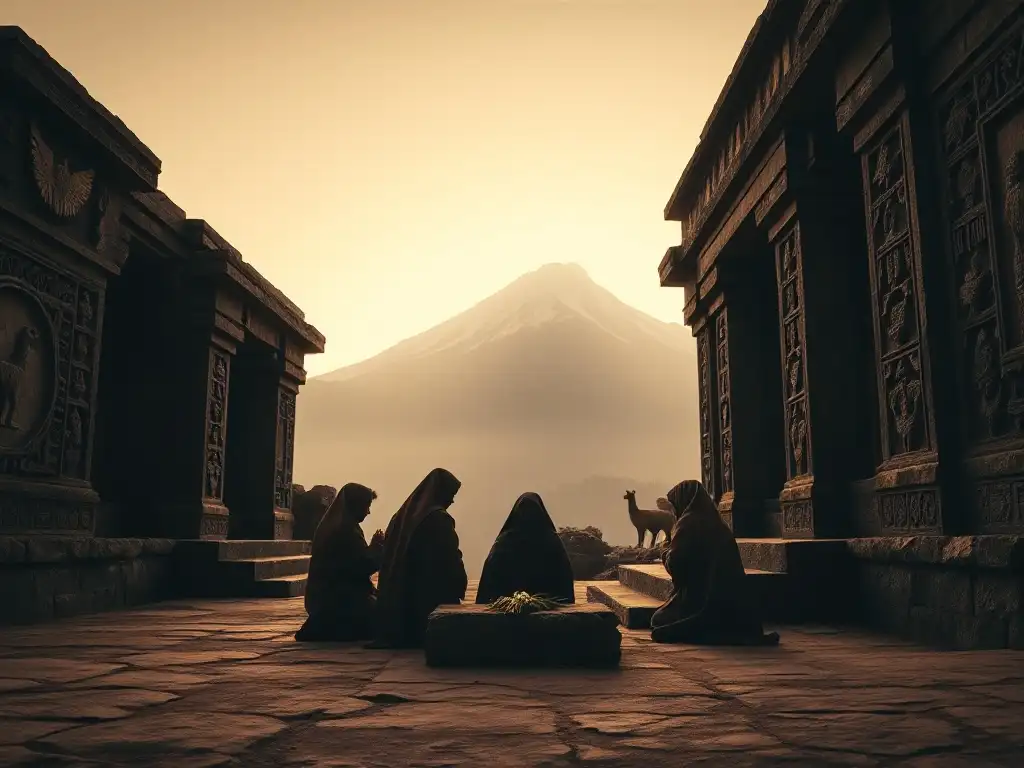
The Inca Empire, renowned for its sophisticated social structure and intricate religious beliefs, incorporated fasting and abstinence as integral components of its spiritual practices. These practices weren't merely acts of self-denial; they were deeply symbolic rituals connected to the agricultural cycle, the veneration of deities, and the maintenance of cosmic balance. The intensity and frequency of these practices varied significantly depending on social standing, with the elite engaging in more rigorous observances than commoners. The pervasiveness of "Inca fasting rituals" underscores their importance in Inca religious life.
Fasting in Inca Royal Lineage
Fasting within the Inca royal lineage held particular significance, functioning as a means to maintain the sacred connection between the Sapa Inca (emperor) and the divine. The Sapa Inca, considered a direct descendant of the sun god Inti, was expected to uphold a strict regimen of abstinence, particularly during significant festivals and agricultural cycles. These fasts weren't simply about abstaining from food; they also involved limitations on sensual pleasures and rigorous self-discipline.
Historical accounts suggest that these fasts could last for several days, culminating in elaborate ceremonies and offerings to the gods. The Sapa Inca's adherence to these rigorous "Inca fasting rituals" reinforced his divine authority and strengthened the bond between the ruler and his people. The intensity of these practices likely varied depending on the specific ritual and the Sapa Inca's individual piety.
Further research is needed to fully understand the nuances of fasting practices within the royal family. For example, [Specific details on the duration and types of food avoided by the Sapa Inca pending].
Fasting Among Inca Priests and Priestesses
Inca priests and priestesses, the intermediaries between the divine and the human world, played a crucial role in conducting and participating in religious fasts. Their fasting practices were often more prolonged and demanding than those of the common people. They were expected to maintain a state of ritual purity, achieved through abstinence from certain foods and activities.
This included abstaining from alcohol, certain meats (like llama or alpaca), and spicy foods, believed to disrupt the delicate balance of the body and spirit. Moreover, they often engaged in extended periods of fasting before major religious ceremonies, seeking divine guidance and ensuring the success of the rituals. The rigorous nature of these "Inca fasting rituals" amongst the priesthood highlights their dedication to their religious roles and underscores the importance placed on spiritual purity.
Detailed records of the specific types of fasts undertaken by priests and priestesses are limited, necessitating further investigation into this aspect of Inca religious life. [Specific examples of fasting rituals performed by priests and priestesses pending].
Common People's Observance of Fasting
While the elite engaged in more formalized and extensive fasts, fasting was also a common practice among the Inca populace. These fasts were often tied to the agricultural calendar, with periods of abstinence observed before and after the planting and harvesting seasons. These were less stringent than the fasts undertaken by the royal family or the priesthood, often involving temporary abstinence from specific foods rather than complete starvation.
For instance, individuals might abstain from certain meats or specific crops during critical periods of the agricultural cycle. Furthermore, fasting was frequently associated with individual acts of penance or seeking divine intervention for healing or good fortune. These more personal "Inca fasting rituals" demonstrate the deeply ingrained nature of fasting within Inca society, extending beyond the elite to encompass all levels of the social hierarchy.
[Data on the frequency and specific practices of fasting among commoners pending]. The integration of fasting into daily life reveals a society deeply connected to its spiritual beliefs and agricultural rhythms. The common people's participation in these rituals, though less elaborate, played a significant role in maintaining the collective spiritual well-being of the Inca empire.
The Impact of Inca Fasts on Society
Inca fasting, far from being a solely individual practice, profoundly impacted the social fabric of the empire. The collective nature of many fasts fostered a sense of community and shared purpose, strengthening social bonds and reinforcing the hierarchical structure. Participation in these rituals demonstrated loyalty to the Sapa Inca and the state religion, solidifying the emperor's authority and the legitimacy of his rule.
The disciplined self-denial inherent in fasting was seen as a way to purify not only the individual but also the community, contributing to a sense of collective well-being and social harmony. Successful harvests, military victories, and the overall prosperity of the empire were often attributed, at least in part, to the collective piety demonstrated through these rigorous fasts.
Furthermore, the societal impact extended beyond spiritual realms. The organization and execution of large-scale fasts required meticulous planning and coordination, highlighting the Inca's sophisticated administrative capabilities. Designated officials oversaw the process, ensuring compliance and managing the distribution of resources during periods of abstinence. This demonstrated the Inca state's remarkable ability to organize and control vast populations, even in the context of religious practices.
The intricate logistics involved in managing these events – from the scheduling of communal fasts to the provision of alternative sustenance for those observing them – showcases the advanced organizational skills of Inca society. This level of societal organization was crucial to the empire's success and stability. The success of these large-scale events reinforced the authority of the Inca government and its ability to mobilize and control its vast population.
The economic impact of Inca fasting should also be considered. While periods of abstinence might seem to imply reduced productivity, the societal emphasis on collective action during these times likely led to increased community cooperation in other areas. For example, communal labor projects might have been intensified during periods of fasting, strengthening social bonds while simultaneously contributing to infrastructure development or agricultural output.
While specific data on economic impact is scarce, the integration of fasting into the wider societal structure suggests that it wasn't simply a period of inactivity but rather a time of focused communal effort, potentially leading to increased efficiency in other sectors. Further research into Inca economic records could shed more light on this aspect of the societal impact of fasting. The potential for increased cooperation during these periods offers a fascinating area for future scholarly investigation.
The Spiritual Dimensions of Inca Fasting

The practice of fasting and abstinence wasn't merely a physical act for the Inca; it held profound spiritual significance, deeply intertwined with their worldview and relationship with the cosmos. Inca fasting rituals, often overlooked in broader discussions of Inca religion, were integral to maintaining harmony between the human and spiritual realms. These practices, far from being solely penitential, served as powerful tools for achieving spiritual purity, demonstrating devotion, and fostering communication with the ancestral and divine spheres.
Understanding the spiritual dimensions of Inca fasting is crucial to grasping the complexities of their religious beliefs and practices. The intensity and frequency of fasting varied depending on social status, specific ceremonies, and individual piety. While detailed records are scarce, archaeological evidence and surviving accounts from Spanish chroniclers offer valuable insights into this crucial aspect of Inca spirituality.
Achieving Spiritual Purity Through Fasting
Fasting, in Inca cosmology, was a means of cleansing the body and soul, preparing individuals for sacred ceremonies and interactions with the divine. The Incas believed that abstaining from food and drink allowed for a purging of negative energies and impurities, paving the way for a heightened spiritual state. This purification was not solely physical; it was also considered a spiritual cleansing, making the individual more receptive to divine communication and blessings.
The rigorous nature of some fasts, sometimes lasting for several days, suggests the importance placed on this process of spiritual purification. The act of self-denial was seen as a demonstration of humility and devotion, essential for achieving a state of ceque, a term often translated as "purity" or "holiness," necessary to interact successfully with the supernatural world. The process was believed to align the individual’s sisa (vital essence) with the harmonious balance of the cosmos.
Fasting as a Form of Devotion
Beyond purification, fasting served as a potent expression of devotion to the Inca deities and ancestors. Individuals might undertake periods of abstinence to seek divine favor, to express gratitude for blessings received, or to petition for aid in times of hardship. The severity of the fast could reflect the urgency or significance of the request.
For example, a simple fast might involve abstaining from certain foods for a day, while a more elaborate fast could entail complete abstinence from food and drink for several days, accompanied by prayer and ritual offerings. This act of self-sacrifice was viewed as a tangible demonstration of faith and commitment, strengthening the individual's bond with the divine realm. This dedication was not confined to individuals; communal fasts were also common, strengthening community bonds and reinforcing collective spiritual engagement with the Inca pantheon.
Connecting with Ancestors and Deities During Fasting
Fasting was also believed to facilitate communication with the ancestors and deities. In the Inca worldview, the living, the dead, and the supernatural were interconnected. By entering a state of heightened spiritual awareness through fasting, individuals were believed to be more receptive to messages from the otherworldly realms. This connection could manifest in various ways, including dreams, visions, or altered states of consciousness.
The resulting insights might provide guidance, warnings, or simply a reaffirmation of the individual's place within the cosmic order. The act of fasting, therefore, was not merely a period of deprivation; it was a journey into the spiritual realm, a bridge connecting the human world with the world of the ancestors and deities. This connection was crucial for maintaining social and cosmological harmony, reinforcing the Inca's belief in a vibrant and interconnected world. Archaeological discoveries of ritual objects associated with fasting sites further support this interpretation.
The Meaning Behind Inca Abstinence Practices
Inca abstinence practices, often intertwined with fasting, weren't simply about abstaining from food or drink. They held profound spiritual significance, deeply rooted in the Inca worldview and their relationship with the gods and the natural world. These practices were seen as a way to purify the body and spirit, preparing individuals for important ceremonies, rituals, and interactions with the sacred.
The act of self-denial was believed to foster a closer connection with the divine, allowing individuals to better understand and receive divine guidance. Think of it as a form of spiritual cleansing, akin to a modern-day detox, but with far greater spiritual implications.
The Inca cosmology emphasized balance and reciprocity. Fasting and abstinence were understood as ways to restore this balance, both within the individual and in the broader cosmic order. By temporarily denying themselves earthly pleasures, the Inca believed they were strengthening their connection to the spiritual realm and demonstrating their humility and respect towards the gods.
This wasn't a punishment, but a sacred act of devotion that mirrored the cyclical nature of life, death, and rebirth found throughout Andean culture. The temporary deprivation was seen as a necessary step towards spiritual enrichment and a renewed connection with the divine. The severity and duration of the abstinence varied depending on the specific ritual or circumstance.
Furthermore, abstinence was not solely an individual practice. It often played a crucial role in communal rituals and festivals, strengthening social bonds and reinforcing collective identity. Shared periods of fasting and abstinence created a sense of unity and solidarity among participants, emphasizing the importance of collective well-being and the shared responsibility of maintaining harmony within the community and the cosmos.
This collective aspect of Inca abstinence practices highlights the integral role of religion in Inca social structure and reinforces the idea that spiritual practices weren't isolated acts but rather integral components of their social and political life. Evidence suggests that community-wide fasts were observed before important agricultural events, military campaigns, or significant festivals, signifying the community’s collective reliance on the divine for success and prosperity.
Contrasting Inca Fasting with Other Andean Traditions
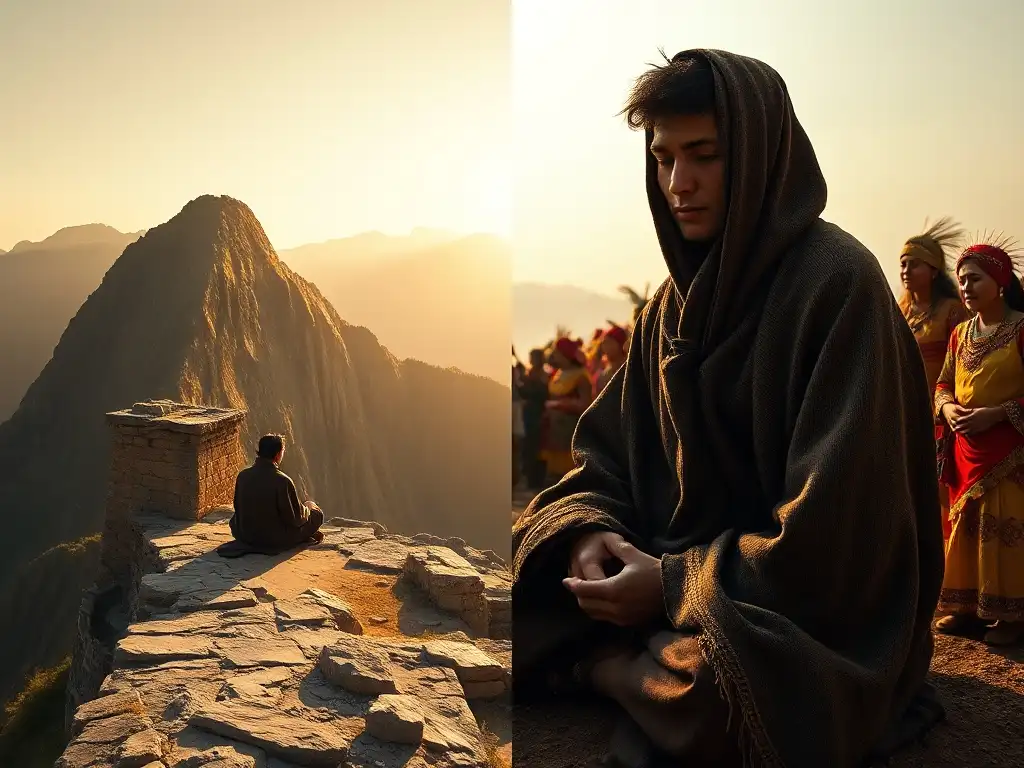
The practice of fasting and abstinence, while central to Inca religion, wasn't unique within the broader Andean context. Understanding Inca ayni (reciprocity) and kapak (power) reveals a complex interplay of spiritual and social motivations behind fasting, which varied across different Andean cultures. While sharing some common threads, the specific practices, motivations, and social implications differed significantly. This section will explore these variations, highlighting the nuances of Inca fasting rituals in comparison to other prominent Andean civilizations.
The intensity and frequency of fasting also varied. While some Andean groups might engage in occasional fasts for specific rituals, the Inca system appears to have been more formalized and integrated into the yearly cycle. This systematic approach to fasting suggests a more centralized and hierarchical religious structure within the Inca empire, compared to the perhaps more decentralized religious practices of other groups.
Comparing Fasting Practices with Moche and Chimú Cultures
The Moche and Chimú cultures, flourishing on the north coast of Peru, also incorporated fasting into their religious observances. However, their practices differed significantly from those of the Inca. Evidence from Moche iconography suggests ritualistic fasting connected to their elaborate ceremonies and the appeasement of their deities. Depictions on pottery often show figures in states of apparent emaciation, possibly representing individuals undergoing prolonged fasts.
The Chimú, successors to the Moche, continued some of these traditions, but with their own unique interpretations. Unlike the Incas' potentially more community-focused approach, Moche and Chimú fasting may have been more closely tied to individual shamanistic practices or elite rituals, possibly aimed at achieving altered states of consciousness. The available evidence suggests a less formalized and less integrated fasting practice compared to the Inca empire. For example, there is less evidence of a calendar-based system for fasting among the Moche and Chimú.
| Culture | Fasting Frequency | Social Context | Religious Significance | Evidence Sources |
|---|---|---|---|---|
| Inca | Regular, cyclical | Community-wide, tied to agricultural cycles | Maintaining cosmic balance, appeasing deities | Archaeological findings, ethnohistorical accounts |
| Moche | Less frequent | Primarily elite or shamanistic | Achieving altered states, appeasing deities | Pottery iconography, burial contexts |
| Chimú | [Information pending] | [Information pending] | [Information pending] | [Information pending] |
Unique Aspects of Inca Fasting Rituals
Inca fasting rituals were intricately woven into the fabric of their society, distinguishing them from the practices of other Andean cultures. The Inca calendar played a crucial role, with specific fasts observed during key agricultural periods, religious festivals, and significant events in the imperial life cycle. This calendrical structure provided a framework for community-wide participation, reinforcing social cohesion and the authority of the Inca state.
The Capac Inka, the emperor, held a pivotal position in these rituals, often participating in public fasts to set an example and reinforce the importance of these practices in upholding the cosmic order. Furthermore, the Inca system seems to have distinguished between different types of fasting, with variations in duration and intensity depending on the specific ritual and the individual's social standing. The Inca state likely utilized fasting as a tool for social control and the reinforcement of their ideology.
The intensity of Inca fasting is also noteworthy. While the exact duration and strictness of fasts varied, descriptions suggest periods of abstinence from food and sometimes even water, indicating a significant level of spiritual dedication and discipline. This contrasts with some other Andean cultures where fasting might have been less rigorous.
The integration of fasting into Inca religious practices highlights its importance in maintaining their complex social and political order. The rituals' public nature further emphasizes their role in shaping collective identity and reinforcing the Inca worldview. The use of fasting as a tool of social and political control is a unique aspect of Inca religious practice, setting it apart from other Andean traditions.
The Legacy of Inca Fasting Rituals
The practice of fasting and abstinence wasn't merely a religious observance for the Inca; it was deeply woven into the fabric of their societal structure, influencing everything from agricultural cycles to political power dynamics. Understanding the Inca's approach to fasting requires moving beyond a simple understanding of "going without food." It encompassed a complex interplay of spiritual purification, social control, and agricultural pragmatism.
The intensity and frequency of fasting varied across social strata, with elites potentially undertaking longer and more rigorous fasts than commoners. This suggests a system designed not just for spiritual growth but also to reinforce hierarchical structures within Inca society. Evidence suggests that fasting was often coupled with other ritual practices, such as ritual bathing and offerings to the deities, creating a holistic approach to spiritual renewal.
The capacocha sacrifices, while involving far more than fasting, also highlight the significance of bodily sacrifice and renunciation within the Inca religious framework. The legacy of Inca fasting rituals is therefore multifaceted, reflecting both the spiritual aspirations and social realities of the empire.
The Influence of Inca Fasting on Later Andean Practices
The Inca Empire's influence on subsequent Andean cultures was profound, and this extended to their religious practices. Inca fasting rituals significantly impacted the religious beliefs and practices of later Andean communities. While the specific forms and interpretations might have evolved, the core concept of fasting as a means of spiritual purification and connection with the divine persisted.
Many indigenous communities in the Andes still maintain traditions of fasting, particularly during significant agricultural or religious festivals. These practices often incorporate elements reminiscent of Inca traditions, such as specific dietary restrictions, prescribed durations of fasting, and accompanying prayers or rituals. For example, [specific examples of modern Andean fasting practices pending].
The continuity of these practices highlights the enduring power of Inca religious ideas and their adaptation within evolving cultural contexts. The study of these later practices offers valuable insight into the resilience and adaptability of Inca religious concepts, illustrating how a powerful imperial legacy could transform and survive even after the fall of the empire itself. Further research is needed to fully document the diversity of these modern practices across different Andean communities.
Modern Interpretations of Inca Fasting
Modern interpretations of Inca fasting rituals are diverse and often informed by contemporary spiritual and cultural perspectives. Some scholars emphasize the ecological dimension, suggesting that fasting practices were connected to the Inca’s sophisticated understanding of agricultural cycles and resource management. This perspective aligns with a growing interest in sustainable living and ancestral wisdom.
Others focus on the psychological aspects, viewing fasting as a form of self-discipline and spiritual introspection, a practice resonating with contemporary mindfulness and wellness movements. Furthermore, the revival of indigenous Andean spirituality has led to a renewed interest in traditional fasting practices, often integrated into contemporary religious and cultural events. These modern interpretations don't necessarily replace or contradict older scholarly understanding; rather, they enrich our comprehension of Inca fasting rituals by placing them within broader historical and contemporary contexts.
The varied perspectives highlight the multifaceted nature of the practice and its enduring relevance in the 21st century. Understanding these diverse interpretations is crucial for a complete understanding of the enduring legacy of Inca fasting.
The Enduring Significance of Fasting in Inca Spirituality
Fasting in Inca spirituality wasn't simply a ritual; it was a fundamental aspect of their relationship with the divine and the cosmos. It represented a profound act of self-sacrifice, a way to purify the body and mind, and to achieve a closer connection with the apus (mountain spirits) and other deities. The act of abstaining from food was seen as a form of humility and submission before the divine, a way to demonstrate devotion and seek divine favor.
In addition, fasting was often associated with specific festivals and ceremonies, reinforcing its importance within the Inca religious calendar. For instance, [specific Inca festivals incorporating fasting pending]. The enduring significance lies not just in the act itself, but in the underlying spiritual principles it embodied: self-discipline, humility, and a deep connection with the natural world.
These principles, though expressed through the lens of Inca cosmology, resonate with many contemporary spiritual and philosophical perspectives, demonstrating the lasting impact of Inca religious practices on our understanding of spirituality and the human relationship with the divine. The legacy of Inca fasting continues to inspire and inform both academic and spiritual inquiry.
Frequently Asked Questions
What role did fasting play in Inca religion?
Fasting and abstinence, including periods of ritual fasting, were important aspects of Inca religion. They were believed to cleanse the body and spirit, preparing individuals for religious ceremonies and connecting them to the divine realm.
Did all Incas participate in fasting rituals?
While not all Incas fasted regularly, participation in fasting rituals varied based on social standing and the specific occasion. Elite members and religious leaders likely engaged more frequently in prolonged fasts.
What were some common practices during Inca fasting periods?
Common practices included abstaining from specific foods or all food, along with alcohol and sexual activity. The duration of the fast varied depending on the ritual's significance.
How did Inca fasting connect to their agricultural practices?
Inca fasting often coincided with agricultural cycles. Fasting rituals were performed to ensure successful harvests and appease the gods associated with fertility and abundance.
What evidence supports our understanding of Inca fasting rituals?
Our understanding comes from Spanish chronicles, archaeological findings, and ethnohistorical studies of later Andean cultures that retained some Inca traditions. These sources provide insights into the rituals and their significance.
Final Reflection: Echoes of the Sun: Fasting and Abstinence in Inca Life
The echoes of Inca fasting rituals resonate powerfully in our modern world, reminding us of the enduring human need to connect with something larger than ourselves. While the specific practices may have faded with the Spanish conquest, the underlying spiritual yearning they represented remains a potent force, shaping our understanding of sacrifice, discipline, and the search for meaning. The intricate relationship between fasting, spiritual purity, and the Inca worldview offers valuable insights into a culture that valued harmony with the cosmos.
The enduring power of ritual, particularly those involving self-denial, continues to fascinate and inspire. The Inca's dedication to fasting, not merely as a physical act but as a profound spiritual practice, speaks volumes about their deeply held beliefs. Their connection to the natural world, their reverence for the sun, and their intricate social structures were all interwoven with these practices. Fasting was not merely an act of abstinence, but a powerful means of communication with the divine, a way to purify the body and soul, and to strengthen the community's bond with the cosmos.
This understanding transcends time, reminding us of the importance of mindful practices in our own lives, regardless of our religious or spiritual beliefs.
Consider the ways in which you seek connection, meaning, and purpose in your own life. What rituals, practices, or disciplines do you employ to achieve a sense of inner peace or spiritual growth? Embrace the opportunity to reflect on the enduring power of self-reflection and the pursuit of a deeper connection with the world around you. Let the legacy of Inca fasting rituals inspire you to find your own path towards a more meaningful and fulfilling existence.
Embrace the Ancient Wisdom of Inca Fasting!
Thank you for exploring the fascinating fasting and abstinence practices of the Inca religion! This journey into these ancient rituals offers not only a glimpse into history, but also a pathway to self-discovery and spiritual growth. Now, let's deepen your understanding.
Consider these steps to further engage with Inca traditions:
- Challenge yourself with a day of fasting to reflect on and connect with the Inca emphasis on simplicity and discipline.
- Join a local or online community focused on Andean spirituality to expand your knowledge and share your experiences with others.
- Immerse yourself further in Inca culture by reading a book or watching a documentary about the civilization.
What insights and transformations might you experience by incorporating the Inca practice of fasting into your modern life?