
The Impact of Inca Religion on Social and Political Structures

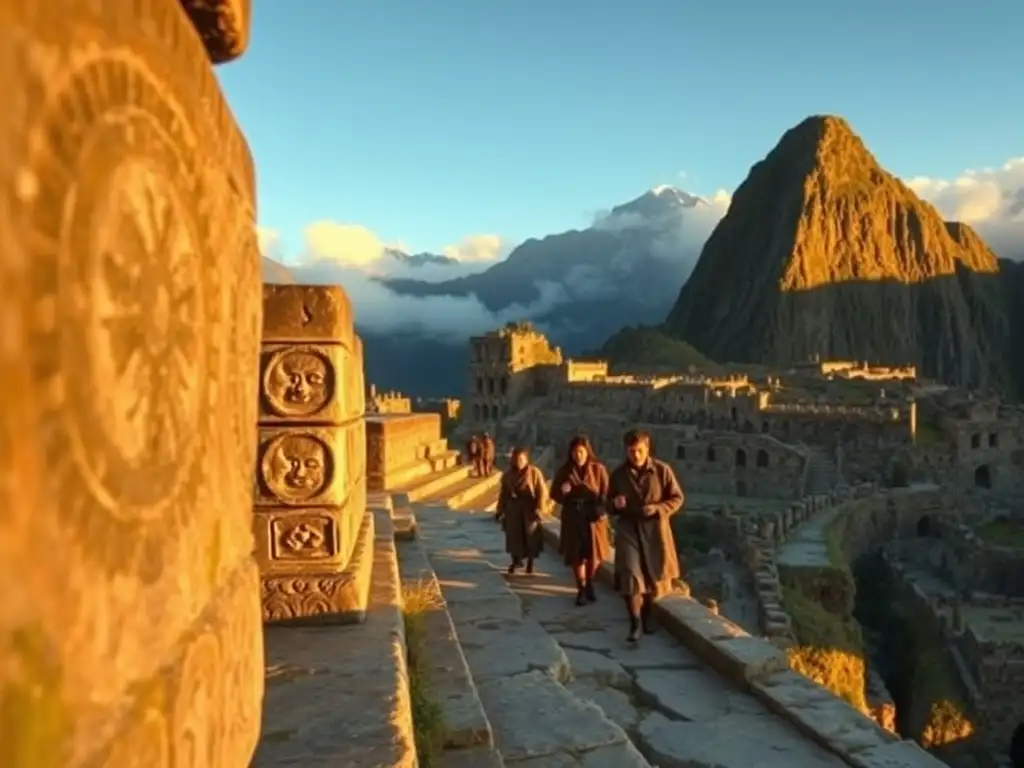
Unravel the mysteries of the Andes! Journey through time to discover a world shaped by breathtaking ingenuity and deeply spiritual beliefs. Prepare to be captivated by the Inca religion's profound impact on society, a force that intertwined every aspect of their lives, from majestic architecture to complex social structures. How did their cosmology dictate their daily existence? Explore the fascinating details and uncover the secrets of this remarkable civilization.
- The Profound Influence of Inca Religion on Social and Political Frameworks
- Inca Religion's Influence on the Political System
- Societal Transformation Through Inca Religious Practices
- Inca Religion and the Control of Resources
- The Lasting Legacy of Inca Religion on Andean Culture
- Frequently Asked Questions
- Final Reflection: The Enduring Legacy of Inca Spirituality
- Unveil the Power of Inca Beliefs in Today's World!
The Inca Empire, renowned for its sophisticated engineering and vast territorial expanse, was fundamentally shaped by its deeply ingrained religious beliefs and practices. This intricate system of worship, centered around a pantheon of deities and a complex cosmology, wasn't merely a separate aspect of Inca life; it was inextricably woven into the very fabric of its social and political structures.
From the emperor's divine right to rule to the intricate social hierarchy and the organization of labor, Inca religion provided the moral, ideological, and practical framework that governed every facet of their society. Understanding the impact of Inca religion is crucial to comprehending the empire's remarkable achievements and ultimate demise.
This exploration delves into the key aspects of Inca religious influence, examining how their beliefs and practices directly impacted their social organization, political power dynamics, and overall societal cohesion. The keyword "Inca religion impact on society" will be explored thoroughly in this article, revealing the profound and pervasive nature of this influence.
Understanding Inca Religious Beliefs and Practices
Inca religion was a complex system of beliefs and practices revolving around a pantheon of gods and spirits, huacas, inhabiting the natural world. These huacas could be mountains, rivers, rocks, or even specific locations imbued with spiritual significance. The Inca worldview was animistic, believing that spirits permeated all aspects of life. At the apex of this pantheon was Inti, the Sun God, considered the most powerful and revered deity.
However, the Inca worshipped a diverse range of other gods and goddesses, including the moon goddess, Mama Killa; the creator god, Viracocha; and Pachamama, the Earth Mother. Religious practices included elaborate ceremonies, sacrifices (often involving llamas or other animals), and the construction of impressive temples and shrines dedicated to specific deities. These rituals were not simply acts of worship; they were integral to maintaining the cosmic order and ensuring the prosperity and stability of the empire. The priests, known as amautas, held significant power and influence, interpreting divine will and advising the emperor on matters of state.
The intricate rituals and beliefs reinforced the emperor's authority, linking him directly to the divine realm. Furthermore, the religious calendar dictated many aspects of daily life, from agricultural cycles to major festivals, demonstrating the pervasive influence of religion on the Inca people's lives. The meticulous organization and execution of these rituals speaks volumes about the sophisticated level of Inca religious understanding and its impact on the daily lives of the population.
The Central Role of Inti: The Sun God and Inca Legitimacy
Inti, the Sun God, occupied the central position within the Inca pantheon. The Inca emperor, the Sapa Inca, was considered the direct descendant of Inti, a divinely appointed ruler with absolute authority. This divine lineage provided the foundation for the emperor's legitimacy and power.
The emperor's role was not simply political; he was also the supreme religious leader, responsible for maintaining the relationship between the human and divine realms. Elaborate ceremonies and festivals honoring Inti were central to Inca life, reinforcing the emperor's connection to the sun god and, by extension, his authority over the empire. The emperor's control over religious practices further solidified his power, allowing him to utilize religious symbols and rituals to control his subjects and maintain social order.
Failure to perform these rituals properly was believed to upset the cosmic balance, potentially leading to natural disasters or societal unrest. This belief system ensured the emperor's continued power and obedience from his subjects, who believed their well-being was directly tied to the emperor's successful performance of his religious duties. The significance of Inti was not merely symbolic; it was the cornerstone of the Inca political system.
Inca cosmology, the understanding of the universe and their place within it, directly influenced the social hierarchy of the empire. The empire was structured as a three-world system, with the kay pacha (this world), ukhu pacha (the underworld), and hanan pacha (the upper world). This cosmology reinforced the existing social order, with the emperor and the elite occupying the highest positions in society, closest to the divine realm of hanan pacha.
The ayllu, the community-based kinship groups, were organized according to their proximity to the emperor and their perceived connection to the sacred. This system created a clear social hierarchy, where individuals' roles and responsibilities were determined by their place within the cosmic order. The mit'a system, a form of mandatory labor service, was also justified religiously, with individuals contributing to the empire’s infrastructure and religious projects as a form of service to the gods and the emperor.
This intricate interplay between religious beliefs and social structure ensured the stability and functionality of the Inca Empire, highlighting the crucial role of religion in shaping their society and reinforcing existing power dynamics. The Inca's deeply held belief in this cosmic order played a significant role in maintaining social stability and obedience to the emperor and the established hierarchy.
Inca Religion's Influence on the Political System
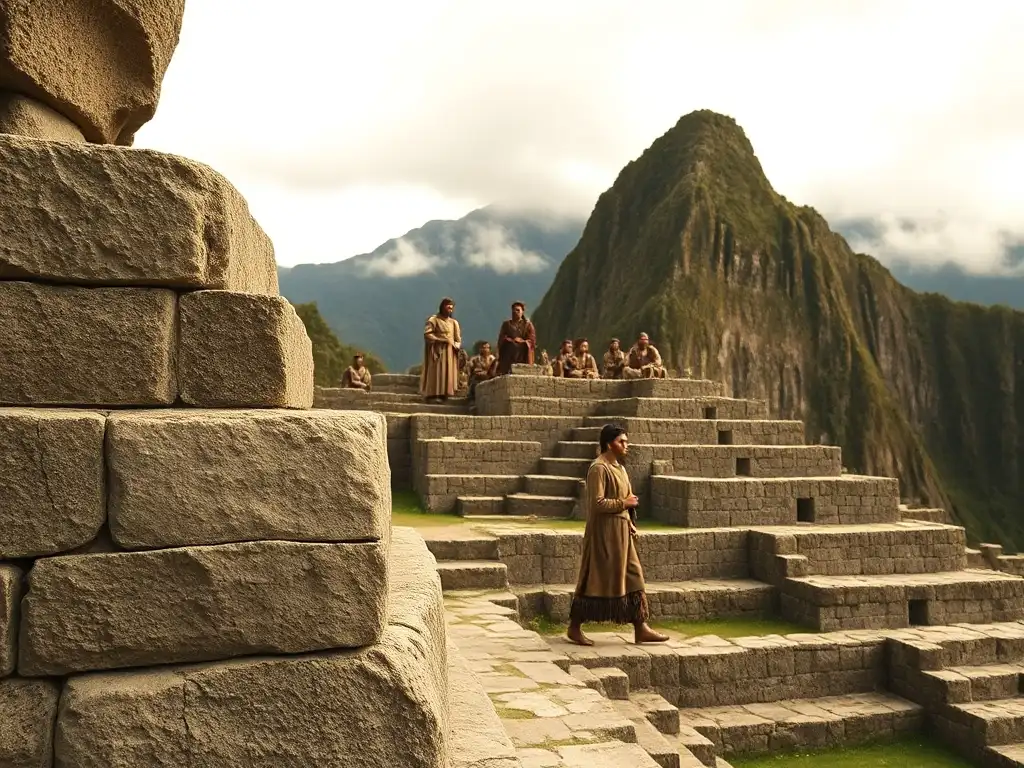
The Inca religion wasn't simply a separate sphere of life; it was deeply interwoven with the political fabric of the empire. The Inca state, ruled by the Sapa Inca, leveraged religious beliefs to legitimize its power, maintain social order, and justify its expansionist policies. Understanding the Inca political system requires acknowledging the pervasive influence of their religious worldview, a system where the spiritual and the temporal were inextricably linked. This intricate relationship fostered a highly centralized and effective government, but also contributed to the empire's eventual vulnerabilities.
The very structure of Inca society, from the emperor's divine status to the roles of commoners, was shaped by religious beliefs and practices. Analyzing this interconnectedness provides a richer understanding of the Inca civilization's successes and its ultimate decline. The keyword phrase "Inca religion impact on society" is central to this understanding.
The Sapa Inca wasn't merely a political leader; he was considered a divine intermediary between the gods and the people. This divine status wasn't simply a claim to power; it was a deeply ingrained belief system that permeated all aspects of Inca society. The Sapa Inca was seen as a descendant of the sun god, Inti, and his authority was divinely ordained. This religious legitimacy solidified his position as the supreme ruler, granting him unquestionable power and authority. His decisions weren't just political; they were interpreted as divinely inspired pronouncements.
The Sapa Inca's religious role extended beyond mere symbolism. He presided over major religious ceremonies, offered sacrifices, and consulted with priests on matters of state. This direct involvement in religious affairs further reinforced his divine authority and ensured the seamless integration of religion and politics. The Inca's religious beliefs, therefore, directly impacted the political system by placing the Sapa Inca at its apex, a position solidified not through military might alone but also through divine right. His power was reinforced by the belief that challenging him was tantamount to challenging the gods themselves.
Religious Justification for Inca Expansion and Conquest
Inca expansion wasn't solely driven by military ambition; it was also fueled by religious ideology. The Inca believed they had a divine mandate to expand their empire, bringing the Inca religion and its benefits to all conquered peoples. This belief provided a powerful justification for their conquests, portraying them not as acts of aggression but as acts of divinely ordained unification. Conquered populations were often incorporated into the Inca system through religious rituals and ceremonies, reinforcing their submission and the legitimacy of Inca rule.
This religious justification for expansion is evident in the Inca's treatment of conquered territories. Instead of simply imposing their rule through force, they often integrated local deities into the Inca pantheon, cleverly incorporating existing religious practices into their own. This strategy minimized resistance and facilitated smoother assimilation. The "Inca religion impact on society" extended beyond the borders of the empire, shaping the beliefs and practices of numerous conquered populations. This religious diplomacy was a key element in the empire’s remarkable growth and stability, at least for a time.
The Role of Priests and Religious Officials in Inca Governance
The Inca religious system wasn't solely controlled by the Sapa Inca; a complex hierarchy of priests and religious officials played a vital role in governance. These individuals, often highly educated and influential, advised the Sapa Inca on matters of state, interpreting omens, and mediating between the divine and the human realms. Their influence extended beyond religious matters; they often held significant political power, acting as intermediaries between the ruler and the populace.
The priests' involvement in governance wasn't limited to advising the Sapa Inca. They were also responsible for managing temple lands, overseeing public works projects with religious significance, and maintaining social order through religious rituals and festivals. Their expertise in interpreting religious signs and prophecies allowed them to influence policy decisions, shaping the political landscape in ways that aligned with their religious understanding.
The intricate relationship between the priesthood and the political system highlights the profound "Inca religion impact on society," demonstrating how religious figures weren't simply spiritual leaders but also active participants in the governance of the empire. This multifaceted role underscores the inseparable nature of religion and politics within the Inca civilization.
Inca Temple System and its Political Significance
The Inca temple system wasn't merely a collection of religious buildings; it served as a powerful tool for reinforcing Inca political authority and control across their vast empire. The sheer scale and grandeur of these structures, strategically located throughout the empire, served as a constant visual reminder of the Inca's power and divine legitimacy.
The construction itself was a massive undertaking, requiring the mobilization of vast human resources and demonstrating the Inca state's ability to organize and control its population on an unprecedented scale. This impressive feat of engineering and organization further solidified the Inca ruler's image as a divinely appointed leader capable of commanding such monumental projects.
The location of temples was carefully chosen, often situated in prominent locations offering commanding views of the surrounding landscape or positioned near important agricultural areas or strategic trade routes. This strategic placement served both practical and symbolic purposes. Practically, it allowed for easy monitoring of the population and facilitated the efficient distribution of resources.
Symbolically, it reinforced the Inca's control over the land and its resources, linking their rule to the very fabric of the empire's geography. For example, the placement of temples near agricultural centers underscored the Inca's role as providers and protectors of the land's fertility, a crucial element in their ideology.
Furthermore, the temples themselves were not simply places of worship; they were centers of political and administrative activity. High priests, who often held significant political influence, resided within or near the temples. These religious figures acted as intermediaries between the Inca ruler and the people, disseminating imperial decrees and ensuring compliance with state policies. The rituals performed within the temples were often explicitly political, serving to legitimize the Inca's rule, commemorate important events, and reinforce social hierarchies. The elaborate ceremonies, involving sacrifices, processions, and feasts, were spectacles designed to impress and inspire awe in the populace, strengthening the Inca's grip on power. The control over religious practices and the interpretation of religious beliefs allowed the Inca state to maintain its authority and influence, ensuring the stability and longevity of the empire. The system was a sophisticated blend of religious authority and political power, creating a highly effective mechanism for governance.
Societal Transformation Through Inca Religious Practices
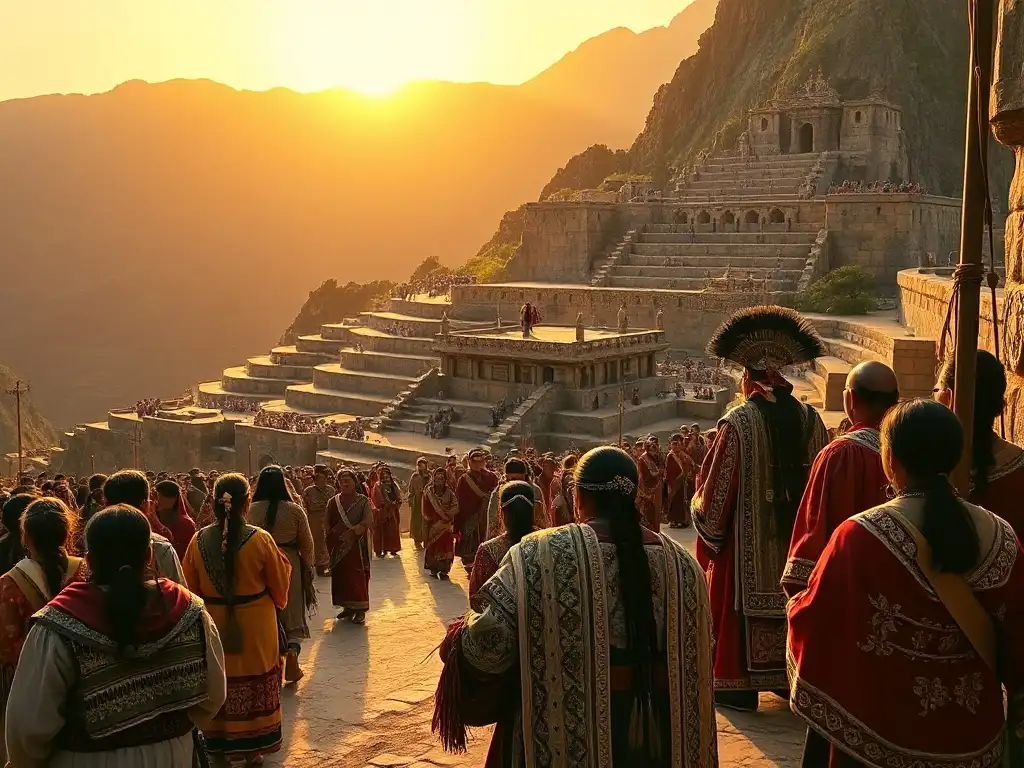
The Inca religion wasn't simply a set of beliefs; it was the very bedrock of Inca society, profoundly shaping its social and political structures. The intricate web of religious practices, rituals, and beliefs permeated every aspect of Inca life, from the daily routines of commoners to the grand ceremonies performed by the emperor. Understanding the impact of Inca religion on society requires examining its multifaceted influence on social organization, political power, and the very fabric of daily existence. This influence extended to the ways in which the Inca controlled resources, maintained order, and legitimized their rule.
The pervasive nature of religion ensured its central role in maintaining the empire's stability and cohesion for centuries. Analyzing this impact reveals a complex interplay between spiritual beliefs and practical governance. The keyword "Inca religion impact on society" perfectly encapsulates this intricate relationship.
Religious festivals were pivotal in fostering social cohesion within the Inca Empire. These weren't merely occasions for celebration; they were carefully orchestrated events designed to reinforce social bonds and reaffirm the authority of the Inca ruler. Festivals like the Inti Raymi, the festival of the sun, involved massive public participation, bringing together people from different regions and social strata.
These gatherings provided opportunities for collective worship, reinforcing shared beliefs and values. The vibrant displays of ritual dances, music, and elaborate offerings fostered a sense of unity and common purpose, strengthening social ties across geographical and social divides. Furthermore, the distribution of food and goods during these festivals served as a form of social welfare, ensuring the well-being of the population and further solidifying the emperor's benevolent image.
The sheer scale and frequency of these celebrations underscore their importance in maintaining social harmony and political stability. For example, the Capacocha sacrifices, while somber, also served a unifying function by bringing together representatives from different ayllus (kinship groups). The meticulous organization and execution of these events highlight the profound integration of religion into the social fabric of the Inca Empire.
The Significance of Ancestor Worship in Inca Society
Ancestor veneration formed a cornerstone of Inca religious belief and profoundly impacted social structures. The Inca believed that their ancestors, particularly those of the royal lineage, possessed immense spiritual power and continued to influence the affairs of the living. This belief system fostered a deep respect for lineage and tradition, solidifying the hierarchical structure of Inca society.
The emperor, considered a direct descendant of the sun god Inti, held unparalleled authority, legitimized by his divine lineage and ancestral connection. The elaborate mummification and subsequent veneration of deceased emperors further reinforced this power structure. Shrines and temples were dedicated to the worship of ancestors, and offerings were made regularly to appease them and seek their blessings.
This practice extended beyond the royal family to commoners, who also venerated their ancestors, strengthening family ties and promoting social stability within the ayllus. The emphasis on ancestor worship instilled a sense of continuity and collective identity, binding generations together and reinforcing the social order. The meticulous preservation of ancestral remains and the rituals surrounding them highlight the crucial role ancestor worship played in shaping Inca society and its enduring power structures.
Rituals and Offerings: Shaping Daily Life in the Inca Empire
Daily life in the Inca Empire was deeply intertwined with religious rituals and offerings. From the simplest acts of daily life to the most significant events, religious practices permeated every aspect of Inca existence. Farmers offered coca leaves and chicha (a fermented corn beverage) to the earth goddess Pachamama before planting crops, ensuring a bountiful harvest.
Builders made offerings to ensure the strength and stability of their structures. Even the act of weaving was infused with religious significance, with specific designs and colors carrying symbolic meanings. These constant interactions with the spiritual realm reinforced the importance of religious observance and ensured its integration into the daily routine.
The elaborate system of offerings, ranging from simple agricultural products to precious metals and human sacrifices in the case of Capacocha, served as a means of communicating with the gods and ensuring their continued favor. This continuous engagement with the supernatural world underscores the pervasive influence of religion in every facet of Inca life, from agriculture to construction, highlighting its profound impact on their daily routines and societal norms. The meticulous nature of these rituals, from the preparation of offerings to the performance of ceremonies, reflects the deep-seated religious beliefs that guided Inca society.
The Inca Concept of Reciprocity and Religious Obligations
The Inca worldview was deeply rooted in the principle of ayni, a Quechua term signifying reciprocity and mutual obligation. This wasn't merely a social contract; it was a sacred duty, a fundamental aspect of their religious beliefs. The Inca believed that maintaining a harmonious balance between humanity and the supernatural world depended on fulfilling these reciprocal obligations. Failure to do so could result in natural disasters, crop failures, or illness – all interpreted as signs of divine displeasure.
This concept permeated all aspects of Inca society. Farmers, for example, were religiously obligated to offer a portion of their harvest to the gods and to participate in communal labor projects, such as mita, which involved working on public infrastructure like roads and irrigation systems. These were not simply tasks; they were acts of worship, strengthening the bond between the people and the divine.
The successful completion of these obligations was seen as a way to ensure the continued fertility of the land and the prosperity of the community. Conversely, neglecting these duties was believed to invite misfortune and disrupt the cosmic balance.
The Inca elite also had significant religious obligations. The Sapa Inca, the emperor, held the most important religious role, acting as a mediator between the human and divine realms. He was responsible for performing elaborate ceremonies and offering sacrifices to ensure the well-being of the empire.
The nobility, too, had specific religious responsibilities, often overseeing local temples and participating in rituals aimed at ensuring the fertility of the land and the health of the population. Their religious roles underscored their social standing and reinforced their authority, demonstrating that their power was divinely sanctioned. The intricate system of ayni thus served not only to maintain social order but also to solidify the religious and political power structure of the Inca Empire.
The very fabric of Inca society was woven with threads of religious obligation, illustrating the profound impact of their beliefs on daily life and governance. The success of the Inca Empire, in part, can be attributed to the widespread adherence to this principle, demonstrating its efficacy in maintaining social cohesion and political stability for centuries.
Inca Religion and the Control of Resources
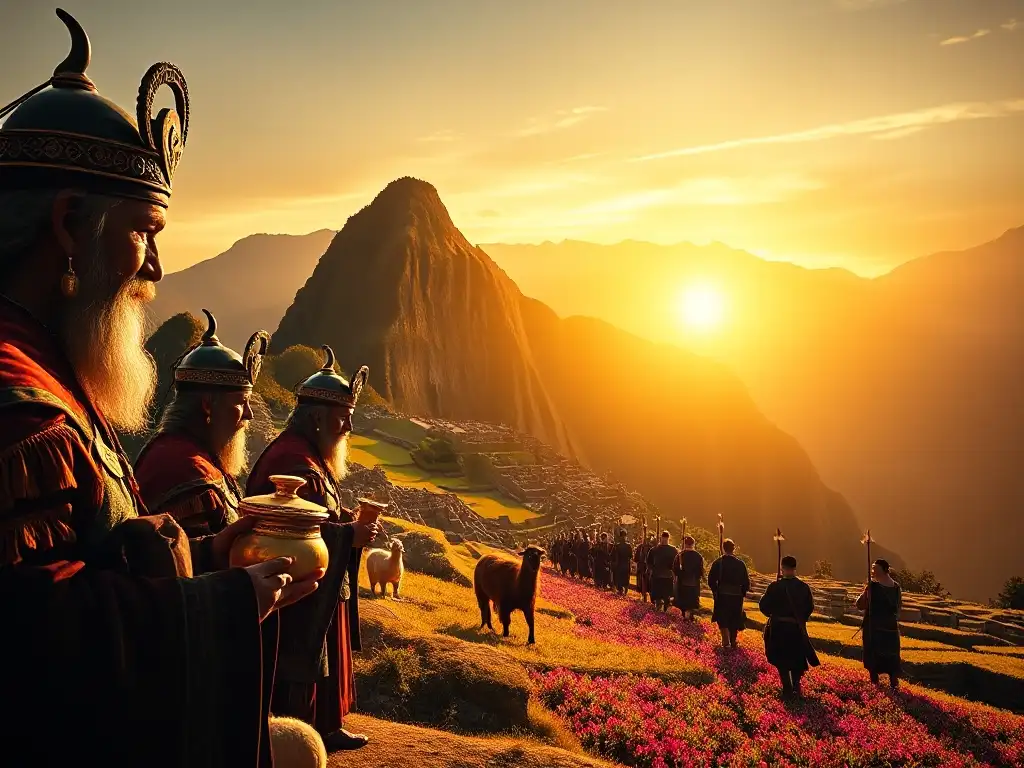
The Inca religion wasn't merely a spiritual system; it was deeply intertwined with the empire's social and political fabric, acting as a powerful tool for controlling resources and maintaining order. The Inca worldview, centered around the worship of the sun god Inti and other deities associated with nature, provided a religious justification for the state's control over land, labor, and the redistribution of goods. This section will explore how religious beliefs directly impacted the Inca's management of these crucial resources. Understanding this relationship offers vital insights into the Inca religion impact on society and the empire's remarkable longevity.
Religious Sanction for Land Ownership and Agricultural Practices
Inca ideology presented the Sapa Inca, the emperor, as a divine intermediary between the gods and the people. This divine right to rule extended to the ownership and control of all land within the empire. Land wasn't privately owned; it belonged to the state, ultimately to the Inca. This system, far from being arbitrary, was religiously sanctioned. The Inca's mastery over agriculture, crucial for their survival, was attributed to divine favor. Successful harvests were seen as a sign of the gods' approval of the Inca's rule, further solidifying their authority.
The intricate ayllu system, a community-based organization, further reinforced this religious control. The ayllu members, under the supervision of appointed officials, cultivated the land collectively. Religious festivals and rituals, often tied to the agricultural calendar, were integral to these practices. These ceremonies weren't merely symbolic; they ensured the cooperation of the ayllu and reinforced the Inca's control over agricultural production.
The successful cultivation of crops, particularly maize, potatoes, and quinoa, was essential to the empire's stability and was directly linked to the appeasement of the gods through proper religious observance. Failure to perform rituals correctly was seen as potentially causing crop failure, a direct consequence of displeasing the divine forces. This created a powerful incentive for compliance with Inca religious practices and, by extension, the political system.
The Inca state managed a sophisticated system of redistribution of goods, facilitated by a vast network of storehouses called qollqas. This system wasn't merely a matter of logistics; it was deeply interwoven with religious beliefs. The surplus produced by the ayllus wasn't considered the property of the individual farmers but was offered as a tribute to the Inca, a symbolic act of worship and recognition of divine authority.
This tribute, stored in the qollqas, was then redistributed according to the needs of the population, ensuring social stability and the empire's resilience. This redistribution wasn't random; it was carefully managed by religious and political authorities, who determined allocation based on factors like population density, need, and the demands of specific projects.
The qollqas themselves were often considered sacred spaces, imbued with religious significance. Their construction and maintenance were often overseen by priests, further highlighting the religious dimension of resource management. The act of receiving goods from these storehouses was not just a practical matter of survival; it reinforced the relationship between the Inca state and its subjects, solidifying the emperor's position as a divinely appointed provider and ensuring societal harmony.
The religious sanctification of this system fostered cooperation and minimized conflict over resource allocation, a critical element in the empire's success. The system’s efficiency and fairness were directly linked to the religious legitimacy of the Inca rulers.
Inca Religious Influence on Labor Systems
The mita, a system of mandatory labor service, was a cornerstone of the Inca economy. While seemingly exploitative from a modern perspective, the mita was deeply intertwined with religious ideology. The labor wasn't seen simply as forced work; it was perceived as a form of religious service, a contribution to the collective well-being and the appeasement of the gods. Projects like road construction, temple building, and agricultural endeavors were all seen as acts of service to the divine realm, enhancing the empire's spiritual and material prosperity.
The Inca state carefully managed the mita system, ensuring that it didn't unduly burden individuals. The work was often organized around the agricultural calendar, integrating religious festivals and ceremonies into the work schedule. This helped to imbue the mita with a sense of purpose and collective responsibility, mitigating potential resentment.
The system’s success depended on the effective integration of religious beliefs into its structure, reinforcing the Inca's authority and fostering a sense of shared purpose amongst the populace. Failure to participate in the mita was not only a violation of state law but also a transgression against the divine order, underlining the deeply religious nature of this crucial labor system. The effective use of the mita system is a clear example of the profound Inca religion impact on society and its organization.
The Lasting Legacy of Inca Religion on Andean Culture
The Inca religion, far from disappearing with the Spanish conquest, left an indelible mark on Andean culture, shaping social structures and belief systems for centuries to come. Its impact is not merely a historical footnote; it's a vibrant thread woven into the fabric of contemporary Andean life. Understanding this legacy requires examining the enduring influence of Inca cosmology, ritual practices, and the subsequent syncretism that emerged after the arrival of Europeans.
The study of Inca religion’s impact on society reveals a complex interplay between imposed beliefs and the resilient adaptation of indigenous traditions. This section will explore the multifaceted ways in which Inca religious beliefs continue to resonate in modern Andean societies. The keyword phrase "Inca religion impact on society" is directly addressed throughout this analysis.
Syncretism and the Blending of Inca Beliefs with Later Traditions
The arrival of the Spanish conquistadors in the 16th century did not erase Inca religious practices. Instead, a process of syncretism began, where indigenous beliefs and practices blended with those of Catholicism. This wasn't a simple replacement, but a complex negotiation, a weaving together of two distinct spiritual worlds.
For example, the veneration of apus (mountain spirits) persisted, often incorporating Catholic saints into the existing pantheon. The Virgin Mary, for instance, frequently assumed the role of a powerful female deity, similar to the Inca goddesses Pachamama (Earth Mother) and Mama Killa (Moon). This syncretic blending is evident in many Andean communities today, where traditional ceremonies incorporate both indigenous and Catholic elements.
The vibrant festivals celebrating both Catholic saints and Inca deities showcase this ongoing fusion. This religious blending is not simply a historical anomaly; it remains a living testament to the resilience of Inca religious traditions and their adaptation to new cultural contexts. The impact of Inca religion on society is deeply intertwined with this process of cultural adaptation and survival.
Archaeological Evidence of Inca Religious Practices
Archaeological evidence provides compelling insights into the pervasiveness of Inca religious practices and their enduring influence. The discovery of numerous huacas (sacred sites), including temples, shrines, and burial grounds, across the Andes offers tangible proof of the importance of religion in Inca society. These sites, meticulously constructed and richly adorned, reveal the sophistication of Inca religious beliefs and practices.
For instance, the intricate stonework of Machu Picchu, often interpreted as a royal estate, also displays features consistent with religious significance, suggesting a close intertwining of religious and political power. Analysis of artifacts unearthed at these sites, such as ceramics, textiles, and gold ornaments, further illuminates the symbolism and rituals associated with Inca religious beliefs. The meticulous craftsmanship and the recurring motifs found on these artifacts speak volumes about the depth and complexity of Inca religious worldview.
Moreover, the careful placement of these sites within the Andean landscape highlights the Inca understanding of the sacredness of nature and its connection to the divine. This archaeological evidence strongly supports the enduring influence of Inca religion on the subsequent development of Andean society. The sheer scale and sophistication of these sites demonstrate the centrality of religion in Inca life and its continuing impact on modern Andean culture.
The Enduring Influence of Inca Worldview on Andean Society
The Inca worldview, deeply rooted in their religious beliefs, continues to shape Andean society in profound ways. The concept of ayni (reciprocity) – the principle of mutual exchange and obligation – remains a cornerstone of Andean social organization. This principle, deeply embedded in Inca religious ideology, emphasizes community cooperation and mutual support, shaping social interactions and economic practices.
Similarly, the reverence for Pachamama (Mother Earth) persists, influencing agricultural practices and environmental stewardship. Andean communities continue to perform ceremonies to honor Pachamama, seeking her blessings for bountiful harvests and the well-being of the community. This enduring reverence for nature reflects the deeply ingrained Inca belief in the interconnectedness of all living things and the sacredness of the natural world.
The impact of Inca religion on society is clearly visible in these enduring values and practices, demonstrating the resilience and lasting power of Inca religious thought. The continuing relevance of ayni and the ongoing veneration of Pachamama illustrate how Inca religious beliefs continue to shape the social fabric and cultural identity of Andean communities. The legacy of Inca religion is not merely a historical relic; it is a living force shaping contemporary Andean society.
Frequently Asked Questions
What was the most important aspect of Inca religion?
The most important aspect was the worship of the sun god, Inti, considered the ancestor of the Inca emperors. This divine lineage legitimized their rule and influenced all aspects of society.
Inca religion created a strict hierarchical society, with the emperor at the apex, followed by priests, nobles, and commoners. Religious beliefs reinforced this social order.
What role did religion play in Inca political power?
Religion was intrinsically linked to political power. The emperor, as the intermediary between the gods and the people, controlled religious practices and held absolute authority.
How did Inca religious beliefs affect daily life?
Religious beliefs permeated daily life, influencing everything from agriculture and feast days to architecture and art. Rituals and ceremonies were integral to daily routines.
What was the impact of Inca religion on Inca technology and engineering?
Inca religious beliefs inspired monumental architecture like Machu Picchu and sophisticated engineering projects, such as irrigation systems, seen as offerings to the gods and demonstrations of royal power.
Final Reflection: The Enduring Legacy of Inca Spirituality
The intricate tapestry of Inca religion wasn't merely a set of beliefs; it was the very bedrock upon which their sophisticated society was built. Its influence resonates even today, reminding us of the profound connection between spirituality and the organization of human life on a grand scale. Understanding this connection offers crucial insights into the complexities of power, social order, and the enduring human need for meaning.
The Inca's deeply ingrained cosmology, with its emphasis on reciprocity, ancestor veneration, and the divine power of the Sapa Inca, shaped every facet of their existence, from agricultural practices to elaborate state ceremonies. The intricate system of ayllu communities, bound together by shared religious beliefs and obligations, stands as a testament to the power of faith in fostering social cohesion. Religion was not a separate sphere of life, but rather the very fabric that held Inca society together.
This quote encapsulates the pervasive influence of their spiritual world on their daily lives and the enduring relevance of understanding such integrated systems.
Consider the ways in which your own beliefs and values shape your interactions with the world. How do they influence your community, your work, and your personal relationships? The Inca legacy encourages us to reflect on the powerful role spirituality plays in shaping societies, both past and present. Let the story of Inca religion inspire you to examine the interconnectedness of faith, power, and social structure in your own life, and to consider the enduring power of shared belief in building a more just and harmonious future.
Unveil the Power of Inca Beliefs in Today's World!
Thank you for exploring the fascinating world of Inca religion and its profound influence on Andean social and political structures. Your insights offer a valuable perspective not only on ancient civilizations but also on the workings of modern society. Now, let's consider how you can connect with this rich heritage and make a positive impact today.
- Dive deeper: Research a local indigenous community and explore their beliefs and practices. Consider how these traditions reflect their unique history and cultural identity. What parallels can you draw between their experiences and the Inca civilization?
- Share your knowledge: Discuss your newfound understanding of Inca religion with friends and family. Initiate a conversation about the significant role religion plays in shaping societies, both past and present. How has religion influenced the development of your own community?
- Join the conversation: Participate in local cultural events or workshops celebrating Andean traditions. This is a wonderful way to immerse yourself in a different culture and support community initiatives that preserve this important heritage.
What new understandings of religion's impact on society have you gained, and how can these insights enrich your daily life?