
The Role of the Inca Ruler in Religious Ceremonies and Rites

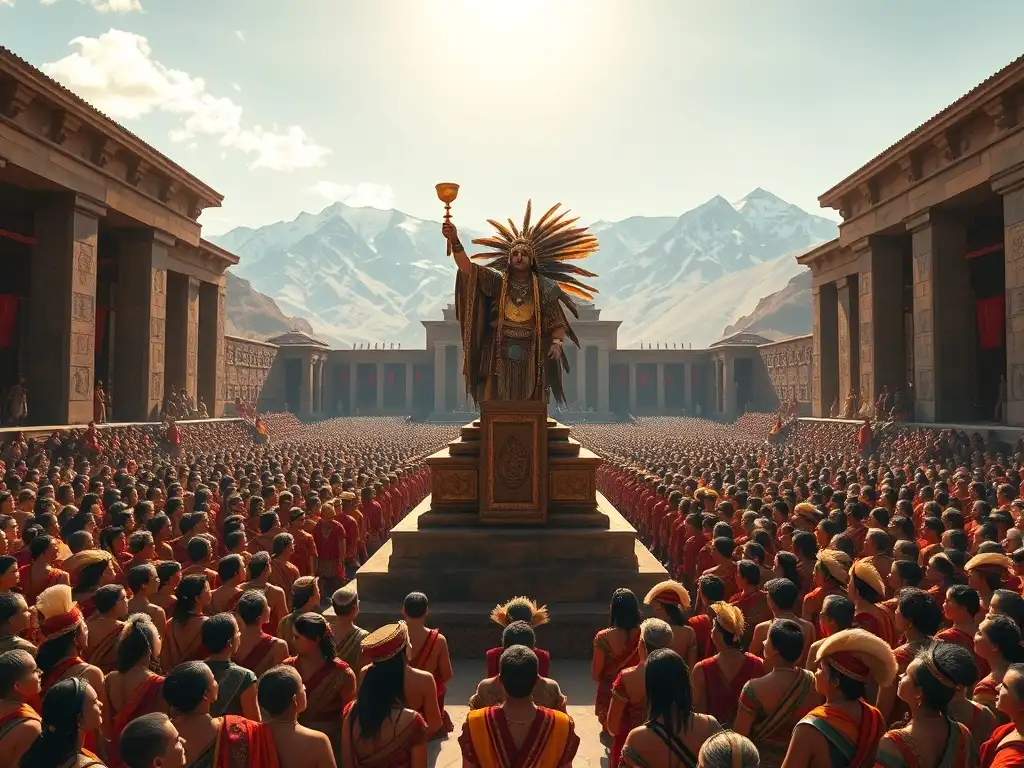
Unravel the mysteries of the Andes! Journey back in time to a world of breathtaking artistry, sophisticated engineering, and deeply spiritual beliefs. Did you know the Inca ruler's role in religious ceremonies held the very fabric of their empire together? Discover the fascinating connection between power and spirituality in our exploration of Inca ruler religious ceremonies, and unlock the secrets behind the enduring legacy of this remarkable civilization. Prepare to be amazed.
- The Inca Ruler's Central Role in Religious Ceremonies and Rites
- The Sapa Inca as High Priest: Leading Sacred Events
- The Inca Ruler's Responsibilities in Maintaining Cosmic Order
- Specific Examples of Inca Royal Participation in Religious Practices
- The Symbolic Significance of the Inca Ruler in Religious Ceremonies
- The Legacy of Inca Religious Practices and Royal Participation
-
Frequently Asked Questions
- What was the Inca ruler's primary role in religious ceremonies?
- How did Inca religious ceremonies impact the daily lives of the people?
- What were some of the most important religious ceremonies involving the Inca ruler?
- What was the significance of the Inca ruler's attire and symbols during religious ceremonies?
- How did the Inca ruler's involvement in religious ceremonies affect the political structure of the empire?
- Final Reflection: The Enduring Legacy of Sapa Inca's Sacred Authority
- Embrace the Spirit of the Inca: Engage, Explore, Evolve!
The Inca Ruler's Central Role in Religious Ceremonies and Rites
The Inca Empire, renowned for its sophisticated social structures and impressive engineering feats, was deeply rooted in a complex religious system. Understanding the Inca worldview requires recognizing the paramount role of the Sapa Inca, the emperor, as the central figure in all religious ceremonies and rites. His authority wasn't merely political; it was fundamentally intertwined with the spiritual well-being of the entire empire.
The Sapa Inca was considered a divine intermediary, a link between the human world and the powerful apus (mountain gods), the sun god Inti, and the other deities of the Inca pantheon. This article delves into the Sapa Inca's participation in key religious rituals, highlighting his crucial role in maintaining cosmic order and ensuring the prosperity of his vast empire. We will explore how his actions, both public and private, were deeply imbued with religious significance, shaping the lives and beliefs of millions of Inca subjects.
The very fabric of Inca society was woven with threads of religious observance, and the Sapa Inca was the master weaver, ensuring the harmonious interplay between the earthly and spiritual realms. This exploration of the Inca ruler's religious ceremonies will illuminate a crucial aspect of Inca civilization often overlooked in discussions of their impressive architectural and agricultural achievements.
The Sapa Inca wasn't simply a political leader; he was considered a direct descendant of the sun god, Inti, inheriting his divine authority. This divine lineage bestowed upon him immense power and responsibility. He was the supreme priest, responsible for overseeing all religious activities within the empire. His actions were meticulously observed and interpreted as signs of divine favor or displeasure.
For example, the Sapa Inca's participation in the Capacocha sacrifices, while deeply unsettling from a modern perspective, was considered essential for maintaining cosmic balance and ensuring the continued prosperity of the empire. These sacrifices, involving the offering of chosen children and other valuables to the gods, were conducted with elaborate rituals and ceremonies, all overseen by the Sapa Inca himself. The Sapa Inca's role extended beyond simply performing rituals; he embodied the religious beliefs of the Inca people. His very presence was considered sacred, and his decisions carried immense religious weight.
His daily routines, from his diet to his clothing, were meticulously regulated by religious protocols, emphasizing his divine status and reinforcing the connection between the earthly and spiritual realms. The Inca believed that the Sapa Inca's well-being was directly linked to the empire's prosperity, further highlighting the deeply intertwined nature of his political and religious authority. Even seemingly mundane tasks were imbued with religious significance, reflecting the pervasive influence of religion in all aspects of Inca life.
Inca Emperor's Participation in Key Religious Rituals
The Sapa Inca's participation in various religious festivals and rituals was essential to maintaining the cosmic order and ensuring the fertility of the land. These ceremonies were elaborate affairs, involving large numbers of priests, nobles, and commoners. One notable example is the Inti Raymi, the Festival of the Sun, a grand celebration held annually to honor the sun god Inti. The Sapa Inca played a central role in this festival, presiding over the ceremonies and offering sacrifices.
The festival involved elaborate processions, music, dancing, and feasting, all aimed at appeasing the sun god and ensuring a bountiful harvest. The Sapa Inca's participation in the Inti Raymi was not merely symbolic; it was considered vital for the success of the harvest and the overall well-being of the empire. Other significant rituals involved the worship of Mama Killa (the moon goddess), Pachamama (Mother Earth), and various apus (mountain gods). In each case, the Sapa Inca's role was paramount, reflecting his unique position as the supreme religious authority within the Inca Empire.
His actions were meticulously documented and interpreted by priests and scribes, providing valuable insights into the Inca worldview and their deeply ingrained religious beliefs. The level of detail and the importance placed on these ceremonies underscore the profound influence of religion on all aspects of Inca life, with the Sapa Inca acting as the central figure, connecting the human and divine realms. The precise details of some rituals remain debated by scholars, highlighting the ongoing research and the complexity of deciphering the nuances of Inca religious practices.
The Sapa Inca as High Priest: Leading Sacred Events
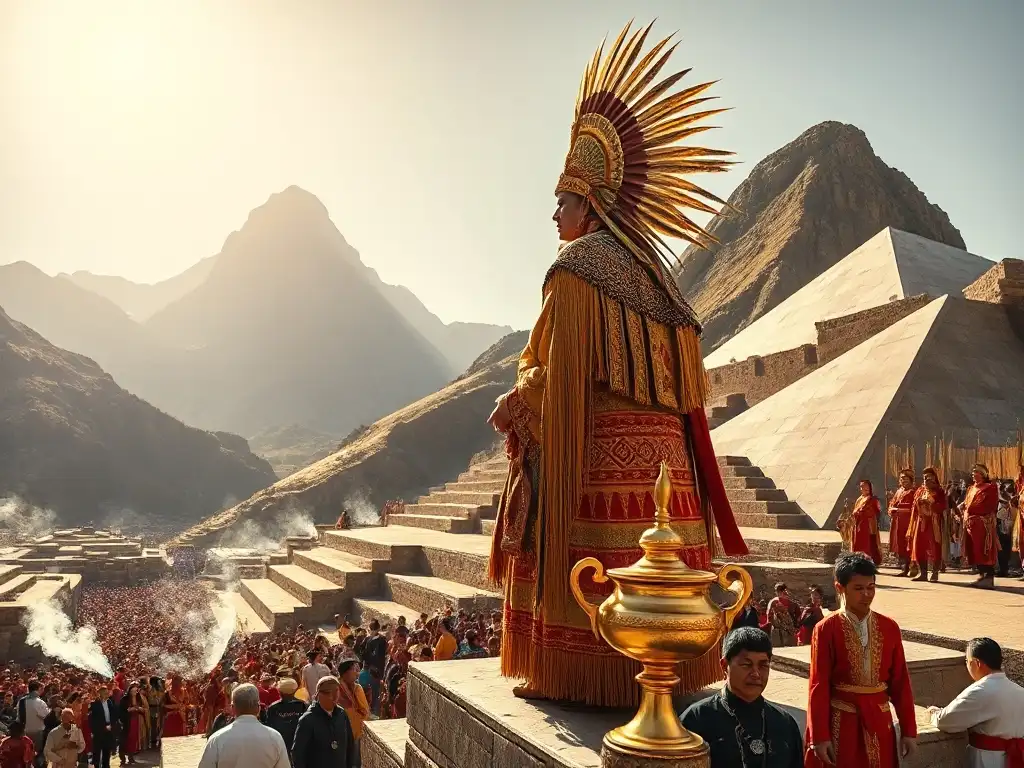
The Sapa Inca, the emperor of the Inca Empire, held a position far beyond mere political leadership. He was considered a divine intermediary, a high priest connecting the earthly realm with the celestial. This sacred role profoundly influenced his participation in religious ceremonies and rites, shaping the very fabric of Inca society and belief. The Inca ruler's religious authority was paramount, ensuring the empire's prosperity and maintaining cosmic balance.
His actions, even seemingly mundane ones, carried immense spiritual weight. The concept of the Sapa Inca as a divine figure is central to understanding his involvement in Inca religious practices. It wasn't simply a matter of presiding over events; his presence was the event, imbued with a sacred power that permeated all aspects of the ceremony.
The Inca Ruler's Role in the Inti Raymi Festival
The Inti Raymi, or Festival of the Sun, was arguably the most significant annual event in the Inca calendar. Celebrated during the winter solstice, it was a time of intense religious activity, focused on honoring Inti, the sun god, whose favor was essential for successful harvests and the overall well-being of the empire. The Sapa Inca played a central, irreplaceable role.
He personally presided over the elaborate ceremonies, performing rituals and offerings directly to Inti. Detailed accounts, albeit fragmented, suggest that the Inca ruler would participate in processions, leading his subjects in prayers and chants. He would also offer sacrifices of llamas, precious metals, and other objects deemed sacred.
The Inca's participation wasn't simply symbolic; it was believed to be crucial for ensuring the sun's continued benevolence. The success of the Inti Raymi, and by extension, the empire's prosperity, was directly tied to the Sapa Inca's active and devout participation. The intensity and scale of the festival underscore the importance of the Inca ruler's religious leadership.
Participation in the Capac Raymi Ceremony by the Inca
The Capac Raymi, often translated as the "Great Raymi," was another major festival, though its exact nature and timing remain a subject of scholarly debate. While less extensively documented than the Inti Raymi, it's clear the Sapa Inca's presence was crucial. Evidence suggests that the Capac Raymi involved broader themes of imperial power and legitimacy, reinforcing the Sapa Inca's divine right to rule.
This ceremony likely incorporated elements of ancestor veneration, reinforcing the Inca lineage's connection to the divine. The Inca ruler's role would have included performing specific rituals, perhaps involving the presentation of offerings to powerful deities beyond Inti, and leading the populace in displays of loyalty and devotion.
Further research is needed to fully understand the specific rituals and the Sapa Inca's exact participation; however, his involvement was undoubtedly essential for the ceremony's effectiveness and the reinforcement of his authority. The limited information available highlights the need for further investigation into the Capac Raymi and the precise role of the Inca ruler in its execution.
The Inca's Role in Agricultural Rites and Offerings
Agriculture was fundamental to Inca society, and the Sapa Inca's involvement in agricultural rites was essential for ensuring bountiful harvests. These ceremonies weren't merely symbolic; they were believed to directly influence the fertility of the land. The Inca ruler, often assisted by priests and nobles, would participate in rituals designed to appease the earth deities and ensure the success of planting and harvesting.
These rituals might involve offerings of coca leaves, chicha (a fermented maize beverage), and other agricultural products. The Sapa Inca's participation lent a divine sanction to these practices, reinforcing the importance of agriculture and the interconnectedness of the spiritual and material worlds in Inca cosmology. The involvement of the Inca ruler in these ceremonies demonstrates the profound influence of religion on all aspects of Inca life, from the most mundane tasks to the most elaborate festivals.
His presence ensured the community's faith in the success of their agricultural endeavors, highlighting the ruler’s vital role in maintaining social order and prosperity. The intricate connection between the Inca ruler, religious practices, and agricultural success is a testament to the integrated nature of Inca society.
The Inca Ruler's Responsibilities in Maintaining Cosmic Order
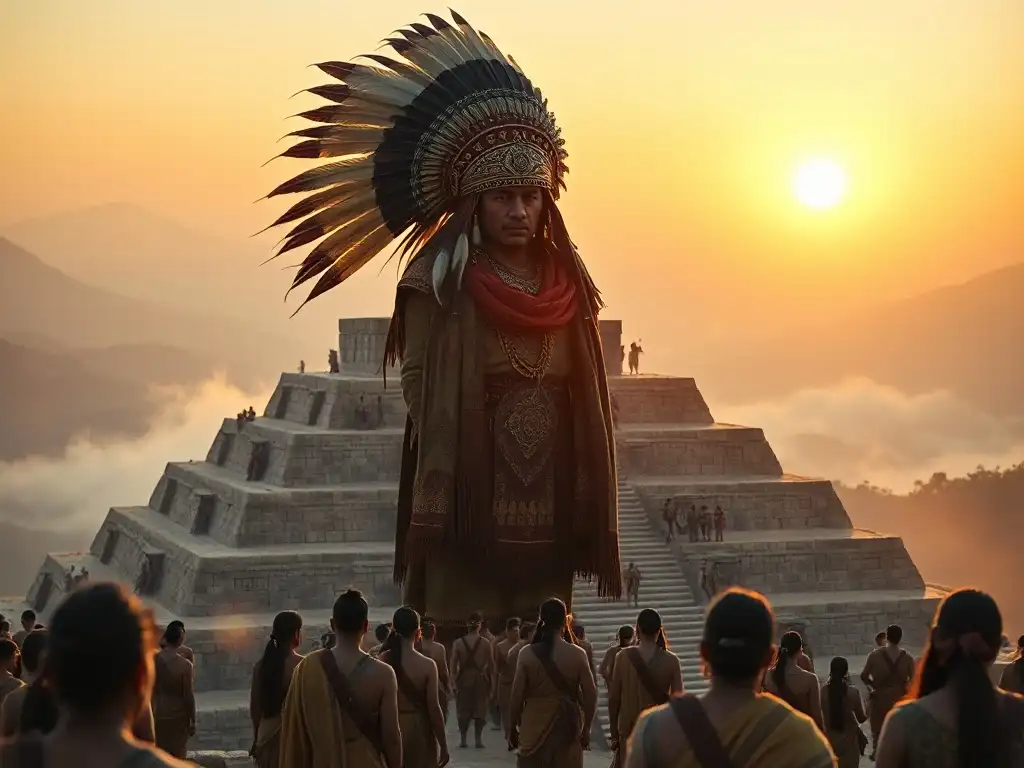
The Sapa Inca, the emperor of the Inca Empire, wasn't merely a political leader; he was considered a divine intermediary, a crucial link between the human world and the celestial realm. His role in religious ceremonies and rites was paramount, directly impacting the Inca worldview and the perceived well-being of the entire empire. The Inca belief system centered on maintaining ayni, a reciprocal relationship between humans and nature, gods and people. The Sapa Inca's actions, or lack thereof, were believed to directly influence the balance of this cosmic order, impacting everything from agricultural yields to the success of military campaigns. Failure to uphold these religious duties was seen as a threat to the stability of the empire and the prosperity of its people. This section delves into the specific religious responsibilities that fell upon the Sapa Inca, highlighting his pivotal role in ensuring the continued flourishing of the Inca civilization.
The Sapa Inca's Connection to the Sun God Inti
The Sapa Inca's most significant religious responsibility stemmed from his direct lineage to the sun god, Inti. He wasn't just a descendant; he was considered a living manifestation of Inti on Earth. This divine connection was reinforced through elaborate ceremonies and rituals. The Sapa Inca's daily routine included specific prayers and offerings to Inti, ensuring the sun's continued journey across the sky, vital for the Inca agricultural cycle.
The most important festival dedicated to Inti, the Inti Raymi, was presided over personally by the Sapa Inca. This grand celebration involved elaborate processions, sacrifices, and feasts, all designed to honor Inti and secure his continued favor. Failure to perform these rites properly could lead to disastrous consequences, such as crop failure or natural disasters, according to Inca beliefs.
The Inca ruler's religious ceremonies, therefore, were not simply symbolic; they were essential for the continued prosperity of the empire. The meticulous nature of these rituals underscores the profound importance placed on the Sapa Inca's religious role. Even minor deviations could be interpreted as a sign of displeasure from Inti, potentially resulting in widespread anxiety and unrest.
Ritualistic Duties of the Inca to Ensure Fertility and Abundance
Beyond his connection to Inti, the Sapa Inca played a crucial role in ensuring the fertility of the land and the abundance of resources. The Inca economy relied heavily on agriculture, and the Sapa Inca's participation in agricultural rituals was essential for a successful harvest. These rituals often involved the symbolic planting of seeds and the performance of specific prayers and offerings to ensure a bountiful yield.
The Inca ruler's religious ceremonies often included the participation of other high-ranking officials and priests, emphasizing the collective responsibility in maintaining the balance of nature. Evidence suggests that the Sapa Inca would personally participate in the planting of crops in certain key locations, signifying the importance of his role in guaranteeing agricultural prosperity. This wasn't merely a symbolic gesture; it was a direct engagement with the land and a tangible demonstration of his commitment to the well-being of his people.
The success of these rituals was directly linked to the Inca ruler's piety and his ability to maintain a harmonious relationship with the gods. Failure to do so could result in widespread famine and social unrest.
The Inca's Role in Appeasing the Gods Through Sacrifice
Sacrifice formed a significant part of Inca religious practices, and the Sapa Inca played a key role in these ceremonies. While human sacrifice was not commonplace, it was reserved for particularly important occasions or to appease powerful deities during times of crisis. The Sapa Inca's involvement in these sacrifices underscored the gravity of the event and the importance of maintaining order in the cosmic balance.
These sacrifices were not seen as acts of cruelty but as necessary offerings to maintain the favor of the gods and ensure the continuation of the Inca empire. The choice of sacrifice victims, the manner of sacrifice, and the location of the ceremony were all carefully considered and meticulously planned. Detailed records, though scarce, hint at the complexity and solemnity of these events, further emphasizing the Sapa Inca's pivotal role in these crucial religious practices.
The Inca ruler's religious ceremonies, including those involving sacrifice, were integral to the Inca worldview, highlighting the deep connection between the ruler, the gods, and the fate of the empire. The weight of this responsibility rested heavily upon the Sapa Inca, underscoring the profound nature of his religious authority.
Specific Examples of Inca Royal Participation in Religious Practices
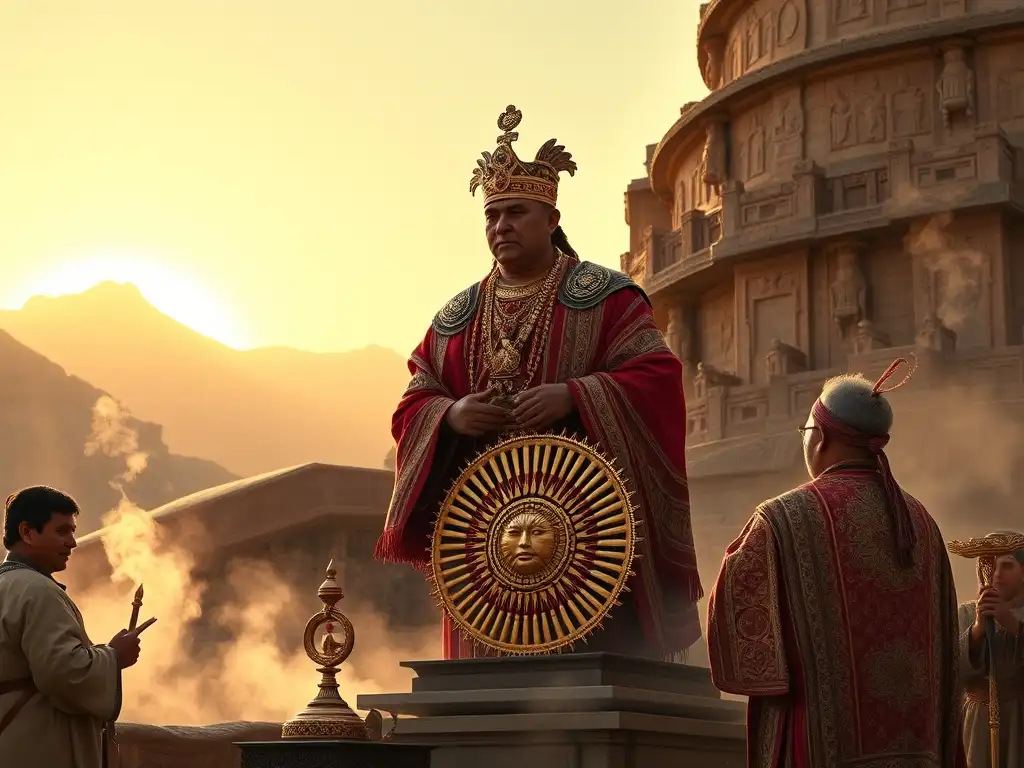
The Sapa Inca, the emperor of the Inca Empire, wasn't merely a political leader; he was considered a divine intermediary, a crucial link between the human world and the powerful Andean deities. His participation in religious ceremonies and rites was therefore not optional but essential for maintaining cosmological order and ensuring the prosperity of the empire. The Inca ruler's religious role extended far beyond simple attendance; he actively participated in complex rituals, often acting as the central figure.
Understanding the specifics of these rituals offers valuable insight into the intricate relationship between religious belief and imperial power within the Inca civilization. The weight of this responsibility is reflected in the elaborate preparations and the meticulous execution of each ceremony. The Inca ruler religious ceremonies were not merely spectacles; they were deeply spiritual acts with significant social and political implications.
The Sapa Inca's Procession and Offerings during the Qhapaq Hucha
The Qhapaq Hucha, or "Great Feast," was a major Inca festival celebrated annually, typically during the harvest season. This elaborate ceremony involved a grand procession led by the Sapa Inca himself. The procession would wind its way through the capital city of Cusco, showcasing the emperor's power and divine connection. The Sapa Inca, adorned in magnificent regalia, carried sacred objects and made offerings to the various deities along the route. The offerings, often including precious metals, textiles, and agricultural products, were not simply symbolic; they were believed to appease the gods and ensure bountiful harvests for the coming year.
The procession wasn't a spontaneous event; it was meticulously planned and choreographed, involving thousands of participants, including priests, nobles, and commoners. The route itself was likely significant, possibly following paths associated with specific deities or sacred sites within Cusco. The event's grandeur served to reinforce the Sapa Inca's authority and his role as the supreme religious leader.
Details regarding specific offerings and the exact route of the procession during the Qhapaq Hucha are unfortunately scarce, leaving room for further research and interpretation. However, available evidence strongly suggests a highly structured and symbolically rich ritual. Archaeological discoveries, coupled with surviving colonial accounts, continue to shed light on the complexities of this important Inca religious ceremony.
The Inca's Role in the Opening Ceremony of the Temple of the Sun in Cusco
The Temple of the Sun ( Intihuatana ) in Cusco held immense religious significance for the Inca. Its construction itself was a monumental undertaking, reflecting the importance placed on solar worship within the Inca pantheon. The opening ceremony, therefore, would have been an event of paramount importance, with the Sapa Inca playing a central role. While detailed accounts are limited, we can infer that the Inca's participation likely involved a series of ritual acts aimed at consecrating the temple and establishing its connection to the divine realm.
This might have included offerings of gold and silver, symbolic representations of the sun's power and the Inca's own authority. The Sapa Inca, acting as a conduit between the human and divine worlds, would have performed specific rituals designed to activate the temple's sacred energy. These rituals may have involved prayers, libations, and possibly even human sacrifice, although the extent of human sacrifice in Inca religious practices remains a subject of ongoing debate amongst scholars.
The event undoubtedly involved the participation of high priests and other important figures of the Inca court, all contributing to the sacred atmosphere and the overall significance of the temple's inauguration. It is plausible to assume that the ceremony reinforced the Inca's legitimacy as both the political and spiritual leader of the empire.
Further research into Inca religious practices and the archaeological evidence surrounding the Temple of the Sun could provide additional insights into the specific rituals performed during its opening. The limited information available highlights the need for more detailed investigation into the Inca ruler religious ceremonies, particularly those connected with the construction and dedication of significant temples.
The Symbolic Significance of the Inca Ruler in Religious Ceremonies
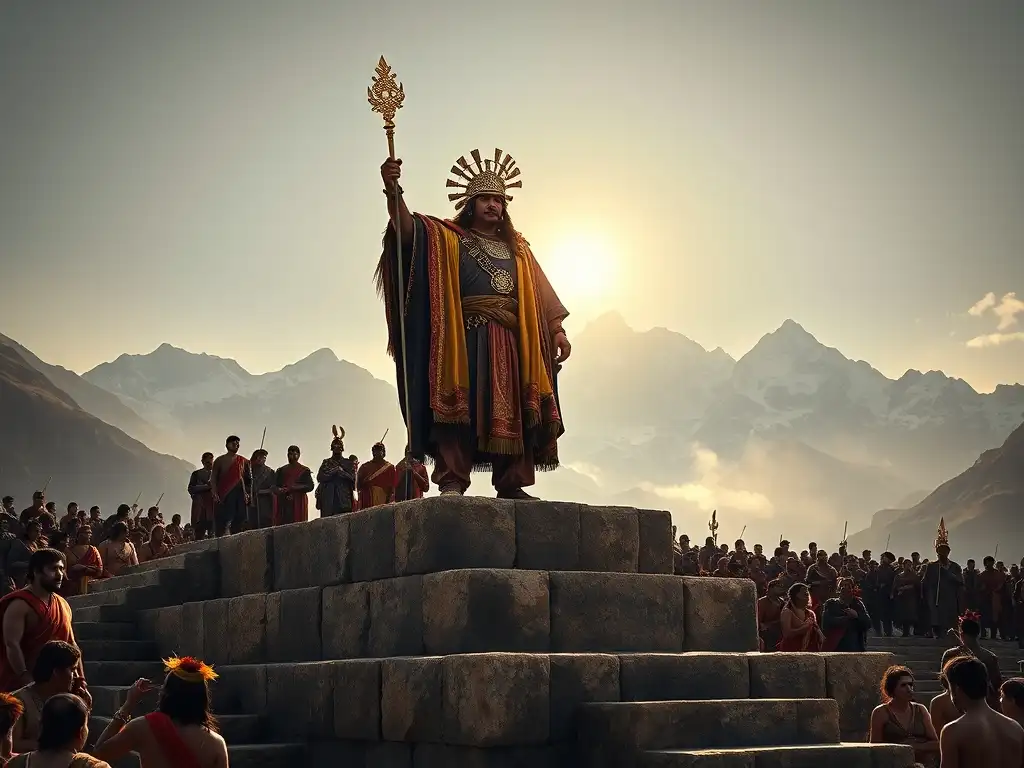
The Inca ruler, known as the Sapa Inca, held a position of immense religious significance, far exceeding that of a mere political leader. His role in religious ceremonies and rites was central to the Inca worldview, intertwining the spiritual and temporal realms. The Sapa Inca wasn't simply a participant in religious events; he was the central figure, embodying the power and authority of the gods themselves.
Understanding the Sapa Inca's religious role requires examining his symbolic representation within the Inca cosmology and the impact this had on the daily lives of his subjects. The very existence of the Inca Empire was inextricably linked to the Sapa Inca's successful performance of his religious duties, ensuring the continuity of the cosmos and the prosperity of the realm. This intricate connection between the ruler and religious practice is a key element in understanding Inca religion and the profound influence the Sapa Inca wielded.
The meticulous nature of these ceremonies, often involving elaborate rituals and sacrifices, highlights the importance placed on the Sapa Inca's actions and their impact on the spiritual well-being of the empire. The Inca ruler religious ceremonies were not merely spectacles; they were fundamental to the social fabric of Inca society.
The Sapa Inca as a Living God on Earth
The Inca believed their Sapa Inca was a direct descendant of the sun god, Inti, and thus possessed divine qualities. He wasn't simply a king; he was considered a living god on Earth, a conduit through which the divine will was channeled. This belief profoundly impacted his role in religious ceremonies.
The Sapa Inca's participation wasn't merely symbolic; it was believed to directly influence the success of the rituals and the favor of the gods. His presence at ceremonies ensured the effectiveness of prayers, sacrifices, and other rituals aimed at appeasing the gods or seeking their blessings for the harvest, war, or other crucial aspects of Inca life. This concept of the Sapa Inca as a living god is supported by archaeological evidence, including the elaborate palaces and temples built for him, and the extravagant rituals performed in his honor.
The Sapa Inca's actions were carefully observed, and his every move was imbued with religious significance. Even mundane activities took on a sacred quality due to his divine status. For example, the simple act of the Sapa Inca consuming food could be considered a ritual, symbolizing the nourishment and sustenance provided by the gods to the empire.
The Inca's Clothing and Regalia in Religious Contexts
The Sapa Inca's clothing and regalia played a crucial role in reinforcing his divine status during religious ceremonies. He wore garments of exceptional quality and intricacy, often adorned with gold, silver, feathers, and other precious materials. These weren't simply decorative items; they were powerful symbols representing his connection to the gods and his authority over the empire.
The specific colors, materials, and designs of his clothing held symbolic meanings, often representing specific deities or natural forces. For instance, the use of gold, associated with the sun god Inti, emphasized the Sapa Inca's divine lineage. The elaborate headdresses, adorned with feathers and precious stones, further amplified his sacred status, visually communicating his connection to the spiritual world.
Specific items, such as the llantas (a type of headdress) and the mascapaycha (a gold headband), were reserved exclusively for the Sapa Inca, underscoring his unique position within Inca society. The meticulous craftsmanship of these garments reflected the immense importance placed on the Sapa Inca's role as a religious figurehead. The careful selection and arrangement of each element served to visually communicate his power and divine authority.
The Sapa Inca's power and authority were most visibly demonstrated in sacred spaces such as temples and shrines. These locations were not merely places of worship; they were the physical manifestations of the Inca worldview, where the spiritual and physical realms intersected. The Sapa Inca’s presence in these spaces was crucial, legitimizing the rituals and reinforcing the connection between the divine and the earthly realms.
He presided over major religious festivals, leading prayers, offering sacrifices, and participating in rituals designed to ensure the prosperity and stability of the Inca Empire. Access to these sacred spaces was strictly controlled, with only the elite and the Sapa Inca himself allowed to enter certain areas. The Sapa Inca's control over these spaces underscored his religious authority and reinforced the hierarchical structure of Inca society.
His participation in rituals within these sacred spaces wasn't simply a matter of ritual observance; it was an act of governance, ensuring the continued flow of divine favor and the stability of the Inca Empire. The meticulous planning and execution of these ceremonies, along with the strict control over access to sacred spaces, further emphasizes the immense importance placed on the Sapa Inca's role in maintaining the cosmic order. The Inca ruler's religious ceremonies, therefore, weren't just religious acts; they were fundamental to the political and social structure of the Inca Empire.
The Legacy of Inca Religious Practices and Royal Participation
The Inca ruler, the Sapa Inca, wasn't merely a political leader; he was considered a divine intermediary, a crucial link between the earthly realm and the celestial world. His participation in religious ceremonies wasn't a symbolic gesture; it was the cornerstone of Inca religious life, directly impacting the empire's stability, prosperity, and the very fabric of Andean society. The Sapa Inca's role extended far beyond simple observation; he actively participated in rituals, offering prayers, sacrifices, and leading processions.
This active involvement underscored the divine nature of his authority and the inextricable link between political power and religious authority in the Inca Empire. The meticulous execution of these ceremonies, dictated by a complex calendar system and intricate protocols, ensured the continued favor of the gods and the well-being of the empire.
Failure to perform these rituals correctly was seen as a direct threat to the cosmic order and could lead to disastrous consequences, highlighting the immense responsibility borne by the Inca ruler. The weight of this responsibility is evident in the detailed records, albeit fragmented, that survive today, hinting at the sophistication and significance of these practices.
The Impact of Inca Rituals on Andean Culture
Inca religious rituals profoundly shaped Andean culture, influencing every aspect of daily life, from agriculture and warfare to social structures and artistic expression. The capacocha, a ritual sacrifice of children and young adults, serves as a stark example. While controversial and deeply unsettling from a modern perspective, this practice held immense religious significance for the Inca, reinforcing their belief in the cyclical nature of life and death, and the ruler's crucial role in maintaining cosmic balance.
The capacocha victims, often chosen from among the elite, were considered sacred offerings to the gods, ensuring the fertility of the land and the continued prosperity of the empire. This practice, though extreme, demonstrates the pervasiveness of religious beliefs in Inca society and the deep integration of the Sapa Inca within this system. The elaborate preparations and ceremonies surrounding capacocha involved entire communities, highlighting the collective nature of Inca religious practice and the ruler's role as a focal point for communal devotion.
Furthermore, the intricate textiles, gold ornaments, and other artifacts associated with capacocha reveal much about Inca artistry and craftsmanship, directly influenced by religious motivations and royal patronage. The legacy of these practices continues to resonate in Andean societies today, shaping cultural identity and artistic expression.
The Continuity of Religious Beliefs After the Inca Empire
Despite the Spanish conquest, many Inca religious beliefs and practices persisted, albeit often syncretized with Catholic traditions. While the Sapa Inca’s authority was shattered, the fundamental beliefs about the interconnectedness of the natural and supernatural worlds remained. Local deities and ancestral veneration continued, often integrated with newly introduced Christian saints and rituals.
This syncretism demonstrated the resilience of Andean religious traditions and their adaptability in the face of overwhelming cultural change. The surviving oral traditions, coupled with archaeological evidence, reveal the enduring influence of Inca religious practices. For instance, many agricultural rituals and celebrations tied to the Andean calendar continue to this day, demonstrating the profound and lasting impact of Inca religious beliefs on the cultural landscape.
Understanding this continuity is key to appreciating the complexity of Andean religious history and the resilience of indigenous spiritual traditions in the face of colonization. The adaptation and transformation of Inca religious practices in the post-conquest era presents a fascinating case study in cultural survival and resilience.
Understanding the Inca Ruler Through Religious Ceremonies
Analyzing the Sapa Inca's role in religious ceremonies offers invaluable insight into the nature of Inca power and governance. The ruler’s participation wasn't merely a display of authority; it was a fundamental aspect of his legitimacy. His actions during these ceremonies, from the precise movements during rituals to the offerings presented, were meticulously documented and interpreted as indicators of the empire's well-being.
These ceremonies served as powerful tools for reinforcing social hierarchy and consolidating political power. The elaborate rituals and their inherent complexity helped to maintain social order by emphasizing the Sapa Inca's divine right to rule. By controlling access to the sacred and mediating between the people and the gods, the ruler solidified his position as the supreme authority.
The very structure of Inca religious ceremonies, with their intricate protocols and symbolic significance, reveals much about the Inca worldview and the importance of maintaining a harmonious relationship with the supernatural realm. Further research into the specific rituals and their associated iconography is crucial for a deeper understanding of the Sapa Inca's role and the intricacies of Inca political and religious systems. The study of Inca religious ceremonies, therefore, provides a unique lens through which to examine the complex dynamics of power and belief within the Inca Empire.
Frequently Asked Questions
What was the Inca ruler's primary role in religious ceremonies?
The Inca ruler, or Sapa Inca, was considered a divine intermediary between the gods and the people. His participation in ceremonies was crucial for maintaining cosmic order and ensuring the prosperity of the empire. He held the ultimate authority in all religious matters.
How did Inca religious ceremonies impact the daily lives of the people?
Religious ceremonies were deeply interwoven with daily life. They dictated agricultural cycles, social structures, and even individual conduct. Failure to participate could have serious consequences.
What were some of the most important religious ceremonies involving the Inca ruler?
Important ceremonies included the capac hucha, a sacred festival involving the worship of the sun god, Inti, and the situa, a harvest festival. These events involved elaborate rituals and massive participation.
What was the significance of the Inca ruler's attire and symbols during religious ceremonies?
The Sapa Inca's attire, including ornate clothing and jewelry, symbolized his divine status and connection to the gods. Specific symbols and colors held deep religious meaning and reinforced his authority.
How did the Inca ruler's involvement in religious ceremonies affect the political structure of the empire?
The Inca ruler's religious role legitimized his political power. His ability to perform and oversee these ceremonies ensured his authority and the stability of the empire. Religious authority reinforced political control.
The intricate relationship between the Sapa Inca and Inca religious practices remains profoundly relevant today, demonstrating the enduring power of religious authority intertwined with political leadership. Understanding this dynamic offers crucial insight into the complexities of power, belief, and societal structure, not only within the Inca Empire but also in contemporary societies grappling with similar issues of governance and faith.
The Sapa Inca's role extended far beyond mere political leadership; he was the embodiment of the divine, a living bridge between the human and spiritual realms. His participation in elaborate ceremonies and rites underscored the sacred nature of his authority, shaping the very fabric of Inca society. This fusion of power and spirituality continues to resonate, prompting us to consider the delicate balance between secular and religious influence in modern governance. The Inca ruler was not merely a king, but a divine intermediary, a conduit for the will of the gods.
This understanding helps us appreciate the depth and complexity of the Inca worldview and its lasting impact on our understanding of power structures.
Consider the weight of responsibility inherent in such a role. The Sapa Inca's actions, both secular and religious, profoundly impacted the lives of millions. You, the reader, are now equipped with a deeper understanding of this intricate relationship.
Reflect on the ways in which religious belief systems and political power interact in your own world. How can we learn from the Inca example to foster a more just and equitable society, one that respects both the spiritual and temporal dimensions of human existence? Let the legacy of the Sapa Inca inspire you to critically examine the power dynamics within your own community and strive for a more harmonious balance between faith and governance.
Embrace the Spirit of the Inca: Engage, Explore, Evolve!
Thank you for exploring the fascinating world of the Inca and their significant role in religious ceremonies. Your interest deepens our understanding of these remarkable Andean civilizations. Building on your exploration of their unique traditions, let's connect even more deeply with this vibrant heritage.
Here are some ways you can engage further:
- Attend a local cultural event celebrating Andean traditions to experience the vibrancy of Inca rituals firsthand. Perhaps a festival showcasing traditional music and dance would be a good starting point.
- Share this article with friends and family who appreciate history and culture, sparking conversations about ancient practices and their continuing relevance.
- Visit Inca sites on your next trip—consider exploring iconic locations like Machu Picchu or Cusco, where the echoes of their sacred rites still resonate. The experience will be profoundly enriching.
What aspect of Inca religious ceremonies most captivates you, and how do you believe they continue to shape modern Andean culture?