
The Concept of Time in Inca Religion and Its Cyclical Nature

Step into a world lost to time, yet echoing with the whispers of a magnificent civilization. Discover the secrets of the Andes, where towering mountains held sacred meaning and the very fabric of life was woven from a unique understanding of time. Prepare to unravel the mysteries surrounding the Inca religion's cyclical time concept, a belief system that shaped their society, their art, and their enduring legacy. Intrigued? Then journey with us to explore the fascinating complexities of this ancient worldview.
- The Inca Religion Cyclical Time Concept: An Overview
- The Cyclical Nature of Time in Inca Beliefs
- The Role of Rituals in Reinforcing Inca Cyclical Time
- Connecting Inca Time to Agriculture and Nature
- Inca Worldview and the Concept of Eternal Return
- Comparing Inca Time Perception with Other Cultures
- Conclusion: The Lasting Legacy of the Inca Cyclical Time Concept
-
Frequently Asked Questions
- What was the Inca concept of time?
- How did the Inca religion reflect this cyclical view of time?
- What role did the sun play in the Inca cyclical concept of time?
- How did the Inca's understanding of cyclical time influence their agriculture?
- Were there any other Andean cultures that shared similar cyclical time concepts?
- Final Reflection: Echoes of the Inti, Whispers of Time
- Embrace the Cycles of Time: Transform Your Understanding!
The Inca Religion Cyclical Time Concept: An Overview
The Inca Empire, a civilization that flourished in the Andes Mountains from the 15th to the 16th century, possessed a complex and fascinating religious system deeply intertwined with their unique perception of time. Unlike linear conceptions of time prevalent in many Western cultures, the Inca worldview embraced a cyclical understanding, viewing time as a continuous, recurring process mirroring the natural world's rhythms. This cyclical perspective permeated all aspects of Inca life, from their agricultural practices and social structures to their elaborate religious rituals and beliefs.
Understanding this cyclical concept of time is crucial to grasping the essence of Inca religion and its profound influence on their society. This article delves into the intricacies of Inca cosmology and its impact on their religious practices, exploring how their understanding of cyclical time shaped their worldview and daily lives.
We will examine how this unique perspective manifested in their agricultural calendar, their rituals, and their overall relationship with the cosmos. The keyword "Inca religion cyclical time concept" accurately reflects the core theme of this exploration into the heart of Inca spirituality.
Understanding Inca Cosmology and Time Perception
Inca cosmology was fundamentally based on a cyclical understanding of time, closely tied to the agricultural cycle and the observable movements of celestial bodies. The sun, moon, and stars played pivotal roles in their religious beliefs, representing deities and influencing the agricultural calendar, which was central to their survival and spiritual practices. The Inca year was not a linear progression but rather a continuous cycle of planting, growth, harvest, and renewal, mirroring the cyclical nature of life and death. This cyclical perspective wasn't simply a practical agricultural framework; it was deeply ingrained in their spiritual beliefs, shaping their rituals and worldview.
The cyclical movement of the sun, for instance, was interpreted as a symbol of continuous regeneration and rebirth, reflecting their belief in the cyclical nature of existence itself. This understanding is reflected in their numerous festivals and ceremonies dedicated to the sun god, Inti, and other celestial deities. The precise details of many Inca rituals are unfortunately lost to time, but surviving accounts reveal the prominent role of cyclical time in their religious practices.
Archaeological evidence, such as the precise alignment of Inca structures with celestial events, further supports this interpretation of their cosmological beliefs. Furthermore, the Inca's intricate knowledge of astronomy allowed them to predict agricultural seasons with remarkable accuracy, reinforcing the importance of cyclical time in their daily lives and religious observances. This intricate relationship between celestial cycles and agricultural practices highlights the deep integration of their cosmology and their understanding of cyclical time.
The Cyclical Nature of Time in Inca Beliefs
The Inca concept of time differed significantly from linear Western perspectives. Instead of a unidirectional progression from beginning to end, the Inca worldview embraced a cyclical understanding of time, viewing history and the cosmos as a continuous series of cycles, renewals, and transformations. This cyclical nature permeated all aspects of Inca religion, influencing their rituals, agricultural practices, and even their social structures.
Understanding this cyclical perspective is crucial to grasping the intricacies of Inca religion and its profound impact on their society. The Inca religion cyclical time concept is deeply rooted in their cosmology and understanding of the pacha, the world.
The Pachakuti: Cycles of Creation and Destruction
The Pachakuti forms the cornerstone of the Inca understanding of cyclical time. It wasn't simply a catastrophic event, but rather a fundamental process of cosmic renewal. Think of it not as an ending, but as a necessary transformation, a pivotal point marking the transition from one era to another within the larger cosmic cycle.
Inca mythology is replete with accounts of Pachakutis, periods of upheaval and change that reshaped the world and redefined the relationship between humanity and the divine. These weren't merely random occurrences; they were integral to the continuous flow of time, a mechanism through which the cosmos maintained its balance and vitality.
Evidence suggests these cycles were not perceived as uniformly destructive, but rather as opportunities for rebirth and the establishment of a new world order. The cyclical nature of the Pachakuti is reflected in the Inca’s agricultural practices, mirroring the cycles of planting, harvesting, and fallow periods.
The frequency and specific characteristics of Pachakutis remain a subject of ongoing scholarly debate. Some scholars suggest a relatively regular cycle, while others argue for more irregular, unpredictable occurrences. Further research, particularly analyzing surviving Inca texts and archaeological evidence, is crucial to refining our understanding of the timing and nature of these transformative periods. However, the very concept of the Pachakuti underscores the Inca's deep-seated belief in the cyclical nature of time and the inevitability of change.
Inca Understanding of Time as a Repeating Wheel
The Inca viewed time as a continuously repeating wheel, with each cycle mirroring previous ones. This wasn't a simplistic repetition, however. Each cycle built upon the previous one, incorporating new elements and experiences, leading to a gradual evolution within the overarching cyclical framework.
This cyclical perspective is reflected in their agricultural practices, where the planting and harvesting seasons mirrored the cyclical nature of the cosmos. The annual agricultural cycle, intimately tied to the movements of the sun and stars, served as a powerful reminder of the cyclical nature of time and the interconnectedness of the human and cosmic realms. This cosmological understanding profoundly shaped their religious beliefs and practices.
The cyclical nature of time also impacted Inca social structures. The succession of Sapa Inca, the emperor, while seemingly linear, was also embedded within a cyclical framework. Each Sapa Inca inherited a legacy and built upon the achievements of their predecessors, contributing to the continuous evolution of the Inca empire within the overarching cyclical pattern of time.
This understanding of time as a repeating pattern, constantly renewed and transformed, imbued Inca life with a sense of continuity and resilience, even in the face of significant challenges and changes. Their worldview emphasized adaptation, renewal, and the understanding that change, even cataclysmic change, was an intrinsic part of the cosmic order. This perspective provided a framework for navigating the uncertainties of life and maintaining a sense of stability and purpose within a world perceived as constantly evolving.
The Incas viewed time as a series of recurring cycles, much like a wheel turning, with events repeating but not in an identical manner, allowing for subtle changes each revolution.
The Inca concept of time wasn't linear, progressing in a straight line from beginning to end like a Western calendar. Instead, they perceived time as a cyclical process, a continuous turning of a wheel, or perhaps more accurately, a series of nested cycles, each influencing the others. This cyclical view deeply permeated their worldview, impacting their agriculture, religious practices, and social structures.
Think of it like the seasons: each year, the seasons repeat—spring, summer, autumn, winter—but each year is subtly different. A particularly harsh winter might impact the following spring's harvest, altering the cycle's trajectory slightly, but the overall pattern remains. This is analogous to the Inca understanding of time.
The repetition wasn't a simple mirroring; each cycle built upon the previous one, incorporating the consequences of past actions and events. This cyclical nature wasn't merely a philosophical abstraction; it was a practical framework for understanding and interacting with the world. The annual agricultural cycle, for instance, was intimately tied to their religious calendar and beliefs about the celestial movements. The successful completion of one harvest cycle directly influenced the preparations and expectations for the next.
Similarly, the Inca emperors' reigns, though unique, followed a pattern of succession and consolidation of power, reflecting the overall cyclical framework of Inca society. This cyclical understanding allowed for adaptation and flexibility within a structured system. Unexpected events, like droughts or conflicts, were not seen as disrupting a linear progression, but as variations within the larger cyclical pattern, requiring adjustments in subsequent cycles.
The cyclical nature of time also influenced the Inca understanding of history. Past events weren't simply forgotten; they were remembered and integrated into the present, shaping the understanding and expectation of future cycles. Ancient myths and legends served as guides, providing lessons and warnings based on the cyclical repetition of events.
This holistic approach to time fostered a sense of continuity and connection between generations, reinforcing the social fabric of the Inca Empire. The cyclical nature wasn't static; it was dynamic, constantly evolving and adapting to the interplay of various factors, ensuring the Inca civilization's resilience and adaptability over centuries. The understanding of this cyclical time was paramount in their religious practices, agricultural cycles, and societal structures.
The Role of Rituals in Reinforcing Inca Cyclical Time
The Inca worldview was profoundly shaped by a cyclical understanding of time, deeply interwoven with their religious beliefs and practices. This wasn't a linear progression from a beginning to an end, but rather a continuous, repeating pattern of creation, destruction, and renewal, mirroring the natural world around them. The Inca concept of pachakuti, a cataclysmic event that signifies a fundamental shift in the cosmic order, highlights the cyclical nature of their perception of time.
These transformative events, while disruptive, were not seen as endings but as transitions to a new cycle, a reiteration of the cosmos's inherent rhythm. This cyclical perspective wasn't simply a philosophical abstraction; it was actively reinforced and maintained through elaborate rituals and festivals meticulously aligned with the movements of the celestial bodies and the agricultural calendar.
The very fabric of Inca society was woven with this cyclical understanding of time, shaping their social structure, agricultural practices, and political organization. Understanding the role of rituals is crucial to grasping the depth and significance of the Inca cyclical time concept.
Rituals and Festivals Aligned with Time Cycles
The Inca calendar, far from being a simple tool for tracking days and years, served as a vital framework for organizing their religious life. It was a complex system, likely incorporating both solar and lunar cycles, meticulously charting the movements of the sun, moon, and stars. This intricate calendar dictated the timing of numerous rituals and festivals, many of which were directly linked to agricultural cycles and the sun's annual journey.
The precise dates and ceremonies varied regionally, reflecting the diverse ecological conditions across the vast Inca empire. The Inca calendar wasn't just a collection of dates; it was a living, breathing entity that dictated the rhythm of life itself. The meticulous observance of these rituals served to reaffirm the cyclical nature of time, ensuring the continuity of the cosmos and the prosperity of the Inca world.
For example, the Capac Raymi, a major festival celebrated during the winter solstice, symbolized the renewal of the sun's power and the promise of a bountiful harvest. Other festivals, such as the Citua, marked significant agricultural moments, further reinforcing the interconnectedness of time, nature, and ritual. The accuracy and precision of these astronomical observations and the elaborate nature of the associated ceremonies underscore the profound importance of cyclical time in Inca religion.
The Importance of the Inti Raymi and its cyclical significance
The Inti Raymi, the festival of the sun, stands as perhaps the most significant example of how the Inca integrated their cyclical time concept into their religious practices. Celebrated during the solstice in June, this grand festival was a complex event involving elaborate processions, sacrifices, and feasts. It wasn't just a celebration of the sun god, Inti; it was a reaffirmation of the entire cosmic order, a ritual re-enactment of the cyclical renewal of the universe.
The Inti Raymi wasn't a one-off event; it was a pivotal moment within the larger cyclical framework of the Inca year, marking a crucial turning point in the agricultural cycle and the sun's annual journey. The festival's elaborate preparations, its meticulous timing, and its widespread participation highlight its central role in reinforcing the Inca's belief in cyclical time. The precise astronomical observations required to determine the solstice date, coupled with the elaborate rituals performed, demonstrate the sophisticated understanding of the cosmos and the profound importance placed upon maintaining the balance of the natural world through religious practice.
The Inti Raymi wasn't merely a religious celebration; it was a powerful mechanism for solidifying the Inca's cyclical worldview and ensuring the continued prosperity of their empire. The meticulous planning and execution of this festival, involving the entire Inca empire, underscores the central role of cyclical time in their religious and social structures. The legacy of the Inti Raymi continues to resonate today, a testament to the enduring power of the Inca's cyclical concept of time.
The Inti Raymi, the festival of the sun, celebrated the winter solstice and the sun's return, a key moment in the cyclical renewal of life and the agricultural year.
The Inti Raymi, meaning "Festival of the Sun" in Quechua, was the most important festival in the Inca calendar. Far from being a mere celebration, it served as a powerful ritual reaffirming the Inca understanding of cyclical time and the vital connection between the cosmos and their agricultural society. Held annually around the winter solstice (June 21st), it marked a crucial turning point in the agricultural cycle. The winter solstice represented a period of apparent death or dormancy, with the sun at its weakest point in the year.
However, the Incas viewed this not as an ending, but as a necessary prelude to renewal. The Inti Raymi celebrated the sun's resurgence, symbolizing the promise of the coming harvest and the rebirth of life itself. The festival's elaborate ceremonies, involving sacrifices, feasts, and processions, served to actively participate in and reinforce this cosmic cycle. The Inca emperor, as the direct descendant of the sun god Inti, played a central role, symbolically ensuring the sun's continued journey and the prosperity of the empire.
This elaborate ritual wasn't just a spectacle; it was a deeply spiritual act that actively engaged with and reaffirmed the Inca's belief in the cyclical nature of time and the interconnectedness of the human and cosmic realms. The success of the Inti Raymi was directly linked to the success of the coming harvest, underscoring the profound importance of this festival in the Inca worldview. The meticulous planning and execution demonstrate the Inca's sophisticated understanding of astronomy and their ability to harness the power of ritual to reinforce their cosmological beliefs and ensure the continuity of their society. The Inti Raymi was not simply a celebration; it was a powerful act of cosmic engagement, a tangible manifestation of the Inca concept of cyclical time.
The grandeur of the Inti Raymi is further emphasized by its location. It was typically celebrated in Cusco, the heart of the Inca empire, highlighting the centrality of the sun's power to the Inca state. The festival's elaborate choreography, involving thousands of participants, underscored the collective nature of the Inca faith and the shared belief in the cyclical renewal of life.
The procession itself, a meticulously planned sequence of events, reflected the intricate relationship between the Inca royalty, their subjects, and the divine forces they worshipped. The use of specific colors, offerings, and symbolic gestures all contributed to the ritual's power, reinforcing the message of cosmic renewal and the emperor's role as intermediary between the human and divine realms.
The festival's duration and the meticulous planning involved showcase the Inca's deep commitment to their religious beliefs and their profound understanding of the cyclical nature of time, a concept deeply intertwined with their agricultural practices and the very fabric of their society. The Inti Raymi was a living testament to the Inca’s profound understanding of their world and their ability to express this understanding through elaborate ritual.
Connecting Inca Time to Agriculture and Nature
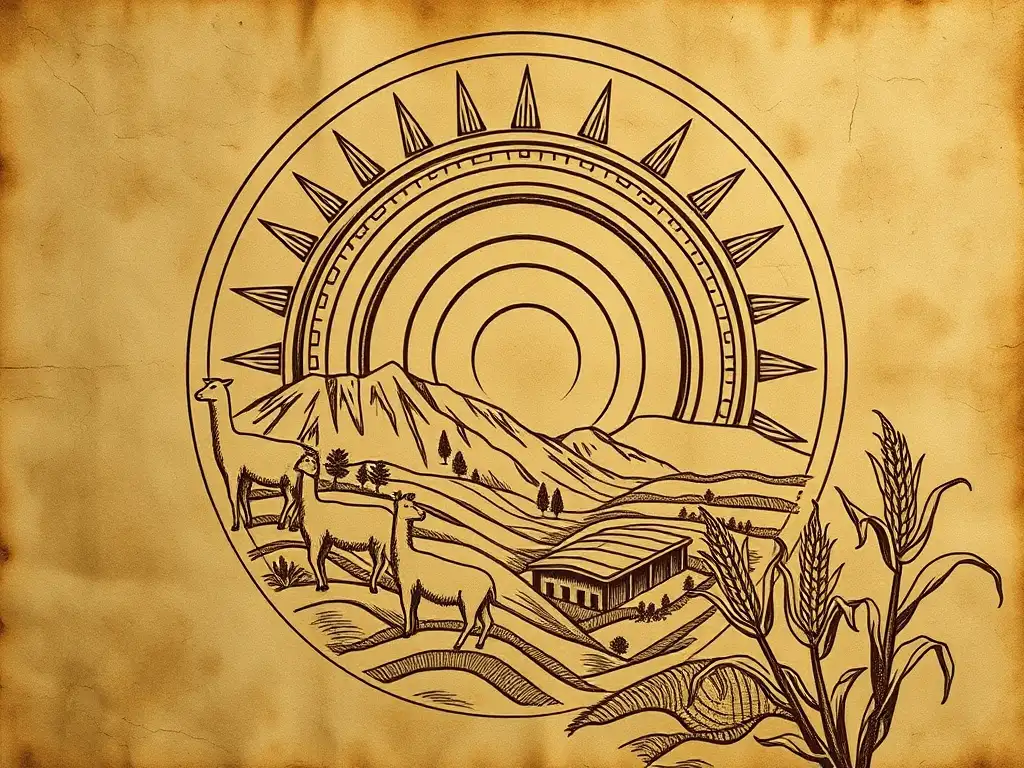
The Inca concept of cyclical time wasn't merely an abstract philosophical notion; it was deeply interwoven with the practicalities of their agrarian society. Their understanding of time was inextricably linked to the rhythms of nature, particularly the agricultural cycle. The Inca worldview saw the cosmos as a living, breathing entity, with humans occupying a central, yet interconnected, role within this grand, cyclical system. This perspective profoundly shaped their religious beliefs, rituals, and societal structures.
Understanding the Inca's perception of time requires acknowledging this fundamental connection between the human world and the natural world. The cyclical nature of time, mirroring the cyclical nature of planting, harvesting, and the changing seasons, formed the bedrock of their cosmological understanding and influenced every aspect of their lives. This intimate relationship between the cyclical time concept and the agricultural calendar is a key element in understanding Inca religion.
The Agricultural Calendar and its Link to Inca Time
The Inca agricultural calendar wasn't a simple list of dates; it was a sophisticated system reflecting their profound understanding of astronomy and the cyclical patterns of the natural world. It dictated the timing of planting, harvesting, and various religious festivals. The calendar wasn't static; it was adapted to the specific microclimates of the diverse Andean landscape, demonstrating a remarkable level of local adaptation within a broader, unified cosmological framework.
For example, high-altitude regions with shorter growing seasons would have had a calendar slightly different from those in lower-altitude valleys, reflecting the variations in temperature and rainfall. This localized adaptation, however, didn't diminish the underlying principle: the belief in the cyclical nature of time and its profound impact on agricultural productivity.
The success of their agricultural system, which supported a large and complex empire, was directly linked to their acute awareness of these cyclical patterns and their ability to synchronize their activities with them. This synchronization wasn't just about practicality; it was a sacred duty, a way of harmonizing human actions with the cosmic order.
How Inca Astronomy Influenced their Timekeeping
Inca astronomy wasn't a detached intellectual pursuit; it was integral to their religious beliefs and agricultural practices. Their priests, known as amautas, were skilled astronomers who meticulously observed the celestial bodies. They used this knowledge to predict the solstices and equinoxes, vital for determining the optimal times for planting and harvesting.
The Inca used various instruments, including sophisticated sundials and possibly even more complex devices, [specific information pending] to track the sun's movement. These astronomical observations were not just used for agriculture; they also played a crucial role in their religious calendar, with many festivals timed to coincide with significant astronomical events. The cyclical movements of the sun, moon, and stars were seen as manifestations of the cyclical nature of time itself, reinforcing the interconnectedness of the cosmos and the human world.
This intricate relationship between astronomy and timekeeping is a compelling example of how Inca religion and their understanding of cyclical time were deeply intertwined with their practical needs and their spiritual beliefs. The precise alignment of their agricultural practices with astronomical events underscores the sophisticated level of their astronomical knowledge and its central role in their society. This sophisticated system of timekeeping, deeply rooted in astronomical observation, further strengthens the argument for the centrality of the cyclical time concept in Inca religion.
Inca astronomers meticulously observed the sky, using celestial bodies to develop a sophisticated calendar system that reflected their understanding of cyclical time.
Inca understanding of time wasn't merely a linear progression; it was deeply intertwined with the cyclical rhythms of nature, primarily driven by meticulous astronomical observations. Their astronomers, often revered as priests, weren't simply stargazers; they were essential figures whose knowledge directly impacted the Inca empire's agricultural practices, social organization, and religious ceremonies. They didn't possess telescopes, yet their naked-eye observations were remarkably precise, allowing them to track the movements of the sun, moon, and stars with astonishing accuracy.
This knowledge was crucial for predicting solstices, equinoxes, and other celestial events, which formed the backbone of their calendar system. The Inca calendar, unlike the Gregorian calendar we use today, wasn't based on a fixed number of days; instead, it was intimately tied to the agricultural cycles and the natural world.
The precise details of the Inca calendar are still debated by scholars, as much of their knowledge was passed down orally and not recorded in a written form. However, archaeological discoveries and ethnographic accounts reveal a sophisticated system intricately linked to the cyclical nature of time.
The Inca calendar wasn't a single, monolithic system. Evidence suggests the existence of multiple calendars, each serving different purposes. Some calendars likely tracked agricultural cycles, while others focused on religious festivals and ceremonies.
The precise interplay between these calendars remains an area of ongoing research, but it's clear that the Inca's understanding of cyclical time was multifaceted and essential to their way of life. Their observations of celestial phenomena weren't merely intellectual exercises; they were practical tools for managing their society and ensuring the successful cultivation of their crops. The accuracy of their astronomical predictions is a testament to their keen observational skills and deep understanding of the celestial cycles.
This knowledge was not confined to a select few; it was likely disseminated through oral tradition, ensuring its continued relevance across generations. The integration of astronomy and agriculture demonstrates the close relationship between the Inca's cosmological beliefs and their practical needs. Their sophisticated calendar system exemplifies how their understanding of cyclical time served as the foundation for a thriving civilization.
Inca Worldview and the Concept of Eternal Return
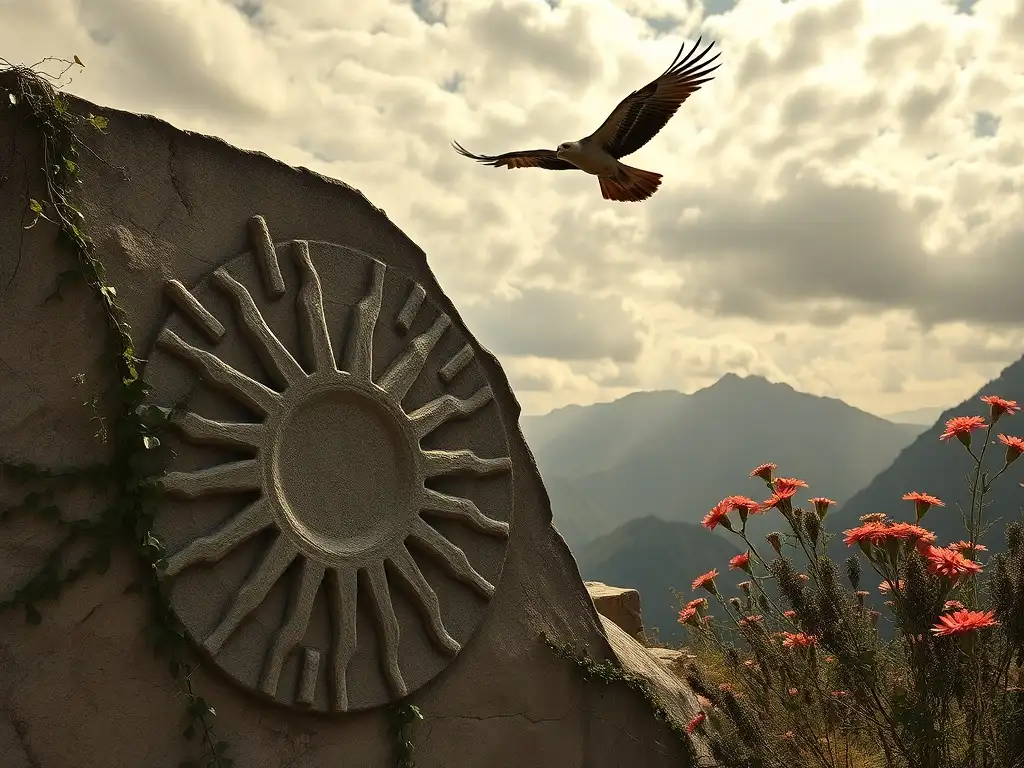
The Inca concept of time differed significantly from linear Western perspectives. Instead of a unidirectional progression from beginning to end, the Inca worldview embraced a cyclical understanding of time, characterized by continuous renewal and rebirth. This cyclical nature profoundly impacted their religious beliefs, rituals, and social structures, reflecting a deep-seated belief in the eternal return.
This idea, central to Inca religion cyclical time concept, permeated all aspects of their lives, from agricultural practices to imperial governance. Understanding this cyclical perspective is crucial to comprehending the intricacies of Inca religion and its enduring legacy. The cyclical nature of time wasn't merely a philosophical abstraction; it was a lived reality deeply embedded in their daily existence and spiritual practices.
The Interplay Between the Past, Present, and Future in Inca Thought
The Incas did not view past, present, and future as separate entities, but rather as interconnected parts of a continuous, cyclical flow, where the past informs the present and shapes the future. This interconnectedness is evident in their agricultural practices, where the planting and harvesting cycles mirrored the cyclical nature of time itself. The annual agricultural cycle, meticulously observed and celebrated through rituals, symbolized the continuous regeneration of life and the cyclical renewal of the cosmos.
The past, represented by ancestral spirits and traditions, held immense importance, guiding present actions and influencing future outcomes. The veneration of ancestors wasn't simply a remembrance of the deceased; it was a vital link to the continuous flow of time and the perpetuation of Inca society. This connection ensured continuity and provided a framework for understanding their place within the larger cosmic order.
For example, the capacocha sacrifices, while seemingly brutal from a modern perspective, were viewed as a necessary act to maintain balance and ensure the continuation of the cyclical flow of time and the prosperity of the empire. The cyclical nature of time imbued these practices with a sacred significance.
The Notion of Rebirth and Renewal in Inca Cyclical Time
The cyclical nature of Inca time is inextricably linked to the concept of rebirth and renewal. The annual agricultural cycle, with its periods of dormancy and resurgence, served as a powerful metaphor for this continuous process of renewal. The changing seasons, the cycles of the sun and moon, and even the life cycle itself were all understood within this broader framework of cyclical regeneration. This belief in rebirth extended beyond the agricultural sphere and permeated other aspects of Inca life.
Festivals and rituals, often tied to specific agricultural cycles or astronomical events, served to commemorate and reinforce this cyclical pattern. These celebrations weren't simply social gatherings but rather sacred ceremonies designed to ensure the continuation of the cycle and the renewal of life, guaranteeing the prosperity of the Inca empire and its people. The cyclical model of time in Inca religion provided a framework for understanding not only the natural world but also the social and political order. The emperor, for example, was seen as a link between the divine and the earthly realms, playing a crucial role in maintaining the balance and ensuring the continuous renewal of the cosmic order.
This perspective fostered a sense of continuity and stability within Inca society, reinforcing their belief in the eternal return and the cyclical nature of time. Further research is needed to fully understand the nuanced ways in which this concept manifested in different aspects of Inca society. [Specific information pending on regional variations in cyclical time concepts].
The concept of rebirth and renewal was central to the Inca worldview, with each cycle seen as an opportunity for growth and transformation, reflecting a cosmic renewal.
The Inca concept of time wasn't linear, progressing in a straight line from beginning to end, like a Western understanding. Instead, it was profoundly cyclical, mirroring the rhythms of nature – the changing seasons, the phases of the moon, the annual planting and harvesting cycles. This cyclical view deeply influenced their religious beliefs and practices, emphasizing the constant process of death and rebirth, decay and renewal.
The Inca worldview wasn't focused solely on a singular life; rather, it encompassed a broader perspective of continuous regeneration across generations and even cosmic scales. This concept of cyclical time, often referred to as pachakuti, wasn't merely a philosophical notion; it permeated their daily lives, shaping their agricultural practices, their social structures, and their understanding of the cosmos.
The cyclical nature of time was intricately linked to the Inca understanding of the Pachamama (Mother Earth) and the Inti (Sun God). The annual agricultural cycle mirrored the cosmic cycle, with the death of crops in the winter representing a symbolic death, followed by the rebirth of vegetation in the spring, signifying renewal and regeneration. This cyclical pattern reinforced the belief in the continuous interaction between the earthly and celestial realms.
The sun's journey across the sky, its daily rising and setting, and its yearly movement across the solstices and equinoxes, further reinforced this concept of cyclical renewal. The Inca observed these celestial events with great care, integrating them into their calendar system and religious ceremonies. These observances weren't simply for astronomical accuracy; they were ritualistic acts, reaffirming their connection to the cyclical nature of existence.
This cyclical worldview offered a sense of hope and optimism, even in the face of adversity. The death of an individual, or even the decline of a civilization, wasn't seen as an absolute end but as a necessary part of a larger, ongoing cycle of transformation. Each cycle presented an opportunity for renewal, a chance for growth and improvement.
This belief fostered resilience and a profound respect for the natural world and its rhythms. The Inca's understanding of cyclical time provided a framework for interpreting the world around them, ensuring that even in times of hardship, there was always the promise of a new beginning, a new cycle of growth and regeneration.
This understanding deeply impacted their social structure, with leadership changes and societal shifts viewed as parts of this larger, ongoing process of renewal and transformation. The cyclical nature of their worldview provided a framework for both individual and societal resilience.
Comparing Inca Time Perception with Other Cultures
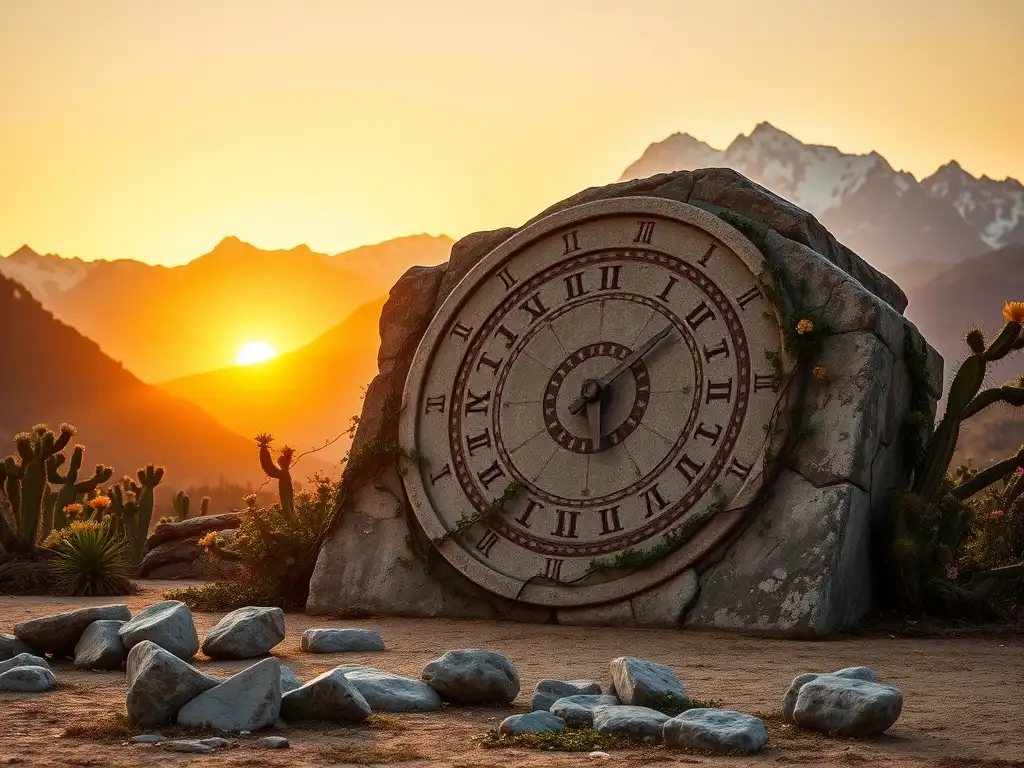
This section delves into the unique characteristics of the Inca concept of time, contrasting it with the linear perception prevalent in many other cultures. Understanding this difference is crucial to grasping the intricacies of Inca religion and worldview. The Inca's cyclical understanding of time profoundly influenced their rituals, agriculture, and social structure, setting them apart from societies that viewed time as a unidirectional arrow. We will explore both the contrasts and, surprisingly, some unexpected parallels found in other ancient civilizations.
Contrasting Inca Cyclical Time with Linear Time Concepts
The Western concept of time, rooted in Judeo-Christian traditions, often presents a linear progression: a clear beginning, a continuous movement towards an end, and an irreversible flow from past to present to future. This linear model is reflected in our calendars, our historical narratives, and even our personal life planning. Think of a timeline – a straight line representing the passage of time.
The Inca, however, perceived time as cyclical, a recurring pattern of creation and destruction, growth and decay. Instead of a straight line, imagine a spiral, constantly winding upwards, with each cycle mirroring, but not exactly repeating, the previous one. This cyclical view is evident in their agricultural practices, deeply intertwined with the yearly cycles of planting, harvesting, and the seasonal changes.
The Inca inti raymi (festival of the sun), celebrated the yearly solar cycle, a perfect manifestation of this cyclical worldview. The cyclical nature of time wasn't merely a calendar system; it was a fundamental aspect of their cosmology, impacting their understanding of life, death, and the cosmos itself. The very idea of "progress" differed significantly; it wasn't about moving forward in a straight line but about maintaining the balance and harmony of the cycle.
Exploring Parallels in Other Ancient Civilizations
While the Inca's cyclical view of time possessed unique characteristics, it wasn't entirely isolated. Several other ancient cultures displayed similar patterns in their understanding of time's nature. For instance, many Mesoamerican civilizations, like the Maya, also incorporated cyclical time concepts into their complex calendar systems. Their Long Count calendar, spanning millennia, reflects a cyclical understanding of cosmic time, with periods of creation and destruction. Similarly, certain aspects of ancient Egyptian beliefs incorporated cyclical elements, although often interwoven with linear narratives of dynastic succession. The cyclical recurrence of floods in the Nile, crucial for agriculture, likely influenced this perspective.
The following table summarizes some key differences and similarities:
| Civilization | Time Perception | Key Characteristics | Religious/Cultural Manifestations |
|---|---|---|---|
| Inca | Cyclical, Spiral | Emphasis on repetition, renewal, balance; linked to agricultural cycles | Inti Raymi, agricultural rituals, cosmology |
| Maya | Cyclical, Complex | Long Count calendar, intricate astronomical observations | Calendar systems, ritual cycles, prophecies |
| Ancient Egyptian | Primarily Linear, some Cyclical elements | Dynastic succession, linear history; cyclical floods of the Nile | Nile flood rituals, cyclical rebirth themes in mythology |
| Western (Modern) | Linear | Progress, irreversible flow, unidirectional | Linear historical narratives, future-oriented planning |
It's important to note that the degree and nature of cyclical time perception varied across cultures. While the Inca emphasized a more purely cyclical model deeply integrated into their religious and agricultural practices, other civilizations might have blended linear and cyclical perspectives, resulting in more complex and nuanced understandings of time's passage. Further research is needed to fully understand the nuances of these intricate systems and their underlying philosophical underpinnings.
The Inca religion's cyclical time concept, however, stands as a powerful example of a worldview fundamentally different from the linear perspectives dominant in many other cultures. The cyclical nature of time, for the Inca, was not just a matter of chronology but a reflection of the cosmos itself, a dynamic interplay of creation and destruction, a continuous process of renewal.
Similar cyclical time concepts can be found in other ancient civilizations, such as the Maya and the ancient Egyptians, who also saw time as a recurring pattern.
The Inca understanding of cyclical time, with its emphasis on recurring cycles of creation, destruction, and renewal, finds striking parallels in other ancient cultures. The Maya civilization, renowned for its sophisticated astronomical knowledge and calendar systems, also perceived time as a cyclical process. Their intricate calendar, combining the 260-day Tzolkin and the 365-day Haab, created a larger cycle of 52 years, representing a complete cycle of time.
This cyclical view was deeply embedded in their religious beliefs and rituals, influencing their agricultural practices and societal organization. The Maya believed in a constant interplay between the earthly and celestial realms, with time acting as a bridge connecting these two spheres. Their worldview emphasized the cyclical nature of life, death, and rebirth, mirroring the Inca concept of continuous regeneration.
The ancient Egyptians, another civilization with a complex cosmology, shared a similar perspective on time. Their understanding of time was inextricably linked to the cyclical flooding of the Nile River, a crucial event that dictated their agricultural cycle and shaped their societal structure. The annual inundation was viewed as a symbolic representation of rebirth and renewal, reflecting the cyclical nature of their deities and the cosmos itself.
The Egyptians believed in a continuous cycle of creation and destruction, symbolized by the daily journey of the sun god Ra across the sky and his nightly descent into the underworld. This daily cycle mirrored the larger cycles of time they perceived, emphasizing the repetitive nature of existence and the eternal recurrence of events.
The cyclical nature of the Nile's flooding deeply influenced their religious beliefs and rituals, and their art frequently depicted this cyclical process. The concept of "ka," the life force, further reinforced the idea of cyclical existence, suggesting a continuous flow of energy through time.
Both the Maya and Egyptian civilizations, through their intricate calendar systems, religious practices, and artistic representations, clearly demonstrate a worldview that parallels the Inca emphasis on cyclical time. The similarities highlight a common thread in the understanding of time among ancient societies, suggesting a fundamental human tendency to perceive time not as a linear progression but as a recurring pattern of creation, destruction, and renewal.
This shared understanding underscores the importance of cyclical time in shaping the worldview, religious beliefs, and societal structures of these ancient civilizations. Further research into other ancient cultures could reveal even more examples of this fascinating concept and its pervasive influence on human societies.
Conclusion: The Lasting Legacy of the Inca Cyclical Time Concept
The Inca concept of cyclical time, deeply intertwined with their agricultural practices and cosmology, wasn't merely a philosophical abstraction; it was a living, breathing framework shaping their daily lives, rituals, and societal structure. Understanding this cyclical worldview is crucial to grasping the very essence of Inca civilization. Their sophisticated calendar system, intricate agricultural techniques, and elaborate religious ceremonies all reflected this profound understanding of time's repetitive, regenerative nature. The Inca's perception of time wasn't linear, progressing towards a singular endpoint, but rather a continuous cycle of birth, death, and rebirth, mirroring the natural rhythms of the Andean landscape.
The Enduring Importance of Inca Beliefs About Time
The Inca concept of cyclical time, deeply rooted in their agricultural practices and cosmic understanding, continues to influence indigenous cultures in the Andes, highlighting the enduring legacy of their worldview. Even today, many Andean communities maintain agricultural practices and rituals that echo the Inca's reverence for the cyclical nature of time. The importance of solstices and equinoxes, for instance, remains significant in many communities, reflecting the continuation of ancient traditions connected to the Inca's agricultural calendar. This continuity underscores the resilience and profound impact of the Inca's unique perspective on time.
Their understanding of time wasn't simply confined to the past; it served as a powerful framework for understanding the present and shaping the future. This cyclical perspective fostered a deep respect for nature's rhythms and a sense of interconnectedness between the human world and the cosmos, a legacy that continues to resonate in the Andes. Further research is needed to fully quantify the extent of this influence, particularly in documenting specific modern practices directly linked to the ancient Inca conception of cyclical time. This would involve detailed ethnographic studies across various Andean communities and a comparative analysis of traditional practices with historical records of Inca religion and rituals.
Such research would provide invaluable insights into the lasting impact of this powerful worldview and its continuing relevance in contemporary Andean society. The survival of these beliefs and practices speaks volumes about the enduring power of the Inca's cyclical understanding of time, proving its relevance extends far beyond the boundaries of the Inca Empire itself. The Inca religion's cyclical time concept, therefore, remains a vital area of study for understanding not only the Inca civilization but also the enduring cultural heritage of the Andes.
Frequently Asked Questions
What was the Inca concept of time?
The Inca worldview incorporated a cyclical understanding of time, deeply intertwined with their agricultural practices and religious beliefs. Time wasn't linear but rather a repeating pattern of creation, renewal, and destruction, mirroring the agricultural cycle. This cyclical nature influenced their rituals and social organization.
How did the Inca religion reflect this cyclical view of time?
Inca religion emphasized rituals and festivals aligned with the agricultural calendar and celestial events. These ceremonies aimed to maintain the cosmic balance and ensure the continued prosperity of the empire through the cyclical renewal of the earth and its resources. The Inti Raymi festival, celebrating the sun god, is a prime example.
What role did the sun play in the Inca cyclical concept of time?
The sun god, Inti, was central to the Inca worldview. The sun's journey across the sky mirrored the cyclical nature of time and the seasons. Inti's power ensured the continuation of life, and rituals were performed to maintain his favor and the cyclical renewal of the earth.
How did the Inca's understanding of cyclical time influence their agriculture?
Inca agriculture was deeply connected to their understanding of cyclical time. Their sophisticated agricultural techniques, such as terracing and irrigation, aimed to harness the cyclical patterns of nature to maximize crop yields. The timing of planting and harvesting was carefully coordinated with the seasons and celestial events.
While the Inca's expression was unique, other Andean civilizations, such as the Moche and Nazca, also exhibited evidence of a cyclical perception of time reflected in their art, architecture, and religious practices. Their agricultural cycles and celestial observations likely played a similarly significant role in shaping these beliefs.
Final Reflection: Echoes of the Inti, Whispers of Time
The cyclical understanding of time, central to Inca religion, remains profoundly relevant today. In a world obsessed with linear progress and future-oriented goals, the Inca perspective offers a powerful counterpoint, reminding us of the interconnectedness of past, present, and future, and the enduring power of cyclical rhythms found in nature and human experience. This ancient wisdom holds a mirror to our modern anxieties, urging us to reconsider our relationship with time itself.
The Inca's deep reverence for the cyclical nature of time, reflected in their agricultural practices, festivals, and cosmology, continues to resonate in contemporary discussions of sustainability and ecological balance. Their understanding of time as a continuous flow, rather than a linear progression, offers a valuable framework for navigating the challenges of climate change and resource management. Time is not a line but a circle,
a sentiment echoing through the Inca worldview, challenges us to consider the long-term consequences of our actions and embrace a more holistic perspective.
Consider the profound implications of this ancient wisdom for your own life. How can you incorporate a cyclical understanding of time into your daily routines, your work, and your relationships? Can you find ways to appreciate the interconnectedness of past, present, and future, recognizing the cyclical patterns that shape your experiences? Embrace the enduring wisdom of the Inca, and discover the transformative power of seeing time not as a relentless march forward, but as a continuous, ever-returning cycle of growth, decay, and renewal.
Embrace the Cycles of Time: Transform Your Understanding!
Thank you for exploring the fascinating world of Inca religion and its unique cyclical view of time. You've uncovered the beauty of this perspective, connecting ancient beliefs to modern life. Now, let's put that knowledge into practice!
Here are some ways to deepen your appreciation and understanding of this crucial concept:
- Reflect on Your Personal Cycles: Consider how the natural rhythms of the seasons influence your life. Keeping a journal to record these seasonal changes and their impact on your experiences can be incredibly insightful.
- Expand Your Knowledge: Delve deeper into the traditions and festivals of Andean cultures that embody this cyclical view of time. Your local library and online resources offer a wealth of information.
- Share Your Discoveries: Connect with others who share an interest in indigenous beliefs by joining a relevant community group or online forum. Sharing your thoughts and learning from diverse perspectives will enrich your understanding.
What connections do you see between your own understanding of time and the cyclical nature of Inca beliefs? Let's discuss!