
Human Sacrifice in Inca Society: Examining the Evidence and Cultural Context

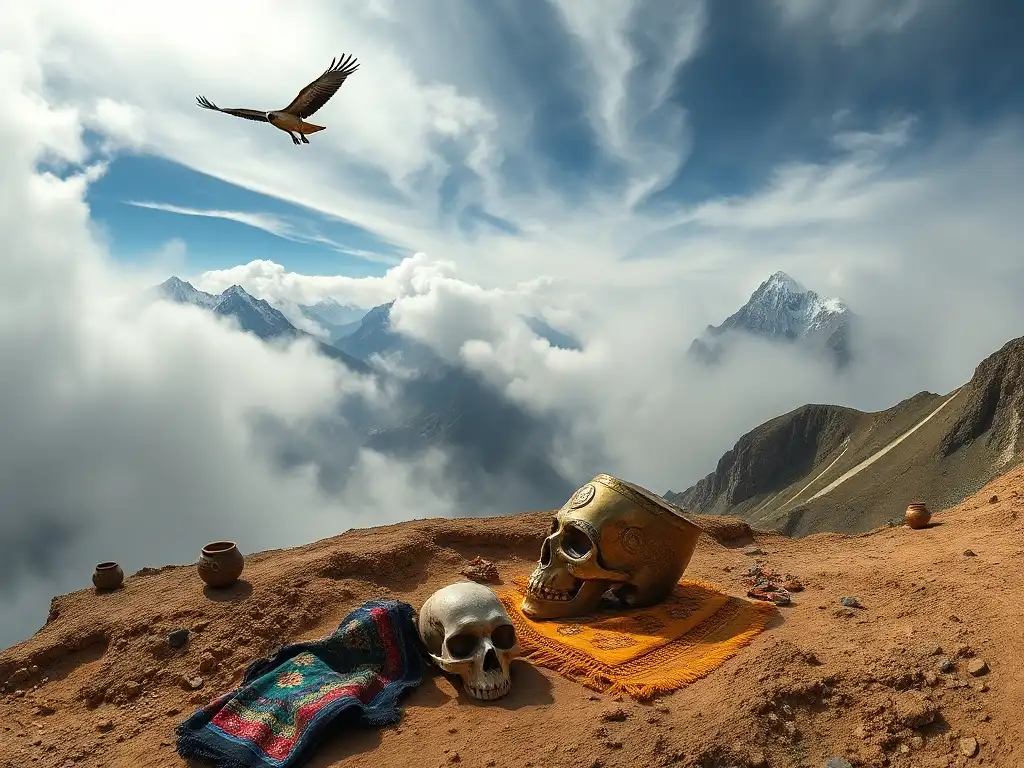
Step into a world lost to time, yet echoing with the whispers of a powerful empire. Prepare to unravel the mysteries of the Andes, a land steeped in breathtaking artistry and shadowed by enigmatic rituals. We delve into the controversial heart of Inca society, exploring the chilling yet complex reality of Inca human sacrifice practices. Discover the evidence, uncover the cultural context, and challenge your understanding of this ancient civilization. Dare to explore the truth behind the legends… the answers may surprise you.
- Inca Human Sacrifice Practices: Examining the Evidence and Cultural Context
- Understanding Inca Ritual Sacrifice: An Introduction
- Archaeological Evidence of Human Sacrifice in the Inca Empire
- The Motives Behind Inca Human Sacrifices
- The Selection and Preparation of Inca Sacrificial Victims
- Comparing Inca Human Sacrifice to Other Andean Cultures
- The Legacy of Inca Human Sacrifice: Historical Interpretations
- Frequently Asked Questions
- Final Reflection: The Enduring Shadow of Capacocha
- Unveil the Secrets of Inca Sacrifice Today!
Inca Human Sacrifice Practices: Examining the Evidence and Cultural Context
The Inca Empire, a civilization that flourished in the Andes Mountains from the 15th to the 16th century, left behind a legacy of breathtaking architecture, intricate textiles, and a complex social structure. However, alongside its impressive achievements, the Inca Empire also practiced human sacrifice, a ritual that remains a subject of intense scholarly debate and fascination.
This article delves into the evidence surrounding Inca human sacrifice, exploring the various forms it took, its cultural context within Inca religion and beliefs, and the motivations behind this often-gruesome practice. We will analyze the available archaeological evidence, historical accounts (primarily from Spanish conquistadors, which requires careful critical analysis), and anthropological interpretations to paint a nuanced picture of this controversial aspect of Inca life.
Understanding Inca human sacrifice provides crucial insights into their worldview, social hierarchy, and relationship with the divine. This exploration will help us move beyond simplistic interpretations and appreciate the complexities of Inca religious practices.
Archaeological Evidence of Inca Human Sacrifice
Archaeological discoveries have unearthed compelling evidence of Inca human sacrifice. The most significant findings often involve the discovery of mummified remains, sometimes ritually prepared and adorned with elaborate offerings. These sacrifices were not always performed on a massive scale; evidence suggests that both individual sacrifices and mass sacrifices occurred.
For example, [specific location and details of a significant archaeological find pending] provides clear evidence of a ritual sacrifice, with [number] individuals discovered in [description of the burial site]. The careful placement of bodies and the presence of accompanying artifacts offer insights into the ritualistic nature of these events. Furthermore, analysis of skeletal remains can reveal details about the victims' age, health, and social status, providing clues about the selection process for sacrificial candidates.
The analysis of stable isotopes in the bones can reveal dietary information, which might indicate whether the victims were local or from distant regions. The consistent presence of certain artifacts, such as [specific artifacts], alongside the remains further reinforces the interpretation of these findings as sacrificial offerings.
The Role of Capacocha in Inca Sacrifice
Capacocha, often translated as "to offer the best," was a particularly significant form of Inca human sacrifice. This ritual involved the selection of children—often considered to be the "best" of their communities—who were offered to the gods as a way to maintain cosmic order and appease powerful deities. The selection process was likely complex and involved considerations of lineage, social standing, and perhaps even physical attributes.
[Specific details regarding the selection process and any supporting evidence pending]. Accounts from Spanish chroniclers describe elaborate ceremonies associated with Capacocha, including processions, feasts, and the final sacrifice at high-altitude mountaintops or sacred sites.
The victims were often adorned in fine clothing and jewelry, reflecting their elevated status within the ritual context. While the exact reasons for selecting children remain debated, several hypotheses suggest that these young individuals were considered to possess a special purity or connection to the divine, making them suitable intermediaries between the human and spiritual realms.
Interpreting Spanish Colonial Accounts: Challenges and Biases
While Spanish chronicles offer valuable insights into Inca practices, it's crucial to approach them with critical awareness. Spanish accounts are often colored by their own cultural biases and prejudices, potentially distorting the true nature of Inca sacrificial rituals. The conquistadors' worldview, shaped by their own religious beliefs and imperial ambitions, likely influenced their interpretations of Inca practices.
For instance, [example of a biased Spanish account and its potential inaccuracies pending]. Therefore, it's imperative to corroborate these accounts with archaeological evidence and to consider alternative interpretations that might challenge the biases inherent in these historical sources. We must strive to analyze these accounts within their historical context, acknowledging the limitations and potential biases while extracting any relevant information they provide.
The Cultural Context of Inca Sacrifice: Maintaining Cosmic Order
Inca religion emphasized the maintenance of a delicate balance between the human and supernatural worlds. Human sacrifice, within this framework, was not simply a violent act but rather a ritualistic practice aimed at ensuring prosperity, averting disasters, and maintaining cosmic order. The Inca believed that the gods required offerings to maintain their favor and prevent catastrophic events. [Further explanation of the Inca belief system and its connection to human sacrifice pending].
The sacrifice of individuals, particularly those deemed to be of high social status or purity, was seen as a way to strengthen the relationship between the Inca rulers and the divine realm, reinforcing the legitimacy of the Inca empire itself. It was a complex system embedded within a broader cosmological framework that dictated the social and political order. The act of sacrifice, therefore, held profound religious and political significance.
Understanding Inca Ritual Sacrifice: An Introduction
The practice of human sacrifice, while often viewed through a modern lens of horror, held a complex and deeply significant role within Inca society. It wasn't a random act of violence, but rather a carefully orchestrated ritual believed to maintain cosmic balance, appease powerful deities, and ensure the prosperity of the empire. Understanding Inca human sacrifice requires moving beyond simplistic interpretations and delving into the intricate web of Inca cosmology, social structure, and religious beliefs.
This section will explore the evidence supporting the existence of these practices and analyze the cultural context within which they occurred, focusing on the nuances often missed in broader discussions of "Inca human sacrifice practices." We'll examine the types of sacrifices performed, the individuals selected, and the rituals surrounding these events.
The goal is to approach this sensitive topic with both scholarly rigor and a respectful understanding of the Inca worldview. Analyzing the available archaeological and historical data allows for a more nuanced understanding of this integral aspect of Inca life.
The Role of Ritual in Inca Society
Inca society was profoundly shaped by ritual. Daily life was interwoven with religious observances, from agricultural cycles to political events. Rituals were not merely symbolic actions; they were believed to be powerful forces capable of influencing the physical and spiritual worlds. The Inca worldview emphasized a delicate equilibrium between the human realm and the supernatural.
Maintaining this balance was paramount, and ritual sacrifice was considered a crucial mechanism for achieving and sustaining it. The capacocha, a form of ritual sacrifice involving children and young adults, exemplified this belief. These individuals, often chosen from elite families, were viewed as offerings of the highest value, capable of strengthening the connection between the human and divine realms. The meticulously planned and executed nature of these rituals underscores their central importance in Inca religious practices.
The selection process, the journey to the sacrificial site, and the actual ceremony itself were all imbued with deep spiritual significance, reflecting the Inca's profound respect for the sacred. Furthermore, the meticulous preservation of mummies of some sacrificial victims illustrates the continuing significance of these individuals even after their deaths. This meticulous attention to detail highlights the crucial role ritual sacrifice played in the maintenance of Inca societal order and cosmic balance.
Defining Human Sacrifice in the Inca Context
It's crucial to avoid anachronistic interpretations when discussing Inca human sacrifice. While the practice might appear brutal from a modern perspective, it needs to be understood within its specific cultural context. The Inca did not sacrifice individuals out of malice or cruelty; rather, they viewed it as a necessary act to maintain the well-being of the empire and its people. The term "human sacrifice," therefore, requires careful qualification.
The Inca concept of sacrifice encompassed a spectrum of offerings, ranging from the offering of precious objects to the ultimate sacrifice of human life. In the case of capacocha, the selected individuals were not seen as mere victims but as honored representatives who were elevated to a divine status through their sacrifice. This understanding underscores the difference between modern conceptions of sacrifice and those held by the Inca. Evidence suggests that not all sacrifices involved death; some individuals may have undergone ritualistic procedures and then lived on, holding a unique spiritual status within the community.
Therefore, a comprehensive understanding of "Inca human sacrifice practices" necessitates a careful examination of the diverse forms these rituals took and the varied meanings attributed to them within Inca society. Further research is needed to fully understand the nuances of these practices and avoid simplistic or judgmental interpretations. The complexities of Inca religious beliefs and practices require a sensitive and nuanced approach.
Archaeological Evidence of Human Sacrifice in the Inca Empire
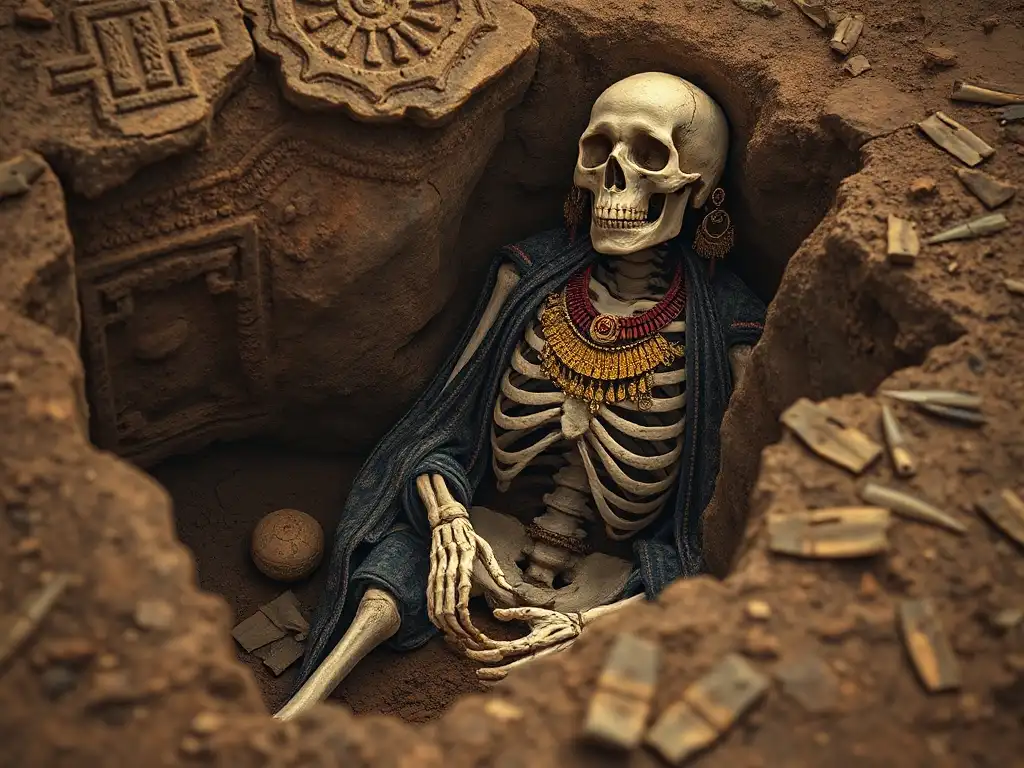
This section delves into the compelling archaeological evidence supporting the practice of human sacrifice within the Inca Empire. While the Inca's sophisticated civilization is renowned for its advancements in engineering, agriculture, and administration, the unsettling reality of human sacrifice forms a significant, albeit controversial, aspect of their religious and political landscape. The evidence, meticulously unearthed and analyzed by archaeologists, paints a complex picture of rituals, motivations, and the social implications of these practices.
Understanding these practices requires a nuanced approach, acknowledging the limitations of interpreting ancient rituals through a modern lens while respecting the cultural context of the Inca civilization. We will examine key archaeological findings to illuminate the nature and extent of Inca human sacrifice.
Mountain Sanctuaries and Human Offerings: The Case of Mount Llullaillaco
Mount Llullaillaco, a towering volcano in the Andes, serves as a chilling testament to Inca sacrificial practices. The discovery of exceptionally well-preserved mummified remains at its summit, dating back to the late 15th century, offers unparalleled insights into these rituals. The "Children of Llullaillaco," as they are known, consist of three young individuals—a teenage girl and two younger children—who were sacrificed as part of a capacocha ceremony. The meticulous preservation of their bodies, clothing, and accompanying artifacts provides invaluable information about their lives, their final moments, and the elaborate preparations undertaken for the sacrifice.
The analysis of the mummies reveals evidence of coca leaf consumption, indicating a possible ritual sedation before death. Furthermore, the presence of sophisticated textiles, gold ornaments, and other precious artifacts underscores the significance of these individuals within Inca society and the ritual's importance.
These findings suggest that the chosen victims were not merely expendable but rather held a special status, perhaps selected from among the elite or considered to be divine emissaries. The careful placement of the bodies and artifacts within the mountaintop sanctuary hints at the deeply spiritual significance of the location and the deliberate nature of the ritual.
The capacocha sacrifices, therefore, were not simply acts of violence but rather complex religious ceremonies intended to appease the gods and ensure the prosperity of the Inca Empire. Further research continues to unravel the complexities of the Llullaillaco sacrifices, shedding light on Inca cosmology and the role of human sacrifice within their belief system.
Analysis of Mummified Remains: Insights into Inca Sacrificial Victims
The study of mummified remains offers crucial insights into the victims of Inca human sacrifice. Beyond the dramatic finds at Llullaillaco, numerous other sites have yielded mummified bodies, providing a broader perspective on the practice. Analysis of these remains, including isotopic studies of their diet and skeletal analysis for signs of trauma or disease, reveals valuable information about the victims' origins, social status, and the circumstances surrounding their deaths.
For example, isotopic analysis can reveal whether a victim was raised in a specific region, providing clues to the geographical range of capacocha participants. Skeletal analysis can identify any existing health conditions, potentially shedding light on whether certain individuals were selected for sacrifice due to perceived flaws or perceived divine qualities. The careful examination of textile remnants and other artifacts associated with the bodies allows researchers to reconstruct aspects of their lives and their roles within Inca society.
The combination of these techniques allows for a more holistic understanding of the individuals selected for sacrifice, moving beyond a simplistic view of human sacrifice as purely violent acts. The meticulous work of forensic anthropologists and archaeologists continues to reveal the stories behind these individuals, adding crucial layers of understanding to the complex reality of Inca sacrificial practices.
Material Culture and Sacrificial Artifacts: Discovering Inca Ritual Practices
Beyond the human remains themselves, the associated material culture plays a vital role in understanding Inca sacrificial practices. The artifacts found at sacrificial sites, such as gold and silver ornaments, ceramics, textiles, and tools, offer valuable insights into the rituals themselves and their symbolic meanings. These objects often depict religious iconography, reflecting the Inca pantheon and cosmology.
For instance, the discovery of specific types of ceramics at certain sites may indicate particular rituals or ceremonies. The presence of elaborate gold and silver objects emphasizes the importance and the resources dedicated to these events. The textiles found with the mummies provide information about the social status of the victims and the craftsmanship of Inca artisans.
The analysis of these artifacts, combined with evidence from other sources, helps archaeologists piece together a more complete picture of the rituals surrounding human sacrifice. The careful study of these materials is essential for understanding not only the mechanics of the sacrifices but also the underlying beliefs and cultural significance associated with them. The detailed study of these artifacts continues to illuminate the intricate web of religious beliefs and practices that underpinned Inca human sacrifice, providing a richer and more nuanced understanding of this complex aspect of their culture.
The Motives Behind Inca Human Sacrifices
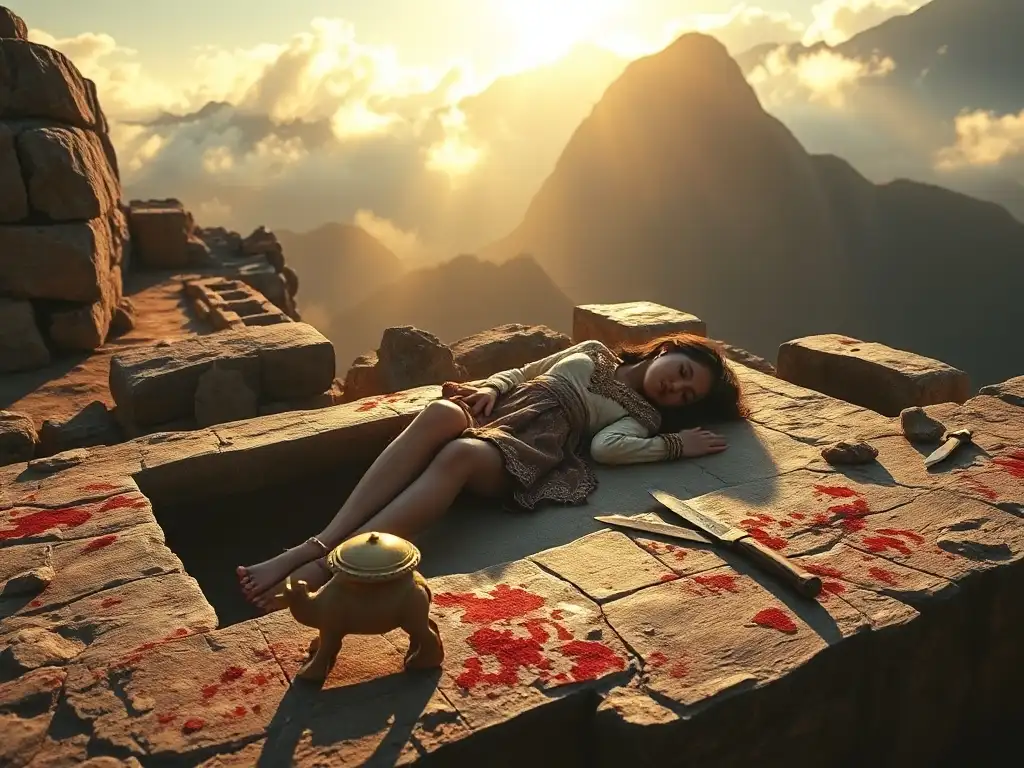
The practice of human sacrifice within Inca society, while undeniably grim, was deeply interwoven with their complex religious beliefs, political structures, and understanding of the cosmos. Understanding the motivations behind these sacrifices requires examining these interconnected aspects of Inca life. It wasn't a simple act of brutality, but rather a ritualized process imbued with profound symbolic meaning.
The sheer scale and variety of Inca human sacrifice practices—from capacocha offerings to sacrifices associated with specific events—underscore the multifaceted nature of its purpose. The keyword "Inca human sacrifice practices" itself hints at this complexity, suggesting a spectrum of rituals, not a single, monolithic practice.
Appeasing the Gods: The Inca Pantheon and the Need for Offerings
The Inca pantheon was vast and hierarchical, with Viracocha, the creator god, at its apex. Numerous other deities, representing forces of nature, celestial bodies, and ancestral spirits, demanded appeasement. These offerings weren't simply gifts; they were considered vital to maintaining ayni, the principle of reciprocity and balance that underpinned Inca cosmology.
Failure to maintain this balance, it was believed, could lead to natural disasters, crop failures, or other calamities. Human sacrifice, particularly of individuals deemed pure or exceptional, was seen as the ultimate offering, capable of restoring cosmic harmony and ensuring the continued prosperity of the empire. The selection process, often involving children or young adults, was rigorous, emphasizing their purity and suitability as representatives of the community.
These were not random victims but carefully chosen individuals viewed as bridges between the human and divine realms. The belief system underpinning these sacrifices highlights the central role of religion in Inca society and its profound influence on all aspects of life.
Beyond the religious context, Inca human sacrifice also served as a powerful instrument of political and social control. The emperor, considered a divine intermediary, possessed the authority to command these sacrifices, reinforcing his absolute power. Sacrifices could be used to solidify alliances, intimidate conquered populations, or punish dissent. The elaborate ceremonies surrounding these events served as public displays of the Inca's power and authority, reinforcing the social hierarchy and ensuring obedience.
Furthermore, the selection of victims could be strategically employed to eliminate rivals or consolidate power. This aspect of Inca human sacrifice practices reveals a darker side, suggesting a pragmatic use of ritual to maintain political stability and suppress opposition. While religious motivations undeniably played a key role, the political implications were equally significant, weaving sacrifice into the fabric of Inca governance.
Calendar and Astronomical Events: Rituals Tied to the Inca Cosmo-Vision
The Inca calendar, deeply intertwined with astronomical observations, played a crucial role in determining the timing of many human sacrifices. Specific events, such as solstices and equinoxes, were marked by elaborate rituals, often culminating in human sacrifice. These events were not merely astronomical occurrences but were seen as pivotal moments in the cosmic cycle, demanding offerings to ensure the continued cycle of life, death, and renewal.
The precise alignment of these sacrifices with astronomical events underscores the sophisticated understanding of the cosmos possessed by the Inca and their belief in the interconnectedness of the terrestrial and celestial realms. The timing of the sacrifices wasn't arbitrary; it was carefully calculated to coincide with significant celestial events, reinforcing the sacred nature of these rituals and their importance in maintaining cosmic balance. This highlights the sophisticated astronomical knowledge integrated into their religious practices, further emphasizing the complexity of "Inca human sacrifice practices."
Atonement and Restoration: Seeking Balance through Human Sacrifice
The Inca worldview was deeply intertwined with the concept of ayni, a principle of reciprocity and balance within the cosmos. Maintaining this delicate equilibrium was paramount, and disruptions, whether natural disasters like earthquakes or droughts, or social unrest, were seen as imbalances requiring immediate redress. Inca religious beliefs posited that human sacrifice could restore this balance, appeasing the gods and averting further calamities. The sacrifice wasn't viewed as a random act of violence but a necessary ritual to restore ayni, ensuring the continued prosperity and well-being of the Inca empire and its people.
This belief system is evident in numerous accounts of sacrifices performed following natural disasters or periods of societal upheaval. For example, [specific information pending: a documented case of Inca human sacrifice following an earthquake or drought, with source citation]. The chosen victims, often children or young adults, were considered pure and untainted, making them ideal intermediaries to bridge the gap between the human and divine realms. Their sacrifice was not solely a means of appeasing angry deities but also a way to restore harmony within the intricate web of Inca society and its relationship with the supernatural world.
The ritual itself was meticulously planned and executed, emphasizing the sacredness of the act and its vital role in restoring cosmic balance. The belief that human sacrifice was a necessary action to maintain the stability of the Inca world permeated all levels of society, highlighting the profound influence of ayni on Inca religious practices and beliefs related to human sacrifice. The selection process and the rituals themselves were highly formalized, further emphasizing the importance and gravity of the act within the Inca worldview.
The Selection and Preparation of Inca Sacrificial Victims
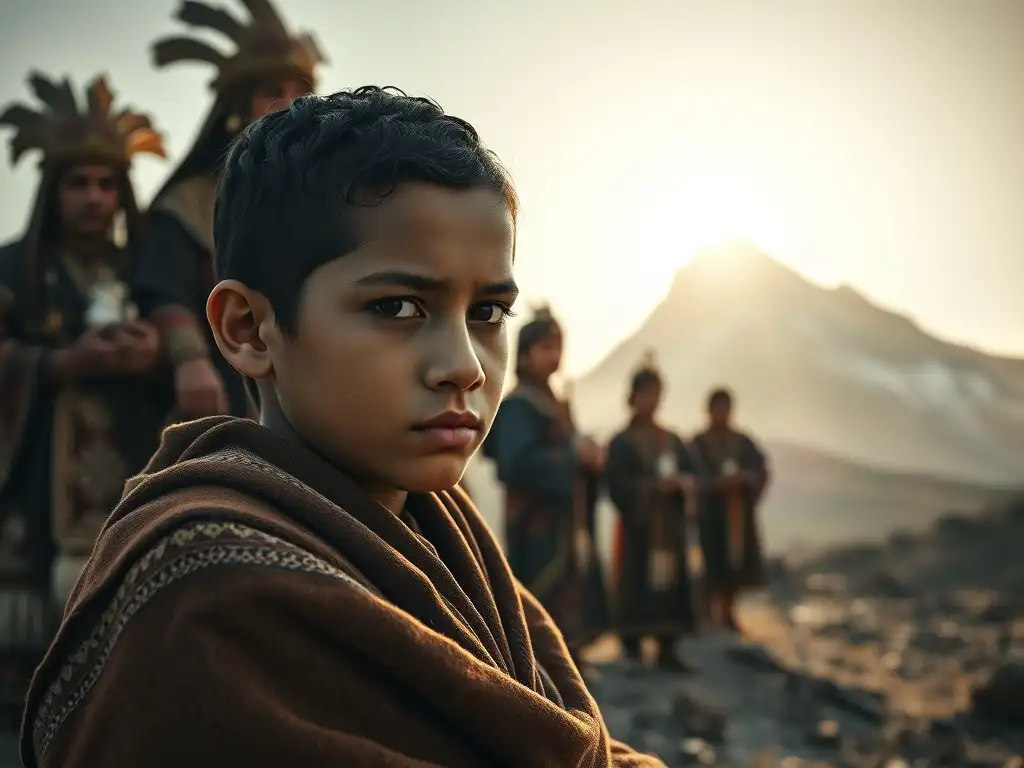
The selection process for Inca sacrificial victims remains shrouded in some mystery, though archaeological and historical accounts offer valuable insights into the criteria employed. While not every detail is clear, the available evidence suggests a complex system, far from random selection. The practice wasn't solely about eliminating undesirables; rather, it was intricately woven into the Inca worldview, reflecting their beliefs about the cosmos and their relationship with the gods. The Inca human sacrifice practices were, therefore, deeply symbolic and ritualistic.
Evidence points towards a preference for young individuals, particularly children and adolescents. This is supported by numerous discoveries of mummified children found at high-altitude sacrificial sites. The rationale behind this choice is likely linked to the Inca belief in the purity and innocence associated with youth. Their perceived closeness to the divine made them ideal offerings to appease the gods or ensure successful harvests and military campaigns. Additionally, the selection wasn't gender-specific; both male and female children were sacrificed.
While the social status of victims is less clearly defined, some interpretations suggest a preference for individuals from elite or royal families. This could be interpreted as a form of ultimate devotion, offering the most precious members of society to secure the well-being of the entire empire. However, this is a topic of ongoing debate, and further research is needed to definitively determine the social standing of all sacrificial victims. The limited, yet compelling, evidence suggests a complex interplay of factors determining the selection, not solely based on social standing.
Ritualistic Preparation: The Journey to Sacrifice
The journey of a chosen victim to their ultimate fate was likely far from mundane. While precise details are scarce, it's plausible that the preparation involved a period of ritualistic cleansing and purification. This process might have included specific diets, abstinence from certain activities, and symbolic rituals aimed at preparing the victim for their role as a sacred offering.
The journey itself may have been considered a pilgrimage, a sacred passage marking the transition from the earthly realm to the spiritual one. This process, often overlooked, is a crucial component of understanding Inca human sacrifice practices. The careful preparation emphasizes the importance and reverence accorded to the sacrifice within their religious framework.
Imagine the solemn procession, perhaps accompanied by priests and officials, leading the victim to the designated sacrificial site. The journey itself would have been a ritual, each step imbued with symbolic meaning, further solidifying the victim's role in the cosmic order. This aspect requires further investigation, as limited written accounts and archaeological findings make a complete reconstruction challenging. However, anthropological studies of similar practices in other cultures offer valuable comparative insights.
The Ceremony of Sacrifice: Detailed Accounts of Inca Rituals
Detailed accounts of the actual sacrifice ceremonies are limited, relying primarily on interpretations of archaeological findings and scattered historical records. The ceremonies were likely elaborate affairs, involving priests, officials, and possibly the wider community, depending on the scale and significance of the event. Different forms of sacrifice existed, ranging from decapitation to strangulation, and even exposure to the elements at high altitudes, a practice that often resulted in death from hypothermia.
The specific rituals and procedures varied depending on the context of the sacrifice. Some sacrifices aimed to appease angry deities, while others were performed to celebrate momentous occasions or to ensure the fertility of the land. The location of the sacrifice also played a significant role, with high-altitude sites often favored for their perceived proximity to the gods.
The discovery of numerous mummified children at such sites underscores the importance of these locations within Inca cosmology and their human sacrifice practices. Further research involving detailed analysis of archaeological evidence and comparative studies with related Andean cultures is necessary to fully understand the nuances and variations in these ceremonies. Unlocking these secrets will provide a richer understanding of Inca religion and their sophisticated societal structures.
Comparing Inca Human Sacrifice to Other Andean Cultures
Similarities and Differences with Moche Sacrificial Practices
Inca human sacrifice practices, while sharing some broad similarities with those of other Andean cultures, possessed unique characteristics. Comparing them to the Moche civilization, for example, reveals both common threads and striking differences. Both cultures engaged in ritual sacrifice, often involving children and young adults. The Moche, known for their elaborate funerary practices and iconography, depicted sacrifices extensively in their pottery, showcasing scenes of ritual killings and offerings. These depictions often feature elaborate headdresses, jewelry, and ceremonial attire on the victims, highlighting the importance of these events within their society.
However, the scale and context of sacrifice differed significantly. While Moche sacrifices appear to have been more localized and connected to specific events, such as the dedication of temples or the appeasement of deities during times of drought or natural disaster, Inca sacrifice seems to have been more systematically employed, potentially linked to broader imperial control and legitimacy.
While both cultures likely offered sacrifices to ensure agricultural fertility and appease their gods, the Incas integrated human sacrifice into a more complex system of state power, often in conjunction with major events like the death of a Sapa Inca or the inauguration of a new ruler.
The types of sacrifices also varied. Moche sacrifices frequently involved the ritual killing of individuals, possibly captives of war, while the Inca employed both ritual killing and the practice of capacocha, a form of sacrifice where chosen individuals, often children, were sent to mountaintops and left to die or were ritually killed. While the exact reasons behind the selection remain debated, it appears that capacocha victims were often viewed as elite, possibly representing the highest form of offering to the gods.
This suggests a difference in the social standing and symbolic significance attributed to sacrificial victims in each culture. Further research is needed to fully understand the nuances of these practices and their respective social and political contexts. More archaeological evidence, particularly detailed analysis of Moche sacrificial sites and a more thorough understanding of Inca administrative records, could shed more light on these fascinating comparisons.
The Evolution of Human Sacrifice in the Andes
The practice of human sacrifice in the Andes wasn't static; it evolved over centuries, influenced by shifting political landscapes, religious beliefs, and environmental factors. Early evidence suggests that sacrificial practices were present in pre-Inca cultures, albeit perhaps on a smaller scale and with different rituals than those employed by the Inca Empire. For instance, while the Incas' capacocha is relatively well-documented, earlier Andean cultures may have utilized different methods, possibly involving animal sacrifices in conjunction with human offerings or focused on specific types of offerings linked to their unique cosmologies.
The rise of the Inca Empire saw a significant shift. The Inca state formalized and centralized human sacrifice, integrating it into a complex system of state power and religious ideology. This centralization, however, wasn't a sudden change. It likely involved the assimilation and adaptation of pre-existing practices, transforming them to serve the needs of the expanding empire. The integration of conquered populations into the Inca system could have influenced the types and frequency of sacrifices. New deities and rituals might have been introduced, leading to adaptations in sacrificial practices.
The impact of environmental factors, such as drought or famine, on sacrificial practices remains an area of ongoing research. It's plausible that times of hardship saw an increase in the frequency or scale of sacrifices, reflecting a desperate attempt to appease the gods and ensure the well-being of the empire. More detailed climatological studies coupled with archaeological investigations of sacrificial sites could provide valuable insights into this correlation. Understanding the evolution of Andean human sacrifice requires a nuanced approach, considering the interplay of political, religious, and environmental factors across different time periods and cultures.
The Uniqueness of Inca Ritual Sacrifice
While sharing some commonalities with other Andean cultures, Inca human sacrifice possessed unique aspects setting it apart. The systematization and integration of sacrifice into the imperial state machinery was a key difference. Inca human sacrifice was not merely a localized ritual; it was a carefully orchestrated practice, often involving elaborate ceremonies, specific locations (e.g., mountaintops), and selected individuals. The capacocha ritual, with its carefully chosen victims, exemplifies this unique integration. The selection process, the elaborate preparations, and the specific locations chosen all point to the significance and centrality of this practice within the Inca worldview.
The symbolic meaning attributed to Inca human sacrifice further distinguishes it. The victims were not simply seen as offerings; they were considered to be representatives of the community, embodying the vitality and strength of the empire. Their sacrifice was viewed as a way to maintain cosmic balance, strengthen the Sapa Inca's authority, and ensure the prosperity of the empire. This complex symbolic significance is reflected in the artifacts found at sacrificial sites, often including luxurious grave goods and evidence of elaborate ceremonies.
Furthermore, the Inca's sophisticated administrative system played a crucial role in organizing and executing these sacrifices. Records of these events, although limited, hint at a highly structured process involving the mobilization of resources, the selection of individuals, and the coordination of large-scale ceremonies.
The scale and organization of Inca human sacrifice, in contrast to the potentially more localized and less structured practices of some other Andean cultures, underscores its unique position within the broader context of Andean religious and political life. The Inca's ability to integrate this practice into their vast administrative and religious systems is a testament to their sophisticated organization and unique cultural beliefs.
The Legacy of Inca Human Sacrifice: Historical Interpretations
The practice of human sacrifice within Inca society remains a complex and intensely debated topic. While the sheer scale of some discovered sacrifices, such as those at the summit of Llullaillaco, is undeniable, the motivations and interpretations surrounding these acts have evolved considerably over time. Early interpretations, often colored by colonial biases, frequently portrayed Inca practices as barbaric and inherently cruel.
This perspective, however, fails to consider the deeply ingrained religious and cosmological beliefs that underpinned these rituals. More nuanced modern scholarship acknowledges the ritual's significance within the Inca worldview, recognizing it not simply as violence, but as a complex act imbued with spiritual meaning. The Inca worldview, heavily reliant on reciprocity ( ayni) between the human and supernatural realms, saw sacrifice as a crucial mechanism for maintaining cosmic balance and ensuring agricultural prosperity.
The chosen victims, often children or young adults, were not viewed as mere casualties but as sacred offerings, essential to appease the gods and maintain the kay pacha (the world of the living). The interpretation of Inca human sacrifice practices has shifted significantly from initial condemnation to a more nuanced understanding of its socio-religious context.
The Impact of Inca Rituals on Later Andean Societies
The legacy of Inca human sacrifice practices extended far beyond the empire's collapse. While the Spanish conquest effectively ended the large-scale ritual sacrifices conducted by the Inca, the underlying beliefs and practices that informed these rituals persisted, albeit in altered forms, within various Andean communities. Indigenous groups in the post-conquest era continued to engage in forms of offering, albeit often adapted to incorporate syncretic elements of Catholicism.
For example, some practices might have involved the offering of llamas or other animals instead of human sacrifices, reflecting a continuation of the principle of offering to maintain balance but substituting the human element for reasons of practicality and the influence of the new colonial authorities. This demonstrates a complex interplay between the suppression of Inca traditions and the persistence of underlying cosmological beliefs within Andean culture.
Further research into localized traditions could illuminate the specific ways in which Inca sacrificial practices were adapted and reinterpreted in different regions and social contexts. The complete picture requires a deeper understanding of the diverse regional variations in post-conquest Andean religious practices.
Modern Perspectives on Inca Sacrificial Practices
Contemporary researchers utilize a multidisciplinary approach to studying Inca human sacrifice, drawing upon archaeological evidence, anthropological analysis, and historical accounts (where available). The discovery of mummified children at high-altitude sites, such as Llullaillaco, has provided invaluable insights into the rituals surrounding these sacrifices. Analysis of their clothing, offerings, and physical condition reveals significant details about their preparation and the social status of the victims.
This evidence, coupled with ethnohistorical accounts, allows for a more comprehensive understanding of the ritual's purpose and significance within Inca society. However, ethical considerations regarding the handling and interpretation of human remains remain paramount. Modern scholarship emphasizes respect for the deceased and the need for collaborative research involving indigenous communities.
The debate continues on the exact nature and frequency of these sacrifices. While some researchers argue for more frequent occurrences than others, the available evidence suggests that human sacrifice was a significant, albeit not necessarily commonplace, event.
Ethical Considerations and the Study of Human Sacrifice
The study of Inca human sacrifice presents significant ethical challenges. The excavation and analysis of human remains require careful consideration of the cultural sensitivities involved, particularly concerning the descendants of the Inca. Respect for the deceased and their cultural heritage must guide all research endeavors.
Collaboration with indigenous communities is crucial to ensure that research projects are ethically sound and respectful of ancestral traditions. This collaborative approach goes beyond simply obtaining informed consent; it necessitates a genuine partnership in which indigenous knowledge and perspectives inform the research process. Open dialogue and transparency are essential in ensuring that the study of Inca human sacrifice avoids perpetuating harmful stereotypes and contributes to a more nuanced and respectful understanding of this complex aspect of Inca culture.
Moreover, the ethical implications extend beyond the handling of physical remains to the interpretation and dissemination of findings. Scholars must be mindful of the potential for misrepresentation and the importance of presenting information in a culturally sensitive and responsible manner. The ongoing debate about the interpretation of Inca human sacrifice practices highlights the need for careful consideration of ethical implications in every phase of research.
Frequently Asked Questions
What was the purpose of human sacrifice in Inca society?
Inca human sacrifice, or capacocha, served multiple purposes, including appeasing the gods, ensuring agricultural fertility, and celebrating significant events like the death of a ruler. It was believed to maintain cosmic balance.
Who were the victims of Inca human sacrifice?
Victims were often selected from across the empire, including children, virgins, and war captives. The selection process involved careful consideration of social standing and physical attributes.
How were Inca human sacrifices performed?
Methods varied, but common practices included bludgeoning, strangulation, and exposure to the elements. Mummification was sometimes performed after death to preserve the victim's body.
Where did Inca human sacrifices typically take place?
Sacrifices occurred in various locations, including mountaintops, caves, and temples. The location was often symbolic and related to specific deities or events. High-altitude sites were particularly significant.
How common was human sacrifice in Inca society?
While considered relatively rare compared to other aspects of Inca life, human sacrifice was a significant ritual practice. Its frequency likely increased during times of stress or crisis. The scale varied across different periods and regions within the empire.
Final Reflection: The Enduring Shadow of Capacocha
The chilling echoes of Inca human sacrifice resonate even today, forcing us to confront uncomfortable truths about power, belief, and the human cost of societal structures. While seemingly distant in time, the practices surrounding capacocha offer a stark reminder of the complex interplay between religious fervor, political expediency, and the vulnerability of individuals within a hierarchical society. Understanding these practices is not merely an academic exercise; it is crucial for comprehending the enduring legacy of the Inca Empire and its impact on modern perspectives on human rights and cultural preservation.
The enduring power of capacocha lies not just in its historical reality, but in its capacity to challenge our own assumptions about morality and the justification of violence. The ritual's intricate details, from the selection of capacochas to the elaborate ceremonies surrounding their sacrifice, reveal a deeply ingrained belief system that, while alien to us, held profound meaning for the Inca. The sacrifice was not an act of cruelty, but a sacred duty, a way to ensure the well-being of the empire and the favor of the gods.
This perspective, while challenging, compels us to grapple with the complexities of cultural relativism and the inherent biases in our own judgments of the past.
Consider the implications of capacocha for your own understanding of sacrifice and societal structures. How do we, in our own time, grapple with the difficult choices that societies face, balancing the needs of the many with the rights of the individual? What lessons can we glean from the Inca's actions, not to condone their practices, but to learn from their mistakes and strive for a more just and equitable future? Let the chilling legacy of capacocha serve as a potent reminder of the importance of empathy, critical thinking, and the ongoing struggle for human dignity.
Unveil the Secrets of Inca Sacrifice Today!
Thank you for exploring the fascinating world of Inca society! Your interest in the complex practice of human sacrifice reveals a keen understanding of ancient cultures and their intricate beliefs. Let's delve deeper!
- Explore the evidence: Discover compelling artifacts and historical accounts related to Inca human sacrifice in our comprehensive resource section.
- Share your insights: Join the discussion! Share your thoughts and questions in the comments below, or spark a conversation by sharing this article with friends.
- Continue your exploration: Download our e-book on Andean civilizations to uncover even more astonishing aspects of the Inca world.
What aspects of Inca culture do you find most intriguing?