
Exploring the Inca's Belief in Supernatural Powers and Entities

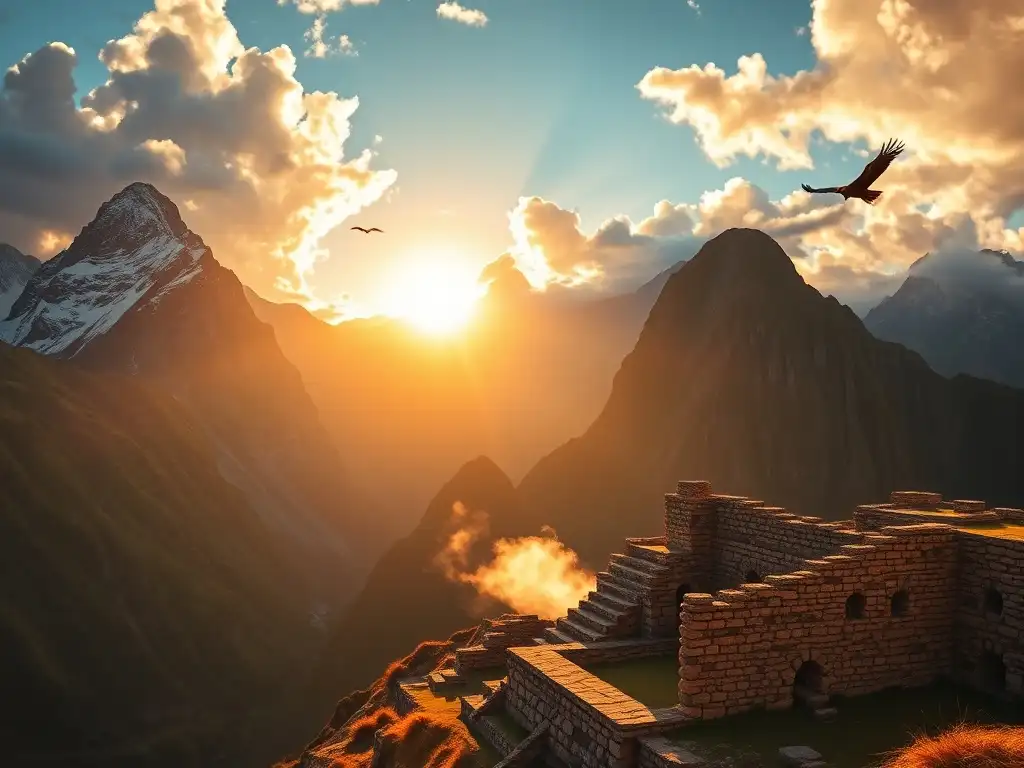
Step into a world lost to time, yet echoing with power and mystery. Discover the breathtaking legacy of the Andean civilizations, from the intricate artistry of the Nazca to the sophisticated engineering of the Tiahuanaco. But prepare to be captivated by the Inca supernatural beliefs, a realm of powerful deities, sacred rituals, and enigmatic prophecies. Were these beliefs the key to their empire's enduring strength? Uncover the answers as we delve into the fascinating world of the Inca Empire.
-
Inca Supernatural Beliefs: Exploring the Realm of the Sacred
- The Inca Worldview: A Foundation of Supernatural Understanding
- Inti: The Sun God and Supreme Inca Deity
- Viracocha: The Creator God and His Role in Inca Cosmology
- Illapa: The Inca God of Thunder, Lightning, and Rain
- Mama Quilla: The Moon Goddess and her Significance for the Incas
- Pachamama: The Earth Mother and her connection to Inca agriculture
- The Apus: Mountain Spirits and Their Power Over the Andes
- Huacas: Sacred Places and Objects imbued with Supernatural Energy
- The Role of Shamans in Inca Religious Practices
- Divination and Prophecy in Inca Society
- Inca Rituals and Ceremonies to Appease the Supernatural
- Sacrifice and Offerings in Inca Religious Practices
- The Inca Concept of Afterlife and Ancestor Veneration
- The Influence of Inca Supernatural Beliefs on Their Culture
- Legacy of Inca Spirituality in the Andean Region
- Conclusion: The Enduring Power of Inca Supernatural Beliefs
- Frequently Asked Questions
- Final Reflection: Echoes of the Andes: The Enduring Power of Inca Spirituality
- **Unveil the Mysteries of Inca Spirituality! **
Inca Supernatural Beliefs: Exploring the Realm of the Sacred
The Inca Empire, a civilization that flourished in the Andes Mountains from the 15th to the 16th century, was deeply rooted in a complex system of religious beliefs centered around a powerful pantheon of supernatural entities and forces. Understanding Inca supernatural beliefs is crucial to grasping the intricate tapestry of their social structure, political power, and daily life. This article delves into the core tenets of Inca religion, exploring their worldview and the significance of key deities, particularly focusing on the reverence for Inti, the Sun God.
We will examine how these beliefs influenced every aspect of Inca society, from agricultural practices and royal lineage to elaborate rituals and monumental architecture. The pervasive influence of the supernatural on the Inca worldview shaped their understanding of the cosmos, their relationship with the natural world, and their perception of power and authority.
This exploration will reveal the profound impact of these beliefs on the Inca Empire's remarkable achievements and enduring legacy. The keyword "Inca supernatural beliefs" will be explored throughout, with a focus on providing a comprehensive and engaging understanding of this fascinating aspect of Andean history.
The Inca Worldview: A Foundation of Supernatural Understanding
The Inca worldview was fundamentally animistic, meaning that they believed that spirits inhabited both animate and inanimate objects. This pervasive belief extended to mountains, rivers, rocks, and even celestial bodies. The Inca perceived the world as a dynamic interplay between the visible and the invisible, the material and the spiritual.
This interconnectedness meant that actions in the physical realm had profound spiritual consequences. For example, agricultural practices were not merely about food production but also about maintaining a harmonious relationship with the apus (mountain spirits) who controlled the life-giving water sources. Failure to perform the correct rituals could result in drought, crop failure, or other misfortunes, highlighting the crucial role of supernatural appeasement in Inca society.
The Inca's deep respect for nature manifested in their meticulous agricultural techniques, their reverence for sacred sites, and their complex system of religious rituals designed to maintain balance and prosperity. This holistic approach to life underscored the importance of respecting the spiritual forces that shaped their existence. This deeply ingrained spiritual consciousness permeated all aspects of Inca life, influencing not only religious practices but also their social structures, political systems, and daily routines.
Inti: The Sun God and Supreme Inca Deity
Inti, the Sun God, held the highest position within the Inca pantheon. He was considered the supreme deity, the source of all life and energy, and the ultimate ruler of the cosmos. The Inca emperors claimed direct descent from Inti, solidifying their divine right to rule. This connection to the Sun God provided legitimacy to their authority and reinforced the sacred nature of their power.
The cult of Inti was central to Inca religion, with elaborate temples and festivals dedicated to his worship. The most significant of these celebrations was the Inti Raymi, a grand annual festival that involved human sacrifices and elaborate ceremonies aimed at ensuring the continuation of the sun's life-giving energy. ☀️ The importance of Inti extended beyond religious rituals; his image adorned textiles, pottery, and other artifacts, demonstrating his pervasive presence in daily life.
The Inca's meticulous observation of the sun's movements and their sophisticated astronomical knowledge further emphasize the central role of Inti in their worldview. The sun's power was not only seen as a source of life but also as a symbol of imperial power and legitimacy, firmly connecting the emperor to the divine realm. The influence of Inti on Inca society was profound and far-reaching, impacting every aspect of their lives from agriculture to governance.
Viracocha: The Creator God and His Role in Inca Cosmology
Viracocha, the creator god, holds a central position in Inca cosmology, representing the origin and order of the universe. Depicted as a powerful being, sometimes with a beard and staff, Viracocha is credited with creating the world, the sun, the moon, and humankind. Inca mythology describes Viracocha emerging from Lake Titicaca, or perhaps from a cave, and then shaping the land and its inhabitants. His role wasn't simply that of a creator; he was also seen as a lawgiver and a judge, establishing social order and dispensing justice.
The Incas believed Viracocha could intervene in human affairs, both to reward piety and punish transgression. His influence permeated all aspects of Inca life, from agriculture to warfare, highlighting the profound impact of this creator god on their worldview. The veneration of Viracocha was widespread, with temples dedicated to him found throughout the empire, demonstrating the paramount importance assigned to this divine figure in Inca religion.
Many rituals and ceremonies were performed to appease and honor Viracocha, ensuring his continued favor and protection. The concept of Viracocha evolved over time, adapting to the changing needs and beliefs of the Inca people, yet his central role as the supreme creator god remained constant. Understanding Viracocha is key to understanding the foundations of Inca religious belief and their intricate relationship with the natural world.
Illapa: The Inca God of Thunder, Lightning, and Rain
Illapa, the Inca god of thunder, lightning, and rain, held immense power and influence over the Inca people's lives. As a deity directly associated with the lifeblood of their agricultural society, Illapa's favor was crucial for successful harvests. The dramatic power displays of thunder and lightning were seen as direct manifestations of Illapa's strength and authority. Depictions of Illapa often show him wielding lightning bolts or surrounded by storm clouds, emphasizing his awesome power over the elements.
The Incas believed Illapa could both bring prosperity through life-giving rains or inflict devastation through drought and storms. This duality reflected the unpredictable nature of weather in the Andes and the inherent vulnerability of Inca agriculture to its vagaries. To ensure Illapa's benevolence, elaborate ceremonies and offerings were conducted, particularly during the rainy season. These rituals often involved sacrifices and prayers, intended to appease the god and secure a bountiful harvest.
The importance of Illapa is evident in the numerous archaeological finds depicting him, including pottery, textiles, and stone carvings, all bearing testament to his significance in Inca religious practice and the people's dependence on his power. The Inca's deep reverence for Illapa highlights the crucial role of weather and agriculture in shaping their religious beliefs and practices. Illapa's unpredictable nature also underscores the Inca's understanding of the power of the natural world and their constant need to maintain a balance with it.
Mama Quilla: The Moon Goddess and her Significance for the Incas
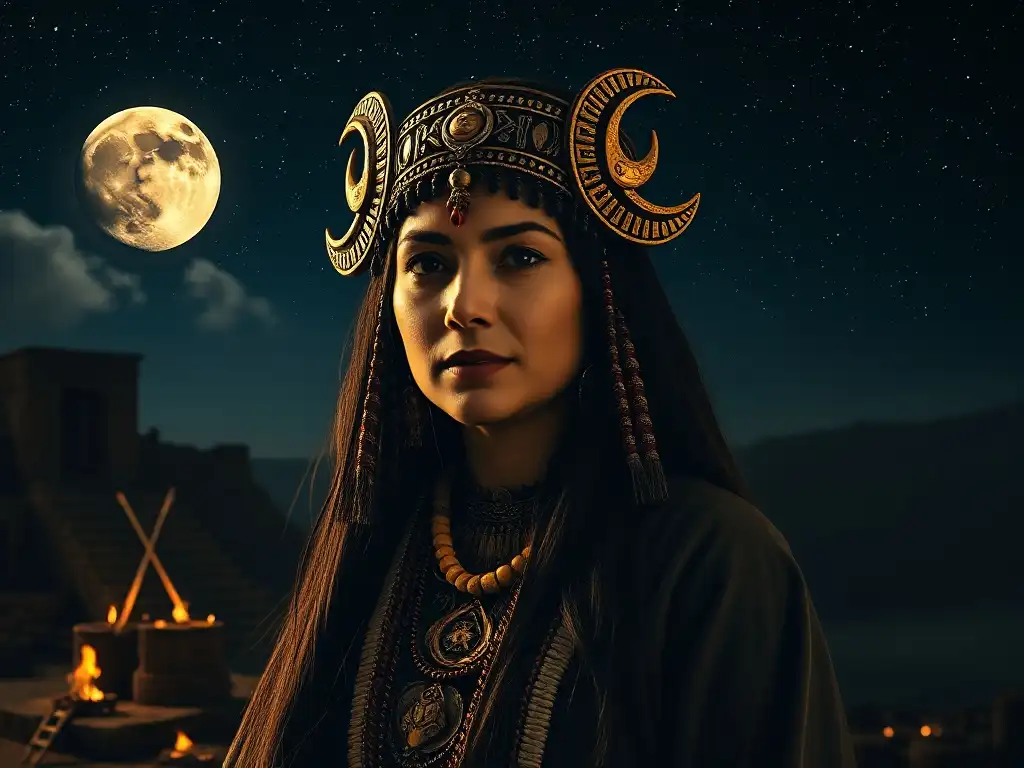
Mama Quilla, the moon goddess, held a prominent position in the Inca pantheon, representing femininity, fertility, and the cyclical nature of time. Unlike the sun god, Inti, who was often associated with male dominance and power, Mama Quilla embodied nurturing and cyclical processes. The phases of the moon were closely observed by the Incas and were integral to their agricultural calendar and religious practices. The moon's influence on the tides and the menstrual cycle further reinforced its association with fertility and the feminine principle.
Mama Quilla's importance is evident in the numerous artifacts and sites dedicated to her worship. Her image often appears alongside Inti, the sun god, reflecting the complementary relationship between the sun and moon in Inca cosmology. The Incas believed Mama Quilla influenced various aspects of life, including women's health, childbirth, and agricultural cycles. Her cyclical nature mirrored the rhythms of life, death, and rebirth, making her a powerful symbol of renewal and regeneration.
Furthermore, her association with the night sky also linked her to the mystical and spiritual realm, suggesting a connection to the underworld and the realm of the ancestors. Therefore, understanding Mama Quilla's significance provides valuable insight into the Inca worldview and its intricate connection between the celestial bodies and the lives of the people. The careful observation of the moon's phases highlights the Incas' advanced astronomical knowledge and their sophisticated understanding of the cosmos.
Pachamama: The Earth Mother and her connection to Inca agriculture
Pachamama, the Earth Mother, was central to Inca cosmology and deeply intertwined with their agricultural practices. The Incas believed Pachamama was the life-giving force behind the fertility of the land, responsible for bountiful harvests and the overall well-being of the people. Their reverence for Pachamama wasn't abstract; it was deeply practical, influencing every aspect of their farming techniques. Before planting, the Incas performed elaborate ceremonies, offering coca leaves, chicha (a fermented corn beverage), and other offerings to appease Pachamama and ensure a successful growing season.
These rituals weren't merely symbolic; they were seen as essential for securing the community's survival. Failure to honor Pachamama was believed to result in crop failure, famine, and other misfortunes. The annual agricultural cycle was structured around a calendar of rituals dedicated to Pachamama, highlighting the profound connection between their spiritual beliefs and their daily lives. Evidence of these practices can be found in archaeological sites across the Andes, where remains of offerings and ceremonial spaces dedicated to Pachamama have been discovered.
The Incas' deep respect for Pachamama underscores their holistic worldview, where the spiritual and the material were inextricably linked. Their agricultural success was not solely attributed to their advanced techniques but also to their harmonious relationship with the Earth Mother. This intimate connection highlights the sophisticated understanding the Incas held of their environment and the importance of maintaining balance within their ecosystem.
The Apus: Mountain Spirits and Their Power Over the Andes
The towering Andes Mountains were not merely geographical features to the Incas; they were revered as sacred entities, the abode of powerful Apus, or mountain spirits. These Apus were considered intermediaries between the human world and the celestial realm, wielding significant influence over the weather, water sources, and the overall prosperity of the Inca communities nestled in their shadows. Each mountain peak had its own unique Apus, with distinct characteristics and powers. The Incas believed that maintaining a harmonious relationship with these Apus was crucial for the well-being of their communities.
They offered sacrifices, prayers, and performed rituals at mountain shrines, often located at high altitudes, to honor and appease the Apus. These rituals often involved coca leaves, llamas, and other offerings, intended to demonstrate respect and secure the Apus' continued favor. The Inca's perception of the Apus highlights their deep understanding of the environment and its impact on their lives. The mountains, vital for water resources and agricultural suitability, were not simply geographical features, but powerful spiritual entities that needed to be respected and appeased.
Archaeological evidence supports this belief, with numerous mountaintop shrines and ceremonial sites discovered across the Andean region. The enduring power of the Apus in Inca mythology reflects the profound respect the Incas held for the natural world and their recognition of the forces that shaped their lives. Stories and legends of the Apus continue to be told today, demonstrating the lasting impact of these powerful mountain spirits on Andean culture.
Huacas: Sacred Places and Objects imbued with Supernatural Energy
Huacas represent a broad category of sacred places and objects within Inca belief, encompassing a wide range of natural formations, artifacts, and even ancestors. These huacas were considered to be imbued with supernatural energy, connecting the human world to the divine realm. Mountains, caves, springs, unusual rock formations, and even specific trees could all be designated as huacas. In addition to natural features, certain objects, such as intricately crafted textiles, ceramics, and mummies, could also acquire huaca status, becoming repositories of spiritual power.
The Inca revered these huacas, believing they held the power to influence their lives, offering protection, fertility, and success. They performed rituals and ceremonies at these sites, offering gifts and prayers to maintain a positive connection with the supernatural forces residing within. The significance of huacas extended beyond simple reverence; they played a crucial role in Inca social and political structures. Powerful families and rulers often claimed association with specific huacas, bolstering their authority and legitimacy.
The Inca's reverence for huacas demonstrates their animistic worldview, where spirituality permeated every aspect of their lives. The diversity of objects and places considered huacas showcases the breadth and depth of their spiritual beliefs, emphasizing the interconnectedness of the natural and supernatural worlds. Archaeological excavations throughout the Andes regularly uncover evidence of huacas, from elaborate temples built around sacred springs to carefully preserved mummies treated as powerful spiritual entities. The enduring legacy of huacas in Andean culture highlights the enduring importance of these sacred places and objects in shaping the Inca worldview and its lasting influence on subsequent Andean societies.
The Role of Shamans in Inca Religious Practices
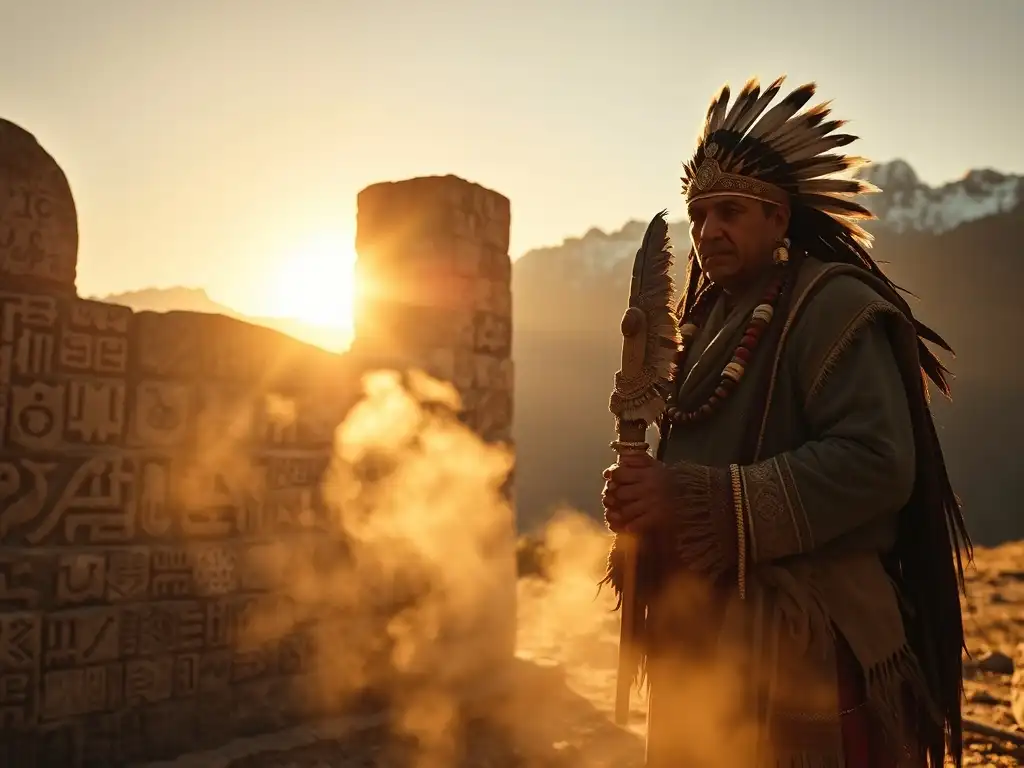
Shamans, known as paqos in Quechua, played a crucial role in Inca religious practices. They were not simply religious leaders; they were highly respected intermediaries between the human and supernatural worlds. Their expertise lay in interpreting dreams, communicating with spirits, and performing rituals to ensure the well-being of the community.
The paqos underwent extensive training, often inheriting their roles through family lines, mastering intricate knowledge of herbal remedies, celestial movements, and the intricacies of Inca cosmology. Their ability to diagnose illnesses, predict future events, and influence the forces of nature solidified their position as essential figures within Inca society. Their influence extended beyond the spiritual realm; they often advised Inca rulers on matters of state, offering guidance based on their supernatural insights.
The paqos' deep understanding of Inca beliefs regarding "Inca supernatural beliefs" allowed them to effectively channel spiritual energies for healing, protection, and ensuring agricultural prosperity. Their rituals, often involving coca leaves, hallucinogenic plants, and intricate ceremonies, aimed to maintain harmony between the human and spiritual realms, a fundamental aspect of Inca worldview. The power and influence wielded by the paqos underscore the profound significance of shamanistic practices in the Inca religious system.
Divination and Prophecy in Inca Society
Divination and prophecy were integral to Inca society, providing guidance on a vast array of matters, from agricultural planning to military campaigns. The Inca relied on various methods to discern the will of the gods and predict future events. One common practice involved observing natural phenomena, such as the flight of birds or the patterns of stars. The paqos, with their deep understanding of celestial movements and their interpretation of natural signs, played a critical role in this process.
They were adept at interpreting these signs, translating them into meaningful prophecies that guided the Inca rulers and the people. Another important method involved the use of coca leaves, a sacred plant in Inca culture. The paqos would meticulously arrange and interpret the leaves, seeking messages from the supernatural realm.
The accuracy and interpretation of these divinatory practices significantly influenced decision-making at all levels of Inca society. The Inca's reliance on divination highlights the importance they placed on understanding the will of the supernatural and aligning their actions with the cosmic order, thus reinforcing the importance of "Inca supernatural beliefs" in their daily lives. These practices weren't merely superstitious; they were integral to the political, economic, and social fabric of the empire.
Inca Rituals and Ceremonies to Appease the Supernatural
The Inca performed a wide array of rituals and ceremonies to appease the supernatural forces they believed governed their world. These rituals, often elaborate and meticulously planned, aimed to maintain a harmonious relationship between the human and spiritual realms. The Capacocha, a human sacrifice ritual, stands as one of the most well-known, though highly debated, examples. While the exact reasons and frequency of Capacocha are still under scholarly investigation, it's believed to have been performed to honor the gods and ensure the well-being of the empire.
Other rituals focused on agricultural cycles, with ceremonies performed to ensure bountiful harvests. These included offerings of food, drink, and precious objects to the gods associated with fertility and abundance. Festivals, often accompanied by music, dance, and feasting, celebrated important events and commemorated deities.
The significance of these rituals underscores the central role of the supernatural in the daily lives of the Inca, demonstrating the profound impact of "Inca supernatural beliefs" on their culture and society. The meticulousness and complexity of these ceremonies highlight the importance placed on maintaining a positive relationship with the supernatural world. Failure to appease the gods was believed to lead to misfortune, emphasizing the vital connection between ritual practice and the well-being of the empire.
Sacrifice and Offerings in Inca Religious Practices
Inca religious practices were deeply intertwined with the concept of reciprocity, ayni, a fundamental principle governing social relations and interactions with the supernatural. This reciprocal relationship extended to the gods, who were believed to provide blessings in return for offerings and sacrifices. These offerings weren't simply acts of appeasement; they were vital components of maintaining cosmic balance and ensuring the prosperity of the Inca Empire.
The scale and nature of the offerings varied greatly, depending on the occasion, the deity being honored, and the social standing of the person making the offering. From humble offerings of coca leaves and chicha (a fermented corn beverage) to grander sacrifices involving llamas or even humans, the Inca demonstrated their devotion through these acts of giving. The frequency of these rituals varied; some were daily practices within the household, while others were elaborate state-sponsored events that took place only on significant occasions, such as solstices or during times of crisis.
The meticulous nature of these offerings reflects the Inca's profound reverence for the spiritual world and their belief in the tangible power of their actions. The effectiveness of a sacrifice, in their worldview, was directly tied to the sincerity and proper execution of the ritual. Incorrect procedures could incur the wrath of the gods, highlighting the importance of adhering to strictly defined protocols.
Human Sacrifice: An Exploration of Inca Rituals
Human sacrifice, while a controversial aspect of Inca religion, was not a commonplace occurrence. It was reserved for specific occasions of great importance, often associated with significant events like the death of a ruler, the completion of major constructions, or times of natural disaster, perceived as disruptions in the cosmic order. The victims were typically selected from across the empire, often representing different ethnic groups or social strata, suggesting a symbolic representation of the empire's unity and submission to the divine.
While the precise selection criteria remain debated amongst scholars, evidence suggests that certain individuals, such as captives of war or those deemed particularly pure or virtuous, were favored. The rituals surrounding human sacrifice were complex and involved elaborate ceremonies, often including processions, prayers, and offerings before the sacrifice itself. The act itself was viewed not as a cruel act but as a supreme offering, a means of ensuring the continued favor of the gods and the well-being of the empire.
The practice's scale varied; some sacrifices involved a single individual, while others involved multiple victims. Archaeological evidence, such as the discovery of mummified children at high-altitude sites, has provided valuable insights into the nature and scale of these sacrificial practices, albeit continuing to fuel debate and interpretation. The practice is a stark reminder of the complexities of Inca religion and its intricate relationship between the human and divine realms.
Animal Sacrifices and Offerings to the Gods
Animal sacrifices formed a significant part of Inca religious practices, serving as a crucial link between the human and divine worlds. Llamas, in particular, held a prominent position in these rituals, due to their economic and symbolic significance within Inca society. Their sacrifice was considered a highly valued offering, symbolizing prosperity and abundance. Other animals, such as alpacas, vicuñas, and guinea pigs, were also offered, their specific roles depending on the context and the deity being honored.
The sacrifice wasn't simply the killing of the animal; it was a carefully orchestrated ritual, involving specific procedures and prayers. The animals were often adorned before the sacrifice, and the act itself was performed by designated priests, who ensured the proper execution of the ritual. The meat from sacrificed animals was frequently consumed during communal feasts, symbolizing the sharing of the offering and reinforcing social bonds.
The blood, considered sacred, was often used in rituals and offerings, further underscoring its importance in bridging the gap between the human and supernatural realms. The diversity of animal sacrifices and the specific rituals associated with them demonstrate the nuanced nature of Inca religion and the intricate relationship between the Inca people and their gods. These rituals were not merely acts of appeasement but also vital components of maintaining social order and ensuring the continued prosperity of the Inca Empire.
The Inca Concept of Afterlife and Ancestor Veneration
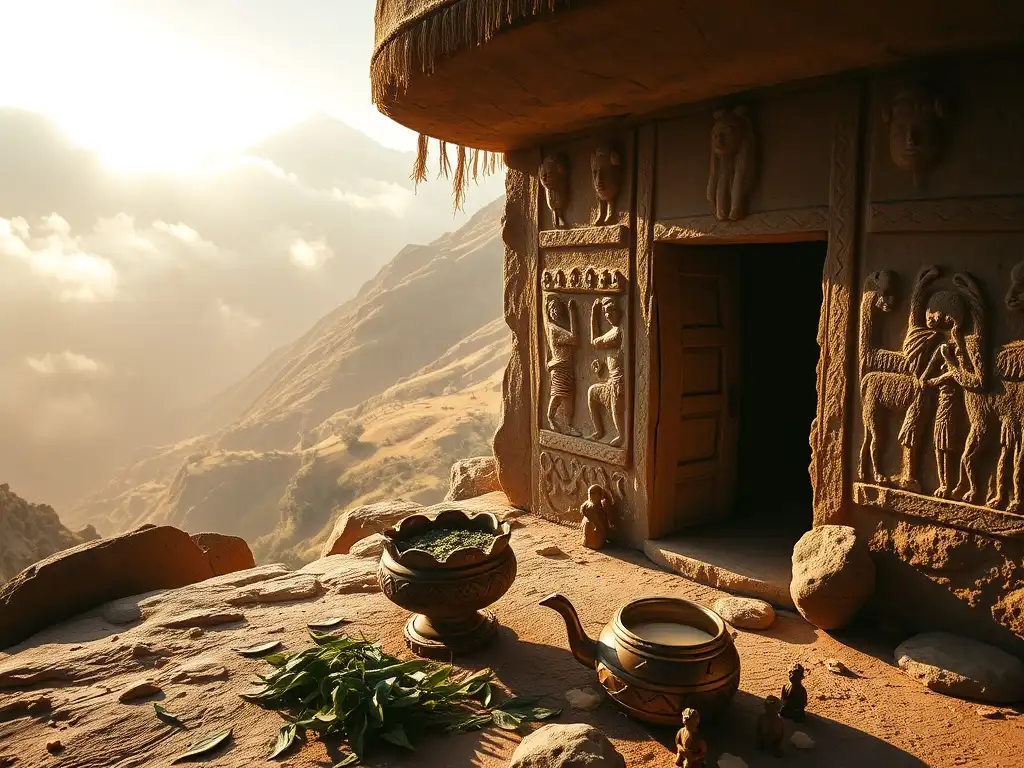
The Inca worldview encompassed a profound belief in the afterlife and the enduring influence of ancestors. Death wasn't seen as an end but as a transition to another realm, where the deceased continued to exist and interact with the living. Ancestor veneration was a central tenet of Inca religion, with deceased relatives believed to possess the power to influence the lives of their descendants. Mummies, especially those of rulers and important figures, were treated with immense reverence, often kept within family homes or in special shrines.
These mummies weren't simply preserved remains; they were believed to be living entities, capable of providing guidance and protection. Regular offerings, including food, drink, and other items, were made to these mummies, ensuring their continued well-being and maintaining a strong connection between the living and the dead. The Inca believed that the spirits of their ancestors could intervene in the affairs of the living, both positively and negatively, highlighting the importance of maintaining respectful relationships with their deceased relatives.
This reverence extended to other important figures, including powerful priests and warriors, whose spirits were similarly venerated. The belief in a powerful afterlife and the importance of ancestor veneration fundamentally shaped Inca society, influencing social structures, political decisions, and daily life. The elaborate funerary practices and the continued attention given to the deceased serve as powerful testaments to the Inca's deep-seated belief in the enduring power of the ancestral world.
The Influence of Inca Supernatural Beliefs on Their Culture
Inca supernatural beliefs profoundly shaped their culture, permeating every aspect of daily life, from agriculture and governance to warfare and art. The huacas, or sacred places and objects, were integral to Inca society. These could be natural formations like mountains, springs, or caves, or man-made structures such as temples and ceremonial centers.
The reverence for these huacas dictated the placement of settlements, the planning of agricultural terraces, and even the construction of roads. The Inca believed that appeasing the spirits residing within these huacas ensured prosperity, good harvests, and military success. This belief system fostered a deep connection between the Inca people and their environment, leading to sophisticated agricultural practices and a complex system of land management.
Failure to respect the huacas was believed to invite misfortune and divine retribution, emphasizing the pervasive influence of supernatural beliefs on their societal structures. The elaborate ceremonies and rituals performed at these sites further illustrate this profound impact, demonstrating the central role of spirituality in Inca daily life and governance. The intricate textiles, pottery, and goldwork, often depicting deities and mythological figures, showcase the visible expression of their spiritual world.
Legacy of Inca Spirituality in the Andean Region
The legacy of Inca spirituality continues to resonate throughout the Andean region today. While the Inca Empire itself fell centuries ago, many of their beliefs and practices have persisted in various forms, integrated into the syncretic religious traditions of modern Andean communities. Indigenous communities still maintain reverence for the apus (mountain spirits) and other sacred natural features, incorporating elements of Inca cosmology into their own spiritual practices.
Many ancient Inca sites remain significant pilgrimage destinations, attracting both local communities and tourists seeking to connect with the spiritual heritage of the Andes. Furthermore, the Inca's sophisticated understanding of astronomy and its integration with their religious calendar continues to influence contemporary Andean calendars and agricultural practices. The intricate knowledge of medicinal plants and their spiritual significance, passed down through generations, demonstrates a living link to Inca traditions.
This enduring influence highlights the remarkable resilience and adaptability of Inca spiritual beliefs, showcasing their lasting impact on the cultural identity of the Andean region. The ongoing research into Inca cosmology and the continuing practice of Andean spirituality offer valuable insights into the enduring power of their supernatural beliefs.
Conclusion: The Enduring Power of Inca Supernatural Beliefs
The Inca's profound belief in supernatural powers and entities was far more than a mere aspect of their religion; it was the very foundation upon which their society was built. From the intricate design of their cities to their sophisticated agricultural techniques, every facet of Inca life was intrinsically linked to their spiritual world. The enduring legacy of Inca spirituality in the Andean region serves as a testament to the remarkable power and resilience of their beliefs.
Even today, echoes of their cosmology and rituals can be found in the practices and traditions of contemporary Andean communities. Understanding Inca supernatural beliefs is crucial to comprehending the complexities of their civilization and its lasting impact on the cultural landscape of the Andes.
The study of Inca religion continues to offer valuable insights into the human experience, demonstrating the vital role of spirituality in shaping societies and cultures throughout history. The enduring power of Inca supernatural beliefs underscores the deep and enduring connection between humanity and the spiritual realm.
Frequently Asked Questions
What role did supernatural beliefs play in Inca society?
Inca society was deeply intertwined with supernatural beliefs. These beliefs influenced everything from daily life and agriculture to political structures and warfare, shaping their worldview and actions. Religious rituals were central to their lives.
How did the Inca view the world spiritually?
The Inca saw the world as a complex interplay of the physical and spiritual realms. They believed in a powerful creator god, Viracocha, and a pantheon of other deities representing natural forces and ancestors. Sacred sites held significant spiritual importance.
What were some important Inca deities and their roles?
Viracocha, the creator god, was supreme. Other important deities included Inti (the sun god), Mama Killa (the moon goddess), and Pachamama (Mother Earth). Each deity held specific influence over aspects of life.
How did Inca religion influence their daily lives?
Religious practices were integrated into daily routines. Rituals accompanied agricultural cycles, construction projects, and even personal events. Priests held significant power, interpreting omens and advising rulers.
What evidence exists to support the Inca's belief in the supernatural?
Archaeological evidence like religious sites (e.g., Machu Picchu), intricate textiles depicting deities, and human sacrifices provide strong evidence. Spanish chronicles also offer valuable, albeit sometimes biased, accounts of Inca religious practices and beliefs.
Final Reflection: Echoes of the Andes: The Enduring Power of Inca Spirituality
The Inca's profound belief in a vibrant supernatural world isn't just a relic of the past; it's a powerful lens through which we can understand the enduring human need to connect with something larger than ourselves. Their intricate cosmology, woven into every aspect of their lives, offers a compelling counterpoint to our modern, often secular, worldview. The echoes of their spiritual practices resonate even today, reminding us of the fundamental human desire to find meaning and purpose beyond the tangible.
The Inca's sophisticated understanding of the interconnectedness of the natural and supernatural worlds continues to inspire awe and wonder. Their reverence for the mountains, the sun, and the elements speaks to a deep respect for the power of nature, a lesson we desperately need to relearn in our increasingly disconnected age. The mountains are not just stones, but living beings, filled with spirits and power,
a sentiment echoed across Andean cultures for millennia, highlights the profound spiritual significance imbued in the landscape. This perspective offers a valuable counterpoint to our often exploitative relationship with the environment.
Consider the enduring legacy of Inca spirituality. How does their belief system challenge your own understanding of the world? Take a moment to reflect on your own connection to the natural world and the spiritual forces that shape your life. Perhaps, by exploring the Inca's rich spiritual heritage, we can rediscover a sense of wonder and reverence for the unseen forces that bind us all, fostering a more harmonious relationship with both nature and ourselves.
**Unveil the Mysteries of Inca Spirituality! **
Thank you for exploring the fascinating world of Inca civilization and their beliefs. Your curiosity reveals a deeper appreciation for their rich cultural heritage. Let's delve even further!
- **Connect with Inca spirituality:** Begin your journey by creating a personal ritual inspired by Inca practices. Reflect on your values and incorporate elements like gratitude or symbolic offerings.
- **Explore Inca Mythology:** Discover the myths and legends that shaped their worldview in our dedicated section: [link to Inca Myths and Legends section].
- **Share your discoveries:** Discuss your newfound understanding with friends or on social media. Inspire others to explore the fascinating connection between spirituality and culture.
Which aspect of Inca spirituality resonates most with you, and how will you integrate these insights into your daily life?