
Mama Quilla, the Moon Goddess: Unraveling Lunar Significance in Inca Beliefs

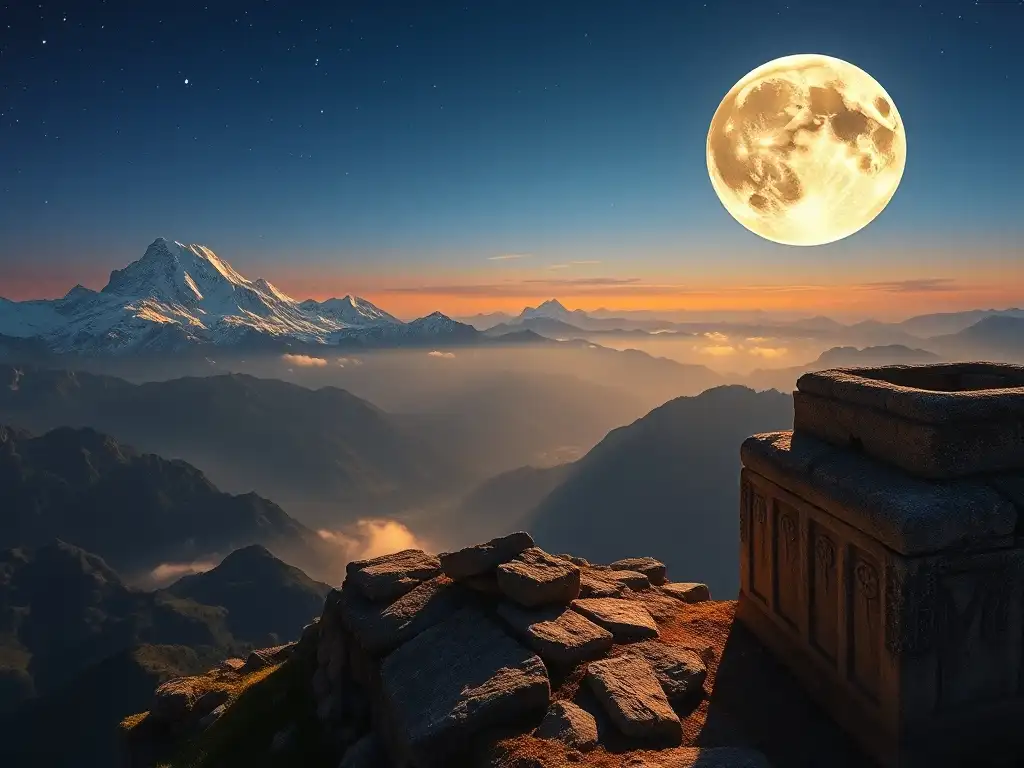
Dive into the enigmatic world of the Andes! Prepare to be captivated by the breathtaking artistry, advanced engineering, and deeply spiritual beliefs of ancient Andean civilizations. But first, let's unravel one of the most intriguing mysteries: the profound significance of Mama Quilla, the Inca moon goddess. Her influence extended far beyond the celestial; discover how her worship shaped Inca society and beliefs – a story waiting to be unveiled. Continue your journey into the heart of the Inca Empire and beyond...
- Mama Quilla: Exploring the Inca Moon Goddess Beliefs
- The Divine Feminine: Mama Quilla's Attributes and Symbolism
- Rituals and Offerings to the Inca Moon Goddess
- Inca Moon Goddess Beliefs and Agricultural Practices
- Mama Quilla in Inca Mythology and Legends
- The Legacy of Mama Quilla in Modern Andean Culture
-
Frequently Asked Questions
- What is the significance of Mama Quilla in Inca mythology?
- How did the Incas relate the moon to agriculture and the calendar?
- What was the relationship between Mama Quilla and Inti, the sun god?
- Were there any rituals or ceremonies dedicated to Mama Quilla?
- How did Inca beliefs about Mama Quilla influence their art and architecture?
- Final Reflection: Mama Quilla's Enduring Legacy
- Embrace the Light of Mama Quilla: Take Action Today!
Mama Quilla: Exploring the Inca Moon Goddess Beliefs
The Inca Empire, a civilization renowned for its sophisticated engineering, intricate social structures, and awe-inspiring artistry, also possessed a deeply complex and fascinating religious system. Central to this cosmology was the worship of a pantheon of gods and goddesses, each representing powerful forces of nature and embodying specific aspects of Inca life.
This article delves into the significance of Mama Quilla, the Inca moon goddess, exploring her role in Inca cosmology, religious practices, and the enduring impact of her veneration on Inca beliefs and cultural expressions. We will unravel the intricate tapestry of Inca moon goddess beliefs, examining both the documented evidence and the interpretations drawn from archaeological findings and anthropological studies.
Understanding Mama Quilla offers a crucial lens through which to appreciate the depth and richness of Inca spirituality, its connection to the natural world, and the intricate relationship between the celestial and terrestrial realms within Inca society. The keyword "Inca moon goddess beliefs" will be explored in detail, revealing the multifaceted nature of this important aspect of Inca religion.
The Significance of the Moon in Inca Cosmology
The moon held immense significance in Inca cosmology, mirroring the cyclical nature of life, death, and rebirth. Unlike the sun god, Inti, who represented masculine power and the life-giving force, Mama Quilla embodied feminine energy, associated with fertility, cycles of growth, and the ebb and flow of life. Her influence was seen as vital, not only in agriculture, guiding the planting and harvesting seasons, but also in the broader understanding of time and the cosmos.
Inca astronomers meticulously tracked the moon's phases, using this knowledge to develop a sophisticated calendar system that regulated agricultural practices and religious ceremonies. This meticulous observation of celestial bodies highlights the deep connection between Inca spirituality and the natural world, where the celestial and terrestrial realms were inextricably linked.
The moon's phases were not merely astronomical events; they were integral components of the Inca worldview, shaping their understanding of time, their agricultural practices, and their religious rituals. Evidence suggests that specific rituals were performed during particular lunar phases, reflecting the importance of aligning human activity with the celestial rhythms.
Mama Quilla's Role in Inca Religion
Mama Quilla's role extended far beyond the realm of agricultural cycles. She was considered a powerful deity, venerated through elaborate ceremonies and offerings. While precise details of these rituals are often fragmented due to the destruction of Inca records following the Spanish conquest, archaeological findings and surviving accounts reveal glimpses into the importance of Mama Quilla worship.
Temples dedicated to her likely existed, although their precise locations and forms remain subjects of ongoing research. Offerings, possibly including agricultural products, textiles, and precious metals, were likely presented to appease and honor her, reflecting the importance of maintaining a harmonious relationship with the celestial powers. Furthermore, the moon's influence on women's fertility likely contributed to her association with childbirth and motherhood, further solidifying her position as a key figure in Inca religious life.
The stories and myths surrounding Mama Quilla, though often passed down through oral tradition and subject to varying interpretations, offer invaluable insights into the beliefs and values of the Inca people. The enduring legacy of Mama Quilla highlights the powerful influence of celestial deities in shaping Inca religious practices and societal structures. Further research is needed to fully elucidate the complexities of Mama Quilla's role, but the available evidence paints a vivid picture of her importance within the Inca pantheon.
The Divine Feminine: Mama Quilla's Attributes and Symbolism
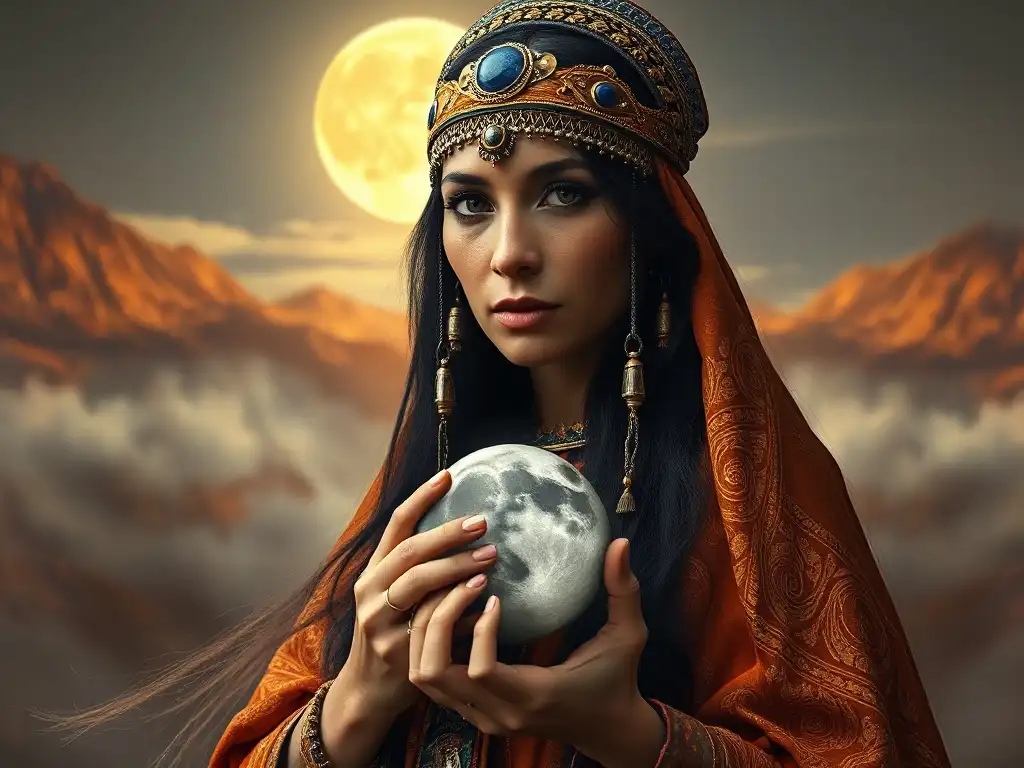
Mama Quilla, the Inca moon goddess, embodies a powerful and multifaceted divine feminine presence within the intricate tapestry of Inca cosmology. Unlike a purely passive lunar deity, Mama Quilla actively participates in the cosmic order, influencing not only the tides and the growth cycles of crops, but also the very fabric of Inca society and its spiritual life. Her influence is woven into the social structure, reflected in rituals, and visualized in art, showcasing her profound importance in Inca beliefs.
Understanding Mama Quilla requires appreciating her diverse attributes and the rich symbolism associated with her. She is not simply a celestial body; she's a powerful force, a nurturing mother, and a potent symbol of cyclical renewal. The very name "Mama Quilla," meaning "Mother Moon," immediately establishes her maternal role, connecting her to fertility, abundance, and the well-being of the Inca people.
Her connection to water, symbolized by her silvery glow reflecting the ocean's expanse, further reinforces her nurturing aspects. She is a symbol of both stability and change, reflecting the cyclical nature of the moon's phases and mirroring the Inca understanding of the continuous flow of life, death, and rebirth. The study of Inca moon goddess beliefs reveals a complex and fascinating relationship between the divine and the earthly realm.
Mama Quilla as a Protector and Guardian
Mama Quilla's protective role extended beyond the simple provision of moonlight. Inca beliefs saw her as a guardian of women, children, and the home. She was invoked for safe childbirth, the protection of families, and the assurance of a bountiful harvest.
Many prayers and offerings were made to Mama Quilla, seeking her benevolent intervention in times of need. These appeals weren't limited to individual concerns; communities also sought her protection against natural disasters and threats to their social harmony. Her association with the night, while sometimes linked to fear of the unknown, primarily symbolized her watchful presence, a comforting assurance in the darkness.
Ancient texts, albeit fragmented, suggest specific rituals dedicated to Mama Quilla's protective power, often involving offerings of coca leaves, chicha (a fermented corn beverage), and silver ornaments—all symbolic of her attributes and the desired blessings. The concept of Mama Quilla as a protector is deeply ingrained in the Inca worldview, highlighting the intimate connection between the divine and the everyday lives of the people. Evidence from archaeological finds, such as silver figurines depicting Mama Quilla cradling a child, further underscores this protective aspect of her divinity.
Lunar Cycles and Their Influence on Inca Life
The phases of the moon held immense significance for the Inca, directly impacting their agricultural practices, social calendar, and even their spiritual rituals. Mama Quilla's influence wasn't just symbolic; it was deeply practical. The waxing and waning of the moon guided the planting and harvesting cycles, shaping the agricultural calendar that sustained the Inca civilization. The full moon, often associated with abundance and fertility, marked important celebrations and festivals.
Conversely, the new moon might have been associated with introspection or periods of rest and renewal. Detailed records of Inca agricultural practices, while scarce, suggest a close correlation between lunar phases and specific farming activities. Archaeological evidence supports this, showing how Inca settlements were often strategically located to take advantage of lunar observations for optimal planting and harvesting.
The Inca understanding of the lunar cycles demonstrates a profound connection between celestial events and the practicalities of daily life. This intricate relationship highlights the holistic nature of Inca cosmology, where the divine and the mundane were inextricably intertwined. Furthermore, the lunar calendar likely played a role in regulating social events, festivals, and religious ceremonies, solidifying Mama Quilla's influence on the temporal organization of Inca society.
The Silver Disc: Mama Quilla's Representation in Art
Mama Quilla is frequently depicted in Inca art as a silver disc, often adorned with intricate designs and symbols. The choice of silver is significant, reflecting the moon's silvery glow and highlighting its association with water and fertility. The silver discs, found in various archaeological sites, often incorporated other symbolic elements, such as stars, crescent moons, or animal figures, enriching the representation of Mama Quilla and her multifaceted nature.
These artistic representations weren't merely decorative; they were powerful religious symbols, used in rituals, worn as adornments, and embedded within sacred architecture. The level of detail and craftsmanship evident in these artifacts underscores the importance placed upon accurately representing the moon goddess and her divine attributes. Studying the iconography of Mama Quilla provides valuable insights into Inca beliefs and artistic practices.
The variation in the depictions across different regions and time periods also offers clues about evolving interpretations of the moon goddess's role and symbolic significance within the Inca empire. Analyzing these artistic representations alongside textual evidence, however limited, provides a more complete picture of Inca moon goddess beliefs. The silver disc, therefore, serves not only as an aesthetic representation but also as a powerful conduit to understanding the spiritual significance of Mama Quilla within Inca culture.
Rituals and Offerings to the Inca Moon Goddess
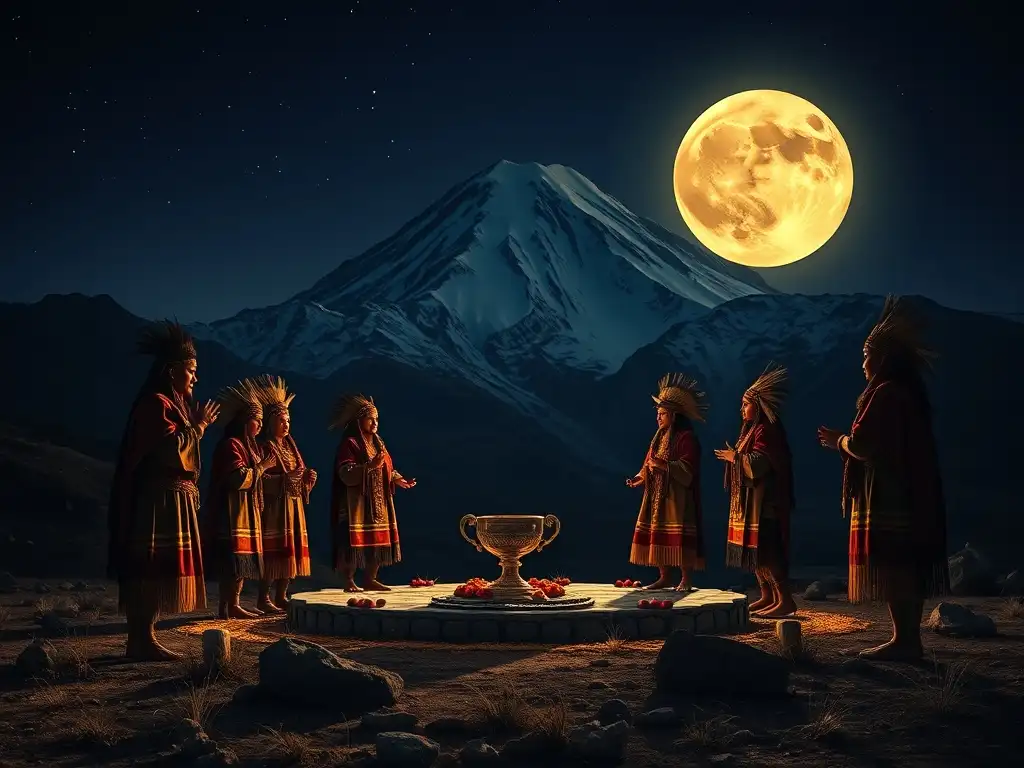
The Inca reverence for Mama Quilla, the Moon Goddess, manifested in a complex system of rituals and offerings designed to appease her and ensure her continued benevolent influence. These practices weren't merely symbolic; they were integral to the Inca worldview, deeply intertwined with agriculture, fertility, and the cyclical nature of life. Understanding these rituals requires examining the specific offerings, the timing of ceremonies, and the social roles involved in their execution. The Inca belief system emphasized reciprocity – offerings were a form of exchange to maintain balance and harmony with the divine.
Honoring Mama Quilla: Ceremonies and Festivals
Ceremonies dedicated to Mama Quilla varied in scale and frequency, ranging from small, private offerings made by individuals to large-scale public festivals involving the entire community. Smaller rituals might involve pouring chicha (a fermented corn beverage) onto the earth at night under the light of the full moon, accompanied by prayers or songs. Individuals might also leave small offerings of coca leaves, food, or textiles at sacred sites associated with the moon.
The timing of these offerings often coincided with significant lunar phases, particularly the new moon and full moon, which held special symbolic importance. Evidence suggests that the positioning of the moon in relation to certain constellations also played a role in determining auspicious dates for these smaller rituals.
Unfortunately, precise details regarding the frequency and specific practices of many of these smaller-scale ceremonies remain elusive due to the limited surviving written records. Further research into archaeological sites and oral traditions could shed more light on these aspects of Inca moon worship.
The Coya Raymi Festival: A Celebration of the Moon Goddess
The Coya Raymi festival stands out as a major public celebration dedicated to Mama Quilla. While the exact details are debated by scholars, evidence suggests it was a significant event, likely involving elaborate processions, feasts, and sacrifices. The festival's timing likely coincided with the full moon during the harvest season, a period of abundance and gratitude.
Participants would have likely worn special attire, possibly incorporating moon symbols or colors associated with the night sky. The Coya, the Inca emperor's wife, played a central role in these festivities, acting as a key intermediary between the earthly realm and the divine. Her participation underscored the close link between the moon's cyclical nature and female fertility, a recurring theme in Andean cosmology.
Archaeological discoveries of ornate artifacts and ceremonial objects from this period offer tangible evidence of the scale and importance of this festival, although much about its specific rituals remains to be fully understood. Further investigation into these artifacts could reveal more insights into the intricate details of this important celebration.
The Role of Priestesses in Lunar Observances
The role of priestesses ( *pallaq *) in Inca society was crucial to the performance of rituals dedicated to Mama Quilla. These women, often chosen for their lineage and perceived connection to the sacred, held significant authority in religious matters. They were responsible for interpreting lunar cycles, predicting auspicious dates for agricultural activities and ceremonies, and leading rituals dedicated to the moon goddess.
Their expertise in astronomy and astrology helped maintain the Inca calendar, ensuring the proper timing of ceremonies to maintain balance with the cosmic order. The priestesses' involvement wasn't limited to leading ceremonies; they also played a vital role in preparing offerings, interpreting omens, and advising the emperor and other officials on matters concerning the moon's influence. While the exact extent of their influence remains a subject of ongoing research, their prominence in Inca religious life is undeniable.
The existing evidence supports the idea that these women held considerable power and played a central role in the Inca understanding and worship of Mama Quilla, solidifying the importance of the Inca moon goddess beliefs. Further research is needed to fully elucidate the specific roles and responsibilities of individual priestesses and their influence on the broader Inca society.
Inca Moon Goddess Beliefs and Agricultural Practices
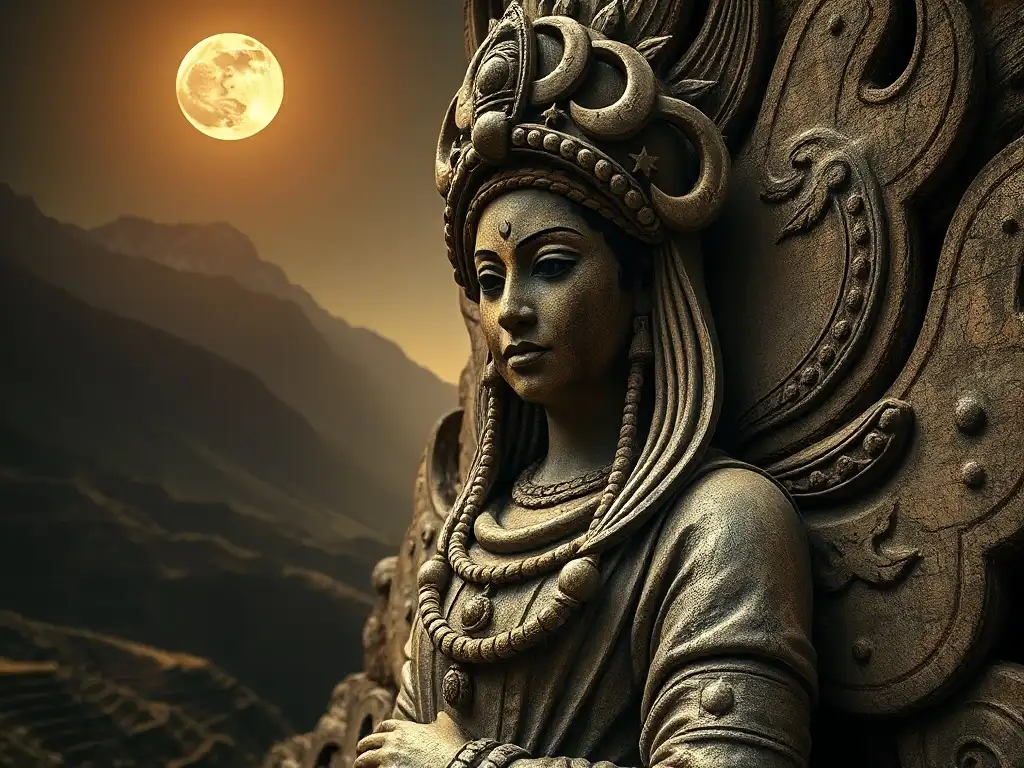
The Inca reverence for Mama Quilla, the moon goddess, extended far beyond simple celestial observation. Their beliefs were deeply intertwined with practical concerns, particularly agriculture, the lifeblood of their empire. Understanding the Inca moon goddess beliefs reveals a sophisticated system of lunar-based agricultural practices, demonstrating a profound connection between spiritual faith and daily life.
The Inca people weren't simply passive observers of the moon's cycles; they actively incorporated lunar rhythms into their agricultural planning and execution, showcasing a remarkable understanding of the moon's influence on the natural world. This integration of cosmology and agriculture highlights the holistic nature of Inca worldview, where the divine and the mundane were inextricably linked. Analyzing this connection provides valuable insight into the ingenuity and complexity of Inca civilization.
The Moon's Connection to Fertility and Harvest
Mama Quilla's influence on fertility was paramount in Inca cosmology. The moon, with its cyclical waxing and waning, mirrored the rhythms of life, death, and rebirth. This cyclical nature was directly linked to agricultural fertility.
The Inca believed that Mama Quilla's phases directly impacted the fertility of the land and the success of the harvest. A full moon, representing abundance and fullness, was associated with peak fertility, while the new moon, a period of darkness and renewal, signified a time for rest and preparation for the next cycle. This wasn't merely symbolic; Inca farmers meticulously observed the lunar phases, adjusting their planting and harvesting schedules accordingly.
For example, certain crops were believed to thrive under the influence of a full moon, while others benefited from the energy of the new moon. This intricate knowledge, passed down through generations, ensured the success of their agricultural endeavors and the sustenance of their vast population. Evidence suggests that specific rituals and offerings were made to Mama Quilla to ensure bountiful harvests, further solidifying the deep connection between lunar cycles and agricultural prosperity.
Lunar Calendars and Their Importance in Inca Agriculture
The Inca did not possess a written language in the same way as many other ancient civilizations. However, their sophisticated understanding of astronomy and the importance of Inca moon goddess beliefs is evidenced by their detailed knowledge of lunar cycles and their use of quipus—complex knotted cords—to record and transmit this knowledge. These quipus likely contained information on lunar calendars, which were crucial for agricultural planning.
While the exact details of these calendars remain partially obscured due to the lack of written records, archaeological evidence and ethnohistorical accounts suggest that the Inca meticulously tracked the lunar phases, correlating them with specific agricultural activities. This suggests the existence of a complex system of lunar-based calendars, possibly incorporating both the synodic (29.5 days) and draconic (27.2 days) lunar months. These calendars likely helped to predict optimal planting and harvesting times, ensuring maximum yields and minimizing risks associated with unpredictable weather patterns.
The precision required for such a system underscores the Inca's advanced understanding of astronomy and its practical application in their daily lives. Their mastery of lunar cycles showcases their ability to harness natural rhythms for societal benefit, a testament to their intellectual and organizational capabilities.
Mama Quilla's Influence on Crop Cycles
The Inca believed that Mama Quilla exerted a direct influence on the growth and maturation of crops. Different lunar phases were associated with different stages of crop development. For instance, the full moon might have been considered ideal for planting certain crops known for their rapid growth, while the waning moon might have been associated with activities like weeding or harvesting root crops.
The specific details of these associations remain a subject of ongoing research, however, the general principle of aligning agricultural practices with lunar cycles is well documented. The Inca's deep understanding of the moon's influence on plant growth is reflected in their agricultural practices, which were remarkably sustainable and efficient. This intimate knowledge, passed down through generations of skilled farmers, allowed them to optimize their agricultural production and provide sustenance for their large population, even in challenging environmental conditions.
The success of their agricultural system speaks volumes about the Inca’s profound respect for Mama Quilla and their ability to harness her perceived influence for the benefit of their civilization. Further research into Inca agricultural techniques and their correlation with lunar cycles could reveal even more detailed insights into this fascinating aspect of their culture and beliefs.
Mama Quilla in Inca Mythology and Legends
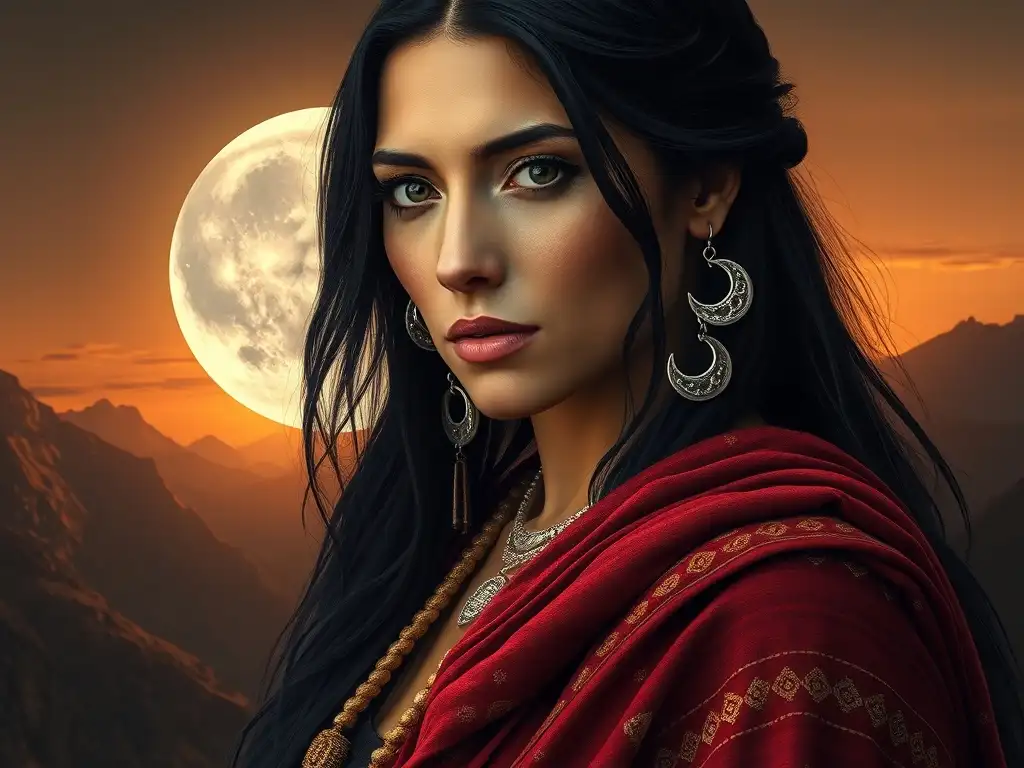
Mama Quilla, the Inca moon goddess, held a position of immense importance within the intricate tapestry of Inca beliefs. Far from being a mere celestial body, she represented a powerful feminine force, deeply intertwined with the rhythms of life, fertility, and the cyclical nature of time itself. Understanding Mama Quilla requires delving into the rich mythology and legends that surrounded her, revealing a complex deity whose influence extended far beyond the lunar phases.
The reverence for Mama Quilla wasn't simply a matter of astronomical observation; it was a profound spiritual connection, shaping Inca worldview and societal structures. This section explores the multifaceted nature of Mama Quilla, drawing on surviving accounts and archaeological evidence to illuminate her significant role in Inca religion. The enduring legacy of Mama Quilla underscores the enduring power of Andean cosmology and its enduring influence on modern Peruvian culture.
Stories of the Moon Goddess
Numerous stories depict Mama Quilla's power and influence. One prevalent narrative portrays her as the sister and wife of Inti, the sun god. This celestial marriage, symbolizing the harmonious interplay of day and night, light and darkness, is a recurring motif in Inca mythology. Other legends emphasize Mama Quilla's connection to the cycles of fertility and childbirth.
She was often invoked by women seeking successful pregnancies and healthy offspring. These narratives highlight Mama Quilla's role as a benevolent protector and provider, a powerful deity whose influence touched the lives of every Inca citizen. The stories, passed down through generations via oral tradition, highlight the deeply personal connection the Inca people had with the moon and its celestial significance. Many of these stories are still shared today in Andean communities, showcasing the lasting impact of Inca mythology.
Mama Quilla's Relationships with Other Inca Deities
Mama Quilla's position within the Inca pantheon wasn't isolated. Her relationship with Inti, as mentioned previously, is central to understanding her role. However, she also interacted with other deities, forming a complex web of celestial relationships. For example, her association with Pachamama, the Earth Mother, emphasized the interconnectedness of the lunar cycles with earthly fertility.
The ebb and flow of the moon mirrored the cycles of planting and harvest, highlighting the moon’s influence on agricultural practices. Further research is needed to fully understand the nuances of Mama Quilla's interactions with other deities like Viracocha, the creator god, and other lesser-known figures in the Inca pantheon. The precise nature of these relationships remains a subject of ongoing scholarly debate, but it’s clear that Mama Quilla’s influence extended far beyond her own individual worship.
The Myth of Mama Quilla and Inti: A Celestial Marriage
The myth of Mama Quilla and Inti's celestial marriage is perhaps the most well-known story surrounding the moon goddess. This powerful narrative symbolizes the balance and harmony between opposing forces in the Inca worldview. The union of the sun and moon, light and darkness, represents the cyclical nature of life and the cosmos itself.
The story often features a detailed account of their children, often including the stars and other celestial bodies. This reinforces the idea of a unified and interconnected cosmos, where every element plays a crucial role in maintaining cosmic order. The marriage of Mama Quilla and Inti wasn't just a romantic tale; it was a powerful cosmological metaphor that served as a foundation for Inca religious beliefs and practices.
This narrative offers a captivating glimpse into the rich cosmology of the Inca civilization, highlighting the profound symbolic significance they attributed to celestial events. The enduring appeal of this myth underscores its importance in shaping Inca culture and its continuing relevance in modern interpretations of Andean mythology. Understanding this central myth is key to deciphering other aspects of Inca moon goddess beliefs.
The Legacy of Mama Quilla in Modern Andean Culture
The reverence for Mama Quilla, the Inca moon goddess, didn't vanish with the Spanish conquest. Her influence subtly, yet powerfully, persists in the tapestry of modern Andean culture. While overt, ritualistic worship might be less visible than in pre-Columbian times, the moon's significance remains deeply embedded in Andean traditions, shaping daily life, agricultural practices, and spiritual beliefs. Understanding this enduring legacy requires examining how elements of lunar veneration have adapted and transformed over centuries. The Inca moon goddess beliefs, though altered, are far from extinct.
Traces of Lunar Worship in Contemporary Traditions
Many contemporary Andean communities retain vestiges of lunar worship interwoven with Catholicism and other influences. For example, the timing of certain agricultural activities, particularly planting and harvesting, still frequently aligns with the lunar calendar. Farmers often consult lunar phases to determine optimal planting times, believing the moon's gravitational pull influences plant growth, a belief rooted in ancient Inca practices related to Mama Quilla. This isn't simply superstition; many farmers report increased yields when adhering to these traditional methods.
Furthermore, some Andean communities maintain celebrations and rituals connected to the moon's cycles, often blending pre-Columbian traditions with Catholic festivals. These syncretic practices demonstrate the resilience of Inca moon goddess beliefs, adapting to new contexts while retaining core elements of reverence for the celestial body. The continued use of the lunar calendar in conjunction with the solar calendar illustrates a fascinating blend of ancient and modern practices.
Specific examples include [Specific examples of contemporary traditions linked to lunar cycles pending]. Further research is needed to fully document the diversity of these practices across different Andean communities.
The Enduring Significance of the Moon in Andean Beliefs
The moon's enduring significance in Andean beliefs extends beyond practical applications in agriculture. Mama Quilla's symbolic representation often intertwines with concepts of femininity, fertility, and cyclical renewal. The moon's phases, mirroring the cycles of life, death, and rebirth, resonate deeply with Andean worldviews. This cyclical perspective is reflected in various aspects of Andean life, from artistic expressions to storytelling.
The moon's influence is not merely a matter of practicality; it represents a fundamental cosmological principle, a powerful force shaping the natural world and human experience. The continuing importance of the moon in Andean cosmology underscores the persistent power of Inca moon goddess beliefs in shaping Andean identity and worldview. The moon, in its many phases, serves as a constant reminder of the cyclical nature of existence, a theme central to Andean spirituality.
Moreover, the moon's association with water—a vital resource in the Andean highlands—further reinforces its significance. The moon's influence on tides is seen as a reflection of its power over water sources in the mountains, which are crucial for agriculture and life itself. This connection underscores the deep-rooted understanding of interconnectedness between celestial bodies and earthly resources, a core tenet of Inca cosmology.
Modern Interpretations of Mama Quilla's Role in Andean Identity
In the 21st century, Mama Quilla's role in Andean identity is undergoing a fascinating transformation. While some aspects of traditional worship might be practiced privately or within specific communities, there's a growing interest in reclaiming and reinterpreting Inca heritage, including the veneration of Mama Quilla. This resurgence is partly fueled by indigenous rights movements and a wider awareness of the richness and complexity of Andean cultures.
The moon goddess, therefore, serves as a powerful symbol of cultural pride and resistance. The revival of traditional knowledge and practices related to Mama Quilla contributes to the strengthening of Andean identity in a globalized world.
This renewed interest manifests in various ways, from the incorporation of lunar imagery in contemporary Andean art and music to the emergence of new interpretations of Mama Quilla's mythology. The image of Mama Quilla is frequently utilized in contemporary Andean art as a means of expressing cultural identity and pride, often interwoven with other symbols of Andean heritage. This demonstrates a conscious effort to reclaim and reinterpret pre-Columbian traditions within a modern context.
Furthermore, [Specific examples of modern interpretations of Mama Quilla's role pending]. The ongoing evolution of Mama Quilla's significance reflects the dynamic nature of Andean culture and its ongoing adaptation to the challenges and opportunities of the modern world. The enduring power of the Inca moon goddess beliefs continues to shape Andean identity in profound and evolving ways.
Frequently Asked Questions
What is the significance of Mama Quilla in Inca mythology?
Mama Quilla was the Inca moon goddess, a powerful deity associated with fertility, time, and the feminine principle. She held a crucial role in the Inca worldview and was deeply revered.
How did the Incas relate the moon to agriculture and the calendar?
The Inca's understanding of the moon's cycles was crucial for agricultural planning and their calendar system. They used lunar observations to determine planting and harvesting times, reflecting a close relationship between the celestial body and their livelihood.
What was the relationship between Mama Quilla and Inti, the sun god?
Mama Quilla was often depicted as the sister or wife of Inti, the sun god, highlighting the close connection between the sun and moon in Inca cosmology. Their combined influence governed the natural world and human life.
Were there any rituals or ceremonies dedicated to Mama Quilla?
Yes, the Incas performed various rituals and ceremonies in honor of Mama Quilla, often involving offerings and prayers to ensure her favor and bountiful harvests. These rituals were integral to their religious practices.
How did Inca beliefs about Mama Quilla influence their art and architecture?
Mama Quilla's image and symbolism are reflected in Inca art and architecture, appearing in textiles, pottery, and possibly even in the design and orientation of some structures. This reflects the goddess's importance in their culture.
Final Reflection: Mama Quilla's Enduring Legacy
The reverence for Mama Quilla, the Inca moon goddess, resonates deeply with our modern understanding of the interconnectedness of nature and spirituality. Her influence extended far beyond simple astronomical observation; it shaped societal structures, agricultural practices, and the very fabric of Inca cosmology. This enduring legacy challenges us to reconsider our own relationship with the natural world and the power of celestial bodies in shaping human belief systems.
Mama Quilla's impact continues to ripple through contemporary Andean culture, influencing artistic expression, spiritual practices, and even modern interpretations of Inca history. Her story reminds us of the profound significance placed on the moon in pre-Columbian societies, a significance often overlooked in dominant narratives. The moon, like a faithful friend, is always there, a constant in the ever-changing sky,
a sentiment that echoes the unwavering importance of Mama Quilla in Inca life. Understanding her role allows us to appreciate the richness and complexity of a civilization that deeply understood and respected the rhythms of the cosmos.
Consider, for a moment, the cyclical nature of life mirrored in the moon's phases. Just as Mama Quilla waxes and wanes, so too do we experience periods of growth, decline, and renewal. Let Mama Quilla's story inspire you to embrace the cyclical nature of existence, to find strength in the darkness, and to celebrate the light that follows. By understanding the past, we can gain a deeper appreciation for the present and navigate the future with a renewed sense of wonder and connection to the natural world.
Embrace the Light of Mama Quilla: Take Action Today!
Thank you for exploring the fascinating world of Mama Quilla and the profound lunar significance in Inca beliefs! Discovering the connection between the moon and Inca civilization reveals a rich tapestry of cultural heritage. Now, let's translate that inspiration into meaningful action.
Here are some ways to deepen your connection with this celestial goddess and share your newfound knowledge:
- Explore the night sky: Spend an evening stargazing, contemplating how ancient civilizations revered celestial bodies. What stories does the moon whisper to you?
- Join a local cultural event or workshop: Connect with others who share your interest in Andean civilization and mythology. Participate in discussions, dances, or art projects inspired by lunar themes.
- Share your insights: Discuss your discoveries with friends or on social media. Use the hashtag #MamaQuilla to connect with others exploring similar themes.
As you reflect on Mama Quilla's influence, consider this: **How does the nurturing power of the moon resonate with your own life? ** Share your thoughts—let's continue the conversation!