
The Inca's Belief in Guardian Spirits and Their Role in Daily Life

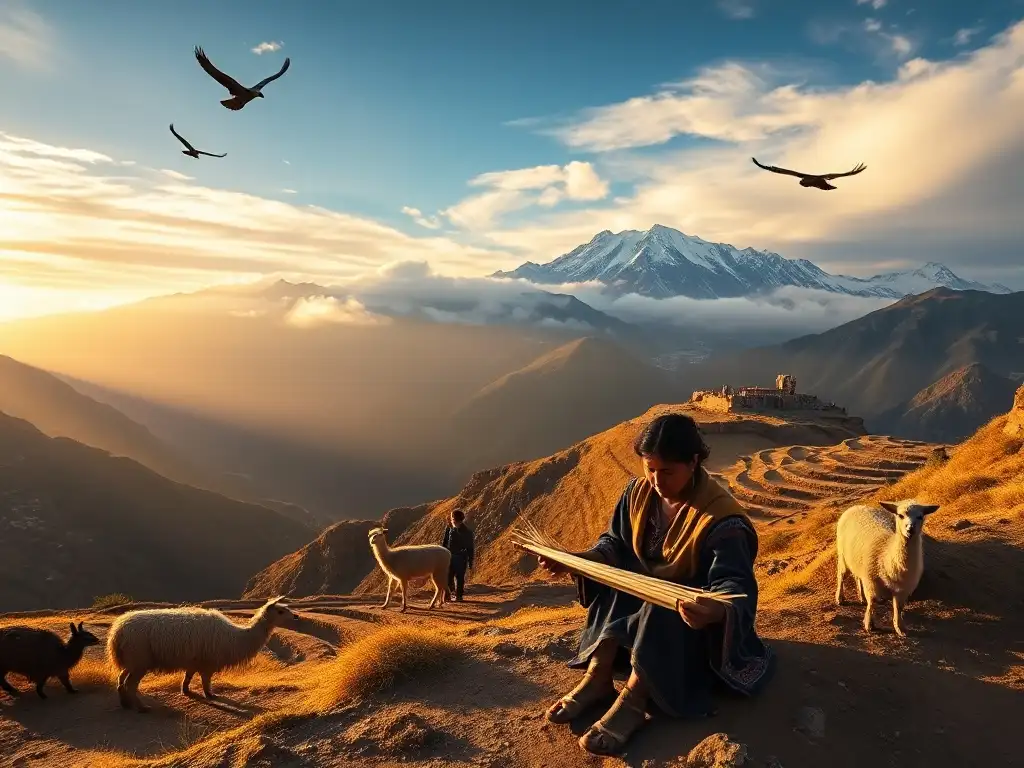
Step into a world lost to time, yet echoing with the whispers of powerful spirits. Discover the hidden influence of Inca guardian spirits on daily life, a world far beyond the majestic Machu Picchu. Unravel the intricate tapestry of Andean belief and learn how these unseen forces shaped every aspect of Inca existence, from agriculture to warfare. Prepare to be amazed by the depth and complexity of their spiritual world – a world waiting to be explored.
The Inca Empire, a civilization that flourished in the Andes Mountains from the 15th to the 16th century, was deeply rooted in a complex spiritual worldview. Central to this belief system was the pervasive presence of huacas, powerful guardian spirits inhabiting natural features, objects, and even ancestors.
This article delves into the significance of these Inca guardian spirits, exploring how they permeated daily life, influencing everything from agricultural practices to political decisions and personal well-being. Understanding the Inca's profound respect for and interaction with these spirits is key to unlocking a deeper comprehension of their sophisticated social structure and unique cultural identity.
We will examine specific examples of how these beliefs manifested in everyday routines and rituals, demonstrating the integral role huacas played in shaping Inca society. The pervasive influence of these guardian spirits offers a fascinating insight into the holistic and interconnected nature of Inca life, where the spiritual and material realms were inextricably intertwined.
Identifying and Honoring Huacas: The Source of Power and Protection
The Inca identified huacas in a wide variety of forms. Mountains, rivers, springs, caves, and unusual geological formations were considered sacred, imbued with the power of ancestral spirits. Certain animals, plants, and even specific stones or artifacts could also be designated as huacas.
The identification of a huaca often involved a combination of natural phenomena, oral traditions passed down through generations, and sometimes, even divination. The Inca demonstrated their respect for these spirits through offerings— pagos—which could include food, drink, coca leaves, textiles, gold, or silver. These offerings were not simply acts of appeasement but rather expressions of reciprocity, acknowledging the huaca's power and seeking its continued benevolence.
The size and frequency of these offerings varied depending on the perceived importance and power of the specific huaca. Larger, more significant huacas naturally received more elaborate and frequent attention. The Inca believed that maintaining a harmonious relationship with these spirits was crucial for ensuring good fortune, successful harvests, and protection from harm.
Huacas in Daily Agricultural Practices: Ensuring Bountiful Harvests
Agriculture formed the backbone of Inca society, and the huacas played a vital role in ensuring successful harvests. Many agricultural rituals were performed to appease and honor the huacas associated with water sources, fertile land, and the sun. For example, before planting, farmers might make offerings to the huaca of a spring or river to ensure an adequate water supply.
Similarly, after the harvest, they would express gratitude to the huacas associated with the land itself, celebrating the bounty received and seeking continued blessings for the next planting season. These rituals weren't simply superstitious practices; they were integral to the Inca's understanding of the natural world and their place within it.
The successful cultivation of crops was seen as a direct result of maintaining a harmonious relationship with the spiritual world, highlighting the inseparable connection between the spiritual and material aspects of Inca life. The intricate system of mit'a labor, while primarily focused on public works, also incorporated agricultural tasks performed to honor specific huacas in various regions.
The Inca rulers strategically utilized the belief in huacas to legitimize their power and maintain social order. The Inca emperor was considered a descendant of the sun god, Inti, and thus possessed a special connection to the spiritual realm. This connection allowed him to act as an intermediary between the human world and the world of the spirits.
The emperor's authority was further strengthened by his control over important huacas, which served as symbols of his power and legitimacy. The construction of temples and shrines dedicated to specific huacas also served as a powerful tool to reinforce the emperor's authority, consolidating political power and reinforcing the hierarchical social structure.
This integration of spiritual and political authority ensured social cohesion and promoted the stability of the empire. Maintaining the favor of the huacas was considered essential for the continued success and prosperity of the Inca state, illustrating the deep entanglement of religious belief and political power.
The Personal Impact of Huacas: Guiding Choices and Shaping Individual Lives
The influence of huacas extended beyond the realms of agriculture and politics; they deeply impacted the daily lives of individual Incas. People sought guidance from huacas in important life decisions, such as marriage, choosing a profession, or undertaking long journeys. They would make offerings and seek signs or omens to determine the best course of action. In times of illness or hardship, individuals would appeal to huacas for healing and protection.
This personal connection to the spirit world provided comfort, guidance, and a sense of security in a world that was often unpredictable and challenging. The pervasive presence of huacas in daily life shaped individual identities and fostered a strong sense of community, emphasizing the collective responsibility towards the spirit world. This constant interaction with the spiritual realm underscores the holistic and integrated nature of Inca spirituality, where the individual was inextricably linked to the wider cosmic order.
- Identifying and Honoring Huacas: The Source of Power and Protection
- Huacas in Daily Agricultural Practices: Ensuring Bountiful Harvests
- Huacas and Political Authority: Legitimizing Power and Maintaining Order
- The Personal Impact of Huacas: Guiding Choices and Shaping Individual Lives
Understanding the Inca Worldview: Spirits and the Sacred
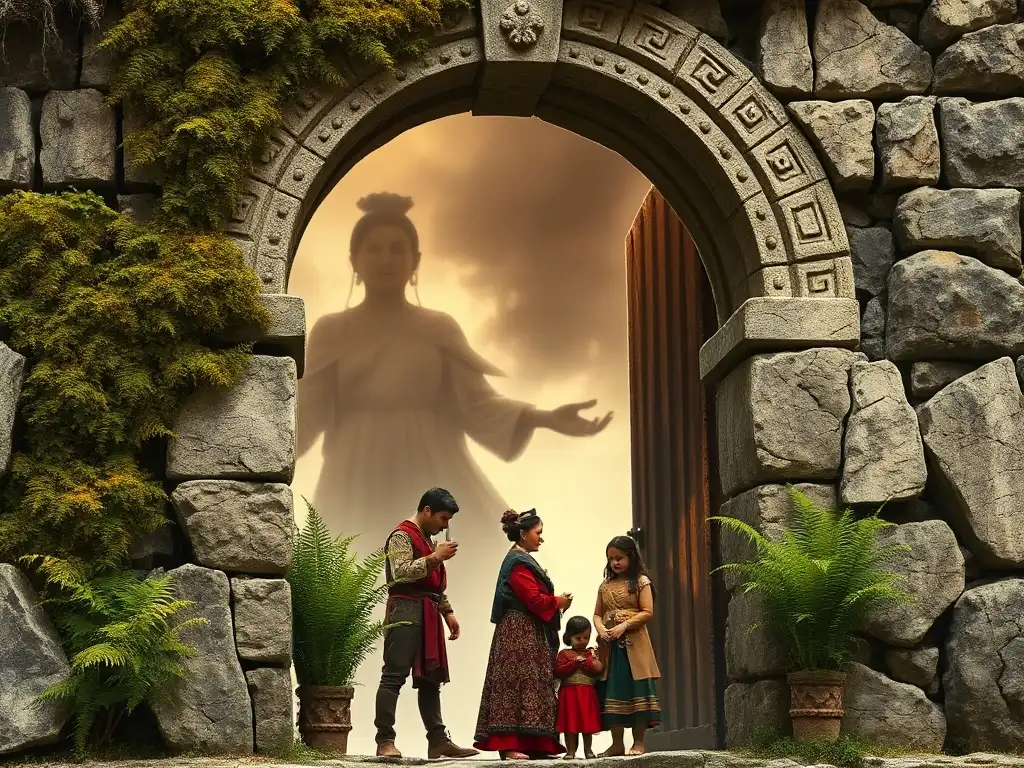
The Inca worldview was deeply intertwined with the belief in a vibrant spiritual world populated by numerous huacas, powerful supernatural entities that permeated every aspect of daily life. Understanding this pervasive spiritual presence is crucial to grasping the Inca's social structures, agricultural practices, and even their sophisticated engineering feats.
Unlike a strictly monotheistic religion, Inca spirituality was animistic and polytheistic, incorporating a vast pantheon of deities and spirits associated with natural phenomena, ancestors, and even everyday objects. The Inca's belief in guardian spirits wasn't a separate entity; it was integral to their understanding of the cosmos and their place within it.
This section delves into the core beliefs that shaped Inca daily life, revealing how their interactions with the spirit world were not merely ritualistic but fundamentally practical and deeply personal. The pervasive influence of huacas on Inca society is a testament to the intricate relationship they fostered with the spiritual realm.
The Concept of "Huaca" in Inca Religion
The term "huaca" encompasses a broad spectrum of sacred entities. It wasn't simply a matter of believing in spirits; the Inca experienced them as active participants in their world. A huaca could be a mountain (like the sacred Ausangate), a rock formation, a spring, a cave, a tree, or even a particular object imbued with spiritual power. These huacas were not merely passive symbols; they were considered living entities, capable of influencing human affairs, bestowing blessings, or inflicting misfortune.
The Inca meticulously maintained their relationship with these huacas, offering sacrifices and performing rituals to appease them and ensure their continued favor. The location and type of huaca impacted the nature of the offerings and rituals performed. For example, a mountain huaca might receive animal sacrifices and coca leaves, while a spring huaca might be honored with libations of chicha (fermented corn beer).
This intricate system of localized worship highlights the deeply personal and multifaceted nature of Inca spirituality. Understanding the role of huacas is essential to understanding the Inca's relationship with their environment and their approach to agriculture, construction, and governance. The Inca's belief in guardian spirits was directly connected to their respect and care for these huacas.
The Importance of Animism in the Inca Culture
Animism formed the bedrock of Inca spiritual beliefs. The Inca believed that spirits inhabited not only natural features but also inanimate objects and even living beings. This animistic worldview infused every aspect of life, from agriculture to warfare. For instance, the Inca believed that the spirits residing within the land influenced crop yields, and thus, elaborate rituals were performed to ensure a bountiful harvest.
Furthermore, the Inca considered their rulers to be descendants of the gods, linking the spiritual and political realms inextricably. This belief system contributed to the Inca's powerful social hierarchy and their ability to mobilize vast resources for monumental projects. The Inca's belief in guardian spirits extended beyond the realm of huacas; they believed that every individual possessed a personal huaca, a spiritual protector that guided them through life. This personal connection to the spiritual realm instilled a deep sense of responsibility and interconnectedness with the natural world.
The daily life of an Inca was governed by this animistic worldview, shaping their decisions, their rituals, and their interactions with the world around them. The impact of animism on Inca society is undeniable, profoundly shaping their social structures, agricultural practices, and political systems. The daily rituals and practices stemming from this belief system were deeply interwoven with their understanding of the cosmos and their place within it. Their belief in guardian spirits wasn't a separate aspect of their faith; it was the very foundation upon which their society was built.
Inca Guardian Spirits: Defining and Identifying
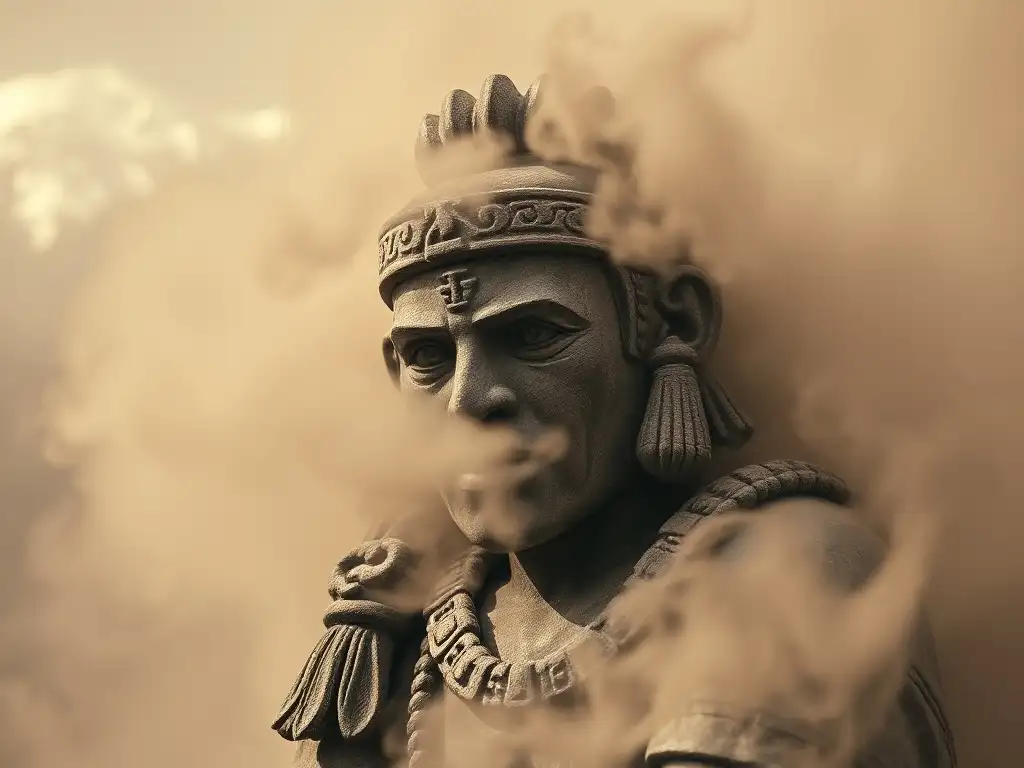
The Inca worldview was deeply intertwined with the belief in a vast pantheon of spirits, many of which acted as guardians, protecting individuals, communities, and the natural world. These huacas, often translated as "sacred things," weren't simply benevolent entities; they were powerful forces that demanded respect and appeasement. Understanding the Inca's relationship with these guardian spirits is key to comprehending their daily lives, their social structures, and their intricate religious practices.
The concept of "Inca guardian spirits daily life" wasn't a peripheral aspect of their existence; it was fundamentally woven into the fabric of their society. Their belief system emphasized a reciprocal relationship: humans provided offerings and respect, while the spirits offered protection and prosperity.
This dynamic shaped everything from agricultural practices to political structures. The intensity of this belief is evident in the numerous archaeological finds depicting deities and spirit figures, and in the intricate rituals designed to honor and appease them.
The Different Types of Inca Guardian Spirits
Inca guardian spirits weren't a homogenous group. Their power and influence varied considerably depending on their nature and the sphere they governed. Some were associated with specific geographical features, like mountains ( apus), rivers, and springs. Others were linked to ancestral figures or powerful leaders, embodying their continued influence even after death. Still others were associated with specific animals, plants, or natural phenomena, representing the power and mystery of the Andean ecosystem. The diversity of these spirits reflects the Inca's deep connection to their environment and their sophisticated understanding of the natural world.
The categorization of these spirits wasn't always clear-cut. For instance, a mountain apu could also be considered a powerful huaca, encompassing a broader range of spiritual influence. This fluidity in classification highlights the interconnectedness of the Inca spiritual world. Further research is needed to fully delineate the precise distinctions between various types of guardian spirits, especially considering the limited written sources and the challenges in interpreting archaeological evidence. We can however, confidently assert that the Inca religion was rich with diverse spiritual entities, each playing a vital role in the lives of the people.
Identifying Personal and Communal Guardian Spirits
The Inca concept of guardian spirits extended to both the individual and the community level. Individuals might have personal guardian spirits, often inherited through family lineage or associated with a specific event or experience. These spirits provided protection and guidance throughout life, offering support in times of need. Communal guardian spirits, on the other hand, protected entire villages or regions. These were often associated with powerful geographical features, like the aforementioned apus, or with significant ancestral figures who were believed to continue watching over their descendants.
The identification and veneration of these spirits varied greatly. Personal guardian spirits might be honored through private offerings and prayers, while communal spirits demanded elaborate ceremonies and sacrifices involving the entire community. The distinction between personal and communal protection wasn't always rigid; a powerful apu, for instance, could offer both individual and communal protection, depending on the context and the individual's relationship with that particular spirit.
This complex interplay between individual and communal spirituality shaped social cohesion and reinforced the Inca's strong sense of community. Further study into Inca kinship structures and social organization could provide more precise details on how these individual and community guardian spirits impacted daily life.
The Role of Apu Spirits in Inca Beliefs
Apus, the mountain spirits, held a particularly prominent place in Inca cosmology and daily life. These powerful entities were considered the guardians of specific regions, and their favor was essential for the well-being of the communities living within their domain. The Inca paid homage to apus through elaborate ceremonies, offerings, and the construction of sacred sites on mountain peaks. These rituals weren't merely symbolic; they were believed to maintain a vital balance between the human and spiritual worlds. The health of the apu was directly linked to the health and prosperity of the people.
The impact of apu spirits on daily life is evident in the Inca's agricultural practices. The timing of planting and harvesting was often dictated by the perceived moods and influence of the apus. Similarly, the construction of roads and settlements was carefully planned to respect the sacredness of mountain spaces and to avoid offending the powerful apus.
The Inca's deep respect for the apus demonstrates a sophisticated understanding of the delicate balance between human activity and the natural environment – a balance that was essential for their survival and prosperity. Analyzing Inca agricultural calendars and settlement patterns could reveal more about the practical application of these beliefs in their daily routines. The reverence for apus wasn't simply a matter of religious observance; it was a deeply ingrained aspect of their social and economic life.
The Influence of Guardian Spirits in Inca Daily Life
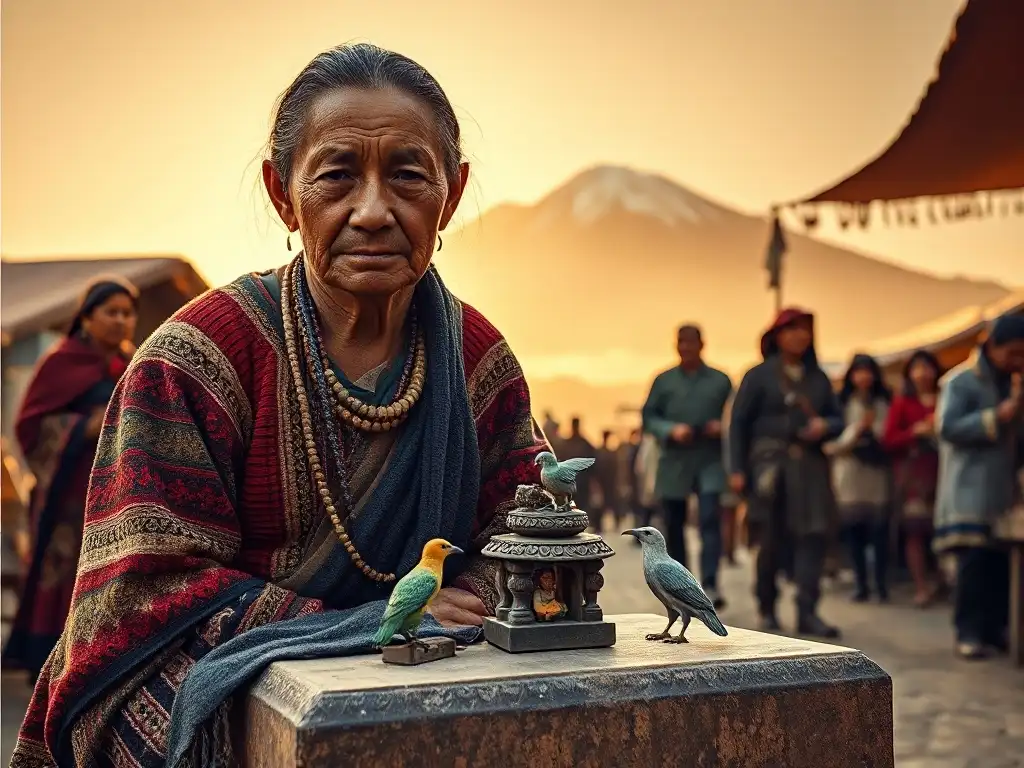
The Inca worldview was deeply intertwined with the belief in huacas, powerful guardian spirits inhabiting natural features like mountains, rocks, springs, and even certain animals. These weren't simply deities; they were active participants in daily Inca life, influencing decisions, guiding actions, and demanding respect through rituals and offerings. Understanding the pervasive influence of huacas is crucial to grasping the complexities of Inca society and its unique relationship with the environment.
The concept of Inca guardian spirits permeated every aspect of their existence, from the planting of crops to the structuring of their social hierarchy. This section explores the multifaceted ways in which these spirits shaped Inca daily life, examining their role in religious practices, agricultural techniques, and societal organization. The belief in these powerful entities wasn't a peripheral aspect of Inca culture; it was the very bedrock upon which their society was built.
Rituals and Offerings to Honor Inca Spirits
Rituals were central to maintaining a harmonious relationship with the huacas. These weren't infrequent ceremonies; rather, they were woven into the fabric of daily life. Simple offerings, like coca leaves or chicha (a fermented corn beverage), were frequently presented at sacred sites or huacas encountered during daily activities.
More elaborate ceremonies, involving sacrifices of llamas or other animals, were conducted on special occasions or to appease a huaca believed to be angered or displeased. The frequency and scale of these rituals varied depending on the perceived power and importance of the specific huaca and the needs of the community. For example, a huaca associated with a successful harvest might receive more frequent and lavish offerings than a less significant spirit.
The meticulous nature of these rituals underscores the profound respect and reverence the Inca held for their guardian spirits. Archaeological evidence, such as the discovery of sacrificial remains and offerings at various sacred sites, provides compelling support for this deeply ingrained belief system. Furthermore, the intricate designs and symbolism found in Inca textiles and pottery often depict scenes of ritual offerings and interactions with huacas, further highlighting their significance in daily life.
The meticulous care taken in crafting these offerings, and the evident importance placed on the rituals themselves, speak volumes about the Inca's profound belief in the power and influence of these guardian spirits. The huacas weren't just believed in; they were actively engaged with, appeased, and honored on a daily, sometimes hourly basis.
How Guardian Spirits Guided Agriculture and Farming
Agriculture was the lifeblood of the Inca Empire, and huacas played a crucial role in its success. Specific huacas were associated with particular crops or agricultural activities. Farmers would seek the favor of these spirits through rituals and offerings, praying for bountiful harvests and protection from natural disasters like frost or drought. The selection of planting sites, the timing of planting and harvesting, and even the methods of cultivation were often guided by beliefs related to huacas.
The Inca's sophisticated agricultural techniques, such as terracing and irrigation, weren't solely the product of practical knowledge; they were also informed by spiritual beliefs. Certain areas might be deemed sacred due to their association with a powerful huaca, leading to their careful preservation and use for specific crops. The careful management of water resources, for instance, was likely influenced by the belief that water sources were inhabited by huacas that needed to be respected and appeased.
The intricate system of canals and terraces, therefore, wasn't simply an engineering marvel; it was also a reflection of the Inca's deep spiritual connection to the land and its guardian spirits. The success of their agricultural practices was inextricably linked to their ability to maintain a harmonious relationship with these powerful entities. Failure to do so could result in poor harvests, famine, and societal unrest.
The influence of huacas extended beyond daily rituals and agricultural practices; it shaped the very fabric of Inca social structures. The Inca emperor himself was considered a descendant of the sun god Inti, a powerful huaca, lending legitimacy to his rule and emphasizing the divine connection between the ruler and the spiritual realm. Furthermore, local communities often had their own patron huacas, which served as focal points for local identity and social cohesion.
These spirits were not only venerated but also served as a source of authority and social control. Disrespecting a huaca could lead to social sanctions and even punishment.
The Inca's elaborate system of roads and administrative structures was likely influenced by the location and importance of various huacas. Major roads often followed routes that connected important sacred sites, facilitating communication and pilgrimage. The strategic placement of administrative centers might have been determined by the presence of powerful huacas, emphasizing their role in maintaining social order and political control. The intricate relationship between the Inca’s political organization and their belief system in huacas remains a subject of ongoing research.
However, it’s clear that the spirits played a crucial role in shaping the Inca Empire's social, political, and religious landscape, influencing everything from daily routines to the emperor’s authority. The interplay between the spiritual and the secular was seamless and integral to the Inca way of life. Their belief in Inca guardian spirits wasn't merely a religious practice; it was the foundation of their society.
Inca Guardian Spirits and Healing Practices
Inca healing practices were deeply intertwined with their belief in the power of huacas, or guardian spirits. These spirits weren't merely abstract entities; they were believed to inhabit specific places, objects, and even individuals, influencing health and well-being. Illness, therefore, wasn't simply a physical ailment but often interpreted as a disruption in the harmonious relationship between an individual and the spiritual world, perhaps due to an offended huaca.
Shamans, or paqos, played a crucial role in restoring this balance. Their expertise extended beyond herbal remedies and physical manipulations; they were spiritual intermediaries, capable of communicating with the huacas and discerning the root cause of an illness. This often involved rituals designed to appease or honor the offended spirit, perhaps through offerings of coca leaves, chicha (fermented corn beer), or other sacred items.
The specific rituals varied depending on the perceived nature of the offending spirit and the severity of the illness. For instance, a minor ailment might be treated with a simple offering and prayer, while a more serious illness could necessitate a complex ceremony involving multiple paqos and community participation.
The effectiveness of Inca healing wasn't solely dependent on the paqo's skill. The patient's faith and participation in the healing process were considered equally vital. The belief in the huaca's power and the shaman's ability to interact with it acted as a powerful placebo effect, potentially accelerating the healing process through psychological means.
This holistic approach to healing, encompassing both the physical and spiritual realms, reflects the deeply ingrained spiritual beliefs of the Inca people and the central role guardian spirits played in their lives. Archaeological evidence, including the discovery of ritual objects in burial sites, further supports this understanding of Inca healing practices and their connection to the spiritual world.
These findings offer tangible evidence of the importance placed on appeasing the huacas to ensure good health and well-being. The intricate relationship between the physical and spiritual worlds in Inca healing highlights the profound influence of their belief in guardian spirits.
The Legacy of Inca Beliefs in Modern Andean Communities
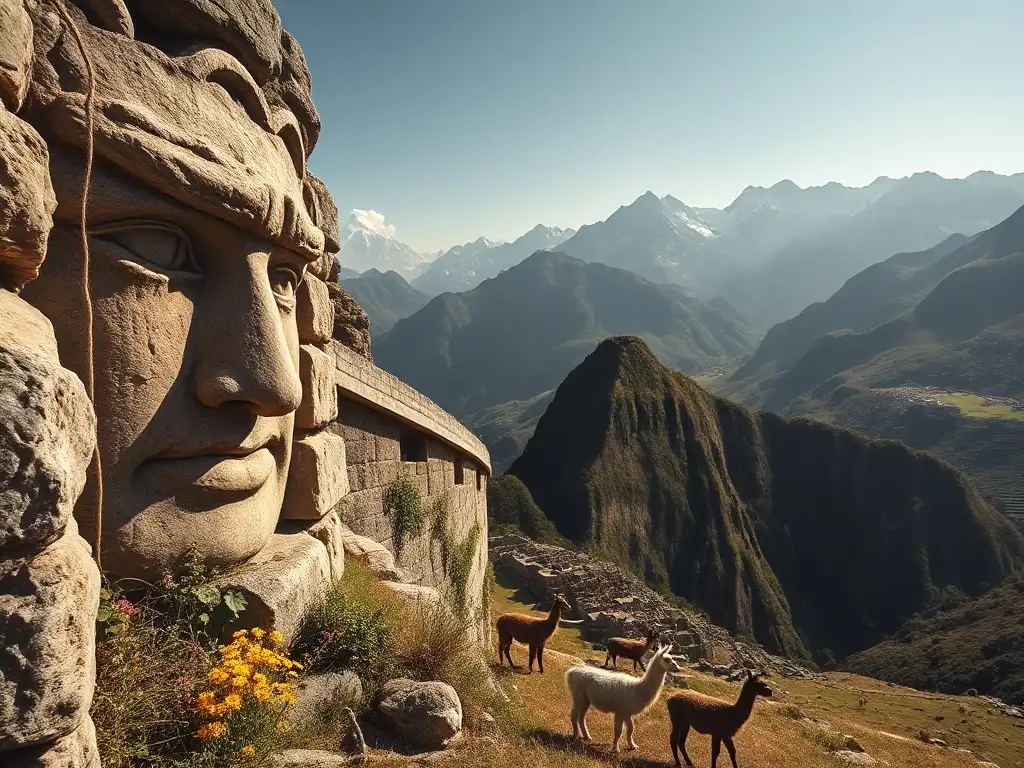
The Inca belief system, profoundly shaped by the huacas (sacred places and objects), continues to resonate in the daily lives of many Andean communities today. While the formal Inca empire crumbled centuries ago, the spiritual essence of their worldview persists, subtly interwoven into contemporary Andean culture. This enduring legacy isn't a static relic; rather, it's a dynamic force, adapting and evolving while retaining core elements of its ancestral roots.
Understanding this legacy requires acknowledging the complex interplay between ancient beliefs and modern realities. The influence of Inca guardian spirits, for example, is not just a historical curiosity; it's a living tradition that shapes perspectives on land use, agricultural practices, and even personal well-being. The continued reverence for apus (mountain spirits), considered powerful guardian spirits, is a prime example.
Many communities still perform rituals and offerings to appease these spirits, seeking their protection and ensuring bountiful harvests. These actions aren't merely symbolic; they represent a deeply ingrained belief in the active presence and influence of these spiritual entities in their daily lives. The persistence of these beliefs highlights the enduring power of Inca spirituality and its profound impact on shaping Andean identity.
Many indigenous communities in the Andes still maintain practices directly linked to Inca beliefs about guardian spirits. These aren't simply folkloric remnants; they are integral aspects of daily life. For instance, the practice of pago a la tierra (payment to the earth) – offerings of coca leaves, alcohol, or other items to appease the earth spirits – remains widespread.
This ritual, deeply rooted in Inca cosmology, ensures the fertility of the land and the well-being of the community. Similarly, the veneration of apus, mountain spirits considered powerful guardians, continues through offerings and ceremonies at sacred sites high in the Andes. These acts are not performed out of mere tradition; they are expressions of a living faith, reflecting a belief in the active participation of these spirits in the community’s prosperity and protection.
Furthermore, the use of specific plants and animals in traditional medicine reflects the Inca belief in the spiritual potency of nature. Many healers incorporate these elements into their practices, drawing upon a knowledge system passed down through generations, where the healing properties of certain plants are inextricably linked to their spiritual significance.
This holistic approach, deeply rooted in Inca cosmology, showcases the ongoing relevance of Inca guardian spirits in maintaining health and well-being. The persistence of these traditions – from offerings to the earth to the use of spiritually potent plants – powerfully illustrates the enduring influence of Inca beliefs on daily life in the Andes.
The Syncretism of Inca and Christian Beliefs
The arrival of Christianity in the Andes didn't erase Inca beliefs; rather, it fostered a complex process of syncretism. Many indigenous communities integrated Christian elements into their existing spiritual frameworks, creating a hybrid religious landscape. This blending is evident in the veneration of saints, often associated with Inca deities or huacas. For instance, a particular saint might be seen as a powerful intermediary with the apus, bridging the gap between the Christian and Inca spiritual worlds. This isn't a simple substitution; it's a creative adaptation, showcasing the resilience and adaptability of Inca spirituality in the face of external influences.
The fusion of Inca and Christian beliefs is also reflected in religious festivals. Many celebrations blend traditional Inca rituals with Catholic practices, creating a unique syncretic expression of faith. These events often involve both indigenous and Christian symbols, demonstrating the fluid interaction between the two belief systems.
The persistence of these syncretic practices underscores the enduring strength of Inca spiritual traditions, which have not only survived but also transformed in response to historical and cultural shifts. This adaptability is a testament to the enduring power of Inca cosmology and its capacity to integrate with, rather than be replaced by, other belief systems.
The Enduring Significance of Inca Spirituality
The continued relevance of Inca guardian spirits in modern Andean communities is not merely a historical curiosity; it's a testament to the enduring power of their worldview. The belief in these spiritual entities permeates various aspects of daily life, from agricultural practices to healing traditions. This enduring influence underscores the deep-seated connection between Andean people and their ancestral heritage. The resilience of Inca spirituality, even in the face of colonization and globalization, highlights its profound impact on shaping Andean identity and cultural practices.
Moreover, the ongoing adaptation and evolution of Inca beliefs demonstrate their dynamic nature. Instead of being static traditions, they are living systems that continuously interact with contemporary realities. This adaptability ensures the continued relevance of Inca spirituality for future generations, solidifying its place as a vital component of Andean culture. The legacy of Inca guardian spirits, therefore, is not a fading memory but a vibrant force shaping the lives and beliefs of Andean communities today. Understanding this enduring legacy is crucial to appreciating the richness and complexity of Andean culture and its historical trajectory.
Inca Guardian Spirits Daily Life: A Summary of Their Importance
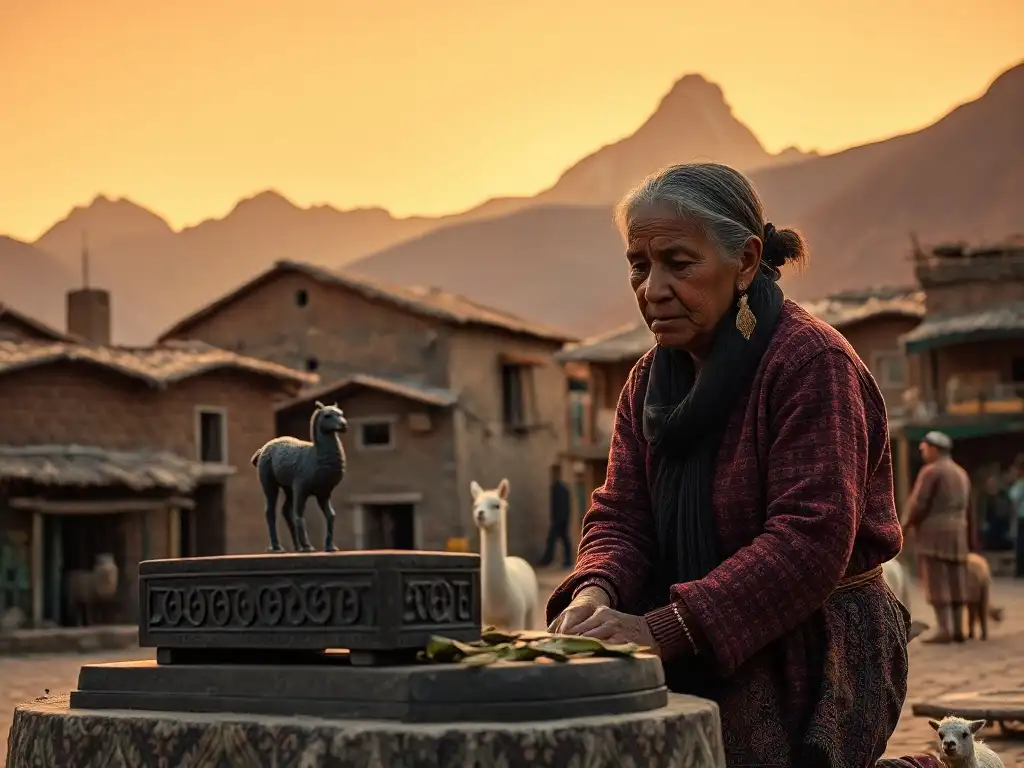
This section delves into the pervasive influence of huacas—Inca guardian spirits—on the daily lives of the Inca people. Understanding their role is crucial to grasping the Inca worldview, where the spiritual and physical realms were inextricably intertwined. The Inca belief system wasn't simply a set of rituals performed on special occasions; it was a lived experience, shaping every aspect of their existence, from agriculture to warfare, from family life to imperial governance. The concept of "Inca guardian spirits daily life" wasn't a metaphorical expression but a fundamental reality.
The Central Role of Spirits in Inca Life
The Inca believed that huacas inhabited various aspects of the natural world. These weren't simply abstract deities; they were powerful, personalized entities associated with mountains, rivers, rocks, springs, and even specific locations within villages. The Inca viewed these huacas as possessing agency and the ability to influence events, bestowing blessings or inflicting misfortune depending on their favor. Daily life involved constant engagement with these spirits, a delicate balance of appeasement and reverence. Farmers, for example, would offer coca leaves and chicha (corn beer) to the huacas of the mountains and springs that provided water for their crops, ensuring a bountiful harvest. This wasn't a superstitious practice; it was a crucial part of their agricultural strategy, reflecting their deep understanding of the interconnectedness between the spiritual and material worlds. The success of their agricultural endeavors, the backbone of their empire, was directly linked to maintaining harmonious relations with these powerful entities.
The Inca social structure was deeply influenced by the belief in huacas. The emperor, the Sapa Inca, was considered a divine intermediary between the people and the most powerful huacas. His authority stemmed not solely from his military might or political acumen but also from his sacred role as a conduit for divine will. This divine connection legitimized his rule and reinforced the hierarchical structure of Inca society.
Furthermore, specific huacas were associated with different clans and lineages, providing a spiritual basis for social cohesion and identity. The worship of these ancestral spirits fostered a sense of community and strengthened social bonds within the vast Inca empire. This intricate relationship between spiritual beliefs and social organization highlights the profound impact of huacas on the daily lives of the Inca people.
Manifestations of Guardian Spirits in Daily Activities
The influence of huacas extended beyond grand rituals and imperial ceremonies. They permeated the mundane aspects of daily life. Consider the construction of Inca roads and buildings: The selection of sites and the orientation of structures were often guided by the perceived presence and influence of specific huacas. Similarly, the Inca calendar, with its intricate system of festivals and agricultural cycles, was deeply intertwined with the rhythms of nature and the perceived activities of the huacas.
Even seemingly simple activities, such as preparing food or weaving textiles, were infused with spiritual significance, often involving offerings and prayers to ensure success and protection. This constant interaction with the spiritual world shaped the very fabric of Inca daily life, making it a deeply spiritual experience. Even seemingly mundane tasks were infused with spiritual significance, reflecting the all-encompassing nature of their belief system.
Maintaining Harmony: Rituals and Offerings
The Inca understood that maintaining harmony with the huacas was essential for the well-being of individuals and the empire as a whole. This wasn't a passive belief; it required active participation through a complex system of rituals and offerings. These rituals varied in scale, from simple personal offerings to elaborate state-sponsored ceremonies. They involved a wide range of activities, including prayers, sacrifices (often of llamas or other animals), and the construction of shrines and temples dedicated to specific huacas. The frequency and nature of these rituals reflected the importance of the particular huaca and the needs of the community. Failure to appease the huacas could lead to natural disasters, disease, or other misfortunes, highlighting the crucial role of these rituals in maintaining social order and cosmic balance. The continuous effort to maintain this harmony underscores the deeply embedded nature of the belief in Inca guardian spirits in their daily existence.
The Legacy of Inca Guardian Spirits
The belief in huacas and their influence on daily life wasn't merely a historical curiosity; it continues to resonate in Andean cultures today. Many of the practices and beliefs associated with huacas have survived, adapted, and integrated into contemporary Andean spirituality, demonstrating the enduring legacy of this ancient worldview.
Understanding the significance of Inca guardian spirits in their daily life provides a crucial key to understanding Inca society, its resilience, and its lasting influence on the region. The continued presence of these beliefs in modern Andean culture serves as a testament to the profound and lasting impact of Inca spiritual traditions.
Frequently Asked Questions
What role did guardian spirits play in Inca daily life?
Inca people believed guardian spirits (huacas) influenced all aspects of life. These spirits were consulted for decisions big and small, from planting crops to choosing a marriage partner. Daily routines often involved appeasing or honoring these spirits.
How did the Incas interact with their guardian spirits?
Interaction involved offerings and rituals, such as making sacrifices of food, drink, or even precious objects. Prayers and ceremonies were also common, seeking guidance and protection from the spirits.
Were all Inca guardian spirits benevolent?
No, some huacas were considered malevolent or unpredictable. These spirits required careful appeasement to avoid misfortune. Understanding a spirit's nature was crucial to avoiding its wrath.
What types of things were considered huacas?
Huacas could be natural features like mountains, rivers, and rocks, or man-made objects like tools or idols. Even ancestors could become powerful guardian spirits, watched over by their descendants.
How did belief in guardian spirits impact Inca society?
This belief system shaped Inca social structures and governance. Priests played vital roles interpreting the will of the spirits, and rulers often claimed divine connections to powerful huacas, legitimizing their power.
Final Reflection: Echoes of the Apu in Modern Life
The intricate relationship between the Inca and their Apu, the mountain spirits, remains a powerful testament to humanity's enduring need to connect with the natural world. This connection, far from being a relic of the past, resonates deeply with contemporary concerns about environmental stewardship and the spiritual significance of our surroundings. The Inca's reverence for the Apu offers a compelling model for a more harmonious coexistence with nature.
The enduring legacy of the Inca's belief system is evident in the continued importance placed on Andean landscapes, both spiritually and practically. The Apu are not simply historical figures; their influence permeates modern Andean culture, shaping traditions, informing agricultural practices, and inspiring artistic expression. As the writer and anthropologist, Maria Rostworowski, eloquently stated: The mountains were not merely geographical features; they were living entities, powerful deities that influenced the lives of the Inca people.
This profound understanding of interconnectedness offers a valuable lesson for a world grappling with environmental degradation and a growing sense of alienation from the natural world.
Consider, for a moment, the impact of your own relationship with your environment. Do you see the world as a collection of resources to be exploited, or as a vibrant, interconnected ecosystem deserving of respect and reverence? The Inca's deep connection with their Apu offers a powerful example of a sustainable and spiritually fulfilling way of life. Let the echoes of their reverence for the mountains inspire you to cultivate a deeper appreciation for the natural world and to strive for a more harmonious relationship with the environment around you.
Embrace the Spirit of the Inca: Connect and Discover!
Thank you for exploring the incredible world of the Inca and their belief in guardian spirits! You've uncovered the profound ways these spiritual entities shaped daily life and community. Now, let's bring that inspiration into your own life.
Here are some engaging next steps:
- **Reflect on your guiding principles:** Consider what motivates and inspires you daily. Journaling your thoughts and sharing them with loved ones can foster deeper self-understanding and strengthen your relationships.
- **Expand your knowledge:** Explore more resources on Andean civilizations to learn about the diverse aspects of their cultures and rich traditions. Many excellent books and articles are available online and in libraries.
- **Share your discoveries:** Share this article on social media and invite others to learn about these fascinating beliefs. By sharing this knowledge, you help preserve and celebrate this important cultural heritage.
What values or beliefs most influence your life, and how do you see their impact in your daily actions?