
Exploring the Inca's Understanding of the Soul and Spirit

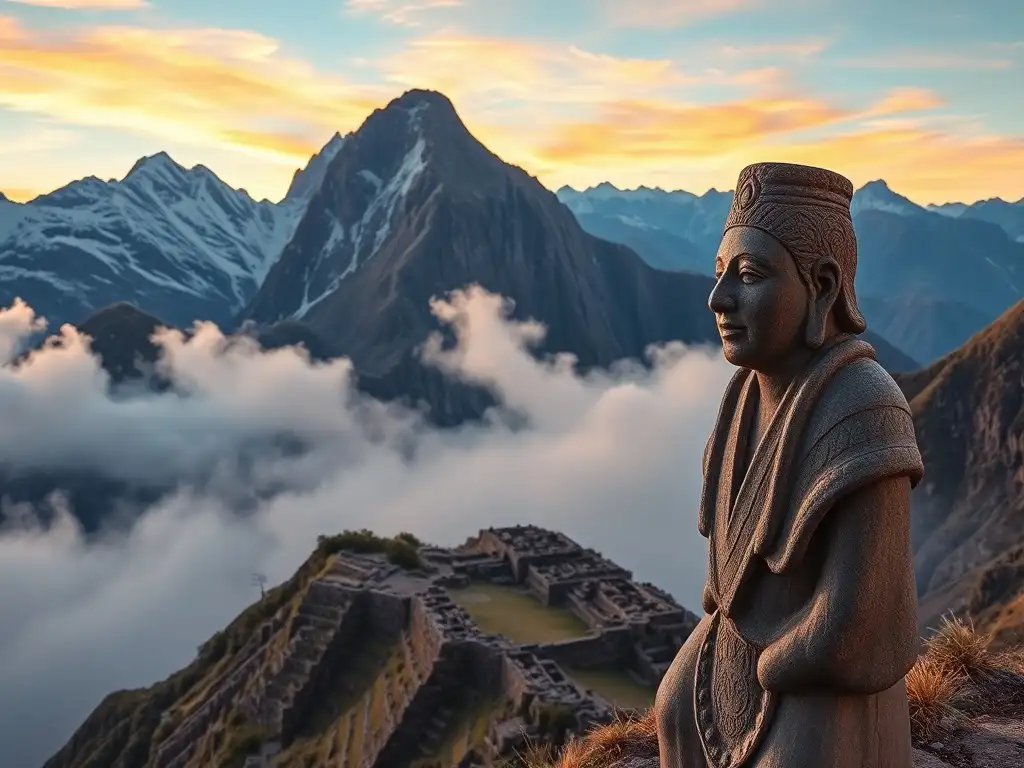
Unravel the mysteries of a world lost to time, yet echoing in the majestic Andes. Journey with us into the heart of the Inca Empire, where the very mountains whispered secrets of life and death. Prepare to be captivated by the intriguing beliefs surrounding Inca soul and spirit, a fascinating exploration of their cosmology and spiritual practices that will leave you pondering the very nature of existence itself. Dive in and discover the vibrant tapestry of the Inca worldview – a legacy that continues to resonate today.
-
Exploring Inca Soul and Spirit Beliefs: An Andean Perspective
- Introduction to Inca Spirituality and the Concept of the Soul
- The Inca Concept of Kamaqen: The Vital Force
- Hanan Pacha, Kay Pacha, and Uku Pacha: The Three Worlds and Their Spiritual Significance
- The Inca Understanding of the Aya: Exploring the Spirit and Ancestral Connection
- Uma and Sonqo: The Relationship Between Mind and Heart in Inca Thought
- The Role of Apukuna and Mallku: Mountain Spirits and Their Influence
- Inca Practices for Connecting with the Spirit World
- Death and Burial Rituals: Honoring the Journey of the Aya
- The Legacy of Inca Soul and Spirit Beliefs in Modern Andean Culture
- Conclusion: Understanding the Depth of Inca Spiritual Thought
- Frequently Asked Questions
- Final Reflection: Echoes of the Andes: The Enduring Legacy of Inca Spirituality
- Unveil the Mysteries of the Inca Spirit!
Exploring Inca Soul and Spirit Beliefs: An Andean Perspective
The Inca Empire, a civilization that flourished in the Andes Mountains for centuries, left behind a rich tapestry of cultural practices, intricate societal structures, and a complex spiritual worldview. Understanding their beliefs about the soul and spirit is crucial to grasping the very essence of Inca life, revealing a profound connection with nature, ancestors, and the divine. This exploration delves into the Inca conception of the soul, examining their beliefs about the afterlife, the importance of kamaqen, and the rituals designed to maintain balance and harmony between the living and the spiritual world. This article will illuminate the intricacies of Inca spirituality, challenging common misconceptions and providing a nuanced understanding of their rich spiritual heritage, thus contributing to a more complete picture of the Inca Empire and its lasting legacy. We will unpack the keyword "Inca soul and spirit beliefs" by exploring various aspects of their religious practices and cosmology.
Introduction to Inca Spirituality and the Concept of the Soul
Inca spirituality wasn't a codified religion with written scriptures like those found in many other ancient societies. Instead, it was a deeply ingrained system of beliefs and practices woven into the fabric of daily life. The Inca worldview was profoundly animistic; they believed that the world was imbued with spiritual energy, connecting the living, the dead, and the natural world.
The concept of a soul, while not explicitly defined in the same way as in Western traditions, was central to their understanding of existence. They believed that individuals possessed a vital force, a life essence, which continued after physical death, albeit in a transformed state. This life essence wasn't necessarily a separate entity but rather an integral part of the individual, inextricably linked to their physical body and their relationship with the cosmos.
The continuity of this life force was crucial, and various rituals aimed to ensure its smooth transition and continued influence within the community. Evidence suggests a belief in an afterlife, though its precise nature remains a subject of ongoing scholarly debate, with archaeological findings and interpretations of Spanish chronicles offering varying perspectives.
The Inca Concept of Kamaqen: The Vital Force
The term kamaqen is often translated as "vital force" or "life essence," representing the core of Inca spiritual beliefs. It wasn't simply breath or a fleeting energy; kamaqen was considered the driving force behind life itself, the animating principle that gave individuals their personality, their strength, and their connection to the world around them. The maintenance and strengthening of one's kamaqen was paramount, achieved through various practices, including proper diet, physical exertion, and participation in communal rituals. A strong kamaqen was linked to good health, prosperity, and a successful life.
Conversely, a weakened kamaqen was associated with illness, misfortune, and ultimately, death. The concept of kamaqen wasn't solely individual; it extended to the community and the natural world. The kamaqen of a village, a mountain, or a river was believed to be interconnected, highlighting the Inca's deep understanding of the interconnectedness of all things.
This holistic perspective shaped their relationship with their environment and informed their agricultural practices, their social structures, and their spiritual rituals. Maintaining the balance of kamaqen, both individual and collective, was essential for the well-being of the entire Inca world. Further research is needed to fully understand the nuances of this vital life force and its role in Inca society.
Hanan Pacha, Kay Pacha, and Uku Pacha: The Three Worlds and Their Spiritual Significance
The Inca worldview was profoundly shaped by their understanding of the cosmos, divided into three distinct realms: Hanan Pacha, Kay Pacha, and Uku Pacha. This tripartite cosmology wasn't merely a geographical division but a complex spiritual framework influencing their beliefs about the soul and spirit. Hanan Pacha, the upper world, was the realm of the gods, celestial bodies, and powerful spirits. It was considered a place of immense power and purity, a source of both creation and destruction.
Inca myths frequently depict deities interacting with the earthly realm from Hanan Pacha, influencing events and shaping human destiny. The sun god, Inti, held supreme importance, considered the source of life and power. His worship was central to Inca religion and deeply intertwined with their understanding of the soul's journey.
Kay Pacha, the middle world, represented the earthly plane where humans lived. It was the realm of everyday existence, where the Inca built their cities, cultivated their crops, and engaged in their daily lives. However, Kay Pacha wasn't simply a mundane space; it was deeply interwoven with the spiritual realms.
The Inca believed that the spirits of the ancestors, the Aya, inhabited this world, influencing the living and interacting with them. Sacred sites, such as mountains and springs, were considered portals connecting Kay Pacha with the other realms, emphasizing the interconnectedness of the spiritual and physical worlds. The Inca’s careful management of the land, their intricate agricultural practices, and their reverence for nature all stemmed from this deep understanding of Kay Pacha's sacred nature.
Finally, Uku Pacha represented the underworld, a realm of mystery and power. It was associated with death, the ancestors, and the forces of nature that lay beneath the surface of the earth. While often viewed with a degree of apprehension, Uku Pacha was not considered purely negative. It was a realm of transformation and regeneration, where the spirits of the deceased went and where the cycles of life and death continued.
The Inca’s elaborate burial practices and their deep respect for their ancestors reflect their understanding of Uku Pacha's significance in the larger cosmic order. The interconnectedness of these three worlds formed the foundation of Inca cosmology and their beliefs about the soul’s journey through life and death. This understanding influenced every aspect of their lives, from their daily rituals to their grand state ceremonies.
The Inca Understanding of the Aya: Exploring the Spirit and Ancestral Connection
The concept of the Aya is central to understanding Inca beliefs about the soul and spirit. The Aya weren't simply ghosts or spirits; they were the enduring essence of deceased ancestors, maintaining a powerful connection to the living world. They weren't necessarily benevolent entities; their influence could be both positive and negative, depending on how they were treated and honored by the living.
The Inca believed that the Aya could intervene in the affairs of the living, offering guidance, protection, or even punishment. This belief fostered a profound sense of responsibility towards one's ancestors, emphasizing the importance of maintaining respectful relationships with them across generations. The Aya were seen as integral members of the community, their continued presence influencing the well-being of the living.
This belief system fostered a strong sense of community and collective identity, strengthening social bonds and reinforcing traditional practices. The Inca believed that maintaining a strong connection with their Aya ensured the prosperity and continuity of their society.
The Aya and the Afterlife in Inca Cosmology
Inca cosmology viewed death not as an end but as a transformation. Upon death, a person's Aya would journey to Uku Pacha, joining the ranks of their ancestors. However, this wasn't a passive transition; the Aya remained active participants in the cosmic order, capable of influencing the living world. The Inca believed that the Aya could communicate with the living through dreams, visions, or natural phenomena.
They held significant power, able to bestow blessings or inflict misfortune depending on their relationship with the living. This belief system emphasized the importance of respectful ancestor veneration, ensuring continued harmony between the living and the deceased. Proper burial rituals were crucial, intended to facilitate a smooth transition for the Aya into the underworld and to maintain their positive influence. Neglecting ancestors could invite their wrath and bring misfortune upon the community.
Rituals and Offerings to Honor the Aya
The Inca practiced a wide array of rituals and ceremonies to honor their Aya and maintain a positive relationship with them. These rituals ranged from small, private offerings within the home to large-scale public festivals involving the entire community. Common offerings included food, drink, coca leaves, and other precious items.
These offerings weren't mere gifts; they were acts of respect and communication, intended to appease the Aya and ensure their continued goodwill. Specific rituals were performed at significant life events, such as births, marriages, and deaths. These rites solidified the connection between the living and the deceased, ensuring the continuity of family and community bonds.
The capacocha sacrifices, while controversial, were also believed to be a way to honor the Aya and maintain cosmic balance. These complex rituals demonstrate the profound importance the Inca placed on maintaining a strong relationship with their ancestors and the powerful role the Aya played in their lives and beliefs about the soul and spirit. The continuity of these practices underscores the enduring significance of the Aya in Inca culture and its influence on their worldview.
Uma and Sonqo: The Relationship Between Mind and Heart in Inca Thought
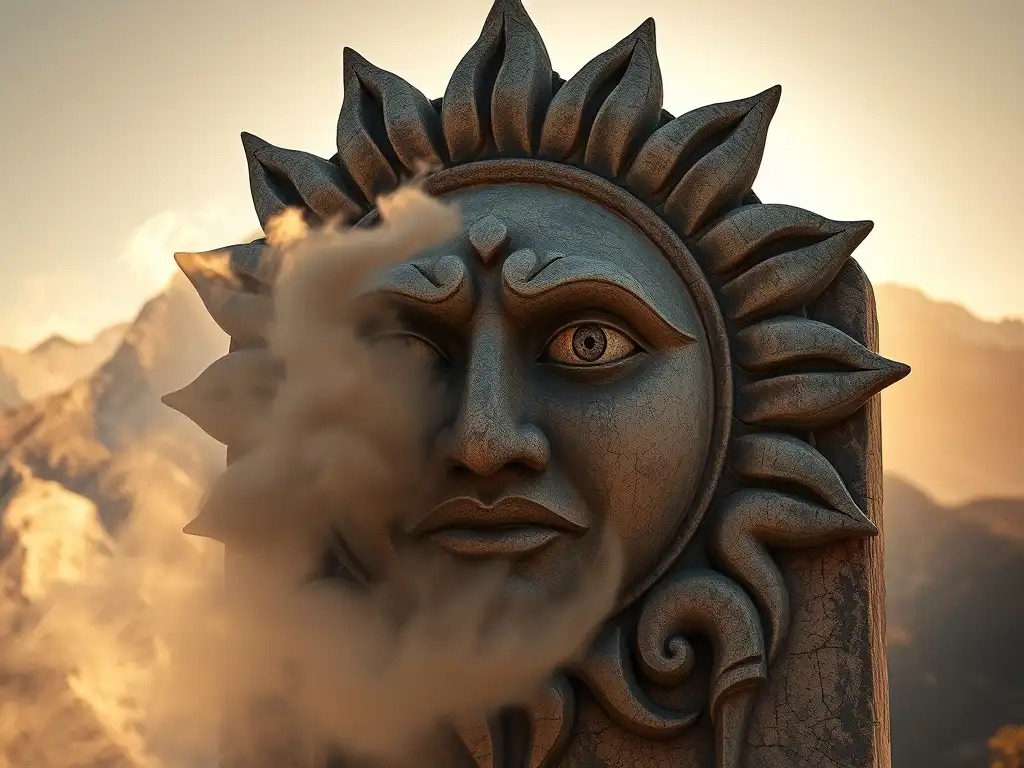
The Inca worldview wasn't compartmentalized like modern Western thought. They didn't separate the mind and emotions as distinctly as we often do. Instead, their understanding of the soul and spirit was deeply intertwined with the concepts of uma (mind) and sonqo (heart).
These weren't simply anatomical references; they represented interconnected aspects of a person's inner being and their relationship with the spiritual realm. Understanding this nuanced relationship is key to grasping Inca beliefs about the soul and spirit. The Inca emphasis on the interplay between uma and sonqo highlights a holistic view of consciousness, where rational thought and emotional experience were seen as complementary forces shaping an individual's spiritual journey.
The Significance of Uma (Mind) in Inca Spirituality
Uma, often translated as "mind" or "intellect," encompassed more than just cognitive function. It represented the capacity for reason, understanding, and awareness. It was the seat of knowledge, wisdom, and decision-making.
In Inca spirituality, a clear and discerning uma was considered vital for navigating life's challenges and maintaining harmony with the cosmos. A sharp uma allowed individuals to interpret signs and omens, understand the will of the gods, and participate fully in religious rituals. The development of uma was fostered through education, observation, and participation in community life.
Stories of Inca rulers exhibiting remarkable uma are plentiful, showcasing their ability to strategize, govern effectively, and interpret divine messages. This highlights the importance placed on mental acuity in both secular and spiritual contexts. Furthermore, the Inca valued the ability to use one's uma to discern truth from falsehood, a crucial skill in a society that relied heavily on oral tradition and the interpretation of natural phenomena.
The Importance of Sonqo (Heart) in Inca Beliefs
Sonqo, often translated as "heart" but encompassing emotions and intuition, played an equally crucial role in Inca spirituality. It wasn't simply the physical organ; it was the center of feelings, passions, and inner knowing. The sonqo was believed to be the source of empathy, compassion, and connection to the spiritual world.
A strong sonqo was associated with courage, perseverance, and a deep understanding of one's role within the community. Unlike the purely rational uma, the sonqo was deeply connected to the emotional and spiritual life of the individual. It was believed to be the source of inspiration, creativity, and the ability to connect with the sacred.
Imbalances in the sonqo could manifest as emotional distress, affecting one's relationship with the gods and the community. Maintaining a healthy sonqo through rituals, offerings, and a life lived in accordance with Inca values was considered essential for spiritual well-being. The importance of sonqo is evident in Inca art and literature, where emotional depth and human connection are frequently portrayed.
The Role of Apukuna and Mallku: Mountain Spirits and Their Influence
The Inca deeply revered the Andes Mountains, viewing them as sacred entities inhabited by powerful spirits. These spirits, broadly categorized as Apukuna and Mallku, played significant roles in Inca religion and daily life, influencing everything from agricultural practices to political decisions. Their influence permeated all aspects of Inca society, underscoring the profound connection between the people and their environment. The appeasement and veneration of these spirits were crucial for ensuring the well-being of the community and the success of their endeavors.
Apukuna: Powerful Mountain Deities and their connection to the spirit world
Apukuna were considered powerful mountain deities, each mountain peak having its own presiding Apukuna. These weren't simply spirits; they were considered powerful entities with the ability to influence weather patterns, agricultural yields, and the overall prosperity of the communities situated near their mountains. They were seen as intermediaries between the human world and the celestial realm, acting as protectors and guardians. The Inca made offerings to the Apukuna, including sacrifices of llamas and other valuable goods, to maintain their favor and ensure continued blessings.
The elaborate ceremonies and rituals dedicated to the Apukuna demonstrate the profound respect and reverence the Inca held for these powerful mountain deities. Evidence suggests that specific Apukuna were associated with particular regions and clans, further emphasizing the close relationship between the people and their mountainous landscape. These powerful spirits were integral to Inca cosmology, representing the divine power that shaped their world.
Mallku: Ancestral Spirits and their role in community guidance
Mallku, unlike the Apukuna, represented the spirits of ancestors. They weren't necessarily confined to mountain peaks but were believed to inhabit the land and interact with the living. The Inca considered their ancestors to be powerful guides and protectors, offering wisdom and support from beyond the grave. Maintaining a strong connection with Mallku was crucial for maintaining social order and receiving guidance in times of difficulty.
Rituals honoring Mallku often involved offerings, prayers, and the recitation of ancestral stories. These rituals served to strengthen the bond between the living and the dead, reinforcing the continuity of Inca culture and traditions across generations. The respect shown to Mallku highlights the Inca emphasis on lineage and the importance of ancestral wisdom in shaping their society. Their influence on daily life, particularly in matters of governance and community decisions, was profound, demonstrating their vital role in the Inca spiritual and social fabric.
Inca Practices for Connecting with the Spirit World
The Inca worldview was deeply intertwined with the spirit world, and their daily lives were infused with practices designed to foster communication and connection with the Huacas, or sacred entities. These entities weren't simply spirits; they represented the power residing in natural features like mountains, rivers, and rocks, as well as in ancestors and deities. The Inca believed that maintaining a harmonious relationship with these Huacas was essential for prosperity and well-being. This connection wasn't a passive one; it was actively cultivated through a range of rituals and practices.
Regular offerings, often consisting of coca leaves, chicha (fermented maize beverage), and other precious goods, were presented to appease and honor these powerful forces. Prayers and chants played a vital role, forming a bridge between the human world and the spiritual realm. The Inca weren't just seeking blessings; they were engaging in a continuous dialogue with the forces that shaped their existence.
This constant interaction ensured the balance and order they valued so highly within their society. Understanding this dynamic interaction is key to appreciating the depth and complexity of Inca spirituality. The very fabric of their society was woven into this intricate relationship with the unseen world.
Divination Practices in Inca Culture
Divination held a significant place in Inca culture, providing a means to understand the will of the Huacas and to navigate the uncertainties of life. Methods varied, but several common practices are documented. One involved interpreting the patterns of coca leaves, a practice still prevalent in some Andean communities today.
The way the leaves fell, their arrangement, and even their individual characteristics were all carefully examined for clues about the future or divine guidance on specific matters. Another method involved observing the flight of birds; the type of bird, its behavior, and the direction of its flight were all interpreted to provide answers or warnings. These practices weren't simply games of chance; they were considered sacred rituals that required specialized knowledge and skill.
The interpretations were often entrusted to specialized individuals, highlighting the importance of divination in decision-making processes within Inca society, from planting crops to military campaigns. The Inca believed that understanding the messages from the spiritual realm was crucial for making informed decisions that would favor the community’s well-being and prosperity.
The Role of Shamans and Priests in Spiritual Communication
Shamans and priests played crucial roles as intermediaries between the human and spiritual worlds. Shamans, often possessing inherited knowledge and abilities, were believed to have the power to communicate directly with the Huacas. They used rituals, herbal remedies, and trance-like states to achieve this communication, acting as conduits for divine messages.
Priests, on the other hand, were often members of the elite class, responsible for performing larger-scale rituals and maintaining the temples and shrines dedicated to the various deities. Their role was more formal and structured, focusing on maintaining the social and cosmological order. Both shamans and priests were highly respected figures in Inca society, their expertise essential for maintaining harmony and prosperity.
Their influence extended beyond purely spiritual matters, often impacting political decisions and daily life. The Inca’s reverence for these individuals underscored the importance of the spiritual realm in their daily lives and social structure. The intricate interplay between shamanic practices and priestly rituals highlights the layered nature of Inca spiritual beliefs.
Death and Burial Rituals: Honoring the Journey of the Aya
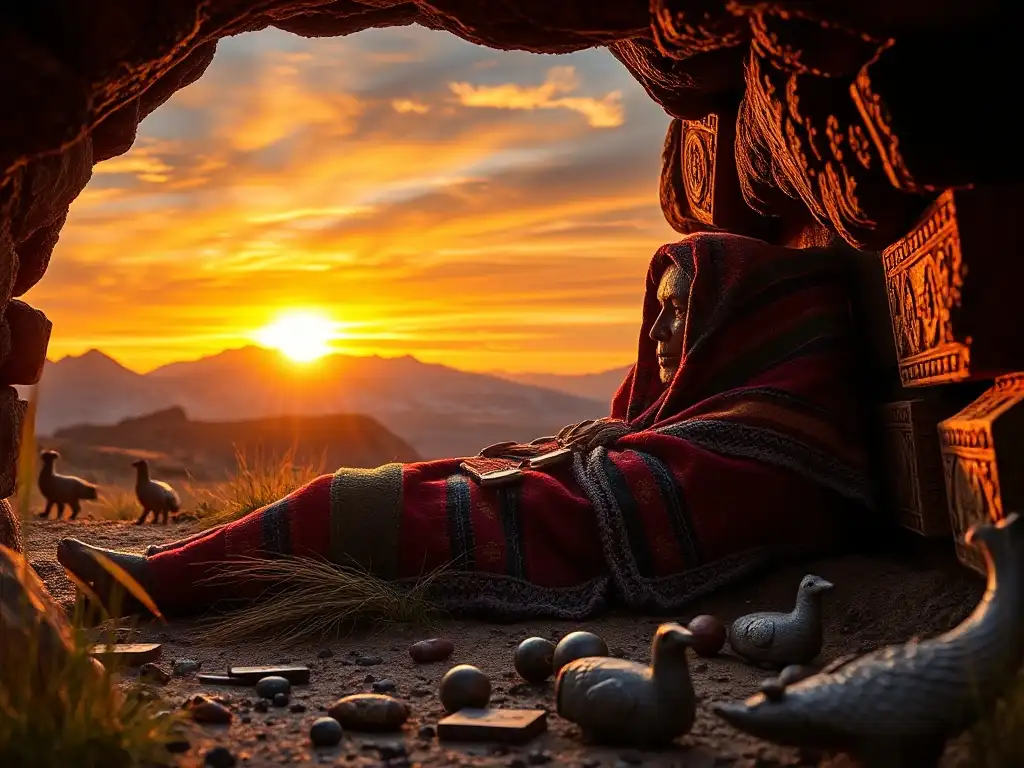
Death, for the Inca, was not an end but a transition. The soul, or Aya, was believed to continue its journey into the spirit world, and elaborate rituals were performed to ensure a safe and successful passage. The Inca meticulously prepared the deceased for this journey, reflecting their deep respect for the ancestors and their ongoing connection to the living. Burial practices varied depending on social status, but all aimed to provide the Aya with the necessities for its continued existence in the afterlife.
Preparing the Body for its Journey
The preparation of the body for its journey was a complex and significant ritual. The deceased was typically washed and adorned with fine clothing and jewelry, reflecting their status in life. Food, drink, and other personal belongings were placed in the tomb to sustain the Aya during its travels. Mummification was practiced, particularly among the elite, preserving the body as a tangible link to the ancestor.
This wasn't merely a preservation technique; it was a ritual act that ensured the continued presence and influence of the deceased in the community. The meticulous care taken in preparing the body highlights the Inca's belief in the enduring nature of the soul and the importance of respecting the deceased's transition into the spiritual realm. This process was a testament to their strong familial and social bonds.
Inca Burial Sites and their Spiritual Importance
Inca burial sites were not simply places of interment; they were sacred locations imbued with spiritual significance. These sites, often located in high-altitude settings or associated with significant natural features, were believed to be portals to the spirit world. The careful selection of burial locations reflects the Inca's deep understanding of the relationship between the physical and spiritual realms.
Tombs were often elaborate, reflecting the social status of the deceased and the importance of the ritual. The construction of these sites, often involving significant engineering feats, underscores the Inca’s commitment to honoring their ancestors and ensuring their safe passage into the afterlife.
The continued presence of these sites provides invaluable insights into Inca beliefs and practices surrounding death and the afterlife, illustrating the profound connection between the living and the departed within Inca society. The preservation and study of these sites remain crucial for understanding the complexity of Inca spirituality and their enduring legacy.
The Legacy of Inca Soul and Spirit Beliefs in Modern Andean Culture
The Inca's profound understanding of the soul and spirit continues to resonate in modern Andean culture. While the Inca Empire fell centuries ago, many of their spiritual beliefs and practices persist, often interwoven with later influences from Catholicism and other traditions. This syncretism, a blending of different belief systems, is a defining characteristic of Andean spirituality today.
Many contemporary Andean communities still maintain practices rooted in Inca cosmology, albeit transformed over time. For example, the veneration of apus (mountain spirits) and pachamama (Mother Earth) remains central to many Andean communities' spiritual lives, reflecting the Inca emphasis on the interconnectedness of the natural and spiritual worlds. These practices often involve offerings, rituals, and prayers, echoing the Inca's own ceremonies.
The deep respect for nature, a cornerstone of Inca spirituality, remains a powerful force shaping environmental stewardship and community values in the Andes. The enduring power of these beliefs highlights the resilience and adaptability of Inca spiritual thought. The persistent connection to the land and the spiritual forces within it showcases the profound impact of Inca cosmology on the modern Andean worldview.
Surviving Inca Spiritual Traditions
Several Inca spiritual traditions have remarkably survived the passage of time and colonial influences. One prominent example is the continued practice of paqos (Andean shamans). These spiritual leaders, often possessing significant knowledge of Inca cosmology and healing traditions, play vital roles in contemporary Andean communities.
They conduct rituals, offer guidance, and provide healing through practices that draw heavily on Inca techniques and beliefs. Furthermore, specific ceremonies and festivals, though perhaps modified, continue to celebrate elements of the Inca calendar and honor Inca deities. These celebrations often incorporate traditional music, dance, and offerings, demonstrating a direct link to Inca religious practices.
The survival of these traditions is not merely a matter of cultural preservation; it represents the enduring relevance of Inca spiritual thought in the lives of Andean people. The persistence of paqos and traditional ceremonies provides tangible evidence of the enduring legacy of Inca spiritual beliefs. The continued practice of these traditions underscores the deep-seated connection between the past and the present in Andean culture.
The Influence of Inca Cosmology on Contemporary Andean Beliefs
Inca cosmology, with its intricate understanding of the universe and the interconnectedness of all things, continues to shape contemporary Andean beliefs. The concept of pachamama, the Earth Mother, remains a central figure in Andean spirituality, embodying the fertility of the land and the importance of living in harmony with nature. This respect for pachamama directly reflects the Inca emphasis on reciprocity and balance within the cosmos.
Similarly, the veneration of apus, mountain spirits, persists, reflecting the Inca's reverence for the mountains as sacred entities. These beliefs are woven into the fabric of daily life, influencing agricultural practices, community rituals, and even political structures. Even the incorporation of Catholic saints into the existing Andean pantheon often reflects a syncretic blending of Inca cosmological concepts with Christian imagery and beliefs.
The enduring influence of Inca cosmology underscores the profound and lasting impact of Inca spiritual thought on the Andean worldview. The continued relevance of pachamama and apus demonstrates that Inca cosmology wasn't simply a relic of the past but a framework for understanding the world that continues to inform Andean life.
Conclusion: Understanding the Depth of Inca Spiritual Thought
Understanding the Inca's understanding of the soul and spirit requires acknowledging the enduring legacy of their beliefs in modern Andean culture. The persistence of Inca spiritual traditions, the continued influence of Inca cosmology, and the syncretic blending of Inca and later beliefs all contribute to a rich and complex tapestry of Andean spirituality. The Inca's sophisticated worldview, emphasizing the interconnectedness of the natural and spiritual realms, continues to resonate deeply within Andean communities.
Studying these beliefs offers valuable insights into the resilience of cultural traditions and the profound impact of a civilization's spiritual legacy. The enduring relevance of Inca spiritual thought serves as a powerful testament to the depth and complexity of Inca civilization and its lasting influence on the Andes. Further research into specific communities and traditions is crucial to fully appreciate the nuances and diversity of Inca spiritual practices and their continued evolution.
Frequently Asked Questions
What did the Inca believe about the soul?
The Inca believed the soul, or 'anima', was immortal and continued to exist after death. This belief heavily influenced their burial practices and worldview, emphasizing the importance of ancestor veneration.
How did the Inca's concept of the soul influence their daily life?
The Inca's belief in the afterlife and the power of ancestral spirits shaped their social structures and rituals. Daily life was intertwined with appeasing and honoring these spirits to ensure good fortune and protection.
What role did huacas play in Inca soul beliefs?
Huacas, or sacred objects and places, were believed to be imbued with spiritual power and often served as conduits to the spirit world. They played a vital role in Inca religious practices and their understanding of the soul's journey.
Did the Inca believe in an afterlife?
Yes, the Inca believed in a complex afterlife where souls went to either a happy subterranean realm or a harsh one, depending on their actions in life. This belief system motivated ethical behavior and respectful treatment of others.
How did Inca art reflect their beliefs about the soul and spirit?
Inca art often depicted spiritual beings and symbols representing their beliefs about the soul and the afterlife. Textiles, ceramics, and metalwork frequently featured motifs related to their spiritual world.
Final Reflection: Echoes of the Andes: The Enduring Legacy of Inca Spirituality
The Inca understanding of the soul and spirit, far from being a relic of a bygone era, offers a powerful lens through which to examine our own contemporary anxieties about life, death, and the interconnectedness of all things. Their sophisticated cosmology, with its intricate interplay of huaca (sacred sites) and the belief in a vibrant afterlife, continues to resonate deeply, challenging our often-reductionist Western perspectives.
The Inca's profound respect for the natural world and their belief in the inherent spirituality of all living things serves as a potent reminder of our own responsibility towards the planet. Their worldview, where the physical and spiritual realms were inextricably linked, offers a compelling counterpoint to the increasingly fragmented nature of modern life. The mountains are our ancestors; the rivers are our veins; the earth is our mother.
This ancient wisdom, though expressed in a different context, speaks to a universal truth about our dependence on and connection to the natural world.
Consider, for a moment, the implications of the Inca worldview. How might a deeper understanding of their reverence for life, their intricate rituals, and their belief in the continuity of existence enrich your own spiritual journey? Embrace the opportunity to explore these ancient perspectives, not as mere historical artifacts, but as living wisdom that can illuminate your path forward. Let the echoes of the Andes inspire you to cultivate a more holistic and interconnected view of the world, one that values both the tangible and the intangible, the seen and the unseen.
Unveil the Mysteries of the Inca Spirit!
Thank you for exploring the profound Inca understanding of the soul and spirit. We hope this journey has enriched your understanding of Andean civilization and its spiritual depth. Now, let's put your newfound knowledge into practice!
Here are some ways to deepen your connection with Inca culture:
- **Participate in a workshop or seminar** on Andean spirituality to experience traditional practices and beliefs firsthand.
- **Continue your exploration** by reading books and watching documentaries about Inca history and culture.
- **Share your discoveries! ** Discuss what you've learned with friends, family, or online communities, inspiring others to explore the mystical world of the Incas.
How has your perspective on spirituality evolved after learning about Inca beliefs? We'd love to hear your thoughts!