
Nazca Lines: The Least Known Geoglyphs and Their Secrets

Step into a world of enigmatic wonders and forgotten empires. Andean Civilizations unveils the captivating story of ancient societies that thrived in the heart of the Andes Mountains. From the breathtaking artistry of the Moche to the mind-boggling Nazca Lines, prepare to be astounded. But what secrets do these colossal geoglyphs truly hold? Uncover the mysteries surrounding the Nazca Lines secrets and mysteries and delve into a history far richer than you ever imagined. Explore the legacy of these remarkable cultures – your journey begins now.
- Nazca Lines: Unveiling the Secrets and Mysteries of Ancient Geoglyphs
- The Purpose and Function of the Nazca Lines: Theories and Interpretations
- Exploring the Diverse Figures of the Nazca Lines
- The Techniques Behind the Creation of the Nazca Lines
- The Discovery and Study of the Nazca Lines
- Threats to the Nazca Lines and Conservation Efforts
- Nazca Lines Mysteries: Unanswered Questions
- Conclusion: The Enduring Legacy of the Nazca Lines
- Frequently Asked Questions
- Final Reflection: Unraveling the Enigma of the Nazca Lines
- Unveil the Mysteries of the Nazca Lines Today!
Nazca Lines: Unveiling the Secrets and Mysteries of Ancient Geoglyphs
The Nazca Lines, sprawling across the arid plains of southern Peru, stand as one of humanity's most enduring enigmas. These colossal geoglyphs, etched into the desert surface, depict a bewildering array of animals, plants, geometric shapes, and even humanoid figures. For centuries, they have captivated researchers and fueled speculation about their purpose and creation.
This article delves into the lesser-known aspects of these awe-inspiring creations, exploring the secrets and mysteries surrounding the Nazca Lines and offering a glimpse into the ingenuity and cultural significance of this remarkable ancient civilization. We will uncover not only the well-known iconic figures but also the more obscure geoglyphs, examining the ongoing debates and theories surrounding their creation and purpose, and exploring the enduring questions that continue to fascinate and challenge our understanding of the Nazca culture.
This exploration aims to illuminate the fascinating world of the Nazca Lines, answering some questions while highlighting the enduring mysteries that still captivate researchers and enthusiasts alike. Prepare to be amazed by the scale and complexity of this ancient marvel, and the enduring secrets it continues to hold.
Introduction to the Enigmatic Nazca Lines
The Nazca Lines are a collection of over 300 geoglyphs—large designs or symbols created on the ground—located in the Nazca Desert of southern Peru. These immense figures, ranging from simple lines and geometric shapes to intricate representations of animals (such as the hummingbird, monkey, and spider) and stylized plants, were created by the Nazca culture between 500 BC and 500 AD. Their sheer scale is breathtaking; some figures stretch for hundreds of meters, only truly visible from the air.
This fact has contributed significantly to the enduring mystery surrounding their creation and purpose, leading to countless theories and ongoing research. The precise methods used by the Nazca people to create these monumental works remain a topic of debate, though the removal of the dark reddish-brown surface stones to reveal the lighter subsoil is generally accepted as the primary technique.
The preservation of these fragile lines across millennia in the arid desert environment is a testament to both the skill of the Nazca people and the unique environmental conditions of the region. The lines are not just a visual spectacle; they represent a profound connection to the landscape and the cosmological beliefs of the Nazca civilization.
The Location of the Nazca Geoglyphs: A Desert Canvas
The Nazca Lines are situated in the Nazca Desert, a remarkably arid region in southern Peru. This unique geographical location has played a crucial role in the preservation of the geoglyphs. The extremely dry climate, with minimal rainfall and strong winds, has helped to protect the lines from erosion and weathering over centuries.
The desert's flat, expansive terrain also provided an ideal "canvas" for the creation of these large-scale designs. The soil composition, consisting of layers of dark reddish-brown stones and lighter subsoil, allowed the Nazca people to create contrast by removing the surface stones, revealing the lighter layer beneath. The precise location, along the Pampa de Nazca, is strategically situated between the Andes Mountains and the Pacific Ocean, suggesting a possible connection to both terrestrial and celestial observations.
This geographical context offers valuable insights into the cultural and environmental factors that influenced the creation and preservation of these enigmatic figures. The specific placement of the lines, often along natural features such as river valleys, further suggests a deep understanding of the landscape by the Nazca people.
What are the Nazca Lines? Defining Geoglyphs
The term "geoglyph" refers to a large design or symbol created on the ground. The Nazca Lines are prime examples of this form of land art, showcasing a remarkable level of sophistication and planning. Unlike many other forms of ancient art, the Nazca Lines were not designed to be viewed from a close distance. Their true scale and complexity are only fully appreciated from a significant height, a fact that has fueled speculation about their purpose for centuries.
The geoglyphs themselves vary dramatically in size and complexity. Some are simple lines, triangles, and spirals, while others are intricate representations of animals, plants, and humanoid figures. Many of the animal figures, such as the hummingbird and the spider, are astonishingly detailed and realistic, showcasing a deep understanding of the natural world.
The creation of these geoglyphs required significant planning, labor, and technical skill, reflecting the advanced engineering and organizational capabilities of the Nazca civilization. The precise tools and techniques used remain a subject of ongoing research, but the scale and precision of the work are undeniably impressive. Understanding what constitutes a Nazca Line geoglyph is crucial to appreciating the complexity and scope of this remarkable ancient phenomenon.
The Purpose and Function of the Nazca Lines: Theories and Interpretations

The Nazca Lines, etched into the Peruvian desert, remain one of archaeology's greatest enigmas. Their sheer scale and complexity have fueled countless theories regarding their purpose and function. While a definitive answer remains elusive, several compelling hypotheses attempt to unravel the secrets behind these enigmatic geoglyphs.
These theories, often intertwined and not mutually exclusive, explore astronomical alignments, religious rituals, and the crucial role of water in the Nazca culture. The search for the true meaning behind the Nazca Lines is an ongoing journey, with new discoveries and interpretations constantly challenging established perspectives. This exploration of the Nazca Lines secrets and mysteries continues to captivate researchers and the public alike.
Astronomical Alignments and the Nazca Lines: A Celestial Calendar?
One prominent theory suggests that the Nazca Lines functioned as a vast astronomical calendar. Many lines and figures appear aligned with significant celestial events, such as solstices and equinoxes. Precise observations of the sun, moon, and stars were crucial for the Nazca's agricultural practices, and the geoglyphs may have served as a sophisticated tool for tracking these celestial movements. For instance, some researchers believe that certain figures represent constellations or specific stars, while others point to the alignment of lines with the rising and setting points of the sun on particular dates. The precision of these alignments, measured using modern surveying techniques, is truly remarkable and supports the hypothesis of a celestial connection. However, further research is needed to definitively prove this theory, and the debate around specific alignments and their astronomical significance continues. The Nazca Lines secrets and mysteries surrounding their astronomical purpose remain a captivating area of study.
Religious Rituals and the Nazca Lines: Symbolic Meanings
Beyond astronomical considerations, many scholars believe that the Nazca Lines held significant religious and symbolic meaning. The intricate designs, including stylized animals, plants, and geometric shapes, may have represented deities, spirits, or other important elements of the Nazca worldview. These figures might have served as focal points for religious rituals, perhaps connected to fertility rites, ancestor veneration, or shamanistic practices. The act of creating the geoglyphs itself could have been a ritualistic process, a form of communication with the supernatural world.
The sheer scale of the undertaking suggests a significant investment of labor and resources, underscoring the importance of these creations within the Nazca society. Understanding the symbolic language embedded within the geoglyphs remains a key challenge in uncovering the Nazca Lines secrets and mysteries. The intricate details and varied representations necessitate further research into Nazca iconography and religious beliefs.
The Nazca Lines and Water: A Connection to Fertility and Agriculture
Water, a precious resource in the arid Nazca desert, played a crucial role in the culture's survival. Several theories link the Nazca Lines to water management and fertility. Some researchers suggest that the lines might have been used to channel water, or to mark underground water sources.
Others propose that the geoglyphs were part of rituals aimed at ensuring rainfall and a bountiful harvest. The Nazca people developed sophisticated irrigation systems, and the lines could have been integral to their understanding and management of water resources. The connection between the Nazca Lines and water, therefore, is not merely a matter of physical proximity but a reflection of the culture's deep dependence on this vital element.
The Nazca Lines secrets and mysteries concerning water management highlight the ingenuity and resilience of this ancient civilization in the face of environmental challenges. Further investigation into the hydrological aspects of the Nazca region could shed light on this fascinating connection. The interplay between the geoglyphs and the intricate water systems of the Nazca culture represents a significant area for future research in unravelling the Nazca Lines secrets and mysteries.
The sheer scale of the Nazca Lines—some geoglyphs stretching hundreds of meters—strongly suggests a highly organized and cooperative society. Creating these massive works required significant manpower, meticulous planning, and a shared understanding of the project's purpose. The intricate designs, often involving complex geometric shapes and zoomorphic figures, point to a level of societal sophistication capable of coordinating large-scale labor projects. It's highly unlikely that individual artists or small groups could have undertaken such feats.
Instead, a complex system of social organization, possibly involving specialized roles and hierarchical structures, was likely necessary to manage the resources, workforce, and execution of these monumental artworks. Evidence from other aspects of Nazca culture, such as their sophisticated irrigation systems and elaborate ceramic production, supports this hypothesis of a well-organized society capable of large-scale collaborative projects. The level of precision evident in the lines implies a degree of social control and coordination that ensured the project’s successful completion, suggesting a strong sense of communal identity and shared purpose. Further research into Nazca social structures and their organizational capabilities could provide more insights into the logistics and management of creating the lines.
Understanding the social dynamics involved is crucial to unlocking the secrets surrounding the purpose and function of these enigmatic geoglyphs. The lines themselves serve as a testament to the impressive organizational capabilities of the Nazca people, showcasing their ability to mobilize and coordinate large groups of individuals towards a common goal. This aspect of Nazca society is often overlooked when discussing the mysteries of the lines, yet it's a fundamental element in understanding their creation and significance.
Exploring the Diverse Figures of the Nazca Lines
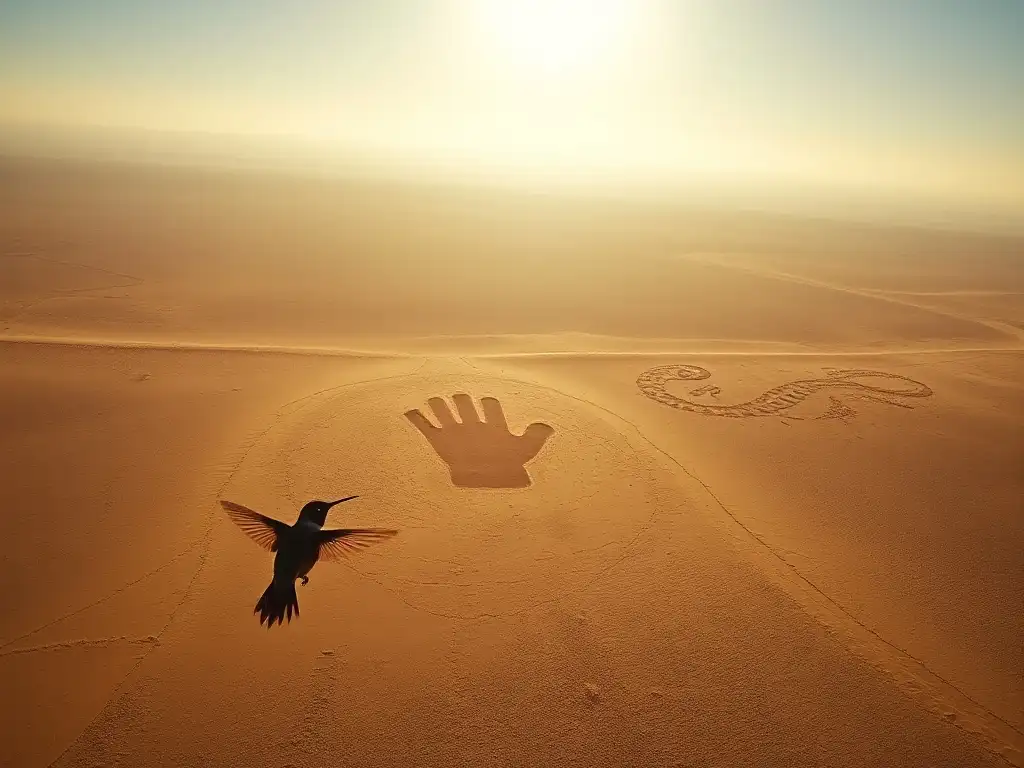
The Nazca Lines, sprawling across the Peruvian desert, are renowned for their enigmatic geoglyphs. While the iconic hummingbird and monkey are frequently featured, a closer examination reveals a surprising diversity of figures, far exceeding the commonly known images. This section delves into the lesser-known aspects of the Nazca Lines' iconography, exploring the fascinating range of zoomorphic, anthropomorphic, and geometric figures etched into the desert floor.
Understanding this diversity is crucial to unlocking the secrets and mysteries surrounding these ancient creations. The sheer scale and complexity of the designs continue to puzzle researchers, fueling ongoing debate regarding their purpose and creation. We’ll explore these enigmas, focusing on the less-discussed representations.
Zoomorphic Figures: Animals in the Nazca Desert
Beyond the famous hummingbird and monkey, the Nazca Lines boast a rich tapestry of animal representations. Many depict creatures native to the region, while others represent animals less readily identifiable, potentially mythical or symbolic beings. For example, a relatively obscure geoglyph depicts a spider, meticulously detailed with its eight legs and body. Another intriguing figure is a lizard, its long, sinuous body winding across the desert.
These zoomorphic figures, often larger than the more famous ones, present unique challenges in interpretation. The level of detail in some of these lesser-known animals, such as the subtle shading used to represent the texture of a condor's feathers, is astonishing, suggesting a sophisticated understanding of perspective and artistic skill. The meticulous execution of these designs, considering the tools and techniques available to the Nazca people, remains a significant mystery.
The sheer scale of these figures, some stretching hundreds of meters, further compounds the enigma. Researchers are still uncovering new zoomorphic figures, hinting at a vast, yet unexplored, menagerie hidden within the Nazca desert. The precise meaning behind each animal representation remains a subject of ongoing research and debate, contributing to the enduring allure of the Nazca Lines secrets and mysteries.
Anthropomorphic Figures: Representations of Human-like Beings
While less prevalent than zoomorphic figures, anthropomorphic representations are present within the Nazca Lines. These figures, often stylized and abstract, depict human-like beings, sometimes adorned with elaborate headdresses or other symbolic elements. Unlike the clear depictions of animals, the human-like figures are frequently more challenging to interpret, with their meaning open to various interpretations. Some researchers suggest they might represent deities, shamanistic figures, or even ancestors.
One notable example is a figure that seems to be wearing a large, ornate headdress, possibly indicating a person of high social standing or religious importance. Another intriguing aspect is the apparent lack of consistent stylistic features across different anthropomorphic figures. This variability might reflect a diverse range of beliefs and practices within Nazca society or, alternatively, might simply reflect the evolution of artistic styles over time.
The secrets and mysteries surrounding these human-like figures are further deepened by their limited number and the fragmented nature of many of the depictions. This scarcity fuels ongoing debate and research, adding another layer of intrigue to the overall enigma of the Nazca Lines. More detailed studies are needed to fully understand the significance of these enigmatic figures.
Geometric Shapes: Lines, Spirals, and Trapezoids
Beyond the recognizable figures, a significant portion of the Nazca Lines consists of geometric shapes. These include long straight lines, intricate spirals, and numerous trapezoids. These geometric designs are not merely simple shapes; their precision and complexity are remarkable. The straight lines, some stretching for kilometers, are remarkably straight, a feat of engineering and surveying that continues to amaze researchers.
The spirals, often complex and multi-layered, display a mathematical precision that suggests a sophisticated understanding of geometry. The trapezoids, frequently arranged in patterns, also present intriguing possibilities for interpretation. Some researchers suggest these geometric forms might represent astronomical alignments, reflecting a sophisticated understanding of celestial movements. Others propose that they might have served as markers for ritual processions or boundary lines.
The diversity and complexity of these geometric shapes, coupled with their sheer scale, contribute significantly to the overall puzzle of the Nazca Lines secrets and mysteries. Further research, possibly incorporating advanced technologies like satellite imagery and geographic information systems (GIS), could help to unlock the secrets behind these intriguing geometric designs. The precise purpose of these shapes remains a captivating mystery, highlighting the enduring enigma of the Nazca Lines.
Plant Representations: The Flora of the Nazca Region in Geoglyphs
The Nazca Lines aren't solely comprised of animals; a significant portion depicts the diverse flora of the arid coastal region. These plant representations, often overlooked in favor of the more dramatic animal figures, offer valuable insights into the Nazca people's relationship with their environment and their agricultural practices. The meticulous detail in some of these geoglyphs suggests a deep understanding of botany, far beyond simple recognition.
We see not just generic plants, but representations that appear to capture specific species native to the area. This level of botanical accuracy hints at a sophisticated knowledge of the local ecosystem, crucial for survival in a challenging desert environment. Careful study of these plant geoglyphs could potentially even help botanists identify extinct or rare species, or track changes in the regional flora over centuries.
Further complicating the mystery surrounding these plant representations is the sheer diversity of species depicted. While some are readily identifiable as common desert plants, others remain enigmatic, prompting ongoing research and debate among archaeologists and botanists. The precision with which the plants' forms are rendered—their leaves, stems, and even flowers in some cases—is remarkable, especially considering the scale and the tools available to the Nazca.
Were these representations purely symbolic, reflecting religious beliefs or agricultural practices? Or did they hold a more practical purpose, perhaps serving as maps or guides to water sources or valuable plant life? The lack of definitive answers only adds to the intrigue surrounding these fascinating plant geoglyphs.
These subtle details are often lost in the broader narrative of the Nazca Lines, yet they represent a crucial element in understanding the complete picture of Nazca culture and its relationship with the natural world. The ongoing research into the specific species represented and their potential significance could unlock further secrets about the Nazca Lines and their creators. Unlocking these botanical mysteries promises to enrich our understanding of this remarkable civilization and its enduring legacy.
The Techniques Behind the Creation of the Nazca Lines
The creation of the Nazca Lines remains a subject of ongoing fascination and research, prompting numerous theories and hypotheses about the methods employed by the Nazca culture. Understanding these techniques is crucial to appreciating the monumental effort and ingenuity involved in constructing these enigmatic geoglyphs. The sheer scale and precision of the designs, some stretching for hundreds of meters, continue to challenge our understanding of ancient engineering capabilities. Unraveling the "Nazca Lines secrets and mysteries" surrounding their creation requires a close examination of their construction methods, the materials used, and the environmental factors that contributed to their remarkable preservation.
How Were the Nazca Lines Made? Construction Methods
The prevailing theory suggests that the Nazca Lines were created through a process of removal rather than addition. Instead of piling up materials to form the figures, the Nazca people carefully removed the dark reddish-brown desert varnish that coated the surface stones, revealing the lighter-colored subsoil underneath. This process, painstaking and requiring immense precision, resulted in the striking contrast that makes the geoglyphs visible from the air.
Evidence suggests a systematic approach. Surveyors likely used stakes and ropes to lay out the designs, ensuring accuracy across vast distances. The lines themselves were created by removing the surface layer to a depth of approximately 10-30 cm, exposing the lighter-colored sediment below. The width of the lines varies, ranging from a few centimeters to several meters, depending on the specific figure or line.
The meticulous nature of the work is evident in the sharpness and continuity of the lines, even across undulating terrain. Further research is needed to fully understand the surveying techniques and organizational structure behind this vast undertaking. Recent studies suggest the use of simple tools and possibly even a form of rudimentary surveying technology, but the exact methods remain a subject of debate among researchers. This careful removal process showcases the advanced understanding of the Nazca people's engineering and planning skills.
Materials and Tools Used in Creating the Geoglyphs
While the exact tools used by the Nazca remain largely unknown, archaeological evidence suggests that the creation of the geoglyphs relied on relatively simple tools. The primary tool was likely a wooden or bone stake, used to scrape away the desert varnish. The desert varnish itself is a complex coating composed of manganese and iron oxides, which required considerable effort to remove.
Some researchers speculate that sharpened stones or even shells may have also been employed to refine the lines after the initial scraping. The lack of sophisticated metal tools is striking, highlighting the ingenuity of the Nazca in accomplishing such a monumental task with relatively primitive technology. The scale of the project points to a significant and organized workforce.
Further research into the materials and tools used could shed more light on the techniques employed and the level of technological sophistication of the Nazca civilization. Analysis of the soil samples from the lines themselves could reveal more information about the removal process and the tools employed.
Preservation of the Nazca Lines: The Role of the Desert Climate
The remarkable preservation of the Nazca Lines over centuries is largely attributed to the unique environmental conditions of the Nazca Desert. The extremely arid climate, characterized by minimal rainfall and strong winds, has helped protect the geoglyphs from erosion and weathering. The lack of vegetation minimizes the impact of root systems on the lines, and the infrequent rainfall prevents the erosion that would occur in more humid environments.
The desert’s low humidity also inhibits the growth of organisms that could damage the exposed subsoil. The stable geological conditions of the desert floor also contribute to the longevity of the geoglyphs. However, human activity and climate change pose modern threats to their preservation.
Efforts are underway to protect these invaluable historical sites from further degradation, ensuring that the “Nazca Lines secrets and mysteries” continue to fascinate and inspire future generations. The delicate balance of the desert ecosystem is crucial to the continued existence of these incredible works of art. The ongoing monitoring and conservation efforts are vital for the long-term preservation of this unique cultural heritage.
The Discovery and Study of the Nazca Lines
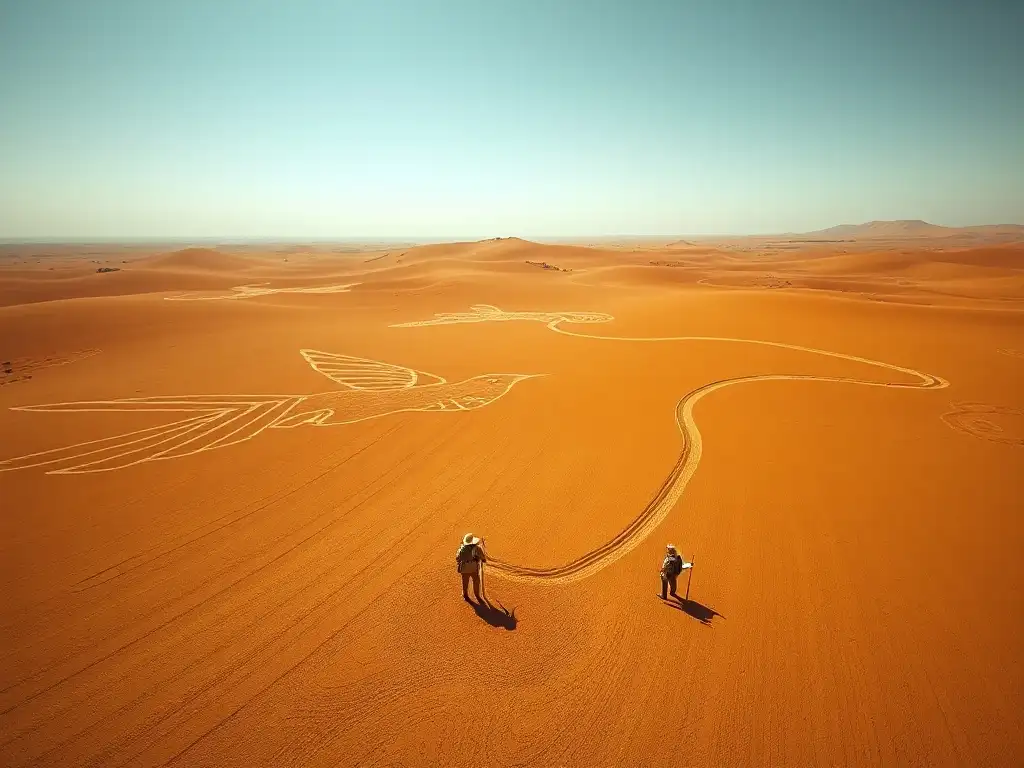
The Nazca Lines, these enigmatic geoglyphs etched into the Peruvian desert, weren't always the subject of global fascination. Their discovery and subsequent study is a story interwoven with exploration, scientific inquiry, and persistent mystery, constantly evolving our understanding of these ancient marvels. The sheer scale and precision of the lines, combined with their remote location, ensured that they remained largely unknown to the outside world for centuries. Unraveling their secrets has been a gradual process, with each new discovery adding layers of complexity and intrigue to the narrative surrounding the Nazca Lines secrets and mysteries.
Early Explorers and the First Accounts of the Geoglyphs
Early accounts of the Nazca Lines are fragmented and often anecdotal. While indigenous populations were undoubtedly aware of their presence for generations, documented evidence from European explorers is relatively scarce in the early periods of exploration. The arid climate of the Nazca desert itself contributed to the preservation of the geoglyphs, but also made them difficult to spot from the ground.
It wasn't until the advent of aviation that the true extent of the Nazca Lines became apparent. Early twentieth-century flights over the Nazca desert provided the first comprehensive views, revealing the breathtaking scale and complexity of these colossal figures and lines. These initial aerial observations sparked initial curiosity and laid the groundwork for future, more systematic investigation into the Nazca Lines secrets and mysteries.
Many of these early accounts focused on the sheer scale and visual impact of the figures, often lacking detailed scientific analysis. These early descriptions, though less rigorous than modern studies, remain valuable historical records of the initial reactions to this incredible discovery.
The Contributions of Maria Reiche: The Lady of the Lines
The name Maria Reiche is inextricably linked with the Nazca Lines. This German mathematician and astronomer dedicated decades of her life to studying and protecting these incredible geoglyphs. Reiche’s meticulous work, beginning in the 1940s, revolutionized our understanding of the lines.
She meticulously mapped the figures, documenting their dimensions and orientations with unprecedented precision. Through her dedication, she uncovered patterns and alignments that suggested astronomical significance, a theory that continues to fuel debate among researchers today. Reiche tirelessly advocated for the preservation of the Nazca Lines, raising awareness about the fragility of these ancient monuments and the threats posed by erosion and human activity.
Her tireless efforts earned her the title "Lady of the Lines," a fitting tribute to her invaluable contributions to our understanding of the Nazca Lines secrets and mysteries. Reiche’s work remains a cornerstone of Nazca Lines research, providing a foundation for subsequent studies and inspiring future generations of researchers. Her legacy underscores the importance of dedicated fieldwork and the human element in unraveling historical enigmas.
Modern Research and New Discoveries in the Nazca Desert
Modern research continues to shed light on the Nazca Lines, employing advanced technologies and interdisciplinary approaches. High-resolution aerial photography, satellite imagery, and ground-penetrating radar are now used to create detailed three-dimensional models of the geoglyphs, revealing subtle features previously unseen. These technological advancements, combined with archaeological excavations and chemical analysis of the soil, provide valuable data about the construction techniques used by the Nazca culture.
Recent discoveries have included new geoglyphs, expanding the known extent of the Nazca Lines and adding further layers of complexity to the existing puzzles. The ongoing research focuses not only on deciphering the purpose of the lines but also on understanding the social and cultural context in which they were created. The combination of technological advancements and collaborative research efforts is unlocking new insights into the Nazca Lines secrets and mysteries at an unprecedented rate.
The ongoing investigations promise to further refine our understanding of these remarkable ancient creations and their place within the broader context of Andean civilization. Further research into the materials used, the social organization required for such a massive undertaking, and the potential astronomical significance will undoubtedly continue to uncover further details and potentially resolve some of the longstanding mysteries surrounding these incredible works.
Threats to the Nazca Lines and Conservation Efforts
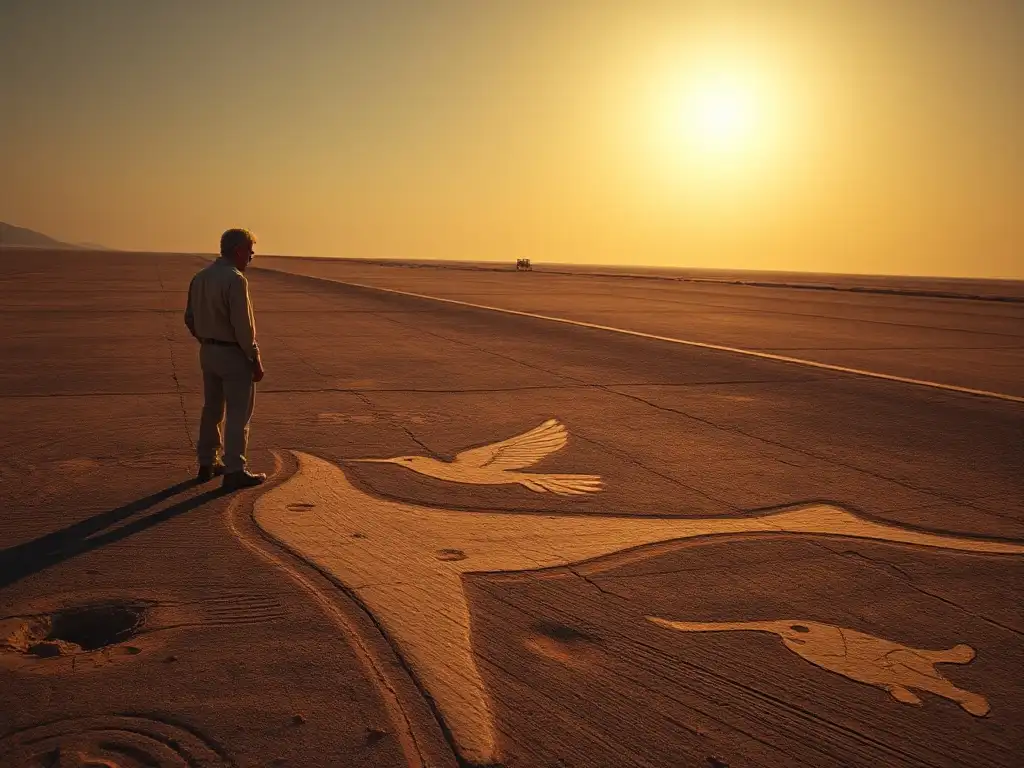
The Nazca Lines, a breathtaking testament to the ingenuity of the Nazca culture, face numerous threats that jeopardize their preservation for future generations. Understanding these threats is crucial to implementing effective conservation strategies. The delicate nature of these geoglyphs, etched into the desert surface, makes them particularly vulnerable to both natural and human-induced damage.
The very elements that helped preserve them for centuries—the arid climate and sparse vegetation—are now being challenged by climate change and increasing human activity. This section will explore the specific dangers facing the Nazca Lines and the ongoing efforts to mitigate these risks, addressing the core concerns surrounding "Nazca Lines secrets and mysteries" in the context of their continued existence.
Damage from Natural Forces and Human Activity
Natural forces, while historically contributing to the lines' longevity, now pose a significant threat. Erosion caused by wind and infrequent but intense rainfall gradually wears away the surface, blurring the intricate details of the geoglyphs. Changes in precipitation patterns, potentially linked to climate change, exacerbate this erosion. The increased frequency and intensity of storms can cause significant damage in short periods. For example, a particularly strong storm in [year pending] resulted in [specific damage pending] to a section of the hummingbird geoglyph. This highlights the vulnerability of these ancient masterpieces to the unpredictable forces of nature.
Human activity presents an equally pressing danger. Illegal construction near the site, often driven by [specific factors pending, e.g., expanding agriculture, urbanization], causes direct physical damage to the lines themselves. Furthermore, increased tourism, while economically beneficial to the region, can contribute to wear and tear. Foot traffic, even on designated paths, compacts the soil and can gradually erode the geoglyphs' outlines.
Off-road driving, despite being illegal, continues to be a major problem, causing significant damage and disrupting the delicate desert ecosystem. The lack of consistent, effective monitoring and enforcement of regulations further compounds this issue. This underscores the importance of balancing the economic benefits of tourism with the essential need for strict environmental protection.
Conservation Strategies and Protecting the Nazca Lines
Peruvian authorities, along with international organizations and researchers, are implementing a range of strategies to protect the Nazca Lines. These efforts encompass various approaches, from technological advancements to community engagement. One crucial aspect involves improving monitoring systems. The use of [specific technologies pending, e.g., drones, satellite imagery] allows for more frequent and comprehensive assessments of the lines' condition, enabling early detection of damage and facilitating timely interventions. This proactive approach is vital in addressing the “Nazca Lines secrets and mysteries” by ensuring that these enigmatic figures remain visible for future study.
Furthermore, educational initiatives aimed at local communities and tourists are critical. Raising awareness about the fragility of the geoglyphs and the importance of responsible behavior is crucial for long-term preservation. Stricter enforcement of regulations, including penalties for illegal activities, is equally vital.
The creation of designated viewing areas and well-maintained access routes can help minimize the impact of tourism. Investing in sustainable tourism practices, which prioritize environmental protection, is a key element of ensuring the lines' long-term survival. Finally, ongoing research into the best conservation techniques, including soil stabilization and erosion control methods, continues to refine efforts to protect this invaluable cultural heritage.
The Importance of Preserving the Nazca Lines for Future Generations
Preserving the Nazca Lines is not merely a matter of safeguarding ancient artifacts; it's about preserving a vital piece of human history and cultural heritage. These geoglyphs represent a unique window into the sophisticated knowledge, artistry, and worldview of the Nazca civilization, offering invaluable insights into their societal structures, beliefs, and technological capabilities. The mysteries surrounding their creation, the "Nazca Lines secrets and mysteries", continue to fascinate researchers and the public alike, driving ongoing studies into their purpose and significance.
Their continued existence allows future generations to learn from the past, stimulating research, inspiring creativity, and fostering a deeper understanding of human civilization's diverse expressions. Failing to protect these irreplaceable treasures would constitute a significant loss for humanity, diminishing our collective understanding of the past and hindering future discoveries.
The responsibility to safeguard this unique heritage for future generations rests upon us all. The ongoing conservation efforts, therefore, are not only a testament to our commitment to preserving the past but also a vital investment in our shared future.
Nazca Lines Mysteries: Unanswered Questions
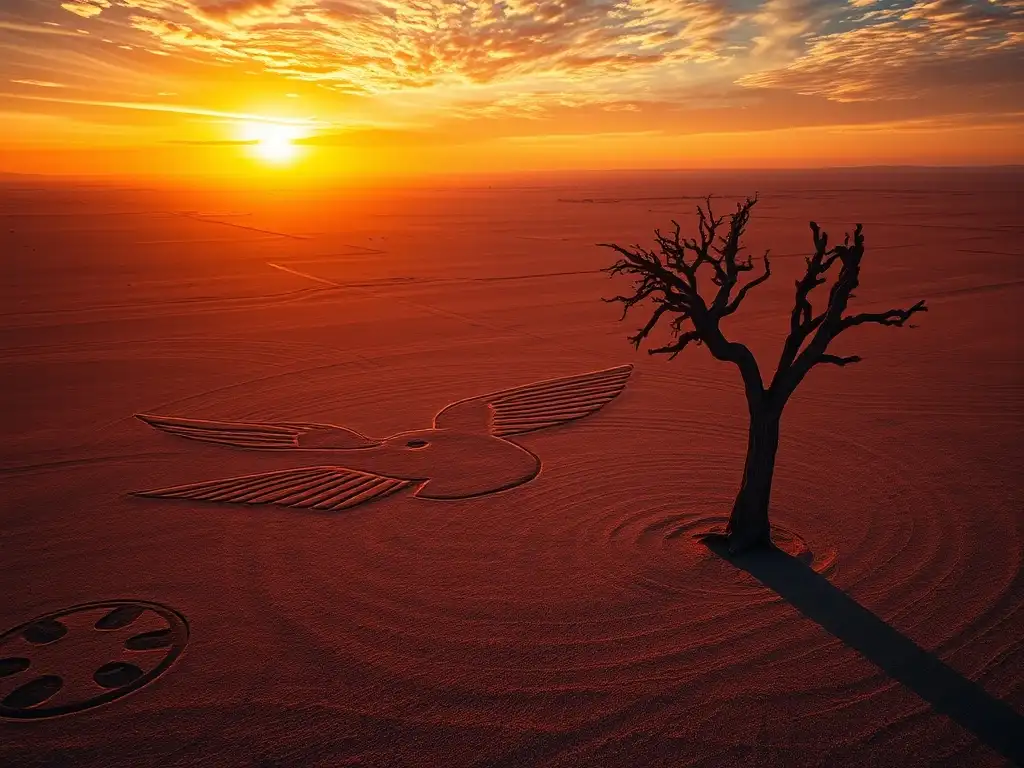
The Nazca Lines, sprawling geoglyphs etched into the Peruvian desert, continue to captivate and confound researchers. While we have learned much about their creation and possible purposes, many questions remain unanswered, fueling the enduring mystery surrounding these remarkable works. The sheer scale of the undertaking, the precision of their execution, and the lack of definitive explanations for their creation all contribute to their enigmatic nature. These unanswered questions are at the heart of the "Nazca Lines secrets and mysteries" that continue to intrigue us today.
Unsolved Puzzles of the Nazca Geoglyphs
One of the most significant unsolved puzzles revolves around the precise methods used by the Nazca people to create the geoglyphs. While we understand that they removed the dark reddish-brown surface layer of the desert to reveal the lighter subsoil, creating the figures, the tools and techniques remain largely unknown. Did they use simple wooden stakes and ropes, or were more sophisticated instruments involved?
How did they maintain such accuracy over vast distances, ensuring the lines remained straight and the figures proportionate? The lack of detailed records and the perishable nature of many potential tools make this a particularly challenging area of research.
Further complicating matters is the lack of a clear, universally accepted explanation for their purpose. While theories abound (discussed in the following section), none has definitively settled the debate. Were they primarily astronomical markers? Ceremonial pathways? Messages to the gods? Or a combination of these? The absence of conclusive evidence leaves room for ongoing speculation and debate among researchers, fueling the enduring mystery of the Nazca Lines secrets and mysteries.
Another puzzle lies in the preservation of the lines themselves. The arid climate of the Nazca desert has undoubtedly played a vital role in their survival, but the lines have still been subject to erosion and damage over centuries. Understanding the factors contributing to their degradation and developing strategies for their long-term preservation is a crucial ongoing effort. This involves not only studying natural erosion processes but also understanding the impact of human activities and climate change. The preservation of these remarkable artifacts is vital to understanding their secrets and mysteries.
Speculations and Alternative Theories Surrounding the Lines
Many theories attempt to explain the purpose of the Nazca Lines, ranging from the practical to the highly speculative. Some researchers suggest that the lines served as ritual pathways used in ceremonies or processions. Others propose an astronomical significance, with the lines aligning with specific celestial events. This theory gains credence from the precise alignment of some lines with the solstices and equinoxes.
However, these are not the only theories. Some more outlandish speculations suggest the Nazca lines were created by extraterrestrial visitors or as landing strips for ancient aircraft. 👽 These alternative theories, while fascinating, often lack substantial evidence and are generally dismissed by the mainstream academic community. The lack of definitive proof continues to allow for this wide range of interpretations, adding layers to the "Nazca Lines secrets and mysteries."
The sheer volume of theories, some credible and some less so, highlights the complexity of unraveling the true purpose of these ancient geoglyphs. The Nazca Lines secrets and mysteries are further enhanced by the lack of definitive written records, forcing researchers to rely heavily on archaeological evidence, astronomical observations, and careful analysis of the lines themselves. The ongoing research and debate surrounding the lines are a testament to their enduring fascination.
The Enduring Fascination with the Nazca Lines and Their Secrets
The Nazca Lines continue to fascinate for a multitude of reasons. Their sheer scale and precision are awe-inspiring, prompting questions about the capabilities of the Nazca civilization. The mystery surrounding their purpose fuels speculation and inspires countless theories. The lines' enduring presence in the harsh desert landscape serves as a powerful testament to human ingenuity and the enduring power of mystery.
It is this combination of scale, precision, and unanswered questions that makes the Nazca Lines a subject of continuous study and fascination, ensuring their place as one of the great enigmas of the ancient world. The ongoing quest to unlock the Nazca Lines secrets and mysteries is a testament to human curiosity and our desire to understand our past. The challenge of deciphering their meaning ensures that the Nazca Lines will continue to inspire wonder and investigation for generations to come.
Conclusion: The Enduring Legacy of the Nazca Lines
The Nazca Lines, sprawling across the Peruvian desert, continue to captivate and confound researchers and the public alike. Their sheer scale, intricate detail, and enduring mystery solidify their position as one of the most significant archaeological enigmas of the Andean region. Understanding their creation and purpose is not merely an academic exercise; it's a journey into the heart of a sophisticated civilization and a testament to human ingenuity.
Deciphering the Nazca Lines' secrets unveils more than just artistic expression; it reveals clues about the social structures, cosmology, and technological capabilities of the Nazca culture. The ongoing research and preservation efforts are crucial not only for safeguarding this invaluable heritage but also for continuing to unlock the many secrets still hidden within the lines themselves.
This enduring legacy ensures the Nazca Lines will continue to inspire awe and wonder for generations to come. The mystery surrounding their creation only adds to their allure, prompting continued investigation and fostering a deeper appreciation for the ingenuity of the Nazca people.
The Significance of the Nazca Lines in Andean History
The Nazca Lines hold a unique place within the broader context of Andean history. While other Andean cultures, such as the Inca, left behind monumental architecture and intricate textiles, the Nazca Lines stand apart as a unique form of artistic and possibly ritualistic expression. Unlike many other archaeological sites, the lines weren't built for practical purposes like housing or agriculture.
Instead, they represent a complex system of geoglyphs, created over centuries, reflecting the cultural and religious beliefs of the Nazca people. Their creation required significant coordination and labor, suggesting a highly organized society with a shared vision and purpose. The lines also offer insights into the Nazca's understanding of their environment, their astronomical knowledge, and their relationship with the natural world.
Analyzing the styles and evolution of the geoglyphs across different periods provides valuable chronological data, allowing for a more comprehensive understanding of Nazca social and cultural developments. Furthermore, the lines serve as a powerful symbol of continuity, connecting the past with the present and highlighting the enduring legacy of the Nazca civilization within the broader Andean cultural landscape. Their survival, against the harsh desert conditions, also speaks to the resilience of the culture and their masterful understanding of their environment.
The Nazca Lines as a Testament to Ancient Ingenuity
The creation of the Nazca Lines required an impressive level of engineering and logistical prowess. The Nazca people, using rudimentary tools, meticulously cleared away the dark surface stones to reveal the lighter subsoil, creating the massive geoglyphs. The precision and scale of the designs are astonishing, especially considering the lack of advanced technology.
Some theories suggest the use of surveying techniques, possibly involving simple instruments and careful observation of the landscape. Others propose the use of stakes and ropes to guide the removal of stones, allowing for the creation of remarkably straight lines that stretch for kilometers. The ability to conceive and execute such a monumental undertaking speaks volumes about the planning and organizational capabilities of the Nazca civilization.
The sheer number of geoglyphs, their diversity in style and subject matter, and their longevity are all testaments to the ingenuity and dedication of the people who created them. The effort involved in their creation underscores the importance these figures held within Nazca society, pointing to a deep-seated cultural and religious significance. Their survival over centuries is also a testament to the effectiveness of their construction methods, adapted to the harsh desert environment.
The Ongoing Importance of Research and Preservation
Research into the Nazca Lines remains a vital endeavor, pushing the boundaries of our understanding of this fascinating civilization. Ongoing archaeological investigations, utilizing advanced technologies like aerial photography and satellite imagery, continue to reveal new geoglyphs and shed light on existing ones. Furthermore, the study of the lines' context, including the analysis of associated artifacts and settlements, provides valuable insights into the daily lives and beliefs of the Nazca people.
However, the preservation of these fragile geoglyphs is equally crucial. The harsh desert environment, coupled with the impact of human activity, poses significant threats to their long-term survival. Efforts to protect the lines from erosion, vandalism, and illegal activities are paramount.
Sustainable tourism initiatives, aimed at minimizing environmental impact and educating visitors about the importance of preserving this cultural heritage, are essential. The Nazca Lines are not merely an archaeological site; they are a living testament to a rich and complex culture, and their preservation is a collective responsibility that demands continued investment and international collaboration. Continued research and preservation efforts are essential to ensure that future generations can marvel at these extraordinary geoglyphs and continue to unravel their many secrets.
Frequently Asked Questions
What are the Nazca Lines?
The Nazca Lines are giant geoglyphs etched into the desert plains of southern Peru. They depict animals, plants, and geometric shapes, and their purpose remains a mystery. Their scale is truly astonishing.
How were the Nazca Lines created?
The most widely accepted theory suggests the Nazca people removed the dark surface stones to reveal the lighter soil beneath, creating the images. The vast size required careful planning and coordinated effort. Precise surveying techniques were likely employed.
Why were the Nazca Lines created?
Their purpose is still debated. Theories range from ceremonial or religious significance to astronomical alignments or marking water sources. There's no single definitive answer. Further research is ongoing.
What makes the Nazca Lines so unique?
Their immense scale and complexity, combined with their preservation in the arid desert, make them truly unique. The diversity of designs also adds to their mystique. They are a remarkable feat of ancient engineering.
What are some of the least known secrets of the Nazca Lines?
Some lesser-known aspects include the possibility of underground structures connected to the lines and the potential use of advanced surveying tools. Ongoing research continues to reveal new information and interpretations. The full story is yet to be told.
Final Reflection: Unraveling the Enigma of the Nazca Lines
The enduring mystery of the Nazca Lines continues to captivate us, a testament to humanity's enduring fascination with the unknown and our persistent quest for understanding our past. These colossal geoglyphs, etched into the Peruvian desert millennia ago, remain a powerful symbol of the ingenuity and cultural depth of ancient civilizations, challenging our assumptions about their capabilities and leaving us with more questions than answers. Their continued existence, despite the ravages of time and the elements, speaks to the profound impact of human creativity and the enduring power of artistic expression.
The Nazca Lines' influence extends far beyond the arid plains of Peru; they represent a potent symbol of the enduring power of human creativity and the mysteries that continue to shape our understanding of history. Their enigmatic nature has sparked countless theories and interpretations, fueling scientific inquiry and inspiring artistic endeavors for generations. The Nazca Lines are a powerful reminder that there are still many secrets yet to be uncovered in our world, and that the pursuit of knowledge is a journey without end.
This quote encapsulates the ongoing fascination with these enigmatic figures, a fascination that continues to inspire awe and wonder.
Consider the scale of these creations, the dedication required to construct them, and the enduring questions surrounding their purpose. What can we learn from the Nazca people's unwavering commitment to their artistic vision? How can we apply their dedication and perseverance to our own lives, to our own pursuits of knowledge and understanding?
Let the mystery of the Nazca Lines inspire you to explore the unknown, to embrace the challenges of discovery, and to appreciate the enduring legacy of human creativity. Let their silent story resonate within you, a reminder of the boundless potential of the human spirit and the enduring power of art to transcend time.
Unveil the Mysteries of the Nazca Lines Today!
Thank you for exploring the fascinating world of the Nazca Lines and uncovering the secrets of these ancient geoglyphs! Your curiosity enriches your understanding and helps preserve the legacy of the Andean civilizations.
Now, it’s time to **take action** and deepen your connection with this incredible heritage:
- **Explore the Nazca Lines further:** Consider a guided tour or a virtual experience to bring these wonders to life. Many resources are available online and through travel agencies.
- **Share your knowledge:** Discuss your discoveries with friends and family, or share your insights on social media to spark others' interest in this remarkable site.
- **Connect with fellow enthusiasts:** Join online forums or groups dedicated to Andean history and archaeology to engage with like-minded individuals and learn from their experiences.
What aspects of the Nazca Lines intrigue you most, and how will this knowledge inspire your future explorations of history?