
The Nazca Lines and the Gods: Deities Depicted in the Desert

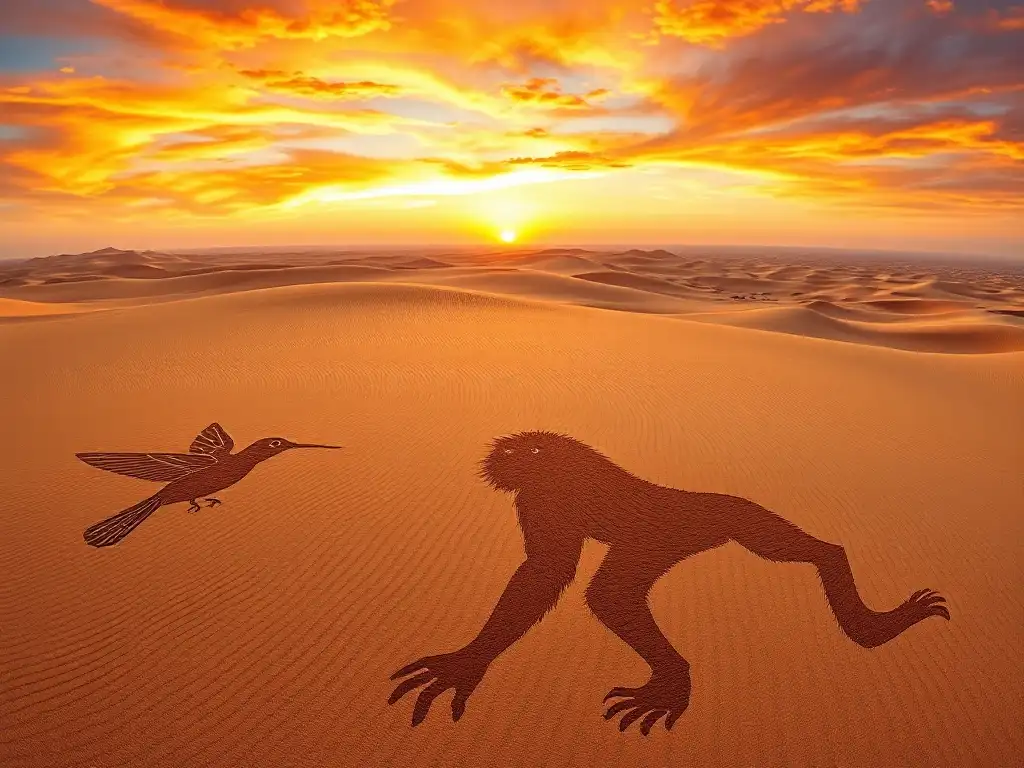
Step into a world lost to time, where the sun-baked sands of Peru whisper secrets of a vanished civilization. Unravel the enigma of the Nazca Lines, those colossal geoglyphs etched into the desert floor. Discover how these monumental artworks may depict powerful deities, a mystery that has captivated explorers and scholars for centuries. Prepare to be amazed by the artistry and ingenuity of the Nazca, and delve into the fascinating world of Nazca Lines deity depictions – a journey into the heart of ancient Andean spirituality.
The Nazca Lines, etched into the Peruvian desert, remain one of the world's greatest archaeological enigmas. Stretching for hundreds of kilometers, these geoglyphs depict a bewildering array of figures: animals, plants, geometric shapes, and, importantly, what appear to be representations of deities central to the Nazca culture. This article delves into the fascinating world of deity depictions within the Nazca Lines, exploring the interpretations, controversies, and ongoing research surrounding these ancient symbols.
We will examine the various theories about their purpose, the possible identities of the depicted gods, and the significance of their placement within the vast desert landscape. Understanding these depictions offers crucial insight into the cosmology, beliefs, and rituals of the Nazca people, enriching our understanding of this remarkable civilization. The Nazca Lines deity depictions are not merely artistic expressions; they are windows into a complex and sophisticated worldview.
Identifying the Gods: Iconography and Interpretation
Interpreting the Nazca Lines' iconography is a complex endeavor. While many figures are readily identifiable as animals (hummingbirds, monkeys, lizards, etc. ), others are more ambiguous and open to multiple interpretations. Several geoglyphs display features suggestive of anthropomorphic beings, often adorned with elaborate headdresses or other symbolic elements.
These are frequently proposed as representations of Nazca deities, though pinpointing their specific identities remains challenging due to the limited surviving textual evidence from the Nazca culture. Scholars often rely on comparative analyses with other Andean iconography, examining stylistic similarities and contextual clues to propose potential identifications. For instance, certain figures with prominent headdresses might be linked to specific deities known from other sources, such as ceramic artifacts or textiles. However, it's crucial to acknowledge that many interpretations remain speculative, and the true meaning of these enigmatic figures may forever remain partially obscured.
The Role of Ritual and Ceremony
The sheer scale and precision of the Nazca Lines suggest a significant investment of time and labor, indicating their importance within Nazca society. It's highly probable that the creation of these geoglyphs was intrinsically linked to religious rituals and ceremonies. Some scholars suggest that the lines themselves served as pathways for processions or pilgrimages, connecting sacred sites within the landscape.
Others propose that the geoglyphs were visible from above, perhaps intended to be viewed by deities or spirits. The precise nature of these rituals remains unknown, but the evidence strongly indicates that the creation and use of the lines were deeply embedded within the religious life of the Nazca people. Further research, including archaeological excavations near the lines themselves, may shed more light on this aspect of Nazca culture.
The Lines as a Cosmological Map?
Another compelling theory proposes that the Nazca Lines represent a kind of cosmological map, reflecting the Nazca people's understanding of the universe. The arrangement of the figures, their relative positions, and the lines connecting them might encode astronomical knowledge or reflect specific mythological narratives. This interpretation suggests that the lines were not simply decorative but served as a visual representation of the Nazca worldview, perhaps illustrating the relationships between different deities or celestial bodies.
This theory aligns with the evidence suggesting that the Nazca were skilled astronomers, capable of tracking the movements of stars and planets. Further research focusing on the alignment of the lines with celestial events could provide valuable insights into this fascinating hypothesis. The potential connection between the Nazca Lines and their understanding of the cosmos offers a rich field for future study.
Unanswered Questions and Ongoing Research
Despite extensive research, many questions surrounding the Nazca Lines deity depictions remain unanswered. The precise techniques used to create the geoglyphs, the reasons for their specific locations, and the full extent of their religious significance are still subjects of ongoing debate and investigation. New technologies, such as satellite imagery and advanced surveying techniques, continue to reveal previously unknown lines and details, offering new avenues for research.
The study of Nazca Lines deity depictions is a dynamic and evolving field, promising further exciting discoveries in the years to come. The mysteries surrounding these ancient symbols continue to captivate researchers and inspire awe in all who encounter them. Further investigation into the social structures and religious practices of the Nazca civilization are essential for a more complete understanding of these remarkable works.
- Identifying the Gods: Iconography and Interpretation
- The Role of Ritual and Ceremony
- The Lines as a Cosmological Map?
- Unanswered Questions and Ongoing Research
Understanding the Nazca Lines: More Than Just Geoglyphs
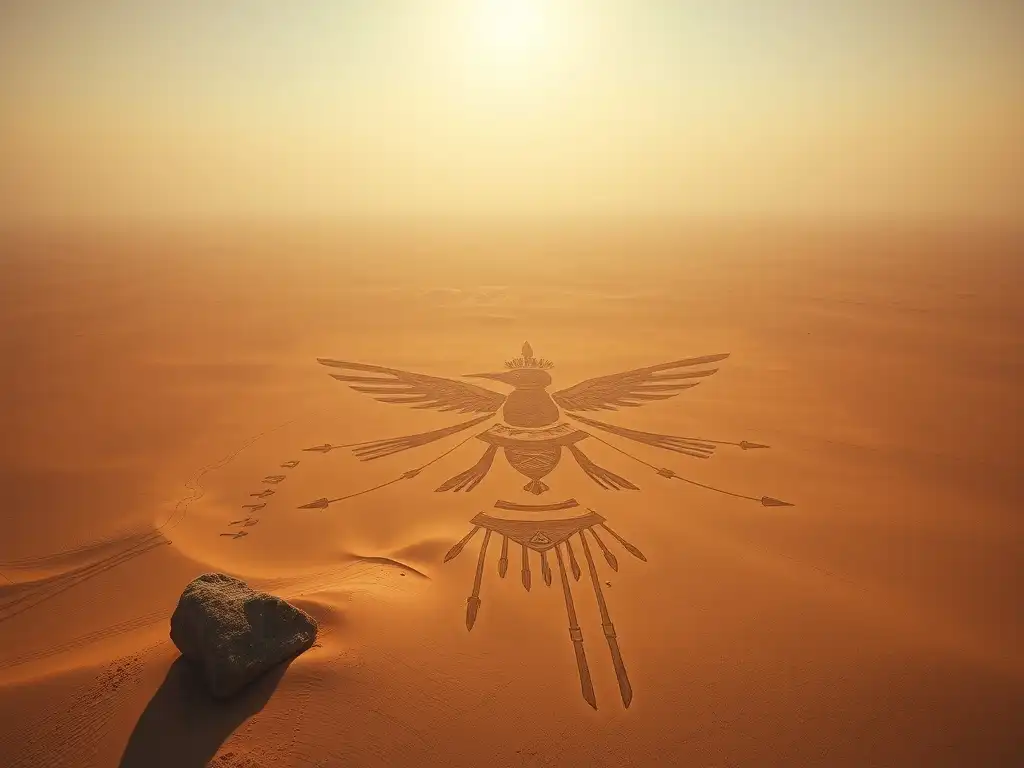
The Nazca Lines, sprawling across the Peruvian desert, are far more than just intriguing geoglyphs. They represent a complex interplay of astronomical observation, religious ritual, and a sophisticated understanding of the natural world by the Nazca culture. While their exact purpose remains a subject of ongoing debate among archaeologists and researchers, the prevailing theories strongly suggest a deep connection to the Nazca pantheon and cosmological beliefs.
The sheer scale and precision of these creations, etched into the desert surface, point towards a significant investment of time, labor, and societal organization. Analyzing the lines requires moving beyond a simple appreciation of their visual impact to consider the cultural and religious context that birthed them. This involves exploring the iconography, the astronomical alignments, and the potential ritualistic practices associated with their creation and maintenance.
Understanding the Nazca Lines as expressions of their deities offers a compelling insight into the worldview and spiritual life of this fascinating ancient civilization. The intricate detail in many of the figures, such as the hummingbird or the monkey, suggests more than simple markings; they are deliberate representations imbued with meaning. The scale of the project itself, requiring coordinated effort over decades, underscores its importance to Nazca society.
The Purpose of the Nazca Lines: Ritual and Cosmic Significance
The prevailing theory regarding the Nazca Lines' purpose centers on ritual and cosmic significance. Many scholars believe the lines served as a massive, open-air ceremonial space, possibly used for rituals related to water, fertility, and ancestor veneration. The Nazca people lived in a harsh desert environment where water was scarce. Therefore, it's plausible that the lines played a role in ceremonies aimed at ensuring a successful harvest and appeasing the gods responsible for rainfall.
The lines' alignment with astronomical events, such as solstices and equinoxes, further strengthens the argument for their cosmic significance. This suggests a sophisticated understanding of astronomy and its relation to the agricultural cycle. Some researchers propose that the lines functioned as a massive calendar, marking the passage of time and significant astronomical events crucial to their agricultural practices.
The depictions of deities, as we will explore later, further emphasize the ritualistic and religious significance of the lines, suggesting that they were a vital component of the Nazca worldview and religious practices. The lines were not merely aesthetic creations; they were integral to the fabric of Nazca society and their relationship with the supernatural. The effort and precision involved in their construction underscore their profound importance to the Nazca people.
Nazca Geoglyphs: Astronomical and Religious Interpretations
The Nazca geoglyphs themselves offer rich insights into the religious beliefs of the Nazca people. Many figures clearly represent deities or mythological creatures, providing valuable clues to their pantheon and cosmology. For instance, the depiction of a deity holding a staff, often interpreted as a representation of a powerful god or shaman, highlights the importance of religious leadership within Nazca society. The presence of stylized animals, such as birds, reptiles, and mammals, also suggests a deep connection between the Nazca people and the natural world.
These animals may have held symbolic meaning, representing specific deities or embodying natural forces important to their survival. The intricate details within these geoglyphs, such as the feathers on a bird or the scales on a reptile, demonstrate remarkable artistic skill and attention to detail. These weren't hastily drawn figures; they were carefully planned and executed, reflecting the significance of their religious meaning. The astronomical alignments of some geoglyphs further suggest a link between their religious beliefs and their understanding of the cosmos, indicating a sophisticated cosmological worldview.
The meticulous planning and execution of these geoglyphs speak volumes about the cultural significance of astronomy and religion in Nazca society. Further research and analysis are crucial to completely unravel the complex tapestry of religious beliefs reflected in these remarkable creations. The intricate details, the astronomical alignments, and the diversity of depictions all contribute to a richer understanding of Nazca "Nazca Lines deity depictions".
Nazca Lines Deity Depictions: Unveiling the Ancient Gods
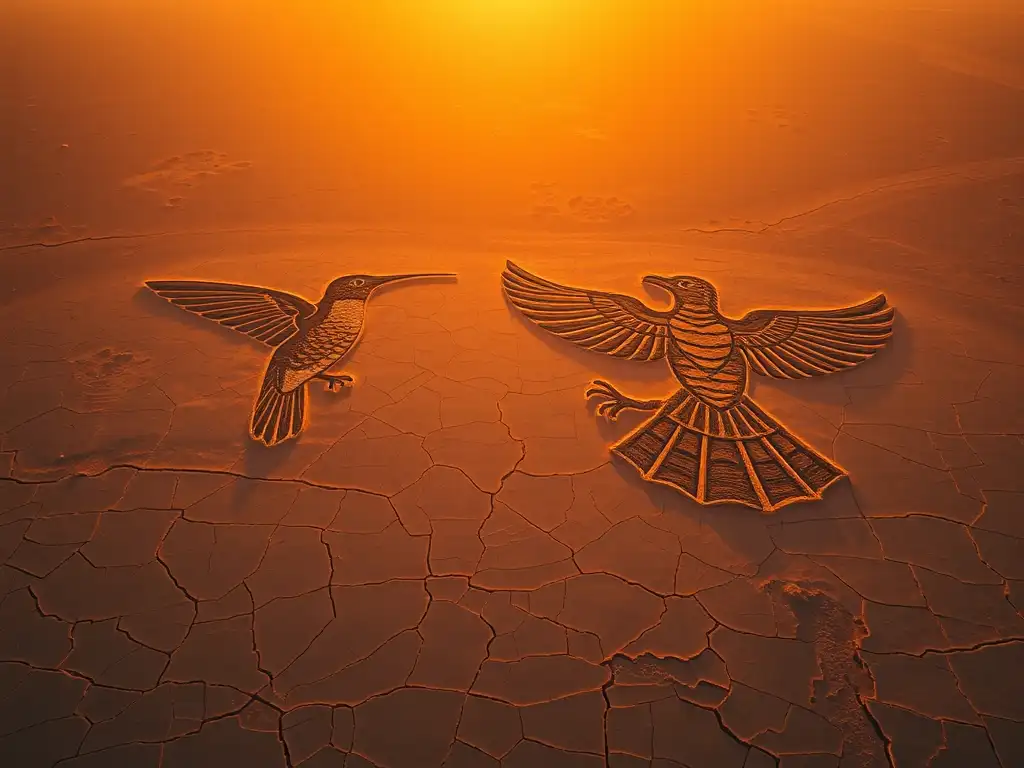
The Nazca Lines, sprawling across the Peruvian desert, are not merely geometric patterns and zoomorphic figures; they are a vast, enigmatic canvas depicting a complex pantheon of deities. Understanding these depictions offers a crucial window into the religious beliefs and cosmological worldview of the Nazca civilization. While the precise meaning remains debated, researchers have identified recurring motifs and stylistic conventions that help us begin to decipher the divine figures etched into the arid landscape.
The study of "Nazca Lines deity depictions" is a constantly evolving field, fueled by ongoing archaeological discoveries and interpretations. This section will explore some of the key findings and ongoing research in this fascinating area.
Identifying Divine Figures in the Nazca Lines
Identifying specific deities within the Nazca Lines is challenging due to the lines' abstract nature and the lack of written records from the Nazca culture. However, by comparing the geoglyphs to iconography found in Nazca pottery and textiles, scholars have proposed several identifications.
For instance, some researchers suggest that certain bird figures represent specific deities associated with the sky, such as a condors, which often feature prominently in Nazca iconography and are believed to have acted as intermediaries between the earthly and spiritual realms. The stylistic details, such as the bird's posture, wingspan, and accompanying features, may help distinguish between different avian deities.
Furthermore, the depiction of anthropomorphic figures, often adorned with elaborate headdresses and ceremonial garments, provides additional clues. These figures, though stylized, bear resemblance to deities found in other Andean cultures of the time. The presence of certain attributes, such as staffs, scepters, or specific adornments, might indicate a particular deity's role or power within the Nazca pantheon. However, it's crucial to remember that these interpretations are based on comparative analysis and contextual clues, and the true identities of these figures remain largely speculative.
More research is needed to definitively link specific Nazca Lines figures to particular deities. The ongoing analysis of newly discovered geoglyphs and a deeper understanding of Nazca societal structures will be crucial in unveiling the full extent of their divine representations. The complexity of these depictions underscores the sophistication of Nazca religious beliefs and the significance of their cosmological vision.
Common Characteristics of Nazca Deities Represented
Despite the challenges in specific identification, certain recurring characteristics appear in the Nazca Lines' deity depictions. These recurring visual elements suggest a consistent set of symbolic conventions used to represent divine beings. A common feature is the use of stylized anthropomorphism, where human-like figures are depicted with exaggerated features, such as elongated limbs, large heads, or elaborate headdresses. These exaggerations likely served to emphasize the divine nature of the figures, setting them apart from ordinary mortals.
Another prominent element is the use of zoomorphic imagery, incorporating animal features into divine representations. This blending of human and animal characteristics is a common feature in many ancient Andean religions, suggesting a belief system where the boundary between the human and animal realms was fluid. Examples include figures with feline heads, serpent bodies, or avian wings, each potentially representing different aspects of the divine or different deities altogether.
Finally, the prevalence of geometric patterns associated with these divine figures is noteworthy. These patterns, often intricate and complex, may have symbolic meanings related to cosmology, fertility, or other important aspects of Nazca life. The careful arrangement and repetition of these patterns suggest a deliberate attempt to convey specific messages or invoke particular powers.
The interplay of these stylistic elements – anthropomorphism, zoomorphism, and geometric patterns – creates a unique visual language for representing the gods within the Nazca Lines, highlighting the rich symbolism and complexity of their religious worldview. Further study, combining archaeological findings with advanced imaging techniques, could reveal even more subtle details and nuances in these representations, enriching our understanding of Nazca religion.
The Powerful Gods of the Nazca: A Closer Look
The Nazca Lines, sprawling across the Peruvian desert, are not merely geometric patterns and animal figures. They represent a complex cosmology, a visual testament to the religious beliefs of the Nazca people. While the precise meaning of many lines remains shrouded in mystery, the depictions of deities provide crucial insights into their spiritual world.
Analyzing these "Nazca Lines deity depictions" reveals a pantheon reflecting the importance of nature, particularly the sun, moon, and water, essential for survival in the arid coastal region. The style of depiction, often characterized by elongated limbs and stylized features, differs slightly from other Andean cultures, suggesting unique artistic conventions and theological interpretations specific to the Nazca civilization. Understanding these differences is key to unraveling the full significance of these incredible geoglyphs.
The Sun God: Inti
Inti, the Sun God, holds a prominent place in many Andean cultures, and the Nazca were no exception. While direct, unambiguous representations of Inti within the Nazca Lines are debated amongst scholars, many researchers believe that certain figures, particularly those with radiating lines or sun-like attributes, could symbolize the powerful deity. The sun's life-giving energy was paramount in the Nazca desert, and its representation in the geoglyphs reinforces its central role in their worldview.
The size and prominence of some of these potential Inti figures further suggest their importance, perhaps indicating specific rituals or ceremonies associated with the sun's cycles. Further research, including advanced imaging techniques and comparative analysis with other Andean iconography, is needed to definitively confirm these interpretations. The lack of clear, consistent representations of Inti within the Nazca Lines compared to other Andean cultures presents a unique challenge for researchers studying "Nazca Lines deity depictions."
The subtle variations in the style of certain geoglyphs, the potential use of symbolism beyond direct representation, and the impact of weathering and erosion all contribute to the difficulty in definitively identifying specific deities. However, the persistent presence of sun-like motifs in the Nazca Lines suggests a powerful and enduring reverence for Inti within their religious system. This reverence is likely interwoven with their agricultural practices and survival strategies in the harsh desert environment.
The Moon Goddess: Mama Quilla
Mama Quilla, the Moon Goddess, complements Inti in the Nazca pantheon. Again, direct depictions are scarce, but certain curved lines or crescent-shaped figures within the Nazca Lines have been interpreted as potential representations of Mama Quilla. The moon's influence on the tides and agricultural cycles would have been just as vital to the Nazca as the sun's warmth.
Therefore, her inclusion within the Lines' complex imagery is entirely plausible. Some scholars suggest that the interplay between the sun and moon in the geoglyphs might reflect the Nazca understanding of celestial cycles and their impact on their lives.
This interpretation aligns with the broader Andean cosmological understanding of duality and balance in nature. Unlike the sun, which is often depicted with radiating lines, Mama Quilla might be represented by more subtle, curved forms, reflecting her nocturnal and less overtly powerful nature compared to Inti, although still possessing significant influence over their world.
The Water God: Unidentified, possibly associated with mountains
The crucial role of water in the arid Nazca environment makes the presence of a water deity highly probable within their belief system. However, a specific, readily identifiable representation of a water god within the Nazca Lines has yet to be conclusively established. Some researchers suggest that certain serpentine figures or those associated with mountainous regions could symbolize a water god, linking the life-giving water to the mountains as its source.
The absence of a clear, readily identifiable symbol for a water god, unlike the relatively clear depictions of other deities in other Andean cultures, presents a significant research challenge in understanding "Nazca Lines deity depictions." This absence might reflect a more abstract representation of the deity, or perhaps a different emphasis placed on the concept of water within the Nazca cosmology compared to other Andean cultures.
Further research, possibly utilizing advanced techniques to analyze subtle variations in the geoglyphs, is needed to shed light on this fascinating aspect of Nazca religious beliefs. The potential association with mountains highlights the importance of understanding the complex interplay between the geography and the spiritual world of the Nazca.
The Creator God: Wiracocha
While Wiracocha is more strongly associated with the Inca civilization, his influence likely extended to earlier Andean cultures, including the Nazca. Evidence suggests a possible precursor to Wiracocha existed within Nazca mythology, a deity embodying creation and cosmic order. Though direct depictions of Wiracocha in the Nazca Lines themselves remain elusive – requiring further archaeological investigation and interpretation of existing glyphs – his symbolic presence might be inferred through the overall themes of creation and fertility prevalent in Nazca art and iconography. The vast scale of the Lines themselves could be seen as a testament to a powerful creator god's influence, reflecting the Nazca people's awe and reverence for a divine force capable of shaping the landscape.
Further research into comparative mythology and iconography from contemporaneous cultures may reveal more subtle clues linking Nazca beliefs to a creator deity akin to Wiracocha. The absence of explicit representation doesn't negate the possibility of his presence in a more nuanced, symbolic form within the Nazca cosmology. The intricate geoglyphs, while not directly depicting Wiracocha, could be interpreted as symbolic representations of his creative power manifested in the desert.
This interpretation requires a careful analysis of the lines' arrangement and their possible relationship to astronomical events. Scholars continue to debate the exact meanings behind the Nazca Lines, and the role of Wiracocha remains a topic of ongoing research and scholarly discussion. The lack of definitive proof doesn't diminish the intriguing possibility of a connection.
Animal Deities in the Nazca Lines: Symbolism and Meaning
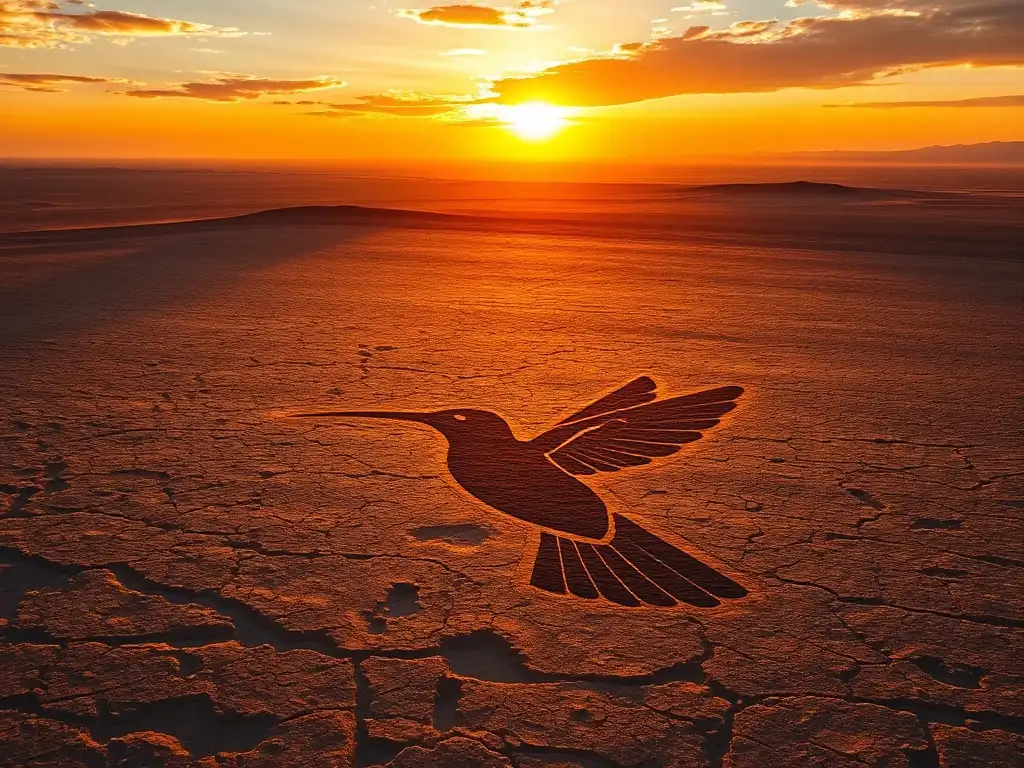
The Nazca Lines, sprawling across the Peruvian desert, are not merely geometric designs. Many depict animals, interpreted by scholars as representations of deities or powerful spiritual entities within the Nazca worldview. These depictions, often massive in scale, suggest a profound connection between the Nazca people and the natural world, with animals holding significant religious and symbolic importance. The detailed artistry and sheer size of these geoglyphs point towards a considerable investment of time and resources, underscoring their sacred significance within Nazca society.
Analyzing these animal figures offers valuable insights into their cosmology, beliefs, and societal structures. The precise meaning behind each animal remains a subject of ongoing research and scholarly debate, but several interpretations have emerged based on archaeological evidence and comparative studies of Andean iconography. The careful study of "Nazca Lines deity depictions" offers a fascinating window into this ancient civilization's spiritual landscape.
The Hummingbird: A Messenger of the Gods
The hummingbird, a creature of incredible speed and agility, frequently appears in Nazca Lines imagery. Its depiction is often associated with swiftness, communication, and the ability to traverse between different realms. In Andean mythology, hummingbirds are often considered messengers of the gods, carrying messages between the terrestrial and celestial worlds. Their small size belies their power, reflecting the Nazca belief in the potency of seemingly insignificant things.
The vibrant colors of real hummingbirds may also explain why they're prominently featured in the primarily monochrome geoglyphs; their color associations may have been significant in the spiritual context. Evidence suggests that the hummingbird's depiction in various Nazca contexts, including ceramics and textiles, supports the interpretation of its representation in the lines as a divine messenger. Detailed analysis of the hummingbird geoglyphs reveals subtle variations in style, potentially indicating different deities or aspects of a single deity. More research is needed to fully decipher the nuances of these subtle differences and their significance within the broader context of Nazca religion.
Further investigation into the specific locations of hummingbird geoglyphs within the larger Nazca Lines complex could also reveal significant spatial relationships and symbolic meanings. For instance, are they located near water sources, suggesting a connection to rain or fertility? [Specific information pending on hummingbird geoglyph locations and spatial relationships].
The Monkey: Symbol of Fertility and Power
The monkey, another recurring motif in Nazca Lines, is often linked to fertility, abundance, and power. Monkeys, agile and playful in their natural environment, were likely seen as symbols of vitality and creative energy. Their association with the jungle, a region often associated with abundance and life-giving forces in Andean cultures, reinforces this interpretation. The depiction of monkeys in the Nazca Lines, often shown in dynamic poses, emphasizes their vitality and strength.
Interestingly, the size of the monkey geoglyphs varies considerably. Larger depictions might represent a principal deity associated with fertility, while smaller ones could symbolize subordinate spirits or aspects of the main deity. This variation in size highlights the complexity of the Nazca pantheon and their nuanced understanding of the spiritual world.
The stylistic details of the monkey geoglyphs — the way they are rendered, their posture, and any accompanying symbols — offer further clues to their specific meaning within the Nazca worldview. [Further analysis of stylistic variations in monkey geoglyphs pending]. A deeper understanding of the role of monkeys in Nazca society, beyond their representation in the lines, would significantly enhance our interpretation of these geoglyphs.
The Spider: Associated with Water and Divination
The spider, with its intricate web and ability to spin, appears in several Nazca Lines geoglyphs. This creature is often linked to themes of creation, weaving, and divination, particularly regarding water sources. In the arid Nazca desert, water was a precious resource, and the spider's association with water might reflect a prayer for rain or a representation of the life-giving forces of water. The spider's ability to create intricate webs could also be interpreted as a metaphor for the complex social and spiritual structures of Nazca society.
The precise "Nazca Lines deity depictions" featuring spiders and their accompanying symbols require further detailed study. For instance, some spiders are depicted with human-like features, while others are strictly naturalistic. This variation points to the multifaceted nature of the spider deity and its diverse roles within the Nazca belief system. The location of spider geoglyphs relative to other figures and natural features could also provide valuable insights into their symbolic meanings.
[Further research needed on the spatial context of spider geoglyphs and their relation to other Nazca Lines figures]. The study of associated artifacts and iconography from Nazca settlements could further illuminate the role of the spider deity in their culture. The possibility of the spider representing a powerful female deity or a goddess of water, weaving, and fate warrants further investigation.
The Killer Whale: A Divine Being of the Sea
The killer whale, or orca, stands out amongst the Nazca Lines' animal depictions not only for its size and complexity but also for its likely symbolic significance. Unlike some of the more common desert animals, the orca represents a powerful force from the ocean, a realm often associated with mystery and the supernatural in Andean cultures.
The meticulous detail in the Nazca Lines' orca geoglyph, with its distinctive black and white markings clearly rendered, suggests a profound reverence for this creature. The scale of the depiction also speaks volumes; it's not a small, insignificant creature tucked away, but a prominent figure demanding attention, emphasizing its importance within the Nazca worldview.
Several theories attempt to explain the orca's prominence. One suggests it represents a powerful deity associated with the sea, possibly a guardian or a bringer of bounty. The ocean, a source of both sustenance and potential danger, would have held immense spiritual importance for the Nazca, who relied on it for resources. The orca, as a top predator, would embody the power and unpredictability of the marine environment.
Another interpretation links the orca to shamanistic practices. Some Andean cultures believed that shamans could transform into animals, and the orca, with its intelligence and aquatic prowess, may have been seen as a particularly potent animal spirit for such transformations. Further research is needed to fully understand the specific religious and cultural context of this remarkable geoglyph. The lack of readily available, detailed archaeological evidence directly linking the orca to specific Nazca rituals or beliefs presents a challenge to definitive conclusions.
However, the sheer scale and precision of the Nazca Lines orca depiction strongly suggest more than a simple representation; it points towards a deeply held symbolic significance within the Nazca cosmology. This significance remains a compelling subject for continued investigation and debate amongst scholars. The mystery surrounding its precise meaning adds to the overall enigma of the Nazca Lines and their connection to the Nazca people's spiritual beliefs.
Interpretations of Nazca Lines Religious Art: Exploring Different Theories
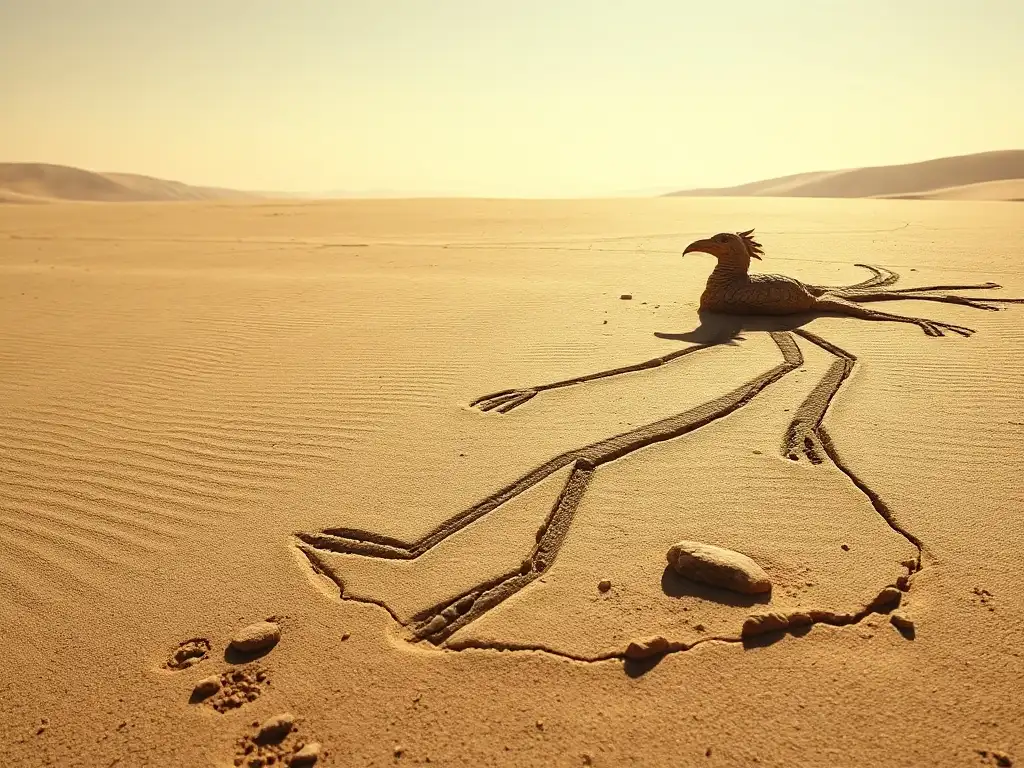
The Nazca Lines, sprawling across the Peruvian desert, are not merely geometric designs and zoomorphic figures; they are a vast canvas of religious expression, a testament to the sophisticated cosmology of the Nazca civilization. The depictions of deities within these geoglyphs offer a window into their beliefs, rituals, and understanding of the world. Interpreting these representations, however, requires careful consideration of various perspectives, moving beyond simple descriptions to delve into the deeper meanings embedded within these ancient works.
Understanding the Nazca Lines deity depictions necessitates a multi-faceted approach, blending archaeological findings with anthropological interpretations. The sheer scale and precision of the lines themselves suggest a level of societal organization and shared belief system that facilitated such monumental undertakings.
This section will explore several key theoretical interpretations of the religious art found within the Nazca Lines. The complexity of the Nazca Lines deity depictions continues to fascinate and challenge researchers, making them a rich source for ongoing study and debate regarding Nazca religious practices and beliefs.
The Shamanic Perspective: Altered States of Consciousness and Divine Encounters
Many scholars suggest a strong link between the Nazca Lines and shamanic practices. The vastness of the geoglyphs, combined with the often-surreal nature of the depicted beings, lends itself to interpretations involving altered states of consciousness. It's theorized that the creation and observation of the lines themselves were integral parts of ritualistic practices designed to induce altered states, facilitating communication with the spirit world and divine beings.
The depiction of stylized beings, often with elongated limbs or unusual features, could represent deities encountered during these shamanic journeys. These weren't simply realistic portrayals; they were symbolic representations of powerful entities experienced in altered realities. The Nazca Lines deity depictions, from this perspective, become visual records of these transcendental experiences, a tangible manifestation of the shaman's journey to the otherworld.
The intricate detail found in some figures, particularly the zoomorphic ones, further supports this theory, suggesting a meticulous recording of visions obtained during ritualistic practices. Furthermore, the location of certain lines in relation to water sources could point to rituals tied to ensuring successful harvests, reinforcing the connection between the shamanic experience and the practical needs of the Nazca society.
The Agricultural Connection: Deities and the Cycle of Life
The Nazca civilization thrived in a harsh desert environment, heavily reliant on successful agriculture. Therefore, it's reasonable to assume that their religious beliefs were intrinsically linked to the cycles of life and the forces that controlled their water supply and crop yields. Many of the Nazca Lines deity depictions can be interpreted through this lens.
Animals like the hummingbird, often portrayed in the geoglyphs, are associated with pollination and the renewal of life. Similarly, depictions of stylized plants or creatures associated with water sources could represent deities responsible for rainfall and the fertility of the land. The Nazca Lines, in this context, become a giant calendar or ritual landscape, reflecting the cyclical nature of agriculture and the importance of appeasing the gods responsible for the community's sustenance.
The precise alignment of some lines with astronomical events further strengthens this hypothesis, suggesting that the geoglyphs served as a sophisticated system for tracking seasonal changes and coordinating agricultural activities. This intricate connection between the Nazca Lines deity depictions and the agricultural cycle reveals a deep understanding of the environment and a sophisticated system of religious practices designed to ensure survival.
The Connection with the Ancestors: Honoring the Deceased and their Gods
Beyond the living deities, the Nazca Lines may also serve as a way to honor and communicate with ancestors. The Nazca people held strong beliefs in the afterlife, and the geoglyphs could represent a symbolic connection between the living and the dead. Certain figures might represent ancestral spirits or deities associated with the underworld.
The creation of the lines themselves could have been a ritual act, a collective effort to honor and communicate with the deceased, reinforcing social bonds and maintaining cultural continuity. The Nazca Lines deity depictions, viewed through this lens, transcend a simple representation of the divine; they become a powerful expression of ancestor veneration, a visual testament to the continuity of life and the enduring influence of the past.
This interpretation highlights the social and communal aspect of the Nazca culture, where the creation of the lines was not solely the work of individuals but a collaborative effort reflecting shared beliefs and collective memory. The enduring mystery surrounding the Nazca Lines fuels ongoing research and analysis, continually unveiling new facets of this remarkable civilization's rich spiritual world.
The Legacy of Nazca Deities: Insights into Andean Religion
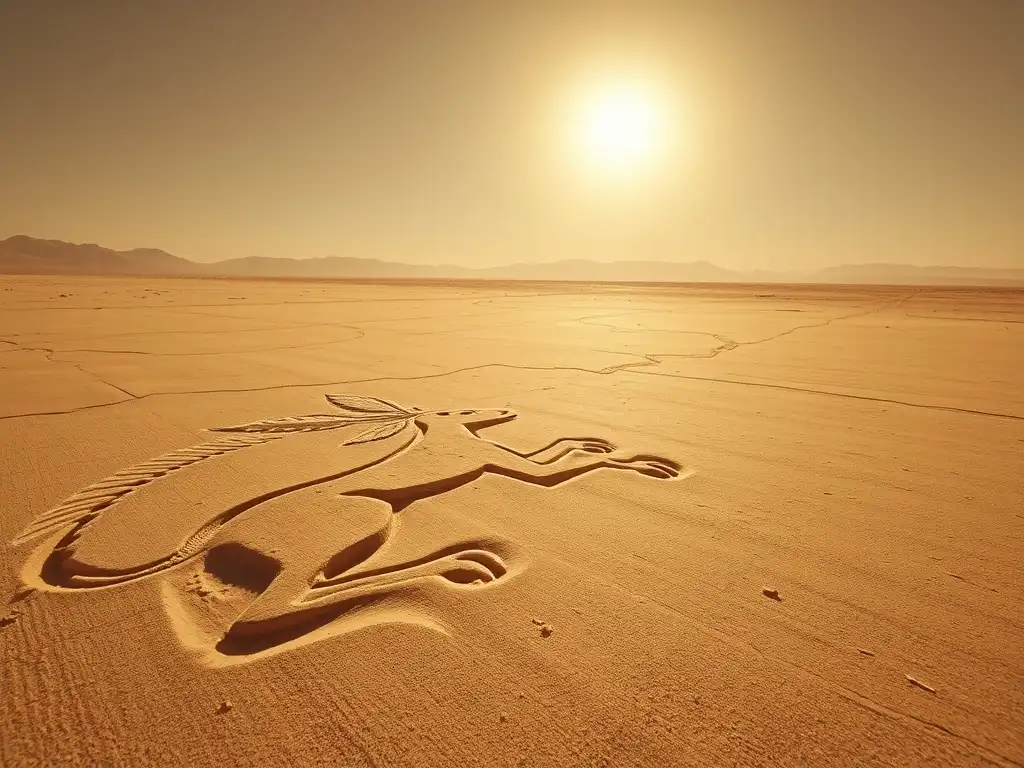
The Nazca Lines, while visually stunning, are more than just intricate geoglyphs etched into the desert floor. They represent a profound connection to the religious beliefs and cosmology of the Nazca people, offering invaluable insights into Andean religion during the early centuries CE. Understanding the deities depicted in these lines provides a window into their worldview, social structures, and spiritual practices.
The careful observation of these depictions, combined with archaeological findings from Nazca sites, allows us to reconstruct, albeit partially, the complex religious landscape of this fascinating civilization. The legacy of these deities extends beyond the Nazca themselves, influencing later Andean cultures and contributing to the rich tapestry of Andean religious history. Analyzing the iconography allows us to trace the evolution of certain divine figures and themes across different Andean societies.
Influence of Nazca Religious Beliefs on Later Andean Cultures
The impact of Nazca religious beliefs on subsequent Andean cultures is a subject of ongoing scholarly debate, but certain continuities are undeniable. While the specific forms of worship and ritual practices evolved, some core themes and representations persisted. For example, the emphasis on certain animal deities, such as the feline or bird figures frequently found in Nazca iconography, can be traced in later Andean art and mythology.
The veneration of ancestor spirits, also evident in Nazca culture, continued to be a significant aspect of Andean spirituality. We see echoes of Nazca artistic styles and motifs in the pottery and textiles of later cultures, suggesting a cultural transmission and adaptation of religious beliefs. This influence is not necessarily a direct lineage, but rather a complex interplay of cultural exchange and syncretism.
Further research, particularly comparative studies of iconography and ritual artifacts, is crucial to fully understand the extent and nature of this influence. This includes a deeper analysis of the similarities and differences between Nazca deity representations and those found in later cultures, such as the Moche and Inca. The study of specific deities and their symbolic attributes across different periods can reveal the continuity and transformation of religious ideas throughout the Andean region.
The Importance of the Nazca Lines for Understanding Ancient Andean Cosmology
The Nazca Lines are not merely artistic expressions; they are powerful statements about the Nazca understanding of the cosmos. The meticulous planning and execution of these colossal figures suggest a profound connection between the terrestrial and celestial realms. Many scholars believe the lines were used for ritual purposes, potentially aligning with astronomical events or representing constellations.
The depictions of deities within these lines further reinforce this cosmological interpretation. For example, the representation of a specific deity associated with water or fertility within a particular geoglyph could indicate a connection between that deity and the life-giving forces of nature, highlighting the importance of water management and agricultural practices in their cosmology.
Analyzing the spatial arrangement of the geoglyphs and their relationship to natural features such as rivers and mountains provides further clues to the Nazca cosmological worldview. The orientation of some lines towards specific celestial bodies suggests a sophisticated understanding of astronomy and its importance in their religious practices.
The creation of the Nazca Lines itself was a monumental undertaking, requiring significant community effort and coordination. This collaborative effort reflects the importance of communal participation in religious rituals and the shared belief system that underlay Nazca society. The scale and precision of the lines also speak to the profound spiritual significance they held for the Nazca people, underscoring their deep connection to the land and the cosmos.
Further research, including advanced geospatial analysis and astronomical modeling, is needed to fully unravel the cosmological secrets embedded within these enigmatic geoglyphs and their deity depictions. This interdisciplinary approach, combining archaeology, anthropology, and astronomy, is crucial for a comprehensive understanding of the Nazca Lines and their place within the broader context of Andean cosmology.
Preserving the Nazca Lines: Protecting the Legacy of the Gods
The Nazca Lines, a breathtaking testament to the ingenuity and spiritual beliefs of the Nazca civilization, face numerous threats that jeopardize their long-term survival. Preservation efforts are crucial not only to protect this unique archaeological marvel but also to safeguard the valuable insights into Nazca cosmology and deity depictions that these geoglyphs provide.
Understanding the challenges and implementing effective conservation strategies is paramount to ensuring that future generations can appreciate the legacy of the Nazca gods as vividly as we do today. The delicate nature of the lines, etched into the surface of the desert, makes them incredibly vulnerable to a range of factors.
Challenges to the Nazca Lines: Threats and Conservation Efforts
The Nazca Lines face a multitude of threats, both natural and human-induced. Natural erosion from wind and infrequent but intense rainfall gradually wears away the desert surface, subtly altering the geoglyphs over time. Furthermore, the fragile desert ecosystem is susceptible to damage from unpredictable weather events. Human activity poses even more significant risks.
Illegal off-road driving, for instance, directly destroys the lines' delicate surface. Construction projects near the Nazca Lines, even those seemingly distant, can unintentionally disrupt the delicate balance of the environment, contributing to erosion and degradation. Furthermore, the increasing popularity of the Nazca Lines as a tourist destination presents a double-edged sword. While tourism brings much-needed revenue for conservation efforts, the sheer volume of visitors, if not properly managed, can contribute to soil compaction and damage.
Several organizations and government agencies are actively involved in conservation initiatives. These efforts include:
- Monitoring and Surveillance: Regular monitoring of the lines using aerial surveys and ground-level inspections helps detect and address damage promptly.
- Erosion Control: Techniques such as planting native vegetation and implementing controlled grazing practices aim to stabilize the soil and reduce erosion.
- Visitor Management: Implementing regulated access points, guided tours, and educational programs help minimize the impact of tourism.
- Research and Technological Advancements: Scientists are exploring innovative technologies like drone imagery and remote sensing to improve monitoring and assess the overall condition of the geoglyphs.
The effectiveness of these measures hinges on a multi-pronged approach involving international collaboration, community engagement, and sustainable tourism practices. Ignoring these challenges would result in the irreversible loss of invaluable cultural heritage, silencing the voices of the Nazca gods etched into the desert sands. The ongoing research into Nazca deity depictions relies heavily on the preservation of these fragile lines. The delicate balance between accessibility and preservation requires continuous adaptation and improvement of conservation strategies. The commitment to preserving the Nazca Lines is a commitment to preserving a significant piece of humanity's artistic and spiritual heritage.
The Future of the Nazca Lines: Research and Education
The future of the Nazca Lines depends heavily on continued research and educational initiatives. Ongoing archaeological investigations will undoubtedly reveal further insights into the creation and meaning of these enigmatic geoglyphs, enriching our understanding of Nazca cosmology and deity depictions. Advanced technologies, such as high-resolution satellite imagery and 3D modeling, offer exciting prospects for studying the lines in unprecedented detail. This will allow researchers to analyze the lines' construction techniques, identify previously unknown figures, and understand the evolution of the Nazca Lines over time.
Furthermore, robust educational programs are crucial in raising public awareness about the importance of preserving this invaluable cultural heritage. These programs should target both local communities and international audiences, fostering a sense of responsibility and stewardship towards the Nazca Lines. Educational initiatives might include:
- Interactive Museums and Exhibits: Creating engaging and informative exhibits that showcase the history, significance, and conservation efforts surrounding the Nazca Lines.
- School Curricula Integration: Incorporating the Nazca Lines into school curricula to educate younger generations about the importance of cultural heritage preservation.
- Community-Based Tourism Initiatives: Developing sustainable tourism practices that benefit local communities and help fund conservation projects.
By combining advanced research methodologies with comprehensive educational outreach, we can ensure the long-term survival of the Nazca Lines and their continued ability to inspire awe and wonder in generations to come. The preservation of these unique geoglyphs is not merely a matter of preserving artifacts; it is about safeguarding a vital part of human history and understanding the rich tapestry of ancient Andean beliefs and the Nazca Lines deity depictions they represent. The future of these remarkable lines is a shared responsibility, demanding collaborative efforts from researchers, governments, local communities, and tourists alike.
Frequently Asked Questions
What are the Nazca Lines?
The Nazca Lines are geoglyphs—giant figures and lines etched into the desert surface of southern Peru. They were created by the Nazca culture between 500 BC and 500 AD, and their purpose remains a mystery. Their scale is immense, best appreciated from the air.
What deities are depicted in the Nazca Lines?
While not all figures are definitively identified, some Nazca Lines clearly depict mythological beings and animals significant to their culture. These include stylized representations of birds, felines, and possibly human-like figures representing gods or spirits. Further research continues to reveal more.
How were the Nazca Lines created?
The Nazca people created the lines by removing the dark reddish pebbles from the surface, exposing the lighter earth beneath. This painstaking process required immense effort and planning, using simple tools. The precise methods remain a subject of ongoing study.
What is the significance of the deity depictions in the Nazca Lines?
The meaning of the deity depictions is still debated. They likely served ceremonial or religious purposes, possibly related to rituals, astronomical observations, or communication with the supernatural. The context of their creation holds crucial clues.
Why are the Nazca Lines important for understanding Nazca culture?
The Nazca Lines provide invaluable insights into the belief systems, social organization, and technological capabilities of the Nazca civilization. Studying them helps us understand their worldview and the sophisticated knowledge they possessed. Their creation reveals a complex society.
Final Reflection: Echoes of the Gods in the Peruvian Sands
The Nazca Lines remain a testament to a civilization's profound spiritual connection to the land, a connection that resonates even today. Their intricate designs, etched into the desert floor centuries ago, continue to challenge our understanding of ancient cultures and their complex belief systems. The enduring mystery surrounding their creation only amplifies their power and intrigue, inviting us to contemplate the enduring human need to connect with something larger than ourselves.
The impact of the Nazca Lines extends far beyond the arid plains of Peru; they serve as a powerful reminder of the universality of religious expression and the enduring human quest for meaning. These enigmatic geoglyphs speak to a time when art and spirituality were inextricably intertwined, a time when the landscape itself served as a canvas for expressing deeply held beliefs. The desert, under the relentless sun, holds secrets whispered on the wind, secrets etched in the earth itself.
This sentiment captures the enduring mystery and spiritual weight of the Nazca Lines, a mystery that continues to inspire awe and wonder in all who encounter them.
Consider, for a moment, the sheer scale of these creations and the dedication required to bring them into being. What can we learn from the unwavering faith and artistic vision of the Nazca people? Let the enduring legacy of the Nazca Lines inspire you to explore your own connection to the divine, to find your own way of expressing your beliefs and leaving your mark on the world. Embrace the mystery, appreciate the artistry, and let the echoes of the gods in the Peruvian sands resonate within your own soul.
**Unveil the Mysteries of the Nazca Lines! **
Thank you for exploring the captivating world of the Nazca Lines and their connection to Andean spirituality. Your journey into this ancient artistry has deepened your understanding of these civilizations and their beliefs. Let's build on that knowledge!
Here are some ways to continue your exploration:
- **Share your discoveries! ** Discuss the fascinating connections you've uncovered with friends, family, or online communities.
- **Expand your knowledge! ** Delve deeper into Andean culture by visiting museums or archaeological sites featuring Nazca artifacts. Many hold incredible collections.
- **Create your own interpretation! ** Unleash your creativity and design your own Nazca-inspired artwork.
What questions or thoughts about the Nazca Lines do you have that could spark further discussion?