
The Inca's Unique Approach to Livestock Management

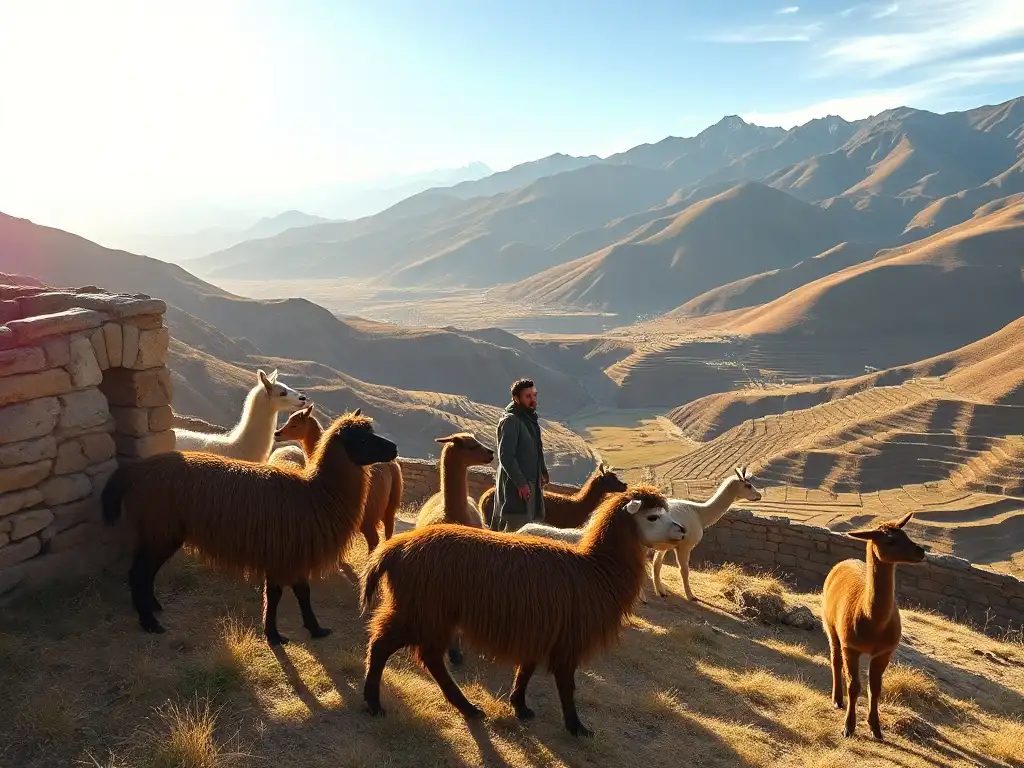
Step into a world lost to time, yet echoing with the ingenuity of a vanished empire. Imagine a civilization that thrived amidst the towering Andes, mastering not only breathtaking architecture but also sophisticated agricultural practices. Uncover the secrets behind the Inca's remarkable success, starting with their innovative livestock management techniques. Prepare to be amazed by the intricate strategies that allowed them to flourish in such a challenging environment – a testament to their resilience and mastery of their world. Dive in and discover more!
-
Inca Livestock Management Techniques: A Unique Andean Approach
- The Importance of Livestock in the Inca Empire
- Key Animals in Inca Herding Practices
- Llama and Alpaca Domestication: Cornerstones of Inca Economy
- Inca Methods for Selective Breeding of Llamas and Alpacas
- Pasture Management and Land Use in Inca Animal Husbandry
- Managing Grazing Lands: Strategies for Sustainable Livestock Raising
- Inca Techniques for Protecting Livestock from Predators
- Innovative Systems for Livestock Sheltering and Care
- The Role of Inca Infrastructure in Supporting Herding
- Inca Roads and the Movement of Livestock
- Storage and Distribution of Animal Products in the Inca Empire
- Wool Production and Textile Manufacturing from Inca Herds
- Meat Preservation Techniques of the Ancient Incas
- The Social and Religious Significance of Livestock in Inca Society
- Livestock as a Form of Wealth and Status in Inca Culture
- Inca Rituals and Ceremonies Involving Animals
- Legacy of Inca Animal Husbandry and its Influence on Modern Practices
- Lessons from Inca Sustainable Herding for Contemporary Agriculture
- The Herding Practices of the Collao Region
- Impact of Inca Livestock Management on Agricultural Productivity
-
Frequently Asked Questions
- What livestock did the Inca primarily manage?
- How did the Inca adapt their livestock management to the Andes' diverse geography?
- What techniques did the Inca use to control their herds?
- What role did llamas and alpacas play in Inca society beyond providing resources?
- How did Inca livestock management impact their overall societal structure?
- Final Reflection: The Enduring Legacy of Inca Pastoralism
- **Embrace Sustainable Practices Inspired by the Incas! **
Inca Livestock Management Techniques: A Unique Andean Approach
The Inca Empire, renowned for its sophisticated agricultural practices and impressive infrastructure, also possessed a remarkably advanced system of livestock management. Unlike many other ancient civilizations that relied heavily on large-scale farming, the Inca integrated animal husbandry seamlessly into their complex societal structure, leveraging the unique capabilities of Andean camelids to support their economy and daily life.
This article delves into the specific techniques employed by the Inca, highlighting their ingenuity and understanding of their environment. Understanding Inca livestock management offers valuable insights into their economic strategies, social organization, and overall adaptation to the challenging Andean terrain.
We will explore the importance of livestock within the Inca empire, the key animals involved, and the sophisticated domestication techniques that underpinned their success, emphasizing the crucial role of llamas and alpacas in the Inca economy. This examination will reveal the ingenuity and ecological awareness that characterized Inca livestock management, a system remarkably adapted to the high-altitude Andean environment and a testament to their advanced understanding of animal husbandry.
The Importance of Livestock in the Inca Empire
Livestock played a crucial, multifaceted role in the Inca Empire's economy and social fabric. They were not merely a source of meat and wool; they served as vital components of the mita system, a labor tax that contributed significantly to infrastructure projects and state-sponsored activities. Llamas and alpacas, in particular, provided essential transportation of goods across the challenging Andean landscape, their surefootedness and strength proving invaluable in traversing steep mountain passes and treacherous terrain.
Their wool was highly prized, used to create textiles for clothing, blankets, and religious ceremonies. Furthermore, llama dung served as a crucial fertilizer, enriching the agricultural lands and contributing to crop yields. The dung also provided fuel for heating and cooking, showcasing the resourcefulness of the Inca in utilizing every aspect of their livestock.
The Inca's meticulous management of their herds ensured the continuous supply of these vital resources, demonstrating a deep understanding of animal husbandry and its importance to their empire's stability and prosperity. Accurate population records for livestock are unfortunately incomplete, but estimations suggest that millions of camelids were managed across the empire's vast territory.
Key Animals in Inca Herding Practices
While several animal species were utilized within the Inca Empire, llamas and alpacas were undeniably the cornerstones of their livestock management. These Andean camelids possess unique adaptations that allowed them to thrive in the high-altitude, often harsh conditions of the Andes. Guanacos and vicuñas, their wild relatives, were also hunted for their wool and meat, though their domestication was less widespread.
Other animals, such as dogs (used for herding and companionship), and possibly some guinea pigs (for meat and religious purposes), played minor roles compared to the camelids. However, the Inca’s mastery lay in their management of llamas and alpacas, optimizing their use for transportation, wool production, and meat, contributing to a sustainable and resilient economic system. The organization of herding practices, which involved specialized herders and complex systems of pasture rotation, further underscores the sophistication of Inca livestock management.
Llama and Alpaca Domestication: Cornerstones of Inca Economy
The domestication of llamas and alpacas represents a significant achievement in Inca technology and resource management. Their domestication was not a singular event but a gradual process spanning centuries, resulting in distinct breeds optimized for specific purposes. Llamas, larger and stronger, were primarily used as pack animals, capable of carrying substantial loads across challenging terrain.
Alpacas, known for their fine, soft fleece, were primarily valued for their wool, which was used to create high-quality textiles, indicative of social status and prestige. The Inca developed sophisticated techniques for shearing, spinning, and weaving alpaca wool, creating intricate designs and patterns that reflected their artistic capabilities and cultural identity.
The integration of these domestic animals into the ayllu (community) system reinforced social cohesion and ensured the equitable distribution of resources, highlighting the close link between animal husbandry and the Inca social structure. The success of Inca llama and alpaca domestication is a testament to their deep understanding of animal behavior, breeding practices, and environmental conditions, leaving a lasting legacy on Andean culture and agriculture.
Inca Methods for Selective Breeding of Llamas and Alpacas
The Inca Empire's success wasn't solely based on sophisticated agricultural practices; their mastery of livestock management, particularly concerning llamas and alpacas, played a crucial role. Inca breeders employed sophisticated techniques of selective breeding, focusing on enhancing desirable traits within their herds. This wasn't a haphazard process; rather, it was a carefully planned strategy passed down through generations of skilled herders. They meticulously selected breeding pairs based on criteria such as fleece quality—length, fineness, and color—as well as animal size, strength, and temperament.
Llamas, prized for their strength and ability to carry heavy loads, were selectively bred for increased pack-carrying capacity and endurance. Alpacas, valued for their luxurious fiber, were bred to produce finer and more abundant fleece. This selective breeding wasn't just about maximizing economic output; it also contributed to the overall resilience and adaptability of their livestock, ensuring a reliable supply of wool, meat, and transportation. Records, though limited, suggest a system of detailed herd management, with specific animals marked or identified for their desirable traits, ensuring their participation in future breeding cycles.
The Inca's understanding of genetics, though not based on modern scientific principles, was remarkably effective in improving their livestock over time. This meticulous approach is a testament to their deep understanding of animal husbandry and its importance to their empire's prosperity. The legacy of these breeding techniques can still be observed in the diverse llama and alpaca breeds found in the Andes today.
Pasture Management and Land Use in Inca Animal Husbandry
Inca livestock management extended beyond selective breeding; it encompassed a comprehensive approach to pasture management and land use. The Inca understood the importance of rotational grazing, a sustainable practice that prevented overgrazing and soil degradation. They divided their grazing lands into distinct sections, allowing each area to recover before the animals returned. This wasn't a simple division; evidence suggests that the Inca carefully considered factors like altitude, soil type, and vegetation to optimize pasture use.
Higher-altitude pastures, often characterized by hardy grasses, might have been reserved for the drier months, while lower-altitude pastures, richer in vegetation, were utilized during the wetter seasons. This carefully planned system ensured a consistent supply of forage for their livestock throughout the year. Furthermore, the Inca likely employed techniques of terracing and irrigation, not only for their crops but also to improve the productivity of their grazing lands.
By creating level areas and managing water resources, they could enhance the growth of vegetation, leading to more abundant pastures. This integrated approach to land use demonstrates a deep understanding of ecological principles and a commitment to sustainable resource management, a critical element in supporting their large populations and their extensive livestock herds. The Inca's understanding of their environment allowed for efficient and sustainable pastoralism.
Managing Grazing Lands: Strategies for Sustainable Livestock Raising
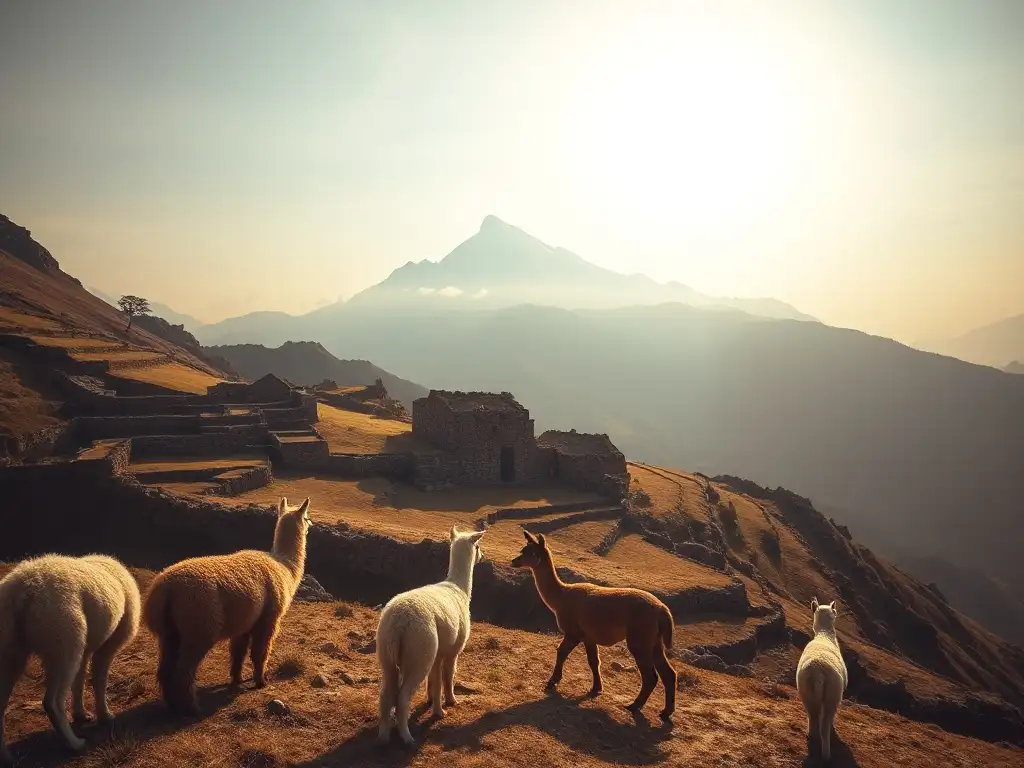
The Inca's success in sustainable livestock raising stemmed from their integrated approach to managing grazing lands. Their strategies went beyond simple rotational grazing; they also involved techniques of pasture improvement and the careful management of livestock numbers. They likely employed methods to enhance pasture productivity, such as controlled burning to stimulate new growth or the introduction of specific plant species known to thrive in high-altitude environments. The control of livestock numbers was crucial to preventing overgrazing.
This involved careful monitoring of herd sizes and potentially implementing measures to control population growth when necessary. The Inca likely had a system for culling animals based on age, health, and productivity, ensuring that only the healthiest and most productive animals remained in the herd. This wasn't a simple matter of eliminating animals; it was part of a broader strategy to maintain the health and sustainability of both the livestock and the grazing lands.
Their approach showcases a remarkable understanding of carrying capacity—the maximum number of animals a given area can support without causing environmental damage. The Inca's careful management of their grazing lands not only ensured a reliable supply of livestock products but also contributed to the long-term health and stability of their ecosystem, a testament to their forward-thinking approach to resource management. Their methods serve as a valuable lesson in sustainable pastoralism, particularly relevant in today's context of climate change and increasing pressure on natural resources.
Inca Techniques for Protecting Livestock from Predators
Inca livestock management wasn't just about raising animals; it was about safeguarding them. Predators, both large and small, posed a constant threat to their herds of llamas, alpacas, and guanacos – crucial for fiber, meat, and transportation. The Incas developed a multifaceted approach to predator control, combining ingenious strategies with a deep understanding of their environment. One key method involved the strategic placement of livestock enclosures.
These weren't simply haphazard structures; they were carefully designed and located to minimize vulnerability. Elevated corrals, built on rocky outcrops or elevated terrain, made it harder for predators like pumas and foxes to reach the animals. Furthermore, the Incas employed herding techniques that kept the animals in close proximity to human settlements, offering a measure of protection. The use of guard animals, such as dogs specifically trained for herding and protection, was also common.
These dogs weren't just pets; they were integral to the system, providing an early warning system and actively deterring predators. Finally, the Incas understood the importance of landscape management. By carefully controlling vegetation and creating clear grazing areas, they reduced the cover available to predators, making it more difficult for them to ambush their prey. This holistic approach, combining structural defenses, herding practices, and environmental management, showcases the sophistication of Inca livestock protection methods.
Innovative Systems for Livestock Sheltering and Care
The Inca's approach to livestock sheltering was far from rudimentary. Their innovative systems reflected a deep understanding of animal welfare and the need to protect their valuable herds from the harsh Andean climate. They constructed a variety of shelters, ranging from simple windbreaks made of stone and brush to more elaborate structures capable of housing large numbers of animals. The design of these shelters varied depending on the specific location and the type of livestock.
For instance, high-altitude pastures might have featured stone-walled enclosures offering protection from the wind and snow, while lower-altitude areas might have utilized simpler, more open-air structures. Beyond basic shelter, the Incas also implemented sophisticated systems for managing animal health. They developed effective methods for disease prevention and treatment, demonstrating a surprisingly advanced understanding of veterinary practices for the time. Evidence suggests the use of herbal remedies and traditional medicine to treat common ailments in their livestock.
Furthermore, the Incas carefully monitored the nutritional needs of their animals, adapting their grazing patterns to ensure access to high-quality fodder throughout the year. This meticulous attention to detail ensured healthy and productive herds, maximizing the benefits derived from their livestock. The integration of shelter, health management, and careful grazing strategies exemplifies their holistic and forward-thinking approach to animal care.
The Role of Inca Infrastructure in Supporting Herding
The impressive Inca road system wasn't just for human travel; it played a vital role in supporting their efficient livestock management. The network of roads and trails facilitated the movement of herds across vast distances, connecting different grazing pastures and enabling the Incas to optimize the use of available resources. This carefully planned infrastructure allowed for seasonal transhumance, a practice where herds were moved between high-altitude summer pastures and lower-altitude winter pastures, ensuring a continuous supply of fresh fodder. Furthermore, the roads facilitated the rapid response to emergencies.
If a herd was threatened by a natural disaster or disease outbreak, the road network enabled swift relocation and minimized losses. The strategically placed tambos (roadside inns) along the Inca roads also served as temporary shelters and resting places for herders and their animals during long journeys. These tambos provided vital support, ensuring the well-being of both the herders and their livestock.
The integration of the Inca road system with their livestock management strategies highlights the sophisticated planning and organizational capabilities of the empire. The efficient movement of herds, facilitated by the infrastructure, was crucial for the success of their agricultural practices and the overall economic stability of the empire. The Inca's ability to seamlessly integrate their infrastructure with their livestock management is a testament to their ingenuity and foresight.
Inca Roads and the Movement of Livestock
The Inca Empire's unparalleled road system played a crucial role in their sophisticated livestock management. These meticulously engineered pathways, spanning thousands of miles across challenging Andean terrain, weren't just for human travel. They facilitated the strategic movement of livestock, enabling the efficient relocation of animals based on seasonal grazing patterns and resource availability.
Llamas and alpacas, the cornerstone of Inca animal husbandry, were herded along these roads to access optimal pastures at different altitudes. This mobility ensured consistent access to fresh forage, minimizing overgrazing in any one area and maximizing herd health. The roads also served as vital arteries for the transportation of animal products, such as wool and meat, to different regions of the empire, supporting the intricate network of Inca trade and distribution.
The strategic placement of waystations along these routes provided resting places for both herders and animals, further enhancing the efficiency and sustainability of livestock movement. This integrated approach to infrastructure and animal management demonstrates the Inca's deep understanding of their environment and their ability to adapt their practices to maximize resource utilization. Careful planning and organization were essential to manage the movement of large herds along these routes, demonstrating a level of logistical sophistication that was remarkably advanced for its time.
Storage and Distribution of Animal Products in the Inca Empire
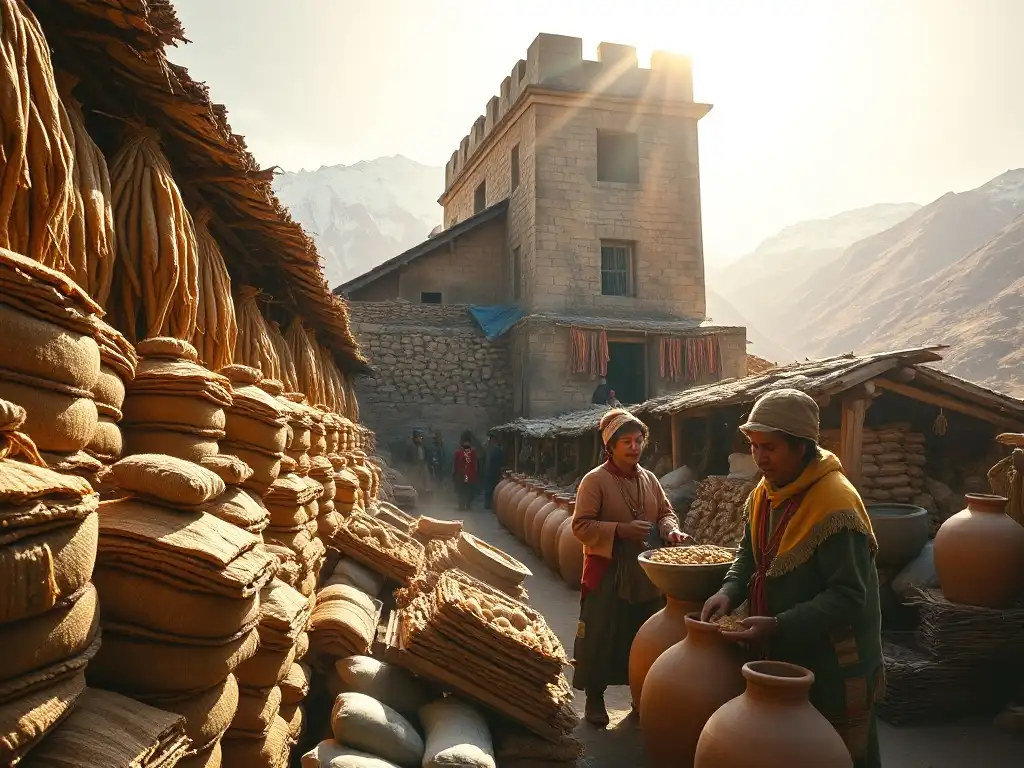
The Inca Empire's effective livestock management extended beyond the herding and movement of animals; it encompassed a complex system for storing and distributing the resulting animal products. Storage facilities, often strategically located near agricultural centers and along major roadways, were crucial for preserving meat, wool, and other animal-derived goods. These structures, ranging from simple granaries to more elaborate storehouses, utilized various preservation techniques, including drying, salting, and possibly even rudimentary forms of refrigeration using natural methods like cool, underground spaces.
The precise methods used varied depending on the product and the local climate, showcasing the Inca's adaptability and practical knowledge. The distribution of these stored goods was managed through a highly organized system of record-keeping and state-controlled allocation. This ensured that animal products reached different parts of the empire, supporting the population and contributing to the overall economic stability.
The efficient storage and distribution system not only prevented spoilage and waste but also played a vital role in supporting the Inca's social structure, ensuring fair access to resources for all members of society. This complex system highlights the Inca's ability to manage large-scale resource allocation and underscores the significant role animal products played within the empire's economic and social fabric.
Wool Production and Textile Manufacturing from Inca Herds
Llamas and alpacas were not merely sources of meat for the Inca; their fleece was a highly valued resource, central to the empire's textile industry. The Inca developed advanced techniques for shearing, spinning, and weaving wool, producing textiles of exceptional quality and variety. From the soft, luxurious fabrics used for clothing by the elite to the durable textiles employed for everyday use by the commoners, wool production was deeply integrated into Inca society.
The Inca's mastery of textile production is evident in the intricate designs and diverse colors found in surviving artifacts. These textiles were not simply functional; they held significant cultural and symbolic meaning, reflecting social status and religious beliefs. The process involved specialized labor, with skilled artisans creating stunning textiles that served as markers of status and power.
The organization of wool production involved the coordinated efforts of herders, spinners, weavers, and dyers, highlighting the sophisticated division of labor within the Inca economy. The wool from Inca herds provided the raw material for a thriving industry that contributed significantly to the economic strength and cultural identity of the empire. The intricate designs and vibrant colors of Inca textiles are a testament to their expertise and creativity in transforming animal fiber into works of art and everyday necessities.
Meat Preservation Techniques of the Ancient Incas
The Inca Empire, renowned for its sophisticated agricultural practices, also developed ingenious methods for preserving meat, a crucial resource in the challenging Andean environment. Given the lack of widespread refrigeration, the Incas relied on several techniques to ensure a consistent supply of protein throughout the year. One primary method was charqui, a form of sun-dried, salted meat. Llama and alpaca meat were particularly well-suited to this process, their lean nature allowing for efficient drying.
The process involved cutting the meat into thin strips, salting them generously, and then exposing them to the intense Andean sun for several days. This method not only extended the shelf life of the meat but also concentrated its flavor. The resulting charqui was a staple food, easily transported and stored for extended periods.
Beyond charqui, the Incas employed other preservation techniques, though evidence is less abundant. Freezing at high altitudes likely played a role, especially in the colder regions of the empire. While not a controlled process like charqui, the naturally cold temperatures would have helped preserve meat for shorter durations. Furthermore, smoking meat, a common practice in other Andean cultures, might have been used by the Incas, although definitive archaeological evidence is still needed to confirm this.
The effectiveness of these techniques varied depending on factors such as altitude, weather conditions, and the type of meat being preserved. Understanding these diverse methods reveals the Incas' remarkable adaptability and ingenuity in managing their resources, ensuring food security within their vast empire. The ingenuity of Inca meat preservation techniques highlights their deep understanding of their environment and the importance of food security in sustaining their complex social structure.
Livestock held a profound social and religious significance within Inca society, extending far beyond their purely economic value. Llamas and alpacas, the principal domesticated animals, were integral to Inca rituals and ceremonies. Their wool, used to create fine textiles for the elite, was considered sacred, and the animals themselves were often sacrificed to appease deities or commemorate important events.
These sacrifices weren't merely acts of religious observance; they were also symbolic displays of power and social status. The scale of the sacrifice, the number of animals involved, and the context of the ritual, all served to reinforce the authority of the Inca rulers and the hierarchical structure of society.
Furthermore, the use of llamas and alpacas in religious ceremonies solidified their importance in Inca cosmology and worldview. These animals were often depicted in Inca art and iconography, further underscoring their symbolic power. Their association with deities and sacred sites reinforced their role as more than just sources of food and fiber; they were deeply intertwined with the spiritual fabric of Inca life.
The integration of livestock into religious practices highlights the holistic approach of the Inca civilization, where economic activities were closely linked to spiritual beliefs and social structures. The deep religious connection to these animals further demonstrates their significant role in Inca society, influencing everything from daily life to grand ceremonies.
Livestock as a Form of Wealth and Status in Inca Culture
In Inca society, livestock, particularly llamas and alpacas, served as a crucial indicator of wealth and social standing. The possession of a large herd signified prosperity and prestige, reflecting an individual's or community's success in agriculture and resource management. This wasn't simply a matter of economic value; the number of livestock owned directly correlated with social standing within the intricate Inca social hierarchy. Elite members of society, including nobles and priests, often possessed extensive herds, showcasing their power and influence.
The Inca system of tribute, known as mita, further underscored the importance of livestock as a measure of wealth. Communities were expected to contribute a portion of their livestock to the state, demonstrating their productivity and loyalty to the Inca ruler. The size of this contribution often reflected the community's wealth and status. The meticulous record-keeping of the Inca bureaucracy ensured that this system functioned effectively, maintaining a detailed account of livestock holdings across the empire.
This system, while demanding, also served as a means of redistributing resources and ensuring the stability of the Inca economy. The strategic use of livestock within the mita system further cemented its role as a key measure of wealth and social status within Inca society. The control and distribution of livestock were central to the Inca Empire's economic and social order, making it a potent symbol of power and prestige.
Inca Rituals and Ceremonies Involving Animals
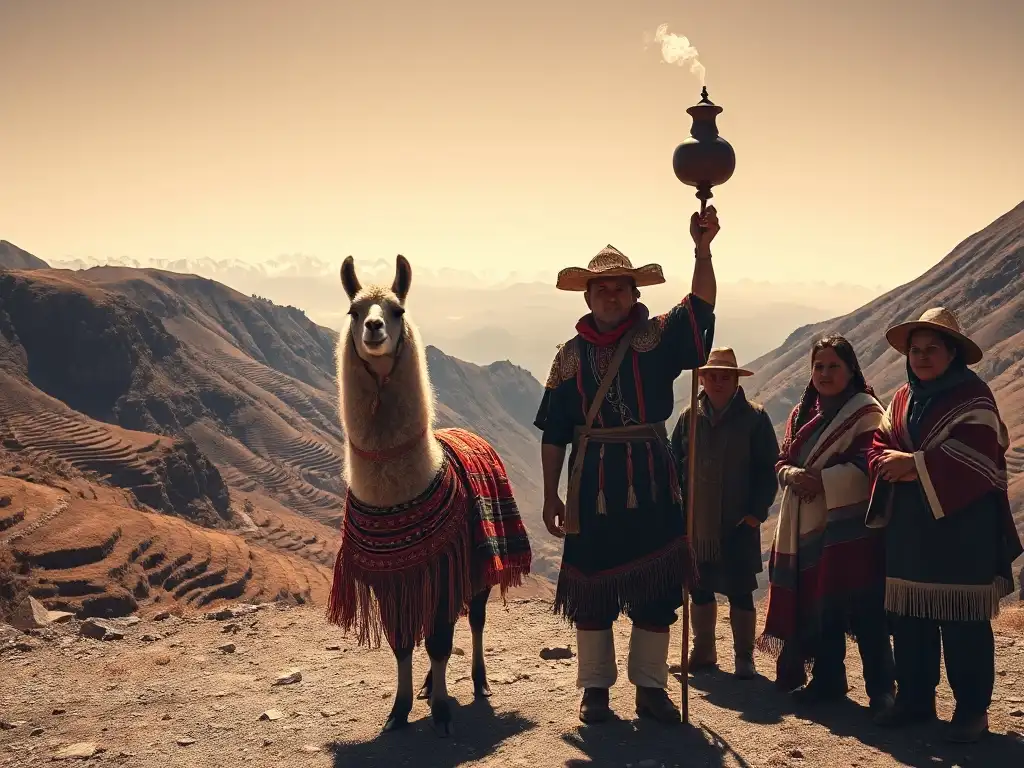
Inca society deeply intertwined religious beliefs and practices with their livestock management. Animals weren't merely economic assets; they held significant spiritual value. Llama and alpaca sacrifices, for instance, were integral parts of important ceremonies and festivals, particularly those related to ensuring successful harvests and appeasing the gods. These weren't indiscriminate killings; specific animals, often chosen for their physical attributes or age, were selected for these rituals.
The meticulous preparation and execution of these sacrifices highlight the reverence the Inca held for their animals, demonstrating a respect that extended beyond their practical uses. The chosen animals were often adorned with elaborate finery before the sacrifice, showcasing the importance of the ritual. Detailed accounts from Spanish chroniclers, though sometimes biased, offer glimpses into these practices, revealing the complex interplay between religious belief and animal husbandry.
Further research into surviving Inca textiles and iconography could potentially reveal additional details about the significance of specific animals in different rituals. The careful selection and preparation of animals for sacrifice suggest a sophisticated understanding of animal husbandry, even within the context of ritual practices. This integration of religious and economic practices is a unique aspect of Inca livestock management and offers valuable insights into their worldview.
Legacy of Inca Animal Husbandry and its Influence on Modern Practices
The Inca's sophisticated understanding of animal husbandry left a lasting legacy on the Andean region and continues to influence modern practices. Their meticulous breeding programs, focusing on improving the quality of llama and alpaca fleece and their adaptability to high-altitude environments, are still evident in the genetic diversity of these animals today. Traditional Andean herding techniques, including the use of chullpas (stone structures used for storing and protecting supplies, and sometimes as tombs) for storing supplies and managing herds, remain relevant in many communities.
While modern technology has undoubtedly impacted livestock management in the Andes, many farmers still incorporate traditional methods learned from generations of Inca practices, demonstrating their enduring relevance and effectiveness. For example, the Inca understanding of rotational grazing, while not explicitly documented in the same detail as modern practices, was implicitly utilized through their sophisticated management of pastures and herd movements. This knowledge, passed down through generations, has proven crucial for sustainable livestock farming in the challenging Andean terrain.
Moreover, the Inca's emphasis on the holistic well-being of their animals, a combination of practical care and spiritual reverence, provides a valuable lesson in responsible animal husbandry. The ongoing study of Inca agricultural practices, particularly in animal husbandry, offers valuable insights for developing more sustainable and culturally sensitive approaches to livestock farming in the Andes and beyond.
Lessons from Inca Sustainable Herding for Contemporary Agriculture
The Inca's approach to livestock management offers valuable lessons for contemporary agriculture, particularly in the context of sustainable practices. Their emphasis on rotational grazing, careful breeding programs, and a deep understanding of their animals' needs allowed them to maintain a relatively stable and productive livestock system for centuries. This contrasts sharply with many modern intensive farming practices that often lead to environmental degradation and animal welfare concerns. The Inca's methods, while adapted to a specific environment, highlight the importance of integrating ecological considerations into livestock management.
For example, their understanding of the carrying capacity of their pastures prevented overgrazing and soil erosion, contributing to long-term sustainability. This concept of carrying capacity, often overlooked in modern, intensified farming, is crucial for preventing environmental damage and ensuring the long-term health of both the livestock and the surrounding ecosystems. Further investigation of Inca agricultural techniques could lead to the development of improved sustainable farming practices applicable to a wider range of environments.
By understanding and adapting the Inca's holistic approach to livestock management, contemporary agriculture can strive towards greater sustainability and resilience. The Inca legacy underscores the importance of integrating traditional knowledge with modern techniques to create more effective and environmentally conscious agricultural systems. This integrated approach is crucial in the face of climate change and the growing demand for sustainable food production.
The Herding Practices of the Collao Region
The Collao region, a high-altitude plateau in modern-day Peru and Bolivia, presented unique challenges for Inca livestock management. The harsh, often frigid climate and limited pastureland necessitated innovative herding strategies. Unlike the more temperate regions of the empire, rotational grazing was less feasible due to the slower growth of vegetation at high altitudes. Instead, the Inca implemented a system of transhumance, moving their herds – primarily llamas and alpacas – seasonally between higher and lower pastures.
During the warmer months, herds were taken to higher elevations for access to fresh grasses. As winter approached, they were moved to lower, sheltered valleys to protect them from the harsh weather and provide access to stored fodder. This carefully planned movement minimized overgrazing in any single area and maximized the utilization of available resources. Evidence from archaeological sites in the Collao reveals the construction of strategically placed shelters and corrals, demonstrating the sophisticated planning involved in this seasonal migration.
Furthermore, the Inca implemented a strict system of herd management, assigning specific individuals and communities responsibility for the care of the animals. This decentralized approach ensured efficient supervision and minimized the risk of loss or theft. The success of this system is evidenced by the significant llama and alpaca populations that thrived in the Collao despite the challenging environment. Careful observation of animal behavior and adaptation to the unique ecological conditions of the region were key components of Inca livestock management techniques in the Collao.
Impact of Inca Livestock Management on Agricultural Productivity
Inca livestock management significantly impacted agricultural productivity throughout the empire. Llamas and alpacas played a crucial role, not just as sources of meat, wool, and hides, but also as essential components of the agricultural system. Their dung served as a valuable fertilizer, enriching the soil and increasing crop yields. The Inca understood the importance of this natural fertilizer and strategically managed their herds to maximize its availability. Archaeological evidence suggests that llama and alpaca dung was carefully collected and composted, further enhancing its fertilizing properties.
This practice helped maintain soil fertility in areas subject to intensive agriculture, mitigating the risk of soil depletion. Beyond fertilization, llamas and alpacas were also instrumental in transportation. They carried agricultural goods, such as grains and potatoes, from fields to storage facilities and markets, facilitating the efficient movement of produce across the vast Inca empire. This efficient transport system reduced post-harvest losses and ensured that food reached the population centers effectively.
The integration of livestock into the agricultural system represents a sophisticated understanding of ecological interconnectedness and resource management. The Inca's effective Inca livestock management techniques not only ensured a sustainable supply of animal products but also significantly enhanced agricultural productivity, contributing to the empire's overall economic and social stability. This holistic approach to resource management serves as a remarkable example of sustainable practices in a pre-industrial society. The impact of their careful planning and execution is still visible today in the agricultural practices of the Andes.
Frequently Asked Questions
What livestock did the Inca primarily manage?
The Inca primarily managed llamas and alpacas, utilizing them for fiber, meat, and transportation. They also herded guanacos and vicuñas, though less extensively due to their wild nature.
How did the Inca adapt their livestock management to the Andes' diverse geography?
The Inca employed verticality in their herding practices, moving animals between different altitudinal zones to take advantage of seasonal grazing pastures. This ensured year-round access to optimal resources.
What techniques did the Inca use to control their herds?
Inca herders used sophisticated techniques including specialized pastures (puna), controlled breeding, and seasonal migrations to maintain healthy and productive herds. They also developed effective methods of animal healthcare.
What role did llamas and alpacas play in Inca society beyond providing resources?
Llamas and alpacas were essential to the Inca economy, providing materials for textiles, transport, and food. They also held religious and symbolic significance within Inca culture.
How did Inca livestock management impact their overall societal structure?
Effective livestock management contributed significantly to the Inca Empire's stability and prosperity. It provided food security, economic resources, and materials for essential goods, supporting a complex social hierarchy.
Final Reflection: The Enduring Legacy of Inca Pastoralism
The Inca's innovative approach to livestock management wasn't merely a historical curiosity; it offers crucial lessons for sustainable agriculture in the face of modern challenges. Their sophisticated understanding of altitude, climate, and animal husbandry remains strikingly relevant in a world grappling with climate change and food security concerns. The ingenuity of their system, built on meticulous observation and adaptation, serves as a powerful reminder of the potential for human ingenuity to harmonize with nature.
The Inca's impact extends far beyond their empire's borders; their practices continue to resonate in the Andean region and inspire contemporary sustainable farming initiatives. Their emphasis on rotational grazing, terracing, and the careful selection of breeds perfectly suited to their environment offers a powerful counterpoint to the often unsustainable practices of modern industrial agriculture. The land was not merely a resource to be exploited, but a sacred entity to be nurtured and respected,
a sentiment that underscores the Inca's holistic approach to livestock management and its enduring relevance.
Consider the Inca's legacy as you reflect on your own relationship with food and the environment. What can we learn from their meticulous planning and deep understanding of ecological balance? How can we apply their principles of sustainability and resource management to address the pressing agricultural challenges of our time? Let the Inca's example inspire you to cultivate a more responsible and harmonious relationship with the land and the animals we share it with.
**Embrace Sustainable Practices Inspired by the Incas! **
Thank you for exploring the fascinating world of Inca livestock management! We hope the insights you gained will inspire you to adopt sustainable practices in your own life. Imagine the positive impact we could achieve by embracing methods that respect both the environment and our communities.
Now, let's take action! Here are some steps you can take:
- **Start a backyard garden:** Employ sustainable techniques, such as companion planting, to maximize your space and resources, drawing inspiration from Inca methods.
- **Join a local community farm or cooperative:** Collaborate with like-minded individuals, share your passion for sustainability, and learn from one another's experiences.
- **Share your knowledge:** Discuss sustainable practices inspired by Inca livestock techniques with friends and family, encouraging them to explore how traditional wisdom can enrich modern life.
What sustainable practice do you believe would have the greatest positive impact on your community? Share your thoughts below!