
Engineering Marvels: Inca Irrigation Systems that Defied the Terrain

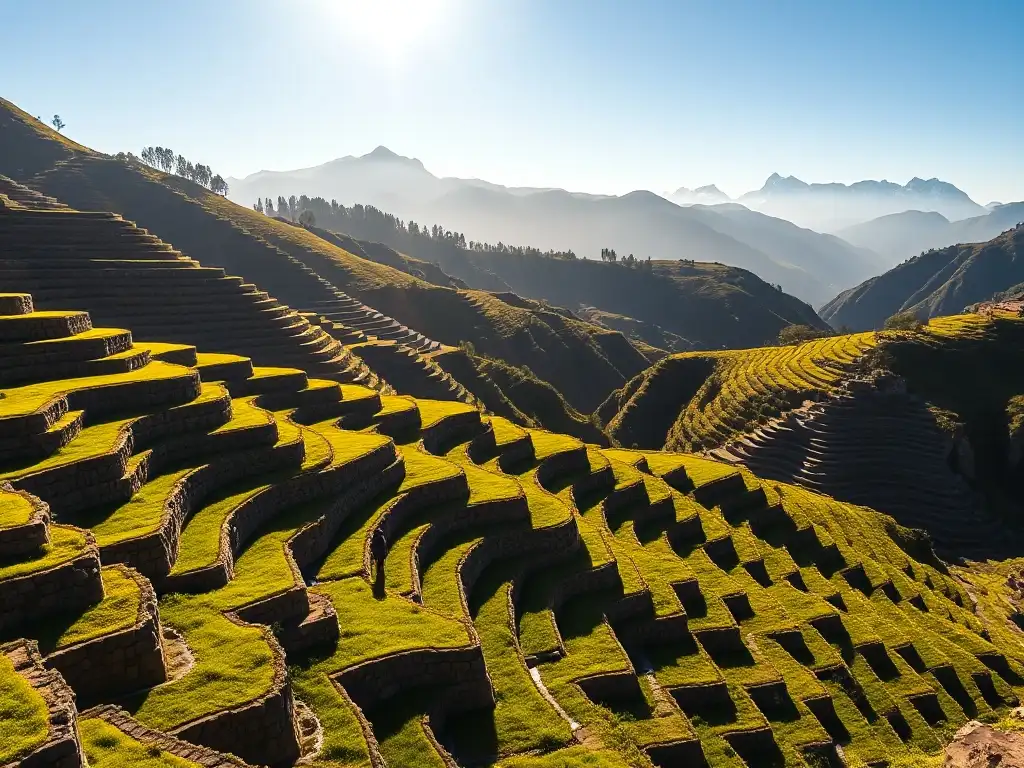
Step into a world lost to time, yet echoing with ingenuity. For centuries, the Andes Mountains held secrets whispered on the wind – secrets of civilizations that dared to defy the impossible. Prepare to be amazed by the remarkable engineering behind the Inca irrigation systems design, a testament to their mastery of nature and a crucial element in their empire's enduring success. Discover how these intricate networks transformed harsh landscapes into thriving agricultural powerhouses, and unravel the mysteries behind this astounding feat of ancient technology. Dive in and explore the wonders that await!
The Inca Empire, renowned for its sophisticated social structures and architectural prowess, also possessed an unparalleled understanding of agricultural engineering. Their mastery of irrigation systems, particularly in the challenging Andean terrain, stands as a testament to their ingenuity and resourcefulness.
This article delves into the design and impact of Inca irrigation systems, exploring the techniques they employed to cultivate fertile lands in some of the most geographically demanding environments on Earth. We'll examine the innovative solutions they developed to overcome steep slopes, arid climates, and unpredictable water sources, highlighting the remarkable efficiency and sustainability of their approach.
Understanding the intricacies of Inca irrigation systems provides crucial insights into their agricultural success, societal organization, and lasting legacy, making it a fascinating area of study for anyone interested in "Inca irrigation systems design". This exploration will showcase the ingenuity of their agricultural practices and their profound impact on the empire's prosperity and longevity.
The Ingenuity of Inca Agricultural Practices
The Inca's success wasn't solely reliant on their impressive infrastructure; it stemmed from a deep understanding of Andean agricultural principles. Their farming techniques were intricately interwoven with their sophisticated irrigation systems. They recognized the importance of terracing, creating flat platforms on steep slopes to maximize arable land and minimize soil erosion. These terraces weren't just haphazardly placed; they were carefully constructed, often with retaining walls made of stone, meticulously fitted together to withstand the pressures of the land.
This careful planning minimized water runoff and allowed for efficient water distribution across the terraced fields. Furthermore, the Incas employed a variety of crops adapted to different altitudes and microclimates, ensuring a diverse and resilient food supply. This integrated approach to agriculture, combining sophisticated irrigation with thoughtful land management, enabled them to feed a vast population in a challenging environment.
Canals, Aqueducts, and Water Management: The Heart of the System
The Inca irrigation systems were a complex network of canals, aqueducts, and reservoirs, skillfully designed to transport water from sources high in the Andes to lower-lying agricultural lands. These weren't simple ditches; they involved sophisticated engineering feats, including diverting rivers, tunneling through mountains, and constructing intricate systems of channels and reservoirs to store and regulate water flow. The canals were often lined with stone or plastered to prevent leakage and erosion, demonstrating a remarkable understanding of hydraulic engineering.
The design incorporated features such as strategically placed spillways and check dams to control water flow and prevent flooding. Evidence suggests that they also understood the importance of water filtration and employed techniques to ensure the quality of the water reaching their fields. The scale and complexity of these systems are particularly impressive considering the tools and technology available to them.
Sustainable Practices and Environmental Impact: A Legacy of Ingenuity
The Inca irrigation systems weren't simply about maximizing agricultural output; they were designed with sustainability in mind. The careful management of water resources, combined with terracing and crop diversification, minimized environmental damage and ensured the long-term viability of their agricultural practices. Their system demonstrated a deep respect for the environment and a sophisticated understanding of the delicate balance between human activity and ecological sustainability. This sustainable approach is especially relevant today, as we grapple with issues of water scarcity and environmental degradation.
The Inca's legacy serves as a powerful reminder of the importance of responsible resource management and the potential for innovative solutions to address modern challenges. The impact of their designs continues to influence modern agricultural practices in the region. [Further research is needed to quantify the precise long-term environmental impacts].
Case Studies: Examples of Inca Irrigation Mastery
Several specific examples illustrate the remarkable ingenuity of Inca irrigation systems. The complex network around Cusco, for instance, demonstrates their ability to manage water across varied terrains and altitudes. [Specific details of canal lengths, water flow rates and the number of terraces in a specific Cusco example are pending]. Similarly, the intricate systems found in other regions of the empire, such as the coastal valleys or the high-altitude plains, showcase their adaptability and mastery of diverse environments.
These case studies highlight the ingenuity and skill of the Inca engineers and provide valuable insights into the design principles and construction techniques they employed. Analyzing these systems reveals the depth of their understanding of hydrology, engineering, and sustainable resource management. [Additional case studies from various regions of the Inca Empire are needed to provide a more comprehensive overview].
- The Ingenuity of Inca Agricultural Practices
- Canals, Aqueducts, and Water Management: The Heart of the System
- Sustainable Practices and Environmental Impact: A Legacy of Ingenuity
- Case Studies: Examples of Inca Irrigation Mastery
- How did the Inca civilization manage to create such effective irrigation systems in challenging terrain?
- What materials were primarily used in the construction of Inca irrigation systems?
- What was the purpose of the Inca's advanced irrigation techniques?
- Were Inca irrigation systems solely for agriculture, or did they serve other purposes?
- How did the design of Inca irrigation systems contribute to their success?
Understanding Inca Irrigation System Design

The Inca Empire, renowned for its sophisticated social structures and impressive architectural feats, also possessed a remarkably advanced understanding of water management. Their ingenuity in designing and implementing irrigation systems is a testament to their engineering prowess and crucial to understanding their agricultural success in a challenging Andean environment. The phrase "Inca irrigation systems design" itself encapsulates the meticulous planning and execution involved in creating these vital lifelines.
This section delves into the key aspects of this design, revealing the intricate balance of practicality, sustainability, and cultural significance that characterized their approach. The effectiveness of their irrigation systems wasn't merely a matter of technical skill; it was deeply intertwined with their worldview and social organization.
The Importance of Water Management in the Inca Empire
Water, a precious and often scarce resource in the Andes, was central to Inca life. Their survival, economic prosperity, and social stability were directly dependent on efficient water management. The Inca Empire's sophisticated agricultural practices, supporting a large and densely populated urban centers, relied heavily on carefully planned and constructed irrigation networks.
These weren't simply canals; they were integral components of a complex socio-economic system. The allocation of water, maintenance of the systems, and conflict resolution related to water rights were all carefully managed by the state, reflecting the Empire's centralized authority and its commitment to ensuring the well-being of its citizens.
Failure to manage water effectively could lead to crop failure, famine, and social unrest, highlighting the critical role that water management played in the Empire's stability. Detailed records, although often fragmented, suggest a highly organized approach involving specialized personnel responsible for the construction, maintenance, and regulation of water resources, underscoring the importance placed on this vital aspect of Inca life.
Fundamental Principles of Inca Water Engineering
Inca irrigation systems design was guided by several key principles. First, the systems were remarkably adaptable to the diverse topography of the Andes. They utilized a variety of techniques, including canals carved into hillsides, terraced fields, and ingenious methods for diverting and distributing water across varied landscapes. This adaptability is evident in the diverse range of irrigation systems found across the Empire, each tailored to the specific challenges of its location. Second, sustainability was paramount.
Inca engineers implemented methods to minimize water loss through evaporation and seepage, employing techniques such as lining canals with clay and stone. They also incorporated reservoirs and storage systems to manage seasonal variations in water availability, ensuring a consistent supply throughout the year. Third, the design reflected a deep understanding of hydrological principles. Inca engineers carefully studied the flow of water, meticulously planning the routes of canals to maximize efficiency and minimize erosion.
Their ability to predict and manage water flow was crucial to the success of their irrigation systems. Consider the intricate network of canals around Cusco, for instance – a testament to their mastery of water engineering and its importance within Inca society. These weren't simply functional systems; they were a manifestation of Inca ingenuity and a reflection of their profound connection to the environment. The precision and scale of these projects are still impressive by modern standards, demonstrating a sophisticated knowledge of hydraulics and a commitment to long-term sustainability.
Key Components of Inca Irrigation Networks
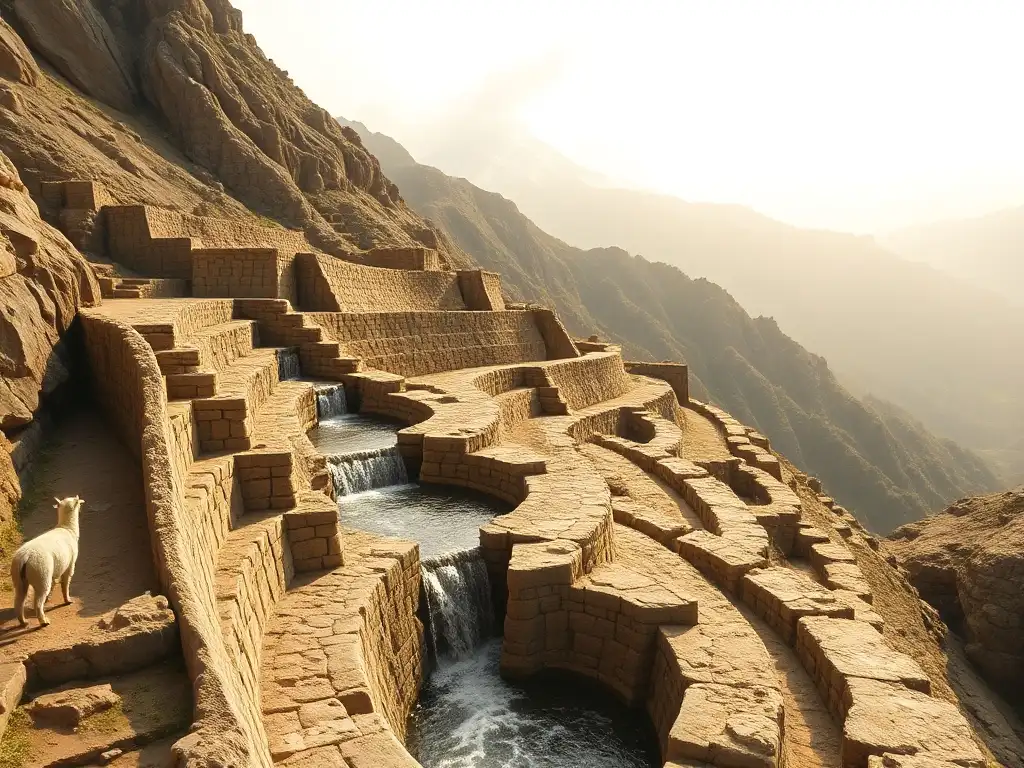
The ingenuity of Inca irrigation systems design is evident in the intricate network of components working in harmony to provide a reliable water supply for agriculture in a challenging Andean environment. This sophisticated system wasn't merely a collection of ditches; it was a carefully planned and executed infrastructure project reflecting a deep understanding of hydrology and engineering principles. The success of Inca agriculture, which sustained a large population and powerful empire, was directly linked to the effectiveness of these remarkable water management systems. Understanding the key components allows us to appreciate the true scale of this achievement.
Terraces (Andenes): Maximizing Arable Land
Inca agricultural success was significantly boosted by their mastery of terrace construction. These weren't simply flat platforms carved into hillsides; they were precisely engineered structures designed to maximize arable land in steep, mountainous terrain. The andenes, as they are known in Quechua, were built using a sophisticated understanding of soil composition, drainage, and sun exposure.
Several factors contributed to the efficiency of andene design. First, the terraces themselves were built with retaining walls, often constructed from stone, which prevented soil erosion and provided stability on slopes. The walls were carefully built, often incorporating sophisticated techniques like dry-stone masonry, ensuring durability and minimizing water leakage. Second, the terraces were typically oriented to maximize sunlight exposure, crucial for optimal crop growth in the high altitudes of the Andes.
This careful positioning ensured even heating and reduced frost damage. Third, intricate drainage systems were incorporated into the andene design, preventing waterlogging and ensuring healthy soil conditions. This involved carefully graded surfaces and strategically placed channels to divert excess water.
The precise slope and positioning of each terrace was crucial for efficient water management, a testament to the Inca's understanding of hydraulic engineering. Evidence suggests that different terrace designs were used depending on the specific slope and soil type, reflecting a highly adaptable approach to agricultural engineering. Studies of remaining andenes reveal variations in size, slope, and material use, highlighting the adaptability of the Inca irrigation systems design.
Canals and Aqueducts: Transporting Water Efficiently
Beyond the terraces, the Inca irrigation systems design relied heavily on a network of canals and aqueducts to transport water from sources to agricultural fields. These weren't simply open ditches; they were carefully engineered structures designed to minimize water loss and ensure efficient delivery. The construction involved diverting water from rivers, springs, and glacial meltwater, often over considerable distances and across challenging terrain.
The construction of these canals and aqueducts involved significant engineering feats. The Incas used a variety of techniques, including the use of stone channels, carefully graded slopes, and siphons to navigate obstacles like valleys and hills. The slopes were meticulously calculated to ensure a consistent flow of water without excessive speed that could cause erosion. To transport water across valleys, they used ingenious techniques, sometimes creating inverted siphons using carefully sealed stone pipes.
The use of stone was not only for durability but also for its ability to regulate water temperature, preventing excessive evaporation. The precision of the canal construction is remarkable, with some canals remaining functional even today, a testament to the Incas' skill and foresight. Detailed analysis of these canals reveals a sophisticated understanding of hydraulic principles, including the concepts of flow rate, pressure, and gradient.
Reservoirs and Dams: Storing Water for Dry Seasons
To mitigate the impact of seasonal variations in water availability, the Inca irrigation systems design incorporated reservoirs and dams. These structures played a vital role in ensuring a consistent water supply throughout the year, especially during the dry seasons when water scarcity could significantly impact crop yields. These weren't simple earthen dams; they were carefully constructed structures designed to withstand the pressure of large volumes of water.
The Incas constructed reservoirs of varying sizes, ranging from small ponds to large basins capable of storing significant quantities of water. The location of these reservoirs was strategically chosen to maximize water storage capacity and minimize water loss through evaporation. The construction of dams involved techniques similar to those used in canal construction, often utilizing stone and other locally available materials.
The dams were designed to withstand the force of water and prevent leaks, showcasing a remarkable understanding of structural engineering. Evidence suggests that some reservoirs were linked to canals, allowing for regulated water release into irrigation systems. The ability to store water during wet seasons and release it during dry seasons was crucial for maintaining consistent agricultural production throughout the year.
The construction and maintenance of these reservoirs and dams were significant undertakings, requiring substantial labor and organizational skills, reflecting the importance of water management within Inca society. The longevity of some of these structures is a testament to the quality of Inca engineering and the importance they placed on long-term water security.
Diversion Structures: Controlling Water Flow
Inca irrigation systems weren't simply canals; they were sophisticated networks requiring precise control of water flow. This control was largely achieved through a series of ingenious diversion structures. These weren't just simple dams or weirs; they were carefully designed to manage the often unpredictable Andean water sources, adapting to seasonal variations and ensuring a consistent supply for agriculture. The Incas mastered the art of diverting water from rivers and streams, channeling it across diverse terrains with remarkable efficiency. Their understanding of hydraulic principles allowed them to create structures that could withstand the forces of rushing water and sediment buildup, ensuring the longevity of their irrigation systems.
These structures were often built from locally sourced stone, meticulously fitted together without mortar, a testament to their advanced stoneworking techniques. The precision of the construction ensured minimal leakage and maximized the effectiveness of the water distribution. The design of these diversion structures varied depending on the specific location and the characteristics of the water source. Some involved simple channels carved into rock faces, while others incorporated more complex systems of weirs, canals, and spillways to regulate the flow. The ingenuity of these structures is evident in their ability to not only divert water but also to filter out debris and sediment, protecting the delicate canals downstream.
Careful observation of the landscape and a deep understanding of water behavior were key to the success of Inca irrigation engineering. The long-term sustainability of these systems highlights the Incas' profound understanding of both engineering principles and environmental stewardship. Their mastery of water management is a crucial factor in understanding the success of Inca agriculture and the overall prosperity of their empire. The careful planning and execution involved in creating these diversion structures are a testament to the sophisticated engineering capabilities of the Inca civilization. The study of these structures continues to inspire modern water management strategies, demonstrating the timeless relevance of Inca ingenuity.
Advanced Techniques in Inca Irrigation
The Inca Empire's mastery of Inca irrigation systems design is a testament to their sophisticated engineering skills and deep understanding of their environment. Their agricultural prowess, particularly their irrigation systems, allowed them to thrive in the challenging Andean terrain, supporting a large and complex society. This section will delve into the specific techniques that allowed the Inca to create such remarkably effective and enduring water management systems.
Their success wasn't just about moving water; it was about meticulously controlling its flow, distribution, and impact on the landscape. This involved a sophisticated understanding of hydrology, geology, and materials science, all applied with incredible precision. Let's explore some of the key elements of their innovative approach.
Gravity-Fed Irrigation Systems
The foundation of Inca irrigation was the ingenious use of gravity. Instead of relying on energy-intensive methods like water wheels or pumps (which were largely unknown or impractical in the Andean context), the Inca cleverly harnessed the natural slope of the terrain. Water sources, often located high in the mountains, were channeled downhill via a network of carefully constructed canals. This gravity-fed system minimized the need for external energy input, making it both efficient and sustainable.
The construction of these canals was far from rudimentary. They weren't simply dug trenches; they were carefully engineered structures, often lined with stone or compacted earth to minimize water loss through seepage. The gradients were meticulously calculated to ensure a consistent, controlled flow of water, avoiding both excessive speed (which could cause erosion) and sluggish movement (which could lead to stagnation and contamination).
Consider the scale of these projects: some canals extended for tens of kilometers, traversing diverse landscapes and overcoming significant elevation changes. The precision and planning required for such undertakings are truly astonishing, highlighting the advanced understanding of hydraulics possessed by Inca engineers. The design often incorporated strategically placed reservoirs and spillways to manage water flow during periods of heavy rainfall, preventing damage to the canals and ensuring a reliable water supply even during floods. This proactive approach to water management is a key element of their impressive engineering legacy.
Stone Masonry Construction for Durability
The longevity of Inca irrigation systems is a striking testament to their robust construction. A key element of this durability was the use of expertly crafted stone masonry. Inca masons were renowned for their precise work, fitting stones together with minimal mortar, creating incredibly strong and watertight structures. This technique, often referred to as ashlar masonry, involved carefully shaping and fitting stones to create interlocking joints, minimizing the need for binding agents. The precision of their work is evident in the many surviving sections of Inca canals and aqueducts, some of which are still in use today.
This wasn't just about aesthetics; the choice of materials and construction techniques was crucial for the functionality and longevity of the system. The stones used were carefully selected for their durability and resistance to weathering, ensuring that the canals could withstand the harsh Andean climate for centuries. The use of ashlar masonry not only provided strength and watertightness but also minimized maintenance requirements. This efficient approach reduced the long-term costs associated with upkeep, making the irrigation systems even more sustainable. The Inca's mastery of stonework is directly linked to the success and enduring nature of their irrigation systems.
Water Distribution and Regulation Methods
The efficient distribution and regulation of water were crucial aspects of Inca irrigation systems. The network of canals wasn't simply a single, continuous flow; it was a complex system with numerous branches, diversions, and control structures. These structures allowed farmers to regulate the amount of water delivered to their fields, adapting to varying needs and conditions.
One common method involved the use of acequias, smaller canals that branched off from the main channels. These acequias could be individually controlled using simple gates or weirs, allowing farmers to adjust water flow based on crop requirements and seasonal variations. This ensured equitable distribution of water among different agricultural plots, preventing conflicts and promoting cooperation among communities.
Furthermore, the Inca incorporated sophisticated techniques to measure water flow, ensuring a fair and efficient distribution. While the exact methods used remain partially unknown, archeological evidence suggests the use of standardized channels and flow control structures that allowed for precise water allocation. This sophisticated approach to water management reflects a deep understanding of community needs and resource allocation.
The Inca irrigation system wasn't just a feat of engineering; it was a cornerstone of their social and economic organization. The system’s success hinged on a sophisticated understanding of water distribution, regulation, and community cooperation.
Adapting to Diverse Topographies
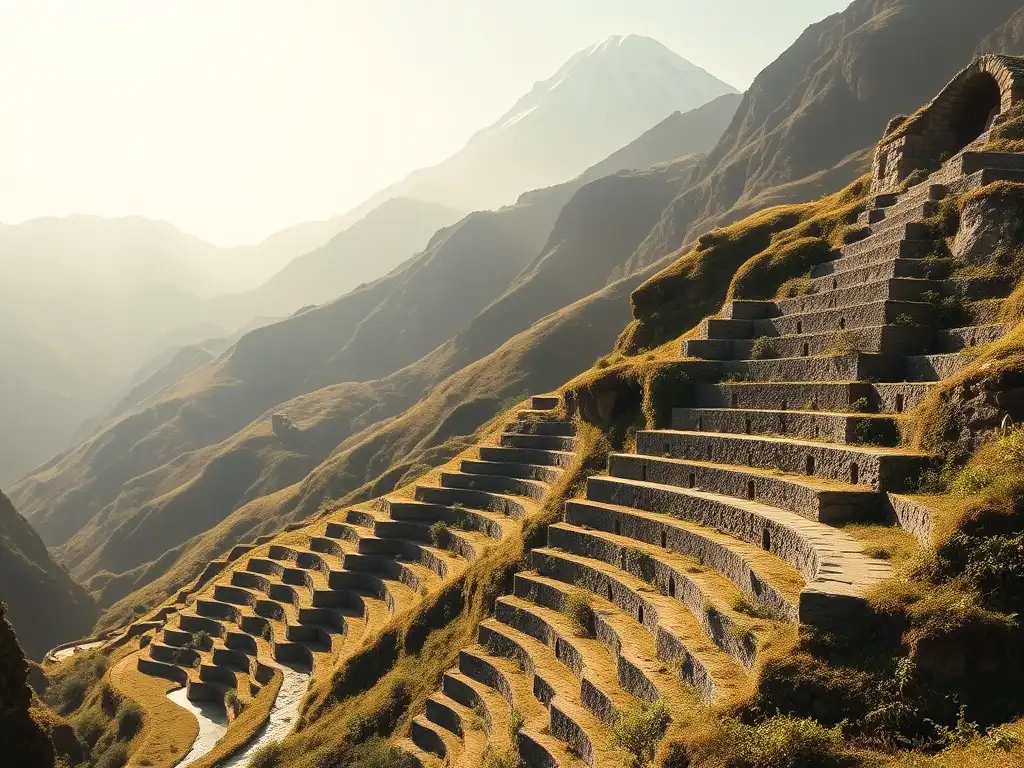
The Inca Empire's mastery of irrigation wasn't limited to flat plains; their ingenuity shone brightest when tackling the Andes' challenging topography. The sheer diversity of the landscape – steep slopes, narrow valleys, and high-altitude plateaus – demanded highly adaptable irrigation solutions. Instead of a one-size-fits-all approach, Inca engineers tailored their systems to the specific conditions of each location. This involved a deep understanding of water flow, soil composition, and microclimates. For instance, on steep slopes, they employed intricate terracing systems, creating level platforms for cultivation and channeling water efficiently along the contours.
These terraces, often supported by carefully constructed retaining walls, prevented soil erosion and maximized water retention. In narrow valleys, they utilized a combination of canals and aqueducts, skillfully navigating obstacles like cliffs and ravines. The construction of these aqueducts, sometimes carved directly into rock faces, demonstrates an impressive understanding of hydraulic engineering and an unwavering commitment to precision. High-altitude regions presented unique challenges due to freezing temperatures and limited water availability.
Here, Inca engineers often relied on underground channels or qanats—a sophisticated system of subterranean tunnels that transported water from higher elevations to lower fields, minimizing water loss through evaporation. The design and construction of these diverse systems reflect a remarkable ability to adapt to the unique challenges presented by the Andean environment, showcasing the Inca's deep understanding of both engineering and environmental factors. This adaptability is a key element in understanding the success and longevity of their agricultural practices. The Inca irrigation systems design was not static; it was a dynamic response to the complex and varied terrain of the Andes Mountains.
Utilizing Gravity and Water Pressure
Inca irrigation systems were not simply canals; they were sophisticated hydraulic networks that expertly harnessed the power of gravity and water pressure. The engineers meticulously surveyed the terrain to identify the optimal routes for water channels, ensuring a consistent downward flow. This careful planning minimized the need for pumps or other mechanical devices, relying instead on the natural force of gravity to move water across vast distances. The gradient of the canals was carefully calculated to ensure a steady, controlled flow, preventing both erosion and stagnation.
In areas with steeper slopes, they implemented ingenious techniques to regulate water pressure, such as using strategically placed spillways and check dams. These structures not only controlled the water's flow but also prevented damage to the canals and surrounding land. Moreover, the Inca often incorporated pressure-release mechanisms into their systems to prevent damage from sudden surges or floods. These mechanisms, often integrated into the canal design itself, were crucial in ensuring the long-term stability and effectiveness of the irrigation networks.
The use of gravity and pressure control was not just a matter of efficiency; it was a testament to their sophisticated understanding of hydraulic principles. The precise calculations and careful construction involved in these systems highlight the advanced engineering capabilities of the Inca civilization. Their approach is a prime example of sustainable engineering, minimizing energy consumption while maximizing water utilization.
Integrating Canals and Aqueducts
The Inca’s irrigation systems were not just a series of individual canals; they were integrated networks that often combined surface canals with elevated aqueducts. This integrated approach allowed them to overcome significant topographical obstacles, such as deep ravines and steep slopes. Surface canals were primarily used for conveying water across relatively flat terrain, while aqueducts were employed to carry water across valleys or over obstacles. These aqueducts were often constructed from stone, carefully fitted together to create robust and watertight channels.
The construction of these aqueducts required advanced engineering skills, including precise stone cutting and fitting, and a deep understanding of structural mechanics. The Inca also developed sophisticated techniques for sealing the aqueducts to prevent water leakage. This included using mortar made from local materials and employing techniques to ensure a tight fit between the stones.
The integration of canals and aqueducts demonstrates the Inca's capacity for large-scale engineering projects and their ability to adapt their techniques to diverse geographical conditions. The combination of these two methods allowed them to create efficient and resilient irrigation networks that served their agricultural needs effectively. The scale and complexity of these integrated systems are a testament to their sophisticated planning and execution.
Case Studies of Remarkable Inca Irrigation Projects
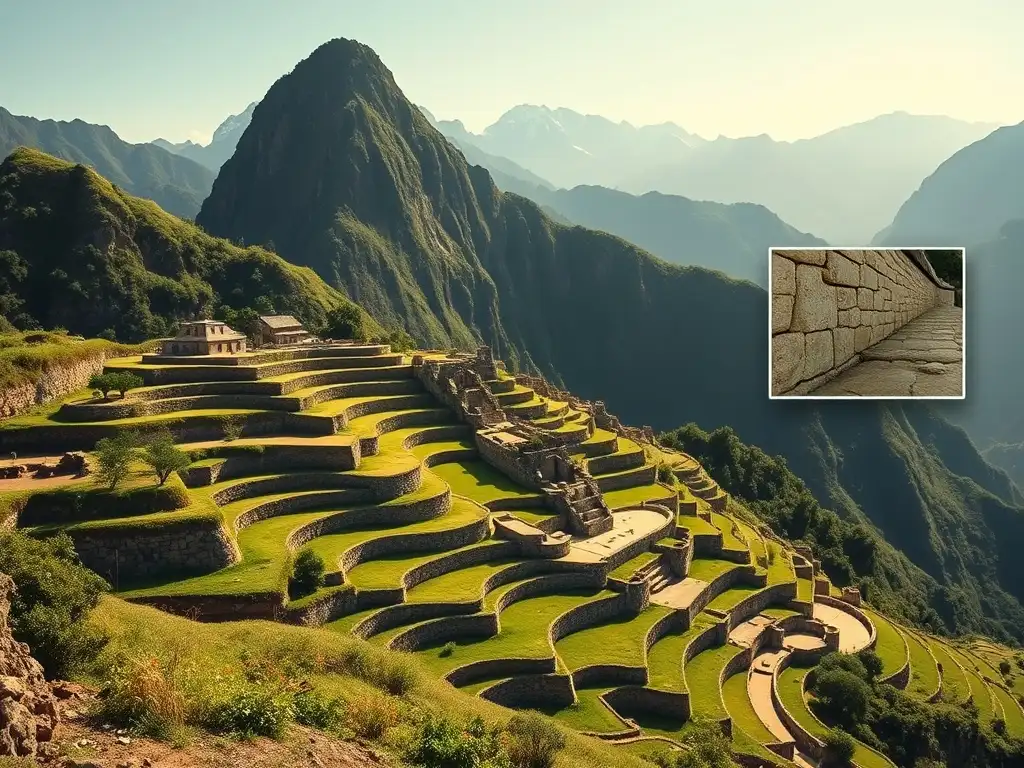
This section delves into specific examples of Inca irrigation systems, showcasing the ingenuity and sophistication of their engineering prowess. We will analyze three notable projects – Tipón, Moray, and Ollantaytambo – to illustrate the diverse approaches employed by Inca engineers to overcome the challenges of the Andean terrain and maximize agricultural output. Understanding the design principles behind these systems provides valuable insight into the Inca's advanced understanding of hydrology and their commitment to sustainable agricultural practices. The detailed analysis of these "Inca irrigation systems design" will illuminate the complexity and efficiency of their water management techniques.
Tipón: A Detailed Analysis
The Tipón irrigation system, located near Cusco, Peru, is a breathtaking testament to Inca engineering. Its design incorporates a series of interconnected canals, terraces, and reservoirs, all meticulously carved into the steep hillside. The system's complexity is astonishing; water is channeled from a high-altitude spring, cascading down through a network of carefully graded channels. These channels are not simply dug; they are precisely cut stone structures, demonstrating a high level of precision and craftsmanship. The system's efficiency is remarkable, with water distributed evenly across a series of agricultural terraces, allowing for optimal crop cultivation even on the steep slopes.
The use of strategically placed reservoirs is a key feature of the Tipón design. These reservoirs not only store water during periods of high rainfall but also act as settling basins, removing sediment and ensuring a clean water supply for the crops. Furthermore, the system’s design incorporates spillways to prevent overflow and erosion, showcasing a sophisticated understanding of hydraulic engineering. Analysis suggests the system was capable of irrigating a significant area, supporting a substantial population.
The intricate network of channels and reservoirs demonstrates a deep understanding of water flow dynamics and a commitment to sustainable resource management. The Tipón system is more than just an irrigation system; it's a testament to the Inca's ability to seamlessly integrate their infrastructure into the natural landscape. Archaeological evidence suggests that the system was in use for centuries, highlighting its resilience and effectiveness.
Moray: Another Case Study
Moray, located near Maras, presents a unique example of Inca agricultural ingenuity. Unlike Tipón, which utilizes a linear canal system, Moray features a series of concentric circular terraces that descend into a bowl-shaped depression. These terraces exhibit a remarkable microclimatic variation, with temperatures differing significantly between the upper and lower levels. This variation, combined with the controlled water distribution system, allowed the Inca to cultivate a wide variety of crops, even those requiring different temperature and humidity levels. The system's design showcases a sophisticated understanding of agronomy and environmental adaptation.
The precise function of Moray remains a topic of ongoing research and debate. However, evidence suggests that it was more than just an agricultural experiment; it may have also served as a center for agricultural training and research. The meticulous design and the wide range of crops cultivated at Moray strongly suggest that the Inca were actively experimenting with different agricultural techniques and adapting their methods to the unique environmental conditions of the region.
This experimental approach further highlights the sophistication of their agricultural practices and their commitment to innovation in the field of Inca irrigation systems design. The system's layout, with its concentric circles and carefully controlled water flow, points to a deep understanding of both hydrology and agricultural science.
Ollantaytambo: Highlighting Unique Features
Ollantaytambo, a significant Inca archaeological site, boasts an impressive irrigation system integrated into its urban planning. Unlike the more isolated systems at Tipón and Moray, Ollantaytambo's irrigation channels are intricately woven into the city's fabric, supplying water to both agricultural terraces and residential areas. This demonstrates a holistic approach to water management, integrating agricultural and domestic needs within a single, comprehensive system.
The Ollantaytambo system is characterized by its use of aqueducts and canals built along the steep slopes of the Urubamba Valley. These structures are remarkably well-preserved, showcasing the durability and precision of Inca stonework. The system’s design incorporates features such as strategically placed check dams and spillways to control water flow and prevent erosion.
The integration of the irrigation system into the urban landscape is a testament to the Inca's sophisticated understanding of urban planning and their commitment to sustainable resource management. The system's longevity and effectiveness further reinforce the sophisticated nature of Inca irrigation systems design and their ability to create resilient and adaptable infrastructure. The meticulous construction and integration of this system within the city clearly demonstrate the Inca’s advanced knowledge of engineering and urban planning, further solidifying their place as masters of resource management in the Andes.
The Legacy of Inca Water Management

The Inca Empire, renowned for its sophisticated social structures and impressive architectural feats, also possessed a remarkable understanding of hydraulic engineering. Their mastery of water management, particularly their intricate irrigation systems, allowed them to cultivate diverse crops across varied and challenging terrains, ensuring food security for a vast population. This sophisticated approach to water resource management wasn't merely a technological achievement; it was intrinsically linked to their worldview, religious beliefs, and social organization.
The Inca's respect for water is evident not only in their engineering prowess but also in their mythology and agricultural practices. Water was considered sacred, a life-giving force deserving of reverence and careful stewardship. This deep-seated respect directly influenced the meticulous design and maintenance of their irrigation systems, ensuring their long-term sustainability.
The Inca irrigation systems design itself reflected a deep understanding of hydrology, topography, and the needs of their agricultural system. Understanding this legacy is crucial to appreciating the full scope of Inca ingenuity and its lasting impact.
Inca Irrigation Systems and Their Modern Relevance
Inca irrigation systems, while impressive in their scale and sophistication for their time, offer valuable lessons for contemporary water management strategies. Many of the principles employed by Inca engineers—such as terracing, water diversion, and the construction of canals and aqueducts—remain relevant today in addressing modern challenges such as water scarcity and sustainable agriculture. For instance, the Inca's use of canals and aqueducts to transport water across long distances and varied elevations provides a model for efficient water distribution in arid and mountainous regions.
Their sophisticated understanding of water flow and the careful selection of materials for their infrastructure ensured minimal water loss during transportation. Furthermore, the Inca's emphasis on terracing not only increased arable land but also reduced soil erosion and improved water retention, techniques that are now widely adopted in sustainable agricultural practices globally. Modern engineers are studying Inca irrigation techniques to develop more efficient and sustainable irrigation methods, particularly in regions facing water stress.
The detailed analysis of their techniques, including the precise angles of their canals and the strategic placement of their reservoirs, can provide valuable insights for optimizing water usage in contemporary agricultural settings. The Inca's ingenuity continues to inspire innovative solutions to modern water management challenges. This ongoing research demonstrates the continuing relevance of Inca irrigation systems design in the 21st century.
Lessons Learned from Inca Engineering Achievements
The Inca's success in water management wasn't solely due to technological innovation; it also stemmed from a strong social organization and community involvement. Construction and maintenance of the irrigation systems were collective endeavors, requiring coordinated effort across different communities. This collaborative approach ensured the long-term sustainability of the infrastructure and fostered a sense of shared responsibility for water resources.
Furthermore, the Inca’s deep understanding of their environment, including local climate patterns and soil types, allowed them to tailor their irrigation systems to specific needs. They understood the importance of water conservation and developed techniques to minimize water waste, a lesson that is particularly relevant in today's world. Their expertise in canal construction involved careful selection of routes, minimizing gradients to prevent erosion and maximizing water flow efficiency.
They also integrated their systems with existing natural water sources, demonstrating a remarkable understanding of hydrological processes. Analyzing these aspects reveals not only advanced engineering but also a profound connection between society, environment, and sustainable resource management. The Inca experience highlights the importance of integrating social, environmental, and technological factors for achieving successful and sustainable water management.
Preserving Inca Irrigation Technology for Future Generations
Preserving the remaining Inca irrigation systems is crucial for both historical and practical reasons. These sites serve as valuable testaments to Inca engineering prowess and provide tangible links to the past. Their preservation ensures that future generations can learn from these remarkable achievements and appreciate the ingenuity of the Inca civilization.
Furthermore, studying these systems can offer valuable insights for contemporary water management challenges, particularly in regions facing water scarcity. However, preservation efforts face significant challenges, including climate change, human encroachment, and lack of resources. Effective strategies for preserving these invaluable sites require a multi-pronged approach, involving collaboration between archaeologists, engineers, local communities, and governmental agencies.
This includes not only physical preservation but also the documentation and dissemination of knowledge about Inca irrigation techniques and their broader societal implications. Protecting these sites is paramount to understanding and addressing current water management issues and ensuring the legacy of Inca engineering continues to inspire future generations. The long-term survival of Inca irrigation systems design depends on a concerted and ongoing commitment to preservation.
Comparing Inca Irrigation with Other Ancient Systems
The ingenuity of Inca irrigation systems is undeniable, but understanding their significance requires comparing them to other advanced ancient irrigation projects. While civilizations across the globe independently developed sophisticated water management techniques, the Inca approach presented unique challenges and solutions. The scale and adaptability of Inca systems, particularly their ability to navigate the steep Andean terrain, set them apart from many other ancient irrigation projects.
Contrasting Inca Methods with Mesopotamian Approaches
Mesopotamia, the "land between two rivers," relied on a fundamentally different approach to irrigation. Their flat, fertile plains allowed for large-scale canal systems that channeled water from the Tigris and Euphrates rivers across vast agricultural areas. These canals, often monumental in scale, were relatively straightforward in their design. The focus was on gravity-fed flow, with minimal elevation changes required.
In contrast, the Inca faced the formidable challenge of the Andes Mountains, requiring innovative techniques to manage water across steep slopes and varied elevations. Instead of vast, straight canals, they employed a complex network of channels, aqueducts, and diversion systems, often utilizing sophisticated terracing to create level fields for cultivation. This required a deep understanding of topography and a mastery of stonework and hydraulic engineering that was unmatched in its context.
While Mesopotamian systems prioritized volume, Inca systems prioritized efficiency and adaptability to a challenging environment. The data on water usage per unit of land cultivated would reveal a significant difference, showcasing the superior efficiency of the Inca system in resource-scarce environments. [Specific data on water usage per cultivated unit for both systems pending].
Unique Aspects of Inca Water Engineering
Several features distinguish Inca irrigation systems from their counterparts. The use of suq'uyas, or underground channels, is a prime example. These subterranean conduits allowed for water transport across distances and through difficult terrain, minimizing water loss through evaporation, a crucial factor in the arid Andean climate.
Furthermore, the integration of andenes, or terraced fields, is inseparable from the overall system. Terracing not only increased arable land but also created level surfaces for optimal irrigation and reduced soil erosion. The precision of Inca stonework is also noteworthy; stones were meticulously fitted together to create watertight channels and aqueducts that could withstand the pressure of water flow and the wear and tear of time.
Their understanding of water flow and pressure was remarkably advanced, allowing them to construct systems that were both functional and durable. The construction of canals and aqueducts across varying elevations demonstrates their mastery of hydraulic engineering principles. This included the use of siphons and other techniques to overcome elevation changes, showcasing a sophisticated understanding of fluid dynamics.
The Efficiency and Sustainability of Inca Systems
The efficiency and sustainability of Inca irrigation systems are testament to their sophisticated design and engineering. The use of suq'uyas minimized water loss due to evaporation, a significant advantage in the high-altitude, arid environment of the Andes. The integration of andenes further enhanced efficiency by reducing soil erosion and providing level planting surfaces.
The durability of the systems, evident in the surviving remnants, points to a design that prioritized long-term functionality. Moreover, the decentralized nature of the water management, with communities responsible for maintaining their own systems, encouraged sustainable practices. The Inca system was not just a technological feat, but also a social and environmental one, demonstrating a deep understanding of the interconnectedness of water, agriculture, and community.
While detailed quantitative data on the long-term sustainability of these systems is still being gathered, archaeological evidence and ongoing research strongly suggest a remarkably sustainable approach to water resource management, far surpassing the impact of many contemporary irrigation systems. The Inca's integrated approach to water management, encompassing engineering, social organization, and environmental awareness, makes their systems a compelling case study in sustainable resource management.
Frequently Asked Questions
How did the Inca civilization manage to create such effective irrigation systems in challenging terrain?
The Inca utilized a sophisticated understanding of water flow and topography, employing a network of canals, channels, and aqueducts built with precision and ingenuity. They adapted their designs to the varied Andean landscape, demonstrating remarkable engineering skills.
What materials were primarily used in the construction of Inca irrigation systems?
Inca irrigation systems were primarily constructed using stone, clay, and earth. They expertly integrated these materials with the natural landscape, creating durable and effective water management systems.
What was the purpose of the Inca's advanced irrigation techniques?
The Inca's advanced irrigation techniques were crucial for agricultural productivity, allowing them to cultivate crops in diverse and challenging environments. This ensured food security for their large population and supported their thriving civilization.
Were Inca irrigation systems solely for agriculture, or did they serve other purposes?
While primarily used for agriculture, Inca irrigation systems also contributed to urban water supply and potentially played a role in religious practices and ceremonial activities.
How did the design of Inca irrigation systems contribute to their success?
The success of Inca irrigation systems stemmed from their integrated design, combining terracing, canals, and reservoirs to efficiently manage water resources. This allowed them to cultivate crops across varied altitudes and terrains with optimal water distribution.
Final Reflection: The Enduring Legacy of Inca Ingenuity
The ingenious Inca irrigation systems, a testament to human adaptability and resourcefulness, remain a powerful example of sustainable engineering even in our modern era of advanced technology. Their ability to coax life from the harsh Andean terrain continues to inspire awe and serves as a potent reminder of the importance of understanding and respecting our environment. The challenges faced by the Inca engineers, and their innovative solutions, offer invaluable lessons for contemporary projects facing similar constraints.
The impact of the Inca's mastery of water management extends far beyond the impressive scale of their aqueducts and canals. Their understanding of hydrology, their meticulous planning, and their community-focused approach to resource allocation offer a compelling counterpoint to modern, often unsustainable, practices. The Inca civilization demonstrated that a deep understanding of nature, coupled with collaborative effort, could yield remarkable results, even in the face of seemingly insurmountable obstacles.
This quote encapsulates the enduring relevance of their achievements, highlighting the importance of integrating ecological awareness into our own engineering endeavors.
Consider the ingenuity of the Inca's approach – their solutions weren't merely technological feats, but also expressions of a deep-seated respect for the land and its resources. You, the reader, are now equipped with a deeper understanding of these remarkable systems. Let this knowledge inspire you to seek innovative, sustainable solutions in your own life, whether it's in your profession, your community, or simply in your daily choices. Embrace the spirit of Inca ingenuity – let it fuel your creativity and commitment to building a more sustainable and equitable future.
Uncover the Secrets of Inca Ingenuity!
Thank you for exploring the fascinating world of Inca irrigation systems! You've learned how these remarkable historical achievements overcame challenging terrains to support advanced agricultural practices. Now, let's put that knowledge to work and truly appreciate this incredible feat of engineering.
Here's what you can do next:
- **Explore water conservation methods** inspired by Inca techniques—consider installing a rainwater harvesting system at home!
- Share this article with friends and family; **ignite conversations** about sustainable agriculture and the ingenuity of ancient civilizations.
- Join an online community or forum focused on ancient engineering or sustainability to **connect with others and share your knowledge**.
What aspect of the Inca irrigation system most inspires you, and how can you apply similar innovative solutions in your own life?