
Taming the Wild: How the Inca Domesticated Andean Plants

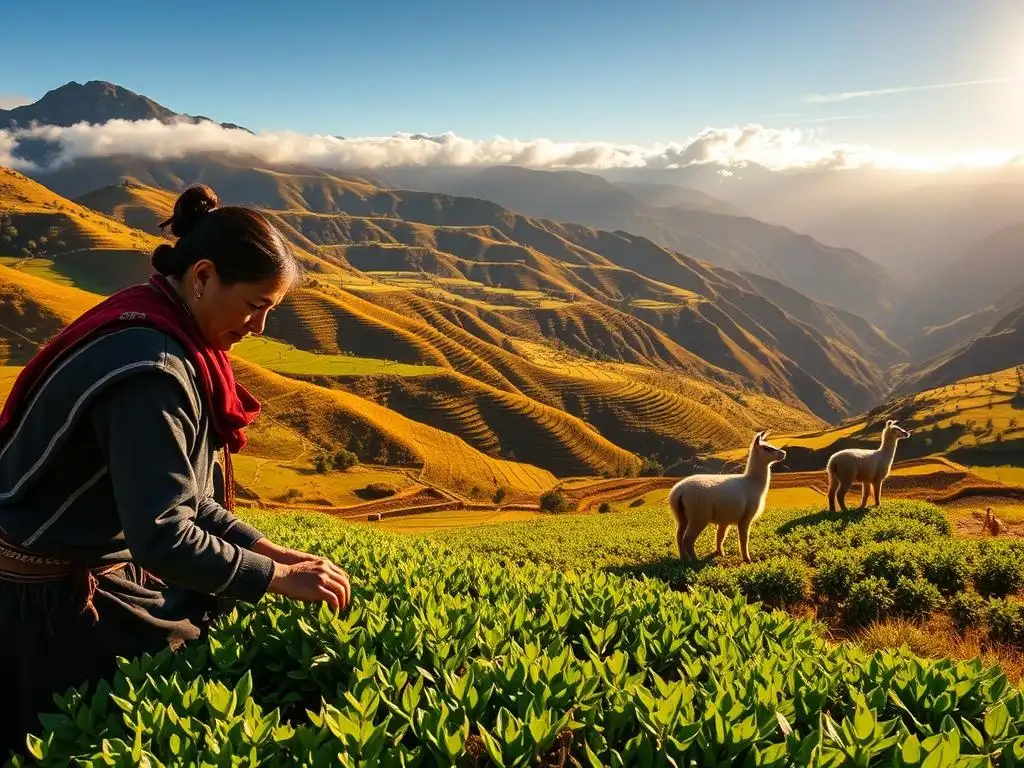
Unravel the mysteries of a lost world where ingenuity blossomed in the face of towering mountains and unforgiving landscapes. Journey with us into the heart of the Andean civilizations, a realm of breathtaking artistry, intricate societies, and astonishing advancements. But the story doesn't end with majestic cities and golden treasures; discover the secrets behind the Inca's mastery of their environment, a tale woven into the very fabric of their existence – Inca Andean plant domestication. Prepare to be amazed as we delve into the ingenious techniques that transformed the wild into sustenance, shaping the destiny of an empire.
The Inca Empire, renowned for its sophisticated engineering and intricate social structures, also possessed an unparalleled understanding of Andean agriculture. This mastery wasn't simply about cultivating crops; it was a complex system of domestication, adaptation, and resource management that allowed them to thrive in the diverse and challenging Andean environment. This article delves into the ingenious methods the Inca employed to tame the wild plants of the Andes, transforming them into staples of their thriving civilization.
We'll explore the specific techniques, the plants themselves, and the lasting impact of Inca agricultural innovation on the region, focusing on the key role of Inca Andean plant domestication in their success. Understanding this intricate relationship between the Inca and their environment is crucial to appreciating the full scope of their remarkable achievements.
The Inca's Ingenious Agricultural Techniques
The Inca weren't simply farmers; they were masterful engineers of the landscape. Their agricultural practices went far beyond basic planting and harvesting. They developed sophisticated techniques to overcome the challenges of the steep slopes, varying altitudes, and unpredictable weather patterns of the Andes. These techniques included:
- Terracing: The iconic terraced fields, carved into the mountainsides, are a testament to the Inca's ingenuity. These terraces created level planting surfaces, preventing soil erosion and maximizing water retention. The size and complexity of these terraces varied depending on the terrain and the specific crop being cultivated. Some terraces were small and relatively simple, while others formed massive, breathtaking landscapes.
- Waru Waru: This ancient agricultural technique involved creating raised beds surrounded by irrigation canals. This system improved drainage, regulated soil temperature, and provided better water management, especially crucial in the high-altitude, arid regions. The effectiveness of Waru Waru is still studied and implemented today in sustainable agriculture.
- Irrigation Systems: The Inca constructed elaborate irrigation systems to channel water from rivers and streams to their fields. These systems included canals, aqueducts, and reservoirs, demonstrating a sophisticated understanding of hydraulic engineering. The precise construction and maintenance of these systems were vital for crop production, particularly in drier areas.
- Crop Rotation and Fertilization: While specific details about Inca crop rotation practices are limited, evidence suggests they employed techniques to maintain soil fertility and prevent nutrient depletion. They likely utilized crop rotation and the addition of organic fertilizers, ensuring the long-term productivity of their agricultural lands. Further research is needed to fully understand the nuances of their fertilization methods.
Key Andean Plants Domesticated by the Inca
The Inca successfully domesticated a wide variety of plants crucial to their survival and sustenance. These included:
- Potatoes (Solanum tuberosum): The potato is arguably the most iconic Andean crop, and the Inca developed a vast array of potato varieties adapted to different altitudes and climates. Their cultivation techniques contributed significantly to the potato's diversity and its eventual global spread.
- Maize (Zea mays): Maize was a staple crop in the Inca diet, providing carbohydrates and essential nutrients. The Inca developed techniques to cultivate maize at high altitudes, pushing the boundaries of its cultivation range.
- Quinoa (Chenopodium quinoa): This highly nutritious grain was another staple food, particularly important in high-altitude regions where other crops struggled to grow. The Inca developed specific techniques for cultivating quinoa, ensuring a reliable food source.
- Tomatoes (Solanum lycopersicum): Various tomato species were cultivated by the Inca, contributing to the rich diversity of tomato varieties we see today. Their domestication of tomatoes was crucial for both culinary and nutritional purposes.
The Lasting Legacy of Inca Agricultural Innovation
The Inca's agricultural achievements were not merely a matter of survival; they laid the foundation for sustainable agricultural practices in the Andes. Their methods, refined over centuries, continue to influence farming practices in the region today. The ingenuity displayed in their terracing, irrigation systems, and crop management techniques serves as a remarkable example of human adaptation and a testament to their deep understanding of their environment.
The impact of Inca Andean plant domestication extends beyond the Andes, shaping global agriculture and contributing to the biodiversity of food crops worldwide. The study of Inca agricultural practices offers valuable lessons for modern sustainable agriculture, highlighting the importance of adapting to diverse environments and prioritizing long-term sustainability.
- The Inca's Ingenious Agricultural Techniques
- Key Andean Plants Domesticated by the Inca
- The Lasting Legacy of Inca Agricultural Innovation
- What role did plant domestication play in Inca civilization?
- Which plants were most important to Inca agriculture?
- How did Inca agricultural techniques differ from those of other Andean cultures?
- What evidence exists to support the claim of Inca plant domestication?
- What impact did Inca plant domestication have on the environment?
The Importance of Plant Domestication in the Inca Empire
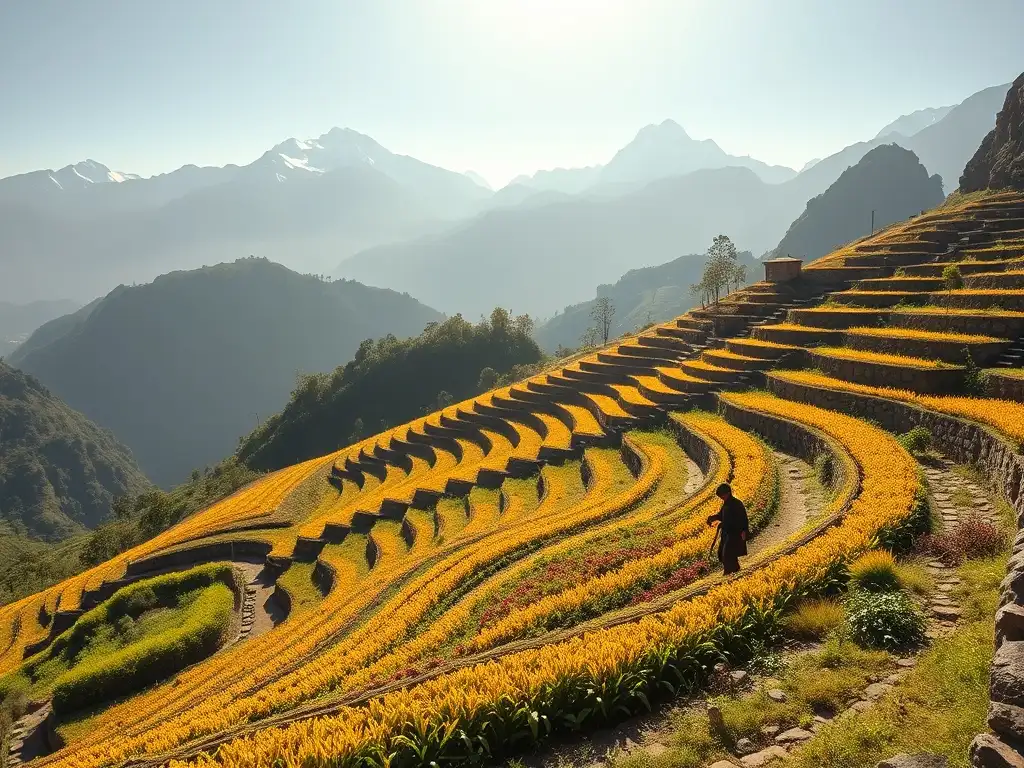
The Inca Empire's success hinged significantly on its mastery of agriculture, a feat largely achieved through the sophisticated domestication of Andean plants. This wasn't merely about subsistence; it was about control, power, and the very fabric of Inca society. Successful plant domestication allowed for population growth, the development of complex social structures, and the creation of a powerful, centralized state.
The Inca weren't just farmers; they were engineers of the landscape, meticulously adapting both plants and environments to meet their needs. Their achievements in plant domestication stand as a testament to their ingenuity and understanding of the delicate balance between human intervention and the natural world.
This advanced agricultural knowledge, combined with sophisticated irrigation systems and terrace farming techniques, allowed the Inca to thrive in a challenging environment, producing surpluses that fueled their expansion and sustained their empire. The impact of their agricultural innovations ripples through history, influencing subsequent Andean cultures and leaving an indelible mark on the region's biodiversity.
The Crucial Role of Agriculture in Inca Society
Agriculture formed the bedrock of Inca society, underpinning their economic, social, and political systems. The Inca state controlled agricultural production, utilizing a complex system of labor organization, resource allocation, and redistribution of surpluses. This system, known as mit'a, ensured that sufficient food was available to support the vast population, the army, and the religious elite.
The surplus agricultural production also allowed for the development of specialized crafts and trades, further strengthening the empire's economy. The importance of agriculture is reflected in Inca mythology and religious practices, where deities associated with agriculture and fertility held prominent positions. The Inca's meticulous attention to agricultural practices demonstrates a deep understanding of the interconnectedness between the natural world and their own survival.
Failure to maintain optimal agricultural production could have had devastating consequences for the entire empire. Detailed records, though unfortunately incomplete, suggest sophisticated planning and organization were central to their success. For example, [specific information pending] regarding crop rotation strategies would illuminate the level of sophistication in their agricultural practices.
Understanding the Andean Environment and its Challenges
The Andes Mountains present a formidable challenge to agriculture. Steep slopes, varying altitudes, unpredictable weather patterns, and thin, rocky soils create a demanding environment. The Inca, however, successfully adapted to these challenges through innovative agricultural techniques. They developed terrace farming, allowing them to cultivate steep slopes and maximize arable land.
They also constructed intricate irrigation systems to channel water from high-altitude sources to lower fields, ensuring a consistent water supply. The domestication of cold-tolerant and drought-resistant crops was crucial to their success. They cultivated a diverse range of plants, including potatoes (a staple crop), quinoa, maize, beans, and various fruits and vegetables, each adapted to specific altitudes and microclimates. This biodiversity provided resilience against crop failures and ensured food security.
The Inca's deep knowledge of their environment and their ability to manipulate it to their advantage is a remarkable feat of engineering and agricultural innovation. Their understanding of soil types, water management, and plant adaptations allowed them to create a thriving agricultural system in one of the world's most challenging environments. The legacy of their ingenuity continues to inspire modern agricultural practices in the Andes.
Inca Techniques for Andean Plant Domestication
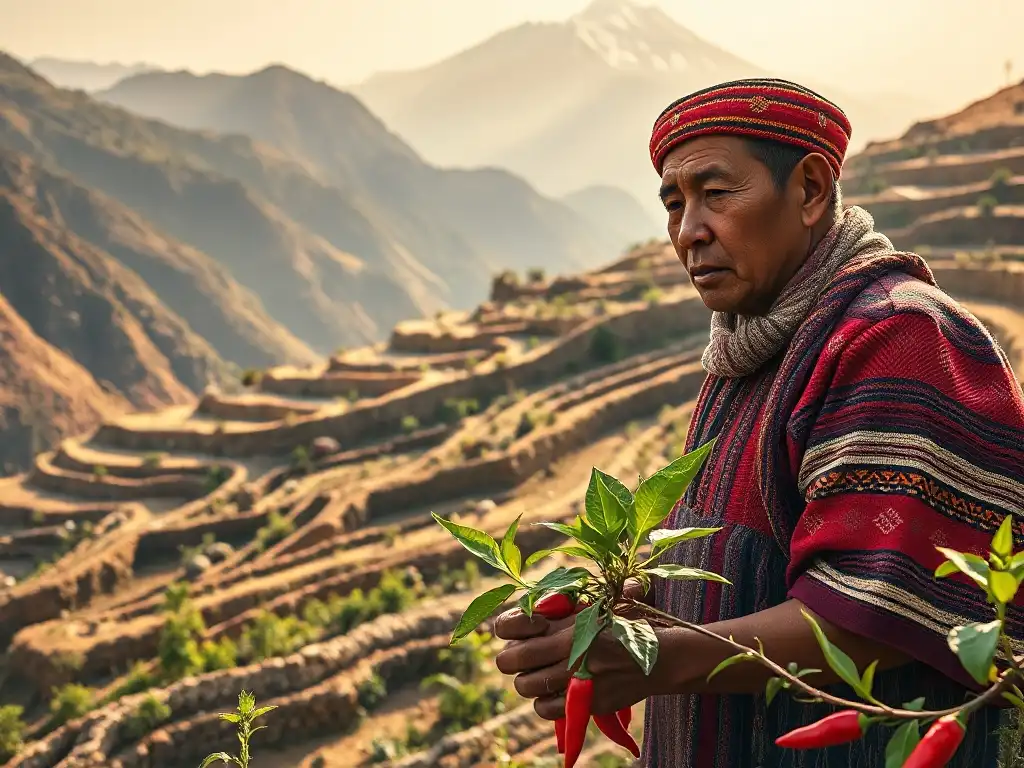
The Inca Empire's remarkable success stemmed, in part, from its sophisticated agricultural practices. Mastering the challenging Andean environment required innovative techniques for domesticating and cultivating a wide variety of plants. Their ingenuity in plant domestication, particularly in the face of steep slopes, arid climates, and unpredictable weather patterns, represents a significant achievement in agricultural history and showcases the Inca's deep understanding of their environment. This section will delve into some of their key methods, focusing on terracing, irrigation, and selective breeding. The Inca's mastery of "Inca Andean plant domestication" techniques allowed them to support a large and complex empire.
Terracing and its Impact on Agriculture
Inca agricultural prowess is perhaps most strikingly evident in their extensive use of terracing. Terracing transformed steep, unusable slopes into productive farmland. These meticulously constructed terraces, often hundreds of feet high, were carefully leveled and supported by retaining walls made of stone. The walls not only prevented soil erosion but also helped to control water flow, maximizing the effectiveness of irrigation systems.
The impact on agricultural production was profound. Terraces significantly increased the amount of arable land available, allowing the Inca to cultivate crops at different altitudes, taking advantage of microclimates and extending the growing season. Detailed studies of surviving terraces reveal impressive engineering feats, with some terraces demonstrating incredibly precise leveling and intricate drainage systems.
The careful placement of terraces also minimized the impact of sun exposure and frost, further boosting crop yields. For example, in the Sacred Valley of the Urubamba, the density of terraces speaks volumes about the Inca commitment to maximizing agricultural output, converting what would otherwise be unproductive mountainsides into vibrant farmland. This ingenious system allowed the Inca to cultivate a diverse range of crops, ensuring food security for their vast population.
Irrigation Systems Developed by the Incas
Complementing their terracing techniques, the Inca developed sophisticated irrigation systems to manage water resources effectively. Given the aridity of much of the Andean region, access to water was crucial for successful agriculture. The Inca constructed intricate networks of canals, channels, and aqueducts to divert water from rivers and streams to their fields.
These systems were often built across significant distances and over challenging terrain, demonstrating remarkable engineering skills. Some canals were lined with stone or clay to prevent water loss, and sophisticated techniques were employed to regulate water flow and distribute it evenly across the terraces. The ingenuity of Inca irrigation is further highlighted by the incorporation of storage systems, such as reservoirs and cisterns, to ensure a reliable water supply during dry periods.
These systems were not only vital for agriculture but also played a crucial role in sustaining urban centers and supporting the empire's infrastructure. The effectiveness of their irrigation can be seen in the impressive yields achieved in regions that would otherwise be unsuitable for large-scale agriculture. Data from archaeological studies suggest that these systems allowed for multiple harvests per year in many areas.
Selective Breeding and its Effects on Crop Yields
Beyond infrastructure, the Inca also employed sophisticated techniques of plant breeding to enhance crop yields and adapt crops to the challenging Andean environment. Selective breeding, a practice involving the careful selection and propagation of plants with desirable traits, allowed them to improve the quality and quantity of their crops. They focused on traits such as disease resistance, higher yields, and improved nutritional value.
Archaeobotanical evidence points towards the domestication of various Andean crops, including potatoes, maize, quinoa, and beans, showcasing their success in this endeavor. The Inca likely employed techniques such as cross-pollination and clonal propagation to develop superior varieties. The impact of selective breeding on crop yields was significant, contributing to the food security and prosperity of the Inca Empire.
The development of diverse potato varieties, for example, allowed them to cultivate this staple crop across a wide range of altitudes and climates. This demonstrates their deep understanding of plant genetics and their ability to manipulate plant characteristics to meet their agricultural needs. The success of Inca selective breeding is a testament to their understanding of the relationship between genetics and environment, a knowledge that continues to influence agricultural practices today.
The Use of Andean Microclimates for Diverse Crops
The Incas, masters of adaptation, understood the profound impact of altitude and geography on agriculture. The Andes boast an incredible variety of microclimates, ranging from arid coastal deserts to frigid alpine zones, each with unique conditions affecting plant growth. Instead of fighting these diverse environments, the Incas cleverly exploited them, developing sophisticated agricultural techniques tailored to specific altitudes and terrains.
This allowed them to cultivate an astonishing array of crops, far exceeding what might be expected in such a geographically challenging region. Their understanding of microclimates extended beyond simple elevation; they also considered factors like sunlight exposure, water availability, and soil composition when selecting suitable planting locations.
The waru waru system, a type of raised-bed agriculture, exemplifies this mastery. These elevated fields, often built on the shores of lakes or in swampy areas, allowed for better drainage and improved soil aeration, even in areas prone to flooding. The raised beds also trapped solar heat, extending the growing season and allowing for cultivation at higher altitudes than would otherwise be possible.
Different crops were planted in different areas of the waru waru system, reflecting a deep understanding of the microclimatic variations within the fields themselves. For example, frost-sensitive crops might be placed in warmer, sunnier sections, while more cold-tolerant varieties could be planted in slightly cooler areas. This intricate system highlights the Incas' ability to optimize agricultural production by carefully managing and exploiting the nuances of their environment.
This intricate understanding wasn't limited to waru waru. Terracing, another hallmark of Inca agriculture, similarly leveraged microclimates. Terraces, carved into hillsides, created a series of level platforms, each with its own slightly different microclimate. The orientation of the terraces, their size, and their elevation were all carefully considered to maximize sunlight exposure and water retention.
This allowed the Incas to cultivate crops across a wide range of slopes and altitudes, effectively expanding their arable land significantly and increasing overall agricultural output. The selection of crops for each terrace was tailored to the specific microclimate of that platform, showcasing the sophistication of their agricultural practices. The result was a highly productive and resilient agricultural system capable of sustaining a large population across diverse and challenging Andean landscapes. The Incas’ success underscores the importance of understanding and utilizing local environmental conditions for sustainable and efficient agriculture, a lesson still relevant today.
Key Andean Plants Domesticated by the Inca
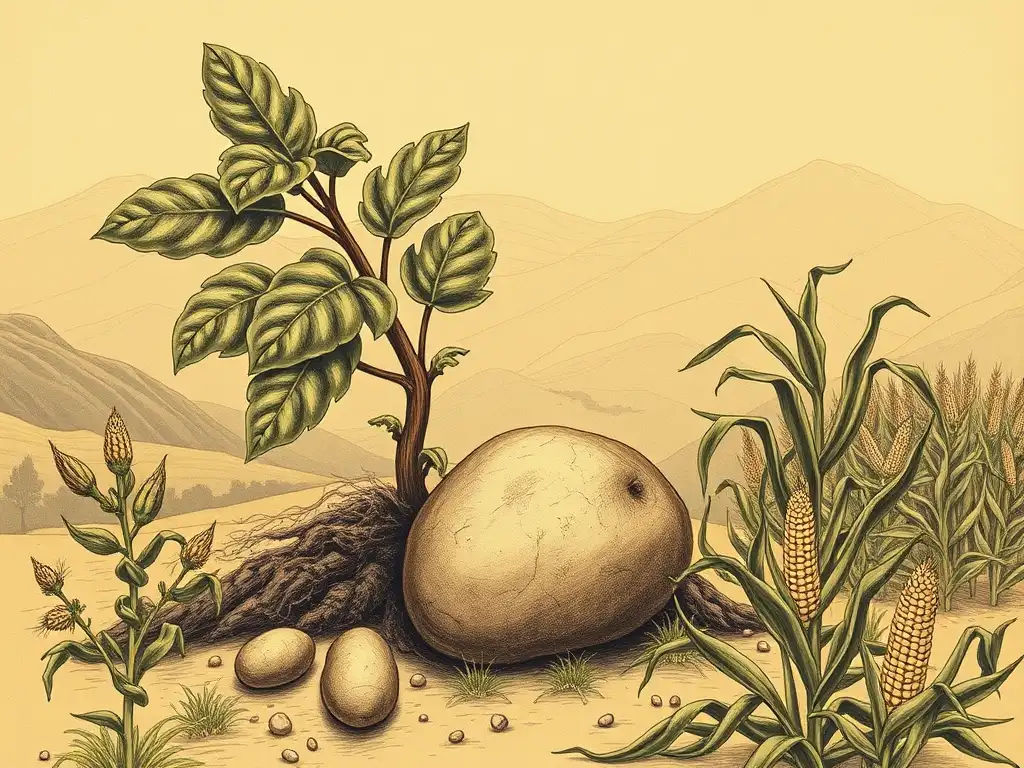
The Inca Empire, renowned for its sophisticated engineering and social structures, also possessed an advanced understanding of agriculture. Their mastery of Andean plant domestication was crucial to their success, allowing them to sustain a large and densely populated empire in a challenging environment. This section will explore some of the key plants that formed the backbone of the Inca diet and economy, highlighting the ingenuity and adaptability of their agricultural practices.
The Inca's success in cultivating these plants, and their sophisticated management of agricultural resources, showcases a deep understanding of their environment and a commitment to sustainable practices that continues to inspire today. This expertise in Inca Andean plant domestication is a testament to their agricultural prowess.
The Significance of Potatoes in the Inca Diet
The potato ( Solanum tuberosum) is arguably the most iconic Andean crop, and its importance to the Inca diet cannot be overstated. Inca agricultural techniques, such as terracing and irrigation, allowed them to cultivate potatoes at various altitudes, maximizing yields and ensuring food security. They developed a vast array of potato varieties, each adapted to specific ecological niches. Evidence suggests that the Inca cultivated over 200 different potato varieties, showcasing their deep understanding of plant genetics and adaptation.
These potatoes weren't just a staple food; they were also used in various rituals and ceremonies. The different varieties provided diverse nutritional profiles and flavors, enriching the Inca diet considerably. The sheer diversity of potato cultivation demonstrates a sophisticated level of Inca Andean plant domestication.
Further research is needed to fully understand the precise methods used by the Inca to store and preserve potatoes. While some methods are known, such as storing them in underground cellars, further investigation into the specifics of their preservation techniques is necessary to fully appreciate the extent of their knowledge. The Inca's ability to preserve potatoes through harsh weather conditions is another testament to their agricultural expertise and further highlights their success in Inca Andean plant domestication.
Quinoa: A Staple Grain of the Andes
Quinoa ( Chenopodium quinoa), a highly nutritious grain, was another cornerstone of the Inca diet. Unlike many other grains, quinoa is a complete protein, meaning it contains all nine essential amino acids. This made it an incredibly valuable food source, particularly for a large population. Inca farmers developed techniques to cultivate quinoa in challenging high-altitude environments, demonstrating remarkable adaptability and ingenuity in Inca Andean plant domestication.
The Inca understood the specific needs of quinoa, including its tolerance to frost and its need for well-drained soil. They developed efficient farming practices to ensure high yields, contributing significantly to the empire's food security. Quinoa's versatility also played a crucial role; it was used not only as a staple grain but also in various other food preparations, and even in religious ceremonies.
The nutritional value of quinoa, coupled with its adaptability to harsh environments, solidified its place as a vital crop in the Inca empire. The Inca’s successful cultivation of quinoa is a prime example of the sophisticated agricultural practices employed throughout their empire and is a crucial aspect of Inca Andean plant domestication.
Maize: Cultivating Corn in the Inca Empire
Maize ( Zea mays), or corn, was another important crop in the Inca Empire. While not native to the Andes, maize was adopted and extensively cultivated by the Inca. They developed highly efficient farming techniques, including sophisticated irrigation systems, to maximize maize yields.
The Inca’s mastery of maize cultivation allowed them to produce significant quantities of this versatile crop, which served as a staple food, a source of animal feed, and a raw material for various products. The Inca developed various maize varieties adapted to different altitudes and climates, demonstrating their understanding of plant adaptation and genetic diversity. This highlights their advanced knowledge of agriculture and their ability to integrate new crops into their existing agricultural systems, further enhancing their success in Inca Andean plant domestication.
The Inca's success with maize cultivation was not solely due to their farming techniques. They also implemented sophisticated storage and distribution systems to ensure that maize was available throughout the year, even during lean periods. This intricate system of resource management was crucial to the empire's stability and further emphasizes the significance of maize in the Inca economy and diet. Their approach to maize cultivation, therefore, provides compelling evidence of their sophisticated agricultural practices and their expertise in Inca Andean plant domestication.
Oca, Ulluco, and Mashua: Diverse Root Vegetables
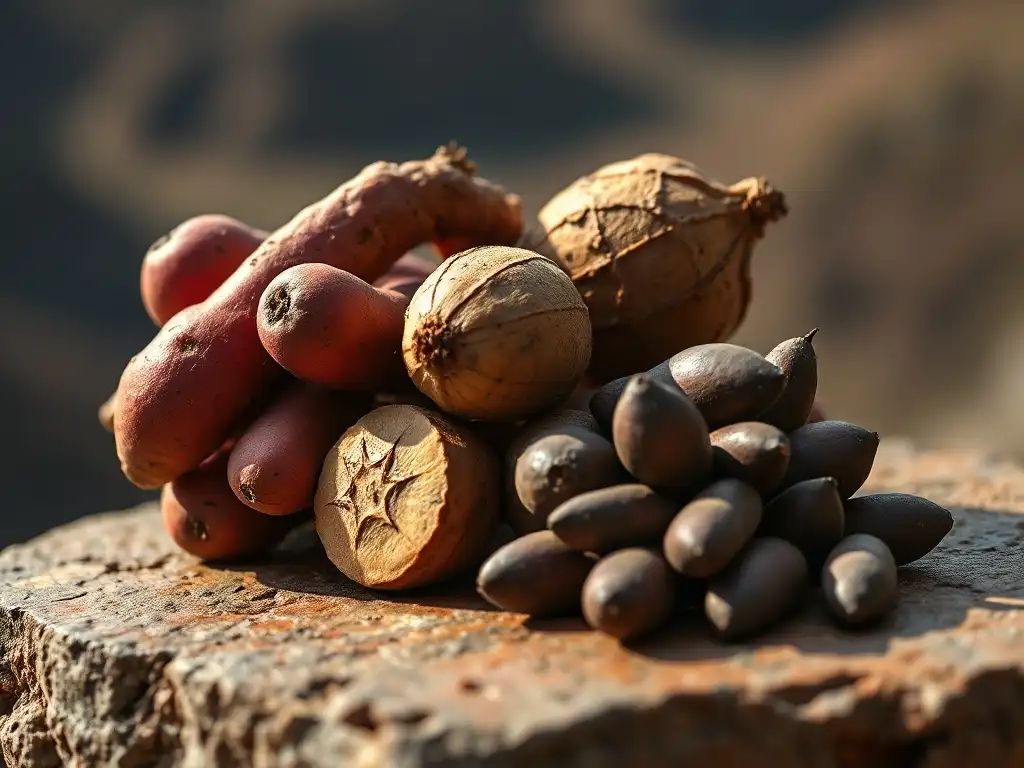
The Inca Empire's agricultural prowess is undeniable, and a significant part of their success stemmed from their mastery of cultivating diverse root vegetables. Among the most important were oca ( Oxalis tuberosa), ulluco ( Ullucus tuberosus), and mashua ( Tropaeolum tuberosum). These three crops, while visually distinct, share a common thread: their adaptability to the challenging Andean terrain. Oca, with its vibrant red, yellow, and even pink tubers, thrives in relatively cold, high-altitude environments.
Its slightly acidic taste makes it a versatile ingredient in stews, soups, and even as a sweet treat when processed appropriately. Inca farmers developed sophisticated techniques for storing oca, ensuring food security throughout the year. These techniques included carefully selecting tubers for planting, storing them in cool, dark places, and even creating specialized storage structures.
Ulluco, with its knobbly, colorful tubers ranging from yellow to deep purple, is another testament to Inca ingenuity. Its slightly sweet and nutty flavor made it a staple in the Inca diet. Similar to oca, ulluco's cultivation required careful consideration of altitude and soil conditions. The Incas experimented with different planting techniques and soil amendments to optimize yields. Interestingly, ulluco's nutritional profile is quite impressive, containing significant amounts of vitamin C and other essential nutrients. Its remarkable ability to withstand harsh weather conditions made it a crucial component of Inca food security strategies.
Mashua, often overlooked, played a significant role in the Inca agricultural system. This plant, with its unique, small tubers and edible leaves, boasts a slightly spicy and peppery flavor. It's particularly notable for its tolerance to frost and its ability to grow in relatively poor soils. Inca farmers strategically integrated mashua into their agricultural practices, often intercropping it with other crops to enhance soil fertility and reduce the risk of crop failure.
Moreover, mashua was not only a source of food but also possessed medicinal properties, highlighting its multifaceted importance in Inca society. The Inca's understanding of these three crops' unique properties and their ability to cultivate them effectively in challenging conditions showcases their deep agricultural knowledge and ingenuity. Their domestication and cultivation contributed significantly to the stability and prosperity of the Inca Empire.
Lucuma, Chirimoya, and Pacay: Andean Fruits
Beyond the remarkable root vegetables, the Inca Empire also cultivated a variety of unique and delicious fruits. Lucuma ( Pouteria lucuma), chirimoya ( Annona cherimola), and pacay ( Inga feuilleei) represent just a small sample of the diverse fruits domesticated and cultivated by the Inca. Lucuma, with its distinctive sweet and caramel-like flavor, is a staple fruit in the Andean region even today.
The Inca not only consumed the fruit fresh but also developed methods for preserving it, such as drying and processing it into a powder. This allowed them to enjoy lucuma's nutritional benefits and unique flavor year-round. Its high nutritional value, rich in beta-carotene and other vitamins, made it a highly valued food source.
Chirimoya, also known as custard apple, is another example of the Inca's ability to cultivate fruits in challenging environments. Its creamy texture and sweet taste, combined with its relatively high yield, made it a popular fruit among the Inca population. The Inca likely developed specialized cultivation techniques to optimize its growth and yield in the Andean highlands. Moreover, chirimoya's nutritional value, containing vitamins and minerals, further enhanced its importance in the Inca diet. The cultivation and domestication of chirimoya reflects the Inca's understanding of agricultural techniques and their adaptation to the diverse ecosystems within their empire.
Pacay, with its long, bean-like pods filled with a sweet, creamy pulp, is a less widely known but equally important Andean fruit. The Inca appreciated pacay not only for its edible pulp but also for its other uses. The pods themselves could be used for various purposes, highlighting the resourceful nature of Inca society.
The cultivation of pacay demonstrates the Inca's diverse approach to agriculture, utilizing a wide range of plants to ensure food security and provide a variety of nutritional resources. Its inclusion in the Inca agricultural system reflects their holistic approach to resource management and their deep understanding of the Andean ecosystem. The domestication and cultivation of these fruits, alongside the root vegetables, contributed greatly to the dietary diversity and nutritional richness of the Inca civilization, and their skillful cultivation remains a testament to their agricultural expertise.
The Legacy of Inca Plant Domestication
The Inca Empire, renowned for its sophisticated engineering and social structures, also left an indelible mark on Andean agriculture. Their mastery of plant domestication profoundly shaped the landscape and the diets of the region, a legacy that continues to resonate today.
The Inca weren't the first to cultivate plants in the Andes – preceding cultures like the Moche and Nazca had already developed impressive agricultural techniques adapted to the challenging terrain. However, the Inca expanded and refined these methods on an unprecedented scale, creating a remarkably productive and resilient agricultural system capable of supporting a large and densely populated empire.
This success stemmed from a deep understanding of Andean ecosystems and a sophisticated approach to resource management, encompassing techniques like terracing, irrigation, and crop rotation. The Inca’s impact on "Inca Andean plant domestication" is undeniable, leaving a lasting imprint on modern Andean food systems and offering valuable lessons for sustainable agriculture practices worldwide.
The Impact of Inca Agriculture on Modern Andean Food Systems
The Inca's agricultural innovations significantly shaped the modern Andean diet. Many staple crops consumed today, such as potatoes ( Solanum tuberosum), maize ( Zea mays), quinoa ( Chenopodium quinoa), and beans ( Phaseolus vulgaris), owe their widespread cultivation and diverse varieties to Inca agricultural practices. The Inca developed sophisticated techniques for preserving and storing food, enabling them to survive harsh winters and periods of scarcity.
These techniques, including freeze-drying (chuño) and storage in underground silos, are still practiced in many Andean communities today. The extensive network of roads and storage facilities built by the Inca facilitated efficient food distribution, mitigating the risk of famine and ensuring food security across the vast empire. This efficient system contributed to population growth and economic stability, impacting the social and political structures of the region.
The genetic diversity of many Andean crops is also a direct result of Inca experimentation and selection of desirable traits, leading to the development of numerous varieties adapted to different altitudes and microclimates. This biodiversity is crucial for maintaining food security in the face of climate change and other environmental challenges. The impact extends beyond the availability of food; the traditional knowledge associated with Inca agricultural practices remains a vital part of Andean cultural identity and continues to inform contemporary farming methods.
Lessons from Inca Farming Practices for Sustainable Agriculture
Inca agricultural techniques offer valuable insights for modern sustainable agriculture. Their mastery of terracing, for example, prevented soil erosion and maximized arable land in mountainous regions. This is particularly relevant today, given the growing concerns about land degradation and the need for environmentally friendly farming practices.
The Inca's sophisticated irrigation systems, adapted to the specific hydrological conditions of different regions, showcased their understanding of water management and conservation. These systems minimized water waste and ensured efficient crop irrigation, a crucial lesson in times of increasing water scarcity. Furthermore, the Inca's emphasis on crop diversification and rotation played a significant role in maintaining soil fertility and pest control, reducing the need for chemical fertilizers and pesticides.
Their integrated approach to farming, combining agriculture with animal husbandry and the management of natural resources, presents a holistic model for sustainable resource use. Studying these practices can inform the development of more resilient and environmentally friendly agricultural systems capable of feeding a growing global population without compromising the health of the planet. Understanding the Inca's success in achieving sustainable food production in a challenging environment offers invaluable lessons for contemporary agriculture seeking to address global challenges.
The Ongoing Research on Inca Agricultural Techniques
Research on Inca agricultural techniques continues to reveal new insights into their sophisticated methods and their enduring relevance. Archaeological excavations are uncovering further evidence of the extent and complexity of Inca agricultural infrastructure, including irrigation canals, terraces, and storage facilities. Ethnobotanical studies are documenting the traditional knowledge associated with Inca crops and farming practices, preserving this invaluable cultural heritage.
Furthermore, scientific analysis of ancient plant remains is providing information on the genetic diversity of Inca crops and the techniques used for crop improvement. Ongoing research is also exploring the potential of applying Inca agricultural principles to address modern agricultural challenges, such as climate change adaptation and sustainable intensification. For example, studies are examining the effectiveness of Inca terracing techniques in preventing soil erosion in modern agricultural landscapes.
By combining traditional knowledge with modern scientific methods, researchers are working to unlock the full potential of Inca agricultural heritage for the benefit of sustainable agriculture and food security. The ongoing research into "Inca Andean plant domestication" promises to reveal even more about this sophisticated system and its relevance to the future of agriculture.
Preserving the Knowledge of Andean Plant Domestication
The incredible ingenuity of Inca agricultural practices, particularly their mastery of plant domestication, is a testament to their deep understanding of their environment. However, the Spanish conquest dealt a devastating blow to this knowledge, leading to the loss of many traditional farming techniques and the near extinction of some uniquely Andean crops. The colonial period saw a significant shift away from indigenous agricultural practices, favoring European crops and methods.
This resulted in a decline in the diversity of cultivated plants and a disruption of the intricate knowledge systems that had sustained Andean communities for centuries. The impact continues to this day, with many traditional varieties struggling to survive against the pressures of modern agriculture.
Despite this, efforts to preserve and revive this invaluable knowledge are underway. Ethnobotanical studies, involving meticulous documentation of traditional plant uses and cultivation methods from surviving communities, are providing crucial insights. These studies are not only revealing the astonishing diversity of Andean plants but also highlighting the sophisticated techniques used by the Inca to adapt crops to the challenging Andean terrain.
Researchers are working closely with indigenous communities to document and safeguard their knowledge, ensuring that traditional practices are not lost to future generations. This collaborative approach recognizes the importance of indigenous expertise in understanding and managing these unique plant resources. The preservation of this knowledge is critical not only for preserving cultural heritage but also for ensuring food security and biodiversity in the face of climate change and increasing global demand for food.
The resilience of Andean crops, honed over millennia by Inca ingenuity, offers valuable lessons for sustainable agriculture worldwide. By understanding and applying these traditional methods, we can cultivate a more resilient and environmentally friendly food system. The ongoing work to preserve the knowledge of Inca plant domestication is a crucial step in this direction, ensuring that the legacy of Andean agricultural innovation continues to thrive.
Frequently Asked Questions
What role did plant domestication play in Inca civilization?
Plant domestication was fundamental to Inca success. It provided the food surplus necessary to support large populations and complex social structures. Agricultural innovation fueled their empire's growth.
Which plants were most important to Inca agriculture?
The Inca cultivated a wide variety of crops, including potatoes, maize (corn), quinoa, beans, and tomatoes. These staple crops formed the basis of their diet and economy. They also domesticated other plants for textiles and medicine.
How did Inca agricultural techniques differ from those of other Andean cultures?
While building on existing techniques, the Inca developed innovative irrigation systems, terracing, and fertilization methods to maximize crop yields in diverse environments. Their extensive road network facilitated the distribution of food.
What evidence exists to support the claim of Inca plant domestication?
Archaeological evidence includes plant remains found at Inca sites, along with depictions of agricultural practices in their art. Genetic analysis further reveals the domestication process of various plants.
What impact did Inca plant domestication have on the environment?
Inca agricultural practices, while largely sustainable, had some environmental consequences. Terracing, although increasing arable land, could lead to soil erosion if not carefully managed. Overexploitation of certain resources also occurred in some regions.
Final Reflection: A Legacy Woven in Seeds
The Inca's mastery of Andean plant domestication wasn't merely a feat of agricultural ingenuity; it's a testament to the enduring power of human adaptation and a blueprint for sustainable food systems in a changing world. Their sophisticated techniques, honed over centuries, continue to resonate today, offering invaluable lessons for addressing modern challenges like food security and climate change.
The impact of Inca agricultural practices extends far beyond the historical record. Their innovative terracing, irrigation systems, and crop diversification continue to inspire modern agricultural practices, demonstrating the enduring relevance of their knowledge. The Inca civilization's success was inextricably linked to its ability to harness the power of the Andes' diverse ecosystems.
This statement highlights the crucial interplay between human ingenuity and environmental understanding, a lesson we must heed in our own time as we grapple with the consequences of unsustainable practices.
Consider the ingenuity of the Inca, their deep understanding of their environment, and their commitment to cultivating a diverse range of crops. Now, consider your own relationship with food, with the land, and with the future. What steps can you take, in your own life, to cultivate a more sustainable and respectful relationship with the natural world? Let the legacy of Inca ingenuity inspire you to become a steward of the earth, ensuring that future generations can also reap the rewards of a thriving and diverse ecosystem.
Unleash Your Curiosity About Andean Histories!
Thank you for exploring the fascinating world of the Inca and their remarkable adaptation to the challenging Andean environment. Your interest in this topic deepens your understanding and celebrates the ingenuity of this ancient civilization. Let's continue our journey of discovery!
- Explore local resources: Visit your local botanical garden or farmers market to discover Andean plants and their uses in modern cuisine and herbal remedies.
- Share your knowledge: Discuss your newfound knowledge with friends, family, or online communities. Spark conversations about the importance of biodiversity and the preservation of heritage crops.
- Experiment with Andean recipes: Try cooking with Andean ingredients like quinoa or potatoes to appreciate their nutritional value and cultural significance.
What Andean ingredient are you most excited to try in your kitchen? Share your thoughts below!