
A System of Control: How the Inca Managed Agricultural Distribution

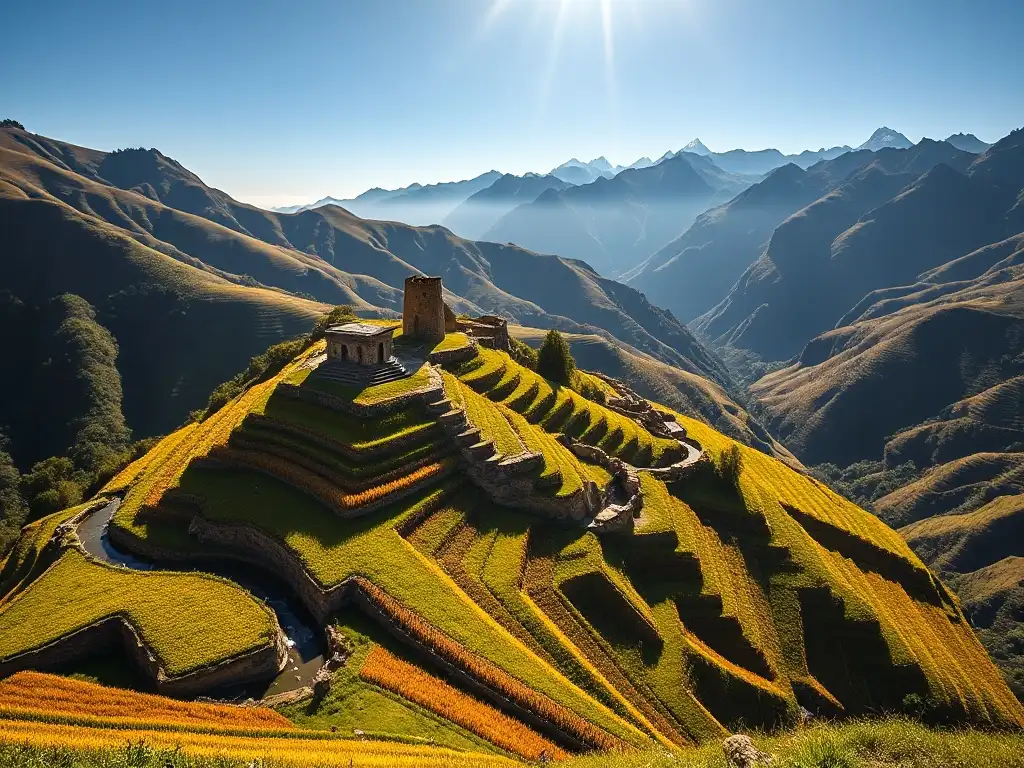
Step into a world lost to time, yet echoing with the ingenuity of a vanished empire. Imagine a civilization that defied the harsh Andes mountains, building a network of unparalleled complexity. This is the story of the Inca agricultural distribution system, a marvel of engineering and social organization that ensured the survival and prosperity of millions. Uncover the secrets behind this remarkable achievement and discover how the Incas mastered their environment – a tale of ingenuity, power, and the enduring legacy of a fascinating civilization. Prepare to be amazed.
- The Inca Agricultural Distribution System: A Model of Control and Organization
- Centralized Control of Agricultural Production
- The Inca Storage System: Ensuring Food Security
- Mechanisms of the Inca Agricultural Distribution System
- The Impact of the Inca Agricultural System on Society
- Comparison with Other Ancient Agricultural Systems
- The Legacy of the Inca Agricultural Distribution System
-
Frequently Asked Questions
- How did the Inca Empire ensure food security across its vast territory?
- What role did terracing play in Inca agricultural practices?
- How did the Inca manage the distribution of agricultural products?
- What were qollqas, and what was their significance in the Inca agricultural system?
- What impact did the Inca agricultural system have on the empire's stability?
- Final Reflection: The Enduring Legacy of Inca Agricultural Ingenuity
- Embrace the Secrets of Inca Innovation!
The Inca Agricultural Distribution System: A Model of Control and Organization
The Inca Empire, renowned for its sophisticated engineering and intricate social structures, achieved remarkable success through a highly organized system of resource management. This system, particularly its agricultural distribution network, played a crucial role in maintaining social stability and imperial power.
Understanding the Inca agricultural distribution system reveals a fascinating blend of practical ingenuity and political strategy, showcasing how effective resource management underpinned the empire's longevity and expansion. This article delves into the intricacies of this system, exploring its foundational principles, the importance of agriculture within the Inca worldview, and the mechanisms employed to ensure the equitable (though hierarchical) distribution of food and resources throughout the vast Andean territories.
We will examine how this carefully crafted system contributed not just to survival, but also to the consolidation and maintenance of Inca control. The efficient distribution of agricultural surpluses was a key component of Inca power, and its study offers valuable insights into the empire's remarkable success.
Introduction to Inca Resource Management
The Inca Empire, spanning a vast and geographically diverse landscape across the Andes Mountains, faced significant challenges in managing its resources. The varied altitudes, climates, and terrains demanded a flexible and adaptable approach to agriculture and resource allocation. The Inca solution was a centralized system of control, overseen by a complex bureaucracy that meticulously tracked production, storage, and distribution.
This system wasn't simply about ensuring food security; it was a crucial instrument of political power, reinforcing the emperor's authority and solidifying social hierarchies. The ayllu, the traditional community structure, played a vital role in this system, with individuals contributing labor and resources according to their capabilities and receiving provisions based on their needs. This intricate interplay between centralized control and community participation formed the bedrock of Inca resource management.
The system's effectiveness is evident in the empire's ability to sustain a large population across diverse environments for an extended period. Understanding the intricate details of this system requires examining the importance of agriculture within the Inca worldview and the specific mechanisms used for distribution.
The Importance of Agriculture in the Inca Empire
Agriculture was not merely a means of subsistence for the Inca; it was deeply intertwined with their religious beliefs and social structure. The Inca revered the sun god, Inti, and considered agriculture a sacred act, vital for maintaining cosmic balance and ensuring the prosperity of the empire. This reverence is reflected in the meticulous agricultural practices employed, including terracing, irrigation systems, and the cultivation of diverse crops adapted to different ecological zones.
The Inca's understanding of Andean agriculture was remarkable. They developed sophisticated techniques, such as the use of waru waru (raised fields), to maximize crop yields in challenging environments.
The surplus generated by these methods was crucial, not only for the sustenance of the population, but also for the support of the vast bureaucracy, the military, and the elite classes. This surplus also played a crucial role in the Inca's ability to quell uprisings and maintain control through redistribution, demonstrating the interconnectedness of agricultural productivity and political power within the empire.
The Foundation of the Inca Food System
The Inca agricultural distribution system was built upon a foundation of meticulous planning and organization. The empire was divided into administrative units, each responsible for producing specific crops suited to its environment. This specialization ensured a diverse range of agricultural products were available to meet the needs of the entire population.
The system relied heavily on the mit'a, a labor tax system that required citizens to contribute a certain amount of work to public projects, including agricultural endeavors. This ensured the construction and maintenance of irrigation canals, terraces, and storage facilities. The state controlled the storage of surplus agricultural products in strategically located qollqas (granaries), ensuring a readily available supply to meet the needs of the population during times of scarcity or emergency.
This centralized storage and distribution system allowed the Inca to maintain social order by providing for the population during lean times, further cementing their authority and control. The precise mechanisms of distribution varied depending on factors like social status, geographic location, and seasonal variations, showcasing the complexity and sophistication of the Inca food system. Further research is needed to fully elucidate the nuanced details of the distribution network and its regional variations.
Centralized Control of Agricultural Production
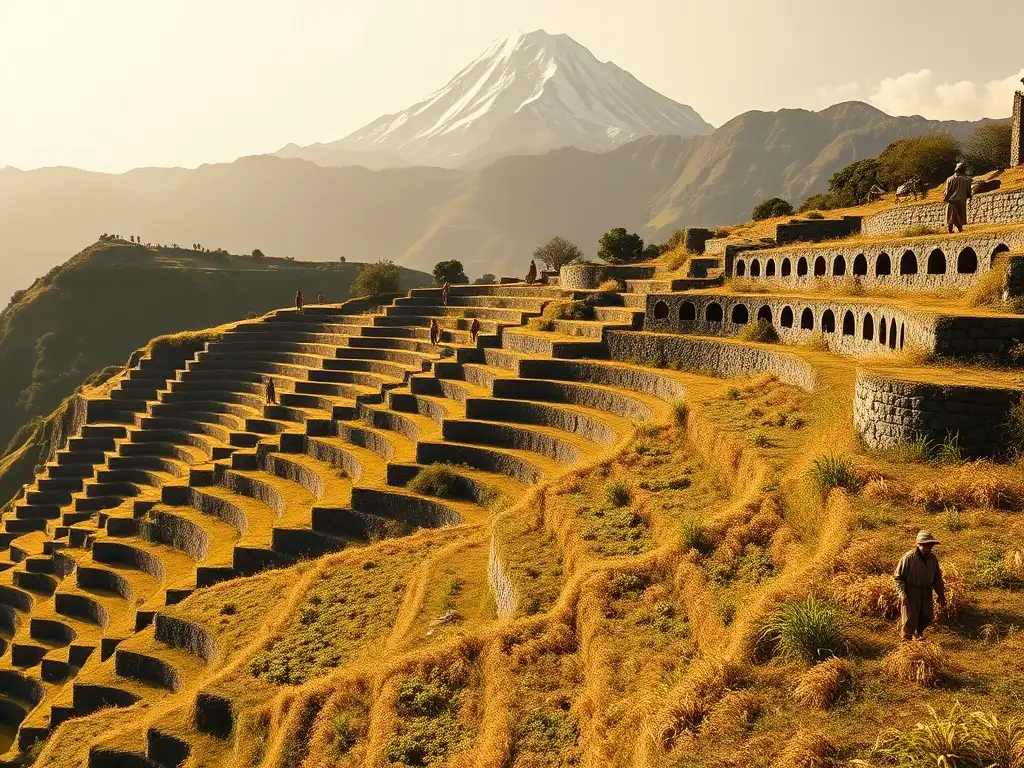
The Inca agricultural distribution system was a marvel of ancient engineering and social organization, crucial to the empire's stability and expansion. It wasn't simply about producing food; it was a sophisticated mechanism of control that ensured the empire's survival and the emperor's power. This intricate system relied on a highly centralized structure, with the state playing a pivotal role in every stage, from planning and cultivation to storage and distribution.
The effectiveness of this system allowed the Inca to support a large population, maintain a powerful army, and fund extensive public works projects. The sheer scale of Inca agricultural output is a testament to their organizational prowess and innovative techniques. Understanding this system requires a close examination of the state's involvement, land ownership patterns, and the division of agricultural resources.
The Role of the State in Inca Agriculture
The Inca state exerted absolute control over agricultural production. Far from a laissez-faire approach, the state meticulously planned and managed every aspect of farming. This involved detailed surveys of arable land, the implementation of advanced irrigation systems (like the intricate acequias), and the organization of labor.
The state dictated what crops were to be grown, where they were to be planted, and how they were to be harvested. This wasn't arbitrary; the Inca carefully considered factors like altitude, climate, and soil type to maximize yields. For example, they utilized the vertical archipelago system, cultivating different crops at varying altitudes to take advantage of diverse microclimates.
This ensured a diversified food supply, mitigating the risks associated with crop failure in any single zone. The state's meticulous record-keeping, likely utilizing quipus (knotted strings), allowed for efficient resource allocation and the monitoring of production levels. This level of control ensured that surplus crops were available for redistribution to support the population, the army, and the religious elite.
Land Ownership and Labor Allocation
Inca land ownership was fundamentally different from the systems found in many other societies. Private ownership, as we understand it, was virtually nonexistent. Instead, all land was ultimately owned by the Inca emperor, the Sapa Inca. This didn't mean individual farmers had no rights; rather, they held usufruct rights, meaning they could use and cultivate the land assigned to them, but they could not sell or transfer ownership.
Land was allocated based on the needs of the community and the state. The ayllu, a kinship-based community, played a vital role in the agricultural process. Members of the ayllu collectively worked the land assigned to them, contributing their labor based on their abilities and needs.
This system ensured that everyone had access to land and resources, fostering a sense of communal responsibility and minimizing social inequality. The state, however, controlled the overall distribution of land and could re-allocate it as needed, for instance, to support new settlements or public works projects. This dynamic allocation of resources was a key element in the Inca's ability to effectively manage their vast empire.
Division of Land into State, Religious, and Community Holdings
The Inca agricultural system wasn't solely focused on food production for the population. Land was divided into three main categories: state lands ( ținut), religious lands ( huaca), and community lands ( ayllu). State lands were used to produce food and resources for the Inca government, the army, and to support public works. These lands were often the most fertile and strategically located, ensuring a reliable supply for the state.
Religious lands were dedicated to the temples and priests, who received a portion of the agricultural output as payment for their services. This was crucial for maintaining the religious authority that underpinned the Inca empire's social structure. Finally, community lands were allocated to the ayllu, providing for the sustenance of its members.
This tripartite division ensured that the needs of the state, religion, and the population were met, while maintaining the centralized control that was crucial to the functioning of the Inca empire. The precise proportions of land dedicated to each category varied depending on local conditions and needs, but the fundamental principle of centralized control remained consistent throughout the empire. This sophisticated system of land allocation reflects the Inca's deep understanding of the importance of balancing the needs of the different sectors of their society to maintain stability and ensure the empire's continued prosperity.
The System of Mit'a Labor
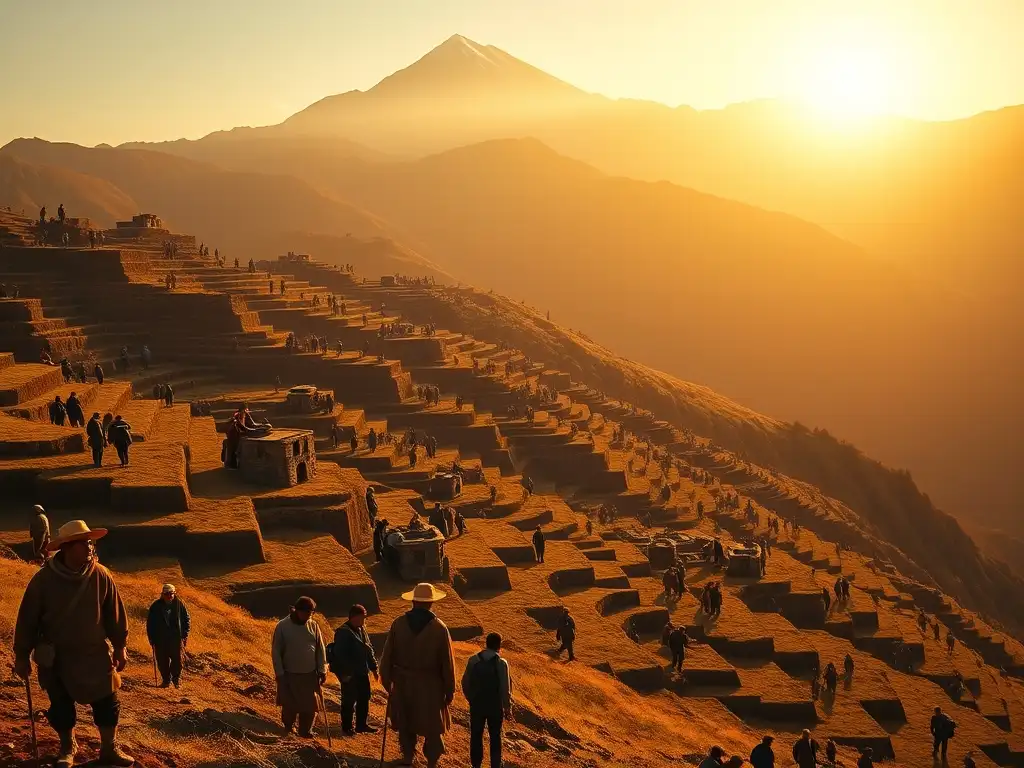
The Inca agricultural distribution system relied heavily on the mit'a, a system of mandatory labor service. This wasn't simply forced work; it was a crucial element of the Inca social fabric, binding the empire together through reciprocal obligations. While the mit'a encompassed various tasks, including mining, construction, and military service, its contribution to agriculture was paramount. Farmers were obligated to dedicate a portion of their time to working on state-controlled lands ( t'oqoka), producing food for the emperor, the elite, and the army.
This ensured a consistent supply of agricultural goods to support the administrative and military needs of the vast empire. The amount of mit'a labor demanded varied depending on factors such as the individual's capabilities, the season, and the specific needs of the state. Records, though limited, suggest a structured allocation process, possibly involving a complex system of quotas and assignments. The system was not without its challenges; instances of abuse and exploitation certainly occurred, particularly during periods of intense demand.
However, the overall effectiveness of the mit'a in supporting the Inca agricultural distribution system is undeniable. Its success stemmed from its integration into the broader social and political structure of the Inca empire, reinforcing the power of the Sapa Inca and providing a mechanism for redistribution of resources. The system's intricate workings are still being uncovered by archaeologists and historians, revealing a nuanced understanding of Inca societal organization and its capacity for large-scale agricultural management. Further research into regional variations in mit'a implementation will likely shed more light on the intricacies of this essential aspect of Inca agricultural production and distribution.
State-Controlled Warehouses (Qollqas)
The Inca agricultural distribution system wouldn't have functioned without an effective storage and redistribution network. This is where the qollqas come into play – a network of strategically located state-controlled warehouses. These weren't simply storage facilities; they were vital components of the empire's logistical infrastructure, carefully designed to manage the flow of agricultural goods across vast distances. The qollqas were built using sophisticated techniques, often incorporating advanced stonework and ingenious architectural designs to ensure the preservation of stored goods.
Their locations were carefully chosen, often situated near major agricultural zones or along important trade routes, facilitating efficient collection and distribution. The size and capacity of these warehouses varied considerably, reflecting the scale of agricultural production and the needs of different regions. Some qollqas were small and served local communities, while others were massive structures capable of holding enormous quantities of grain, potatoes, and other agricultural products. Archaeological evidence suggests a sophisticated inventory system, though the precise methods remain a subject of ongoing research.
The existence of the qollqas represents a remarkable feat of engineering and logistical planning, highlighting the Inca's capacity for managing resources on a scale unmatched by other contemporaneous societies. They demonstrate a level of centralized control and organization that was crucial to the empire's stability and its ability to effectively distribute agricultural surpluses to support its population and military. The strategic placement and design of these warehouses underscore the Inca's mastery of resource management and their commitment to ensuring food security across the empire.
The Inca Storage System: Ensuring Food Security
The Inca Empire, renowned for its sophisticated infrastructure and administrative prowess, possessed a remarkably efficient agricultural distribution system crucial to its stability and longevity. This system, far from being a haphazard collection of practices, was a carefully orchestrated network designed to ensure food security across a vast and diverse landscape. At its heart lay a meticulously planned storage system, a testament to the Inca's understanding of logistics and resource management.
The effectiveness of the Inca agricultural distribution system hinged on the strategic placement and efficient management of its warehouses, known as qollqas. This intricate network allowed for the redistribution of surplus food and other essential goods to regions experiencing shortages, preventing widespread famine and maintaining social order.
Understanding this system provides crucial insight into the Inca's mastery of both agriculture and governance. The success of the Inca agricultural distribution system is a compelling example of effective resource management in a pre-industrial society.
The Function of Inca Warehouses (Qullqas)
Inca warehouses, or qollqas, served as the backbone of the empire's agricultural distribution network. These structures, often built from carefully cut stone, were not merely storage facilities; they were strategically designed to preserve food and other valuable goods. Their construction reflected the Inca's advanced understanding of engineering and preservation techniques. The qollqas were typically built into hillsides or cliffs, taking advantage of natural insulation to maintain a stable temperature and humidity.
This helped to prevent spoilage and extend the shelf life of stored goods, significantly improving the efficiency of the Inca agricultural distribution system. The size and complexity of qollqas varied depending on their location and the volume of goods they were intended to hold. Some were relatively small, while others were vast complexes capable of storing enormous quantities of food and supplies.
This variability highlights the adaptability of the Inca system to diverse geographical and logistical challenges. The precise methods used for preserving food within the qollqas are still being researched, but evidence suggests techniques like drying, salting, and freezing played significant roles. The efficient management of these warehouses was a key factor in the success of the Inca agricultural distribution system, ensuring that food reached those who needed it most.
Strategic Placement of Storage Facilities
The placement of qollqas was far from random; it was a carefully considered aspect of the Inca agricultural distribution system. Warehouses were strategically located throughout the empire, often near major agricultural centers, transportation routes, and population hubs. This strategic placement minimized transportation time and costs, maximizing the efficiency of food distribution. The Inca also considered altitude and climate when selecting locations for qollqas, ensuring that stored goods were protected from the elements.
For instance, higher altitude qollqas might have been used to store goods intended for lower-altitude communities during times of scarcity. This demonstrates a sophisticated understanding of geographic factors and their impact on food preservation and distribution. Furthermore, the distribution network was not static.
Routes and storage locations were adjusted as needed to accommodate changes in population, agricultural output, or environmental conditions. This adaptability was crucial to the long-term sustainability of the system, allowing it to respond effectively to unforeseen challenges. The strategic placement of the qollqas within the Inca agricultural distribution system exemplifies the empire's advanced logistical capabilities.
Types of Goods Stored: Primarily Foodstuffs and Textiles
The qollqas stored a variety of goods, but foodstuffs and textiles were the most prevalent. The primary foodstuffs included maize (corn), potatoes, quinoa, beans, and various fruits. These were essential components of the Inca diet and their storage was critical to maintaining food security. The quantity of food stored varied depending on the location and the expected needs of the population.
In addition to food, qollqas also stored textiles, which were used for clothing, blankets, and other purposes. These textiles, often made from alpaca or llama wool, were valuable commodities and their storage ensured a reliable supply for the empire's citizens. Other goods stored in qollqas included tools, weapons, and ceremonial objects. However, the focus remained on food and textiles, reflecting their crucial role in the Inca economy and social structure.
Detailed records of stored goods are unfortunately scarce, but archaeological evidence and historical accounts suggest a highly organized inventory system. The careful management of stored goods within the Inca agricultural distribution system highlights the empire’s sophisticated economic and administrative capabilities. The system ensured not only food security but also a stable supply of essential materials for the entire population.
Construction Techniques and Preservation Methods of Qullqas
The Inca's impressive agricultural output was only half the battle; ensuring its preservation and equitable distribution was equally crucial. This is where the qullqas, or Inca storehouses, played a vital role. These weren't simply haphazard piles of grain; they were meticulously designed structures reflecting advanced engineering and agricultural knowledge. The construction techniques employed varied depending on the local geography and available resources, but certain common principles ensured efficiency and longevity.
One key element was the selection of building materials. In regions with plentiful stone, qullqas were often constructed from precisely cut and fitted stones, demonstrating a mastery of dry-stone masonry. These stones, often perfectly aligned without the use of mortar, created incredibly durable structures capable of withstanding the elements for centuries.
In other areas, where stone was less readily available, adobe bricks, meticulously sun-dried, were used instead. The quality control was remarkable; even adobe qullqas often remained in good condition for extended periods. This careful selection of materials, tailored to the specific environment, highlights the Inca's practical approach to construction.
Beyond the choice of materials, the design of the qullqas itself contributed significantly to their longevity. They were typically built with slightly sloping roofs to facilitate water runoff, preventing moisture damage. Ventilation was also crucial, and many qullqas incorporated clever air circulation systems to prevent spoilage. This often involved strategically placed openings or cleverly designed internal chambers that allowed for air movement without exposing the stored goods to the elements. The precise orientation of the structures, often taking advantage of prevailing winds and sunlight, further enhanced preservation.
Preservation methods went beyond the architectural design. The Incas understood the importance of proper storage techniques to maintain the quality and longevity of their food supplies. They carefully dried grains and other produce before storing them in the qullqas, reducing the risk of spoilage. Furthermore, they often placed layers of straw or other natural materials between different food items to absorb moisture and further prevent mold growth.
The meticulousness of these practices is a testament to their advanced understanding of food preservation techniques, well ahead of their time. The combination of sophisticated construction and effective preservation strategies ensured that the Inca's agricultural surplus could be reliably stored for extended periods, contributing significantly to the empire's stability and prosperity. The surviving remnants of these qullqas stand as powerful symbols of this sophisticated system, a testament to Inca ingenuity and their commitment to food security.
Mechanisms of the Inca Agricultural Distribution System
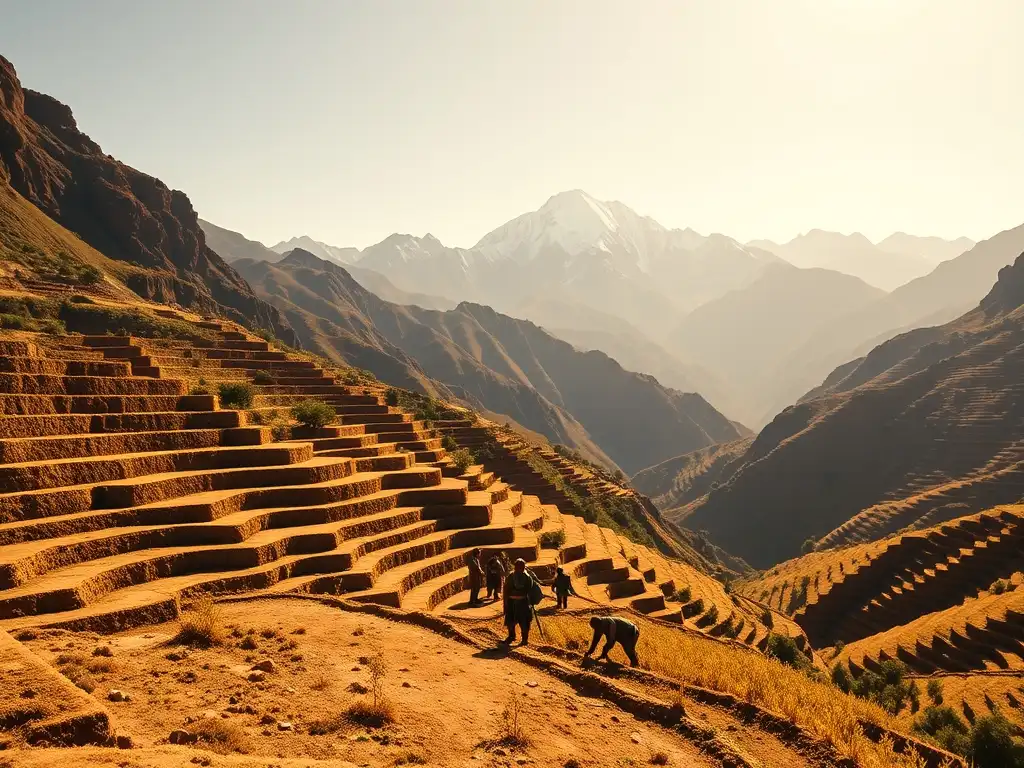
The Inca Empire, renowned for its sophisticated engineering and administrative prowess, developed a remarkably efficient agricultural distribution system crucial to sustaining its vast population and maintaining social order. This system, intricately woven into the fabric of Inca society, relied on a complex interplay of infrastructure, labor organization, and meticulous record-keeping. Understanding the intricacies of Inca agricultural distribution reveals a powerful example of effective resource management in a pre-industrial society, demonstrating the empire's capacity for centralized control and equitable resource allocation—at least, in theory.
The reality, however, was likely more nuanced, with regional variations and potential inequalities. Analyzing this system requires careful consideration of several key components.
The Role of Roads in Food Transport
The efficient movement of agricultural surpluses was paramount to the Inca agricultural distribution system. The Incas understood this implicitly, investing heavily in a vast network of roads – the Qhapaq Ñan – that facilitated the rapid and reliable transport of goods across the diverse Andean landscape. These roads weren't merely pathways; they were strategically engineered to overcome challenging terrain, utilizing ingenious techniques like suspension bridges and meticulously graded paths.
The roads' strategic placement ensured connectivity between productive agricultural regions and population centers, including urban areas and remote communities in the highlands and coastal regions. This infrastructure was essential for the timely delivery of food, minimizing losses due to spoilage and ensuring the availability of vital resources throughout the empire.
The ability to move food swiftly was crucial, particularly during times of drought or other natural disasters. Evidence suggests that the roads also facilitated the movement of labor forces to assist with agricultural production in different regions as needed.
The Inca Road Network (Qhapaq Ñan) and its impact on the food supply
The Qhapaq Ñan wasn't a single road but a complex system of interconnected routes spanning thousands of miles. This extensive network played a pivotal role in the Inca agricultural distribution system, ensuring that food surpluses from productive regions reached areas with lower agricultural yields or those facing food shortages. The impact on the food supply was profound.
The roads allowed for a degree of regional specialization in agriculture; different regions could focus on producing crops best suited to their climate and soil, knowing that surpluses could be easily transported elsewhere. This specialization likely increased overall agricultural output and food security for the empire. Furthermore, the roads facilitated the movement of not only food but also other essential resources like textiles, tools, and building materials, further strengthening the empire's economic and social cohesion.
The sheer scale of the Qhapaq Ñan – a testament to Inca engineering and organizational capabilities – underpins the importance of efficient transportation in the empire's success. Archaeological evidence continues to reveal the sophisticated design and strategic placement of the roads, highlighting their crucial role in sustaining the Inca population.
Methods of Distribution to the Population
The Inca system of agricultural distribution wasn't simply about transporting food; it involved a sophisticated system of allocation and redistribution. The ayllu, the basic socio-economic unit of Inca society, played a central role. Surplus agricultural production from ayllus in fertile regions was collected by state officials and stored in strategically located qollqas (granaries). These granaries, often built into the landscape, served as vital storage facilities, safeguarding food against spoilage and ensuring availability during lean periods.
Distribution from these qollqas wasn't random; it was carefully managed to meet the needs of different populations based on factors such as population size, location, and agricultural productivity. The system involved a complex network of officials responsible for collecting, storing, and distributing food, ensuring that everyone, from the emperor to the commoner, received their fair share. This system was further enhanced by the mit'a system, which provided labor for agricultural production and transportation, ensuring that the system functioned smoothly. While the system aimed for equitable distribution, the reality likely varied, with potential biases towards those closer to power.
Further research is needed to fully understand the dynamics and effectiveness of this aspect of Inca agricultural distribution. The precise mechanisms of distribution within the ayllu and the extent of state control remain areas of ongoing scholarly debate. However, the existence of the qollqas and the intricate administrative structure clearly indicate the importance of organized distribution in the Inca empire. The Inca agricultural distribution system, therefore, was not merely about moving food; it was about managing resources, maintaining social order, and ensuring the survival of the empire.
Redistributive Feasts and the Principle of Reciprocity
The Inca agricultural distribution system wasn't solely based on top-down control; it intricately incorporated the principle of reciprocity, a cornerstone of Andean social organization. This reciprocal exchange wasn't merely economic; it was deeply embedded in their social fabric, reinforcing loyalty and strengthening community bonds. Redistributive feasts, known as capac hucha, played a crucial role in this system. These weren't simply celebratory gatherings; they were carefully orchestrated events where surplus agricultural products, collected through the mita labor system and stored in state-controlled warehouses, were redistributed among the population.
The scale of these feasts varied greatly, from small community gatherings to massive royal celebrations involving thousands of participants. The distribution wasn't random; it followed specific protocols, ensuring that those in need, including the elderly, the sick, and those who had suffered crop failures, received adequate provisions. This wasn't charity in the Western sense; it was a structured system of mutual support, reinforcing the social contract between the Inca state and its subjects.
Participation in these feasts wasn't optional; it was a civic duty, underscoring the collective nature of Andean society and its commitment to mutual well-being. The act of sharing food, often accompanied by ritualistic ceremonies, solidified social hierarchies and reinforced the Inca's authority while simultaneously ensuring the survival and stability of the entire community. Failure to participate could have serious consequences, highlighting the importance of this system in maintaining social order.
Archaeological evidence, such as the remains of large storage facilities and the distribution of artifacts at different sites, supports the existence and scale of these redistributive practices. The capac hucha weren't simply meals; they were powerful symbols of Inca power and the reciprocal relationship between the state and its people, a key component in the effectiveness of their agricultural distribution system. Analyzing the remains of these feasts offers valuable insights into the social dynamics and economic strategies employed by the Inca empire to manage its agricultural resources.
The Impact of the Inca Agricultural System on Society
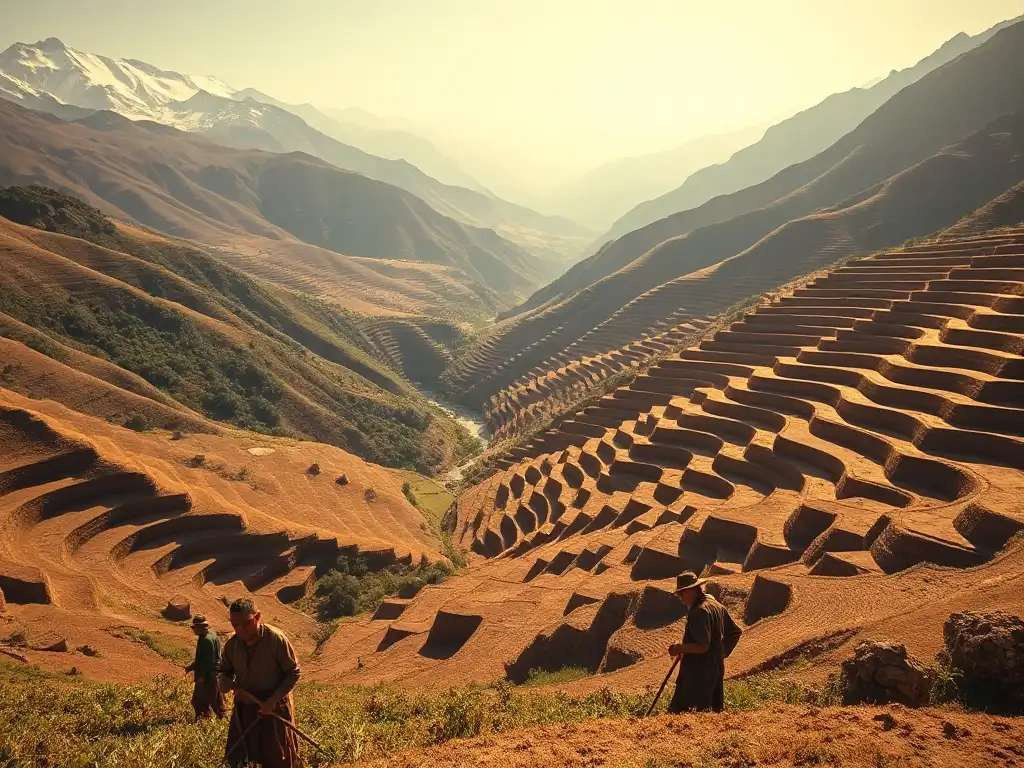
The Inca agricultural distribution system was not merely a logistical feat; it was a cornerstone of their societal structure, profoundly impacting every aspect of Inca life. Its effectiveness contributed significantly to the empire's stability and longevity, allowing for unprecedented population growth and complex social organization. The system's success stemmed from a sophisticated understanding of Andean geography, innovative agricultural techniques, and a highly organized administrative framework.
Understanding its impact requires examining its interaction with Inca social structures, its reliance on reciprocal relationships, and its ability to guarantee food security across the vast empire. This intricate network ensured not just the survival of the population but also the maintenance of political power and social order.
The efficiency of the Inca agricultural distribution system serves as a testament to their advanced understanding of resource management and its crucial role in the empire's success. The keyword "Inca agricultural distribution system" is central to understanding this complex interplay.
The Inca social structure was rigidly hierarchical, with the emperor at the apex and the population divided into ayllus, extended family groups. This hierarchical system was intricately tied to the agricultural distribution system. The emperor and the elite controlled the surplus generated by the agricultural system, using it to maintain their power and influence. However, the system wasn't solely extractive.
Food access was structured to ensure the basic needs of all members of society were met, albeit with varying degrees of abundance. The ayllu acted as the primary unit of distribution, receiving a share of the harvest based on its needs and contributions to the state. This ensured a degree of social stability, as even the lowest members of society were provided with sustenance.
However, access to certain high-quality foods and luxury items remained a privilege of the elite, reinforcing the hierarchical nature of Inca society. This system of tiered access, while seemingly inequitable, provided a framework for social control and stability within the vast Inca empire. The effectiveness of this system in providing for the population, even within its hierarchical structure, showcases the sophisticated nature of Inca resource management.
The System of Reciprocity and Redistribution
The Inca agricultural distribution system relied heavily on the principle of ayni, a system of reciprocity and mutual obligation. This wasn't simply a matter of bartering; it was a deeply ingrained social contract. Ayllus were expected to contribute labor to state projects, such as the construction of roads and irrigation systems, in return for access to resources and protection.
This reciprocal relationship fostered a sense of community and collective responsibility. The surplus produced by the agricultural system was then redistributed through a complex network of state-controlled warehouses ( qollqas) strategically located throughout the empire. These warehouses served as vital hubs, ensuring that food was available even in times of drought or other natural disasters.
The system of redistribution was not arbitrary; it was carefully managed to address the specific needs of different regions and ayllus. This sophisticated organization shows a deep understanding of logistics and resource management, far exceeding the capabilities of many contemporary societies. The effectiveness of the ayni system in maintaining social cohesion and ensuring food security was integral to the Inca agricultural distribution system's success.
How the system ensured food availability
The Inca agricultural distribution system employed several strategies to ensure food availability across its vast territory. Firstly, the ingenious terracing techniques allowed for cultivation on steep slopes, maximizing arable land. Secondly, the development of sophisticated irrigation systems, including canals and aqueducts, provided a reliable water supply even in arid regions. Thirdly, the Inca utilized a diverse range of crops, adapted to different altitudes and climates, creating resilience against crop failures.
This diversification minimized the risk of widespread famine. Furthermore, the extensive network of roads and qollqas facilitated efficient transport and storage of food, ensuring timely distribution to regions facing shortages. The system also included meticulous record-keeping, allowing officials to monitor crop yields and anticipate potential problems. This proactive approach to resource management, combined with innovative agricultural practices, was instrumental in maintaining food security across the vast and diverse Inca empire.
The system's ability to consistently provide for the population, even in challenging environmental conditions, highlights its remarkable efficiency and effectiveness. The Inca agricultural distribution system, therefore, stands as a testament to their remarkable organizational and technological capabilities. The system's resilience and adaptability ensured the empire's stability and growth for centuries.
The Inca agricultural distribution system was instrumental in maintaining social stability and preventing widespread famine. The empire's sophisticated network of storage facilities, qollqas, ensured a consistent food supply even during periods of drought or crop failure. These strategically located storehouses, often carved into cliffsides or built from stone, held surplus agricultural produce, allowing the Inca government to redistribute food to regions experiencing shortages. This proactive approach significantly reduced the risk of social unrest stemming from food scarcity.
The system wasn't simply reactive; it was preventative. By maintaining substantial reserves, the Inca could swiftly address localized crop failures before they escalated into widespread famine, thus preserving social harmony and preventing potential uprisings. The efficient redistribution of resources fostered a sense of security and collective well-being among the population, strengthening the empire's social fabric. This system was far more than a simple agricultural strategy; it was a cornerstone of Inca governance, ensuring the stability and longevity of their vast empire.
The ability to quickly and effectively address food shortages through the qollqas network contributed significantly to the Incas' impressive ability to maintain control and order across such a diverse and geographically challenging empire. The system acted as a safety net, mitigating the impact of natural disasters and ensuring the survival of the population, even in the face of adversity. The success of this system is a testament to the Inca's understanding of the importance of food security in maintaining social order and political stability.
The effectiveness of the Inca's approach is further highlighted by comparing it to other pre-Columbian societies that lacked such sophisticated systems. Many of these societies experienced periods of intense famine and social upheaval, directly linked to their inability to effectively manage food resources.
The Inca system, however, stood in stark contrast, showcasing a proactive and efficient approach to resource management that contributed directly to their political and social success. The mita system, while demanding, also played a crucial role in this success by ensuring a reliable workforce for agricultural production and infrastructure maintenance, further bolstering the resilience of the food distribution network.
The combination of centralized planning, efficient storage, and a well-organized workforce allowed the Inca to not only prevent famine but also to maintain a relatively stable and prosperous society, even in the face of challenges posed by the Andean environment. The impact of this system on the social fabric of the Inca Empire cannot be overstated; it was a foundational element of their power and longevity.
Comparison with Other Ancient Agricultural Systems
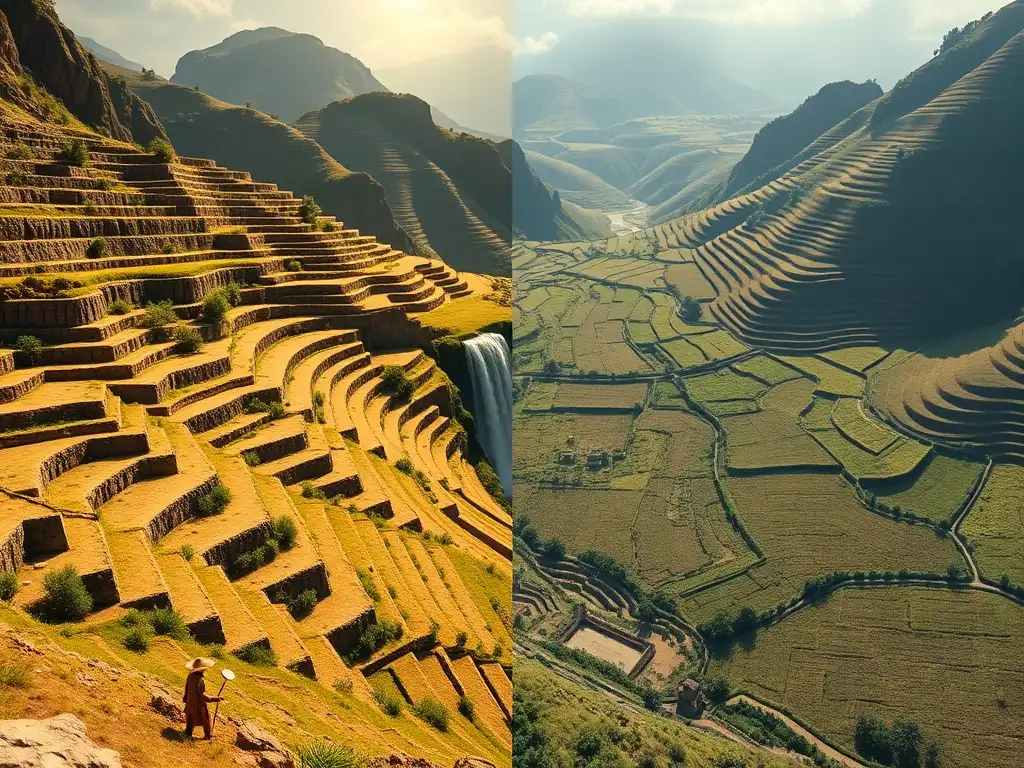
This section delves into a comparative analysis of the Inca agricultural distribution system with other ancient civilizations, focusing on both similarities and key differences. Understanding these contrasts illuminates the unique aspects of Inca agricultural organization and its effectiveness in sustaining a large, complex empire. The Inca system, while sharing some commonalities with other Andean cultures, exhibited remarkable sophistication in its scale and implementation, particularly in its management of surplus and its ability to adapt to diverse environmental conditions.
This sophisticated approach to resource management was crucial to the Inca's success in controlling a vast and geographically diverse territory. We will examine specific examples to highlight these distinctions.
Contrasting Inca Methods with Other Andean Cultures
The Inca agricultural distribution system differed significantly from those employed by other Andean cultures, primarily in its scale and centralized control. While earlier civilizations like the Moche and Nazca developed impressive irrigation techniques, their agricultural output was largely localized and less centrally managed. The Inca, on the other hand, implemented a vast network of mit'a labor, state-controlled storehouses ( qollqas), and a sophisticated system of redistribution to ensure food security across their empire.
This contrasts sharply with the more decentralized systems of earlier Andean cultures, where agricultural production was often tied to smaller, independent communities. The Inca system aimed for empire-wide food security, ensuring that even remote communities received provisions during times of scarcity or crop failure.
This centralized approach was a key component of the Inca's political and economic control. The sheer volume of food stored and distributed by the Inca state dwarfs the scale of any previous Andean civilization.
The following table illustrates some key differences:
| Feature | Inca System | Other Andean Cultures (e.g., Moche, Nazca) |
|---|---|---|
| Scale | Empire-wide, vast network of qollqas | Localized, smaller-scale storage |
| Control | Highly centralized, state-controlled | Decentralized, community-based |
| Labor | Mit'a system, compulsory labor | Primarily community-based labor |
| Distribution | State-controlled redistribution | Primarily local consumption and exchange |
| Surplus Management | Efficient storage and redistribution of surplus | Limited surplus management capabilities |
Comparison with the Moche Irrigation System and Nazca Geoglyphs
While the Moche and Nazca cultures are renowned for their sophisticated irrigation systems and the enigmatic Nazca Lines, their agricultural distribution methods differed significantly from the Inca's. The Moche, for instance, developed intricate canal systems capable of irrigating vast expanses of desert land. However, their distribution system was primarily local, focused on sustaining their own population centers.
The Nazca, similarly, relied on complex irrigation techniques adapted to their arid environment. Their agricultural output, while impressive, remained largely within the confines of their own settlements. The scale and centralized control characterizing the Inca system were absent in these earlier cultures.
The Inca system built upon the technological advancements of previous cultures, but added a layer of imperial control and strategic redistribution that was unprecedented. This difference is crucial in understanding the Inca's ability to maintain a large, diverse population across a challenging landscape. The Inca's ability to control and distribute agricultural surplus was a key element of their power and longevity.
Similarities and Differences in Agricultural Distribution
Despite the differences, some similarities exist between the Inca system and those of earlier Andean cultures. All relied heavily on irrigation techniques tailored to the specific environmental conditions. The use of terraces, for instance, was a common feature across various Andean civilizations, allowing for increased agricultural yields in mountainous terrain.
However, the key difference lies in the scale and centralized control exhibited by the Inca. While other cultures developed efficient local systems, the Inca integrated these techniques into a much larger, imperial-scale operation. The Inca system involved a complex interplay of agricultural production, storage, and redistribution, coordinated by the state to ensure food security and social stability throughout their vast empire.
This centralized control was a critical factor in the Inca's ability to maintain power and consolidate their control over such a geographically diverse and challenging environment. The strategic management of agricultural surplus allowed them to maintain control, quell rebellions, and ensure the continued functioning of their empire. The Inca system represents a sophisticated evolution of earlier Andean agricultural practices, showcasing a remarkable level of organizational and logistical prowess.
Strengths and Weaknesses Compared to Other Ancient Systems
The Inca agricultural distribution system, while incredibly effective for its time and context, presents both strengths and weaknesses when compared to other ancient agricultural systems around the globe. One significant strength lay in its adaptability to diverse and challenging Andean terrains. Unlike systems reliant on flat, fertile floodplains (such as those in ancient Mesopotamia), the Inca system utilized terracing, irrigation canals, and waru waru raised-field agriculture to maximize productivity in mountainous regions with steep slopes and varying altitudes.
This innovative approach allowed for a far greater diversity of crops and a more resilient food supply compared to systems less adaptable to varied topography. The intricate network of storage facilities – qollqas – further enhanced the system's resilience by providing buffers against crop failures and ensuring food security during lean times. This contrasts sharply with some ancient societies that lacked such sophisticated storage solutions, leaving them vulnerable to famine.
However, the Inca system was also characterized by certain weaknesses. Its centralized nature, while effective in resource allocation during times of stability, became a significant vulnerability during periods of unrest or conquest. The disruption of the intricate network of roads and administrative control – the backbone of the distribution system – led to immediate shortages and widespread famine in affected regions.
This fragility is in contrast to decentralized systems, where localized production and storage might offer greater resilience to widespread disruptions. Furthermore, the reliance on a large, organized workforce for construction and maintenance of the agricultural infrastructure presented a considerable logistical challenge. While mita labor provided a mechanism for large-scale projects, it also placed significant burdens on the population, potentially leading to resentment and social unrest, unlike some ancient systems which relied more on independent farming practices.
Another key difference lies in the scale of the Inca system. While many ancient civilizations developed sophisticated agricultural techniques, the Inca’s system was remarkable for its vastness and the sheer volume of resources it managed across a geographically diverse and extensive empire. This scale, however, also contributed to the system's vulnerability.
The intricate network of control was complex and susceptible to breakdown at various points, highlighting the potential for systemic failure despite the brilliance of its design. In contrast, smaller-scale systems might have been less prone to such catastrophic failures, though their capacity for large-scale resource management would obviously have been far more limited. The Inca's system, therefore, presents a compelling case study in the trade-offs between efficiency, resilience, and scale in ancient agricultural management.
The Legacy of the Inca Agricultural Distribution System
The Inca agricultural distribution system, a marvel of ancient engineering and social organization, continues to fascinate and inspire researchers and agricultural experts centuries later. Its impact extended far beyond mere food production; it was a cornerstone of the Inca Empire's political and social stability. The system's effectiveness stemmed from a sophisticated combination of factors: meticulous planning, advanced agricultural techniques, and a highly centralized administrative structure. This intricate network ensured the equitable distribution of resources across diverse ecological zones, fostering a remarkable level of societal cohesion and resilience in a challenging environment.
Understanding the intricacies of this system provides invaluable insights into sustainable resource management and its crucial role in maintaining social order. The Inca's success wasn't simply about producing enough food; it was about controlling its production and distribution to maintain power and stability. This control, in turn, fueled the empire's expansion and longevity.
Lessons Learned from Inca Resource Management
The Inca's success in resource management offers crucial lessons for contemporary societies grappling with issues of food security and sustainable agriculture. Their understanding of diverse ecological zones and the implementation of tailored agricultural practices in each—from the high-altitude puna grasslands to the fertile valleys—demonstrates the importance of adaptive management strategies. The meticulous record-keeping system, using quipus (knotted strings) to track agricultural yields and allocate resources, underscores the need for efficient data management in modern agricultural systems.
Moreover, their emphasis on community participation and collective responsibility in agricultural production highlights the social dimension of sustainable resource management. The Inca system wasn't solely top-down; it relied on community involvement and shared responsibility. This collaborative approach is a valuable model for contemporary projects aiming to improve food security and resource allocation in marginalized communities.
Analyzing the Inca's approach to irrigation, terracing, and crop diversification provides valuable insights into optimizing water use and minimizing environmental impact. Their system demonstrates how careful planning and implementation can significantly increase agricultural productivity while preserving ecological balance, a crucial lesson for modern agriculture facing climate change and resource scarcity.
Modern Relevance of Inca Agricultural Practices
Many Inca agricultural practices remain highly relevant today. Their sophisticated irrigation systems, including canals and aqueducts, provided a reliable water supply even in arid regions. These techniques, adapted to modern materials and engineering, could significantly improve water management in areas currently facing drought or water scarcity.
Similarly, the Inca's terracing techniques, designed to create level farming plots on steep slopes, are still incredibly effective in preventing soil erosion and maximizing land use. Modern applications of terracing, incorporating advanced soil conservation measures, could enhance agricultural productivity in mountainous regions worldwide. Furthermore, the Inca's emphasis on crop diversification, with a focus on resilient varieties adapted to different altitudes and climates, offers valuable lessons for mitigating the risks associated with monoculture farming and climate change.
The Inca's diverse crop portfolio ensured food security even in the face of unpredictable weather patterns. This resilience is a crucial aspect for modern agriculture to learn from and implement. The Inca's approach to sustainable agriculture provides a powerful counterpoint to modern industrial farming practices, often criticized for their environmental impact and reliance on chemical inputs.
Potential for Modern Application of Terracing Techniques
The Inca's mastery of terracing offers significant potential for modern application, particularly in regions with steep slopes and limited arable land. Modern adaptations of Inca terracing techniques could utilize advanced surveying and engineering technologies to optimize land use and minimize soil erosion. These advancements could include the integration of Geographic Information Systems (GIS) for precise land planning, as well as the use of modern materials like reinforced concrete or geotextiles to enhance the durability and stability of terraces.
Furthermore, incorporating modern soil conservation techniques, such as contour plowing and cover cropping, could further enhance the effectiveness of terraced farming systems. The application of these integrated approaches could lead to significant increases in agricultural productivity, reduced soil erosion, and improved water management in mountainous regions globally. Studies comparing modern terrace construction with traditional Inca methods could provide valuable data for optimizing the design and implementation of sustainable terracing projects in diverse environments.
The Inca’s ingenuity in adapting terracing to varying terrains offers a rich source of inspiration for modern agricultural engineers seeking to create resilient and sustainable farming systems. The potential benefits extend far beyond increased food production; they include environmental protection, improved livelihoods, and enhanced community resilience.
Conclusion: The Inca's Enduring Impact on Resource Management
The Inca agricultural distribution system, a marvel of its time, stands as a testament to the empire's sophisticated understanding of resource management and its commitment to societal stability. Its impact resonates even today, offering valuable lessons in sustainable practices and equitable resource allocation.
The meticulous planning, intricate infrastructure, and highly organized system of storage and redistribution ensured food security across diverse ecological zones, mitigating the risks associated with variable harvests and geographical challenges. This wasn't merely a system of control; it was a mechanism for social cohesion, fostering loyalty and minimizing internal conflict by providing for the needs of all citizens, from the emperor to the commoner.
The effectiveness of the ayllu system, with its communal labor and reciprocal obligations, played a crucial role in the system's success. This collaborative approach, combined with the ingenuity of terracing, irrigation systems, and storage facilities, allowed the Incas to achieve remarkable agricultural productivity in challenging terrains. Understanding the Inca approach to agriculture offers valuable insights into sustainable land management techniques, particularly relevant in today's world where climate change and population growth pose significant challenges to food security. The Inca's emphasis on diversification, adaptation to local environments, and community involvement provides a compelling model for modern agricultural practices.
The legacy of the Inca agricultural distribution system extends beyond its practical applications. It represents a powerful example of how a centralized government can effectively manage resources to achieve social and political stability.
The system's success underscores the importance of efficient governance, infrastructure development, and community participation in ensuring food security and overall societal well-being. By studying the intricacies of the Inca system, we can gain a deeper appreciation for the complexities of resource management and the enduring relevance of their achievements in the face of modern challenges.
The Inca's enduring impact lies not only in their impressive engineering feats but also in their innovative social structures that supported a sustainable and equitable distribution of resources, a lesson that continues to inspire and inform contemporary approaches to agricultural development and resource management. The study of the Inca agricultural system serves as a powerful reminder of the interconnectedness between effective governance, sustainable practices, and social stability—a lesson as pertinent today as it was centuries ago.
Frequently Asked Questions
How did the Inca Empire ensure food security across its vast territory?
The Inca employed a sophisticated agricultural distribution system based on a complex network of storehouses (qollqas) and state-controlled agriculture. This system allowed for the efficient storage and redistribution of surplus food to regions experiencing shortages.
What role did terracing play in Inca agricultural practices?
Terracing was crucial for maximizing arable land in the diverse Andean geography. It allowed the Inca to cultivate crops on steep slopes, increasing agricultural productivity and mitigating erosion.
How did the Inca manage the distribution of agricultural products?
The Inca state controlled much of the agricultural production, using a system of labor obligations (mita) and specialized agricultural workers. This ensured a steady flow of food to urban centers and supported the vast imperial bureaucracy.
What were qollqas, and what was their significance in the Inca agricultural system?
Qollqas were strategically placed state-controlled storehouses used to store surplus agricultural products. They played a vital role in the redistribution of resources and ensuring food security during times of scarcity or disaster.
What impact did the Inca agricultural system have on the empire's stability?
The Inca's efficient agricultural management and distribution system were critical to the empire's growth and stability. It facilitated population growth, supported the military, and fostered social order by preventing widespread famine.
Final Reflection: The Enduring Legacy of Inca Agricultural Ingenuity
The Inca's mastery of agricultural distribution wasn't merely a feat of engineering; it was a sophisticated system of social control that ensured the survival and stability of a vast empire. This intricate network of terraced fields, storehouses, and meticulously planned resource allocation remains a powerful testament to human ingenuity and its capacity to overcome environmental challenges, a lesson particularly relevant in our era of climate change and food insecurity.
The Inca's approach to agriculture continues to resonate today, reminding us of the crucial link between societal organization and successful food production. Their system wasn't simply about growing food; it was about fostering community, ensuring equity (at least within the framework of their empire), and building resilience against natural disasters. The Inca civilization was a masterpiece of human organization, demonstrating that a society's success is inextricably linked to its ability to manage its resources effectively.
This quote encapsulates the enduring power of the Inca's agricultural model, highlighting its relevance far beyond its historical context. It challenges us to consider how we, too, can build more sustainable and equitable systems for food production and distribution.
Consider the challenges we face today: climate change, population growth, and increasing inequality in access to food. The Inca's example urges us to rethink our own approaches to agriculture and resource management. You, the reader, are now equipped with a deeper understanding of a remarkable system. How can you apply the principles of careful planning, community collaboration, and resource optimization to address the food challenges of our time? Let the ingenuity of the Inca inspire you to build a more sustainable and just future for all.
Embrace the Secrets of Inca Innovation!
Thank you for exploring the fascinating world of Inca agricultural distribution! You've discovered how this sophisticated system not only sustained their civilization but also profoundly shaped their society. Now, let's build on that inspiration.
Here are some ways you can connect with this incredible history:
- **Discover local farming projects** in your community that champion sustainable practices inspired by ancient techniques. Look for initiatives focused on water conservation or terrace farming, for example.
- **Share your newfound knowledge** with friends, family, or on social media to encourage conversations about innovative and sustainable agricultural solutions.
- **Volunteer at a community garden** or participate in an agricultural workshop to experience the power of collaborative farming and its impact on local food systems.
What aspect of Inca agriculture most captivates you, and how can we adapt these ancient innovations to benefit modern society?