
The Inca's Ingenious Methods of Water Harvesting

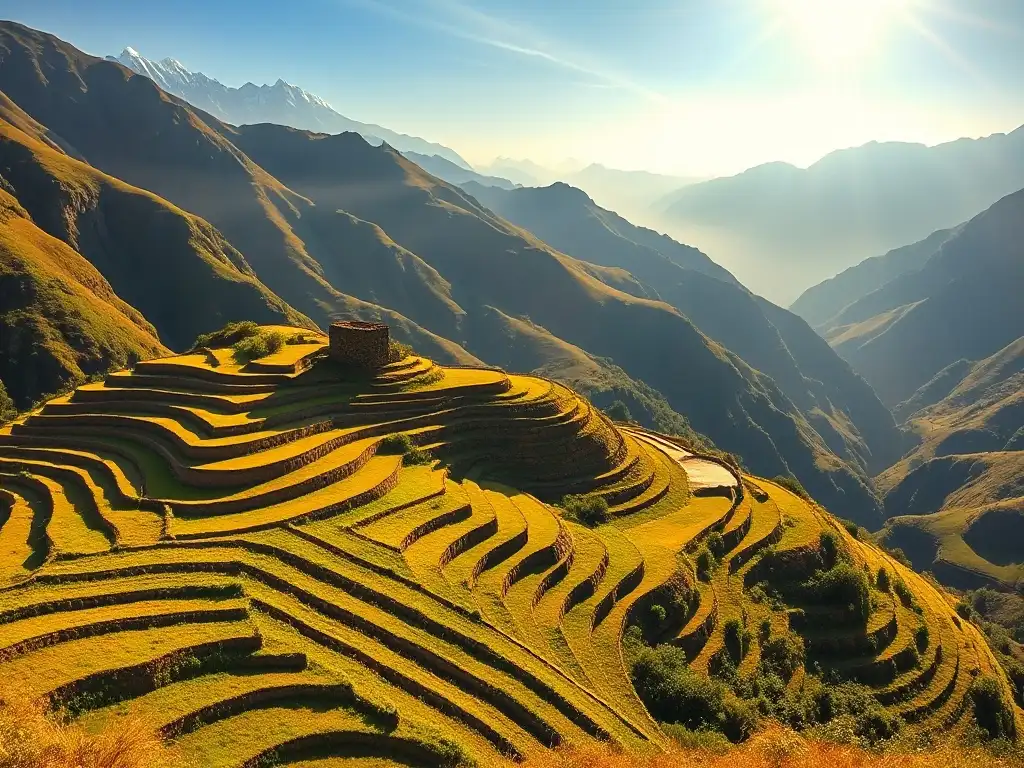
Step into a world lost to time, yet echoing with ingenuity. Imagine a civilization that thrived in the harsh Andes, mastering the very elements to survive and flourish. Here at Andean Civilizations, we unravel the mysteries of these remarkable cultures. Prepare to be amazed by the Inca water harvesting techniques, a testament to their advanced engineering and profound understanding of their environment. Discover how they conquered the challenges of the Andes – and unlock the secrets of their enduring legacy.
- Inca Water Harvesting Techniques: An Engineering Marvel of the Andes
- Ancient Inca Methods for Capturing Water
- Inca Technology in Water Harvesting: Key Elements
- Examples of Inca Water Harvesting Sites
- The Legacy of Inca Water Management
- Frequently Asked Questions
- Final Reflection: The Enduring Legacy of Inca Water Wisdom
- Unlock the Secrets of Incan Water Wisdom!
Inca Water Harvesting Techniques: An Engineering Marvel of the Andes
The Inca Empire, renowned for its sophisticated social structures and architectural prowess, also possessed an incredibly advanced understanding of water management. Flourishing in the challenging Andean highlands, where water resources were often scarce and unpredictable, the Inca developed ingenious techniques for harvesting, storing, and distributing water, crucial for sustaining their large population and intensive agricultural practices.
This article delves into the remarkable ingenuity of Inca water harvesting, exploring the environmental context that shaped their innovations and detailing the specific methods they employed to ensure a reliable water supply for their thriving civilization. Understanding these techniques provides valuable insight into the resourcefulness and technological sophistication of the Inca, highlighting their ability to adapt and thrive in a demanding environment.
The mastery of water resources was not merely a matter of survival; it was integral to the economic, social, and political fabric of the Inca Empire, a testament to their advanced understanding of engineering and sustainable resource management. This exploration of Inca water harvesting techniques will illuminate their remarkable achievements and offer a fascinating glimpse into the ingenuity of this remarkable civilization.
Understanding the Andean Environment and Water Scarcity
The Andes Mountains present a formidable challenge for agriculture. High altitudes, steep slopes, and unpredictable rainfall patterns create a naturally arid environment, making water scarcity a constant concern. The Inca civilization, however, thrived in this challenging landscape, largely due to their sophisticated understanding of hydrology and their ability to harness even the most limited water resources.
Rainfall in many Andean regions is highly seasonal, with intense wet seasons followed by prolonged dry periods. Furthermore, the mountainous terrain means that water sources are often located at high elevations, far from the agricultural terraces where it was most needed. Understanding the variability and unpredictability of water availability in the Andes is essential to appreciating the remarkable ingenuity of Inca water harvesting techniques.
The Inca weren't simply reacting to scarcity; they actively shaped their environment to mitigate the risks associated with unpredictable water supplies. They did this through a combination of careful observation, clever engineering, and a deep understanding of their environment. Their success in this endeavor is a testament to their adaptive capacity and technological prowess.
The Need for Innovative Inca Water Management
The Inca's success was intrinsically linked to their ability to manage water resources effectively. The sheer scale of their agricultural production, supporting a large and densely populated empire, demanded a sophisticated system for water collection, storage, and distribution. The challenges presented by the Andean environment – steep slopes, unpredictable rainfall, and the need to irrigate extensive terraced fields – necessitated innovative solutions.
The Inca met these challenges by developing a complex network of canals, aqueducts, and reservoirs, ingeniously designed to capture and redirect water from rivers, springs, and melting snow. These systems were not merely rudimentary channels; they were carefully engineered structures, often incorporating sophisticated features like diversion weirs, filter systems, and pressure-release points to regulate water flow and prevent erosion. The construction of these systems required a significant investment of labor and resources, reflecting the high value placed on water management within Inca society.
The scale and complexity of the Inca water management systems underscore the vital role water played in their economy and the sophisticated technological capabilities of the civilization. The integration of these systems into the broader Inca social and political structure further highlights the importance of water resource management in their society.
Ancient Inca Methods for Capturing Water
The Inca Empire, renowned for its sophisticated social structures and impressive architectural feats, also possessed incredibly advanced water harvesting techniques. Their mastery of hydrology allowed them to thrive in diverse and often challenging Andean environments, transforming arid landscapes into productive agricultural zones. Understanding their methods provides insights into their ingenuity and resourcefulness, showcasing a deep connection between their culture and the natural world.
The success of Inca agriculture hinged on their ability to capture, store, and distribute water efficiently, a testament to their practical understanding of hydraulic engineering and sustainable resource management. This section delves into the key elements of their impressive water management systems, focusing on the intricate interplay of terraces, canals, and reservoirs. The effectiveness of these Inca water harvesting techniques is still studied and admired today, offering valuable lessons for modern water management strategies.
Terraces and Agricultural Water Management
Inca terraces, iconic symbols of Andean ingenuity, were not merely aesthetic features; they were integral components of a sophisticated water harvesting system. These meticulously constructed agricultural platforms, carved into steep mountain slopes, served multiple crucial purposes. Firstly, they significantly increased arable land, maximizing the use of available space in challenging terrain. Secondly, the terraced design slowed water runoff, preventing erosion and maximizing infiltration into the soil. The carefully graded terraces, often incorporating channels and retaining walls, created microclimates that improved soil moisture retention and moderated temperature fluctuations.
The construction of Inca terraces involved a profound understanding of topography and hydrology. Each terrace was meticulously leveled and aligned, ensuring proper drainage and water distribution. Farmers utilized a network of small channels within each terrace to direct water to the crops, allowing for precise irrigation. This precise control over water flow was crucial, especially in areas with limited rainfall.
The effectiveness of this system is demonstrated by the enduring productivity of many ancient Inca terraces, even centuries after their construction. Studies have shown that the terracing techniques not only improved water retention but also enhanced soil fertility by reducing erosion and promoting the accumulation of organic matter. The design and construction of these terraces represents a remarkable feat of engineering and environmental stewardship. The efficiency of water use in Inca terraces highlights a sustainable approach to agriculture that remains relevant in today's context of increasing water scarcity.
Inca Canal Systems: Engineering for Water Distribution
Beyond the terraces, the Inca Empire boasted an extensive network of canals that facilitated the efficient distribution of water across vast distances. These canals, often carved into rock or constructed from stone, showcased remarkable engineering skills. They were designed to transport water from sources like rivers, springs, and melting snow to agricultural fields, sometimes traversing challenging terrain with significant elevation changes. The canals were typically lined with stone or plastered to minimize water loss through seepage. Their construction involved careful planning and precise surveying, demonstrating a deep understanding of hydraulic principles.
The Inca canal systems were not merely conduits for water; they were integral parts of a sophisticated irrigation infrastructure. The canals were often equipped with strategically placed siphons, aqueducts, and spillways to manage water flow and prevent damage. The ingenious use of these structures allowed the Incas to overcome obstacles such as valleys and uneven terrain, ensuring a reliable supply of water to their agricultural lands. The scale and complexity of these canal systems varied across the empire, reflecting the diverse hydrological conditions of different regions.
Some canals were relatively small and served local communities, while others were large-scale projects that supplied water to extensive agricultural areas. The construction and maintenance of these canals were likely community-based efforts, highlighting the social and cooperative aspects of Inca water management. The legacy of Inca canal systems continues to inspire modern irrigation practices, underscoring the enduring relevance of their engineering achievements.
Reservoirs and Storage Solutions in the Inca Empire
To mitigate the effects of seasonal variations in rainfall, the Inca developed sophisticated reservoir systems for water storage. These reservoirs, often located strategically near agricultural fields, played a crucial role in ensuring a consistent supply of water throughout the year. Many reservoirs were built using stone and earth, with carefully constructed embankments to retain water. Their design often incorporated spillways to prevent overflow and maintain water quality. Some reservoirs were integrated into the broader irrigation infrastructure, connected to canals that distributed water to the fields.
The size and capacity of Inca reservoirs varied depending on local needs and available resources. Some were relatively small, serving individual communities, while others were large-scale projects capable of storing significant volumes of water. The construction of these reservoirs required considerable engineering expertise, including an understanding of hydrology, geology, and materials science.
The locations of the reservoirs were carefully chosen to maximize water storage capacity and minimize environmental impact. The integration of reservoirs into the broader water management system demonstrates the Inca's holistic approach to resource management. The construction and maintenance of these reservoirs required collective effort, highlighting the importance of community cooperation in Inca society.
The ingenuity of Inca reservoir systems serves as a testament to their advanced understanding of water resource management, providing valuable lessons for contemporary water conservation efforts. The careful planning and construction of these reservoirs ensured that water was available even during dry seasons, contributing significantly to the agricultural success of the Inca Empire.
Utilizing Springs and Natural Water Sources
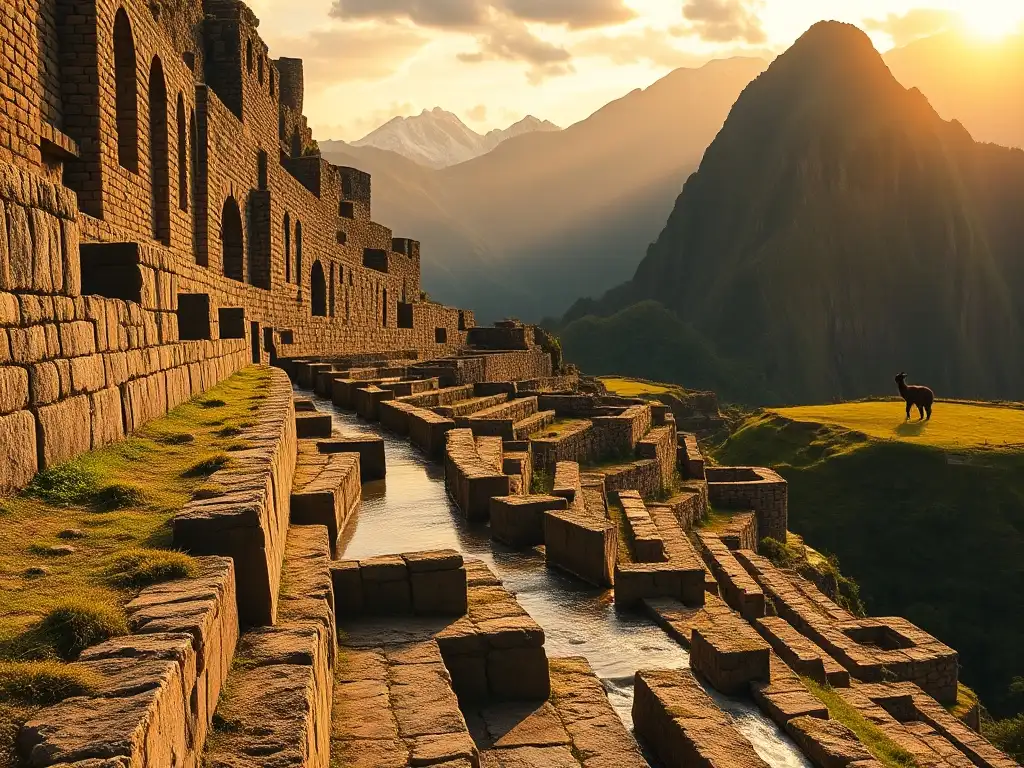
The Inca's mastery of water management wasn't solely about grand engineering projects; it also involved a deep understanding and clever utilization of pre-existing natural water sources. Springs, a vital source of freshwater, were carefully identified and incorporated into their intricate water systems. Instead of simply drawing water directly from the springs, the Inca often channeled the flow, creating carefully constructed conduits and canals to direct the water to where it was needed most—irrigation fields, urban centers, or storage facilities. This approach minimized water loss through evaporation and ensured a consistent supply, even during periods of lower rainfall.
The construction of these channels varied depending on the terrain and the volume of water. In some cases, simple, open channels sufficed, while in others, more sophisticated techniques, including the use of stone lining and carefully graded slopes, were employed to control the flow and prevent erosion. The location of settlements and agricultural plots often reflected the proximity to reliable springs, showcasing the paramount importance of these natural resources in Inca planning and development. This strategic placement maximized efficiency and minimized the need for extensive water transport.
Many archaeological sites still reveal the remnants of these cleverly integrated spring systems, testament to the Inca's practical and sustainable approach to water management. Their ability to harness the power of natural springs, combined with their advanced engineering skills, allowed them to create a remarkably resilient and productive agricultural system, even in challenging Andean environments. The preservation of these springs and their integration into larger networks also showcases the Inca's deep respect for and understanding of the natural world and its resources. Their approach serves as a valuable lesson in sustainable water resource management even today.
Constructing Reservoirs and Storage Systems
The Inca civilization understood the importance of storing water for times of drought and scarcity. Their ingenuity extended beyond merely channeling existing water sources; they also constructed impressive reservoirs and storage systems to capture and conserve precious water. These reservoirs were not uniform in size or design; they were carefully adapted to the local topography and available resources. Some were simple, earthen basins, while others were more complex structures, incorporating stone walls and sophisticated drainage systems.
The size of these reservoirs varied greatly, ranging from small, localized basins designed to serve individual households or small agricultural plots to much larger systems capable of supplying water to entire communities. The construction of these reservoirs involved meticulous planning and considerable labor. They were often located strategically near agricultural lands or urban centers to minimize transport distances and maximize accessibility. The construction techniques employed reflected a deep understanding of engineering principles, including the careful selection of materials, the creation of waterproof seals, and the management of water flow.
The careful planning and execution of these projects stand as a testament to the Inca's advanced understanding of hydrology and their ability to mobilize substantial human resources for large-scale infrastructure projects. Many of these reservoirs played a crucial role in sustaining the Inca agricultural economy and ensuring food security for their population. The remnants of these reservoirs, visible even today in various locations throughout the Andes, serve as powerful reminders of the Inca's remarkable engineering achievements and their sustainable approach to water management. Archaeological studies continue to unveil new details about their construction and function, further enriching our understanding of Inca ingenuity.
Terracing and Irrigation Canals: A Combined Approach
Inca water harvesting techniques weren't isolated strategies; they were often interwoven, creating a synergistic effect. The iconic Inca terraces, carved into the steep slopes of the Andes, represent a prime example of this integrated approach. These terraces not only increased arable land but also played a crucial role in water management. The carefully constructed walls of the terraces served as barriers, slowing down the flow of rainwater and preventing erosion.
This allowed the water to seep into the soil, providing consistent moisture for crops even during dry periods. Furthermore, the terraces were often integrated with intricate networks of irrigation canals. These canals, constructed with remarkable precision, channeled water from higher elevations to lower-lying terraces, ensuring that even the most challenging slopes received adequate irrigation. The design of these canals often incorporated ingenious features, such as diverting excess water, controlling the flow rate, and preventing clogging.
This ingenious combination of terracing and irrigation canals allowed the Inca to cultivate crops on land that would otherwise have been unsuitable for agriculture. The skillful engineering behind this approach enabled the Inca to maximize water usage and agricultural productivity, even in the challenging Andean terrain. The terraces and canals, built to remarkably high standards, are a testament to the Inca's understanding of both engineering and agriculture, and their legacy continues to inspire modern agricultural practices. The integration of these techniques enabled the Inca to achieve a level of agricultural productivity that supported a large and thriving population in a challenging environment.
Inca Technology in Water Harvesting: Key Elements

The Inca Empire's success was intrinsically linked to its mastery of water management. Their sophisticated Inca water harvesting techniques allowed them to thrive in diverse and often challenging Andean environments, transforming arid landscapes into productive agricultural zones. This wasn't mere luck; it was the result of ingenious engineering, meticulous observation, and a deep understanding of the natural world. This section delves into the key technological elements that underpinned their remarkable achievements in water harvesting.
Stone Work and Construction for Water Infrastructure
Inca water harvesting wasn't just about diverting water; it involved creating a durable and adaptable infrastructure. Their expertise in stonework is legendary, and this skill was crucial in building their impressive water systems. They employed precisely cut stones, fitted together without mortar, to create canals, aqueducts, and reservoirs that could withstand the harsh Andean climate and seismic activity. The precision of their stonework is astonishing; some structures remain remarkably intact even today, a testament to their engineering prowess and the quality of their materials.
Consider the intricate network of canals that crisscrossed the Sacred Valley, channeling water to distant fields and urban centers. These weren't simply ditches; they were carefully engineered systems, often incorporating tunnels and siphons to overcome changes in elevation. The durability of these structures ensured a reliable water supply for generations. The use of locally sourced stone not only reduced transportation costs but also ensured a natural integration with the surrounding environment.
This sustainable approach to construction is a hallmark of Inca ingenuity. Further research into the specific quarrying techniques and transportation methods employed would enrich our understanding of this aspect of Inca water harvesting. [Specific information pending on detailed analysis of stone types and construction techniques used in different regions.]
Understanding of Gravity and Water Flow
The Inca's understanding of gravity and water flow was fundamental to their success in water harvesting. They skillfully utilized natural gradients to create efficient systems that minimized the need for energy-intensive pumping. Their canals were meticulously graded to ensure a consistent flow of water, even over long distances.
The careful design of slopes and the strategic placement of spillways and sediment traps prevented blockages and ensured the longevity of the system. Moreover, their understanding extended beyond simple gravity; they incorporated ingenious techniques like siphons and pressure tunnels to overcome obstacles such as valleys and hills. These advanced techniques demonstrate a sophisticated comprehension of hydraulic principles that were far ahead of their time.
For example, the use of pressure tunnels allowed them to transport water across significant elevation changes without the need for large-scale terracing or extensive canal systems. The precise calculations required to design and construct these systems highlight the mathematical and engineering skills of Inca water management specialists. Further investigation could reveal the specific methods they used to calculate water flow rates and pressure, providing valuable insights into their scientific understanding.
The Role of Observation and Adaptation
The Inca's success in water harvesting wasn't solely dependent on technological innovation; it was equally reliant on careful observation and adaptation to the local environment. They possessed an intimate understanding of their surroundings, meticulously studying rainfall patterns, water sources, and soil types. This knowledge informed their design choices, ensuring that their systems were tailored to the specific conditions of each region. They weren't simply imposing a standardized system; they were adapting and innovating based on local needs and constraints.
For instance, in areas with limited rainfall, they implemented sophisticated techniques like terraced farming and the construction of reservoirs to capture and store rainwater. In contrast, in regions with abundant water resources, they focused on developing extensive canal networks to distribute water efficiently. The flexibility and adaptability of their approach underscore their practical wisdom and their ability to create sustainable solutions that were both effective and environmentally sound.
A more detailed study of regional variations in Inca water harvesting techniques would reveal the full extent of their adaptive capabilities and their profound understanding of the Andean ecosystem. The success of Inca water harvesting highlights the importance of integrating ecological knowledge into technological design. This holistic approach yielded a sustainable system that provided for the needs of the empire for centuries.
Examples of Inca Water Harvesting Sites
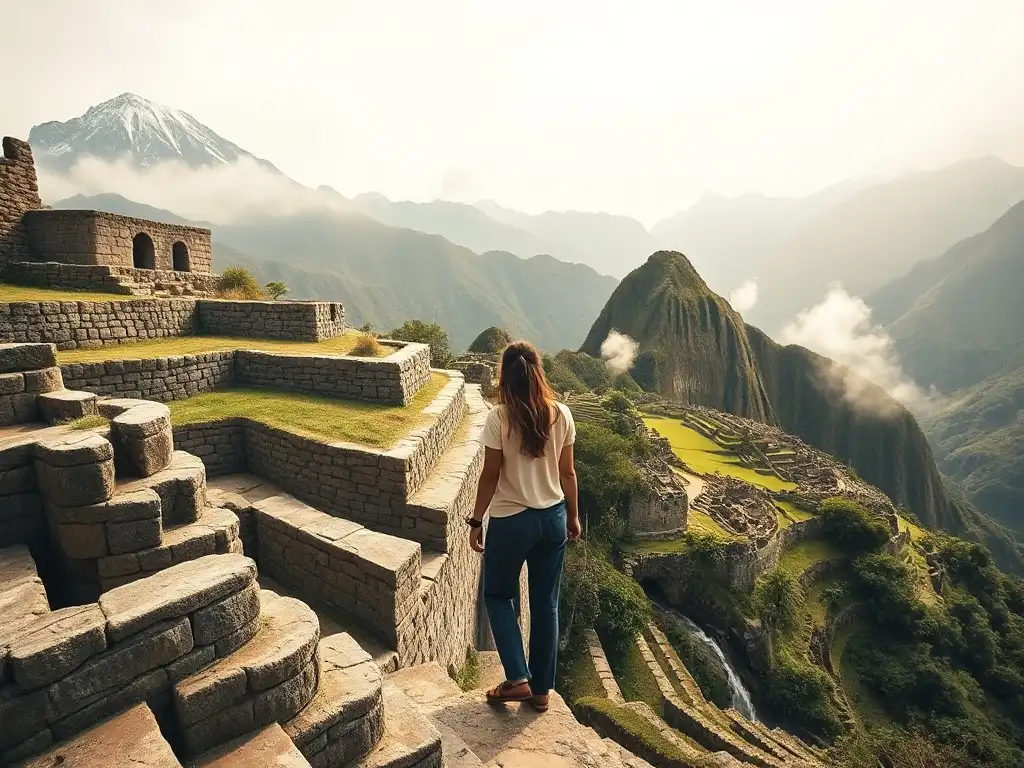
The Inca Empire, renowned for its sophisticated agricultural practices, developed ingenious water harvesting techniques crucial for sustaining its large population and thriving in diverse Andean environments. These techniques weren't haphazard; they were meticulously planned and executed, showcasing a deep understanding of hydrology and engineering. Their mastery of water management allowed them to cultivate crops in challenging terrains, contributing significantly to the empire's prosperity and longevity.
Analyzing specific sites reveals the ingenuity and complexity of their water harvesting systems. The effectiveness of these systems is a testament to the Inca's advanced knowledge of hydraulic engineering and their profound respect for water as a life-giving resource.
Machu Picchu and its Water System
Machu Picchu, the iconic "Lost City of the Incas," stands as a prime example of their sophisticated water management. Nestled high in the Andes, the city's survival depended on a reliable water supply. The Incas cleverly harnessed natural springs and diverted water using a network of canals, channels, and aqueducts. These were expertly carved into the mountainside, showcasing their mastery of stonework.
The system was remarkably efficient, distributing water to different sections of the city, including residential areas, agricultural terraces, and religious structures. The design incorporated ingenious features like strategically placed fountains and spillways to control water flow and prevent erosion. Archaeological evidence suggests a highly organized and well-maintained system, reflecting the Inca's commitment to water conservation and equitable distribution.
The precise engineering involved in channeling water across varying terrain and elevations is a testament to their advanced understanding of hydraulic principles. Even today, remnants of this system are still visible, demonstrating its remarkable resilience and the enduring legacy of Inca engineering prowess. The Machu Picchu water system wasn't just functional; it was a marvel of engineering seamlessly integrated into the city's landscape.
Tipón Demonstrating Ingenious Techniques
Tipón, located near Cusco, provides another compelling illustration of Inca water harvesting techniques. Unlike Machu Picchu's mountainous setting, Tipón's system showcased a different approach, leveraging the topography to create a complex network of canals and terraces. The site features a series of cascading water channels that distribute water to a series of agricultural terraces. The system's ingenuity lies in its ability to efficiently manage water flow across varying elevations.
The canals, meticulously carved into stone, transported water from a nearby spring, cleverly utilizing gravity to irrigate the terraces. The terraces themselves were expertly constructed, creating a series of level platforms that maximized arable land and minimized water loss. This sophisticated system allowed for the cultivation of a wide variety of crops, highlighting the Inca's ability to adapt their water management techniques to different environments.
The precision and scale of the Tipón system underscore the Inca's advanced understanding of both agriculture and water engineering. The site serves as a powerful reminder of their resourcefulness and their commitment to sustainable agricultural practices. Detailed studies of Tipón continue to reveal new insights into Inca water management strategies.
Ollantaytambo and its Unique Approach
Ollantaytambo, a significant Inca archaeological site, presents a unique perspective on Inca water harvesting. Known for its impressive agricultural terraces carved into steep slopes, Ollantaytambo's water system demonstrates the Inca's adaptability and problem-solving skills. The terrain posed significant challenges, requiring innovative solutions to manage water flow. The Incas addressed this by constructing a complex network of canals and channels that navigated the steep inclines and uneven surfaces.
They employed a variety of techniques, including the use of carefully placed spillways and diversion channels to control water flow and prevent erosion. Furthermore, the integration of the water system into the overall urban design of Ollantaytambo showcases a holistic approach to resource management. The system wasn't merely a functional element; it was integral to the city's social and economic fabric. The ingenuity of the Ollantaytambo water system is evident in its ability to provide water to a large population in a challenging environment.
The system's longevity and effectiveness stand as a testament to the Inca's exceptional engineering skills and their deep understanding of their environment. Further research is needed to fully understand the intricacies of this remarkable system and its contribution to the prosperity of Ollantaytambo. Analyzing the unique challenges and solutions at Ollantaytambo provides valuable insights into the adaptability and ingenuity of Inca water harvesting techniques.
The Legacy of Inca Water Management
The Inca Empire, renowned for its sophisticated social structures and impressive architectural feats, also possessed remarkably advanced water management systems. Their ingenuity in harvesting and distributing water allowed them to thrive in diverse and often challenging Andean environments, supporting a large population and intensive agriculture. This legacy extends far beyond the empire's demise, offering invaluable lessons for contemporary water resource management strategies.
Understanding the Inca's approach to water—a crucial element of their success—provides insights into sustainable practices that remain relevant today. The Inca's understanding of water wasn't merely utilitarian; it was deeply intertwined with their cosmology and spirituality, further highlighting the holistic nature of their approach. Their methods were not just about engineering prowess, but about a deep respect for and understanding of the natural world.
Lessons from the Inca for Sustainable Water Use
The Inca's sophisticated water harvesting techniques offer crucial lessons for modern sustainable practices. Their success stemmed from a combination of factors, including:
- Careful observation and adaptation to local conditions: Inca engineers meticulously studied local hydrology, topography, and rainfall patterns to design systems tailored to specific environments. This meant different techniques were employed in the high Andes, compared to coastal regions or valleys. This adaptability is essential for modern water management strategies, acknowledging the unique characteristics of different ecosystems.
- Integration with the landscape: Inca water systems weren't imposed upon the landscape, but rather seamlessly integrated with it. They utilized natural features like hillsides and valleys to maximize efficiency and minimize environmental impact. This contrasts with some modern approaches that can disrupt natural water cycles and lead to ecological damage.
- Community-based management: Water distribution was a community affair, managed collaboratively and fairly. This participatory approach ensured equitable access to a vital resource and promoted collective responsibility for its maintenance. Modern water governance could benefit from embracing similar principles of community engagement and shared responsibility.
- Sustainable practices: The Inca understood the importance of water conservation. Their techniques minimized water loss and promoted efficient use, avoiding the wasteful practices that characterize many modern systems. Re-evaluating our water consumption habits and implementing water-saving technologies, like those inspired by Inca ingenuity, is crucial for long-term sustainability.
Modern Applications of Ancient Inca Techniques
The principles behind Inca water harvesting techniques are being revisited and applied in contemporary contexts, particularly in arid and semi-arid regions facing water scarcity. Modern engineers are drawing inspiration from Inca innovations such as:
- Andenes (terraces): These agricultural terraces, meticulously constructed on steep slopes, not only increased arable land but also captured and retained rainwater, reducing runoff and soil erosion. Modern adaptations of andenes are being used in various parts of the world to improve water retention in hilly regions.
- Canales (canals): Inca canals, often built with intricate stonework, efficiently channeled water from sources to fields, minimizing water loss through evaporation. Modern canal systems are incorporating similar design principles to improve efficiency and reduce water waste.
- Achachiwas (reservoirs): These strategically placed reservoirs provided water storage for dry periods, ensuring a consistent supply for agriculture and domestic use. The design of modern reservoirs often draws lessons from the Inca’s understanding of water storage and distribution.
The application of these techniques is not simply about replicating historical methods; it involves adapting and refining them to suit modern needs and technologies. For example, modern materials and engineering techniques can be used to create more durable and efficient versions of Inca water management systems. This integration of ancient wisdom with modern technology offers promising solutions to contemporary water challenges.
The Enduring Impact of Inca Ingenuity
The Inca's ingenious water harvesting techniques represent a remarkable achievement in engineering and resource management. Their legacy continues to inspire and inform sustainable practices today. By studying and adapting these ancient methods, we can gain valuable insights into efficient water use, community-based management, and the importance of integrating water systems with the environment.
The Inca's enduring impact highlights the critical need for a holistic and sustainable approach to water resource management – one that values both efficiency and environmental stewardship. Their sophisticated understanding of water, far exceeding the capabilities of many contemporary societies for a time, serves as a powerful reminder of the importance of learning from the past to build a more sustainable future. The continued study and application of Inca water harvesting techniques will undoubtedly contribute to addressing the global challenges of water scarcity and environmental degradation.
Frequently Asked Questions
What were the main challenges the Inca faced regarding water?
The Inca lived in a diverse and often arid environment, facing challenges like seasonal variations in rainfall and uneven water distribution across their vast empire. This necessitated sophisticated water management strategies.
How did the Inca overcome these water challenges?
The Inca developed ingenious water harvesting techniques, including terracing, canals, and aqueducts, to capture and redistribute water resources efficiently. They also used reservoirs and irrigation systems.
What is the significance of Inca terracing in water harvesting?
Inca terracing created level platforms on slopes, slowing water runoff, reducing soil erosion, and allowing for efficient irrigation of crops. This technique maximized water use in mountainous areas.
Can you give examples of Inca water infrastructure?
The massive aqueducts of Cusco, the intricate canal systems of Moray, and the numerous reservoirs throughout the empire are prime examples of Inca water infrastructure. These structures demonstrated advanced engineering skills.
How did Inca water management impact their civilization?
Effective water management was crucial for agricultural productivity, supporting a large population and a complex society. Reliable water supplies were vital for sustaining Inca power and influence.
Final Reflection: The Enduring Legacy of Inca Water Wisdom
The Inca's mastery of water harvesting wasn't just a feat of engineering; it's a timeless lesson in sustainable resource management, a lesson desperately needed in our era of climate change and water scarcity. Their innovative techniques, from intricate canal systems to sophisticated terraces, offer a powerful counterpoint to modern, often unsustainable practices. The ingenuity displayed by the Inca civilization continues to inspire awe and provides a blueprint for a more responsible future.
The impact of the Inca's approach extends far beyond the Andes. Their understanding of water's vital role in societal stability and agricultural success resonates deeply with contemporary challenges. We are facing unprecedented water stress globally, and the Inca's solutions, developed centuries ago without modern technology, offer valuable insights into effective water management. Water is the driving force of nature.
– Leonardo da Vinci. This simple statement highlights the enduring truth at the heart of the Inca's achievements – a profound respect for and understanding of the power and preciousness of water.
Consider the ingenuity of their systems, the meticulous planning, and the communal effort required to build and maintain them. This wasn't merely about survival; it was about creating a thriving civilization built on a foundation of sustainable resource management. You, too, can contribute to a more sustainable future. Reflect on your own water consumption habits, explore ways to conserve this precious resource, and consider how you can advocate for responsible water management in your community. Let the legacy of Inca water wisdom inspire you to act, to protect this vital element for generations to come.
Unlock the Secrets of Incan Water Wisdom!
Thank you for exploring the fascinating ingenuity of Inca water harvesting methods! We hope you've gained valuable insights into how these ancient civilizations thrived in challenging environments. Now, let's put that knowledge to practical use!
Here are a few ways you can further explore and appreciate these remarkable techniques:
- Explore your local environment: Observe a nearby natural water source – a stream, spring, or even rainwater runoff – and consider how ancient civilizations might have harnessed it for sustainable water management. Imagine the challenges they faced and the solutions they devised.
- Share the knowledge: Discuss the innovative Inca water systems with friends and family, sparking conversations about sustainable practices and the resourcefulness of ancient cultures. Their achievements offer valuable lessons for our modern world.
- Join a community: Seek out workshops, online forums, or local groups focused on water conservation and sustainable agriculture. Connecting with like-minded individuals can deepen your understanding and inspire collaborative projects.
How can you incorporate the wisdom of the Inca into your own approach to water conservation? What innovative solutions could you implement in your daily life?