
The Impact of Inca Agricultural Practices on the Environment


Step into a world lost to time, yet echoing with the ingenuity of a vanished empire. Discover the secrets of the Andes, a landscape shaped not only by nature's grandeur but also by the remarkable achievements of ancient civilizations.
We delve into the fascinating story of the Inca, exploring their mastery of agriculture and its profound, lasting impact on the environment. Prepare to be amazed by the ingenuity of the Inca's agricultural techniques and the surprising legacy they left behind — unravel the mysteries surrounding the Inca agricultural environmental impact and journey with us through this captivating chapter of history.
- The Inca Agricultural Environmental Impact: A Deep Dive
- Terracing and its Influence on Andean Landscapes
- Irrigation Systems and their Environmental Implications
- Crop Rotation and its Role in Soil Conservation
- The Environmental Consequences of Inca Agriculture
- Positive Environmental Contributions of Inca Agriculture
- Comparing Inca Agriculture to Modern Practices
- The Legacy of Inca Agricultural Environmental Impact
-
Frequently Asked Questions
- What were the main Inca agricultural techniques?
- How did Inca agriculture impact the environment positively?
- Did Inca agriculture have any negative environmental impacts?
- How did the Inca adapt their agriculture to different environments?
- What lessons can we learn from Inca agricultural practices today?
- Final Reflection: Echoes of the Andes: A Legacy of Inca Ingenuity and Environmental Stewardship
- Unveil Sustainable Practices for Our Future!
The Inca Agricultural Environmental Impact: A Deep Dive
The Inca Empire, renowned for its sophisticated social and political structures, also boasted remarkably advanced agricultural practices that profoundly shaped the Andean environment. This article delves into the multifaceted impact of Inca agriculture, exploring both its ingenious adaptations to challenging terrains and its potential consequences for the delicate ecosystems of the Andes.
Understanding the Inca approach to agriculture is crucial to comprehending their societal success and the lasting legacy they left on the landscape. We will analyze specific techniques and assess their long-term environmental effects, considering both positive contributions, such as terracing's role in soil conservation, and potential negative consequences, such as deforestation or over-exploitation of resources.
By examining this complex relationship between Inca ingenuity and environmental impact, we aim to gain a more nuanced understanding of this remarkable civilization and its enduring influence on the Andean region. The keyword "Inca agricultural environmental impact" will be explored through a lens of both ecological sustainability and the limitations of even the most advanced ancient technologies.
Understanding Inca Agriculture and its Context
Inca agriculture wasn't simply a matter of planting and harvesting; it was an intricate system deeply intertwined with their worldview and social organization. Facing the challenges of the Andes – steep slopes, varying altitudes, and unpredictable weather – the Inca developed ingenious techniques to maximize agricultural productivity. Their agricultural success was not solely about technological innovation but also about a comprehensive understanding of their environment and the careful management of resources.
This involved sophisticated water management systems, including canals, irrigation channels, and reservoirs, that channeled water to even the most inaccessible fields. The Inca also implemented a highly organized system of labor, with mit'a, a form of mandatory public service, playing a key role in large-scale agricultural projects.
This system ensured the construction and maintenance of extensive agricultural infrastructure, demonstrating the importance of agriculture within the Inca social structure and the commitment to collective well-being. The Inca's success was partially linked to their detailed knowledge of different microclimates and their ability to adapt crops accordingly, creating a diverse agricultural system that ensured food security even in the face of climatic variability.
The Inca's understanding of their environment extended beyond simply utilizing its resources. Their agricultural practices were inherently linked to their religious beliefs, reflecting a deep respect for the Pachamama, or Mother Earth. This spiritual connection likely influenced their sustainable practices, emphasizing the importance of reciprocity and balance within the ecosystem. However, the extent to which their religious beliefs directly impacted their environmental sustainability requires further investigation and is a subject of ongoing scholarly debate.
Inca Agricultural Techniques and their Ecological Footprint
The Inca employed a range of innovative agricultural techniques, each with its own environmental implications. Perhaps the most iconic example is terracing, which transformed steep slopes into cultivatable land. Terraces not only increased arable land but also reduced soil erosion and improved water retention. This practice, while largely beneficial, could also lead to deforestation if not carefully managed, as trees were often cleared to create terrace walls. The construction of extensive terrace systems, however, required substantial labor and resources, potentially impacting other aspects of the environment.
Another key technique was the use of waru waru, raised bed agriculture. This method involved creating raised beds separated by irrigation canals, which improved drainage, reduced frost damage, and enhanced soil fertility. While waru waru is considered a sustainable practice that minimized environmental impact, its widespread adoption would have still required significant labor input and potentially influenced the surrounding landscape through water diversion and land clearing.
The Inca also employed advanced irrigation systems, which allowed them to cultivate crops in arid regions. These systems, while essential for food production, could have altered natural water flows, potentially impacting downstream ecosystems. Moreover, the construction of canals and reservoirs required significant labor and resources, potentially leading to environmental strain in certain areas. The long-term effects of these irrigation systems on water availability and biodiversity need further detailed study. The availability of precise data on the scale of these projects and their localized impact remains a challenge for researchers.
Finally, the Inca’s agricultural practices, while sophisticated, were not without potential negative consequences. Deforestation, soil erosion, and water depletion are all possibilities, especially given the scale of their agricultural endeavors. The extent to which these negative impacts outweighed the positive effects of their sustainable techniques is an ongoing area of research and requires further investigation using both archeological and environmental data.
The careful study of Inca agricultural practices offers invaluable insights into sustainable land management and the intricate relationship between human societies and their environment. Further research is needed to fully quantify the long-term ecological footprint of the Inca Empire's agricultural achievements.
Terracing and its Influence on Andean Landscapes

Inca agricultural practices, particularly their mastery of terracing, significantly altered and shaped the Andean landscape. The impact of these techniques on the environment, both positive and negative, continues to be a subject of ongoing research and debate. Understanding the intricacies of Inca terracing requires examining its construction, maintenance, and long-term consequences on soil and water resources.
The keyword "Inca agricultural environmental impact" is intrinsically linked to the success and challenges of this remarkable system. Analyzing the environmental effects of Inca terracing allows us to appreciate the ingenuity of their agricultural methods and their lasting influence on the Andean ecosystem. This section will delve into the specific details of this impactful practice.
The Construction and Maintenance of Inca Terraces
The construction of Inca terraces was a monumental undertaking, requiring immense labor and sophisticated engineering skills. These weren't simply cut into hillsides; they involved careful planning and execution. Workers meticulously carved level platforms into steep slopes, creating a series of interconnected agricultural fields. Retaining walls, often constructed from stone, separated the terraces, preventing soil erosion and supporting the weight of the cultivated land.
The precise methods varied depending on the terrain and available resources. In some areas, dry-stone techniques were employed, while in others, mortar was used to bind the stones. Evidence suggests a highly organized system of labor allocation, with specialized crews responsible for different aspects of construction and maintenance. The scale of these projects is staggering, with some terrace systems extending for miles along mountain slopes.
Maintaining these intricate agricultural systems required continuous effort. Regular repairs were necessary to address damage from erosion, earthquakes, or other natural events. This ongoing maintenance ensured the long-term productivity of the terraces and their contribution to Inca food security. The precise organization and labor requirements for both initial construction and ongoing maintenance remain a subject of fascinating research, with ongoing archaeological studies revealing new details about the logistical challenges involved.
Environmental Effects of Inca Terracing: Erosion Control and Water Management
Inca terracing had a profound impact on erosion control and water management in the Andes. The level platforms significantly reduced the velocity of rainwater runoff, minimizing soil erosion. The retaining walls acted as barriers, trapping sediment and preventing its loss to the lower slopes. This resulted in a more stable environment with less risk of landslides and mudflows, particularly vital in the steep, mountainous regions where the Inca civilization flourished.
Furthermore, the terraces facilitated efficient water management. Channels and irrigation systems were integrated into the terrace design, enabling controlled distribution of water to the agricultural fields. This was crucial in an environment characterized by variable rainfall patterns. The Inca engineers cleverly harnessed natural water sources, diverting streams and creating reservoirs to ensure adequate irrigation even during dry periods.
This sophisticated water management system not only maximized crop yields but also contributed to the overall stability of the ecosystem by minimizing water stress and preventing desertification. Studies analyzing the sediment composition in and around Inca terraces have provided compelling evidence of the effectiveness of their erosion control strategies. The reduced sediment load in rivers downstream of terraced areas is a clear indicator of the positive environmental impact.
Long-Term Impact of Terraces on Soil Composition and Fertility
The long-term impact of Inca terracing on soil composition and fertility is a complex issue. While the terraces initially enhanced soil fertility by reducing erosion and improving water management, the long-term effects are not uniformly positive. Intensive agricultural practices, coupled with limited nutrient replenishment, could have led to soil depletion in some areas. However, the terraces also provided a microclimate conducive to agriculture, improving soil temperature and moisture retention.
The layering of organic matter, such as manure and crop residues, further enriched the soil in many areas. The impact varied depending on factors such as altitude, soil type, and the intensity of agricultural use. Recent research using soil analysis techniques has revealed significant variations in soil composition across different terrace systems. Some terraces show evidence of long-term soil improvement, while others display signs of degradation.
Further research is needed to fully understand the long-term interplay between Inca agricultural practices and soil health in the Andean region. This research could contribute significantly to modern sustainable agriculture practices, especially in challenging environments. Understanding the Inca's success and failures in maintaining soil fertility offers valuable lessons for contemporary agricultural strategies.
Irrigation Systems and their Environmental Implications

The Inca Empire's remarkable agricultural achievements were significantly underpinned by sophisticated irrigation systems. These weren't simply canals; they represented a complex understanding of water management, profoundly impacting the Andean environment, both positively and negatively. The Inca's mastery of hydraulic engineering allowed them to cultivate vast areas of otherwise arid land, boosting food production and supporting a large population. However, the scale of these projects and their long-term consequences on the delicate Andean ecosystem require careful consideration when evaluating their overall "Inca agricultural environmental impact."
Efficient Water Management in Inca Agriculture
Inca agricultural practices prioritized efficient water use. Their ingenious system of canals, aqueducts, and terraces channeled water from mountain streams and rivers to fields located at varying altitudes. This intricate network minimized water loss through evaporation and ensured equitable distribution among agricultural plots.
Evidence suggests the use of sophisticated techniques such as check dams and reservoirs to regulate water flow and prevent flooding. These measures not only maximized crop yields but also helped to prevent soil erosion and maintain soil fertility. For example, the intricate network of canals surrounding Cusco, meticulously planned and maintained, demonstrates the Inca's commitment to sustainable water management.
The system's longevity is a testament to its effectiveness, showcasing a deep understanding of hydrological principles and their application in a challenging environment. This efficient water management was crucial in supporting the Inca's large population and impressive urban centers. The impact on the environment was largely positive, transforming previously unproductive land into fertile agricultural areas.
The Impact of Canals and Aqueducts on Local Ecosystems
While the Inca irrigation systems demonstrably enhanced agricultural productivity, their construction and operation had some environmental consequences. The diversion of water from natural waterways could have altered river flows and impacted downstream ecosystems. The construction of canals and aqueducts required significant labor and the movement of large quantities of earth, potentially leading to habitat disruption and soil degradation in certain areas.
However, the extent of these negative impacts remains a subject of ongoing research, and it's crucial to weigh them against the overall benefits of increased food production and the stabilization of the ecosystem through terracing and irrigation. Further research is needed to fully quantify the impact on local biodiversity and long-term ecological stability. Detailed studies of specific irrigation projects, including sediment analysis and botanical surveys, are needed to provide a more comprehensive understanding of the Inca agricultural environmental impact.
Sustainable Water Use Practices of the Inca
Despite the potential negative consequences, the Inca's approach to water management exhibited remarkable elements of sustainability. Their practices were geared towards long-term resource management rather than short-term gains. The use of terraces, for example, not only increased arable land but also reduced soil erosion and runoff.
The integration of agricultural practices with the natural landscape minimized environmental disruption. Furthermore, the communal nature of Inca society ensured equitable access to water resources and promoted responsible water use. The Inca's understanding of the delicate balance between human needs and environmental preservation is evident in their sustainable water management strategies.
Their legacy serves as a valuable case study for modern approaches to sustainable agriculture and water resource management, particularly in arid and semi-arid regions. The long-term success of the Inca agricultural system, spanning centuries, speaks volumes about the effectiveness and environmental consciousness embedded within their practices. This aspect of Inca agricultural environmental impact showcases a remarkable level of foresight and ecological awareness.
Crop Rotation and its Role in Soil Conservation
The Inca agricultural system, renowned for its ingenuity and sustainability, placed significant emphasis on crop rotation as a cornerstone of soil conservation. Understanding the Inca agricultural environmental impact requires acknowledging the profound role this practice played in maintaining soil fertility and preventing erosion. Unlike many contemporary agricultural systems that often deplete soil nutrients through monoculture, the Inca implemented a sophisticated system of crop rotation to ensure long-term productivity.
This wasn't simply a matter of alternating crops; it involved a carefully planned sequence of different plant types with varying nutrient requirements, mimicking natural ecological processes. This approach minimized the depletion of specific nutrients in the soil, preventing the need for external fertilization and reducing the risk of soil degradation.
The Inca's understanding of soil health was remarkably advanced for its time, demonstrating a deep connection to the land and a commitment to sustainable practices. Their methods offer valuable lessons for modern agriculture grappling with the challenges of soil erosion and nutrient depletion.
Inca Crop Diversity and its Benefits
The success of Inca crop rotation was intrinsically linked to their remarkable biodiversity. The Inca cultivated a wide array of crops, each with unique characteristics and nutrient needs. This diversity, a crucial element in their sustainable agricultural practices, ensured that the soil was never subjected to the same nutrient demands year after year. Common crops included potatoes (with hundreds of varieties!
), maize, quinoa, beans, squash, and various fruits. The strategic integration of these crops into the rotation system prevented nutrient imbalances and promoted soil health. For example, legumes like beans, through symbiotic nitrogen fixation, enriched the soil with nitrogen, benefiting subsequent crops.
This natural fertilization process reduced the need for external inputs, minimizing the environmental impact of their farming. The Inca's mastery of diverse crops and their understanding of their individual nutritional needs showcases a deep understanding of ecological principles and their application to sustainable agriculture. The Inca agricultural environmental impact was significantly lessened by this remarkable biodiversity.
The Practice of Crop Rotation for Sustainable Agriculture
The implementation of crop rotation within the Inca agricultural system was far from arbitrary. It followed a specific and carefully planned sequence, often determined by factors such as altitude, soil type, and microclimate. Evidence suggests that they employed a three-to-four-year rotation cycle, with specific crops strategically placed within the sequence.
For instance, a nitrogen-fixing crop might be followed by a heavy feeder, such as maize, which benefited from the increased nitrogen levels. This intricate system, passed down through generations of farmers, ensured the long-term health and productivity of the land. The Inca agricultural environmental impact analysis shows a significant reduction in soil erosion and depletion due to this carefully planned approach.
This wasn't just about feeding the population; it was a holistic approach to land management that prioritized sustainability and long-term resource security. The efficiency of this system is a testament to their knowledge and careful observation of the natural world.
Reducing Soil Depletion with Inca Farming Methods
The Inca's commitment to minimizing soil depletion extended beyond crop rotation. Their innovative terracing techniques, alongside sophisticated irrigation systems, played a vital role in conserving soil and water resources. Terraces prevented erosion on steep slopes, while irrigation systems ensured consistent water supply, optimizing crop yields.
The combination of these techniques with crop rotation created a remarkably sustainable agricultural system capable of supporting a large population for centuries. Their understanding of water management, coupled with their innovative farming techniques, minimized the environmental impact and preserved the integrity of the Andean ecosystem. The Inca agricultural environmental impact was, therefore, significantly mitigated by their holistic approach, offering valuable lessons for contemporary sustainable agricultural practices.
The ingenuity and foresight demonstrated by the Inca in their resource management serves as a powerful example of environmentally responsible agriculture. Further research into specific rotation sequences and the long-term effects of their practices would provide even greater insight into their remarkable achievements.
The Environmental Consequences of Inca Agriculture

The Inca Empire's sophisticated agricultural techniques, while impressive in their ability to support a large population in challenging terrain, undeniably exerted a significant impact on the Andean environment. Understanding this impact requires a nuanced perspective, acknowledging both the ingenuity of Inca agricultural practices and their unintended consequences. The scale of Inca agricultural production, combined with their specific methods, led to both positive and negative environmental changes, a legacy that continues to shape the Andes today.
This section will examine some key aspects of the Inca agricultural environmental impact, focusing on deforestation, impacts on biodiversity, and the overall balance (or imbalance) achieved between food production and environmental stewardship. The keyword "Inca agricultural environmental impact" and its semantic variations will be strategically woven throughout the analysis.
Deforestation and Land Clearing for Agriculture
The expansion of Inca agriculture necessitated significant land clearing, particularly in the highlands where suitable arable land was limited. This involved deforestation on a substantial scale. While the Incas employed techniques like terracing to minimize erosion and maximize land use, the sheer demand for farmland to feed their growing population led to the removal of vast tracts of forest. This deforestation had several cascading effects.
Firstly, it reduced biodiversity, impacting local flora and fauna. Secondly, it increased soil erosion, particularly on steeper slopes where terracing wasn't always fully effective. Thirdly, it altered water cycles, potentially leading to changes in rainfall patterns and increased risk of flooding or drought in certain areas.
The extent of deforestation during the Inca period is still a subject of ongoing research, with estimates varying depending on the region and the specific methods used for assessing past land cover. However, archaeological evidence clearly demonstrates that significant forest clearing was undertaken to create agricultural land, fundamentally changing the landscape. The impact is still visible today in certain parts of the Andes, where reforestation efforts are ongoing to mitigate the long-term consequences of Inca agricultural practices.
Impact on Native Flora and Fauna
The Inca agricultural system, while impressive in its efficiency, inevitably impacted the native flora and fauna of the Andes. The conversion of natural habitats into agricultural fields directly resulted in habitat loss for numerous plant and animal species. Furthermore, the introduction of new crops and agricultural practices may have inadvertently altered the ecological balance.
For example, the cultivation of certain crops might have favored specific pest species, potentially disrupting existing food webs. The introduction of domesticated animals, such as llamas and alpacas, although crucial for transportation and fiber production, also had environmental consequences – overgrazing in certain areas, for instance. The impact on biodiversity was likely regionally variable, with some areas experiencing more significant losses than others.
A detailed assessment of the Inca agricultural impact on specific plant and animal populations requires more in-depth research, potentially involving pollen analysis, faunal remains analysis, and comparative studies of pre-Inca and post-Inca ecological conditions. The long-term consequences on biodiversity are still being investigated, but the overall impact is undoubtedly significant. The Inca agricultural environmental impact on biodiversity represents a crucial area for continued study.
Balancing Agricultural Production and Environmental Preservation
The Inca Empire’s legacy presents a complex interplay between agricultural intensification and environmental sustainability. While the scale of Inca agricultural production led to undeniable environmental consequences, notably deforestation and biodiversity loss, it's crucial to avoid a simplistic narrative of purely negative impact. The Incas demonstrated remarkable ingenuity in adapting their agricultural techniques to the challenging Andean environment. Techniques like terracing, irrigation systems, and the use of fertilizer significantly enhanced agricultural productivity and helped mitigate some of the negative environmental consequences.
Furthermore, evidence suggests the Incas implemented some rudimentary forms of resource management, such as crop rotation and fallow periods, to maintain soil fertility and prevent land degradation. The effectiveness of these practices, however, varied regionally. The overall impact of Inca agriculture on the environment needs to be analyzed through a lens that considers both the scale of their activities and the ingenuity of their methods.
Further research is needed to fully understand the extent to which Inca agricultural practices balanced the need for food production with the preservation of the environment. The challenge lies in assessing the long-term sustainability of their methods, particularly in the context of climate change and modern environmental concerns. The question of whether the Inca agricultural environmental impact was sustainable in the long term remains a topic of ongoing debate and research.
Positive Environmental Contributions of Inca Agriculture
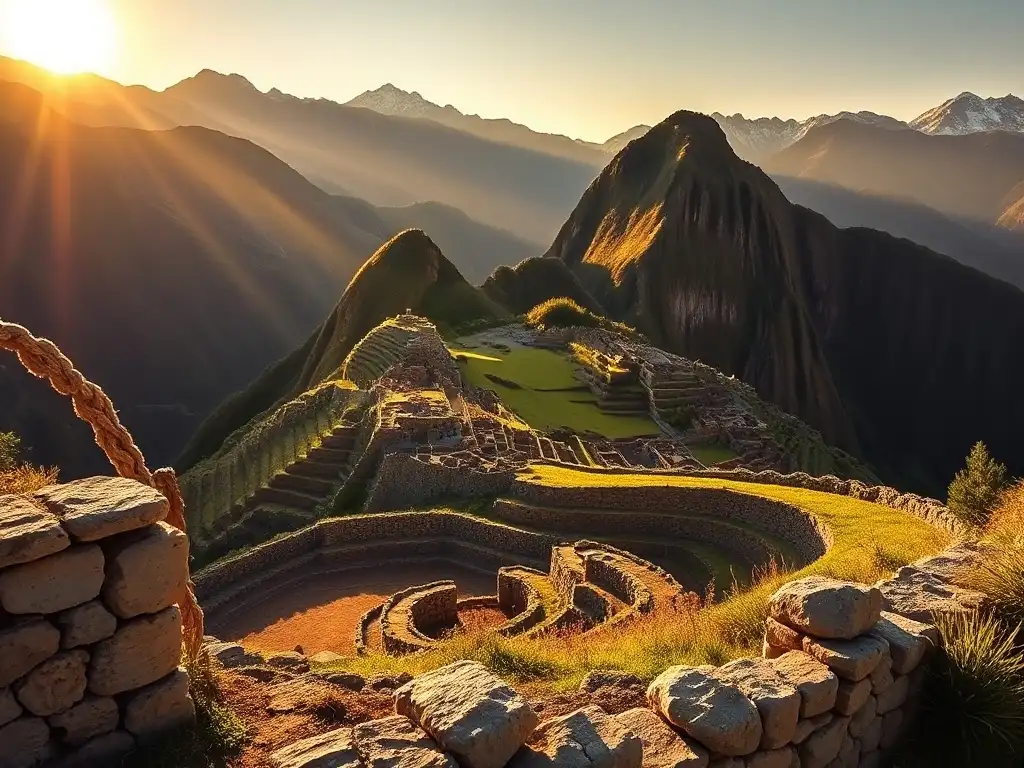
The Inca Empire, renowned for its sophisticated social and political organization, also displayed remarkable ingenuity in its agricultural practices. Far from being environmentally destructive, Inca agricultural techniques, when viewed within their context, reveal a surprising degree of sustainability and a keen understanding of environmental conservation. This section will explore the positive environmental contributions of Inca agriculture, focusing on soil conservation, water management, and the enduring legacy of their sustainable practices. Understanding the Inca's Inca agricultural environmental impact requires moving beyond simplistic narratives and appreciating the nuances of their approach.
Soil Conservation and Erosion Prevention Techniques
The Inca civilization thrived in a geographically diverse and often challenging environment, characterized by steep slopes, arid regions, and variable rainfall. To overcome these limitations and prevent soil erosion – a significant threat in mountainous terrain – the Inca developed ingenious soil conservation techniques. These included the construction of extensive terrace farming systems, often carved into mountain slopes with breathtaking precision.
These terraces, supported by carefully constructed retaining walls made of stone, dramatically reduced soil erosion by slowing the flow of water and preventing landslides. The terraces also created a series of microclimates, allowing for the cultivation of a wider variety of crops at different altitudes.
Furthermore, the Inca employed techniques such as waru waru agriculture, a raised-bed system that improved drainage and soil aeration. This method, particularly effective in waterlogged areas, not only enhanced crop yields but also contributed to soil fertility and reduced the risk of waterlogging-induced soil erosion. Evidence suggests that the waru waru system also provided better insulation against frost, extending the growing season in high-altitude regions. This shows a deep understanding of the relationship between soil health and agricultural productivity, a key element in minimizing the negative Inca agricultural environmental impact.
Water Management and Efficient Irrigation
Water scarcity was a major challenge for the Inca, particularly in the arid coastal regions and the high Andes. To address this, they developed sophisticated water management systems, including canals, aqueducts, and reservoirs, which efficiently channeled water from rivers and springs to agricultural fields. These intricate irrigation systems, often built over vast distances and across challenging terrains, were testaments to Inca engineering prowess. The careful design and maintenance of these systems ensured the equitable distribution of water resources among different communities and agricultural areas, minimizing water waste and promoting sustainable water use.
The Inca's understanding of water hydrology was crucial in minimizing negative environmental consequences. For instance, the construction of reservoirs not only provided a reliable water source for irrigation during dry periods but also helped to regulate water flow, preventing flooding and erosion. This demonstrates a holistic approach to water management that prioritized both agricultural productivity and environmental protection, significantly reducing any potential negative Inca agricultural environmental impact.
Sustainable Agricultural Practices and their Legacy
The Inca agricultural system was not merely a collection of ingenious engineering feats; it was a holistic approach to resource management that emphasized sustainability. The Inca understood the importance of crop rotation, intercropping, and fallow periods in maintaining soil fertility and preventing nutrient depletion. These practices, combined with their advanced irrigation and soil conservation techniques, allowed them to support a large and densely populated empire with minimal environmental degradation.
The legacy of Inca agricultural practices continues to inspire modern sustainable agriculture. Many of their techniques, such as terrace farming and waru waru agriculture, are being revived and adapted in various parts of the world to address contemporary challenges such as soil erosion, water scarcity, and climate change.
The Inca's emphasis on integrated resource management and their deep understanding of the delicate balance between human activity and the environment serve as a powerful example of sustainable practices and a testament to their remarkable foresight in minimizing the Inca agricultural environmental impact. Their methods offer valuable lessons for contemporary agricultural development and environmental stewardship.
Comparing Inca Agriculture to Modern Practices
Lessons from Inca Farming for Modern Sustainability
The Inca agricultural system, despite its apparent simplicity, offers valuable lessons for modern sustainable farming practices. Their understanding of terracing, for instance, minimized soil erosion and maximized arable land, even in challenging mountainous terrain. This technique, still employed in some regions, is a powerful example of adapting agriculture to the environment rather than forcing the environment to adapt to agriculture. Furthermore, the Inca's sophisticated water management systems, including canals and irrigation channels, ensured efficient water use, a crucial aspect of sustainable agriculture in arid and semi-arid regions.
Their understanding of crop rotation and intercropping, while not fully documented in detail, also suggests a deep appreciation for biodiversity and soil health. The Inca's approach, prioritizing long-term ecological balance over short-term gains, stands in stark contrast to many modern intensive farming methods, which often prioritize maximizing yield at the expense of environmental health. We can learn from their emphasis on resource conservation and the integration of their agricultural practices within their overall ecosystem. Analyzing their techniques provides insights into designing resilient and environmentally friendly farming systems for today's world.
For example, the Inca's use of natural fertilizers and pest control methods offers a viable alternative to the environmentally damaging effects of synthetic chemicals. Detailed studies of Inca agricultural practices are crucial for developing sustainable solutions to contemporary environmental challenges. Their system demonstrates that high yields can be achieved without compromising the long-term health of the land and its resources.
The Contrast between Inca and Industrialized Agriculture
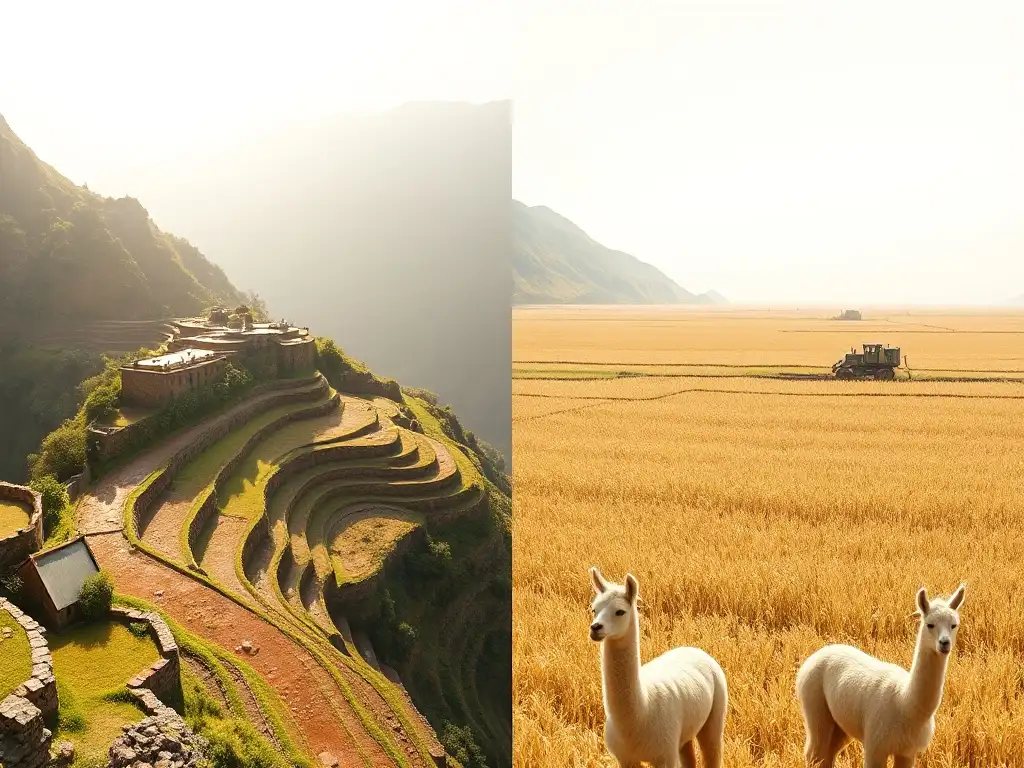
A key difference between Inca agriculture and modern industrialized farming lies in the scale and intensity of production. Inca agriculture was characterized by a relatively small scale, localized production, often tailored to the specific needs of individual communities. This contrasted sharply with the large-scale, industrialized agriculture prevalent today, which often prioritizes maximizing output through monoculture farming and heavy reliance on chemical inputs. The Inca system valued biodiversity and employed diverse crops and farming techniques adapted to various microclimates.
This biodiversity acted as a natural buffer against crop failures and pests. Modern industrialized agriculture, in contrast, often relies on monocultures, making it vulnerable to disease and pests, requiring increased pesticide use. The Inca's emphasis on human labor and animal power, while labor-intensive, avoided the environmental impact of fossil fuel-powered machinery used in modern agriculture. The significant environmental impact of greenhouse gas emissions from mechanized farming is a stark contrast to the Inca’s comparatively low-carbon footprint.
Furthermore, the Inca's focus on local consumption minimized transportation needs and associated emissions. The contrast underscores the need for a shift towards more sustainable practices, incorporating elements of traditional Andean agricultural knowledge to mitigate the negative environmental consequences of industrial farming. The data clearly show a substantial difference in environmental impact between the two systems. [Specific data on greenhouse gas emissions from Inca vs. modern agriculture pending].
Applying Inca Principles to Contemporary Environmental Challenges
The principles underpinning Inca agricultural practices offer valuable insights for addressing contemporary environmental challenges, particularly in relation to climate change and food security. The Inca's mastery of water management, for instance, is highly relevant to regions facing water scarcity. Their techniques for collecting, storing, and distributing water can be adapted and implemented to enhance water-use efficiency in modern agriculture. Similarly, their understanding of terracing can be applied to prevent soil erosion and land degradation in regions susceptible to desertification.
Furthermore, the Inca's emphasis on biodiversity can inform strategies for developing more resilient and climate-resistant agricultural systems. The incorporation of diverse crops and traditional farming techniques can reduce the vulnerability of agricultural systems to climate shocks and pests. The Inca’s successful integration of agriculture into the broader ecosystem offers a model for sustainable land management, minimizing the negative impacts on biodiversity. By combining traditional knowledge with modern scientific understanding, we can develop innovative and sustainable agricultural practices that address the environmental challenges of the 21st century.
The application of these principles is crucial for ensuring food security and environmental sustainability in a changing climate. This includes exploring and implementing strategies for water conservation, soil health improvement, and promoting biodiversity in modern farming systems – a path towards a more environmentally responsible future, inspired by the wisdom of the Inca. The revival and adaptation of Inca agricultural techniques offers a promising avenue for a more sustainable and resilient agricultural future.
The Legacy of Inca Agricultural Environmental Impact
The Inca Empire's sophisticated agricultural techniques left an undeniable mark on the Andean environment, a legacy that continues to shape the region's ecosystems and agricultural practices today. Understanding the Inca agricultural environmental impact requires examining both the positive and negative consequences of their innovations. While their methods demonstrably boosted food production and supported a large population, they also had consequences, some of which are still being felt centuries later.
This section will delve into the enduring influence of Inca agricultural practices, highlighting both their successes and their unintended environmental consequences. The keyword "Inca agricultural environmental impact" will be explored through various lenses to provide a comprehensive understanding.
The Enduring Influence of Inca Techniques
Inca agricultural practices were remarkable for their adaptation to the diverse Andean terrains. Terracing, for instance, dramatically increased cultivable land by transforming steep slopes into a series of level platforms. This reduced soil erosion and improved water retention, leading to increased crop yields. The waru waru system, a sophisticated raised-bed agriculture technique, further enhanced water management and soil fertility.
These raised beds acted as microclimates, improving drainage in wet areas and retaining moisture in drier regions. The impact of these techniques on soil health was significant, contributing to long-term soil fertility and reducing the need for extensive fertilization. This sustainable approach to agriculture stands in stark contrast to many modern intensive farming methods which often deplete soil nutrients and contribute to environmental degradation.
The ingenuity of Inca irrigation systems is also noteworthy. They constructed intricate canal networks to divert water from rivers and streams to irrigate fields, even in arid regions. These systems not only ensured reliable water supplies for crops but also helped to regulate water flow, preventing floods and droughts. Their careful management of water resources allowed for the successful cultivation of a wide variety of crops, supporting the empire's large and densely populated cities. The long-term impact of these water management systems is still visible in some areas, though many have fallen into disrepair over the centuries.
The Importance of Learning from Ancient Practices
Despite the undeniable benefits of Inca agricultural techniques, it's crucial to acknowledge potential negative environmental impacts. The extensive terracing, while beneficial in many ways, could lead to habitat fragmentation and disruption of natural ecosystems. Similarly, the diversion of water for irrigation might have altered natural water flows, impacting downstream ecosystems. However, it's important to note that the scale of these impacts needs further investigation and should be considered within the context of the overall environmental sustainability of Inca practices. Modern research continues to uncover the complexities of the Inca agricultural environmental impact, emphasizing the need for a nuanced perspective.
Understanding the Inca's approach to agriculture offers valuable lessons for modern sustainable agriculture. Their emphasis on water conservation, soil fertility, and biodiversity management provides a model for environmentally responsible farming practices. By studying their techniques and adapting them to contemporary challenges, we can develop more sustainable and resilient agricultural systems. This involves not only replicating specific techniques but also understanding the underlying principles of sustainable resource management that guided Inca agricultural practices. The intricate interplay between environmental factors and agricultural practices within the Inca empire serves as a compelling case study for sustainable development.
Preserving Inca Agricultural Heritage for Future Generations
Preserving Inca agricultural heritage is not merely an academic exercise; it holds significant practical implications for addressing contemporary challenges in food security and environmental sustainability. The ongoing research into Inca agricultural techniques is crucial for understanding the long-term effects of their practices and for informing the development of modern sustainable farming methods. This requires collaborative efforts between researchers, archaeologists, and local communities.
Furthermore, the preservation of Inca agricultural landscapes is vital for maintaining biodiversity and protecting valuable ecosystems. Many of these landscapes, such as the terraced fields and irrigation canals, are not only historical sites but also functioning ecosystems that support a rich array of plant and animal life. Their protection is crucial for safeguarding biodiversity and ensuring the long-term health of the Andean region. By promoting sustainable tourism and responsible land management practices, we can help to preserve these invaluable sites for future generations.
The protection of Inca agricultural heritage is intrinsically linked to the preservation of the Andean environment and the cultural legacy of the Inca Empire. This includes not only physical preservation but also the transmission of traditional knowledge and practices related to sustainable agriculture. The legacy of Inca agricultural environmental impact should inspire a renewed focus on sustainable practices.
Frequently Asked Questions
What were the main Inca agricultural techniques?
The Inca employed sophisticated techniques like terracing, irrigation systems, and waru waru (raised fields) to maximize crop yields in diverse environments. These methods allowed them to cultivate food even in challenging terrains.
How did Inca agriculture impact the environment positively?
Inca agricultural practices often enhanced soil fertility and reduced erosion. Terracing, for example, prevented soil loss from steep slopes and created stable agricultural land.
Did Inca agriculture have any negative environmental impacts?
While generally sustainable, some Inca practices, particularly extensive deforestation for fuel and agriculture in certain areas, had negative consequences on local ecosystems.
How did the Inca adapt their agriculture to different environments?
The Inca showed remarkable adaptability, employing different techniques based on altitude and climate. They cultivated diverse crops suited to various ecological zones, demonstrating environmental awareness and ingenuity.
What lessons can we learn from Inca agricultural practices today?
Inca techniques offer valuable insights into sustainable agriculture. Their innovative approaches to water management and soil conservation remain relevant in modern efforts to promote environmentally responsible farming practices.
Final Reflection: Echoes of the Andes: A Legacy of Inca Ingenuity and Environmental Stewardship
The ingenious agricultural practices of the Inca, once a marvel of pre-Columbian ingenuity, continue to resonate today as we grapple with the urgent challenges of climate change and sustainable food production. Their sophisticated terracing, water management systems, and crop diversification offer invaluable lessons for modern agriculture, reminding us that harmony with the environment is not merely desirable, but essential for long-term survival.
The Inca's deep understanding of their environment, their ability to coax abundance from seemingly inhospitable terrain, remains a powerful testament to the potential of human ingenuity when guided by respect for nature. Their achievements serve as a potent counterpoint to the often destructive practices of modern industrial agriculture. The earth provides enough to satisfy every man's needs but not every man's greed.
– Mahatma Gandhi. This quote speaks volumes about the Inca's approach, highlighting their sustainable practices in stark contrast to our current unsustainable consumption patterns.
Consider the legacy of the Inca for a moment. Reflect on their innovative solutions to environmental challenges, and ask yourself: How can we apply their principles of sustainability to our own lives? Can we cultivate a deeper connection with the land that nourishes us? Can we embrace practices that prioritize long-term ecological health over short-term economic gain? The answer, I believe, lies in embracing a renewed sense of stewardship, inspired by the enduring wisdom of the Inca. Let us learn from their past to build a more sustainable future.
Unveil Sustainable Practices for Our Future!
Thank you for exploring the profound environmental impact of Inca agricultural techniques. Understanding their sustainable methods offers valuable lessons for a greener future. Let's integrate these insights into our lives!
- Start a home garden using sustainable methods: Embrace composting and crop rotation to nourish the soil and grow food sustainably.
- Connect with local farmers: Visit a nearby farm or farmers' market to learn about contemporary sustainable practices and support your local agricultural community.
- Share your knowledge: Discuss sustainable agriculture with friends, family, or on social media. Let's inspire a wider conversation about environmentally responsible food production!
How will you apply this ancient wisdom to cultivate a better environment for future generations?