
The Inca Food Pyramid: A Look at Their Balanced Diet

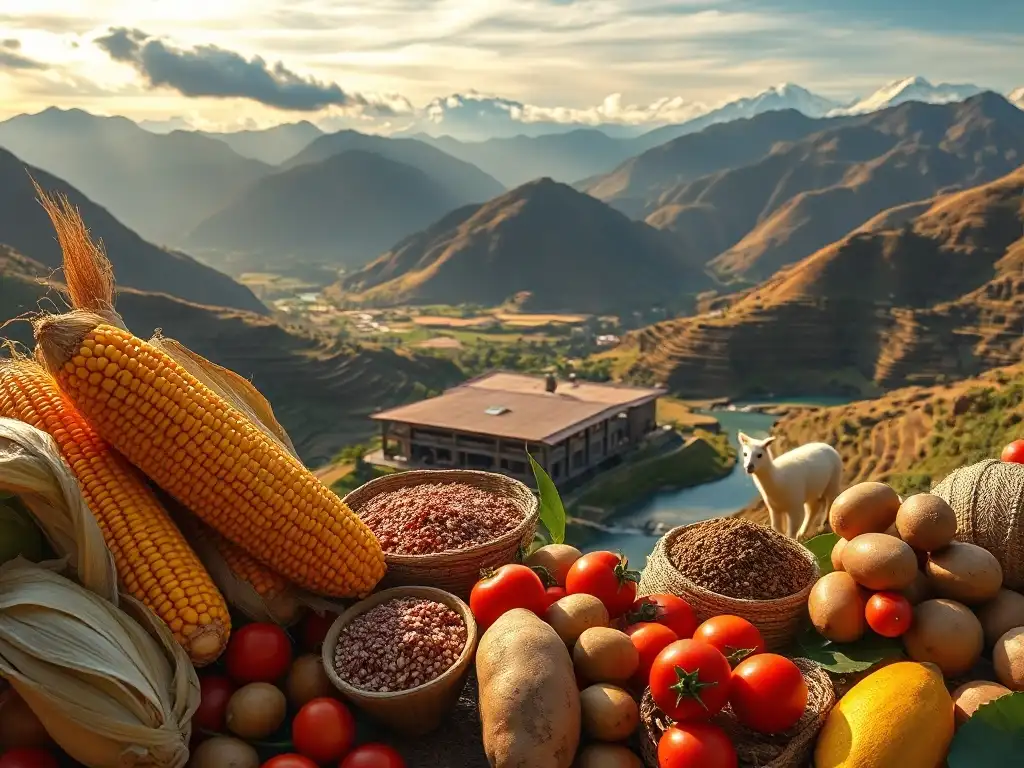
Uncover the secrets of a lost world! Journey with us through the breathtaking landscapes and captivating cultures of the Andes, where empires rose and fell, leaving behind a legacy of artistry, innovation, and resilience. But what fueled the power of the Inca? Prepare to be amazed by the ingenuity of the Inca diet food pyramid – a testament to their sophisticated understanding of nutrition and agriculture. Dive in and discover the surprising details of their balanced diet; a story waiting to be unearthed.
- The Inca Diet Food Pyramid: Understanding Their Balanced Nutrition
- Key Components of the Inca Diet
- Animal Protein in the Inca Diet: Limited but Important
- The Inca Food Pyramid: Structure and Proportions
- Inca Food Preparation and Culinary Techniques
- The Inca Diet and Health: A Legacy of Nutritional Wisdom
- Impact of Inca Agriculture on Their Diet
- Modern Relevance of the Inca Diet Food Pyramid
- Frequently Asked Questions
- Final Reflection: Echoes of the Andes: A Legacy of Balanced Living
- Embrace the Inca Diet: Transform Your Plate Today!
The Inca Diet Food Pyramid: Understanding Their Balanced Nutrition
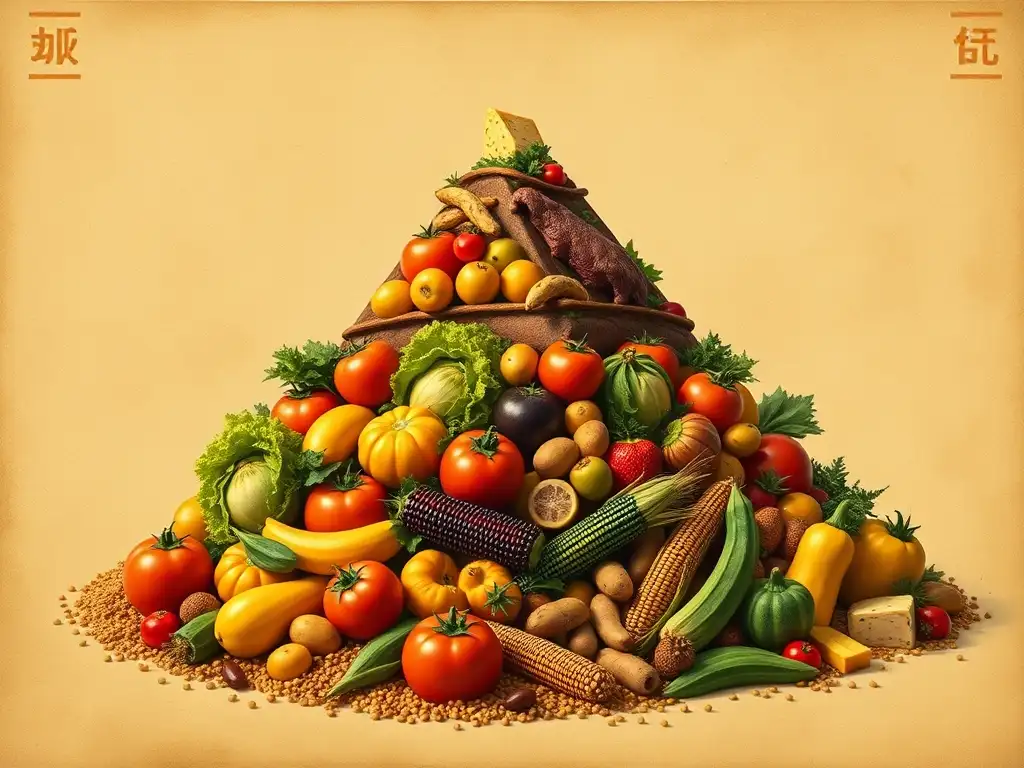
The Inca Empire, renowned for its sophisticated infrastructure and intricate social structure, also possessed a remarkably advanced understanding of agriculture and nutrition. Their success wasn't solely built on conquering vast territories; it was equally dependent on their ability to cultivate and manage resources effectively to sustain a large and diverse population.
This article delves into the fascinating world of the Inca diet, examining the principles behind their surprisingly balanced food pyramid, a system that allowed them to thrive in challenging Andean environments. We will explore the staple crops that formed the base of their diet, the role of animal protein, and the overall dietary strategies that contributed to the Inca's remarkable health and resilience.
Understanding the Inca food pyramid offers valuable insights into their ingenuity and provides a compelling case study in sustainable food production and balanced nutrition, even by today's standards. This exploration will uncover how their agricultural practices and dietary choices directly influenced their social structure and overall societal success.
Introduction to Inca Food and Agricultural Practices
The Inca's agricultural prowess was a cornerstone of their empire. Their mastery of terracing, irrigation, and crop diversification allowed them to cultivate food in diverse and often challenging terrains, from high-altitude plains to coastal valleys. This ingenuity was not merely a matter of survival; it was a carefully planned system designed to optimize food production and ensure a consistent supply of nutrients for their vast population. Their agricultural practices were deeply intertwined with their religious beliefs, with rituals and ceremonies performed to ensure bountiful harvests.
The Inca's understanding of crop rotation, soil fertilization (using natural methods like guano), and water management was far ahead of its time. They recognized the importance of biodiversity, cultivating a wide range of crops to ensure dietary diversity and resilience against crop failures. This diverse agricultural system laid the foundation for their unique and balanced food pyramid.
This wasn't just about sustenance; it was a sophisticated system interwoven with their social and religious fabric. The Inca's success is a testament to the power of sustainable agricultural practices and the importance of a balanced diet. They understood that a healthy population was essential for a thriving empire.
The Foundations of the Inca Food Pyramid: Staple Crops
The base of the Inca food pyramid consisted of several staple crops, each crucial to their dietary intake and overall health. These crops were strategically cultivated across various ecological zones to ensure consistent yields. The most prominent among these were:
- Potatoes: A cornerstone of the Inca diet, potatoes were grown in an astonishing variety of shapes, sizes, and colors. Their adaptability to different altitudes and climates made them an essential food source. They were prepared in countless ways, from boiling and roasting to fermenting and drying (creating chuño, a freeze-dried potato). The nutritional value of potatoes, providing carbohydrates and essential nutrients, underpins their importance in the Inca diet.
- Maize (Corn): Another highly valued staple, maize was a vital source of carbohydrates and energy. It was used to make various foods, including chicha, a fermented corn beverage, and humitas, steamed corn cakes. The cultivation of maize required significant effort, but its caloric density made it a critical component of the Inca diet.
- Quinoa: This highly nutritious grain, a complete protein source, was a crucial element, providing essential amino acids often lacking in other staple crops. Its versatility in preparation, from porridge to bread, contributed to its widespread use and importance within the Inca food pyramid.
- Beans: Various types of beans, rich in protein and fiber, complemented the carbohydrate-rich staples, contributing significantly to the overall nutritional balance of the Inca diet. They were a valuable source of essential nutrients, further enhancing the health and well-being of the Inca population.
The careful selection and cultivation of these staple crops, alongside other important foods like squash and various fruits, formed the robust foundation of the Inca food pyramid, providing a balanced and sustainable source of nutrients for their thriving civilization. The strategic diversification of these crops minimized the risk of widespread famine, a testament to their profound understanding of agriculture and its vital role in societal stability. Further research is needed to fully quantify the precise proportions of each component within the Inca food pyramid, but the importance of these staples is undeniable.
Key Components of the Inca Diet
The Inca diet, far from being simplistic, was a remarkably diverse and balanced system reflecting the ingenuity of Andean agriculture and resource management. Their food pyramid, while not explicitly documented in the way we understand modern food pyramids, can be reconstructed through archaeological evidence, Spanish chronicles, and ethnobotanical studies. Understanding the Inca diet provides invaluable insight into their sophisticated understanding of nutrition and their ability to thrive in challenging high-altitude environments.
The key to their success lay in the cultivation and skillful utilization of a wide range of crops, ensuring a balanced intake of carbohydrates, proteins, fats, and essential vitamins and minerals. This section will delve into the core components of this impressive dietary structure, highlighting their importance within the Inca food system. Optimizing the "Inca diet food pyramid" involved a deep understanding of their environment and agricultural practices.
Grains and Cereals: The Energy Source of the Incas
Grains formed the base of the Inca food pyramid, providing the essential carbohydrates that fueled their daily activities. Corn ( maíz), or sara in Quechua, was a staple crop, cultivated across various altitudes and climates through ingenious terracing and irrigation techniques. Archaeological findings consistently reveal corn remains in Inca sites, indicating its widespread consumption.
Beyond its nutritional value, corn was also a crucial ingredient in various processed foods like chicha, a fermented beverage of significant cultural and religious importance. Other important grains included quinoa ( kinwa), a complete protein source prized for its nutritional density, and amaranth ( kiwicha), another highly nutritious grain used in both sweet and savory dishes. The high-altitude adaptability of these grains and their high nutritional content were crucial for the health and productivity of the Inca population.
The Inca cleverly utilized diverse varieties of these grains, ensuring resilience against crop failure and a steady supply of energy-rich foods year-round. Their agricultural practices, combined with the nutritional properties of these grains, contributed significantly to the overall health and well-being of the empire.
Potatoes and Tubers: Diversity in the Andean Diet
Potatoes ( papa) were, and still are, a cornerstone of Andean cuisine. The Incas cultivated an astonishing variety of potato species, each adapted to different altitudes and climates. This diversity was crucial for ensuring food security and dietary variety.
Archaeological evidence suggests the Incas cultivated hundreds of potato varieties, each possessing unique characteristics in terms of flavor, texture, and nutritional content. Beyond potatoes, other tubers like oca ( oxalis tuberosa), ulluco ( ullucus tuberosus), and mashua ( tropaeolum tuberosum) contributed significantly to the Inca diet. These tubers provided additional carbohydrates, vitamins, and minerals, diversifying their food sources and enhancing their nutritional intake.
The ingenious storage techniques employed by the Incas, such as underground cellars, allowed them to preserve these crops for extended periods, ensuring food availability throughout the year, even during lean seasons. This ingenious approach to food preservation and the remarkable diversity of cultivated tubers played a vital role in the resilience of the Inca civilization.
Legumes and Beans: Essential Protein in Inca Nutrition
Legumes and beans constituted an important source of protein in the Inca diet, complementing the carbohydrate-rich grains and tubers. Beans like common beans ( Phaseolus vulgaris), known as pallar in Quechua, were widely cultivated and consumed. They were incorporated into stews, soups, and other dishes, providing essential amino acids and dietary fiber.
Other legumes, including various types of lentils and other beans, added to the diversity of their protein sources. The integration of legumes into their diet not only provided essential nutrients but also contributed to the sustainability of their agricultural system. Legumes have the beneficial property of enriching the soil through nitrogen fixation, contributing to a more productive and sustainable agricultural practice.
The Inca understanding of the symbiotic relationship between legumes and soil fertility further demonstrates their sophisticated agricultural knowledge and their commitment to sustainable resource management. Their dietary choices weren't just about sustenance; they were carefully integrated into a broader system of agricultural practices that ensured the long-term productivity and sustainability of their food supply.
Vegetables and Fruits: Inca Sources of Vitamins and Minerals
The Inca diet was remarkably diverse and rich in nutrients, heavily reliant on the bounty of the Andes' varied ecosystems. Vegetables and fruits formed a crucial cornerstone of this balanced nutritional intake, providing essential vitamins and minerals vital for the health and well-being of the population. Their agricultural prowess allowed them to cultivate a wide array of produce, adapted to the diverse altitudes and microclimates of their vast empire.
The high-altitude regions, often characterized by harsh conditions, yielded hardy crops like potatoes – a staple of the Inca diet, and a source of carbohydrates and essential nutrients. Over 200 varieties of potatoes were cultivated, each offering unique nutritional profiles and flavors. Alongside potatoes, other root vegetables, such as oca (Oxalis tuberosa) and mashua (Tropaeolum tuberosum), contributed significantly to the Inca diet, providing additional carbohydrates and vitamins. These crops were particularly valuable for their ability to thrive in challenging environments.
Beyond root vegetables, the Incas cultivated a variety of leafy greens, providing a source of vitamins A and C. These greens, often consumed fresh or incorporated into stews and soups, were integral to maintaining a healthy diet. The availability of these vegetables varied depending on the altitude and season, reflecting the Incas' sophisticated understanding of agroecology and their ability to adapt cultivation practices to the specific conditions of their diverse agricultural zones.
Fruits played an equally important role in the Inca diet, offering both sweetness and nutritional value. Fruits like lucuma (Pouteria lucuma), known for its unique flavor and high levels of beta-carotene, were highly valued. Other fruits, such as chirimoyas, papayas, and various berries, provided a wide range of vitamins, minerals, and antioxidants. The preservation of these fruits through drying and other methods ensured their availability throughout the year, demonstrating the Inca's mastery of food preservation techniques.
The inclusion of these diverse fruits and vegetables in their diet contributed significantly to the overall health and resilience of the Inca population. This variety ensured a broad intake of essential micronutrients, supporting their physical strength and overall well-being. The Inca understanding of nutritional diversity is a testament to their advanced agricultural practices and their deep connection to the natural world.
Animal Protein in the Inca Diet: Limited but Important
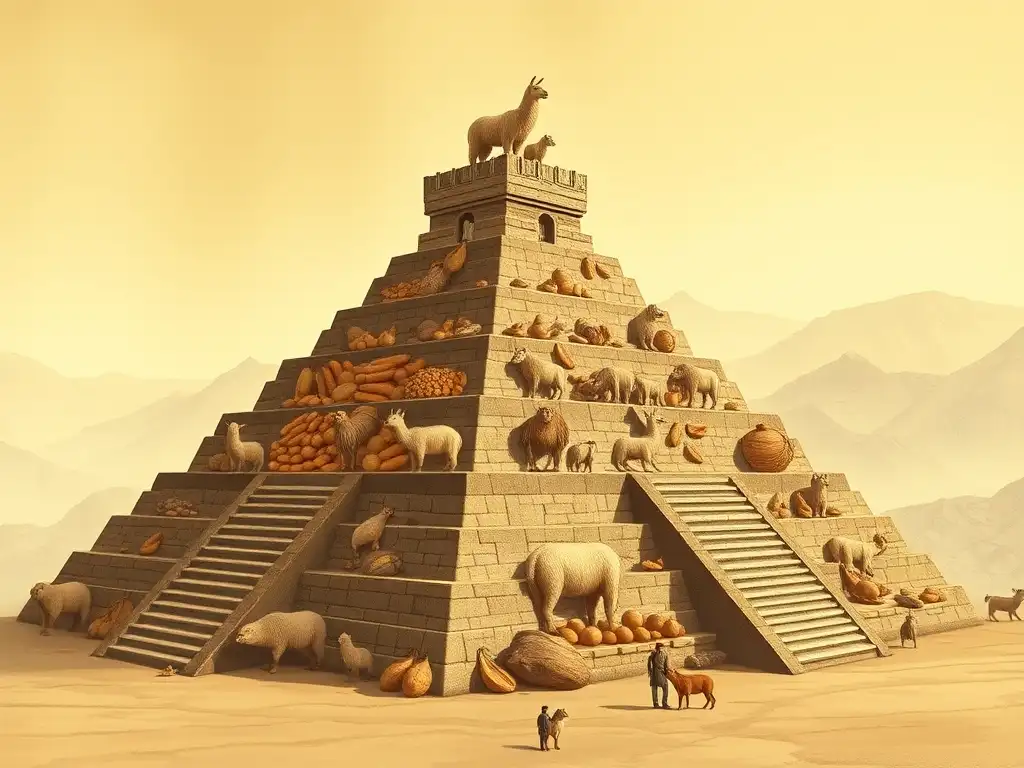
While the Inca diet is often associated with its impressive agricultural achievements and reliance on potatoes, quinoa, and maize, animal protein played a crucial, albeit limited, role in their nutritional intake. The availability of animal protein varied significantly depending on altitude and geographic location within the vast Inca Empire. Coastal regions, for example, offered access to a wider variety of seafood, while the high Andes relied more heavily on camelids and other high-altitude fauna. Understanding the role of animal protein in the Inca diet is essential to appreciating the complexity and ingenuity of their food production and consumption practices. The Inca food pyramid, while primarily plant-based, incorporated animal sources strategically to ensure a balanced nutritional intake for their population, especially for those at higher elevations where plant cultivation was more challenging. The Inca diet food pyramid wasn't simply a diagram; it represented a sophisticated understanding of nutrition and resource management.
Sources of Animal Protein in the Inca Empire
The Inca Empire boasted a diverse range of animal protein sources, though their relative importance varied across different regions. The most significant sources included:
- Camelids (Llamas and Alpacas): These animals were vital to the Inca economy and provided both meat and fiber. Llama meat, in particular, was a significant source of protein, especially in the highlands. Alpacas, while primarily valued for their wool, were also a source of meat, though perhaps less frequently consumed than llamas. The careful management of llama and alpaca herds demonstrates the Inca’s sophisticated understanding of animal husbandry and resource sustainability.
- Guinea Pigs (Cuy): Guinea pigs were, and continue to be, a staple food source in the Andes. These small rodents were easily raised and provided a readily available source of protein. Their popularity extended beyond mere sustenance; they held cultural significance as well, often featured in religious ceremonies and festivities.
- Seafood: In coastal regions, fish and other seafood were important sources of protein. The Inca developed effective fishing techniques and established coastal settlements to take advantage of these resources. The variety of fish and shellfish available provided a diverse range of nutrients.
- Birds: Various bird species, both wild and domesticated, were also part of the Inca diet. The specific types of birds consumed varied depending on the region and availability. Evidence suggests that some bird species might have been raised for consumption, further demonstrating the Inca's advanced agricultural practices.
- Other animals: Depending on the region, other animals such as deer, rabbits, and other small mammals might have supplemented the Inca diet. The availability of these animals varied according to the region's ecology and hunting practices.
The Role of Guinea Pigs and Llamas in Inca Nutrition
Guinea pigs and llamas held particularly significant roles in Inca nutrition, reflecting the Inca's adaptability and resourcefulness. The widespread consumption of cuy (guinea pig) highlights its importance as a readily available and easily managed source of protein, particularly valuable in the high Andes where agriculture was more challenging. The nutritional composition of guinea pig meat provided essential amino acids and other vital nutrients for a balanced diet. Furthermore, the relatively quick reproductive cycle of guinea pigs made them an efficient source of protein compared to larger animals like llamas.
Llamas, on the other hand, played a more multifaceted role. While their meat provided a substantial source of protein, particularly in areas where other animal protein sources were scarce, their value extended far beyond their nutritional contribution. Llamas were crucial for transportation, carrying goods across the mountainous terrain.
Their wool provided essential textiles, and their dung served as fertilizer. The integrated role of llamas in Inca society underscores their significance as a keystone species in the Andean ecosystem and a vital component of the Inca food system. The careful management of llama herds, including breeding practices and pasture rotation, showcases the Inca's advanced understanding of animal husbandry and sustainable resource management.
This holistic approach to resource utilization is a key factor in understanding the success and longevity of the Inca Empire. The careful balance between the consumption of llama meat and the preservation of their essential roles within the Inca economy demonstrates a sophisticated understanding of long-term sustainability.
The Inca Food Pyramid: Structure and Proportions
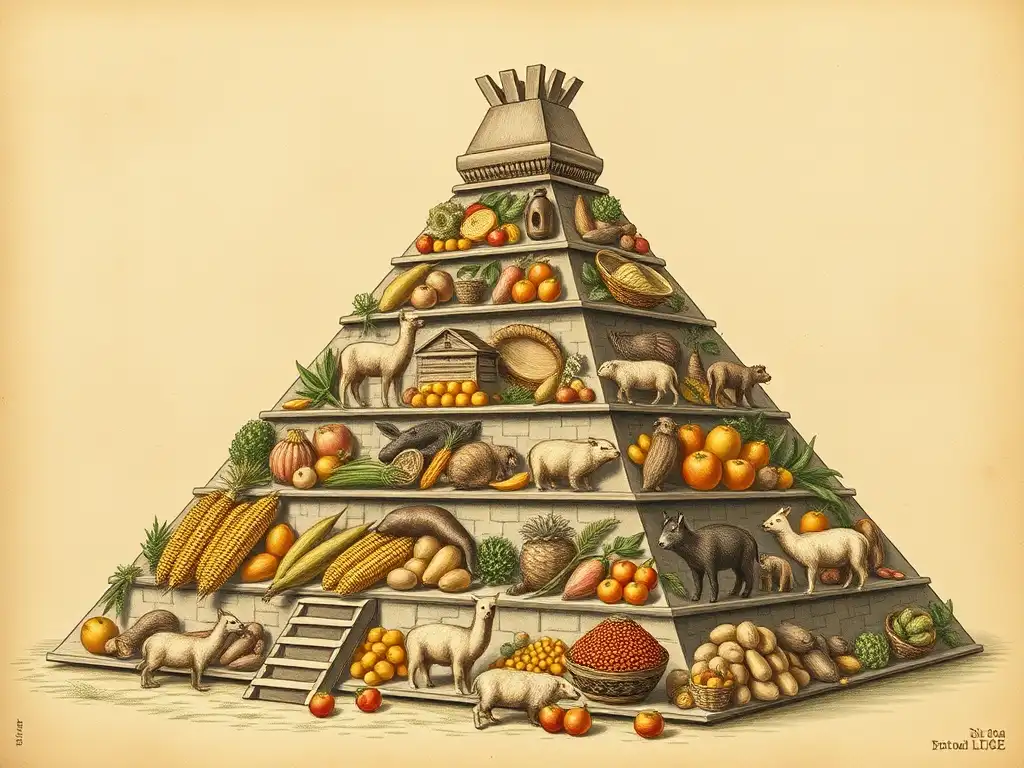
The Inca diet, far from being simplistic, reflected a sophisticated understanding of nutrition and resource management. While a visually represented "pyramid" in the same style as the modern food pyramid wasn't explicitly documented, archeological evidence and historical accounts allow us to reconstruct a conceptual model reflecting their dietary priorities. The Inca food pyramid wasn't static; it varied regionally depending on altitude, climate, and available resources.
However, certain core elements remained consistent across the vast Inca Empire. The cornerstone of their diet was the concept of complementarity, ensuring a balanced intake of nutrients from diverse sources. This balanced approach, combined with advanced agricultural techniques, allowed the Inca to support a large and thriving population.
Understanding this "pyramid" provides insight into the ingenuity and sustainability of their agricultural practices, crucial to their success and longevity. The Inca's understanding of nutrition was deeply ingrained in their worldview and religious practices, further highlighting the importance of food in their society.
How the Inca Diet Pyramid Was Organized
The Inca "food pyramid" can be conceptually organized into three main tiers, mirroring the relative importance and consumption frequency of different food groups:
- Base Tier (Largest): This tier represented the staple foods forming the bulk of the Inca diet. These included potatoes (in their incredible diversity of varieties), maize (corn), and quinoa. These were calorie-dense, readily available, and formed the foundation of most meals. The sheer quantity consumed placed them at the base of our conceptual pyramid. For example, potatoes alone provided a vast array of nutrients and were prepared in countless ways, from boiled and roasted to dried and fermented (chuño).
- Middle Tier: This tier comprised complementary foods that provided essential nutrients missing in the staple crops. These included beans (various types, including kidney beans and lima beans), squash, and various tubers like oca and ulluco. These crops added protein, vitamins, and minerals, enhancing the nutritional value of the diet. The inclusion of these foods demonstrates a sophisticated understanding of dietary balance, ensuring a well-rounded intake of nutrients. Their cultivation was often integrated with the staple crops in a system of intercropping, maximizing land use efficiency.
- Top Tier (Smallest): This tier encompassed less frequently consumed but highly valued foods. These included meats (llama, alpaca, guinea pig), fish (in coastal regions), fruits (like chirimoya and lúcuma), and various spices and herbs. These foods were often reserved for special occasions or were consumed in smaller quantities due to factors like availability or resource management. The limited presence of meat in the diet underscores the importance of plant-based foods in the Inca nutritional system. However, meat played a significant role in ceremonial contexts and provided essential protein and fat.
Understanding Inca Nutritional Balance and Food Access
The Inca food system wasn't solely about the quantity of food produced but also about ensuring equitable distribution and access. The mit'a system, a form of labor tribute, played a crucial role in agricultural production and food storage. This system ensured that surplus food from productive regions could be transferred to areas with less fertile land or those impacted by natural disasters, mitigating risks of famine and promoting social stability.
Furthermore, the Inca constructed elaborate storage facilities, known as qollqas, to preserve food throughout the year, safeguarding against seasonal variations in food availability. These sophisticated storage techniques, coupled with the efficient distribution network, were essential in maintaining a relatively balanced diet across the vast Inca Empire. The impressive scale of these storage facilities and their strategic locations are a testament to the Inca's dedication to managing food resources and ensuring the well-being of their population.
The meticulous planning and execution of this system ensured a degree of food security rarely seen in other pre-industrial societies. This efficient system contributed significantly to the overall success and longevity of the Inca Empire.
Inca Food Preparation and Culinary Techniques
The Inca diet, while seemingly simple at first glance, relied on sophisticated food preparation and preservation techniques to ensure a year-round supply of nutritious sustenance. Their methods reflect an intimate understanding of their environment and a remarkable ingenuity in maximizing available resources. Understanding these techniques is crucial to appreciating the complexity and balance of the Inca food pyramid and their overall agricultural prowess. The "Inca diet food pyramid" wasn't just about what they ate, but how they prepared and preserved it.
Methods of Cooking and Preserving Food in the Inca Empire
Inca cooking methods were diverse, adapting to the varied altitudes and climates across their vast empire. They utilized a range of techniques to prepare their staple crops and animal products, ensuring both palatability and preservation.
- Chullpi: This ancient technique involved storing grains, such as quinoa and maize, in underground cellars. The cool, dry environment slowed down decomposition and protected the food from pests and the elements. This method ensured a food supply even during lean seasons. The effectiveness of chullpi highlights the Inca's advanced understanding of food storage and environmental control. Archaeological evidence shows remarkably well-preserved grains unearthed from chullpi storage systems.
- Drying and Sun-drying: A common method across the Andes, sun-drying was used extensively to preserve potatoes, peppers (ají), and other produce. This simple but effective technique reduced moisture content, inhibiting microbial growth and extending shelf life significantly. Dried foods were often ground into flour for later use in various dishes. The Inca's mastery of sun-drying allowed them to maintain a consistent supply of essential nutrients throughout the year. The efficiency of this process is evident in the many surviving examples of dried food artifacts from Inca sites.
- Freezing: At higher altitudes, the naturally cold temperatures allowed for the preservation of certain foods through freezing. While not as widely used as drying, freezing played a role in preserving perishable foods in specific regions of the empire. This method, combined with other techniques, provided a multi-layered approach to food preservation. Further research is needed to fully understand the extent of freezing practices within the Inca Empire. [Specific information pending: detailed analysis of Inca freezing techniques].
- Fermentation: The Inca also employed fermentation techniques for certain foods, particularly for the production of chicha, a fermented corn beverage. While fermentation primarily served to create alcoholic drinks, it also played a role in preserving some foods and enhancing their nutritional value. The precise fermentation methods used varied across different regions and communities, reflecting a rich diversity of culinary practices within the empire. The impact of fermentation on the Inca diet is an area ripe for further study. [Specific information pending: detailed analysis of different fermentation techniques used by the Inca].
Traditional Inca Recipes and Dishes
While precise recipes are difficult to reconstruct definitively, archaeological evidence and ethnohistorical accounts offer glimpses into the culinary traditions of the Inca. Their dishes were often simple but nutritious, based on readily available ingredients. The Inca diet food pyramid, therefore, wasn't just a concept; it was reflected in the everyday meals of the population.
- Pachamanca: This traditional Andean method involved cooking food underground using heated stones. Meat, vegetables, and tubers were placed in a pit lined with hot stones, then covered with earth and left to cook slowly. Pachamanca represented a communal cooking practice, often associated with celebrations and feasts. The slow cooking process ensured tenderness and infused the food with unique smoky flavors.
- Quinoa-based dishes: Quinoa, a highly nutritious grain, was a staple in the Inca diet. It was prepared in various ways, including as porridge, soups, and stews. The versatility of quinoa allowed for diverse meal preparations, offering a balanced source of protein and carbohydrates. The high nutritional value of quinoa is a key factor in understanding the health and resilience of the Inca population.
- Potato dishes: Potatoes, in their many varieties, constituted another crucial element of the Inca diet. They were boiled, roasted, and even freeze-dried, reflecting the adaptability of Inca culinary techniques to various potato types and environmental conditions. The diversity of potato cultivation and preparation techniques is a testament to the Inca's agricultural expertise. [Specific information pending: detailed list of Inca potato dishes and preparation methods].
The Inca food preparation and preservation techniques, combined with their diverse agricultural practices, created a remarkably resilient and sustainable food system that supported a large and complex empire. The "Inca diet food pyramid" is a testament to their sophisticated understanding of nutrition and resource management.
The Inca Diet and Health: A Legacy of Nutritional Wisdom
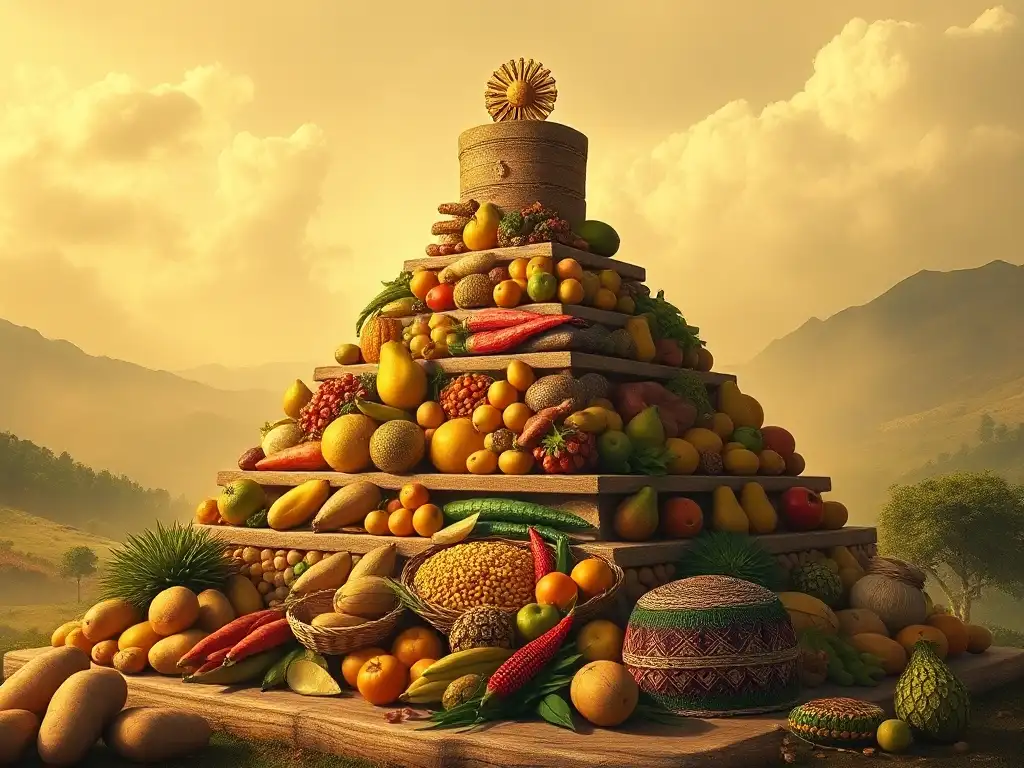
The Inca diet, far from being a simple subsistence strategy, represented a sophisticated understanding of nutrition and its impact on societal well-being. Their agricultural practices, coupled with a deep knowledge of local flora and fauna, resulted in a remarkably balanced and diverse diet that contributed significantly to the health and longevity of the Inca population. Understanding the Inca diet offers valuable insights into their remarkable achievements and provides a compelling case study for modern nutritional approaches emphasizing whole foods and sustainable agriculture.
The concept of the "Inca diet food pyramid," while not explicitly documented in the same way as modern food pyramids, is readily apparent through archaeological evidence and ethnographic accounts. Their focus on diverse, locally-sourced foods ensured a wide range of essential vitamins, minerals, and antioxidants, creating a robust nutritional foundation for their empire.
Health Benefits of the Inca Diet
The Inca diet, rich in whole grains, tubers, fruits, vegetables, and lean protein sources, provided numerous health benefits. The prevalence of quinoa, a complete protein source containing all nine essential amino acids, ensured adequate protein intake, crucial for growth, tissue repair, and immune function. Potatoes, in their vast variety of cultivars, provided essential carbohydrates for energy, as well as significant amounts of vitamin C and other micronutrients.
The inclusion of various legumes, such as beans and lentils, further enhanced the dietary protein and fiber content, aiding in digestion and preventing chronic diseases. The abundance of fruits like lúcuma and chirimoya provided vital vitamins and antioxidants, strengthening the immune system and protecting against cellular damage. This diverse array of foods minimized nutritional deficiencies, a common issue in many ancient societies, contributing to a healthier and more resilient population.
The Inca understanding of food as medicine is also evident in their use of medicinal plants for both preventative and curative purposes, further enhancing their overall health outcomes. Even today, many of these plants are used in traditional Andean medicine.
How Inca Food Choices Contributed to their Wellbeing
The Inca's food choices directly contributed to their physical and mental wellbeing in several ways. A balanced diet, rich in complex carbohydrates and fiber, provided sustained energy levels necessary for the demanding physical labor associated with agriculture, construction projects (like Machu Picchu! ), and military activities. The high intake of fruits and vegetables provided essential vitamins and minerals, bolstering their immune systems and reducing susceptibility to infections.
The relatively low consumption of processed foods and refined sugars, common in modern diets, likely contributed to lower rates of chronic diseases such as diabetes and heart disease. Furthermore, the social aspect of food production and consumption played a vital role in community cohesion and overall wellbeing. The ayllu system, a form of communal organization, ensured equitable distribution of resources and fostered a sense of shared responsibility for food security.
This communal approach to agriculture and food sharing likely reduced food insecurity and contributed to a greater sense of social stability and mental wellbeing within Inca society. The Inca diet, therefore, wasn't just about sustenance; it was intrinsically linked to their social structure, spiritual beliefs, and overall quality of life. The integration of food with their social and spiritual life highlights the holistic approach the Inca took towards nutrition and its impact on their society.
Impact of Inca Agriculture on Their Diet
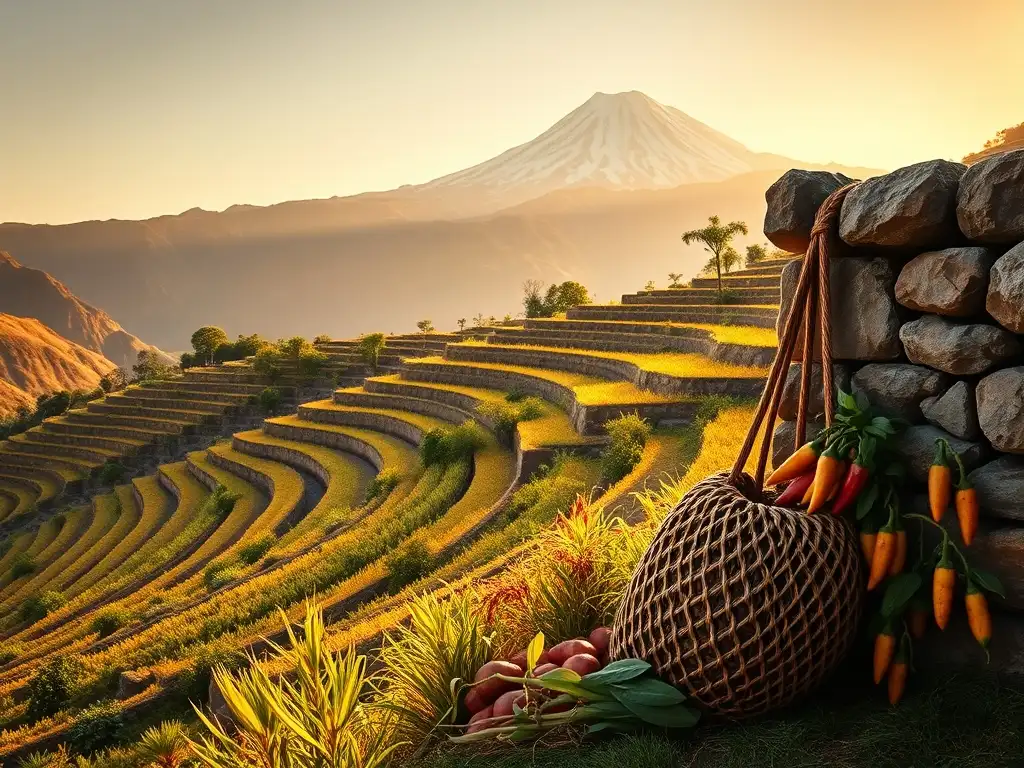
The Inca diet, famously balanced and nutritious, was a direct result of their sophisticated agricultural practices. Their mastery of resource management, particularly through terracing and irrigation, allowed them to cultivate a diverse range of crops in the challenging Andean terrain. This agricultural prowess wasn't simply about survival; it was integral to the Inca's social structure, religious beliefs, and overall societal well-being.
The abundance and variety of food available significantly influenced their health and the strength of their empire. Understanding the Inca diet requires acknowledging the ingenuity and dedication behind their agricultural achievements. Their food security wasn't accidental; it was a carefully planned and executed system, reflecting a deep understanding of their environment and its limitations.
The Role of Terracing and Irrigation in Inca Food Production
Inca agricultural success hinged on two key innovations: terracing and irrigation. The steep slopes of the Andes presented a significant challenge for farming. To overcome this, the Inca developed intricate terracing systems, carving level platforms into the hillsides. These terraces not only increased arable land but also reduced soil erosion and improved water retention. Imagine the sheer scale of this undertaking – thousands of meticulously constructed terraces cascading down mountain slopes, a testament to the Inca's organizational skills and workforce. This wasn't just about farming; it was a monumental feat of engineering.
Furthermore, the Inca understood the importance of water management. They constructed sophisticated irrigation canals and channels to divert water from rivers and streams to their fields, ensuring a reliable water supply even in dry periods. These systems were often remarkably long and complex, demonstrating a deep understanding of hydraulic engineering.
Archaeological evidence reveals the existence of canals stretching for miles, showcasing the Inca’s commitment to ensuring consistent crop yields. The combination of terracing and irrigation allowed the Inca to cultivate a wide variety of crops at different altitudes, optimizing their agricultural output. This efficient system directly translated into a varied and nutritious diet, rich in essential nutrients.
Inca Farming Techniques and Crop Diversification
Beyond terracing and irrigation, the Inca employed a range of innovative farming techniques to maximize their crop yields. They practiced crop rotation, alternating different crops in the same field to maintain soil fertility and prevent depletion. They also used fertilizers, such as guano (bird droppings), to enrich the soil. This understanding of soil health was crucial to their agricultural success and contributed to the overall nutritional value of their food.
The Inca diet wasn't limited to a few staple crops. Their agricultural expertise allowed for remarkable crop diversification. Potatoes, of course, formed a cornerstone of their diet, with hundreds of varieties cultivated at different altitudes. But their agriculture extended far beyond potatoes. They also grew maize (corn), beans, squash, quinoa, tomatoes, and a wide array of fruits and vegetables.
This diversity ensured a balanced diet rich in vitamins, minerals, and other essential nutrients, contributing to their overall health and well-being. The Inca’s understanding of agricultural principles, coupled with their innovative techniques, resulted in a food system that provided sustenance and supported a thriving civilization. This agricultural prowess is a key component in understanding the Inca diet and its impact on their society. The Inca food pyramid, therefore, isn't just a representation of their dietary habits; it's a reflection of their mastery over their environment and their remarkable agricultural achievements.
Modern Relevance of the Inca Diet Food Pyramid
The Inca diet, as depicted in their ingenious food pyramid, offers valuable lessons for modern nutrition and sustainable food systems. While we may not be cultivating terraced farms high in the Andes, the principles of balanced nutrition and resource management embedded within their agricultural practices remain strikingly relevant in the 21st century. Understanding the Inca approach to food can help us build healthier, more resilient communities.
Their emphasis on diverse, locally sourced foods, and their sophisticated understanding of crop rotation and water management, provides a powerful blueprint for addressing contemporary challenges like malnutrition, food insecurity, and environmental degradation. The Inca's success in sustaining a large population through diverse agricultural practices serves as a powerful example for modern societies facing similar pressures. Analyzing their system highlights the importance of prioritizing whole foods, minimizing processed ingredients, and fostering sustainable agricultural practices.
Lessons from Inca Nutrition for Contemporary Diets
The Inca food pyramid, characterized by its emphasis on grains, tubers, and legumes, mirrors many contemporary dietary guidelines promoting plant-based diets. Their reliance on quinoa, potatoes, and other nutrient-rich staples provided a diverse range of vitamins, minerals, and fiber, minimizing the risk of nutritional deficiencies. This contrasts sharply with many modern diets heavy in processed foods, sugary drinks, and refined carbohydrates, which contribute to widespread health issues like obesity, diabetes, and heart disease. The Inca's approach underscores the importance of:
- Prioritizing whole, unprocessed foods: The Inca diet largely avoided processed foods, focusing instead on whole grains, fruits, vegetables, and legumes. This minimized the intake of added sugars, unhealthy fats, and artificial ingredients.
- Embracing diversity: Their diet incorporated a wide variety of crops, ensuring a balanced intake of essential nutrients. This stands in contrast to many modern diets that rely heavily on a limited number of food sources.
- Understanding seasonal eating: The Inca's agricultural practices were closely tied to the seasons, leading to a naturally varied and seasonal diet rich in fresh produce. This aligns with the current movement towards eating locally and seasonally.
The Inca's understanding of nutrition, though developed centuries ago, offers valuable insights for improving modern diets. Their success in sustaining a large and healthy population through a balanced, plant-based diet provides a compelling model for achieving better health outcomes globally. The Inca's approach to nutrition was not merely about sustenance; it was deeply intertwined with their spiritual and social beliefs, highlighting the importance of a holistic approach to food and well-being.
Adapting Inca Food Principles for Health and Sustainability
Applying Inca food principles to contemporary diets requires a multifaceted approach. While we cannot replicate their exact agricultural practices, we can learn from their emphasis on biodiversity, sustainability, and community-based food systems. This involves:
- Supporting local farmers and producers: Choosing locally sourced foods reduces environmental impact and strengthens local economies, echoing the Inca's reliance on local resources.
- Promoting sustainable agriculture: Adopting practices like crop rotation, water conservation, and reduced pesticide use can help create more resilient and environmentally friendly food systems.
- Educating consumers about healthy eating: Raising awareness about the benefits of a diverse, plant-based diet is crucial for promoting healthier eating habits.
- Reducing food waste: Minimizing food waste is essential for both environmental sustainability and economic efficiency, mirroring the Inca's careful resource management.
The Inca diet food pyramid isn't just a historical artifact; it's a powerful reminder of the importance of balanced nutrition and sustainable food practices. By incorporating its key principles into our modern lifestyles, we can create healthier communities and a more sustainable future. Further research into Inca agricultural techniques and nutritional knowledge could reveal even more valuable insights for addressing contemporary food security and public health challenges. The Inca civilization's legacy extends far beyond its impressive architecture and intricate social structures; their approach to food provides a lasting model for building a healthier and more sustainable world.
Frequently Asked Questions
What was the base of the Inca diet?
The base of the Inca diet was potatoes, supplemented by other root vegetables, grains like quinoa, and various beans. This provided essential carbohydrates and nutrients.
What role did maize play in the Inca diet?
Maize, or corn, was a staple crop for the Incas, used in various forms like porridge, beer (chicha), and even as a building material. It was a crucial source of energy.
Did the Incas consume meat?
Yes, but meat was a less frequent part of the diet compared to plants. Llama and alpaca were primary sources, along with some fish and guinea pigs depending on location.
How did the Inca's environment influence their diet?
The diverse geography of the Andes directly impacted the Inca diet. High altitude areas relied heavily on potatoes and quinoa, while coastal regions incorporated more seafood.
What was unique about the Inca food pyramid compared to modern ones?
The Inca diet, while not a formal pyramid like modern ones, prioritized sustainable agriculture and local resources. It emphasized a balanced intake of carbohydrates, proteins, and fats obtained from their environment.
Final Reflection: Echoes of the Andes: A Legacy of Balanced Living
The Inca food pyramid, far from being a relic of a bygone era, offers a powerful and surprisingly relevant model for healthy eating in the 21st century. Its emphasis on whole grains, diverse vegetables, and sustainable practices stands in stark contrast to many modern diets, highlighting the wisdom of a civilization that thrived for centuries on a balanced and environmentally conscious approach to food.
The Inca's understanding of nutrition, deeply intertwined with their spiritual beliefs and agricultural practices, continues to resonate today. Their focus on community and sustainability serves as a potent reminder of the interconnectedness between our food choices and the well-being of both ourselves and the planet. The earth provides enough to satisfy every man's needs but not every man's greed.
- Mahatma Gandhi. This quote, while not directly from Inca philosophy, perfectly encapsulates the spirit of their sustainable approach to agriculture and resource management, a lesson we desperately need to relearn in our current era of food insecurity and environmental degradation.
Consider the principles of the Inca food pyramid: the emphasis on locally sourced, seasonal produce; the integration of diverse grains and legumes; the mindful consumption of protein. These are not merely historical curiosities; they are actionable steps towards a healthier, more sustainable future. Examine your own diet. Where can you incorporate the wisdom of the Inca? What changes, however small, can you make to align your eating habits with a more balanced and environmentally conscious lifestyle? The legacy of the Inca awaits your rediscovery.
Embrace the Inca Diet: Transform Your Plate Today!
Thank you for exploring the fascinating world of Inca cuisine! You've discovered valuable insights into their balanced diet, which can inspire healthier eating habits. Now, let's put that knowledge into action and create delicious, Inca-inspired meals!
- **Begin incorporating nutritious whole grains and Andean vegetables** into your weekly meals. Quinoa and sweet potatoes are excellent starting points.
- **Share your culinary creations** on social media, tagging @AndeanCivilizations to connect with other enthusiasts. Show us your Inca-inspired dishes!
- **Consider joining a local cooking class** specializing in Andean cuisine. This is a fantastic way to expand your cooking skills while learning about the history and cultural significance of these ingredients.
How will you integrate the vibrant flavors of the Inca diet into your daily life?