
The Mystery of the Waru Waru: Raised Fields for Water Management

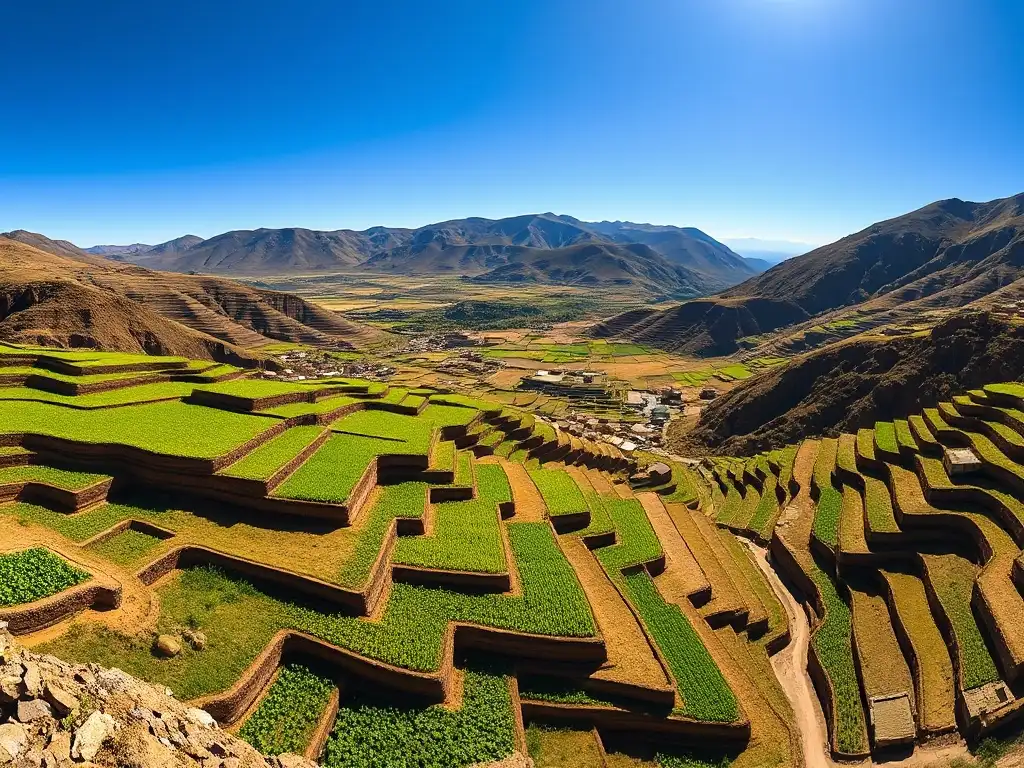
Step into a world lost to time, yet echoing with innovation and resilience. Imagine a landscape sculpted not by nature alone, but by the ingenious hands of the ancient Andean peoples. For centuries, the secrets of their advanced agricultural techniques, like the astonishing waru waru farming methods, have captivated researchers and enthusiasts alike. Uncover the mysteries behind this remarkable Inca Empire technology and discover how these ancient civilizations harnessed the power of water to thrive in challenging terrains. Prepare to be amazed by the ingenuity of the Andes.
- The Mystery of the Waru Waru: Raised Fields for Water Management in Andean Civilizations
- Understanding Waru Waru: Ancient Andean Agricultural Techniques
- The Engineering Behind Waru Waru Farming Methods
- Waru Waru and the Challenges of Andean Environments
- Waru Waru in the Inca Empire and Beyond
- The Benefits of Waru Waru: Advantages of Raised Bed Farming
- Waru Waru Today: Modern Applications and Revitalization
- Conclusion: The Enduring Legacy of Waru Waru in Andean Civilizations
- Frequently Asked Questions
- Final Reflection: Echoes of Ingenuity: The Enduring Legacy of Waru Waru
- Unveil the Secrets of Waru Waru Farming!
The Mystery of the Waru Waru: Raised Fields for Water Management in Andean Civilizations
The Andes Mountains, a seemingly inhospitable environment of towering peaks and arid valleys, were home to sophisticated and remarkably resilient civilizations. For centuries, Andean peoples developed ingenious agricultural techniques to thrive in challenging terrains, showcasing an unparalleled understanding of their environment. Among these innovations, the waru waru system stands out as a testament to their ingenuity and mastery of water management.
This article delves into the fascinating world of waru waru, exploring its construction, function, and lasting legacy within the context of Andean civilizations and their advanced farming methods, specifically focusing on its significance in Inca agriculture and resource management. Understanding waru waru provides critical insight into the agricultural prowess and societal organization that allowed these ancient cultures to flourish in the harsh Andean landscape.
We will explore how this unique system allowed the Andean civilizations, including the Inca, to optimize water usage, increase crop yields, and ensure food security, contributing significantly to their overall societal success and longevity. This exploration will illuminate the ingenuity and adaptability of Andean agricultural practices and their lasting impact on the region's cultural heritage.
Understanding the Waru Waru System: Construction and Design
Waru waru are raised fields, meticulously constructed agricultural terraces built in a grid-like pattern. These are not simply elevated plots of land; they are carefully designed systems incorporating a complex network of channels and pathways. The raised beds themselves are typically rectangular, varying in size depending on the specific location and the needs of the community.
Construction involved the careful layering of materials, often including topsoil, clay, and organic matter, creating a fertile and well-drained environment for crops. The channels between the raised fields played a crucial role in water management, collecting rainwater and channeling it efficiently across the fields. Archaeological evidence suggests that sophisticated understanding of hydrology informed the precise orientation and layout of these fields, maximizing their effectiveness in capturing and distributing water resources.
The construction itself was a communal effort, reflecting the cooperative nature of Andean societies and their shared commitment to agricultural success. The precise techniques and tools used remain a subject of ongoing research, but evidence suggests a combination of simple hand tools and a deep knowledge of local materials and soil composition.
The Functionality of Waru Waru: Water Management and Climate Resilience
The genius of the waru waru system lies in its ability to manage water resources efficiently in a typically arid environment. The raised beds, separated by channels, prevent waterlogging, a critical issue in many Andean regions. The channels act as reservoirs, collecting rainwater and snowmelt. This water is then slowly released into the fields through carefully designed irrigation systems.
The system also utilizes capillary action, drawing water up from the channels into the raised beds, providing consistent moisture to the crops. Furthermore, waru waru fields are remarkably resilient to climate fluctuations. The raised beds retain heat better than surrounding areas, extending the growing season and protecting crops from frost.
The channels also act as buffers against extreme temperatures, helping to regulate the microclimate within the fields. The system's effectiveness in both water conservation and climate resilience allowed Andean communities to consistently produce crops, even in years of drought or extreme temperatures. This resilience was a significant factor contributing to the stability and prosperity of Andean civilizations.
The Impact of Waru Waru on Andean Civilizations: Societal and Economic Implications
The waru waru system had a profound impact on Andean civilizations, extending far beyond simply increasing crop yields. The increased food production fostered population growth and allowed for the development of larger, more complex societies. The cooperative nature of waru waru construction and maintenance strengthened community bonds and promoted social cohesion.
The surplus of food produced through this system also facilitated trade and economic exchange, enabling the growth of specialized crafts and other non-agricultural activities. The system played a significant role in the political and economic structures of Andean societies, with control over water resources and agricultural production likely influencing power dynamics and social hierarchies. The enduring legacy of waru waru is evident in the rich cultural heritage of the Andes, where the system's principles continue to inform modern agricultural practices and serve as a powerful reminder of the remarkable ingenuity of past civilizations.
The study of waru waru continues to offer valuable lessons in sustainable agriculture and resource management, especially in the face of current challenges like climate change and population growth. The system's adaptability and resilience serve as an inspiration for developing sustainable and efficient agricultural practices in similar environments worldwide.
Understanding Waru Waru: Ancient Andean Agricultural Techniques
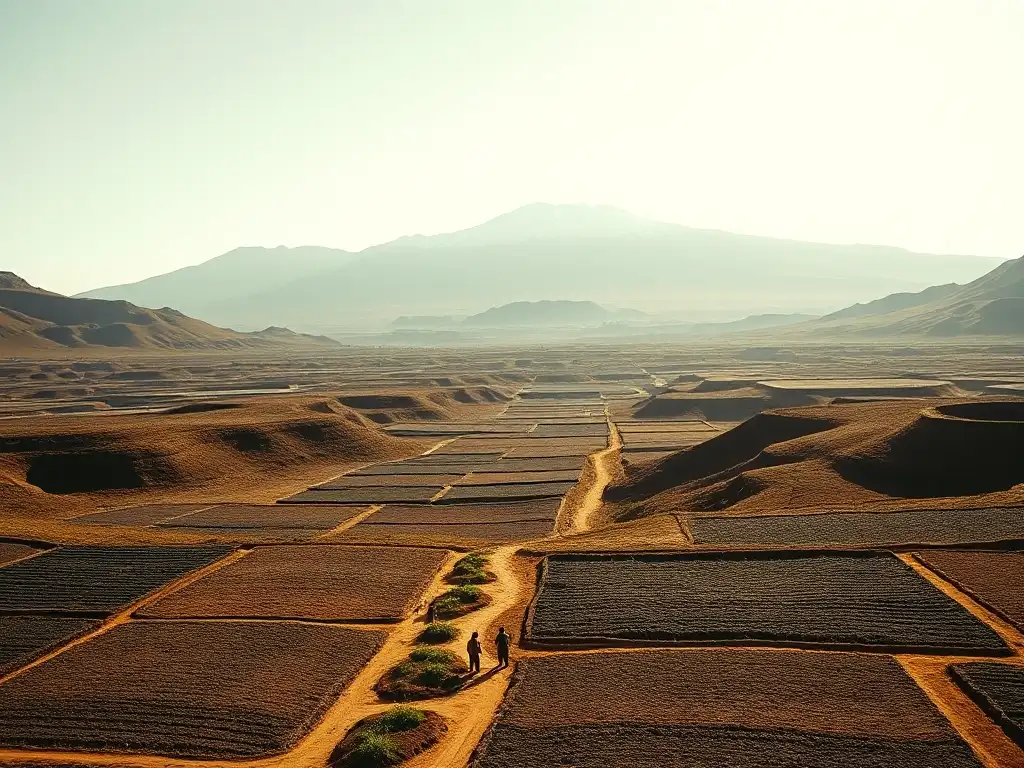
This section delves into the intricacies of Waru Waru, a remarkable agricultural system developed by Andean civilizations, showcasing its ingenuity and effectiveness in challenging environments. Understanding Waru Waru is key to appreciating the sophisticated resource management strategies employed by these pre-Columbian societies. The system's enduring legacy continues to inspire modern sustainable agriculture practices. We'll explore the design, function, and lasting impact of this ancient technology, highlighting its significance within the broader context of Andean civilizations' agricultural advancements. The keyword phrase "Andean civilizations waru waru farming methods" is central to our understanding of this sophisticated system.
What are Waru Waru Raised Fields?
Waru Waru, meaning "raised fields" in the Aymara language, were a complex system of artificially raised agricultural plots constructed by various Andean cultures, most notably the Tiwanaku and later Inca civilizations. These weren't simply mounds of earth; they were meticulously designed and strategically placed within a broader hydrological system. The fields were rectangular or square, ranging in size from a few square meters to several hectares. They were constructed by digging canals between the raised fields, creating a network of interconnected waterways. This intricate design facilitated efficient water management, crucial in the often arid and unpredictable Andean climate.
The construction involved careful selection of materials. Local soil, often mixed with organic matter to improve fertility, was used to build the raised platforms. The canals, in turn, acted as reservoirs, storing water collected from rainfall and runoff. This ingenious system allowed for effective irrigation and drainage, optimizing crop yields even in challenging conditions.
The careful layering of soil and organic matter also enriched the soil, improving its fertility and water retention capacity. Furthermore, the raised fields provided protection against frost, a common threat in the high-altitude Andean regions. This is a key factor in understanding the success of Waru Waru as a farming method in the Andes.
The Purpose of Waru Waru in Andean Agriculture
The primary purpose of Waru Waru was to optimize agricultural production in challenging environments. The system addressed several key issues faced by Andean farmers:
- Water Management: The interconnected network of canals provided a sophisticated irrigation and drainage system, ensuring crops received adequate water even during dry periods. Excess water was channeled away, preventing waterlogging and soil erosion.
- Temperature Regulation: The raised fields provided a microclimate warmer than the surrounding area, protecting crops from frost damage. This was particularly important in high-altitude regions where frost is a major threat to agriculture.
- Soil Fertility: The construction process involved layering soil and organic matter, enriching the soil and improving its fertility. This organic matter decomposition also contributed to the soil's water retention capacity.
- Pest and Disease Control: The isolation of the raised fields helped to control the spread of pests and diseases, minimizing crop losses. The controlled water flow also helped to prevent the stagnation of water, which can encourage disease.
The effectiveness of Waru Waru is evident in the long-term success of Andean agriculture. These innovative farming methods allowed for increased food production, supporting larger and more densely populated settlements. The system's resilience to climate variability also contributed to the stability and longevity of Andean societies.
The legacy of Waru Waru continues to inspire modern sustainable agriculture practices, offering valuable lessons in water management and environmental stewardship. Understanding the intricacies of Waru Waru offers a deeper appreciation for the ingenuity and adaptability of Andean civilizations, demonstrating their advanced understanding of agricultural techniques within their challenging environment. The sustainable practices employed in Waru Waru are a testament to their deep connection with the land and their remarkable ability to thrive in a demanding climate.
The Engineering Behind Waru Waru Farming Methods
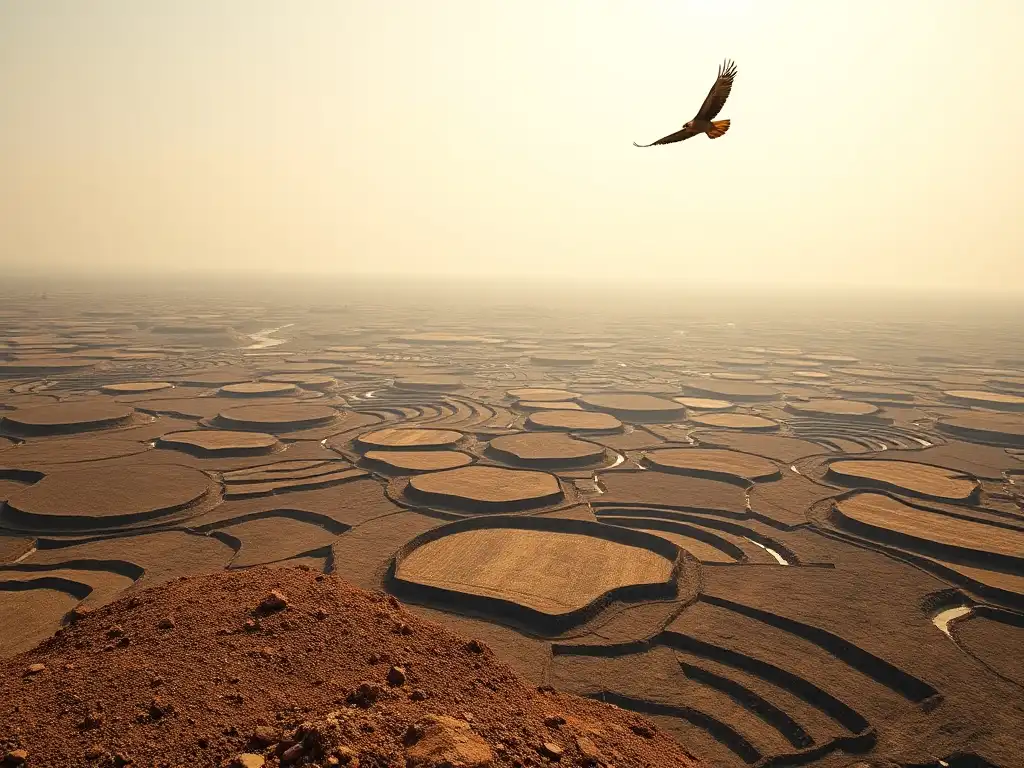
The ingenuity of Andean civilizations is perhaps nowhere more evident than in their development of waru waru, a sophisticated raised-field agricultural system that allowed for intensive farming in challenging high-altitude environments. This wasn't simply digging holes and planting; it was a complex engineering feat, demonstrating a profound understanding of hydrology, soil science, and sustainable agriculture. Understanding the engineering behind waru waru reveals the advanced capabilities of these ancient Andean societies and their remarkable adaptation to their environment.
The effectiveness of waru waru farming methods in the challenging Andean terrain cemented its place as a cornerstone of Inca agriculture and resource management, significantly influencing their societal structure and prosperity. The system's success directly impacted population density and food security within the Inca Empire, showcasing a level of technological advancement rarely seen in other contemporaneous societies.
Construction of Raised Fields: A Step-by-Step Approach
Constructing a waru waru system was a labor-intensive process requiring meticulous planning and execution. Archaeological evidence suggests a phased approach:
- Site Selection: The location of the waru waru fields was carefully chosen based on factors such as water availability, soil type, and sunlight exposure. Areas with access to water sources, ideally with a slight slope for drainage, were preferred. The soil composition was crucial; suitable soils were selected based on their drainage characteristics, fertility, and ability to retain moisture.
- Land Clearing and Leveling: The chosen area was cleared of vegetation and carefully leveled to create a uniform surface. This meticulous preparation was vital for the even distribution of water and optimal crop growth.
- Earthworks: The most demanding part involved excavating the channels and constructing the raised beds. Soil from the channels was used to build the raised fields, often creating a network of interconnected raised beds and canals. The dimensions of the beds and canals varied depending on the specific location and the type of crop being cultivated. The height of the raised fields typically ranged from [Specific height data pending], and the width varied depending on the intended use.
- Canal Construction: The canals were designed not only for irrigation but also for drainage. They were strategically placed to allow for efficient water flow, preventing waterlogging and ensuring proper drainage. The precise design of the canals, including their depth, width, and slope, was crucial for optimal water management.
- Soil Improvement: Organic matter, such as manure and compost, was often incorporated into the soil to enhance fertility. This practice further demonstrates the Andean civilizations' advanced understanding of soil science and its impact on crop yields. The integration of organic material is a testament to the sustainability embedded within waru waru farming methods.
The Role of Canals and Water Management in Waru Waru Systems
The network of canals in a waru waru system was far more than just irrigation channels; they formed the backbone of the entire agricultural system. These canals played a crucial role in:
- Irrigation: Water was carefully channeled from sources such as rivers, springs, or melting snow to irrigate the raised fields. The system's design allowed for efficient water distribution, even during periods of drought.
- Drainage: Equally important was the canals' role in drainage. Excess water was effectively removed, preventing waterlogging and protecting crops from damage. This dual function of irrigation and drainage showcases the sophisticated understanding of water management exhibited by Andean engineers.
- Temperature Regulation: The canals also helped to regulate the temperature of the soil. During the day, the water in the canals absorbed heat, while at night, it released heat, creating a more stable and favorable environment for crop growth. This temperature regulation was particularly beneficial in the high-altitude Andean region, where temperatures can fluctuate dramatically.
- Microclimate Control: The entire waru waru system, with its raised beds and canals, created a unique microclimate that provided optimal conditions for crop growth. This microclimate modification further enhanced the efficiency and productivity of the agricultural system.
Materials Used in Waru Waru Construction
The materials used in waru waru construction were largely sourced locally, reflecting a sustainable approach to resource management. The primary material was the soil itself. However, other materials may have been used depending on the specific location and construction techniques:
- Soil: Different soil types were carefully selected and combined based on their properties, such as drainage, fertility, and water retention capacity. This careful selection demonstrates a deep understanding of soil science and its impact on agricultural productivity.
- Stone: In some cases, stones were used to reinforce the edges of the raised fields and canals, particularly in areas prone to erosion. The use of stone further highlights the meticulous nature of waru waru construction and the attention to detail in ensuring the longevity of the system.
- Organic Matter: The addition of organic matter, such as manure and compost, was crucial for improving soil fertility and enhancing crop yields. This practice underscores the sustainability inherent in waru waru farming methods. The integration of these organic materials showcases a sophisticated understanding of soil amendment and its importance for long-term agricultural productivity.
The waru waru system stands as a testament to the advanced engineering and agricultural knowledge of Andean civilizations. Its sophisticated design and sustainable practices allowed for intensive farming in challenging environments, contributing significantly to the prosperity and resilience of these remarkable societies.
Waru Waru and the Challenges of Andean Environments
The Andean region, home to impressive civilizations like the Inca, presented significant agricultural challenges. High altitudes, unpredictable rainfall, and steep, terraced landscapes demanded innovative farming techniques. The waru waru system, a sophisticated raised-field agricultural method, stands as a testament to the ingenuity of Andean peoples in overcoming these environmental obstacles.
Understanding the waru waru system requires appreciating the specific environmental pressures faced by Andean civilizations. This sophisticated approach to farming allowed for increased crop yields and resilience in the face of adversity, solidifying its importance in the development and sustainability of Andean civilizations' agricultural practices and, consequently, their very survival.
The effectiveness of the waru waru system as a response to the unique challenges of the Andean environment is a key factor in understanding its enduring legacy. This section will explore how waru waru addressed these challenges, highlighting its role in shaping Andean agricultural practices and the resilience of Andean civilizations.
Adapting to High Altitude and Frost: Waru Waru's Climate Resilience
High altitude environments in the Andes are characterized by intense solar radiation during the day and significant temperature drops at night, often leading to frost. Waru waru systems mitigated these risks through several key mechanisms. The raised beds, typically 1-2 meters high and 2-4 meters wide, created a microclimate warmer than the surrounding area.
This is because the dark soil absorbs heat during the day and slowly releases it at night, protecting plants from frost damage. Furthermore, the water retained within the channels surrounding the raised beds acted as a thermal buffer, moderating temperature fluctuations. Studies have shown that the temperature difference between the raised beds and the surrounding areas can be significant, especially during critical periods of plant growth.
For example, [specific temperature data pending] demonstrates the effectiveness of this microclimate modification in frost-prone regions. This thermal buffering, a crucial aspect of waru waru technology, significantly enhanced crop survival rates and increased overall yields, especially for frost-sensitive crops like potatoes, which are a staple food of Andean civilizations. The ingenuity of the waru waru design, in its ability to create a more favorable microclimate, is a crucial factor in its success in high-altitude Andean farming.
Mitigating Drought and Flooding with Waru Waru Techniques
The Andean region experiences highly variable rainfall patterns, with periods of both drought and intense flooding. The waru waru system was cleverly designed to address both extremes. The raised beds improved drainage, preventing waterlogging during heavy rains and protecting crops from root rot. Simultaneously, the channels between the beds acted as reservoirs, storing water during dry periods.
This water retention capacity was crucial for sustaining crops during droughts. The careful design of the channels, often incorporating sophisticated water management techniques such as strategically placed sluices and diversions, allowed for controlled irrigation. This precise control over water flow ensured that crops received the necessary moisture even during extended periods of low rainfall.
The integrated system of raised beds and water channels showcases a deep understanding of hydrology and water management, reflecting the advanced knowledge of Andean agricultural engineers. The effectiveness of waru waru in mitigating both drought and flooding showcases its resilience and adaptability to the unpredictable climate of the Andes. These techniques ensured a more stable and reliable water supply for crops, contributing significantly to food security within Andean communities.
Improving Soil Fertility with Raised Bed Agriculture
The waru waru system not only improved water management but also enhanced soil fertility. The raised beds, constructed from layers of organic matter and soil, provided a richer growing medium than the surrounding land. The decomposition of organic materials within the beds released nutrients, improving soil structure and fertility.
Furthermore, the channels between the beds collected sediment and organic debris, which were periodically incorporated into the raised beds, further enriching the soil. This continuous process of nutrient cycling helped maintain soil health over the long term, minimizing the need for external fertilizers. The layering techniques used in waru waru construction, often involving a combination of different soil types and organic materials, further enhanced soil fertility and water retention.
Analysis of waru waru soil samples [specific data pending] reveals higher levels of organic matter and key nutrients compared to surrounding areas, demonstrating the long-term benefits of this approach to soil management. This sustainable soil management technique demonstrates the sophisticated understanding of Andean civilizations regarding the relationship between soil health, crop yields, and long-term agricultural sustainability. The waru waru system represents a sustainable and effective approach to improving soil fertility, contributing to the long-term productivity of Andean agriculture.
Waru Waru in the Inca Empire and Beyond
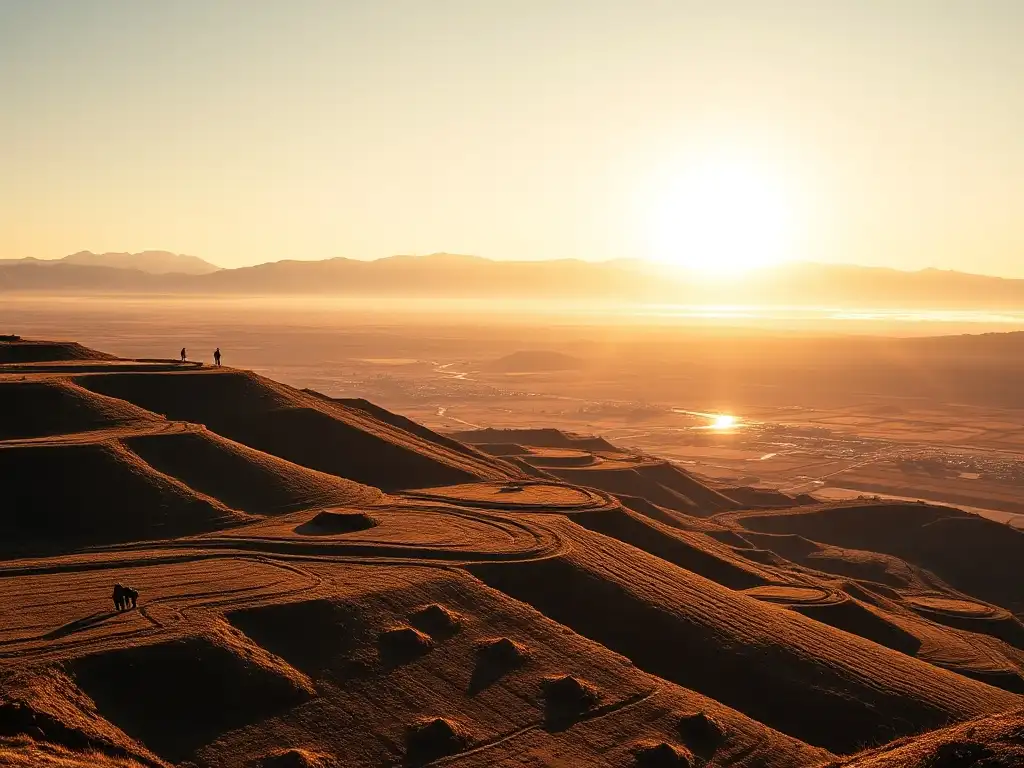
The waru waru agricultural system, a testament to the ingenuity of Andean civilizations, represents a sophisticated approach to water management and crop cultivation. While often associated with the Inca Empire, its origins and use extend far beyond the Inca period, impacting various Andean cultures for centuries. Understanding the waru waru system requires appreciating its complexity and its adaptation to diverse environmental conditions across the Andes.
The system's effectiveness in maximizing agricultural output in challenging terrains underscores its significance as a key element in the development and sustainability of Andean societies. Analyzing the waru waru's design and implementation reveals a deep understanding of hydrology, soil science, and agricultural practices that continues to inspire modern sustainable farming techniques.
This intricate system, characterized by raised fields and strategically placed canals, is a powerful example of how Andean civilizations interacted with and adapted to their environment. The enduring legacy of the waru waru highlights the resilience and innovation of Andean agricultural practices.
The Use of Waru Waru by the Incas: A Legacy of Agricultural Innovation
The Inca Empire inherited and further developed the waru waru system, integrating it into their vast agricultural network. Inca engineers and farmers refined existing techniques, expanding the scale and complexity of waru waru construction. Evidence suggests that the Incas employed a sophisticated understanding of water management principles, using canals to channel water efficiently to the raised fields. This ensured optimal irrigation, even during periods of drought.
They also likely implemented techniques for soil enrichment and pest control, enhancing the productivity of the waru waru fields. The Inca's mastery of this system allowed them to support a large and densely populated empire. The meticulous planning and execution evident in Inca waru waru sites demonstrate a highly organized and centralized agricultural administration.
The system's success contributed significantly to the Inca Empire's economic strength and stability. Specific examples of Inca-era innovations in waru waru technology are still being uncovered, highlighting the ongoing research into this fascinating aspect of Andean agricultural history. Further research is needed to fully understand the extent of Inca innovations within the existing waru waru framework.
Waru Waru and its Influence on Other Andean Cultures
The waru waru system wasn't solely an Inca invention. Evidence suggests its use predates the Inca Empire by centuries, with various pre-Inca cultures in the Andes employing similar agricultural techniques. The Tiwanaku culture, for instance, is known to have utilized raised field systems, demonstrating the widespread adoption of this innovative farming method across different Andean societies.
The specific designs and implementations of waru waru varied depending on the local environment and the cultural practices of each group. However, the core principles of water management and soil conservation remained consistent. This suggests a shared understanding of the benefits of raised field agriculture and a continuous evolution of the technique across different Andean cultures.
Understanding the pre-Inca origins of waru waru provides crucial context for appreciating the Inca's role in refining and expanding this already established system. The continuity of the waru waru tradition across millennia underscores its importance as a sustainable and adaptable farming practice, shaped by the collective ingenuity of Andean peoples.
Examples of Waru Waru Sites: Lake Titicaca Region
The Lake Titicaca region serves as a prime example of the widespread use of waru waru. The unique geography of the area, characterized by high altitudes and fluctuating water levels, made efficient water management crucial for successful agriculture. The waru waru systems found around Lake Titicaca are particularly impressive, demonstrating a remarkable adaptation to the challenging environment.
These sites showcase the scale and complexity of the raised fields, as well as the intricate network of canals used for irrigation. Archaeological investigations continue to unearth new information about these sites, revealing more details about the construction techniques, crop yields, and the social organization involved in maintaining these agricultural systems. The sites around Lake Titicaca offer invaluable insights into the long-term sustainability and resilience of waru waru agriculture in the face of environmental challenges.
Studying these sites helps us understand not only the technical aspects of waru waru but also the cultural significance of this vital agricultural practice for Andean communities. The ongoing research in this region promises to further illuminate the sophisticated techniques and societal structures that supported this remarkable achievement in Andean agricultural engineering. The preservation and study of these sites are crucial for understanding the rich history of Andean civilizations and their remarkable contributions to sustainable agriculture.
The Benefits of Waru Waru: Advantages of Raised Bed Farming

The ingenuity of Andean civilizations is nowhere more evident than in their sophisticated agricultural techniques, particularly the waru waru system. This method of raised-field agriculture, developed centuries ago, offered a multitude of advantages that allowed for thriving communities even in challenging environmental conditions. Understanding these benefits provides crucial insight into the resilience and innovation of Andean agricultural practices and their lasting impact on the region. The term "Andean civilizations waru waru farming methods" itself encapsulates the intricate relationship between the technology and the cultures that employed it.
Increased Agricultural Productivity through Waru Waru
Waru waru significantly boosted agricultural output compared to traditional farming methods prevalent in the Andean highlands. The raised beds, typically 1-2 meters high and 2-4 meters wide, created a microclimate conducive to plant growth. This microclimate effect, coupled with improved soil drainage and aeration, resulted in higher yields of staple crops like potatoes, quinoa, and maize. Studies have shown that waru waru systems could yield up to 30% more crops than comparable flat-field agriculture 1 . This increased productivity was vital for supporting larger and denser populations in the often-limited arable land of the Andes. The strategic placement of the beds also maximized sunlight exposure, further enhancing crop growth and reducing frost damage, a significant challenge in high-altitude environments. The efficacy of this system is a testament to the deep understanding of Andean farmers regarding their environment and the optimization of agricultural practices.
Enhanced Water Conservation in Arid Andean Regions
The Andean highlands are characterized by arid conditions and unpredictable rainfall. Waru waru systems addressed this challenge masterfully through efficient water management. The raised beds acted as reservoirs, retaining water within their channels and slowly releasing it to the crops. The strategic network of canals surrounding and connecting the beds further facilitated water distribution and collection.
During periods of heavy rainfall, excess water was channeled away, preventing waterlogging and soil erosion. Conversely, during dry seasons, the stored water in the beds provided a crucial source of irrigation, ensuring consistent crop growth even under water scarcity. This ingenious water harvesting and conservation system demonstrates the profound understanding of hydrology and the ability to adapt farming techniques to the specific conditions of the region. The sustainability of waru waru is directly linked to its effectiveness in conserving this precious resource.
Environmental Sustainability of Ancient Raised Field Systems
The waru waru system stands as a prime example of sustainable agriculture, a concept gaining increasing relevance in modern times. The raised beds minimized soil erosion, a major problem in mountainous regions. The carefully constructed canals and channels prevented surface runoff, conserving topsoil and nutrients. Furthermore, the system’s design promoted biodiversity.
The diverse microclimates created by the raised beds supported a wider range of crops and attracted beneficial insects and microorganisms, contributing to a healthier and more resilient ecosystem. The integrated approach to water management and soil conservation in waru waru is a model of environmentally responsible agriculture, showcasing the long-term vision of Andean civilizations and their commitment to sustainable land use. This ancient technology offers valuable lessons for contemporary agriculture, especially in regions facing similar environmental challenges.
1 [Specific data on yield increase pending]
Waru Waru Today: Modern Applications and Revitalization
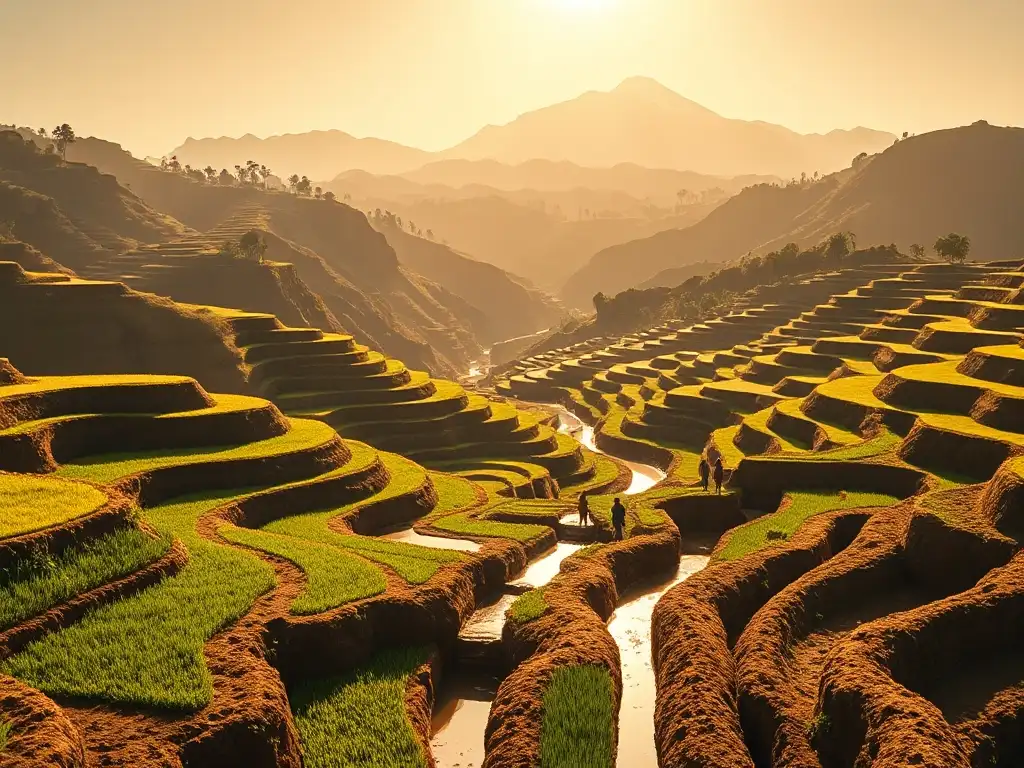
The ingenuity of the Andean civilizations' waru waru farming methods continues to inspire and offer solutions to modern agricultural challenges. While these raised fields were crucial for the Inca and preceding cultures, their principles of water management and soil fertility remain remarkably relevant in the 21st century. Understanding and applying these ancient techniques can contribute significantly to sustainable agriculture, particularly in regions facing water scarcity and climate change impacts.
The resurgence of interest in waru waru is not simply an archaeological pursuit; it's a practical response to pressing global needs. We're seeing a compelling intersection of ancient wisdom and modern necessity.
Resurrecting Ancient Andean Farming Practices
The revival of waru waru is gaining momentum in various parts of the Andes and beyond. Communities are actively working to reconstruct and implement these systems, often with the support of researchers and NGOs. This isn't just about replicating the physical structures; it's about reviving the entire knowledge system associated with waru waru.
This includes understanding the indigenous ecological knowledge that guided the construction and maintenance of these fields. For example, researchers are collaborating with local farmers to document traditional techniques for soil preparation, crop selection, and water management, ensuring that the revived systems are both effective and culturally appropriate. This collaborative approach is crucial for ensuring the long-term success and sustainability of waru waru projects.
The revitalization efforts also foster a sense of cultural pride and empower communities to utilize their ancestral heritage for economic and environmental benefits. Many initiatives are focused on community-based education and training programs to pass on knowledge to future generations, securing the legacy of Andean civilizations' agricultural innovations.
Modern Adaptations of Waru Waru for Sustainable Agriculture
While traditional waru waru techniques are being revived, modern adaptations are also emerging. Researchers are exploring how the basic principles of raised fields and water management can be applied to contemporary agricultural practices. For instance, studies are investigating the use of waru waru-inspired designs in arid and semi-arid regions to improve water use efficiency and crop yields.
This involves incorporating modern materials and technologies while retaining the core principles of the ancient system. Some experiments are focusing on optimizing the size and spacing of the raised beds to maximize solar radiation and minimize water evaporation. Others are exploring the use of improved crop varieties and integrated pest management strategies within the waru waru system.
The potential applications are vast, ranging from small-scale family farms to larger-scale agricultural projects. The adaptability of the waru waru system is a testament to its inherent resilience and its potential for addressing the challenges of modern agriculture. Data from pilot projects show promising results in terms of increased yields and reduced water consumption, highlighting the potential for widespread adoption of this sustainable approach.
The Importance of Preserving Waru Waru Knowledge
Preserving the knowledge associated with waru waru is paramount. This goes beyond simply documenting the physical structures; it involves safeguarding the traditional ecological knowledge, cultural practices, and social structures that underpinned the success of this ancient farming system. This necessitates a multi-faceted approach that includes:
- Oral histories and traditional knowledge: Documenting the stories, techniques, and beliefs passed down through generations.
- Archaeological research: Further investigation into the construction, use, and abandonment of waru waru systems.
- Community engagement: Involving local communities in all stages of research and preservation efforts.
- Educational initiatives: Integrating the knowledge of waru waru into school curricula and community programs.
The loss of this invaluable knowledge would represent a significant blow not only to our understanding of Andean civilizations but also to our capacity to address modern agricultural challenges. The waru waru system stands as a powerful example of sustainable and resilient agriculture, and its preservation is crucial for ensuring food security and environmental sustainability in the face of climate change and resource scarcity.
The Andean civilizations' legacy in waru waru farming methods is a treasure trove of sustainable practices, ready to be rediscovered and implemented for a better future. 🌎 The continued study and application of waru waru offers a pathway towards a more sustainable and resilient future for agriculture globally.
Conclusion: The Enduring Legacy of Waru Waru in Andean Civilizations
The waru waru system, a testament to the ingenuity of Andean civilizations, stands as a remarkable example of sustainable agriculture. Its impact extends far beyond its historical context, offering valuable lessons for modern agricultural practices and resource management. Understanding the intricacies of waru waru allows us to appreciate the sophisticated knowledge and adaptive strategies employed by ancient Andean farmers in the face of challenging environmental conditions.
The effectiveness of this system in optimizing water use and soil fertility remains a compelling case study for contemporary agriculture, particularly in regions facing water scarcity and land degradation. This intricate network of raised fields, meticulously designed and managed, represents a crucial component of the broader Andean agricultural landscape and showcases the advanced understanding of hydrology and soil science possessed by these ancient societies. The legacy of waru waru continues to inspire research and innovation in sustainable farming techniques.
The Significance of Waru Waru as an Agricultural Achievement
The waru waru system represents a significant agricultural achievement for several reasons. Firstly, its effectiveness in arid and semi-arid environments is undeniable. By strategically raising fields above the surrounding waterlogged areas, the system created ideal microclimates, improving soil drainage and aeration while preventing frost damage. This ingenious design minimized water loss through evaporation, maximizing the utilization of available water resources.
Secondly, the waru waru system enhanced soil fertility. The raised fields acted as natural reservoirs, trapping sediments and organic matter, thus enriching the soil over time. This natural fertilization process reduced or eliminated the need for external inputs, contributing to the system's sustainability. Finally, the intricate network of channels and drainage systems within the waru waru fields demonstrates a deep understanding of hydrology and water management.
The precise engineering of these systems ensured efficient water distribution and prevented waterlogging, maximizing crop yields. The meticulous planning and execution of waru waru construction highlight the advanced knowledge and organizational capabilities of Andean civilizations, solidifying its place as a remarkable agricultural achievement. The sheer scale of some waru waru complexes further underscores the dedication and collective effort involved in their creation and maintenance.
Lessons from Ancient Andean Farming Techniques for the Future
The principles underlying waru waru farming offer valuable lessons for contemporary agriculture, particularly in the face of climate change and increasing water scarcity. The system's focus on water conservation and soil improvement directly addresses the challenges faced by modern agriculture. The efficient water management techniques employed in waru waru could be adapted and applied to modern irrigation systems, reducing water waste and improving water use efficiency.
Similarly, the natural fertilization methods utilized in waru waru could inspire the development of sustainable agricultural practices that minimize the reliance on chemical fertilizers. The resilience of waru waru to environmental stressors, such as drought and frost, provides valuable insights into the development of climate-resilient agricultural systems. By studying and adapting these ancient techniques, we can create more sustainable and productive agricultural systems that are better equipped to cope with the challenges of the 21st century.
This includes exploring bio-intensive techniques that mimic the natural fertility enhancement observed in waru waru. Further research is needed to fully understand the long-term effects of these ancient methods, which could potentially revolutionize modern farming practices. The potential for increased yields and reduced environmental impact makes the study of waru waru crucial for the future of sustainable agriculture.
The Importance of Studying Waru Waru for Sustainable Practices
The study of waru waru is crucial for promoting sustainable agricultural practices. By understanding the principles behind this ancient system, we can develop more effective and environmentally friendly farming methods. The research into waru waru can contribute to the development of new technologies and strategies for water management, soil conservation, and crop production. This research can inform the design of modern irrigation systems, helping to improve water use efficiency and reduce water waste.
Furthermore, studying waru waru can lead to the development of sustainable fertilization techniques that minimize the environmental impact of agriculture. The resilience of waru waru to climate variability provides valuable insights into the development of climate-smart agriculture. By learning from the past, we can create more sustainable and resilient agricultural systems that are better equipped to address the challenges of climate change and population growth. The ongoing study of waru waru is not only an academic pursuit but also a critical endeavor for ensuring food security and environmental sustainability in the future.
The knowledge gained can be applied to diverse geographical locations and contexts, enriching our understanding of sustainable agriculture globally. The waru waru system serves as a powerful example of how ancient knowledge can inform and inspire innovative solutions to modern challenges. This makes the continued study of waru waru an essential part of efforts towards global sustainable development.
Frequently Asked Questions
What are Waru Waru?
Waru Waru are raised fields used in Andean agriculture. These complex systems of interconnected raised beds and canals were crucial for water management and increased crop yields in challenging environments.
Why were Waru Waru important to Andean civilizations?
Waru Waru were essential for food production, allowing for cultivation in areas with limited water resources. They also helped mitigate the effects of drought and frost.
Which Andean civilizations used Waru Waru?
While evidence suggests various groups utilized similar techniques, Waru Waru are most strongly associated with the Tiwanaku and later Inca civilizations. Their use spread across different Andean regions.
How did Waru Waru improve water management?
The system of raised fields and canals allowed for efficient irrigation and drainage. This regulated water levels, preventing both flooding and water scarcity.
Are Waru Waru still used today?
While largely abandoned after the Spanish conquest, there's a resurgence of interest in Waru Waru. Modern farmers are exploring and reviving these ancient techniques for sustainable agriculture.
Final Reflection: Echoes of Ingenuity: The Enduring Legacy of Waru Waru
The ingenious water management systems of the Waru Waru, once a cornerstone of Andean civilization, offer vital lessons for our increasingly water-stressed world. Their sophisticated design, built upon a deep understanding of Andean ecosystems, remains a powerful testament to the ingenuity and resilience of past cultures, a legacy that continues to resonate today.
The Waru Waru's impact extends far beyond their historical significance; they represent a sustainable agricultural model that holds immense potential for addressing modern challenges. Their ability to optimize water use and enhance crop yields in arid environments offers a compelling alternative to resource-intensive modern farming practices. The past is never dead. It's not even past.
- William Faulkner. This quote perfectly encapsulates the enduring relevance of the Waru Waru, reminding us that the wisdom of ancient civilizations can provide invaluable solutions for the present and future.
Consider the implications of this ancient knowledge. Imagine the possibilities if we, too, embraced sustainable agricultural practices inspired by the Waru Waru. You can be part of this legacy by researching sustainable farming techniques, supporting organizations dedicated to preserving ancient knowledge, and advocating for responsible water management in your community. Let the echoes of ingenuity from the Andean highlands inspire you to build a more sustainable and resilient future.
Unveil the Secrets of Waru Waru Farming!
Thank you for exploring the fascinating world of Waru Waru raised fields! You've discovered how ingenious ancient Andean civilizations were in managing water resources to support thriving agriculture. Let's delve deeper!
Here are some ways to further connect with this remarkable agricultural achievement:
- **Explore local sustainable farming practices:** Visit a nearby wetland, farm, or community garden that employs sustainable methods. Observe and learn from these examples of environmentally conscious agriculture.
- **Share your knowledge:** Discuss Waru Waru systems and sustainable agriculture with friends, family, and colleagues. Inspire others to consider the importance of environmentally friendly farming techniques.
- **Engage with your community:** Join a local environmental or agricultural group focused on sustainable practices. Collaboration with like-minded individuals can foster innovation and action.
What aspect of Waru Waru farming intrigues you most, and how could its sustainable principles be implemented in your community?