
The Secret of Inca Crop Selection: Choosing the Best Varieties

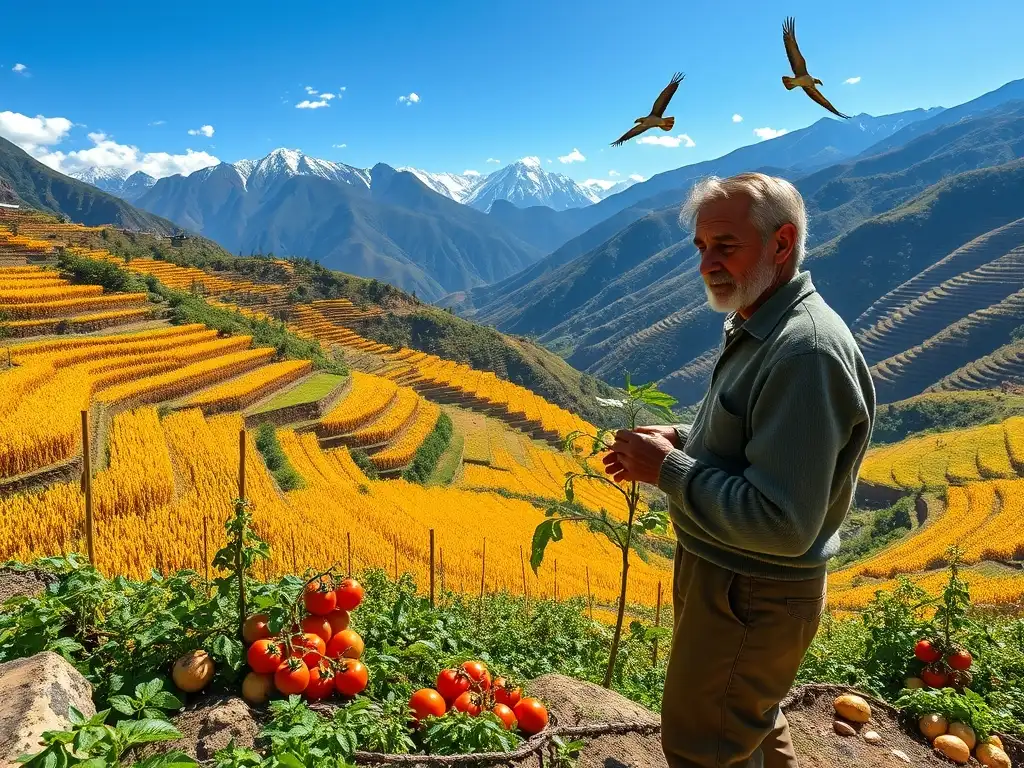
Uncover the mysteries of a lost world! Step into the heart of the Andes and delve into the fascinating world of ancient civilizations. From the breathtaking artistry of the Nazca lines to the sophisticated engineering of the Incas, we'll guide you through a journey of discovery. But first, prepare to be amazed by the ingenuity of the Inca Empire: their mastery of agriculture wasn't just about survival—it was a sophisticated system of crop selection. Discover the secrets behind Inca agricultural crop selection techniques and unlock the knowledge that sustained a mighty empire. Read on to unravel the story...
The Inca Empire, renowned for its sophisticated engineering and intricate social structures, also possessed an incredibly advanced understanding of agriculture. Their success wasn't merely a matter of sheer manpower; it was a testament to their mastery of crop selection and adaptation to diverse Andean environments. This article delves into the fascinating strategies employed by Inca agriculturalists, revealing the secrets behind their ability to cultivate a wide array of crops across vastly different altitudes and climates.
Understanding their techniques offers valuable insights into sustainable agriculture and resource management, providing a compelling example of how indigenous knowledge can contribute to modern agricultural practices. We'll explore how the Incas selected the best crop varieties, ensuring food security for their vast empire and leaving behind a legacy of agricultural ingenuity that continues to inspire today.
This exploration will focus on the specific techniques utilized, the environmental considerations factored into their choices, and the lasting impact of their sophisticated agricultural practices. The keyword "Inca agricultural crop selection techniques" will be thoroughly addressed, examining the strategies and knowledge that enabled Inca agricultural success.
Understanding the Inca Empire's Diverse Agro-Ecological Zones
The Inca Empire spanned a vast and geographically diverse territory, encompassing a range of altitudes, climates, and ecological zones. From the arid coastal deserts to the high-altitude puna grasslands and the lush cloud forests of the Amazonian foothills, the Incas faced unique challenges in cultivating crops. Their agricultural success hinged on their ability to identify and select crop varieties specifically suited to each unique environment. This wasn't a matter of simple trial and error; it was a sophisticated process informed by centuries of accumulated knowledge and observation.
They meticulously categorized these diverse environments, understanding the nuances of sunlight exposure, water availability, soil composition, and temperature variations. This detailed understanding formed the basis for their crop selection strategies. Moreover, they developed ingenious irrigation systems and terracing techniques to further optimize crop production in challenging terrains.
Identifying and Selecting Superior Crop Varieties
The Incas employed a variety of methods to identify and select superior crop varieties. One key strategy involved carefully observing the performance of different plants within each agro-ecological zone. They meticulously documented the characteristics of each plant, noting factors such as yield, disease resistance, drought tolerance, and nutritional value. This process was passed down through generations, accumulating a wealth of empirical knowledge about the best performing varieties in different locations.
Furthermore, they utilized a system of experimentation, cultivating different varieties side-by-side to compare their performance under identical conditions. This allowed them to identify those with superior characteristics, which were then preferentially selected for propagation. This systematic approach ensured a continuous improvement in crop quality and productivity. The selection process wasn't solely based on yield; factors like nutritional content and adaptability to specific environmental conditions were also crucial.
The Role of Waru Waru and Other Sustainable Practices in Crop Selection
The Incas' agricultural success wasn't solely dependent on crop selection; it was intertwined with their sustainable farming practices. Techniques like waru waru, a raised-bed agricultural system, significantly impacted crop selection. By creating raised beds, the Incas improved drainage, aeration, and soil fertility, allowing them to cultivate a wider range of crops in areas previously unsuitable for agriculture. The creation of microclimates within the waru waru system further enhanced the growth of selected varieties.
This illustrates how their agricultural techniques were intricately linked to their choices of crop varieties, creating a synergistic relationship that optimized agricultural production. Other sustainable practices, such as crop rotation and the use of organic fertilizers, also played a vital role in ensuring the long-term success of their agriculture. These methods helped maintain soil health and reduce the risk of crop failure, contributing to the overall resilience of their food production system.
The Legacy of Inca Agricultural Knowledge
The sophisticated agricultural practices of the Inca Empire, including their meticulous crop selection techniques, represent a remarkable achievement in human history. Their understanding of agroecology and their ability to adapt to diverse environments provide valuable lessons for modern agriculture. The legacy of Inca agricultural knowledge continues to inspire researchers and practitioners seeking sustainable and resilient agricultural systems. Their methods serve as a powerful reminder of the importance of traditional knowledge and the potential for indigenous practices to contribute to global food security.
The Inca's approach to crop selection, deeply rooted in observation, experimentation, and adaptation, offers a compelling case study for sustainable resource management and agricultural innovation. Their success underscores the critical link between understanding the environment and effectively utilizing its resources for optimal agricultural productivity. Their legacy serves as a valuable resource for contemporary agricultural development.
- Understanding the Inca Empire's Diverse Agro-Ecological Zones
- Identifying and Selecting Superior Crop Varieties
- The Role of Waru Waru and Other Sustainable Practices in Crop Selection
- The Legacy of Inca Agricultural Knowledge
Inca Agricultural Crop Selection Techniques: An Overview
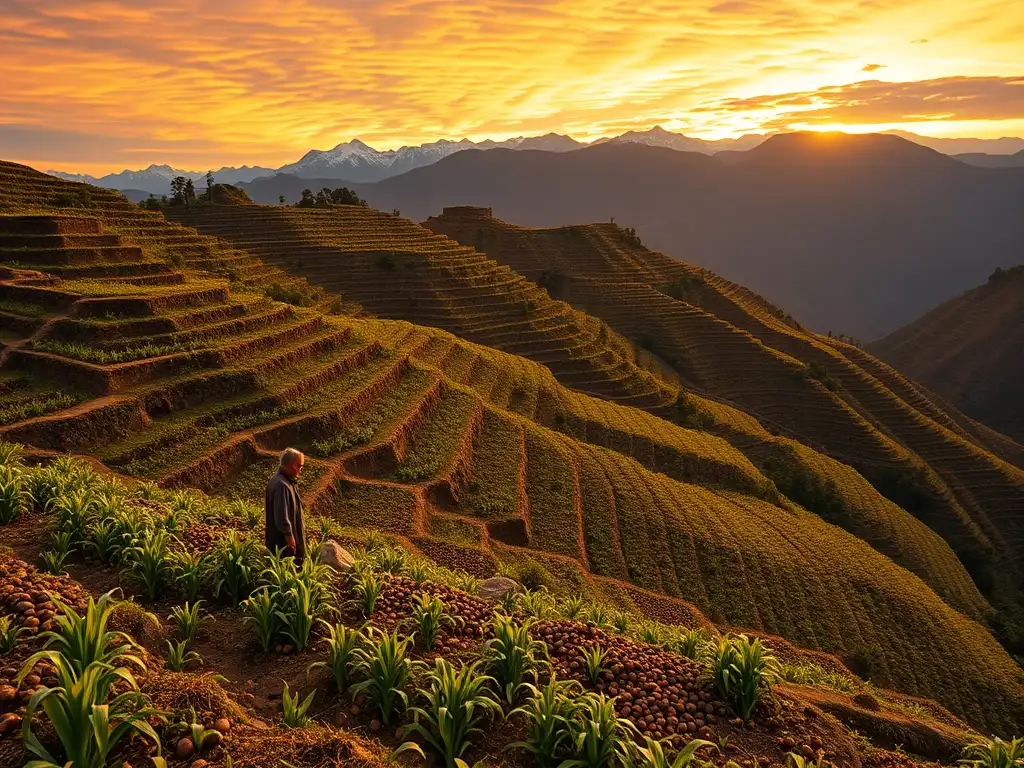
The Inca Empire, renowned for its sophisticated social and political structures, also possessed remarkably advanced agricultural practices. Their success wasn't solely due to their extensive terrace farming and irrigation systems; a crucial element was their meticulous approach to Inca agricultural crop selection techniques. This involved a deep understanding of their environment, a keen eye for identifying superior plant varieties, and the development of strategies to ensure optimal yields even in challenging conditions.
This section will delve into the key aspects of their crop selection methods, highlighting the ingenuity and foresight that allowed the Inca to thrive in the diverse Andean landscape. The Inca's ability to select and cultivate crops adapted to various altitudes and microclimates was a critical factor in their empire's longevity and stability, showcasing a mastery of agricultural science that continues to fascinate researchers today.
The Importance of Crop Selection in Inca Agriculture
Crop selection wasn't merely a matter of choosing readily available plants; it was a strategic decision with far-reaching implications for the Inca Empire. The success of Inca agriculture hinged on selecting varieties that:
- Maximized yield: Inca farmers prioritized varieties with high yields per unit area, crucial for sustaining a large population. This involved careful observation and selection of plants that produced abundant fruit, grains, or tubers.
- Adapted to diverse environments: The Andes boast a wide range of altitudes, climates, and soil types. The Inca meticulously selected crops suited to each specific ecological niche, from high-altitude potatoes to lower-altitude maize. This diversification minimized risk and ensured food security.
- Offered nutritional diversity: The Inca diet wasn't limited to a few staple crops. They cultivated a wide array of plants, ensuring a balanced intake of essential nutrients. This diverse selection contributed to the overall health and well-being of the population.
- Were resistant to pests and diseases: The Inca developed techniques to identify and select disease-resistant varieties, minimizing crop losses and ensuring consistent production. This involved careful observation and selection of plants that showed resilience to common pests and diseases.
- Provided for storage and preservation: Certain varieties were selected for their suitability for storage and preservation. This was particularly important in ensuring food security during lean seasons. Crops that could be easily dried, stored, or processed for later use were highly valued.
The Inca's understanding of these factors is evident in their sophisticated agricultural practices. They weren't simply planting whatever was available; they were actively managing and improving their crops through selective breeding and cultivation.
Understanding the Andean Environment and its Influence on Crop Choice
The Andean environment presented both opportunities and challenges for agriculture. The extreme altitude variations, ranging from sea level to over 4,000 meters, create vastly different climatic conditions. Rainfall patterns also varied significantly, with some regions experiencing abundant rainfall while others were arid. Soil fertility also differed considerably across the empire.
The Inca's mastery of Inca agricultural crop selection techniques lay in their ability to adapt to these variations. They carefully selected crops appropriate for each ecological zone:
| Altitude Range (meters) | Climate | Suitable Crops | Challenges | Inca Solutions |
|---|---|---|---|---|
| 0-1000 | Tropical/Subtropical | Maize, beans, squash, cotton | High humidity, pests | Raised fields, irrigation, crop rotation |
| 1000-2500 | Temperate | Potatoes, quinoa, barley, wheat | Variable rainfall, frost | Terracing, microclimates, frost protection |
| 2500-4000 | Cold/High Altitude | Potatoes (various varieties), quinoa | Frost, strong winds, short growing season | Specialized potato varieties, windbreaks |
| >4000 | Alpine | Few crops, limited agriculture | Extreme cold, short growing season, thin soil | Limited cultivation, reliance on livestock |
This table illustrates the Inca's profound understanding of their environment and their ability to select crops that could thrive even in challenging conditions. Their success was a testament to their careful observation, experimentation, and adaptation. The intricate knowledge of diverse microclimates and soil types allowed them to maximize agricultural output across the vast and diverse landscape of their empire, a testament to their sophisticated agricultural expertise. Furthermore, the selection wasn't static; it was a continuous process of adaptation and improvement, reflecting a dynamic relationship between the Inca and their environment.
Key Factors in Inca Crop Selection
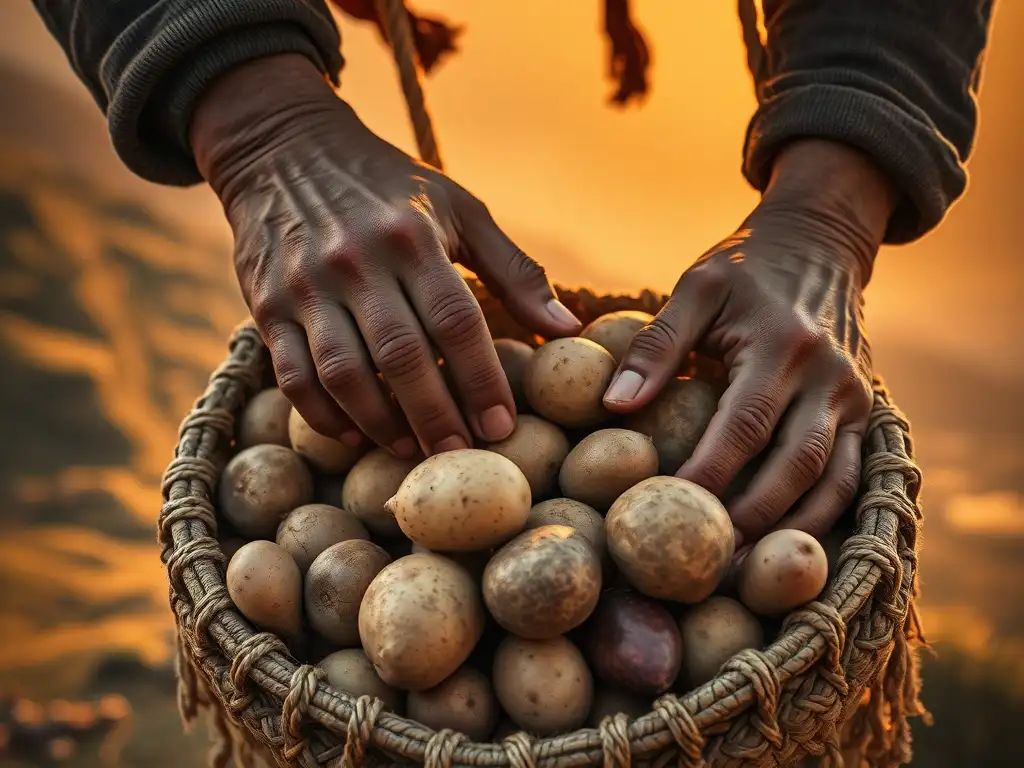
The Inca Empire's remarkable agricultural achievements stemmed not only from their sophisticated irrigation systems and terracing techniques, but also from a highly refined understanding of crop selection. Their success in cultivating a diverse range of crops across varied and challenging Andean environments hinged on a complex interplay of factors, carefully considered and meticulously managed. Understanding these factors reveals the ingenuity and depth of Inca agricultural knowledge, a testament to their mastery of "Inca agricultural crop selection techniques".
Adaptation to Diverse Altitudes and Microclimates
The Andes Mountains present a dramatic range of altitudes, each with its own unique microclimate. From the scorching lowlands of the yungas to the frigid puna highlands, the Inca successfully cultivated crops tailored to specific environmental conditions. This wasn't simply a matter of choosing crops that could survive; it was a sophisticated process of selecting varieties exhibiting optimal growth characteristics within each ecological niche.
For instance, potatoes, a staple crop, were cultivated in a staggering array of varieties, each adapted to a specific altitude and climate. High-altitude varieties possessed traits enabling them to withstand frost and intense UV radiation, while lowland varieties thrived in warmer, more humid conditions. Similarly, maize, another crucial crop, was grown in diverse forms, with some varieties better suited to the dry, high-altitude plains while others flourished in the more temperate valleys.
This careful adaptation maximized yields and food security across the entire empire, showcasing the nuanced understanding of "Inca agricultural crop selection techniques". The Inca's understanding of the relationship between altitude, temperature, sunlight, and crop performance was remarkably advanced for its time. Detailed records, though not extensively preserved, suggest a sophisticated system of observation and experimentation underpinned their crop selection process.
Soil Types and Their Impact on Crop Suitability
Soil composition played a crucial role in Inca crop selection. The empire encompassed a vast diversity of soil types, ranging from fertile alluvial soils in river valleys to thin, rocky soils on mountain slopes. Recognizing these variations, Inca farmers selected crop varieties best suited to the specific soil characteristics of each region.
For example, certain potato varieties thrived in well-drained, sandy soils, while others preferred heavier, clay-rich soils. Similarly, maize performed best in fertile, loamy soils, while other crops, like quinoa, could tolerate less fertile conditions. The Inca's knowledge extended beyond simply identifying suitable soils; they also practiced soil improvement techniques, such as terracing and the addition of organic matter, to enhance soil fertility and productivity.
This integrated approach to soil management and crop selection underscores the holistic nature of their agricultural practices and their expertise in "Inca agricultural crop selection techniques". Their understanding of soil nutrient requirements and the impact of soil texture on crop growth was essential to their success.
Water Availability and Irrigation Techniques
Water availability was, and remains, a critical factor in Andean agriculture. Recognizing this, the Inca developed ingenious irrigation systems to supplement rainfall, particularly in drier regions. Their crop selection process took into account water availability, choosing drought-resistant varieties for areas with limited water resources.
In regions with abundant water, crops with higher water requirements could be grown. However, even in well-watered areas, the Inca were careful to select varieties that were efficient in their water use, minimizing water waste. This efficient water management, combined with their sophisticated irrigation infrastructure, allowed them to maximize yields even in challenging environments.
The selection of drought-resistant crops, particularly in areas reliant on andenes (terraces), demonstrates the intricate link between water management strategies and Inca agricultural crop selection techniques. The integration of these techniques showcases the Inca's comprehensive understanding of their environment and their ability to optimize crop production despite limitations. This holistic approach provides a compelling example of sustainable agriculture, highlighting the ingenuity of their "Inca agricultural crop selection techniques".
Inca Crops: A Focus on Variety and Diversity
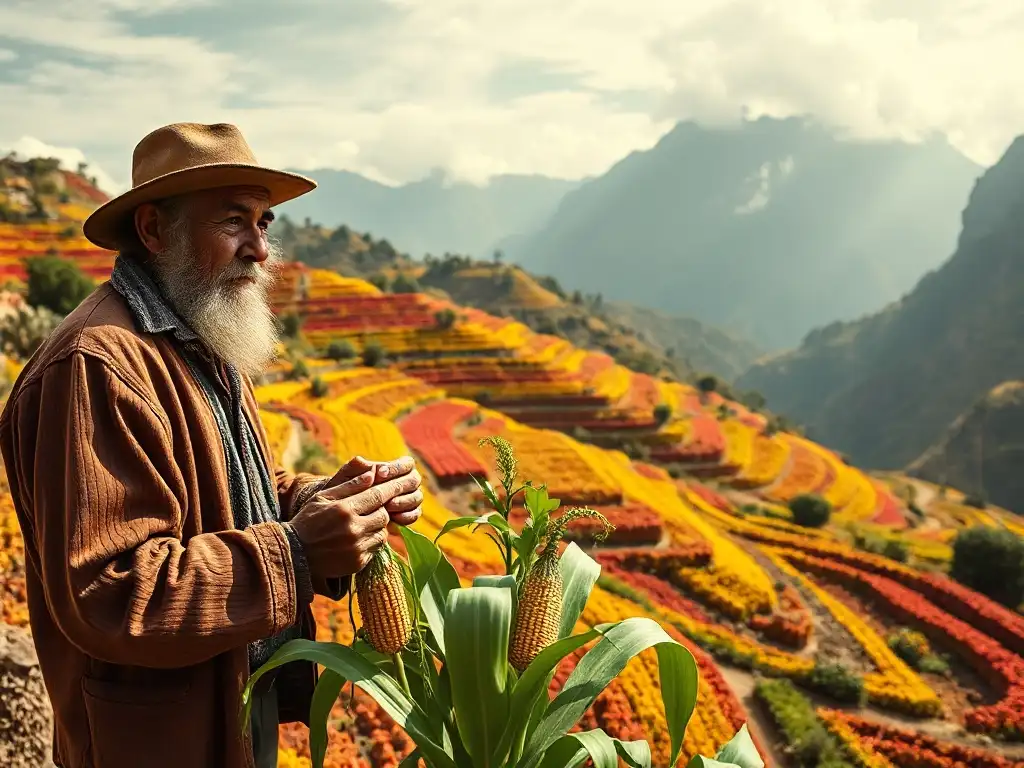
The Inca Empire's success was intrinsically linked to its mastery of agriculture. Their sophisticated techniques, far from relying on monoculture, embraced incredible biodiversity, meticulously selecting and cultivating a vast array of crops tailored to diverse ecological niches within their expansive empire. This wasn't simply a matter of food security; it was a strategic approach to resource management, ensuring resilience against environmental fluctuations and providing a varied and nutritious diet for their population.
Understanding their crop selection methods reveals a deep understanding of botany, ecology, and agricultural planning that remains impressive even today. The selection process wasn't arbitrary; it was driven by a complex interplay of factors, including altitude, climate, soil conditions, and the specific needs of the population.
This section will delve into specific examples of Inca crop selection, highlighting the meticulous attention to detail that characterized their agricultural practices. The keyword "Inca agricultural crop selection techniques" is central to this exploration.
Potatoes: The Cornerstone of the Inca Diet
Potatoes, Solanum tuberosum, formed the cornerstone of the Inca diet. Far from relying on a single variety, the Inca cultivated hundreds, if not thousands, of potato cultivars, each adapted to specific environmental conditions. This diversity was crucial for ensuring a stable food supply, even in the face of crop failures in one region or another. The high-altitude regions, for example, supported cold-hardy varieties, while lower elevations saw the cultivation of warm-weather types.
This careful selection wasn't merely about survival; it was also about maximizing nutritional value and culinary diversity. Different varieties offered varying levels of nutrients and flavors, contributing to a rich and balanced diet. The Incas understood the importance of genetic diversity in maintaining the health and resilience of their crops. Their sophisticated understanding of potato genetics, although undocumented in writing, is evident in the sheer variety of cultivars they successfully cultivated.
Selection of Potato Varieties for Storage and Consumption
The selection of potato varieties was a nuanced process, considering both short-term consumption and long-term storage. Certain varieties were chosen for their suitability for immediate consumption, prized for their flavor and texture. Other varieties, particularly those with lower moisture content and thicker skins, were selected specifically for storage in underground qollqas (storehouses).
These storage varieties were crucial for ensuring food security during lean times, especially during the harsh Andean winters. The selection process involved careful observation, experimentation, and a deep understanding of the properties of different potato cultivars. This knowledge was passed down through generations, ensuring the continuity of these vital agricultural practices.
The Incas’ understanding of the impact of soil conditions, sunlight exposure, and water availability on potato growth was instrumental in their selection process. Detailed records of these techniques, however, remain elusive, adding to the mystery surrounding their impressive agricultural achievements. The selection criteria were multifaceted and reflected a sophisticated understanding of agricultural science.
Quinoa: The Nutritional Powerhouse of the Andes
Quinoa, Chenopodium quinoa, another staple crop of the Inca Empire, showcases the Inca's dedication to crop diversification. This pseudo-cereal, boasting a high protein content and a complete amino acid profile, played a vital role in the Inca diet. Like potatoes, quinoa was cultivated in a wide range of varieties, each possessing unique characteristics.
The Incas meticulously selected varieties based on factors such as color, taste, and altitude tolerance. The careful selection of quinoa varieties ensured not only a reliable food source but also a varied and nutritious diet, contributing to the overall health and well-being of the Inca population. The diversity of quinoa cultivars reflected the Inca's deep understanding of the plant's adaptability and its nutritional value.
Choosing Quinoa Varieties Based on Color and Taste
Quinoa's diverse palette of colors—from creamy white and pale yellow to vibrant red and deep black—reflects the wide range of varieties cultivated by the Inca. Each color often corresponded to subtle differences in taste and texture. Some varieties possessed a slightly bitter taste, while others were sweeter.
These variations, far from being drawbacks, were embraced by the Inca, adding complexity and variety to their cuisine. The selection of quinoa varieties was likely influenced by both practical considerations, such as storage and cooking properties, and cultural preferences, with certain colors and flavors potentially holding symbolic significance.
Further research is needed to fully understand the nuances of Inca quinoa selection, including the potential role of color and taste in their societal and religious practices. The intricate knowledge system behind the cultivation of these diverse quinoa varieties remains a testament to the Inca's deep understanding of agriculture and their ability to harness the resources of their environment.
Maize: A Sacred Crop with Diverse Uses
Maize, or corn, held immense cultural and economic significance for the Inca. It wasn't just a staple food; it was deeply interwoven into their religious beliefs and social structures. The Inca developed a remarkable array of maize varieties, each adapted to specific altitudes and microclimates across their vast empire.
This wasn't simply a matter of chance; the Inca employed sophisticated selection techniques to ensure optimal yields and qualities tailored to their needs. Their understanding of genetics, though not formalized as a scientific discipline, allowed them to select for traits like disease resistance, drought tolerance, and grain size. They carefully preserved and propagated the best-performing varieties, ensuring the continuity of their food supply.
This meticulous selection process is a testament to their advanced agricultural knowledge and ingenuity. The different varieties were not only used for food but also for the production of chicha, a fermented maize beverage of significant ritual and social importance.
Inca Maize Selection for Chicha Production and Food
The selection process for maize was nuanced, taking into account the intended use. For food, the Inca prioritized varieties with large, nutritious kernels. They selected for traits like ease of grinding and cooking, as well as taste and texture. For chicha production, however, the focus shifted. Certain maize varieties were prized for their high sugar content, leading to a more potent and flavorful brew.
Inca brewers carefully selected these varieties, ensuring a consistent and high-quality product for both ceremonial and everyday consumption. This specialized selection highlights the Inca's understanding of the complex interplay between genetics, environment, and the desired outcome. Archaeological evidence, such as the discovery of diverse maize remains at various Inca sites, supports this understanding of their sophisticated approach to crop selection. The diversity of maize varieties found reflects their adaptation to different ecological niches and their specific needs for food and drink.
Other Important Inca Crops and Their Selection
Beyond maize, the Inca cultivated a wide range of crops, each crucial to their survival and prosperity. Potatoes, with their incredible diversity, were another cornerstone of their diet, adapted to various altitudes and climates. The Inca meticulously selected potato varieties for traits like disease resistance, yield, and storage potential. Similarly, they cultivated quinoa, a highly nutritious grain crop, selecting for varieties with larger seeds and better yields.
Other important crops included beans, squash, and various fruits and vegetables, all subject to careful selection to maximize their value and suitability for the Inca's diverse needs. The Inca's agricultural prowess extended beyond individual crop selection to encompass complex farming systems, such as terracing, irrigation, and crop rotation, which further enhanced their ability to sustain a large population. The careful selection of diverse crops was vital to their food security and resilience against environmental challenges.
Oca: Selection for Frost Tolerance and Yield
Oca, a tuberous root crop, presented unique challenges due to its sensitivity to frost. The Inca, however, overcame this limitation through careful selection. They focused on identifying and propagating varieties exhibiting high frost tolerance, ensuring successful harvests even in high-altitude regions prone to frost. Simultaneously, they selected for high yields, optimizing the amount of food produced per unit of land.
This dual focus on frost tolerance and yield demonstrates the sophisticated nature of Inca agricultural practices. It reveals a deep understanding of plant biology and an ability to adapt crops to challenging environments. The successful cultivation of oca, a crop demanding specific conditions, is a testament to the Inca's ingenuity and their commitment to sustainable agricultural practices. Their selection methods ensured the continued production of this important food source, contributing to the overall success of their agricultural system.
Methods and Strategies for Inca Crop Selection
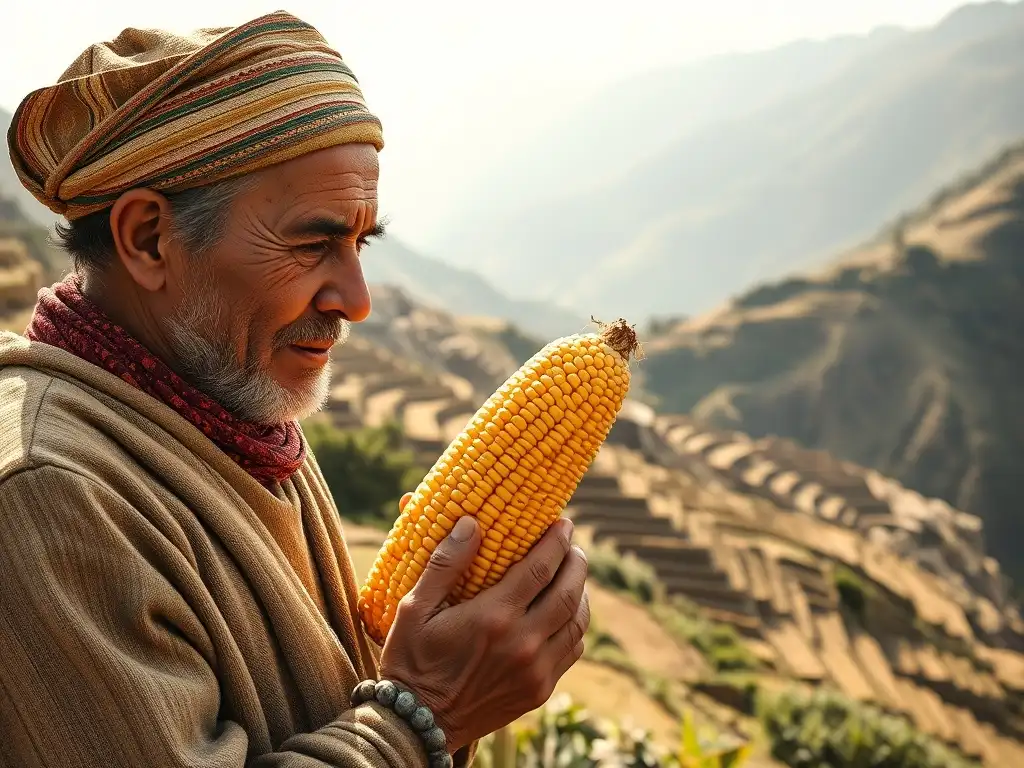
The Inca Empire's remarkable agricultural achievements weren't solely due to their sophisticated terracing and irrigation systems. A deep understanding of crop selection, honed over centuries, played a crucial role in ensuring food security across diverse Andean environments. Their techniques, a blend of meticulous observation, practical experimentation, and careful knowledge transmission, allowed them to cultivate a wide variety of crops, adapting them to challenging terrains and climates. This sophisticated approach to Inca agricultural crop selection techniques ensured the empire's prosperity and resilience.
Observation and Experimentation: Learning from Nature
Inca agricultural practices were deeply intertwined with a keen observation of nature. Farmers meticulously studied the growth patterns of different crops, noting variations in yield, disease resistance, and adaptability to specific microclimates. This wasn't a passive observation; it was an active process of experimentation. Farmers would plant various seeds in different locations within their fields, comparing their performance under varying conditions of sunlight, water availability, and soil composition.
For example, they might plant several varieties of potatoes – a staple crop – in plots with different levels of sun exposure. By carefully recording the results, they could identify varieties that thrived in shade, others that preferred full sun, and those that showed intermediate preferences. This detailed, empirical approach allowed them to select seeds from the most productive and resilient plants, gradually improving the overall quality and yield of their crops. They also meticulously observed the natural environment, paying close attention to the growth of wild plants to understand their needs and potential uses.
This allowed them to identify promising wild varieties for domestication and selective breeding. This constant experimentation and refinement was key to their success in adapting crops to the diverse Andean ecosystem. The Inca's dedication to this process cemented their reputation for agricultural prowess.
Seed Saving and Propagation Techniques
Seed saving was not a haphazard activity for the Inca; it was a highly organized and carefully managed practice. Selected seeds from superior plants were meticulously stored in carefully controlled environments, often in specialized granaries. These granaries, built with consideration for temperature and humidity, ensured the viability of the seeds for planting in subsequent seasons. The Inca understood the importance of seed purity and developed techniques to prevent cross-pollination, maintaining the desirable traits of their chosen varieties.
The methods employed varied depending on the crop. For self-pollinating crops like beans, maintaining seed purity was relatively straightforward. However, for cross-pollinating crops such as maize (corn), the Inca likely employed spatial isolation techniques, planting different varieties at sufficient distances to prevent unwanted hybridization.
This careful management of seed stocks was essential for maintaining the genetic diversity and improving the quality of their crops year after year. The meticulous nature of their seed saving practices underscores their sophisticated understanding of plant genetics and the importance of preserving valuable genetic resources. This system ensured the continuity of their agricultural success across generations.
Knowledge Transmission Through Generations
The Inca’s agricultural knowledge wasn't just passed down through generations; it was actively cultivated and refined. This involved a complex system of oral traditions, practical training, and institutionalized learning. Experienced farmers played a crucial role in mentoring younger generations, sharing their accumulated knowledge through hands-on instruction in the fields. This apprenticeship system ensured the continuity of their advanced agricultural techniques and the preservation of their carefully selected crop varieties.
Furthermore, the Inca likely had specialized agricultural officials or experts who oversaw the selection and propagation of seeds. These individuals may have been responsible for maintaining seed banks, overseeing experimental plots, and disseminating knowledge throughout the empire. This institutionalized approach to knowledge transmission helped to standardize practices and ensure consistency in crop selection across different regions.
The combination of oral traditions, practical training, and institutional support created a robust system for preserving and enhancing their agricultural expertise, ensuring the long-term success of their sophisticated agricultural practices. Their commitment to knowledge transfer was as essential to their success as their ingenious agricultural techniques.
The Legacy of Inca Crop Selection
The Inca Empire's success wasn't solely built on military might and sophisticated architecture; it was profoundly rooted in its mastery of agriculture. Their ingenious crop selection techniques, honed over centuries, allowed them to thrive in the diverse and challenging Andean environment. This wasn't simply a matter of choosing what grew best; it was a complex system integrating knowledge of altitude, climate, soil type, and even the unique properties of different plant varieties.
The Incas understood the nuances of microclimates, adapting their planting strategies accordingly. For example, they employed chinampas – floating gardens – in swampy areas, showcasing their ingenuity in maximizing arable land. Their meticulous approach to crop selection ensured food security and supported a large, densely populated empire.
This sophisticated system was not haphazard; it relied on detailed observation, experimentation, and a deep understanding of their environment, demonstrating remarkable agricultural prowess for its time. The legacy of their crop selection methods continues to inspire modern agricultural practices, highlighting the enduring value of indigenous knowledge.
Modern Applications of Inca Agricultural Wisdom
Inca agricultural techniques, particularly their crop selection strategies, offer valuable lessons for contemporary agriculture. The emphasis on biodiversity, for instance, is crucial in the face of climate change and the increasing threat of crop diseases. The Incas didn't rely on monocultures; instead, they cultivated a wide variety of crops, creating resilient and diversified agricultural systems. This approach minimized the risk of widespread crop failure.
Modern agricultural practices, often focused on maximizing yield through monoculture, are increasingly susceptible to disease outbreaks and environmental fluctuations. By studying Inca methods, we can learn to build more resilient agricultural systems that are less dependent on chemical inputs and better equipped to withstand environmental challenges. Furthermore, the Inca’s understanding of soil health and water management provides valuable insights into sustainable agriculture practices.
Their terracing techniques, for example, prevented soil erosion and maximized water retention, lessons highly relevant to modern sustainable farming practices. The integration of these traditional methods with modern technologies holds immense potential for improving agricultural efficiency and sustainability. Specific examples include the application of Inca terracing techniques in modern hillside farming and the incorporation of diverse Andean crops into modern diets.
Preserving Andean Crop Diversity for Future Generations
The preservation of Andean crop diversity is paramount, not only for food security in the region but also for global food security. Many Andean crops possess unique genetic traits, such as drought resistance or tolerance to high altitudes, which could be invaluable in developing climate-resilient crops. However, these unique varieties are increasingly threatened by the encroachment of modern agriculture and the loss of traditional farming practices.
The homogenization of agriculture, driven by the globalization of food production, poses a significant risk to the genetic diversity of Andean crops. Efforts to protect and promote these crops are crucial. These efforts involve documenting traditional farming practices, establishing seed banks to conserve diverse varieties, and supporting local farmers who continue to cultivate heirloom crops.
The conservation of these crops not only safeguards a vital part of Andean cultural heritage but also secures a valuable genetic resource for future food security globally. Specific initiatives focusing on the preservation of quinoa and potatoes, for example, highlight the importance of ongoing conservation efforts. This includes community-based seed saving programs, research on crop improvement, and the development of sustainable agricultural practices.
The Importance of Indigenous Knowledge in Sustainable Agriculture
Indigenous knowledge systems, such as those employed by the Inca, hold immense potential for informing sustainable agricultural practices. Their deep understanding of local ecosystems, combined with centuries of experience, provides valuable insights into sustainable land management, crop selection, and pest control. Ignoring this knowledge base is a significant oversight in the pursuit of sustainable agriculture.
The Inca's approach to crop selection, emphasizing biodiversity and environmental adaptation, serves as a stark contrast to many modern intensive agricultural practices. The integration of indigenous knowledge with modern scientific techniques can lead to innovative and effective solutions for sustainable agriculture. This requires a collaborative approach, involving indigenous communities, scientists, and policymakers, to ensure that traditional knowledge is respected, documented, and effectively integrated into modern agricultural practices.
This collaborative approach is essential for promoting food security, preserving biodiversity, and fostering sustainable agricultural development in the Andean region and beyond. The focus should be on empowering indigenous communities to share their knowledge and participate actively in shaping the future of agriculture. This includes investing in research that validates and integrates indigenous knowledge into modern agricultural practices and policies.
Frequently Asked Questions
What were the main agricultural crops of the Inca Empire?
The Inca cultivated a diverse range of crops adapted to different altitudes. Potatoes, maize (corn), and quinoa were staples, supplemented by beans, squash, and various fruits. Their success depended on sophisticated agricultural techniques.
How did the Inca select the best crop varieties?
The Inca employed a system of trial and error, experimenting with different varieties in various ecological zones. They meticulously observed growth patterns, yields, and resistance to disease, selecting the most productive and resilient plants for propagation.
What role did verticality play in Inca crop selection?
Verticality, or the use of diverse ecological zones, was crucial. The Inca strategically placed crops at optimal altitudes and microclimates to maximize yields. This approach involved careful selection of varieties suited to specific conditions.
What techniques did the Inca use to improve crop yields?
In addition to crop selection, the Inca used advanced techniques like terracing, irrigation, and fertilization to optimize yields. These methods, combined with careful variety selection, ensured food security.
How did Inca agricultural practices impact their societal structure?
Inca agricultural success fostered a complex and stable social structure. The surplus food produced through their sophisticated methods supported a large population and enabled the development of a powerful empire.
Final Reflection: Echoes of the Andes: A Legacy of Sustainable Farming
The Inca's meticulous approach to crop selection wasn't just a matter of survival; it was a sophisticated system of agricultural engineering that holds vital lessons for our modern world grappling with climate change and food security. Their understanding of microclimates, soil types, and varietal adaptation offers a powerful blueprint for sustainable farming practices that are more relevant today than ever before.
The Inca's legacy extends far beyond the ruins of Machu Picchu; it resonates in the diverse crops still cultivated across the Andes, a testament to the enduring wisdom of their agricultural practices. Their ability to select and adapt crops to specific environments serves as a powerful counterpoint to the homogenization of modern agriculture. The land is our mother. We must treat her with respect.
– This Andean proverb encapsulates the deep connection between the Inca and their environment, a connection that modern agriculture often overlooks in its pursuit of efficiency.
Consider the implications of this ancient knowledge. You, the reader, can contribute to a more sustainable future by supporting local farmers who employ diverse cropping systems, by advocating for policies that promote biodiversity, and by making conscious choices about the food you consume. Let the echoes of the Andes inspire you to cultivate a deeper understanding of our relationship with the land and the vital role of biodiversity in ensuring food security for generations to come.
🌱 Unleash the Power of Inca Wisdom!
Thank you for exploring the fascinating world of Inca crop selection! You've uncovered key insights into how their careful variety selection allowed them to thrive—knowledge we can apply to our gardening today. Let's put that wisdom to work in your garden!
Here's how you can get started:
- Select and Grow Your Own Heirloom Varieties: Begin by choosing a variety that appeals to you—perhaps one historically grown by the Incas—and experiment in your garden or a community plot. Consider varieties known for their resilience and adaptability.
- Join a Local Gardening Group: Connect with fellow gardening enthusiasts to share ideas and experiences. Collaborating with others who are interested in historical growing methods can be incredibly rewarding.
- Share Your Journey: Document your growing process and share your experiences on social media or a blog, using the hashtag #IncaGardening to inspire others and build a community around these ancient practices.
What heirloom variety are you most excited to grow, and how do you envision it enhancing your garden? Share your thoughts in the comments!