
Communal Farming: How the Inca Shared Labor and Resources

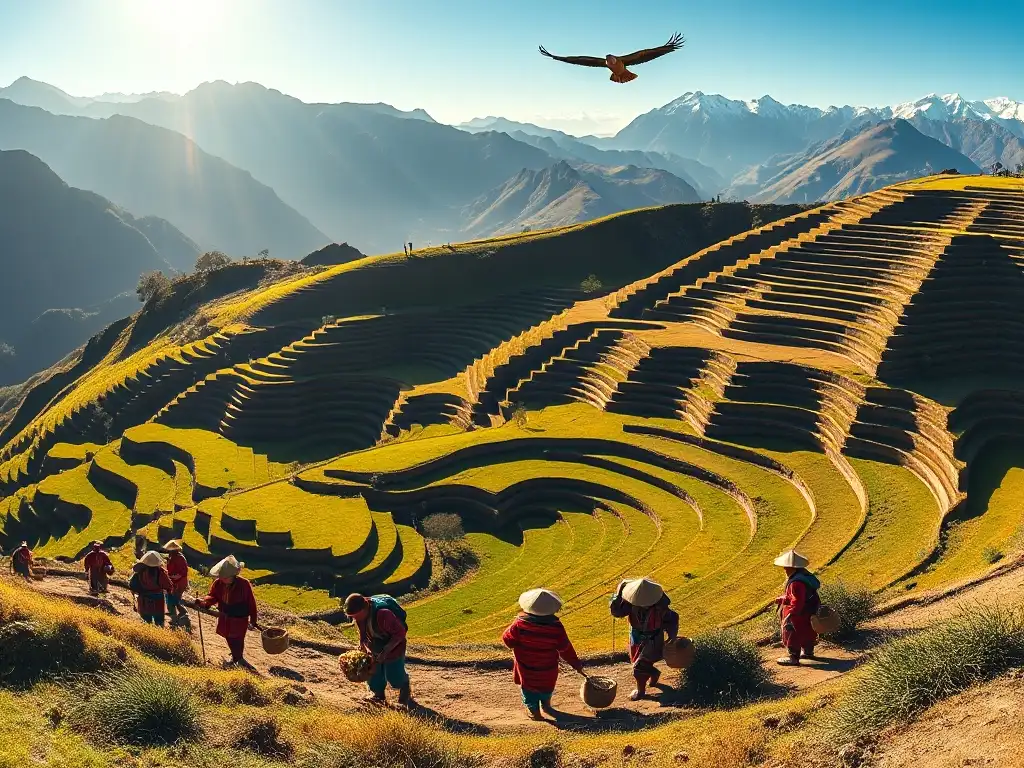
Unravel the mysteries of the Andes! Journey back in time to discover the ingenuity and resilience of ancient civilizations. From the breathtaking artistry of the Nazca lines to the sophisticated engineering of the Incas, prepare to be amazed. But what truly sustained these powerful empires? Dive into the secrets of Inca communal farming techniques—a system of shared labor and resources that shaped an entire civilization. Explore the story of how they harnessed the power of the Andes and built a society unlike any other. Prepare to be captivated.
- Inca Communal Farming Techniques: Sharing Labor and Resources in the Andes
- The Foundations of Inca Agriculture: A Collective Approach
- Minka and Ayni: The Cornerstones of Inca Communal Labor
- Inca Agricultural Technologies and Shared Knowledge
- The Impact of Communal Farming on Inca Society
- Challenges and Adaptations of Inca Communal Agriculture
- The Legacy of Inca Communal Farming Practices
- Conclusion: The Enduring Significance of Inca Communal Farming
-
Frequently Asked Questions
- What were the main Inca communal farming techniques?
- How did ayni contribute to Inca agricultural success?
- What role did mita play in Inca farming practices?
- How did Inca communal farming impact food distribution?
- What were the benefits of Inca communal farming systems compared to individual farming?
- Final Reflection: The Enduring Legacy of Inca Communal Farming
- Embrace the Spirit of Communal Farming Today!
Inca Communal Farming Techniques: Sharing Labor and Resources in the Andes
The Inca Empire, renowned for its sophisticated infrastructure and centralized administration, achieved remarkable agricultural success through a meticulously organized system of communal farming. This wasn't simply a matter of shared resources; it was a deeply ingrained societal structure that ensured food security across diverse and challenging Andean terrains. This article delves into the intricate details of Inca communal farming techniques, exploring how the ayllu system, labor organization, and resource distribution contributed to the empire's prosperity and resilience.
We will examine specific techniques employed to cultivate crops in the varied ecological zones of the Andes, highlighting the ingenuity and sustainability of their methods. Understanding Inca agricultural practices offers valuable insights into their societal structure, technological advancements, and enduring legacy. The keyword "Inca communal farming techniques" will be explored throughout this comprehensive analysis.
The Ayllu: The Foundation of Inca Communal Farming
The ayllu, a kinship-based community, formed the bedrock of Inca social and economic organization. Members of an ayllu shared land, resources, and labor, fostering a strong sense of collective responsibility. This wasn't simply a matter of convenience; it was a crucial element of survival in the challenging Andean environment. Land was allocated based on family needs and the capabilities of individual members.
Elderly or incapacitated individuals received support from the community, ensuring everyone had access to the necessities of life. The ayllu system provided a safety net, mitigating the risks of crop failure or natural disasters. This collaborative approach ensured food security for the entire community, a vital element in a society that relied heavily on agriculture. The strong social bonds within the ayllu were instrumental in the success of Inca communal farming.
Labor Organization and the Mit'a System
The Inca Empire implemented a sophisticated labor system known as the mit'a, a form of mandatory public service. While it encompassed various tasks, including construction projects and military service, a significant portion of mit'a labor was dedicated to agriculture. Individuals were assigned to work on communal lands, contributing their skills and effort to the collective good. This system ensured that even during periods of peak demand, such as planting and harvesting seasons, sufficient manpower was available.
The mit'a was not simply forced labor; it was a structured system that contributed to the overall welfare of the empire, ensuring food production met the needs of the population. The organization of labor through the mit'a was a crucial component of the success of Inca communal farming. It was a system designed to manage a fluctuating workforce and ensure optimal production.
Resource Management and Irrigation Techniques
Inca agricultural success was not solely dependent on labor; it also relied on ingenious resource management. The empire developed sophisticated irrigation systems to manage water resources effectively, particularly vital in the arid and semi-arid regions of the Andes. These systems included canals, terraces, and reservoirs, all designed to optimize water distribution and maximize crop yields.
The construction and maintenance of these systems required considerable engineering skill and communal effort, further demonstrating the importance of collective action in Inca agriculture. The Inca's understanding of water management was crucial to their success; they understood the importance of water conservation and efficient distribution. This is evidenced by the impressive scale and sophistication of their irrigation systems.
Crop Diversity and Agricultural Innovation
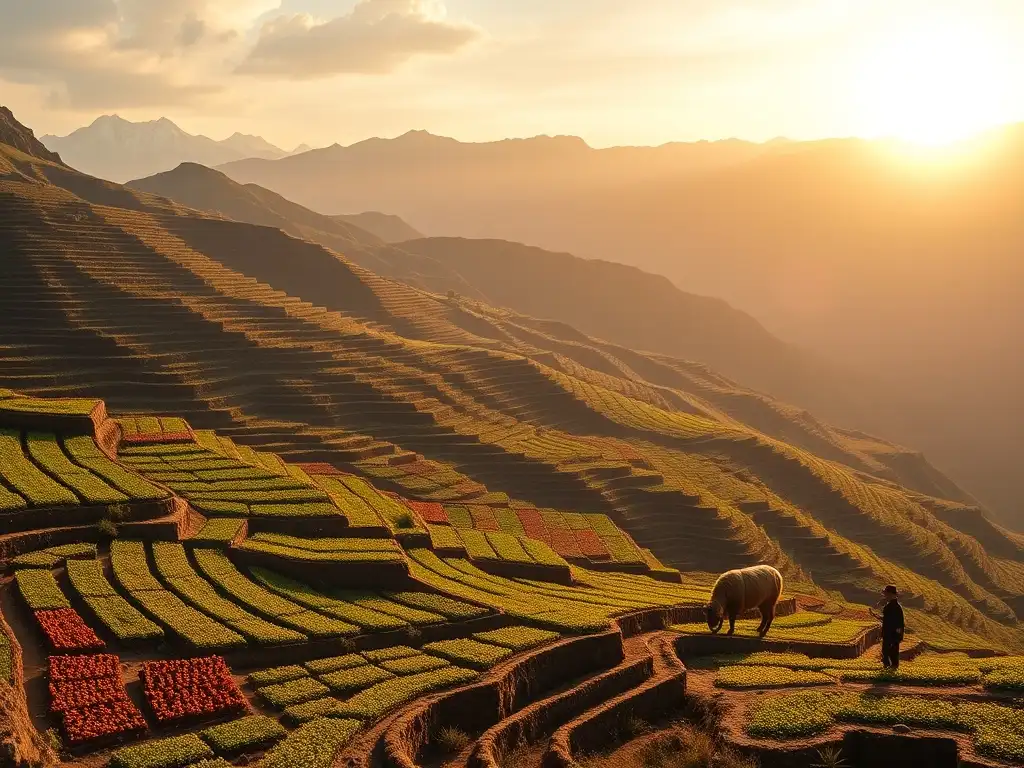
The Inca were masters of crop diversification, cultivating a wide range of crops adapted to the diverse ecological zones of their empire. From potatoes and maize in the highlands to quinoa and beans in the lower altitudes, they developed a resilient agricultural system capable of withstanding environmental fluctuations. They also developed innovative agricultural techniques, such as terracing and raised fields, to maximize land use and improve soil fertility.
The Inca's understanding of agricultural science and their ability to adapt to varied environments were integral to their success in providing food for their vast empire. Their agricultural practices were remarkably sustainable and efficient, demonstrating a deep understanding of ecological principles.
The Legacy of Inca Communal Farming
The legacy of Inca communal farming techniques continues to influence agricultural practices in the Andes today. The principles of collective action, resource management, and sustainable agriculture remain relevant in addressing modern challenges, such as food security and environmental sustainability. The Inca's ingenious methods provide a valuable model for sustainable agricultural development, highlighting the importance of community involvement and resource conservation.
Studying their practices offers important lessons for contemporary agricultural systems. The ingenuity and sustainability of their techniques continue to inspire and inform modern agricultural practices. The Inca legacy is a testament to the power of communal effort and sustainable resource management.
The Foundations of Inca Agriculture: A Collective Approach
The Inca Empire's remarkable success wasn't solely due to military prowess or sophisticated engineering; it was deeply rooted in its innovative and highly effective agricultural practices. Unlike many other ancient civilizations, the Inca didn't rely on individual land ownership and independent farming. Instead, they developed a sophisticated system of communal farming, built upon principles of reciprocity and a strong social structure known as the ayllu.
This system, intricately woven into the fabric of Inca society, ensured food security, efficient resource management, and social cohesion, contributing significantly to the empire's longevity and prosperity. Understanding Inca communal farming techniques reveals a fascinating interplay of social organization, environmental adaptation, and agricultural ingenuity.
The system's effectiveness stemmed from a carefully balanced approach that maximized resource utilization and minimized risk, contributing to the empire's impressive agricultural output even in challenging Andean terrains. This section delves into the core elements that underpinned this successful model, examining the social structures and principles that made Inca communal farming a remarkable achievement.
The Importance of Reciprocity in Inca Society
Reciprocity, the principle of mutual exchange and obligation, formed the bedrock of Inca society and its agricultural practices. It wasn't simply a matter of bartering goods; it was a deeply ingrained social norm that permeated all aspects of life, from daily interactions to large-scale public works projects. The concept of ayni, a system of reciprocal labor exchange, was central to this principle. Individuals within the ayllu were expected to contribute their labor to communal tasks, such as farming, construction, and religious ceremonies.
This contribution wasn't seen as a burden but as a fundamental aspect of social responsibility. In return, individuals received support from the community during times of need, ensuring a safety net against hardship. This system fostered strong social bonds and a sense of collective responsibility, crucial for the success of communal farming initiatives.
The effectiveness of ayni is evident in the massive infrastructure projects undertaken by the Inca, such as the extensive road network and impressive agricultural terraces, all built through collaborative effort and shared responsibility. The success of ayni demonstrates the power of social cohesion and mutual support in achieving ambitious goals, highlighting a key element of Inca communal farming techniques. Furthermore, the principle of reciprocity extended beyond labor, encompassing the sharing of resources and the redistribution of surpluses, ensuring equitable distribution of food and other essential goods within the community.
The ayllu, a kinship-based community, served as the fundamental social and economic unit of Inca society. Members of an ayllu shared a common ancestor, land, and resources. This close-knit structure facilitated cooperation and collective action, making it ideal for the implementation of communal farming practices. The ayllu wasn't merely a geographical grouping; it was a complex social network with intricate internal hierarchies and responsibilities.
Each ayllu had its own leaders, who oversaw the allocation of land, the organization of labor, and the distribution of resources. This decentralized structure allowed for efficient management of resources at the local level, adapting to specific environmental conditions and the needs of the community. The ayllu system also played a crucial role in ensuring social stability and reducing conflict.
By sharing resources and responsibilities, the Inca minimized competition and promoted cooperation, fostering a sense of unity and shared purpose within the community. This social cohesion was essential for the success of their communal farming techniques, as it ensured that everyone contributed their fair share to the collective effort. The ayllu's resilience and adaptability are testaments to the effectiveness of this social structure in supporting large-scale agricultural endeavors, a cornerstone of Inca civilization.
Land Ownership and Distribution within the Ayllu
Land within the ayllu was not privately owned but rather collectively held and managed. The Inca state controlled the allocation of land, distributing it among the ayllu members based on their needs and the fertility of the land. This ensured equitable access to resources and prevented the concentration of land in the hands of a few. The distribution wasn't static; it could be adjusted based on population changes, environmental conditions, or other factors.
This flexible approach allowed the Inca to adapt to changing circumstances and maintain a balance between the needs of the community and the sustainability of the land. The land was divided into different plots, each assigned to specific individuals or families within the ayllu. However, even though individuals cultivated their assigned plots, the produce was often shared among the community members, ensuring food security for everyone.
This system, combined with the principles of ayni and reciprocal labor, created a highly efficient and equitable system of agricultural production. The Inca's approach to land management demonstrates a deep understanding of sustainable resource management and a commitment to social equity, key characteristics of their successful communal farming techniques. The absence of private land ownership, coupled with a system of collective responsibility and resource sharing, ensured the long-term sustainability of Inca agriculture and contributed significantly to the empire's stability and prosperity.
Minka and Ayni: The Cornerstones of Inca Communal Labor
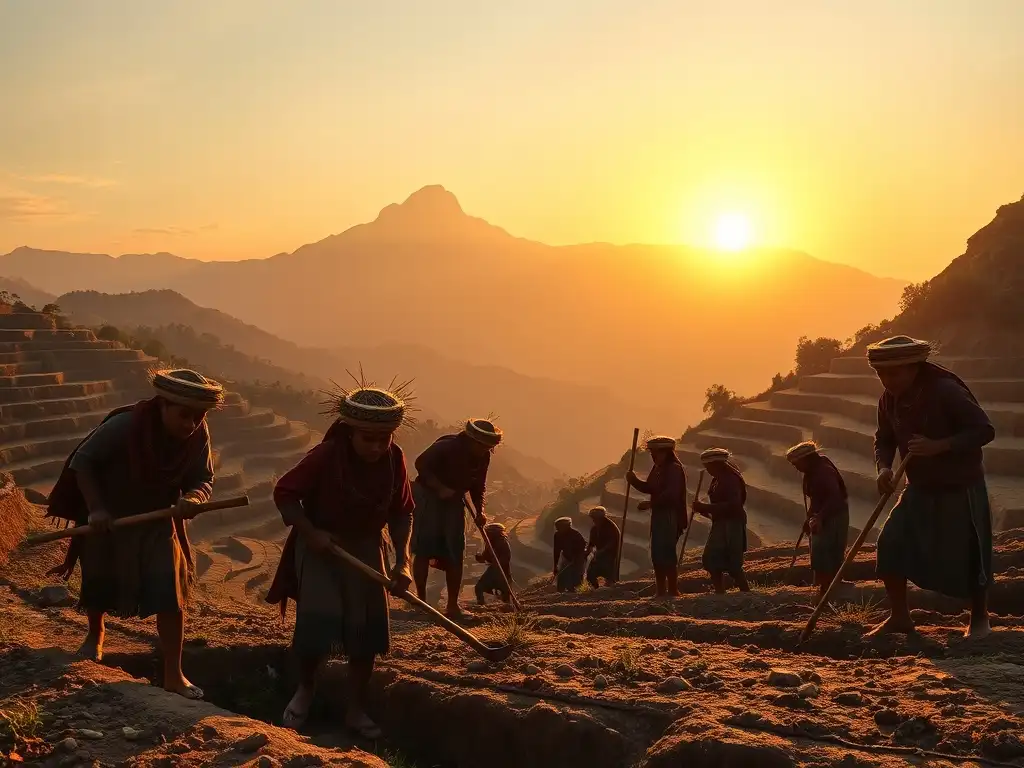
The Inca Empire's remarkable agricultural achievements weren't solely the result of sophisticated terracing and irrigation systems. Equally crucial was their intricate social organization, which fostered collaboration and resource sharing through two principal systems: minka and ayni. These communal labor practices were fundamental to the Inca's success in feeding a vast and diverse population, showcasing their mastery of both agricultural technology and social engineering. Understanding these systems provides invaluable insight into the Inca's sophisticated approach to "Inca communal farming techniques."
Minka: Collective Work for Community Projects
Minka, often translated as "community work," involved the collective mobilization of labor for projects benefiting the entire community. This wasn't simply a matter of voluntary participation; it was a civic duty, a cornerstone of Inca society. The Inca state would organize and direct minka events, ensuring a coordinated effort to tackle large-scale projects that were beyond the capabilities of individual families.
Failure to participate without a valid excuse was considered a serious offense, highlighting the importance placed on communal contribution. The scale of minka projects varied considerably, ranging from the construction of roads and irrigation canals to the building of temples and palaces. However, agricultural applications were particularly prominent, reflecting the vital role of food production in Inca society.
Examples of Minka in Inca Agricultural Practices
Minka played a critical role in maintaining and expanding agricultural infrastructure. Consider the construction and upkeep of the extensive andenes (terraces) that characterized Inca agriculture. These meticulously engineered terraces, carved into steep hillsides, required immense coordinated labor for their creation and ongoing maintenance. Minka provided the necessary manpower to build retaining walls, level the terraces, and construct irrigation channels. The sheer scale of these projects, often involving hundreds or even thousands of workers, would have been impossible without the organized system of minka.
Another example is the clearing of land for cultivation. New agricultural areas required significant effort to remove vegetation, prepare the soil, and create suitable planting conditions. Minka provided the collective strength necessary for these demanding tasks, enabling the expansion of agricultural land and ensuring food security for the growing population. The Inca state's meticulous planning and organization were critical to the success of these minka events. They provided essential resources such as tools, food, and even supervision, ensuring that the work was completed efficiently and effectively.
Ayni: Reciprocal Labor Exchange Between Families
While minka focused on community-wide projects, ayni represented a more localized form of reciprocal labor exchange. This system involved a mutual exchange of labor between families or individuals, based on a principle of reciprocity and mutual support. A family might assist a neighbor with harvesting their crops, with the understanding that the favor would be returned at a later date, perhaps during planting season or another time of need. This system fostered strong social bonds and ensured that everyone had access to assistance during periods of high workload or unexpected challenges.
How Ayni Fostered Community Bonds
Ayni was not simply a transactional exchange of labor; it was a vital social mechanism that strengthened community ties. The act of helping one's neighbor fostered mutual respect, trust, and solidarity. It created a sense of interdependence and shared responsibility, contributing to a strong and cohesive social fabric.
The informal nature of ayni, relying on trust and mutual obligation rather than formal contracts, reflects the close-knit relationships within Inca communities. This system of reciprocal exchange served as a crucial safety net, ensuring that families could rely on their neighbors during times of hardship or unexpected events, such as illness or crop failure.
The effectiveness of ayni highlights the importance of social cohesion and mutual support in the success of Inca agricultural practices and overall societal stability. It underscores that the Inca's mastery of "Inca communal farming techniques" was not just about technological innovation but also a sophisticated understanding of social dynamics and cooperation.
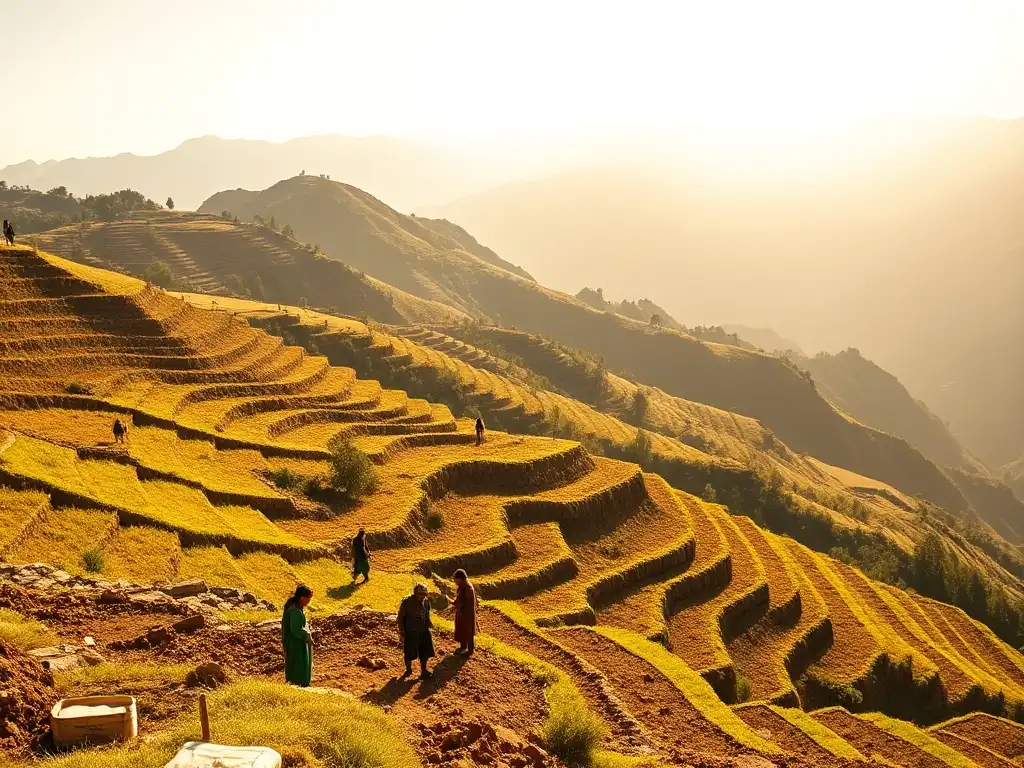
The Inca Empire's remarkable success stemmed in part from its sophisticated agricultural practices, which were deeply intertwined with its communal social structure. Inca communal farming techniques weren't just about food production; they were a cornerstone of their social organization, reflecting a complex system of shared labor, resource management, and reciprocal obligations. This system ensured the survival and prosperity of the empire, even in challenging Andean terrains.
Understanding these techniques provides crucial insight into the ingenuity and social cohesion of the Inca civilization. The efficient use of resources and the collaborative spirit were key to their agricultural success, and these aspects are examined in detail below.
Terracing Techniques: Maximizing Arable Land
The Andes Mountains present a formidable challenge to agriculture. Steep slopes, limited flat land, and unpredictable weather patterns demanded innovative solutions. The Inca met this challenge head-on with their mastery of terracing. Terracing involved carving the steep hillsides into a series of flat, step-like platforms.
This ingenious method not only increased the amount of arable land available but also dramatically improved soil retention. Erosion, a constant threat on slopes, was significantly reduced. The terraces were often built with retaining walls made of stone, carefully fitted together without mortar, showcasing the Inca's advanced engineering skills and their understanding of geology.
The size and scale of some of these terrace systems are breathtaking, a testament to the organized labor and collective effort involved. Careful planning and precise execution were essential to ensuring the stability and long-term productivity of these agricultural marvels. The Inca's understanding of water management was also crucial here, as the terraces were designed to effectively capture and distribute rainwater.
Irrigation Systems: Collective Management of Water Resources
Water was, and remains, a precious resource in the Andes. The Inca developed sophisticated irrigation systems to manage water distribution effectively across their agricultural lands. These weren't simply canals; they were intricate networks of channels, aqueducts, and reservoirs designed to capture meltwater from glaciers, rainwater, and even underground springs. The systems often involved diverting water over long distances, sometimes across significant elevation changes.
This required a high level of engineering expertise and a deep understanding of hydrology. The management of these systems was a collective responsibility, overseen by local officials who ensured fair distribution among the communities. Evidence suggests that water rights were carefully allocated, reflecting the Inca's commitment to equitable resource sharing. The construction and maintenance of these systems were significant communal undertakings, requiring cooperation and coordinated labor.
Their success demonstrates the Inca's capacity for large-scale, organized projects, as well as their awareness of the importance of water conservation. This meticulous planning and execution contributed significantly to the empire's agricultural productivity and resilience. The intricate networks of canals and reservoirs highlight the Inca's deep understanding of water management and their commitment to collective action.
Crop Rotation and Diversification: Ensuring Food Security
To ensure food security and prevent soil depletion, the Inca practiced crop rotation and diversification. They didn't rely on a single crop but cultivated a wide variety of plants, including potatoes (with hundreds of varieties! ), maize, quinoa, beans, and squash. This diversified approach minimized the risk of crop failure due to disease or adverse weather conditions.
Crop rotation involved systematically changing the type of crop planted in a particular field each year. This prevented the depletion of specific nutrients in the soil, maintaining its fertility over time. This practice, along with the use of fertilizers derived from animal manure and other organic materials, helped to sustain agricultural productivity across generations. The Inca’s understanding of soil health and their commitment to sustainable agricultural practices contributed significantly to the long-term success of their farming systems.
The meticulous planning and execution of these methods demonstrated their deep knowledge of agriculture and their dedication to ensuring the food security of their vast empire. This approach showcases the Inca's practical wisdom and foresight in managing their resources sustainably, a key factor in their enduring legacy. The success of their agricultural practices underscores the importance of integrated approaches to farming, combining diverse crops and rotation techniques to ensure productivity and resilience.
The Inca Empire's success wasn't solely due to its impressive infrastructure; it was deeply intertwined with a sophisticated system of shared knowledge and agricultural expertise. This wasn't simply a matter of passing down farming techniques from one generation to the next; it involved a carefully structured approach to training, mentorship, and the dissemination of best practices across the vast empire. Specialized agricultural experts, often designated amautas (wise men) or individuals with proven skills, played a crucial role.
These weren't just farmers; they were highly respected members of society who possessed a deep understanding of diverse agricultural techniques, soil types, and climatic conditions. Their knowledge encompassed everything from crop rotation and irrigation to pest control and soil fertilization.
The amautas weren't isolated figures; they actively travelled and interacted with communities across the empire, sharing their knowledge and adapting techniques to local environments. This constant exchange of information ensured that agricultural practices remained efficient and resilient, even in the face of challenges such as droughts or pests. This wasn't a static system; the amautas continually refined their techniques based on observation, experimentation, and the collective experience of the farmers they worked with.
Their role extended beyond simply teaching; they also acted as consultants, resolving agricultural problems and offering advice on optimizing yields. The system emphasized practical, hands-on learning, with apprentices working alongside experienced farmers to acquire the necessary skills and knowledge.
This network of shared knowledge wasn't limited to the amautas. The ayllu, the fundamental social unit in Inca society, played a vital role in disseminating agricultural practices within the community. Elderly members of the ayllu, possessing years of practical experience, provided guidance to younger generations, ensuring the continuity of traditional farming methods. This communal approach fostered a strong sense of collective responsibility and ensured that agricultural knowledge was preserved and passed down effectively.
The ayllu system also facilitated collaboration on large-scale projects, such as terracing and irrigation, requiring coordinated effort and shared expertise. The success of Inca agriculture hinged on this intricate network of knowledge sharing, ensuring the empire's food security and economic prosperity. The seamless integration of practical experience with the guidance of trained experts created a robust and adaptable agricultural system that sustained a large and complex population.
The Impact of Communal Farming on Inca Society
The Inca Empire's success wasn't solely due to military might or sophisticated road systems; it was deeply rooted in its innovative and highly effective system of communal farming. This system, built on the principles of ayllu (extended family groups) and mita (labor obligations), fundamentally shaped Inca society, impacting everything from food security to social stability. Understanding Inca communal farming techniques is key to understanding the empire's longevity and influence.
The meticulous organization and equitable distribution of resources fostered a remarkably resilient and cohesive society, even in the face of challenging environmental conditions. This section will delve into the multifaceted impact of this crucial aspect of Inca life.
Food Surplus and Distribution: Ensuring the Well-being of the Empire
Inca communal farming techniques were instrumental in generating a significant food surplus. This surplus wasn't simply a matter of individual prosperity; it was strategically managed to ensure the well-being of the entire empire. The ayllu system, with its collective responsibility for land cultivation and harvest, ensured that even during lean years, a basic level of sustenance was guaranteed for all members. This wasn't a haphazard process; it was meticulously planned and executed.
The surplus food was stored in strategically located qollqas (granaries), often built into the landscape to protect against the elements. These granaries served as vital buffers against crop failure, ensuring food security during droughts or other natural calamities. The Inca state played a crucial role in monitoring these stores and distributing food based on need, effectively acting as a social safety net. This system prevented widespread famine and contributed significantly to the empire's stability.
Detailed records, likely kept using quipus (knotted strings), helped track yields and manage distribution efficiently. The system was remarkably effective, providing a safety net that was essential to the empire's survival and prosperity. This meticulous approach to resource management contrasts sharply with many other societies of the time, highlighting the sophistication of Inca agricultural practices.
Beyond the practical benefits of food security, Inca communal farming fostered a strong sense of social cohesion and unity. The mita system, while demanding, fostered a sense of collective responsibility and shared purpose. Working together on agricultural projects, from terracing hillsides to irrigating fields, strengthened community bonds and fostered a sense of shared identity within the ayllu. This shared labor wasn't just about productivity; it was a fundamental aspect of Inca social life, reinforcing social hierarchies and solidifying communal ties.
The communal nature of farming also promoted cooperation and mutual support. Members of the ayllu assisted each other during planting, weeding, and harvesting, creating a strong sense of interdependence. This system helped to mitigate the impact of individual hardship, as the community rallied together to support those facing difficulties. This sense of shared responsibility extended beyond the immediate family, fostering a strong sense of community and social solidarity. The system, therefore, was not merely an agricultural practice, but a vital component of Inca social engineering, creating a strong social fabric within the empire.
The Role of the Inca State in Resource Management
The Inca state played a pivotal role in overseeing and managing the communal farming system. While the ayllu were responsible for the day-to-day work, the state provided essential infrastructure, such as irrigation canals and terraces, which significantly increased agricultural productivity. They also implemented regulations to ensure fair distribution of land and resources. This centralized control ensured that the system operated efficiently and equitably, preventing conflicts over land and resources.
Furthermore, the Inca state maintained a complex system of record-keeping, likely using quipus, to monitor agricultural production and distribution. This allowed them to assess the needs of different regions and allocate resources accordingly. This meticulous planning and organization were crucial to the success of the communal farming system and the overall stability of the empire.
The state's involvement demonstrated a sophisticated understanding of resource management and a commitment to ensuring the well-being of its citizens. The Inca state's role extended beyond simply providing infrastructure; it actively managed the entire system to ensure its long-term sustainability and equitable distribution of resources. This proactive approach underscores the importance of communal farming within the broader context of Inca governance and societal organization.
Challenges and Adaptations of Inca Communal Agriculture

The success of Inca communal farming, a cornerstone of their empire's stability and longevity, wasn't achieved without significant challenges. The Andes Mountains present a formidable environment, demanding ingenuity and adaptability from its inhabitants. Understanding these obstacles and the Inca's innovative solutions is crucial to appreciating the sophistication of their agricultural practices and their mastery of "Inca communal farming techniques." The system wasn't merely about sharing labor; it was a complex interplay of environmental understanding, social organization, and technological innovation. This section will delve into some of the key challenges and the ingenious ways the Inca overcame them.
Adapting to Diverse Andean Environments
The Andes are characterized by extreme environmental diversity. Altitudes range from sea level to over 6,000 meters, resulting in a wide spectrum of microclimates and soil conditions. This posed a significant challenge to agricultural production. The Inca, however, skillfully adapted their farming techniques to these diverse environments.
They employed a sophisticated system of terracing, which allowed them to cultivate slopes that would otherwise be unsuitable for farming. These terraces, often supported by elaborate stone walls, created level platforms for planting, maximizing arable land and reducing soil erosion. Furthermore, they developed specialized crops suited to various altitudes and climates. For instance, potatoes, a staple crop, were cultivated in a wide variety of forms, each adapted to specific environmental conditions.
This diversification minimized risk and ensured food security even in the face of unpredictable weather patterns. The ingenuity of their approach to "Inca communal farming techniques" is evident in their capacity to utilize the full potential of the diverse Andean landscape. The meticulous planning and execution of these agricultural projects speaks volumes about their advanced understanding of environmental factors and their ability to harness them for the benefit of the entire community.
Overcoming the Challenges of High-Altitude Farming
High-altitude farming presented unique difficulties. The thin air at high elevations meant reduced oxygen levels, impacting crop growth and yields. The short growing seasons and unpredictable weather patterns further exacerbated the challenges. The Inca addressed these issues through a combination of strategies.
They developed frost-resistant varieties of crops, such as potatoes and quinoa, which could withstand the harsh conditions. They also implemented sophisticated irrigation systems, channeling water from higher elevations to lower fields, ensuring adequate moisture even in arid areas. The construction of these canals and aqueducts required significant engineering skill and collective effort, showcasing the power of their communal work ethic.
Furthermore, they practiced crop rotation and intercropping, techniques that helped maintain soil fertility and improve yields. These methods, combined with their understanding of microclimates and careful selection of planting sites, allowed the Inca to cultivate food at altitudes previously thought impossible, bolstering their food security and demonstrating the effectiveness of their "Inca communal farming techniques." The success of their high-altitude agriculture is a testament to their resilience and their ability to adapt to extreme environmental conditions.
The Inca Response to Climate Variability
The Andes are prone to significant climate variability, experiencing periods of drought and flooding. This unpredictability posed a serious threat to agricultural production and food security. The Inca developed several strategies to mitigate these risks. They implemented sophisticated storage systems, such as qollqas (granaries), which allowed them to store surplus food during times of abundance and distribute it during periods of scarcity.
These granaries were strategically located throughout the empire, ensuring equitable access to food resources. Their advanced understanding of weather patterns, likely based on centuries of observation and traditional knowledge, allowed them to anticipate potential problems and take proactive measures. They also developed drought-resistant crops and implemented water management techniques to conserve water during dry periods.
Their response to climate variability highlights the importance of community collaboration and resource management in their agricultural practices. The Inca's ability to effectively manage resources and respond to climate fluctuations ensured the stability and resilience of their empire, cementing the significance of their innovative "Inca communal farming techniques." This proactive approach to risk management ensured the survival and prosperity of their communities even amidst environmental uncertainties.
The Legacy of Inca Communal Farming Practices

The Inca Empire's success wasn't solely built on military might and sophisticated infrastructure; it was fundamentally rooted in its innovative and highly effective system of communal farming. This intricate network of agricultural practices, resource allocation, and social organization ensured food security for a vast population across diverse and challenging Andean terrains.
The legacy of these Inca communal farming techniques continues to resonate today, offering valuable insights into sustainable agriculture and community-based resource management. Understanding the Inca's approach reveals a sophisticated system that prioritized both productivity and social equity, a model that remains strikingly relevant in our contemporary world grappling with climate change and food insecurity.
The meticulous planning and execution of their agricultural strategies allowed for efficient land use, optimized crop yields, and minimized environmental impact – a testament to their profound understanding of their environment. This section will explore the enduring impact of Inca agricultural practices and their potential applications in modern sustainable agriculture.
Lessons for Modern Sustainable Agriculture
Inca communal farming techniques offer several crucial lessons for modern sustainable agriculture. Their emphasis on terracing, for example, is a powerful technique for preventing soil erosion and optimizing water usage in hilly or mountainous regions. This is particularly relevant today, given the increasing pressure on arable land and the urgent need for water conservation strategies. Furthermore, the Inca's understanding of crop rotation and intercropping, techniques used to maintain soil fertility and diversify food production, are highly relevant to modern sustainable farming practices that aim to reduce reliance on chemical fertilizers and pesticides.
The Inca's system of ayllu, a community-based system of land ownership and cooperative labor, also provides a valuable model for contemporary agricultural cooperatives and community-supported agriculture (CSA) initiatives. By working together and sharing resources, the ayllu ensured that even the less fertile lands were productive and contributed to the overall food security of the community. This collaborative approach fostered a sense of shared responsibility and mutual support, resulting in a more resilient and equitable food system.
The Inca's success underscores the importance of community engagement and shared decision-making in achieving sustainable agricultural outcomes. A comparative study examining modern farming techniques against Inca methods could reveal valuable insights for optimizing yields while minimizing environmental impact. Modern agricultural practices often prioritize individual profit maximization over collective well-being, a stark contrast to the Inca's community-centric approach.
The Enduring Value of Community-Based Resource Management
The Inca's success demonstrates the enduring value of community-based resource management. Their system of mit'a, a form of rotational labor service, ensured that vital infrastructure projects, including irrigation systems and agricultural works, were completed efficiently. This collective effort fostered a sense of shared ownership and responsibility for maintaining the productivity of the land.
The ayllu system wasn't merely about farming; it was a holistic approach to resource management that encompassed water rights, pastureland allocation, and the equitable distribution of goods. This integrated approach ensured that resources were utilized sustainably and equitably, minimizing conflict and maximizing community well-being. The Inca's understanding of the interconnectedness of resources – water, land, and labor – provides a valuable lesson for modern resource management strategies that often compartmentalize resources and overlook their interconnectedness.
The Inca model highlights the importance of considering the social, environmental, and economic dimensions of resource management, fostering a more integrated and sustainable approach. Analyzing the Inca's system reveals a sophisticated understanding of ecological principles, demonstrating their ability to adapt their practices to diverse environmental conditions. This adaptability is crucial for modern agriculture in the face of climate change and environmental degradation.
The Aguaruna People of Peru: Modern Adaptations of Inca Techniques
The Aguaruna people of the Peruvian Amazon demonstrate a contemporary adaptation of Inca communal farming techniques. While geographically and culturally distinct from the Inca, their agricultural practices reflect a similar emphasis on community-based resource management and sustainable practices. The Aguaruna utilize sophisticated agroforestry techniques, integrating trees and crops in a way that mimics the natural forest ecosystem. This approach enhances biodiversity, protects soil, and provides a diverse range of food and other resources.
Their system of collective labor and resource sharing ensures equitable access to land and resources, mirroring the principles of the Inca ayllu. Studying the Aguaruna's practices offers valuable insights into how indigenous communities continue to adapt and refine traditional agricultural methods to meet modern challenges. Their success underscores the importance of recognizing and supporting indigenous knowledge systems in the pursuit of sustainable agriculture.
Further research into the specific techniques employed by the Aguaruna, and a comparison with Inca practices, would provide a richer understanding of the enduring relevance of community-based agricultural models. This research could potentially uncover innovative solutions for modern sustainable agriculture, drawing upon the wisdom of indigenous communities and the legacy of ancient Andean civilizations. The resilience and adaptability of these communities, in the face of environmental and social change, provides a powerful testament to the enduring value of community-based resource management.
Conclusion: The Enduring Significance of Inca Communal Farming
The Inca Empire's success wasn't solely built on military might or sophisticated road systems; its agricultural prowess, particularly its ingenious communal farming techniques, played a crucial role. The ayllu system, a cornerstone of Inca society, fostered a remarkable level of cooperation and resource management, ensuring food security for a vast and diverse population across challenging Andean terrains. This intricate system, far from being a simple division of labor, represented a complex interplay of social organization, environmental adaptation, and sophisticated agricultural knowledge.
Understanding these techniques offers valuable insights into sustainable agriculture and community-based resource management, even in the modern world. The legacy of Inca communal farming continues to resonate, prompting reflection on the potential of collaborative approaches to address contemporary challenges related to food security and environmental sustainability.
Reflecting on the Ingenuity of Inca Agricultural Practices
The Inca's mastery of agriculture wasn't merely about cultivating crops; it was about harnessing the environment's potential and mitigating its limitations. Their understanding of terracing, irrigation, and crop rotation wasn't simply empirical; it reflected a deep understanding of ecological principles. The creation of intricate terrace systems on steep slopes, for instance, not only increased arable land but also reduced soil erosion and optimized water retention.
This wasn't simply a matter of digging; it involved careful planning, considering factors like sun exposure, water availability, and soil composition. Each terrace was a microcosm of agricultural ingenuity, reflecting a holistic approach to land management.
Consider the waru waru system, a type of raised-bed agriculture prevalent in the altiplano. This technique, involving the creation of raised beds separated by irrigation canals, allowed for efficient water management in arid regions, creating a microclimate that protected crops from frost and improved drainage. The canals also served as fish farms, adding another dimension to the system's productivity.
This integrated approach exemplifies the Inca's holistic vision of agriculture, where every element contributed to the overall system's resilience and productivity. The effectiveness of these techniques is evident in the empire's ability to support a large population despite the challenging environmental conditions.
The Inca's success demonstrates the potential of integrating ecological principles into agricultural practices, a lesson that remains relevant today in addressing modern challenges like climate change and food security. The Inca's legacy encourages us to consider more sustainable and community-based approaches to agriculture, promoting resilience and cooperation in the face of environmental challenges.
The meticulous record-keeping and redistribution systems ensured equitable access to resources and prevented food shortages. This efficient system, combined with advanced agricultural techniques, allowed the Inca to thrive in a diverse and challenging environment. The mit'a labor system, while sometimes viewed negatively, played a vital role in maintaining infrastructure and supporting agricultural projects. This system demonstrated the Inca's commitment to communal work and collective responsibility.
The Inca's agricultural achievements serve as a powerful testament to the importance of community, resource management, and a deep understanding of the environment. Their methods, though centuries old, offer valuable lessons for modern agricultural practices and sustainable development. Understanding their techniques can help inform contemporary efforts to enhance food security and environmental sustainability globally.
The success of Inca communal farming techniques underscores the importance of integrated approaches to resource management. The combination of sophisticated technology, community-based organization, and deep ecological knowledge allowed the Inca to build a thriving empire. Their legacy continues to inspire researchers and practitioners in the field of agriculture and sustainable development. The study of Inca agriculture offers valuable insights into achieving food security and environmental sustainability in the face of modern challenges. The Inca's achievements serve as a powerful reminder of the potential of human ingenuity and collaboration in creating a more sustainable future.
Frequently Asked Questions
What were the main Inca communal farming techniques?
The Inca employed several techniques, including ayni (reciprocal labor) and mita (labor tax). These systems ensured everyone contributed to farming and resource distribution, regardless of social standing.
How did ayni contribute to Inca agricultural success?
Ayni fostered community cooperation, with individuals helping each other with farming tasks during planting, harvesting, and irrigation. This ensured that everyone’s fields were productive.
What role did mita play in Inca farming practices?
Mita obligated citizens to contribute a certain amount of labor to public works, including irrigation systems and terracing crucial for agriculture. This ensured large-scale projects vital for farming were completed.
How did Inca communal farming impact food distribution?
Communal farming ensured fair distribution of food resources across the empire. Surplus produce was stored in state-controlled warehouses (qollqas) to provide for times of scarcity.
What were the benefits of Inca communal farming systems compared to individual farming?
Inca communal farming provided food security and social cohesion. It allowed for large-scale projects and efficient resource management, unlike individual farming which could be more vulnerable to crop failure.
Final Reflection: The Enduring Legacy of Inca Communal Farming
The ingenious Inca system of communal farming, far from being a relic of the past, offers crucial lessons for addressing contemporary challenges of food security and sustainable resource management. Its principles of shared labor, equitable distribution, and environmental stewardship resonate powerfully in a world grappling with climate change, population growth, and increasing inequality. The Inca's success demonstrates that collective action, when thoughtfully implemented, can yield remarkable results.
The impact of the Inca's approach extends far beyond its historical context. Their sophisticated understanding of terracing, irrigation, and crop diversification continues to inspire modern agricultural practices. The Inca civilization demonstrated that a society can thrive by prioritizing the collective good over individual gain, a lesson that remains profoundly relevant today.
This emphasis on community and sustainability offers a compelling alternative to the often exploitative and environmentally damaging practices prevalent in modern industrial agriculture. We can learn from their successes and failures to build more resilient and equitable food systems for the future.
Consider the implications of the Inca model for your own life. How can you apply the principles of shared responsibility and resource management to your community? Perhaps it's through supporting local farmers' markets, advocating for sustainable agricultural policies, or simply engaging in more collaborative efforts within your own neighborhood. The legacy of Inca communal farming is not merely a historical curiosity; it's a powerful call to action, urging us to cultivate a more just and sustainable world, one where the well-being of the community takes precedence.
Embrace the Spirit of Communal Farming Today!
Thank you for joining us on this journey exploring the fascinating world of Inca communal farming. Learning about their innovative approach to shared labor and resources provides valuable insights into sustainable practices we can adapt for our communities today. Now, let's put those ideas into action!
- Start a neighborhood garden: Collaborate with friends and neighbors to cultivate a shared garden space. Working together on planting and maintenance embodies the Inca's spirit of community.
- Share your gardening expertise: Host a workshop to teach sustainable farming techniques that emphasize resource sharing and environmental responsibility.
- Support local agriculture: Participate in community-supported agriculture (CSA) programs to connect with local farmers and contribute to your community's food security.
How can the Inca's principles of cooperation and shared resources benefit your community? Let's discuss!