
The Inca's Use of Microclimates in Their Agricultural Practices

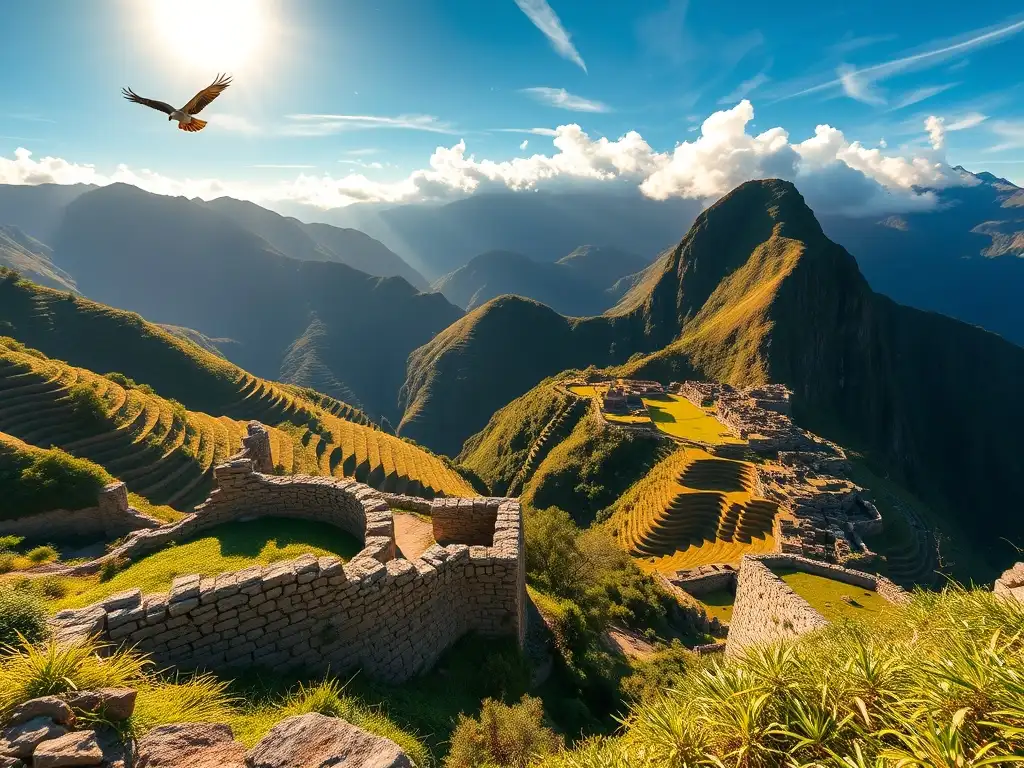
Step into a world lost to time, yet echoing with innovation. For centuries, the Andes Mountains held the secrets of a civilization that defied the harsh terrain. Discover how the ingenious Inca agricultural microclimate techniques allowed them to flourish, transforming seemingly barren landscapes into thriving agricultural centers. Unravel the mysteries of their mastery and prepare to be amazed by the ingenuity of the Inca Empire—their story is waiting to be explored.
- Inca Agricultural Microclimate Techniques: A Legacy of Innovation
- Inca Ingenuity: Harnessing Microclimates for Agriculture
- Specific Examples of Inca Microclimate Techniques in Practice
- The Significance of Inca Microclimate Knowledge
-
Frequently Asked Questions
- What are microclimates, and how did they relate to Inca agriculture?
- How did the Inca create and utilize these microclimates?
- What types of crops did the Inca grow using microclimate techniques?
- What was the significance of Inca agricultural microclimate techniques?
- How do modern agricultural practices benefit from the Inca's understanding of microclimates?
- Final Reflection: Echoes of the Andes: Inca Agricultural Wisdom for a Changing World
- **Unveil the Secrets of Sustainable Agriculture! **
Inca Agricultural Microclimate Techniques: A Legacy of Innovation
The Inca Empire, renowned for its sophisticated social structures and impressive architectural feats, also possessed a remarkably advanced understanding of agriculture. Their success wasn't solely based on sheer manpower; it was deeply intertwined with a profound knowledge of the Andean environment and a masterful exploitation of its diverse microclimates.
This article delves into the ingenious techniques the Inca employed to harness the power of microclimates, ensuring food security across a vast and geographically challenging empire. We will explore how their understanding of subtle environmental variations allowed them to cultivate a wide range of crops, contributing significantly to the empire's prosperity and longevity.
Understanding the Inca's approach to agricultural microclimate management offers valuable insights into sustainable farming practices, particularly relevant in today's context of climate change and the need for resilient agricultural systems. The keyword "Inca agricultural microclimate techniques" will be explored in detail, revealing the sophisticated strategies employed by this remarkable civilization.
Understanding Inca Farming and the Andean Environment
The Andes Mountains present a formidable challenge to agriculture. Steep slopes, varying altitudes, and dramatic changes in temperature and rainfall create a highly diverse landscape. The Inca Empire, spanning a vast territory across this challenging terrain, faced the constant need to adapt its agricultural practices to these diverse conditions. Unlike many other ancient civilizations that relied on large, flat, arable land, the Incas were masters of verticality, using every available niche to cultivate crops.
Their agricultural ingenuity wasn't limited to terracing; it extended to a deep understanding of microclimates and their strategic manipulation to maximize yields. This involved careful observation of local conditions, including sunlight exposure, wind patterns, and water availability. They meticulously selected crops suited to specific microclimates, employing a system of crop rotation and intercropping to optimize land use and maintain soil fertility. Their success demonstrates a remarkable level of ecological awareness and sophisticated agricultural planning.
The Challenge of Andean Agriculture: Diverse Microclimates
The Andean region's microclimates are characterized by significant variations in temperature, humidity, and sunlight, often within short distances. A valley floor might enjoy warm temperatures and ample sunlight, while a nearby hillside could be significantly cooler and shadier. Rainfall patterns also vary considerably, with some areas receiving abundant precipitation while others experience prolonged droughts. These variations presented a significant challenge to the Inca's agricultural practices.
To overcome these obstacles, the Inca developed a range of ingenious techniques, including the construction of intricate terrace systems, irrigation canals, and waru waru (raised field) agriculture. These techniques not only helped to manage water resources but also modified local microclimates to create more favorable conditions for crop growth. For example, terraces reduced erosion, improved soil drainage, and provided more even exposure to sunlight.
Irrigation canals provided a reliable water source, even in drier areas. The precise methods varied depending on the specific microclimate and the crops being cultivated, showcasing the Inca's adaptability and their deep understanding of their environment. This adaptability was key to their success in feeding a large population across a vast and diverse landscape.
What are Microclimates and Why Were They Crucial for the Incas?
A microclimate refers to the localized climate of a small area, which differs significantly from the climate of the surrounding region. These variations can be influenced by factors such as altitude, aspect (slope orientation), vegetation, and proximity to water bodies. For the Incas, understanding and exploiting microclimates was crucial for their agricultural success.
By carefully selecting planting locations based on specific microclimatic conditions, they could cultivate a wide range of crops, from frost-sensitive maize in sheltered valleys to hardy potatoes at higher altitudes. The Inca's knowledge of microclimates allowed them to optimize crop yields and ensure food security across their vast empire. Their mastery of this knowledge is evidenced by the diverse range of crops they cultivated, including potatoes, maize, quinoa, beans, and coca, each adapted to specific microclimatic niches within the Andean landscape.
This remarkable ability to manage and manipulate microclimates represents a significant contribution to agricultural science and sustainable farming practices. Their techniques continue to inspire modern agriculturalists seeking innovative solutions to the challenges of food production in diverse and often unpredictable environments.
Inca Ingenuity: Harnessing Microclimates for Agriculture
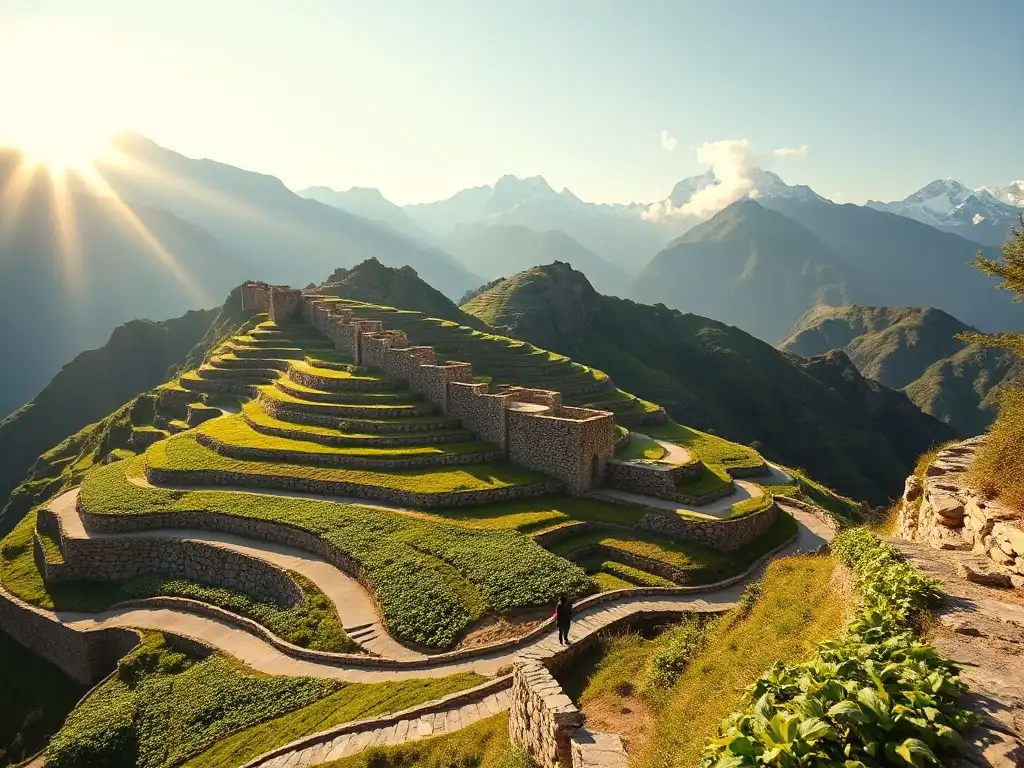
The Inca Empire, renowned for its sophisticated social and political structures, also displayed remarkable ingenuity in its agricultural practices. A key element of their success was a deep understanding and masterful manipulation of microclimates—localized variations in climate—to maximize crop yields across the diverse Andean landscape. This intricate system, honed over centuries, allowed the Inca to cultivate a wide range of crops, ensuring food security and supporting a large population in a challenging environment.
Understanding the Inca's Inca agricultural microclimate techniques reveals a remarkable level of ecological knowledge and adaptive capacity. Their strategies weren't just about farming; they represented a holistic approach to resource management, profoundly shaping their civilization.
Terraced Farming and Microclimate Modification
Inca terraced farming is perhaps the most visually striking example of their microclimate manipulation. These meticulously constructed terraces, carved into steep mountain slopes, served multiple crucial functions. Firstly, they dramatically increased the amount of arable land available. Secondly, the terraces themselves modified the microclimate.
The walls created sheltered environments, protecting crops from strong winds and excessive sun exposure. This resulted in a more stable temperature and moisture regime, particularly beneficial in high-altitude zones prone to extreme weather conditions. The orientation of the terraces, often facing east to maximize sunlight, further enhanced this effect. The depth and composition of the soil within each terrace were also carefully considered, with variations tailored to specific crops and microclimatic conditions.
This precise control over the environment allowed the Inca to cultivate crops that might otherwise have struggled to grow in the harsh Andean terrain. The effectiveness of this system is evident in the longevity of some terraces, which remain visible even today, a testament to the Inca’s engineering prowess and deep understanding of their environment. This sophisticated approach to terracing exemplifies the Inca’s mastery of Inca agricultural microclimate techniques.
The Role of Altitude in Inca Crop Selection
The diverse altitudinal zones of the Andes played a crucial role in Inca agricultural practices. The Inca recognized that different crops thrived at different altitudes, each with its unique microclimate. This understanding shaped their agricultural strategies, leading to a highly diversified agricultural system capable of supporting a large and complex society.
The Inca meticulously categorized these altitudinal zones, each characterized by specific temperature, rainfall, and sunlight levels, directly influencing crop selection and cultivation techniques. This intricate system of agricultural zoning is a striking example of the Inca's profound understanding of their environment and their ability to exploit its nuances for agricultural gain. Their precise knowledge of the relationship between altitude and crop suitability is a hallmark of their mastery of Inca agricultural microclimate techniques.
High-Altitude Crops: Potatoes and Quinoa
At high altitudes, where temperatures are low and growing seasons are short, the Inca cultivated hardy crops like potatoes and quinoa. Potatoes, with their remarkable adaptability to diverse conditions, were a staple food. The Inca developed hundreds of potato varieties, each suited to specific high-altitude microclimates.
Similarly, quinoa, a highly nutritious grain, thrived in these challenging conditions. The Inca's knowledge extended beyond simple cultivation; they understood the importance of soil preparation, irrigation techniques, and frost protection methods tailored to these high-altitude environments. Their meticulous attention to detail allowed them to maximize yields even in the most demanding conditions, showcasing the effectiveness of their Inca agricultural microclimate techniques.
Mid-Altitude Crops: Maize and Beans
In the mid-altitude zones, characterized by moderate temperatures and more abundant rainfall, the Inca focused on crops like maize and beans. Maize, a cornerstone of their diet, required well-drained soils and sufficient sunlight. Beans, another crucial protein source, complemented maize in a system of intercropping, benefiting from the shade provided by the taller maize plants.
The Inca's understanding of crop interaction and their ability to create diverse and productive agricultural systems are further evidence of their advanced agricultural knowledge and sophisticated Inca agricultural microclimate techniques. Their approach to mid-altitude farming was as nuanced as their high-altitude strategies, reflecting their comprehensive understanding of the Andean environment.
Lower-Altitude Crops: Coca and Cotton
At lower altitudes, with warmer temperatures and higher humidity, the Inca cultivated crops like coca and cotton. Coca, a sacred plant with significant cultural and religious importance, thrived in these warmer, more humid microclimates. Cotton, used for textiles, also benefited from the lower-altitude conditions.
The Inca's management of these lower-altitude crops involved techniques like irrigation and soil fertilization, adapted to the specific needs of each crop and the unique characteristics of the local microclimate. This demonstrates the breadth and depth of their agricultural expertise and the precision of their Inca agricultural microclimate techniques across diverse ecological zones. Their ability to cultivate a wide range of crops, from staple foods to culturally significant plants, speaks to their remarkable understanding of the Andean environment and their ability to harness its resources.
Inca Irrigation Systems and Their Impact on Microclimates
The Inca's mastery of water management was crucial to their agricultural success, particularly in leveraging microclimates. Their sophisticated irrigation systems weren't merely about delivering water; they actively shaped local environments to optimize crop yields. These systems weren't haphazard; they were meticulously planned and constructed, taking into account the topography, water sources, and the specific microclimatic conditions of each agricultural zone.
The Inca engineers understood that water, beyond its obvious role in plant growth, also affected temperature, humidity, and soil moisture – all key components of a favorable microclimate. By strategically channeling water, they could create localized conditions suitable for a diverse range of crops, even in challenging terrains. The scale of these projects is breathtaking; some irrigation canals stretched for tens of kilometers, traversing mountains and valleys to reach distant fields.
This demonstrates a profound understanding of both hydrology and the subtle nuances of microclimate manipulation. The impact extended beyond immediate agricultural benefits; the regulated water flow also helped prevent soil erosion and maintain the overall fertility of the land, contributing to the long-term sustainability of their agricultural practices.
Water Management Techniques
Inca irrigation techniques were incredibly sophisticated. They employed a range of methods to control the flow of water, including canals, channels, aqueducts, and reservoirs. Canals were often lined with stone to prevent water loss and erosion.
They also utilized ingenious techniques such as siphons and tunnels to convey water across valleys and over obstacles. Reservoirs, often built into the landscape, played a crucial role in storing water during the dry season, ensuring a constant supply for irrigation throughout the year. The precise construction of these systems reflects an advanced knowledge of engineering and hydraulics.
The Inca's ability to accurately predict water flow and manage its distribution across varying terrains is a testament to their observational skills and practical knowledge of their environment. Furthermore, their understanding of water's role in regulating temperature and humidity allowed them to create microclimates ideal for specific crops. For instance, they could create warmer, more humid microclimates in certain areas by carefully managing irrigation, thereby extending the growing season for frost-sensitive crops.
How Irrigation Created Favorable Growing Conditions
The impact of Inca irrigation on microclimates was multifaceted. Firstly, the controlled application of water directly affected soil moisture, creating optimal conditions for seed germination and plant growth. Secondly, the evaporation of water from the irrigation canals and fields increased local humidity, which is beneficial for many crops, particularly in arid or semi-arid regions. Thirdly, the consistent availability of water mitigated the impact of droughts and temperature fluctuations, thereby creating a more stable and predictable growing environment.
This is especially important in high-altitude regions, where temperature changes can be dramatic. The Inca's ability to create localized microclimates allowed them to cultivate a wide diversity of crops, from potatoes and maize to quinoa and coca, ensuring food security and economic prosperity. This intricate interplay between water management and microclimate manipulation highlights the sophistication of Inca agricultural practices. Their success serves as a powerful example of sustainable agriculture in challenging environments.
The Use of Stone Walls and Windbreaks to Manipulate Microclimates
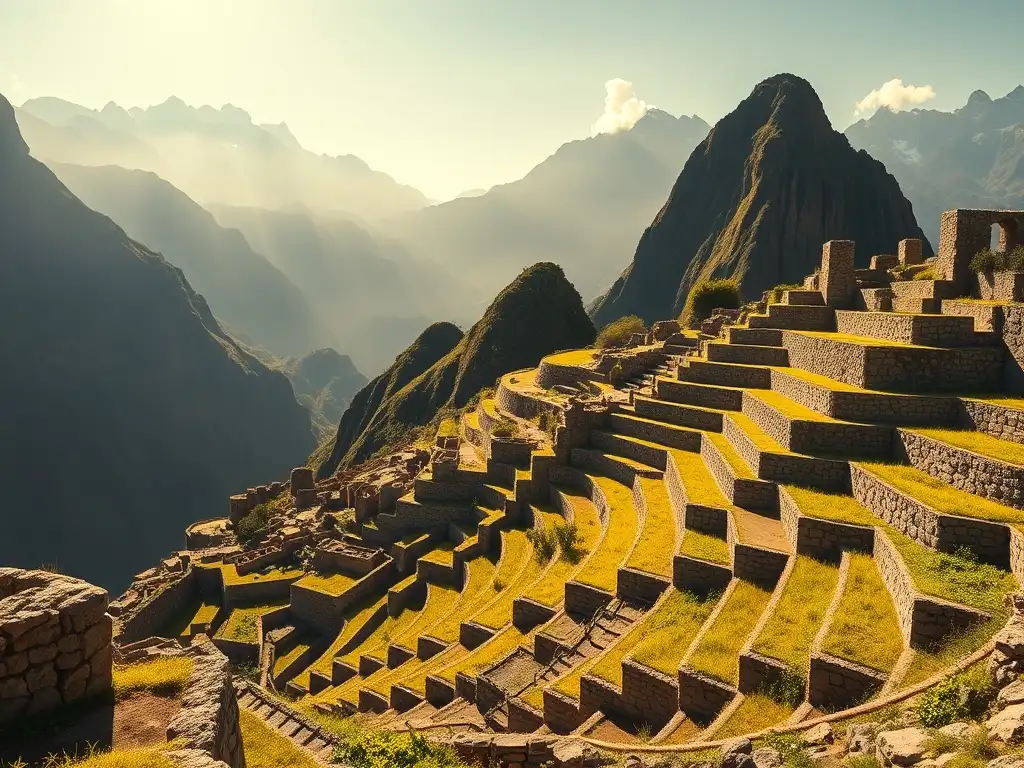
Beyond irrigation, the Inca also employed sophisticated techniques to modify microclimates using stone walls and windbreaks. These weren't merely decorative elements; they served crucial agricultural purposes. Stone walls, often built in terraces, helped to retain soil moisture and reduce erosion, especially on steep slopes. The walls also acted as barriers against strong winds, creating sheltered microclimates with reduced wind chill, allowing for the cultivation of more delicate plants.
The orientation of the walls was carefully considered, taking into account the sun's path and prevailing winds to maximize their effectiveness. By creating pockets of warmth and protection, these walls extended the growing season and improved yields. Furthermore, the dark color of the stone absorbed solar radiation, increasing the temperature within the enclosed areas, creating favorable conditions for heat-loving crops.
This ingenious use of readily available materials demonstrates the Inca's deep understanding of environmental factors and their ability to adapt their agricultural practices to the specific challenges of their diverse landscape. The strategic placement of these walls showcases their advanced knowledge of microclimate manipulation, contributing significantly to their agricultural productivity. The combination of sophisticated irrigation and strategic wall placement demonstrates a holistic approach to agricultural planning, reflecting a deep understanding of the interplay between water, temperature, and wind in shaping the success of their crops.
Raised Fields and Their Contribution to Soil Warming
Raised fields, also known as waru waru, were a remarkable feat of Inca agricultural engineering. These elevated platforms, constructed from earth and often incorporating irrigation channels, played a crucial role in optimizing the microclimate for crop production, particularly in the often-cold and waterlogged Andean highlands. Their effectiveness stemmed primarily from their ability to enhance soil warming.
The raised portions of the fields received more direct sunlight than the surrounding lower areas, leading to significantly higher soil temperatures. This was especially beneficial in higher altitudes where the shorter growing season and lower temperatures limited crop yields. The dark, fertile soil used in the construction of the raised fields also absorbed and retained heat more efficiently than the surrounding lighter-colored soil.
The impact of this increased soil temperature was considerable. It allowed farmers to extend the growing season, enabling them to cultivate a wider variety of crops, even in challenging environmental conditions. By accelerating germination and growth, the warmer soil ensured higher yields and reduced the risk of crop failure due to frost or insufficient warmth.
The warmer soil also fostered a more favorable environment for beneficial soil microorganisms, further enhancing soil fertility and crop health. In essence, the Inca's use of raised fields represented a sophisticated understanding of how to manipulate the local microclimate to their agricultural advantage, a testament to their deep knowledge of both environmental science and agricultural techniques. The effectiveness of the waru waru system is underscored by its continued use in some Andean communities even today, showcasing its enduring legacy and practicality.
Further research into the precise temperature differences between raised fields and surrounding areas would provide even more compelling evidence of the effectiveness of this technique in maximizing Inca agricultural output. The precise temperature gains varied depending on factors like altitude, field size, and soil composition, requiring further investigation to quantify the full extent of the warming effect.
Specific Examples of Inca Microclimate Techniques in Practice
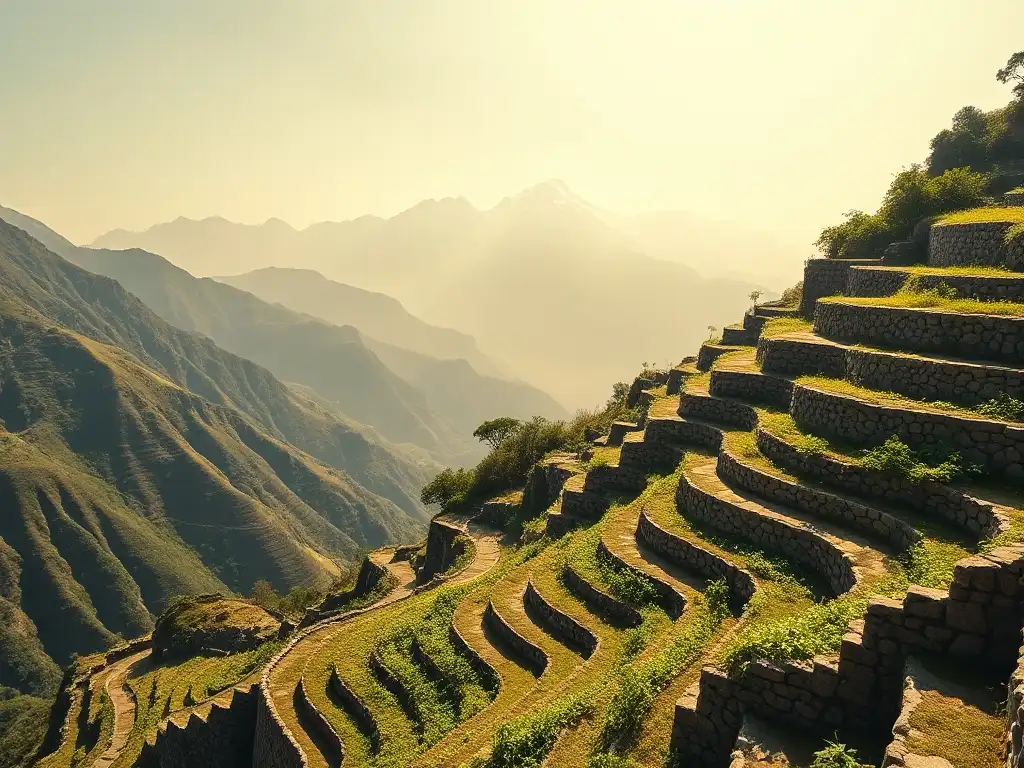
The Inca Empire's mastery of agriculture wasn't just about sheer scale; it was about a sophisticated understanding and exploitation of microclimates. Their agricultural success hinged on the ability to precisely control environmental factors, maximizing yields in diverse and often challenging terrains. This involved a nuanced understanding of temperature, humidity, sunlight, and water availability, all manipulated to create optimal growing conditions for various crops. This section will examine specific examples showcasing the Inca's ingenuity in harnessing microclimates for agricultural productivity, illustrating their advanced knowledge of Inca agricultural microclimate techniques.
Moray: Circular Terraces and Temperature Gradients
Moray, located near Maras in the Sacred Valley, is a striking testament to Inca agricultural innovation. This site features a series of concentric circular terraces, descending into a deep depression. Each terrace level exhibits a distinct microclimate, creating a remarkable temperature gradient.
The difference in temperature between the highest and lowest terraces can be as significant as 15°C (27°F). This carefully engineered system allowed the Incas to cultivate a wide variety of crops, each adapted to its ideal temperature range. Evidence suggests that they experimented with different crops at various levels, optimizing growth based on the precise microclimatic conditions of each terrace.
The depth and orientation of the terraces, combined with the natural topography, impacted air circulation and solar radiation. This created unique microenvironments, allowing for the cultivation of crops ranging from tropical varieties at the bottom to frost-tolerant species at the top. Furthermore, the curved shape of the terraces likely maximized solar energy capture, further influencing the temperature gradient and promoting plant growth.
While the exact methods used to monitor and manage these microclimates remain a subject of ongoing research, the sheer scale and precision of the Moray terraces undeniably demonstrate the Incas’ advanced understanding of Inca agricultural microclimate techniques and their practical application. The ingenuity displayed is truly remarkable, especially considering the absence of modern tools and technology.
Tipón: Water Management and Controlled Environments
Tipón, another remarkable agricultural site near Cusco, showcases the Inca's expertise in water management as an integral part of their microclimate control strategies. The site boasts a sophisticated system of canals, channels, and reservoirs that channeled water from springs high in the Andes to irrigate a series of terraces. But Tipón is more than just irrigation; it is a masterful demonstration of creating controlled environments through water manipulation.
The Inca engineers cleverly used the water not only to irrigate but also to modulate the microclimate of the terraces. The water flow, carefully regulated through the network of canals, helped maintain humidity and temperature levels. The presence of water also moderated temperature fluctuations, reducing the impact of extreme weather events.
Furthermore, the terraces were constructed with intricate drainage systems to prevent waterlogging, ensuring optimal soil conditions for plant growth. The combination of precise water management and terrace construction created a series of microclimates suited to a diverse range of crops, further highlighting the sophistication of their Inca agricultural microclimate techniques. The precision of the water channels and the overall design of the site point to advanced planning and a deep understanding of hydrological principles.
Ollantaytambo: Combination of Terraces, Irrigation, and Windbreaks
Ollantaytambo, a significant Inca archaeological site in the Sacred Valley, exemplifies the integrated approach the Incas took to microclimate management in agriculture. Here, the Inca's techniques extended beyond just terraces and irrigation. They strategically incorporated windbreaks into their agricultural system, further refining their control over the microclimate.
The terraces at Ollantaytambo are built on steep slopes, making irrigation challenging. However, the Incas devised a complex system of canals and channels that efficiently transported water to the upper terraces. In addition to irrigation, they used stone walls and strategically planted trees and shrubs as windbreaks. These windbreaks served a dual purpose: they reduced the impact of strong winds, protecting delicate crops from damage, and they also helped to regulate temperature and humidity by creating sheltered microenvironments.
The combination of terraces, irrigation, and windbreaks at Ollantaytambo showcases a holistic approach to microclimate management, demonstrating a comprehensive understanding of environmental factors and their influence on agricultural productivity. The integration of these diverse techniques represents the pinnacle of Inca agricultural microclimate techniques, underscoring their remarkable ingenuity. The site remains a powerful example of their sophisticated agricultural practices.
The Significance of Inca Microclimate Knowledge
The Inca Empire's mastery of agriculture wasn't solely reliant on sheer manpower; it was deeply intertwined with a sophisticated understanding and exploitation of microclimates. This nuanced knowledge allowed them to cultivate diverse crops across varied Andean terrains, maximizing yields and ensuring food security for a vast population. Their success wasn't accidental; it stemmed from centuries of keen observation, experimentation, and adaptation to the challenging Andean environment. The Inca agricultural microclimate techniques were crucial to their empire's longevity and prosperity. Understanding these techniques reveals a level of environmental awareness far ahead of its time. We can analyze their success by examining the specific ways they identified and utilized microclimatic variations. For instance, the strategic placement of agricultural terraces capitalized on subtle differences in sunlight exposure, temperature, and moisture levels across slopes. This allowed them to grow a wider range of crops than would have otherwise been possible at a given altitude.
Sustainability and Resource Management in Inca Agriculture
Inca agricultural practices were remarkably sustainable, a testament to their deep understanding of ecological balance. Their utilization of microclimates wasn't simply about maximizing yield; it was about creating a resilient agricultural system. By carefully selecting crop locations based on microclimate variations, they minimized the risk of widespread crop failure due to localized weather events. This is a crucial aspect of Inca agricultural microclimate techniques.
Consider the waru waru system, a sophisticated raised-bed agricultural technique employed in the Altiplano. This system, designed to manage water effectively in high-altitude environments, perfectly illustrates the Inca's understanding of microclimates. The raised beds trapped heat, accelerating plant growth, while the channels between them collected rainwater, effectively irrigating the crops. This system demonstrated a keen awareness of temperature and moisture gradients within a relatively small area.
The efficiency of water usage in the waru waru system was particularly impressive, especially considering the arid nature of the Altiplano. This intricate system further highlights the Inca's sophisticated approach to resource management and their ability to adapt agricultural practices to specific microclimatic conditions. Their ingenuity in manipulating microclimates for optimal water management is a key element of their long-term agricultural success.
The Inca's approach stands in stark contrast to modern intensive agriculture, which often depletes resources and disrupts ecological balance. Their methods offer valuable lessons in sustainable resource management – a critical consideration in the face of climate change and growing global food security concerns.
Lessons from the Incas for Modern Agriculture
The Inca's sophisticated understanding of microclimates holds valuable lessons for modern agriculture, particularly in the face of increasing climate variability and the need for sustainable farming practices. Their ability to optimize crop production within diverse microclimates, without relying on extensive external inputs, is particularly relevant today. Studying Inca agricultural microclimate techniques can inform the development of more resilient and environmentally conscious agricultural systems.
For example, the principles behind the waru waru system – utilizing raised beds and channels for water management – can be adapted to modern arid and semi-arid regions. Similarly, their careful selection of crop varieties based on microclimatic conditions can inspire more targeted and efficient crop planning. Modern precision agriculture, with its emphasis on data-driven decision-making, can benefit from the Inca's empirical approach to understanding and managing microclimatic variations.
The Inca's success demonstrates the importance of integrating local knowledge and environmental awareness into agricultural practices. This integrated approach offers a compelling counterpoint to the often-homogenous practices of modern industrial agriculture.
We can learn from their holistic approach, which considered both the needs of the crops and the overall ecological health of the farming system. Their success serves as a powerful reminder that sustainable agriculture requires a deep understanding of the local environment and a willingness to adapt to its complexities.
The Enduring Legacy of Inca Agricultural Practices
The legacy of Inca agricultural practices, particularly their innovative use of microclimates, continues to resonate today. Their techniques, passed down through generations, are still practiced in some Andean communities, demonstrating their enduring relevance and effectiveness. The Andenes (terraces) carved into the mountainsides remain a testament to their engineering prowess and deep understanding of the environment.
These terraces, built to optimize sunlight and water retention, are not just historical artifacts; they are living examples of sustainable agricultural practices that continue to provide food security for many communities. These Inca agricultural microclimate techniques are not just a historical curiosity; they are valuable lessons for modern agricultural practices.
The study of Inca agriculture offers a unique opportunity to learn from a civilization that successfully managed to feed a large population within a challenging environment. Their sophisticated understanding of microclimates and sustainable resource management provides valuable insights for modern agriculture, helping us to build more resilient and environmentally conscious farming systems. The Inca's legacy serves as a powerful reminder that successful agriculture requires a holistic approach, integrating ecological knowledge with practical techniques. The enduring strength of their methods underscores the timeless wisdom embedded within their agricultural practices.
Frequently Asked Questions
What are microclimates, and how did they relate to Inca agriculture?
Microclimates are localized climate zones differing from the surrounding area. The Inca cleverly exploited these variations in altitude, slope, and aspect to cultivate diverse crops in different microclimates within a single valley. This maximized agricultural output.
How did the Inca create and utilize these microclimates?
The Inca employed techniques like terracing, irrigation canals, and stone walls to modify and control microclimates. These structures altered sunlight exposure, water drainage, and wind patterns, creating ideal conditions for specific crops.
What types of crops did the Inca grow using microclimate techniques?
The Inca successfully cultivated a variety of crops, including potatoes, maize, quinoa, and beans, each adapted to specific microclimates. This diversification ensured food security and resilience against environmental changes.
What was the significance of Inca agricultural microclimate techniques?
Inca agricultural techniques were incredibly successful, allowing them to support a large population in challenging Andean environments. This sophisticated system ensured food security and contributed to the empire's prosperity and stability.
How do modern agricultural practices benefit from the Inca's understanding of microclimates?
Modern agriculture continues to learn from Inca ingenuity. Understanding and utilizing microclimate management can improve crop yields, reduce water usage, and enhance sustainability in diverse environments, mirroring the Inca's achievements.
Final Reflection: Echoes of the Andes: Inca Agricultural Wisdom for a Changing World
The Inca's mastery of microclimates wasn't just a feat of ancient engineering; it's a vital lesson for sustainable agriculture in the face of climate change. Their sophisticated understanding of diverse environments and their innovative techniques offer a powerful model for increasing food security in a world grappling with increasingly unpredictable weather patterns and resource scarcity.
The ingenuity of the Inca in harnessing the power of microclimates continues to resonate today, reminding us of the profound connection between human societies and their environment. Their ability to cultivate diverse crops in challenging terrains serves as a powerful counterpoint to modern, often unsustainable, agricultural practices. The earth provides enough to satisfy every man's needs but not every man's greed.
– Mahatma Gandhi. This quote highlights the importance of understanding and respecting the limitations of our resources, a lesson deeply embedded in the Inca's sustainable approach.
Consider the implications of their methods for your own life. Can you apply the Inca's principles of observation, adaptation, and resourcefulness to your own community or even your own garden? Perhaps you can explore ways to optimize your local environment for growing food, conserving water, or reducing your environmental impact. Let the legacy of Inca ingenuity inspire you to cultivate a more sustainable and resilient future, one where we learn from the past to build a better tomorrow.
**Unveil the Secrets of Sustainable Agriculture! **
Thank you for exploring the fascinating agricultural innovations of the Inca civilization and their ingenious use of microclimates. We hope you've gained a valuable understanding of how these ancient techniques offer crucial lessons for modern sustainable practices. Ready to put this knowledge into action? Here are some practical steps you can take:
- **Create your own microclimate garden:** Experiment with different plants and their specific needs in a small area of your yard or balcony, mirroring the Inca approach.
- **Share your gardening successes:** Connect with other gardening enthusiasts online or through local groups to exchange advice and experiences related to microclimates and sustainable gardening.
- **Learn from your local environment:** Visit nearby parks or botanical gardens to observe how various microclimates influence plant growth and biodiversity in your area.
Which microclimate strategy will you implement first to cultivate a thriving garden? Share your plans in the comments!