
The Inca's Understanding of Soil Types and Their Impact on Farming

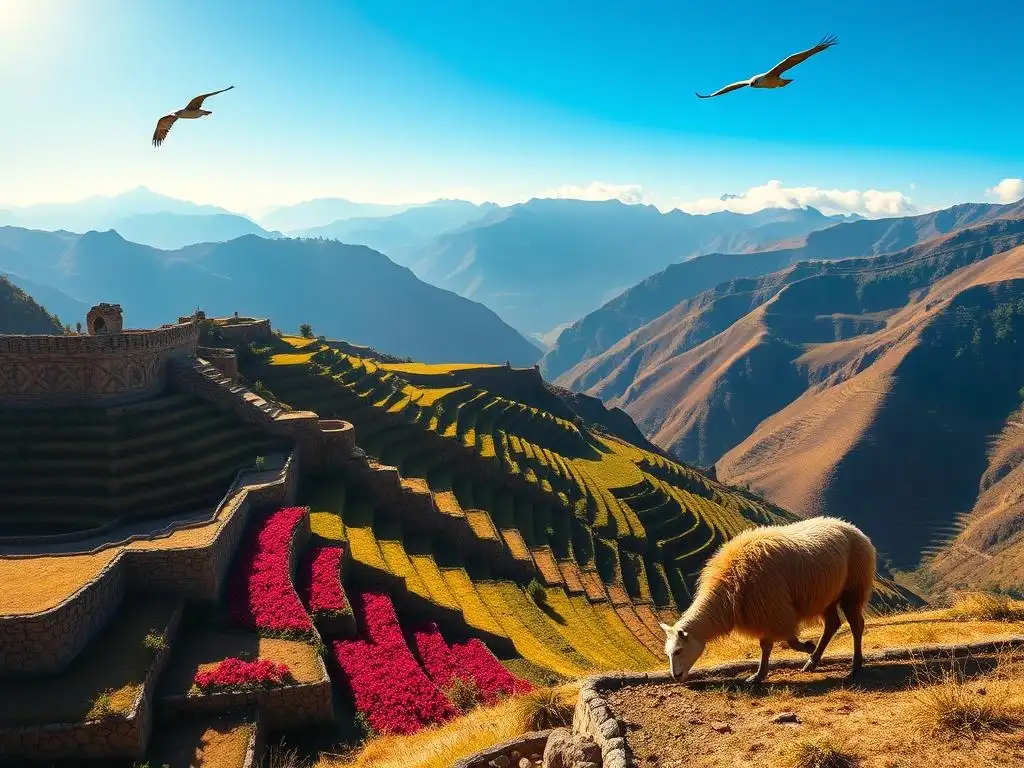
Step into a world lost to time, yet echoing with innovation. Imagine a civilization that harnessed the power of the Andes, not in spite of its challenges, but because of them. Uncover the secrets behind the Inca Empire's astonishing agricultural achievements, a story woven into the very fabric of their land. Discover how their deep understanding of Inca soil types and farming techniques allowed them to thrive in seemingly impossible terrain—a testament to their ingenuity and resilience. Prepare to be amazed.
The Inca Empire, renowned for its sophisticated engineering and administrative prowess, also possessed an incredibly detailed understanding of soil science and its application to agriculture. Their success wasn't solely reliant on their impressive terracing systems; it was deeply intertwined with a nuanced knowledge of different soil types and the cultivation techniques best suited to each.
This understanding allowed them to maximize crop yields across the diverse Andean landscape, supporting a vast population and a complex social structure. This article delves into the Inca's remarkable knowledge of soil types and how their farming techniques were directly influenced by this expertise, demonstrating a sophisticated understanding that continues to fascinate and inspire agricultural researchers today.
We will explore how this intimate knowledge of the land contributed significantly to the Inca's ability to thrive in a challenging environment, showcasing their remarkable ingenuity and adaptation. The Inca's approach to soil management provides invaluable insights into sustainable agricultural practices, even in modern times.
Inca Agriculture: A Foundation of Their Empire
Inca agriculture wasn't merely a means of subsistence; it was the very foundation of their empire. Their sophisticated agricultural practices, built upon a deep understanding of their environment, enabled them to cultivate a wide variety of crops, including potatoes, maize, quinoa, and beans, across vastly different terrains. The Inca's success wasn't solely due to their impressive engineering feats, such as the extensive terrace systems carved into the mountainsides.
Their agricultural success was equally dependent on their astute observation and classification of diverse soil types. This detailed knowledge allowed them to tailor their planting and cultivation methods to each specific soil, optimizing yields and ensuring food security for their large population. They developed a complex system of resource management, including irrigation canals, sophisticated fertilization techniques, and crop rotation strategies, all carefully adapted to the unique characteristics of each soil type.
The sheer scale and efficiency of their agricultural system are testament to their advanced understanding of soil science and its practical application. The empire's ability to feed its millions relied heavily on this intricate knowledge.
Identifying Inca Soil Types: A Key to Agricultural Success
The Inca did not have formal soil classification systems as we understand them today. However, their practical understanding of soil properties was remarkably refined. They likely categorized soils based on observable characteristics such as color, texture, drainage, and fertility. For example, dark, rich soils found in valley bottoms would have been recognized as highly fertile and ideal for cultivating high-yield crops like maize.
Conversely, lighter, sandier soils on slopes might have been utilized for crops less demanding of nutrient-rich soil. Evidence suggests they employed various techniques to improve soil fertility, such as the use of manure and other organic matter as fertilizers. Furthermore, their meticulous observation of plant growth in different soil types allowed them to develop a sophisticated understanding of which crops thrived in specific soil conditions. This practical knowledge, passed down through generations, was crucial to the empire's agricultural success.
The Inca's ability to identify and manage diverse soil types effectively showcases their profound connection to the land and their remarkable capacity for observation and adaptation. Their techniques offer valuable lessons in sustainable and efficient farming practices, even in the context of modern agriculture. Further research is needed to fully elucidate their precise methods of soil classification, but the evidence clearly points to a sophisticated understanding far beyond simple observation.
- Inca Agriculture: A Foundation of Their Empire
- Identifying Inca Soil Types: A Key to Agricultural Success
- What types of soil did the Inca utilize for farming?
- How did the Inca's understanding of soil impact their farming techniques?
- What were some specific farming techniques used by the Inca to address soil variations?
- Did the Inca use fertilizers? If so, what kinds?
- How did the Inca's knowledge of soil contribute to their empire's success?
Understanding Inca Agricultural Practices
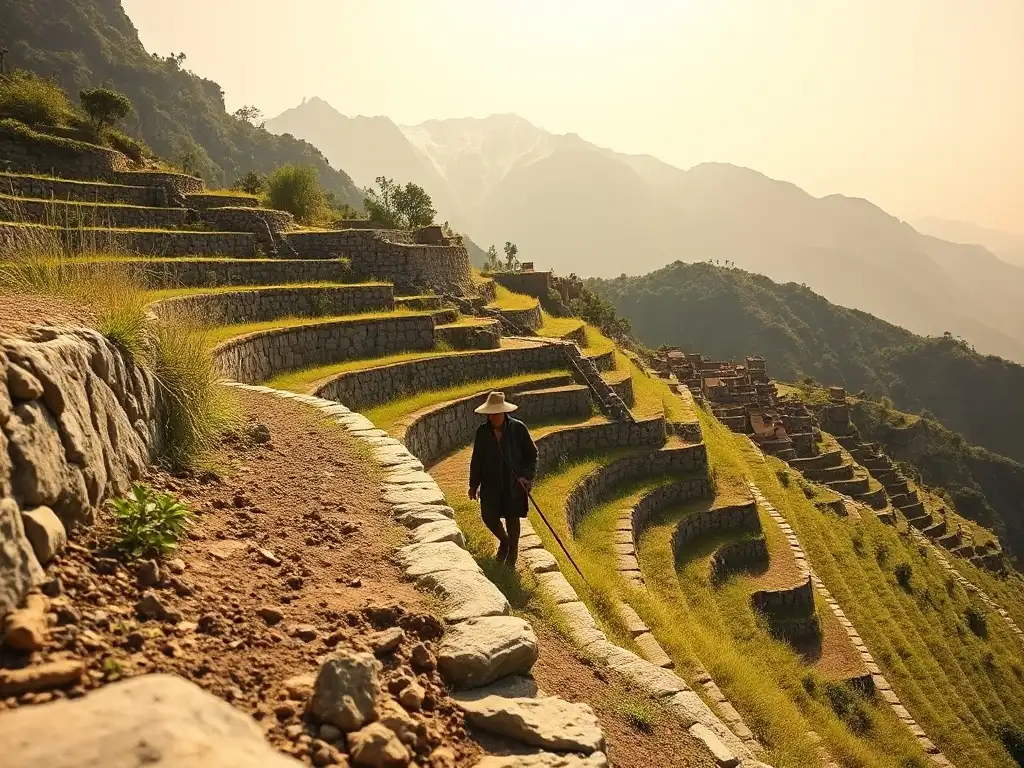
The Inca Empire's success hinged significantly on its sophisticated agricultural practices. Their mastery of diverse farming techniques, deeply intertwined with a profound understanding of different soil types, allowed them to thrive in the challenging Andean terrain. This section delves into the specific ways the Inca people interacted with and managed various soil types to maximize agricultural output, showcasing their ingenuity and adaptability.
The Inca's understanding of soil types and their impact on farming practices is a testament to their advanced civilization. This intricate relationship between the Inca and their environment highlights the crucial role soil played in their societal structure and economic prosperity. The keyword "Inca soil types farming techniques" is central to understanding their agricultural achievements.
Terraced Farming and Soil Conservation
Inca terraced farming represents a remarkable feat of engineering and agricultural knowledge. Facing steep slopes and varying soil compositions across the Andes, the Inca developed an extensive system of terraces—level platforms cut into hillsides—to create suitable land for cultivation. This wasn't simply about creating flat surfaces; the Inca carefully considered the soil type for each terrace. For instance, well-drained, sandy loam soils were ideal for certain crops like maize, while heavier clay soils, retaining moisture better, were used for other plants.
The construction of terraces wasn't arbitrary. The Inca meticulously chose locations based on sunlight exposure, water availability, and soil characteristics. They utilized retaining walls built from stone, often incorporating drainage systems within the terrace walls to prevent soil erosion and waterlogging.
These walls also helped to control water flow, ensuring even distribution across the terraces. Careful observation of soil erosion patterns and the implementation of these systems showcase their detailed understanding of soil dynamics and their impact on long-term agricultural sustainability. The meticulous nature of this work underlines the importance they placed on soil conservation, a key element of the "Inca soil types farming techniques" strategy.
Inca Irrigation Systems for Soil Management
Beyond terracing, the Inca developed intricate irrigation systems to manage water distribution and soil moisture levels. These systems were tailored to the specific needs of different soil types. For example, areas with sandy soils, prone to rapid water drainage, required more frequent and controlled irrigation to maintain adequate moisture for plant growth. Conversely, areas with clay soils, which retain water more effectively, needed less frequent irrigation to avoid waterlogging, which could damage plant roots and reduce soil fertility.
Their irrigation canals were masterpieces of engineering, often running for miles across diverse terrains. These canals weren't simply ditches; they were carefully designed to distribute water evenly across fields, utilizing gravity and strategically placed channels to reach even the most remote areas. The Inca demonstrated a deep understanding of water infiltration rates in different soil types, employing techniques such as subsurface irrigation in areas with high evaporation rates to minimize water loss. This sophisticated water management, directly impacting soil health, perfectly illustrates their advanced "Inca soil types farming techniques".
Crop Rotation and Soil Fertility
The Inca's agricultural practices weren't limited to terracing and irrigation. They also employed crop rotation techniques to maintain soil fertility. Understanding that different crops have varying nutrient requirements, they rotated crops systematically to prevent soil depletion. For example, nitrogen-fixing crops, such as beans or legumes, were often planted in rotation with maize to replenish soil nitrogen levels. This practice helped to maintain the long-term productivity of the land, reducing the need for external fertilizers.
Furthermore, the Inca practiced intercropping, planting multiple crops together in the same field. This technique not only maximized land use but also promoted biodiversity and improved soil health. Different crops with varying root systems and nutrient requirements helped to improve soil structure and prevent erosion. The Inca's knowledge of which crops thrived in specific soil types, coupled with their innovative farming techniques, ensured a bountiful harvest year after year. This holistic approach to soil management underpins their mastery of "Inca soil types farming techniques" and showcases a remarkable understanding of sustainable agriculture.
The Impact of Inca Soil Types on Crop Selection
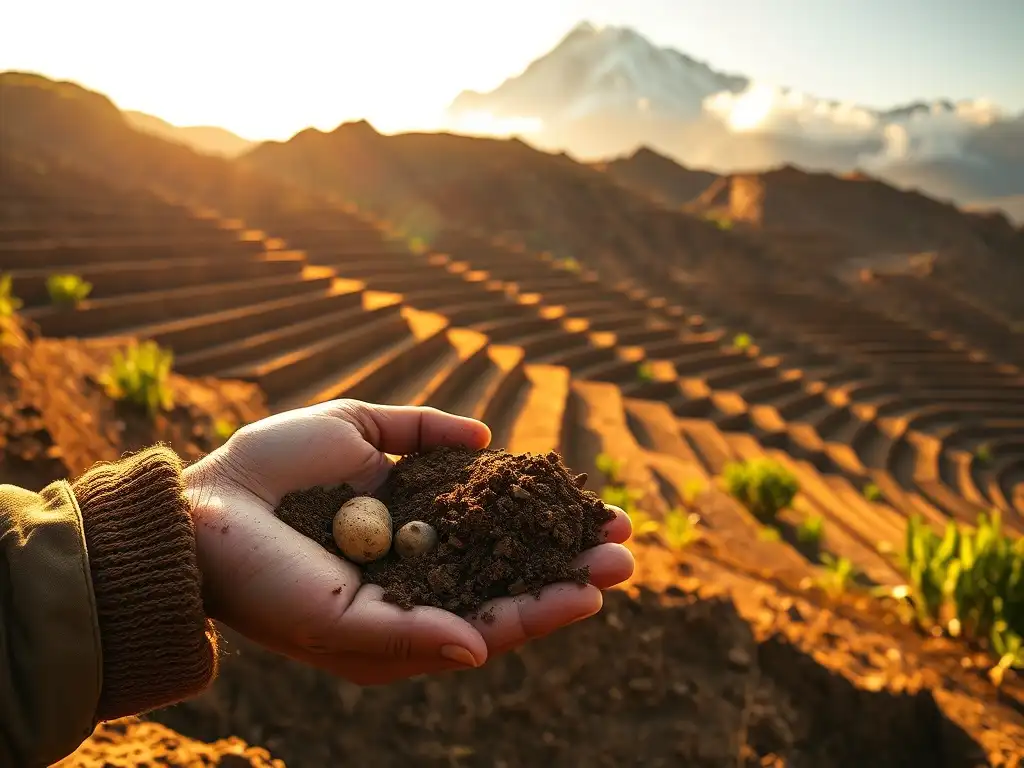
The Inca Empire, renowned for its sophisticated agricultural practices, demonstrated a deep understanding of soil types and their influence on crop yields. Their mastery of diverse farming techniques was intrinsically linked to their ability to identify and categorize different soils, adapting their cultivation methods accordingly. This knowledge wasn't simply theoretical; it was crucial for the empire's sustenance and its impressive population density in challenging Andean terrains.
The Inca's success wasn't merely about conquering new lands, but about intelligently managing the existing resources, a feat largely achieved through their meticulous understanding of soil. This section delves into how the Inca’s classification of soil directly impacted their crop selection and overall agricultural productivity. Their agricultural success hinged on this intimate connection between soil and crop choice, a symbiotic relationship that ensured food security across the vast empire.
Adapting Crops to Different Soil Compositions
The Inca categorized soils based on observable characteristics like texture, drainage, and fertility. While precise written records are scarce, archaeological evidence and ethnohistorical accounts reveal a nuanced understanding. For instance, they likely distinguished between alluyu (sandy soils), q'ara (rocky soils), and pampa (alluvial plains), each demanding distinct approaches. This wasn't just a matter of choosing what would grow; it was about selecting crops that would thrive given the specific limitations and advantages of each soil type.
Potatoes, a staple crop, illustrate this beautifully. Different potato varieties were cultivated in different soil types. Certain varieties, more tolerant of drought and poor drainage, were planted in the q'ara soils of higher altitudes. Others, needing richer, well-watered land, flourished in the pampa regions.
This precise matching of crop and soil was essential for maximizing yields and ensuring food security, even in the face of environmental variability. The Inca’s understanding extended beyond simple soil texture; they also considered factors like water retention and nutrient content, further refining their crop selection process. The meticulous selection of potato varieties showcases their deep understanding of the interaction between soil properties and plant growth.
The Inca's approach wasn't limited to potatoes. Other crops like maize, quinoa, and beans were also strategically planted according to soil characteristics. Maize, for example, preferred well-drained, fertile soils, while quinoa demonstrated a remarkable tolerance for harsh, high-altitude conditions and less fertile soils. This sophisticated understanding of soil-crop relationships allowed the Inca to cultivate a diverse range of crops across various ecological zones, contributing to the resilience and productivity of their agricultural system. The varied topography of the Andes presented many challenges, but the Inca's knowledge of soil types enabled them to overcome these obstacles.
Optimizing Yields with Soil Knowledge
Beyond crop selection, the Inca's knowledge of soil types directly influenced their farming techniques. Their understanding of soil drainage, for example, guided the construction of intricate irrigation systems and terracing. On steep slopes, they built terraces to create level planting surfaces, preventing soil erosion and maximizing water retention. In areas with poor drainage, they employed raised fields or waru waru systems, creating artificial islands of fertile soil surrounded by water channels. These techniques not only improved water management but also enhanced soil fertility by trapping sediment and nutrients.
Furthermore, the Inca employed various soil amendment techniques. The use of manure and compost was widespread, enriching the soil and improving its structure. They also practiced crop rotation, further enhancing soil fertility and preventing the depletion of essential nutrients. This comprehensive approach to soil management, combined with their understanding of soil types, allowed them to achieve remarkably high yields, supporting a large and densely populated empire.
The Inca's success wasn't accidental; it was a direct result of their profound understanding of the land and its resources. Their detailed knowledge of different Inca soil types and their impact on farming techniques, coupled with their sophisticated agricultural practices, represents a remarkable achievement in ancient agricultural engineering and resource management. This knowledge provided the foundation for the empire's agricultural prosperity and its remarkable ability to sustain a vast population in a challenging environment.
The integration of soil knowledge into every aspect of their farming practices underscores their sophisticated approach to agriculture. Their legacy continues to inspire modern sustainable agricultural practices.
Specific Inca Soil Management Techniques
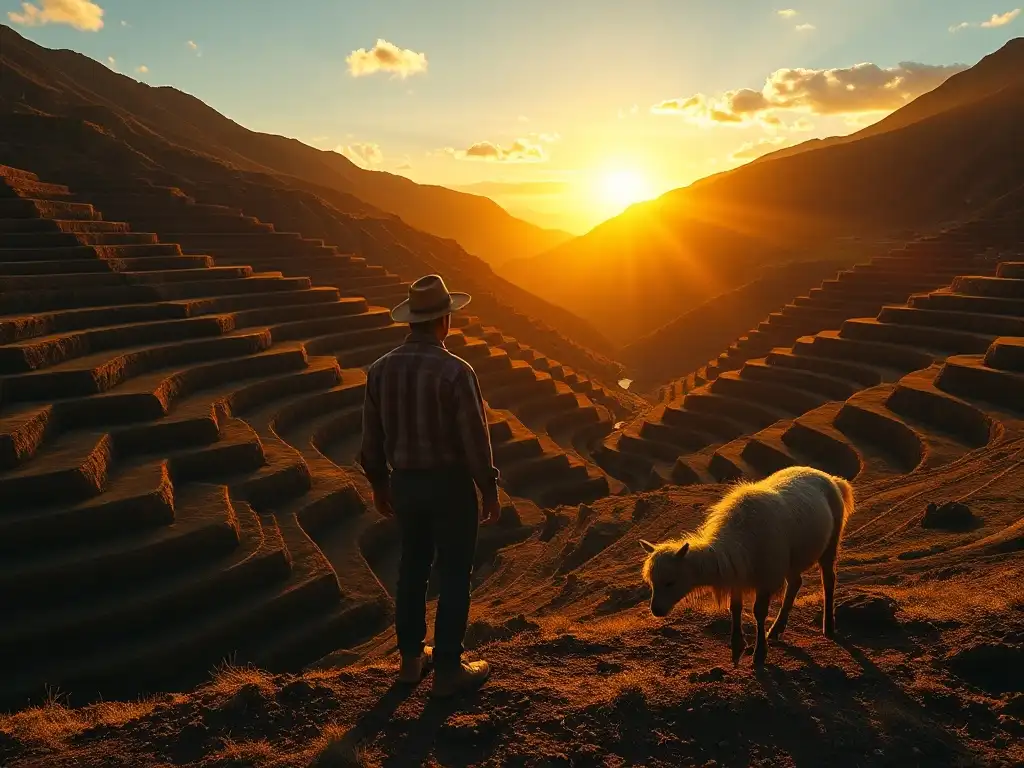
The Inca Empire's agricultural prowess wasn't simply a matter of luck; it was a testament to their sophisticated understanding of soil types and their impact on farming practices. Their success hinged on detailed observation, innovative techniques, and a deep respect for the land. This section delves into the specific methods employed by the Inca to optimize their agricultural output, showcasing their remarkable ingenuity in adapting to diverse Andean terrains and climates.
The Inca's understanding of "Inca soil types farming techniques" was crucial to their survival and the empire's flourishing. Their practices were far from rudimentary; they represent a sophisticated system of soil management that deserves closer examination.
The Use of Guano and Other Fertilizers
Inca farmers recognized the vital role of soil fertility in maximizing crop yields. One of their most significant contributions was the widespread and effective use of guano, the excrement of seabirds and bats. Guano, rich in nitrogen, phosphorus, and potassium, acted as a natural fertilizer, significantly enhancing soil nutrient content. The Inca strategically harvested guano from coastal islands and transported it, often by llama, to their agricultural terraces, demonstrating a remarkable understanding of logistics and resource management.
The quantity of guano used varied depending on soil type and crop requirements. For example, heavier applications were used in the cultivation of potatoes in less fertile soils, whereas lighter applications sufficed in more naturally nutrient-rich areas. This targeted approach highlights the Inca's practical knowledge of soil chemistry and its effect on plant growth. Beyond guano, they also employed other organic fertilizers like compost, animal manure, and decaying plant matter.
These organic amendments improved soil structure, water retention, and overall fertility. The incorporation of these organic materials enhanced soil health and sustainability, paving the way for robust and resilient agricultural systems. The Inca’s expertise in utilizing guano and other fertilizers is a prime example of their holistic approach to agriculture, emphasizing sustainability and long-term productivity.
Inca Methods of Soil Enrichment
In addition to the use of fertilizers, the Inca employed several ingenious techniques to enrich their soils. Terracing, a hallmark of Inca agriculture, played a crucial role in soil enrichment. By creating level platforms on steep slopes, they prevented soil erosion and created ideal conditions for water retention. The construction of terraces itself involved the layering of different soil types, further enhancing fertility and drainage.
Furthermore, the Inca regularly practiced crop rotation, alternating the types of crops grown in a given area. This practice prevented soil depletion and minimized the risk of pest infestations. They understood that different crops have varying nutrient requirements, and by rotating crops, they ensured that the soil remained healthy and productive. The selection of crops was also tailored to specific soil types, demonstrating a sophisticated understanding of soil-crop relationships.
For instance, certain varieties of potatoes were cultivated in specific soil types known to be particularly well-suited to their growth. This detailed knowledge of soil properties and crop needs was vital to the Inca's success in achieving high agricultural yields. Their intricate understanding of soil enrichment techniques allowed them to maximize the potential of their land, even in challenging terrains. This detailed and practical approach to soil management showcases the advanced agricultural knowledge of the Inca civilization.
Soil Drainage and Water Management
Effective drainage was critical to the Inca's agricultural success, especially given the diverse topography of the Andes. The Inca implemented various strategies to manage water and prevent waterlogging, which could severely hinder crop growth. Their intricate system of canals, ditches, and aqueducts played a critical role in diverting excess water away from fields and ensuring adequate drainage. The design of these irrigation systems was adapted to the specific soil types and slopes of the terrain, showcasing their advanced engineering skills and understanding of hydrology.
In areas with poor drainage, the Inca often incorporated raised fields or waru waru, a system of elevated planting beds surrounded by water channels. This method improved drainage and also helped regulate soil temperature and moisture levels. The waru waru system also functioned as a form of microclimate control, protecting crops from frost and enhancing their productivity. The Inca’s mastery of soil drainage and water management, coupled with their sophisticated understanding of Inca soil types farming techniques, is another key factor that contributed to the remarkable agricultural success of their empire.
Their innovative approaches to water management ensured that their crops received the optimal amount of water, contributing significantly to their ability to sustain a large population in a challenging environment. This system ensured both optimal water supply and effective drainage, preventing waterlogging and maximizing crop yields. The ingenious integration of these elements into their farming practices is a testament to the Inca's impressive understanding of both agriculture and engineering.
Inca Soil Types and Their Regional Variations
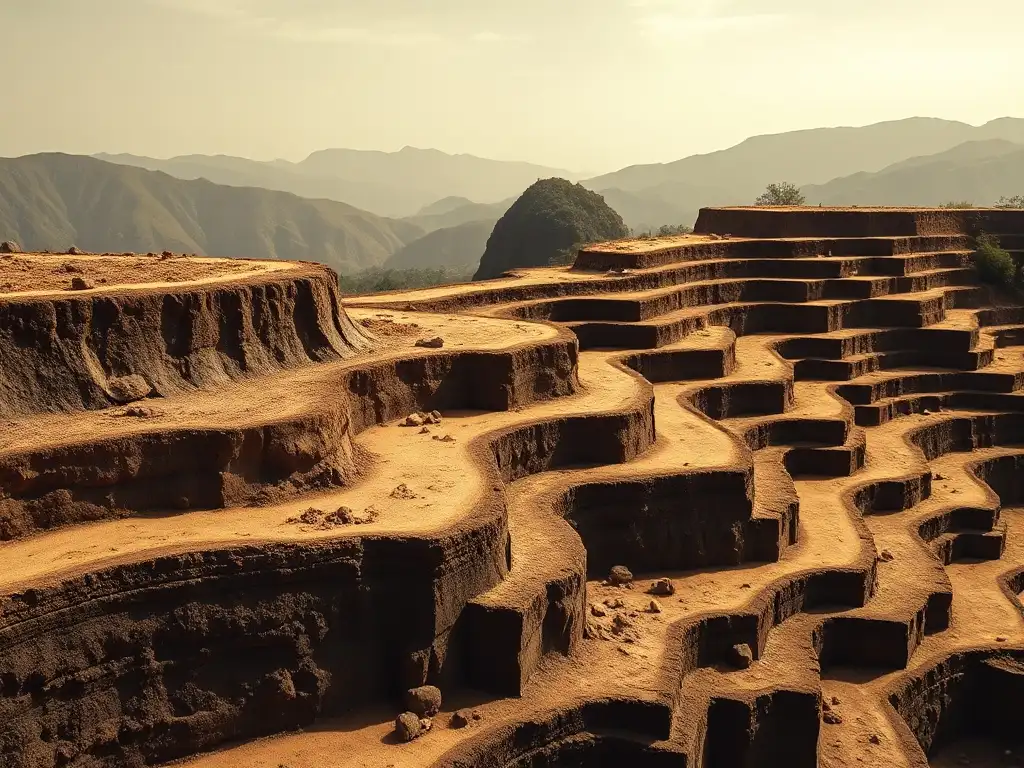
The Inca Empire, renowned for its sophisticated agricultural practices, demonstrated a deep understanding of the diverse soil types across its vast territory. Their farming techniques weren't uniform; instead, they adapted their methods to the specific characteristics of the soil in each region. This nuanced approach was crucial to their success in supporting a large and densely populated empire.
Understanding the Inca's classification and management of soil is key to appreciating the ingenuity of their agricultural system and its lasting impact on Andean farming practices. The variations in soil significantly influenced their crop selection, irrigation strategies, and terracing techniques. The keyword "Inca soil types farming techniques" is central to understanding this sophisticated system.
Coastal Soil Adaptations
The coastal regions of the Inca Empire presented unique challenges. Soils here were often sandy, arid, and prone to salinity. The Incas cleverly addressed these limitations using several techniques. They developed intricate irrigation systems, channeling water from rivers and streams to irrigate their fields.
This wasn't simply a matter of flooding; they understood the need for controlled water delivery to prevent salt buildup and soil erosion. They also employed raised fields, known as waru waru, in areas with high water tables. These elevated platforms improved drainage and reduced the impact of salinity, maximizing arable land in challenging environments.
Furthermore, they used organic matter, such as guano (bird droppings), to enrich the nutrient-poor sandy soils, boosting crop yields significantly. Careful observation of natural processes, such as the accumulation of guano, and innovative solutions like waru waru demonstrate the Incas' deep understanding and adaptation to coastal soil conditions. Their successful cultivation of cotton and other crops in these challenging areas exemplifies their mastery of "Inca soil types farming techniques."
Highland Soil Management
The Andean highlands presented different challenges, characterized by steep slopes, thin soils, and a shorter growing season. Here, the Incas' mastery of terracing reached its zenith. They carved extensive terraces into the mountain slopes, creating level platforms for cultivation.
These terraces served multiple purposes: they increased the amount of arable land, reduced soil erosion, and improved water retention. The construction of these terraces was a monumental undertaking, requiring sophisticated engineering skills and a deep understanding of soil mechanics and hydrology. Soil types in the highlands varied considerably depending on altitude and exposure, requiring different approaches to fertilization and crop selection.
For example, they used different types of manure and compost tailored to the specific needs of the soil and crops. They also practiced crop rotation to maintain soil fertility and prevent nutrient depletion. The intricate system of terracing and the precision in managing soil fertility highlight the Incas’ advanced "Inca soil types farming techniques" in the highlands.
Inca Farming in the Amazon Region
The Amazonian region, with its lush rainforest and fertile soils, presented yet another set of challenges and opportunities. While the soil was rich in nutrients, the high rainfall and humidity posed risks of erosion and nutrient leaching. The Incas adapted their farming methods to counteract these issues.
They utilized raised fields and swidden agriculture (slash-and-burn) in a sustainable manner, carefully managing forest regeneration to ensure long-term soil fertility. Evidence suggests they employed a sophisticated understanding of forest ecology, selectively clearing vegetation to minimize disruption to the ecosystem and optimize soil conditions for specific crops. They also likely employed techniques to improve drainage in waterlogged areas, ensuring optimal conditions for crop growth.
Further research is needed to fully understand the nuances of Inca farming practices in the Amazon, particularly regarding their specific "Inca soil types farming techniques" and their impact on soil health in this complex environment. However, preliminary evidence points to a remarkable understanding of the Amazonian ecosystem and its unique soil characteristics.
Inca Legacy in Modern Andean Agriculture
The Inca Empire's sophisticated understanding of soil types and their impact on farming practices continues to resonate in modern Andean agriculture. Their ingenuity in adapting farming techniques to diverse terrains and microclimates provides a valuable lesson in sustainable resource management, particularly relevant in the face of contemporary environmental challenges. The Incas weren't simply farmers; they were skilled soil scientists, intuitively understanding the nuances of soil composition and its direct correlation to crop yields.
This knowledge, passed down through generations, still influences agricultural practices in the Andes today. Their legacy is not just historical; it's a living testament to the enduring power of traditional ecological knowledge. Understanding their methods offers crucial insights into building resilient and sustainable agricultural systems.
Sustainable Farming Practices Inspired by the Incas
Many contemporary Andean farmers continue to employ techniques directly traceable to Inca practices. These practices emphasize soil conservation and biodiversity, crucial elements for long-term agricultural sustainability. For instance, the waru waru system, a raised-bed agricultural technique using interconnected channels to manage water and temperature, is still actively used in some regions.
This system, by effectively controlling water drainage and improving soil aeration, significantly increases crop yields, even in harsh conditions. Furthermore, the Inca's emphasis on crop rotation and intercropping, planting different crops in close proximity to diversify nutrients and reduce the risk of pest infestations, is a cornerstone of modern sustainable farming principles.
The Inca's meticulous approach to terracing, adapting slopes for cultivation, minimizes soil erosion and maximizes arable land, a practice that continues to be vital for hillside farming in the Andes. The integration of these ancient methods into modern agricultural practices is a testament to their enduring effectiveness and underlines the importance of learning from past successes.
Inca Soil Knowledge and Contemporary Agriculture
The Incas' detailed understanding of soil types significantly influenced their farming techniques. They categorized soils based on factors like texture, drainage, fertility, and altitude, tailoring their crop selection and farming methods accordingly. This sophisticated approach allowed them to maximize productivity across diverse Andean landscapes. For example, in areas with well-drained, fertile soils, they cultivated high-yield crops like maize and potatoes.
In contrast, they utilized different techniques, such as the waru waru system mentioned earlier, in areas with less fertile or waterlogged soils. Their knowledge extended beyond simple observation; they likely had an intuitive understanding of soil nutrient cycles and the impact of different soil types on plant growth. This knowledge is increasingly relevant today, as modern agriculture grapples with issues such as soil degradation and nutrient depletion. By studying Inca soil classification and management practices, contemporary agricultural researchers can gain valuable insights into developing sustainable and resilient farming systems.
Further research into Inca soil classification methods, perhaps through the analysis of surviving agricultural records or archaeological evidence, could offer even more specific details and potentially improve modern techniques. Analyzing the relationship between Inca soil categorization and specific crop choices would also contribute significantly to our understanding of their agricultural prowess. The integration of this knowledge could lead to significant improvements in Andean agriculture and provide valuable lessons for sustainable farming practices worldwide.
Frequently Asked Questions
What types of soil did the Inca utilize for farming?
The Inca utilized a variety of soils, adapting their techniques to each. They farmed on terraced hillsides with diverse soil compositions, including alluvial soils in valleys and sandy soils in coastal areas. Their success relied on understanding and adapting to these variations.
How did the Inca's understanding of soil impact their farming techniques?
Their knowledge was crucial. The Inca developed sophisticated techniques like terracing, irrigation, and crop rotation specifically tailored to the unique characteristics of different soil types to maximize yields and prevent erosion. This knowledge ensured sustainable agriculture.
What were some specific farming techniques used by the Inca to address soil variations?
The Inca employed techniques like waru waru (raised beds) in wetland areas, andenes (terraces) on slopes, and irrigation channels to control water flow and optimize soil moisture. They also practiced crop rotation to maintain soil fertility.
Did the Inca use fertilizers? If so, what kinds?
While not in the same way as modern fertilizers, the Inca utilized organic matter such as manure and compost to enrich their soils. They also practiced fallowing to allow the land to recover its nutrients naturally. This practice promoted long-term soil health.
How did the Inca's knowledge of soil contribute to their empire's success?
Their sophisticated understanding of soil and their innovative farming techniques were essential to feeding their large population. This agricultural prowess contributed significantly to the political and economic stability of the Inca Empire.
Final Reflection: Echoes of the Andes: Inca Agricultural Wisdom for a Modern World
The Inca understanding of soil types and their sophisticated farming techniques remain remarkably relevant today, a testament to their ingenuity and a stark reminder of the fragility of our own food systems. Their success in cultivating diverse and challenging terrains offers invaluable lessons for sustainable agriculture in the face of climate change and growing global food insecurity. We can no longer afford to ignore the wisdom of past civilizations.
The Inca's deep connection to the land, their meticulous observation of soil properties, and their adaptive farming practices continue to resonate in the Andes and beyond. Their approach, emphasizing biodiversity and environmental stewardship, stands in stark contrast to many modern, intensive farming methods that often deplete soil health and harm ecosystems. The earth provides enough to satisfy every man's needs but not every man's greed.
– Mahatma Gandhi. This quote highlights the crucial balance the Inca achieved, a balance we must strive to reclaim in our own agricultural practices.
Consider the ingenuity of the waru waru system, the raised fields that captured and conserved water, or the intricate terracing that prevented soil erosion. These weren't just farming techniques; they were expressions of a profound understanding of ecological harmony. You, the reader, are now equipped with this knowledge. What steps can you take, in your own life, to support sustainable agriculture, to appreciate the interconnectedness of our food systems, and to honor the legacy of the Inca's remarkable agricultural achievements? Let the echoes of the Andes inspire you to cultivate a more sustainable and equitable future.
Unleash the Secrets of Incan Agriculture!
Thank you for exploring the fascinating connection between the Inca civilization and their sophisticated understanding of soil science. You've learned how their ancient methods can inform and inspire modern sustainable farming practices. Now, let's put that knowledge to practical use!
Here's how you can take the next step:
- Understand your local soil: Research the soil composition in your region to determine which crops will thrive using time-tested Incan techniques. A deep understanding of your soil is crucial for successful gardening.
- Connect with fellow gardeners: Join a community garden to share these innovative Incan methods and foster sustainable agriculture within your community. Collaborating with others can amplify your impact.
- Experiment with crop rotation: Implement diverse planting strategies tailored to your specific soil types to maximize yields and maintain healthy soil. This ancient technique offers numerous benefits.
What ancient agricultural practices particularly intrigue you, and how do you envision adapting them to your own gardening or farming endeavors? Let's discuss your ideas in the comments!