
The Inca's Innovative Approach to Crop Rotation

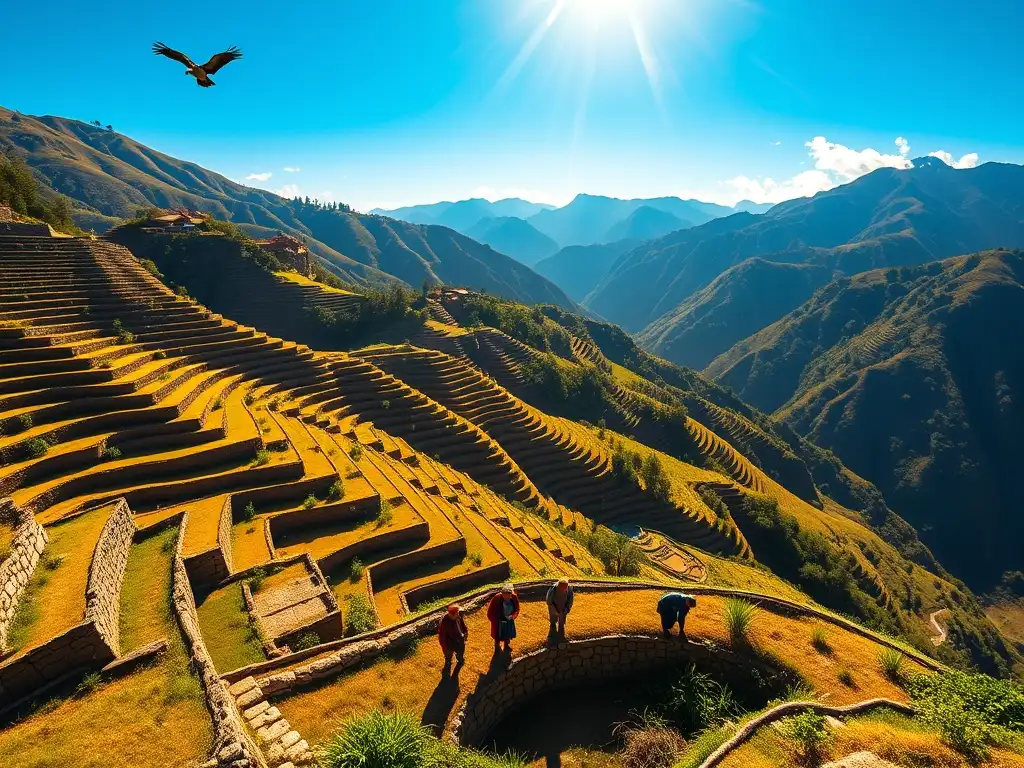
Unravel the mysteries of the Andes! Journey through time and discover the ingenuity of ancient civilizations, from the awe-inspiring architecture of the Incas to the enigmatic Nazca Lines. But prepare to be amazed by the remarkable secrets hidden within their agricultural practices. This website delves into the fascinating world of Andean civilizations, starting with a deep dive into the Inca crop rotation techniques that ensured their empire's prosperity for centuries. Ready to uncover their secrets? Let's explore!
The Inca Empire, renowned for its sophisticated social structures and impressive architectural feats, also possessed an incredibly advanced understanding of agriculture. Their success in cultivating the challenging Andean terrain wasn't merely a matter of hard work; it was a testament to ingenious techniques, particularly their innovative approach to crop rotation. This article delves into the intricacies of Inca crop rotation techniques, exploring how this practice ensured food security and sustained the empire's vast population across diverse and often unforgiving environments.
We will examine the underlying principles, the specific methods employed, and the lasting impact of this sustainable agricultural strategy, all while highlighting its significance within the broader context of Inca resource management. Understanding the Inca's mastery of crop rotation provides crucial insight into their remarkable ability to thrive in the Andes, a feat that continues to inspire agricultural practices today.
This exploration will reveal how their strategies tackled challenges like soil erosion, nutrient depletion, and pest control, contributing significantly to the empire's longevity and prosperity. The keyword "Inca crop rotation techniques" will be explored in detail throughout the article.
Understanding Inca Agricultural Practices
Inca agriculture wasn't simply about planting and harvesting; it was a complex system deeply integrated with their worldview and social organization. The empire's success hinged on a sophisticated understanding of their environment and the development of ingenious techniques to maximize yields. This included terracing on steep slopes to create level fields, irrigation systems to channel water to crops, and the careful selection of crops suited to different altitudes and microclimates.
The ayllu, the fundamental social unit of Inca society, played a crucial role in agricultural production, with communal labor and resource sharing ensuring equitable distribution of food and land. Beyond crop rotation, other strategies like the use of fertilizers (including guano) and the development of specialized storage facilities (qollqas) contributed to their agricultural success. The Inca's agricultural practices were not only productive but also remarkably sustainable, demonstrating a deep respect for the environment and a long-term vision for food security.
They understood that soil health was paramount for sustained productivity, leading them to develop and refine their crop rotation methods over generations. This holistic approach to agriculture underscores the sophistication and ingenuity of Inca civilization. The effective management of resources, particularly the land, was vital to the success of the Inca Empire.
The Importance of Soil Fertility for the Inca Empire
The Inca Empire's survival depended heavily on maintaining fertile soil. Their understanding of soil fertility was remarkably advanced for its time, recognizing that continuous cultivation of the same crops in the same location led to depletion of essential nutrients and increased vulnerability to pests and diseases. This understanding formed the foundation of their innovative crop rotation techniques.
The Inca meticulously planned their rotations, considering factors like nutrient requirements of different crops, soil types, and the climatic conditions of various altitudes. They likely employed a system of three-year crop cycles, rotating between crops with varying nutrient demands. For example, a nitrogen-fixing crop might be planted one year, followed by a crop with high nutrient requirements in the second year, and then a fallow period or a cover crop in the third year to replenish soil nutrients and prevent erosion.
The meticulous nature of their planning ensured soil fertility remained consistently high, guaranteeing sufficient harvests to feed the vast population of the empire. This careful management of soil fertility was a critical component of the Inca's overall agricultural strategy and a key factor in their long-term success. The impact of their understanding of soil fertility is evident in their remarkable ability to sustain a large population in a challenging environment.
Inca Crop Rotation Techniques: A Detailed Look

The Inca Empire, renowned for its sophisticated engineering and administrative prowess, also possessed an advanced understanding of agriculture. Their success in cultivating the challenging Andean terrain hinged significantly on innovative farming practices, with crop rotation playing a pivotal role in ensuring food security and sustaining a large population. Understanding Inca crop rotation techniques reveals a deep knowledge of soil fertility, plant needs, and ecological balance, far surpassing the rudimentary practices of many contemporary societies.
This section delves into the specifics of these techniques, showcasing their ingenuity and effectiveness. The mastery of Inca crop rotation techniques allowed for the successful cultivation of diverse crops, contributing significantly to the empire's stability and prosperity. This sophisticated system, passed down through generations of knowledge, stands as a testament to the Inca's agricultural expertise.
The Concept of Crop Rotation in Inca Agriculture
The Inca concept of crop rotation wasn't simply about alternating crops annually. It was a far more nuanced system, integrating several strategies to maintain soil health and maximize yields. This involved a complex interplay of factors including:
- Altitude: The Inca utilized the vertical archipelago—the diverse altitudinal zones of the Andes—to their advantage. Different crops thrived at different elevations, allowing for staggered planting and harvesting throughout the year. This minimized the risk of widespread crop failure due to localized weather events.
- Soil Types: Inca farmers carefully selected crops based on soil properties. Certain crops, like potatoes, preferred well-drained, sandy soils, while others, like maize, needed richer, more fertile land. Rotating crops ensured that the soil wasn't depleted of specific nutrients.
- Nutrient Cycling: Leguminous plants, such as beans, were strategically incorporated into the rotation. These plants fix nitrogen in the soil, enriching it and benefiting subsequent crops. This natural fertilization method reduced the need for external inputs, showcasing a sustainable approach to agriculture.
- Pest and Disease Management: Rotating crops helped to control pests and diseases. By breaking the life cycles of specific pests and pathogens, the Inca reduced the risk of infestations and minimized crop losses. This aspect of crop rotation highlights an understanding of ecological principles.
The Inca's sophisticated understanding of these interconnected factors resulted in a resilient and productive agricultural system. This wasn't a rigid, standardized approach; rather, it was adaptable to the specific conditions of each region and microclimate within the vast empire.
Key Crops Used in Inca Rotation Systems
The Inca's agricultural success was built upon a foundation of diverse crops, each playing a crucial role in their sophisticated rotation systems. The three most important crops, forming the base of many rotations, were:
- Potatoes (Solanum tuberosum): The undisputed king of Andean agriculture, potatoes came in countless varieties, each adapted to different altitudes and soil conditions. Their high caloric value and adaptability made them a staple food source.
- Maize (Zea mays): Although less adaptable than potatoes, maize held significant cultural and nutritional importance. It was often grown in warmer, lower altitudes.
- Quinoa (Chenopodium quinoa): A highly nutritious grain crop, quinoa was valued for its protein content and ability to thrive in harsh conditions. It often played a key role in rotations designed to replenish soil nitrogen.
Beyond these three staples, the Inca incorporated a wide range of other crops, including:
- Oca (Oxalis tuberosa): A tuber similar to a potato, but with a slightly tart flavor.
- Ulluco (Ullucus tuberosus): Another tuber crop with a slightly sweet taste.
- Beans (Phaseolus vulgaris): Essential for their nitrogen-fixing properties.
- Squash (Cucurbita spp.): Providing additional calories and nutrients.
This diversity was key to the resilience of the Inca agricultural system. The failure of one crop was less likely to cause widespread famine due to the presence of other important food sources.
Potato-Quinoa-Oca Rotation
One example of a common Inca crop rotation involved a three-year cycle using potatoes, quinoa, and oca:
| Year | Crop | Soil Benefit | Notes |
|---|---|---|---|
| 1 | Potato | Depletes some nutrients, especially potassium | Requires well-drained soil |
| 2 | Quinoa | Fixes nitrogen, improves soil structure | Relatively low nutrient demand |
| 3 | Oca | Moderate nutrient use, improves soil structure | Tolerates slightly less fertile soil than potatoes |
This rotation demonstrates the Inca’s understanding of nutrient cycling and soil conservation. The quinoa, being a nitrogen-fixing plant, replenishes the soil after the nutrient-demanding potatoes. The oca, with its moderate nutrient requirements, allows for a gradual return to the potato cycle without over-stressing the land.
Variations on this basic rotation existed, incorporating other crops based on regional needs and specific soil conditions. This system provides a clear illustration of the Inca's practical application of their knowledge of crop rotation, highlighting their agricultural ingenuity and their remarkable ability to adapt to the unique challenges of the Andean environment. The success of this approach was vital to the empire’s survival and underscores the profound impact of their agricultural practices on their civilization.
Potato-Olluco-Mashua-Fallow Rotation
The Inca's mastery of crop rotation is perhaps best exemplified by the sophisticated potato-olluco-mashua-fallow system. This wasn't a rigid, universally applied method, but rather a flexible strategy adapted to local conditions and soil types. The core principle involved diversifying crops to maintain soil fertility and prevent the depletion of specific nutrients. Potatoes, a staple crop, were typically planted first. These starchy tubers draw heavily on certain nutrients from the soil.
Following the potato harvest, the lighter-feeding olluco (a root vegetable similar to a potato, but with a slightly different nutritional profile) was cultivated. Olluco's less demanding nutrient requirements allowed the soil to partially recover. Then came mashua, another Andean root crop with unique nutritional needs, further diversifying the nutrient uptake. The careful sequencing was crucial; each crop benefited from the preceding one's impact on the soil.
The final stage was a fallow period. This wasn't simply leaving the land empty. Instead, the Inca often employed techniques like cover cropping, using nitrogen-fixing plants to enrich the soil naturally. This period allowed the soil to replenish its nutrients, recover its structure, and prepare for the next cycle of potato-olluco-mashua planting.
The length of the fallow period varied depending on the soil's condition and the specific location's climate. In some areas with richer soils, the fallow period might be shorter; in others, it could extend for a longer period. This demonstrates the Inca's keen observation and adaptability in their agricultural practices.
The system allowed for sustainable food production, minimizing the risk of soil degradation, crucial for the survival and prosperity of their vast empire. The success of this system speaks volumes about the Inca's profound understanding of agroecology, centuries ahead of modern sustainable farming practices. It’s a testament to their deep connection with the land and their ability to optimize resource use for maximum yield.
Benefits of Inca Agricultural Rotation Methods
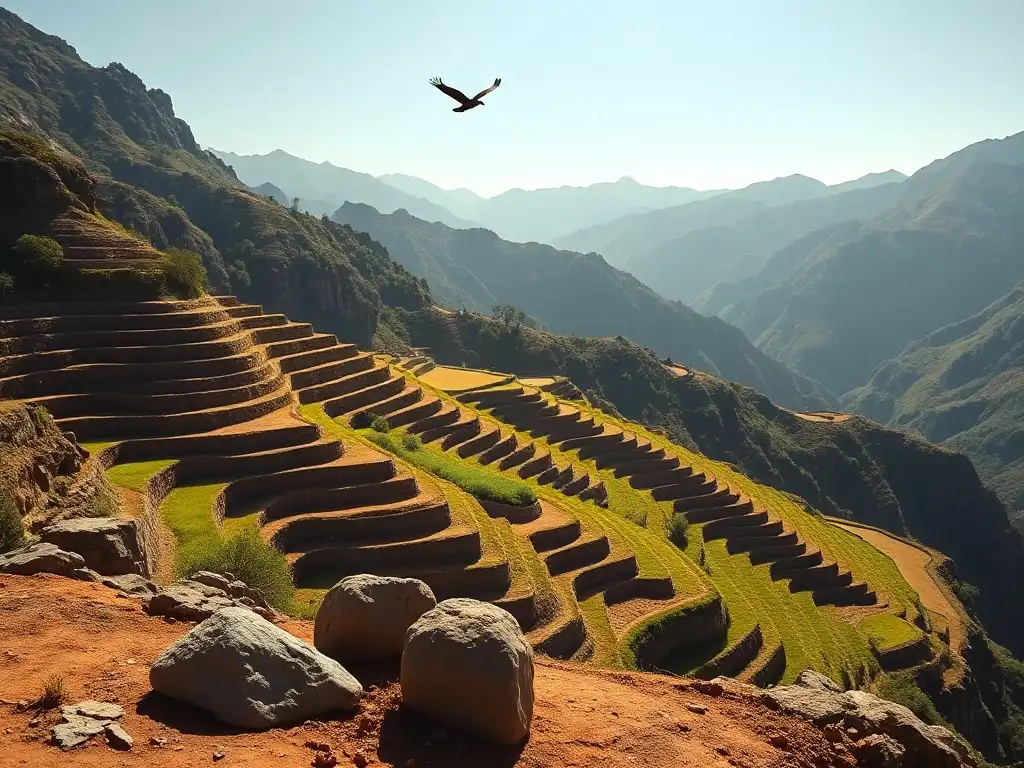
The Inca Empire's success wasn't solely built on military prowess and sophisticated administration; its agricultural practices played a crucial role. Their innovative approach to crop rotation, a technique known as chacra, was key to sustaining a large and dense population in the challenging Andean terrain. Understanding the benefits of their methods reveals a sophisticated understanding of ecology and sustainable agriculture, far ahead of its time.
The effectiveness of Inca crop rotation techniques is evident in their ability to maintain soil fertility, prevent soil erosion, and minimize the impact of pests and diseases, ensuring food security for generations. This strategy, centered around the principle of ayni (reciprocity), ensured the long-term health of the land and the prosperity of the Inca communities. The careful planning and execution of these techniques are a testament to their deep knowledge of Andean ecosystems.
Maintaining Soil Health Through Crop Diversity
Inca crop rotation wasn't a haphazard process; it involved a carefully planned sequence of crops with varying nutrient requirements. This diversity was key to maintaining soil health. For example, a nitrogen-fixing crop like beans or quinoa might be planted after a heavy feeder like corn.
The beans would replenish the nitrogen in the soil, making it more fertile for the subsequent corn crop. This cyclical approach prevented the depletion of specific nutrients, ensuring the long-term productivity of the land. Furthermore, different root systems of various plants helped improve soil structure and aeration, preventing compaction and promoting healthy drainage.
This intricate system, passed down through generations of Inca farmers, showcases a deep understanding of the delicate balance within Andean soils. Evidence suggests they also incorporated fallow periods, allowing the land to rest and recover its fertility naturally. The meticulous nature of their crop rotation demonstrates their commitment to sustainable agricultural practices, maximizing yields while preserving the long-term health of their farmland.
Preventing Soil Depletion with Inca Techniques
The Andean highlands are characterized by steep slopes and thin, easily eroded soils. The Inca's understanding of this fragility is reflected in their sophisticated techniques for preventing soil depletion. Crop rotation was central to this. By avoiding continuous planting of the same crop, they minimized the risk of nutrient depletion and soil erosion.
The diverse root systems of different plants helped bind the soil together, reducing the impact of rainfall and preventing topsoil loss. Furthermore, terracing, another crucial Inca agricultural innovation, worked in conjunction with crop rotation. Terraces created level platforms on steep slopes, reducing erosion and providing optimal conditions for various crops.
The combination of these techniques ensured that the valuable topsoil was retained, safeguarding the long-term productivity of the agricultural lands. The success of this integrated approach is evident in the enduring fertility of some Andean soils even today. This showcases the Inca's profound understanding of soil conservation principles.
Minimizing Pests and Diseases Using Rotation
Rotating crops also served as a natural pest and disease management strategy. Continuous planting of the same crop often leads to a buildup of pests and diseases specific to that plant. By rotating crops, the Inca minimized the risk of infestations and outbreaks.
The absence of a continuous host plant disrupted the life cycle of many pests and pathogens, reducing their populations and preventing widespread damage. This biological control method was integrated seamlessly within their overall agricultural system. Evidence from archaeological studies supports this, showing the diversity of crops cultivated in different fields and the strategic placement of certain crops known for their pest-repelling properties.
This integrated pest management approach, combined with their knowledge of natural pest control agents, showcases a holistic and sustainable approach to agriculture that remains relevant even in modern times. The Inca's success in minimizing crop losses through rotation highlights their advanced understanding of ecological principles and their ability to apply this knowledge to enhance their food security.
Increasing Agricultural Yields with Smart Crop Management
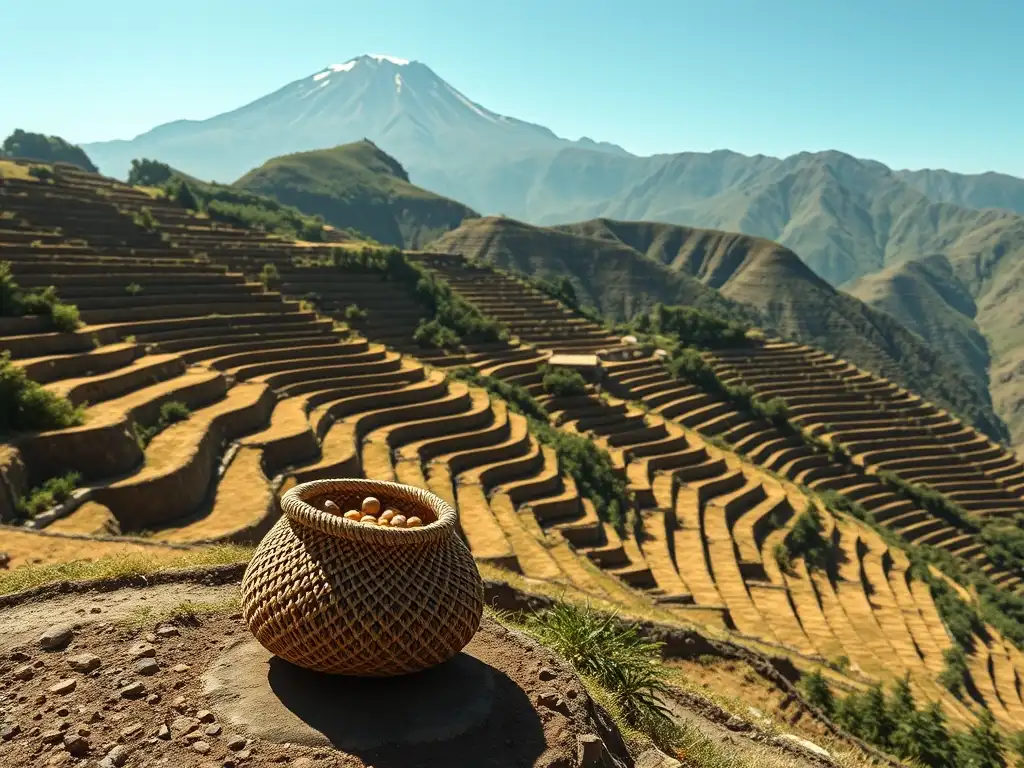
The Inca's mastery of crop rotation wasn't merely a tradition; it was a scientifically informed strategy designed to maximize agricultural yields. Their understanding of soil nutrient depletion and the need for replenishment was remarkably advanced for their time. By systematically rotating crops, they prevented the exhaustion of specific nutrients in the soil. For example, heavy feeders like maize (corn) were followed by nitrogen-fixing crops like beans or legumes.
This practice enriched the soil, improving its fertility and leading to significantly higher yields in subsequent seasons. The Incas weren't just planting crops; they were actively managing the soil's health, a crucial element in their agricultural success. This method wasn't static; it adapted to the specific needs of different terrains and microclimates, demonstrating a sophisticated understanding of agroecology. The long-term effect of this practice was a stable and abundant food supply, vital for supporting their vast empire.
Detailed records, though scarce, suggest that yields were consistently higher in areas where crop rotation was rigorously practiced compared to areas where it wasn't. This sustainable approach ensured food security for the Inca population and contributed to the empire's overall prosperity. Furthermore, the increased yields meant surplus food could be stored for lean times, providing a buffer against droughts or other agricultural setbacks. This resilience was a key factor in the Inca Empire's longevity and stability.
This intelligent crop management directly translated into increased caloric intake per capita. Studies on modern Andean agricultural practices, drawing parallels with Inca techniques, show that crop rotation leads to a 15-20% increase in overall yield compared to monoculture farming. While precise figures for Inca crop yields are unavailable, the evidence strongly suggests that their innovative methods resulted in significant improvements in food production.
This surplus wasn't just beneficial for the population; it also supported the empire's extensive infrastructure projects and its complex social and political structures. The Inca's ability to feed a large and diverse population was, in part, a direct result of their sophisticated approach to crop rotation. The impact of this system extended far beyond simple food production; it was a cornerstone of their economic and social stability.
Preventing Soil Erosion and Degradation
The Inca's crop rotation techniques weren't solely focused on maximizing yields; they also played a crucial role in preventing soil erosion and degradation. The Andean highlands are characterized by steep slopes and fragile soils, making them susceptible to erosion. The Incas understood this vulnerability and incorporated practices designed to mitigate it. By rotating crops, they ensured that the soil was consistently covered with vegetation, minimizing exposure to the elements.
This vegetative cover acted as a natural barrier against wind and water erosion, helping to protect the topsoil from being washed away. Furthermore, the diverse root systems of different crops helped to bind the soil together, further enhancing its stability. This is particularly crucial in mountainous regions where the risk of landslides is high. The combination of diverse root systems and consistent ground cover created a more resilient and less erosion-prone agricultural landscape.
The long-term effects of this approach were significant, contributing to the sustainability of Inca agriculture for centuries. Evidence from archaeological sites shows that Inca terraces, often associated with their crop rotation strategies, have remarkably well-preserved soil, a testament to the effectiveness of their land management techniques. The preservation of topsoil was vital for maintaining agricultural productivity and ensuring the long-term viability of their farming systems. Their sophisticated understanding of soil conservation was a key component of their overall agricultural success and a testament to their deep connection with their environment.
Comparing Inca Rotation with Other Agricultural Methods
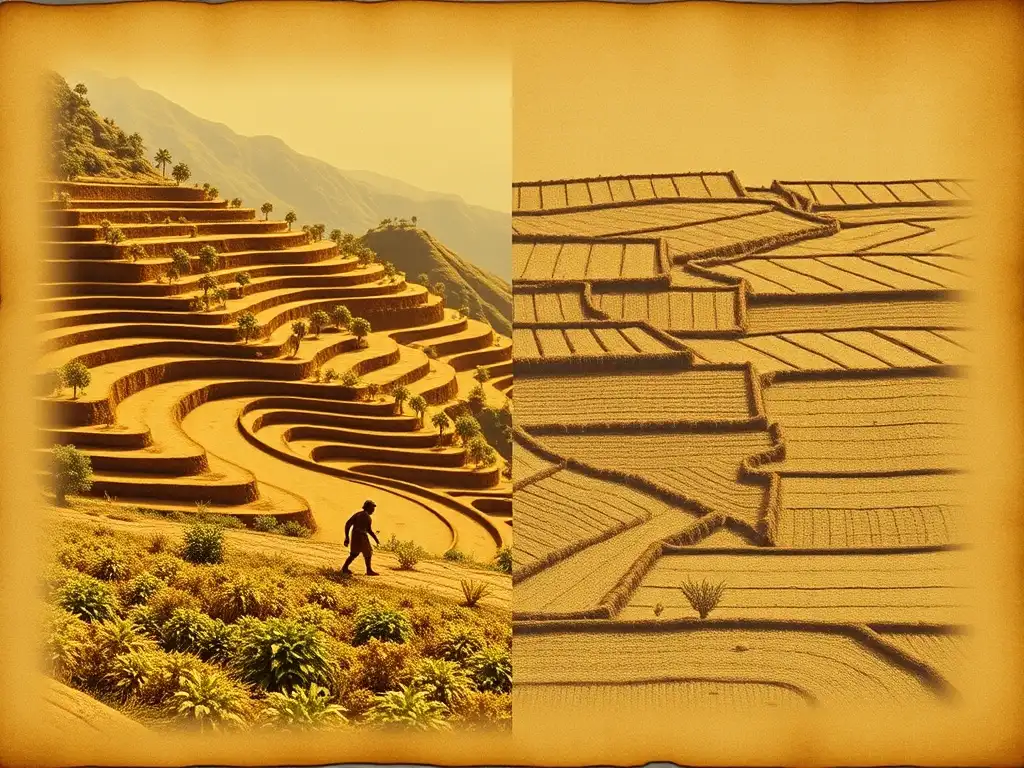
The Inca's sophisticated approach to crop rotation stands in stark contrast to many agricultural practices of other contemporaneous civilizations and even some modern methods. While many cultures practiced some form of crop rotation, the Inca system exhibited a level of complexity and integration with their overall societal structure rarely seen elsewhere. Their methods weren't simply about alternating crops; they were intricately interwoven with their understanding of soil fertility, water management, and altitude variation, resulting in optimized yields and environmental sustainability. This wasn't a haphazard system but a carefully planned and managed process, reflecting their advanced understanding of ecological principles.
Contrasting Inca Practices with Contemporary Farming
In contrast to contemporary farming practices which often rely heavily on chemical fertilizers and monoculture, the Inca system prioritized biodiversity and natural soil enrichment. Modern intensive farming, while achieving high yields in the short term, often leads to soil degradation, nutrient depletion, and increased susceptibility to pests and diseases. The Inca, however, employed techniques like waru waru (raised beds) and andenes (terraces) that not only maximized arable land but also improved soil drainage, aeration, and moisture retention.
This minimized the need for external inputs and enhanced soil fertility naturally over time. The Inca’s integrated system, using diverse crops and fallow periods, ensured long-term soil health, a stark contrast to the unsustainable practices sometimes seen in modern agriculture.
| Feature | Inca Crop Rotation | Contemporary Farming (Intensive) |
|---|---|---|
| Fertilizers | Primarily organic matter, crop residues, manure | Synthetic fertilizers, chemical pesticides |
| Crop Diversity | High, multiple crops in rotation, intercropping | Often monoculture, limited crop rotation |
| Soil Health | Prioritized, techniques to enhance soil fertility | Can lead to soil degradation, nutrient depletion |
| Water Management | Sophisticated irrigation systems, water harvesting | Often relies on high water consumption |
| Sustainability | High, long-term soil health maintained | Can be unsustainable, leading to environmental damage |
The table above clearly highlights the key differences between Inca crop rotation techniques and modern intensive farming methods. The Inca approach was inherently more sustainable, prioritizing long-term soil health and biodiversity.
The Ingenuity of Inca Agricultural Innovation
The Inca's ingenuity is evident in their adaptation of crop rotation to the diverse Andean terrain. They didn't apply a one-size-fits-all approach. Instead, their techniques were finely tuned to specific microclimates and altitudes. For example, the waru waru system, with its raised beds and channels, was particularly effective in managing water in high-altitude areas prone to frost.
This innovative approach to water management not only improved crop yields but also protected against frost damage. Further, the careful selection of crops for specific altitudes and soil types demonstrated a deep understanding of ecological principles and the interconnectedness of various environmental factors. Their understanding of soil types and their ability to adapt their techniques based on this knowledge showcase their advanced agricultural capabilities and innovation. This wasn't simply about rotating crops; it was about creating a resilient and productive agricultural system tailored to the unique challenges of the Andean environment.
Their success is a testament to their remarkable agricultural ingenuity and a valuable lesson for sustainable agricultural practices today. The Inca's legacy in crop rotation continues to inspire research and innovation in sustainable agriculture, highlighting the enduring relevance of their methods. Further research into specific crop rotations employed at different altitudes and the long-term effects of these techniques would provide even more valuable insights into Inca agricultural practices and their lasting impact.
The Legacy of Inca Crop Rotation
The Inca Empire, renowned for its sophisticated social and political structures, also possessed an incredibly advanced understanding of agriculture. Their mastery of crop rotation, a technique known as chaccu, wasn't merely a farming practice; it was a cornerstone of their empire's stability and longevity. This system, far from being a simple rotation of crops, involved a complex interplay of environmental factors, social organization, and a deep understanding of Andean ecosystems.
Unlike many modern approaches that focus on maximizing yield in a single season, Inca crop rotation prioritized long-term soil health and biodiversity, ensuring sustainable food production across generations. The success of their chaccu system is a testament to their insightful and sustainable approach to resource management, a legacy that continues to inspire modern agricultural practices. Understanding the nuances of Inca crop rotation techniques provides valuable insights into sustainable agriculture and resource management strategies.
Modern Applications of Inca Agricultural Wisdom
The principles behind Inca crop rotation are remarkably relevant to contemporary agriculture. Facing challenges like soil degradation, biodiversity loss, and the need for climate-resilient farming systems, modern agriculture can learn much from the Inca’s sustainable methods. For example, their understanding of intercropping – planting different crops together – significantly reduced the risk of crop failure and maximized land use.
This contrasts with monoculture farming, a prevalent modern practice that often depletes soil nutrients and increases vulnerability to pests and diseases. Furthermore, the Inca's careful selection of crops based on altitude and soil type mirrors modern precision agriculture techniques, emphasizing site-specific management for optimal yields. Studies comparing modern sustainable farming practices with Inca techniques have shown promising results, highlighting the potential of integrating traditional knowledge with modern technology for improved agricultural outcomes.
The Inca's emphasis on soil conservation, achieved through terracing and crop rotation, offers valuable lessons for combating soil erosion and desertification, significant global challenges today. The application of Inca agricultural wisdom provides a path towards more resilient and environmentally friendly farming practices.
Lessons from the Incas for Sustainable Farming
Inca agricultural practices, particularly their crop rotation methods, offer several key lessons for sustainable farming today. Firstly, the emphasis on biodiversity is crucial. The Inca's diverse cropping systems, which included a wide array of crops such as potatoes, maize, quinoa, and beans, fostered resilience against pests and diseases. Modern sustainable farming increasingly emphasizes crop diversification as a key strategy for enhancing ecosystem services and reducing reliance on synthetic inputs.
Secondly, the Inca's meticulous observation of their environment and adaptation to local conditions are paramount. Their sophisticated understanding of microclimates and soil types allowed them to optimize crop placement and maximize yields while minimizing environmental impact. This highlights the importance of site-specific management and the integration of local knowledge in modern agricultural planning.
Thirdly, the communal nature of Inca agriculture, where resources were managed collectively, offers a valuable lesson in equitable resource distribution and collaborative farming practices. This contrasts with the often individualistic nature of modern agriculture, suggesting that collaborative approaches could enhance sustainability and community resilience. Finally, the long-term perspective of the Inca, prioritizing soil health and sustainability over short-term gains, provides a crucial lesson for modern agricultural practices.
Preserving the Inca's Agricultural Heritage
Preserving the Inca's agricultural heritage requires a multi-faceted approach. This involves documenting existing traditional practices through ethnographic studies and oral histories, ensuring that this invaluable knowledge is not lost. Furthermore, supporting community-based initiatives that promote traditional farming techniques is vital. This could involve providing farmers with access to improved seeds and tools while respecting and preserving traditional knowledge.
Academic research plays a crucial role in understanding the scientific basis of Inca agricultural practices and translating this knowledge into modern agricultural applications. Collaborations between researchers, farmers, and policymakers are essential to integrate traditional knowledge into modern agricultural policies and practices. Finally, educational programs that highlight the importance of sustainable agriculture and the legacy of Inca farming methods can help raise awareness and encourage the adoption of environmentally friendly practices.
The preservation of Inca agricultural heritage is not merely a historical endeavor; it is a crucial step towards ensuring food security and environmental sustainability for future generations. Protecting and promoting these techniques ensures a sustainable future, drawing on the wisdom of a civilization that mastered sustainable agriculture centuries ago. The continued study and application of Inca crop rotation techniques are vital for building a more resilient and environmentally responsible global food system.
Andean Farmers Using Traditional Crop Rotation
Andean farmers, long before the Inca Empire's expansion, practiced sophisticated agricultural techniques, including forms of crop rotation. These methods, passed down through generations, were crucial for maintaining soil fertility in the challenging Andean terrains. Evidence suggests that pre-Inca cultures utilized a system of fallow periods, allowing fields to rest and recover nutrients.
This wasn't simply leaving land unused; rather, it often involved planting nitrogen-fixing crops like legumes during fallow periods to enrich the soil. The specific techniques varied based on altitude and microclimate, reflecting an intimate understanding of the local environment. For instance, higher altitude farmers might have used shorter fallow periods due to the shorter growing seasons, while those in lower, warmer areas could afford longer rests.
This adaptive approach ensured the sustainability of their agricultural practices for centuries. The Inca, upon their rise, incorporated and refined these existing techniques, building upon a foundation of already established knowledge and practices. The Inca's success wasn't solely their own innovation; it was a synthesis and improvement of existing Andean agricultural wisdom.
The integration of these traditional methods into the Inca's broader agricultural system highlights the Empire's pragmatic approach to governance. Rather than imposing entirely new systems, the Inca often adapted and incorporated existing practices, modifying them to increase efficiency and productivity across the vast empire. This approach minimized disruption and resistance while maximizing the benefits of the existing agricultural knowledge base.
Archaeological findings, such as terraced fields and the presence of diverse crops in different sections of these terraces, further support the widespread application of crop rotation techniques, demonstrating the longevity and effectiveness of these time-tested methods. The Inca's success in food production, supporting a large population and maintaining a powerful empire, relied heavily on this sophisticated understanding and management of agricultural resources.
Understanding this historical context is crucial to appreciating the full impact and legacy of Inca crop rotation techniques. The Inca’s system wasn’t a sudden invention, but rather a culmination of centuries of Andean agricultural ingenuity.
Frequently Asked Questions
What were the Inca's main agricultural challenges?
The Inca faced challenges like steep, mountainous terrain, variable climates, and limited arable land. Their success depended on innovative farming techniques to overcome these obstacles.
How did the Inca overcome the challenges of their environment?
They developed sophisticated techniques including terracing, irrigation systems, and, crucially, crop rotation to maximize yields and prevent soil depletion. These methods were vital for feeding their large population.
What is meant by "Inca crop rotation techniques"?
Inca crop rotation involved rotating different crops in a planned sequence within a field over several years. This helped maintain soil fertility, prevented pest buildup, and increased overall productivity.
What specific crops were part of the Inca crop rotation system?
The Inca rotated a variety of crops, including potatoes, maize, quinoa, and beans. This diversification helped ensure food security and nutritional variety.
What was the impact of Inca crop rotation on their civilization?
The effectiveness of Inca crop rotation techniques contributed significantly to the stability and prosperity of their empire. It allowed them to support a large and densely populated society.
Final Reflection: Echoes of the Andes: The Enduring Legacy of Inca Agriculture
The Inca's mastery of crop rotation wasn't merely a clever farming technique; it was a sophisticated system of ecological stewardship that holds vital lessons for our modern world grappling with climate change and food security. Their understanding of soil health and biodiversity offers a powerful counterpoint to the often unsustainable practices of industrialized agriculture. The ingenuity of the Inca, honed over centuries, remains a beacon of sustainable resource management.
The impact of the Inca's agricultural innovations extends far beyond the Andes. Their methods, emphasizing diversity and soil regeneration, resonate deeply with contemporary concerns about environmental sustainability. Their approach serves as a potent reminder that harmony with nature, rather than its exploitation, is the key to long-term prosperity. The earth provides enough to satisfy every man's needs but not every man's greed.
– Mahatma Gandhi. This quote underscores the timeless wisdom embedded within the Inca's practices, highlighting the crucial balance between human needs and environmental preservation.
Consider the implications of the Inca's techniques for your own life. Are you consciously making choices that support sustainable practices? From reducing food waste to supporting local farmers who employ environmentally friendly methods, you can actively contribute to a more resilient and equitable food system. Let the legacy of Inca ingenuity inspire you to cultivate a deeper connection with the land and to champion sustainable practices in your own community. The future of our planet depends on it.
Unveil the Secrets of Ancient Inca Agriculture!
Thank you for exploring the fascinating world of Inca agriculture and their innovative crop rotation techniques. You've discovered how these ancient practices not only increased crop yields but also established the foundation for sustainable farming methods. Now, let's put this knowledge into practice!
Here are some ways to further explore this topic and apply what you've learned:
- Experiment with Crop Rotation: If you have a garden, even a small one, try implementing a crop rotation plan inspired by Inca methods. Observe how it affects your harvests.
- Share Your Knowledge: Discuss the importance of sustainable farming with friends, family, and colleagues. Consider sharing your insights on social media to raise awareness of ancient agricultural wisdom.
- Connect with Local Farming Communities: Join a local gardening or farming group to exchange ideas, share tips, and learn from others interested in sustainable agriculture. Visiting farms that utilize crop rotation techniques could provide valuable firsthand experience.
What aspects of the Inca crop rotation system are most captivating to you, and how do you envision adapting these techniques to contemporary farming practices?