
Adapting to the Environment: Inca Agriculture Across Diverse Landscapes

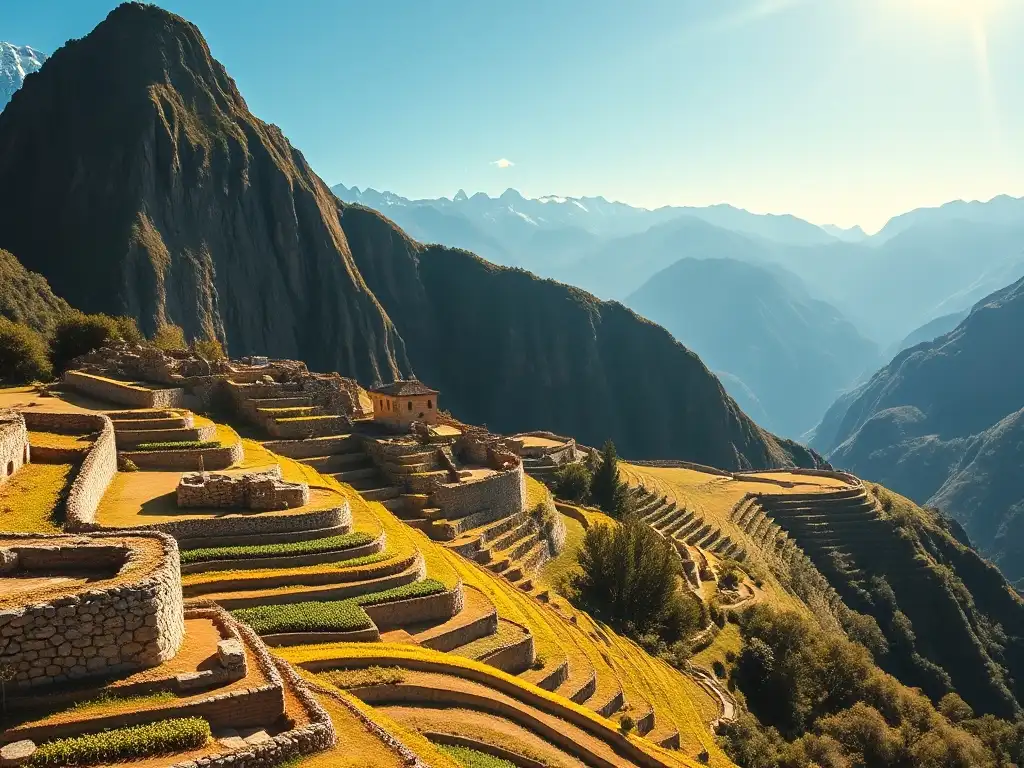
Step into a world lost to time, yet echoing with innovation and resilience. Imagine a civilization that conquered the Andes, not through brute force, but through ingenuity. This is the story of the Andean civilizations, and we invite you to uncover their secrets. But first, prepare to be amazed by the Inca agricultural techniques that allowed them to thrive in some of the world's most challenging terrains. Learn how they transformed harsh landscapes into bountiful fields, a testament to human adaptation and a key to their enduring legacy. Dive in and discover more!
The Inca Empire, renowned for its sophisticated political and social structures, also boasted an incredibly advanced agricultural system. This system wasn't merely a means of subsistence; it was a cornerstone of Inca power and stability, allowing them to thrive in the diverse and often challenging Andean landscape. This article delves into the ingenuity of Inca agricultural techniques, exploring how they adapted their farming methods to the varied terrains, climates, and altitudes of their vast empire, ultimately ensuring food security for millions.
Understanding their strategies offers valuable insights into sustainable agriculture and resource management, particularly relevant in today's world facing similar challenges of food production in diverse and sometimes harsh environments. We will examine the specific techniques employed, the remarkable infrastructure they developed, and the lasting impact of their agricultural innovations. The keyword "Inca agricultural techniques" will be explored through a detailed examination of their practical applications and innovative solutions.
The Ingenuity of Inca Farming Methods
Inca agricultural practices were far from rudimentary. They weren't simply "farmers"; they were master engineers and innovators, constantly adapting to the unique challenges presented by the Andes. Their success stemmed from a combination of factors: a deep understanding of their environment, the development of sophisticated technologies, and a highly organized social structure that ensured efficient labor allocation and resource distribution.
This wasn't a haphazard approach; it was a carefully planned and meticulously executed system that ensured food security across the empire, even in the face of natural disasters or environmental variations. They employed a wide array of techniques, each tailored to the specific conditions of a particular region. This included:
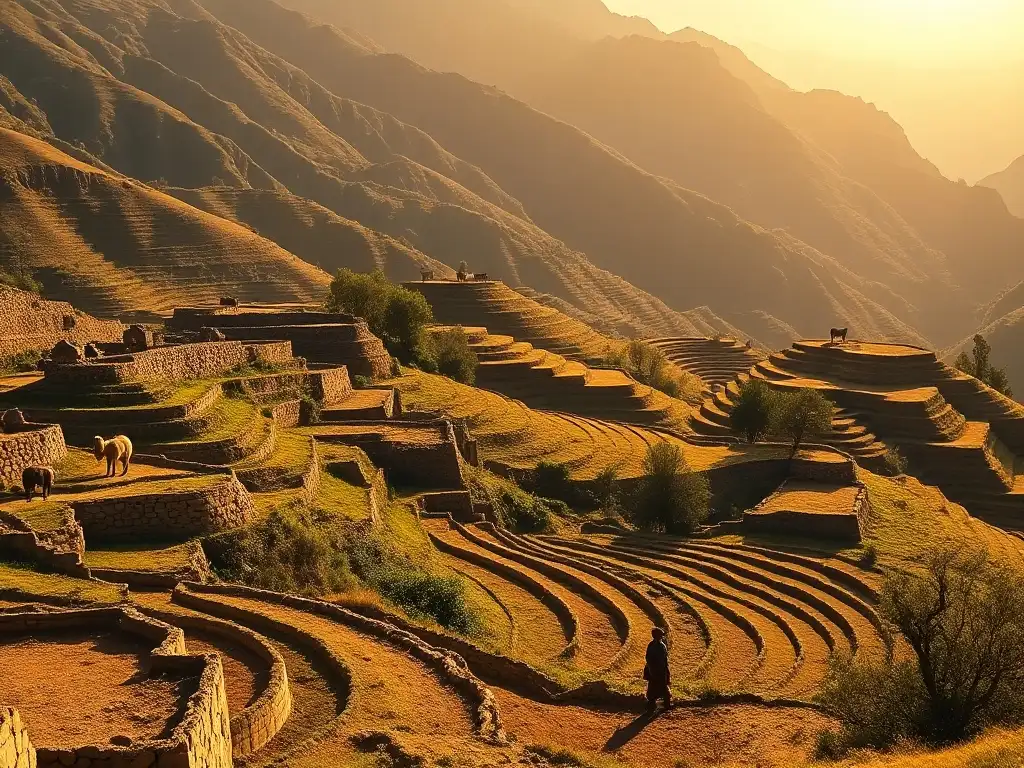
- Terracing: The iconic terraced fields carved into the mountainsides are perhaps the most recognizable example of Inca agricultural ingenuity. These terraces not only increased arable land but also helped to control water erosion and regulate soil moisture. The precise angles and sizes of the terraces were carefully calculated to optimize sunlight exposure and water retention, demonstrating a sophisticated understanding of hydrology and soil science.
- Irrigation Systems: Extensive canal systems and sophisticated irrigation techniques were crucial for channeling water to the terraced fields, particularly in drier regions. These systems were incredibly complex, often involving the redirection of rivers and streams over long distances, showcasing advanced engineering skills and a deep understanding of water management. [Specific data on the length and complexity of the largest Inca irrigation systems pending]
- Waru Waru: This ingenious technique involved creating raised beds surrounded by canals. This method not only improved drainage and soil aeration but also moderated temperature fluctuations, allowing for higher yields even at higher altitudes. The canals also served as reservoirs, providing a consistent water supply during dry periods. The effectiveness of Waru Waru is evidenced by its continued use in some Andean communities today.
- Crop Rotation and Fertilization: Inca farmers practiced crop rotation to maintain soil fertility and prevent nutrient depletion. They also used various forms of organic fertilizer, including manure and compost, to enrich the soil. [Specific examples of Inca crop rotation patterns pending] This demonstrates a sustainable approach to agriculture that avoided the pitfalls of intensive farming practices.
The Inca agricultural system was a testament to their adaptability and ingenuity. It allowed them to thrive in a challenging environment and support a large population. Their innovative techniques continue to inspire sustainable agricultural practices today. The system’s success highlights the importance of understanding and working with the environment, rather than against it, a lesson particularly relevant in the face of modern agricultural challenges.
Understanding the Diverse Andean Ecosystems
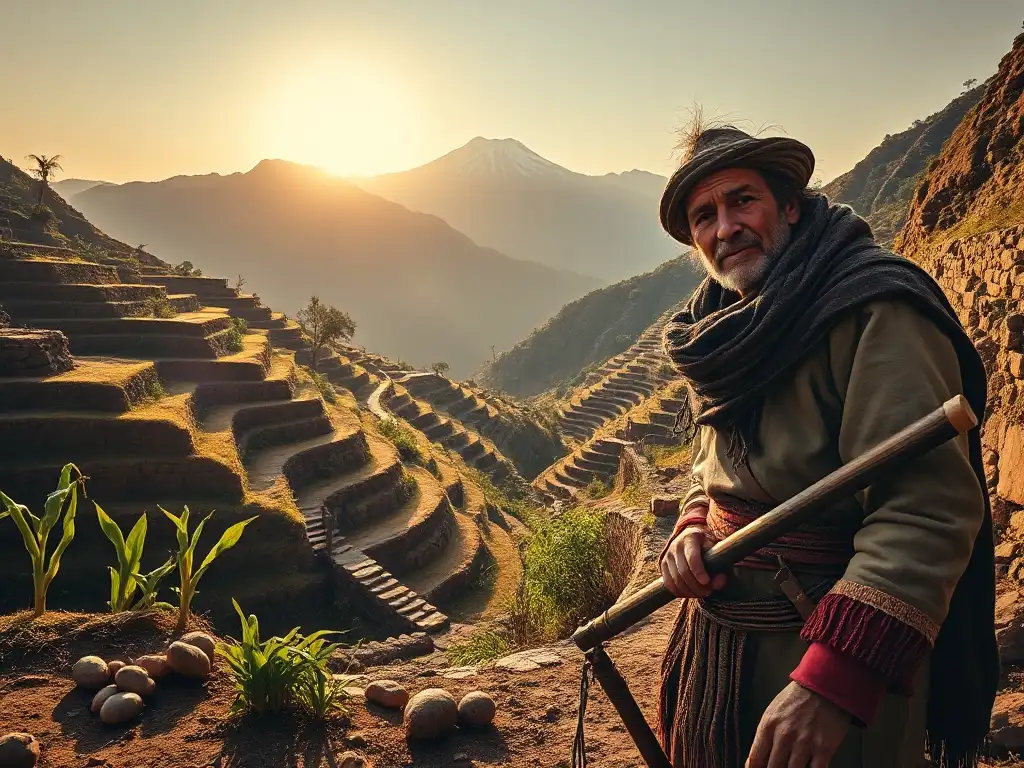
The Inca Empire's remarkable success stemmed, in part, from its sophisticated agricultural techniques, which allowed it to thrive across incredibly diverse environments. Mastering the challenges presented by the Andes' varied landscapes—from arid coastal deserts to high-altitude mountains and lush jungle valleys—required innovative solutions and a deep understanding of local ecosystems. The Inca's mastery of Inca agricultural techniques is a testament to their ingenuity and adaptability, ensuring food security for a vast and complex empire. This section will delve into the specific strategies employed in different regions, highlighting the ingenuity and resilience of Inca agricultural practices.
Coastal Agriculture: Adapting to Arid Conditions
The coastal regions of the Inca Empire presented a significant challenge: arid deserts with limited rainfall. However, the Inca weren't deterred. They developed ingenious irrigation systems, harnessing water from rivers and streams to create fertile agricultural oases. These systems often involved complex networks of canals, aqueducts, and reservoirs, meticulously designed to distribute water efficiently across vast areas.
The construction of these systems was a monumental undertaking, requiring skilled engineers and a highly organized workforce. Evidence suggests the use of sophisticated techniques, including the construction of terraced fields on slopes to maximize water retention and minimize erosion. Moreover, the Inca employed techniques like waru waru, a system of raised beds separated by canals, which improved drainage and water retention, particularly important in the fluctuating conditions of coastal deserts. This system also facilitated microclimate regulation, creating a more favorable environment for crop growth.
The successful implementation of these Inca agricultural techniques in the coastal deserts ensured a reliable food supply, contributing significantly to the empire's stability and prosperity. Detailed records of water management, though scarce, indicate the importance placed on this aspect of their agricultural practices. Further research is needed to fully understand the extent and complexity of coastal irrigation systems and their impact on Inca society. The ingenuity of these systems is apparent, even today, with some structures still remarkably intact.
Highland Agriculture: Mastering the Mountain Terrain
The Andes Mountains, with their steep slopes and challenging terrain, posed another significant hurdle to agriculture. However, the Inca demonstrated exceptional ingenuity in overcoming these obstacles. Their mastery of Inca agricultural techniques in the highlands is perhaps their most impressive feat. The iconic terraced fields, andenes, carved into the mountain slopes, are a prime example.
These terraces not only increased the amount of arable land available but also served crucial functions in soil conservation and water management. The terraces created a series of level platforms, preventing soil erosion and allowing for efficient irrigation. Different crops were strategically planted at varying altitudes, taking advantage of microclimatic variations. This sophisticated approach to crop diversification minimized risks and ensured a stable food supply, even in the face of unpredictable weather patterns.
Furthermore, the Inca utilized various soil improvement techniques, including the use of fertilizers and crop rotation, to maintain soil fertility in the challenging highland environment. The integration of livestock grazing into the agricultural system further enhanced soil fertility and provided valuable resources like manure and wool. The scale and precision of Inca agricultural techniques in the highlands are truly remarkable, a testament to their deep understanding of ecology and their exceptional engineering skills. Analysis of highland agricultural practices reveals a complex interplay of environmental adaptation and social organization, reflecting the sophisticated nature of Inca society.
Jungle Agriculture: Utilizing Tropical Resources
The lush jungle regions of the Inca Empire presented a different set of challenges, characterized by high humidity, dense vegetation, and diverse ecosystems. Here, the Inca again demonstrated their adaptability, employing Inca agricultural techniques tailored to the specific conditions of the rainforest. While less extensively documented than highland agriculture, evidence suggests the use of swidden agriculture, or slash-and-burn techniques, in areas suitable for this method. This involved clearing sections of forest, cultivating crops for a few years, and then allowing the land to regenerate before returning to it.
This system, while sustainable in the long term, required careful management to prevent soil degradation and deforestation. The Inca also utilized the abundant resources of the jungle, cultivating a wide variety of crops, including fruits, vegetables, and medicinal plants. Their knowledge of local flora and fauna was extensive, allowing them to effectively manage and utilize the natural resources of the rainforest. Furthermore, their irrigation systems, while different from those in the coastal and highland regions, were still essential for crop production in the jungle's diverse microclimates.
The Inca's ability to thrive in the jungle highlights their adaptability and their deep understanding of the complex ecosystems they inhabited. Further research into jungle agriculture is crucial to fully appreciate the range and complexity of Inca agricultural techniques across the entire empire. The sustainable practices employed likely contributed to the long-term sustainability of their agricultural systems in this delicate environment.
Key Inca Agricultural Techniques
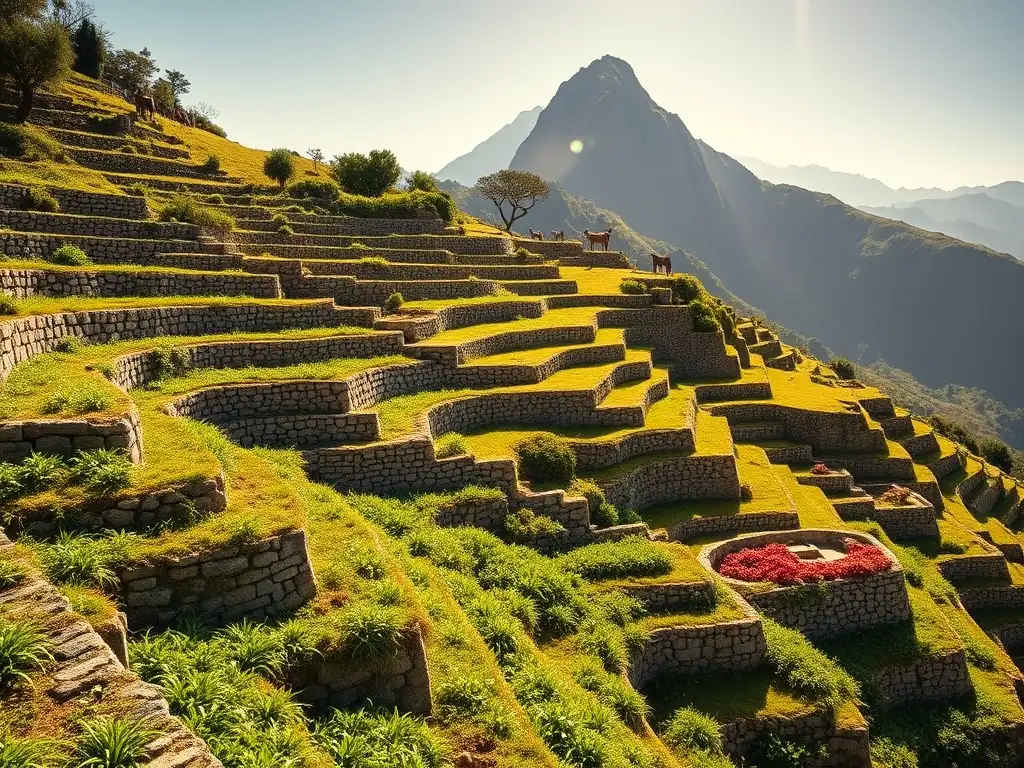
The Inca Empire, renowned for its sophisticated social and political organization, also boasted impressive agricultural advancements. Their success lay not just in cultivating staple crops like potatoes and maize, but also in developing ingenious techniques to overcome the challenges of a diverse and often unforgiving Andean landscape. Mastering Inca agricultural techniques was crucial for the empire's sustenance and growth, allowing for a high population density in regions where agriculture would otherwise be difficult. The following sections delve into some of their most remarkable innovations.
Terracing: Maximizing Arable Land
Terracing, the creation of flat, step-like platforms carved into hillsides, was arguably the most visually striking and impactful of Inca agricultural techniques. This wasn't merely a matter of aesthetics; it represented a sophisticated understanding of land management and water control. By transforming steep slopes into cultivable land, the Inca dramatically increased arable acreage, maximizing the use of available space. This was especially important in mountainous regions where flat land was scarce.
The construction of terraces was a labor-intensive process, requiring meticulous planning and execution. Stone walls, often precisely fitted without mortar (a testament to Inca masonry skills), supported the terraces, preventing soil erosion and retaining water. The size and orientation of the terraces varied according to the slope and the local environment, demonstrating an adaptive approach to agricultural engineering. Evidence suggests that different terrace designs were employed depending on the specific crop being cultivated and the microclimate of the location.
For example, terraces exposed to more sunlight might have been used for maize cultivation, while those in shadier areas were better suited for potatoes. The precise measurements and careful construction of these terraces highlight the ingenuity and organizational prowess of the Inca agricultural system. The impact of terracing on Inca agricultural productivity was profound, significantly increasing food production and supporting the empire's substantial population.
Irrigation Systems: Efficient Water Management
Water scarcity was a significant challenge in the Andes. To overcome this, the Inca developed elaborate irrigation systems that channeled water from rivers and streams to fields, often across considerable distances. These systems weren't simply canals; they incorporated sophisticated features like aqueducts, reservoirs, and diversion channels, demonstrating a deep understanding of hydraulic engineering. The Inca's mastery of water management is evident in the intricate networks of canals that still exist in some regions today.
The construction of these irrigation systems required careful planning and coordination. Engineers surveyed the terrain, identifying water sources and the most efficient routes for channeling water. They used a variety of materials, including stone, clay, and even woven reeds, to construct canals and reservoirs. The systems were often designed to accommodate variations in water flow, ensuring a consistent supply of water to crops throughout the growing season.
This efficient water management was critical for maximizing crop yields, especially during dry periods. Careful consideration was also given to the distribution of water among different communities, reflecting the Inca's emphasis on social equity and resource allocation. The effectiveness of Inca irrigation systems is a testament to their advanced understanding of hydrology and their commitment to sustainable agriculture. The legacy of these systems continues to influence irrigation practices in the Andes today.
Crop Rotation: Maintaining Soil Fertility
Inca agricultural techniques extended beyond water management and land modification. They also understood the importance of maintaining soil fertility, employing techniques like crop rotation to prevent soil depletion. While the precise details of their crop rotation practices are still being researched, archaeological evidence suggests that they systematically rotated different crops in a given field over time. This prevented the depletion of specific nutrients in the soil, ensuring sustained agricultural productivity.
This practice was particularly important given the relatively fragile soils of many Andean regions. By rotating crops, the Inca avoided the negative impacts of monoculture, which could lead to soil erosion and nutrient deficiencies. The selection of crops for rotation would have been influenced by factors like nutrient requirements, growth cycles, and the specific characteristics of the soil. For example, nitrogen-fixing crops might have been strategically integrated into the rotation to replenish soil nitrogen levels. The effectiveness of this method is further suggested by the empire's ability to sustain a large population for centuries in a challenging environment. Further research is needed to fully understand the intricacies of Inca crop rotation techniques and their precise impact on soil fertility, but existing evidence clearly indicates its importance in their overall agricultural strategy. The adoption of sustainable practices like crop rotation highlights the Inca’s long-term vision for agricultural sustainability and food security.
The Use of Fertilizers: Enhancing Yields
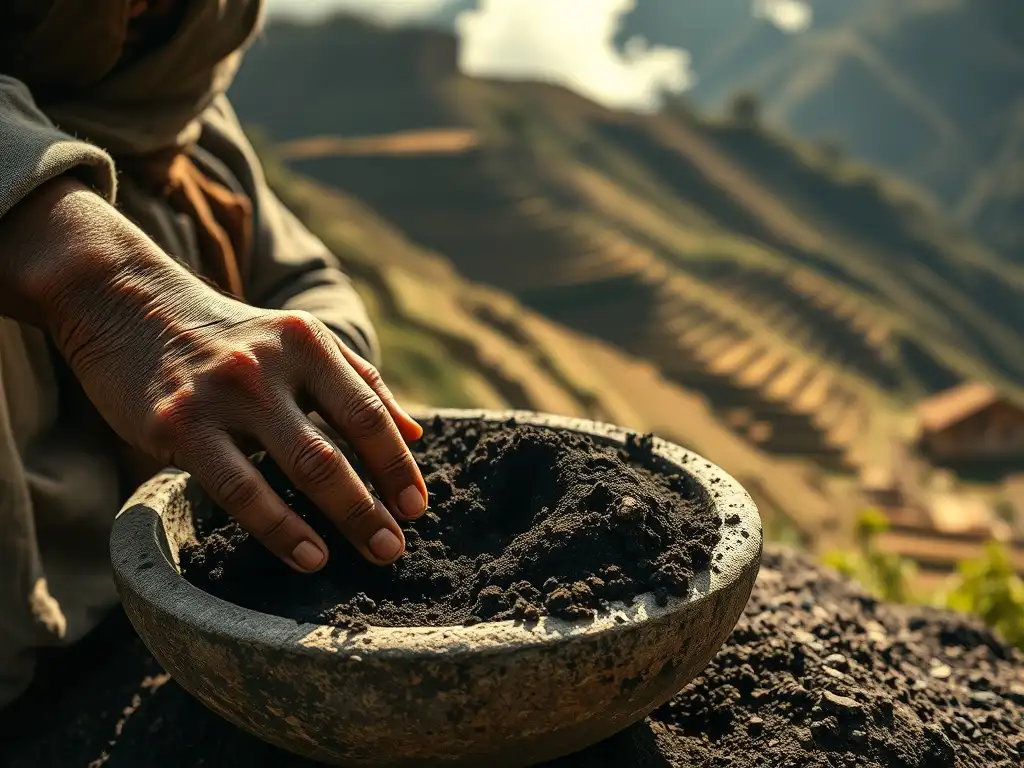
Inca agricultural techniques were remarkably sophisticated, going beyond simple planting and harvesting. One crucial aspect was their understanding and application of fertilizers to boost crop yields. They didn't have access to synthetic fertilizers, but they developed ingenious methods using readily available organic materials. Guano, the excrement of seabirds, was a prized resource.
Collected from islands off the coast, it was a potent natural fertilizer rich in nitrogen and phosphorus, essential for plant growth. The Inca meticulously managed guano collection, transporting it across vast distances using a complex system of trails and storage facilities. This carefully regulated distribution ensured that even distant communities could benefit from its enriching properties. Furthermore, they employed other organic fertilizers like compost, made from decaying plant matter and animal manure.
This compost was carefully layered and allowed to decompose, creating a nutrient-rich soil amendment. The Inca's understanding of soil fertility and their ability to effectively utilize these natural fertilizers significantly increased crop yields, contributing to the empire's success in sustaining a large population across diverse and challenging environments. The careful management of these resources showcases their deep understanding of ecological principles and sustainable agriculture. Their practices were not merely about immediate gains but also about long-term soil health and productivity, a testament to their forward-thinking approach to resource management.
Advanced Seed Selection: Ensuring Crop Diversity
The Inca civilization understood the importance of crop diversity for resilience and food security. Their advanced seed selection techniques played a vital role in achieving this. They carefully selected and saved seeds from the best-performing plants, focusing on traits like disease resistance, high yield, and adaptability to different conditions.
This meticulous selection process, passed down through generations, resulted in the development of a wide array of crops tailored to specific ecological niches within the vast Inca empire. This wasn't simply about maximizing yields in a given year; it was about creating a robust agricultural system capable of withstanding environmental challenges such as drought, frost, or disease outbreaks. The Inca's approach to seed selection was not only practical but also a testament to their deep understanding of genetics and plant breeding principles, centuries ahead of many other civilizations.
They maintained seed banks, often in sacred locations, ensuring the preservation of genetic diversity and safeguarding against crop failures. This emphasis on genetic diversity is a key factor in understanding the remarkable success of Inca agriculture and its ability to support a large, complex society. Their methods provide valuable lessons for modern agriculture in the face of climate change and increasing environmental pressures.
Vertical Agriculture: Farming Across Different Altitudes
The Inca Empire spanned a dramatic range of altitudes, from coastal deserts to high-altitude Andean plains. Their mastery of vertical agriculture, also known as agro-ecology, allowed them to exploit the diverse ecological zones effectively. They developed specialized agricultural techniques adapted to each altitude. At lower elevations, they cultivated crops like maize, cotton, and beans, while higher altitudes supported potatoes, quinoa, and other cold-hardy crops.
The waru waru system, a form of raised-bed agriculture, is a prime example of their ingenuity. These raised beds, often incorporating irrigation channels, allowed for efficient water management and improved drainage, especially crucial in the often-waterlogged high-altitude terrains. Terracing, another remarkable technique, transformed steep slopes into cultivatable land, dramatically increasing the amount of arable land available. These terraces, meticulously constructed with stone retaining walls, not only prevented soil erosion but also created microclimates that allowed for the cultivation of a wider range of crops.
The integration of different crops at varying altitudes was a complex but effective system of resource management, ensuring food security and minimizing risks associated with crop failures in any single zone. This sophisticated approach highlights the Inca's deep understanding of their environment and their ability to adapt agricultural practices to maximize productivity across diverse landscapes. The Inca's vertical agricultural techniques represent a sophisticated example of sustainable land management, offering valuable insights for modern agriculture seeking to enhance productivity and resilience in the face of climate change.
Specific Inca Farming Practices and Adaptations

The Inca Empire, renowned for its sophisticated social and political organization, also boasted impressive agricultural techniques that allowed it to thrive in the diverse and challenging Andean landscape. Mastering irrigation, terracing, and crop diversification, the Inca developed sustainable agricultural practices that ensured food security across vastly different ecological zones. Understanding these Inca agricultural techniques is key to appreciating the ingenuity and resilience of this remarkable civilization.
Their agricultural innovations weren't simply about growing food; they were integral to their social structure, religious beliefs, and overall imperial success. The empire's ability to efficiently manage resources, particularly food production, directly contributed to its stability and longevity.
Cultivating Potatoes in the Highlands
Potatoes ( Solanum tuberosum) are arguably the most iconic Andean crop, and the Inca were masters of their cultivation. The high altitude, cold climate, and often-rocky terrain of the Andes presented significant challenges, yet the Inca developed a range of strategies to maximize potato yields. These strategies included:
- Microclimatic Variation: The Inca understood the importance of microclimatic variations within the highlands. They carefully selected planting locations based on factors like sunlight exposure, altitude, and soil drainage. This allowed them to cultivate a wide variety of potato varieties, each adapted to specific conditions.
- Terracing: Terracing was crucial for cultivating potatoes on steep slopes. By creating level platforms, the Inca prevented soil erosion, improved water retention, and optimized sunlight exposure for optimal potato growth. The size and orientation of terraces were meticulously planned to suit the local topography and microclimate. Evidence suggests that they also employed different terrace designs depending on the slope angle and soil type.
- Crop Rotation and Fertilization: To maintain soil fertility, the Inca practiced crop rotation, alternating potato cultivation with other crops like beans or quinoa. They also utilized organic fertilizers, including manure and compost, to enrich the soil and improve potato yields. The detailed understanding and application of these techniques ensured long-term soil health and sustainable potato production.
- Storage Techniques: Preserving potatoes for the long, harsh Andean winters was vital. The Inca employed sophisticated storage techniques, including underground cellars ( qollqas) and carefully constructed storage structures, to maintain potato quality and prevent spoilage. This ingenious storage system was critical for ensuring food security throughout the year.
Growing Maize in Varied Climates
Maize ( Zea mays), a staple crop across the Americas, presented a unique challenge in the diverse Andean environments. While maize thrives in warmer climates, the Inca successfully cultivated it at various altitudes, adapting their techniques to the specific conditions of each region. This involved:
- Waru Waru Agriculture: In areas with limited water resources, the Inca employed a sophisticated system of raised beds, known as waru waru. This technique involved creating raised fields surrounded by canals. The canals acted as both irrigation channels and temperature regulators, extending the growing season and protecting crops from frost. This innovative system was particularly effective in the altiplano regions.
- Irrigation Systems: In other areas, the Inca constructed extensive irrigation networks to channel water from rivers and streams to their maize fields. These systems, often involving canals, aqueducts, and tunnels, demonstrated a remarkable understanding of hydraulic engineering. The scale and complexity of these projects are a testament to the Inca’s organizational capabilities and their commitment to agricultural production.
- Altitudinal Zonation: Recognizing the variations in climate across different altitudes, the Inca implemented a system of altitudinal zonation in their agricultural practices. They cultivated maize at lower, warmer altitudes, while reserving higher altitudes for crops better suited to colder conditions, like potatoes. This efficient use of different ecological zones maximized agricultural output.
- Variety Selection: The Inca cultivated various maize varieties adapted to different altitudes and climates. This ensured that they could grow maize successfully in a wide range of environments. This diversification reduced their vulnerability to crop failure due to climatic variations or pests.
Managing Quinoa and Other Andean Grains
Quinoa ( Chenopodium quinoa) and other Andean grains, such as amaranth and kañiwa, played a significant role in the Inca diet and agricultural system. These crops are remarkably resilient to harsh conditions and require less water than maize. The Inca's management of these grains involved:
- Frost Protection: Quinoa and other Andean grains are relatively frost-tolerant, but the Inca still employed various techniques to protect them from severe frosts. These techniques included planting in sheltered locations, covering crops with straw or other materials, and using microclimatic variations within fields.
- Soil Preparation: Proper soil preparation was essential for successful cultivation of these grains. The Inca practiced techniques such as plowing, weeding, and fertilization to optimize soil conditions. They understood the importance of soil health for maximizing yields.
- Harvesting and Storage: Efficient harvesting and storage were critical for preserving these grains. The Inca developed methods for harvesting, threshing, and storing quinoa and other grains to ensure food security throughout the year. These techniques were crucial for supplying the large Inca population.
- Crop Diversification: The Inca's reliance on a diverse range of crops, including quinoa, amaranth, and kañiwa, served as a critical buffer against crop failure. This diversification reduced their vulnerability to disease, pests, and unpredictable weather patterns, demonstrating a sophisticated understanding of risk management in agriculture. This strategy was fundamental to the empire's resilience and food security.
The Inca agricultural techniques represent a remarkable achievement in human adaptation to a challenging environment. Their ingenuity and commitment to sustainable practices ensured the food security of a vast and complex empire, leaving a lasting legacy of agricultural innovation.
The Role of Llamas in Agriculture
Llamas played a multifaceted role in Inca agricultural practices, extending far beyond simple beasts of burden. Their contribution was crucial to the success of Inca farming, particularly in the challenging Andean terrain. These camelids weren't just used for transporting goods; their dung served as a vital fertilizer, enriching the often-poor soils of the high altitudes.
Inca farmers meticulously collected and applied llama manure to their fields, improving soil structure and nutrient content, boosting crop yields significantly. This organic fertilizer was a cornerstone of sustainable Inca agriculture, minimizing the need for unsustainable practices. The careful management of llama herds was thus intricately linked to the success of their farming endeavors.
Furthermore, llama wool provided essential textiles for clothing and shelter, protecting farmers from the harsh Andean climate and allowing for sustained work throughout the year. This, in turn, ensured the continuation of agricultural activities even during the coldest months. The connection between llama husbandry and agricultural productivity was symbiotic; healthy llama herds meant bountiful harvests, and successful harvests supported a larger, healthier llama population.
This sustainable system highlights the Inca's deep understanding of their environment and their ability to integrate animal husbandry seamlessly into their agricultural practices, demonstrating remarkable ingenuity in resource management. The Inca's mastery of this integrated system is a testament to their agricultural prowess and their sophisticated understanding of ecological balance. Their ability to optimize resources, using every element available, is a key component of understanding their remarkable agricultural achievements.
The Impact of Inca Agriculture on Society
The ingenuity of Inca agricultural techniques profoundly shaped Andean society, impacting everything from population density and social structures to the long-term sustainability of their civilization. Their mastery of diverse environments allowed for unprecedented food security and fueled significant population growth, laying the foundation for a vast and powerful empire. Understanding the impact of their farming methods reveals a sophisticated system intricately woven into the fabric of Inca life.
The success of their agricultural innovations is a testament to their deep understanding of their environment and their ability to adapt and innovate. This section will explore the multifaceted influence of Inca agriculture on their society.
Food Security and Population Growth
Inca agricultural practices directly contributed to remarkable food security and, consequently, substantial population growth. The terracing of steep slopes, the construction of andenes, and the sophisticated irrigation systems allowed the Incas to cultivate crops in areas previously unsuitable for agriculture. This dramatically increased arable land, resulting in surplus food production.
This surplus wasn't merely a matter of survival; it supported a larger population and enabled the development of specialized labor, urban centers, and a complex social hierarchy. Studies suggest that the Inca population reached [specific population numbers pending] at its peak, a number largely attributed to the efficiency and productivity of their agricultural systems. The reliable food supply also minimized the risk of famine, a constant threat to many other ancient civilizations.
The implementation of diverse cropping systems, including the cultivation of potatoes, maize, quinoa, and beans, further enhanced food security by reducing the vulnerability to crop failure. The strategic storage of surplus food in qollqas (granaries) provided a buffer against lean times and ensured the stability of the empire. This carefully managed system ensured a consistent food supply, allowing for population growth and societal expansion.
The intricate system of Inca agriculture was not only a technological marvel but also a cornerstone of their social organization. Agricultural labor was a crucial component of the mita system, a form of tribute where citizens contributed a portion of their time to public works, including agricultural projects. This system ensured the maintenance and expansion of irrigation canals, terraces, and other infrastructure vital to agricultural production.
The ayllu, the basic social unit, played a significant role in agricultural activities, with communal labor being essential for tasks such as planting, harvesting, and maintaining irrigation systems. This communal approach fostered cooperation and social cohesion within the community, strengthening social bonds and ensuring the success of agricultural endeavors. Furthermore, specialized agricultural knowledge was likely passed down through generations within ayllus, contributing to the refinement and improvement of Inca agricultural techniques.
The intricate network of social obligations and responsibilities surrounding agriculture ensured the efficiency and sustainability of the entire system. The organization of agricultural labor was instrumental in maintaining both food security and social stability within the Inca Empire.
The Legacy of Inca Agricultural Practices
The legacy of Inca agricultural practices continues to resonate in the Andes today. Many of their techniques, such as terracing and irrigation, are still employed by modern farmers. The resilience of these methods speaks volumes about their ingenuity and adaptability. The ingenuity of Inca agricultural techniques, particularly their mastery of water management and soil conservation, provides valuable lessons for contemporary sustainable agriculture.
The impact of their sustainable practices is evident in the continued productivity of the land, even after centuries. Understanding and adapting these time-tested methods can contribute to addressing modern agricultural challenges, such as water scarcity and soil degradation. The study of Inca agricultural techniques offers a wealth of knowledge that can inform current agricultural practices and contribute to a more sustainable future. The enduring relevance of Inca agricultural innovations underscores their remarkable foresight and enduring contribution to sustainable food production.
Inca Ingenuity and Modern Applications
The ingenuity of Inca agricultural techniques continues to inspire modern agricultural practices. Their understanding of water management, terracing, and crop diversification offers valuable lessons for sustainable agriculture in challenging environments. For example, the sophisticated waru waru system, with its raised beds and canals, is being revisited and implemented in contemporary projects aimed at improving water retention and soil fertility in arid and semi-arid regions globally.
This system, which allowed for efficient irrigation and temperature regulation, demonstrates a deep understanding of ecological principles that are highly relevant today. Researchers are actively studying the waru waru system to adapt its principles to modern farming challenges, particularly in areas facing water scarcity and climate change. The system's resilience to drought and its ability to enhance biodiversity are particularly compelling aspects for modern sustainable farming.
Furthermore, the Inca's mastery of terracing, which transformed steep slopes into productive farmland, provides valuable insights for hillside agriculture. Modern agricultural engineers are drawing inspiration from Inca terraces to design erosion-control measures and create stable farming plots on challenging terrain. The precise construction and careful planning evident in Inca terraces showcase a sophisticated understanding of soil mechanics and hydrology, which are crucial considerations in modern land management.
The long-term sustainability of Inca terraces, which endured for centuries, speaks to the wisdom of their design and construction, highlighting the importance of long-term planning in agricultural development. The Inca's approach underscores the importance of integrating ecological considerations into agricultural design, rather than viewing agriculture in isolation from the surrounding environment.
Beyond specific techniques, the Inca's holistic approach to agriculture—integrating crop diversification, water management, and soil conservation—provides a valuable model for modern sustainable agriculture. Their understanding of the interconnectedness of these elements is crucial in a context of increasing climate variability and resource pressures. By studying and adapting Inca agricultural practices, modern agriculturalists can learn to create more resilient and sustainable farming systems.
The Inca's legacy extends beyond their impressive achievements; it also serves as a reminder of the importance of respecting ecological limits and working in harmony with nature, which are crucial considerations for the future of agriculture. This holistic approach, emphasizing biodiversity and resource efficiency, resonates strongly with contemporary movements towards sustainable and climate-smart agriculture.
Challenges and Innovations in Inca Agriculture
The Inca Empire, renowned for its sophisticated social and political structures, also boasted remarkable agricultural achievements. Their success wasn't simply a matter of luck; it was the result of ingenious adaptations to the incredibly diverse and often challenging Andean environment. Understanding Inca agricultural techniques requires appreciating the hurdles they faced and the innovative solutions they devised.
From the arid coastal deserts to the high-altitude puna grasslands, the Inca had to develop a wide array of strategies to ensure food security for their vast population. Their mastery of terracing, irrigation, and crop diversification stands as a testament to their ingenuity and adaptability. This section will delve into the specific challenges and the innovative solutions employed by the Inca to cultivate their lands successfully.
Overcoming Environmental Limitations
The Andes Mountains present a formidable challenge to agriculture. Steep slopes, unpredictable rainfall, and varying altitudes create a complex mosaic of microclimates. Inca agricultural techniques directly addressed these limitations. The most striking example is the widespread use of terracing. This involved carving level platforms into hillsides, creating a series of steps that slowed water runoff, prevented soil erosion, and maximized usable land area. The scale of these terracing projects was immense, requiring sophisticated engineering and a highly organized workforce. Some terraces still stand as a testament to the Inca's skill.
Further enhancing water management, the Inca developed intricate irrigation systems. Canals, ditches, and aqueducts channeled water from rivers and streams to irrigate fields, even in arid regions. They understood the importance of water control, building reservoirs and employing techniques like check dams to regulate water flow and prevent flooding. This meticulous approach allowed them to cultivate crops even in areas with limited rainfall, increasing agricultural productivity significantly. Evidence suggests that they also developed sophisticated understanding of water infiltration and soil moisture, adapting their irrigation techniques to different soil types and slopes.
Developing Sustainable Farming Practices
The Inca's agricultural practices were not only ingenious but also remarkably sustainable. They understood the importance of preserving soil fertility and preventing land degradation. They implemented techniques such as crop rotation and fallow periods to maintain soil health. This prevented nutrient depletion and helped to maintain the long-term productivity of their agricultural lands. The use of fertilizers, including guano (bird droppings) from the coastal islands, further boosted soil fertility. The careful management of resources, including water and soil, reflects a deep understanding of ecological principles.
Moreover, their approach to farming was deeply intertwined with their worldview. Religious ceremonies and rituals were often associated with planting and harvesting, highlighting the spiritual significance of agriculture. This integrated approach fostered a sense of stewardship and responsibility towards the land, contributing to the sustainability of their agricultural practices. The Inca's dedication to sustainable farming is a crucial element of understanding their overall success in managing the resources available to them in such a diverse and challenging environment.
The Role of Research and Experimentation
While much of Inca agricultural knowledge was passed down through generations, there's evidence to suggest a degree of experimentation and innovation. The Inca empire was vast and encompassed a wide range of ecological zones. This necessitated adaptation and experimentation to optimize agricultural techniques for specific environments. Archaeological findings suggest the cultivation of a diverse range of crops, adapted to various altitudes and climates. Their understanding of different soil types and their suitability for particular crops further highlights their experimental approach.
Furthermore, the development of new tools and technologies suggests a continuous process of refinement and improvement. The sophistication of their irrigation systems and terracing techniques points to a process of ongoing research and adaptation. While the exact nature of their research methods remains a subject of ongoing study, it's clear that the Inca possessed a practical understanding of agricultural principles and were willing to experiment and innovate to improve their farming practices.
This continuous pursuit of improvement is what allowed them to thrive in the challenging Andean environment and feed a large and complex population. Further research into Inca agricultural archives (if any exist) could shed more light on the specific methods of experimentation and knowledge transfer used within the empire.
Frequently Asked Questions
What innovative agricultural techniques did the Incas employ?
The Incas utilized several innovative techniques, including terracing, irrigation systems, and waru waru (raised bed agriculture) to maximize crop yields in diverse Andean landscapes. They also developed highly efficient water management systems.
How did terracing help Inca agriculture?
Terracing transformed steep slopes into cultivable land, preventing soil erosion and optimizing sunlight exposure for crops. This allowed for increased agricultural productivity in mountainous regions.
What role did irrigation play in Inca farming practices?
Irrigation systems, including canals and aqueducts, provided a reliable water supply for crops, especially in arid regions. This ensured consistent harvests even during dry periods.
What was the significance of waru waru in Inca agriculture?
Waru waru, raised fields surrounded by canals, provided excellent drainage and temperature regulation, leading to higher yields and protection against frost. This technique was particularly effective in wetland areas.
How did Inca agricultural techniques contribute to their empire's success?
The Incas' sophisticated agricultural techniques ensured food security and supported a large population. This reliable food supply was crucial to their empire's growth and stability.
Final Reflection: The Enduring Legacy of Inca Ingenuity
The Inca's mastery of agricultural adaptation remains a powerful testament to human resilience and ingenuity, a lesson profoundly relevant in our era of climate change and resource scarcity. Their sophisticated techniques, far from being relics of the past, offer invaluable insights into sustainable food production and environmental stewardship that we urgently need to embrace today. The challenges faced by modern agriculture—soil degradation, water stress, and the impacts of a changing climate—echo those confronted by the Inca centuries ago, highlighting the timeless wisdom embedded in their practices.
The Inca's profound understanding of their environment, their ability to coax life from seemingly inhospitable landscapes, continues to inspire awe and underscores the crucial link between human societies and the natural world. Their success wasn't merely about survival; it was about creating a thriving civilization built on a foundation of ecological harmony. The land is not an inheritance from our ancestors; it is a loan from our children.
This sentiment, though not directly from Inca sources, perfectly encapsulates the responsibility inherent in their approach to agriculture, a responsibility we must also shoulder.
Consider the ingenuity of the waru waru system, the terraced fields, and the sophisticated irrigation networks. These weren't simply technological achievements; they were expressions of a deep respect for the land and a commitment to long-term sustainability. You, the reader, can apply this same principle to your own life, whether it's through supporting sustainable farming practices, reducing your environmental footprint, or simply cultivating a deeper appreciation for the interconnectedness of all living things. Let the Inca's legacy inspire you to become a more conscious steward of our planet, ensuring a bountiful future for generations to come.
Embrace the Legacy: Transform Your Agricultural Practices Today!
Thank you for exploring the fascinating world of Inca agriculture! Your interest in their remarkable adaptation to diverse landscapes underscores the enduring value of traditional wisdom. Now, let's put that inspiration into action!
- **Explore sustainable farming methods** by researching traditional Inca techniques and integrating them into your garden or farm. Consider their ingenious terracing methods, crop rotation strategies, and water management systems.
- **Share your knowledge** with friends, family, or online communities to spread awareness about sustainable practices inspired by ancient civilizations. Highlight the benefits of these methods, such as increased biodiversity and reduced environmental impact.
- Join a local agricultural workshop or community garden to collaborate with others and learn innovative farming strategies inspired by the ingenuity of the Inca people. Connecting with like-minded individuals can foster a supportive learning environment.
What sustainable agricultural practices have you discovered that align with the Inca principles of adaptation and resilience? Perhaps you've experimented with drought-resistant crops or developed innovative water conservation techniques.