
Unearthing Inca Secrets: How Did They Feed a Thriving Empire?

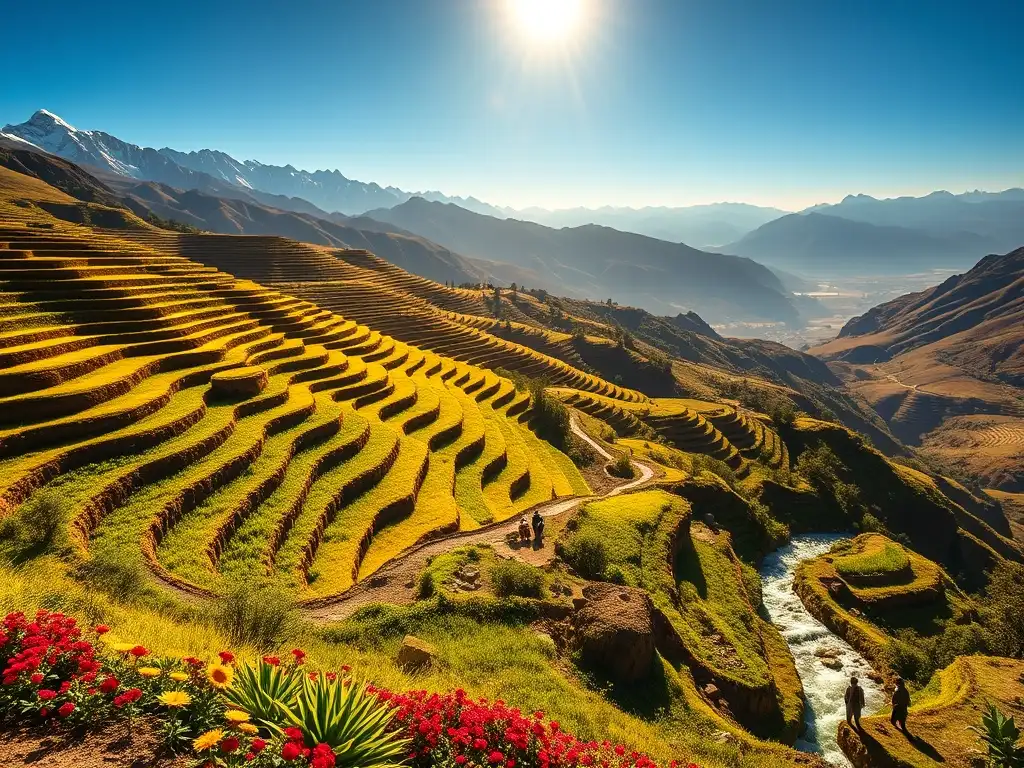
Uncover the mysteries of a lost world! Journey with us through the breathtaking landscapes and astonishing achievements of the Andean civilizations. But the secrets we're most eager to share involve the Inca Empire food production methods—ingenious techniques that sustained a vast and thriving empire. How did they do it? Prepare to be amazed as we delve into the innovative agriculture and resource management that fueled the Inca's power and prosperity. Discover the answers within.
The Inca Empire, at its zenith, controlled a vast and diverse territory spanning the Andes Mountains. This geographically challenging landscape, ranging from arid coastal deserts to high-altitude plains, presented significant hurdles to feeding a population estimated to be in the millions. Yet, the Inca developed remarkably sophisticated agricultural techniques and resource management strategies that allowed their empire to flourish for over a century.
This article delves into the ingenious methods employed by the Inca to ensure food security, examining their innovative agricultural practices, sophisticated irrigation systems, and efficient storage and distribution networks. Understanding their approach to food production provides crucial insight into the remarkable organizational capabilities and technological advancements that underpinned the Inca Empire's success, ultimately answering the question: how did they feed a thriving empire?
We'll explore the key elements that contributed to their impressive achievements in food production, examining their ingenuity in the face of challenging environmental conditions and analyzing the societal impact of their agricultural prowess. This exploration will reveal not just what they ate, but how they achieved such remarkable feats of agricultural engineering and management, shedding light on the sophisticated systems that supported the Inca way of life.
Terracing: Engineering Nature for Abundance
The Inca's mastery of terracing is perhaps their most striking agricultural achievement. They carved extensive terraces into the steep Andean slopes, creating a series of level platforms that dramatically increased arable land. This wasn't simply about creating flat surfaces; the terraces were meticulously designed to optimize sunlight exposure, water retention, and soil drainage.
The careful orientation of the terraces, often following the contours of the land, minimized erosion and maximized crop yields. The construction itself was a monumental undertaking, requiring immense labor and sophisticated engineering knowledge. Evidence suggests the use of sophisticated drainage systems within the terraces, channeling excess water and preventing waterlogging, ensuring optimal growing conditions even in challenging terrain.
The scale and precision of Inca terracing remain a testament to their engineering capabilities and their commitment to sustainable agriculture. The resulting increased agricultural output was crucial for supporting the large population centers and sustaining the empire's military and administrative structures.
Irrigation Systems: Harnessing Water for Life
In a region characterized by variable rainfall, the Inca's irrigation systems were critical to their agricultural success. They constructed intricate networks of canals, ditches, and aqueducts to transport water from rivers and springs to their fields, particularly those located in arid regions. These systems were not merely rudimentary channels; they incorporated sophisticated engineering principles, including the use of reservoirs, filters, and diversion structures to regulate water flow and prevent flooding.
The ingenuity of the Inca engineers is highlighted by their ability to adapt their irrigation techniques to diverse terrains and climatic conditions. They employed different methods depending on the specific environment, demonstrating a deep understanding of hydrology and an ability to work with the natural landscape rather than against it. The effectiveness of these systems is evident in the sustained agricultural productivity of the Inca Empire, even in areas where water scarcity would otherwise have limited agricultural potential.
Crop Diversification and Crop Rotation: A Sustainable Approach
The Inca did not rely on a single crop; they practiced a remarkable degree of crop diversification, cultivating a wide range of crops adapted to different altitudes and climates. This strategy minimized risks associated with crop failure and ensured food security even in the face of environmental challenges. Furthermore, evidence suggests the use of crop rotation techniques, alternating different crops in the same fields over time to maintain soil fertility and prevent the depletion of essential nutrients. This sustainable approach to agriculture ensured long-term productivity and contributed significantly to the resilience of the Inca food system.
Their diverse agricultural portfolio included potatoes (in numerous varieties! ), maize, quinoa, beans, squash, and various fruits, providing a nutritionally balanced diet for the empire's inhabitants. This strategy not only addressed food security but also contributed to the overall health and well-being of the population.
Storage and Distribution: Ensuring Year-Round Food Security
The Inca Empire's success was not solely dependent on efficient production; it also relied on effective storage and distribution systems. They constructed vast storehouses, known as qollqas, throughout the empire to store surplus food. These structures were strategically located to ensure accessibility and minimize spoilage. The qollqas were often built into the landscape, utilizing natural features to regulate temperature and humidity, preserving food for extended periods.
A complex network of roads and trails facilitated the transportation of food from surplus areas to regions experiencing shortages, ensuring equitable distribution and preventing famine. This efficient logistical system was crucial for maintaining social stability and supporting the empire's population during times of drought or other environmental challenges. The Inca's organizational skills and advanced infrastructure were instrumental in managing food resources effectively, providing a crucial element of their overall societal stability.
- Terracing: Engineering Nature for Abundance
- Irrigation Systems: Harnessing Water for Life
- Crop Diversification and Crop Rotation: A Sustainable Approach
- Storage and Distribution: Ensuring Year-Round Food Security
- What were the primary food sources of the Inca Empire?
- How did the Inca manage to feed such a large population?
- What innovative farming methods did the Inca use?
- How did the Inca system of food production impact their social structure?
- What evidence supports our understanding of Inca food production methods?
The Foundation of Inca Food Security: Understanding the Challenge

The Inca Empire, at its zenith, controlled a vast territory spanning across diverse and challenging Andean landscapes. Sustaining a population estimated at 10-12 million people across such varied terrains presented a monumental logistical and agricultural hurdle. Understanding the Inca Empire's food production methods requires acknowledging these inherent limitations and appreciating the ingenuity of their solutions to the problem of "Inca Empire food production methods".
The empire's success hinged on a sophisticated system of agricultural practices, infrastructure development, and social organization, all meticulously designed to maximize food production in often-unforgiving environments. This wasn't simply about growing enough food; it was about ensuring reliable and consistent yields to prevent widespread famine and maintain social stability.
The sheer scale of the undertaking, considering the technological limitations of the time, remains a remarkable feat of human ingenuity and organizational prowess. This section will delve into the specific challenges and the innovative strategies employed by the Inca to address them.
The Andean Landscape and Agricultural Limitations
The Andes Mountains are characterized by extreme variations in altitude, climate, and soil conditions. From the frigid peaks to the arid coastal deserts, suitable land for agriculture was often scarce and fragmented. High altitudes presented challenges like short growing seasons, frost, and intense solar radiation. Lower altitudes, while potentially warmer, could suffer from droughts, erratic rainfall, and infertile soils. The steep slopes and rocky terrain further limited arable land, hindering the use of traditional farming techniques.
Inca farmers faced the constant threat of landslides and erosion, requiring careful land management strategies. The availability of water also varied significantly depending on the location, necessitating sophisticated irrigation systems to optimize water use. Understanding these limitations is crucial to appreciating the sophistication of the Inca Empire's food production methods. They didn't just adapt to these challenges; they actively engineered solutions to overcome them.
The Importance of Sustaining a Vast Population
The sheer size of the Inca population placed immense pressure on food production. Maintaining a stable food supply for millions of people across a vast and geographically diverse empire was a critical factor in the empire's overall stability and longevity. Food shortages could easily lead to social unrest, rebellion, and ultimately, the collapse of the empire.
Therefore, food production was not merely an economic activity but a vital element of state power and social control. The Inca implemented a complex system of resource management, including sophisticated agricultural techniques, extensive infrastructure projects, and a highly organized distribution network, all designed to ensure the adequate provisioning of the entire population. This system, far from being haphazard, was a carefully planned and executed strategy that ensured food security across the empire.
Any disruption to this intricate network could have catastrophic consequences, highlighting the importance of the Inca's food production methods in maintaining their dominance. Further research into the specifics of population density in different regions and their corresponding agricultural outputs could provide a more precise picture of the scale of this logistical challenge.
Innovative Inca Agricultural Techniques
The Inca Empire, renowned for its sophisticated social and political structures, also possessed remarkably advanced agricultural techniques that allowed them to sustain a vast population across diverse and challenging Andean terrains. Their success wasn't merely a matter of luck; it stemmed from a deep understanding of their environment and the development of ingenious methods to maximize food production. This section will delve into some of the key innovations that underpinned the Inca Empire's impressive food security. Understanding these "Inca Empire food production methods" provides crucial insight into their societal resilience and enduring legacy.
Terraced Farming: Maximizing Arable Land
The Andes Mountains are characterized by steep slopes and limited flat land suitable for agriculture. To overcome this challenge, the Inca developed a masterful system of terraced farming. These terraces, meticulously carved into hillsides, created level platforms where crops could be grown effectively. This wasn't simply a matter of carving steps; the Inca carefully considered factors such as sun exposure, drainage, and soil type when constructing their terraces.
The construction itself was a feat of engineering. Stone retaining walls, often built with incredible precision, held the terraced soil in place, preventing erosion and maximizing arable land. Different crops were strategically planted on terraces at varying altitudes, taking advantage of microclimates and optimizing yields.
For example, higher altitude terraces might be used for frost-resistant crops like potatoes, while lower terraces could support warmer-weather crops like maize. The ingenuity of this system is evidenced by its enduring impact; many Inca terraces remain in use today, a testament to their practicality and sustainability. This mastery of terraced farming significantly increased the Inca Empire's food production capacity, allowing them to support a larger population than would have been possible otherwise.
Advanced Irrigation Systems: Water Management in the Andes
Water scarcity is a major constraint in the Andes. The Inca recognized this and developed sophisticated irrigation systems to manage water resources effectively. These systems involved intricate networks of canals, aqueducts, and reservoirs that channeled water from rivers and streams to agricultural fields. The canals were often lined with stone or clay to prevent leakage and maintain water flow. Clever engineering techniques, such as siphons and tunnels, were employed to overcome obstacles like valleys and hills.
The Inca's understanding of water management extended beyond simply transporting water; they also developed techniques to store water for use during dry periods. Reservoirs, often constructed using stone and earth, acted as vital water reserves, ensuring a consistent water supply for crops even during droughts. This careful planning and execution of irrigation projects allowed the Inca to cultivate crops in areas that would otherwise have been unsuitable for agriculture.
The efficiency of their water management systems is a key factor in explaining the success of Inca agriculture and their ability to feed their extensive empire. Detailed records, unfortunately, are scarce, but archaeological evidence reveals the scale and sophistication of these water management systems.
The Use of Diverse Crops: A Strategy for Resilience
The Inca Empire’s agricultural success wasn't solely dependent on innovative techniques; it also relied on a strategy of crop diversification. They cultivated a wide range of crops adapted to different altitudes and climates. This approach significantly enhanced the resilience of their food system, reducing the risk of crop failure due to disease, pests, or adverse weather conditions.
Their staple crops included potatoes (with hundreds of varieties! ), maize, quinoa, beans, and various fruits and vegetables. Each crop had unique properties and nutritional benefits, ensuring a balanced diet for the population.
The diversity of crops also provided a safety net; if one crop failed, others were likely to thrive, preventing widespread famine. This strategy of diversification was crucial for maintaining food security and social stability within the vast Inca Empire, demonstrating a profound understanding of ecological principles and risk management. The Inca's emphasis on diverse food sources is a lesson in sustainable agriculture, still relevant in today's world, highlighting the importance of bio-diversity for food security.
The Role of Potatoes, Quinoa, and Corn in Food Production
The Inca Empire's success hinged significantly on its mastery of agriculture, particularly its cultivation of potatoes, quinoa, and corn – the "holy trinity" of Andean staples. These three crops formed the cornerstone of the Inca diet, providing essential carbohydrates, proteins, and vital nutrients. The sheer variety of potato species alone, numbering in the thousands, allowed for cultivation across diverse altitudes and climates within the vast empire.
This biodiversity was crucial for ensuring food security, as different potato varieties thrived under varying conditions of temperature, rainfall, and soil type. The Incas understood this intimately, developing sophisticated agricultural practices that maximized yields and minimized risks associated with crop failure.
Quinoa, a complete protein source, was another vital component of the Inca diet. Its resilience to harsh conditions, including high altitudes and poor soils, made it a reliable crop in regions where other grains struggled to grow. Unlike many grains, quinoa is also relatively high in iron and other essential minerals, contributing significantly to the nutritional well-being of the Inca population. Its versatility in culinary applications, from porridge to bread, further solidified its importance in the Inca food system.
Corn, though not as widely adaptable as potatoes or quinoa, played a significant role, especially in lower altitudes. The Incas developed diverse varieties of corn, each suited to specific ecological niches. Corn provided a crucial source of carbohydrates, and its use extended beyond simple consumption. It was also used in the production of chicha, a fermented beverage that held social and ritual significance within Inca society.
The processing of corn into chicha involved complex techniques, showcasing the Incas' understanding of fermentation and preservation methods. The production of this beverage also highlights the interconnectedness of agriculture and social life within the Inca Empire. The careful management and cultivation of these three crops underpinned the empire's ability to sustain its large population and thrive for centuries. Their agricultural expertise, combined with sophisticated systems of storage and distribution, ensured the consistent availability of food throughout the vast Inca territories.
Inca Food Storage and Distribution Systems
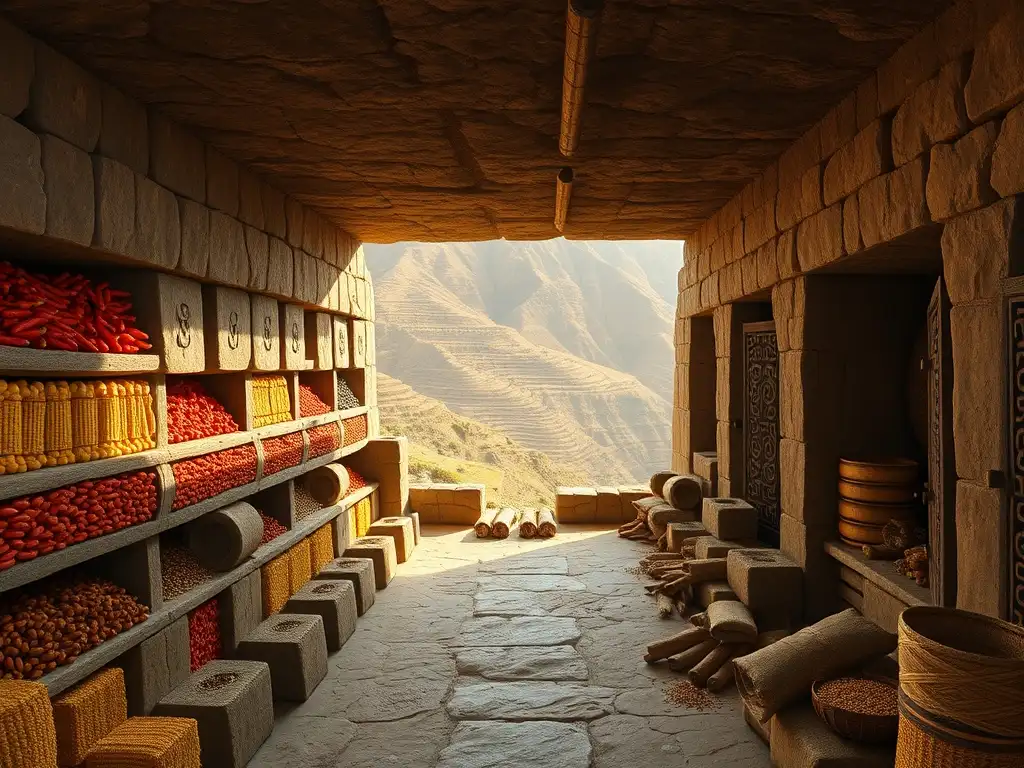
The Inca Empire, renowned for its sophisticated engineering and social organization, developed equally impressive systems for food storage and distribution. This intricate network was crucial to sustaining a vast population across diverse and challenging terrains, ensuring stability and minimizing the impact of crop failures. Understanding these systems provides key insights into the ingenuity and resilience of Inca agricultural practices and their contribution to the empire's longevity. The success of Inca food production methods relied heavily on effective storage and distribution to prevent widespread famine and maintain social order. This section explores the key components of this remarkable infrastructure.
State-Controlled Granaries and Warehouses
The Inca state exerted strict control over food production and distribution. A significant aspect of this control was the establishment of a vast network of state-controlled granaries and warehouses strategically located throughout the empire. These structures, often built from stone and meticulously designed for optimal storage conditions, served as central repositories for surplus agricultural produce. The granaries were not simply storage facilities; they were integral parts of a complex system that ensured food security for the entire population.
The size and capacity of these granaries varied depending on the region's agricultural productivity and population density. Larger urban centers housed considerably larger storage facilities than smaller rural communities. Evidence suggests that these granaries were carefully managed, with records meticulously kept to track the quantity and type of stored goods.
This meticulous record-keeping allowed the Inca administration to effectively manage resources and respond to periods of scarcity or emergency. The system also allowed for the redistribution of food to areas affected by natural disasters or other unforeseen circumstances, demonstrating a remarkable level of social planning and foresight. This centralized system ensured that even during lean times, the Inca population had access to essential food supplies, contributing to the empire's remarkable stability.
Efficient Transportation Networks for Food Distribution
The efficient distribution of stored food across the vast Inca Empire was facilitated by a remarkably advanced transportation network. The Inca Empire food production methods relied heavily on a sophisticated system of roads, bridges, and trails that connected all corners of the empire. These routes, meticulously maintained, allowed for the rapid and reliable movement of goods, including agricultural products, from storage locations to population centers.
This network wasn't merely a system of paths; it was a strategically planned infrastructure designed to overcome the geographical challenges of the Andes Mountains. The Inca engineers constructed ingenious bridges, tunnels, and stairways to navigate steep slopes and treacherous terrain. The use of llamas and alpacas as pack animals, combined with human porters, ensured that food could be transported efficiently even to the most remote regions.
The organizational capacity needed to manage this vast network highlights the empire's sophisticated administrative capabilities and the importance placed on food security. The efficiency of this system ensured that even remote communities had access to food supplies, promoting social cohesion and preventing widespread unrest.
The Significance of the 'Qullqa' Storage System
The Qullqa, a type of subterranean storage facility, represents another crucial aspect of Inca food storage techniques. These underground structures were strategically located to take advantage of naturally cool temperatures and stable humidity levels, ideal for preserving agricultural products for extended periods. The Qullqa's design, often incorporating ingenious ventilation systems, minimized spoilage and maximized storage capacity. The construction of these structures demanded significant labor investment, underscoring the importance the Inca placed on food preservation.
The use of Qullqas demonstrated a deep understanding of both agricultural practices and engineering principles. The careful selection of storage locations and the incorporation of advanced ventilation techniques show a remarkable level of expertise in food preservation. While the exact techniques employed within the Qullqas remain partially a subject of ongoing research, archaeological evidence strongly suggests that these structures played a critical role in ensuring the long-term food security of the Inca Empire.
The Qullqa system, alongside other storage and distribution methods, was a key component of the Inca Empire's success in managing its substantial food resources. It represents a compelling example of sustainable and effective food management in a challenging environment.
Food Distribution Along the Qhapaq Ñan
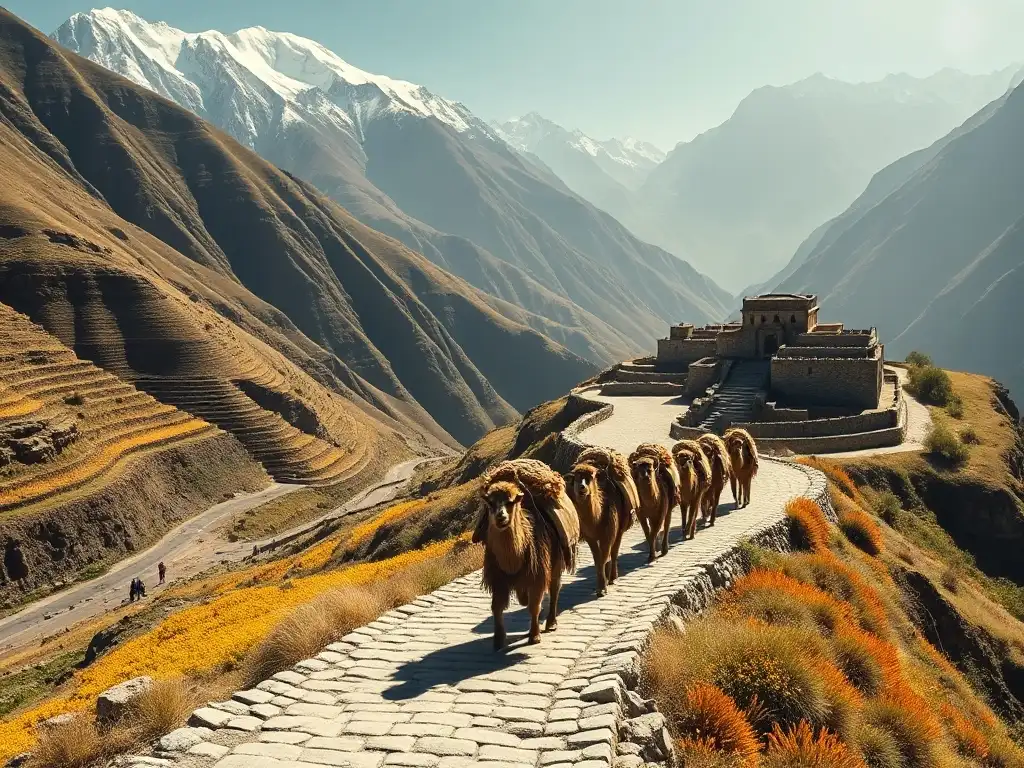
The Qhapaq Ñan, the extensive Inca road system, wasn't just a network for communication and military movement; it was the artery of the empire's sophisticated food distribution network. This intricate system ensured that surplus food from productive regions reached areas with less arable land or those affected by unpredictable weather patterns. The roads, meticulously engineered to traverse diverse terrains, facilitated the transport of goods across vast distances, connecting distant provinces to the imperial center at Cusco and other major population hubs. The sheer scale of the Qhapaq Ñan, stretching thousands of kilometers, is a testament to the Inca's logistical prowess and their commitment to ensuring food security for their subjects.
This wasn't simply a matter of transporting food; it was a crucial element in maintaining social order and political stability within the vast empire. The efficient movement of food along the Qhapaq Ñan helped prevent famines and uprisings, reinforcing the Inca's authority and control. The system relied on a complex network of relay stations (tambos) strategically placed along the roads, providing resting places for travelers and storage facilities for food and other goods.
These tambos acted as crucial nodes in the distribution chain, ensuring the continuous flow of supplies. The organization and management of this vast network required a highly structured administrative system, highlighting the advanced organizational capabilities of the Inca state. The effectiveness of this system is evident in the empire's remarkable longevity and its ability to support a large and dense population.
Specialized Storage Facilities: Qollqas
The Inca's mastery of food production extended beyond cultivation techniques; they also developed sophisticated storage facilities known as qollqas. These weren't simply rudimentary structures; they were carefully designed warehouses, often built into hillsides or cliffs, to take advantage of natural insulation and maintain stable temperatures. Their construction demonstrates a deep understanding of engineering principles and materials science. Many qollqas were constructed from stone, expertly fitted without mortar, showcasing the Inca's remarkable architectural skills.
The design incorporated ventilation systems to prevent spoilage and maintain air circulation, while the location helped to regulate temperature and humidity, crucial factors in preserving food for extended periods. These structures varied in size and complexity, reflecting the needs of different regions and the volume of food stored. Some qollqas were small, serving local communities, while others were large-scale facilities capable of holding vast quantities of food for the empire's needs. The strategic placement of qollqas near agricultural areas and along the Qhapaq Ñan facilitated efficient storage and distribution.
Archaeological evidence suggests that the Inca meticulously categorized and inventoried their stored goods, further demonstrating their organized approach to resource management. The existence of these sophisticated storage facilities is a testament to the Inca's foresight and their commitment to securing food supplies for their population, even in times of hardship. The qollqas represent a remarkable achievement in ancient engineering and a vital component of the Inca food production and distribution system. Their discovery continues to provide valuable insights into the complexities of Inca society and its remarkable ability to sustain a large and thriving population.
The Role of Mit'a in Food Production and Distribution
The mit'a system, a form of mandatory labor service, played a crucial role in both the production and distribution of food within the Inca Empire. While often associated with construction projects like the Qhapaq Ñan and qollqas, the mit'a also contributed significantly to agricultural activities. Farmers were obligated to dedicate a portion of their time to working on state-owned lands, contributing to the empire's food reserves. This ensured a steady supply of food for the Inca elite, the army, and those in need.
Beyond agricultural production, the mit'a was also instrumental in transporting food along the Qhapaq Ñan. Individuals were assigned to transport goods from surplus areas to regions facing shortages, further solidifying the empire's food distribution network. The mit'a system, therefore, wasn't simply a form of forced labor; it was an integral part of the Inca's ingenious strategy for food security and resource management. The organization and efficiency of the mit'a system are remarkable considering the scale of the Inca Empire and the complexities involved in coordinating labor across vast distances.
The system's effectiveness is a testament to the Inca's sophisticated administrative and logistical capabilities, ensuring the smooth functioning of their food production and distribution systems. The mit'a's role highlights the interconnectedness of various aspects of Inca society, demonstrating how different social and economic structures worked together to support a thriving empire. The legacy of the mit'a continues to be studied, offering insights into the intricate workings of one of history’s most impressive civilizations.
The Inca Empire's success wasn't solely reliant on innovative agricultural techniques; it was equally dependent on a sophisticated system of labor organization and social structures that ensured efficient food production across its vast territory. This intricate system, far from being purely exploitative, incorporated elements of cooperation and reciprocity that fostered stability and resilience within the empire. Understanding this organizational framework is crucial to appreciating the scale and complexity of Inca food production methods. The Inca Empire food production methods were not just about farming techniques; they were deeply interwoven with the social fabric of the society.
The 'Mita' System and Agricultural Labor
The mita system was the cornerstone of Inca labor organization. It wasn't simply forced labor, as is often portrayed, but rather a system of obligatory service rendered by able-bodied individuals to the state. While it demanded significant contributions, the mita also provided essential services like infrastructure development (roads, irrigation canals), and crucially, agricultural labor. Individuals were assigned to agricultural projects for specific periods, often seasonally, contributing to the cultivation of state-owned lands ( ayllu lands were worked communally, not through mita) and ensuring the production of food for the elite, the army, and to support large-scale public works.
The duration and intensity of mita obligations varied depending on factors such as location, season, and the specific needs of the empire. Records suggest that mita assignments were often rotated to ensure fairness and prevent undue hardship on any single community. This system, while demanding, played a vital role in the Inca Empire's ability to generate surplus food and maintain control over its vast resources.
Careful planning and management were key components of making the mita system function effectively. Detailed records likely existed to track labor contributions and ensure equitable distribution of tasks. Further research is needed to fully elucidate the precise mechanisms of mita assignment and its impact on individual communities.
The Role of Communities in Farming
While the mita system addressed large-scale agricultural projects, the day-to-day cultivation of food for local consumption primarily rested on the ayllu, the fundamental socio-economic unit of Inca society. The ayllu, a kinship-based community, collectively managed its land and resources, ensuring food security for its members. This communal approach fostered cooperation and shared responsibility, promoting efficient land use and minimizing waste. Agricultural practices were passed down through generations, resulting in a deep understanding of local conditions and the most effective farming techniques for each specific environment.
This localized knowledge, combined with the empire's overall infrastructure improvements (like irrigation systems), maximized agricultural yields. The ayllu system was integral to the Inca Empire food production methods, providing a crucial foundation for local sustenance alongside the state's larger-scale operations. The combined efforts of ayllus across the empire contributed significantly to the overall food security of the Inca civilization.
The Concept of Reciprocity in Food Sharing
The Inca Empire's food production methods weren't solely focused on generating surplus; they also emphasized reciprocity and redistribution. The concept of ayni, reciprocal labor exchange, extended beyond agriculture to encompass various aspects of community life. This system ensured that even during periods of hardship, communities could rely on each other for support.
Surplus food produced through mita labor and community farming was often redistributed to those in need, strengthening social bonds and maintaining stability within the empire. This principle of reciprocity, coupled with the efficient organization of labor, fostered a system of food security that allowed the Inca civilization to thrive for centuries. The intricate balance between centralized control (through mita) and decentralized community responsibility ( ayllu) is a key feature of the Inca Empire food production methods.
The system's success underscores the importance of social cohesion and mutual support in maintaining a large and complex society. Understanding the nuances of ayni and its practical applications is critical for a complete understanding of Inca social and economic structures.
The Impact of Inca Food Production on Empire Expansion
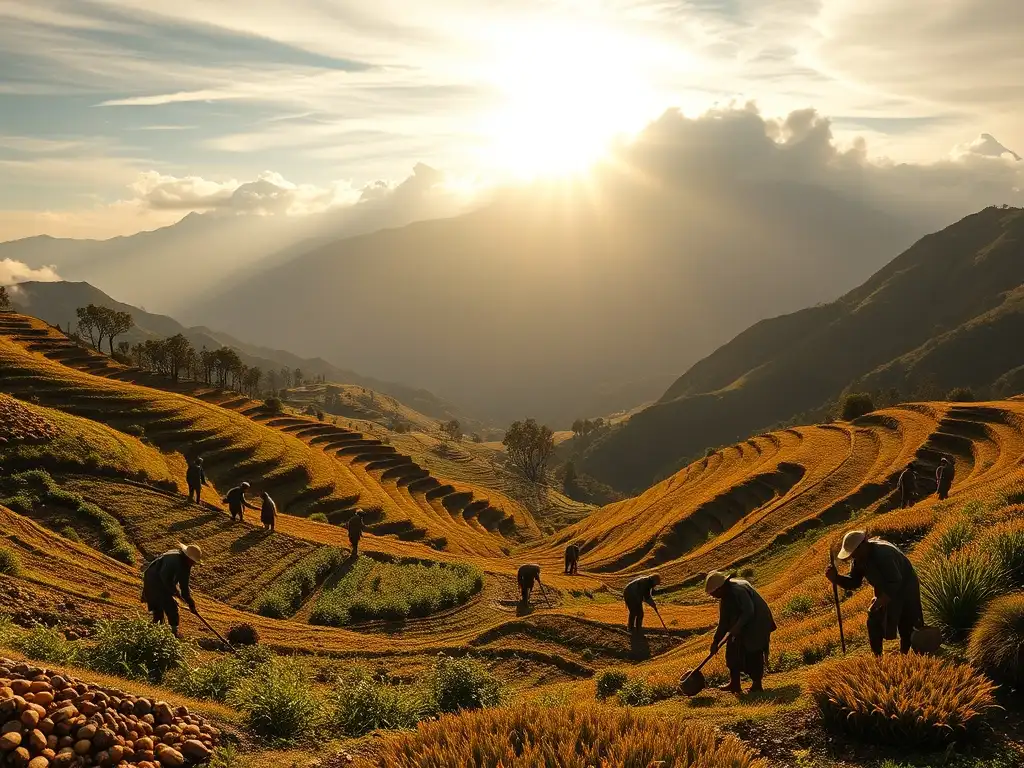
The Inca Empire's remarkable growth and longevity were intrinsically linked to its sophisticated and highly effective food production methods. Unlike many other ancient civilizations that relied on unpredictable rainfall and localized agriculture, the Inca developed a complex system that ensured food security across vast and diverse terrains. This agricultural prowess wasn't merely about survival; it was a crucial engine driving imperial expansion, military success, and social stability.
The ability to consistently generate food surpluses allowed the Inca to support a large, centralized population, fund ambitious infrastructure projects, and maintain a powerful army. This section will explore how Inca food production directly influenced their ability to conquer and govern a sprawling empire. Understanding their agricultural techniques provides vital insight into the mechanics of their power.
How Food Surplus Fueled Inca Conquests
The Inca Empire's military campaigns were not solely reliant on brute force. The capacity to sustain a large army on the move, coupled with the ability to quickly provision conquered territories, was a significant advantage. Inca agricultural innovations, such as terracing, irrigation systems, and the cultivation of diverse, high-yielding crops like potatoes, maize, and quinoa, resulted in substantial food surpluses.
These surpluses weren't just stored in local granaries; they were strategically mobilized to support military endeavors. Conquered populations were often integrated into the Inca system, contributing labor and resources to the empire's vast agricultural network. This ensured a steady flow of food to support the army and the growing administrative apparatus of the empire.
For example, the conquest of the coastal regions provided access to fish and other marine resources, diversifying the empire's food supply and bolstering its resilience. The ability to swiftly replenish supplies during long campaigns, coupled with the capacity to feed newly subjugated populations, was a key factor in the Inca's military dominance. This efficient logistical system dramatically reduced the risk of famine or rebellion within conquered territories, securing the Inca's control.
The Interdependence of Agriculture and Political Power
The Inca state exerted considerable control over agricultural production, demonstrating the intricate link between food production and political power. The mita system, a form of mandatory labor, played a crucial role in constructing and maintaining the vast irrigation networks, terraces, and storage facilities. This system ensured that the empire's agricultural infrastructure was constantly improved and expanded, further enhancing food production capacity.
The elite class, including the Sapa Inca and his officials, directly benefited from this centralized control, receiving a significant portion of the agricultural output. This system not only secured the food supply for the ruling class but also reinforced their authority and legitimacy in the eyes of the population. The distribution of food, carefully managed by the state, was a key instrument for maintaining social order and preventing unrest.
The Inca state's ability to control food production and distribution was therefore a cornerstone of its political power, enabling them to maintain stability and control across their vast empire. The success of the empire hinged on this intricate relationship between agriculture and governance.
The Role of Food in Supporting Military Campaigns
The Inca army's effectiveness wasn't just a product of its organization and training; it was also directly supported by the empire's robust food production system. Unlike armies reliant on foraging or plunder, the Inca army enjoyed consistent supplies, even during prolonged campaigns in remote regions. Strategically placed granaries along major roads and in conquered territories ensured that soldiers always had access to food.
This logistical prowess allowed the Inca to maintain a larger, more effective army for extended periods, giving them a decisive advantage over their rivals. Furthermore, the provision of food was not only a practical matter; it was also a tool of political and social control. Feeding conquered populations was a demonstration of the Inca's power and a method of fostering loyalty among newly incorporated subjects.
The distribution of food, often in the form of rations or gifts, served to consolidate Inca authority and integrate conquered peoples into the imperial system. This multifaceted role of food in military operations underscores its importance in the Inca Empire's overall success and longevity. The ability to feed and supply their armies effectively was a key element in their imperial expansion and their capacity to maintain control over such a vast territory.
Inca Food and Dietary Practices
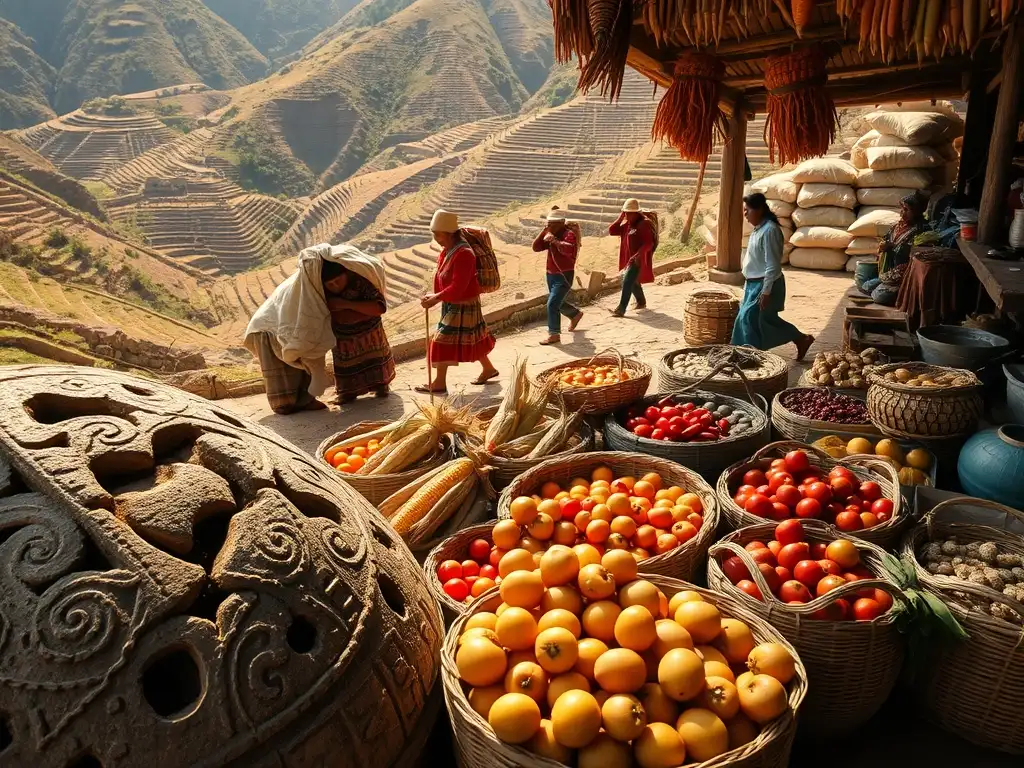
The Inca Empire, renowned for its sophisticated engineering and social structures, also possessed remarkably efficient food production methods that sustained a large and thriving population. Understanding their dietary practices is crucial to appreciating the ingenuity and resilience of this civilization. The Inca Empire food production methods were deeply intertwined with their environment, utilizing diverse agricultural techniques adapted to the varied Andean landscape.
This wasn't simply a matter of sustenance; food played a vital role in their social fabric, religious beliefs, and political power. Their agricultural innovations, including terracing, irrigation, and the cultivation of unique crops, allowed them to overcome the challenges of a mountainous terrain and ensure a relatively stable food supply. The success of their methods is evident in the empire's longevity and its considerable population density.
The Daily Diet of the Inca People
The average Inca person's diet varied significantly depending on altitude and regional availability. However, several staple foods formed the cornerstone of their daily meals. Potatoes, in their countless varieties, were undoubtedly the most important crop. These weren't just boiled or roasted; the Inca developed sophisticated techniques for preserving potatoes, such as chuño, freeze-dried potatoes, and moraya, a sun-dried variety.
These methods ensured food security during lean times. Maize (corn) was another vital ingredient, used to make various dishes and beverages, including chicha, a fermented corn beer. Other staples included quinoa, beans (particularly broad beans), and various fruits and vegetables, depending on the region. Meat consumption, while not as prevalent as plant-based foods for the average person, included llama, alpaca, and guinea pig.
Fish was also part of the diet in coastal regions. The Inca's dietary diversity, even within a relatively simple daily fare, is a testament to their agricultural expertise and ability to exploit their environment's resources. The nutritional value of their diet, rich in complex carbohydrates and essential nutrients, contributed to the health and productivity of the Inca population.
Examples of Chuño and Chicha in Inca Meals
Chuño, that freeze-dried potato, wasn't just a method of preservation; it was a versatile ingredient. It could be added to soups, stews, or ground into flour for bread. Its long shelf life made it invaluable during times of scarcity. Here's an example of how chuño might have been incorporated into a typical meal: A hearty stew might have included chuño, various beans, and perhaps some llama meat, seasoned with native herbs and spices. This would provide a balanced and nutritious meal, offering both carbohydrates and protein.
Chicha, the fermented corn beer, was more than just a beverage; it held significant cultural and social importance. It was consumed during festivals, ceremonies, and everyday life. Different types of chicha existed, varying in flavor and strength based on the corn variety and fermentation process.
Imagine a festive occasion, perhaps a harvest celebration, where chicha flowed freely, accompanied by roasted maize and chuño based dishes. This illustrates the integral role of chicha in Inca society, not only as a source of nourishment but also as a social lubricant and a symbol of celebration. The preparation of chicha itself was often a communal affair, reinforcing social bonds and shared traditions within the Inca communities.
The Importance of Food in Inca Rituals and Ceremonies
Food played a central role in Inca religious practices and ceremonies. Offerings of food and drink were made to the gods and ancestors to ensure good harvests and appease the spirits. These offerings weren't simply discarded; they were often consumed communally after the ceremony, highlighting the interconnectedness of religious practice and everyday life.
Specific foods were associated with particular deities or events. For instance, maize, representing fertility and abundance, was prominently featured in ceremonies related to agriculture. The distribution of food during religious events served as a powerful tool for social cohesion and the reinforcement of the Inca's hierarchical structure.
The emperor, as the intermediary between the people and the gods, played a crucial role in these rituals, highlighting the symbolic and political power associated with food distribution and control. The intricate relationship between food, religion, and political power in the Inca Empire demonstrates the profound impact of food production methods on the empire's social and cultural fabric. Understanding this relationship allows us to more fully appreciate the complex and sophisticated nature of Inca society.
Legacy of Inca Food Production: Lessons for Today
The Inca Empire's remarkable success wasn't solely due to military might or sophisticated governance; it was fundamentally underpinned by innovative and sustainable food production methods. Their agricultural ingenuity, honed over centuries, allowed them to support a vast and densely populated empire across diverse and challenging terrains. Understanding these techniques offers invaluable insights for addressing modern challenges related to food security and environmental sustainability.
The Inca Empire food production methods weren't simply about feeding a population; they were a complex interplay of environmental stewardship, social organization, and technological innovation. This legacy continues to resonate today, prompting us to reconsider our own approaches to agriculture. The Inca’s ability to cultivate food in seemingly impossible locations serves as a powerful example of human adaptation and resourcefulness.
Sustainable Agricultural Practices in the Modern World
The Inca's sophisticated understanding of their environment allowed them to develop remarkably sustainable agricultural practices. Their methods minimized environmental impact while maximizing yields. Key elements included:
- Terracing: This technique transformed steep slopes into cultivatable land, reducing erosion and optimizing water use. Terraces acted as miniature reservoirs, capturing rainfall and allowing for controlled irrigation.
- Irrigation Systems: Ingenious canal systems channeled water from rivers and streams to fields, ensuring consistent water supply even during dry periods. This allowed for year-round cultivation and greater crop diversity.
- Crop Rotation and Intercropping: Inca farmers practiced crop rotation to maintain soil fertility and prevent pest infestations. Intercropping, the planting of multiple crops together, further diversified food sources and enhanced soil health. This minimized the risk of crop failure and ensured food security.
- Fertilizers: While the specific methods varied regionally, the Inca utilized organic fertilizers like guano (bat and seabird droppings) to enrich their soils. This practice boosted crop yields and contributed to long-term soil health.
The Inca's commitment to sustainable agriculture offers valuable lessons for today's world, where climate change and population growth pose significant challenges to food production. Their emphasis on minimizing environmental impact and maximizing resource utilization is more relevant than ever. Modern agricultural practices often prioritize short-term gains over long-term sustainability, leading to soil degradation, water depletion, and biodiversity loss. By re-examining and adapting Inca techniques, we can move towards more resilient and environmentally friendly agricultural systems. The Inca Empire food production methods were, in essence, a model of ecological balance.
The Enduring Impact of Inca Techniques
The impact of Inca agricultural techniques extends far beyond the historical context. Many of their practices continue to be employed in the Andes today, demonstrating their enduring effectiveness and adaptability. Indigenous communities have preserved and adapted these techniques, ensuring their relevance in contemporary agricultural practices. This continuity highlights the ingenuity and practicality of Inca methods, which were designed to work within the specific ecological conditions of the Andes.
The knowledge passed down through generations is a testament to the resilience of both the Inca legacy and the Andean people. Furthermore, research into Inca agriculture continues to inspire innovative approaches to sustainable farming globally. Their achievements are not just a historical curiosity; they are a living legacy.
The ongoing relevance of Inca food production methods is undeniable. Their ingenuity in maximizing yields while minimizing environmental impact provides valuable insights for sustainable agriculture in the 21st century. The adaptation and integration of these practices into modern farming techniques offers opportunities to enhance global food security and promote environmental sustainability. The study of Inca agriculture offers valuable lessons on resource management and land conservation, crucial aspects for addressing the challenges of a growing global population. The Inca Empire food production methods were not just about feeding an empire; they were about creating a sustainable relationship with the land.
Modern Applications of Terracing in Mountainous Regions
Terracing, a hallmark of Inca agriculture, remains a highly effective technique for cultivating steep slopes in mountainous regions worldwide. Modern adaptations of this ancient technology incorporate contemporary engineering and materials, while retaining the core principles of water conservation and erosion control. For example, modern terracing projects often utilize advanced surveying techniques and durable materials to create more efficient and longer-lasting terraces.
This ensures the sustainability of the practice and enables its wider application in diverse geographical contexts. The benefits of modern terracing extend beyond increased agricultural productivity. It also plays a crucial role in preventing soil erosion and landslides, protecting both the environment and human settlements.
The application of terracing in modern mountainous regions, inspired by Inca techniques, demonstrates the enduring value of ancient wisdom. By adapting traditional practices to contemporary needs, we can develop sustainable agricultural solutions that address the unique challenges of mountainous terrains. The Inca's mastery of terracing offers a blueprint for creating resilient and productive agricultural systems in challenging environments, contributing significantly to food security and environmental protection in mountainous regions globally. The Inca Empire food production methods, specifically terracing, continue to inspire innovative solutions for sustainable agriculture in mountainous regions today.
Frequently Asked Questions
What were the primary food sources of the Inca Empire?
The Inca diet relied heavily on potatoes, corn, and quinoa, supplemented by beans, fruits, and various vegetables adapted to high-altitude environments. Llama and alpaca provided meat and fiber.
How did the Inca manage to feed such a large population?
The Inca implemented sophisticated agricultural techniques, including terracing, irrigation systems, and a system of storage and distribution to ensure food security across diverse climates and terrains. Efficient organization and labor mobilization were key.
What innovative farming methods did the Inca use?
Inca agricultural innovations included terracing on steep slopes, creating extensive irrigation canals, and developing freeze-dried potatoes ("chuño") for long-term storage. They also utilized fertilizers from animal manure and guano.
The Inca's centralized system of food production and distribution supported a complex social hierarchy. Elite classes received preferential access to resources, while the labor of the population was crucial to the empire's sustenance.
What evidence supports our understanding of Inca food production methods?
Archaeological evidence, including terraced fields, irrigation canals, and storage facilities, alongside written accounts from Spanish chronicles, provide valuable insights into Inca agricultural practices. Analysis of plant and animal remains further contributes to our knowledge.
Final Reflection: The Enduring Legacy of Inca Ingenuity
The Inca Empire's sophisticated agricultural techniques remain a powerful testament to human adaptability and ingenuity, offering crucial lessons for addressing modern food security challenges. Their innovative solutions to feeding a vast population in diverse, often challenging terrains are not just historical curiosities; they are blueprints for sustainable practices urgently needed in our increasingly interconnected world. The ingenuity of the Inca, facing similar pressures of population growth and environmental limitations, provides a compelling case study for how we can approach our own food systems.
The impact of the Inca's agricultural innovations extends far beyond their own time; their terracing, irrigation systems, and crop diversification continue to inspire modern agricultural practices. Their understanding of ecological balance and the importance of resource management serves as a powerful reminder of our own responsibility to the planet. The earth provides enough to satisfy every man's needs but not every man's greed.
- Mahatma Gandhi. This quote highlights the crucial balance the Inca understood and which we must re-learn in the face of climate change and growing global populations.
Consider the ingenuity of the waru waru system, or the carefully planned terraces clinging to steep Andean slopes. These weren't simply feats of engineering; they were expressions of a deep understanding of their environment and a commitment to sustainable food production. You, the reader, are now equipped with a deeper understanding of these remarkable achievements.
What steps can you take, in your own life, to embrace more sustainable and responsible food choices? Let the legacy of the Inca inspire you to explore local, seasonal foods, reduce food waste, and support farming practices that prioritize ecological balance. The future of food security depends on our collective action, and the Inca's story provides a powerful roadmap.
Embark on Your Journey to Discover Inca Ingenuity!
Thank you for exploring the fascinating world of the Inca civilization! Your discovery of their innovative agricultural techniques and sustainable practices reveals the secrets behind one of history's most remarkable empires. Now, let's deepen your connection with this captivating culture.
Here are some exciting ways to continue your journey:
- Explore traditional Andean cuisine: Experiment with native ingredients like quinoa and potatoes, and share your culinary creations with friends and family!
- Connect with fellow enthusiasts: Join a local history group or online community dedicated to Andean culture and its enduring influence on modern society. Engage in discussions and activities to further your understanding.
- Experience Inca history firsthand: Visit an archaeological site or museum showcasing Inca artifacts and their advanced agricultural techniques. Witnessing these remarkable achievements will enrich your understanding.
How will you share the Inca legacy with others?