
The Inca Calendar and Agriculture: A Harmonious Relationship

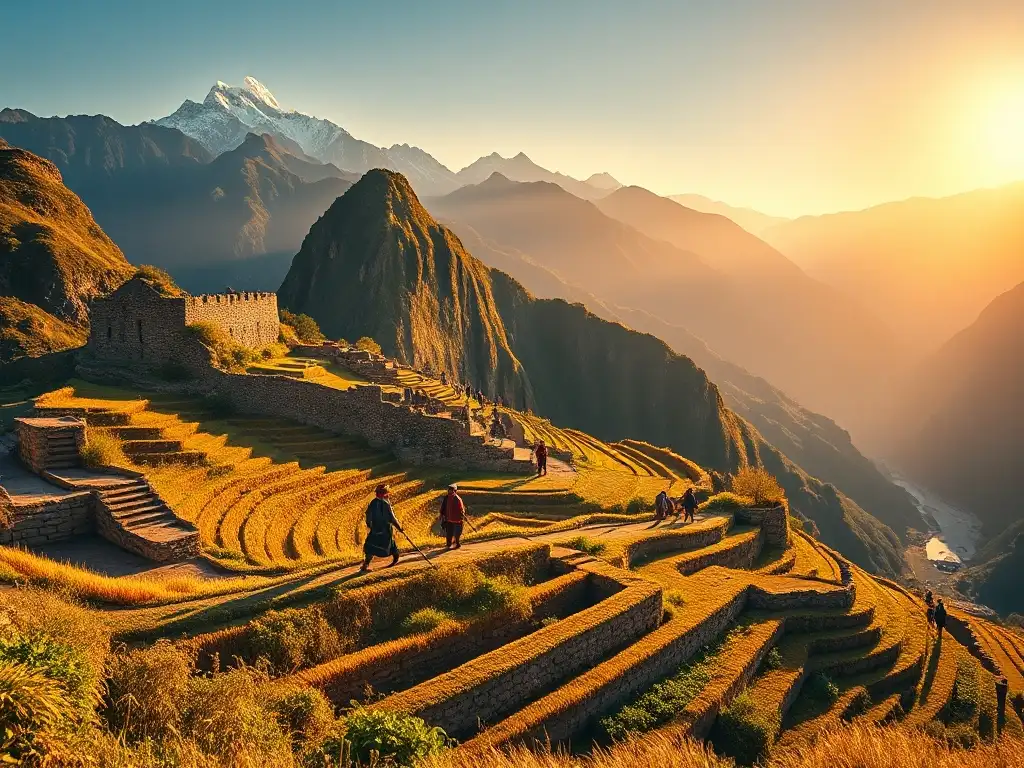
Step into a world lost to time, yet echoing with the ingenuity of a vanished empire. Imagine a civilization that mastered the harsh Andes, coaxing life from seemingly barren landscapes. Unlock the secrets of the Inca agricultural calendar system, a testament to their profound understanding of nature and a key to their astonishing success. Prepare to be amazed by the intricate harmony between Andean society and its environment—a story waiting to be unveiled.
- The Inca Agricultural Calendar System: A Deep Dive into Andean Farming Practices
- Inca Agricultural Practices Guided by the Calendar
- The Interplay Between the Inca Calendar and Crop Cycles
- The Legacy of the Inca Agricultural Calendar System
-
Frequently Asked Questions
- What was the Inca agricultural calendar system based on?
- How did the Inca calendar impact their agricultural practices?
- Did the Inca use any specific tools or techniques related to their calendar?
- What crops were most important in the Inca agricultural system?
- How accurate was the Inca agricultural calendar system?
- Final Reflection: Echoes of the Andes: The Enduring Legacy of Inca Agricultural Wisdom
- **Embrace the Wisdom of the Inca Calendar Today! **
The Inca Agricultural Calendar System: A Deep Dive into Andean Farming Practices
The Inca Empire, renowned for its sophisticated engineering and administrative prowess, achieved remarkable agricultural success in the challenging Andean terrain. This success wasn't merely a result of ingenious terracing and irrigation systems; it was deeply intertwined with a precise and intricately designed calendar system. This article delves into the fascinating relationship between the Inca calendar and their agricultural practices, exploring how a deep understanding of celestial cycles underpinned their ability to cultivate food in a diverse and often unforgiving environment.
We will examine the key components of their agricultural calendar, highlighting its significance in planning planting, harvesting, and overall resource management within the vast Inca empire. The Inca agricultural calendar system wasn't just a tool; it was a fundamental aspect of their worldview, reflecting their profound connection to the land and their deep respect for the natural rhythms of the Andes.
Understanding this system provides crucial insight into the ingenuity and sustainability of Inca agricultural practices, offering valuable lessons for modern agricultural approaches in similar challenging environments. The meticulous observation and precise calculations embedded within the Inca calendar system represent a sophisticated understanding of astronomy and its practical applications, showcasing the advanced knowledge of this remarkable civilization.
Understanding the Inca Calendar: A Foundation for Agriculture
The Inca calendar wasn't a single, monolithic system. Instead, it was a complex interplay of solar and lunar observations, resulting in a sophisticated understanding of seasonal changes and agricultural cycles. Unlike many calendar systems based solely on lunar cycles, the Inca calendar prioritized the solar year, divided into twelve months, each associated with specific agricultural activities. These months weren't of equal length, reflecting the varying lengths of seasons in the Andes.
The Inca year began around June, coinciding with the Inti Raymi, the festival celebrating the winter solstice and the sun god Inti. This crucial festival marked the beginning of the agricultural cycle, signifying a time of renewal and preparation for the upcoming planting season. The calendar also incorporated a lunar cycle, with lunar months used for more localized, community-specific agricultural practices and rituals.
The interplay between solar and lunar cycles allowed for precise predictions of weather patterns and the timing of planting and harvesting, minimizing risks and maximizing yields. Furthermore, the Inca calendar was not solely focused on agriculture. It also governed religious festivals, social events, and administrative tasks, demonstrating its crucial role in all aspects of Inca life.
The Solar Year and its Significance in Inca Agriculture
The Inca solar year, meticulously observed by priests and astronomers, was fundamental to their agricultural success. The twelve months were further divided into smaller periods, each with specific tasks associated with crop management. For instance, certain months were dedicated to land preparation, involving the meticulous terracing and irrigation work characteristic of Inca agriculture.
Other months were reserved for planting specific crops, adapted to the varying altitudes and microclimates of the Andean region. The Inca's deep knowledge of different crop varieties and their specific needs allowed them to optimize their planting schedules, ensuring maximum yields. The observation of solstices and equinoxes played a vital role in determining the optimal planting times for different crops, helping to ensure bountiful harvests.
The Inca understanding of the solar year was not limited to the timing of planting and harvesting; it also guided the management of water resources, crucial in the arid and semi-arid regions of the Andes. Their intricate irrigation systems, carefully planned according to the solar year, ensured an adequate water supply for crops throughout the growing season.
Key Dates in the Inca Agricultural Calendar
While precise dates are difficult to reconstruct due to the limited surviving written records, we can identify key periods within the Inca agricultural calendar based on archaeological evidence and ethnographic accounts. For example, the Capacocha festival, a significant religious event, often coincided with the harvest season, providing a framework for understanding the timing of agricultural activities. The winter solstice ( Inti Raymi) marked the beginning of the agricultural cycle, initiating preparations for the planting season.
Other key dates likely corresponded to important agricultural milestones, such as the first rains, the blossoming of certain crops, and the ripening of fruits and vegetables. The specific dates and associated activities varied across different regions of the empire, reflecting the diverse climatic conditions and agricultural practices. Further research and analysis of archaeological data are needed to refine our understanding of the specific dates and their significance within the Inca agricultural calendar.
The complexity and precision of this system highlight the sophistication of Inca agricultural knowledge and its crucial role in ensuring the stability and prosperity of their empire. The Inca agricultural calendar system, a testament to their profound understanding of nature's rhythms, stands as a remarkable example of sustainable agricultural practices.
The Role of the Inti Raymi Festival in Inca Farming
The Inti Raymi, or Festival of the Sun, was far more than a vibrant celebration; it served as a crucial marker within the Inca agricultural calendar system. Held annually around the winter solstice (June 21st), this grand ceremony directly impacted agricultural practices. The festival's timing coincided with the beginning of the crucial agricultural planning period.
Inca priests, highly skilled astronomers and agricultural experts, used this time to observe celestial movements and predict weather patterns, essential information for determining planting times and irrigation strategies for the upcoming growing season. The Inti Raymi wasn't just a symbolic event; it was a practical, calendar-based ritual that ensured the success of the agricultural year.
The festivities themselves involved elaborate rituals aimed at appeasing the sun god, Inti, and ensuring a bountiful harvest. These rituals weren't merely symbolic; they were deeply intertwined with the practical aspects of agriculture. Prayers for rain, fertility, and successful harvests were central to the celebrations, reflecting the Inca's deep understanding of the interconnectedness between their spiritual beliefs and the success of their farming practices.
The precise timing of the Inti Raymi, coupled with the astronomical observations made during the festival, allowed Inca farmers to optimize planting and harvesting schedules, maximizing yields and minimizing risks associated with unpredictable weather. The festival, therefore, acted as a critical synchronization point between the Inca calendar and their sophisticated agricultural techniques.
Furthermore, the Inti Raymi served as a community-building event, reinforcing social cohesion and cooperation essential for successful large-scale agricultural projects. The shared experience of the festival fostered a sense of collective responsibility for the agricultural success of the entire community. This communal spirit ensured that resources were effectively managed and labor was efficiently allocated, contributing significantly to the overall productivity of the Inca agricultural system.
The Inca agricultural calendar system, therefore, wasn't simply a collection of dates and rituals; it was a complex, integrated system that encompassed spiritual practices, astronomical observations, and community participation, all culminating in the vibrant and crucial Inti Raymi festival. The success of Inca agriculture hinged, in large part, on this harmonious interplay of celestial events, religious practices, and community engagement, perfectly embodied in the Inti Raymi.
Inca Agricultural Practices Guided by the Calendar
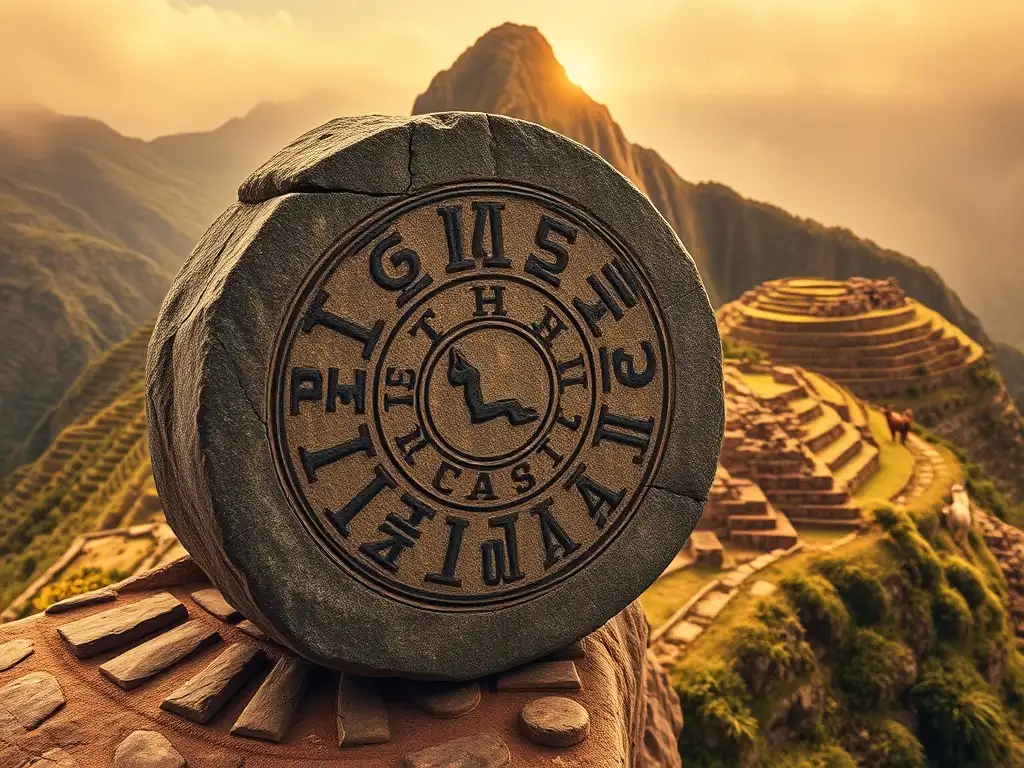
The Inca agricultural calendar system wasn't just a collection of dates; it was a sophisticated framework intricately woven into the fabric of their daily lives, deeply influencing their agricultural practices and ensuring food security across diverse Andean terrains. Understanding this system requires appreciating its holistic nature, connecting celestial observations with practical farming techniques. The Incas, masterful observers of the cosmos, meticulously tracked the sun's journey, the lunar cycles, and the constellations, using this knowledge to predict weather patterns, optimal planting times, and harvesting periods.
This meticulous approach allowed them to maximize crop yields even in challenging environments characterized by steep slopes, variable rainfall, and high altitudes. Their success wasn't merely a matter of luck; it was a testament to their profound understanding of the relationship between the cosmos and the earth, a knowledge passed down through generations of skilled agriculturalists.
The Inca's Sophisticated Farming Techniques
The Inca's agricultural prowess extended beyond simply knowing when to plant. They developed remarkably advanced farming techniques to optimize their land use. These methods included:
- Crop Rotation: To maintain soil fertility and prevent depletion, the Incas practiced crop rotation, systematically switching crops in different fields each year. This prevented the exhaustion of specific nutrients and helped control pests and diseases. Evidence suggests they rotated crops like maize, potatoes, beans, and squash, understanding the varying nutrient requirements of each.
- Waru Waru Agriculture: This ingenious system involved constructing raised beds separated by irrigation canals. This technique, particularly effective in high-altitude regions, improved drainage, retained moisture, and regulated soil temperature, increasing crop yields significantly, even in arid conditions. The canals also served as a microclimate control system, protecting crops from frost.
- Animal Husbandry: Llama and alpaca herding played a crucial role in the Inca agricultural system. These animals provided wool, meat, and fertilizer, enriching the soil and contributing to the overall sustainability of their farming practices. Their grazing patterns were carefully managed to avoid overgrazing and maintain the health of the pastures.
The combination of precise calendar-based planting schedules and these advanced farming techniques allowed the Incas to achieve remarkable agricultural productivity, supporting a large and complex empire. Their understanding of soil science, water management, and crop cultivation was far ahead of its time.
Terracing and its Connection to the Inca Calendar
Terracing, the creation of level platforms on steep slopes, represents one of the most visually striking and effective Inca agricultural innovations. The Inca calendar played a crucial role in determining the optimal timing for the construction and utilization of these terraces. The construction itself was a significant undertaking, requiring meticulous planning and coordination. The terraces weren't just randomly placed; their orientation, size, and slope were carefully considered to maximize sunlight exposure and minimize erosion.
The Inca calendar informed the planting schedules for each terrace based on altitude and microclimate. Higher terraces, experiencing colder temperatures and shorter growing seasons, would receive crops suited to those conditions, while lower terraces would cultivate crops requiring warmer temperatures and longer growing seasons. This precision ensured that each terrace yielded its maximum potential throughout the year. The calendar’s influence extended to maintenance activities as well, dictating times for weeding, pest control, and irrigation.
The effectiveness of the terraced agricultural system is evident even today in the surviving remnants across the Andes. These terraces stand as a powerful testament to the Inca's engineering prowess and their profound understanding of the relationship between the calendar, geography, and agriculture.
Irrigation Systems and the Agricultural Cycle
The Inca agricultural calendar system was inextricably linked to their elaborate irrigation networks, vital for ensuring water availability in the often-arid Andean environment. The calendar dictated not only when to plant but also how to manage water resources throughout the agricultural cycle. Observations of rainfall patterns, snowmelt, and river flows, guided by the calendar, were crucial in the construction and maintenance of their complex canal systems.
The Incas built sophisticated aqueducts, canals, and reservoirs, diverting water from rivers and streams to irrigate their fields. The calendar's predictions of rainfall influenced the timing of irrigation, ensuring that crops received adequate water at critical stages of their growth. For instance, during periods of anticipated drought, the Inca’s might employ water rationing techniques, prioritizing water allocation to the most crucial crops. Furthermore, the calendar helped predict potential flooding, allowing them to implement preventative measures and protect their crops and infrastructure.
The intricate interplay between the Inca calendar and their irrigation systems showcases a remarkable level of sophistication in water resource management. Their ability to predict and respond to variations in water availability highlights their deep understanding of both the celestial cycles and the hydrological dynamics of the Andes. This integrated approach to water management was fundamental to the success of their agricultural system and the sustenance of their vast empire.
Crop Rotation and Its Role in Sustainable Farming
The Inca agricultural calendar system wasn't just about planting and harvesting at optimal times; it was intricately linked to a sophisticated system of crop rotation. This practice was crucial for maintaining soil fertility and preventing depletion, a key element of their sustainable farming techniques. Unlike many modern agricultural practices that often focus on monoculture, the Inca employed a diverse range of crops in a carefully planned rotation. This prevented the soil from becoming exhausted by repeatedly growing the same nutrient-demanding crops in the same location. The Inca understood the importance of balancing nutrient extraction with replenishment.
For example, they might plant a heavy feeder like maize (corn) in one year, followed by a legume like beans or potatoes in the subsequent year. Legumes possess the remarkable ability to fix nitrogen from the atmosphere into the soil, enriching it for subsequent crops. This natural fertilization minimized the need for external inputs, a testament to their understanding of ecological principles.
The cyclical nature of the rotation also helped control pests and diseases, as continuous planting of the same crop often leads to an increase in pest populations and disease outbreaks. The Inca's cyclical approach broke these cycles, contributing to more resilient and healthier crops.
The implementation of crop rotation also varied depending on the specific ecological zone. In higher altitude areas, where growing seasons were shorter, the rotation might be simpler, focusing on fewer crop varieties adapted to the harsher conditions. In contrast, the more diverse ecosystems of lower altitudes allowed for more complex rotations, incorporating a broader range of crops and minimizing the risk of crop failure due to environmental fluctuations.
This adaptability highlights the Inca's deep understanding of their environment and their ability to tailor their agricultural practices to specific ecological conditions. The meticulous observation of the environment and the careful planning inherent in their crop rotation strategy were vital components of their sustainable agricultural success.
This system allowed the Inca Empire to thrive for centuries, providing a valuable lesson in sustainable agriculture for modern practices. The Inca agricultural calendar system, therefore, wasn't merely a temporal framework; it was the backbone of a remarkably effective and sustainable agricultural system.
The Interplay Between the Inca Calendar and Crop Cycles
The Inca agricultural calendar system wasn't a static document; it was a dynamic, living system deeply intertwined with the Andean environment. Its effectiveness stemmed from a sophisticated understanding of the interplay between celestial events, climate patterns, and the growth cycles of crucial crops. Unlike a Gregorian calendar with fixed dates, the Inca system relied on observations of the sun, moon, and stars, along with local environmental cues, to determine optimal planting and harvesting times.
This intricate system ensured agricultural success across diverse ecological zones within the vast Inca Empire, contributing significantly to their economic and social stability. The Inca's agricultural prowess wasn't solely based on technological advancements; it was equally reliant on their profound knowledge of the natural world and its rhythms.
This knowledge was passed down through generations, ensuring the continuity of their agricultural practices. The accuracy and effectiveness of this system are evidenced by the empire's ability to consistently produce sufficient food for its large population, even in challenging environmental conditions.
Planting Season and its Alignment with the Inca Calendar
The Inca planting season, determined by meticulous observation of the celestial bodies and local weather patterns, varied significantly across the empire's diverse geography. In higher altitudes, where frost was a significant concern, planting typically occurred after the last frost, often coinciding with the appearance of specific constellations or the timing of the rainy season. Lower altitudes, characterized by warmer temperatures, allowed for earlier planting.
The Inca calendar provided a framework, but local knowledge and experience were crucial for fine-tuning planting schedules. For example, the appearance of certain bird migrations or the blooming of specific plants served as additional indicators for optimal planting times. This localized approach to agriculture ensured the best possible yields in each unique environment.
Detailed records, likely kept by quipucamayocs (Inca record keepers), meticulously documented these observations and adjustments across different regions, demonstrating a highly sophisticated and adaptive agricultural system. The precision of this system is remarkable, showcasing the Inca’s deep understanding of agronomy and their ability to integrate it with their sophisticated calendar system.
Harvesting Season: Timing and Efficiency in Inca Agriculture
Harvesting, like planting, was carefully timed according to the Inca calendar and local conditions. The maturity of crops was carefully monitored, ensuring that harvests occurred at the peak of ripeness to maximize yield and quality. The Inca's understanding of crop phenology—the timing of life cycle events in plants—was instrumental in this process.
This knowledge allowed them to predict harvest times with considerable accuracy, enabling efficient organization of labor and the mobilization of resources for storage and distribution. The mit'a system, a form of rotational labor service, played a vital role in ensuring timely and efficient harvests across the empire. Specialized workers, with expertise in specific crops, would be deployed to different regions as needed, ensuring that harvests were conducted effectively even across vast distances.
The timing of the harvest was also crucial for the storage of crops. Properly timed harvests allowed for sufficient drying and preservation techniques to minimize spoilage, ensuring food security throughout the year. This integrated approach to harvesting, storage, and distribution was a cornerstone of the Inca Empire's success.
Understanding the Inca's Calendar for specific crops: Potatoes, Quinoa, and Corn
The Inca agricultural calendar system was tailored to the specific needs of various crops. Let's examine three staple crops: potatoes, quinoa, and corn.
| Crop | Planting Season (Approximate) | Harvesting Season (Approximate) | Calendar Indicators |
|---|---|---|---|
| Potatoes | After last frost, spring | Late summer/early autumn | Appearance of specific constellations, rainy season |
| Quinoa | Spring | Summer | Specific bird migrations, plant blooming patterns |
| Corn | Spring/early summer | Autumn | Sun's position, specific moon phases |
The Inca calendar's application to these crops highlights its adaptability. Potatoes, grown at higher altitudes, required later planting to avoid frost damage. Quinoa, a hardy crop, could be planted earlier. Corn, demanding warmer temperatures, had a later planting and harvest season.
The system's flexibility allowed the Inca to maximize yields for each crop based on its unique requirements and the specific environmental conditions of each region. This nuanced understanding of different crops' needs underscores the sophistication of the Inca agricultural calendar system and its crucial role in maintaining the empire's food security. The careful observation of nature and its integration into their calendar system allowed the Inca to thrive, showcasing a deep and lasting connection between humans and their environment.
The Legacy of the Inca Agricultural Calendar System
The Inca agricultural calendar system, a marvel of ancient Andean ingenuity, wasn't merely a collection of dates; it was a sophisticated understanding of the interplay between celestial cycles and agricultural practices. This intricate system, passed down through generations via oral tradition and practical application, ensured the successful cultivation of crops vital for the survival and prosperity of the Inca Empire. Its legacy continues to resonate in modern Andean communities, shaping agricultural practices and influencing cultural identities.
Understanding this system unveils a deep respect for nature and a remarkable ability to harness its rhythms for optimal productivity. The Inca calendar wasn't just about predicting planting and harvesting times; it was a holistic approach that integrated astronomical observations with detailed knowledge of local microclimates and soil conditions. This intricate system allowed for efficient resource management and maximized crop yields, contributing significantly to the empire's stability and expansion.
The precision and effectiveness of the Inca agricultural calendar system stand as a testament to the advanced knowledge and adaptability of the Inca civilization. The system’s success relied on a deep understanding of the environment and the ability to predict weather patterns, allowing for the successful cultivation of diverse crops across varying altitudes and climates within the vast Inca Empire.
Modern Adaptations of Inca Farming Techniques
Many modern Andean farming techniques are direct descendants of Inca practices, reflecting the enduring relevance of the Inca agricultural calendar system. Farmers still utilize traditional methods like waru waru (raised bed agriculture), a technique that optimizes water retention and soil fertility, particularly beneficial in arid and high-altitude regions. This technique, dating back to pre-Inca times, was refined and widely implemented during the Inca period and its principles are still employed today.
The Inca calendar's influence on planting schedules is also evident in contemporary agricultural practices. Farmers continue to observe celestial events and traditional weather patterns to determine optimal planting and harvesting times, ensuring the best possible yields. This blend of ancient wisdom and modern agricultural techniques demonstrates the enduring value and adaptability of the Inca agricultural calendar system.
For example, communities in the Andes continue to use knowledge passed down through generations to predict frost dates, allowing them to protect their crops from damage. This demonstrates the continued practical application and cultural significance of the Inca agricultural calendar system. Moreover, research into ancient Inca agricultural techniques is informing modern sustainable farming practices, highlighting the system's relevance in the face of climate change and the need for environmentally conscious agriculture.
The Impact of the Inca Calendar on Andean Communities Today
The Inca agricultural calendar system continues to significantly impact Andean communities, shaping not only agricultural practices but also cultural identities and social structures. The calendar's rhythms are deeply ingrained in the cultural fabric of many communities, influencing social events, religious ceremonies, and even artistic expressions. For instance, many festivals and celebrations are timed to coincide with crucial agricultural periods, reflecting the close relationship between the Inca calendar and the social life of these communities.
The knowledge of the Inca calendar isn't merely an academic pursuit; it's a living tradition, passed down through generations, ensuring the continuity of agricultural practices and cultural heritage. This demonstrates the calendar's enduring relevance and its role in maintaining cultural identity and community cohesion. Furthermore, the system's principles of resource management and sustainable agriculture provide valuable lessons for contemporary societies facing environmental challenges.
The Inca calendar system serves as a powerful reminder of the importance of respecting natural cycles and integrating environmental considerations into agricultural practices. The cultural and social impact of this ancient system underscores its continued relevance and importance in the modern world. The preservation of this knowledge is crucial for the well-being of Andean communities and the conservation of their unique cultural heritage.
Preserving the Knowledge of the Inca Agricultural Calendar
Preserving the knowledge of the Inca agricultural calendar system is crucial for maintaining agricultural practices, protecting cultural heritage, and ensuring sustainable development in Andean communities. Efforts to document and disseminate this knowledge are underway through various initiatives, including ethnographic studies, community-based projects, and educational programs. These initiatives aim to record the oral traditions, observe the practical applications, and analyze the astronomical observations that form the basis of the Inca calendar system.
The preservation of this knowledge is not just about archiving historical information; it's about empowering communities to continue utilizing this valuable resource. This involves supporting local farmers and encouraging the transmission of knowledge from one generation to the next. Furthermore, integrating this knowledge into educational curricula can help raise awareness among younger generations and ensure the continuation of this valuable cultural heritage.
The task is multifaceted and requires a collaborative effort between researchers, educators, and Andean communities themselves. The preservation of the Inca agricultural calendar system is not only a matter of historical significance but also a crucial component of sustainable development and cultural preservation in the Andes. The continued study and application of this system offer valuable insights for modern agriculture and environmental management.
Frequently Asked Questions
What was the Inca agricultural calendar system based on?
The Inca calendar system was primarily based on observing the sun and stars, as well as seasonal changes and environmental cues. This allowed them to predict the optimal times for planting and harvesting.
How did the Inca calendar impact their agricultural practices?
The calendar provided a framework for planning agricultural activities, ensuring crops were planted and harvested at the most opportune times. This led to increased crop yields and food security.
Incas used various tools like quipus (counting devices) to track time and record agricultural data. They also employed sophisticated terracing and irrigation techniques that were adapted to the specific climates and altitudes.
What crops were most important in the Inca agricultural system?
Potatoes, maize (corn), and quinoa were staple crops in the Inca empire, with their planting and harvesting cycles meticulously planned according to the calendar. Other crucial crops included beans and squash.
How accurate was the Inca agricultural calendar system?
The Inca calendar, while not as precise as modern systems, was remarkably accurate. Its effectiveness is evident in their ability to sustain a large population through efficient agricultural practices adapted to diverse Andean environments.
Final Reflection: Echoes of the Andes: The Enduring Legacy of Inca Agricultural Wisdom
The Inca understanding of their environment, meticulously documented in their sophisticated calendar system, remains a potent example of sustainable agriculture, a crucial lesson for our increasingly fragile world. The intricate relationship between the Inca calendar and their agricultural practices offers a powerful counterpoint to modern, often exploitative, farming methods. Their success highlights the importance of respecting ecological balance and understanding the rhythms of nature.
The Inca's deep connection to the land, reflected in their precise agricultural calendar, continues to resonate today. Their ability to cultivate diverse crops in challenging terrain serves as a testament to human ingenuity and adaptability. The Inca were not merely farmers; they were architects of a landscape, shaping it to their needs while respecting its inherent limitations.
This quote encapsulates the profound respect for the environment that underpins their success, a respect we must strive to emulate in our own agricultural practices. Their methods offer valuable insights into creating resilient and sustainable food systems, vital in the face of climate change and growing global food insecurity.
Consider the intricate details of the Inca calendar, the meticulous observations of celestial movements and seasonal changes. Reflect on how this deep understanding allowed them to optimize planting and harvesting, ensuring food security for their vast empire. Now, consider how you can apply this principle of careful observation and planning to your own life, whether it's in your garden, your community, or your personal goals. Let the legacy of Inca agricultural wisdom inspire you to cultivate a more harmonious relationship with the natural world, building a future where sustainability and prosperity go hand in hand.
**Embrace the Wisdom of the Inca Calendar Today! **
Thank you for exploring the fascinating connection between the Inca calendar and sustainable agriculture. You've discovered the timeless wisdom of the Andean civilizations and their deep understanding of nature's rhythms. Let's build on that knowledge!
Here are some ways you can integrate this ancient wisdom into your life:
- **Start a seasonal garden:** Plan your planting schedule according to the principles of the Inca calendar, aligning your gardening with nature's cycles to maximize your harvest.
- **Connect with local farmers:** Join a local farmers' market, agricultural cooperative, or community garden to learn from and share knowledge with those who practice traditional and sustainable farming methods.
- **Share your knowledge:** Organize a community event or online forum to discuss the value of ancestral calendars in modern agriculture and sustainable food systems.
How will you apply the insights of Inca culture to enhance your approach to agriculture and create a more sustainable and fulfilling experience?