
The Inca's Agricultural Rituals: Connecting Farming to Spirituality

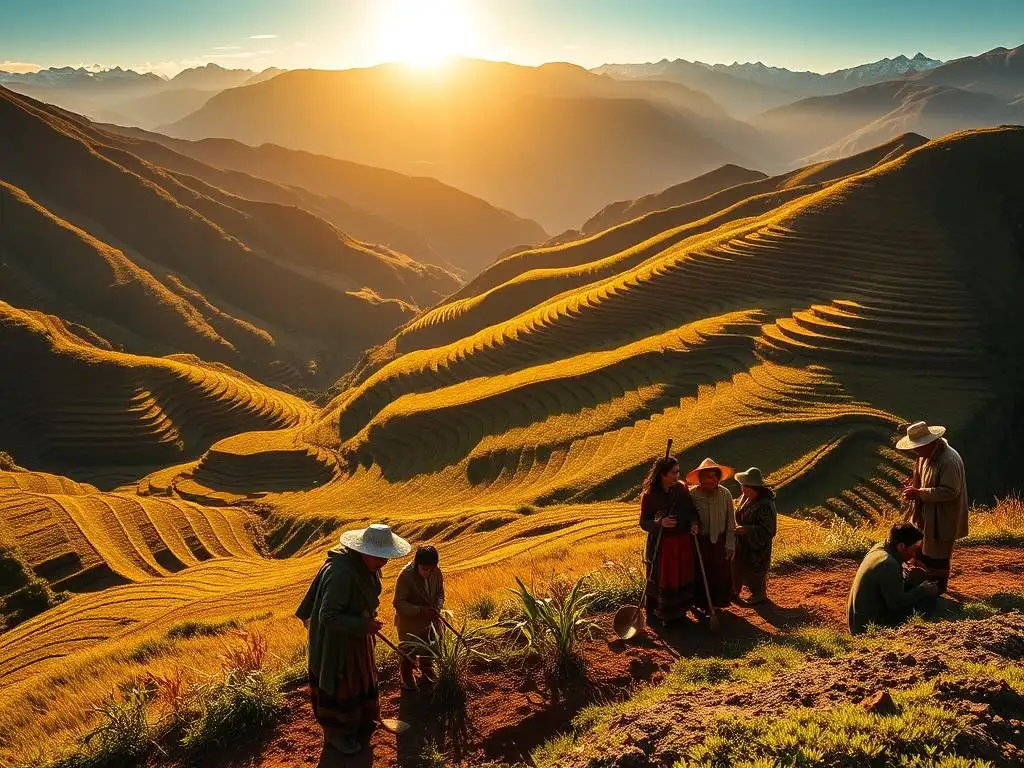
Unravel the mysteries of the Andes! Journey back in time to discover a world where spiritual devotion intertwined seamlessly with daily life, particularly in the realm of agriculture. Prepare to be amazed by the ingenuity and profound beliefs behind Inca farming rituals, a practice that shaped not only their harvests but the very fabric of their empire. Dive in and uncover the secrets of this fascinating civilization – their ingenuity will leave you breathless.
The Inca Empire, renowned for its sophisticated engineering and administrative prowess, also possessed a deeply spiritual connection to agriculture. Farming wasn't merely a means of sustenance; it was an integral part of their religious beliefs and practices, interwoven with intricate rituals designed to ensure bountiful harvests and appease the gods. This article delves into the fascinating world of Inca agricultural rituals, exploring how these practices reflected their cosmology and social organization, showcasing the profound relationship between their spiritual life and the very foundation of their survival: the land.
We will examine specific rituals, the role of priests and shamans, and the symbolic significance of agricultural practices within the Inca worldview, providing a comprehensive understanding of "Inca farming rituals." Understanding these rituals offers a crucial insight into the heart of Inca culture and its enduring legacy.
The Significance of the Capacocha in Agricultural Cycles
The Capacocha, a complex sacrificial ceremony involving the offering of children and other selected individuals to the gods, played a pivotal role in maintaining the agricultural balance. While often viewed through a modern lens of tragedy, within the Inca worldview, this sacrifice was considered a sacred act, ensuring the fertility of the land and the abundance of crops. The chosen individuals were considered to be "pure" offerings, their sacrifice directly linked to the cyclical nature of planting and harvesting.
Archaeological evidence suggests that Capacocha events often coincided with significant agricultural periods, such as the planting season or the first harvest. The precise timing and location of these sacrifices varied, likely influenced by local agricultural cycles and specific deities associated with particular crops or regions.
Further research is needed to fully understand the intricacies of the Capacocha's relationship to specific agricultural events. Detailed records detailing the exact timing of Capacocha ceremonies in relation to planting and harvesting remain scarce, necessitating more thorough analysis of existing archaeological data.
Prayers, Offerings, and the Pachamama
The Inca's reverence for the Pachamama, the Earth Mother goddess, was central to their agricultural practices. Regular prayers and offerings were made to appease her and ensure her continued benevolence. These offerings varied, ranging from coca leaves and chicha (a fermented corn beverage) to llama sacrifices.
The rituals were often performed by specialized priests and shamans who acted as intermediaries between the human and spiritual realms. The timing of these offerings was crucial, often linked to specific agricultural phases, like the sowing of seeds or the first fruits of the harvest. The act of offering itself was imbued with symbolic meaning, reflecting the Inca's deep understanding of the reciprocal relationship between humans and nature.
For example, the offering of coca leaves, a sacred plant, symbolized the Inca's desire for a harmonious relationship with the Pachamama, mirroring the plant's vital role in their daily lives and agricultural practices. The use of chicha, a drink made from corn, further emphasized the importance of maize as a staple crop and its connection to the divine.
Agricultural Technology and Ritual Practice
Inca agricultural techniques, such as terracing and irrigation systems, were not merely technological achievements; they were also deeply embedded in ritual practices. The construction of these impressive systems was often accompanied by ceremonies and offerings, intended to consecrate the land and ensure the success of the project. The intricate network of canals and terraces, a testament to Inca engineering prowess, became sacred spaces, reflecting the integration of spiritual beliefs into their practical endeavors.
The meticulous planning and execution of these projects, combined with the accompanying rituals, highlight the Inca's holistic approach to agriculture, where practical knowledge and spiritual belief were inseparable. [Specific details on rituals performed during the construction of terraces and irrigation systems pending]. Further investigation into the archaeological record is required to fully document the rituals associated with these monumental engineering feats.
Festivals and Celebrations of the Harvest
The harvest season was marked by elaborate festivals and celebrations, expressing gratitude for the abundance bestowed by the Pachamama and the deities associated with specific crops. These festivals were communal events, involving feasts, music, dance, and processions. The specific nature of these celebrations varied depending on the region and the particular crop harvested. However, they all shared a common theme: the acknowledgment of the divine intervention in the agricultural cycle and the reaffirmation of the social bonds within the community.
These festivals reinforced the importance of collective effort in agriculture and served as a powerful reminder of the interconnectedness of the Inca people with their environment and their gods. [Data on specific harvest festivals and their regional variations pending]. Further research is required to gather more detailed information on the regional variations of these celebrations and their specific rituals.
- The Significance of the Capacocha in Agricultural Cycles
- Prayers, Offerings, and the Pachamama
- Agricultural Technology and Ritual Practice
- Festivals and Celebrations of the Harvest
- What role did religion play in Inca farming practices?
- What were some common Inca farming rituals?
- How did the Inca's unique environment influence their agricultural rituals?
- What specific deities were associated with Inca agricultural practices?
- Were Inca farming rituals solely for the benefit of the elite, or did commoners participate?
Understanding the Significance of Inca Farming Rituals
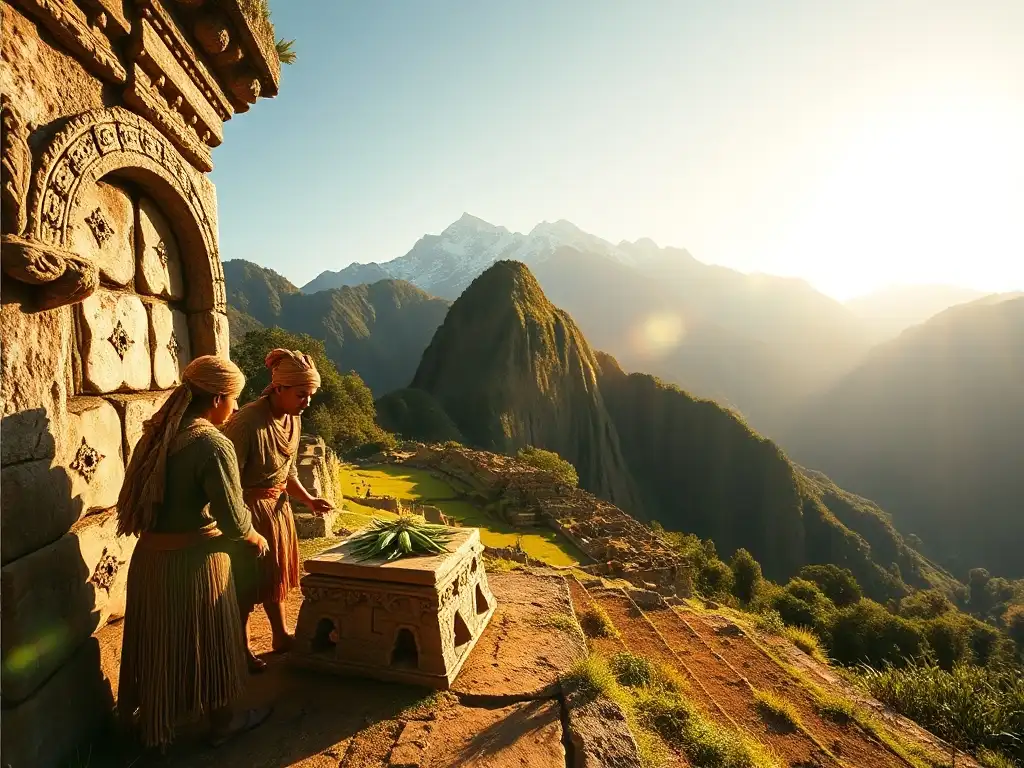
The Inca Empire, renowned for its sophisticated infrastructure and administrative prowess, also possessed a deeply ingrained spiritual connection to agriculture. Their farming practices weren't merely utilitarian; they were integral to their worldview, woven into a complex tapestry of religious beliefs and rituals. Understanding the significance of these rituals requires examining the central role agriculture played in Inca society and the intricate ways in which agricultural practices were infused with spiritual meaning.
This deep connection ensured the successful cultivation of crops, vital for the sustenance and stability of the vast empire. The Inca's success wasn't just about efficient irrigation systems and terraced farming; it was about a holistic approach that blended practical knowledge with profound spiritual beliefs, a testament to their ingenuity and reverence for the natural world.
Analyzing these rituals reveals a sophisticated society deeply connected to its environment and its deities. The systematic nature of these practices, documented through archaeological findings and surviving accounts, demonstrates the planning and organization necessary to maintain a large population and a thriving empire.
The Central Role of Agriculture in Inca Society
Agriculture formed the bedrock of Inca society. The empire's prosperity rested heavily on its ability to produce sufficient food to support its millions of inhabitants. Unlike many other ancient civilizations which relied heavily on hunting or animal husbandry, the Inca developed incredibly advanced agricultural techniques to maximize crop yields in diverse and challenging terrains.
This included the construction of extensive terrace farming systems on steep mountain slopes, the creation of sophisticated irrigation canals to manage water resources efficiently, and the development of innovative farming methods adapted to high altitudes. The surplus produced through these methods not only fed the population but also supported a complex social hierarchy and enabled the empire's expansion and growth. This agricultural abundance was directly linked to the empire's stability and power; food shortages could easily destabilize the entire social order.
Therefore, ensuring bountiful harvests became a matter of paramount importance, deeply embedded within the Inca’s religious and ritualistic practices. The success of the Inca farming system is a testament to their understanding of both environmental factors and the spiritual realm.
Inca Agricultural Practices and Their Spiritual Underpinnings
The Inca's agricultural practices were inseparable from their religious beliefs. Many rituals were performed throughout the agricultural cycle, from the initial preparation of the land to the harvest. These rituals weren't merely symbolic; they were believed to directly influence the success of the crops. For example, the capacocha, a ritual sacrifice often involving children, was sometimes linked to ensuring good harvests and appeasing the gods associated with fertility and abundance. The selection of specific crops for planting, the timing of sowing and harvesting, and even the tools used were all guided by religious beliefs and astronomical observations.
Pachamama, the earth goddess, played a pivotal role in Inca agricultural rituals. Farmers offered prayers and sacrifices to Pachamama to ensure her favor and a successful harvest. These offerings often included coca leaves, chicha (a fermented corn beverage), and other agricultural products. Additionally, the Inca calendar was closely tied to agricultural cycles, with specific festivals and ceremonies marking important stages of the growing season.
The intricate relationship between Inca agricultural practices and their spiritual world highlights the holistic nature of their society, where the practical and the spiritual were inextricably intertwined. The meticulous detail and the widespread participation in these rituals underscore their importance in the Inca worldview and their significance in ensuring the survival and prosperity of the empire. Further research into specific regional variations in Inca farming rituals could provide even richer insights into this fascinating aspect of their culture. The precise details of some rituals remain elusive, highlighting the need for ongoing archaeological investigation and analysis of existing texts.
Key Inca Rituals for Agricultural Prosperity
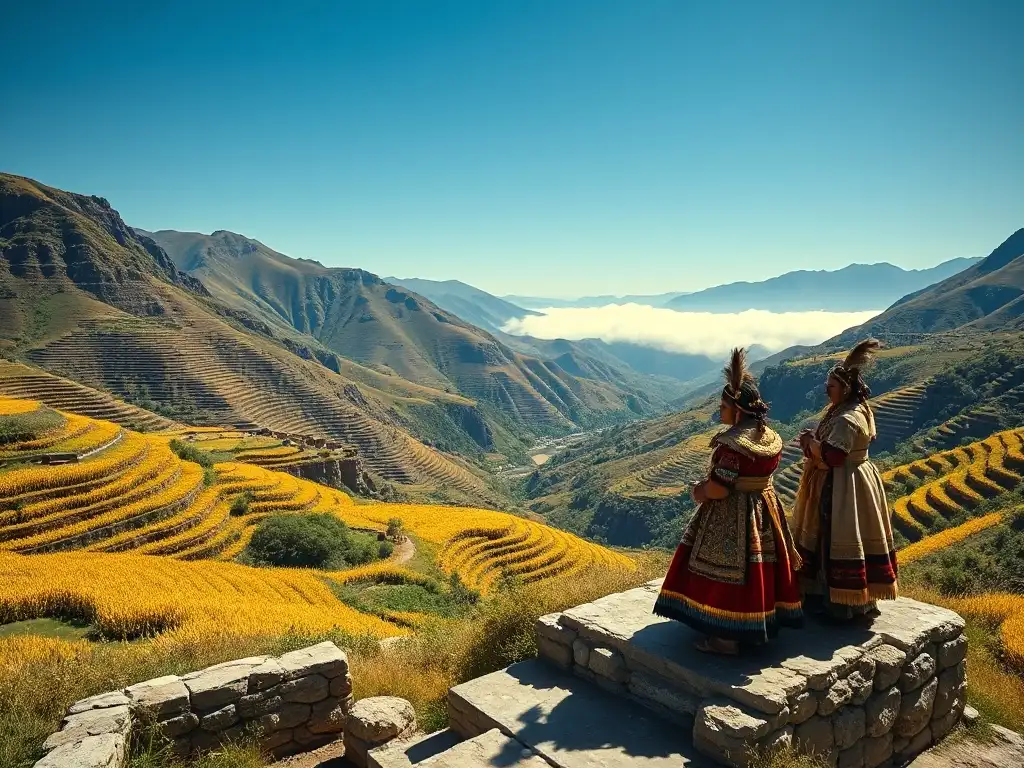
The Inca Empire's success wasn't solely based on sophisticated terrace farming techniques; it was deeply intertwined with a complex system of agricultural rituals designed to ensure bountiful harvests and appease the powerful forces of nature. These rituals, performed throughout the agricultural cycle, demonstrate the profound spiritual connection the Inca held with the land and its productivity. Understanding these practices offers crucial insight into Inca worldview and the vital role of religion in their societal structure.
The meticulous nature of these rituals, combined with their agricultural innovations, showcases the Inca's profound understanding of both spiritual and practical aspects of farming. The term "Inca farming rituals" itself doesn't fully capture the depth of their interconnectedness with the spiritual realm, highlighting the need for a more nuanced approach to understanding their agricultural practices.
The Importance of Inti Raymi: Honoring the Sun God for a Bountiful Harvest
Inti Raymi, the Festival of the Sun, was the most important annual celebration in the Inca calendar. While a grand spectacle involving feasts, processions, and sacrifices, its core purpose was to honor Inti, the Sun God, whose life-giving energy was considered essential for successful agriculture. The timing of Inti Raymi, typically around the winter solstice, coincided with the beginning of the agricultural year.
This wasn't merely coincidental; the festival's rituals were designed to symbolically rejuvenate the sun's power, ensuring its continued strength to nourish the crops throughout the growing season. The high priest, Willaq Uma, played a central role, performing elaborate ceremonies involving offerings of gold, silver, coca leaves, and llama sacrifices. These offerings were seen as a way to appease Inti and secure his favor for the upcoming harvest.
The intensity of the celebrations highlights the Inca's deep-seated belief in the sun's direct influence on agricultural success – a belief that permeated all aspects of their agricultural practices. The precise rituals varied across different regions of the empire, reflecting local variations in agricultural cycles and beliefs, yet the core message of honoring Inti remained consistent.
The Role of Pachamama in Inca Agricultural Ceremonies
Pachamama, the Earth Mother, played an equally vital role in Inca agricultural rituals. Unlike Inti, who represented the celestial sphere, Pachamama embodied the earth itself – the fertile soil, the mountains, and the very source of life. Rituals dedicated to Pachamama focused on ensuring the earth's fertility and thanking her for her bounty. These ceremonies often involved offerings buried in the earth, such as coca leaves, chicha (fermented corn beer), and other agricultural products.
The act of burying these offerings was symbolic of returning sustenance to the earth, nourishing it for future growth. Furthermore, specific rituals were performed at different stages of the agricultural cycle, reflecting the continuous interaction between the Inca and Pachamama. For example, before planting, offerings were made to ensure fertile soil and successful germination.
After the harvest, thank-you offerings were presented to express gratitude for the abundance received. The reverence for Pachamama highlights the Inca understanding of the interconnectedness between human actions and the natural world, a crucial aspect of their sustainable agricultural practices. It shows a deep respect for the land and a commitment to reciprocity, ensuring its continued productivity.
Offering to the Apus: Mountain Deities and Their Influence on Crop Yield
The Apus, revered as mountain spirits, held significant influence over Inca agriculture. Mountains were considered sacred entities, their snow-capped peaks representing sources of water essential for irrigation. Rituals dedicated to the Apus involved climbing to high altitudes to make offerings at mountain shrines. These offerings, similar to those given to Pachamama, included coca leaves, food, and sometimes precious metals.
The act of making the offering at such a high and difficult-to-reach location emphasized the respect and reverence the Inca held for the Apus and their power. The Apus were believed to control the water flow, vital for the success of terrace farming. A successful harvest was therefore often attributed to the favor of the Apus, highlighting the importance of maintaining their goodwill.
The specific rituals varied depending on the particular Apu and the region, reflecting the localized nature of mountain worship. However, the underlying principle – of appeasing powerful mountain deities to ensure a successful harvest – was consistently applied across the Inca Empire, demonstrating the widespread importance of these spiritual beliefs in their agricultural practices. ⛰️
The Ritual of the First Fruits Offering
The capacocha, while often associated with human sacrifice, also encompassed a crucial agricultural component: the offering of the first fruits. This wasn't simply a symbolic gesture; it was a deeply ingrained ritual believed to ensure a bountiful harvest for the year ahead. Farmers, often guided by local priests or yachaq, would select the most perfect specimens of their crops – the largest potatoes, the most vibrant corn, the plumpest quinoa – and present them to the deities.
These offerings weren't discarded; rather, they were often incorporated into subsequent feasts and ceremonies, further highlighting the interconnectedness of the spiritual and the material realms. The act of selecting the first fruits itself was considered sacred, a moment of profound connection between the farmer and the land, acknowledging the divine's role in the agricultural cycle. The meticulous care taken in choosing these offerings underscores the importance placed on this ritual within Inca society.
Failure to perform this ritual properly, it was believed, could result in crop failure and widespread famine. The selection and presentation of these first fruits wasn't merely a practical act of thanksgiving; it was a deeply spiritual act that reaffirmed the Inca worldview, which saw the natural world as deeply interconnected with the spiritual realm. The success of the harvest was not solely dependent on human effort, but also on maintaining harmony with the gods and spirits of the land.
This ritual wasn't a singular event; it was integrated into the broader agricultural calendar. The timing varied depending on the specific crop and the region’s microclimate, with different communities celebrating their first harvests at different times throughout the year. This decentralized approach reflects the Inca Empire’s adaptive governance, recognizing the diverse agricultural practices across its vast territory.
However, despite the regional variations, the underlying principles remained constant: reverence for the land, appreciation for the bounty provided, and a profound belief in the power of ritual to ensure continued prosperity. Archaeological evidence supports the prevalence of this practice, with excavations revealing evidence of carefully preserved first fruits interred alongside other ceremonial offerings in various Inca sites. These finds provide tangible proof of the importance of this ritual in sustaining the Inca agricultural system and the empire's overall stability.
The capac inti (the Sapa Inca) himself would often participate in these ceremonies at the capital, Cusco, reinforcing the importance of agricultural success for the entire empire. The ritual acted as a powerful symbol of unity, reinforcing the connection between the emperor and the people, all united in their dependence on the land and their shared faith.
The Cycle of Inca Farming and Ritual Observances

The Inca Empire, renowned for its sophisticated agricultural techniques, intricately wove farming practices with deeply spiritual beliefs. Their agricultural success wasn't solely reliant on innovative terracing and irrigation systems; it was profoundly intertwined with a complex system of rituals designed to ensure bountiful harvests and appease the gods. This section delves into the cyclical nature of Inca farming rituals, highlighting key ceremonies performed throughout the agricultural year.
Understanding these rituals provides crucial insight into the Inca worldview, where the natural world and the spiritual realm were inextricably linked. The very act of farming was a sacred duty, a performance designed to maintain the cosmic balance and ensure the prosperity of the empire. The Inca's dedication to these rituals underscores their profound respect for the land and its life-giving power.
This deep connection between agriculture and spirituality is a defining characteristic of Inca culture, and a vital component of understanding their enduring legacy. The keyword "Inca farming rituals" is central to this exploration.
Rituals at Planting Time: Seeking Blessings for Seed Germination
Planting time, typically during the rainy season, marked the beginning of the agricultural cycle and was a period of intense ritual activity. The Inca believed that the success of the harvest depended heavily on securing the blessings of the gods. Before planting, carefully selected seeds were often treated with special ceremonies.
Shamans, or paqos, played a crucial role, performing rituals involving offerings, prayers, and incantations to ensure the seeds' successful germination. These offerings frequently included coca leaves, chicha (a fermented corn beverage), and other agricultural products. Specific deities associated with fertility and agriculture, such as Pachamama (Mother Earth) and Inti (the Sun God), were particularly invoked during these ceremonies.
The selection of the planting date itself was not arbitrary. Detailed astronomical observations, combined with traditional knowledge, helped determine the most auspicious time for sowing. This careful planning demonstrates the Inca's sophisticated understanding of both the natural world and their spiritual beliefs. Furthermore, specific songs and dances were performed to accompany the planting process, reinforcing the communal and spiritual nature of the activity.
Evidence suggests that these rituals were not limited to the elite; rather, they involved the entire community, strengthening social bonds while seeking divine favor. The importance placed on these initial rituals highlights the Inca's awareness that a successful harvest hinged on a propitious start. This understanding of the interconnectedness of spiritual and agricultural practices is a key aspect of understanding "Inca farming rituals".
Rituals During the Growing Season: Ensuring Healthy Crop Development
Once the seeds were planted, the Inca's attention turned to ensuring the healthy growth of their crops. Regular rituals and offerings were continued throughout the growing season, aimed at protecting the plants from pests, diseases, and unfavorable weather conditions. These rituals were often localized, tailored to the specific needs of each agricultural area. Farmers might make small offerings at the base of each plant, or perform larger community ceremonies focused on protecting the entire field.
The paqos played a vital role in these ongoing rituals, interpreting natural phenomena as signs of divine favor or displeasure. For instance, unusual weather patterns might be seen as requiring additional appeasement through increased offerings or more elaborate ceremonies. This dynamic interaction between the natural world and the spiritual realm is a hallmark of Inca agricultural practices.
The continuous nature of these rituals throughout the growing season demonstrates the Inca’s deep commitment to fostering a harmonious relationship between humanity and nature, a relationship central to their understanding of "Inca farming rituals". This ongoing engagement with the spiritual world wasn't simply a matter of superstition; it was an integral aspect of their farming strategy.
Harvest Rituals: Celebrating Abundance and Giving Thanks
Harvest time was a period of great celebration and thanksgiving. The abundance of the harvest was attributed not only to human labor and agricultural ingenuity but also to the blessings of the gods. Elaborate festivals were held, involving feasts, sacrifices, and processions, to express gratitude for a successful harvest. The capac inca (emperor) often participated in these events, reinforcing the importance of agriculture to the entire empire.
The harvested crops were not only consumed but also used in offerings to the gods. A portion of the harvest was typically set aside for religious purposes, underscoring the intimate connection between the spiritual and material realms. These harvest festivals, vibrant expressions of community and faith, served as a culmination of the year's agricultural cycle, a time to celebrate the bounty of the land and renew the commitment to maintaining a harmonious relationship with the spiritual world.
The scale and significance of these harvest rituals underscore the central role of agriculture in Inca society and the profound spiritual meaning embedded within their farming practices. The concluding harvest celebrations were a testament to the enduring power of "Inca farming rituals" in shaping their culture and society.
The Significance of the Inca Calendar in Agricultural Rituals
The Inca calendar, a sophisticated system interwoven with astronomical observations and agricultural cycles, played a pivotal role in structuring their farming rituals. Unlike a fixed Gregorian calendar, the Inca calendar was intricately linked to the movements of the sun, moon, and stars, providing a framework for understanding the optimal planting and harvesting times. This celestial awareness wasn't merely practical; it was deeply spiritual, imbuing agricultural practices with a profound religious significance. The Inca priests, known as amautas, meticulously tracked the celestial bodies, interpreting their movements to predict weather patterns and the most auspicious days for sowing seeds, tending crops, and celebrating harvests.
Their observations informed not only the timing of agricultural activities but also the specific rituals performed during each stage of the farming year. For example, the winter solstice, a period of darkness and dormancy, was marked by ceremonies aimed at ensuring the rebirth of the sun and the subsequent renewal of agricultural productivity. This intricate connection between celestial events and agricultural practices underscores the deeply spiritual nature of Inca farming. The calendar wasn't just a tool for scheduling; it was a sacred guide, weaving together the cosmos and the earthly realm of agriculture.
The accuracy of their observations and their ability to predict agricultural cycles through astronomical means speaks volumes about the advanced knowledge and sophisticated understanding of nature possessed by the Inca civilization. Their calendar was more than a simple tool – it was a testament to their deep-seated reverence for the natural world and its cyclical rhythms, a foundation upon which their entire agricultural system was built. The precise details of many rituals, however, remain shrouded in mystery, awaiting further archaeological discoveries and scholarly interpretations. [Specific details on specific rituals tied to calendar dates pending further research].
The Spiritual Meaning Behind Inca Agricultural Practices
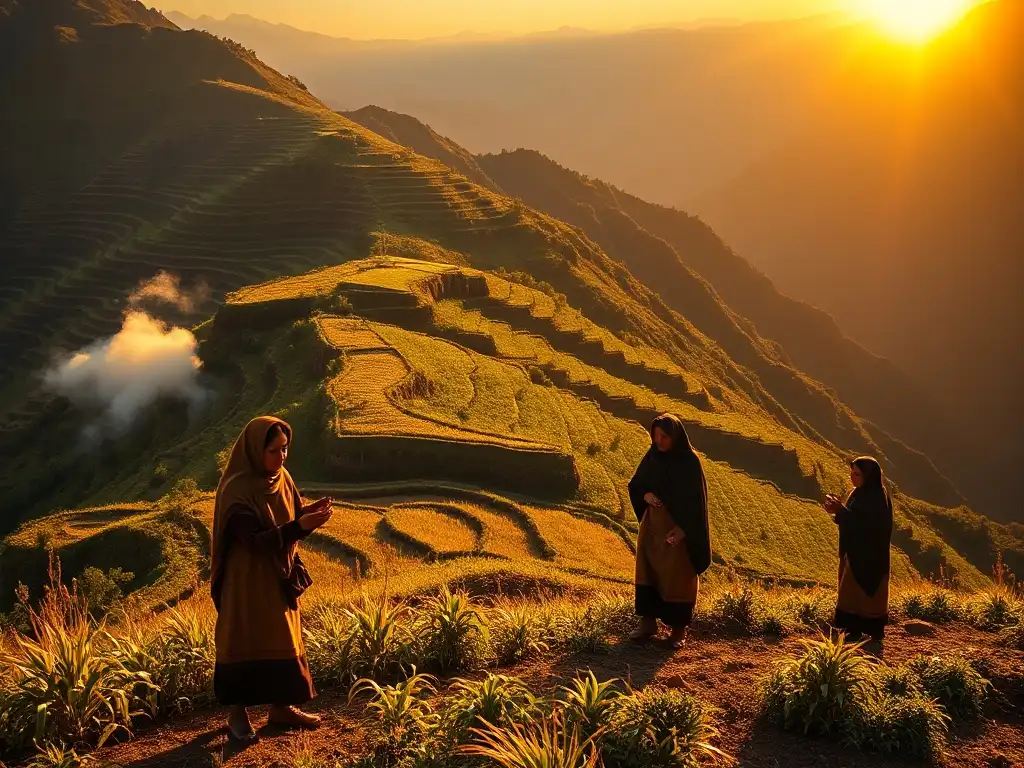
The Inca Empire, renowned for its sophisticated engineering and administrative prowess, also possessed a deeply spiritual relationship with agriculture. Farming wasn't merely a means of sustenance; it was a sacred act, a ritualistic connection between the human and divine realms. This intertwining of the practical and the spiritual shaped every aspect of Inca agricultural practices, from the preparation of the land to the harvest festival.
Understanding this profound connection is key to appreciating the complexity and ingenuity of Inca civilization. The Inca's success wasn't solely due to their innovative agricultural techniques—terracing, irrigation, and crop diversification—but also to their belief system that imbued their farming with a profound spiritual significance, fostering a deep respect for the land and its bounty. This section will explore the key elements of this spiritual dimension, focusing on the interconnectedness of the Inca farmer, the land, and the divine.
The Connection between the Inca Farmer and the Land
The Inca worldview emphasized the interconnectedness of all living things. The land wasn't simply a resource to be exploited; it was a living entity, a mother who provided sustenance and demanded respect. Inca farmers viewed themselves as integral parts of this living ecosystem, their actions directly impacting the land's fertility and the well-being of the community.
This perspective fostered a sustainable approach to agriculture, prioritizing long-term health over short-term gain. The farmer's role wasn't just about planting and harvesting; it was about nurturing a sacred relationship with the Pachamama, the Earth Mother. Rituals were performed throughout the agricultural cycle to appease the Pachamama and ensure a bountiful harvest.
These rituals often involved offerings of coca leaves, chicha (a fermented corn beverage), and other agricultural products, symbolizing the farmer’s gratitude and dependence on the Earth’s generosity. Failure to honor this sacred bond was believed to result in poor harvests and other misfortunes.
The Concept of Ayni: Reciprocity and Harmony in Inca Agriculture
The principle of Ayni, reciprocal exchange and mutual obligation, was central to Inca society and deeply ingrained in their agricultural practices. Ayni wasn't simply about bartering goods; it represented a system of balanced relationships between individuals, communities, and the supernatural world. In agriculture, Ayni manifested in the collaborative efforts of communities working together on large-scale projects like terracing and irrigation systems.
This communal spirit fostered a sense of shared responsibility and ensured the successful completion of tasks beyond the capabilities of individual farmers. Furthermore, Ayni extended to the relationship between humans and the Pachamama. By offering gifts and performing rituals, the Inca sought to maintain a harmonious exchange with the Earth, ensuring its continued productivity and their own well-being.
The concept of Ayni highlights the deeply social and spiritual nature of Inca agriculture, emphasizing the interconnectedness of all aspects of their lives. The success of Inca farming wasn't solely dependent on individual effort but on the collective spirit of the community and their respect for the reciprocal relationship with the land and its deities.
The Use of Sacred Spaces in Inca Agricultural Rituals
Inca agricultural rituals frequently took place in designated sacred spaces, reflecting the importance of these locations in maintaining the balance between the human and spiritual worlds. These spaces often included huacas, sacred sites associated with specific deities or natural features. These huacas could be mountains, caves, springs, or even specific rocks or trees deemed to possess spiritual power.
Agricultural rituals performed at these sites involved offerings, prayers, and sometimes dances and processions, aimed at ensuring the fertility of the land and the success of the harvest. For example, before planting, farmers might offer coca leaves and chicha at a huaca associated with agricultural fertility, seeking the deity's blessing for a successful planting season. Similarly, after the harvest, celebratory rituals would take place, thanking the Pachamama for her bounty.
The strategic placement of these sacred spaces often coincided with important agricultural areas, highlighting the integral role of spirituality in shaping the landscape and the agricultural practices of the Inca. Evidence suggests that the selection of these sites wasn't arbitrary; they were carefully chosen based on their perceived spiritual significance and their proximity to crucial agricultural resources. The integration of sacred spaces into the agricultural landscape demonstrates the profound spiritual dimension of Inca farming, showcasing the seamless blend of practical needs and spiritual beliefs.
The Belief in Animism and its Impact on Inca Farming
The Inca worldview was deeply intertwined with animism, the belief that spirits inhabit all aspects of the natural world. This wasn't a passive belief; it fundamentally shaped their agricultural practices, imbuing every step of the farming process with spiritual significance. Mountains, rivers, and even the crops themselves were considered to possess huacas, or sacred entities, deserving of respect and veneration.
Farmers didn't simply cultivate the land; they engaged in a sacred dialogue with the spirits that resided within it. This animistic perspective fostered a profound sense of responsibility towards the environment, ensuring sustainable practices were not merely practical but spiritually mandated. Failure to honor these spirits could invite misfortune, crop failure, or even illness, underscoring the profound connection between spiritual well-being and agricultural success.
The Inca's success in cultivating the challenging Andean terrain can be partially attributed to this deep-seated respect for the land and its inherent spiritual power. They understood that their survival depended not only on their agricultural skills but also on maintaining a harmonious relationship with the spiritual forces that governed their world.
The impact of animism is evident in the meticulous care taken in preparing the land. Before planting, rituals involving offerings and prayers were commonplace. These weren't perfunctory acts; they were essential components of the farming cycle, aimed at appeasing the huacas and ensuring a bountiful harvest.
Specific rituals varied regionally, reflecting the unique characteristics of local ecosystems and the specific spirits believed to inhabit them. For example, prayers and offerings might be made to mountain spirits for rainfall in arid regions, or to water spirits for irrigation in valleys. The intricate system of andenes (terraces) themselves can be interpreted through this lens, reflecting not just impressive engineering but also a conscious attempt to create a landscape that honored and interacted with the spiritual forces at play.
The careful construction and alignment of these terraces, often incorporating sacred sites within their design, demonstrates a sophisticated understanding of the interplay between human activity and the spiritual world. This wasn't merely farming; it was a complex act of spiritual engagement.
Furthermore, the Inca's reverence for the huacas extended beyond the land itself to encompass the crops they cultivated. Each plant held a spiritual significance, and the harvesting process was treated with the utmost respect. Certain rituals were performed at the time of harvest, thanking the spirits for their bounty and ensuring a continued flow of abundance.
This respect wasn't limited to the major crops; even seemingly minor plants held spiritual importance within the Inca cosmology. This holistic approach to agriculture ensured that the entire ecosystem was treated with respect, creating a sustainable and spiritually fulfilling relationship between the Inca and their environment.
The integration of spirituality into every facet of farming, from land preparation to harvest, ensured the continuity of their agricultural practices and sustained their civilization for centuries. The belief in animism was not a peripheral aspect of Inca culture; it was the foundation upon which their agricultural practices were built.
The Legacy of Inca Farming Rituals Today
The Inca Empire's sophisticated agricultural system wasn't merely a practical endeavor; it was deeply intertwined with their spiritual beliefs. This profound connection between farming and spirituality left an enduring legacy, influencing Andean agricultural practices and beliefs even today. While the grand scale of Inca imperial projects is gone, the essence of their reverence for the land and its bounty persists in various forms.
Understanding this enduring influence provides crucial insight into the complexities of Andean culture and its resilience across centuries. The impact of Inca farming rituals is not merely historical; it's a living tradition that continues to shape the lives and livelihoods of Andean communities. This section will explore the surviving manifestations of these rituals and their influence on modern agricultural practices and the ongoing efforts to preserve this invaluable cultural heritage.
Surviving Agricultural Rituals in Contemporary Andean Communities
Many agricultural rituals, though adapted and transformed over time, still resonate in contemporary Andean communities. These rituals often involve offerings to Pachamama, Mother Earth, a central figure in Andean cosmology. Farmers might leave small offerings of coca leaves, chicha (a fermented corn beverage), or other agricultural products at the base of a particularly fruitful plant or in a sacred site. These acts aren't merely symbolic; they are expressions of gratitude and a request for continued abundance.
The timing of these offerings frequently aligns with significant agricultural events, such as planting and harvesting. For instance, the pachu ceremony, a ritual cleansing and blessing of the fields, is still practiced in some communities before planting. The precise form of these rituals varies greatly depending on the specific community and their unique traditions. However, the underlying principle of honoring Pachamama and seeking her favor remains consistent.
The persistence of these rituals highlights the enduring strength of Inca spiritual traditions and their integration into the fabric of daily life. Ethnographic studies consistently reveal the importance of these practices in maintaining the continuity of agricultural knowledge and community cohesion. Furthermore, the transmission of these rituals from generation to generation underscores the significance of oral traditions in preserving cultural heritage.
The Influence of Inca Traditions on Modern Farming Practices
The influence of Inca agricultural knowledge extends beyond religious rituals and into practical farming methods. The Inca's mastery of terracing, irrigation, and crop diversification continues to inform modern agricultural practices in the Andes. Though modern technology has been introduced, many farmers still utilize traditional Inca techniques, adapting them to contemporary challenges.
For example, the Inca's sophisticated understanding of water management, including the construction of andenes (terraces) and canales (irrigation channels), is still relevant in managing water scarcity in arid regions. Similarly, the Inca emphasis on crop diversification, growing a variety of crops to mitigate risks associated with climate variability, remains a vital strategy for ensuring food security. This integration of traditional and modern techniques reflects a pragmatic approach to farming, recognizing the value of both ancient wisdom and modern innovation.
The ongoing relevance of Inca agricultural techniques demonstrates the enduring practicality and sustainability of their methods. This blend of tradition and modernity underscores the adaptability and resilience of Andean farming practices in the face of evolving environmental and socio-economic conditions.
Preserving the Cultural Heritage of Inca Agricultural Spirituality
Preserving the cultural heritage of Inca agricultural spirituality is crucial for maintaining both cultural identity and agricultural sustainability. Efforts to document and understand these rituals are ongoing, with researchers and community members working collaboratively to ensure the transmission of knowledge to future generations. This includes not only documenting the rituals themselves but also the underlying beliefs and cosmological frameworks that give them meaning.
The preservation of these traditions necessitates a holistic approach, encompassing oral history, archaeological research, and community engagement. Furthermore, promoting awareness of the importance of Inca agricultural spirituality can contribute to sustainable agricultural practices and environmental conservation. By understanding the deep connection between the Inca's reverence for Pachamama and their sustainable farming techniques, we can gain valuable insights into environmentally responsible agriculture.
This preservation effort is not merely about preserving the past; it's about fostering a sustainable future by learning from the wisdom of past generations. The continued study and preservation of Inca agricultural spirituality offer a powerful example of how cultural heritage can inform and inspire contemporary solutions to critical challenges.
Contemporary Adaptations of Inca Rituals
While the grand scale of Inca agricultural rituals is largely a thing of the past, elements persist in modern Andean communities. The deep-rooted connection between agriculture and spirituality continues to influence farming practices and celebrations. Many communities still hold ceremonies before planting and harvesting, often incorporating traditional Andean beliefs and practices, albeit in modified forms.
These adaptations aren't simply nostalgic recreations; they are living traditions that reflect the ongoing relevance of Inca agricultural wisdom. For example, the use of coca leaves during agricultural work, a practice deeply embedded in Inca tradition, continues in many communities as a form of offering and a means of connecting with the land's spirits. This isn't merely a superstitious act; it’s a way to maintain a sense of respect and connection to the land that sustains them.
The integration of pre-Columbian knowledge with modern agricultural techniques is also noteworthy. Farmers may utilize ancient Inca terracing methods alongside modern irrigation systems, demonstrating a practical understanding of the benefits of blending traditional knowledge with contemporary technology. This adaptive approach highlights the enduring value of Inca agricultural practices and their ability to enhance modern farming techniques.
This pragmatic approach demonstrates that the legacy of Inca farming isn't simply a historical curiosity; it's a valuable resource that can contribute to sustainable and effective agriculture in the present day. The resilience of these traditions speaks volumes about the enduring power of Inca agricultural practices. The continued reverence for the apus (mountain spirits) and the significance given to the harmony between humans and nature are testaments to the lasting influence of Inca agricultural rituals.
Furthermore, the revival of interest in Inca agricultural practices, particularly among younger generations, is a significant development. There's a growing appreciation for the sustainable and environmentally conscious methods employed by the Inca, leading to initiatives aimed at preserving and promoting traditional farming techniques. This renewed interest reflects a broader movement towards sustainable agriculture and a recognition of the wisdom embedded in ancient practices.
The promotion of traditional Inca farming methods serves as a powerful example of how ancient knowledge can contribute to modern solutions for environmental challenges and food security. It is a testament to the enduring relevance and value of the Inca legacy in the face of contemporary concerns. This revitalization is not just a historical exercise; it's a crucial step towards building a more sustainable and resilient future for Andean agriculture.
Frequently Asked Questions
What role did religion play in Inca farming practices?
Inca agriculture was deeply intertwined with religious beliefs. Many rituals were performed to ensure a successful harvest, appealing to various deities associated with fertility and abundance. These practices were integral to their way of life.
What were some common Inca farming rituals?
Rituals included offerings of food and drink to the gods, prayers for good weather, and ceremonies to appease the spirits of the land. Farmers also performed specific rituals at different stages of the agricultural cycle, from planting to harvest.
How did the Inca's unique environment influence their agricultural rituals?
The challenging Andean terrain heavily influenced their rituals. They developed sophisticated irrigation systems and terraced farming, and their rituals reflected their dependence on the environment and their need to maintain a balance with nature.
What specific deities were associated with Inca agricultural practices?
The Inca worshipped various deities related to agriculture, including the sun god Inti, who was considered the most important, and Pachamama, the earth goddess, responsible for fertility and abundance. Many smaller deities also played a role.
Were Inca farming rituals solely for the benefit of the elite, or did commoners participate?
While the elite might have performed more elaborate ceremonies, all levels of Inca society participated in agricultural rituals. Farming was crucial for survival, and everyone had a stake in ensuring successful harvests through prayer and offering.
Final Reflection: Harvesting the Legacy of Inca Spirituality
The intricate agricultural rituals of the Inca remain a powerful testament to humanity's enduring connection with the land, a connection urgently needed in our modern world grappling with climate change and food insecurity. Their sophisticated understanding of sustainable farming practices, interwoven with profound spiritual beliefs, offers invaluable lessons for a future where harmonious coexistence with nature is not a luxury, but a necessity.
The Inca's deep reverence for the earth, manifested in their elaborate ceremonies and meticulous farming techniques, continues to resonate today. Their holistic approach, recognizing the interconnectedness of spiritual well-being and agricultural success, challenges our modern tendency to compartmentalize these aspects of life. The land was not merely a source of sustenance, but a sacred entity deserving of respect and veneration.
This perspective, often lost in the industrialized food systems of today, offers a potent reminder of the ethical and ecological responsibilities inherent in our relationship with the natural world. We must strive to reclaim this holistic understanding.
Consider the legacy of the Inca, their ingenuity, and their profound respect for the land. You too can cultivate a deeper appreciation for the food you consume and the planet that sustains us. Reflect on your own relationship with nature; explore ways to incorporate sustainable practices into your daily life, however small. By embracing a more mindful and respectful approach to agriculture, we can honor the wisdom of the Inca and build a more sustainable and spiritually fulfilling future for generations to come.
Embrace the Spirit of Inca Agriculture Today!
Thank you for exploring the fascinating world of Inca agricultural rituals with us! You've discovered the deep connection between farming and spirituality in this remarkable civilization. Now, let's explore how you can connect with this powerful legacy and put its principles into practice.
Here are some inspiring ways to integrate the essence of Inca agricultural wisdom into your life:
- **Cultivate a personal garden:** Start your own small garden using traditional Andean techniques. Research the crops the Incas cultivated, such as potatoes, maize, and quinoa, and try growing some yourself. You might be surprised at the results!
- **Support local farmers:** Strengthen the connection between modern farming and ancient traditions by visiting your local farmers' markets and choosing sustainably grown produce. This supports local farmers and honors the legacy of agricultural practices.
- **Share your knowledge:** Engage your community by sharing your newfound understanding of Inca agriculture. Consider writing a blog post, giving a presentation, or leading a workshop.
How will you integrate Inca agricultural principles into your gardening or farming practices?