
The Inca's Agricultural Knowledge: Passed Down Through Generations

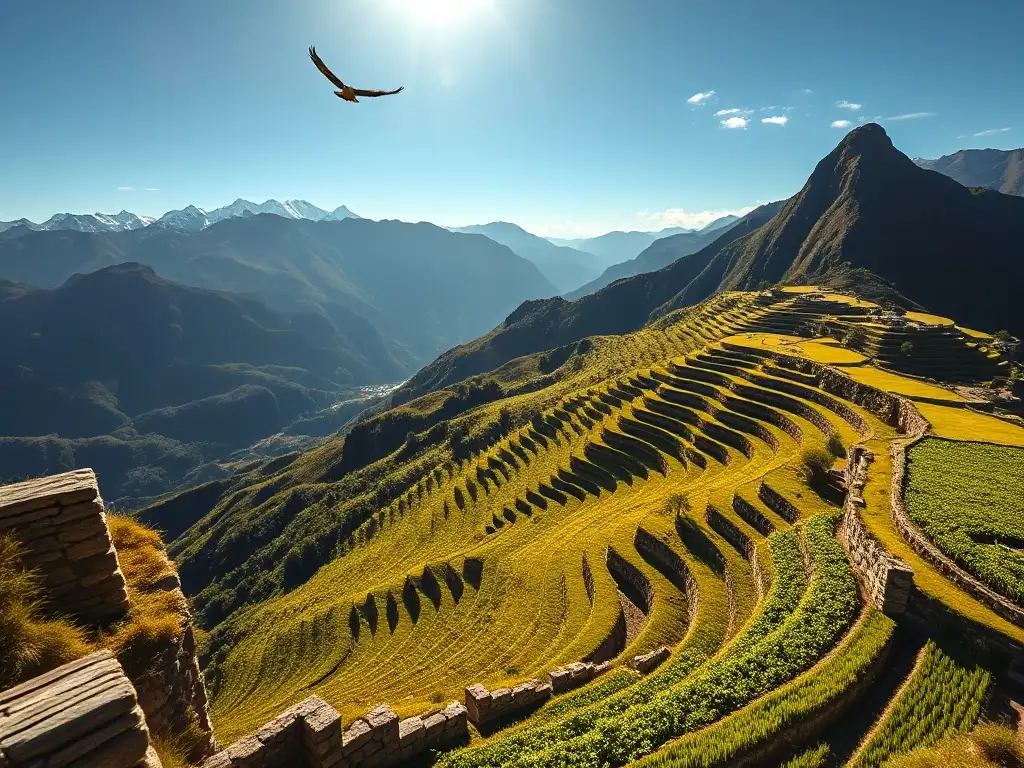
Step into a world lost to time, yet echoing with innovation and ingenuity. Imagine a civilization that thrived in the harsh Andes, mastering agriculture with techniques so advanced they continue to inspire awe centuries later. Uncover the secrets of Inca agricultural techniques, a testament to their remarkable understanding of their environment and a legacy that continues to shape our world today. Prepare to be amazed by the ingenuity of the Inca Empire and the enduring power of their agricultural knowledge. Explore further to discover the surprising details...
The Inca Empire, renowned for its sophisticated social structures and impressive architectural feats, also possessed a remarkable understanding of agriculture. Their mastery of agricultural techniques, developed over centuries, allowed them to thrive in the diverse and challenging Andean landscape. This article delves into the ingenuity of Inca agricultural practices, exploring the innovative methods they employed to cultivate crops in a region characterized by steep slopes, varying altitudes, and unpredictable weather patterns.
We'll examine how their agricultural knowledge, passed down through generations, contributed significantly to the empire's prosperity and longevity, showcasing the remarkable interplay between human ingenuity and environmental adaptation that defined Inca civilization. Understanding Inca agricultural techniques provides crucial insight into their societal organization, resource management, and overall success in a demanding environment. This exploration will highlight the sophistication of their systems and their lasting impact on Andean agricultural practices even today.
Introduction to Inca Agricultural Practices
Inca agricultural practices were far from rudimentary. They weren't simply farmers; they were skilled engineers and innovators who transformed the harsh Andean terrain into productive farmland. Their success stemmed from a combination of factors, including meticulous planning, sophisticated water management, and a deep understanding of the local environment. Key techniques employed by the Inca included:
- Terracing: The construction of terraces on steep slopes was a hallmark of Inca agriculture. These meticulously engineered platforms prevented soil erosion, maximized arable land, and created microclimates suitable for different crops. The precision and scale of Inca terracing are truly astonishing, a testament to their advanced engineering skills and their commitment to sustainable agriculture.
- Irrigation Systems: The Inca developed complex irrigation systems to channel water from rivers and springs to their fields. These systems, often involving canals, aqueducts, and reservoirs, ensured a reliable water supply, even in arid regions. The sophisticated design and efficient management of these systems allowed for year-round cultivation and increased crop yields.
- Crop Rotation and Fertilization: The Inca understood the importance of crop rotation and soil fertilization to maintain soil fertility and prevent nutrient depletion. They rotated crops to replenish nutrients in the soil and used various organic fertilizers, including manure and compost, to enhance soil quality. This sustainable approach ensured long-term agricultural productivity.
- Waru Waru Agriculture: This unique technique involved creating raised beds (waru) surrounded by canals (waru). This system improved drainage, reduced frost damage, and increased soil temperature, allowing for higher yields even at high altitudes. Waru Waru also enhanced water retention, making it particularly effective in arid areas.
The Andean Landscape and its Influence on Inca Farming
The diverse Andean landscape, with its steep slopes, high altitudes, and varying microclimates, presented significant challenges to agriculture. However, the Inca adapted their farming techniques to overcome these obstacles. The altitude played a crucial role in determining which crops could be grown in specific areas. For example, potatoes thrived at higher altitudes, while maize and other crops were cultivated at lower elevations. This understanding of vertical zonation, or altiplano, allowed the Inca to maximize agricultural production across the empire.
The Inca cleverly utilized different agricultural techniques depending on the specific environmental conditions. In areas with limited water resources, they employed techniques like dry farming and water harvesting to conserve water and maximize crop yields. In other areas, they constructed elaborate irrigation systems to provide a consistent water supply. This adaptability is a key factor in understanding the success of Inca agriculture.
Their ability to tailor their techniques to the specific needs of each region demonstrates a sophisticated understanding of ecology and a deep connection to their environment. They even developed specialized varieties of crops adapted to the unique conditions of different altitudes and climates, showcasing a profound knowledge of plant genetics and adaptation. The resilience of Inca agricultural practices in the face of environmental challenges serves as a powerful example of sustainable land management.
- What innovative agricultural techniques did the Incas employ?
- How did the Inca's understanding of water management impact their agriculture?
- What role did terracing play in Inca agricultural success?
- What crops were most important to the Inca civilization?
- How did Inca agricultural practices contribute to their societal stability?
Key Inca Agricultural Techniques
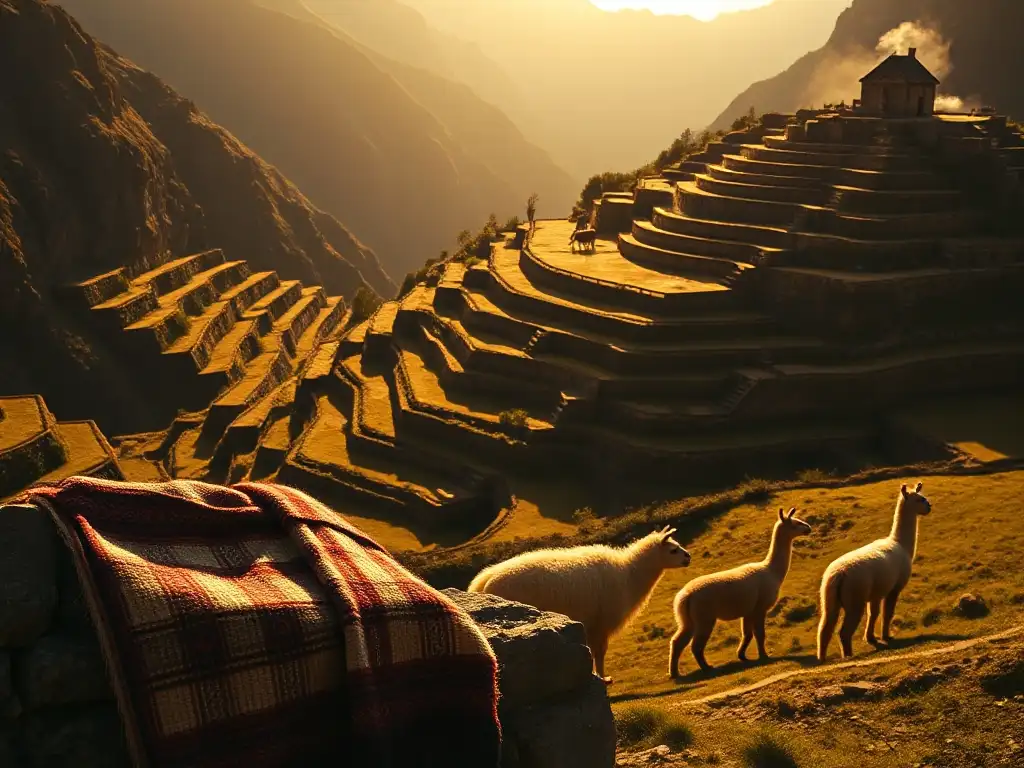
The Inca Empire, renowned for its sophisticated social and political structures, also possessed remarkably advanced agricultural techniques. Their success in cultivating the challenging Andean terrain is a testament to their ingenuity and understanding of their environment. Mastering "Inca agricultural techniques" was crucial to sustaining their large population and powerful empire. This section will delve into some of their key methods, highlighting their effectiveness and lasting impact. The ingenuity displayed in their agricultural practices showcases a deep connection to the land and a profound understanding of ecological principles.
Terraced Farming: Maximizing Arable Land
Terraced farming was arguably the most iconic and impactful Inca agricultural technique. Facing steep, mountainous landscapes, the Incas ingeniously carved terraces into the hillsides, creating level platforms for cultivation. These weren't simply haphazard cuttings; they were meticulously planned and executed, often incorporating sophisticated drainage systems to prevent erosion and waterlogging. The terraces dramatically increased the amount of arable land available, transforming otherwise unusable slopes into productive farmland.
The construction of these terraces was a monumental undertaking, requiring significant labor and expertise. Stone walls, precisely fitted together without mortar, supported the terraces, preventing soil erosion and providing stability. The size and orientation of the terraces varied depending on the slope of the land and the specific microclimate. Some terraces were relatively small, while others were vast, extending for hundreds of meters.
The benefits of terraced farming were manifold. It not only increased arable land but also improved soil fertility. By creating level surfaces, the Incas minimized soil erosion and runoff, preserving precious topsoil. Furthermore, the terraces created a microclimate that was often warmer and more sheltered than the surrounding slopes, allowing for a wider range of crops to be grown. The effectiveness of this technique is evident in the success of Inca agriculture despite the challenging environment. Even today, many Inca terraces remain in use, a testament to their enduring practicality.
Irrigation Systems: Engineering Water Management
Water management was another crucial aspect of Inca agricultural techniques. The Andes are characterized by significant variations in rainfall, with some areas experiencing periods of drought. To overcome this challenge, the Incas developed sophisticated irrigation systems that channeled water from rivers and streams to their fields. These systems were not simply canals; they incorporated a range of structures, including reservoirs, aqueducts, and diversion channels, to ensure a reliable water supply.
The construction of these irrigation systems required a deep understanding of hydrology and engineering principles. The Incas carefully surveyed the terrain to identify the best sources of water and the most efficient routes for canals. They used a variety of materials, including stone, wood, and earth, to construct their irrigation systems, adapting their techniques to the specific conditions of each location. They even developed techniques to control water flow, ensuring that water reached all parts of the fields. The precision and scale of these projects are truly remarkable.
Evidence suggests that the Incas also employed techniques to improve water efficiency, such as using porous materials to filter water and reduce evaporation. Their understanding of water management was crucial to their agricultural success, allowing them to cultivate crops even in arid regions. The intricate network of canals and reservoirs demonstrates their sophisticated engineering skills and their commitment to sustainable agriculture. Their mastery of water management allowed them to maximize crop yields and ensure food security for their vast population.
Crop Rotation and Soil Conservation
Beyond terracing and irrigation, the Incas practiced crop rotation and other soil conservation techniques. They understood the importance of maintaining soil fertility and preventing soil erosion. Crop rotation involved planting different crops in the same field in successive years, helping to restore nutrients to the soil and control pests and diseases. This was not random; they likely followed specific sequences based on their knowledge of the needs of different crops.
This practice, combined with the use of natural fertilizers like manure and compost, helped to ensure the long-term productivity of their fields. They also employed techniques like contour plowing, which helped to reduce soil erosion on sloping land. The integration of these various practices showcases a holistic approach to agriculture that aimed for both immediate and long-term sustainability.
The Inca's commitment to soil conservation ensured the continued fertility of their land, a factor crucial to their empire's longevity. The careful management of soil resources demonstrates a sophisticated understanding of ecological principles and a long-term perspective on agricultural practices, a lesson still relevant today.
Vertical Agriculture: Adapting to Altitude
The Inca Empire's mastery of agriculture is perhaps best exemplified by their ingenious application of vertical agriculture. Facing the challenging Andean terrain, characterized by steep slopes and varying altitudes, the Incas didn't let the limitations of the landscape dictate their food production. Instead, they cleverly adapted their farming practices to exploit the diverse microclimates found at different elevations. This wasn't simply a matter of planting different crops at different heights; it was a sophisticated system of interconnected agricultural zones, each optimized for specific plants and conditions.
The andenes, or terraced fields, are the most iconic symbol of Inca vertical agriculture. These meticulously constructed terraces, carved into hillsides, created level platforms for cultivation, effectively increasing arable land. More than just level surfaces, however, the andenes served multiple crucial functions. Their design minimized soil erosion, a significant threat on steep slopes.
The terraces also improved water management, allowing for efficient irrigation even in arid regions. By strategically placing terraces at different altitudes, the Incas could optimize sunlight exposure and temperature for various crops. For instance, frost-sensitive crops could be cultivated on lower, warmer terraces, while hardier plants could thrive at higher altitudes.
The construction of andenes was a monumental undertaking, requiring immense labor and sophisticated engineering knowledge. The Inca utilized a combination of stone, earth, and other materials to build retaining walls that held the terraces in place. The precise alignment of these walls, often following the contours of the land with remarkable accuracy, speaks to their advanced understanding of surveying and construction techniques.
The construction itself, however, was not just about the physical structures; it also involved careful consideration of soil type and drainage. The Incas often amended the soil within the terraces to improve fertility, ensuring optimal growing conditions for their crops. This attention to detail is a testament to their deep understanding of soil science and its importance in successful agriculture.
Evidence suggests that they even developed specialized techniques for managing different soil types, adapting their practices to the specific needs of each terrace. The legacy of Inca andenes can still be seen today, a powerful testament to their agricultural ingenuity and their ability to thrive in a challenging environment. Many of these terraces remain remarkably intact, a testament to the quality of their construction and the enduring impact of their agricultural practices.
Inca Crops and Their Importance
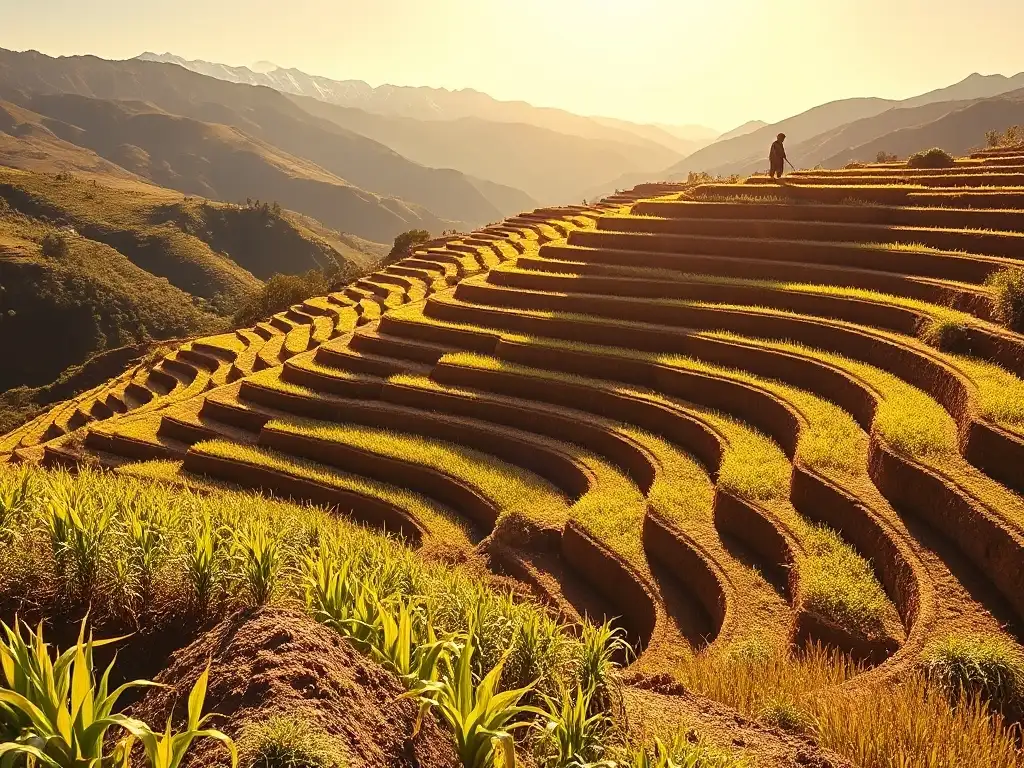
The Inca Empire's success was intrinsically linked to its mastery of agriculture. Their sophisticated techniques allowed them to thrive in diverse and challenging Andean environments, supporting a large and complex population. Understanding the Inca's agricultural prowess requires examining the crucial role played by specific crops, their cultivation methods, and their significance within Inca society.
The ingenuity of Inca agricultural techniques is a testament to their deep understanding of their environment and their ability to adapt and innovate. This section will delve into the importance of key Inca crops, highlighting their contribution to the empire's economic and social stability. Mastering "Inca agricultural techniques" was paramount to their societal structure and longevity.
The Significance of Potatoes in Inca Agriculture
Potatoes ( Solanum tuberosum) were, and remain, a staple food in the Andes. The Incas cultivated an astonishing variety of potato species, each adapted to different altitudes and microclimates. This biodiversity was crucial for ensuring food security, as different varieties matured at different times and possessed varying levels of resistance to disease and pests. The Incas developed sophisticated techniques for storing potatoes, including elaborate underground storage facilities called qollqas, which allowed them to preserve their harvest for extended periods, ensuring food availability throughout the year.
The potato's nutritional value, its adaptability, and the Inca's innovative storage methods made it a cornerstone of their agricultural system. The sheer number of potato varieties cultivated highlights the Inca's deep understanding of plant genetics and their ability to select and improve crops over generations. This extensive knowledge of "Inca agricultural techniques" directly contributed to the empire's resilience.
Quinoa and Other Andean Grains
Quinoa ( Chenopodium quinoa) was another crucial crop for the Inca Empire. This highly nutritious grain, rich in protein and essential amino acids, played a vital role in the Inca diet. Unlike many grains, quinoa thrives in harsh, high-altitude conditions, making it a valuable resource in the challenging Andean environment. The Incas developed effective farming techniques for quinoa, including sophisticated irrigation systems and terracing methods to maximize yields.
Other Andean grains, such as amaranth and kañiwa, also contributed significantly to the Inca diet, providing diversity and nutritional balance. The cultivation of these grains showcases the Inca's understanding of soil types and their ability to adapt their agricultural practices to different ecological zones. Their expertise in "Inca agricultural techniques" for grain production ensured sufficient food supplies for their vast population.
Maize Cultivation in the Inca Empire
Maize ( Zea mays), although not native to the high Andes, was widely cultivated by the Incas. It was a valuable crop, used not only as a food source but also in religious ceremonies and for the production of chicha, an alcoholic beverage. The Incas employed various techniques to cultivate maize effectively, including terracing, irrigation, and fertilization. They developed specialized varieties of maize adapted to different altitudes and climatic conditions.
The strategic use of maize in the Inca empire illustrates their understanding of crop diversification and their ability to integrate new crops into their existing agricultural systems. Their mastery of "Inca agricultural techniques" extended beyond native crops, demonstrating a remarkable capacity for adaptation and innovation in agriculture. The successful cultivation of maize, despite its non-Andean origins, further underscores the Inca's advanced understanding of agricultural principles.
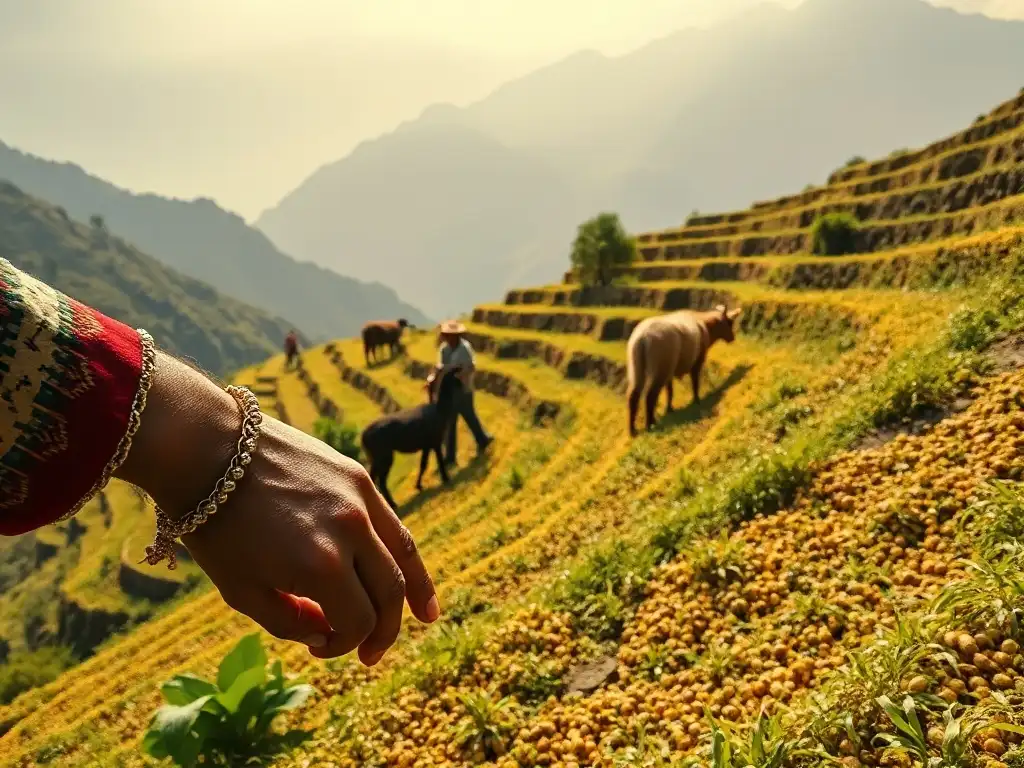
The Inca Empire's agricultural success wasn't solely based on innovative techniques; it was deeply intertwined with the social fabric and spiritual beliefs of the Andean people. Understanding Inca agricultural practices requires acknowledging the profound social and cultural dimensions that shaped their farming methods and ensured their sustainability for centuries. The sophisticated system wasn't just about producing food; it was a cornerstone of their social organization, religious practices, and political power.
The very act of farming was a collective endeavor, reflecting the Inca's strong emphasis on community and cooperation. This section will explore the key social and cultural aspects that underpinned Inca agricultural prowess, focusing on the interplay between community labor, religious rituals, and the state's role in managing agricultural resources.
Community Labor and Agricultural Organization
Inca agricultural practices were fundamentally organized around the concept of ayllu, a kinship-based community group. The ayllu was the basic unit of social and economic organization, and its members collectively worked the land. This communal labor system, known as mita, wasn't forced labor in the typical sense; it was a reciprocal system where contributions to the community were expected in return for access to resources and social protection. The allocation of land and the distribution of agricultural products were managed by the ayllu, ensuring equitable access for all members.
This system promoted social cohesion and fostered a sense of shared responsibility for the success of the agricultural enterprise. Different ayllus might specialize in certain crops or agricultural tasks, contributing to a regional system of agricultural interdependence and resource sharing. For example, one ayllu might focus on potato cultivation while another specialized in raising llamas, facilitating a diverse and resilient agricultural ecosystem. The efficiency of this system is evident in the extensive agricultural terraces and irrigation networks that the Inca constructed, testaments to the coordinated efforts of numerous ayllus working together.
This collaborative approach to farming ensured food security and economic stability for the entire population. The mita system also extended to public works projects related to agriculture, such as building and maintaining irrigation canals and terraces, further demonstrating the integrated nature of community labor and agricultural production. The success of the Inca Empire was, in large part, a direct result of this well-organized system of community labor.
Agricultural Rituals and Festivals
Inca agriculture was not merely a practical activity; it was deeply embedded in their religious beliefs and spiritual practices. The Inca worldview saw the natural world as imbued with sacred power, and agriculture was a central element of their relationship with the deities. Many rituals and festivals were directly related to the agricultural cycle, aimed at ensuring bountiful harvests and appeasing the gods who controlled the elements. The Capac Raymi, the most important festival of the Inca year, celebrated the sun god Inti and coincided with the summer solstice, a crucial time for planting and growth.
This festival involved elaborate ceremonies, sacrifices, and processions, underscoring the significance of agriculture in their religious life. Smaller, localized rituals were also performed throughout the year, marking different stages of the agricultural cycle, from planting to harvesting. These rituals often involved offerings of food, coca leaves, and other sacred items to ensure the fertility of the land and the protection of the crops. Priests played a crucial role in these rituals, interpreting signs and offering guidance to the farmers.
The intricate relationship between religious belief and agricultural practice is evident in the archaeological record, with the discovery of numerous shrines and sacred sites associated with agricultural activities. These religious aspects provided a cultural framework that reinforced the importance of agriculture and ensured that farming remained a central aspect of Inca society. The integration of religious beliefs into agricultural practices fostered a sense of collective responsibility and promoted sustainable farming practices.
The Role of the Inca State in Agriculture
The Inca state played a vital role in managing and regulating agricultural production across the vast empire. While the ayllus were responsible for the day-to-day farming activities, the Inca government implemented policies and infrastructure projects to ensure agricultural efficiency and food security. The state controlled the distribution of land and resources, ensuring equitable access and preventing conflicts. They also oversaw the construction and maintenance of large-scale irrigation systems, terraced fields, and storage facilities.
These infrastructure projects, facilitated by the mita system, significantly enhanced agricultural productivity and allowed the Inca to cultivate diverse crops in varied terrains. The state also maintained extensive storehouses, called qollqas, where surplus food was stored to provide for the population during times of scarcity or famine. This centralized system of food storage played a crucial role in mitigating the risks associated with variable weather conditions and ensured the stability of the empire. Furthermore, the Inca state implemented regulations to control crop production and distribution, aiming to maximize output and prevent waste.
This sophisticated system of agricultural management was essential to the Inca Empire's success and its ability to support a large and diverse population. The Inca state's role in agricultural production demonstrates their understanding of the importance of centralized planning and resource management in ensuring the prosperity of their vast empire. The effectiveness of their approach is evident in their ability to sustain a large population across diverse and challenging terrains.
The Legacy of Inca Agricultural Wisdom
The Inca Empire, renowned for its sophisticated societal structures and impressive feats of engineering, also possessed an unparalleled understanding of agriculture. Their agricultural techniques, honed over centuries, allowed them to thrive in the diverse and challenging Andean landscape. This wasn't simply a matter of survival; it was a testament to their deep understanding of ecological principles and their ability to adapt and innovate.
Their agricultural prowess wasn't just about producing food; it was integral to their social, political, and religious systems. The legacy of this knowledge continues to resonate today, offering valuable insights for sustainable agriculture and resource management. This section will delve into the specifics of their remarkable achievements, focusing on their sustainable practices, modern applications, and lasting impact.
Sustainable Farming Practices of the Incas
The Incas weren't just farmers; they were master engineers of the landscape. Their sustainable farming practices were crucial to their success, allowing them to support a large population in a geographically diverse and often unforgiving environment. Key techniques included:
- Terracing: The iconic terraced fields, carved into mountainsides, were not just aesthetically pleasing; they were essential for maximizing arable land and preventing soil erosion. These terraces, often supported by intricate stone walls, created level platforms ideal for cultivation, even on steep slopes. The size and complexity of these terraces varied depending on the terrain and the crops being grown. Smaller terraces were used for more delicate crops, while larger ones were used for staple crops like potatoes.
- Irrigation Systems: Ingenious systems of canals and aqueducts channeled water from rivers and streams to irrigate their fields. These systems were meticulously designed to ensure an even distribution of water, even across vast distances. They understood the importance of water management, and their systems were remarkably efficient, allowing them to cultivate crops even in arid regions. The construction of these systems required a significant collective effort, showcasing the Inca's organizational capabilities.
- Crop Rotation and Intercropping: The Incas practiced sophisticated crop rotation to maintain soil fertility and prevent nutrient depletion. They also employed intercropping, planting different crops together to create a more resilient and productive system. This diversification minimized the risk of crop failure and maximized the utilization of available resources. For example, they might plant maize, beans, and squash together, taking advantage of the complementary growth habits of these crops.
- Fertilizers: The Incas used various organic fertilizers, such as guano (bat and bird droppings), to enrich their soils. Guano, rich in nitrogen and phosphorus, was a valuable resource, and its strategic use contributed significantly to their agricultural productivity. The careful management and distribution of guano demonstrate their understanding of soil chemistry and its importance for crop growth.
Modern Applications of Inca Agricultural Techniques
The ingenuity of Inca agricultural techniques continues to inspire modern agricultural practices. Many of their methods are being re-evaluated and adapted to address contemporary challenges such as climate change, soil degradation, and food security. For example:
- Terracing for Erosion Control: Modern agriculturalists are increasingly adopting terracing techniques to combat soil erosion on sloping land. The principles behind Inca terracing are being applied in various regions around the world to create sustainable farming systems. This is particularly relevant in hilly and mountainous areas where conventional farming practices can lead to significant environmental damage.
- Water Management Strategies: Inca irrigation techniques offer valuable lessons in efficient water use. Their understanding of water distribution and management is being studied and applied to develop more sustainable irrigation systems in water-stressed regions. This includes the use of drip irrigation and other water-saving techniques inspired by Inca ingenuity.
- Biodiversity and Crop Diversity: The Inca emphasis on crop diversity and intercropping serves as a model for modern agroecology. The diversification of crops reduces the risk of crop failure and enhances the resilience of farming systems to pests, diseases, and climate variability. This approach is gaining popularity as a way to promote biodiversity and enhance food security.
The Enduring Impact of Inca Ingenuity
The Inca's legacy in agriculture extends far beyond their impressive achievements. Their deep understanding of ecological principles and their ability to adapt to challenging environments offer valuable lessons for contemporary agriculture. Their sustainable practices, honed over centuries, provide a blueprint for creating resilient and productive farming systems in the face of growing environmental pressures. The study of Inca agricultural techniques continues to yield valuable insights into sustainable resource management, offering a path towards a more secure and environmentally responsible future.
The enduring impact of their ingenuity serves as a testament to their remarkable foresight and their profound connection to the land. Their agricultural wisdom remains a valuable resource, offering practical solutions to modern challenges and inspiring future generations of farmers and agricultural scientists. The continued study and application of Inca agricultural techniques are crucial for ensuring food security and environmental sustainability in the years to come.
Frequently Asked Questions
What innovative agricultural techniques did the Incas employ?
The Incas utilized several innovative techniques, including terracing to create level farming plots on steep slopes, irrigation systems to channel water to crops, and the development of freeze-dried potatoes for storage.
How did the Inca's understanding of water management impact their agriculture?
Efficient water management was crucial. They built intricate canals and aqueducts to transport water across vast distances, ensuring consistent irrigation for their crops, even in arid regions. This controlled water distribution maximized yields.
What role did terracing play in Inca agricultural success?
Terracing was essential for farming in the Andes' mountainous terrain. It provided level surfaces for cultivation, preventing soil erosion and maximizing usable land for crops like maize and potatoes.
What crops were most important to the Inca civilization?
The Incas cultivated a variety of crops, but potatoes, maize (corn), and quinoa were particularly significant. These staple crops formed the basis of their diet and supported a large population.
How did Inca agricultural practices contribute to their societal stability?
Successful agricultural practices ensured food security and surplus, contributing significantly to the Inca Empire's stability and prosperity. This reliable food supply supported a large population and a complex social structure.
Final Reflection: Harvesting the Legacy of Inca Ingenuity
The ingenious agricultural techniques of the Inca remain a powerful testament to human adaptability and a vital resource for addressing modern food security challenges. Their sophisticated understanding of terracing, irrigation, and crop diversification offers invaluable lessons for sustainable agriculture in a world grappling with climate change and growing populations. We stand to gain immensely by understanding and applying these ancient wisdoms.
The Inca's profound connection to the land, their deep respect for its resources, and their ability to coax abundance from seemingly inhospitable terrain continues to resonate. Their achievements weren't merely feats of engineering; they were expressions of a holistic worldview that valued community, sustainability, and the delicate balance between humanity and nature. The land was our mother, and we took care of her as a son cares for his mother.
This sentiment, though potentially apocryphal, encapsulates the essence of the Inca's relationship with their environment and the enduring relevance of their agricultural practices.
Consider the ingenuity of the waru waru system, or the intricate network of canals that channeled water to thirsty fields high in the Andes. These weren't simply solutions to immediate problems; they were expressions of a profound understanding of ecological principles. You, the reader, are now empowered to consider how these ancient practices can inform your own relationship with food, sustainability, and the environment. Let the legacy of Inca agricultural knowledge inspire you to cultivate a more conscious and responsible approach to the land, ensuring that future generations can also reap the rewards of a bountiful harvest.
Embrace the Wisdom of the Incas!
Thank you for exploring the incredible agricultural knowledge of the Incas with us! You've discovered the enduring relevance of these ancient practices and their inspiration for sustainable farming. Now, let's put that inspiration into action:
- **Incorporate an Incan farming technique** into your garden—experiment with terrace gardening or companion planting to optimize space and resource use. For example, consider planting beans amongst maize, a classic Incan technique that provides mutual benefits.
- **Share your experience** with friends and family, encouraging them to explore Andean agricultural methods. Starting a community garden is a fantastic way to apply collective knowledge and achieve greater results.
- **Expand your understanding of Andean cultures** by exploring further articles on our site or visiting local museums to uncover the rich history behind these ingenious techniques. You might be surprised by what you learn!
Which Incan technique will you try first, and how do you anticipate it will transform your gardening approach? We're eager to hear your thoughts!