
The Role of the State in Inca Agricultural Management

Unravel the mysteries of the Andes! Journey back in time to a world of breathtaking ingenuity and unparalleled societal organization. For centuries, the Inca Empire thrived, a testament to their mastery of their environment. But how did they achieve such remarkable success? Discover the secrets behind the Inca agricultural state management, a system that defied the harsh terrain and laid the foundation for an empire that continues to fascinate us today. Prepare to be amazed by the intricate details of their agricultural prowess – a story waiting to be explored.
The Inca Empire, renowned for its sophisticated infrastructure and administrative prowess, achieved remarkable success in agricultural production, largely due to a highly centralized and efficient state-controlled system. This article delves into the crucial role the Inca state played in managing agricultural resources, examining the intricate mechanisms employed to ensure food security and surplus for a vast and diverse population.
Understanding Inca agricultural state management provides crucial insight into the empire's longevity and overall societal stability. We will explore the centralized planning, land distribution, labor mobilization, and technological innovations that underpinned this remarkable achievement, highlighting how the Inca state effectively harnessed its resources to cultivate a thriving agricultural economy.
This analysis will illuminate the sophisticated strategies employed by the Inca, offering a compelling example of effective state intervention in agricultural development, relevant even in contemporary contexts. The keyword "Inca agricultural state management" will be examined through various lenses, revealing the complexity and efficiency of the Inca system.
Introduction to Inca State Control over Agriculture
The Inca state's control over agriculture wasn't merely about food production; it was intrinsically linked to the empire's political and social fabric. The Inca considered agriculture a vital aspect of their imperial ideology, viewing the successful cultivation of the land as a demonstration of their divine mandate and power. Unlike many other pre-Columbian societies, the Inca didn't rely solely on local, autonomous agricultural practices.
Instead, they implemented a comprehensive, centralized system that encompassed every stage of production, from planning and land allocation to harvesting and storage. This system ensured not only sufficient food for the population but also the resources necessary for sustaining the vast Inca bureaucracy, military, and religious institutions.
The effectiveness of this system is evidenced by the empire's ability to support a population estimated to be between 6 and 12 million people, a feat requiring exceptional organizational skills and infrastructure. The state's involvement permeated every aspect of agricultural life, demonstrating a level of control rarely seen in other pre-modern societies.
The Centralized System of Inca Agricultural Production
The Inca agricultural system was characterized by its remarkable centralization, a testament to the empire's sophisticated administrative capabilities. This centralized approach manifested in several key areas, ensuring consistent and efficient production across the diverse geographical regions under Inca control. The state meticulously planned agricultural activities, assigning specific crops to particular regions based on altitude, climate, and soil conditions.
This involved a deep understanding of agro-ecology and a sophisticated system of observation and record-keeping. The empire also developed and implemented advanced agricultural techniques, including terracing, irrigation systems, and the cultivation of diverse crops. These techniques maximized yields and mitigated the risks associated with unpredictable weather patterns.
Inca Agricultural Planning and Organization
Inca agricultural planning was incredibly detailed, often involving long-term projections and meticulous record-keeping. Specialized officials, likely appointed by the state, were responsible for assessing land suitability, coordinating planting schedules, and managing irrigation systems. These officials utilized a complex system of communication and reporting, ensuring that information flowed efficiently throughout the empire.
Evidence suggests the use of quipus, knotted cords used for record-keeping, played a crucial role in this process. The system allowed for the efficient allocation of resources and labor, maximizing agricultural output and minimizing waste. The planning process extended beyond simple crop selection, encompassing the construction and maintenance of crucial infrastructure like irrigation canals and terraces, further highlighting the state's deep involvement in agricultural production.
The State's Role in Land Distribution and Management
Land ownership in the Inca Empire was fundamentally different from many other societies. The Inca state held ultimate control over all land, distributing it among different groups according to their needs and responsibilities. This included land allocated to the state itself (for religious purposes and the sustenance of the imperial bureaucracy), land assigned to the communities (ayllus), and land designated for specific projects, such as the cultivation of certain crops.
This system ensured a fair distribution of resources and prevented the concentration of land in the hands of a few powerful individuals. The state actively monitored land use, ensuring its efficient management and preventing misuse or neglect. This included regular inspections and the implementation of penalties for those who failed to meet production targets or neglected their land.
Labor Mobilization and the Mita System in Agriculture
The mita system was a crucial component of Inca agricultural production. This system involved the mandatory labor service that all able-bodied subjects owed to the state. While the mita was applied across various sectors, it played a particularly vital role in agriculture, providing the necessary workforce for large-scale projects, such as the construction and maintenance of irrigation systems and terraces, as well as the harvesting of crops.
The state carefully organized and directed mita labor, ensuring that sufficient workers were available when and where needed. While the mita system has been criticized for its potential for exploitation, it also served as a mechanism for distributing the burden of labor fairly across the population and ensuring the completion of essential agricultural projects for the benefit of the entire empire.
The organization and management of the mita system itself are a testament to the Inca state's remarkable administrative capabilities. The system's effectiveness is a key factor in understanding the empire's agricultural success.
Inca State Infrastructure for Agricultural Success
The Inca state's success in agriculture hinged significantly on its ability to construct and maintain a vast and sophisticated infrastructure. This wasn't simply a matter of providing basic irrigation; it was a complex system designed to maximize yields across diverse terrains and climates. The Inca engineers, using their advanced understanding of topography and water management, created a network of canals, terraces, and storage facilities that allowed them to cultivate even the steepest slopes and arid regions.
This impressive feat of engineering was crucial to sustaining the large Inca population and supporting their complex social and political structures. The scale of the undertaking is truly remarkable, a testament to the Inca's organizational prowess and their dedication to agricultural productivity. The efficiency of this system allowed for surplus production, which was vital for supporting the empire's non-agricultural population, including artisans, soldiers, and administrative personnel.
Without this robust infrastructure, the Inca Empire's agricultural output would have been drastically reduced, potentially leading to instability and societal collapse. The meticulous planning and execution involved in creating and maintaining this system highlight the central role of agricultural infrastructure in Inca state management.
Construction and Maintenance of Terraces and Irrigation Canals
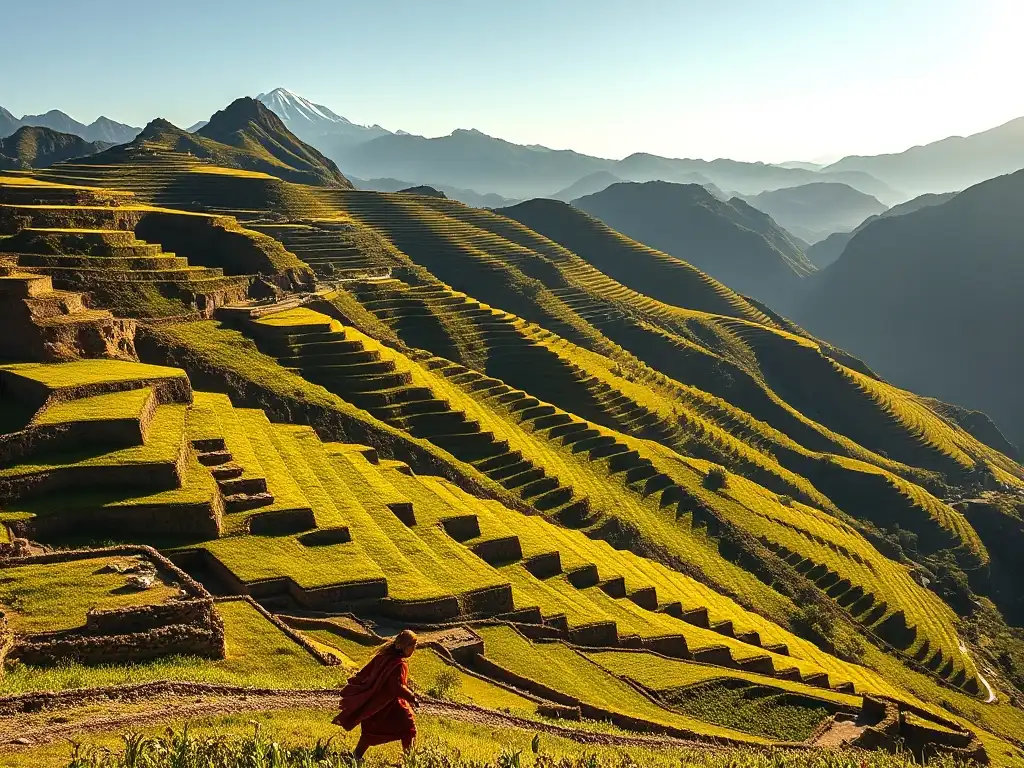
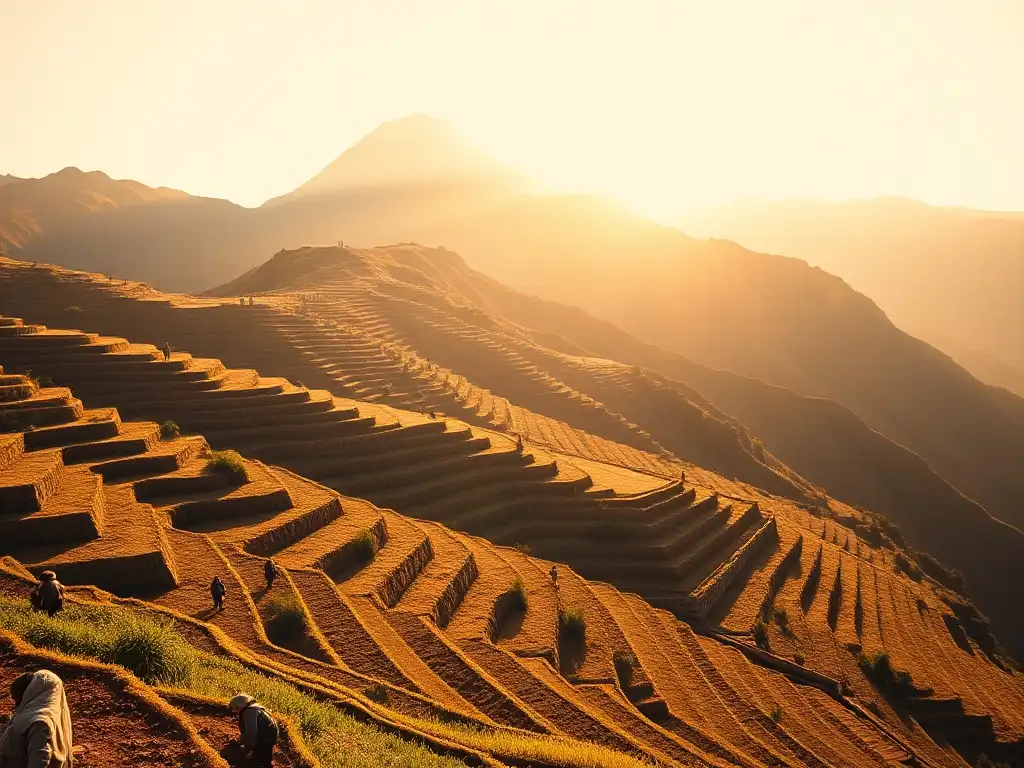
The construction of agricultural terraces was a hallmark of Inca engineering. These terraces, carved into hillsides, created level plots of land for cultivation, effectively increasing arable land significantly. The scale of this undertaking was immense, with terraces stretching for miles across the Andes. The terraces weren't just leveled surfaces; they incorporated sophisticated drainage systems to prevent erosion and waterlogging.
This meticulous attention to detail ensured optimal soil conditions for crop growth. Furthermore, the Inca built extensive irrigation canals to divert water from rivers and streams to areas needing supplemental irrigation. These canals were often constructed using stone, demonstrating advanced knowledge of hydraulic engineering. Their construction and maintenance required a substantial workforce, coordinated by state officials.
The system was remarkably efficient, channeling water to even the most remote agricultural areas. Regular maintenance of both terraces and canals was crucial to their long-term functionality. This involved constant monitoring for leaks, erosion, and blockage, highlighting the ongoing commitment of the Inca state to agricultural infrastructure. Evidence of this continuous maintenance is visible in the remarkably well-preserved remnants of these structures that still exist today.
State-Sponsored Storage and Distribution of Agricultural Products
A key aspect of Inca agricultural management was the state's role in storing and distributing agricultural surpluses. The Inca state implemented a sophisticated system of granaries, known as colcas, strategically located throughout the empire. These granaries served as vital buffers against crop failures and ensured the equitable distribution of food among the population.
The state controlled the collection and storage of agricultural products, ensuring that sufficient reserves were maintained to meet the needs of the entire population, especially during times of scarcity. This centralized system prevented widespread famine and maintained social stability. The state's involvement in distribution also played a crucial role in supporting the army, administrators, and other non-agricultural populations.
The meticulous record-keeping associated with this system allowed the Inca to accurately track agricultural yields and adjust distribution strategies as needed. This efficient system of storage and distribution is a significant example of the Inca state's commitment to food security and societal well-being. The effectiveness of this system is evidenced by the relatively infrequent occurrences of widespread famine within the Inca Empire.
The Role of Colcas in Inca Food Security
The colcas, or Inca granaries, were not merely storage facilities; they were central to the Inca Empire's food security strategy. Their strategic placement throughout the empire ensured that food reserves were readily accessible to all regions, regardless of local crop yields. The construction of colcas was a significant undertaking, reflecting the Inca's commitment to long-term food security.
They were often built using durable materials, such as stone, to protect the stored goods from the elements. The design of the colcas incorporated ventilation systems to prevent spoilage, showcasing a sophisticated understanding of food preservation techniques. The state maintained strict control over the contents and distribution of the colcas, ensuring that food was allocated fairly and efficiently.
This system of state-controlled storage and distribution significantly reduced the risk of famine and provided a safety net for the entire population. The colcas were a vital component of the Inca state's agricultural management strategy, demonstrating a remarkable level of foresight and planning. Their effectiveness contributed significantly to the stability and prosperity of the Inca Empire.
Inca State Management of Agricultural Resources
The Inca state's effective management of agricultural resources extended beyond infrastructure. It involved meticulous planning and control over various aspects of agricultural production, ensuring optimal yields and equitable distribution. This proactive approach to resource management was crucial to the stability and prosperity of the Inca Empire. The Inca state's approach to agricultural management was remarkably sophisticated, reflecting a deep understanding of both ecological principles and social dynamics. The centralized nature of the Inca state allowed for efficient resource allocation and coordination of labor, maximizing agricultural output.
Crop Selection and Diversification under Inca Control
The Inca state played a crucial role in promoting crop diversification and selection. Recognizing the importance of resilience against crop failures, the Inca encouraged the cultivation of a wide range of crops adapted to different altitudes and microclimates. This strategy minimized the risk of widespread famine in case of adverse weather conditions or pest infestations. The state's control over seed distribution played a vital role in this strategy, ensuring that farmers had access to the most suitable varieties for their specific environments.
The Inca also implemented sophisticated agricultural techniques, such as terracing and irrigation, to maximize yields and optimize the use of available resources. This careful selection and diversification of crops were essential to the stability and productivity of Inca agriculture. The evidence of this strategy is apparent in the diverse range of crops cultivated throughout the Inca empire.
State Policies on Seed Distribution and Preservation
The Inca state implemented strict policies regarding seed distribution and preservation. The state controlled the supply of seeds, ensuring that farmers received high-quality seeds suited to their specific environments. This centralized control ensured the maintenance of desirable crop varieties and prevented the spread of inferior or diseased seeds. The state also established seed banks and storage facilities to safeguard seed stocks against loss or damage.
This meticulous approach to seed management was crucial to maintaining agricultural productivity and food security. The state's policies ensured the continuity of successful cultivation practices and prevented the risk of agricultural decline due to poor quality seeds. This system was a significant factor in the long-term success of Inca agriculture.
Management of Water Resources for Agriculture
Water management was paramount to Inca agricultural success. The Inca state implemented sophisticated systems for collecting, storing, and distributing water, ensuring that crops received adequate irrigation even in arid regions. This involved the construction of extensive canal networks, reservoirs, and aqueducts, demonstrating advanced engineering skills. The state also established regulations governing water use, ensuring equitable access to water resources among different communities.
The careful management of water resources was crucial to maximizing agricultural yields and maintaining the productivity of the land. The Inca's understanding of hydrology and their ability to engineer complex water systems were essential to their agricultural success. The meticulous planning and execution of their water management systems are a testament to the Inca's advanced knowledge of engineering and resource management.
The Impact of Inca Agricultural State Management
The Inca Empire's sophisticated agricultural state management had a profound and lasting impact on its development and success. Through a centralized system of control and resource allocation, the Inca state ensured food security for its vast population, fostered economic stability, and facilitated population growth. This wasn't merely about producing enough food; it was a strategic undertaking that underpinned the empire's political and social power. The effectiveness of Inca agricultural policies is evidenced by the empire's impressive size and longevity, a testament to the ingenuity and organizational prowess of its rulers.
The system wasn't without its flaws, however, as we'll explore later. But the overall impact of Inca agricultural state management was undeniably transformative. The integration of diverse agricultural techniques, the efficient distribution of resources, and the careful planning of agricultural projects all contributed significantly to the empire's stability and prosperity.
How State Management Ensured Food Surplus
Inca agricultural state management prioritized surplus production. This wasn't achieved through individual initiative alone; rather, it was a result of a highly organized system of collective labor ( mita ), land allocation, and sophisticated irrigation techniques. The mita system, while demanding, ensured that large-scale projects like terracing and canal construction were completed efficiently. The state meticulously allocated land based on its productivity and the needs of the population, ensuring that both arable and less fertile lands were utilized effectively.
Innovative irrigation systems, such as canals and andenes (terraces), maximized water usage, particularly in arid regions, allowing for multiple harvests annually and significantly increasing yields. The surplus food produced was stored in strategically located qollqas (granaries) to provide for lean times, support the army, and fund public works projects. This system effectively mitigated the risks associated with fluctuating weather patterns and ensured the empire's resilience.
The Effect on Population Growth and Stability
The reliable food supply resulting from the Inca agricultural system directly contributed to significant population growth and social stability. With consistent access to food, the population experienced improved health and reduced vulnerability to famine. This stability allowed for population expansion and the development of complex urban centers.
The reduced risk of starvation minimized internal conflict and social unrest, strengthening the empire's political cohesion. The ability to support a large and growing population was essential to the Inca's military might and territorial expansion. The stable food supply also freed up a significant portion of the population to pursue specialized skills and contribute to other aspects of Inca society, such as artisan crafts, construction, and religious activities.
The Legacy of Inca Agricultural Practices
The legacy of Inca agricultural practices continues to influence Andean agriculture today. Many traditional farming techniques, such as terracing and irrigation systems, are still used in modern-day Peru and other Andean countries. The ingenuity of Inca agricultural engineering is evident in the enduring structures that still exist, showcasing the impressive scale and sophistication of their agricultural projects.
The knowledge and techniques developed by the Inca continue to provide valuable insights into sustainable agriculture and resource management, particularly in challenging environments. Furthermore, the Inca's emphasis on community-based agriculture and resource sharing offers valuable lessons for contemporary agricultural development and resource management strategies. Their achievements serve as a model for efficient and sustainable agricultural practices in diverse environments.
Challenges to the Inca Agricultural System
Despite its success, the Inca agricultural system faced several significant challenges. These challenges highlight the complexities of managing a vast and diverse empire, and underscore the fact that even the most sophisticated systems can be vulnerable to external and internal pressures. Understanding these difficulties provides a more complete picture of Inca agricultural achievements and their limitations.
Environmental Factors and Their Impact
The Inca Empire's agricultural system was heavily reliant on predictable weather patterns and abundant water resources. Droughts, floods, and frost were significant threats to agricultural production, potentially leading to famine and social unrest. The empire's vulnerability to these environmental factors is evidenced by historical accounts of crop failures and their consequences.
The Inca state attempted to mitigate these risks through sophisticated irrigation systems and storage facilities, but the sheer scale of the empire made it difficult to fully safeguard against the impact of extreme weather events. The challenges posed by the diverse geography of the Andes – ranging from coastal deserts to high-altitude plains – also presented logistical and technological limitations.
Political and Social Tensions related to Agriculture
The mita system, while crucial to the success of Inca agricultural projects, also generated social tensions. The forced labor demands could be burdensome and unfair, potentially leading to resentment and resistance among the population. Disputes over land ownership and water rights could also create conflict between different communities or regions. The centralized control of agricultural production, while efficient, could also limit local autonomy and lead to dissatisfaction. The balance between state-controlled production and local needs was a constant challenge for Inca rulers.
The Arrival of the Spanish and the Disruption of the System
The Spanish conquest of the Inca Empire in the 16th century dramatically disrupted the existing agricultural system. The introduction of new diseases, the exploitation of labor, and the disruption of traditional social structures led to a decline in agricultural production and widespread famine. The Spanish colonial system replaced the Inca's centralized agricultural management with a more decentralized and exploitative system, resulting in the loss of traditional knowledge and techniques.
The destruction of irrigation systems and the displacement of agricultural communities contributed significantly to the decline of Inca agricultural practices, leaving a lasting impact on Andean agriculture. The Spanish conquest marked a turning point, effectively ending the era of sophisticated Inca agricultural state management.
Conclusion: The Significance of Inca State Involvement in Agriculture
The Inca state's involvement in agriculture wasn't merely a matter of resource control; it was a cornerstone of their societal stability and imperial expansion. Their sophisticated system of agricultural management, encompassing terracing, irrigation, and crop diversification, ensured food security for a vast and diverse population. This wasn't achieved through brute force or simple exploitation, but through a complex interplay of state planning, community participation, and a deep understanding of Andean ecosystems. The ayllu system, with its collective responsibilities and reciprocal obligations, played a crucial role in this success.
The state provided the overarching framework—the infrastructure, the organizational structure, and the redistribution mechanisms—while local communities provided the labor and knowledge. This symbiotic relationship allowed the Inca Empire to thrive for centuries, showcasing the power of effective state intervention in resource management. The efficiency of Inca agricultural practices, combined with the state's ability to respond to droughts and other environmental challenges, serves as a compelling case study in sustainable resource management, offering valuable lessons for contemporary societies grappling with similar issues. The Inca's success underscores the importance of integrating local knowledge with centralized planning in achieving long-term agricultural sustainability.
Their legacy continues to inspire research and innovation in sustainable agriculture, reminding us of the crucial role that effective state management can play in securing food security and fostering societal well-being. The Inca system serves as a powerful example of how a centralized state can effectively manage resources, ensuring both productivity and equitable distribution, ultimately contributing to the overall strength and resilience of the empire. Understanding this sophisticated system provides valuable insights into the complexities of ancient Andean societies and offers valuable lessons for modern approaches to agricultural management and resource allocation.
- Introduction to Inca State Control over Agriculture
- The Centralized System of Inca Agricultural Production
- Inca State Infrastructure for Agricultural Success
- Inca State Management of Agricultural Resources
- The Impact of Inca Agricultural State Management
- Challenges to the Inca Agricultural System
- Conclusion: The Significance of Inca State Involvement in Agriculture
Frequently Asked Questions
What was the Inca Empire's approach to agriculture?
The Inca Empire implemented a sophisticated system of state-controlled agriculture. This involved terracing, irrigation, and redistribution of resources to ensure food security for the entire population. They were masters of adapting their farming techniques to diverse Andean environments.
How did the Inca state manage agricultural production?
The Inca state managed agricultural production through a system of collective labor (mita) and land redistribution (ayllu). Specialized officials oversaw agricultural projects and ensured that surplus food was stored in qollqas for times of need. This centralized system was crucial to their success.
What role did the ayllu play in Inca agriculture?
The ayllu, a communal system of land ownership and labor, was fundamental to Inca agriculture. Each ayllu was responsible for cultivating its assigned land and contributing to state-controlled projects. This community-based approach ensured efficient resource management.
What innovative agricultural techniques did the Incas employ?
The Incas were known for their innovative agricultural techniques, including terracing, irrigation systems, and fertilizer use. These methods allowed them to cultivate diverse crops in challenging Andean environments, maximizing food production. Waru waru raised fields were particularly effective in managing water resources.
How did Inca agricultural management contribute to the empire's success?
The Inca's efficient agricultural management was crucial to their empire's success. It ensured food security, supported a large population, and enabled the mobilization of labor for large-scale projects such as roads and buildings. This system fostered social stability and economic prosperity.
Final Reflection: Harvesting the Lessons of Inca Agricultural State Management
The ingenious agricultural systems of the Inca Empire remain a potent example of effective state intervention, offering crucial lessons for addressing contemporary challenges of food security and sustainable resource management. Their sophisticated understanding of terracing, irrigation, and crop diversification continues to inspire innovative solutions in a world grappling with climate change and population growth. The Inca's success wasn't merely about abundance; it was about resilience, a quality desperately needed today.
The Inca's approach, emphasizing community participation and resource distribution alongside centralized planning, profoundly shaped their society and its longevity. Their success underscores the vital role of governance in ensuring food security, a lesson often overlooked in modern, fragmented approaches. The Inca state did not merely control the production of food; it actively shaped the very fabric of society through its agricultural policies.
This quote highlights the interconnectedness of agricultural management and social stability, a connection we must actively cultivate in our own time. The echoes of their system resonate even now, reminding us of the power of collective action and sustainable practices.
Consider the implications of the Inca's achievements. How can we, in our own communities and nations, learn from their commitment to resource management and equitable distribution? You have the power to advocate for sustainable agricultural practices, to support policies that prioritize food security, and to engage in conversations that promote responsible resource use. Let the legacy of Inca agricultural state management inspire you to build a more just and sustainable future, one where abundance is not just a privilege, but a right for all.
Unlock the Secrets of Inca Agricultural Mastery!
Thank you for exploring the world of Inca agricultural management with us! You've learned how the Inca state developed sustainable farming practices, and now it's time to apply that knowledge. Here are some ways to further your understanding and connect with this fascinating aspect of Andean civilization:
- **Join our discussion:** Share your thoughts on how ancient Inca agricultural techniques can inform modern sustainable farming practices.
- **Discover more:** Explore additional resources on our site to expand your knowledge of Inca agricultural innovations and their relevance today.
- **Connect locally:** Seek out local community gardens or agricultural programs inspired by ancient Andean techniques. Participate to experience these methods firsthand.
Which Inca agricultural practice do you believe holds the greatest potential for improving modern farming methods? Share your insights below!