
The Inca's Agricultural Calendar: A Detailed Guide to the Seasons

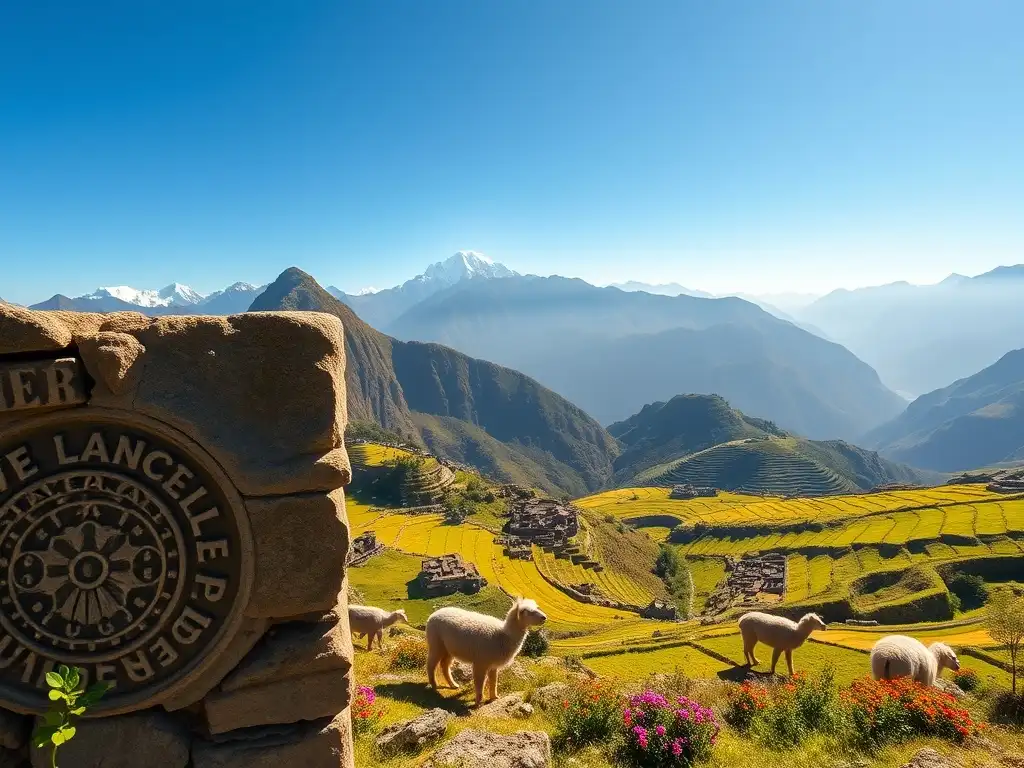
Unravel the mysteries of the Andes! Prepare to be captivated by the ingenuity and sophistication of the ancient Andean civilizations. From the towering heights of Machu Picchu to the intricate artistry of the Nazca Lines, their legacy continues to fascinate. But did you know the key to their empire's success lay in meticulous planning? Dive into our Inca agricultural calendar guide and uncover the secrets behind their remarkably advanced farming techniques – a testament to their deep connection with the land and a crucial element of their enduring power. Explore the breathtaking world of the Inca Empire and beyond!
The Inca Empire, renowned for its sophisticated infrastructure and intricate social organization, relied heavily on a precise and effective agricultural system to sustain its vast population. This system wasn't merely about planting and harvesting; it was deeply intertwined with their cosmology, religious beliefs, and social structure.
Understanding the Inca agricultural calendar is key to unlocking a deeper understanding of their ingenuity and resilience in adapting to the challenging Andean environment. This detailed guide will explore the intricacies of the Inca agricultural calendar, revealing the seasonal cycles that governed their agricultural practices and the profound impact these practices had on their civilization.
We'll delve into the importance of their calendar, the specific timing of planting and harvesting, and the remarkable techniques they employed to maximize crop yields in a diverse and often unforgiving terrain. This guide aims to provide a comprehensive overview for anyone interested in learning more about this fascinating aspect of Inca life, ranking highly for searches such as "Inca agricultural calendar guide".
Understanding the Importance of the Inca Agricultural Calendar
The Inca agricultural calendar wasn't simply a tool for scheduling planting and harvesting; it was a fundamental aspect of Inca society, intricately woven into their religious beliefs and social organization. The success of their agricultural practices directly impacted the empire's stability and prosperity. Accurate prediction of seasonal changes was crucial for planning the distribution of labor, managing resources, and ensuring sufficient food supplies for the entire population.
The calendar's significance extended beyond mere practicality; it served as a framework for community events, religious ceremonies, and the overall rhythm of Inca life. The precise knowledge of the seasons allowed the Inca to optimize their agricultural techniques, including irrigation systems, terracing, and crop rotation, maximizing yields in diverse, and often challenging, environments. This meticulous approach to agriculture speaks volumes about the Inca's deep understanding of their environment and their ability to harness its resources effectively.
They developed a sophisticated system of observation and prediction, combining astronomical knowledge with practical experience passed down through generations. This knowledge was not only essential for survival but also contributed to the empire's impressive growth and longevity. The calendar was a testament to their advanced understanding of both nature and the organization of human society.
The Inca's Agricultural Year: A Cycle of Planting and Harvesting
The Inca agricultural year was divided into distinct seasons, each with its own specific activities. While precise dates varied depending on altitude and microclimate, the overall cycle remained consistent throughout the empire. The year began with the rainy season, typically between October and April, a crucial period for planting. Different crops were planted at different times, according to their specific needs and the prevailing weather conditions. For example, potatoes, a staple crop, were often planted earlier in the season, while maize, another essential crop, required warmer temperatures.
The Inca utilized a variety of techniques, including sophisticated irrigation systems and terracing, to maximize water usage and optimize crop yields. This meticulous approach ensured that they could cultivate a wide range of crops, providing a diverse and nutritious diet for the population. The harvesting season typically began around May and continued through September, coinciding with the drier months. The harvested crops were then stored in strategically located warehouses, ensuring that food supplies were available year-round.
The organization and distribution of these resources were meticulously managed by the Inca state, a testament to their effective governance and ability to support a large population. The entire process was governed by the calendar, ensuring a harmonious balance between the natural cycles of the Andes and the demands of the Inca civilization. The precise timing of planting and harvesting, combined with innovative agricultural techniques, allowed the Inca to achieve remarkable agricultural productivity, contributing significantly to the empire's strength and stability. This system served as a model of efficient resource management and sustainable agricultural practices, a legacy that continues to inspire today.
- Understanding the Importance of the Inca Agricultural Calendar
- The Inca's Agricultural Year: A Cycle of Planting and Harvesting
- What is the Inca agricultural calendar?
- How did the Inca's knowledge of astronomy influence their calendar?
- What were the main agricultural practices of the Inca civilization?
- What crops were most important to the Inca's agricultural calendar?
- How did the Inca agricultural calendar impact their social organization?
The Four Main Seasons of the Inca Farming Calendar
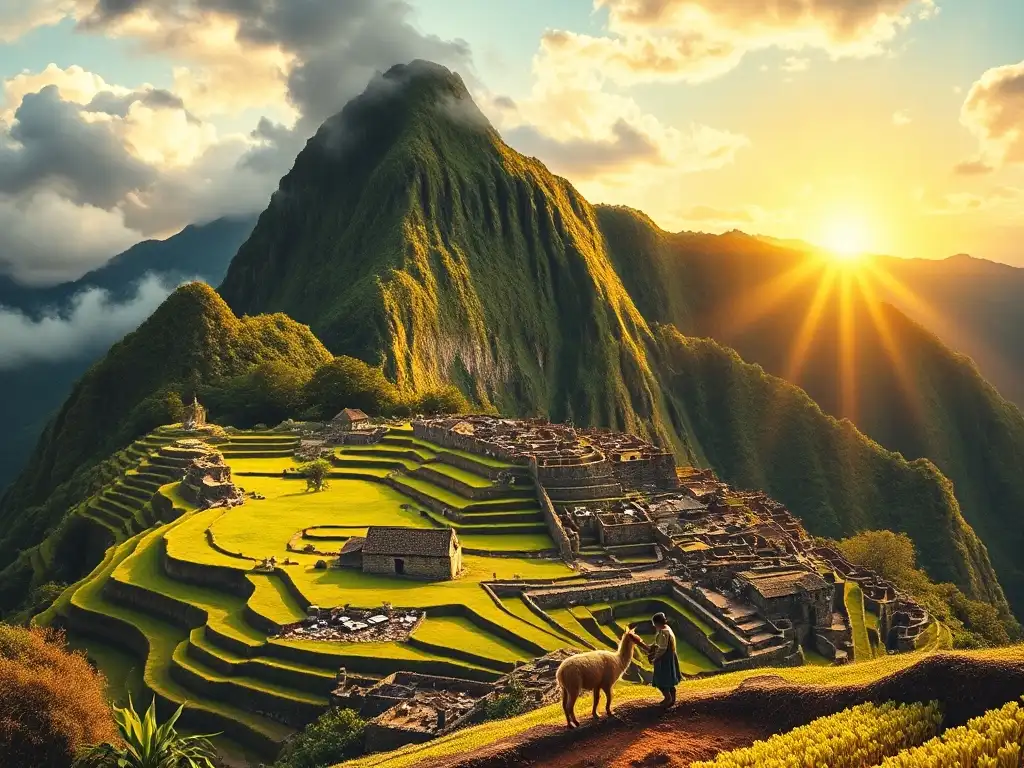
The Inca agricultural calendar, a sophisticated system of knowledge passed down through generations, wasn't simply a chronological listing of months. It was a deeply intertwined understanding of celestial events, environmental cues, and agricultural practices, all essential for ensuring successful harvests. This intricate calendar, crucial for the Inca's remarkable agricultural achievements, divided the year into four primary seasons, each with specific activities and significance.
Understanding these seasons provides a crucial insight into the Inca's mastery of their environment and their remarkable ability to sustain a large and complex empire. This guide will delve into the details of each season, offering a comprehensive understanding of the Inca's "Inca agricultural calendar guide."
Pacha Killa: The Beginning of the Agricultural Cycle
Pacha Killa, meaning "month of the world," marked the beginning of the agricultural cycle, typically falling around September or October. This period signified the transition from the dry season to the rainy season, a pivotal time for preparing the land for planting. The Inca's precise knowledge of the solstices and equinoxes allowed them to accurately predict the onset of rains, enabling them to plan their agricultural activities effectively.
The success of the entire year's harvest hinged on the meticulous work undertaken during Pacha Killa. Careful observation of nature's signs, like the appearance of specific birds or the flowering of certain plants, further refined their predictions, showcasing an intimate connection with their environment.
Key Activities during Pacha Killa
The key activities during Pacha Killa focused on preparing the land for planting. This included:
- Cleaning and clearing fields: Removing weeds, rocks, and other debris from the agricultural terraces.
- Repairing irrigation channels: Ensuring the efficient flow of water to the fields, vital for the upcoming growing season. This involved meticulous maintenance and, when necessary, the construction of new channels.
- Preparing the soil: Using various tools, the Inca farmers would cultivate the soil, improving its structure and fertility. This might include plowing, fertilizing with compost and manure, and creating raised beds for optimal drainage and sun exposure.
- Seed selection and preparation: Choosing high-quality seeds and preparing them for planting. This often involved pre-germination techniques to accelerate growth and ensure a higher success rate.
Crops Planted in Pacha Killa
While the specific crops varied depending on altitude and region, some common plants sown during Pacha Killa included:
- Potatoes: A staple crop for the Inca, requiring careful planting and attention to soil conditions. Different varieties were planted according to the specific needs of the terrain and climate.
- Maize: Another fundamental crop, maize was planted strategically to ensure optimal sunlight and water access. Different maize varieties were adapted to different altitudes.
- Beans: Often planted alongside maize, beans provided a valuable source of protein and complemented the diet. Intercropping was a common practice to maximize yields and improve soil fertility.
Rituals and Celebrations associated with Pacha Killa
Pacha Killa was not just about practical preparation; it was also a time for ritual and celebration. The Inca performed ceremonies to appease the gods and ensure a bountiful harvest. These rituals often involved offerings to the earth and prayers for fertile lands and abundant rainfall. Festivals and communal work projects further strengthened social bonds and fostered a sense of collective responsibility for the agricultural success of the community. The intricate interplay between practical work and spiritual observances highlights the holistic nature of the Inca's agricultural system.
Puquy Killa: The Growing Season
Puquy Killa, meaning "month of growth," represented the peak of the agricultural cycle, typically spanning from November to March. During this period, the crops grew rapidly, requiring diligent care and attention. The Inca’s innovative agricultural techniques, honed over centuries, were crucial for maximizing yields during this crucial phase. Their mastery of water management, terracing, and crop rotation ensured the success of their farming endeavors.
Irrigation Techniques Used in Puquy Killa
The Inca’s sophisticated irrigation systems were paramount during Puquy Killa. These systems involved:
- Canals and Aqueducts: Extensive networks of canals and aqueducts channeled water from rivers and streams to the agricultural terraces, ensuring a consistent water supply. These impressive feats of engineering often spanned vast distances and incorporated ingenious designs to manage water flow and distribution.
- Subterranean Channels: In some areas, subterranean channels were used to transport water, minimizing water loss through evaporation. This innovative approach demonstrated a deep understanding of hydrological principles.
- Water Storage: Reservoirs and storage facilities were strategically located to collect and store water during periods of excess rainfall, providing a buffer against drought.
Crop Maintenance during Puquy Killa
Maintaining the crops during Puquy Killa required constant vigilance. Activities included:
- Weeding: Regularly removing weeds to prevent competition for resources and ensure optimal crop growth.
- Pest and disease control: Implementing various techniques to control pests and diseases, often utilizing natural methods.
- Irrigation management: Carefully monitoring and regulating water flow to ensure adequate hydration without causing waterlogging.
- Fertilization: Applying additional fertilizers as needed to maintain soil fertility and promote healthy growth.
Importance of Terracing in Puquy Killa
Terracing played a pivotal role in the Inca's agricultural success during Puquy Killa. By creating level platforms on steep slopes, the Inca:
- Increased arable land: Maximizing the use of available land, even in mountainous regions.
- Improved water management: Creating level surfaces facilitated efficient irrigation and prevented soil erosion.
- Reduced soil erosion: Terraces effectively prevented soil loss, preserving the fertility of the land for future harvests.
- Optimized sunlight exposure: The terraced fields ensured that crops received adequate sunlight, even in shaded areas. The careful orientation of terraces maximized solar exposure throughout the day.
Aymuray Killa: The Harvest Season
The Aymuray Killa, meaning "harvest month" in Quechua, was a crucial time in the Inca agricultural calendar. This season, typically falling between April and May, marked the culmination of months of hard work and meticulous planning. The abundance of the harvest directly impacted the survival and prosperity of the entire community.
Farmers, working in coordinated ayllus (kinship-based communities), diligently gathered their crops, ensuring that every edible plant and fruit was collected efficiently and respectfully. The success of the harvest was not just a matter of sustenance but also a deeply spiritual event, celebrated with gratitude and reverence for the Pachamama (Mother Earth). The air buzzed with activity, a palpable sense of collective achievement permeating the Andean landscapes.
The careful planning and execution of the harvest were testament to the sophistication of Inca agricultural practices, a system that ensured food security even in challenging mountainous terrain. The sheer scale of the harvest, encompassing diverse crops across varied altitudes, was a remarkable feat of organization and community cooperation.
Harvesting Practices in Aymuray Killa
Harvesting practices during Aymuray Killa were far from haphazard. Inca farmers employed a variety of techniques adapted to the specific crops and terrain. For example, potatoes, a staple crop, were carefully dug up, ensuring minimal damage to the tubers. Corn, another vital food source, was harvested by hand, with the cobs carefully removed from the stalks.
The methods employed showcased a deep understanding of the plants' growth cycles and a keen awareness of preserving the soil's fertility for future harvests. They avoided practices that might deplete the soil or damage the plant life. This sustainable approach reflected the Inca's profound respect for the land and their long-term commitment to agricultural productivity. The entire process was meticulously planned and executed, involving the participation of all able-bodied members of the ayllu.
Storage Methods for Harvested Crops
Preserving the harvest for the lean months was equally important. The Incas developed ingenious storage methods to minimize spoilage and maintain food quality. They utilized a variety of techniques, including qollqas (stone granaries), strategically located in dry, well-ventilated areas. These structures were not simply storage facilities; they were architectural marvels, often built into the landscape to blend seamlessly with the environment. Different crops were stored according to their specific needs.
Dried corn, potatoes, and other produce were stored in woven bags or containers made from natural materials. The Incas also employed techniques such as sun-drying and freeze-drying to preserve food for extended periods. Their sophisticated storage techniques ensured food security throughout the year, allowing them to withstand periods of scarcity and climate variability. The efficiency of their storage systems was a critical factor in the stability and resilience of the Inca Empire.
Festivals celebrating the Harvest in Aymuray Killa
The harvest in Aymuray Killa was celebrated with vibrant festivals and ceremonies. These events were not merely celebrations of abundance but also expressions of gratitude to the Pachamama and other deities for a successful harvest. Rituals, often involving offerings of food and drink, were performed to ensure the continued fertility of the land. Music, dance, and feasting played a significant role in these celebrations, fostering a strong sense of community and shared identity.
Specific festivals varied by region and local customs, yet all shared a common thread of expressing appreciation for the bounty of the earth and reinforcing the vital connection between the people and their environment. These festivals were integral to Inca society, strengthening social bonds and reaffirming the spiritual significance of agriculture. The festivities served as a reminder of the collective effort required to produce food and the importance of maintaining harmony with nature.
Chakra Yapuy Killa: Preparing for the Next Cycle
Chakra Yapuy Killa, meaning "time to prepare the fields," marked the beginning of the preparation for the next agricultural cycle. This period, typically occurring between June and July, involved a range of activities essential for ensuring a bountiful harvest in the following season. The focus shifted from harvesting and storing to preparing the land, selecting seeds, and planning for the upcoming planting season.
This meticulous preparation was vital to the success of Inca agriculture, reflecting their deep understanding of ecological principles and their commitment to sustainable farming practices. The community worked together, sharing knowledge and resources to ensure the effectiveness of their collective efforts.
Land Preparation for Chakra Yapuy Killa
Land preparation during Chakra Yapuy Killa was a crucial step in the agricultural cycle. Farmers meticulously cleared fields, removing weeds and preparing the soil for planting. They employed various techniques, including terracing, irrigation systems, and fertilization, to optimize the land's productivity. Terracing, in particular, was essential for cultivating crops on steep slopes, maximizing arable land in the mountainous terrain.
The Inca's mastery of irrigation allowed them to effectively manage water resources, ensuring adequate moisture for crops even in dry conditions. They also employed techniques for enriching the soil, such as using fertilizers derived from animal manure and other organic matter. This meticulous land preparation ensured optimal conditions for the next planting season.
Seed Selection and Preservation
Seed selection and preservation were critical aspects of Chakra Yapuy Killa. The Incas carefully selected the best seeds from the previous harvest, ensuring the genetic quality of their crops. They developed sophisticated methods for storing seeds, protecting them from pests, diseases, and unfavorable environmental conditions. This careful selection and preservation were key factors in maintaining the productivity and resilience of their crops over time. The Inca's understanding of plant genetics and their meticulous preservation techniques ensured the continued success of their agricultural system. This emphasis on seed quality was a testament to their deep understanding of agricultural principles.
Rest and Planning during Chakra Yapuy Killa
While Chakra Yapuy Killa was a time of intense activity, it also incorporated periods of rest and planning. After the strenuous harvest season, farmers took time to rest and recover their strength. They also engaged in community discussions to plan for the upcoming agricultural cycle. This collaborative planning involved sharing knowledge, resources, and responsibilities amongst the ayllus.
The Inca's agricultural system was not solely about production but also about community building and social cohesion. The planning phase ensured that all aspects of the next cycle were carefully considered, from seed selection to land allocation and labor distribution. This period of reflection and planning was essential for the efficient and harmonious functioning of their agricultural system. The balance between work and rest, planning and execution, was a characteristic feature of Inca agricultural practices.
Key Elements of the Inca Farming System
The Inca agricultural calendar wasn't simply a list of dates; it was an intricate system interwoven with their deep understanding of the Andean environment and their sophisticated agricultural practices. Success hinged on a complex interplay of factors, meticulously observed and managed to ensure bountiful harvests year after year. This guide delves into these key elements, providing an in-depth understanding of the Inca's remarkable agricultural achievements.
Understanding the Inca agricultural calendar requires appreciating their holistic approach to farming, recognizing the interconnectedness of celestial events, water management, and innovative agricultural techniques. This detailed analysis of the Inca agricultural calendar will provide a comprehensive understanding of their sophisticated methods.
The Role of the Sun in the Inca Agricultural Calendar
The Inca's agricultural calendar was profoundly influenced by the sun. Their observations of the sun's movements, especially solstices and equinoxes, dictated the planting and harvesting cycles. The solstices, marking the longest and shortest days of the year, were particularly significant.
The Inti Raymi, the festival celebrating the winter solstice, coincided with the beginning of the agricultural year. This wasn't simply a religious observance; it marked the crucial time for preparing the land and planting specific crops adapted to the shorter days and cooler temperatures. The summer solstice, conversely, signified the harvest season, a time of celebration and thanksgiving for the year's bounty.
Precise knowledge of the sun's position allowed the Inca to predict weather patterns and adjust their agricultural practices accordingly, ensuring optimal yields even in the challenging Andean climate. Detailed records, though not written in the way we understand them today, were likely kept through a combination of oral traditions, knotted strings (quipus), and careful observation of nature's rhythms. The sun wasn't just a source of light and heat; it was the central organizing principle of the Inca agricultural calendar, guiding their agricultural practices with remarkable accuracy.
The Importance of Water Management
Water, in the often arid Andean highlands, was a precious resource. The Inca understood this implicitly and developed sophisticated systems of water management crucial to their agricultural success. Their ingenious irrigation systems, including canals, aqueducts, and reservoirs, channeled water from rivers and streams to even the most distant fields. These weren't simple ditches; they were marvels of engineering, often carved into mountain slopes and meticulously maintained.
The waru waru system, a type of raised-field agriculture, was particularly effective in water-scarce regions. This technique involved creating raised beds separated by canals, allowing for better water retention and drainage, optimizing soil conditions, and minimizing erosion. The Inca's mastery of water management wasn't just about quantity; it was about control and efficiency.
They developed techniques to regulate water flow, ensuring that crops received the right amount of water at the right time throughout the growing season. This meticulous approach to water management played a critical role in the Inca's ability to cultivate crops in diverse and challenging environments, demonstrating a deep understanding of hydrology and its impact on agriculture. Evidence of these sophisticated systems remains visible today, a testament to the Inca's ingenuity and their enduring legacy in water resource management.
The Use of Terraces and Other Farming Techniques
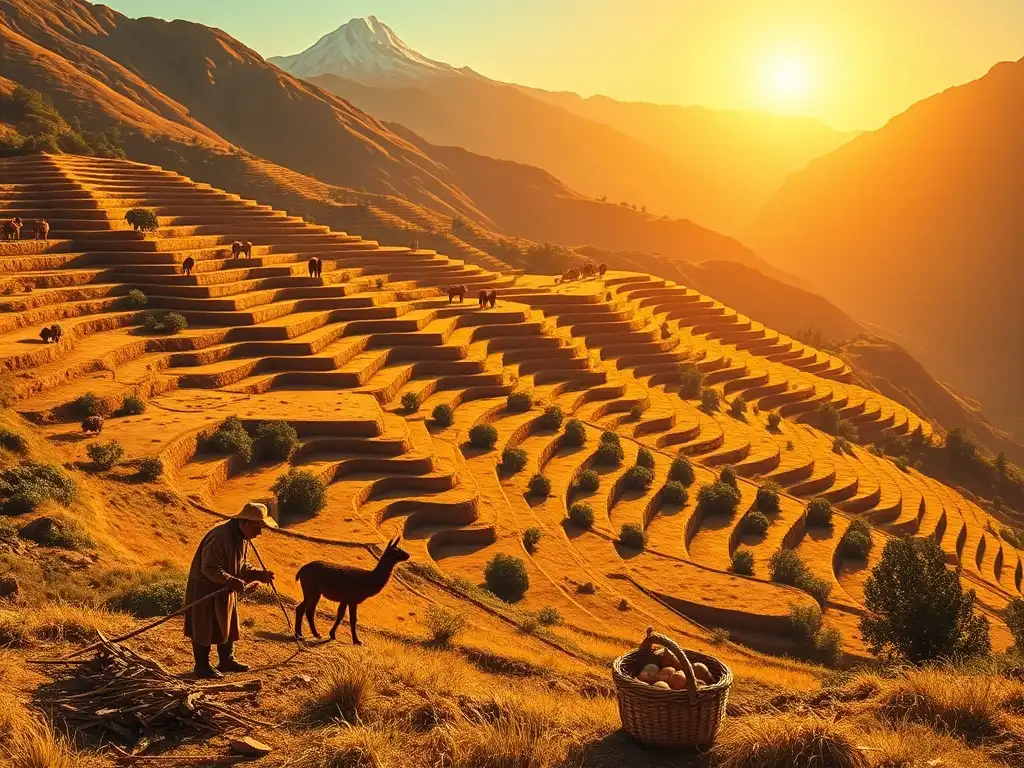
The steep slopes of the Andes presented a significant challenge to agriculture. However, the Inca overcame this obstacle through the construction of extensive terrace farming systems. These terraces, carved into mountain sides, created level plots of land, allowing for efficient irrigation and preventing soil erosion. The construction of these terraces was a monumental undertaking, requiring considerable labor and expertise in engineering and stonework.
Beyond terraces, the Inca employed a variety of other innovative farming techniques. They developed different crop varieties suited to the varying altitudes and microclimates of the Andes. They practiced crop rotation and intercropping, maximizing land use and nutrient cycling. They also used fertilizers, such as guano (bird droppings), to enrich the soil.
These techniques, combined with their sophisticated understanding of the Andean environment, allowed the Inca to cultivate a diverse range of crops, including potatoes, maize, quinoa, and beans, ensuring food security for their vast empire. The Inca’s mastery of these techniques is evidenced by the high agricultural yields they achieved, supporting a large and densely populated empire in a challenging environment. Their legacy continues to inspire sustainable agricultural practices today. The Inca agricultural calendar, therefore, was not just about timekeeping; it was intimately linked to these diverse and ingenious farming methods, ensuring a resilient and productive food system.
The Inca Agricultural Calendar Guide: A Legacy of Knowledge
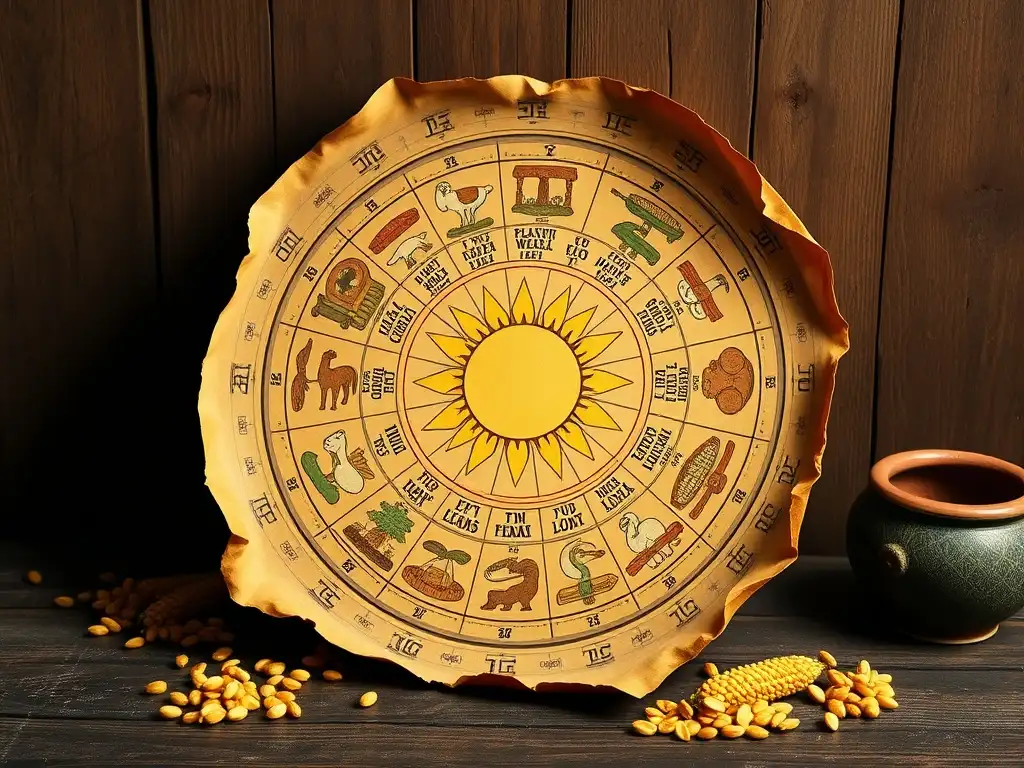
The Inca agricultural calendar wasn't a single, monolithic document like a modern Gregorian calendar. Instead, it was a complex system of interwoven knowledge passed down through generations, deeply intertwined with their sophisticated understanding of Andean ecology and astronomy. This intricate system allowed the Inca to maximize agricultural output in a challenging, high-altitude environment characterized by diverse microclimates and unpredictable weather patterns. Their success stemmed from a keen observation of celestial events, meticulous record-keeping (often through knotted strings called quipus), and a deep respect for the land and its rhythms.
Understanding their calendar requires appreciating its holistic nature, encompassing not just planting and harvesting times, but also rituals, festivals, and community labor organization. The Inca calendar wasn't just about practicality; it was a fundamental aspect of their worldview, connecting the earthly realm with the celestial sphere. This interconnectedness is crucial to understanding the depth and sophistication of their agricultural practices.
Modern Applications of Inca Agricultural Practices
The Inca's ingenuity in adapting to their environment offers valuable lessons for modern agriculture, particularly in the face of climate change. Their techniques of terracing, irrigation, and crop diversification are being revisited and adapted for contemporary sustainable farming practices. For example, the Inca's intricate andenes (terraces) dramatically increased arable land on steep slopes, minimizing soil erosion and optimizing sunlight exposure.
These principles are now being applied in various parts of the world to address issues of land scarcity and soil degradation. Similarly, their sophisticated water management systems, including canals and reservoirs, offer models for efficient water use in arid and semi-arid regions. Furthermore, the Inca's practice of crop diversification, which involved planting a variety of crops together, significantly reduced the risk of crop failure and enhanced soil fertility.
This approach is gaining traction today as a key strategy for building resilience against climate variability and pest infestations. The revival and adaptation of Inca agricultural techniques represent a powerful testament to the enduring relevance of traditional ecological knowledge. Studies comparing modern yields with those achieved using Inca methods in similar environments often reveal significant increases in productivity and sustainability.
Preserving the Inca's Agricultural Heritage
Preserving the Inca's agricultural heritage requires a multi-pronged approach. It involves not only the archaeological study of Inca agricultural sites—excavating and analyzing andenes, irrigation canals, and other infrastructure—but also the documentation and preservation of traditional knowledge still held by Andean communities. Many indigenous communities continue to practice variations of Inca agricultural techniques, possessing invaluable insights into sustainable farming practices.
Ethnobotanical studies are crucial in documenting the diverse range of crops cultivated by the Inca and their traditional uses. Furthermore, educational programs aimed at promoting awareness of Inca agricultural practices are vital in fostering a deeper appreciation for this legacy. Museums and cultural centers play a key role in exhibiting artifacts related to Inca agriculture and disseminating information about their techniques.
However, the challenge lies in striking a balance between preservation and sustainable development. Protecting Inca agricultural sites from damage while allowing for responsible tourism and research is a delicate task requiring careful planning and collaboration among archaeologists, local communities, and government agencies. The ongoing effort to protect and revitalize this rich heritage reflects its enduring importance for both scientific understanding and sustainable development.
Lessons Learned from the Inca's Sustainable Farming Methods
The Inca's success as agriculturalists stemmed from their understanding of ecological principles and their commitment to sustainable practices. They understood the importance of soil conservation, water management, and biodiversity. Their methods weren't merely about maximizing yields in the short term; they were designed for long-term sustainability. Their emphasis on crop diversification, for instance, minimized the risk of widespread crop failure due to pests or disease.
The use of waru waru (raised bed agriculture) in wetland areas not only increased yields but also improved soil drainage and water retention. Their understanding of microclimates allowed them to select appropriate crops for specific locations and altitudes. Analyzing the Inca's success reveals crucial lessons for modern agriculture: the importance of respecting ecological limits, prioritizing biodiversity, and adopting long-term perspectives.
Their achievements highlight the fact that sustainable agriculture isn’t simply a modern concept but a practice deeply rooted in ancient traditions and adaptable to the challenges of today's world. The Inca's legacy serves as a powerful reminder of the potential for human ingenuity to create harmonious relationships with the environment. Their agricultural practices offer a blueprint for building more resilient and sustainable food systems in the face of growing environmental pressures.
Frequently Asked Questions
What is the Inca agricultural calendar?
The Inca agricultural calendar was a complex system used to organize agricultural activities throughout the year, aligning with the seasonal changes and ensuring successful harvests. It was deeply intertwined with their religious beliefs and social structure.
How did the Inca's knowledge of astronomy influence their calendar?
The Inca calendar was heavily influenced by astronomical observations, particularly the movements of the sun and stars. This allowed them to predict the best times for planting and harvesting, maximizing agricultural yields. Precise solar and lunar cycles were key.
What were the main agricultural practices of the Inca civilization?
The Inca employed various techniques including terracing, irrigation systems, and crop rotation to optimize their agricultural production. They also cultivated a wide variety of crops adapted to the diverse Andean environments. Efficient water management was crucial.
What crops were most important to the Inca's agricultural calendar?
Key crops included potatoes, maize, and quinoa, which formed the basis of their diet. The calendar dictated when to plant and harvest these crucial staples, ensuring food security for the population. Resource management was paramount.
The Inca calendar was central to their social structure and organization. Labor was allocated based on the calendar's dictates, with communal efforts crucial for successful farming. It facilitated community cooperation and resource distribution.
Final Reflection: Echoes of the Andes: Harvesting Wisdom from the Inca Past
The Inca agricultural calendar, a testament to ingenious adaptation and sustainable practices, remains profoundly relevant in our era of climate change and food insecurity. Understanding their sophisticated system of water management, crop rotation, and meticulous observation of celestial events offers invaluable lessons for modern agriculture and resource management. The ingenuity of the Inca in coaxing life from the harsh Andean terrain stands as a powerful example of human resilience and innovation.
The Inca's deep connection to the land, reflected in their intricate calendar, continues to resonate today, reminding us of the vital link between humanity and the natural world. Their understanding of ecological balance and the cyclical nature of life offers a powerful counterpoint to our often exploitative relationship with the environment. The earth provides enough to satisfy every man's needs but not every man's greed.
– Mahatma Gandhi. This quote perfectly encapsulates the wisdom embedded within the Inca's approach to agriculture, a wisdom we would do well to heed in our own time.
Consider the intricate details of the Inca agricultural calendar, the meticulous planning, and the deep respect for the land. You too can cultivate a deeper connection with your food sources, understanding the seasons and the rhythms of nature. Embrace sustainable practices in your own life, however small. By learning from the past, we can build a more resilient and sustainable future, ensuring that the echoes of the Andes continue to inspire generations to come.
Unleash the Power of the Inca Agricultural Calendar!
Thank you for exploring the fascinating world of the Inca agricultural calendar! We hope you've gained valuable insights into how these ancient practices shaped the Andean environment and community. Now, let's put that knowledge into action—the wisdom of the past can inspire innovative approaches to modern agriculture.
- Dive Deeper: Explore local farming practices rooted in traditional methods. Visit community farms or gardens that showcase indigenous techniques, learning firsthand about sustainable and resilient approaches to food production.
- Share Your Knowledge: Discuss your newfound understanding with friends and family, inspiring them to appreciate the importance of seasonal farming and its connection to the environment.
- Engage with the Community: Join local workshops or online forums focused on sustainable agriculture and traditional farming methods. Connect with others who share your interest in preserving and adapting ancient wisdom for a more sustainable future.
What aspects of Inca agricultural practices resonate most with you, and how can you envision integrating these principles into contemporary farming techniques?