
The Inca's Agricultural Legacy: Lessons for Modern Sustainability


Step into a world lost to time, yet echoing with wisdom waiting to be rediscovered. Imagine a civilization that thrived in the harshest of landscapes, mastering agricultural techniques so advanced they still hold lessons for us today. The Andean Civilizations website invites you to delve into the fascinating story of the Incas, Moche, Nazca, and Tiahuanaco—but our journey begins with the remarkable ingenuity behind Inca agricultural sustainability techniques. Prepare to be amazed by their innovative solutions and ponder their enduring relevance in a world grappling with modern challenges. Uncover the secrets of their success—read on!
The Inca Empire, renowned for its sophisticated social structures and impressive architectural feats, also possessed an incredibly advanced understanding of agriculture and resource management. Their ingenuity in cultivating the challenging Andean terrain offers valuable lessons for modern sustainable practices. This article delves into the specific techniques employed by the Inca, highlighting their remarkable achievements and exploring the ways in which their wisdom can inform our current efforts towards environmental stewardship and food security.
We will examine their innovative strategies for maximizing crop yields, conserving water resources, and maintaining soil fertility in a region characterized by diverse and often harsh conditions. Understanding the Inca's agricultural sustainability techniques is not just a historical exercise; it's a crucial step towards creating a more resilient and environmentally responsible future. The ingenuity of their methods continues to inspire researchers and practitioners seeking solutions to contemporary challenges in agriculture.
Terracing: Conquering the Slopes
The Inca's mastery of terracing is arguably their most visually striking and impactful agricultural innovation. They carved thousands of kilometers of terraces into the steep Andean slopes, transforming seemingly unusable land into productive farmland. These terraces weren't simply carved steps; they were meticulously engineered systems.
The careful design included retaining walls built from stone, often fitted together without mortar, demonstrating advanced architectural and engineering skills. These walls served not only to support the terraces but also to prevent soil erosion, regulate water flow, and create microclimates suitable for various crops. The size and slope of each terrace were carefully considered, adapting to the specific conditions of the location and the type of crops being cultivated.
This precise engineering allowed for optimal sunlight exposure and water management, maximizing crop yields even in challenging terrains. The impact of this system was profound, significantly increasing arable land and supporting a large population. The precision and scale of Inca terracing remains a testament to their dedication to agricultural sustainability.
Water Management: Harnessing the Andes' Resources
Water scarcity is a defining characteristic of the Andean region, yet the Inca developed sophisticated systems for managing and distributing water resources. They constructed intricate networks of canals, aqueducts, and reservoirs, channeling water from rivers and springs to irrigate their fields. These systems were often integrated with their terracing systems, allowing for precise control of water flow to individual terraces. The Inca also utilized techniques such as diverting glacial meltwater and collecting rainwater, demonstrating a comprehensive understanding of water cycles and the importance of water conservation.
Their ability to effectively manage water resources, even in arid environments, allowed them to maintain agricultural productivity and support a thriving civilization. Examples of these advanced systems can still be seen today, standing as remarkable feats of engineering and inspiring examples of water resource management. Careful studies of these systems reveal intricate details about their functionality and impressive durability.
Crop Rotation and Fertilization: Maintaining Soil Health
Inca agricultural practices emphasized the importance of maintaining soil health through techniques like crop rotation and fertilization. They understood the need to avoid depleting the soil's nutrients and employed various strategies to replenish them. Crop rotation involved planting different crops in a sequence, helping to restore soil fertility and prevent the build-up of pests and diseases. They also utilized organic fertilizers such as manure and compost, enriching the soil and promoting healthy plant growth.
Evidence suggests they also practiced intercropping, planting different crops together to maximize land use and improve soil conditions. This integrated approach to soil management ensured long-term agricultural productivity, highlighting a deep understanding of ecological principles and sustainable farming methods. The Inca's commitment to soil health stands as a model for modern sustainable agriculture, emphasizing the importance of integrated systems and long-term planning.
The Legacy Continues: Modern Applications of Inca Wisdom
The Inca's agricultural techniques, developed over centuries of adaptation and innovation, offer valuable insights for contemporary sustainable agriculture. Their emphasis on water conservation, soil health, and terracing provides a framework for creating more resilient and environmentally responsible farming systems. Modern researchers and practitioners are studying Inca methods to develop sustainable agricultural practices suitable for various environments, particularly in mountainous and arid regions.
By applying the principles of Inca agriculture, we can improve crop yields, reduce our environmental impact, and enhance food security in a world facing increasing challenges related to climate change and resource scarcity. The Inca's legacy extends beyond the realm of history; it serves as a blueprint for a more sustainable future. Their remarkable achievements inspire continued research and practical application, demonstrating the enduring value of their agricultural wisdom.
- Terracing: Conquering the Slopes
- Water Management: Harnessing the Andes' Resources
- Crop Rotation and Fertilization: Maintaining Soil Health
- The Legacy Continues: Modern Applications of Inca Wisdom
- What were some key Inca agricultural techniques?
- How did terracing contribute to Inca agricultural sustainability?
- What role did irrigation play in Inca agriculture?
- What other sustainable practices did the Inca use besides terracing and irrigation?
- How are Inca agricultural techniques relevant to modern sustainability?
Understanding Inca Agricultural Practices
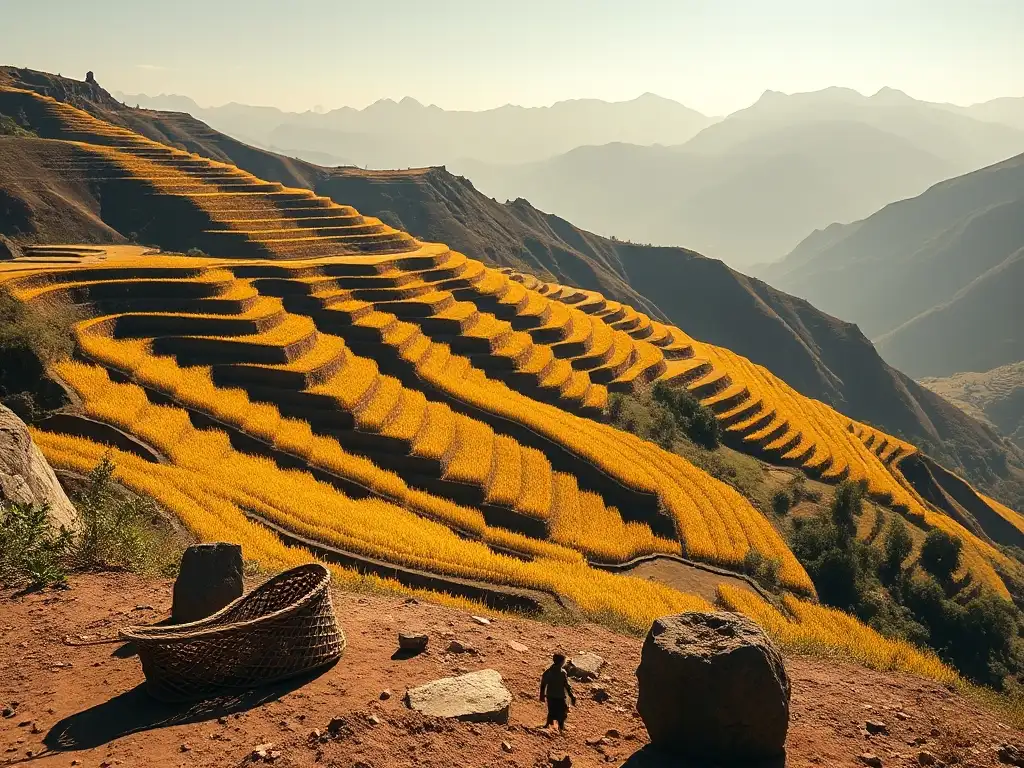
This section delves into the ingenious agricultural practices employed by the Inca, a civilization renowned for its mastery of resource management in a challenging environment. Their success wasn't merely a matter of luck; rather, it stemmed from a deep understanding of their environment and the development of sophisticated techniques to overcome its limitations. This understanding of Inca agricultural sustainability techniques offers valuable lessons for modern agriculture striving for greater efficiency and environmental responsibility. The Inca’s achievements highlight the power of integrating ecological knowledge with innovative engineering solutions.
The Andean Landscape and its Challenges for Farming
The Andes Mountains present a formidable challenge for agriculture. Steep slopes, unpredictable rainfall, and thin, rocky soils make cultivating crops extremely difficult. Altitude also plays a significant role, with temperatures varying drastically across different elevations. The Inca faced these challenges head-on, developing techniques tailored to the specific ecological conditions of each region. For example, the vertical archipelago system, a sophisticated approach to agriculture, recognized the varied microclimates across altitudes.
Different crops were cultivated at different elevations, maximizing yields and creating a diversified agricultural system resilient to climate variability. This system, a testament to Inca ingenuity, demonstrates a deep understanding of agro-ecology far ahead of its time. The variability in rainfall, ranging from arid deserts to high-altitude grasslands, demanded clever water management techniques. Their mastery of irrigation and water conservation is a crucial aspect of their agricultural success.
Terracing Techniques: Maximizing Arable Land
One of the most visually striking and effective Inca agricultural innovations was terracing. Terraces, essentially step-like platforms carved into hillsides, dramatically increased the amount of arable land available. These weren't simply haphazardly carved platforms; they were carefully designed and engineered structures.
The terraces followed the contours of the land, minimizing soil erosion and maximizing sunlight exposure. Furthermore, retaining walls built from stone provided support and prevented soil slippage. The precise construction of these terraces, often incorporating drainage systems, showcases the Inca's advanced understanding of engineering and their commitment to sustainable land use.
The scale of terracing across the Inca Empire is breathtaking, a testament to the organized labor and planning involved. Consider the sheer effort required to build and maintain such extensive systems—a clear indication of the value placed on agriculture within Inca society. The effectiveness of these techniques is still evident today, with some Inca terraces remaining productive centuries later.
Irrigation Systems: Engineering for Water Management
Efficient water management was crucial for Inca agriculture. Given the uneven distribution of water resources in the Andes, the Inca developed sophisticated irrigation systems to channel water from rivers and streams to their fields. These systems weren't simple canals; they involved intricate networks of channels, aqueducts, and reservoirs, often built across challenging terrain.
The Inca employed a variety of techniques, including the use of gravity-fed systems and sophisticated diversion channels to manage water flow. They also constructed reservoirs to store water during periods of surplus, ensuring a reliable water supply during dry seasons. This careful management of water resources not only increased agricultural yields but also helped prevent soil degradation and maintain biodiversity.
The Inca agricultural sustainability techniques related to irrigation showcase their advanced understanding of hydraulic engineering and their commitment to long-term resource management. These systems are a remarkable example of human ingenuity and highlight the importance of water resource management in achieving agricultural sustainability. The precise engineering and efficient design of these systems are still studied today by engineers and agricultural scientists.
Crop Diversification: A Strategy for Resilience
The Inca Empire, renowned for its sophisticated agricultural techniques, understood the importance of crop diversification as a cornerstone of resilience against environmental challenges and crop failures. Unlike monoculture farming, which risks total loss from a single pest or disease outbreak, the Inca system embraced a polyculture approach, planting a wide variety of crops in close proximity. This wasn't simply a matter of planting different things; it was a carefully orchestrated system designed to maximize yields and minimize risks. The Inca's weren't just planting potatoes; they cultivated quinoa, maize, beans, squash, and numerous other crops, each with differing nutritional profiles and environmental needs.
This diversity ensured that even if one crop failed due to drought, frost, or disease, others would likely thrive, guaranteeing a more stable food supply. The strategic placement of these crops, often in a system known as associated cropping, further enhanced resilience. For example, beans, with their nitrogen-fixing properties, enriched the soil for other plants, while taller crops provided shade for more delicate varieties. This intricate interplay between different species created a robust and self-regulating ecosystem, mirroring the principles of modern agro-ecological practices.
The Inca's deep understanding of their environment and the specific needs of each plant allowed them to optimize yields while minimizing the risk of widespread crop failure, a lesson that remains highly relevant in modern sustainable agriculture. Their success highlights the crucial role of biodiversity in building resilient and productive farming systems. The Inca's approach stands in stark contrast to modern industrial agriculture's reliance on monocultures, demonstrating the long-term benefits of embracing biodiversity and polyculture methods for food security. This diversification wasn't simply a matter of chance; it was a deliberate strategy born from centuries of observation and adaptation, a testament to the sophistication of Inca agricultural knowledge.
Key Inca Agricultural Sustainability Techniques
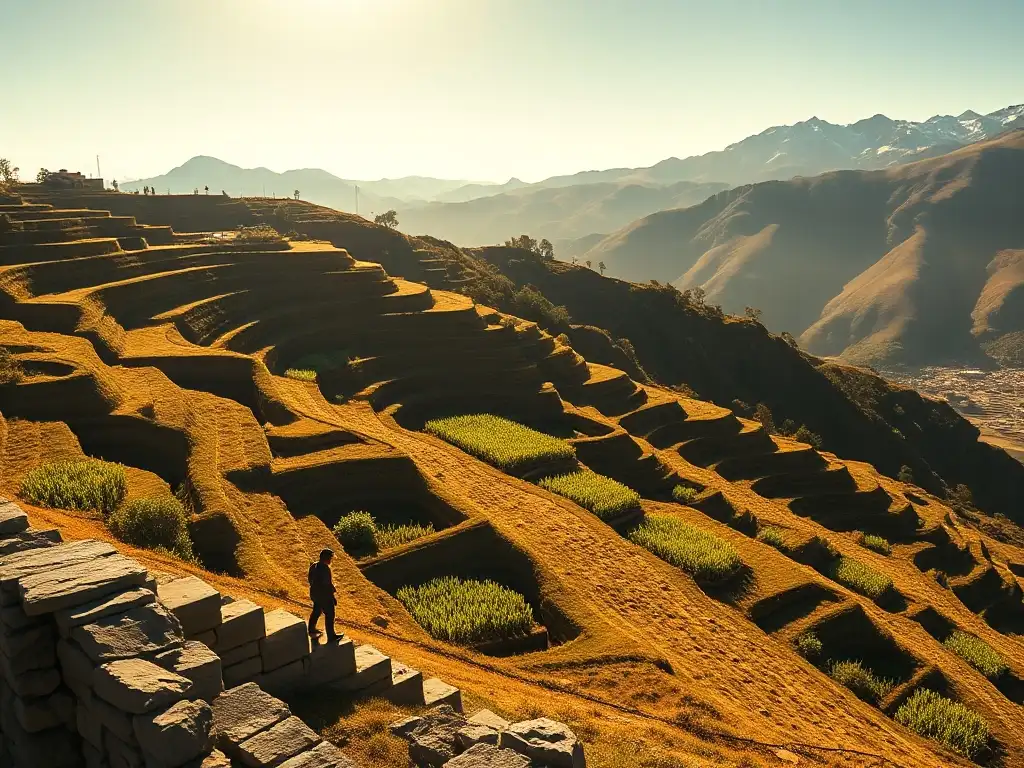
The Inca Empire, renowned for its sophisticated social and political organization, also possessed remarkably advanced agricultural practices. Their success wasn't merely a matter of luck; it stemmed from a deep understanding of their environment and the implementation of ingenious sustainable techniques. These techniques, honed over centuries, allowed them to thrive in challenging Andean terrains and support a large population.
This section delves into some of the key strategies that underpinned Inca agricultural sustainability, offering valuable lessons for modern approaches to sustainable food production. Understanding the Inca's commitment to "Inca agricultural sustainability techniques" reveals a powerful model for addressing contemporary environmental concerns.
Vertical Agriculture: Utilizing Diverse Altitudes
The Andes Mountains present a dramatic range of altitudes, each with its own unique microclimate. The Inca cleverly exploited this "verticality" to maximize agricultural output. This practice, often referred to as vertical agriculture, involved cultivating different crops at different altitudes, optimizing growing conditions for each species.
For instance, potatoes, a staple crop, were grown at various altitudes, from the lower, warmer valleys to the higher, cooler slopes. Each altitude provided ideal conditions for specific potato varieties, ensuring a diverse and robust harvest. This diversification minimized the risk of crop failure due to pests, diseases, or unexpected weather events.
Furthermore, the varying maturation times of potatoes at different altitudes provided a staggered harvest, ensuring a continuous food supply throughout the year. This strategic approach to crop placement represents a powerful example of adapting agriculture to the specific environmental constraints of a region, a lesson particularly relevant in the face of climate change.
The Importance of Soil Conservation in Inca Agriculture
Soil conservation was paramount in Inca agricultural practices. Recognizing the fragility of Andean soils, the Inca developed sophisticated techniques to prevent erosion and maintain soil fertility. Terracing, the construction of flat, step-like platforms on hillsides, was a cornerstone of their approach.
These terraces not only prevented soil erosion but also created level surfaces ideal for cultivation, maximizing usable land. Furthermore, the Inca employed techniques like crop rotation and the use of organic fertilizers, such as guano (bird droppings) and compost, to enrich the soil and prevent nutrient depletion. The meticulous attention paid to soil health showcases a long-term perspective on agricultural sustainability, emphasizing the importance of preserving the land's productivity for future generations.
Evidence suggests that the Inca’s understanding of soil health was remarkably advanced for its time, a testament to their keen observation and practical application of ecological principles. Detailed studies of surviving Inca terraces reveal their intricate design and the remarkable engineering feats involved in their construction.
Water Harvesting and Storage Methods
Water management was another crucial aspect of Inca agricultural sustainability. Given the unpredictable rainfall patterns in the Andes, the Inca developed ingenious systems for harvesting and storing water. They constructed intricate canal systems to divert water from rivers and streams to irrigate their fields.
These canals were often built on steep slopes, demonstrating impressive engineering skills and a profound understanding of hydraulics. In addition to canals, the Inca built reservoirs and storage tanks to collect and store rainwater for use during dry periods. These systems ensured a reliable water supply for crops, even during droughts.
The efficiency of Inca water management systems is particularly striking. Their ability to harness and distribute water resources effectively speaks to their deep understanding of hydrological processes and their commitment to resource conservation. The sophisticated network of canals and reservoirs served not only agricultural needs but also contributed to the overall prosperity and stability of the Inca Empire, highlighting the interconnectedness of water management, agricultural productivity, and societal well-being.
Sustainable Crop Rotation Practices
The Inca's mastery of sustainable agriculture is perhaps best exemplified by their sophisticated crop rotation techniques. Unlike monoculture farming prevalent in many modern agricultural systems, the Inca implemented a diverse and rotating system that prevented soil depletion and maximized yields over the long term.
This wasn't a haphazard approach; it was a carefully planned system, deeply integrated into their understanding of the Andean ecosystem. They understood that different crops have varying nutrient requirements and that planting the same crop repeatedly in the same location would eventually lead to nutrient deficiencies in the soil, reducing productivity and potentially leading to crop failure.
Their rotation schedules varied depending on altitude and specific ecological niches. For instance, in the higher altitudes, where the growing season was shorter, they might rotate between hardy potatoes, quinoa, and other cold-resistant crops. In lower, warmer valleys, they would integrate maize, beans, and squash, utilizing the principle of intercropping, a form of rotation that combined different crops within the same field.
This not only diversified their food sources but also enhanced soil fertility through nitrogen fixation by legumes like beans. The careful sequencing of crops ensured that the soil always had a chance to replenish its nutrients naturally. Evidence from archaeological sites reveals meticulously planned agricultural terraces, suggesting a deliberate and systematic approach to crop rotation tailored to the specific conditions of each plot.
This knowledge, passed down through generations, allowed them to maintain high agricultural productivity for centuries, a testament to the effectiveness of their sustainable practices. The Inca understanding of soil health and nutrient cycling is a valuable lesson for modern agriculture, which often struggles with soil degradation and the negative impacts of intensive monoculture farming. Their approach highlights the importance of biodiversity and the long-term benefits of thoughtful crop management.
Terracing and Irrigation Systems
The Inca's impressive agricultural achievements were significantly aided by their ingenious terracing and irrigation systems. These weren't simply ingenious engineering feats; they were integral components of their sustainable agricultural practices, maximizing land use and water conservation in challenging Andean terrains. Terracing, the creation of stepped slopes, allowed them to cultivate steep hillsides that would otherwise be unsuitable for farming.
These terraces not only increased arable land but also reduced soil erosion caused by rainfall and runoff. The careful design of the terraces, with retaining walls built from stone, helped to prevent topsoil loss and maintain the fertility of the land. Archaeological evidence reveals the precision and artistry involved in the construction of these terraces, demonstrating a deep understanding of both engineering and ecological principles.
Moreover, the Inca developed sophisticated irrigation systems to manage water resources effectively, particularly crucial in the arid and semi-arid regions of the Andes. They built canals, ditches, and aqueducts to divert water from rivers and streams to their cultivated fields. These systems were not only effective in delivering water but also designed to minimize water loss through evaporation and seepage. The Inca's understanding of water management was essential for ensuring consistent crop yields, even during periods of drought.
The combination of terracing and irrigation allowed them to cultivate a wide range of crops, supporting a large and thriving population. This sophisticated water management, coupled with their terracing techniques, represents a remarkable achievement in sustainable agriculture, offering valuable lessons in resource management for contemporary farming practices. The Inca's legacy highlights the importance of adapting agricultural techniques to specific geographical conditions and prioritizing water conservation.
Andean Agricultural Knowledge and Practices
The Inca agricultural system wasn't just about techniques; it was a complex interplay of knowledge, practices, and social organization. Their deep understanding of the Andean environment and its ecosystems was crucial to their success. This wasn't simply a matter of trial and error; it was a body of knowledge accumulated over centuries, passed down through generations, and refined through observation and experimentation.
Their knowledge extended beyond the practical aspects of cultivation, encompassing a detailed understanding of soil types, water availability, and the specific needs of different crops. This knowledge was embedded within their social structures, with communities working collaboratively to manage resources and ensure the sustainability of their agricultural systems.
The Inca also developed a sophisticated system of agricultural labor organization, with mita—a system of rotating labor obligations—playing a critical role in maintaining their agricultural infrastructure and ensuring that the work was shared fairly amongst the population. This communal approach ensured that the agricultural lands were properly managed and maintained, contributing to the long-term sustainability of their practices. This integrated approach, combining ecological understanding, practical techniques, and social organization, showcases a holistic approach to agriculture that is both relevant and inspiring for contemporary sustainable agriculture movements.
The Inca's legacy emphasizes the importance of considering the social and ecological dimensions of agriculture in the pursuit of sustainability. Their success highlights the value of integrating traditional knowledge with innovative practices.
The Inca's Approach to Food Security
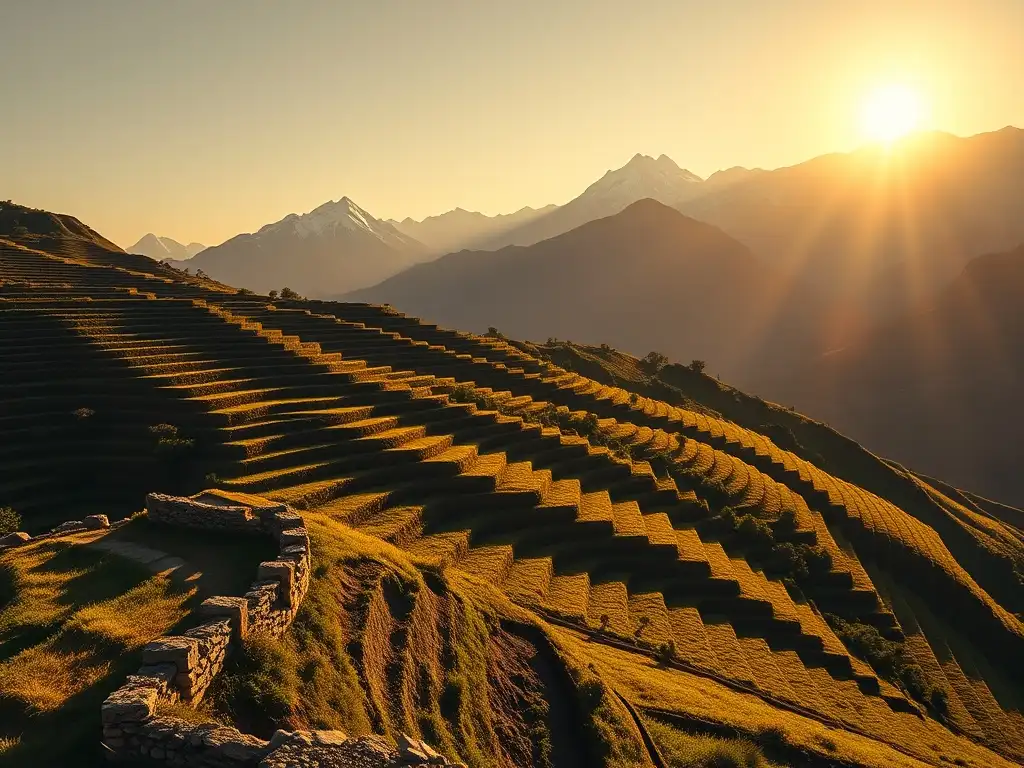
The Inca Empire, renowned for its sophisticated social and political organization, also possessed remarkably advanced agricultural practices that ensured food security across its vast and diverse territories. Their success wasn't solely reliant on innovative techniques; it was a holistic system integrating ingenious engineering, meticulous planning, and a strong sense of community responsibility. Understanding their approach offers valuable insights into sustainable food production, particularly relevant in our era of climate change and increasing population pressures.
The Inca's commitment to Inca agricultural sustainability techniques was deeply ingrained in their worldview, shaping their societal structures and agricultural practices. Their success serves as a powerful case study in effective resource management and long-term food security.
Storage and Preservation: Ensuring Food Availability
Effective storage and preservation were paramount to the Inca's food security strategy. They employed a variety of methods to minimize post-harvest losses and ensure food availability throughout the year, particularly during the lean seasons. This wasn't simply a matter of having ample storage space; it involved a sophisticated understanding of food science and material engineering.
One crucial aspect was the construction of qollqas, stone-built storehouses strategically located throughout the empire. These weren't just simple structures; their design incorporated advanced ventilation systems to control temperature and humidity, crucial for preserving food over extended periods. The architecture itself, often integrated into the landscape, reflected a deep understanding of microclimates and their impact on food preservation. Different types of qollqas were used for storing various agricultural products, reflecting a nuanced approach to preservation based on the specific needs of each commodity.
Furthermore, the Incas utilized various preservation techniques, including drying, salting, and freezing (in high-altitude regions). Dried potatoes, for instance, were a staple food, providing a readily available source of carbohydrates during times of scarcity. The careful selection of storage locations, combined with these preservation methods, significantly extended the shelf life of agricultural products, enhancing food security across the empire. This sophisticated system minimized waste and ensured a reliable food supply even in challenging environmental conditions. Detailed records, though incomplete, suggest a level of inventory management that was remarkably advanced for its time.
Community Collaboration in Inca Agriculture
The Inca agricultural system wasn't solely based on individual effort; it was fundamentally rooted in ayllu, a system of community-based cooperation. Land ownership was communal, and agricultural production was a collective responsibility. This collaborative approach ensured efficient resource allocation and maximized agricultural yields.
The mita system, a form of labor tax, played a crucial role in this communal effort. While often viewed negatively through a colonial lens, the mita ensured that large-scale agricultural projects, such as terracing and irrigation systems, could be undertaken efficiently. This system also promoted knowledge sharing and skill development across the empire, allowing for the dissemination of best agricultural practices.
The communal nature of the system also ensured that everyone had access to food, regardless of their individual productivity. This communal approach fostered resilience, ensuring that even in times of drought or other crises, the community as a whole could cope.
The Inca's understanding of the importance of community collaboration extended beyond labor. They also employed sophisticated systems of knowledge transfer and resource sharing, ensuring that agricultural practices were adapted to local conditions and optimized for maximum yield. This involved regular inspections and assessments, ensuring the effective implementation of agricultural techniques across diverse environments.
Minimizing Environmental Impact: A Core Value
The Inca’s agricultural practices were not only productive but also remarkably sustainable. Their commitment to minimizing environmental impact was central to their approach, reflecting a deep understanding of the interconnectedness between human activity and the environment. This understanding is clearly evident in their innovative engineering solutions.
The construction of extensive terrace farming systems on steep Andean slopes is a prime example. These terraces not only increased arable land but also reduced soil erosion and water runoff, preventing land degradation. The careful design and placement of terraces maximized sunlight exposure and minimized water loss, enhancing agricultural productivity while protecting the environment. Detailed analysis of surviving terraces reveals an intricate understanding of hydrology and soil science, demonstrating a sophisticated approach to sustainable land management.
Furthermore, the Inca's irrigation systems were marvels of engineering, utilizing canals, channels, and aqueducts to distribute water efficiently to agricultural fields. These systems minimized water waste, ensuring that water resources were used responsibly and sustainably. The effective management of water resources was crucial, particularly in arid and semi-arid regions where water scarcity could severely impact agricultural production. Their approach prioritized water conservation and efficient allocation, demonstrating a long-term perspective on resource management. The Inca's legacy underscores the importance of integrating environmental considerations into agricultural practices for long-term sustainability.
Adapting to Climate Variability
The Inca Empire, sprawling across diverse Andean ecosystems, faced significant challenges in maintaining food security due to the region's inherent climate variability. From the arid coastal deserts to the high-altitude puna grasslands and the lush Amazonian foothills, the Inca faced dramatic shifts in temperature, rainfall, and sunlight throughout the year, and between years. Their agricultural success hinged on their ability to adapt to these unpredictable conditions. This wasn't achieved through a single solution, but rather a complex interplay of strategies that are remarkably relevant to modern sustainable agriculture.
One key adaptation was the development of a sophisticated system of microclimates. By carefully selecting crop varieties suited to specific altitudes and exposures, the Inca maximized yields across their vast empire. For instance, potatoes, a staple crop, were cultivated in a wide range of varieties, each adapted to different temperature and moisture conditions.
This genetic diversity built resilience into their food system, ensuring that at least some crops would thrive even during periods of climate stress. This echoes the modern call for biodiversity in agriculture to mitigate the effects of climate change. The Inca's understanding of microclimates extended beyond simply choosing the right crops; they also manipulated the environment through terracing, irrigation, and other techniques, creating optimal growing conditions even in challenging locations.
Another crucial aspect of Inca adaptation was their intricate water management systems. The Andes are characterized by highly variable rainfall patterns, with some regions experiencing prolonged droughts while others are susceptible to devastating floods. The Inca constructed elaborate networks of canals, aqueducts, and reservoirs to capture and distribute water resources efficiently.
These systems not only ensured a reliable water supply for irrigation but also helped regulate water flow, preventing soil erosion and mitigating the impact of both droughts and floods. The sophisticated understanding of hydrology demonstrated by the Inca's water management is a testament to their long-term planning and foresight, which is increasingly crucial in a world facing water scarcity. The ingenuity of their systems, which could be adapted to specific local conditions, is a valuable lesson in sustainable water resource management for contemporary societies.
Their ability to predict and prepare for extreme weather events, based on their deep understanding of local climates and seasonal patterns, is a significant area to draw inspiration from. This highlights the importance of combining traditional ecological knowledge with modern scientific advancements in addressing the challenges of climate change.
Lessons from the Incas for Modern Sustainable Agriculture

The Inca Empire, renowned for its impressive architectural feats and sophisticated social structures, also possessed remarkably advanced agricultural techniques that ensured food security across diverse and challenging terrains. Their methods, honed over centuries, offer valuable insights and practical solutions for contemporary sustainable agriculture. Understanding their strategies – from terracing and irrigation to crop diversification and soil management – can help us address modern agricultural challenges such as climate change, resource depletion, and food insecurity.
The Inca agricultural sustainability techniques were not merely a matter of survival; they were deeply intertwined with their spiritual beliefs and social organization, demonstrating a holistic approach to resource management that's particularly relevant today. This section will delve into specific examples of Inca agricultural practices and their potential applications in modern farming systems.
Applying Inca Principles to Contemporary Farming
Inca agricultural practices were remarkably adaptable to the diverse Andean landscape. Their mastery of terracing, for instance, allowed them to cultivate steep slopes, maximizing arable land and minimizing soil erosion. This technique is directly applicable today in mountainous regions and areas prone to landslides. Modern farmers can learn from the Inca's precise construction of terraces, using retaining walls built with locally sourced materials to create level plots for optimal planting and water management.
Furthermore, the Inca's understanding of soil fertility is noteworthy. They employed techniques like waru waru, raised bed agriculture, which improved drainage, aeration, and water retention. This method, now being revived in various parts of the world, enhances crop yields even in arid conditions.
The Inca’s commitment to using organic fertilizers, such as compost and guano (bat and seabird droppings), provides a powerful model for reducing reliance on synthetic fertilizers and their negative environmental impacts. The application of these Inca principles can significantly boost the sustainability and resilience of modern farming systems. For example, integrating waru waru systems in areas affected by droughts could drastically improve water use efficiency and crop productivity.
The Importance of Biodiversity and Traditional Crops
The Inca Empire's agricultural success wasn't solely reliant on a few staple crops. They cultivated a remarkable diversity of plants, including potatoes (with thousands of varieties! ), maize, quinoa, beans, and many other fruits and vegetables.
This biodiversity played a critical role in their resilience against crop failure and ensured nutritional security. Their understanding of crop rotation and intercropping further enhanced soil health and pest control. Modern agricultural practices often prioritize monoculture, making crops vulnerable to disease and pests.
The Inca’s emphasis on biodiversity offers a powerful counterpoint, suggesting a return to more diverse farming systems that mimic natural ecosystems. Reintroducing traditional Andean crops, such as quinoa and amaranth, which are highly nutritious and climate-resilient, could contribute to both food security and biodiversity conservation. The cultivation of diverse varieties within a single crop species also provides a buffer against the effects of climate change, as some varieties might be better suited to changing conditions than others.
Water Management Strategies for Modern Challenges
The Inca's innovative water management systems were crucial to their agricultural success, particularly in arid and semi-arid regions. They developed sophisticated irrigation systems, including canals, aqueducts, and reservoirs, to efficiently distribute water to their fields. Their understanding of water flow and topography allowed them to create intricate networks that maximized water use and minimized water loss. These systems were not just functional; they were also carefully integrated into the landscape, reflecting a deep understanding of the environment.
In the face of modern water scarcity and climate change, the Inca's ingenuity offers valuable lessons. Employing water-efficient irrigation techniques, such as drip irrigation and rainwater harvesting, inspired by Inca practices, can significantly reduce water consumption in modern agriculture. Furthermore, the Inca's approach to water management highlights the importance of community-based resource management.
Their system relied on collective effort and shared responsibility, ensuring equitable distribution and sustainable use of water resources. Replicating this collaborative approach in modern water management strategies is essential for ensuring long-term sustainability. The careful planning and community involvement present in Inca water management provides a powerful model for collaborative resource management in the face of increasing water scarcity.
Community-Based Approaches to Food Production
The Inca Empire's agricultural success wasn't solely reliant on advanced techniques; it was deeply intertwined with a sophisticated system of community organization and collaboration. Food production wasn't an individual pursuit but a collective responsibility, fostering a strong sense of shared purpose and mutual support. This communal approach ensured equitable distribution of resources and minimized waste. The ayllu, a kinship-based community group, played a central role in this system. Members of the ayllu worked together on agricultural projects, sharing labor and resources according to their capabilities and needs.
This collaborative spirit extended to land management, with collective decisions made regarding crop rotation, irrigation, and terracing. The system was remarkably efficient, ensuring food security even in challenging environmental conditions. This contrasts sharply with modern, often individualistic, approaches to agriculture, where competition and profit maximization can overshadow environmental concerns and community well-being. The Inca model offers a valuable lesson: sustainable agriculture necessitates a strong sense of community and shared responsibility. The collective effort not only increased productivity but also strengthened social bonds and fostered resilience in the face of adversity.
Analyzing the Inca ayllu system can inform the development of modern community-supported agriculture (CSA) initiatives and other collaborative farming models that prioritize both ecological sustainability and social equity. The Inca experience demonstrates that successful, sustainable food systems are built not just on technology, but on strong social structures and a shared commitment to the common good. This community-focused approach is crucial for addressing the challenges of modern food production, especially in the face of climate change and increasing food insecurity. The Inca legacy reminds us that sustainable agriculture requires a holistic perspective, integrating social, economic, and ecological factors.
Comparing Modern and Inca Agricultural Methods
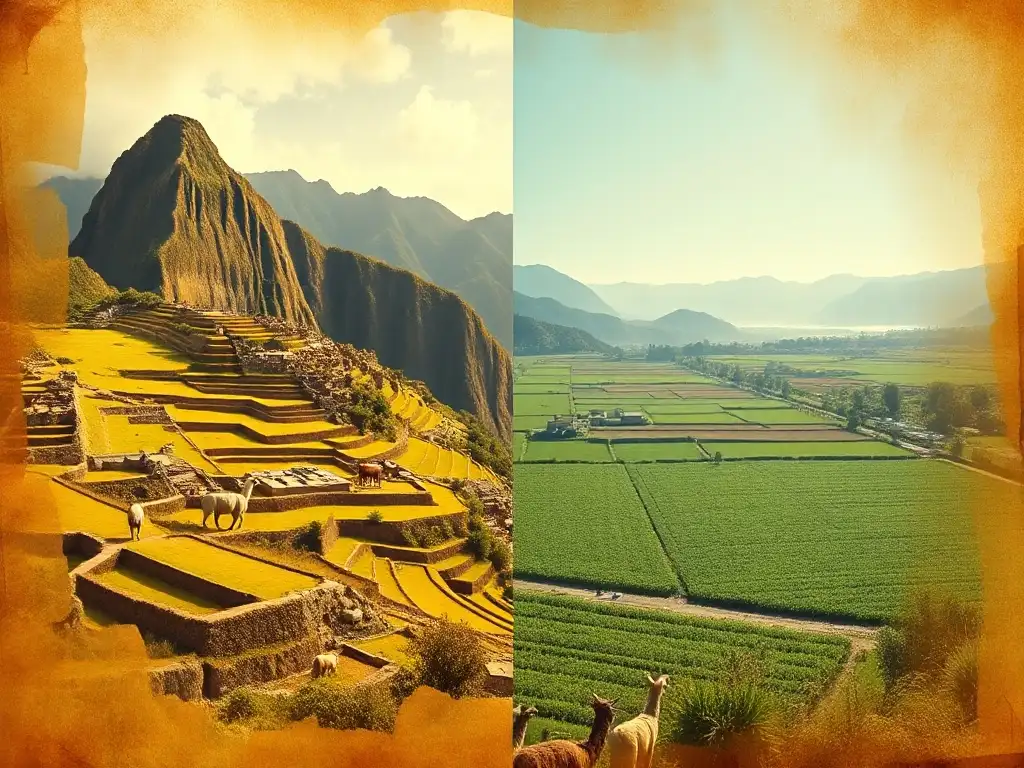
This section delves into a direct comparison of modern agricultural practices with those employed by the Inca, focusing on their contrasting approaches to resource management and sustainability. The Inca, masters of their environment, developed sophisticated techniques that allowed them to thrive in challenging Andean terrains. Understanding these differences is crucial to gleaning valuable lessons for modern sustainable agriculture.
Contrasting Industrial Agriculture with Inca Techniques
Modern industrial agriculture, while significantly increasing food production, often comes at a considerable environmental cost. It relies heavily on chemical fertilizers, pesticides, and large-scale monoculture farming. This approach depletes soil nutrients, contaminates water sources, and contributes significantly to greenhouse gas emissions. The Inca, on the other hand, prioritized soil health and biodiversity. Their methods, while seemingly simpler, were remarkably effective in sustaining agricultural productivity over centuries.
| Feature | Industrial Agriculture | Inca Agricultural Techniques |
|---|---|---|
| Land Use | Large-scale monocultures, land clearing | Terracing, crop rotation, diverse polycultures |
| Fertilization | Chemical fertilizers, often synthetic | Organic fertilizers (e.g., guano, compost), crop rotation |
| Pest Control | Synthetic pesticides | Biological pest control, crop diversity |
| Water Management | Irrigation systems often water-intensive | Efficient irrigation canals, water harvesting techniques |
| Soil Health | Often leads to soil degradation and erosion | Emphasis on soil conservation, terracing |
| Biodiversity | Low biodiversity, vulnerable to pests and disease | High biodiversity, resilient to environmental changes |
The stark contrast highlights the inherent unsustainability of many modern practices. The Inca's approach, rooted in careful observation of nature and a deep respect for the land, offers a compelling alternative. Their techniques, honed over generations, represent a powerful example of sustainable agriculture that yielded remarkable results in a challenging environment. This is a key aspect of understanding Inca agricultural sustainability techniques.
The Benefits of Sustainable Practices in the Long Run
The long-term benefits of adopting sustainable agricultural practices, mirroring those of the Inca, are undeniable. While initial investment may be higher, the long-term returns in terms of soil health, reduced environmental impact, and increased resilience to climate change far outweigh the costs. For example, the Inca’s terracing not only prevented soil erosion but also created microclimates, allowing for a greater diversity of crops. This approach minimized risk and ensured a reliable food supply, even in the face of unpredictable weather patterns.
The resilience of Inca agricultural systems is a testament to the wisdom of their approach. Modern agriculture, by contrast, often struggles to adapt to climate change and extreme weather events. The reliance on chemical inputs creates a system vulnerable to price fluctuations and supply chain disruptions. Sustainable practices, however, build resilience into the system, reducing dependence on external factors and increasing long-term productivity. This is particularly relevant in light of the increasing frequency and intensity of extreme weather events linked to climate change. The Inca's success in achieving agricultural sustainability showcases the benefits of a holistic and integrated approach.
Reevaluating Our Relationship with the Land
The Inca's agricultural legacy compels a reevaluation of our current relationship with the land. Their approach was not merely about producing food; it was deeply intertwined with their spiritual beliefs and social structures. The careful management of resources was integral to their worldview, reflecting a profound understanding of the interconnectedness of all living things. This holistic perspective is a crucial element missing from many modern agricultural systems.
Modern society must move beyond a purely extractive approach to agriculture. We need to adopt a more mindful and sustainable approach, prioritizing soil health, biodiversity, and water conservation. The Inca's example shows that high productivity and environmental stewardship are not mutually exclusive.
By embracing sustainable practices, we can create more resilient and equitable food systems that benefit both present and future generations. Learning from the Inca's mastery of Inca agricultural sustainability techniques can guide us towards a more sustainable future. The legacy of the Inca serves as a powerful reminder of the importance of respecting and working with nature, rather than against it.
The Inca Legacy as a Model for a Sustainable Future
The Inca's sophisticated agricultural techniques offer invaluable lessons for modern sustainable practices. Their success wasn't merely a matter of luck; it stemmed from a deep understanding of their environment and a commitment to resource conservation. This understanding, coupled with ingenious engineering and social organization, allowed them to thrive in diverse and often challenging Andean terrains for centuries. Modern agriculture, often characterized by intensive farming and reliance on chemical inputs, faces increasing challenges related to soil degradation, water scarcity, and biodiversity loss.
The Inca approach, emphasizing biodiversity, water management, and soil conservation, provides a compelling alternative model. By studying their methods, we can gain insights into creating more resilient and environmentally friendly agricultural systems. For example, the waru waru system, with its raised beds and interconnected channels, demonstrates a remarkable ability to optimize water use and improve soil fertility, offering a potent solution to the challenges of drought and water stress in arid and semi-arid regions. The Inca's emphasis on terrace farming, similarly, showcases a mastery of land management and erosion control, techniques that remain incredibly relevant today in the face of climate change and its impact on agricultural landscapes.
Their integrated approach, combining crop diversification with sophisticated irrigation and soil management, serves as a powerful testament to the potential of sustainable agriculture to ensure food security and environmental stewardship. The Inca legacy is not merely a historical curiosity; it is a blueprint for a more sustainable future. Understanding and adapting their principles can help us build more resilient and environmentally responsible food systems capable of supporting growing populations while preserving the planet's resources. The challenge lies in integrating these ancient wisdoms with modern technological advancements to create truly innovative and sustainable agricultural practices.
The Enduring Relevance of Inca Farming Wisdom
The Inca Empire, renowned for its sophisticated administrative and engineering prowess, also possessed an unparalleled understanding of sustainable agriculture. Their agricultural practices, honed over centuries, allowed them to thrive in the challenging Andean environment, providing crucial lessons for modern sustainable food systems. The Inca's success wasn't merely a matter of luck; it stemmed from a deep understanding of their environment and the implementation of ingenious techniques designed to maximize yields while minimizing environmental impact.
This knowledge, often overlooked in the context of modern agricultural practices, holds the key to addressing contemporary challenges related to food security and environmental degradation. The Inca's legacy isn't just about historical interest; it's a practical roadmap for a more sustainable future. Their methods, ranging from terracing and irrigation to crop diversification and soil management, offer invaluable insights into creating resilient and productive agricultural systems.
Understanding and applying these techniques can contribute significantly to global efforts aimed at mitigating climate change and ensuring food security for future generations. The core principles of Inca agricultural sustainability techniques remain remarkably relevant today.
Case Study: Modern Terracing Projects in Peru
Peru, the heartland of the Inca Empire, continues to benefit from the enduring legacy of Inca agricultural practices. Modern agricultural projects across the country are actively incorporating and adapting Inca terracing techniques to address contemporary challenges. One notable example is the ongoing restoration and expansion of ancient terraces in the Sacred Valley. These projects not only revitalize historical sites but also demonstrate the practical application of Inca agricultural sustainability techniques in modern contexts.
The results are impressive. Studies have shown that terraced fields, compared to non-terraced slopes, experience significantly reduced soil erosion. This leads to improved soil fertility, increased water retention, and higher crop yields.
Furthermore, the construction of new terraces in previously degraded areas is helping to prevent further land degradation and improve biodiversity. This demonstrates the potential of integrating traditional ecological knowledge with modern engineering to create sustainable agricultural systems capable of withstanding the pressures of climate change and population growth. The success of these projects highlights the significant role that Inca agricultural sustainability techniques can play in achieving food security and environmental sustainability in modern Peru.
Future Applications of Inca Agricultural Knowledge
The Inca's mastery of sustainable agriculture offers a wealth of potential applications for modern food systems. Their sophisticated irrigation systems, for instance, could be adapted to address water scarcity in arid and semi-arid regions. By implementing efficient water management strategies inspired by Inca ingenuity, we could significantly reduce water waste in agriculture and improve crop production in water-stressed areas.
Moreover, the Inca's emphasis on crop diversification and intercropping can serve as a model for promoting biodiversity and resilience in modern farming systems. By planting a variety of crops together, the Inca minimized the risk of crop failure and created a more balanced and productive ecosystem. This approach contrasts sharply with modern monoculture farming, which often leads to soil depletion, pest infestations, and environmental vulnerability.
The integration of Inca agricultural sustainability techniques into modern agricultural practices could significantly enhance food security, promote biodiversity, and reduce the environmental impact of food production. Further research into Inca agricultural practices could unlock even more innovative solutions for sustainable food systems. This includes a deeper investigation into their soil management techniques, pest control methods, and overall land-use strategies.
The Need for a More Sustainable Food System
The global food system faces unprecedented challenges, including climate change, resource depletion, and population growth. The current industrial model of agriculture, characterized by intensive monoculture farming and heavy reliance on chemical inputs, is unsustainable in the long term. It contributes significantly to greenhouse gas emissions, soil degradation, water pollution, and biodiversity loss. The Inca's agricultural practices offer a stark contrast to this unsustainable model.
Their system, characterized by careful land management, efficient water use, and crop diversification, demonstrates a path towards a more sustainable future. Adopting and adapting Inca agricultural sustainability techniques could be a crucial step in creating a more resilient and equitable food system. This requires a shift in mindset, moving away from the short-term gains of industrial agriculture towards a more holistic and long-term perspective.
It necessitates a renewed appreciation for traditional ecological knowledge and a commitment to integrating it with modern scientific understanding. The challenge lies in translating the wisdom of the Inca into practical, scalable solutions that can address the specific needs of diverse agricultural contexts worldwide. The Inca's legacy offers a powerful reminder that sustainable agriculture is not just possible, but essential for the future of humanity.
Honoring the Inca Legacy Through Action
The Inca's ingenious agricultural practices weren't just about feeding a vast empire; they represent a sophisticated understanding of environmental stewardship that resonates deeply with modern sustainability challenges. Their methods, honed over centuries, offer valuable lessons for contemporary agriculture, prompting us to re-evaluate our own relationship with the land. We can honor this legacy not just through academic study, but through concrete actions that reflect the Inca's wisdom. This involves a multifaceted approach, encompassing both large-scale policy changes and individual choices.
One crucial aspect is adopting terracing techniques on a wider scale. While terracing is not unknown in modern agriculture, its application is often limited or implemented without the Inca's level of sophistication. Their mastery of this technique, including intricate drainage systems and careful soil management, minimized erosion and maximized yields even on steep slopes. Reviving and improving upon these methods in areas prone to erosion and land degradation is a direct way to honor their legacy and address contemporary environmental concerns. The potential benefits extend beyond agriculture, including flood mitigation and biodiversity conservation.
Furthermore, the Inca's emphasis on crop diversification provides a powerful model for modern farming. Their reliance on a wide array of crops, adapted to varying altitudes and microclimates, created a resilient food system capable of weathering environmental shocks. In contrast, many modern agricultural systems are characterized by monocultures, making them highly vulnerable to pests, diseases, and climate change. By embracing polyculture and integrating diverse crops, we can create more robust and sustainable farming systems, mirroring the Inca’s resilience. This approach also offers the potential to improve soil health, reduce reliance on pesticides, and enhance biodiversity.
Finally, the Inca's deep respect for the interconnectedness of their environment offers a vital lesson. Their agricultural practices were intertwined with their spiritual beliefs, fostering a sense of responsibility towards the land. This holistic approach contrasts sharply with the often exploitative relationship that modern agriculture sometimes has with the environment.
By adopting a more holistic perspective, integrating ecological considerations into agricultural planning and management, we can move towards a more sustainable and harmonious relationship with the natural world, echoing the Inca’s profound understanding of ecological balance. This requires a shift in mindset, prioritizing long-term sustainability over short-term gains. Only through such a comprehensive approach can we truly honor the enduring wisdom of the Inca agricultural legacy.
Frequently Asked Questions
What were some key Inca agricultural techniques?
The Inca employed several ingenious techniques, including terracing to create level farmland on slopes, irrigation systems to manage water resources efficiently, and the use of fertilizers like guano to enrich the soil.
How did terracing contribute to Inca agricultural sustainability?
Terracing dramatically increased arable land in mountainous regions, preventing soil erosion and maximizing crop yields. This method allowed for sustainable farming in challenging terrain.
What role did irrigation play in Inca agriculture?
The Inca built extensive canal systems to divert water from rivers and streams to fields, ensuring reliable water supplies even in dry seasons. This efficient water management was crucial for crop production.
What other sustainable practices did the Inca use besides terracing and irrigation?
They implemented crop rotation, developed frost-resistant varieties of crops, and used animal manure as fertilizer. These integrated approaches fostered long-term soil health.
How are Inca agricultural techniques relevant to modern sustainability?
Inca methods offer valuable lessons for modern agriculture, highlighting the importance of water conservation, soil management, and biodiversity. Their ingenuity provides sustainable solutions for today's challenges.
Final Reflection: Harvesting the Wisdom of the Inca
The Inca's ingenious agricultural practices, far from being relics of a bygone era, offer crucial lessons for navigating the urgent challenges of modern sustainability. Their innovative techniques, honed over centuries, provide a powerful blueprint for addressing issues like food security, climate change adaptation, and resource management in the 21st century. We stand at a critical juncture, and the Inca's legacy can illuminate a path forward.
The enduring impact of Inca agricultural ingenuity is undeniable; their terraced fields still cling to Andean slopes, a testament to their profound understanding of environmental harmony. Their sophisticated water management systems, their diverse crop cultivation, and their meticulous soil conservation methods continue to inspire researchers and farmers alike. The Inca civilization demonstrated that sustainable agriculture is not merely a utopian ideal, but a practical reality achievable through careful planning and deep respect for the environment.
This quote encapsulates the core message of their success, a success we must strive to emulate.
Consider the principles of ayni, the reciprocal exchange inherent in Inca society, and how it fostered a sense of collective responsibility towards the land. This concept, applied to modern contexts, could revolutionize our approach to resource management and community engagement. You, the reader, are now equipped with this knowledge. Will you use it to advocate for sustainable practices in your own community? Will you champion the adoption of ancient wisdom to build a more resilient and equitable future? The choice, and the responsibility, is yours.
**Cultivate Sustainability with Incan Wisdom! **
Thank you for exploring the rich agricultural legacy of the Incas! You've gained valuable insights into sustainable farming and ecological practices that can inspire modern approaches. Let's put these lessons into action.
Here are some practical steps you can take:
- **Incorporate sustainable practices** into your garden or farm. Consider using crop rotation and permaculture techniques inspired by Inca methods, such as terracing and companion planting.
- Share your newfound knowledge with your local community garden. Working together, we can build a more sustainable future!
- Connect with like-minded individuals by joining an online forum or social media group dedicated to sustainable agriculture. Together, we can make a bigger impact.
How will you adapt Inca agricultural traditions to improve your own sustainability efforts? What specific techniques will you adopt?