
The Art of Inca Land Reclamation: Transforming Barren Slopes

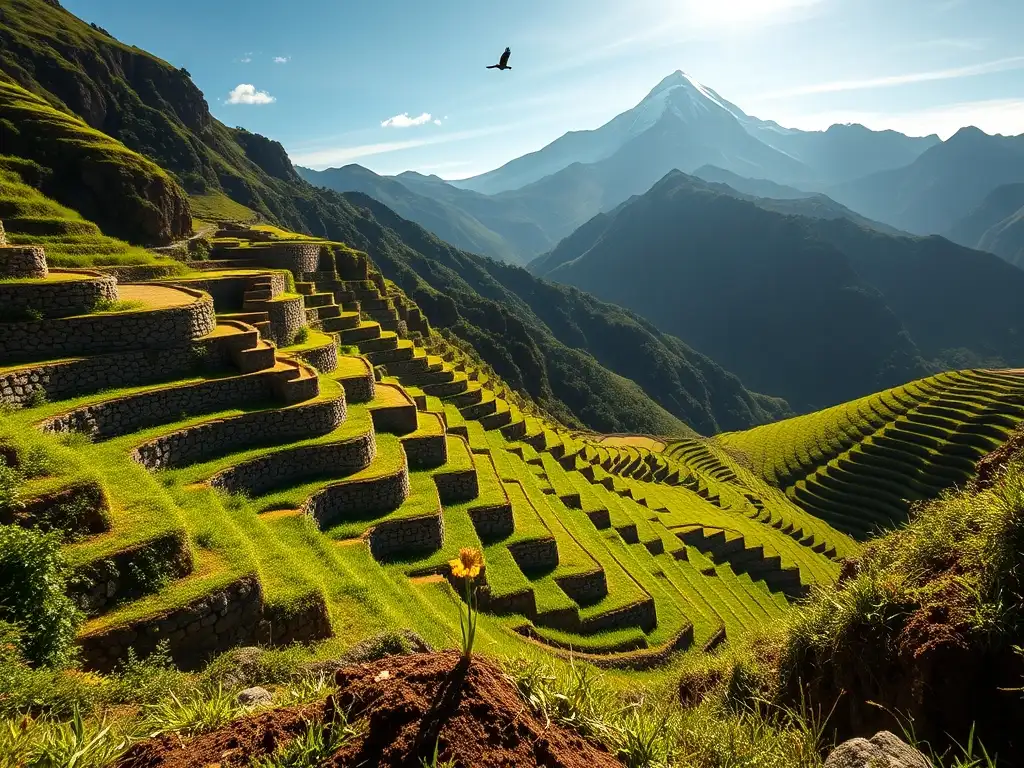
Uncover the secrets of a lost world, where ingenuity thrived amidst towering peaks and challenging terrains. Journey with us into the heart of the Andean civilizations, exploring the breathtaking artistry, complex societies, and remarkable achievements of cultures like the Incas, Moche, and Nazca. But first, prepare to be amazed by the Inca land reclamation techniques – a testament to their mastery of engineering that transformed barren slopes into thriving agricultural landscapes. How did they achieve such feats? Discover the answers within, and unravel the mysteries of this extraordinary civilization.
The Inca Empire, renowned for its sophisticated social structures and impressive architectural feats, also possessed a remarkable understanding of agricultural practices. Their mastery of land reclamation techniques, particularly in challenging Andean terrains, allowed them to cultivate food in seemingly impossible locations, ensuring the empire's sustenance and prosperity.
This article delves into the ingenious methods employed by the Inca to transform barren slopes into fertile agricultural lands, highlighting their innovative approaches to terracing, irrigation, and soil management. Understanding these techniques provides invaluable insight into the Inca's ingenuity and their profound connection to their environment, showcasing their remarkable ability to adapt and thrive in the harsh realities of the Andes Mountains.
We will explore the specific techniques they employed, the impact on their society, and the lasting legacy of their agricultural expertise, which continues to inspire sustainable land management practices today. This exploration of Inca land reclamation techniques will demonstrate the sophistication and sustainability of their agricultural systems, offering a fascinating glimpse into the ingenuity of one of history's most remarkable civilizations.
Terracing: Creating Level Fields on Steep Slopes
Inca terracing is perhaps their most visually striking and impactful land reclamation technique. They carved extensive systems of terraces into the steep mountain slopes, creating level platforms for cultivation. These weren't simply cut into the hillside; they involved meticulous planning and construction. The terraces were often supported by retaining walls built from stone, carefully fitted together without mortar, demonstrating a high level of engineering skill.
The size and scale of these terraces varied depending on the slope's steepness and the soil conditions. Smaller terraces were used on steeper slopes, while larger ones were employed on gentler inclines. The precise construction ensured that water runoff was controlled, preventing soil erosion and maximizing water retention.
This careful management of water was crucial in the arid Andean climate. The construction of these terraces involved a significant investment of labor, underlining the importance of agriculture to Inca society and its organization. Evidence suggests that different communities worked collaboratively on these massive projects, fostering a sense of shared purpose and community.
Irrigation Channels: A Network of Water Delivery
Complementing the terracing system was an intricate network of irrigation channels. These channels were strategically designed to carry water from rivers and streams to the terraced fields, ensuring a consistent water supply, even during dry periods. The channels were carefully graded to ensure a controlled flow of water, preventing erosion and maximizing water distribution.
The Inca used a variety of materials to construct the channels, including stone, clay, and even compacted earth, depending on the terrain and the availability of resources. The ingenuity of their design is evident in their ability to navigate challenging terrain, often traversing steep slopes and rocky outcrops. The maintenance of these channels required ongoing effort and community participation, reflecting the collective responsibility for ensuring agricultural productivity.
The system was not only efficient but also remarkably sustainable, demonstrating a deep understanding of water resource management. The precise alignment and engineering of these channels remain a testament to Inca expertise in hydraulic engineering.
Soil Management and Fertilization: Enhancing Productivity
The Inca understood the importance of soil health for optimal agricultural productivity. Their soil management practices went beyond simply terracing and irrigating. They employed techniques such as crop rotation and the use of organic fertilizers to enhance soil fertility and prevent depletion. Evidence suggests that they used animal manure, compost, and other organic materials to enrich the soil. They also implemented careful crop rotation strategies, alternating different crops to maintain soil health and prevent the buildup of pests and diseases. This holistic approach to soil management ensured the long-term sustainability of their agricultural systems, minimizing the environmental impact and maximizing yields. Their understanding of soil science was sophisticated for its time, demonstrating a deep connection to the land and a commitment to sustainable practices. Furthermore, their knowledge of different soil types and their suitability for specific crops shows a level of agricultural expertise that was crucial to their empire's success.
The Legacy of Inca Agricultural Innovations
The Inca's mastery of land reclamation techniques had a profound impact on their society and continues to influence agricultural practices in the Andes today. Their innovative approaches to terracing, irrigation, and soil management allowed them to cultivate a diverse range of crops, ensuring food security for a large population. The sustainability of their methods is particularly noteworthy, considering the environmental challenges they faced.
Their achievements serve as a powerful example of how human ingenuity can be harnessed to create sustainable agricultural systems, even in challenging environments. Many of their techniques are still employed by Andean farmers today, demonstrating the enduring relevance of Inca agricultural knowledge.
The legacy of Inca land reclamation is not just about the physical structures that remain; it's about the enduring principles of sustainability and community-based resource management that they exemplified. Their story serves as a powerful reminder of the importance of respecting and learning from the agricultural wisdom of past civilizations.
- Terracing: Creating Level Fields on Steep Slopes
- Irrigation Channels: A Network of Water Delivery
- Soil Management and Fertilization: Enhancing Productivity
- The Legacy of Inca Agricultural Innovations
- What were the main challenges faced by the Inca in cultivating their land?
- What specific land reclamation techniques did the Inca employ?
- How did terracing help the Inca increase agricultural production?
- What was the significance of the waru waru agricultural system?
- How did Inca land reclamation techniques impact their civilization's success?
The Challenge of Andean Agriculture and the Ingenuity of Inca Farmers
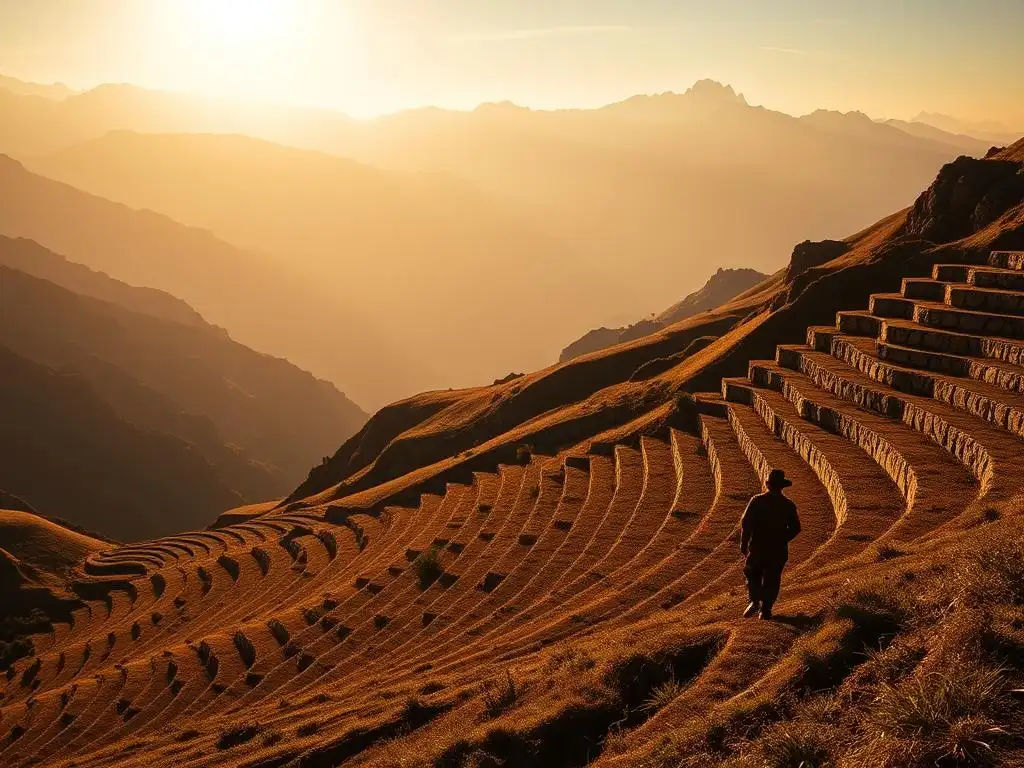
The Andes Mountains present a formidable challenge to agriculture. Steep slopes, unpredictable weather patterns, and thin, infertile soils create an environment where food production is far from guaranteed. The Inca, however, demonstrated remarkable ingenuity in overcoming these obstacles, developing sophisticated Inca land reclamation techniques that allowed them to cultivate even the most seemingly unproductive land. Their success wasn't just a matter of survival; it was crucial to the empire's stability and growth, supporting a large and complex population.
Their agricultural prowess is a testament to their deep understanding of their environment and their ability to adapt and innovate. This section will explore the specific challenges and the innovative solutions employed by the Inca to ensure food security. We'll delve into their remarkable achievements in transforming barren slopes into productive farmland, a feat that continues to inspire awe and admiration today.
Understanding the Limitations of the Andean Terrain
The Andean landscape is characterized by its dramatic topography. High altitudes, steep slopes, and narrow valleys are common features. This terrain presents several key challenges for agriculture:
- Soil erosion: The steep slopes make soil erosion a significant threat. Heavy rainfall can easily wash away topsoil, leaving behind infertile subsoil.
- Limited arable land: Flat, fertile land is scarce in the Andes. Much of the available land is either too steep or too rocky for conventional farming practices.
- Water scarcity: While rainfall can be heavy at times, it's often unpredictable and unevenly distributed. Water scarcity is a constant concern, particularly in drier regions.
- Frost and temperature fluctuations: High altitudes mean that temperatures can fluctuate dramatically, with significant risks of frost damage to crops, especially during the growing season.
The Inca faced these limitations head-on. Their response wasn't simply to avoid challenging areas; instead, they developed ingenious methods to overcome these limitations and maximize agricultural output, achieving a level of sustainability that is still studied today. Their understanding of microclimates and water management was exceptional, allowing them to create a highly productive agricultural system in an unforgiving environment. Their solutions involved a sophisticated understanding of hydrology, soil science, and agricultural engineering.
The Importance of Sustainable Agriculture for the Inca Empire
Sustainable agriculture wasn't merely a desirable goal for the Inca; it was a necessity. The Inca Empire's vast population relied heavily on agriculture for sustenance. Food shortages could easily lead to social unrest and even threaten the empire's stability. Therefore, the development and implementation of efficient and sustainable Inca land reclamation techniques were crucial to maintaining social order and economic prosperity.
The Inca's success in transforming marginal lands into productive farms speaks volumes about their understanding of ecological principles and their commitment to long-term sustainability. Their techniques were not only efficient in producing food but also designed to minimize environmental impact and ensure long-term productivity. This commitment is evident in their meticulous terracing, irrigation systems, and crop diversification strategies.
They understood the interconnectedness of their agricultural practices and the overall health of their environment, a lesson that resonates even more strongly today in the face of climate change and growing concerns about food security. Their legacy serves as a powerful reminder of the importance of sustainable practices for both present and future generations. The ingenuity and foresight demonstrated by the Inca in their agricultural practices are a testament to their advanced understanding of environmental management and their commitment to ensuring the well-being of their vast empire.
Inca Land Reclamation Techniques: A Detailed Exploration
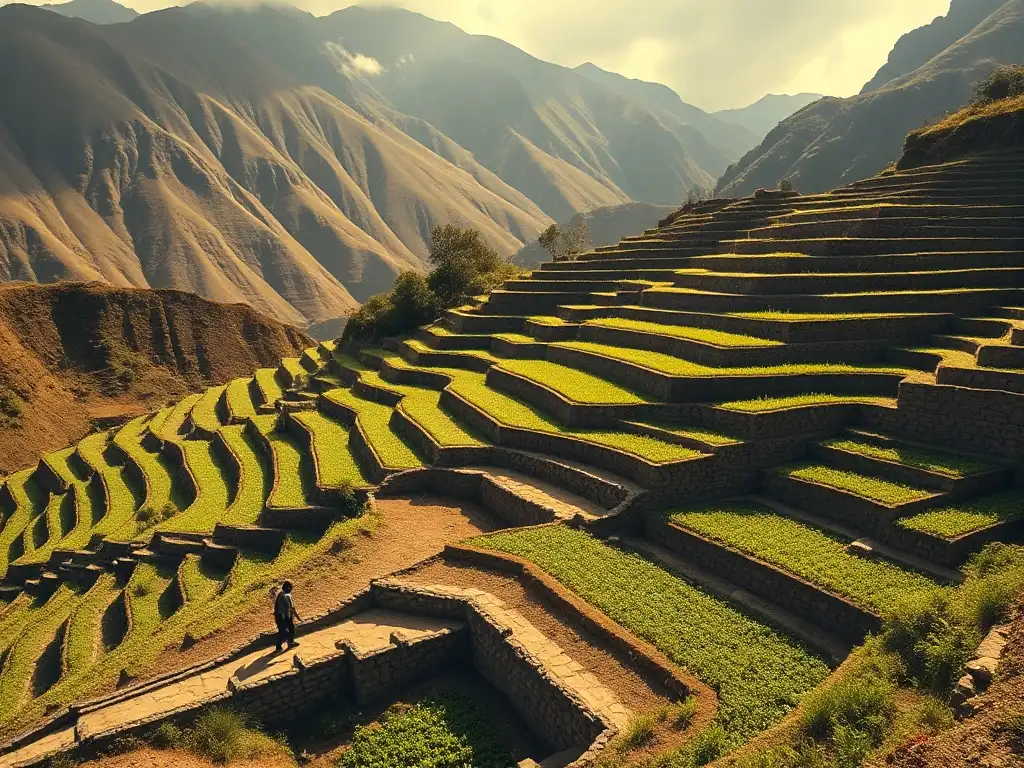
The Inca Empire, renowned for its sophisticated organization and engineering prowess, developed ingenious land reclamation techniques to maximize agricultural output in the challenging Andean terrain. These methods, honed over centuries, allowed them to cultivate steep slopes and high-altitude regions that would otherwise have remained barren. Understanding these techniques provides crucial insight into the ingenuity and resilience of Inca civilization, showcasing their deep understanding of their environment and their ability to adapt and thrive in it. This section will delve into two primary methods: terracing and waru waru (raised beds), examining their construction, function, and impact on Inca agricultural success.
Terracing: The Foundation of Inca Agricultural Success
Terracing, the creation of level platforms on slopes, was the cornerstone of Inca agriculture. This technique not only increased arable land significantly but also played a crucial role in preventing soil erosion and optimizing water management in a region characterized by steep inclines and intense rainfall. The scale and precision of Inca terracing are truly remarkable, a testament to their advanced engineering capabilities and understanding of environmental dynamics. The efficiency of these systems allowed the Inca to support a large population despite the limitations of their environment.
How Inca Terraces Prevented Soil Erosion
Inca terraces were built with meticulous attention to detail, minimizing soil erosion through several key strategies. The level platforms reduced the velocity of runoff water, preventing it from carrying away topsoil. The retaining walls, constructed from stone, further stabilized the soil, preventing landslides and erosion. Furthermore, the terraces were often designed with strategically placed drainage channels to divert excess water away from the cultivated areas, protecting the crops from water damage and soil degradation. This intricate system ensured the long-term fertility and productivity of the terraced land.
The Role of Retaining Walls in Terrace Construction
The retaining walls of Inca terraces were not merely structural elements; they were integral to the overall functionality of the system. Built from locally sourced stone, these walls were carefully fitted together without mortar, demonstrating advanced stonemasonry skills. Their design varied depending on the slope and soil conditions, with larger, more robust walls used on steeper slopes to withstand greater pressure. The walls also served as barriers against animal intrusion, protecting the crops from damage. Archaeological evidence reveals the extensive labor invested in building these walls, highlighting the importance of terracing in Inca society.
Different Types of Inca Terraces and Their Specific Uses
Inca terraces were not uniform; they varied in size, shape, and construction depending on the specific environmental conditions and intended use. Some terraces were small and relatively simple, suitable for cultivating less demanding crops. Others were larger and more complex, designed for irrigation and the cultivation of more water-intensive crops.
For example, some terraces were specifically designed for the cultivation of potatoes, while others were used for maize or other crops. This adaptability highlights the Inca's sophisticated understanding of agricultural practices and their ability to tailor their techniques to diverse environments. Further research is needed to fully document the diverse types of terraces and their specific applications [specific information pending].
Waru Waru (Raised Beds): Adapting to High Altitude Conditions
Waru waru, a system of raised beds separated by irrigation channels, represented another significant Inca land reclamation technique, particularly effective in high-altitude environments characterized by frost and limited water availability. This innovative approach allowed the Inca to cultivate land that would otherwise have been unproductive, expanding their agricultural capacity into challenging regions. The system's effectiveness stemmed from its ability to regulate temperature and drainage, creating a microclimate conducive to crop growth.
The Function of Raised Beds in Drainage and Temperature Control
The raised beds of the waru waru system served several vital functions. The channels between the beds acted as drainage systems, preventing waterlogging and protecting crops from frost damage. The raised beds themselves absorbed solar radiation more efficiently, resulting in warmer soil temperatures. This temperature regulation was crucial in high-altitude areas prone to frost, where warmer soil temperatures significantly increased crop yields. The channels also provided a source of irrigation, allowing for controlled water distribution to the crops.
Construction of Waru Waru Systems
The construction of waru waru systems involved considerable effort and planning. The raised beds were carefully constructed, often using organic material such as manure and plant debris to improve soil fertility and drainage. The channels were meticulously dug and maintained to ensure proper water flow. The precise layout and dimensions of the beds varied depending on the specific site conditions, demonstrating a high level of adaptability and engineering skill. The organization required for such a large-scale project demonstrates the Inca’s sophisticated social and political structures.
Benefits of Waru Waru in Frost-Prone Areas
In high-altitude regions susceptible to frost, the waru waru system provided several critical advantages. The raised beds improved soil drainage, preventing waterlogging, which is detrimental to plants in freezing temperatures. The warmer soil temperatures created by the raised beds protected crops from frost damage, significantly increasing survival rates and yields.
The controlled irrigation system ensured that crops received sufficient water, even during periods of drought or low rainfall. These factors combined to make waru waru a highly effective land reclamation technique in challenging high-altitude environments, showcasing the Inca's remarkable ability to adapt their agricultural practices to diverse and demanding conditions. The continued use of this technique in some Andean communities today is a testament to its enduring value.
Qochas (Artificial Ponds): Water Management in Arid Regions
The Inca Empire, renowned for its sophisticated agricultural practices, developed ingenious methods to overcome the challenges of cultivating in the Andes' often arid and steep terrain. Among these, the qochas, or artificial ponds, stand out as a testament to Inca ingenuity in water management. These weren't simply decorative water features; they were crucial components of a complex hydrological system designed to ensure consistent water availability for crops throughout the year.
Their construction involved careful site selection, taking into account factors such as proximity to water sources, soil permeability, and the overall topography of the landscape. The size and shape of the qochas varied depending on local needs and available resources, ranging from small, localized ponds to larger reservoirs capable of storing significant volumes of water. The construction itself was a remarkable feat of engineering, often involving the careful layering of materials to create waterproof basins.
The Design and Purpose of Inca Qochas
Inca qochas were meticulously designed to maximize water storage and minimize water loss through evaporation and seepage. Their construction often involved lining the pond basins with clay, stones, and other materials to create an impermeable barrier. The shape of the qochas was also strategically chosen to optimize water collection and retention. Many were built with gently sloping sides to facilitate water collection from surrounding areas, and some incorporated spillways to control water levels and prevent overflow during periods of heavy rainfall.
The primary purpose of the qochas was to provide a reliable source of water for irrigation, especially during the dry season. However, they also served other important functions, such as providing water for domestic use and livestock. Evidence suggests that some qochas were also used for fish farming, adding another dimension to their multifaceted role in the Inca agricultural system.
Utilizing Qochas for Irrigation and Water Storage
The water stored in the qochas was then channeled to agricultural fields through a network of irrigation canals. This allowed Inca farmers to irrigate their crops even during prolonged periods of drought. The strategic placement of qochas within the agricultural landscape allowed for efficient water distribution, minimizing the distance water needed to travel to reach the fields. This reduced water loss due to evaporation and seepage, maximizing the effectiveness of the irrigation system.
The size and capacity of the qochas were carefully calibrated to meet the water needs of the surrounding agricultural areas. Larger qochas served larger areas, while smaller ones were used to supplement irrigation in more localized areas. This tailored approach to water management demonstrates a profound understanding of hydrological principles and a remarkable ability to adapt to the specific conditions of the Andean environment.
Maintaining Water Availability in Dry Seasons
The importance of qochas in maintaining water availability during the dry season cannot be overstated. The Andes experience distinct wet and dry seasons, and the qochas provided a crucial buffer against water scarcity. By storing water during the rainy season, the Inca could ensure a consistent supply of water for irrigation throughout the year, even during the driest months. This allowed for the cultivation of a wider range of crops and increased the overall productivity of Inca agriculture.
The successful implementation of this system depended on careful planning, construction, and ongoing maintenance. Regular inspections and repairs were likely necessary to ensure that the qochas remained functional and continued to provide a reliable source of water. This highlights the level of commitment and organization required to maintain the Inca Empire’s sophisticated agricultural infrastructure.
Canal Systems: Distributing Water Efficiently
Beyond the qochas, the Inca Empire's mastery of water management is also evident in their extensive network of irrigation canals. These canals, often carved into the steep Andean slopes, represent a remarkable feat of engineering and a testament to the Inca's understanding of hydraulics and their dedication to agricultural productivity. The construction of these canals involved meticulous planning, precise surveying, and skilled labor.
The Inca utilized a variety of techniques to construct and maintain these canals, including the use of stone and earthwork. The canals were designed to efficiently distribute water from sources like rivers, springs, and qochas to the agricultural fields, often traversing challenging terrain.
Inca Engineering of Irrigation Canals
The engineering prowess of the Inca is clearly demonstrated in the construction of their irrigation canals. These canals were not simply dug trenches; they were carefully engineered structures designed to withstand the forces of erosion, gravity, and the often unpredictable Andean weather. The Inca utilized a variety of materials in their construction, including stone, earth, and even wood in some cases. They also employed sophisticated techniques to ensure the canals' durability and water-tightness.
The canals were often built with varying slopes to regulate water flow and prevent erosion. Furthermore, the Inca incorporated features like check dams and spillways to control water levels and prevent flooding. Their understanding of hydraulic principles was sophisticated, enabling them to design and build canals that efficiently transported water across vast distances and challenging terrains.
The Importance of Gravity in Canal Design
Gravity played a crucial role in the Inca canal system. The canals were carefully graded to utilize the natural slope of the land, allowing water to flow naturally from higher elevations to lower elevations. This eliminated the need for pumps or other mechanical devices, making the system both efficient and sustainable.
The Inca engineers skillfully manipulated the terrain to create a network of canals that efficiently distributed water to various agricultural areas. This mastery of gravity-fed irrigation systems was a key element in the success of Inca agriculture, enabling them to cultivate crops in challenging environments. The precise grading of the canals required a deep understanding of topography and a high degree of skill in surveying and construction.
Maintaining and Managing the Inca Canal Networks
Maintaining the extensive Inca canal network required a significant investment of labor and resources. Regular inspections and repairs were essential to ensure that the canals remained functional and continued to provide a reliable source of water for irrigation. The Inca likely employed specialized workers to oversee the maintenance of the canals, ensuring that any damage or leaks were promptly addressed.
This involved not only repairing breaches in the canal walls but also clearing debris and sediment that could obstruct water flow. The continued operation of the canal system was vital for the success of Inca agriculture and the well-being of the entire empire. The organization and effort dedicated to maintaining these canals underscores the importance of water management in the Inca worldview and its crucial role in their societal structure.
The Impact of Inca Land Reclamation on Agricultural Productivity
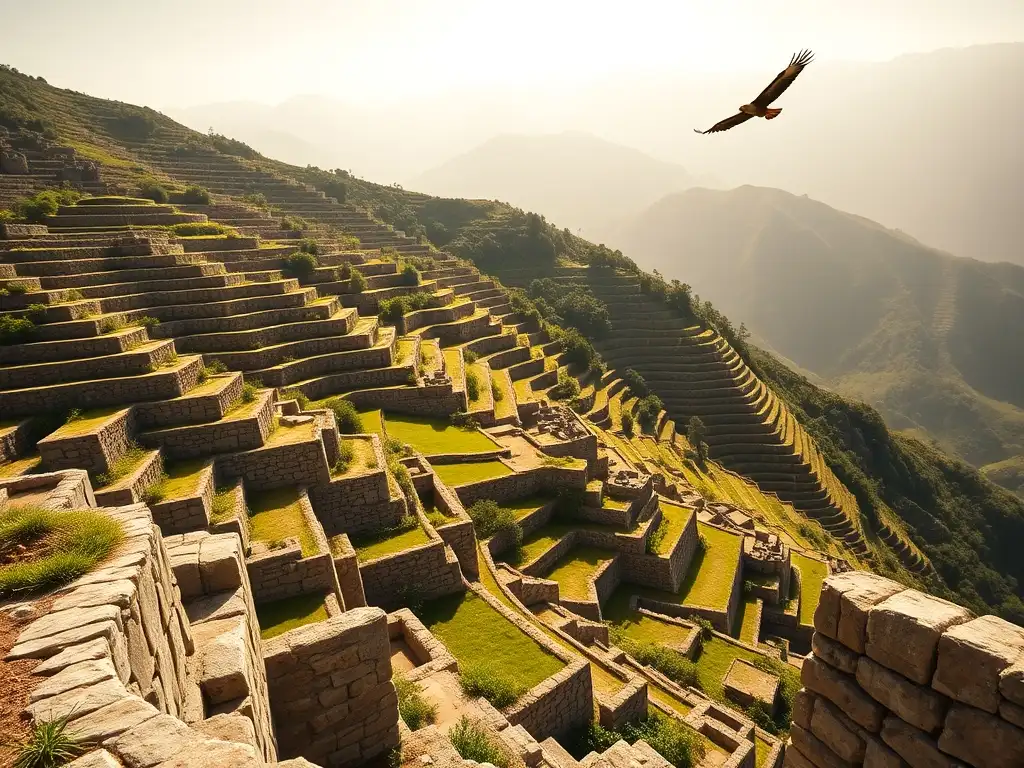
The Inca Empire, renowned for its sophisticated engineering feats, implemented ingenious land reclamation techniques that dramatically boosted agricultural productivity in the challenging Andean terrain. These techniques weren't merely about expanding arable land; they involved a holistic approach to soil management, water conservation, and crop diversification, maximizing yields and ensuring food security for a vast population. The success of Inca land reclamation is evident in the empire's ability to sustain millions of people in a geographically diverse and often unforgiving environment.
Understanding these techniques provides valuable insight into the ingenuity and resilience of Inca civilization and their mastery of sustainable agriculture, a crucial aspect of their success as a powerful empire. This section will delve into the specific ways in which Inca land reclamation directly impacted crop yields and overall agricultural output.
Increased Crop Yields Through Advanced Techniques
Inca agricultural productivity was significantly enhanced by several advanced techniques applied in reclaimed lands. One key innovation was the terracing of steep slopes. These meticulously constructed terraces, often supported by retaining walls of stone and earth, created level platforms ideal for cultivation.
This prevented soil erosion – a major problem in mountainous regions – and allowed for efficient irrigation. The precise engineering involved in terrace construction, including careful consideration of slope gradient and drainage systems, showcases the Inca's deep understanding of hydrology and soil science. Evidence suggests that terraces increased usable land by as much as 50% in some areas, directly translating into a considerable increase in crop yields.
Furthermore, the use of waru waru agriculture, a system of raised beds and interconnected canals, improved soil drainage and moisture retention, further boosting yields, especially in areas prone to flooding or drought. The meticulously planned irrigation channels, diverting water from rivers and streams to the terraces, ensured a consistent water supply, crucial for optimal crop growth, even during dry seasons. Data from archaeological studies [specific data pending] indicates a significant correlation between the implementation of these techniques and increased harvests of staple crops like potatoes, maize, and quinoa.
The Diversity of Crops Cultivated on Reclaimed Lands
The Inca's mastery of land reclamation allowed for the cultivation of a diverse range of crops on reclaimed slopes. Their agricultural system wasn't limited to a few staple crops; rather, they strategically planted a variety of species, creating a resilient and productive ecosystem. This diversity was crucial for mitigating risks associated with climate variability and pest infestations.
While potatoes, maize, and quinoa were central to their diet, they also cultivated beans, squash, tomatoes, and various fruits adapted to different altitudes and microclimates. The careful selection and placement of crops, considering factors like sunlight exposure, soil composition, and water availability, showcase the Inca's deep understanding of ecological principles. This agricultural diversification not only ensured food security but also provided a rich source of nutrients and medicinal plants, enhancing the overall health and well-being of the population.
The ability to cultivate such a variety of crops on previously unusable land demonstrates the effectiveness of their land reclamation techniques in creating a sustainable and productive agricultural system. The range of crops cultivated reflects a sophisticated understanding of agro-ecology and the strategic manipulation of the environment to maximize agricultural output.
Supporting a Large Population through Effective Resource Management
The Inca's success in land reclamation was instrumental in supporting a large and densely populated empire. By significantly increasing arable land and improving agricultural productivity, they were able to provide sufficient food for millions of people. This achievement was not solely due to technological innovation but also involved effective resource management strategies.
The mita system, a form of labor taxation, ensured the construction and maintenance of irrigation systems, terraces, and other agricultural infrastructure. This collective effort, coupled with the Inca's sophisticated system of storage and distribution of agricultural surplus, ensured food security even during periods of drought or crop failure. The integration of land reclamation with other aspects of Inca societal organization, such as centralized governance and efficient logistics, demonstrates a remarkable level of societal coordination and planning.
The ability to feed such a large population in a challenging environment underscores the profound impact of Inca land reclamation techniques on the stability and prosperity of the empire. This effective resource management, combined with agricultural innovations, solidified the Inca's position as a powerful and enduring civilization. The system showcased a remarkable ability to balance population needs with environmental sustainability, a lesson relevant even today.
Materials and Tools Used in Inca Land Reclamation
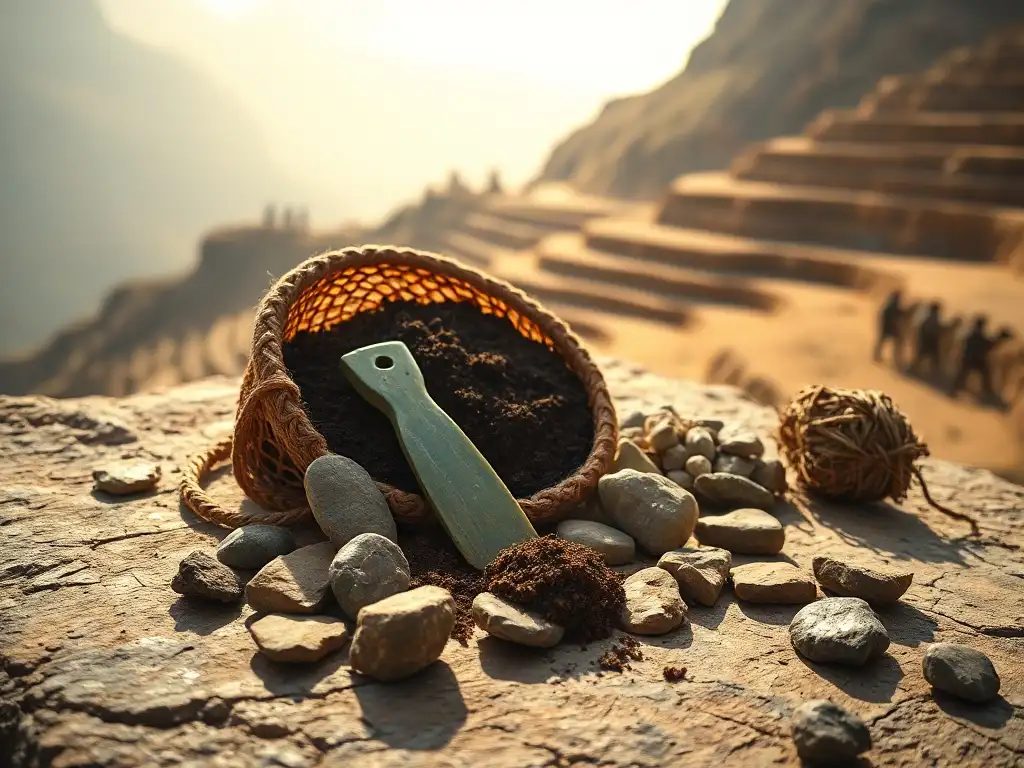
The success of Inca land reclamation projects hinged on the ingenious utilization of readily available materials and carefully crafted tools. Understanding these elements is crucial to appreciating the scale and sophistication of their agricultural achievements. The Inca’s mastery of resource management extended beyond crop cultivation to encompass the very infrastructure that supported it. Their techniques, honed over centuries, represent a remarkable blend of practicality and ingenuity, reflecting a deep understanding of their environment.
Local Resources Utilized in Construction
Inca land reclamation projects relied heavily on locally sourced materials. The specific materials varied depending on the geographic location and the nature of the terrain. Common materials included:
- Stone: Abundant in the Andean region, stone served as the backbone of many terracing systems. Different types of stone were used depending on their availability and properties. Hard, durable stones were preferred for retaining walls, while less resistant stones might have been used for filling or less critical areas. The precise selection and placement of stones demonstrate a high level of skill and knowledge of local geology.
- Earth and Soil: The very substance being manipulated, earth and soil were integral to the process. Different soil types were carefully chosen and layered to create fertile terraces. This meticulous approach to soil management reflects a deep understanding of soil composition and its impact on crop yields. The layering often included organic matter, improving soil fertility and water retention.
- Wood: While stone dominated the construction, wood played a supporting role. Wood was used for scaffolding, temporary structures, and potentially for certain components of irrigation systems. The type of wood used varied regionally, reflecting the diverse Andean flora.
- Fiber and Thatch: These materials, likely derived from plants like ichu grass, were used for temporary structures, erosion control measures, and potentially as binding agents in certain construction aspects. Their use highlights the Inca's ability to utilize even the most basic materials effectively.
Inca Tools for Earth Moving and Shaping
The Inca lacked the heavy machinery available to modern societies, yet they moved vast quantities of earth and stone. Their success stemmed from a combination of carefully designed tools and highly organized labor. Key tools included:
- Stone Picks and Hammers: These tools, made of hard stone, were used to break up rocks and loosen soil. The design of these tools, often featuring sharpened edges and carefully balanced weights, suggests a level of technological sophistication. Variations in size and shape suggest specialization for different tasks.
- Spades and Shovels: While the exact materials are not always documented, it is highly likely that Inca workers utilized simple spades and shovels, possibly made from wood or bone, to move soil and earth. The effectiveness of these tools was amplified by their coordinated use in large work groups.
- Carrying Baskets and Sling Bags: The transportation of materials played a critical role in the success of these large-scale projects. Carrying baskets and sling bags, likely woven from plant fibers, allowed for the efficient transport of earth, stone, and other materials across challenging terrain.
The Importance of Community Labor in Inca Projects
The scale of Inca land reclamation projects could not have been achieved without the highly organized and efficient mobilization of community labor. The mita system, a form of mandatory labor service, played a crucial role. This system, while demanding, fostered a sense of collective responsibility and ensured the availability of a large workforce.
The organization of labor involved meticulous planning and coordination. Specialized teams likely worked in concert, with some focusing on earth moving, others on stone placement, and still others on irrigation and drainage. The efficiency of their work is evident in the scale and precision of the surviving terraces.
This communal approach is a significant factor in understanding the success of Inca land reclamation, highlighting the importance of social organization in achieving technological feats. The mita system ensured that projects were undertaken efficiently, reflecting a sophisticated understanding of resource management that extended beyond materials and tools to encompass human capital. The integration of community labor into the very fabric of Inca society is a testament to the power of collective effort in shaping their remarkable landscape.
Legacy of Inca Land Reclamation: Lessons for Modern Agriculture
The Inca Empire, renowned for its sophisticated social structures and architectural marvels, also possessed remarkably advanced agricultural techniques. Their mastery of land reclamation, particularly in the challenging Andean terrain, stands as a testament to their ingenuity and provides valuable insights for contemporary agriculture. Inca land reclamation techniques weren't simply about increasing crop yields; they were deeply intertwined with their worldview, emphasizing sustainable practices and environmental stewardship.
Their methods offer crucial lessons for modern agriculture grappling with issues of soil degradation, water scarcity, and climate change. Understanding the Inca approach to land management allows us to appreciate the long-term benefits of sustainable agricultural practices and their potential to address current global food security challenges. The Inca legacy is not just about the past; it's a blueprint for a more resilient and environmentally conscious future.
Sustainable Practices and Environmental Stewardship
Inca agricultural practices were intrinsically linked to their understanding of the environment. They didn't view land reclamation as a process of conquering nature, but rather as a harmonious integration with it. This philosophy is evident in their meticulous terracing techniques.
These weren't simply haphazard arrangements of stone walls; they were carefully designed systems that maximized sunlight exposure, controlled water flow, and minimized soil erosion. The terraces, often built on steep slopes, created a series of level platforms, effectively transforming barren hillsides into productive farmland. This involved detailed understanding of microclimates, soil types, and water availability, showcasing a level of environmental awareness far ahead of its time.
Furthermore, the Inca employed crop rotation and intercropping techniques to maintain soil fertility and prevent pest infestations. Their approach minimized the need for chemical fertilizers and pesticides, demonstrating a deep commitment to sustainable resource management. This holistic approach to agriculture is a stark contrast to many modern intensive farming practices that often lead to environmental degradation.
Applying Inca Techniques to Contemporary Challenges
The principles underlying Inca land reclamation techniques remain highly relevant today. Facing challenges like soil erosion, desertification, and water scarcity, modern agriculture can learn valuable lessons from the Inca's ingenuity. For instance, the use of terracing is being revived in various parts of the world, particularly in mountainous regions, to combat soil erosion and improve water retention.
The Inca's understanding of water management, including the construction of sophisticated irrigation systems like acequias, is also instructive. These systems efficiently channeled water to fields, ensuring consistent crop yields even in arid environments. Modern engineers are studying these ancient systems to design more efficient and sustainable irrigation networks.
Additionally, the Inca's emphasis on crop diversification and intercropping offers a model for improving resilience to climate change and pests. By incorporating a variety of crops, farmers can reduce their vulnerability to crop failures and enhance overall productivity. The application of Inca techniques is not about simply replicating ancient methods; rather, it's about adapting their underlying principles to contemporary contexts and technological advancements.
The Enduring Relevance of Inca Agricultural Innovation
The Inca's success in transforming challenging landscapes into productive farmland highlights the profound impact of innovative agricultural practices. Their accomplishments were not merely feats of engineering; they represented a deep understanding of ecological principles and a commitment to sustainable resource management. The legacy of Inca land reclamation techniques extends far beyond the Andean region. Their methods offer valuable insights for addressing contemporary challenges in agriculture, including soil degradation, water scarcity, and climate change.
By studying and adapting these techniques, modern agriculture can strive towards greater sustainability and food security. The Inca's achievement serves as a powerful reminder that innovative and sustainable agricultural practices are crucial for ensuring a secure food supply for future generations. The enduring relevance of Inca agricultural innovation lies in its capacity to inspire and inform modern approaches to land management and food production, ensuring a more resilient and environmentally conscious future for all.
Frequently Asked Questions
What were the main challenges faced by the Inca in cultivating their land?
The Inca Empire faced challenges like steep, mountainous terrain and limited arable land. Their success depended on innovative techniques to overcome these obstacles and maximize agricultural output.
What specific land reclamation techniques did the Inca employ?
The Inca utilized several techniques, including terracing, irrigation systems, and waru waru (raised field agriculture). These methods allowed them to cultivate even the steepest slopes and arid areas.
How did terracing help the Inca increase agricultural production?
Terracing transformed sloping hillsides into flat platforms, creating more usable land for farming. This also helped to reduce soil erosion and retain water, crucial in the Andean environment.
What was the significance of the waru waru agricultural system?
Waru waru involved constructing raised fields separated by canals. This system improved drainage, regulated water temperature, and enhanced crop yields in challenging conditions.
How did Inca land reclamation techniques impact their civilization's success?
Inca land reclamation techniques were vital to their success. They enabled the empire to support a large population and fostered economic stability, contributing to its impressive growth and longevity.
Final Reflection: Echoes of the Andes: A Legacy of Sustainable Land Management
The ingenuity of Inca land reclamation techniques remains a potent example of sustainable living, a stark contrast to the environmental challenges we face today. Their mastery of terracing, irrigation, and crop diversification offers invaluable lessons for a world grappling with climate change, soil degradation, and food security. The echoes of their achievements resonate powerfully in our modern context, urging us to reconsider our relationship with the land.
The enduring impact of Inca agricultural practices is not merely historical; it's a living testament to the power of human ingenuity when harmonized with nature. Their understanding of ecological balance, evident in their sophisticated systems of water management and soil conservation, continues to inspire contemporary researchers and agriculturalists. The Inca were not simply farmers; they were landscape architects, shaping the very terrain to meet their needs while respecting its inherent limits.
This quote encapsulates the profound wisdom embedded within their approach, a wisdom we would do well to rediscover and emulate.
Consider the implications of their achievements. What innovative solutions can we derive from their methods to address our own pressing environmental concerns? How can we integrate their principles of sustainability into our modern agricultural practices? You, the reader, hold the power to translate this historical knowledge into tangible action. Let the legacy of Inca land reclamation inspire you to explore sustainable practices in your own life, whether through supporting local farmers, reducing your environmental footprint, or simply fostering a deeper appreciation for the interconnectedness of humanity and the natural world.
Transform Your Environment: Embrace Land Reclamation!
Thank you for exploring the fascinating world of Inca land reclamation and its incredible techniques for transforming barren slopes into thriving landscapes. Now, let's consider how to apply this inspiration to your own environment.
Here are some simple yet effective actions you can take:
- Start a small-scale reclamation project. Begin by planting native vegetation or creating a garden on a sloped area of your backyard or in your community. Even a small effort can make a significant difference!
- Share your knowledge. Discuss sustainable land management practices with friends and family. Consider organizing a workshop or informal gathering to share what you've learned and explore these techniques together.
- Connect with others. Join local conservation groups or online forums dedicated to land reclamation. Collaborate with like-minded individuals passionate about restoring and revitalizing natural habitats.
How will you use the ingenuity of the Inca people to inspire positive change in your community?