
The Transformation of Agriculture: From Simple Farming to Complex Irrigation in the Andes


Unravel the mysteries of a lost world where ingenuity thrived amidst towering peaks. Prepare to be amazed by the remarkable advancements of the Andean civilizations, a testament to human resilience and innovation. But what secrets lie hidden within their mastery of Andean agricultural irrigation techniques? Journey with us as we delve into the fascinating story of how simple farming evolved into complex irrigation systems, transforming the very landscape of the Andes. Discover the ingenuity that allowed these ancient societies to flourish... the answers await.
The Andes Mountains, a formidable yet fertile landscape, witnessed a remarkable evolution in agricultural practices over millennia. From the simple cultivation techniques of early Andean communities to the sophisticated irrigation systems developed by later civilizations like the Inca, the story of Andean agriculture is one of adaptation, innovation, and ultimately, the rise of complex societies. This journey, driven by the need to maximize food production in a challenging environment, showcases the ingenuity and resilience of Andean peoples and their profound impact on the landscape.
This article will explore the key stages of this transformation, focusing on the development and implementation of Andean agricultural irrigation techniques, a crucial factor in the growth and prosperity of these ancient civilizations. We will delve into the specific methods employed, examining their engineering marvels and their societal implications.
Understanding these techniques provides crucial insight into the societal structures, technological advancements, and overall cultural achievements of the Andean world. The mastery of water management in the Andes wasn't merely a practical skill; it was a cornerstone of their social and political organization.
Early Andean Agriculture: Subsistence Farming and Basic Water Management
Early Andean agricultural practices were largely characterized by subsistence farming. Communities relied on simple techniques, often adapting to the local topography and microclimates. Terracing, though rudimentary in its early forms, was already employed to create level planting surfaces on steep slopes. Basic techniques for water management included the construction of small canals and diverting natural water sources, such as springs and streams, to irrigate small plots of land.
These methods, while effective on a smaller scale, were limited in their capacity to support large populations or withstand prolonged droughts. Evidence suggests that early farmers focused on cultivating crops such as quinoa, potatoes, and maize, strategically selecting varieties adapted to the high-altitude conditions and diverse environments. The success of these early farming methods laid the groundwork for future innovations in Andean agricultural irrigation techniques.
The Rise of Complex Irrigation Systems: Engineering Marvels of the Andes
As Andean societies grew in size and complexity, the need for more efficient and extensive agricultural systems became paramount. This led to the development of sophisticated irrigation networks, representing remarkable feats of engineering for their time. The Nazca, for example, are renowned for their intricate canal systems, some stretching for kilometers across arid landscapes.
These canals, often built along contours, utilized gravity to transport water from distant sources to agricultural fields. Careful planning and precise surveying were crucial to the success of these systems, highlighting a high level of technical knowledge and social organization. The construction of these intricate systems required substantial labor, often coordinated through community efforts or under the direction of powerful elites, reflecting the importance of agriculture to the societal structure.
The Inca Empire and the Height of Andean Irrigation: A Network of Innovation
The Inca Empire inherited and further refined existing irrigation techniques, creating a vast network that supported its expansive agricultural production. The Inca expanded upon the existing canal systems, incorporating innovative features such as aqueducts, reservoirs, and sophisticated water distribution systems. They also developed advanced techniques for managing water flow, including the use of check dams and diversion channels, to ensure efficient irrigation and prevent soil erosion.
The Inca's centralized administration played a key role in the planning and maintenance of these vast irrigation networks, underscoring the strong connection between agricultural success and imperial power. Their mastery of Andean agricultural irrigation techniques was a critical factor in their ability to sustain a large population and maintain control over a vast empire. The scale and sophistication of the Inca irrigation systems stand as a testament to their organizational prowess and engineering capabilities.
The Legacy of Andean Irrigation Techniques: A Lasting Impact on Agriculture
The advanced irrigation techniques developed by Andean civilizations left a lasting impact on the region's agriculture. Many of the systems, although sometimes in disrepair, continue to be used today, demonstrating their long-term effectiveness and sustainability. The ingenuity and resilience of the Andean peoples in harnessing water resources for agricultural purposes serves as a valuable lesson in sustainable resource management and the importance of adapting to challenging environments.
The study of Andean agricultural irrigation techniques offers crucial insights into the interplay between technology, society, and the environment, providing valuable lessons for modern agricultural practices. The legacy of these ancient civilizations continues to shape the landscape and the livelihoods of people in the Andes today. Understanding this history is vital for appreciating the rich tapestry of Andean culture and for informing sustainable practices in the future.
- Early Andean Agriculture: Subsistence Farming and Basic Water Management
- The Rise of Complex Irrigation Systems: Engineering Marvels of the Andes
- The Inca Empire and the Height of Andean Irrigation: A Network of Innovation
- The Legacy of Andean Irrigation Techniques: A Lasting Impact on Agriculture
- What were the main challenges faced by Andean farmers in cultivating their crops?
- How did the Andean civilizations overcome these challenges?
- What are some examples of Andean irrigation techniques?
- How did Andean irrigation systems impact their societies?
- What is the significance of Andean agricultural irrigation techniques in the context of global agricultural history?
Early Andean Agriculture: Foundations of a Civilization
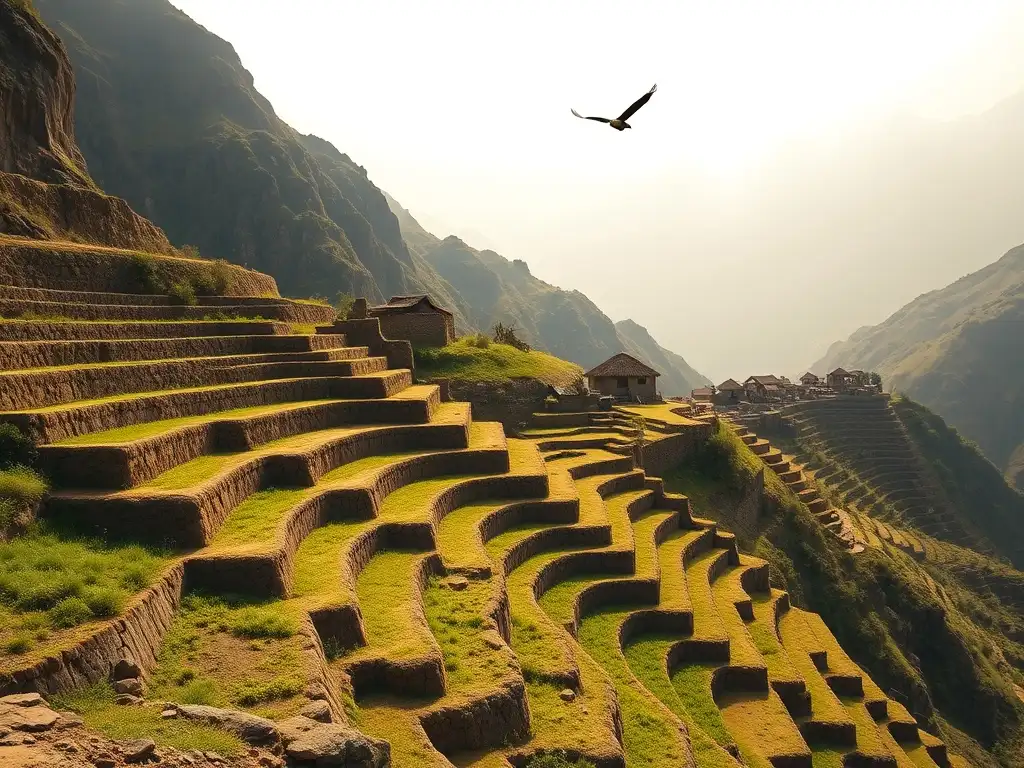
This section delves into the foundational agricultural practices that laid the groundwork for the complex Andean societies we know today. Understanding these early techniques is crucial to appreciating the later advancements in irrigation and agricultural intensification. The development of sophisticated Andean agricultural irrigation techniques was not a sudden leap but a gradual process built upon centuries of experimentation and adaptation to the challenging Andean environment. The ingenuity of these early farmers is a testament to their deep understanding of their ecosystem.
Initial Farming Practices in the Andes
Early Andean agriculture, dating back millennia, relied heavily on simple farming techniques. These practices, while seemingly rudimentary compared to later systems, were remarkably effective in sustaining populations in a geographically diverse and often harsh environment. Evidence suggests that early farmers utilized a combination of techniques including slash-and-burn agriculture, terracing on gentler slopes, and the cultivation of raised fields in swampy areas.
The primary tools were rudimentary: stone hoes, digging sticks, and simple plows where terrain permitted. Crop selection was dictated by altitude and microclimate. Lower elevations, with warmer temperatures and more rainfall, supported diverse crops, while higher altitudes required more resilient, cold-hardy varieties.
The ingenuity of these early farmers is evident in their ability to select and cultivate crops suited to their specific environments. For example, the cultivation of potatoes at various altitudes showcases a deep understanding of the plant's adaptability and the need for specific environmental conditions for optimal yield. This early experimentation with diverse crops laid the foundation for later advancements in Andean agricultural irrigation techniques.
The Importance of Diverse Crops in Andean Diets
The Andean diet wasn't limited to a single staple crop. Instead, it boasted remarkable biodiversity. This diversity wasn't just a matter of culinary preference but a crucial survival strategy. Different crops offered varying levels of nutritional value and resilience against environmental fluctuations. The diversification of crops acted as a form of insurance against crop failure due to drought, frost, or disease.
A typical Andean diet might include potatoes (of various types), quinoa, maize, beans, squash, and a wide array of fruits and vegetables. Each crop played a vital role in providing a balanced nutritional intake, ensuring the survival and health of the population. This dietary diversity was intrinsically linked to the development of sophisticated agricultural practices, including the sophisticated Andean agricultural irrigation techniques that would later emerge. The need to support a diverse range of crops spurred innovation in farming methods.
Adapting to the Andean Environment: Early Agricultural Strategies
The Andes present a unique set of challenges for agriculture: steep slopes, variable rainfall, and high altitudes. Early Andean farmers overcame these obstacles through a series of ingenious adaptations. Terracing, for instance, transformed steep slopes into cultivatable land, dramatically increasing the area available for farming. This technique not only increased the land area but also helped conserve water and reduce soil erosion. The construction of terraces required considerable labor and planning, highlighting the importance of cooperation and communal effort within early Andean societies.
Furthermore, the development of raised fields in swampy areas demonstrated a remarkable understanding of hydrology and soil management. These elevated fields provided better drainage, improved soil aeration, and increased crop yields in otherwise unproductive land. The meticulous construction and maintenance of these fields are further evidence of the sophisticated agricultural knowledge of early Andean communities.
These early strategies, while not relying on large-scale irrigation systems, were crucial steps in the progression towards the more complex Andean agricultural irrigation techniques that characterized later civilizations. The development of these early techniques was essential to providing the foundation for the later innovations in irrigation and the rise of complex Andean societies.
The Rise of Complex Agricultural Systems

The Andes Mountains, a formidable geographical challenge, presented ancient Andean civilizations with unique opportunities and constraints. While the towering peaks and steep slopes limited arable land, the diverse microclimates and altitudinal zones offered a surprising variety of agricultural possibilities. However, relying solely on rainfall for crop production in such a varied and often unpredictable environment proved unsustainable for growing populations.
This necessitated the development of sophisticated Andean agricultural irrigation techniques, a crucial factor in the rise of complex societies in the region. The ingenuity displayed in overcoming these environmental hurdles is a testament to the advanced engineering and social organization of these civilizations. Understanding their agricultural innovations is key to grasping the full scope of their societal advancements.
The development of these techniques wasn't a sudden leap, but rather a gradual process of adaptation and innovation reflecting a deep understanding of their environment. The evolution of Andean agricultural practices reveals a sophisticated interplay between human ingenuity and environmental adaptation.
The Need for Advanced Farming Techniques in the Andes
The Andes' challenging terrain presented significant limitations to traditional farming practices. Steep slopes, unpredictable rainfall patterns, and the presence of frost in higher altitudes all posed serious obstacles to consistent food production. Rain-fed agriculture, while sufficient for small, dispersed communities, proved inadequate for supporting the increasing populations of burgeoning Andean settlements.
The need for reliable and consistent food sources became paramount, driving innovation in agricultural technology. This necessity fueled the development of sophisticated terracing, canal systems, and water management strategies, ultimately leading to significant increases in agricultural yields and supporting the growth of larger, more complex societies.
The sheer scale and complexity of some of these projects, such as the extensive irrigation systems of the Nazca, stand as impressive examples of human engineering and societal organization in the face of environmental adversity. Moreover, the development of these techniques was not uniform across all Andean cultures; each civilization adapted its methods to the specific characteristics of its environment, resulting in a diverse array of agricultural strategies.
Population Growth and the Demand for Increased Food Production
The burgeoning populations of Andean societies placed immense pressure on existing agricultural systems. As settlements grew in size and density, the demand for food increased exponentially. Rain-fed agriculture, with its inherent limitations and vulnerability to fluctuating rainfall, could no longer meet the needs of these expanding communities.
This created a critical need for more efficient and reliable methods of food production. Archaeological evidence suggests a direct correlation between population growth and the development of sophisticated irrigation systems across various Andean cultures. For instance, the expansion of the Inca Empire was directly linked to their ability to manage and control water resources, allowing them to cultivate vast expanses of land and support a large, centralized population.
The intricate network of canals, reservoirs, and aqueducts constructed by the Inca exemplifies the scale of this undertaking and its importance to their imperial success. The careful management of water resources was not merely a technological achievement; it was a critical component of their social and political organization.
The Shift from Rain-fed Agriculture to Irrigation
The transition from rain-fed agriculture to sophisticated irrigation systems represents a pivotal moment in the development of Andean civilizations. This shift wasn't a sudden event but a gradual process of adaptation and innovation spanning centuries. Early attempts at irrigation likely involved simple channels diverting water from streams and rivers to nearby fields.
However, as populations grew and the demand for food intensified, these systems evolved into increasingly complex networks of canals, aqueducts, and reservoirs capable of irrigating vast areas of land. The development of sophisticated techniques, such as the use of subterranean channels ( qanats) in some regions, demonstrates a deep understanding of hydrology and engineering principles. The construction of these systems required significant labor and coordination, reflecting a high degree of social organization and centralized planning.
The success of these irrigation projects fostered economic growth, supported population expansion, and ultimately contributed to the rise of complex, stratified societies in the Andes. The legacy of these ancient irrigation systems remains visible in the landscape today, a testament to the enduring impact of Andean agricultural innovation.
Andean Agricultural Irrigation Techniques: A Technological Leap
This section delves into the ingenious irrigation systems developed by Andean civilizations, a crucial factor in their societal growth and complexity. The mastery of water management allowed these cultures to thrive in challenging, often arid, environments, transforming the landscape and supporting burgeoning populations. Understanding these techniques offers a glimpse into the ingenuity and adaptability of Andean societies, highlighting their impressive engineering skills and profound connection to their environment.
The evolution from simple farming practices to sophisticated irrigation systems represents a significant technological leap, directly contributing to the rise of complex societies in the Andes. We will explore how these advancements facilitated food surpluses, population growth, and ultimately, the development of powerful empires.
Introduction to Andean Irrigation Methods
Andean agricultural irrigation techniques were not a monolithic entity; they varied significantly across different regions and cultures, reflecting the diverse geographical conditions and the unique technological innovations of each civilization. Factors such as altitude, rainfall patterns, and soil type heavily influenced the specific methods employed. However, several common principles underpinned these systems, most notably the careful observation of water sources, the strategic channeling of water, and the adaptation of the landscape to maximize water use.
The ingenuity of these methods lies in their integration with the natural environment, minimizing environmental impact while maximizing agricultural output. This approach contrasts sharply with later, more exploitative agricultural practices.
The earliest forms of irrigation in the Andes involved simple techniques like surface irrigation, where water was diverted from streams and rivers using rudimentary canals. These early systems were often limited in scale and efficiency, relying heavily on rainfall and natural water flows. However, as populations grew and agricultural demands increased, the need for more sophisticated techniques became apparent.
This led to the development of more complex systems, including the construction of extensive canal networks, reservoirs, and terraces, showcasing the escalating sophistication of Andean engineering. The transition from basic surface irrigation to these larger-scale projects demonstrates the adaptive capacity of Andean cultures and their ability to respond to increasing societal needs. This ability to innovate and adapt is a key factor in understanding the rise of complex societies in the region.
Terracing: Shaping the Landscape for Agriculture
Terracing, the creation of step-like platforms on hillsides, represents one of the most impressive and enduring legacies of Andean agricultural ingenuity. This technique addressed the challenges of cultivating steep slopes, maximizing arable land, and mitigating soil erosion. By transforming steep, unusable land into a series of level platforms, terraces increased the available farming space exponentially, allowing for significant increases in agricultural production.
The construction of terraces required a considerable investment of labor and sophisticated engineering knowledge, demonstrating the importance of agriculture to Andean societies and their capacity for large-scale collaborative projects. The scale and precision of some terrace systems are truly awe-inspiring, highlighting the advanced understanding of hydraulics and land management possessed by these ancient cultures.
The Purpose of Agricultural Terraces in the Andes
The purpose of agricultural terraces extended far beyond simply increasing arable land. They served multiple crucial functions:
- Increased Cultivable Land: The most obvious purpose was to increase the amount of land suitable for farming, especially in mountainous regions where flat land was scarce.
- Reduced Soil Erosion: Terraces significantly reduced soil erosion by slowing the flow of water down slopes. This preserved the fertility of the soil and ensured long-term agricultural productivity.
- Improved Water Management: The terraced landscape facilitated efficient water management. Water could be channeled easily from one terrace to another, ensuring that all areas received sufficient irrigation.
- Microclimate Control: Terraces also created microclimates that were more favorable for crop growth. The level platforms provided more protection from wind and frost, extending the growing season.
Types of Terraces Constructed by Andean Cultures
Andean cultures constructed various types of terraces, each adapted to the specific environmental conditions and technological capabilities of the region. Some common types include:
| Terrace Type | Description | Example Culture(s) |
|---|---|---|
| Level Terraces | Flat platforms built on steep slopes. | Inca, Moche, Nazca |
| Sloping Terraces | Terraces with a gentle slope to facilitate water drainage. | Tiahuanaco, Wari |
| Bench Terraces | Narrow terraces built into the hillside, often with retaining walls. | Inca, various pre-Inca cultures |
| Supported Terraces | Terraces supported by retaining walls made of stone, earth, or a combination. | Inca, Moche, Nazca |
| Combination Terraces | Systems incorporating multiple terrace types to adapt to varied topography. | Varies across Andean regions |
The diversity of terrace types highlights the adaptability and innovation of Andean agricultural practices. The choice of terrace type depended on factors such as the steepness of the slope, the type of soil, and the availability of building materials. This demonstrates a deep understanding of the environment and a sophisticated approach to engineering and agriculture. ⛰️ The construction of these terraces represents a remarkable achievement in human engineering and a testament to the ingenuity of Andean civilizations.
Canal Systems: Transporting Water Across Distances
Andean agricultural irrigation techniques were not limited to simple ditches. The ingenuity of civilizations like the Inca, Nazca, and Moche is evident in their extensive canal systems, some stretching for kilometers across challenging terrain. These weren't merely haphazard channels; they were sophisticated feats of engineering, meticulously planned and constructed to bring water from distant sources to arid agricultural lands.
The scale of these projects speaks volumes about the organizational capacity and advanced understanding of hydrology possessed by these ancient societies. The construction required a deep knowledge of topography, water flow, and the properties of different materials. Success wasn't guaranteed; careful planning and constant maintenance were crucial for the long-term effectiveness of these vital lifelines.
Failures could have devastating consequences for entire communities, highlighting the importance of both technological skill and social organization in the success of Andean agriculture. These canal systems weren't just about irrigation; they represent a sophisticated understanding of water management and its crucial role in supporting large populations.
Construction and Maintenance of Irrigation Canals
The construction of Andean irrigation canals was a monumental undertaking, requiring significant labor and coordination. Stone tools were predominantly used, showcasing the skill and precision of the workers. The canals were often lined with stones, clay, or other materials to prevent water leakage and erosion. This process was far from simple; it involved careful surveying of the land to determine the optimal route, considering factors such as slope, soil type, and water availability.
Evidence suggests that different techniques were employed depending on the terrain and available resources. In some areas, canals were cut directly into the bedrock, while in others, they were built up using earth and stone. Maintaining these canals was an ongoing process, requiring regular inspections and repairs.
Communities often collaborated in these efforts, demonstrating a strong sense of communal responsibility for water resources. This collaborative approach to maintenance was as crucial as the initial construction, ensuring the long-term viability of the irrigation systems. The longevity of many of these canals is a testament to the quality of construction and the dedication to their upkeep.
The Role of Gravity in Andean Canal Engineering
Gravity played a crucial role in the design and functionality of Andean canal systems. The ingenious engineers leveraged the natural slope of the land to create a system where water flowed naturally from the source to the fields. This meant careful planning was essential to ensure a consistent, gradual decline in elevation along the canal's length. Sharp drops or uneven gradients could lead to erosion, water loss, and ultimately, the failure of the entire system.
The understanding and application of gravity demonstrates a sophisticated knowledge of physics and engineering principles, far beyond what is often attributed to pre-Columbian societies. The success of these gravity-fed systems highlights the practical application of scientific principles in Andean agriculture, allowing for efficient and sustainable water distribution across vast distances. The design of these canals demonstrates a remarkable understanding of hydraulic principles and a commitment to sustainable water management.
Wachaques: Sunken Fields for Arid Regions

Wachaques, also known as sunken fields, represent another remarkable Andean agricultural irrigation technique, particularly prevalent in arid and semi-arid regions. These are essentially artificially created depressions in the landscape, designed to capture and retain rainwater and runoff. Unlike canal systems which rely on transporting water from a distance, wachaques focus on maximizing the use of locally available water resources. Their construction involved significant earthworks, creating basins that were often lined with stones or other materials to improve water retention.
The size and shape of wachaques varied depending on the local topography and the amount of rainfall. This adaptation to diverse environmental conditions showcases the adaptability and ingenuity of Andean farmers. The effectiveness of wachaques in water conservation and crop production has been demonstrated through archaeological and anthropological research.
Understanding the Function of Wachaques
The functionality of wachaques hinges on their ability to capture and retain water. Rainwater, as well as runoff from surrounding areas, is collected in the sunken basins. The water is then slowly absorbed by the soil, providing a consistent source of moisture for crops. The design of wachaques often incorporates features that enhance water retention, such as carefully chosen soil types and strategically placed stones.
The deeper the basin, the more water it can hold, and the slower the rate of evaporation. This ingenious system maximized the limited water resources available in arid regions. Furthermore, the microclimate created within the wachaques often provides a more favorable environment for crop growth, protecting plants from strong winds and excessive sun exposure. The carefully planned construction and design of wachaques showcase a detailed understanding of hydrology and soil science.
Benefits of Wachaques for Water Conservation
Wachaques offer several significant advantages in terms of water conservation. The sunken design minimizes evaporation, a major concern in arid climates. The water is held within the basin, reducing the surface area exposed to the sun and wind. Furthermore, the soil within the wachaques is often more fertile than the surrounding land, due to the accumulation of organic matter and nutrients over time.
This increased soil fertility reduces the need for fertilizers, contributing to sustainable agricultural practices. The effectiveness of wachaques in conserving water and improving soil fertility has been demonstrated by both modern studies and the continued use of this technique in some Andean communities. The long-term sustainability of wachaques underlines their importance as an effective and environmentally friendly agricultural strategy, perfectly adapted to the unique challenges of the Andean environment. The legacy of wachaques continues to inspire modern water management strategies in arid regions worldwide.
Reservoirs and Water Storage in Andean Agriculture
Andean agricultural irrigation techniques were not solely reliant on canal systems. The ingenious civilizations of the Andes also developed sophisticated methods of water storage, crucial for mitigating the challenges of unpredictable rainfall patterns and ensuring a consistent water supply for their crops, particularly in drier regions. These storage systems, often integrated into broader irrigation networks, played a vital role in the success of Andean agriculture and the growth of complex societies.
The construction and maintenance of these reservoirs demanded significant community effort, highlighting the importance of social organization and cooperation in Andean societies. These weren't simply holes dug in the ground; they were carefully planned and executed structures, often integrated into the landscape to maximize their efficiency and longevity.
The scale of some of these reservoirs is truly impressive, a testament to the engineering skills and societal organization of the Andean people. The location of reservoirs was carefully chosen, often taking advantage of natural depressions in the terrain or utilizing existing geological features to minimize construction effort and maximize water capacity.
Different Types of Andean Water Reservoirs
The Andes boast a remarkable diversity of reservoir types, reflecting the varied geography and agricultural practices across the region. Some were simple, excavated basins, while others were more complex structures involving stone walls and embankments to retain water. [Specific examples of different reservoir types and their locations pending]. For instance, some regions utilized qochas, which were larger, artificial lakes often created by damming streams or diverting water courses.
These qochas could provide water for irrigation over extensive areas, supporting larger populations and more intensive agriculture. Smaller, localized reservoirs, often integrated into hillside terraces, served individual farms or small communities. These smaller reservoirs, often built with locally sourced materials, demonstrate the adaptability of Andean engineering to varying environmental conditions.
The construction techniques varied greatly depending on the available resources and the specific needs of the community. Some employed sophisticated techniques involving stonework and plastering to ensure watertightness, while others relied on simpler methods, adapted to the local environment. Detailed studies of these reservoirs are crucial to understanding the technological sophistication and adaptive capacity of Andean civilizations.
The Importance of Water Management for Agriculture
The successful implementation of Andean agricultural irrigation techniques, including water storage in reservoirs, was inextricably linked to effective water management. This wasn't merely a technical challenge; it was a crucial element of social organization and political power. Water allocation systems, often complex and hierarchical, ensured equitable distribution among different communities and farmers. [Specific examples of water allocation systems and their social implications pending].
Disputes over water rights were likely a common occurrence, influencing social structures and power dynamics within Andean societies. Effective water management also included the maintenance and repair of irrigation canals and reservoirs, demanding ongoing community participation and cooperation. The sustainability of Andean agriculture was directly dependent on the careful planning and execution of water management strategies. This involved not only the construction of infrastructure but also the development of social norms and institutions to govern water use.
The success of Andean civilizations was, in large part, due to their ability to effectively manage their most precious resource: water. The careful planning and management of water resources demonstrate a deep understanding of the environment and a sophisticated approach to resource management that is still relevant today. The legacy of Andean water management practices continues to inspire modern approaches to sustainable agriculture and resource conservation.
Specific Examples of Andean Irrigation Systems
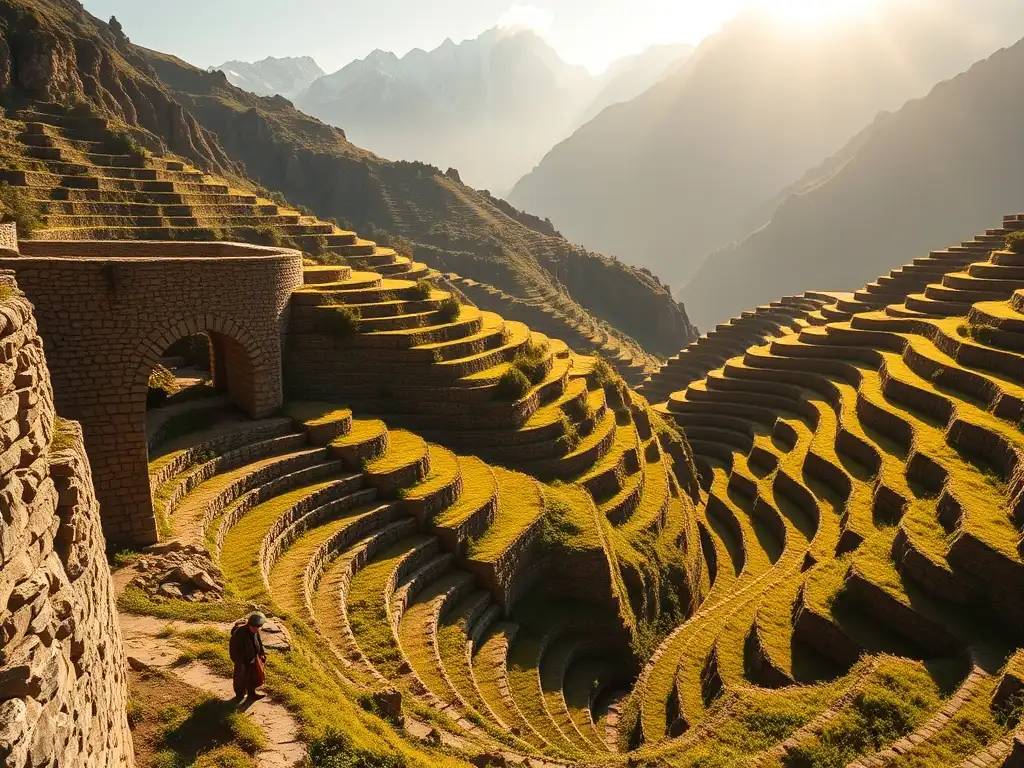
This section delves into the diverse and sophisticated irrigation systems employed by various Andean civilizations, showcasing their ingenuity and adaptability to challenging geographical conditions. The mastery of water management was crucial for their agricultural success and the development of complex societies. We will explore specific examples, highlighting the unique characteristics and innovations of each civilization's approach to Andean agricultural irrigation techniques. The scale and complexity of these systems varied significantly, reflecting the differing environmental contexts and technological capabilities of each culture. Understanding these variations offers invaluable insight into the ingenuity and resilience of Andean societies.
The Case of the Inca and its Irrigation Practices
The Inca Empire, known for its extensive road network and administrative prowess, also boasted a remarkable irrigation infrastructure. Their mastery of Andean agricultural irrigation techniques extended across diverse landscapes, from the arid coastal regions to the high-altitude valleys. Inca engineers skillfully channeled water from rivers and streams using a combination of canals, aqueducts, and tunnels. These weren't merely simple ditches; they were carefully designed systems that incorporated sophisticated techniques to manage water flow and distribution.
For instance, the use of suyus, or regional administrative divisions, facilitated the efficient organization and maintenance of irrigation systems across vast distances. Each suyu had its own specialized workforce responsible for the upkeep of canals and the equitable distribution of water. Evidence suggests the Inca also employed advanced surveying techniques to ensure accurate canal alignment and gradients, minimizing water loss and maximizing efficiency. This involved a deep understanding of topography and hydrology.
The Inca also developed innovative methods for water storage, using reservoirs and qochas (artificial lakes) to capture and store water during the rainy season for use during drier periods. This strategic approach allowed for year-round cultivation, contributing significantly to food security and population growth within the empire. The ingenuity of their systems is further demonstrated by their ability to adapt to varying terrains, employing different techniques depending on the specific environment. Detailed archaeological studies continue to uncover the complexity and sophistication of Inca irrigation practices, underscoring their remarkable engineering achievements and their profound impact on Andean agricultural development.
Tiwanaku's Advanced Agricultural Technology
The Tiwanaku civilization, flourishing in the Altiplano region of the Andes, developed remarkably advanced agricultural techniques to overcome the challenges of a high-altitude environment characterized by limited rainfall and frost. Their expertise in Andean agricultural irrigation techniques is evident in the sophisticated raised field systems they constructed. These weren't simply elevated plots; they were carefully designed agricultural terraces built on the shores of Lake Titicaca and other wetlands.
These raised fields acted as highly efficient agricultural systems, offering several advantages. The elevated plots improved drainage, protecting crops from waterlogging and frost damage. The dark, fertile soils of the raised fields also retained heat more effectively, extending the growing season. The construction of these fields involved meticulous planning and engineering, requiring a deep understanding of hydrology and soil science. Furthermore, the raised fields created a microclimate that was more favorable for crop growth than the surrounding areas.
Further details on Tiwanaku's raised fields:
Archaeological studies suggest that the construction of Tiwanaku's raised fields involved the careful layering of different soil types to optimize drainage and fertility. The precise methods employed remain a subject of ongoing research, but the enduring legacy of these systems is a testament to Tiwanaku's advanced understanding of agriculture and engineering.
The impact of Tiwanaku's irrigation and agricultural innovations extended beyond their immediate region, influencing subsequent Andean civilizations and shaping the development of agricultural practices in the Andes. Their success in cultivating crops in such a challenging environment demonstrates a remarkable level of technological and social organization.
The Moche's Innovative Irrigation Methods
The Moche civilization, flourishing on the arid north coast of Peru, faced the constant challenge of limited water resources. Their response was the development of ingenious irrigation systems that harnessed the scarce water from rivers and streams. Their expertise in Andean agricultural irrigation techniques is evident in the intricate network of canals, reservoirs, and aqueducts they constructed.
The Moche employed a variety of techniques to manage water flow, including the construction of intricate canal systems that followed contours of the terrain. They also built reservoirs to store water during the rainy season for use during drier periods. These weren't simple storage areas; they were carefully designed structures that incorporated sophisticated techniques to minimize evaporation and maintain water quality.
Furthermore, the Moche demonstrated a remarkable understanding of hydrology, skillfully channeling water from rivers and streams across vast distances to irrigate their fields. Their canal systems were often integrated with other infrastructure, such as roads and settlements, demonstrating a sophisticated level of urban planning. The scale and complexity of their irrigation systems are a testament to their engineering prowess and their ability to adapt to the challenging environmental conditions of the north coast.
Their innovations in water management played a crucial role in their agricultural success and the development of a complex and prosperous society. The legacy of their advanced Andean agricultural irrigation techniques continues to inspire awe and admiration.
The Impact of Andean Irrigation on Society and Culture
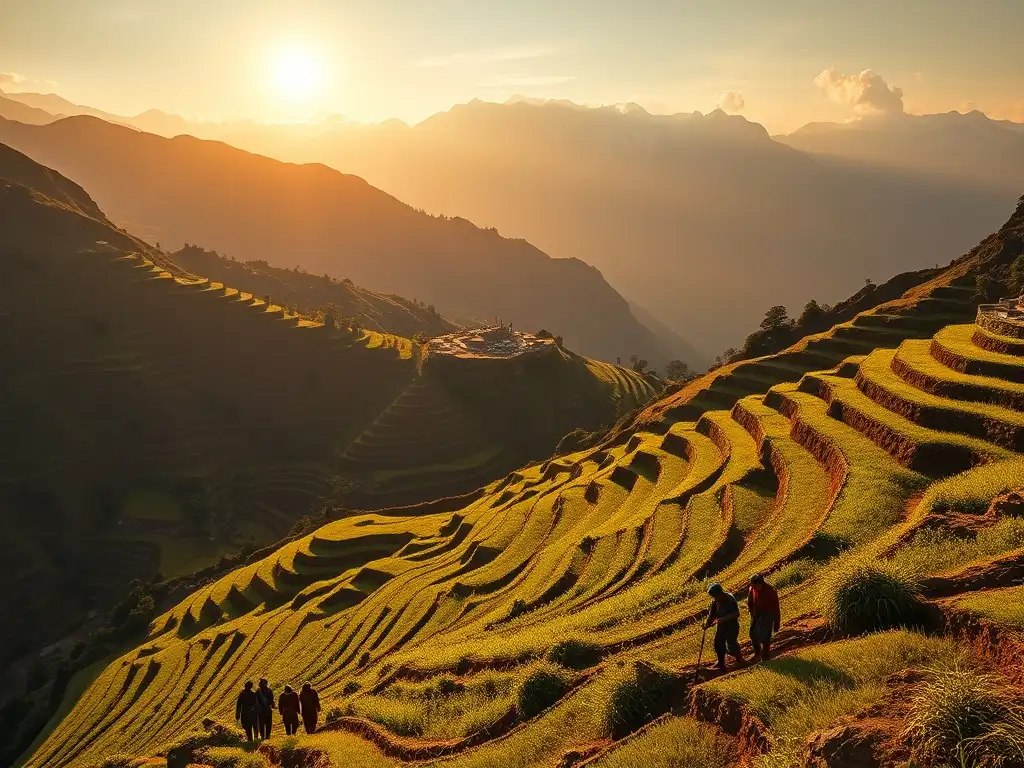
The development of sophisticated Andean agricultural irrigation techniques profoundly impacted the social and cultural fabric of ancient Andean societies. Moving beyond simple farming methods, the mastery of water control allowed for increased food production, population growth, and the emergence of complex social structures. This section will delve into the multifaceted consequences of these advancements, examining their influence on social organization, religious beliefs, and the enduring legacy of Andean ingenuity.
Understanding the impact of irrigation is key to comprehending the rise of powerful Andean civilizations. The ingenuity displayed in harnessing water resources was not merely a technological achievement; it was a cornerstone of social and cultural transformation.
The construction and maintenance of large-scale irrigation systems required significant coordinated labor. This collaborative effort fostered social cohesion and the development of specialized roles within society. Instead of independent farming units, irrigation projects necessitated a hierarchical structure with individuals or groups responsible for planning, overseeing construction, managing water distribution, and resolving conflicts over water access. This, in turn, led to the emergence of powerful elites who controlled these vital resources, often wielding considerable political and economic power. Evidence suggests that Andean agricultural irrigation techniques were not just about water management; they were about power management.
For example, the Nazca culture's extensive canal systems, some stretching for miles, required the coordinated effort of numerous individuals. The sheer scale of these projects points to a level of social organization and centralized authority far beyond that of simpler agricultural societies. This centralized control over water resources likely contributed to the Nazca's ability to support a larger, more densely populated society, and to fund monumental projects like the famous Nazca Lines.
Similarly, the Inca Empire's sophisticated sayas (terraces) and qanatos (underground canals) were crucial to their ability to feed a vast and diverse population, underpinning the empire's power and stability. Detailed records, though incomplete, suggest a complex system of labor allocation and water rights enforcement crucial to the success of the project.
We can see a clear correlation between the sophistication of Andean agricultural irrigation techniques and the complexity of the resulting social structures. The more advanced the irrigation system, the more complex the society that could be sustained. This directly links the development of improved Andean agricultural irrigation techniques to the rise of powerful states and empires.
The Connection Between Agriculture, Religion, and Andean Beliefs
Andean societies viewed water and agriculture not merely as practical necessities but as deeply spiritual forces. The control of water, a life-giving element, was intrinsically linked to religious beliefs and practices. Many Andean deities were associated with water, fertility, and agriculture, reflecting the profound importance of these resources to their survival and prosperity. The successful implementation of Andean agricultural irrigation techniques reinforced these beliefs and strengthened the link between the spiritual and the material realms.
The rituals and ceremonies associated with water management highlight the integration of religion and agriculture. Priests and shamans often played a crucial role in overseeing irrigation projects, conducting ceremonies to ensure abundant harvests and appease the water deities. These religious practices served to reinforce social order and maintain the stability of the irrigation systems.
Evidence suggests that specific offerings and ceremonies were performed to ensure the successful channeling of water and to secure plentiful crops, further demonstrating the intimate relationship between religious practices and irrigation success. The successful harnessing of water resources was not only a technological feat but also a spiritual one, bolstering religious authority and social cohesion.
Furthermore, the construction of irrigation systems themselves often incorporated symbolic elements reflecting religious beliefs. The layout of canals, the placement of water control structures, and the use of specific materials may have held religious significance, signifying the connection between the human world and the spiritual realm. This blending of practical and spiritual elements demonstrates the deep-seated importance of Andean agricultural irrigation techniques in shaping their worldview. The connection between the practical and the spiritual was fundamental to Andean culture.
The Legacy of Andean Agricultural Ingenuity
The sophisticated Andean agricultural irrigation techniques developed over millennia continue to inspire awe and admiration. The ingenuity and resilience displayed in harnessing scarce water resources in challenging mountainous terrain represent a remarkable achievement in human engineering. The legacy of these techniques extends far beyond their historical context, offering valuable lessons for modern-day water management and sustainable agriculture. Understanding and appreciating this legacy is crucial for addressing contemporary challenges related to water scarcity and food security.
Despite the challenges posed by climate change and population growth, many Andean communities still utilize traditional irrigation systems, demonstrating the enduring practicality and effectiveness of these ancient technologies. These systems, adapted and refined over time, continue to provide essential irrigation for crops, highlighting their adaptability and sustainability. The study of these ancient techniques offers valuable insights into sustainable water management practices, relevant to both arid and mountainous regions globally.
Moreover, the legacy of Andean agricultural ingenuity extends to the cultural realm. The knowledge and skills associated with water management have been passed down through generations, forming an integral part of Andean cultural identity. The preservation and promotion of these traditional practices are essential for maintaining cultural heritage and promoting sustainable development in the Andes. The study of Andean irrigation is not just about history; it's about learning from the past to build a more sustainable future. The ingenuity and resilience of these ancient techniques offer valuable lessons for the present and the future.
Conclusion: The Enduring Influence of Andean Irrigation Techniques
The ingenuity of Andean agricultural irrigation techniques represents a remarkable chapter in the history of human adaptation and innovation. From the simple canal systems of early agriculturalists to the sophisticated networks employed by the Inca, the drive to harness water resources shaped the very landscape and social structures of the Andes.
These techniques weren't merely about increasing crop yields; they were fundamental to the development of complex societies, supporting population growth, economic specialization, and the rise of powerful empires. Understanding these techniques offers profound insights into the resilience and adaptability of ancient Andean civilizations, and their enduring legacy continues to inspire modern approaches to sustainable agriculture.
The sophisticated understanding of water management demonstrated by these ancient cultures serves as a powerful example of how human ingenuity can overcome environmental challenges. The impact of Andean agricultural innovations extended beyond the immediate benefits of increased food production; it fostered social complexity, political organization, and cultural development in ways we are still uncovering.
Lessons from the Past for Sustainable Agriculture
The challenges faced by modern agriculture—water scarcity, climate change, and the need for sustainable practices—echo those confronted by Andean farmers centuries ago. Examining their solutions can offer valuable lessons. For example, the Inca's waru waru system, with its raised beds and water retention capabilities, demonstrates a remarkably effective approach to water management in arid and semi-arid environments.
This system, which significantly reduced water consumption while enhancing crop yields, is now being studied and re-implemented in various parts of the world as a model for sustainable agriculture. The ingenuity of the andenes (terraces) also offers valuable insights into land management and erosion control. These techniques, honed over centuries, provide compelling evidence of the potential for sustainable intensification of agriculture, minimizing environmental impact while maximizing productivity.
Further study and implementation of these ancient methods hold considerable promise for addressing contemporary agricultural challenges. The resilience of the Andean agricultural systems, particularly their capacity to adapt to variable climatic conditions, offers important lessons for creating more climate-resilient agricultural practices today.
The Importance of Preserving Andean Agricultural Knowledge
The preservation of Andean agricultural knowledge is not merely an academic pursuit; it is a crucial endeavor with practical implications. Traditional knowledge, passed down through generations, often holds invaluable insights into sustainable farming practices and environmentally sound resource management. This knowledge, however, is increasingly threatened by modernization, urbanization, and the loss of traditional farming practices.
Active efforts are needed to document, preserve, and disseminate this knowledge, ensuring that it remains accessible to future generations. This includes supporting the work of indigenous communities who are the custodians of this vital heritage. Furthermore, integrating traditional Andean agricultural techniques with modern scientific knowledge can lead to innovative and sustainable solutions for food security and environmental stewardship.
The Andean experience underscores the importance of recognizing and respecting traditional ecological knowledge as a valuable resource in addressing contemporary global challenges. Documenting and preserving these techniques is critical not only for understanding the past but also for building a more sustainable future.
Future Research and Understanding of Ancient Andean Agriculture
Future research on Andean agricultural irrigation techniques should focus on several key areas. A more comprehensive understanding of the specific engineering principles behind different irrigation systems is needed, including detailed analyses of water flow dynamics, soil characteristics, and the long-term impact of these systems on the environment. Further investigation into the social organization and labor practices associated with the construction and maintenance of these systems would shed light on the social and political aspects of Andean agriculture.
Furthermore, comparative studies of different Andean cultures and their respective irrigation techniques can illuminate the diversity of approaches and the factors that led to their success or failure. Finally, integrating archaeological evidence with ethnobotanical and historical data can provide a more holistic understanding of the evolution and impact of Andean agriculture. This interdisciplinary approach will contribute to a richer and more nuanced understanding of Andean agricultural practices and their lasting significance.
The study of ancient Andean agriculture promises to yield significant insights into sustainable agriculture, resource management, and the intricate relationship between humans and their environment. The integration of scientific and traditional knowledge holds the key to unlocking the full potential of these ancient techniques for modern challenges.
Frequently Asked Questions
What were the main challenges faced by Andean farmers in cultivating their crops?
Andean farmers faced significant challenges, including variable rainfall, steep terrain, and poor soil quality. These factors made reliable food production difficult.
How did the Andean civilizations overcome these challenges?
They developed ingenious irrigation systems, terracing techniques, and sophisticated agricultural practices to manage water resources and increase crop yields. Improved water management was key.
What are some examples of Andean irrigation techniques?
Examples include canals, aqueducts, and reservoirs, often built on a massive scale. These systems channeled water from rivers and streams to fields.
How did Andean irrigation systems impact their societies?
The reliable food supply made possible by irrigation supported larger, more complex societies. It also fostered economic and social development, leading to advancements in other areas.
What is the significance of Andean agricultural irrigation techniques in the context of global agricultural history?
Andean irrigation demonstrates the remarkable ingenuity of ancient civilizations in adapting to challenging environments. Their techniques represent a significant contribution to the global history of agriculture.
Final Reflection: The Enduring Legacy of Andean Irrigation
The ingenious irrigation systems of the Andes, once a marvel of pre-Columbian ingenuity, continue to shape the region's agricultural landscape and offer valuable lessons for sustainable water management in a world facing increasing water scarcity. Their impact extends far beyond the historical context, resonating deeply in contemporary challenges related to food security and environmental stewardship.
The enduring power of these ancient techniques lies not just in their technical brilliance, but in their deep connection to the Andean worldview, a holistic understanding of the relationship between humans and nature. Water is life, and the respect for water is the respect for life itself,
a sentiment echoed through generations of Andean farmers. This profound respect for the environment, woven into the fabric of their agricultural practices, provides a powerful counterpoint to modern, often exploitative, approaches to resource management. The ingenuity displayed in adapting to diverse terrains and climates remains a testament to human resilience and adaptability.
Consider the implications of this legacy. How can we, in the face of climate change and growing populations, learn from the wisdom of these ancient civilizations? You, the reader, hold the power to champion sustainable practices, to advocate for responsible water management, and to appreciate the interconnectedness of our actions with the environment. Let the story of Andean irrigation inspire you to seek innovative and sustainable solutions for the challenges of tomorrow, ensuring that the legacy of ingenuity continues to flourish.
Unveil the Future of Agriculture: Take Action Today!
Thank you for exploring the fascinating evolution of Andean agriculture! We hope you gained valuable insights into how simple farming techniques have developed into sophisticated irrigation systems that have supported thriving communities for centuries. Now, let's put that knowledge to work!
Here are some ways you can make a difference and continue learning:
- **Attend a local workshop on sustainable farming practices** to learn about traditional and modern techniques.
- Share this article with friends and family to inspire conversations about agricultural innovation and its impact on our world.
- **Visit a local agricultural museum or exhibition** to witness firsthand the remarkable advancements in farming technologies.
Consider how the ingenuity of ancient Andean irrigation systems can inform your own gardening projects or community initiatives. What innovative solutions can you develop, inspired by this rich history?