
The Andean Priest's Power: Interpreting the Role of the Yachaq in Rituals

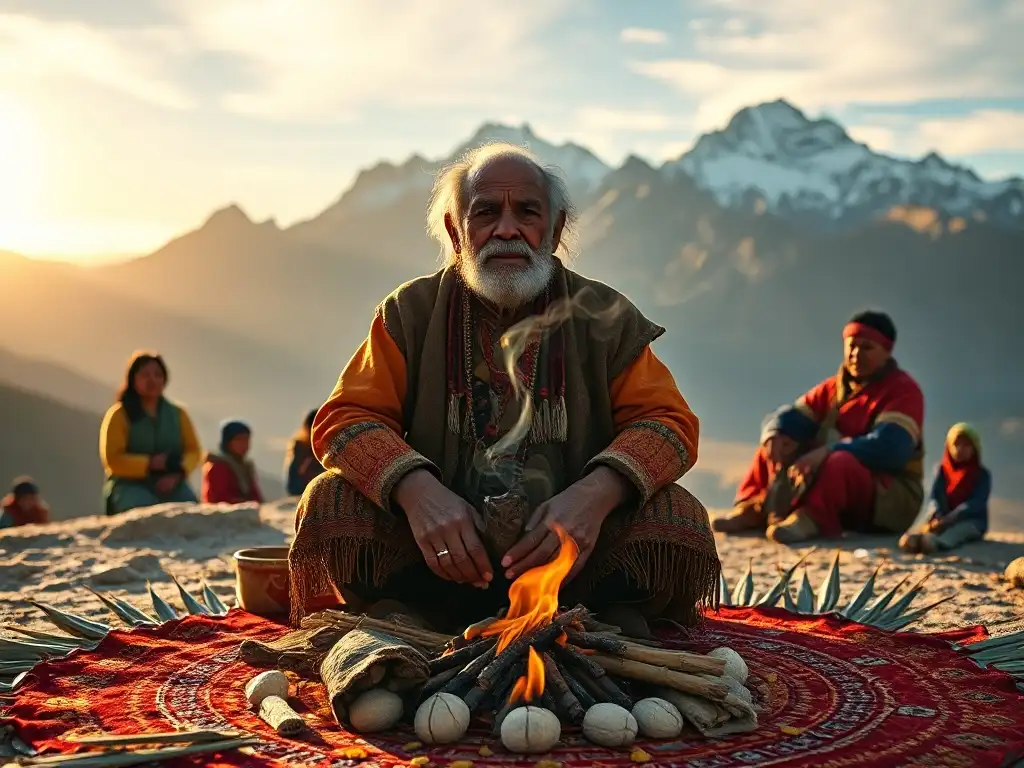
Step into a world lost to time, yet echoing with power. For centuries, the Andes Mountains have held secrets whispered only on the wind—secrets of advanced civilizations and their profound connection to the cosmos. Discover the enigmatic role of the Andean Yachaq, the priest-shaman, and their influence on Andean rituals. Prepare to unravel the mysteries surrounding Andean Yachaq rituals—a journey into a captivating realm of spiritual power and ancient wisdom awaits.
The Andean world, a tapestry woven from the threads of diverse cultures and beliefs, held the yachaq as a pivotal figure in its intricate religious system. This article delves into the fascinating and complex role of the yachaq, or Andean shaman, in ancient rituals, exploring their connection to the Andean cosmovision and their influence on the lives of their communities.
From the towering heights of the Andes to the fertile valleys below, the yachaq's influence permeated every aspect of Andean life, shaping beliefs, practices, and societal structures. We will uncover the power dynamics inherent in their position, examining their spiritual authority and the impact they had on both individual and collective experiences within the rich tapestry of Andean religious practices.
Understanding the yachaq is key to understanding the profound spiritual beliefs and practices of Andean civilizations, including the Incas, Moche, Nazca, and Tiahuanaco, offering a glimpse into a world where the spiritual and physical realms were inextricably intertwined. This exploration will examine the diverse rituals in which the yachaq played a central role, providing insights into their methodologies, their relationship with the supernatural, and the enduring legacy they left on Andean culture.
Understanding the Yachaq: The Andean Shaman
The yachaq wasn't simply a religious leader; they were a multifaceted figure combining the roles of priest, healer, diviner, and spiritual guide. Their knowledge encompassed a vast range of expertise, including herbal medicine, astronomy, and intricate rituals. Unlike modern conceptions of shamans, the yachaq held a position of significant societal influence, often acting as advisors to rulers and community leaders.
Their authority stemmed from their perceived ability to communicate with the spirit world, interpret omens, and harness supernatural forces for the benefit of their communities. This power was not arbitrarily bestowed but earned through rigorous training and demonstrated proficiency in various spiritual practices. The training process likely involved years of apprenticeship under experienced yachaqs, mastering complex techniques and accumulating a deep understanding of Andean cosmology.
The yachaq's abilities were often associated with specific rituals and ceremonies. For instance, they were instrumental in capac hucha, a royal Inca ritual where the Inca ruler would symbolically demonstrate their divine connection through sacred offerings. Their expertise in interpreting dreams, reading coca leaves (a practice known as taqui), and performing healing ceremonies further solidified their importance within Andean society.
They were not mere intermediaries between the human and spiritual worlds but active participants, shaping the interaction and influencing the outcomes. The exact nature of their training and the specific rituals they performed varied across different Andean cultures, reflecting the diversity of beliefs and practices across the region. Further research is needed to fully understand the nuances of yachaq training within specific Andean societies, which varied significantly depending on geographic location and cultural practices.
The Yachaq’s Connection to the Andean Cosmovision
The yachaq's power was deeply rooted in the Andean cosmovision, a complex worldview that emphasized the interconnectedness of the physical and spiritual realms. The Andes themselves, with their towering peaks and deep valleys, were seen as sacred spaces, imbued with spiritual energy. The yachaq, through their knowledge of this cosmology, acted as interpreters of this sacred landscape, guiding their communities in navigating the intricate relationships between humans, nature, and the supernatural.
Their rituals often involved the use of sacred objects, such as huacas (sacred places or objects), and the performance of ceremonies designed to maintain balance and harmony within the cosmos. These rituals were not merely symbolic; they were believed to have tangible effects on the well-being of the community, influencing everything from agricultural yields to political stability.
The yachaq played a crucial role in maintaining the equilibrium between the hanan pacha (upper world), kay pacha (this world), and ukhu pacha (underworld). Their rituals often involved offerings to appease deities and spirits, ensuring the continued prosperity of their communities. The use of coca leaves, hallucinogenic plants, and other sacred substances played a significant role in these rituals, facilitating altered states of consciousness and enabling the yachaq to interact with the spirit world more effectively.
This intricate system of beliefs and practices highlights the depth and complexity of the Andean religious experience, emphasizing the yachaq's pivotal role as a mediator and interpreter of this rich and powerful cosmovision. Further exploration of specific rituals and their symbolic meanings is necessary for a comprehensive understanding of the yachaq's influence on Andean society.
Key Responsibilities of the Yachaq in Andean Rituals
The Yachaq, a term encompassing various roles depending on the specific Andean culture and time period, held a position of immense spiritual authority. Their responsibilities extended far beyond simple religious leadership; they were vital to the well-being of the community, acting as healers, diviners, mediators, and interpreters of the cosmos. Their influence permeated all aspects of Andean life, from agriculture and healing to political decision-making and social order.
The Yachaq's deep understanding of Andean cosmology, mythology, and ritual practices allowed them to connect the community to the spiritual realm, ensuring the prosperity and harmony of their society. This intricate understanding involved a mastery of herbal remedies, astronomical knowledge, and an ability to interpret dreams and omens, all crucial elements in their multifaceted role.
Their expertise was highly valued and often seen as essential for the survival and flourishing of their communities. The weight of their responsibilities underscored their importance within the social structure of Andean societies.
Healing Practices and the Yachaq
A significant aspect of the Yachaq's role involved healing. They were skilled in herbal medicine, employing a vast knowledge of local flora to treat various ailments. Their healing practices often intertwined spiritual and physical remedies, viewing illness as a disruption of the individual's connection to the cosmos. For example, the Yachaq might use medicinal plants in conjunction with rituals aimed at restoring balance and harmony within the patient's spiritual essence.
Chronicles from the Inca Empire detail Yachaqs effectively treating wounds, fevers, and even more complex conditions using a combination of techniques. Their approach was holistic, addressing the spiritual and physical aspects of a person's well-being simultaneously. This holistic approach, combining herbal medicine with spiritual cleansing and ritual, reflects the deep interconnectedness between the physical and spiritual worlds in the Andean worldview.
Divination and Prophecy: The Yachaq's Insight into the Future
Beyond healing, the Yachaq possessed skills in divination and prophecy, acting as interpreters of the divine will. They used various methods to foresee the future and provide guidance to the community. These methods often included interpreting dreams, reading coca leaves (a practice still prevalent in some Andean communities today), and observing natural phenomena like the movements of stars and constellations.
The Yachaq’s interpretations were crucial in making important decisions, such as determining the optimal time for planting crops, planning military campaigns, or resolving conflicts within the community. Their prophetic abilities were highly regarded, and their pronouncements carried significant weight in shaping the community's destiny. Their insights into the future were not merely predictions; they were considered vital for maintaining harmony and balance within the cosmos and the community.
The Yachaq as a Mediator Between Worlds
The Yachaq acted as a crucial mediator between the human world and the spirit world, facilitating communication and ensuring a harmonious relationship between the two. They were believed to possess the ability to communicate with deities and ancestral spirits, conveying the community's needs and receiving guidance in return. This role involved performing rituals aimed at appeasing deities, seeking blessings for the community, or requesting intervention in times of crisis.
The Yachaq's ability to navigate the spiritual realm was considered paramount to the community's well-being, ensuring a stable connection between the human and supernatural realms. This mediating role underscores the importance of maintaining balance and harmony within the Andean worldview.
Andean Rituals Led by the Yachaq
The Yachaq played a central role in numerous Andean rituals, leading ceremonies that were integral to the community's life cycle and well-being. These rituals encompassed a wide range of activities, from agricultural ceremonies to rites of passage and offerings to the deities.
The Yachaq's expertise in ritual procedure, their knowledge of sacred texts and chants, and their ability to connect with the spiritual realm were all essential to the success and efficacy of these ceremonies. Their leadership was not simply ceremonial; it was a deeply spiritual act, connecting the community to the divine and ensuring the continuity of their traditions.
Agricultural Ceremonies and the Yachaq's Role
Agricultural ceremonies, crucial for the survival of Andean communities, were often led by the Yachaq. These rituals aimed to ensure bountiful harvests, protect crops from natural disasters, and appease the deities associated with fertility and agriculture. The Yachaq's role involved performing specific rituals at different stages of the agricultural cycle, from preparing the land to harvesting the crops.
These ceremonies often included offerings of food, drink, and other precious items to the deities, accompanied by prayers and chants. The Yachaq's knowledge of agricultural practices and their ability to connect with the spiritual forces governing nature were essential for the success of these ceremonies and the prosperity of the community. The precise rituals varied across different Andean cultures, but the Yachaq's central role remained consistent.
Rites of Passage and the Yachaq's Guidance
The Yachaq also played a critical role in rites of passage, guiding individuals through significant life transitions. These rituals marked important milestones such as birth, puberty, marriage, and death. The Yachaq's guidance ensured a smooth transition between life stages, protecting the individual from harm and ensuring their successful integration into the community.
These rituals often involved specific ceremonies, prayers, and offerings to ensure the individual's well-being and their harmonious connection with the spiritual world. The Yachaq's expertise in these rituals was essential for the individual's spiritual and social development within the Andean community. Examples include initiation ceremonies for young adults, marking their transition into adulthood and their full participation in community life.
Offerings and Sacrifices Facilitated by the Yachaq
Offerings and sacrifices were an integral part of Andean rituals, and the Yachaq played a central role in facilitating these acts. These offerings served as a way to appease the deities, show respect for ancestral spirits, or request their intervention. The Yachaq determined the appropriate type and quantity of offerings, ensuring that they were presented correctly to maintain harmony within the spiritual realm.
While the nature of the offerings varied depending on the specific occasion and the deity being addressed, the Yachaq's knowledge and expertise were essential in conducting these rituals effectively. The Yachaq's meticulous execution of these rituals was believed to be crucial in maintaining the balance and prosperity of the community, securing divine favor and protection. The type of sacrifices ranged from agricultural products to llamas and other animals, depending on the context and the community's resources.
The Yachaq's Tools and Symbolic Objects
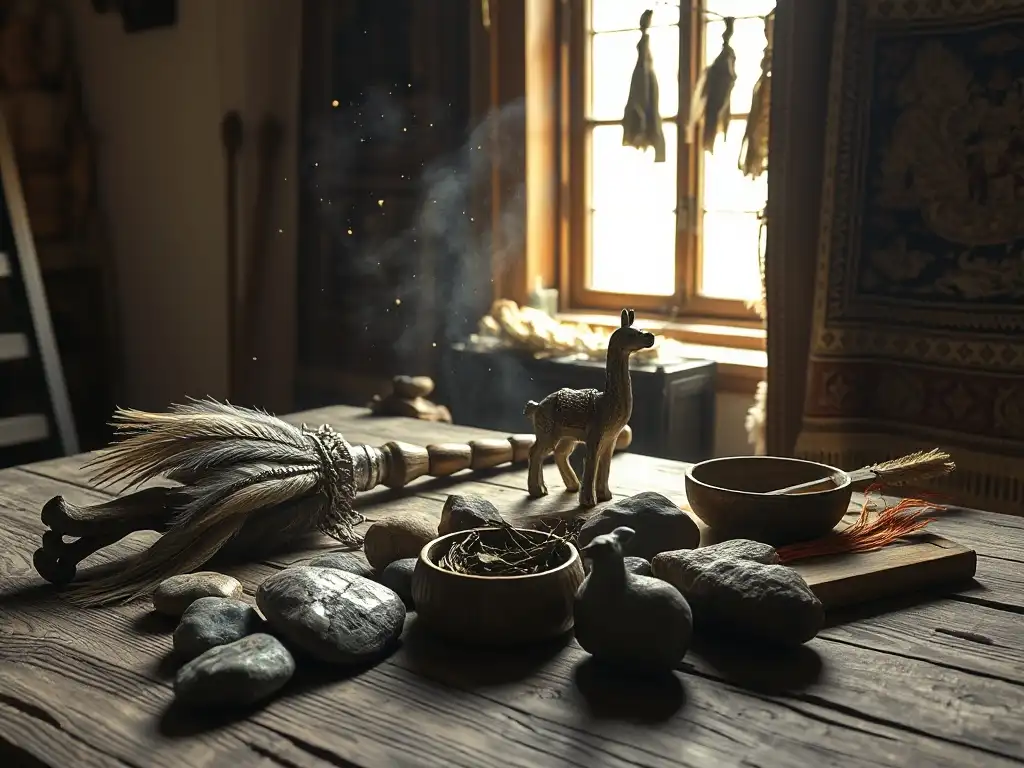
The Yachaq, the Andean spiritual leader, didn't rely solely on their innate abilities. Their power was amplified and channeled through a carefully curated collection of tools and symbolic objects, each imbued with specific spiritual significance. These items weren't merely instruments; they were extensions of the Yachaq's connection to the Andean cosmos. The careful selection and preparation of these objects were integral to the success of any ritual.
Their presence commanded respect and facilitated communication between the human and spiritual realms. The Yachaq's toolkit served as a tangible representation of their authority and expertise. The very act of handling these objects was a ritual in itself, a process of purification and empowerment.
The Use of Sacred Plants in Yachaq Rituals
Sacred plants played a pivotal role in Yachaq rituals. Coca leaves, for instance, were not simply a stimulant; they were offerings to the spirits, facilitating communication and divination. The specific preparation and consumption of coca, often accompanied by prayers and chants, were integral parts of the ritual. Other plants, like tobacco and various medicinal herbs, were also used in ceremonies, often burned as incense or incorporated into healing potions.
The selection of plants was dictated by the specific ritual and its intended purpose, demonstrating a deep understanding of the plant's properties and spiritual associations. The use of these plants wasn't arbitrary; it was a carefully considered act reflecting the Yachaq's intimate knowledge of the Andean pharmacopoeia and its spiritual dimensions. This knowledge was passed down through generations, ensuring the continuation of these sacred practices.
The Significance of Amulets and Talismans in the Yachaq's Practice
Amulets and talismans were integral to the Yachaq's practice, acting as powerful conduits of spiritual energy. These objects, often crafted from precious metals, stones, or bone, were believed to possess protective and healing properties. Their designs frequently incorporated Andean iconography, representing deities, celestial bodies, or powerful symbols.
The Yachaq might wear these amulets personally or use them in rituals to bless individuals, objects, or locations. The power of these amulets wasn't inherent; it was activated and amplified through the Yachaq's rituals and prayers, making them potent tools in the spiritual realm. Specific amulets were associated with particular deities or purposes, reflecting the intricate cosmology of the Andes.
Ritual Instruments and their Purpose
The Yachaq employed various ritual instruments to enhance the efficacy of their ceremonies. These included intricate musical instruments like flutes and drums, whose sounds were believed to resonate with the spiritual world. The rhythmic patterns and melodies played were not arbitrary but carefully chosen to invoke specific deities or to influence the outcome of the ritual.
Other instruments, such as ceremonial staffs or intricately carved wooden objects, served as symbolic representations of power and authority. The use of these instruments was not simply a matter of creating an atmosphere; they were active participants in the ritual, serving as conduits for spiritual energy. The precise use and significance of each instrument varied depending on the specific ritual being performed.
The Training and Initiation of a Yachaq
The path to becoming a Yachaq was arduous and demanding, requiring years of rigorous training and spiritual discipline. It was not a path open to everyone; rather, it was a calling, a vocation requiring a deep commitment and innate aptitude for spiritual matters. The process involved not only mastering practical skills but also undergoing a profound transformation of the self. The Yachaq's authority stemmed not only from their knowledge but also from their spiritual purity and connection to the Andean cosmos.
The Path to Becoming an Andean Spiritual Leader
Aspiring Yachaqs often began their training at a young age, learning from experienced practitioners within their communities. This training involved a multifaceted approach, encompassing practical skills like herbalism, astronomy, and divination, alongside rigorous spiritual practices aimed at purifying the body and mind. The process involved intense periods of fasting, meditation, and ritual cleansing, designed to refine their spiritual sensitivity and strengthen their connection to the unseen world. This rigorous training wasn't simply about accumulating knowledge; it was a journey of self-discovery and spiritual refinement.
The Transmission of Knowledge and Traditions
The transmission of knowledge and traditions within Yachaq lineages often followed oral traditions, passed down through generations within families or specific communities. This oral tradition involved a complex system of storytelling, songs, and rituals, preserving intricate details and nuanced interpretations of Andean cosmology. The apprentice would spend years closely observing and assisting their mentor, gradually absorbing the accumulated wisdom and practices of the lineage.
This process emphasized not just the memorization of facts but the understanding and internalization of the underlying principles and spiritual significance. The continuity of these traditions was paramount to maintaining the integrity of Andean spiritual practices.
The Role of Mentorship in Yachaq Training
Mentorship played a crucial role in the training of a Yachaq. The relationship between mentor and apprentice was more than just a teacher-student dynamic; it was a profound spiritual bond built on trust, respect, and mutual commitment. The mentor acted as a guide, not only imparting knowledge and skills but also shaping the apprentice's spiritual development.
The mentor would carefully assess the apprentice's aptitude and progress, adjusting the training to suit their individual needs and capabilities. This personalized approach ensured that the knowledge and traditions were passed down faithfully and that each Yachaq possessed the necessary skills and spiritual depth to fulfill their role effectively. The mentorship relationship extended beyond the formal training period, often lasting a lifetime.
The Legacy of the Yachaq in Contemporary Andean Culture
The Yachaq, a term encompassing various roles of spiritual leadership and healing within Andean cultures, continues to hold significant influence in modern Andean communities. While the specific practices and societal structures have evolved over centuries, the fundamental principles of the Yachaq's role—connecting the spiritual and physical realms, facilitating healing, and maintaining cosmic balance—persist. Many communities still rely on Yachaqs for guidance in matters of health, agriculture, and community well-being. Their knowledge, passed down through generations, often incorporates both ancient traditions and adaptations to contemporary challenges.
The legacy of the Yachaq is not merely a historical artifact; it's a living tradition that adapts and endures. The ongoing relevance of the Yachaq highlights the enduring strength of Andean spiritual practices and their capacity for continuity across time. Their role as intermediaries between the human and spiritual worlds remains a vital aspect of Andean identity and cultural continuity.
The Enduring Impact of Yachaq Rituals
Yachaq rituals, characterized by their intricate ceremonies, offerings, and use of sacred objects, continue to shape social and spiritual life in many Andean communities. These rituals, often tied to agricultural cycles, ancestral veneration, or healing practices, serve as powerful reminders of Andean cosmological beliefs. The enduring impact is evident in the continued performance of these rituals, demonstrating their deep-seated importance in the cultural fabric of the region.
The precise rituals vary across different Andean communities, reflecting the diversity of local traditions and beliefs. However, a common thread runs through them all: the belief in the power of ritual to connect with the spiritual world and influence the material world. The continued practice of these rituals signifies the resilience and vitality of Andean spirituality in the face of modernization and globalization.
Modern Interpretations of Yachaq Practices
Modern interpretations of Yachaq practices show a fascinating blend of tradition and adaptation. While core elements of ancient rituals remain, many Yachaqs integrate contemporary understanding of health and social issues into their practices. This integration reflects both the adaptability of Andean spiritual traditions and the evolving needs of Andean communities. Some Yachaqs combine traditional healing methods with Western medicine, offering a holistic approach to healthcare.
Others incorporate elements of environmental awareness into their rituals, highlighting the interconnectedness of the spiritual and natural worlds. These modern interpretations demonstrate the dynamic nature of Andean spirituality and its capacity to evolve while maintaining its core values. The Yachaq's role as a healer and spiritual guide continues to evolve, adapting to the changing context while preserving the essence of ancient traditions.
Preserving the Tradition of Andean Shamanism
Efforts to preserve the tradition of Andean shamanism, often intertwined with the role of the Yachaq, are crucial for maintaining cultural heritage and understanding a rich spiritual legacy. These efforts encompass a wide range of initiatives, from community-based educational programs to academic research and documentation. Organizations and individuals work to document ancient rituals, preserve sacred sites, and support the training of new generations of Yachaqs.
The challenge lies in balancing the preservation of traditional practices with the need for cultural sensitivity and ethical considerations. Respect for indigenous knowledge and avoiding cultural appropriation are paramount in these preservation efforts. The preservation of Andean shamanism is not just about preserving the past, but also about ensuring the continuity of a vibrant cultural tradition for future generations.
The Importance of Studying Andean Yachaq Rituals
Studying Andean Yachaq rituals offers invaluable insights into the complex spiritual beliefs and practices of Andean civilizations. These rituals provide a window into the cosmological worldview of these societies, revealing their understanding of the cosmos, the relationship between humans and nature, and the role of spiritual intermediaries. By examining the rituals, scholars can gain a deeper understanding of the social structures, political systems, and artistic expressions of Andean cultures.
The meticulous detail and symbolic significance embedded within these rituals provide rich data for anthropological, archaeological, and historical research. Understanding these rituals is crucial for appreciating the depth and complexity of Andean cultures and their enduring legacy. Moreover, studying these rituals can inform contemporary understandings of spirituality, healing, and the human relationship with the environment.
Understanding the Depth of Andean Spirituality
The depth of Andean spirituality is profoundly revealed through the rituals performed by Yachaqs. These rituals are not merely superficial ceremonies; they are deeply symbolic enactments of cosmological beliefs, reflecting a sophisticated understanding of the interconnectedness of the natural and spiritual worlds. The rituals often involve intricate offerings, symbolic gestures, and the use of sacred objects, all contributing to a complex tapestry of meaning.
Studying these rituals allows us to appreciate the nuanced cosmology of Andean societies and their profound respect for the natural world. The intricate details within the rituals highlight the sophisticated theological framework that underpinned Andean religious practices. The depth of Andean spirituality is a testament to the richness and complexity of their worldview.
The Yachaq's Contribution to Andean Culture
The Yachaq's contribution to Andean culture extends far beyond the realm of spirituality. They played, and continue to play, a vital role in maintaining social cohesion, resolving conflicts, and providing guidance in times of crisis. Their knowledge of medicinal plants, healing techniques, and astronomical cycles provided essential services to their communities. The Yachaq was often a respected figure within the community, acting as a mediator, advisor, and spiritual leader.
Their influence extended across various aspects of Andean life, shaping social structures, artistic expressions, and even agricultural practices. Their contribution is integral to understanding the holistic nature of Andean culture and the interwoven relationship between spirituality and everyday life. The Yachaq was not simply a religious figure; they were a cornerstone of Andean society.
Insights into Ancient Andean Beliefs through Rituals
Andean Yachaq rituals provide invaluable insights into the beliefs and practices of ancient Andean societies. By analyzing the objects used in the rituals, the specific actions performed, and the context in which the rituals took place, researchers can reconstruct aspects of their cosmology, social structures, and worldview. The intricate details of these rituals offer clues to understanding their beliefs about the afterlife, their relationship with ancestors, and their understanding of the natural world.
The study of these rituals offers a powerful method for understanding the complex religious systems of pre-Columbian Andean civilizations. These rituals serve as a tangible link to the past, offering a glimpse into the minds and beliefs of those who lived centuries ago. Further research into these rituals promises to unlock even more secrets about ancient Andean beliefs and practices.
- Understanding the Yachaq: The Andean Shaman
- The Yachaq’s Connection to the Andean Cosmovision
- Key Responsibilities of the Yachaq in Andean Rituals
- Andean Rituals Led by the Yachaq
- The Yachaq's Tools and Symbolic Objects
- The Training and Initiation of a Yachaq
- The Legacy of the Yachaq in Contemporary Andean Culture
- The Importance of Studying Andean Yachaq Rituals
Frequently Asked Questions
What were Andean Yachaq rituals?
Andean Yachaq rituals were spiritual ceremonies led by yachaqs, or spiritual leaders. These rituals involved various practices aimed at healing, divination, and connecting with the spiritual world. They were deeply intertwined with Andean cosmology.
What role did the Yachaq play in these rituals?
The Yachaq acted as a mediator between the human and spiritual realms. Their role involved performing ceremonies, interpreting dreams and omens, and healing illnesses through various methods, including herbal remedies and spiritual practices.
How did the Yachaq's power manifest in these rituals?
The Yachaq's power was seen as stemming from their deep connection to the spiritual world and their ability to manipulate spiritual forces. This was often demonstrated through trance states, divination techniques, and the use of sacred objects.
Were all Andean cultures' Yachaq rituals similar?
While the core function of the Yachaq remained consistent, the specific practices and rituals varied across different Andean cultures (Inca, Moche, Nazca, etc.). Each culture had its unique cosmology and spiritual beliefs, influencing their rituals.
Where can I learn more about Andean Yachaq rituals?
You can explore further by researching specific Andean cultures (e.g., Inca, Moche) and their religious practices. Academic journals, books on Andean history and anthropology, and reputable websites focusing on Andean spirituality offer valuable insights.
Final Reflection: Echoes of the Andes: The Enduring Legacy of the Yachaq
The knowledge and practices of the Andean Yachaq remain profoundly relevant today, a testament to the enduring power of indigenous spirituality in a rapidly changing world. Their rituals, far from being relics of the past, offer valuable insights into holistic healing, community building, and a deep connection with the natural world – a connection increasingly vital in our modern, often disconnected society. The Yachaq's role transcends mere ritual; it represents a living tradition that holds the key to understanding a more balanced relationship between humanity and the environment.
The Yachaq's influence extends beyond the immediate Andean communities; their wisdom resonates with a growing global interest in alternative healing practices and spiritual exploration. Their rituals, often incorporating elements of nature and ancestral knowledge, offer a powerful counterpoint to the often-reductionist approaches of Western medicine. The shamanic journey is not a flight from reality, but a deeper immersion into it.
This quote encapsulates the Yachaq's profound connection to the land and the spiritual energies that permeate it, a connection that we, in our increasingly urbanized world, are striving to rediscover.
Consider the profound implications of the Yachaq's role. What can we learn from their deep understanding of the interconnectedness of all things? How can we integrate their holistic approach to healing and well-being into our own lives? I invite you to reflect on the enduring wisdom of the Andean Yachaq and to explore how their practices might inspire a more mindful, connected, and ultimately, more fulfilling existence. Let the echoes of the Andes guide you towards a deeper understanding of yourself and the world around you.
Embrace the Wisdom of the Andean Priest Today!
Thank you for exploring the fascinating world of the Andean priest and their vital role in ancient rituals. You've gained valuable insights into the practices that shaped Andean civilization. Now, it's time to engage with this rich heritage and apply its wisdom to your own life.
Here's how you can take action:
- Attend a local event or workshop focused on Andean traditions to deepen your understanding and experience these rituals firsthand. Consider searching for community centers or cultural organizations that host such events.
- Share your newfound knowledge with friends and family; spark a conversation about the Andean spiritual traditions and the significant role of the priest in these ceremonies.
- Continue your exploration by researching Andean spirituality and connecting with online communities that celebrate these traditions. Many valuable resources are available online and through academic institutions.
What aspect of the Andean priest's role most resonates with you, and how can you incorporate that wisdom into your daily life?