
Where to Find the Finest Andean Ceramics: A Potter's Paradise in Local Markets

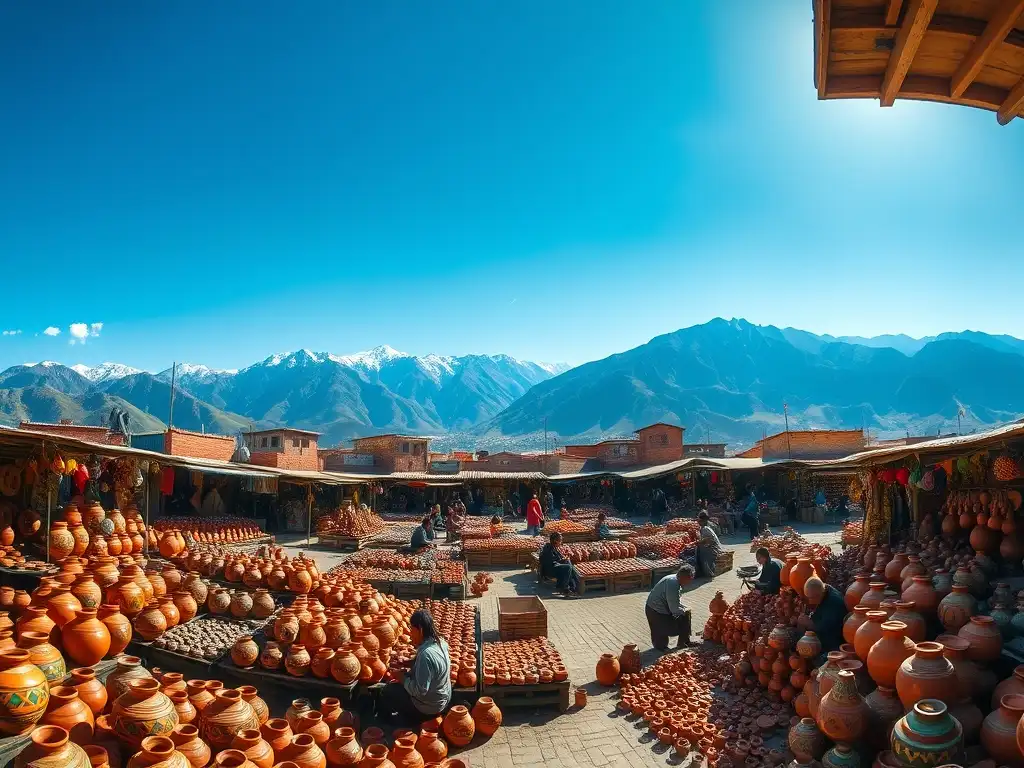
Step into a world lost to time, yet vibrantly alive in the artistry of the Andes. Imagine bustling Andean pottery markets, overflowing with centuries of tradition and breathtaking craftsmanship. From the intricate designs of the Moche to the enigmatic symbols of the Nazca, discover the secrets held within these ancient ceramics. Are you ready to uncover the vibrant heart of Andean culture? Then delve into the captivating world of Andean pottery and its enduring legacy.
- Andean Pottery Markets: Discovering the Finest Ceramics in Local Andean Markets
- Top Andean Pottery Markets: A Guide for Ceramics Enthusiasts
- How to Identify High-Quality Andean Ceramics
- Supporting Andean Artisans: Responsible Shopping Practices
- Beyond the Markets: Exploring Andean Pottery Culture
- Conclusion: Bringing Home a Piece of Andean Heritage
- Frequently Asked Questions
- Final Reflection: Echoes of Ancient Hands, Vibrant Hues of Today
- Unveil the Beauty of Andean Ceramics Today!
Andean Pottery Markets: Discovering the Finest Ceramics in Local Andean Markets
The Andes Mountains, a majestic spine running down the western coast of South America, are not only home to breathtaking landscapes but also to a rich tapestry of ancient cultures. For centuries, skilled artisans have crafted exquisite ceramics, reflecting the unique beliefs, traditions, and artistic sensibilities of the Andean civilizations. This article delves into the vibrant world of Andean pottery markets, offering a guide to discovering the finest examples of this captivating art form.
We'll explore the historical significance of Andean ceramics, the reasons to seek them out in local markets, and what makes authentic Andean pottery so special. Prepare to embark on a journey through time and artistry, uncovering the secrets hidden within the clay and the stories etched into each piece.
This exploration will help you understand the value and beauty of authentic Andean pottery, guiding you in your search for unique and historically significant pieces in the best Andean pottery markets. This guide is designed to help you navigate these markets, ensuring you find truly exceptional examples of Andean craftsmanship.
Unveiling the Rich Heritage of Andean Ceramics
Andean ceramics represent a remarkable continuity of artistic expression, spanning millennia. From the intricate designs of the Nazca culture, known for their geoglyphs and their equally stunning pottery, to the sophisticated artistry of the Inca Empire, each civilization left an indelible mark on ceramic traditions. Early Andean pottery often served practical purposes, such as storing food and water.
However, it quickly evolved into a powerful medium for expressing religious beliefs, social status, and artistic innovation. Consider the Moche culture, renowned for their highly realistic depictions of figures and scenes in their pottery, often showcasing intricate details and vibrant colors. These pieces provide invaluable insights into their daily lives, rituals, and worldview.
The Tiahuanaco culture, known for their monumental architecture, also produced distinctive ceramic styles, showcasing geometric patterns and stylized figures. Studying these diverse styles allows us to appreciate the evolution of Andean artistic expression and the cultural richness of the region. The enduring legacy of these ancient potters continues to inspire contemporary artisans, who carry on the traditions, adding their own unique flair to this timeless craft.
Why Explore Andean Pottery Markets? A Journey Through Time
Exploring Andean pottery markets offers a unique opportunity to connect with the past. Unlike mass-produced items, each piece found in these markets carries a story, reflecting the skills and traditions passed down through generations. Purchasing directly from artisans allows you to support local communities and contribute to the preservation of traditional crafts. Furthermore, the experience itself is enriching: interacting with artisans, learning about their techniques, and negotiating prices adds a personal dimension to your acquisition.
The variety and uniqueness of the pottery found in these markets is unmatched. You'll discover pieces that range from simple, functional vessels to elaborate ceremonial objects, each bearing its own unique character and history. The opportunity to find truly one-of-a-kind treasures, imbued with the spirit of the Andes, is a compelling reason to explore these vibrant marketplaces. It's a journey that transcends mere shopping; it's an immersion into a living cultural heritage.
The Allure of Authentic Andean Pottery: Beyond Mass Production
The appeal of authentic Andean pottery extends far beyond its aesthetic value. Unlike mass-produced imitations, genuine Andean ceramics are often crafted using traditional techniques, employing natural clays and pigments. This commitment to authenticity results in pieces with a unique texture, depth of color, and a subtle patina that develops over time.
The intricate details, often hand-painted or sculpted, reflect the dedication and skill of the artisans. Owning an authentic piece is not just about possessing an object; it's about owning a piece of history, a tangible link to a rich cultural heritage. The value of authentic Andean pottery appreciates over time, making it a sound investment and a cherished heirloom.
Moreover, supporting these artisans helps to preserve ancient traditions, ensuring that this invaluable art form continues to thrive for generations to come. Choosing authentic Andean pottery is choosing quality, history, and cultural preservation. It's a decision that supports both the artisans and the preservation of a unique and beautiful art form.
Top Andean Pottery Markets: A Guide for Ceramics Enthusiasts
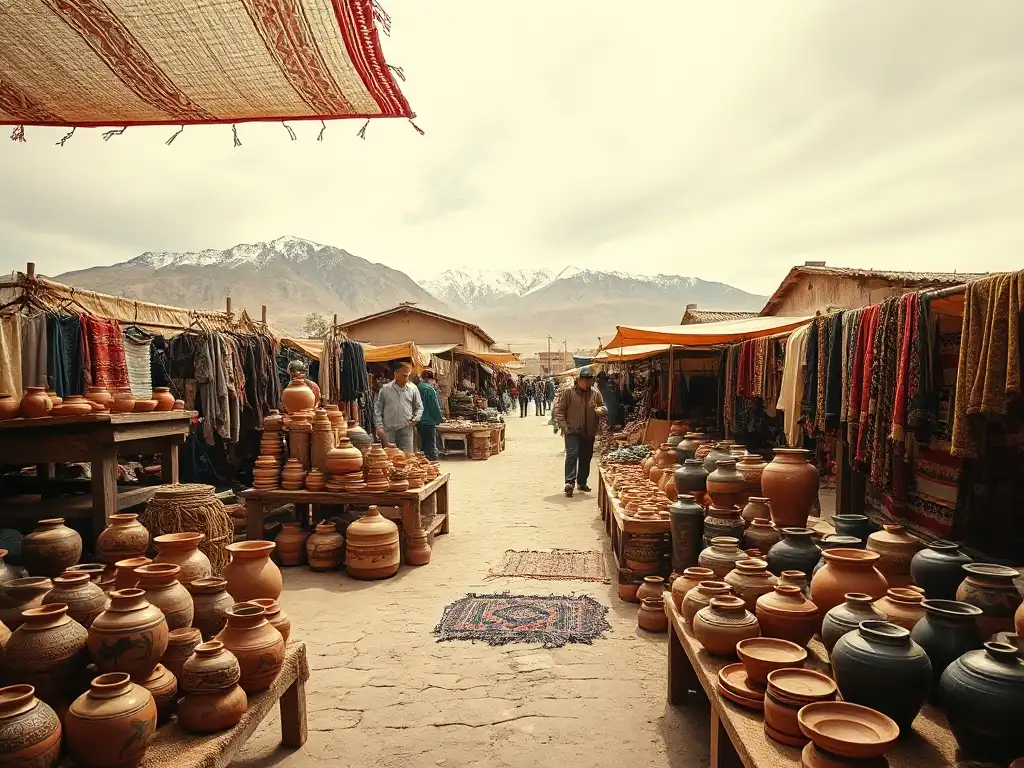
This section delves into the vibrant tapestry of Andean pottery markets, offering insights into where to find the most exquisite examples of this ancient art form. From the bustling streets of Pisac to the artisan workshops of Otavalo, we'll explore the unique characteristics of each market and provide tips for discerning collectors. This guide focuses on the best locations to find authentic Andean pottery, enriching your understanding of "Andean pottery markets."
Pisac Market, Peru: A Vibrant Hub for Traditional Pottery
Nestled in the Sacred Valley of the Incas, Pisac Market offers a kaleidoscope of Andean artistry, with pottery taking center stage. The market's atmosphere is electric, a vibrant blend of colors, sounds, and the earthy scent of freshly-fired clay. You'll find everything from simple utilitarian pieces to intricately decorated ceremonial vessels, showcasing the enduring legacy of Inca pottery traditions. The sheer variety ensures a rewarding experience for both casual browsers and serious collectors of Andean ceramics.
Finding Unique Hand-Painted Bowls and Plates in Pisac
Pisac is renowned for its hand-painted pottery. Many artisans utilize traditional techniques passed down through generations, employing natural pigments derived from local plants and minerals. Look for bowls and plates adorned with intricate geometric patterns, depictions of Andean flora and fauna, or symbolic representations of Inca mythology. These unique pieces are not only aesthetically pleasing but also offer a tangible connection to the rich cultural heritage of the region. Pay close attention to the detail and quality of the craftsmanship; subtle variations in brushstrokes and color application often indicate a higher level of skill.
Yma Sumac's Signature Style: A Collector's Item
While not directly sold in the market, the influence of renowned Peruvian soprano Yma Sumac is palpable in Pisac's pottery. Her unique style, often characterized by bold colors and stylized depictions of Andean landscapes, has inspired many contemporary artisans. Finding pieces that echo her aesthetic can be a rewarding challenge for collectors seeking a truly distinctive addition to their collection. Keep an eye out for pieces featuring vibrant hues of red, orange, and yellow, combined with intricate geometric designs – these are often telltale signs of this inspired style.
Negotiating Tips for the Best Prices on Pisac Pottery
Negotiation is customary in Pisac Market. Begin by politely inquiring about the price, then offer a lower amount, keeping in mind the value of the piece and the artisan's skill. A friendly and respectful approach will usually lead to a mutually agreeable price. Remember to smile, use basic Spanish phrases like "mucho gusto" (nice to meet you) and "gracias" (thank you), and show genuine appreciation for the artisan's work. This not only helps you secure a better price but also fosters a positive interaction with the local community. Remember, the goal is a fair price that respects both parties.
Otavalo Market, Ecuador: Weaving Traditions into Clay
Otavalo Market, situated in the highlands of Ecuador, is renowned for its textiles. However, the market also boasts a noteworthy collection of Andean pottery, often incorporating unique weaving techniques into the ceramic designs. This fusion of crafts highlights the interconnectedness of Andean artistic traditions. The pottery here often exhibits a distinct style, characterized by earthy tones and functional forms.
Exploring Otavalo's Unique Clay Weaving Techniques
Unlike the hand-painted pottery of Pisac, Otavalo's ceramic artisans sometimes incorporate weaving techniques directly into their work. This can involve creating textured surfaces reminiscent of woven fabrics or integrating actual textile elements into the ceramic pieces. These innovative techniques showcase the creativity and adaptability of Andean artisans, constantly evolving their craft while honoring ancient traditions. Observe the textures closely – some pieces might have subtle raised lines or patterns that mimic the look of woven cloth.
Handcrafted Ceramic Animals and Figurines: Perfect Souvenirs
Otavalo Market offers a delightful array of handcrafted ceramic animals and figurines, perfect souvenirs for travelers. These charming pieces often depict local fauna, such as llamas, alpacas, and condors, and are crafted with meticulous attention to detail. The earthy tones and simple yet elegant designs make them ideal additions to any collection, showcasing the enduring appeal of Andean folk art. These smaller pieces are also generally more affordable, making them accessible to a wider range of budgets.
Taller de Cerámica Inti's Specialization: Earthenware and Decorative Pieces
While many artisans sell their wares directly in the market, seeking out specialized workshops like Taller de Cerámica Inti (or similar workshops) can provide access to unique, higher-quality pieces. These workshops often specialize in specific types of pottery, such as earthenware or highly decorative pieces. By visiting the workshops, you can learn more about the techniques involved and potentially commission custom-made ceramics. This offers a more personalized and deeper engagement with the craft of Andean pottery.
Chinchero Market, Peru: A Blend of History and Artistry
Chinchero Market, nestled high in the Andes near Cusco, Peru, offers a captivating blend of history and artistry. Its location, steeped in Incan heritage, imbues the pottery with a unique spiritual significance. The market itself is a vibrant spectacle, overflowing with textiles, ceramics, and other handicrafts, creating an immersive experience for visitors.
The air is thick with the scent of freshly tilled earth and the chatter of Quechua, the native language, adding to the authentic atmosphere. More than just a place to buy souvenirs, Chinchero Market provides a window into the enduring traditions of Andean pottery making. The artisans themselves often demonstrate their skills, offering a glimpse into their time-honored techniques.
This direct interaction with the creators adds a personal touch, making the experience even more enriching. The market's strategic location, close to significant Incan ruins, further strengthens its connection to the rich cultural history of the region. This proximity enhances the appreciation of the pottery's historical context and its enduring legacy.
Chinchero's Legacy: Discovering Pottery with Incan Influences
The pottery found in Chinchero Market often reflects a direct lineage to Incan traditions. Many pieces showcase motifs and designs reminiscent of Incan iconography, including geometric patterns, stylized animals, and representations of deities. These designs aren't simply copied; they are reinterpreted and adapted by contemporary artisans, demonstrating a continuous evolution of artistic expression.
The use of specific colors and techniques also hints at Incan influences. For example, the prevalence of earthy tones, such as terracotta, brown, and ochre, reflects the readily available natural pigments of the region. These colors were favored by Incan potters, and their continued use speaks to the enduring connection to ancestral practices.
Some pieces even incorporate traditional Incan techniques, such as the use of slip and burnishing to create a smooth, polished finish. This blend of tradition and innovation makes Chinchero pottery particularly significant, showcasing the enduring strength of cultural heritage. The market provides an opportunity to observe these historical influences, allowing visitors to appreciate the continuity of Andean artistic practices across generations.
Natural Pigments and Traditional Firing Techniques in Chinchero Pottery
The vibrant colors of Chinchero pottery are derived almost exclusively from natural pigments sourced from the surrounding Andean landscape. These pigments, including clays, minerals, and plant extracts, are carefully prepared and mixed to achieve the desired hues. This commitment to natural ingredients not only reflects a respect for the environment but also contributes to the unique character of the pottery. The color palette is typically warm and earthy, reflecting the tones of the Andean landscape itself.
This natural approach is further reflected in the traditional firing techniques employed. Many artisans still use open-air kilns, a method passed down through generations. This method, while requiring significant skill and experience, produces pottery with a distinctive texture and finish.
The uneven heating process can sometimes lead to subtle variations in color and glaze, adding to the individual character of each piece. These traditional firing techniques are a testament to the resilience and adaptability of Andean pottery-making traditions. The resulting pottery is not just aesthetically pleasing; it also represents a deeply rooted connection to the land and its resources.
Q'ero Pottery: Understanding the Significance
Within the broader context of Chinchero's pottery scene, the Q'ero people's ceramics deserve special attention. The Q'ero, a Quechua-speaking community, maintain remarkably traditional ways of life, and their pottery reflects this. Their ceramics often feature intricate designs and symbolic motifs deeply rooted in their spiritual beliefs and cosmology.
These designs frequently depict sacred mountains, celestial bodies, and other elements central to their worldview. The pottery itself is not just utilitarian; it often serves as a conduit for spiritual practice, used in rituals and ceremonies. Understanding the significance of Q'ero pottery requires appreciating the cultural context in which it is created and used.
This understanding adds an extra layer of depth to the appreciation of these unique pieces. Acquiring Q'ero pottery from Chinchero Market offers a chance to engage with a living tradition, supporting the continuation of this valuable cultural heritage. It’s crucial to approach the purchase with respect and understanding of its cultural and spiritual importance.
La Paz Markets, Bolivia: A Treasure Trove of Diverse Ceramics
La Paz, Bolivia, boasts a vibrant and diverse range of markets, each offering a unique selection of Andean ceramics. These markets, scattered throughout the city, provide a captivating tapestry of styles, techniques, and artistic expressions. From the bustling street markets of El Alto to the more curated shops in the city center, the variety is astonishing. Visitors can find everything from simple, functional pottery to highly elaborate and intricately decorated pieces.
The sheer scale and diversity of the offerings make La Paz a potter's paradise, offering something to suit every taste and budget. The experience of navigating these markets is itself a journey of discovery, offering glimpses into the lives and artistic practices of Bolivian artisans. The interaction with the artisans, many of whom are indigenous, adds another layer of authenticity to the experience.
Exploring the Variety of Pottery Styles in La Paz
The pottery styles found in La Paz's markets reflect the rich ethnic diversity of Bolivia. Different regions and communities have their own distinct artistic traditions, resulting in a wide array of styles and techniques. Some pottery features geometric patterns reminiscent of pre-Columbian designs, while others incorporate more contemporary influences. The use of colors and materials also varies considerably, depending on the region of origin.
For instance, some pottery utilizes bright, contrasting colors, while others stick to more muted earth tones. This diversity makes exploring La Paz's markets a rewarding experience for those interested in Andean art. The sheer variety on offer allows visitors to discover unique pieces that reflect the rich tapestry of Bolivian cultural heritage. The markets offer a dynamic and ever-changing landscape of artistic expression, making each visit a new adventure.
Ceramic Masks and Ritualistic Pieces: A Glimpse into Andean Spirituality
Among the most captivating pieces found in La Paz's markets are the ceramic masks and ritualistic objects. These pieces often reflect the deeply spiritual beliefs and practices of Andean cultures. The masks, frequently depicting deities or ancestral spirits, are not simply decorative; they play an important role in various ceremonies and rituals. Similarly, many other ceramic objects found in these markets hold symbolic significance, representing specific beliefs or practices.
These pieces offer a fascinating glimpse into the spiritual world of the Andean peoples. Careful observation reveals intricate details and symbolic elements that speak volumes about their cultural significance. Acquiring these pieces responsibly, understanding their cultural context, is crucial for respecting the traditions they represent. Many of these pieces are handcrafted and reflect a deep connection to ancestral practices.
Artesanías El Condor's Focus on Functional Pottery
While many markets in La Paz showcase a wide range of decorative ceramics, Artesanías El Condor stands out for its focus on functional pottery. This shop, known for its high-quality craftsmanship and commitment to traditional techniques, offers a selection of everyday pottery items, such as bowls, plates, and jugs. These pieces are not only beautiful but also durable and practical, reflecting a commitment to both aesthetics and functionality. The emphasis on function highlights a different aspect of Andean pottery—its role in daily life—often overlooked in favor of more decorative pieces.
By focusing on functional items, Artesanías El Condor demonstrates the enduring practical importance of Andean pottery-making traditions. The shop offers a unique perspective on the versatility and adaptability of Andean ceramic artistry. This focus on functional pottery serves as a reminder of the pottery's historical role in everyday life, beyond its artistic merit.
How to Identify High-Quality Andean Ceramics
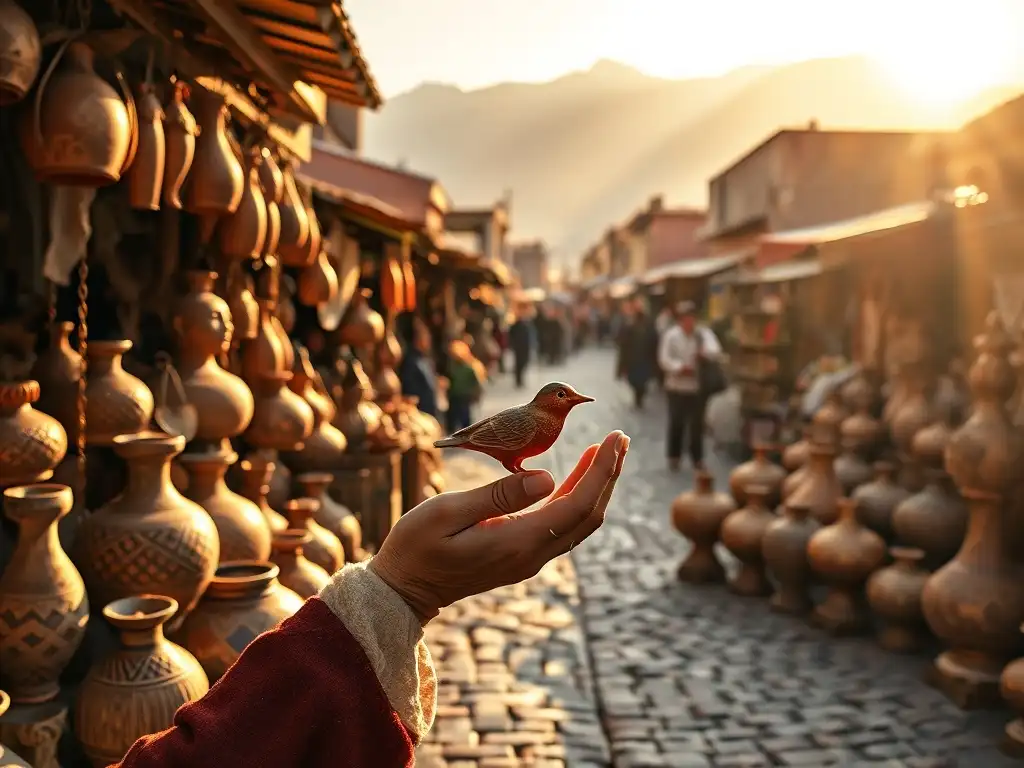
This section delves into the nuances of discerning authentic and high-quality Andean ceramics from imitations and mass-produced items. Understanding these distinctions is crucial for any serious collector or enthusiast seeking to acquire genuine pieces reflecting the rich artistic heritage of Andean cultures. Navigating the world of Andean pottery markets requires a discerning eye and a knowledge of the key characteristics that separate exceptional craftsmanship from mere tourist trinkets. This guide will equip you with the tools to make informed and rewarding purchases.
Key Characteristics of Authentic Andean Pottery
Authentic Andean pottery boasts a unique combination of artistic expression and technical skill developed over millennia. Several key features help distinguish genuine pieces:
The Importance of Handmade Techniques in Andean Ceramics
The hallmark of high-quality Andean ceramics is the evident hand-craftsmanship. Look for subtle imperfections – slight variations in shape, texture, and paint application – that are inherent to the handmade process. These irregularities are not flaws but rather testament to the artisan's skill and the unique nature of each piece.
Mass-produced pottery, on the other hand, exhibits a uniformity and precision that lacks the character of handcrafted items. Consider the feel of the piece; a truly handmade pot often has a unique tactile quality, a warmth and irregularity not present in factory-made imitations. The presence of tool marks or finger imprints can also be a strong indicator of authenticity.
Recognising Local Clay Types and Natural Pigments
Andean potters traditionally utilize locally sourced clays, each with its distinctive color and texture. These clays often impart a unique character to the finished piece. Similarly, the pigments used are frequently derived from natural sources, such as minerals and plants. These natural pigments often exhibit subtle variations in shade and intensity, adding to the overall uniqueness of the piece. Pay close attention to the color and texture of the clay body.
Does it feel earthy and natural? Are the colors rich and subtle, or overly bright and uniform? A keen eye can discern the difference between natural pigments and synthetic dyes. For example, the deep reds and blacks found in some pre-Columbian pottery were often achieved through the use of iron oxides and manganese, producing a vibrancy that synthetic dyes often struggle to replicate.
Differentiating Authentic Pieces from Mass-Produced Copies
Identifying mass-produced copies requires a critical eye. Mass-produced Andean pottery often lacks the subtle details, imperfections, and variations in texture and color that characterize authentic pieces. The designs may appear overly crisp and uniform, lacking the organic feel of hand-painted motifs. Furthermore, the quality of the clay and glaze may be inferior, appearing less refined and potentially brittle.
Examine the base of the piece. Authentic pieces often show evidence of hand-shaping and firing, while mass-produced items may have a cleaner, more uniform base. Finally, be wary of pieces that are overwhelmingly perfect; the absence of any imperfections can be a telltale sign of mass production. The presence of a maker's mark or a stamp can sometimes indicate authenticity, but always be critical and compare it to known examples.
Questions to Ask When Purchasing Andean Pottery
Beyond visual inspection, engaging in conversation with the seller can provide invaluable insights into the provenance and authenticity of a piece. Asking the right questions will elevate your understanding and enhance your purchasing experience.
Inquiring About the Artist's Process and Inspiration
Engage the seller in a conversation about the artisan's process. Inquire about the techniques employed, the origin of the clay, and the inspiration behind the design. A knowledgeable seller should be able to provide detailed information about the creation of the piece, including the firing process and any unique characteristics of the clay or pigments used.
Understanding the artist’s process provides context and adds depth to your appreciation of the piece. For instance, asking about the type of kiln used – traditional open-air versus a modern electric kiln – can reveal insights into the authenticity and craftsmanship involved. The seller’s ability to articulate this information can demonstrate their knowledge and the piece's authenticity.
Understanding the Significance of Motifs and Designs
Andean pottery often features intricate motifs and designs with deep cultural and symbolic meaning. Inquire about the significance of any specific symbols or patterns found on the piece. Understanding the cultural context adds another layer of appreciation and value. For example, a specific bird or geometric pattern may represent a particular deity, clan, or historical event, adding significant meaning to the piece beyond its aesthetic qualities. The seller’s ability to explain these symbols provides valuable context and reinforces the authenticity of the item. A lack of knowledge about the motifs might raise concerns about the piece's provenance.
Requesting Certificates of Authenticity: Ensuring Your Purchase's Value
While not always available, a certificate of authenticity can provide added assurance of a piece's origin and value. Inquire about the possibility of obtaining such a certificate. A reputable seller should be able to provide documentation verifying the artisan, the materials used, and the authenticity of the piece. This document serves as a guarantee of the piece's provenance and can significantly increase its resale value.
However, remember that even the absence of a certificate doesn't automatically disqualify a piece, especially if other indicators point toward authenticity. The overall context, including your interactions with the seller and your own visual assessment, plays a crucial role in determining a piece's value and authenticity. 🧐
Supporting Andean Artisans: Responsible Shopping Practices
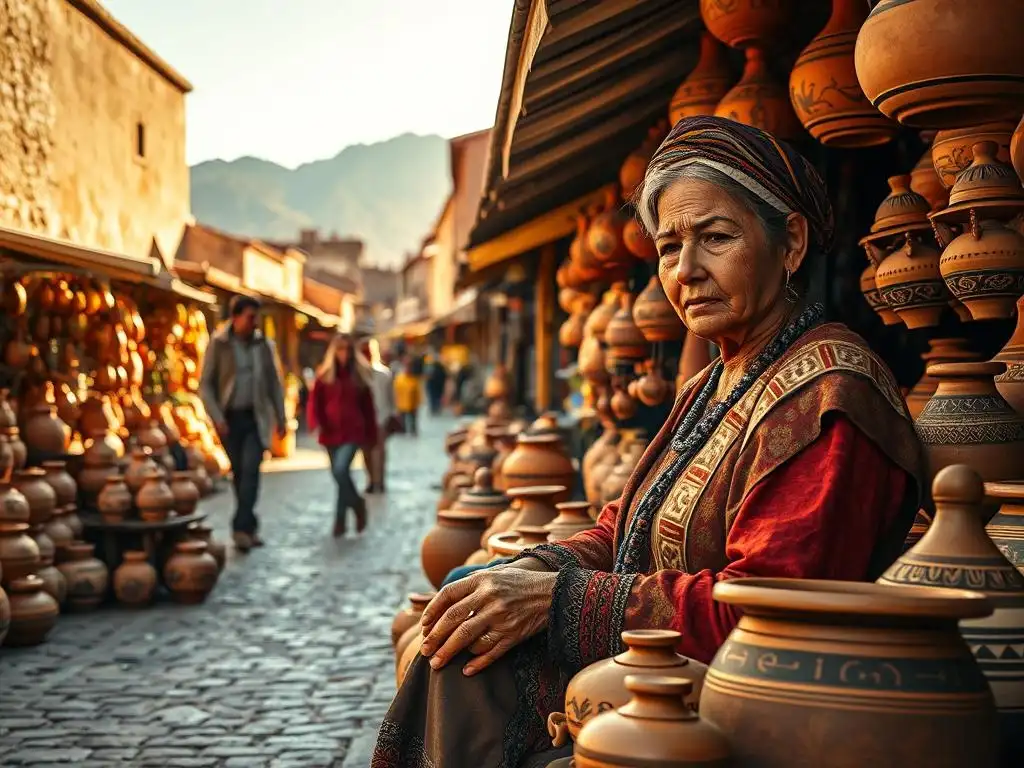
Choosing to purchase Andean pottery is a wonderful way to appreciate the rich artistic heritage of the region and support its vibrant cultural landscape. However, it's crucial to ensure your purchases contribute positively to the Andean communities and environment. Responsible shopping goes beyond simply acquiring a beautiful piece; it's about ethical consumption that empowers artisans and safeguards traditional practices. This section will guide you through the key aspects of responsible purchasing in Andean pottery markets.
The Importance of Buying Directly from Artisans
Buying directly from artisans is the most effective way to ensure fair compensation and support the preservation of traditional techniques. Bypassing intermediaries means a larger portion of the sale price reaches the artisan, allowing them to reinvest in their craft and sustain their livelihoods. This direct interaction also offers an invaluable opportunity to learn about the creation process, the history behind the designs, and the cultural significance of the pottery. You'll discover the stories woven into each piece, adding a deeper layer of appreciation to your purchase.
For example, the intricate designs on a Moche-style ceramic may reflect ancient myths and rituals, a knowledge shared directly by the artisan. This personal connection fosters a greater understanding and respect for Andean craftsmanship. Remember, each pot tells a story – make sure you're hearing it from the person who created it.
Fair Trade Practices and Sustainable Sourcing
While buying directly from artisans is paramount, it's also vital to consider fair trade principles and sustainable sourcing. Look for markets or shops that explicitly support fair trade practices, ensuring artisans receive fair wages and safe working conditions. Sustainable sourcing means the clay used in the pottery comes from responsible sources, minimizing environmental impact. Many artisans utilize locally sourced clay and traditional firing methods, minimizing their carbon footprint.
This commitment to sustainability is reflected not just in the materials but also in the longevity of the pieces themselves. High-quality, ethically sourced Andean pottery is built to last, becoming a treasured heirloom passed down through generations. Consider the long-term value and impact of your purchase; choosing sustainably sourced pottery is an investment in both the artisan's future and the planet's health.
Preserving Andean Traditions: Your Role as a Conscious Consumer
Your role as a conscious consumer is integral to the preservation of Andean traditions and the empowerment of Andean artisans. Every purchase you make sends a message. By choosing to support ethical and sustainable practices, you're not just buying a piece of pottery; you're actively participating in the preservation of a rich cultural legacy. You're contributing to the economic stability of Andean communities and ensuring that these invaluable artistic traditions continue to thrive for generations to come.
This conscious consumerism extends beyond the immediate transaction; it includes educating yourself about the origins of the pottery, respecting the cultural significance of the designs, and sharing your knowledge with others. By supporting Andean artisans, you become a participant in a vibrant cultural exchange, ensuring that the beauty and artistry of Andean pottery continue to inspire and enrich the world. The legacy of Andean pottery is in your hands; choose wisely.
Beyond the Markets: Exploring Andean Pottery Culture
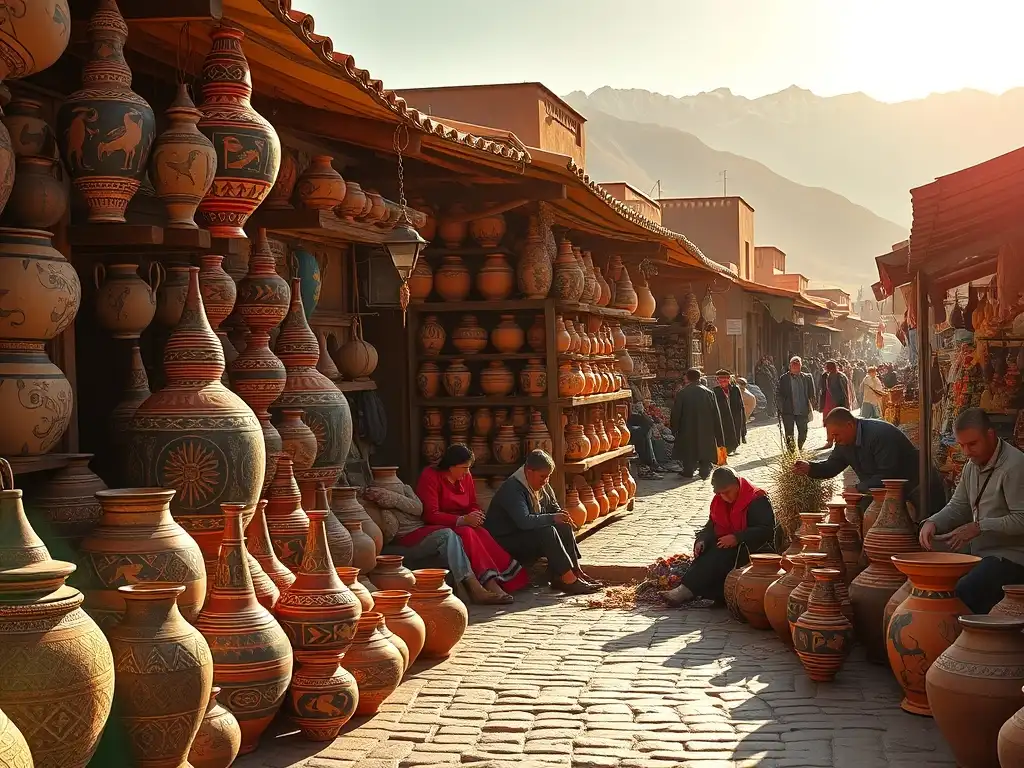
This section delves deeper into the cultural significance of Andean pottery, moving beyond the simple act of purchasing a piece to understanding its creation and historical context. Acquiring Andean pottery is not just about acquiring a beautiful object; it's about connecting with a rich artistic tradition spanning millennia. Understanding the cultural nuances enhances the appreciation and value of these incredible artifacts.
The vibrant colors, intricate designs, and the sheer skill involved in their creation tell a story much richer than any price tag. From the simple, functional vessels of daily life to the elaborate ceremonial pieces, Andean pottery reveals a profound connection between the people and their environment, reflecting their beliefs, rituals, and daily lives.
This enduring legacy continues to inspire awe and fascination in contemporary audiences, making the search for authentic Andean pottery a truly enriching experience. The cultural context adds layers of depth and meaning, transforming a simple purchase into a meaningful connection with history.
Visiting Local Workshops: Witnessing the Craftsmanship Firsthand
Many communities continue the ancient traditions of Andean pottery making. Visiting a local workshop provides an unparalleled opportunity to witness firsthand the dedication and skill involved in creating these exquisite pieces. You can observe potters shaping clay on a spinning wheel, painstakingly applying intricate designs, and firing the pieces in traditional kilns.
This immersive experience allows you to appreciate the artistry involved and to understand the time and effort that goes into each piece. You may even find opportunities to participate in simple pottery-making activities, offering a unique and memorable souvenir beyond simply purchasing a finished product. The direct interaction with the artisans offers insight into their lives and their connection to their craft, adding a personal dimension to your understanding of Andean pottery.
This is a chance to support local artisans and contribute directly to the preservation of this important cultural heritage. Remember to be respectful of the artisans' space and time, and always ask before taking photos.
Learning About Andean Pottery Techniques: A Hands-On Experience
Beyond observation, consider seeking out workshops offering hands-on pottery experiences. Numerous locations offer classes ranging from beginner-level introductions to more advanced techniques. These experiences provide a deeper understanding of the challenges and rewards of creating Andean pottery. You'll learn about different clay types, shaping methods (like coil building or pinch pot techniques), decorative styles, and firing processes.
Participating in a workshop directly connects you to the ancient techniques, allowing you to appreciate the technical skill involved in creating these intricate designs. This immersive experience goes beyond passive observation, offering a tangible connection to the cultural heritage of Andean pottery. Some workshops even specialize in replicating pre-Columbian techniques, providing a truly unique and educational experience. This active participation contributes not only to a deeper understanding but also to the preservation of these traditional crafts.
Museo de Arte Precolombino (MAP): Deepening Your Understanding
For a more structured and comprehensive understanding of Andean pottery, a visit to the Museo de Arte Precolombino (MAP) or similar museums is highly recommended. These institutions house extensive collections of Andean artifacts, including a wide array of pottery from various cultures and periods. The museum's exhibits provide valuable context, showcasing the evolution of pottery styles and techniques over centuries.
Detailed descriptions, historical information, and comparative displays enhance your appreciation of the artistry and cultural significance of the pieces. Examining pottery within a broader historical and cultural context helps you to understand its role within the ancient Andean societies. The museum's curatorial expertise offers insights often unavailable elsewhere, enriching your appreciation of the intricate details and symbolism embedded within the pottery.
Furthermore, many museums offer guided tours and educational programs that further deepen your understanding of Andean pottery and its place within the wider cultural landscape. The museum experience is an essential complement to exploring the markets, offering a comprehensive and scholarly perspective.
Conclusion: Bringing Home a Piece of Andean Heritage
This exploration of Andean pottery markets has hopefully illuminated the vibrant tapestry of artistry and tradition woven into each piece. From the intricate designs of the Nazca to the sophisticated craftsmanship of the Inca, these ceramics are not merely decorative objects; they are tangible links to a rich and complex past. Understanding the nuances of Andean pottery—its history, techniques, and regional variations—enhances the experience of acquiring a piece, transforming it from a souvenir into a cherished heirloom.
The thrill of the hunt, the negotiation with artisans, and the stories embedded within each pot contribute to a unique and rewarding journey. Remember that responsible purchasing directly supports local communities and helps preserve these invaluable cultural traditions for generations to come. The enduring legacy of Andean pottery is in your hands.
The Enduring Legacy of Andean Ceramics
Andean ceramics represent a remarkable continuity of artistic expression spanning millennia. The techniques and styles evolved over time, reflecting the changing societies and beliefs of the Andean cultures. The use of natural pigments, the mastery of firing techniques, and the symbolic significance of designs all contribute to the enduring appeal of these artifacts.
Consider, for example, the iconic Moche pottery, renowned for its lifelike depictions of scenes from daily life and mythology. These pieces offer a fascinating glimpse into the social structures, religious practices, and artistic sensibilities of the Moche civilization. Similarly, the Nazca's mastery of intricate designs, often featuring geometric patterns and stylized creatures, showcases their advanced artistic skills and deeply rooted spiritual beliefs.
Even today, many contemporary Andean artisans continue these traditions, incorporating ancient techniques into their modern creations, thus ensuring that the legacy of Andean ceramics continues to flourish. This blend of ancient techniques and modern interpretations makes each piece unique and valuable.
More than just Souvenirs: Investing in Art and Tradition
Acquiring Andean pottery is more than just purchasing a souvenir; it's an investment in art and tradition. These handcrafted pieces are often made using time-honored techniques passed down through generations of artisans. The materials themselves—clay sourced from local deposits, pigments derived from natural minerals—connect the artwork directly to the land and its history.
The value of these pieces extends beyond their monetary worth. They represent a cultural heritage, a testament to human creativity and resilience. Owning a piece of Andean pottery is akin to owning a piece of history, a tangible connection to a civilization that profoundly shaped the Andean region.
Furthermore, responsible purchasing supports the continuation of these traditions, empowering local artisans and contributing to the economic vitality of Andean communities. Choosing authentic, handcrafted pieces ensures that you are not only acquiring a beautiful object but also contributing to the preservation of a living cultural heritage. This makes the purchase a meaningful investment, both aesthetically and ethically.
Where to Begin Your Journey in Andean Pottery Markets
Navigating the world of Andean pottery markets requires careful consideration and a discerning eye. Researching different markets beforehand can significantly enhance your experience. Consider factors such as the reputation of the market, the range of pottery offered, and the authenticity of the pieces.
Engaging with the artisans directly allows you to learn about the creation process, the inspiration behind the designs, and the stories embedded within each piece. Don't hesitate to ask questions; this interaction adds a personal touch and deepens your appreciation for the artwork. Remember to be respectful of local customs and traditions, and negotiate prices fairly.
By approaching your search with an open mind, a willingness to learn, and a respect for the cultural heritage, you can embark on a rewarding journey that results in acquiring a truly special and meaningful piece of Andean art. This careful approach will ensure you find a treasure that reflects the richness and diversity of Andean pottery.
Frequently Asked Questions
Where can I find authentic Andean pottery?
You can find authentic Andean pottery in local markets throughout the Andes region. Look for markets in cities like Cusco, Arequipa, and Otavalo, known for their vibrant artisan traditions. Smaller, local markets often offer more unique pieces.
What are the most common types of Andean pottery?
Common types include aryballos (small perfume bottles), kero (ceremonial cups), and various types of bowls and plates. Styles vary greatly depending on the specific culture and time period. You might find pieces decorated with intricate designs and vibrant colors.
How can I tell if a piece of Andean pottery is authentic?
Examine the pottery's craftsmanship, looking for hand-painted details and imperfections that indicate it's handmade. Research the styles of different Andean cultures to better identify the piece's origin and authenticity. Be wary of overly perfect or mass-produced items.
Are there any specific markets known for high-quality Andean pottery?
Yes! Pisac Market near Cusco and Otavalo Market in Ecuador are renowned for their extensive collections of Andean ceramics. Many smaller markets in villages throughout the Andes region also offer unique and high-quality pottery.
How can I ensure I'm supporting local artisans when buying Andean pottery?
Look for markets and shops that explicitly support local artisans. Engage with the sellers, ask about the pottery's origin and creation process, and be prepared to negotiate a fair price. Buying directly from artisans ensures they receive a fair share of the profit.
Final Reflection: Echoes of Ancient Hands, Vibrant Hues of Today
The vibrant artistry of Andean ceramics isn't just a relic of the past; it's a living tradition, a testament to enduring cultural heritage that continues to thrive in bustling local markets. These markets, far from being mere commercial spaces, are dynamic hubs where ancient techniques meet modern innovation, offering a tangible connection to a rich history. The beauty and skill embedded in each piece are a powerful reminder of the enduring human spirit and the capacity for artistic expression to transcend time.
The journey through these markets, encountering the passionate artisans and their breathtaking creations, has profoundly impacted my understanding of Andean culture. It's a world where generations of knowledge are passed down through the skillful shaping of clay, each pot a story whispered across centuries. The hands that shape the clay are the hands that shape the future,
a wise artisan once told me, and these words resonate deeply with the enduring legacy of Andean pottery. The impact of this tradition extends beyond the aesthetic; it's a vital part of the economic and social fabric of the communities that create it.
So, as you consider your next journey, remember the stories held within each piece of Andean pottery. Seek out these markets, not just as a tourist, but as a participant in a living cultural exchange. Engage with the artisans, learn about their techniques, and appreciate the profound artistry that has been passed down through generations. Let the vibrant colors and intricate designs inspire you, and carry a piece of this rich heritage with you, a tangible reminder of the enduring power of human creativity.
Unveil the Beauty of Andean Ceramics Today!
Thank you for exploring the vibrant world of Andean ceramics with us! We hope you've gained a deeper appreciation for the art, culture, and craftsmanship behind these remarkable pieces. Now, let's turn that inspiration into action!
- Visit a local artisan market or gallery to discover authentic Andean ceramics and support talented craftspeople. Find unique pieces that tell a story, perfect for adding character to your home or as meaningful gifts.
- Share your discoveries and experiences on social media using #AndeanCeramics to connect with other enthusiasts and inspire others to appreciate this rich heritage.
- Deepen your knowledge and appreciation of Andean ceramics. Consider joining online communities or forums dedicated to Andean art to connect with passionate collectors and artists.
What beautiful piece of Andean pottery will you add to your collection? Share your thoughts below!