
Coca's Economic Impact: Trade and Barter in the Ancient Andean World


Unravel the mysteries of the Andes! Journey with us through time to discover a world shaped by ingenuity and ambition. Beyond the breathtaking landscapes, lies a complex tapestry of ancient societies, their vibrant cultures interwoven with the intriguing story of Ancient Andean coca trade routes. Prepare to be captivated by the economic power of this sacred leaf and its profound impact on the Andean world. Dive in and explore!
The Andean region, home to a diverse array of ancient civilizations, boasts a rich history deeply intertwined with the cultivation and trade of coca. Far from being merely a recreational substance, coca held immense economic and social significance, shaping trade networks, influencing political power dynamics, and playing a crucial role in daily life for societies such as the Inca, Moche, Nazca, and Tiahuanaco.
This article delves into the intricate world of ancient Andean coca trade routes, exploring how this remarkable plant fueled economic activity and shaped the cultural landscape of the region. We will examine the evidence for extensive trade networks, the methods of exchange (barter systems primarily), and the economic implications of coca production and distribution across the vast Andean territories, analyzing its impact on both local communities and broader regional economies.
Understanding coca's economic impact provides crucial insight into the complexity and sophistication of ancient Andean societies. The exploration of "Ancient Andean coca trade routes" reveals much about their social structures, political organization, and economic strategies.
Introduction to Coca's Role in Andean Economies
Coca ( Erythroxylum coca) wasn't simply a crop; it was a cornerstone of the Andean economy. Its leaves, prized for their stimulating and nutritional properties, were integral to daily life, religious rituals, and economic transactions. Evidence suggests that coca cultivation was widespread, adapting to diverse Andean ecological zones from coastal valleys to high-altitude slopes.
The sheer scale of coca production required sophisticated agricultural techniques, including terracing and irrigation systems – testament to the advanced agricultural knowledge of these civilizations. The economic importance of coca is further underscored by its presence in archaeological sites across the Andes, with coca leaves found in tombs, alongside other valuable goods, indicating its high value and symbolic significance.
Detailed analysis of these archaeological finds, combined with ethnohistorical accounts, paints a picture of a complex and dynamic economic system heavily reliant on coca. The plant's versatility extended beyond its direct consumption; coca leaves were also used in medicinal preparations, offering additional economic opportunities through trade in herbal remedies.
Mapping Ancient Andean Coca Trade Routes
Reconstructing the precise routes of ancient Andean coca trade presents a challenge. However, archaeological findings, combined with ethnographic studies of later Andean societies, offer valuable clues. Evidence suggests that coca, grown primarily in specific ecological zones, was transported across vast distances, indicating well-established trade networks connecting different regions.
These networks likely involved a complex interplay of local and regional exchanges, with coca moving along established trails and waterways. The presence of coca remnants in distant archaeological sites, often alongside other traded goods like textiles, ceramics, and precious metals, supports the hypothesis of extensive long-distance trade.
Furthermore, the distribution patterns of coca cultivation and the presence of coca-related artifacts suggest the existence of both regional and inter-regional trade routes, connecting coastal communities with those in the highlands. The exact nature of these routes and the organizational structures behind them remain areas of ongoing research, but preliminary findings suggest a level of sophistication that far surpasses simple local exchange.
Barter Systems and the Value of Coca
The ancient Andean economies largely relied on barter systems, with coca acting as a significant medium of exchange. Its value varied depending on factors such as leaf quality, quantity, and the specific needs of the trading partners. Coca could be exchanged for a wide range of goods and services, including textiles, pottery, tools, and even labor.
The use of coca as a form of payment highlights its perceived value and its central role in the Andean economic system. The relative value of coca compared to other goods likely fluctuated depending on factors such as supply, demand, and seasonal variations.
Further research is needed to fully understand the complex dynamics of these barter systems and the ways in which the value of coca was determined and negotiated in different contexts. However, the evidence strongly suggests that coca was a key commodity, influencing the economic relations and power dynamics within and between Andean communities.
The Influence of Coca on Andean Political Structures
The control and distribution of coca likely played a significant role in shaping the political landscape of the ancient Andes. Access to coca resources could confer economic and social power, giving those who controlled coca production and trade considerable influence. The Inca Empire, for example, is known to have implemented sophisticated systems for managing coca production and distribution, using it as a form of tribute and reward.
This highlights the strategic importance of coca in maintaining political stability and consolidating power. The control of coca trade routes could have been a source of conflict and competition between different groups, highlighting the political and economic significance of this valuable plant.
Further research into the relationship between coca control and political power in different Andean societies is needed to fully understand its impact on social structures and political organization. The role of coca in shaping political power dynamics is a key aspect of understanding the complexities of ancient Andean civilizations.
- Introduction to Coca's Role in Andean Economies
- Mapping Ancient Andean Coca Trade Routes
- Barter Systems and the Value of Coca
- The Influence of Coca on Andean Political Structures
- What role did coca play in the Ancient Andean economies?
- How did the coca trade impact the development of Andean societies?
- What were the main Ancient Andean coca trade routes?
- What other goods were traded alongside coca in the Ancient Andean world?
- How did archaeologists learn about the ancient Andean coca trade?
The Significance of Coca in Ancient Andean Life
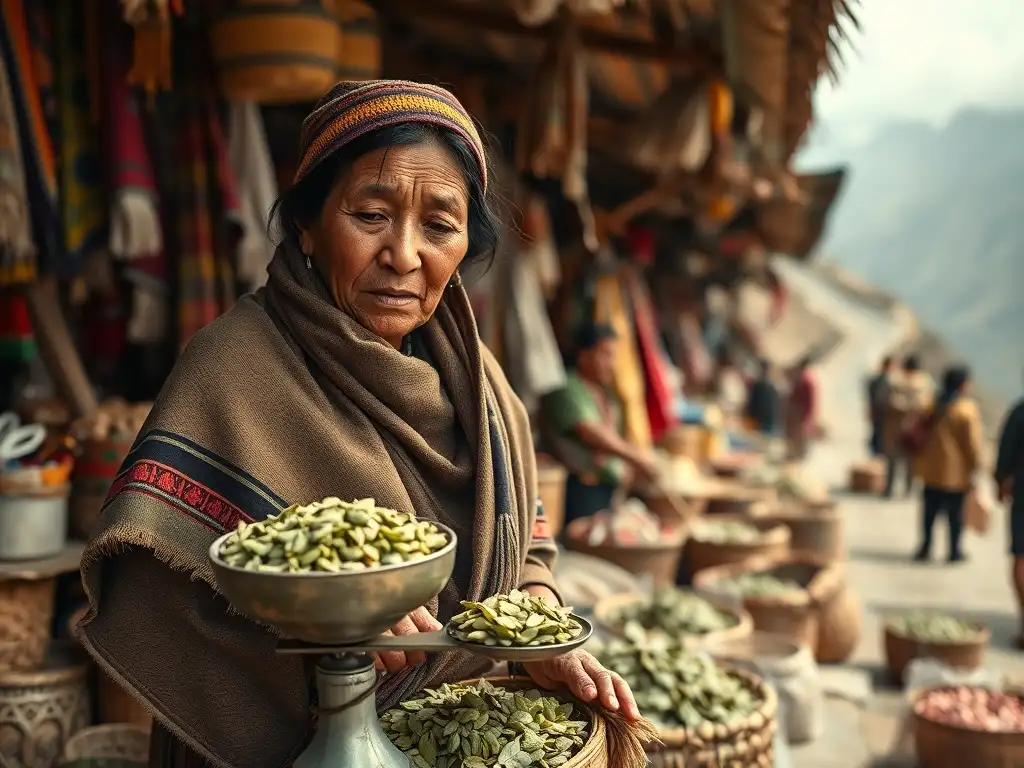
Coca ( Erythroxylum coca) held a position of paramount importance in the lives of ancient Andean peoples, far exceeding its simple use as a stimulant. Its influence permeated every facet of their societies, from daily life to elaborate religious ceremonies. Understanding coca's multifaceted role is crucial to comprehending the complex social, economic, and spiritual fabric of these civilizations.
The sheer scale of coca cultivation and its integration into trade networks underscore its profound significance. This section will explore the crucial role coca played, highlighting its cultural and ritual importance, and its position as a vital resource within the ancient Andean economy.
Coca's Cultural and Ritual Importance
Coca leaves weren't merely a source of energy; they were deeply intertwined with Andean cosmology and spirituality. Archaeological evidence, including depictions on pottery and textiles, consistently portrays coca leaves alongside deities and in ceremonial contexts. For example, Moche pottery often shows figures offering coca leaves as part of rituals, suggesting its use in appeasing the gods or communicating with the spirit world.
The leaves were not just consumed; they were offered as gifts, used in divination practices, and incorporated into burial rites, symbolizing a connection between the living and the dead. This deep-seated spiritual significance is reflected in the meticulous cultivation and preservation of coca plants, treated with reverence and respect. The precise rituals varied among different Andean cultures, but the central role of coca in their spiritual practices remained consistent throughout.
The use of coca also extended beyond formal religious ceremonies into everyday life. Chewing coca leaves was a common practice, providing energy and suppressing hunger and altitude sickness, especially valuable in the challenging Andean terrain. This daily use fostered a strong cultural association with the plant, solidifying its place within the fabric of Andean society.
The social implications of coca use were extensive, impacting social interactions, strengthening community bonds, and even serving as a form of social currency in some contexts. The profound cultural significance of coca is therefore inextricably linked to its economic importance, forming a complex web of social and religious practices.
Coca as a Vital Resource
Beyond its cultural and spiritual significance, coca served as a vital economic resource in the Ancient Andean world. Its cultivation, processing, and trade generated significant wealth and influenced the development of complex trade networks spanning vast distances across the Andes. The scale of coca production suggests a well-organized system of agriculture, with specialized techniques for cultivating and harvesting the plant adapted to different ecological zones. Evidence from archaeological sites reveals sophisticated irrigation systems and terraced farming techniques utilized for optimal coca production, demonstrating the economic value placed upon this crop.
The Ancient Andean coca trade routes were extensive, connecting distant communities and facilitating the exchange of goods and resources. Coca leaves, a high-value commodity, were traded alongside other valuable goods like textiles, pottery, and precious metals. The control and distribution of coca were likely a significant source of power for ruling elites, influencing political and economic structures.
For example, the Inca Empire meticulously managed coca production and distribution, using it to reward loyal subjects and consolidate their power. The economic impact of coca extended beyond simple trade; it fueled the growth of urban centers, supported specialized crafts, and contributed to the overall prosperity of Andean societies.
The precise details of coca's economic influence within specific cultures – such as the precise volume of trade, the methods of exchange, and the control mechanisms employed – require further research, but its overall significance is undeniable. The enduring legacy of coca in Andean culture is a testament to its sustained economic and social importance throughout history.
Ancient Andean Coca Trade Routes: An Overview
The cultivation and trade of coca ( Erythroxylum coca) played a pivotal role in the economic and social fabric of ancient Andean societies. Far from being a mere stimulant, coca held immense religious, medicinal, and economic significance. Understanding the ancient Andean coca trade routes reveals crucial insights into the complex networks that connected disparate Andean communities and facilitated the flow of goods, ideas, and power.
This intricate system of exchange involved sophisticated logistical planning and a deep understanding of the Andean geography, impacting everything from political alliances to the daily lives of individuals. The sheer scale of this trade, evidenced by archaeological discoveries across vast distances, underscores the importance of coca within the Andean worldview.
This section delves into the geographical aspects of coca production and distribution, as well as the major trade networks that facilitated this vital commerce. The impact extended beyond simple economic exchange; coca's trade fostered intercultural interaction, shaping political dynamics and contributing to the overall cultural landscape of the Andes.
The Geography of Coca Cultivation and Distribution
Coca thrives in specific ecological niches, primarily in the eastern Andean slopes, the yungas, characterized by warm, humid conditions and altitudes ranging from 500 to 2000 meters above sea level. The optimal climate for coca cultivation was not uniformly distributed across the Andes, thus creating regional variations in production and necessitating extensive trade networks to distribute this valuable commodity.
Archaeological evidence suggests that coca cultivation wasn't concentrated in a single region. Instead, diverse coca varieties were grown across various ecological zones within the Andean range. This diversity likely contributed to the sophistication of the coca trade, with different regions specializing in specific coca types valued for different purposes. For instance, some varieties might have been prized for their potency, others for their specific medicinal properties. This specialization fueled trade, as regions with optimal growing conditions traded their surplus with communities lacking suitable environments.
The uneven distribution of coca cultivation created a demand for transport and trade. The challenging Andean terrain—steep slopes, high altitudes, and unpredictable weather—posed significant logistical challenges. However, the ancient Andeans overcame these obstacles with ingenious solutions, employing a combination of human porters, animal transport (llamas, alpacas), and possibly even rudimentary forms of wheeled transport in certain areas. The precise methods of transport varied depending on the distance and the quantity of coca being moved. Further research is needed to fully understand the logistical complexity of moving coca across the vast distances involved in the Ancient Andean coca trade routes.
Key Trade Networks and Pathways
Several major trade networks facilitated the distribution of coca throughout the ancient Andean world. These routes were not simply linear paths but intricate networks connecting highland and lowland communities, often converging at major population centers and ceremonial sites. The movement of coca was intertwined with the trade of other vital commodities, such as textiles, precious metals, ceramics, and agricultural products, creating a complex web of economic interdependence.
One significant trade route connected the coca-producing regions of the eastern slopes with the coastal cities and the highland empires. This route likely followed existing river valleys and mountain passes, adapting to the challenging geography. The Inca Empire, with its highly organized infrastructure, significantly enhanced the efficiency of these trade routes, utilizing strategically placed storehouses ( qollqas) for the storage and redistribution of goods, including coca. The precise locations and extent of these routes, however, are still under investigation.
Further Research Needs
While significant progress has been made in understanding the ancient Andean coca trade routes, much remains unknown. Further research is needed to clarify the following points:
- Precise mapping of trade routes using advanced archaeological techniques.
- Detailed analysis of coca varieties and their regional distribution.
- A more complete understanding of the logistical systems used for coca transport.
- The role of coca trade in shaping political alliances and power dynamics.
The study of ancient Andean coca trade routes offers a fascinating glimpse into the economic ingenuity and social organization of these remarkable civilizations. It highlights the vital role that coca played, not just as a stimulant, but as a crucial element in the complex social and economic systems that shaped the Andean world.
The sheer scale and sophistication of this trade stand as a testament to the advanced capabilities of ancient Andean societies and their ability to overcome immense geographical challenges to connect their communities through a shared resource of immense cultural and economic importance. The ongoing research into this topic promises to further illuminate the intricacies of the Ancient Andean coca trade routes and their enduring legacy.
The Barter System and Coca Exchange
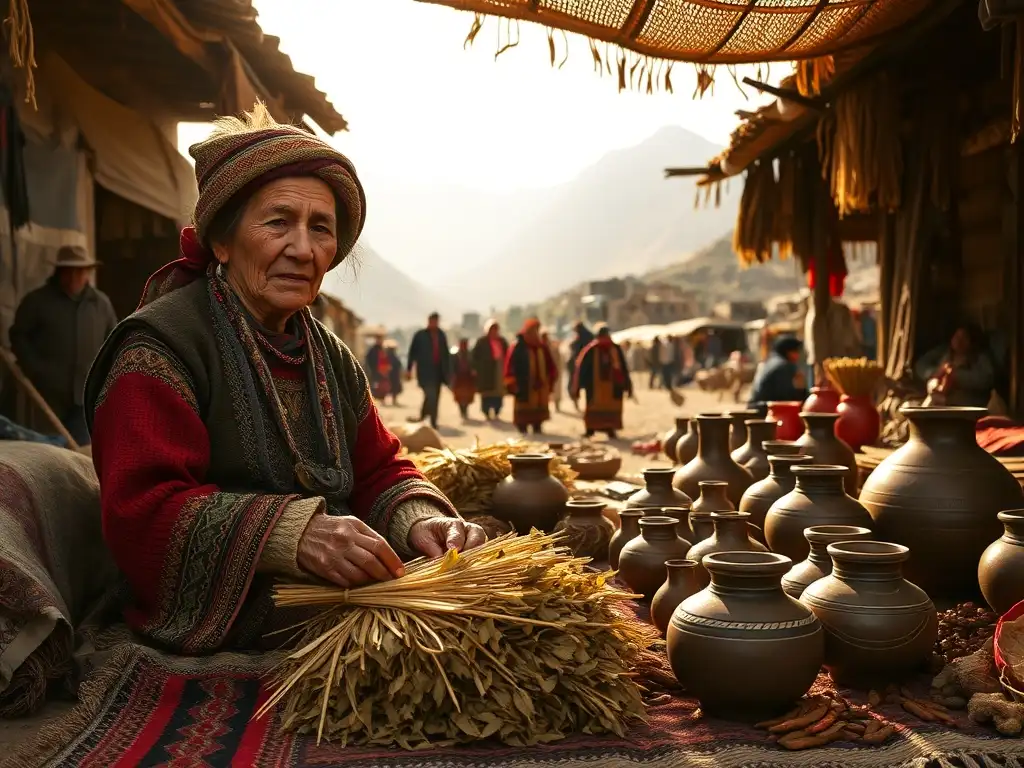
The ancient Andean world, long before the arrival of Spanish conquistadors, thrived on a sophisticated system of barter. Goods and services were exchanged directly, without the use of a standardized currency. This intricate network of trade, spanning vast distances across challenging terrains, relied heavily on the strategic importance of various resources, with coca leaf playing a pivotal role.
Understanding the ancient Andean coca trade routes requires acknowledging the fundamental role coca played within this barter system. Its widespread use, deeply ingrained in religious rituals, medicinal practices, and daily life, ensured its high value and facilitated its exchange for a wide variety of goods. The sheer volume of coca traded speaks to its significance within the Andean economy.
Archaeological evidence, such as the discovery of coca leaves in tombs and along ancient pathways, corroborates its widespread use and importance in ancient Andean societies. Analyzing the distribution of coca across different regions helps us understand the complex interplay between geography, resource availability, and trade networks. The absence of coca in certain areas, contrasted with its abundance in others, reveals crucial information about trade routes and the economic power dynamics of the time.
How Coca Facilitated Barter Transactions
Coca's role in barter transactions wasn't merely as a commodity; it acted as a lubricant, smoothing the complexities of direct exchange. Consider the following scenario: a farmer in the high Andes, possessing a surplus of potatoes but needing textiles from the coast, would likely use coca leaves as a medium of exchange. The coca, easily transported and highly valued across diverse communities, provided a common denominator that simplified the transaction.
This avoided the complexities of a direct bartering system where the farmer would need to find a textile producer who simultaneously desired potatoes. The coca leaf acted as a bridge, allowing for indirect exchange and facilitating trade between geographically distant and culturally diverse groups. Furthermore, the use of coca standardized value to some degree.
While the exact value would fluctuate based on supply and demand, its widespread acceptance reduced the complexities of negotiating equivalent values for disparate goods. This system fostered economic interdependence between different Andean communities, stimulating regional specialization and economic growth.
Coca's Value as a Medium of Exchange
The value of coca in the ancient Andean barter system stemmed from a confluence of factors. Its potent stimulating properties, providing energy and suppressing hunger and altitude sickness, made it invaluable for daily life, particularly for those working in the challenging Andean terrain. Beyond its practical applications, coca held profound religious and ceremonial significance. It was used in rituals and offerings, further bolstering its inherent value.
The scarcity of coca in certain regions also played a crucial role in determining its economic worth. Regions with limited access to coca cultivation or favorable growing conditions would see its value escalate significantly. This created a dynamic system where the value of coca was constantly negotiated, reflecting local conditions and the relative supply and demand. We can infer the relative value of coca by examining archaeological finds and analyzing the types of goods it was exchanged for.
For example, [Specific examples of goods exchanged for coca pending – further research needed on specific archaeological finds to provide concrete examples]. This analysis provides valuable insights into the economic hierarchy and the importance of coca within the ancient Andean economy. The coca leaf, therefore, was not just a plant; it was a crucial element in the economic fabric of ancient Andean societies, acting as a powerful force in shaping trade routes and economic interactions across the region. Understanding this intricate system allows us to appreciate the sophisticated economic strategies employed by ancient Andean civilizations.
Specific Examples of Ancient Andean Coca Trade
This section delves into specific examples of coca leaf trade and its economic impact within different Andean civilizations. Coca wasn't merely a recreational substance; it held significant religious, medicinal, and, crucially, economic value. Understanding the intricacies of coca trade reveals much about the power structures, social hierarchies, and logistical capabilities of these ancient societies. The scale and sophistication of these trade networks highlight the importance of coca within the overall Andean economy.
We will examine two pivotal examples: the Tiwanaku Empire's reliance on verticality and the Incan Empire's centralized control over coca distribution. These case studies illustrate the diverse ways in which coca shaped the ancient Andean world. The sheer volume of coca traded, and the distances it travelled, underscore the plant's importance in the Ancient Andean coca trade routes.
Case Study: The Tiwanaku Empire and Vertical Archipelago System
The Tiwanaku Empire (c. 500 – 1000 CE), located in present-day Bolivia, masterfully exploited the unique geography of the Andes through a system often referred to as the "vertical archipelago." This involved controlling diverse ecological zones, from high-altitude puna grasslands to lower valleys and lake shores. This strategic control facilitated a complex system of resource exchange, including coca.
The Tiwanaku likely cultivated coca in lower, warmer altitudes and then traded it to higher elevations, exchanging it for other goods like potatoes, llama wool, and obsidian. This vertical integration fueled the empire's economic prosperity and enhanced its political and social stability. The intricate network of trade routes required sophisticated organizational skills and infrastructure, showcasing the significant economic power derived from coca control.
Archaeological evidence, while still under investigation, suggests extensive trade networks connecting Tiwanaku with distant communities, with coca as a significant commodity within the Ancient Andean coca trade routes. The empire's success was, in part, dependent on its ability to manage and profit from this crucial resource.
The sheer volume of coca needed to sustain a large empire, combined with the logistical challenges of transporting it across varied terrains, demonstrates the considerable economic and logistical prowess of the Tiwanaku. Further research into Tiwanaku settlements and their associated artifacts may reveal more detailed information about the precise mechanisms of coca trade within their vertical archipelago system. This might include evidence of specialized storage facilities, standardized weights and measures, or even written records (if any existed). The systematic nature of their resource management, however, clearly points towards a well-organized and economically significant coca trade.
Case Study: The Incan Empire's State-Controlled Coca Distribution
The Inca Empire (c. 1438 – 1533 CE) took state control of coca production and distribution to unprecedented levels. Unlike the Tiwanaku, who likely relied on a more decentralized system, the Inca implemented a highly centralized approach. Coca cultivation was overseen by the state, with designated areas dedicated to coca production.
This guaranteed a steady supply for the Inca elite, the army, and religious ceremonies. The Inca's vast network of roads (the Qhapaq Ñan) facilitated efficient transportation of coca throughout the empire, further solidifying their control over this vital resource. The state's monopoly on coca production and distribution served as a powerful tool for maintaining social order and economic stability.
This strategic control allowed the Inca to reward loyal subjects, maintain their army, and control religious practices, all through the strategic allocation of coca. The Inca's sophisticated system of record-keeping, using quipus (knotted cords), likely played a role in tracking coca production and distribution. This highlights the importance of coca not only as a commodity but also as a tool of governance within the Ancient Andean coca trade routes.
The Incan system stands in contrast to earlier systems, demonstrating a shift towards tighter state control over production and distribution. While the Tiwanaku managed coca trade within a vertical archipelago system, the Inca’s empire-wide control showcases a more centralized and arguably more efficient system for managing a vital resource. The Inca's sophisticated administrative system, coupled with their extensive road network, facilitated the movement of coca across vast distances.
The extent of Incan coca control and the sophistication of their administrative system are testaments to their understanding of the economic and social significance of this plant. This centralized approach underscores the profound economic impact of coca within the Inca Empire and its role in solidifying their power. Further research into Incan administrative practices and the analysis of quipus might reveal more precise details about the scale and efficiency of the Inca's coca distribution network.
The Economic Impact of Coca on Andean Societies

Coca, far from being merely a plant of ritualistic significance, played a crucial role in the economic fabric of ancient Andean societies. Its impact extended beyond simple consumption, shaping trade networks, influencing social hierarchies, and driving economic growth across vast regions. Understanding this economic contribution allows us to appreciate the plant's central position within the complex tapestry of Andean life.
The sheer scale of coca cultivation and its integration into various aspects of daily life underscore its importance as a significant economic driver. Analyzing its role requires examining both its direct economic contributions and its indirect influence on broader social and political structures.
Coca's Contribution to Regional Economies
Coca's economic significance stemmed from its multiple uses and the extensive trade networks it fueled. The plant itself was a valuable commodity, traded both locally and across significant distances. Evidence suggests that coca leaves were a key component of barter systems, with their value often comparable to, or even exceeding, that of other essential goods like textiles, ceramics, and precious metals.
The scale of this trade is evidenced by the discovery of coca leaves in archaeological sites far from known cultivation areas, indicating extensive long-distance trade routes. This trade not only generated wealth for individual communities but also stimulated economic activity along established pathways, contributing to the growth of regional economies.
The processing of coca leaves into various products also generated economic opportunities. For example, the preparation of coca-based beverages and medicinal concoctions required specialized knowledge and labor, creating skilled artisan jobs and contributing to the local economy. Furthermore, the cultivation of coca itself provided employment and income for many individuals, contributing significantly to the overall agricultural economy of the Andean regions. The economic benefits extended beyond the immediate producers and traders, impacting entire communities through the creation of related industries and services. This intricate network of economic activity highlights coca's far-reaching influence on the Andean economic landscape.
Beyond its direct economic contributions, coca significantly shaped social structures within Andean societies. Access to and control over coca resources often correlated with social status and political power. Elite classes and ruling lineages frequently controlled coca production and distribution, wielding this control to maintain their dominance and influence. This control extended beyond simple ownership; it encompassed the regulation of trade, the taxation of coca products, and the utilization of coca in ceremonial contexts to reinforce social hierarchies. Thus, coca became a powerful symbol of social status and political authority, further solidifying its economic and social importance.
The social significance of coca is also evident in its use in reciprocal exchange systems ( ayni and mita). The offering and sharing of coca leaves served to strengthen social bonds and maintain social harmony. This practice was particularly crucial in Andean societies, where collective action and cooperation were essential for survival in challenging environments.
Furthermore, the use of coca in religious and ceremonial practices further cemented its role in the social fabric of these cultures, reinforcing its value and importance. The intricate interplay between economic, social, and religious aspects emphasizes coca's profound impact on Andean civilizations, extending far beyond its purely economic function. Further research into the specific mechanisms of coca's influence on social stratification and power dynamics within different Andean cultures would provide a more comprehensive understanding of its multifaceted role.
Challenges and Logistics of Ancient Coca Trade

The flourishing of coca cultivation and its widespread use throughout the Andes presented significant logistical challenges for the ancient Andean civilizations. The sheer geography of the region – encompassing towering mountains, arid deserts, dense rainforests, and expansive plains – demanded innovative solutions for transporting this valuable commodity across vast distances.
Understanding these challenges reveals much about the ingenuity and organizational capabilities of these societies, and sheds light on the intricacies of their "Ancient Andean coca trade routes". The coca leaf, vital for religious rituals, medicinal purposes, and daily life, wasn't simply grown and consumed locally; its trade networks were extensive and complex, stretching across diverse ecological zones and political boundaries.
Transporting Coca Across Diverse Terrains
Transporting coca leaves, particularly over long distances, wasn't a trivial task. The leaves are delicate and prone to spoilage, demanding careful handling and preservation techniques. Evidence suggests a variety of methods were employed, adapting to the specific environmental conditions.
In the high Andes, where coca thrived, the challenging mountainous terrain likely necessitated the use of llamas and alpacas as pack animals. These camelids, well-suited to the altitude and rugged paths, carried coca leaves in woven bags, likely made from fibers like llama wool or cotton. The routes themselves were likely established along existing trails, strategically chosen to minimize risk and maximize efficiency.
We can imagine caravans of llamas, carefully guided by experienced herders, traversing precarious mountain passes and navigating treacherous cliff faces. The arduous journey would have required careful planning, including establishing rest stops and ensuring the animals received adequate food and water.
In lower-lying areas, particularly along coastal regions and river valleys, different transport methods were probably used. Boats and rafts, utilizing the natural waterways, could have played a crucial role in moving coca across longer distances. This would have been particularly important for connecting distant regions and facilitating trade between different Andean cultures.
The combination of land and water transport created a complex network of "Ancient Andean coca trade routes", reflecting the adaptability of Andean societies. The quantity of coca transported on these routes would have varied depending on factors such as the season, the demand in specific regions, and the political stability of the area.
Overcoming Obstacles in Trade Routes
The "Ancient Andean coca trade routes" weren't always smooth sailing. Several significant obstacles hampered trade, requiring clever strategies to overcome.
- Climate: The varied Andean climate presented a constant challenge. Extreme temperatures, unpredictable rainfall, and harsh weather conditions could damage the coca leaves, impacting their quality and marketability. Preservation techniques, such as drying and possibly rudimentary forms of storage, were crucial to minimize spoilage during transit. The timing of harvests and transportation would have been carefully considered to avoid periods of inclement weather.
- Altitude Sickness: The high altitudes of the Andes posed a significant challenge to human porters. Altitude sickness could severely impact the ability of individuals to carry heavy loads over long distances. This may have influenced the choice of pack animals and the development of relay systems, where porters would take turns carrying the goods across different stages of the journey.
- Security: The valuable nature of coca made it a target for theft and robbery. Caravans would have been vulnerable to attacks from bandits or rival groups. This likely led to the development of protective measures, such as armed escorts or strategic alliances with local communities along the trade routes. The establishment of safe passage agreements between different political entities would have been essential for maintaining the flow of coca trade.
- Political Boundaries: The Andean region was not a unified entity; it was comprised of various independent states and communities. Moving coca across these political boundaries would have required navigating complex political relationships and potentially paying taxes or tributes. The smooth functioning of the "Ancient Andean coca trade routes" depended on establishing and maintaining diplomatic ties between different groups.
The successful movement of coca across the Andes was a testament to the advanced logistical capabilities of the ancient Andean civilizations. Their ability to overcome these numerous obstacles highlights their sophisticated understanding of their environment and their mastery of organization and trade. Further research into archaeological sites and the analysis of ancient texts could reveal even more details about the intricacies of these vital "Ancient Andean coca trade routes."
The Legacy of Coca Trade in Andean History

The legacy of coca in the Andean world extends far beyond its simple agricultural production. Its cultivation and trade intricately shaped the social, political, and economic landscapes of numerous ancient Andean civilizations, leaving an indelible mark on their history. Understanding the ancient Andean coca trade routes requires acknowledging the plant's multifaceted role – not just as a stimulant, but as a significant commodity driving economic activity and influencing power dynamics.
The sheer scale of coca cultivation and the extensive networks established to facilitate its distribution underscore its importance in the pre-Columbian era. The impact of coca extended to various aspects of Andean life, from religious ceremonies and medicinal practices to everyday social interactions.
Its economic significance is undeniable, contributing significantly to the prosperity and stability of many Andean societies. The impact of the coca trade can be seen reflected in archaeological discoveries, ethnographic accounts, and even in the surviving traditions of modern Andean communities.
The Enduring Significance of Coca in Andean Cultures
Coca's enduring significance in Andean cultures is a testament to its deep historical roots. For millennia, coca has held a central position in Andean spirituality, social life, and everyday routines. Its use wasn't limited to the elite; it was integrated into the fabric of life for all social strata. Archaeological evidence consistently reveals coca leaves alongside other ritual offerings in burial sites, indicating its sacred importance.
Furthermore, the meticulous cultivation techniques employed by Andean farmers, demonstrating a deep understanding of the plant's needs and an appreciation for its value, highlight its central role in their economies and belief systems. The coca plant wasn't just a crop; it was a symbol of life, sustenance, and connection to the spiritual realm. Even today, the cultural significance of coca persists, playing a vital role in contemporary Andean societies.
The traditions surrounding its cultivation, preparation, and consumption continue to thrive, demonstrating its resilience and enduring influence. This enduring legacy speaks volumes about the deep-seated connection between the Andean peoples and this remarkable plant. The social fabric of many Andean communities is still interwoven with coca, representing a continuity that spans centuries.
Modern Perspectives on Ancient Coca Trade
Modern scholarship continues to refine our understanding of ancient Andean coca trade routes. Sophisticated analyses of archaeological findings, combined with advancements in historical research, provide increasingly detailed insights into the complexities of coca trade networks. Researchers are utilizing diverse methodologies, including isotopic analysis of coca remains, to trace the origins of coca leaves and map out the intricate routes used for their distribution.
This detailed analysis helps us understand the geographic reach of coca trade, revealing the extent of economic and cultural exchange across diverse Andean regions. Furthermore, recent studies are incorporating ethnographic data from contemporary Andean communities to illuminate the historical practices related to coca cultivation and trade. By studying modern traditions and practices, researchers can gain valuable insights into the continuity of coca's role in Andean life, providing a contextual framework for interpreting archaeological evidence.
Modern perspectives emphasize the interconnectedness of various Andean cultures through the shared practice of coca cultivation and trade, highlighting the plant's role in fostering social cohesion and economic integration across vast distances. The ongoing research into ancient Andean coca trade routes promises to further illuminate the economic and cultural impact of this remarkable plant on the ancient Andean world.
Conclusion: Understanding the Economic Power of Coca
The Key Role of Coca in Andean Civilizations
Coca ( Erythroxylum coca) held a position of immense economic and social significance in the ancient Andean world, far beyond its recreational or medicinal uses. Its cultivation, processing, and trade formed complex networks that integrated different Andean societies, contributing significantly to their economic structures. The plant wasn't merely a commodity; it was deeply embedded in religious rituals, social interactions, and even political power structures.
From the coastal regions to the high Andes, coca leaves facilitated trade and fostered relationships between diverse groups. Its importance is evidenced by the discovery of coca leaves in numerous archaeological sites across the Andes, often associated with elite burials and ceremonial contexts, highlighting its value as a prestigious and valuable good.
The sheer scale of coca cultivation and the extensive trade networks associated with it underscore its crucial role in the economic vitality of these civilizations. Furthermore, the control and distribution of coca likely played a critical role in maintaining social hierarchies and political power within these societies.
Reflecting on the Impact of Ancient Andean Coca Trade Routes
The ancient Andean coca trade routes represent a fascinating case study in pre-Columbian economic systems. These routes weren't simply paths for transporting goods; they were vital arteries connecting disparate communities, fostering cultural exchange and economic interdependence. The precise routes and their evolution over time are still subjects of ongoing research, but archaeological evidence suggests a complex network spanning vast distances. For example, evidence points to a significant trade connection between the coastal regions, where coca was likely cultivated in lower altitudes, and the high Andean communities, where it held considerable ritual significance.
This exchange was not limited to coca; other valuable goods, such as textiles, ceramics, and precious metals, likely moved along these same routes, creating a bustling system of reciprocal exchange and barter. The establishment and maintenance of these routes required sophisticated organizational structures and likely involved specialized intermediaries or traders who facilitated the movement of goods and the negotiation of exchanges. The enduring legacy of these ancient routes is evident in the continued importance of coca in Andean cultures today, underscoring its lasting economic and cultural impact.
Understanding these trade networks offers invaluable insights into the complex economic and social dynamics of ancient Andean societies and sheds light on the sophisticated organizational capabilities of these pre-Columbian civilizations. Further research, particularly detailed analysis of archaeological finds along suspected trade routes, is crucial for a more complete understanding of the extent and complexity of ancient Andean coca trade. The meticulous mapping of these routes, coupled with a deeper understanding of the social and political structures that supported them, will provide a more nuanced picture of the economic power of coca in shaping the ancient Andean world.
Frequently Asked Questions
What role did coca play in the Ancient Andean economies?
Coca was a crucial commodity in the ancient Andean world. It held significant economic value, used both as a medium of exchange and for religious and medicinal purposes. Its trade fueled economic activity across vast distances.
How did the coca trade impact the development of Andean societies?
The coca trade fostered the development of complex social structures, including specialized labor and extensive trade networks. The need to transport coca stimulated infrastructure development, such as roads and storage facilities.
What were the main Ancient Andean coca trade routes?
Trade routes varied, but generally followed existing paths along mountain passes and river valleys. Routes connected coastal regions with highland centers, facilitating the exchange of coca for other goods. The Inca Empire standardized and expanded these pathways.
What other goods were traded alongside coca in the Ancient Andean world?
Coca was traded for a wide variety of goods, including textiles, pottery, precious metals, and agricultural products. The specific goods varied depending on the location and the needs of the trading partners. Spices and other luxury items also featured prominently.
How did archaeologists learn about the ancient Andean coca trade?
Archaeologists utilize various methods to understand the coca trade. Excavations of sites along trade routes reveal coca leaves and related artifacts. Analysis of textiles and ceramics provides further insights into trade patterns and networks. Ethnohistorical sources offer valuable supplementary information.
Final Reflection: The Enduring Legacy of Coca in the Andes
The intricate network of coca trade routes in the ancient Andes wasn't merely a system of commerce; it was the lifeblood of a civilization, and its echoes resonate powerfully in the economic and social landscapes of the region today. The enduring significance of coca, far beyond its stimulant properties, highlights the complex interplay between culture, economy, and power that shaped Andean societies for millennia. Understanding this ancient trade offers crucial insights into the enduring resilience and adaptability of Andean communities.
The impact of coca on Andean culture is undeniable, shaping social structures, religious practices, and even artistic expression. Its role transcended simple economic exchange; it was a symbol of status, a sacred offering, and a vital component of daily life. Coca is not merely a plant; it is a cultural keystone, a symbol of Andean identity that has persisted through centuries of change.
This quote encapsulates the profound and lasting influence of coca, demonstrating its enduring importance beyond its economic value. The ongoing debates surrounding coca cultivation and its relationship to modern economies further underscore its continued relevance in the region.
Consider the intricate web of relationships forged through the ancient coca trade. Think about the ingenuity and resilience required to establish and maintain these routes across challenging terrain. You, too, can draw strength from this legacy of ingenuity and adaptation. By understanding the past, we can better appreciate the complexities of the present and work towards a future where sustainable practices and cultural preservation go hand in hand. Let the story of ancient Andean coca trade inspire you to explore the interconnectedness of history, culture, and economy in your own life and community.
Unveil the Secrets of Andean Trade Today!
Thank you for exploring the fascinating world of Andean civilizations and their economic systems! Your interest in coca's role in trade and barter demonstrates a keen understanding of this vibrant culture's intricate history. Let's continue this journey together!
Here are some engaging next steps:
- **Expand your knowledge of Andean economics:** Explore more articles on our website to deepen your understanding of ancient trade practices.
- **Share your perspective:** Join the conversation in the comments section below. How do you believe coca influenced not only trade but also cultural exchange?
- **Stay connected:** Follow us on social media for updates on our latest research and discussions about the rich history of Andean civilizations.
**What aspect of Andean trade most captivates you, and how do you think it impacted the daily lives of its people? **